

Industry Briefing
A single destination for timely, editor-curated robotics news from around the world.

New Muscle-Sensing Technology Poised to Transform $1.6 Billion Exoskeleton Market
The exoskeleton market in China is projected to exceed 1.6 billion yuan by 2025, with approximately 26,000 units expected to be shipped annually. The medical rehabilitation sector remains the primary market driver, while consumer applications account for over 70% of shipments. Industries such as logistics, automotive manufacturing, energy, and emergency rescue are also beginning to adopt exoskeleton technology. Despite the growing sales of exoskeletons, a fundamental challenge persists: these devices can enhance human strength but often lack the ability to accurately gauge the user's exertion levels. Recent research from the University of Queensland introduces a solution by employing ultra-wideband radar (UWB) technology to measure muscle force without invasive procedures. This advancement offers a more direct method of assessing muscle exertion compared to traditional electromyography (EMG) techniques. As the field evolves, the integration of UWB technology could significantly improve the functionality of exoskeletons, making them more responsive to the user's actual physical output. Future developments in this area will be crucial to enhancing the effectiveness of rehabilitation and training applications. No further timeline was disclosed at the time of publication.
Exoskeletons Muscle Sensing Technology Healthcare Robotics Wearable Devices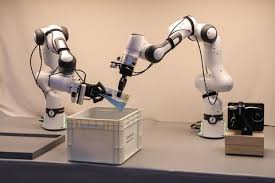
Tactile Sensing Technology Sees Significant Growth in Robotics Sector
Tactile sensing technology is gaining prominence in the robotics industry as humanoid robots transition from exhibition spaces to factory floors. Since 2026, funding in the tactile sensing sector has exceeded 7 billion yuan, with the penetration rate of tactile sensors in commercial humanoid dexterous hands rising from 20% to over 60% this year. This rapid growth is notable within the robotics components sector, highlighting a shift in robotic applications. While visual-language-action models have enhanced robots' environmental understanding and task planning, precision assembly and flexible grasping require tactile feedback for effective force control and slip detection. According to Qianjue Robotics founder Ma Daolin, tactile sensing is essential for high-precision industrial operations. The evolution of technology supports this need, as Qianjue Robotics' VTLA model integrates tactile modalities into traditional frameworks, enabling real-time perception of deformation, texture, and force distribution during contact. Their comprehensive tactile solution expands sensing from fingertips to palms, achieving a sensor density of 125 points per square centimeter and a force accuracy of 0.03 Newtons. As hardware costs decrease and data accumulation accelerates, tactile sensing is becoming a necessary capability in real-world operational scenarios.
Tactile Sensors Humanoid Robots Robotics Technology Industrial Automation
Examining the Origins of Haptic Sensing Technology and Its Development Challenges
In the field of robotic haptic sensing, significant breakthroughs have emerged from years of technical accumulation and engineering capabilities. Leading haptic sensor companies have focused on multi-dimensional tactile perception, high-precision torque calculation, and heterogeneous array calibration, establishing a comprehensive intellectual property system. Their efforts have demonstrated that there are no shortcuts in haptic sensing; each aspect must be meticulously developed to create truly usable products. The emergence of new companies in 2026, which quickly introduce concepts like 'magnetized flexible materials' and 'exclusive replaceable electronic skin,' raises concerns. While their product images appear polished and their technical jargon comprehensive, comparisons with open-source projects like ReSkin and AnySkin reveal significant similarities in magnetic circuits, PCB designs, and algorithms. This suggests that some newcomers are attempting to simplify the complex development process into mere replication of existing technologies. To understand the implications of 'open-source rebranding,' it is essential to clarify the technological lineage of ReSkin, AnySkin, and eFlesh. The foundational work by Waseda University's Sugano Laboratory laid the groundwork for magnetic tactile skin technology, influencing subsequent developments by Meta AI and NYU. As these technologies evolve, the focus on low-cost, modular manufacturing continues to shape the future of haptic sensing applications.
Haptic Sensors Open Source Technology Robotics Innovation Technology Transparency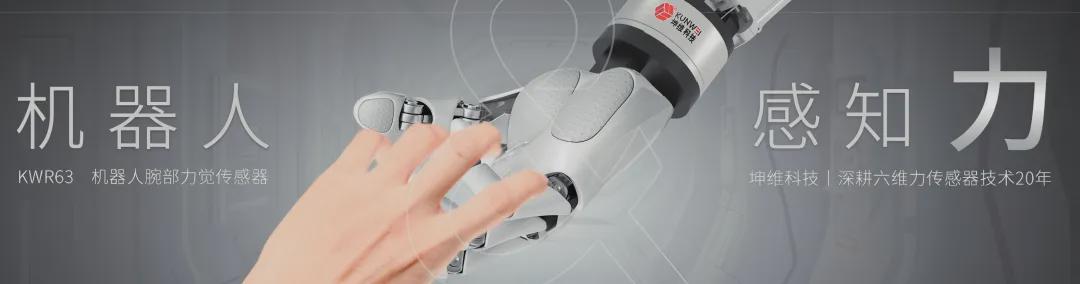
The Rise of Force Sensing Technology in China's Robotics Industry
Recent trends in the robotics industry indicate a shift from mere mobility to operational intelligence, particularly in humanoid robots. Companies are now focusing on practical applications such as tool handling and assembly, highlighting the importance of force sensing technology. As robots engage in physical tasks, understanding the force exerted becomes crucial for effective operation. This transition underscores the growing significance of six-dimensional force sensors, which are evolving from optional components in industrial robots to essential infrastructure for next-generation intelligent robots. The recent funding rounds exceeding 100 million yuan reflect a broader interest from both traditional investors and state-owned enterprises, signaling a pivotal moment in the industry's development. Looking ahead, the demand for comprehensive sensing, control, and manufacturing infrastructure will likely increase as the humanoid robotics sector matures. The complexity of enabling robots to perform sustained tasks, such as assembly and material handling, will challenge developers to innovate beyond flashy capabilities and focus on the intricate details that drive commercialization.
Humanoid Robots Force Sensing Technology Industrial Automation Robotics Innovation
Ultra-Wideband Radar Technology for Measuring In Vivo Muscle Forces
A recent study published in Science Robotics introduces ultra-wideband radar technology designed to measure in vivo muscle forces. This innovative approach could significantly enhance our understanding of muscle dynamics and biomechanics in real-time settings. The importance of this development lies in its potential applications across various fields, including rehabilitation, sports science, and robotics. By providing accurate measurements of muscle forces, researchers and practitioners can better assess muscle performance and tailor interventions accordingly. Looking ahead, the ongoing research and advancements in ultra-wideband radar technology will be crucial for its integration into clinical and athletic settings. No further timeline was disclosed at the time of publication.
Research Article
YaoLe Technology Secures Pre-A+ Funding to Enhance Flexible Tactile Sensing Solutions
YaoLe Technology has recently completed a Pre-A+ funding round led by Dinghe Gaoda, with participation from Changshu Automotive Trim and Zulong Entertainment. The funds will be utilized for the development of flexible fabric sensing technology, product upgrades, and scaling production of data gloves, which are essential for capturing real physical interaction data for embodied intelligence applications. This funding is significant as it addresses the critical shortage of high-quality tactile data necessary for training general embodied models. According to the 'China Embodied Intelligence Industry Development Report', there is a projected gap of over 90% in the required data volume by 2026, highlighting the urgent need for innovative solutions like YaoLe's data gloves that integrate sensing capabilities directly into fabric structures. Looking ahead, YaoLe Technology anticipates that its data glove business will account for more than half of its overall revenue by 2026, with expectations of a tenfold increase in annual revenue. The company's approach to modular design and data processing services positions it well in a rapidly evolving market focused on tactile data acquisition and analysis.
Teradar enters paid evaluation program with German automaker for terahertz vehicle sensing technology
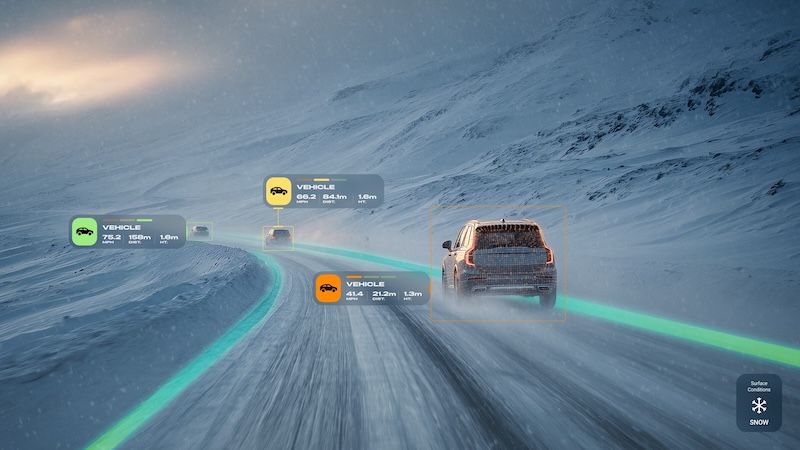
Teradar, a company specializing in terahertz (THz) vision technology, has initiated a paid technical evaluation program with a leading German automotive manufacturer. This collaboration aims to assess Teradar's innovative sensing technology for potential integration into advanced driver assistance systems (ADAS) and autonomous driving platforms. The evaluation will specifically target challenging scenarios where traditional sensing technologies, including cameras, radar, and lidar, may face limitations. By exploring the capabilities of THz technology, both Teradar and the automotive manufacturer seek to enhance the safety and efficiency of future automotive systems.
Components Design Engineering adas advanced driver assistance systems automation news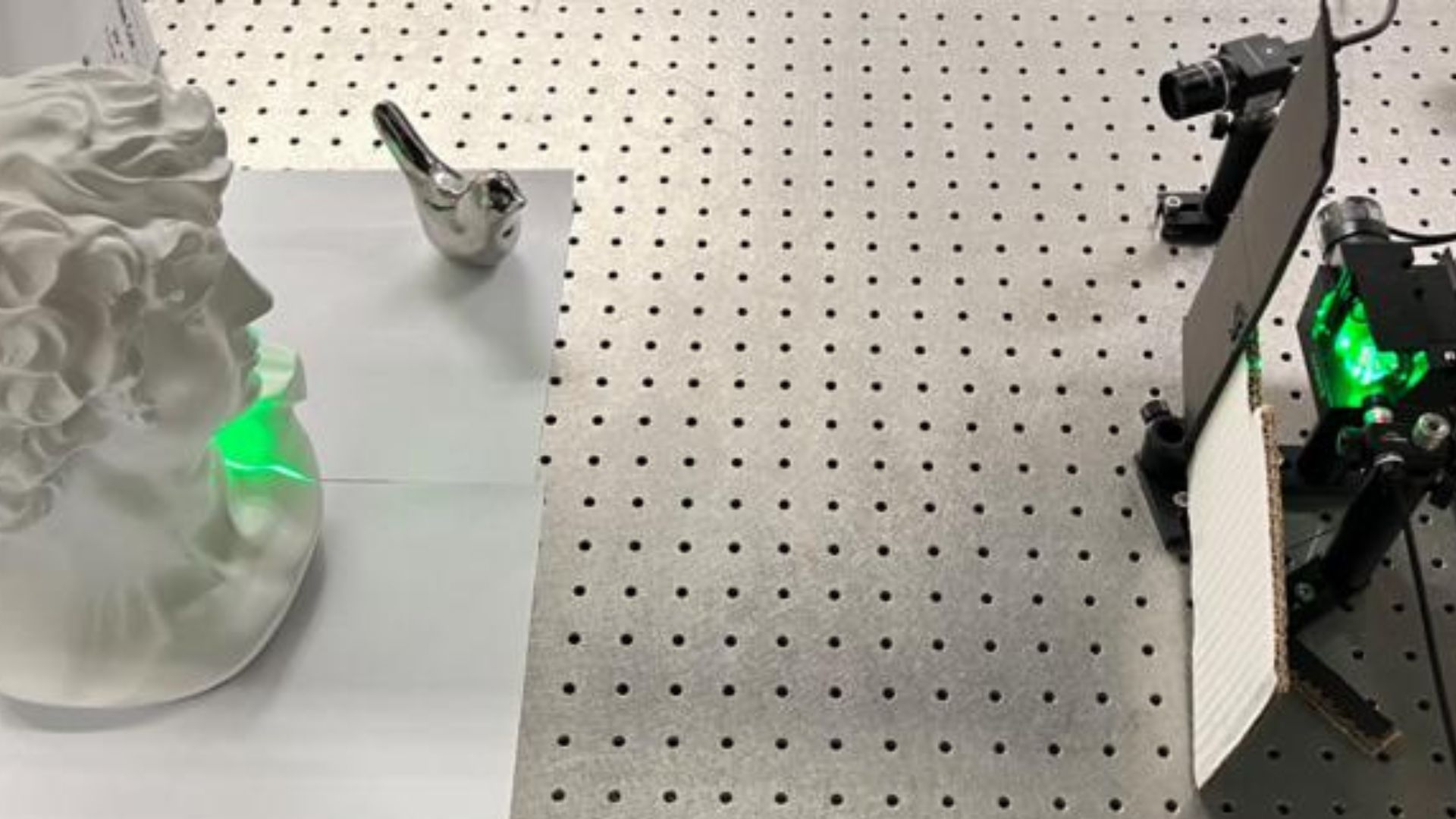
3D-sensing technology could improve self-driving cars and robotic surgery
Researchers at the University of Arizona have made significant strides in 3D-sensing technology, which could revolutionize how autonomous vehicles navigate complex urban environments. This breakthrough was announced recently, showcasing the potential to enhance safety and efficiency in city driving. The team developed an advanced system that utilizes sophisticated algorithms and sensors to interpret real-time data from the surrounding environment, enabling vehicles to better understand and respond to dynamic conditions on busy streets. By improving the accuracy of spatial awareness, this technology aims to reduce accidents and improve traffic flow, addressing the growing challenges of urban mobility. The research highlights the university's commitment to innovation in transportation technology, with implications that could extend beyond self-driving cars to various applications in robotics and smart city infrastructure.

Artificial muscle merges sensing and movement in one structure for humanoid robots
A research team has made a significant breakthrough by creating an "intelligent artificial muscle" that mimics the functions of biological muscle–tendon complexes. This innovative technology, developed recently, features liquid metal channels embedded within a liquid crystal elastomer (LCE). The artificial muscle is designed to contract when stimulated electrically, while simultaneously measuring its internal force and length in real time. This dual capability enhances its potential applications in robotics and prosthetics, providing a more responsive and adaptable solution for mimicking natural muscle behavior. The research aims to advance the field of soft robotics and improve the functionality of artificial limbs, addressing the growing demand for more sophisticated and efficient robotic systems.
Robotics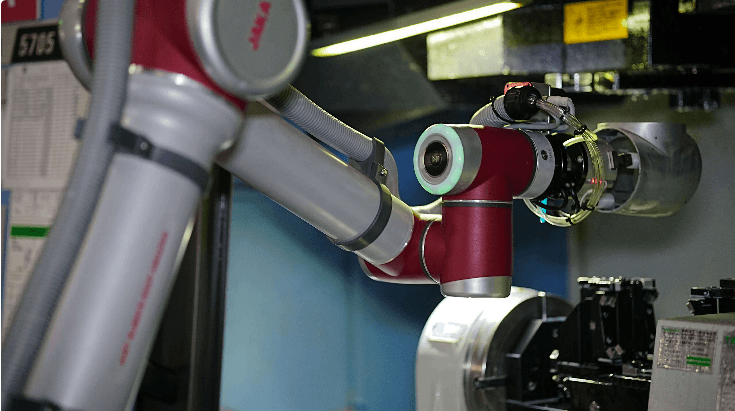
Advanced Robotics Technology in Collaborative Workspaces: Force Limiting and Sensing
In a significant advancement for manufacturing, JAKA is revolutionizing collaborative workspaces through the integration of advanced robotics technology. The company’s focus on industrial collaborative robots (cobots) allows for safe and efficient interaction between machines and human operators, essential in today’s fast-paced production environments. By employing force limiting and sensing capabilities, JAKA's robots can detect unexpected interactions and adjust their movements accordingly, enhancing workplace safety and productivity. The JAKA Pro5 model exemplifies this innovation, specifically designed for loading and unloading tasks. It minimizes reliance on manual labor while ensuring consistent quality through simple programming interfaces that enable rapid setup for various production line tasks. This flexibility allows teams to adapt the robots quickly, optimizing efficiency and precision in machine tending. JAKA recognizes that the successful adoption of robotics hinges on factors such as production complexity and workspace layout. Their cobots are engineered to address these challenges, providing scalable operations that accommodate delicate handling requirements and reduce product damage risks. By integrating these intelligent systems, JAKA not only improves operational standards but also frees up human resources for more strategic roles, fostering a collaborative environment that enhances overall productivity. As industries increasingly embrace advanced robotics, JAKA’s commitment to safety, adaptability, and efficiency positions it at the forefront of transforming manufacturing practices, ultimately driving sustainable productivity improvements.
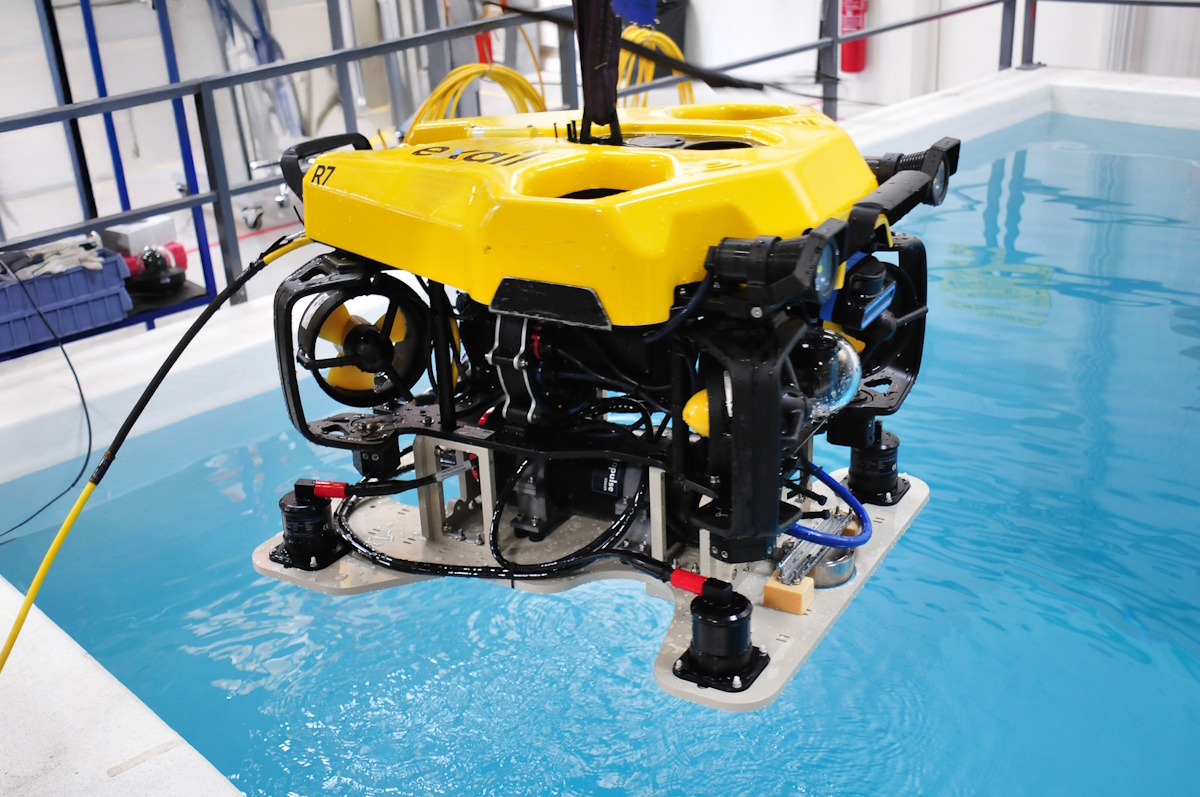
Exail Integrates Elwave’s Electromagnetic Sensing Technology Into R7 ROVs
Exail, a prominent player in maritime robotics, has partnered with Elwave to enhance its R7 Remotely Operated Vehicles (ROVs) with advanced electromagnetic sensing technology. This collaboration involves the integration of Elwave’s Tetrapulse sensors, which utilize the cutting-edge CEDAR (Controlled Electric Detection And Ranging) technology. The deployment of these sensors will occur across multiple R7 ROVs, although the identity of the client benefiting from this enhancement remains undisclosed. This strategic move aims to bolster the capabilities of Exail’s ROVs, ensuring they remain at the forefront of maritime exploration and operations.
exail elwave electromagnetic sensing technology r7 rovRobotics needs a service framework.
RSF defines a common language for robot service capability, lifecycle operations, certification pathways, and service-provider networks.
Join the RobotToday community on LinkedIn
Daily robotics news, in-depth analysis, conference highlights, and discussions with professionals worldwide.







