Industry Briefing
A single destination for timely, editor-curated robotics news from around the world.

New pet robot uses local multimodal AI to learn and adapt to human behavior
A groundbreaking development in robotics is underway, as researchers unveil a new type of robot designed for applications beyond traditional factory settings. This innovative robot, which is being developed by a team of engineers and scientists, aims to enhance human interaction and assist in various everyday tasks. The project, initiated in late 2023, is based in a state-of-the-art research facility that focuses on advanced robotics and artificial intelligence. The motivation behind this initiative stems from the growing demand for robots that can seamlessly integrate into daily life, providing support in areas such as healthcare, education, and home assistance. Unlike conventional industrial robots, this new design emphasizes adaptability and user-friendliness, allowing it to engage with people in a more natural manner. To achieve this, the team is employing cutting-edge technologies, including machine learning algorithms and advanced sensory systems, to enable the robot to understand and respond to human emotions and commands. The development process involves extensive testing and feedback from potential users to ensure that the final product meets the needs of diverse populations. As this project progresses, it holds the potential to revolutionize the way robots are perceived and utilized in society, moving them from the confines of factories into the heart of everyday life.

Hands Free, AIs Forward: NVIDIA XR AI Brings Agents to AR Glasses
NVIDIA has launched the public beta of its XR AI, providing developers with a new framework designed for creating multimodal AI agents tailored for augmented reality (AR) glasses and extended reality (XR) devices. This initiative, which became available in October 2023, aims to enhance the capabilities of AR and XR technologies by enabling more sophisticated interactions and functionalities within these platforms. By offering this framework, NVIDIA seeks to empower developers to innovate and expand the potential applications of AI in immersive environments, ultimately transforming user experiences in the rapidly evolving tech landscape.

NVIDIA Launches Nemotron 3 Nano Omni Model, Unifying Vision, Audio and Language for up to 9x More Efficient AI Agents
NVIDIA has introduced the Nemotron 3 Nano Omni, an innovative open multimodal AI model designed to enhance the efficiency of AI agent systems. Announced today, this model integrates vision, speech, and language capabilities into a single framework, addressing the common issue of time and context loss that occurs when data is transferred between separate models. By streamlining these processes, the Nemotron 3 Nano Omni aims to improve the performance of AI applications across various domains. This advancement is particularly significant as it allows for more cohesive and contextually aware interactions, marking a notable step forward in the development of AI technologies.

Scientists build a “periodic table” for AI
Emory University physicists have developed a groundbreaking mathematical framework aimed at enhancing multimodal AI, which integrates text, images, and other data types. This innovative approach, unveiled recently, reveals that various AI techniques share a fundamental principle: the ability to compress data while retaining the most predictive elements. By employing what the researchers describe as a “control knob” method, this framework enables scientists to design more effective algorithms, reduce data requirements, and minimize unnecessary computing power. The team believes that their findings could significantly improve the accuracy and efficiency of AI systems, while also promoting environmentally sustainable practices in technology development.

Alibaba's Qwen3.7-Plus supports text, video and imagery inputs at low cost of $0.4/$1.6 per 1M token — but it's proprietary
Alibaba has unveiled its latest AI large language model, Qwen3.7-Plus, this week, enhancing its Qwen family with advanced multimodal capabilities and a cost reduction of 60% compared to the previous text-only model, Qwen3.7-Max. Unlike earlier versions, Qwen3.7-Plus is available solely under a closed commercial license through proprietary APIs and Qwen Chat, marking a significant shift from Alibaba's previous strategy of offering open-source models. This change may disappoint users and enterprises, including major U.S. companies like Airbnb, that relied on open-source versions. The new model excels in multimodal tasks, such as generating enterprise-grade visuals and analyzing videos and images, which its predecessor could not perform. With a competitive pricing structure, Qwen3.7-Plus is positioned just above its Chinese competitor's discounted model. It features a 1-million token context window and a unique parameter called 'preserve_thinking,' which helps maintain continuity during complex tasks, a critical need for developers. Despite its advantages, benchmarks indicate that Qwen3.7-Plus still falls short of leading U.S. models in raw capability. However, it is designed to replace high-cost models in developer workflows and robotic process automation, offering a cost-effective solution for enterprises. The model's cloud-based deployment raises compliance concerns for organizations with strict data residency requirements, as it cannot be downloaded or hosted locally. Overall, Qwen3.7-Plus presents a compelling option for enterprises seeking efficient, multimodal AI solutions without incurring high operational costs.
Technology
Google rolls out Gemini Omni Flash for autonomous video creation across apps
Google has initiated the rollout of its latest multimodal AI model, Gemini Omni Flash, which is designed to enhance user interactions across various platforms. This launch began in October 2023 and aims to integrate advanced AI capabilities into Google's suite of services. The motivation behind this development is to provide users with a more seamless and efficient experience by allowing the model to process and respond to inputs in multiple formats, including text, images, and voice. By leveraging cutting-edge technology, Gemini Omni Flash is expected to significantly improve the way users engage with Google's applications, making interactions more intuitive and responsive. The rollout is part of Google's ongoing commitment to innovation in artificial intelligence, positioning the company at the forefront of the AI landscape.
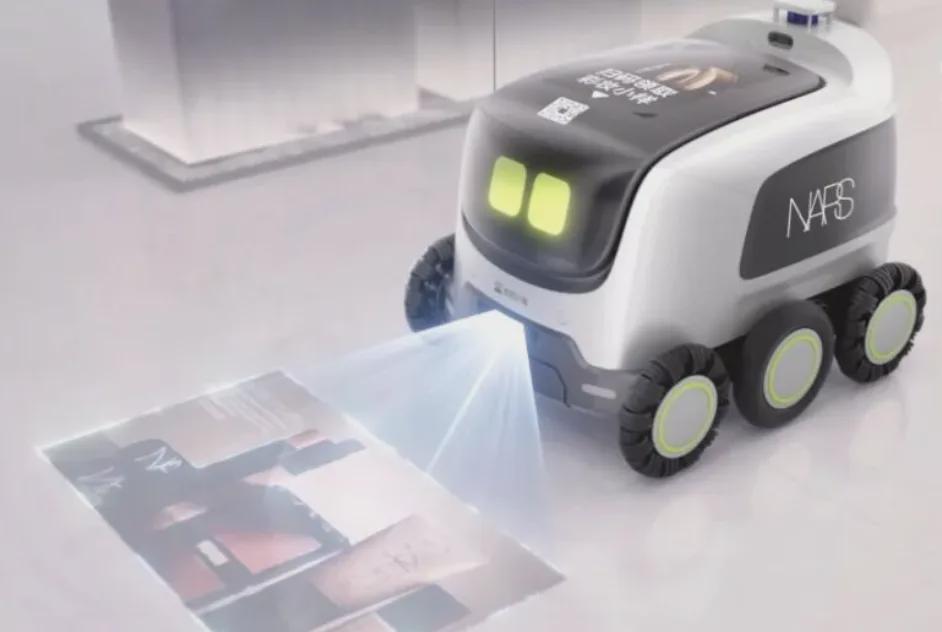
YouTime Technology Secures Hundreds of Millions in Series B Funding, Expanding from L4 Visual Autonomous Driving to Humanoid Robots
YouTime Technology, a company focused on L4 low-speed autonomous driving, has successfully raised hundreds of millions of RMB in a Series B funding round, with Qianhai Ark leading the investment. This funding, finalized recently, aims to facilitate the company's transition to embodied intelligence and advance the development of multimodal AI agents. Additionally, the capital will enhance the visual navigation capabilities of their humanoid robots, positioning YouTime Technology for significant growth in the autonomous driving sector.
Autonomous Driving Humanoid Robots AI Technology Computer Vision
Xiaomi Launches Xiaomi-Robotics-U0 Foundation Model for Embodied AI Applications
Xiaomi has introduced the Xiaomi-Robotics-U0, a multimodal autoregressive foundation model featuring 38 billion parameters for embodied AI. This innovative model integrates four essential capabilities: embodied scene generation, embodied transfer, robot interaction video generation, and general-purpose image generation and editing. The significance of the Xiaomi-Robotics-U0 lies in its ability to create robot-ready environments from text prompts, adapt robot trajectories to new scenes while maintaining motion, and generate robot interaction videos based on task instructions. This advancement leverages extensive visual knowledge from the internet, enhancing the potential for embodied AI applications. Looking ahead, the impact of the Xiaomi-Robotics-U0 on the robotics and AI landscape will be closely monitored. Its capabilities could pave the way for more sophisticated robotic systems and applications, although no further timeline was disclosed at the time of publication.
News Feed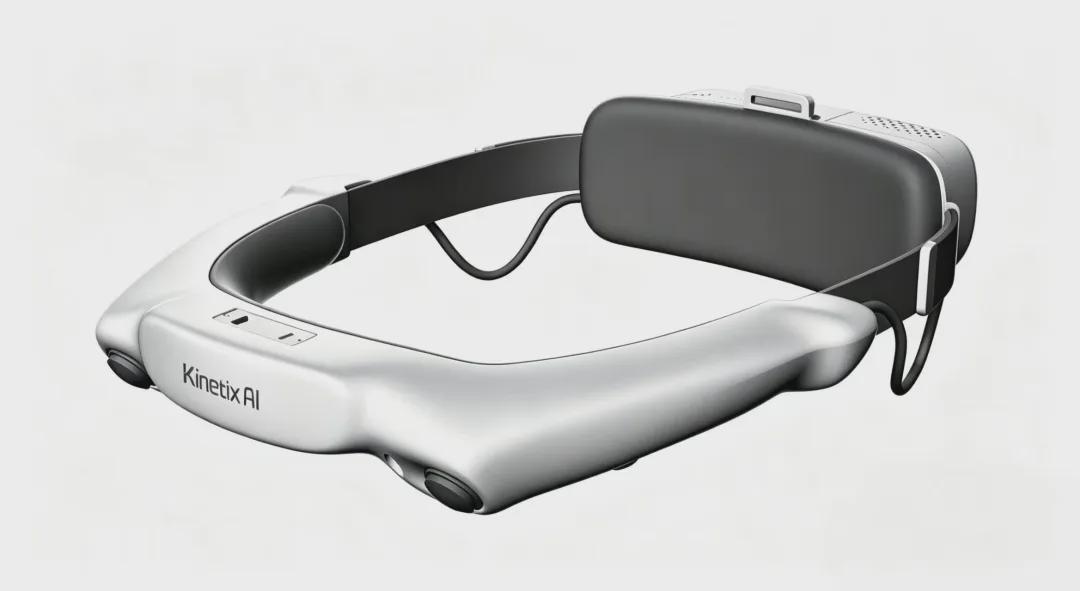
Kinetix AI Introduces KAI Halo to Enhance Data Infrastructure for Robotics
As the robotics industry enters a phase of large-scale development, a critical question arises: how long does it take for newly collected real-world data to translate into actionable capabilities for robots? The data journey, from collection to deployment, is complex and any delays can hinder progress. Kinetix AI is addressing this challenge by connecting every stage of data production rather than simply expanding data volume. The Kai Ego Dataset has amassed over 100,000 hours of first-person multimodal data, covering more than 2,000 atomic skills across various real-world scenarios such as homes, retail, hotels, and factories. This dataset captures the nuances of continuous tasks, allowing robots to learn complex behaviors rather than isolated actions. It integrates diverse information, including visual data, body posture, and motion semantics, providing a unified data foundation for cross-domain transfer. KAI Halo, a standardized data collection tool developed by Kinetix AI, addresses common issues encountered in real data production, such as occlusion and data quality fluctuations. By employing a four-way fisheye global shutter RGB camera and a 200Hz IMU, KAI Halo synchronizes multiple perspectives, enabling a comprehensive reconstruction of human actions and interactions with the environment. No further timeline was disclosed at the time of publication.
Embodied Intelligence Data Infrastructure Robotics AI Data Processing
Om AI Launches VLX Series for Physical AI with Unique Streamlined Architecture
Om AI has introduced the VLX series, the world's first edge-based streaming multimodal model for physical AI, designed to integrate continuous perception, precise localization, and decision-making. This innovative architecture, which emerged from years of focused development, positions Om AI at the forefront of the physical AI sector, which has seen over $6.4 billion in funding in the first quarter of 2026 alone. The significance of the VLX series lies in its ability to provide a cohesive framework that allows various physical devices, such as robots, drones, and security cameras, to transition from passive execution to active scene adaptation. This shift is crucial as the industry moves from digital AI to physical AI, with a growing emphasis on real-world applications and the need for robust, responsive systems. Looking ahead, the industry is expected to witness further advancements in physical AI, particularly as the demand for edge-based intelligent systems increases. Om AI's commitment to developing the VLX series reflects a strategic response to the evolving landscape, with no further timeline disclosed at the time of publication for upcoming milestones or product releases.

SynapX Launches SYNData: Multimodal Data Collection System for Embodied AI Era
SynapX has unveiled SYNData, an innovative multimodal data collection system designed to enhance dexterous manipulation capabilities in robotics. This cutting-edge system integrates ego vision, electromyography (EMG) signals, and data from exoskeleton gloves, facilitating the scalable collection of human manipulation data essential for advancing robot learning. The launch of SYNData aims to bridge the gap between human dexterity and robotic functionality, providing researchers and developers with comprehensive tools to improve robotic performance. This development is particularly significant as it addresses the growing demand for more sophisticated and adaptable robotic systems in various applications.
Robotics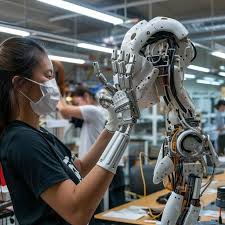
SynapX Launches SYNData: Multimodal Data Collection System for Embodied AI Era
SynapX has introduced SYNData, an innovative multimodal data collection system designed to enhance dexterous manipulation capabilities. Launched recently, this system integrates ego vision, electromyography (EMG) signals, and data from exoskeleton gloves, facilitating the scalable collection of human manipulation data essential for advancing robot learning. The development aims to improve the interaction between humans and robots, ultimately contributing to more sophisticated robotic applications in various fields. By harnessing diverse data sources, SYNData promises to provide valuable insights that can drive the evolution of robotic dexterity and functionality.
Robotics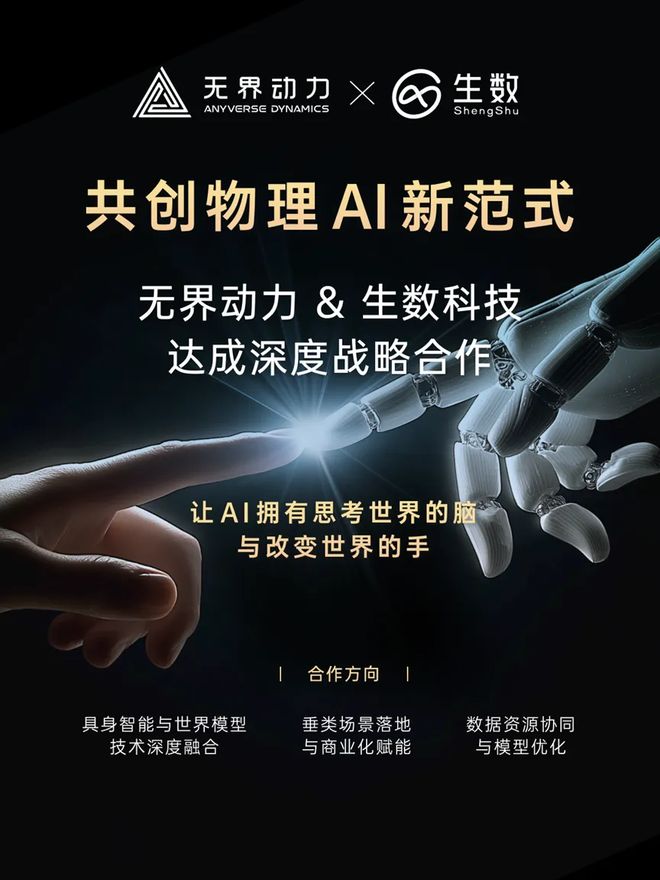
Wujie Power and Shenshu Technology Collaborate to Build a Comprehensive Technology Foundation for Embodied Intelligence
Wujie Power and Shenshu Technology have formed a strategic partnership focused on advancing embodied intelligence technologies. This collaboration, announced recently, seeks to integrate multimodal models with robotics, thereby enhancing robotic capabilities in complex environments. The partnership aims to accelerate the commercialization of advanced artificial intelligence solutions, positioning both companies at the forefront of innovation in this rapidly evolving field.
Embodied Intelligence Multimodal AI Robotics AI Technology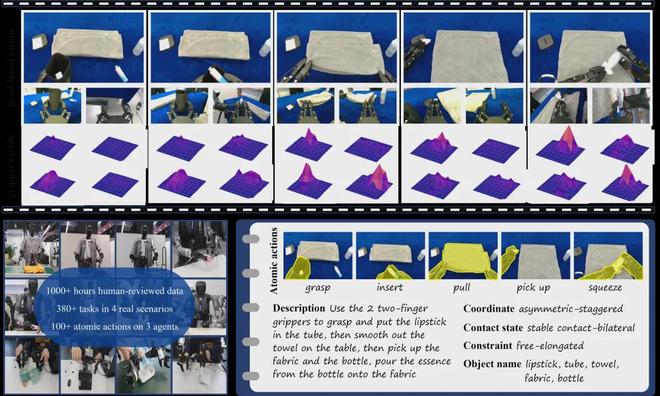
Release of VTouch: Empowering Next-Generation Embodied Training Environments and Model Evolution
On January 26, the National Local Co-Built Humanoid Robot Innovation Center unveiled VTouch, the world's first multimodal operation dataset. This groundbreaking dataset comprises over 60,000 minutes of cross-body vision-based tactile data, designed to improve robot decision-making and operational capabilities. By integrating visual and tactile information, VTouch aims to advance the field of robotics, offering researchers and developers a valuable resource for enhancing robotic interactions and functionality.
Multimodal Robotics Tactile Sensors Robot Training AI in Robotics
CVPR 2026 fields 16,000+ paper submissions on technical advances in AI
The program committee for the 2026 Conference on Computer Vision and Pattern Recognition (CVPR), a premier event in artificial intelligence and computer vision research, has unveiled the details of this year's technical program. Co-sponsored by the IEEE Computer Society and the Computer Vision Foundation, the conference has attracted a record number of submissions, reflecting the growing interest and advancements in the field. Scheduled to take place in 2026, CVPR will serve as a platform for researchers and industry professionals to share their latest findings and innovations. The committee's announcement highlights the importance of collaboration and knowledge exchange in advancing computer vision technologies.
Engineering Events Science agentic ai ai research artificial intelligence
New Soft Floating Robot Inspired by Animation Aims to Enhance Human Connection
Researchers from Keio University and MIT Media Lab have unveiled a soft floating robot designed to foster emotional connections without traditional robotic features. Unlike conventional robots, this helium-filled creation resembles a white whale, responding to human touch with gentle movements rather than mechanical sounds or speech. The significance of this innovation lies in its ability to bypass the 'uncanny valley' effect, which often causes discomfort when robots closely mimic human appearance. By avoiding human-like features and instead utilizing soft materials and subtle movements, the robot can convey intentions and emotions, making it a safer and more approachable companion in everyday environments. Looking ahead, the research team plans to integrate multimodal interactions, allowing the robot to sense human posture, voice, and gaze to enhance its floating interactions. This approach aims to create a gentle presence that accompanies humans without the need for speech or complex thought, marking a new era in human-robot coexistence.
Soft Robotics Human-Robot Interaction Emotional AI Floating Robots
HKU Professor Li Hongyang secures hundreds of millions in seed funding for his startup on embodied AI.
Archon Robotics, a Shanghai-based company specializing in whole-body humanoid models, has successfully secured hundreds of millions in seed funding from prominent investors, including ZhenFund, Gao Rong Capital, IDG Capital, and others. The financing round, which took place recently, aims to enhance the development of humanoid models, collect multimodal motion data, expand the talent team, and establish research centers and industry partnerships, with the goal of launching an open-source humanoid model by the end of this year. Founded in April 2026, Archon Robotics focuses on creating whole-body intelligence for humanoid robots, enabling them to perform complex tasks that require full-body coordination. The company's founder, Dr. Hongyang Li, is an assistant professor at the University of Hong Kong and has received accolades for his work in autonomous driving. Co-founder and CEO Dr. Tianyu Li, along with the core team, brings expertise from top institutions and has a strong background in robotics and AI. The humanoid robotics sector is at a pivotal moment, with significant investments occurring but lacking a unified technical consensus. Current limitations in training data restrict robots to simple tasks, as they often lack the necessary information for complex human-like interactions. Archon Robotics aims to address these gaps by redefining data collection methods to better capture human coordination and movement dynamics. The company plans to release its first humanoid model in late 2026, emphasizing the need for robots to operate effectively in dynamic home environments. By focusing on comprehensive data collection and understanding physical interactions, Archon Robotics seeks to advance the capabilities of humanoid robots beyond current limitations.
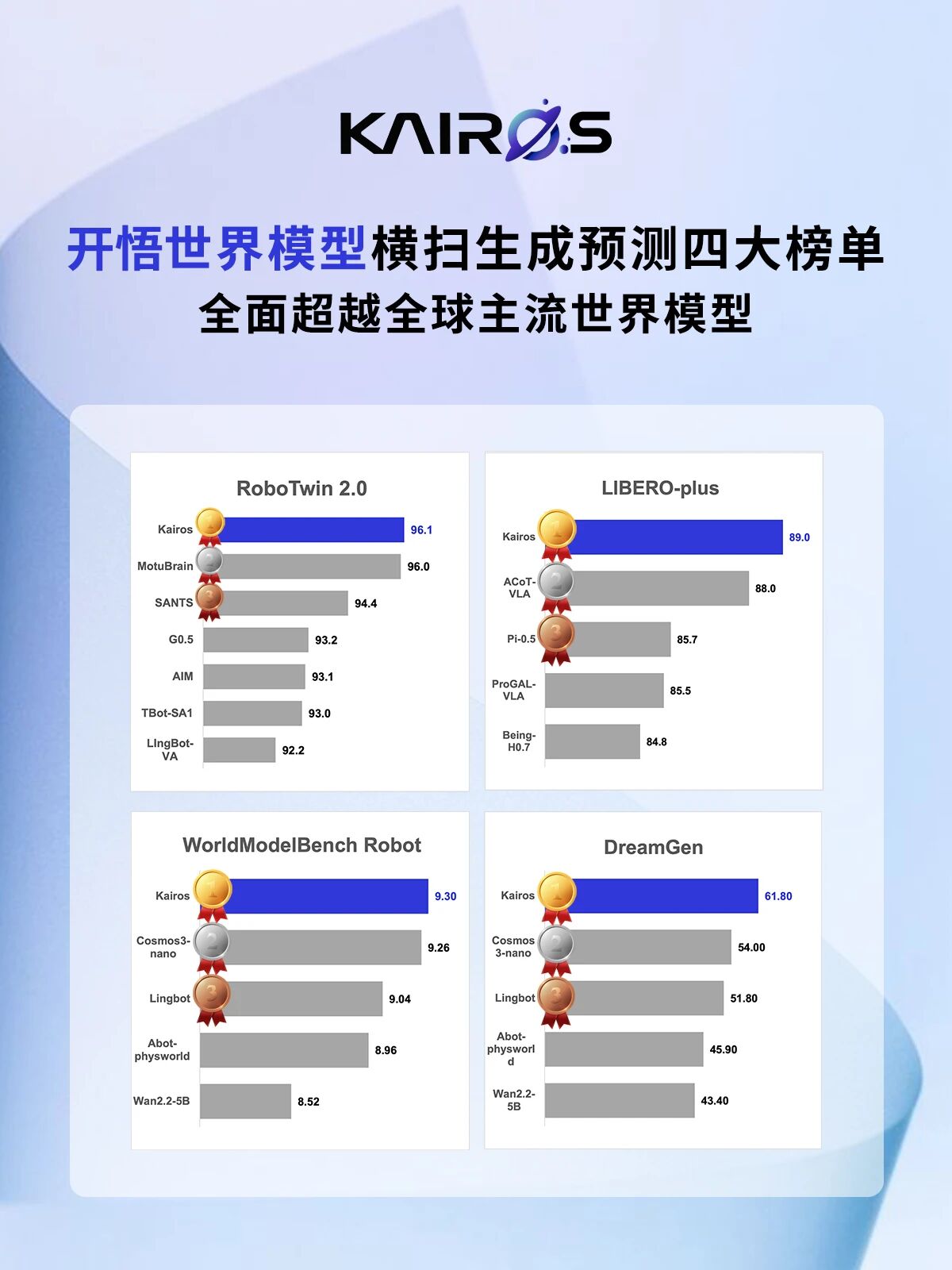
Kairos Model Achieves Top Rankings in Global Embodied Intelligence Evaluations
ACE Robotics' Kairos model has achieved first place in multiple esteemed global assessments for embodied intelligence, outpacing significant competitors in the field. This advanced model features a groundbreaking unified architecture that combines multimodal understanding, generation, and prediction, establishing a new benchmark for performance. The innovation not only improves real-time responsiveness but also enhances operational accuracy, facilitating the path toward the commercialization of embodied intelligence technologies.
Embodied Intelligence World Models Robotics AI Machine Learning
Advancements in Domestic ASIC Brain Chips Enhance Intelligent Robotics
ZK Wireless Semiconductor, a domestic leader in semiconductor technology, is transforming the robotics industry with its innovative ASIC brain chips. These advanced chips empower robots to evolve from mere passive instruction receivers to autonomous decision-makers. By leveraging cutting-edge materials such as Gallium Nitride (GaN) and Gallium Antimonide (GaSb), the chips facilitate nanosecond-level multimodal data alignment. This significant advancement addresses key challenges in cognitive intelligence for robots, thereby enhancing their functionality and efficiency. The development is expected to accelerate the adoption of robotic technologies across various sectors, marking a pivotal shift in how robots interact with their environments and perform tasks.
ASIC Chips Cognitive Robotics Multimodal Data Semiconductor Technology
The World's Largest Embodied Haptic Dataset Launched: Daimon-Infinity - Open Source with 10x Training Efficiency!
In 2026, Daimon Robotics introduced the Daimon-Infinity dataset, which is recognized as the largest dataset of its kind, encompassing multimodal haptic data. This initiative, developed in collaboration with prominent research institutions, seeks to improve robotic tactile perception, a crucial aspect for advancing fine motor skills training in robotics. The dataset addresses a significant gap in haptic data availability, which is essential for enhancing the capabilities of robots in performing delicate tasks.
Haptic Technology Robotics AI Data Science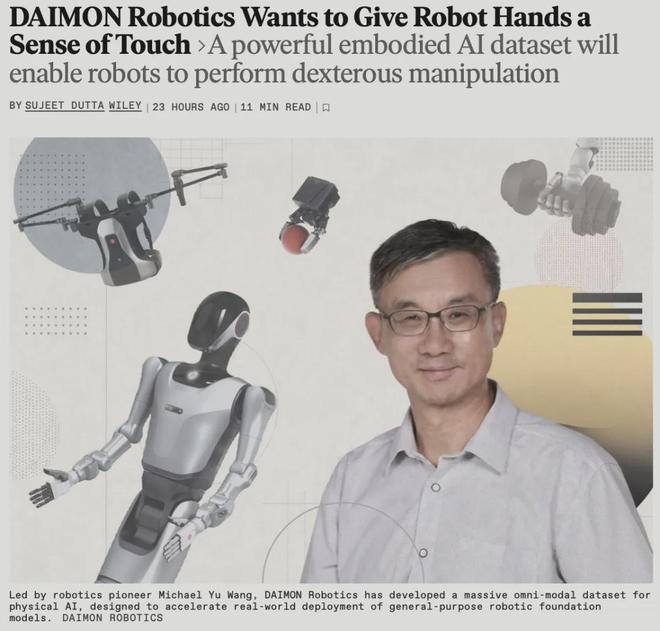
IEEE Interview with Wang Yu: Daimon Aims to Give Robots a Sense of Touch
Wang Yu, co-founder and chief scientist of Daimon Robotics, recently unveiled the Daimon-Infinity dataset during an exclusive interview with IEEE Spectrum. This dataset, recognized as the largest multimodal tactile dataset to date, is designed to significantly improve robotic manipulation capabilities. Wang highlighted the critical role of tactile feedback in enabling robots to perform dexterous tasks, underscoring its potential to advance the field of robotics. The launch of this dataset marks a pivotal step towards more sophisticated and responsive robotic systems, aiming to bridge the gap between human-like dexterity and robotic efficiency.
Tactile Robotics Robotic Manipulation AI Data Sets Embodied Intelligence
DiDi Autonomous Driving launches Voyager Labs for multimodal end-to-end driving research
DiDi Autonomous Driving has launched DiDi Voyager Labs, a new research initiative aimed at advancing end-to-end autonomous driving through the development of multimodal large models, world models, and reinforcement learning. This initiative, announced recently, will collaborate with a research team led by Professor Li Shengbo from Tsinghua University. The partnership is designed to leverage a joint framework that combines specialized expertise and resources to enhance the capabilities of autonomous driving technologies. This strategic move underscores DiDi's commitment to innovation in the autonomous vehicle sector and its efforts to stay at the forefront of technological advancements in this rapidly evolving field.
News Feed
ByteDance Releases Doubao-Seed-2.0, Positions Pro Model Against GPT 5.2 and Gemini 3 Pro
ByteDance has unveiled Doubao-Seed-2.0, the newest iteration of its Doubao large language model series. This latest version, particularly the Pro variant, has been benchmarked against advanced models such as GPT 5.2 and Gemini 3 Pro. It is specifically engineered to excel in long-chain reasoning and agent-based tasks. According to ByteDance, Doubao 2.0 Pro has demonstrated superior performance across various multimodal, mathematical, and coding benchmarks, positioning it as a leading contender in the competitive landscape of artificial intelligence. The release reflects ByteDance's commitment to advancing AI technology and enhancing its capabilities for complex problem-solving tasks.
News Feed
Alibaba’s Qwen Chief Reveals New Robotics and Embodied AI Team
Lin Junyang, the leader of Alibaba's Qwen large language model, announced on X that he has established a dedicated team focused on robotics and embodied AI within the Qwen initiative. This development comes as multimodal foundation models advance into foundation agents, which are designed to utilize tools and memory for extended reasoning capabilities through reinforcement learning. This strategic move reflects Alibaba's commitment to enhancing AI technology and its applications in various fields.
News Feed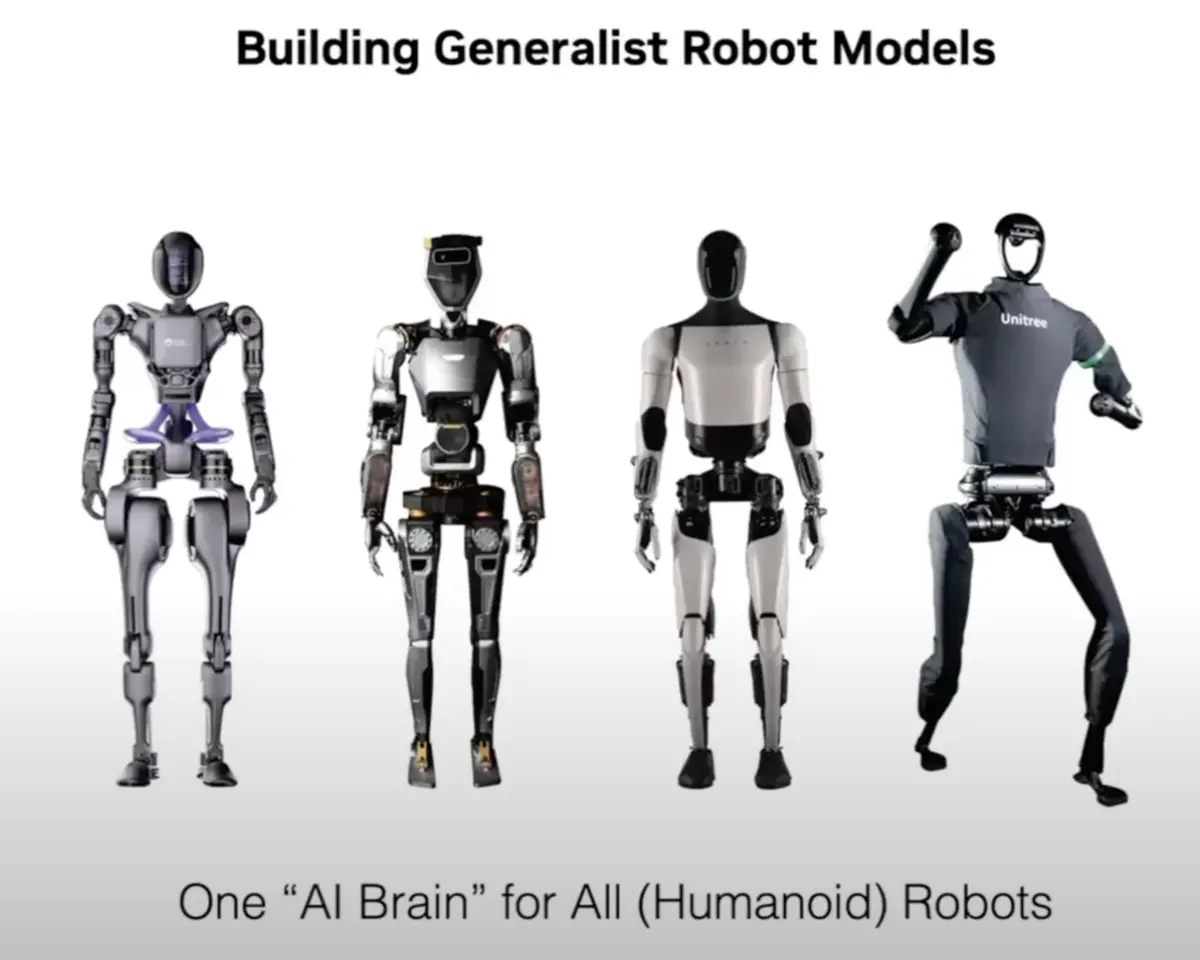
NVIDIA Details Open-Source GR00T N1 Foundation Model and Hover Controller for Humanoids
At the Marktechpost miniCON Open Source AI 2025, NVIDIA Research Scientist Yuke Zhu unveiled Project GR00T, which focuses on a simulation-first strategy for developing generalist foundation models tailored for humanoid robots. The initiative includes the launch of the open-source GR00T N1 multimodal model and the Hover whole-body controller. These innovations aim to enhance cross-embodiment capabilities and expedite development processes for NVIDIA's robotics partners. This presentation highlights NVIDIA's commitment to advancing robotics technology through collaborative and open-source efforts.
NVIDIA open-source hover GR00T
Design and Motion Control of a Propeller–Leg Hybrid Multimodal Underwater Adhesion Robot
The Journal of Field Robotics has published an early view article that explores advancements in robotic technology and its applications in various fields. This publication, released in October 2023, highlights the innovative research conducted by a team of engineers and scientists aiming to enhance the efficiency and capabilities of robotic systems. The study focuses on the integration of artificial intelligence and machine learning to improve navigation and decision-making processes in autonomous robots. Researchers conducted extensive field tests to evaluate the performance of these systems in real-world environments, demonstrating significant improvements over previous models. The findings are expected to impact industries such as agriculture, manufacturing, and disaster response, where robotic assistance can lead to increased productivity and safety. This research underscores the growing importance of robotics in addressing complex challenges and advancing technological solutions across multiple sectors.
RESEARCH ARTICLE
Autonomous seeking and mapping coral reef biodiversity hotspots with a multimodal AUV
In a groundbreaking study published in the May 2026 issue of Science Robotics, researchers have unveiled a new robotic system designed to assist in complex surgical procedures. This innovative technology, developed by a team of engineers and medical professionals, aims to enhance precision and reduce recovery times for patients undergoing surgery. The research was conducted at a leading medical institution, where the team tested the robotic system in a series of simulated surgeries. The results demonstrated significant improvements in accuracy compared to traditional surgical methods, showcasing the potential for robots to play a crucial role in the operating room. The motivation behind this development stems from the increasing demand for minimally invasive surgical techniques that can lead to quicker patient recovery and lower risk of complications. By integrating advanced robotics with surgical practices, the team hopes to address these challenges and improve overall patient outcomes. The robotic system operates through a combination of artificial intelligence and real-time data analysis, allowing it to adapt to the unique requirements of each surgical procedure. This adaptability is expected to empower surgeons, providing them with enhanced tools to perform intricate tasks with greater confidence. As the medical community continues to explore the integration of robotics in healthcare, this study represents a significant step forward in the evolution of surgical practices, potentially transforming the landscape of modern medicine.
Research Article
Multimodal Mapping for Exploration and Inspection with the SPARUS II AUV
Micro and small autonomous underwater vehicles (AUVs) are increasingly recognized for their ability to integrate various sensors and navigation systems, making them particularly suitable for operations in coastal waters. Their deployment and operation are straightforward, which enhances their appeal for marine exploration. However, successful exploration and mapping of survey targets often necessitate the use of multiple sensing techniques. Furthermore, there is a growing demand for close-range, high-resolution inspections, a task that has traditionally been handled by remotely operated vehicles (ROVs). This shift highlights the evolving capabilities of AUVs in marine applications, as they seek to meet the complex requirements of underwater surveying and inspection.
multimodal mapping exploration inspection sparus ii auv iqua robotics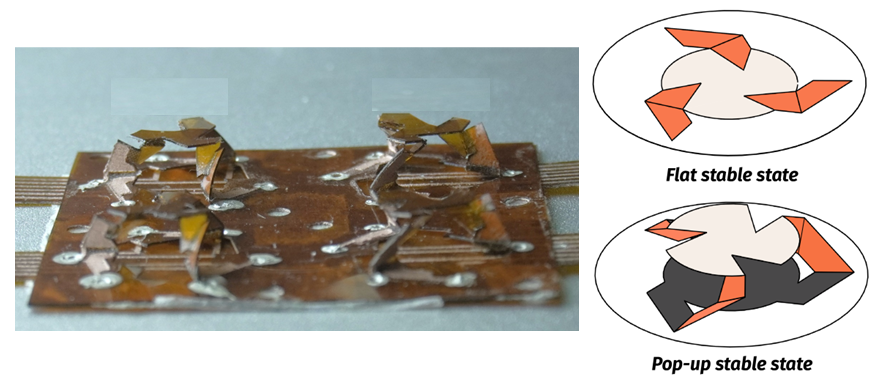
New Method for 3D Microstructure Fabrication Simplifies Mass Production of Multimodal Sensors
A research team at Wuhan University has developed an innovative method for creating complex three-dimensional structures by utilizing straightforward two-dimensional processing techniques. This breakthrough enables the efficient mass production of programmable and reconfigurable 3D sensors, addressing the challenges posed by conventional manufacturing processes. The study emphasizes the advantages of pop-up kirigami structures, which not only enhance the functionality of sensors but also streamline their production. This advancement could significantly impact the field of sensor technology, making it more accessible and versatile for various applications.
3D Microstructures Sensor Technology Manufacturing Innovation Pop-up Kirigami Flexible Electronics
LimX Dynamics unveils Luna humanoid robot with AI dance learning
On Monday, LimX Dynamics introduced the LimX Luna humanoid robot, which is priced at RMB 298,000 (approximately $41,000). The robot, measuring 160 centimeters in height, boasts 27 degrees of freedom, allowing for a wide range of movements. It is equipped with the company’s second-generation SYS 0 motion control engine, enhancing its performance. Additionally, the LimX Luna features improved cooling systems and extended battery life, enabling it to support multimodal interactions. This launch marks a significant advancement in humanoid robotics, reflecting LimX Dynamics' commitment to innovation in the field.
News Feed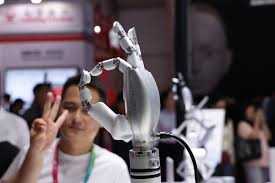
VISTA‐Campus Dataset: VersatIle Slam DaTAset With Multimodal Sensor for Campus Environments
A recent study published in the Journal of Field Robotics highlights the advancements in robotic technology aimed at enhancing agricultural efficiency. Researchers from various institutions collaborated to develop innovative robotic systems designed to assist farmers in crop monitoring and management. The study, released in early October 2023, emphasizes the growing need for sustainable farming practices in response to increasing global food demands and environmental challenges. The research team conducted extensive field trials in multiple agricultural settings, demonstrating how these robots can autonomously navigate fields, collect data on crop health, and optimize resource usage. By integrating artificial intelligence and machine learning, the robots can analyze real-time data to provide actionable insights for farmers, ultimately leading to improved yields and reduced waste. This initiative is driven by the urgent need to address food security and environmental sustainability, as traditional farming methods face limitations in efficiency and scalability. The findings suggest that adopting robotic technology could significantly transform agricultural practices, making them more resilient and productive in the face of future challenges.
RESEARCH ARTICLE
PaVSF: A Multimodal Fusion Power Consumption Prediction Model for Autonomous Wheeled Vehicles in Off‐Road Environments
A recent study published in the Journal of Field Robotics highlights advancements in robotic technology aimed at improving agricultural efficiency. Researchers from various universities collaborated to develop autonomous systems capable of performing tasks such as planting, monitoring crop health, and harvesting. The findings, released in early October 2023, emphasize the potential of these innovations to address labor shortages and enhance productivity in the agricultural sector. The research was conducted in diverse agricultural settings, allowing for a comprehensive evaluation of the robots' performance in real-world conditions. By integrating artificial intelligence and machine learning, the robots can adapt to varying environmental factors and optimize their operations accordingly. This adaptability is crucial as farmers face increasing pressures from climate change and the need for sustainable practices. The motivation behind this initiative stems from the growing demand for food production and the challenges posed by a declining workforce in agriculture. By deploying autonomous robots, the study suggests that farmers can not only increase efficiency but also reduce reliance on manual labor, ultimately leading to more sustainable farming practices. The researchers conducted extensive field tests to validate the robots' capabilities, demonstrating their effectiveness in various agricultural tasks. The promising results indicate a significant step forward in the integration of robotics into farming, potentially transforming the industry and paving the way for future innovations.
RESEARCH ARTICLE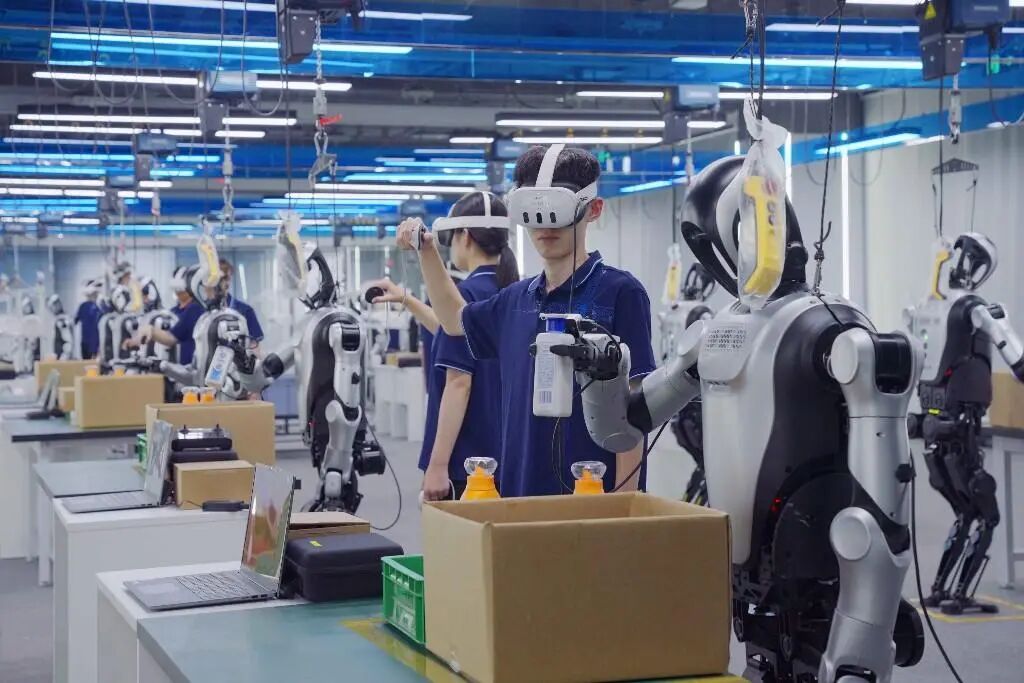
Jiangsu Launches High-Quality Data Consortium for Embodied Intelligence in Robotics
The Jiangsu Industrial Consortium for High-Quality Data in Embodied Intelligence was officially launched in Suzhou, with the goal of tackling data scarcity in the robotics sector. Spearheaded by Suzhou Heshuju Information Technology Co., the consortium brings together universities and technology firms to create standardized, multimodal datasets essential for artificial intelligence training in industrial applications. Additionally, the initiative includes a talent training program designed to align educational outcomes with industry requirements, thereby enhancing the workforce's capabilities in this rapidly evolving field.
Embodied Intelligence Industrial Robotics AI Training Data Standardization Talent Development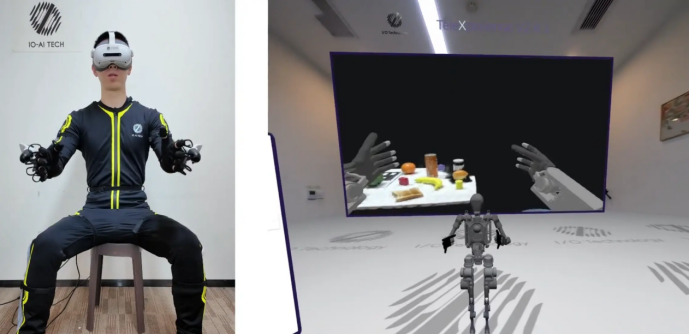
Data-Driven Unicorns: $2 Billion Valuation in Robotics Without Profit
In response to the growing demand for effective robot training, companies in the robotics sector are increasingly prioritizing the generation of high-quality multimodal training data over the mere construction of robots. This shift highlights a significant trend towards recognizing data as a vital resource for enhancing embodied intelligence in robotics. Several firms have successfully secured substantial funding to develop innovative solutions that cater to this emerging need. As the industry evolves, the focus on data-driven approaches is expected to play a crucial role in advancing the capabilities of robotic systems, marking a transformative phase in the field.
Robotics Data Training VR Technology AI
"BioGeometry" secures hundreds of millions in strategic funding to create a "microscopic world model" in life sciences.
AI-native biotechnology company BaiAo Geometry has successfully secured several hundred million yuan in strategic financing, with investments led by the Shanghai Biomedical Innovation Transformation Fund, Guoke Investment, Dacheng Wisdom, and Xinglian Capital, alongside follow-on investments from GaoRong Capital and the Index AI Industry Innovation Fund. The funds will primarily support the ongoing development of their life sciences micro-world model, GeoFlow, and the advancement of their proprietary drug pipeline. Artificial intelligence is rapidly evolving along two main trajectories: digital AI, represented by large language and multimodal models, and physical AI, exemplified by autonomous vehicles and humanoid robots. Life AI is emerging as a promising frontier, a sentiment echoed by leading global investors and scientists. BaiAo Geometry's GeoFlow model, launched in 2024, aims to understand and design molecular interactions at an atomic level, enabling the creation of novel molecules that have never existed in nature. The company has iterated GeoFlow multiple times, achieving significant advancements in protein structure prediction and de novo design capabilities. By applying Test-Time Scaling technology, BaiAo Geometry enhances the success rate of protein designs without the need for extensive retraining. This innovation allows for the rapid generation and optimization of high-affinity binding molecules, significantly reducing the time and cost associated with traditional drug discovery processes. BaiAo Geometry has established over 20 business development collaborations with domestic and international pharmaceutical companies, focusing on high-specificity antibody design and vaccine development. The company is currently working on the next iteration of GeoFlow, which aims to expand modeling from individual molecules to entire molecular systems, further revolutionizing drug development in the biotechnology sector.

Investment Surge in Embodied Intelligence Data Providers Amid Robotics Financing Boom
Hexinju Technology, a company based in Suzhou, has successfully raised millions in Series A funding to enhance data infrastructure aimed at training robots. This investment comes at a time when the robotics industry is experiencing significant growth, highlighting the increasing demand for high-quality, multimodal data derived from real-world interactions. In response to this critical challenge, Hexinju plans to develop a comprehensive platform designed for data collection, processing, and evaluation. By doing so, the company seeks to establish itself as a pivotal player in the rapidly expanding field of embodied intelligence.
Embodied Intelligence Data Infrastructure Robotics AI Training Data Services
Google’s Gemini Omni turns images, audio, and text into video — and that’s just the start
Google has unveiled its latest innovation, Gemini Omni, a multimodal model designed to enhance user interaction by reasoning across various formats, including text, images, audio, and video. This cutting-edge technology allows users to generate and edit videos through straightforward conversational prompts, with the initial feature being Omni Flash. The launch of Gemini Omni marks a significant advancement in artificial intelligence, aiming to simplify content creation and editing processes for users. The model is trained on data available up to October 2023, ensuring it incorporates the most recent developments in AI capabilities. This initiative reflects Google's commitment to pushing the boundaries of technology and improving user experiences in digital content creation.
Media & Entertainment AI Google Veo google io 2026 google gemini omni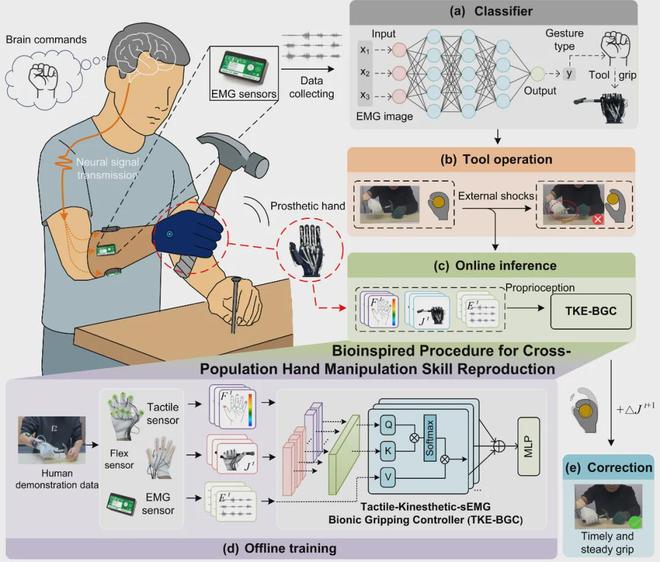
Dynamic Skill Learning for Tactile Myoelectric Prosthetic Hands in Tool Handling
A collaborative research team from Beijing University of Posts and Telecommunications, Tsinghua University, and Wuhan University of Science and Technology has unveiled a groundbreaking multimodal control framework designed for myoelectric prosthetic hands. This innovative technology, introduced recently, aims to enhance the stability and efficiency of dynamic tool handling, thereby significantly improving the daily independence of amputees. By integrating advanced control mechanisms, the framework allows users to perform tasks with greater ease and precision, marking a notable advancement in prosthetic technology.
Myoelectric Prosthetics Bionic Systems Assistive Technology Robotics
Xiaomi Robotics Launches Open Source U0 Model with Significant Performance Enhancements
On July 15, Xiaomi Robotics unveiled the open-source Xiaomi-Robotics-U0, a multimodal autoregressive foundational model with 38 billion parameters. This release follows the introduction of the VLA model Xiaomi-Robotics-0 in February, marking a significant advancement in embodied intelligence. The code and model weights are now available on GitHub, HuggingFace, and the Modao community. The importance of the U0 model lies in its ability to generate vast amounts of training data in virtual environments while receiving high-density validation feedback from real-world factory lines. The model achieved a success rate of 98% in dual-side operations at a car factory, just 1% shy of human performance. U0's design allows for efficient multi-task training without compromising the general visual understanding and spatial reasoning inherited from large-scale pre-training. Looking ahead, U0's capabilities in generating training data for embodied tasks present a controlled and efficient solution for enhancing model performance. Its integration with real-world validation processes at Xiaomi's automotive factory creates a robust feedback loop, ensuring continuous improvement and practical application of the technology. No further timeline was disclosed at the time of publication.
Robotics AI Machine Learning Automation
Former Huawei Executive Leads Morphi in Embodied Intelligence with Over $1.4 Billion in Funding
Morphi, a rising company in the field of embodied intelligence, has successfully secured over 1 billion yuan in angel funding, achieving a post-investment valuation of over 7 billion yuan. The startup, which counts tech giants Alibaba and Tencent among its backers, is focused on creating a versatile, multimodal robotic brain. Initially, Morphi will concentrate on commercial applications, with plans to later venture into the household robotics sector. Founded by former leaders from Huawei, the company is preparing to launch its first consumer service robot in July.
Embodied Intelligence Robotics AI Funding Startups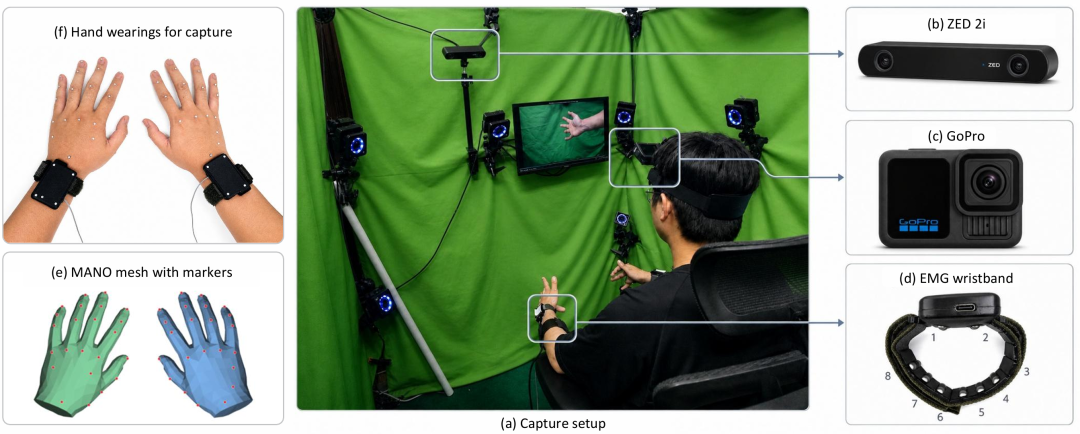
Tsinghua University and Shouyi Technology Launch EgoEMG Dataset for Hand Pose Estimation
Researchers from Tsinghua University and Shouyi Technology have unveiled the EgoEMG dataset, marking a significant advancement in the field of hand pose estimation. This innovative dataset is the first of its kind to publicly integrate electromyography (EMG), visual, depth, and motion data, providing a comprehensive resource for studying hand movements. Released in October 2023, the dataset aims to enhance embodied intelligence by offering precise data on hand operations. Its development is expected to facilitate progress in robotic dexterity through multimodal learning techniques, ultimately bridging existing gaps in the understanding of human-like manipulation in robotics.
Hand Pose Estimation EMG Technology Multimodal Data Robotics Artificial Intelligence
Tsinghua University and Shouyi Technology Launch EgoEMG Dataset for Hand Pose Estimation
A groundbreaking dataset, known as EgoEMG, has been launched through a collaboration between Tsinghua University and Shouyi Technology. This dataset is notable for being the first public resource to offer synchronized multimodal data specifically designed for hand pose estimation, incorporating both electromyography (EMG) and visual signals. Released in October 2023, EgoEMG aims to address existing challenges in hand perception for robotics. By providing comprehensive data that reflects human hand movements, the dataset seeks to enhance the capability of machines to learn and perform dexterous tasks through human demonstration. This initiative represents a significant step forward in the field of robotics, potentially improving the interaction between humans and machines in various applications.
Hand Pose Estimation Multimodal Data Robotics EMG Technology
The Enlightenment World Model tops evaluations in RoboTwin 2.0 and other embodied intelligence tests.
Recently, DaXiao Robotics announced that its Kairos world model has achieved top rankings in several global evaluations focused on embodied intelligence, including RoboTwin 2.0, LIBERO-Plus, WorldModelBench Robot, and DreamGen. This model employs an integrated architecture that combines multimodal understanding, generation, and prediction. In a significant move for the industry, DaXiao Robotics has made the Kairos model open-source, allowing broader access and collaboration in the field of AI-driven video generation and state prediction.

Without Real Data, How Can We Discuss Embodied Intelligence? Pacini Provides the Ultimate Answer with a Cluster of 100,000 Square Meters of Factories
In a bid to overcome the challenges faced by embodied AI, researcher Pacini is pioneering a novel strategy aimed at improving the technology's effectiveness through the use of real-world data. Recognizing the critical issue of data scarcity in the industry, Pacini is establishing a network of super data collection factories designed to generate high-quality, multimodal datasets. This initiative is expected to significantly enhance the generalization capabilities of AI systems, allowing them to perform better in diverse real-world scenarios. By focusing on the integration of comprehensive data sources, Pacini's approach seeks to propel the advancement of embodied AI, addressing a fundamental barrier to its widespread application.
Embodied AI Data Collection Artificial Intelligence Robotics Machine Learning
ROKAE Robotics and NTU MARS Lab Launch Joint Embodied Intelligence Innovation Center
ROKAE Robotics has partnered with the Multimodal Embodied AI and Robotic Systems (MARS) Lab at Nanyang Technological University (NTU) in Singapore to launch the Embodied Intelligence Innovation Center. This initiative aims to advance research and development in embodied intelligence, a field that combines robotics and artificial intelligence to create systems that can interact with the physical world in a more human-like manner. Dr. Jianfei Yang, an Assistant Professor at NTU and the Director of the MARS Lab, will lead the center as Principal Investigator. The collaboration reflects a growing interest in enhancing robotic capabilities and fostering innovation in AI technologies, with the center expected to play a pivotal role in this evolving landscape.

Xia Zhongpu Joins Wujie Power as Co-Founder and Co-CTO
Wujie Power has appointed Xia Zhongpu as Co-Founder and Co-CTO, a move aimed at strengthening its technological capabilities. In his new role, Xia will spearhead the development of advanced multimodal models grounded in world models and will be responsible for enhancing the company's core technological infrastructure. Xia brings a wealth of experience to Wujie Power, having previously held significant positions at Li Auto and Baidu. This strategic appointment is part of Wujie Power's ongoing efforts to innovate and lead in the technology sector.
Robotics Artificial Intelligence Multimodal Models Autonomous Driving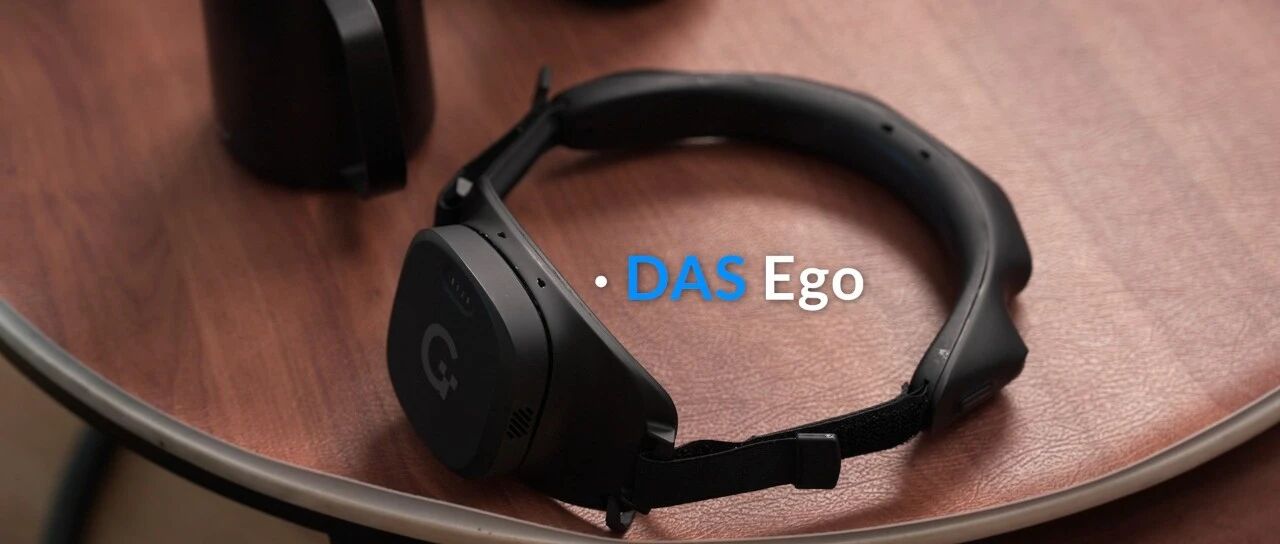
GenEgoData: The Industry's First Dataset for Embodied World Models Officially Released
JianZhi Robotics has unveiled GenEgoData, the first multimodal dataset specifically designed for embodied world models. Launched recently, this innovative dataset captures high-quality, natural human interactions from an ego-centric perspective. The primary goal of GenEgoData is to improve the understanding of physical world dynamics and human behavior, providing valuable insights for researchers and developers in the field of robotics and artificial intelligence. By focusing on realistic interactions, the dataset aims to bridge the gap between human experiences and machine learning applications, ultimately enhancing the development of more intuitive and responsive robotic systems.
Embodied Intelligence World Models Human Behavior Data AI Robotics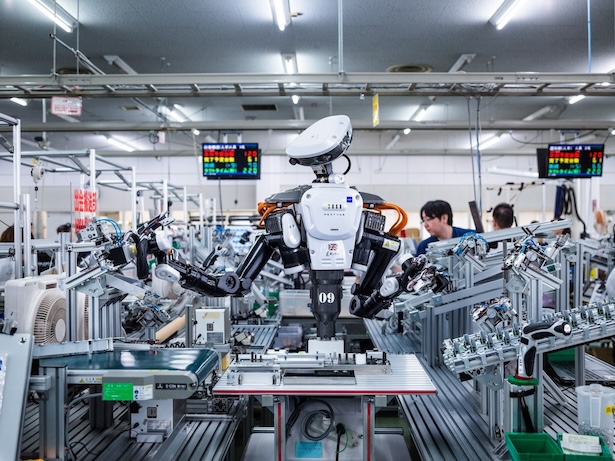
DeepSeek releases new models Janus-Pro and JanusFlow on Lunar New Year’s Eve
In the early hours of January 28, coinciding with Lunar New Year’s Eve, DeepSeek introduced two innovative multimodal frameworks, Janus-Pro and JanusFlow. Janus-Pro serves as an enhanced iteration of the original Janus framework, aiming to provide a cohesive solution for both multimodal understanding and generation. This new model features decoupled visual encoding, which significantly boosts its adaptability and performance across a range of tasks. The launch reflects DeepSeek's commitment to advancing technology in the field of artificial intelligence, particularly in enhancing the capabilities of multimodal systems.
News FeedRobotics needs a service framework.
RSF defines a common language for robot service capability, lifecycle operations, certification pathways, and service-provider networks.