Industry Briefing
A single destination for timely, editor-curated robotics news from around the world.

Movin Raises $2.7 Million to Revolutionize Humanoid Robotics with Lidar Motion Capture
South Korean startup Movin has successfully secured $2.7 million in pre-Series A funding to further develop its Lidar-based motion capture technology designed for humanoid robots. The company’s innovative product, Tracin, offers a more affordable solution compared to traditional motion capture systems and has already gained traction among global firms. To bolster its services for game studios and support the growing demand for AI-driven humanoid robotics, Movin is set to establish a new office in Los Angeles.
Movin Byeoli Cho
Chinese Team Solves VLA Model's Weakness with 'Moving Eyes' Technology
A research team from China has made significant advancements in enhancing the performance of Vision-Language-Action (VLA) models, which typically experience severe performance declines with minor camera movements. By implementing a novel 'moving eyes' paradigm that employs dual robotic arms for dynamic data collection, the team has achieved a notable increase in task success rates, showcasing a more profound understanding of spatial interactions. Their innovative findings were presented at the esteemed IROS 2026 conference, highlighting the importance of addressing vulnerabilities in VLA models to improve their reliability in real-world applications.
Vision-Language-Action Robotics Dynamic Data Collection AI Machine Learning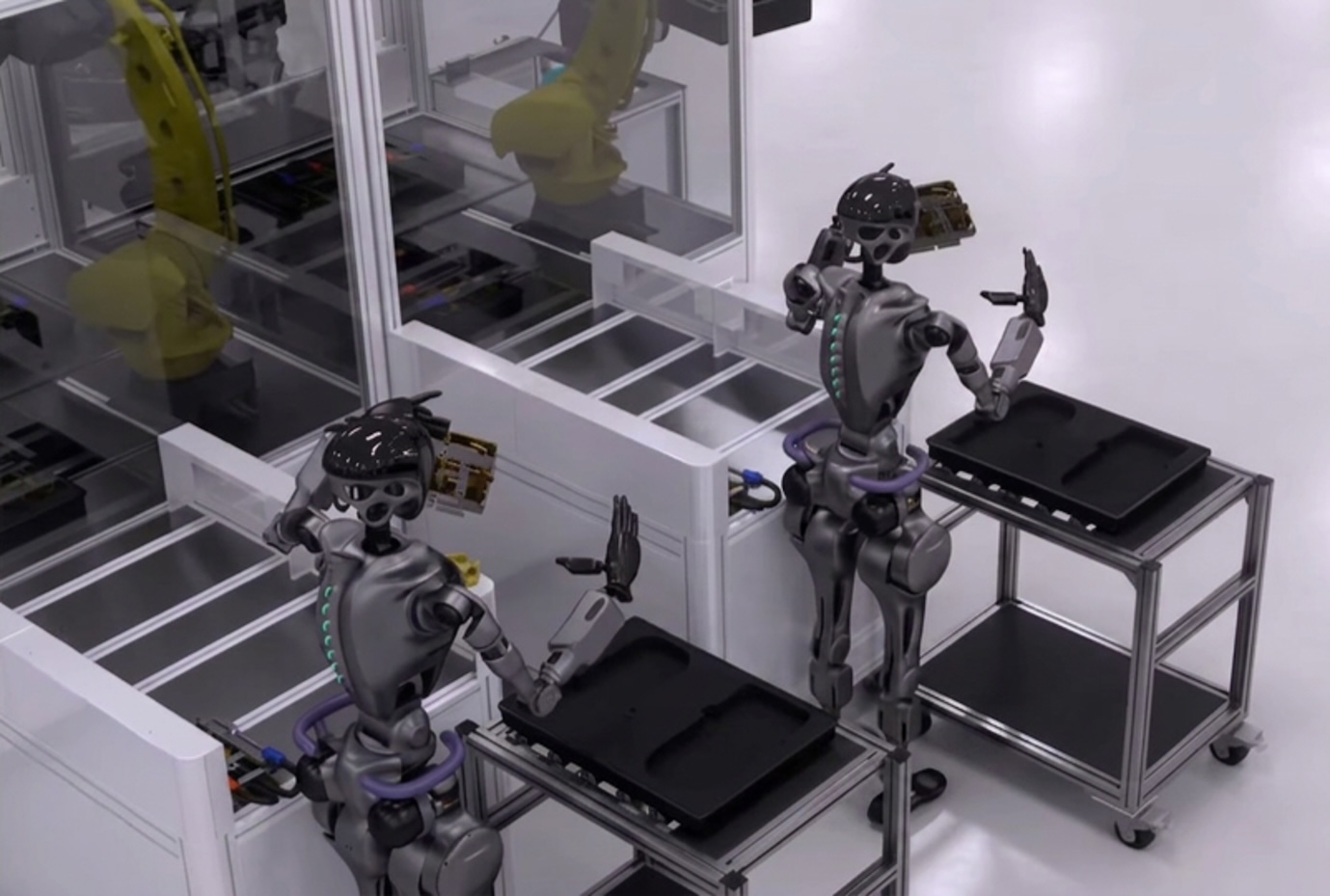
SpaceX Launches Starmind Project for 1 Million AI Satellites by 2028
SpaceX has officially named its orbital AI infrastructure project 'Starmind,' which aims to deploy a constellation of up to 1 million satellites. This initiative, confirmed by Elon Musk on June 22, 2026, will enable AI inference directly in space, utilizing solar energy rather than terrestrial power sources. The first satellite, designated AI1, was unveiled on June 8, 2026, and is designed to operate in sun-synchronous orbits. The significance of Starmind lies in its potential to overcome the limitations faced by ground-based data centers, such as land, power, and water constraints. By running AI computations in orbit, Starmind can provide a more efficient solution to the growing demand for AI computing power. The project leverages the existing Starlink infrastructure for data transmission, distinguishing its function from Starlink's internet relay capabilities. Looking ahead, SpaceX plans to begin hardware deployment with the AI1 satellite, while full-scale production and deployment of the satellite constellation are targeted for 2028. As of now, no Starmind satellites have been launched, and further engineering challenges remain to be addressed, particularly regarding the scalability of the satellite design.
PC prices soar due to memory shortages: Behind the Windows 10 ESU extension and the reality of moving away from
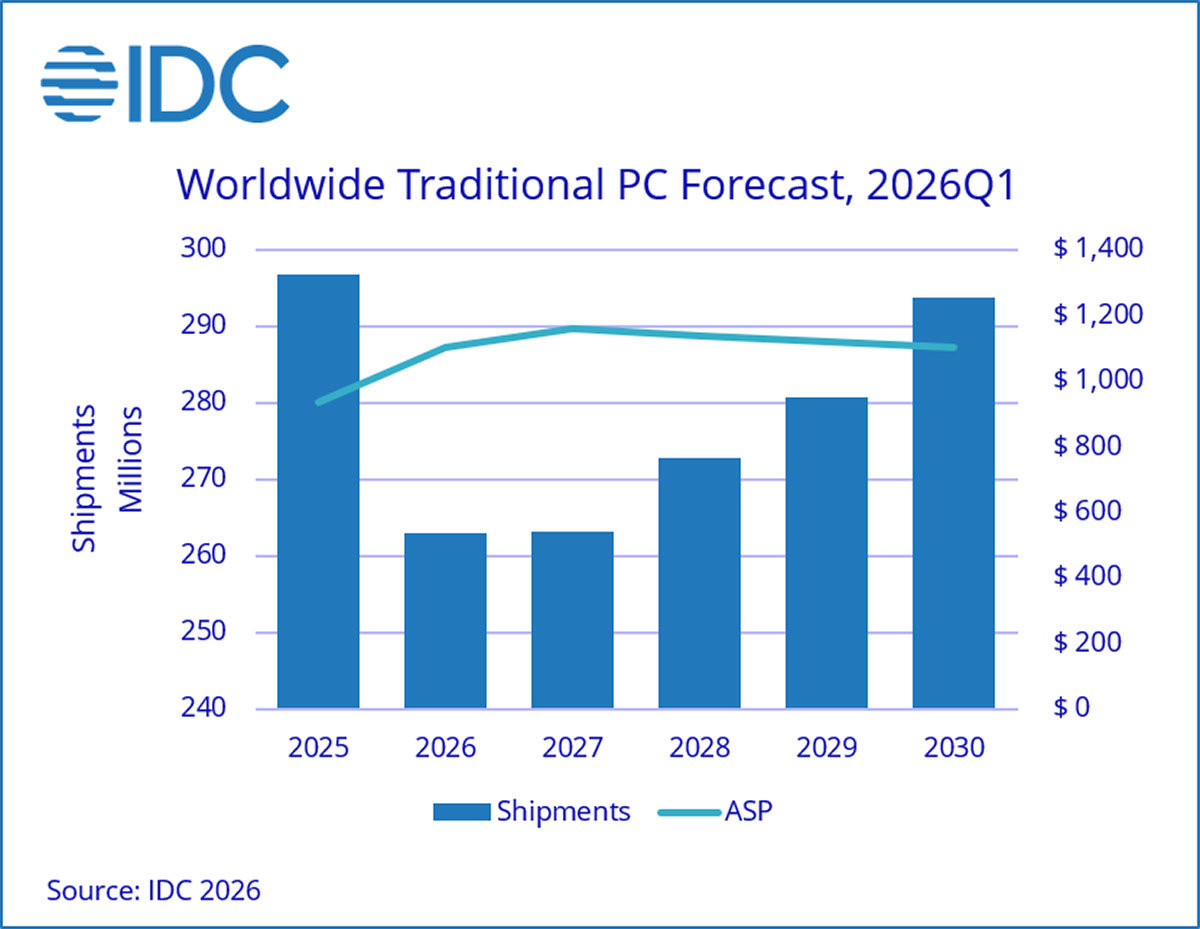
Microsoft has announced an extension of the Extended Security Update (ESU) program for consumer versions of Windows 10, pushing the deadline to October 2027. This decision comes in response to significant memory supply issues that have led to a sharp increase in PC prices, providing users with additional time to transition to Windows 11. The extension reflects Microsoft's strategy to accommodate users amid ongoing hardware challenges while also highlighting potential obstacles that may arise for the platform after the 2027 deadline.
Automation is Leaving the Factory Floor and Moving into the Back Office
For decades, automation has primarily been associated with industrial settings, such as factories and warehouses, where robots and programmable systems efficiently managed repetitive physical tasks. However, recent developments indicate a significant shift in the application of automation beyond traditional environments. As of late 2023, various sectors are increasingly integrating automation into diverse areas, including service industries and everyday consumer interactions. This expansion is driven by the need for enhanced efficiency and precision, as organizations seek to reduce labor costs and improve productivity. The transition is facilitated by advancements in technology, which allow for more sophisticated automation solutions that can adapt to a wider range of tasks. As businesses recognize the potential benefits, the conversation around automation is evolving, highlighting its growing presence in non-industrial contexts.
Automation Business Industry ai agents artificial intelligence automation news
Techman Robot Empowers Manufacturers Moving to the US with Zero-Downtime AI Solutions at Automate 2026
Techman Robot unveiled its advanced AI automation solutions at the Automate 2026 exhibition, aimed at assisting global manufacturers in enhancing their operations in the United States. The event took place recently, highlighting the company's commitment to addressing the challenges faced by manufacturers. The showcased technologies emphasize rapid deployment and standardized quality control, which are crucial for businesses looking to streamline their processes. Additionally, these solutions aim to eliminate the "Hidden Cost Trap" often associated with traditional automation methods, providing manufacturers with a more efficient and cost-effective approach to automation.

Interview with GFT Technologies’ Brandon Speweik: Moving AI from detection to action on the factory floor
Manufacturers are increasingly shifting their focus from the theoretical applications of artificial intelligence to practical solutions that address real-world challenges. While discussions around AI have primarily centered on software tools such as dashboards, analytics, and predictive models, industry leaders are now seeking ways for AI to not only identify problems but also actively contribute to solving them. This evolution in perspective reflects a growing recognition of AI's potential to enhance operational efficiency and drive innovation within the manufacturing sector. As companies explore these advancements, the emphasis is on integrating AI technologies that can deliver tangible results and improve decision-making processes on the shop floor.
Components Features Manufacturing ai robotics artificial intelligence automation news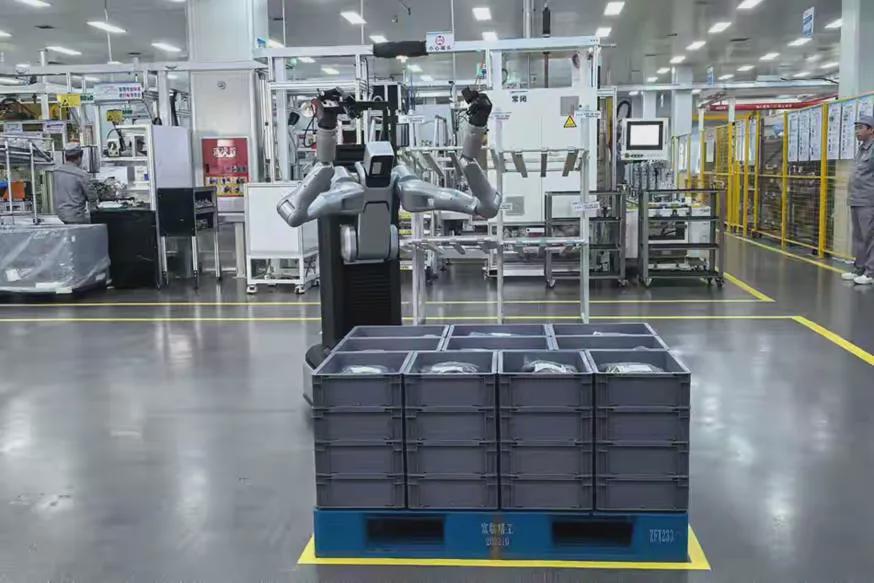
Interview with Oakfruit: Moving Beyond VLA to Instinct-Driven Intelligence
In a recent interview, Oakfruit Robotics addressed the significant challenges confronting the embodied intelligence sector, particularly highlighting the constraints of the Visual-Language-Action (VLA) model. The company introduced an innovative approach known as 'Instinct-Driven' technology, which seeks to improve robotic autonomy and operational intelligence. This advancement is expected to facilitate mass production and expand the application of robotics across various industries, potentially transforming how robots interact with their environments and perform tasks. The insights shared by Oakfruit Robotics underscore the need for evolution in robotic technology to meet growing demands and enhance functionality.
Embodied Intelligence Robotics AI Technology Automation
Automation Moving On Up
Stow Group, a specialist in racking and warehouse automation, is setting ambitious global goals for its automation brand. During the LogiMAT trade fair, Paul Hamblin spoke with Christophe Coulongeat, the newly appointed CEO of Movu Robotics, about the company's future direction. Under the long-term entrepreneurial leadership of Jos de Vuyst, stow Group has established itself as a significant player in the industrial racking sector. The company aims to expand its influence in automation, reflecting a strategic shift to enhance its market position and meet growing demand in the logistics industry.
AMR and AGV Automation Systems and Shuttles Conveying and Sortation Magazine Features Materials Handling Robotic Picking
Xiaomi Debuts CyberOne V2 at Investor Day, Moving Beyond the Factory Floor
Xiaomi has showcased its upgraded humanoid robot, which has recently gained attention for its impressive capabilities in automotive assembly. The robot made a public appearance, demonstrating advanced social interaction skills and refined motor control. This event highlights Xiaomi's commitment to innovation in robotics, reflecting the company's ambition to expand its technological prowess beyond consumer electronics. The demonstration serves as a testament to the progress made in humanoid robotics, showcasing how such technology can potentially enhance various industries by improving efficiency and interaction. As the field of robotics continues to evolve, Xiaomi's advancements may pave the way for more sophisticated applications in everyday life.
xiaomi CyberOne Xiaomi Robotics China
AI robotics: Moving from the lab to the real-world factory floor
Industry leaders from Universal Robots, PickNik, and Path Robotics gathered to discuss the complexities involved in transitioning AI robotics from laboratory settings to practical applications on factory floors. This event highlighted the significant infrastructure and effort necessary for successful deployment, addressing the challenges and innovations that accompany this technological shift. By sharing insights and experiences, these experts aim to foster a deeper understanding of how AI robotics can enhance manufacturing processes and improve operational efficiency. The discussions took place recently, reflecting a growing interest in integrating advanced robotics into real-world industrial environments.
Artificial Intelligence Artificial Intelligence / Cognition Educational Events News Software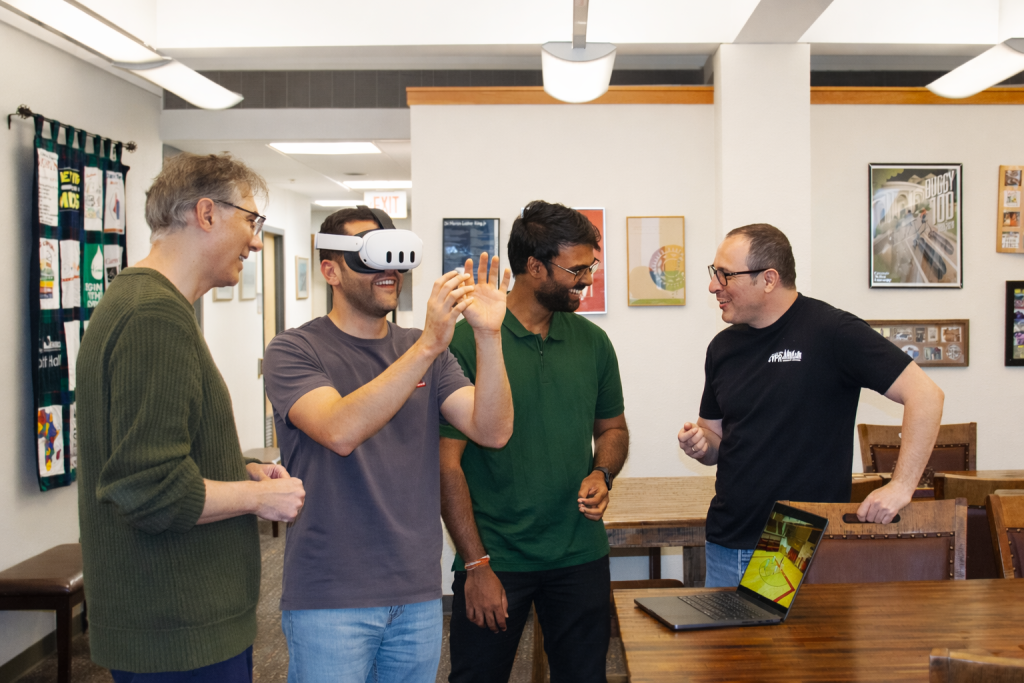
Moving Beyond the Broadcast
LiveSplats, a cutting-edge technology developed by the Robotics Institute at Carnegie Mellon University, is transforming the way sports fans experience events by offering a 3D viewing option. This innovative system allows audiences to select their preferred camera angles, providing a more immersive experience compared to traditional flatscreen broadcasts. Utilizing advanced rendering techniques, LiveSplats recreates scenes with high visual fidelity, enabling fans to follow the action from any perspective. This development represents a significant shift in sports broadcasting, enhancing viewer engagement and interaction.
Research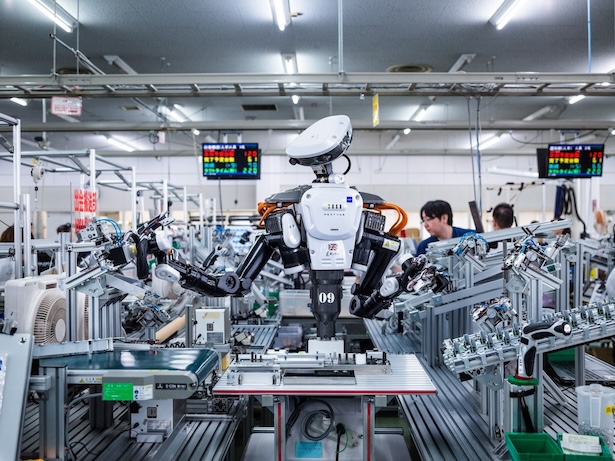
Bearing‐Based Moving Target Fencing Control for Multiple Underactuated Autonomous Surface Vehicles With Fixed‐Time Differentiators
In May 2026, the Journal of Field Robotics published a comprehensive study examining advancements in robotic technology and its applications in various fields. Researchers from leading institutions collaborated to investigate the integration of artificial intelligence and machine learning in field robotics, aiming to enhance efficiency and adaptability in challenging environments. The study highlights significant breakthroughs in navigation systems and sensor technologies, which are crucial for deploying robots in agriculture, disaster response, and environmental monitoring. The findings underscore the importance of interdisciplinary approaches in advancing robotic capabilities and address the growing demand for automation in sectors facing labor shortages. By showcasing successful case studies and experimental results, the research provides a roadmap for future innovations in the field, emphasizing the potential of robotics to transform industries and improve operational outcomes.
RESEARCH ARTICLE
Too many cooks, or too many robots? Finding a Goldilocks level of randomness to keep robot swarms moving
In a recent study, researchers have explored the dynamics of robotic swarms in performing complex tasks, such as environmental clean-up and assembly operations. The investigation highlights that while deploying a larger number of robots initially enhances efficiency, there is a critical threshold where overcrowding occurs. This phenomenon leads to diminished productivity as the robots begin to interfere with one another, ultimately slowing down the overall process. The findings, which draw on data collected up to October 2023, underscore the importance of optimizing the number of robots in a swarm to maintain operational effectiveness. The research aims to inform future designs and deployments of robotic systems in various industries, ensuring that advancements in technology do not inadvertently hinder performance due to overcrowding.
Robotics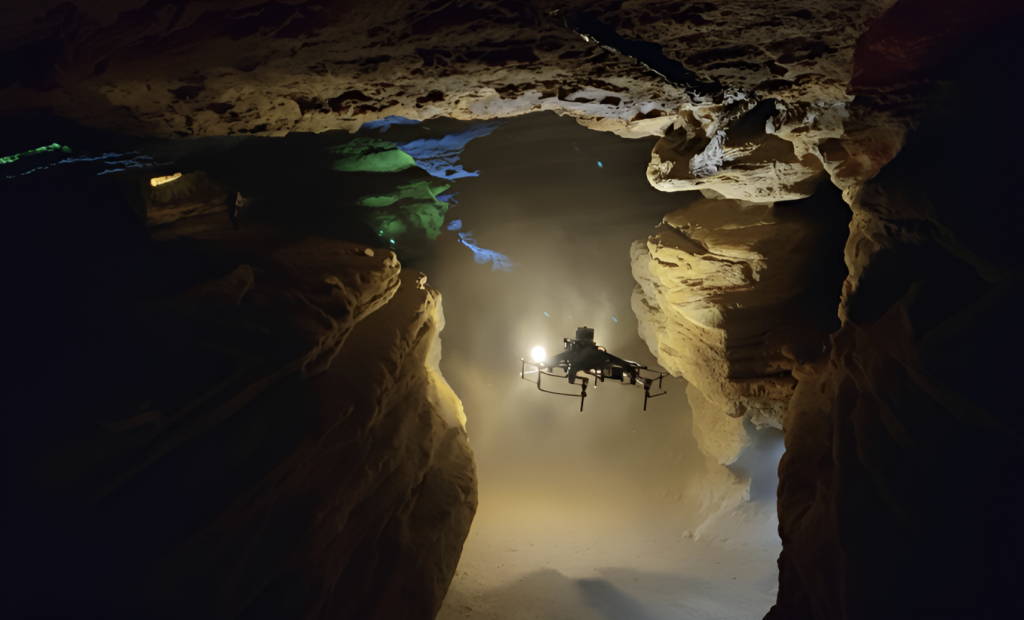
Keeping Robots Moving in Extreme Environments
Researchers at Carnegie Mellon University's Robotics Institute have developed a groundbreaking system known as Super Odometry, designed to enhance the navigational capabilities of robots in challenging environments. This innovative technology enables robots to maintain their sense of direction even when visibility is compromised by smoke, darkness, or dust. In a series of real-world tests, Super Odometry demonstrated its effectiveness by allowing robots to navigate safely through difficult conditions, including stairs and low-light scenarios. The system relies on internal motion sensors, providing a reliable alternative to visual navigation when external conditions hinder camera functionality. This advancement is particularly significant as it addresses the critical need for robots to operate autonomously in extreme environments, ensuring their continued functionality and safety in various applications.
Research
Robot Talk Episode 137 – Getting two-legged robots moving, with Oluwami Dosunmu-Ogunbi
Claire recently engaged in a conversation with Oluwami Dosunmu-Ogunbi, an Assistant Professor in the Mechanical Engineering Department at Ohio Northern University, regarding advancements in bipedal robotics. Dosunmu-Ogunbi, who is recognized as the first Black woman to hold this position, specializes in control systems that enhance bipedal locomotion, including the ability of robots to walk and navigate stairs. Her research not only contributes to the field of robotics but also aims to inspire future generations in engineering education. This dialogue highlights the innovative strides being made in robotics and the importance of diversity in STEM fields.

Rethinking E-Commerce Fulfillment Automation in a Fast-Moving Market
Autonomous mobile robots (AMRs) are revolutionizing warehouse operations by providing a flexible alternative to traditional logistics systems that depend on fixed paths and hardwired infrastructure. These advanced robots are capable of navigating complex environments, allowing for more efficient movement of goods within warehouses. As businesses increasingly seek to enhance productivity and reduce operational costs, the adoption of AMRs is gaining momentum. This shift is particularly significant in the wake of evolving consumer demands and the need for rapid fulfillment in the supply chain. By utilizing sophisticated sensors and artificial intelligence, AMRs can adapt to changing layouts and obstacles, ensuring seamless operations. As of October 2023, the trend towards integrating AMRs into warehouse settings is expected to continue, driven by the ongoing pursuit of innovation and efficiency in logistics.

Google Expands AI Mode to Integrate with Popular Apps Like Instacart and Canva
Google has announced an update to its AI Mode, allowing users to link and interact with select apps such as Instacart, Canva, and YouTube. This enhancement enables users to complete tasks directly within the conversational search experience, moving beyond simple question answering. The integration of these apps is significant as it positions Google to compete more effectively with rivals like OpenAI’s ChatGPT and Anthropic’s Claude, both of which offer app integrations. By encouraging users to utilize AI Mode for planning and shopping, Google aims to increase engagement with its platform. Looking ahead, Google plans to expand the range of supported apps, building on previous capabilities introduced at Google I/O. No further timeline was disclosed at the time of publication.
AI Apps Google ai mode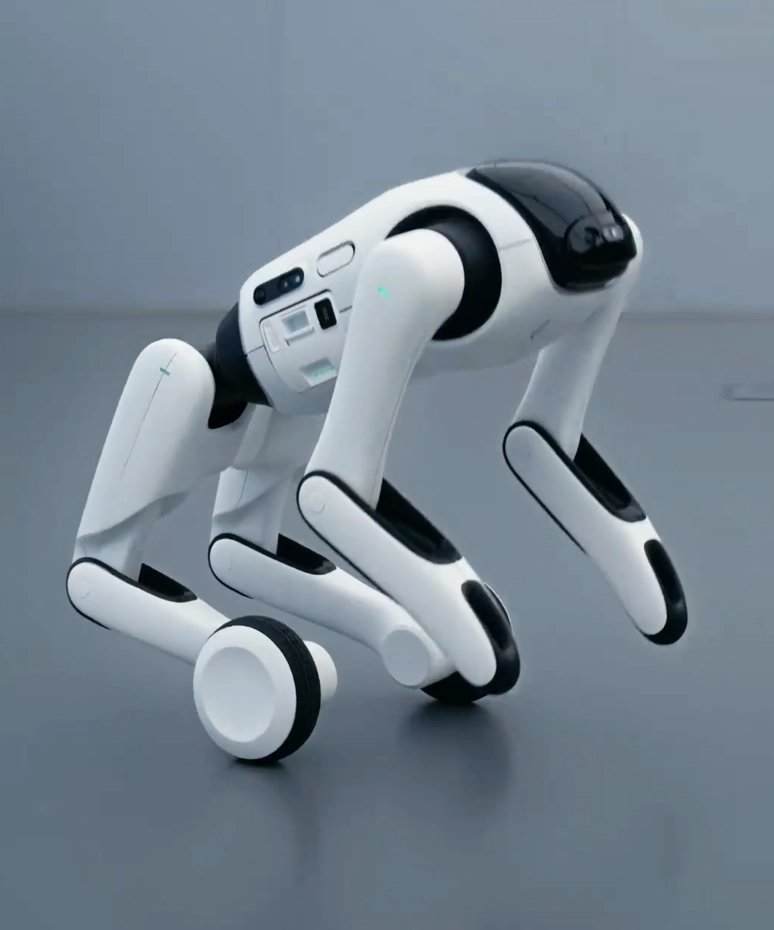
Swancor Qiyuan T1 to Showcase Transformative Personal Robot at WAIC 2026
Swancor Qiyuan's T1, touted as the world's first 'transformable personal robot,' will be publicly demonstrated on July 17, 2026, at the World Artificial Intelligence Conference (WAIC 2026). This robot features a unique Transformer architecture that allows seamless switching between humanoid and quadruped modes, enhancing its interaction and mobility capabilities in various home environments. The significance of the T1 lies in its ability to autonomously select its form based on terrain and tasks, moving beyond traditional manual controls. This innovation is expected to expand the scenarios in which personal robots can operate, addressing common household obstacles while reducing the overall ownership cost for users by eliminating the need for multiple devices. Looking ahead, Swancor's strategy focuses on content creation, education, and companionship rather than general household chores. With offline experience stores already established in major Chinese cities, the T1's success will depend on its pricing and acceptance in the market, potentially proving that adaptable robots hold greater commercial value than those merely mimicking human form.
Transformable Robots Home Robotics AI Technology Robotic Innovation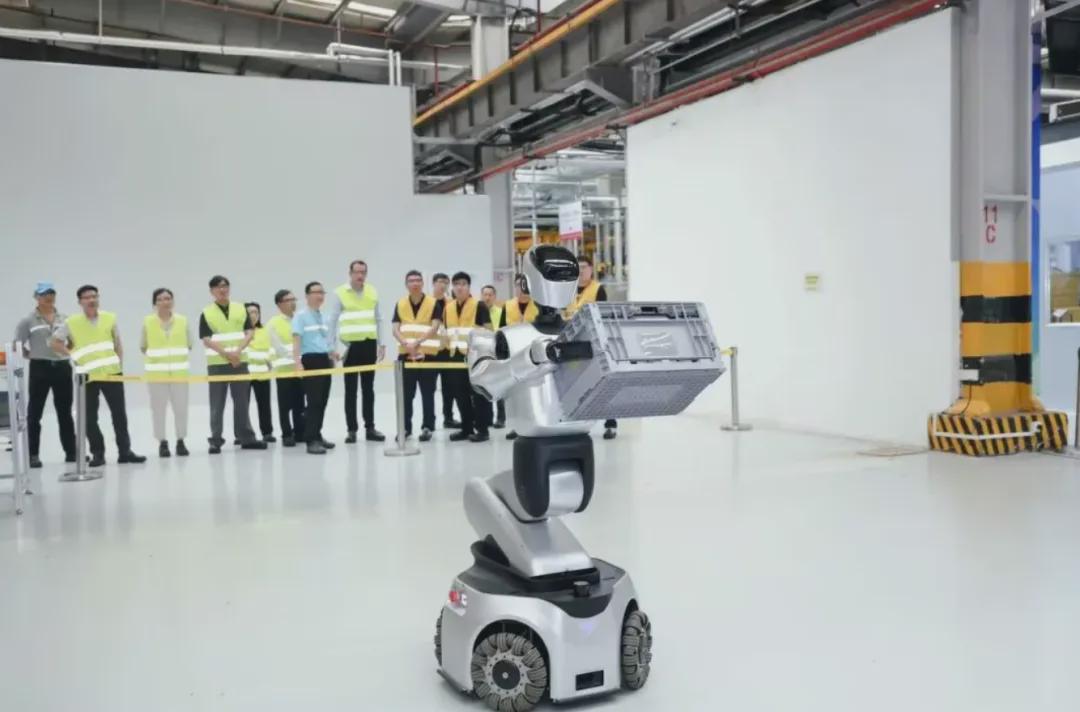
Schaeffler and Hutchinson Forge Partnerships with Robotics Firm Lajuj to Enhance Manufacturing Capabilities
In recent months, French industrial giant Hutchinson has entered into a strategic partnership with Lajuj Robotics, following Schaeffler's similar collaboration. This trend among leading global manufacturers highlights a shift towards embodied intelligence in manufacturing. Despite the proliferation of humanoid prototypes, few have successfully integrated into standard factory operations, making Lajuj's partnerships significant milestones. The importance of these collaborations extends beyond mere agreements; they signify a recognition of humanoid robots as integral to future manufacturing systems. As companies like Schaeffler and Hutchinson align with Lajuj, they are not just validating its technology but also indicating a broader acceptance of humanoid robots in industrial applications. This shift reflects a re-evaluation of production capabilities, moving from traditional automation to more flexible solutions. Looking ahead, the manufacturing sector faces challenges that require adaptability rather than just automation. While traditional robots excel in stable environments, they struggle with the dynamic nature of modern production lines. The ability of humanoid robots to respond to changing conditions will be crucial as manufacturers seek to enhance flexibility and efficiency in their operations. No further timeline was disclosed at the time of publication.
Humanoid Robots Manufacturing Automation Embodied Intelligence Industrial Robotics
Correction Notice for Research Article on Robot Peer Failures and Student Learning
An erratum has been issued for the research article titled 'Observing a robot peer’s failures facilitates students’ classroom learning' published in Science Robotics. This correction addresses inaccuracies found in the original publication, ensuring the integrity of the research findings. The importance of this erratum lies in its impact on the understanding of how robot interactions can enhance educational outcomes. The original study highlighted the role of robot peer failures in facilitating learning among students, a significant aspect of integrating robotics into educational settings. Moving forward, it will be essential to monitor any further updates or corrections related to this research. No further timeline was disclosed at the time of publication.
Errata
Zipline Expands Drone Delivery Operations with New Executives from Tesla, Uber, and Waymo
Zipline is enhancing its drone delivery services in the U.S. by hiring former executives from Tesla, Uber, and Waymo to support its expansion. The company has achieved over 2.5 million commercial deliveries and is currently making one delivery every 20 seconds. With a factory capable of producing 24,000 drones annually, Zipline anticipates a 15-fold growth in its U.S. operations this year. This strategic hiring is significant as it positions Zipline to scale its services in both domestic and international markets, moving beyond its initial focus on medical deliveries in Africa. The addition of experienced leaders from major tech companies is expected to streamline operations and enhance Zipline's competitive edge against rivals like Alphabet's Wing. Looking ahead, Zipline plans to launch operations in Austin, Houston, and Cleveland, with expectations of entering many more U.S. metros and new international markets by 2027. The company's innovative approach aims to revolutionize delivery logistics, making it as seamless as possible for customers.

MIT and Toyota Research Institute Unveil SceneSmith for Robot Household Training
MIT's Computer Science and Artificial Intelligence Laboratory (CSAIL) and the Toyota Research Institute have developed SceneSmith, an AI-powered system that allows robots to practice household tasks in a virtual environment. This system utilizes three visual language models to collaboratively create realistic 3D scenes, enabling robots to learn complex skills through extensive simulation. SceneSmith not only generates lifelike environments but also incorporates physical properties like mass, friction, and inertia, allowing robots to interact meaningfully within these spaces. The research team tested over 100 unique action plans in the digital world, revealing flaws in the robots' planning that were validated by human consensus over 99% of the time, helping to refine their strategies before real-world application. The effectiveness of SceneSmith was highlighted at a recent international machine learning conference, where it received positive feedback from over 200 testers, with more than 90% rating its visual realism highly. As robots learn to perform tasks like moving objects in a kitchen, the prospect of robots handling household chores may soon become a reality.
AI Robotics Virtual Reality Machine Learning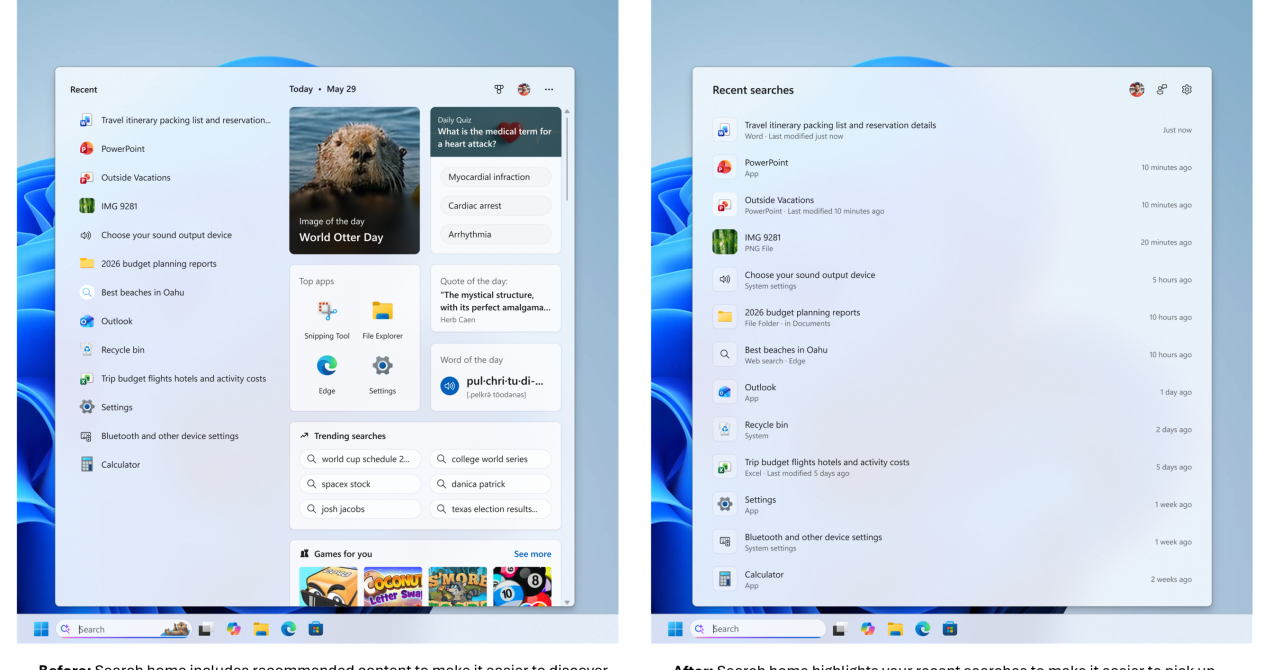
Microsoft Enhances Windows 11 Search Box by Prioritizing Local Results Over Web Promotions
On July 13, Microsoft announced multiple improvements to the search box in Windows 11, rolling out to Windows Insider Program participants. The company aims to provide faster, more relevant, and user-friendly search experiences based on user feedback, focusing on local results. The updated search interface simplifies the home screen by reducing visual noise and removing promotional content from web search results. Users will now see the most relevant answers first, making it easier to identify what will open before clicking. Additionally, users can choose to display web and Microsoft Store suggestions alongside local search results. Microsoft's enhancements also include improved handling of typos and partial words in app searches, ensuring that local content ranks higher than web suggestions when applicable. The company plans to continue refining these features based on user feedback, with no further timeline disclosed at the time of publication.

Evaluating Office Relocation Versus Refurbishment for Business Growth
As businesses grow, they often face the decision of whether to relocate to a new office or refurbish their current space. Both options can enhance productivity and employee satisfaction, but they come with distinct advantages and challenges. Factors such as available space, budget, and business objectives play a crucial role in determining the best course of action. Investing in office refurbishment can modernize workspaces without the disruption of moving, allowing for improvements like flexible workspaces, better lighting, and upgraded facilities. These changes can create a more comfortable and professional environment for employees and clients alike. However, it is essential to assess whether the current office is genuinely limiting business operations or if minor adjustments could suffice. Consulting with workplace experts can provide valuable insights into optimizing existing spaces and identifying efficiency opportunities. Staying in the same location allows employees to maintain familiar routines and access to local amenities. However, if refurbishment cannot resolve fundamental issues, relocation may be necessary. No further timeline was disclosed at the time of publication.
Business Infrastructure business operations commercial property employee experience facilities management
How Pick and Pack Fulfillment is Transforming Order Delivery in the Automation Age
The modern supply chain has undergone a significant transformation, with consumers now expecting two-day shipping as a standard. This shift necessitates a complete rethinking of traditional logistics practices, moving away from manual processes to technology-driven solutions. Companies face challenges in managing increased order volumes while maintaining accuracy, highlighting the need for advanced robotics and smart software in logistics. The implementation of intelligent pick and pack fulfillment workflows is crucial for warehouses to enhance efficiency. By analyzing order data in real time, these systems optimize item retrieval and minimize unnecessary movement within the facility. Techniques such as batch picking and zone picking streamline operations, allowing workers to compile orders more quickly, which leads to faster delivery times and improved customer satisfaction. The rise of autonomous mobile robots (AMRs) marks a significant change in warehouse operations. These robots have evolved from being a novelty to a necessity, utilizing advanced navigation technologies to operate safely in dynamic environments. As logistics providers continue to adopt these innovations, the focus will be on further enhancing operational efficiency and meeting the growing demands of consumers.
Automation Logistics Supply chain amrs autonomous mobile robots e-commerce
Retail Investors Shift Focus from Apple, Tesla, and Chip Stocks Amid Market Changes
Retail investors significantly increased their purchases of SK Hynix on Friday, according to VandaTrack data. However, by Monday, SK Hynix's stock had dropped nearly 9% as South Korea's KOSPI index also fell. This trend reflects a broader pattern where retail traders are moving away from established stocks like Apple, Tesla, and Nvidia, opting instead for newer investment opportunities. This shift is noteworthy as it indicates a rotation in retail trading behavior rather than a complete withdrawal from the market. Despite the selling of major stocks, the overall participation in the S&P 500 continues to grow, with the index's advance-decline line reaching a record high. This suggests that while retail investors are diversifying their portfolios, the broader market remains resilient, with the semiconductor sector facing ongoing challenges. Looking ahead, the upcoming earnings season will be crucial as analysts have raised their forecasts for many companies. This sets a higher expectation for performance, particularly for the tech sector, which has seen mixed results. The balance between retail trading patterns and overall market health will be key to watch in the coming weeks.

Factorial Energy and Tulip Tech Achieve 30% Flight Range Increase with Solid-State Batteries
Factorial Energy, based in Boston, and Tulip Tech from the Netherlands have transitioned from flight testing to the commercialization of lithium-metal UAV battery packs. Announced on July 13, 2026, their strategic partnership aims to expedite the deployment of solid-state and lithium-metal batteries for advanced drones, with initial tests showing over a 30% increase in flight range without engineering optimizations. This collaboration is significant as it addresses the growing demand for high-endurance UAVs across commercial, industrial, and defense sectors, with the global UAV market projected to exceed $160 billion by 2034. Factorial emphasizes that energy storage is a critical bottleneck affecting mission radius, payload, and fleet economics, making their advancements crucial for future drone capabilities. Looking ahead, the partnership establishes a framework for joint customer engagement and a roadmap for volume production. No further timeline was disclosed at the time of publication, but the companies are moving swiftly from testing to commercialization, indicating a strong potential for future developments in UAV battery technology.
battery technology Drone News Drone News Feeds drone parts News $160 billion UAV market
Boeing's MQ-25A Drone Achieves Milestone with Second Test Flight for U.S. Navy
Boeing announced that the U.S. Navy's MQ-25A Stingray has successfully completed its second test flight, marking significant progress in the development of the Navy's unmanned refueling aircraft. This flight confirmed the drone's flight controls and performance, moving closer to its intended carrier operations. The successful test is crucial as it demonstrates the MQ-25A's autonomous capabilities, including managing propulsion and onboard systems independently. This advancement is expected to enhance the operational range of carrier-based fighter jets and reduce the workload on current refueling teams. Looking ahead, Boeing plans to continue testing at MidAmerica St. Louis Airport, focusing on expanding the aircraft's flight envelope and capabilities. The enhancements made during this flight, including new software updates, are vital for the MQ-25A's future development stages as it aims to become the Navy's first operational carrier-based aerial refueler.
Military
University of Illinois Researchers Challenge Traditional Views on Brain Decision Making
Researchers at the University of Illinois Urbana Champaign have revealed new insights into brain decision-making processes, suggesting that these processes begin earlier than previously thought. This research, led by Professor Yurii Vlasov, indicates that early sensory brain regions play a crucial role in decision-making, contradicting the long-held belief that decisions are made only after information passes through a strict hierarchy of brain regions. The implications of this study are significant for both neuroscience and artificial intelligence. By understanding that decision-making involves interconnected feedback loops rather than a linear progression, researchers can design AI systems that mimic this biological architecture. This could lead to the development of AI that is not only more capable but also more energy-efficient, addressing current limitations in AI technology. Moving forward, the research team aims to further explore how biological intelligence, refined through evolution, can inform AI development. No further timeline was disclosed at the time of publication.

FF Robotics Upgrades Strategy with 'Quad-Core Intelligence' Ecosystem and 2000 Units Target
On July 13, FF founder Jia Yueting announced the upgrade of FF Robotics' strategy from a 'Trinity' model to a 'Quad-Core Intelligence' ecosystem. This strategic iteration follows the launch of four major robot series in February and the completion of the 'Full-Form EAI Robot World' in June, marking a significant advancement in embodied intelligence. The upgrade introduces a new core module focused on industry productivity solutions and a developer platform, targeting four key sectors: education, industrial, security, and inspection. Jia emphasized that this shift aims to transition from standalone capabilities to a comprehensive system that addresses industry-specific pain points, facilitating the practical application of FF robots in real-world scenarios. Looking ahead, FF aims to achieve a sales target of 2000 units by the end of the year, with the Q3 launch of the first FF EAI Robot Productivity Practical League to showcase real-world applications. This initiative, alongside the sales goal, is expected to validate the effectiveness of robots as productivity tools, moving beyond mere demonstrations to practical utility.
Robotics Artificial Intelligence Industry Solutions Productivity Tools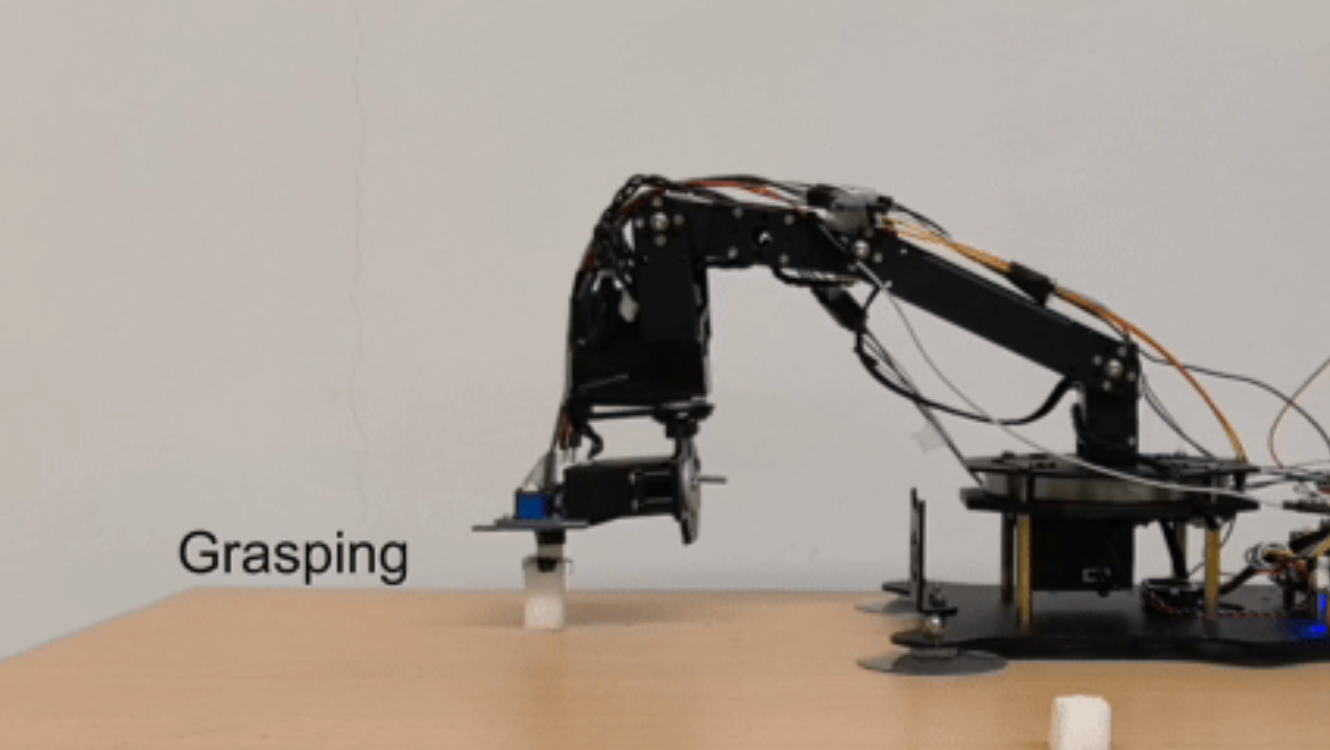
Soft Graphene Muscle Enables Robots to Maintain Stability for Over 13 Hours
Researchers from Sun Yat-sen University and Tsinghua University have developed a soft robot capable of maintaining stability against disturbances for over 13 hours. This innovation utilizes an ultrathin soft muscle, known as Soft Graphene Muscle (SGM), which integrates self-sensing, electrothermal actuation, and disturbance control without the need for external sensors. The significance of this development lies in its potential to enhance the operational capabilities of soft robots in real-world environments. Traditional soft robots often struggle with stability due to their flexible structures, which can amplify disturbances. The SGM's ability to adaptively balance objects heavier than itself marks a significant advancement in soft robotics, moving closer to practical applications. Future developments to watch include the potential for further integration of sensing and control within soft materials, as well as the implications for deploying soft robots in complex environments. The research was published in eScience, highlighting the collaborative efforts of experts in biomedical engineering and integrated circuits from both universities.
Soft Robotics Adaptive Control Robotics Engineering AI Material Science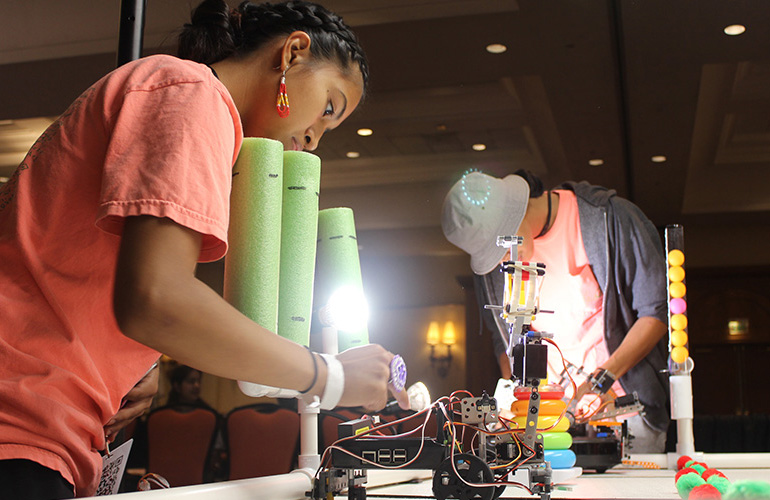
KISS Institute Launches BotBall to Enhance STEM Education with Student-Led Robotics
The KISS Institute for Practical Robotics (KIPR) has introduced BotBall, a robotics program designed to foster creativity and critical thinking among students. This initiative emphasizes student-led engineering, allowing participants from elementary to high school to engage in hands-on learning using a standardized kit. The program ensures a level playing field by providing all teams with the same materials, promoting accountability and project management skills without adult intervention during competitions. BotBall challenges traditional educational models by integrating real programming languages like C and Python into its curriculum, demonstrating that students can handle complex coding at an early age. The Junior Botball Challenge (JBC) further innovates by allowing up to five students to collaborate on a single robot, shifting the focus from competition to inquiry-driven problem solving. This approach encourages teamwork and a deeper understanding of both mechanics and software among participants. As the school year approaches, KIPR is expected to release more details about the upcoming competition schedule. The BotBall program represents a significant shift in STEM education, moving away from conventional roles and fostering a new generation of students who are well-versed in both engineering and programming disciplines. No further timeline was disclosed at the time of publication.
Autonomous Mobile Robots (AMRs) Educational News competition education workforce
Humanoid Robots Enhance Performance in Real-World Applications with New Testing Metrics
Recent advancements in humanoid robotics have led to the development of new testing methods that evaluate how effectively these robots can handle real-world forces. This shift is significant as humanoid robots transition from novelty items to practical tools in various industries, including manufacturing and logistics, where they perform tasks such as lifting heavy boxes and moving furniture. The importance of this testing lies in its ability to measure the robots' capabilities in dynamic environments, ensuring they can operate safely and efficiently alongside human workers. As these robots take on more demanding roles, understanding their physical interactions with the environment becomes crucial for their integration into workplaces, enhancing productivity and safety. Looking ahead, the continued evolution of testing methodologies will be essential for the deployment of humanoid robots in more complex scenarios. No further timeline was disclosed at the time of publication, but ongoing research is expected to yield more robust performance metrics that will guide future developments in this field.
Robotics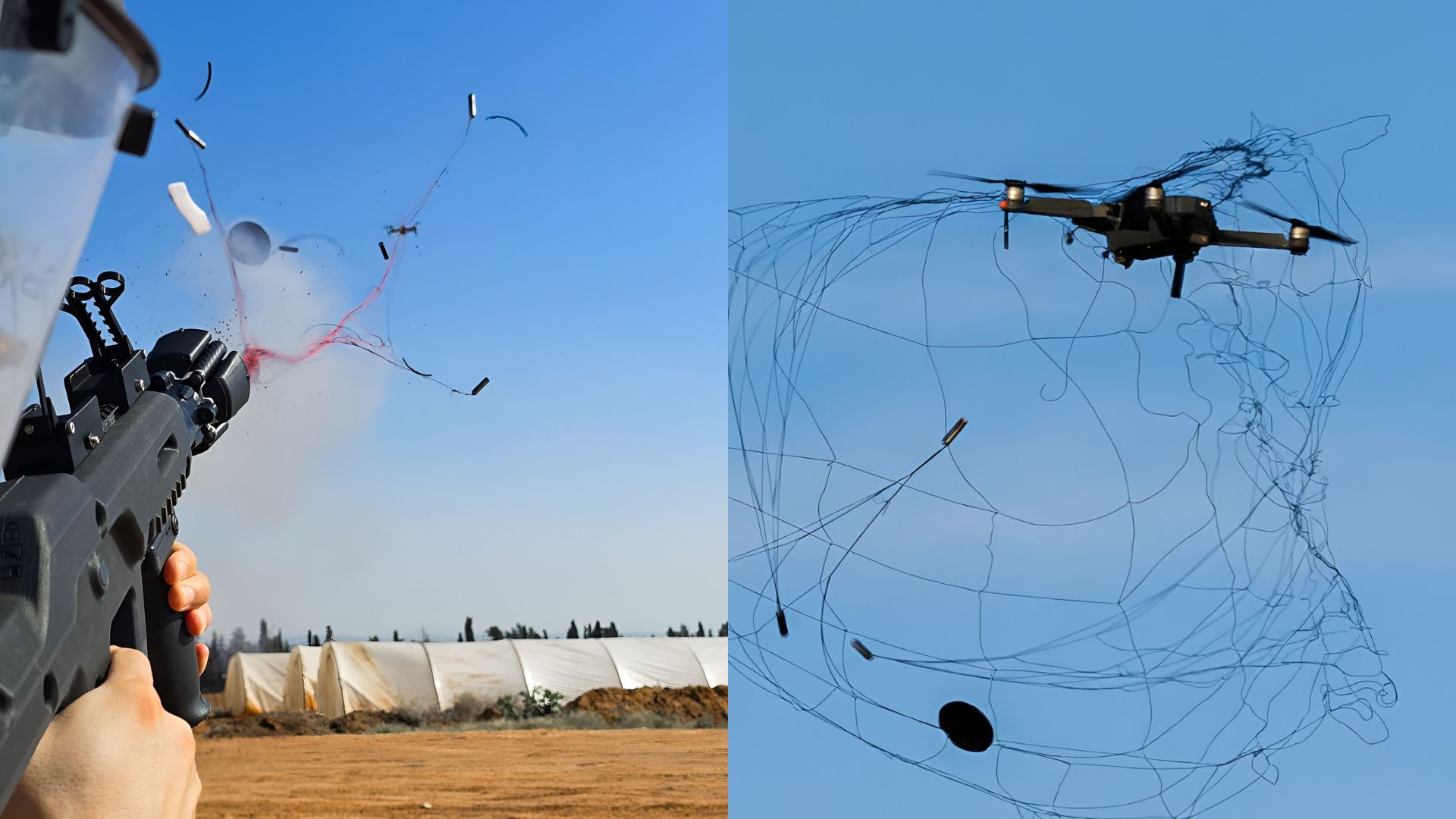
ParaZero Technologies Launches DefendAir for Autonomous Drone Interception in Military Applications
ParaZero Technologies has introduced its DefendAir platform, designed to intercept first-person view (FPV) drones autonomously before they can strike military vehicles. This system utilizes a non-explosive net-based interception method, creating a 360-degree defensive envelope around assets. The platform aims to enhance protection for both moving and stationary high-value military targets without the weight penalties of traditional armor. The rise of low-cost FPV drones has prompted militaries to seek effective countermeasures, as these drones have proven capable of damaging expensive military equipment. ParaZero's DefendAir addresses the limitations of conventional protective measures, such as steel cages, by offering a more agile and responsive solution. The system's ability to detect and neutralize threats rapidly is crucial for modern battlefield scenarios, where speed and precision are paramount. ParaZero is currently collaborating with Tier-1 defense companies to refine the DefendAir technology for operational requirements. While the company has not disclosed specific partners or a timeline for deployment, the focus on active counter-drone systems reflects a broader trend in military strategy, emphasizing the need for innovative solutions to counter evolving aerial threats. No further timeline was disclosed at the time of publication.
Military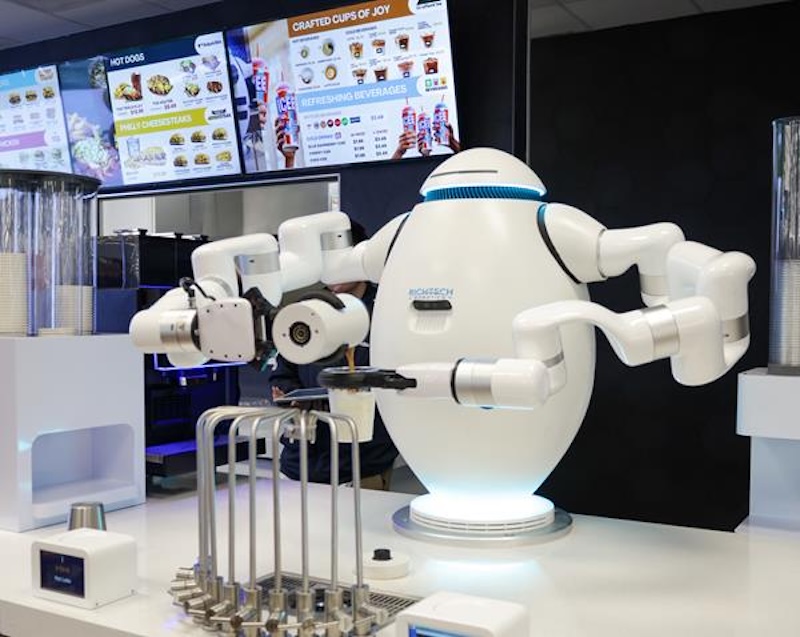
Richtech Robotics Introduces 24/7 Livestream with AI Robot ADAM for Global Interaction
Richtech Robotics, based in Nevada, has launched a 24/7 interactive livestream featuring its AI humanoid robot, ADAM. This initiative allows global audiences to engage with ADAM in real-time, asking questions and observing the robot's responses. The platform utilizes Nvidia Jetson Thor for onboard computing and the Nvidia Isaac open robotics platform, showcasing the capabilities of embodied AI. This livestream initiative is significant as it represents a shift in human-robot interaction, moving beyond traditional pre-recorded content to a dynamic, user-controlled experience. Richtech Robotics aims to demonstrate how AI-powered robots can effectively communicate in real-world settings, enhancing user engagement and showcasing their broader portfolio of automation solutions across various industries, including hospitality and manufacturing. Looking ahead, Richtech Robotics is positioned to lead advancements in intelligent automation and robotics. The company plans to continue evolving the interaction between humans and robots, with no further timeline disclosed for additional features or expansions of the ADAM livestream platform at the time of publication.
Humanoids adam AI-powered robots artificial intelligence automation conversational ai
HeShan Technology Raises Hundreds of Millions in Series B Funding Amid Fourfold Order Growth
HeShan Technology, based in Beijing, has successfully completed a Series B funding round, raising hundreds of millions of yuan. The investment comes from a mix of industrial capital and specialized investment firms, including TaiPing Innovation and Junsheng Electronics. This funding marks the third financial boost for the company in six months, with plans for a Series C round already underway. HeShan reported that its total orders in the first half of the year reached four times that of the previous year, with monthly deliveries of tactile sensors stabilizing at tens of thousands. The significance of this funding round lies in the clear investment trends within the robotics sector. Investors like Junsheng Electronics and AUX are focusing on practical technologies that can integrate with existing production lines, moving away from speculative concepts. HeShan has established a comprehensive stack covering chips, sensors, and data simulation, addressing the growing demand for tactile perception in smart healthcare devices, especially as the aging population increases in China. Looking ahead, HeShan Technology's next milestone will be the advancement of its Series C funding efforts. The company is poised to leverage its tactile technology to enhance safety in elderly care scenarios, collaborating with industry partners. No further timeline was disclosed at the time of publication, but the strong order volume and delivery capabilities position HeShan as a leader in the tactile robotics market, addressing the industry's need for mature, scalable solutions.
Tactile Sensors Robotics Industrial Automation AI Technology
Can Google Cloud break free from its "perennial third place" status? An analysis of the favorable winds.
Google Cloud is experiencing a positive shift in the enterprise market as major domestic system integrators (SIs) in Japan are moving towards collaboration with the company. This development comes in the wake of Google Cloud's previous struggles to compete with industry giants like AWS and Microsoft. The partnerships are being forged to leverage Google Cloud's capabilities, particularly in artificial intelligence, which is seen as a strategic advantage in enhancing service offerings. The collaboration aims to integrate AI agents into various business solutions, reflecting a growing recognition of Google Cloud's potential in the market. As these SIs align with Google Cloud, the company is poised to strengthen its position and expand its influence in the enterprise sector.

Microsoft invests $2.5 billion to establish AI transformation organization focused on customer data and multi-model support.
Microsoft has announced the establishment of a new organization, investing $2.5 billion and employing 6,000 experts, aimed at assisting companies struggling with the challenges of artificial intelligence transformation. This initiative comes as many businesses face difficulties in moving beyond proof-of-concept stages. The new organization will specifically address critical concerns regarding data security management and the flexibility in model selection, providing tailored solutions to enhance AI implementation in various industries.

What Makes AI Art Worth Collecting?
In May, an anonymous artist who goes by SHL0MS on X posted that he had used AI to generate an image inspired by Claude Monet and asked people to weigh in on how it missed the mark. More than 600 responses called out issues, saying the colors were off, the depth was all wrong, and that AI didn’t understand how light worked.SHL0MS then revealed that the image was of a real Monet, one of around 250 variations of water lilies the artist had painted in his lifetime. He had simply downloaded a high-resolution image from Wikimedia and cropped out the signature. He minted the exchange as an NFT (a unique digital collectible recording ownership of the work), titled it “Inferior Image,” and sold it for just over US $40,000 after 28 bids.The stunt exposed how charged the conversation around AI art has become, and how quick people are to dismiss anything AI-generated as slop—even when it’s not. Yet even as those arguments continue, a market for AI-generated art has begun to form anyway. It’s fragmented and contested, but bigger than most people realize.Jediwolf, an anonymous collector who says he has spent more than 20 years acquiring digital and AI art, was watching the experiment unfold in real time on X. He had never interacted with SHL0MS before, but when the NFT went up for auction he made a bid and won. “I was buying a unique moment in time,” he says, “captured by an artist and preserved as a token.”The Monet was not AI art, but most of what Jediwolf buys is. One of Jediwolf’s digital collections, which he calls UnderTheGAN—a play on GANs, or generative adversarial networks, the AI technology that preceded today’s diffusion models—comprises roughly 100 works valued at around $72,000, focused on early AI art from 2015 to 2020, before the medium went mainstream. He describes his role as part collector, part researcher, part curator, trying to document a fast-moving field.“A decade ago, digital art was often treated as peripheral to the ‘serious’ art world,” he says. “Today, it is increasingly difficult to separate contemporary culture from the internet.”AI Art Moves Into MuseumsThe market for AI art extends beyond NFTs: AI-generated pieces are also finding their way into physical installations. Last month saw the opening of Dataland, the world’s first generative AI museum, in downtown Los Angeles. It was spearheaded by Refik Anadol, a digital artist who has built a career out of transforming data into large-scale immersive experiences. The opening exhibition has pieces that use data that Anadol collected from rainforests around the world, with real-time weather information from 16 rainforests feeding into all five galleries. In three of the rooms, the imagery also shifts in response to visitors’ own biometric data, tracked by bracelets they wear. Like any museum it sells tickets, ranging from $49 to $79, and has a gift shop. This shop, however, uses visitors’ biometric data collected during their visit to generate a unique design printed on a T-shirt. For $15,000, a robotic painting system called Qualia creates a one-of-a-kind canvas from that same data, painted once a day, with a waiting list already forming. A founding collection of 1,000 AI data sculptures that evolve based on environmental data from global rainforests sold out in 34 minutes at $5,000 each.The system running it all, which Anadol calls the Large Nature Model, was trained on more than 500 million nature images representing 2.2 million species, gathered through field expeditions to 16 rainforests and partnerships with institutions including the Smithsonian and the Cornell Lab of Ornithology.For Anadol, AI art requires a different kind of transparency than any medium that came before it. Because commercial AI tools have shaped how most people understand the technology, artists working with it seriously have to be more open about their process than painters or photographers ever did.“For AI art, we have to know where the data comes from, we have to know which model is trained and how it’s trained,” he says. “We can’t just think about authenticity and uniqueness if a service and product is the fundamental layer of the artwork.”The reviews for Dataland have mostly been positive, with one critic calling it the Citizen Kane of immersive experiences. But Anadol is used to a more divided reception. His 2022 installation at MoMA—a 7-by-7-meter screen of AI-generated fluid forms with shifting colors and sounds—drew 3 million visitors and entered the permanent collection, even as New York Magazine called it “a massive techno lava lamp.” Anadol sees the skepticism as nothing new, just the latest version of a resistance that has greeted all new media. “Every art form has gone through similar cycles of denial,” he says. “We are living in a renaissance that started 10 years ago, and I just don’t think everyone is aware of it yet.”Who Is Buying AI Art?The broader market data points in multiple directions at once. According to the Art Basel and UBS Art Market Report 2026, digital art’s share of sales nearly tripled between 2024 and 2025, and just over half of all fine art collectors surveyed had purchased a digital artwork in 2025, making it the third most popular category after painting and sculpture (the report does not break out AI art specifically).Meanwhile, Christie’s shuttered its pioneering digital art department in September, folding digital works back into its broader contemporary sales after none of its dedicated auctions broke $400,000.The most data-rich window into buyer behavior comes from a less glamorous corner of the market. After one major stock image platform allowed AI-generated images, monthly sales jumped 80 percent, according to Samuel Goldberg, an economist at Stanford Graduate School of Business who published a research paper about the shift. Traditional contributors began leaving the platform as generative images flooded in, and creators using AI tools rushed to fill the gap. “It looks like consumers like generative AI,” Goldberg says, “and it seems like nongenerative artists could be getting crowded out of the market.” Stock images are essentially a commodity version of art, according to Goldberg, and because image-generating models are already very good at producing them, what’s happening there may be a preview of what’s coming for other creative goods markets—including fine arts—as the technology improves.Artists are typically among the first to test the limits of a new technology; early adopters have created AI art since the 1970s. What’s new now is the ability for anyone to generate an image in seconds with a text prompt. That, according to Christiane Paul, curator of digital art at the Whitney Museum of American Art, is not the same thing at all. What fills those stock-image platforms, and what most people encounter when they think of AI art, does not qualify as art.True AI art, Paul says, is a subcategory of digital art that uses artificial intelligence as both a tool and a medium, engaging with it practically and conceptually, doing things like training custom models, building extensions, and layering control systems. “A visual created by a prompt is not art,” she says. What serious AI artists are actually doing is much more than typing a few words into DALL-E.Far from the shortcut most people assume, working seriously with AI as an artistic medium is, by her account, brutally hard. Every artist she talks to says the same thing. “It is much, much harder than a paintbrush to handle,” she says. “You are literally communicating with a system with a completely different logic.”Thanks to bubblemaps.io for its research assistance on the NFT market.
Ai-art Generative-ai Digital-art Blockchain
At VinFast’s plant, Vietnam’s global EV ambitions take shape
HAI PHONG, Vietnam — Inside VinFast’s sprawling factory complex in northern Vietnam, sparks fly from robotic welding arms behind safety fences as workers inspect panels and assemble vehicles moving overhead along the line. The scene captures both the industrial ambition and manufacturing drive of a young automaker trying to turn Vietnam’s homegrown electric vehicle brand into a global contender. The Hai Phong factory, about two hours from Hanoi, sits at the center of VinFast’s effort to make its
All News
A soft exoskeleton could restore hand function in people with motor impairments
Recent technological advances have opened valuable possibilities for supporting people with motor impairments or who are recovering from injuries to the brain, spinal cord or nerves. Millions of people worldwide currently experience difficulty moving their hands or other parts of their body. Some of these motor impairments are associated with progressive neurodegenerative diseases, such as amyotrophic lateral sclerosis (ALS), while others are the result of neurological damage caused by an injury or a stroke.
Robotics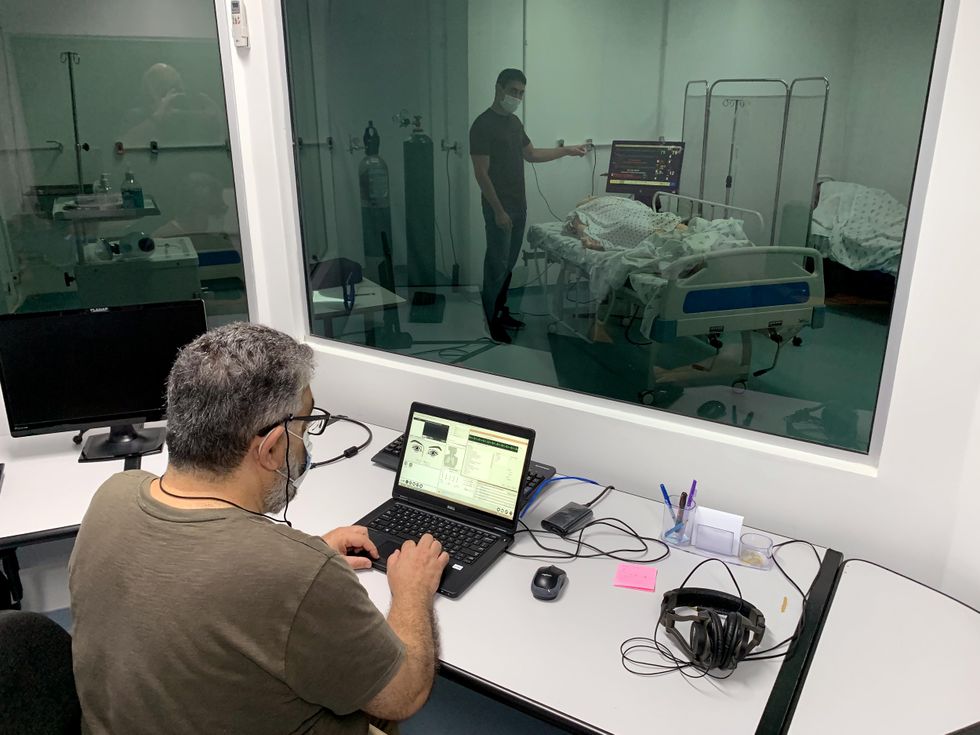
Small-AI Models Gain Traction Around the World
One morning in 2019, Adebayo Alonge was in a Cape Town hotel room, preparing to demonstrate his startup’s AI answer to a serious problem in African health care: counterfeit medication, which kills thousands of people across the continent every year.The RxScanner is a handheld spectrometer that scans a pill with infrared light, then sends the item’s molecular profile to an AI model equipped with a pharmaceutical database. In seconds, the AI identifies the medication from its molecular profile—or reports that it’s phony.Pharmacies were using the system in more than a dozen countries, including Ghana, Kenya, Myanmar, and Alonge’s native Nigeria. But that morning in South Africa, it didn’t work. “I was shocked,” Alonge says.The spectrometer connected to the AI model—but the data center was 14,000 kilometers away and bandwidth was limited. “Our server was in the United States, and just to get the result of a single scan was taking me over 5 minutes.”So Alonge immediately asked his engineers to shrink the AI model down to a smaller, low-power, unconnected version that could run entirely on his Android phone. They produced it 2 hours later, and that saved the demo.More importantly, the work birthed a new version of his device, which can authenticate a pill in places without broadband, computers, or even reliable electricity. It also turned Alonge into an advocate for this kind of “small AI.”Small AI for Global Health Care AccessSmall AI is a far cry from wealthy nations’ colossal large language models (LLMs), hyperscale data centers, multibillion-dollar investments, and debates about AI consciousness. But for millions of people around the world, the only AI that matters, and often the only kind available, is small. (According to a World Bank Report issued in November, only 0.7 percent of internet users in the world’s poorest countries have used ChatGPT, compared to a quarter of all internet users in the most developed nations.)“Most people are discussing AI from the LLM/generative side. But that needs a lot of computing power, electricity, massive data, and skilled people to manage it,” Ajay Banga, president of the World Bank, said last January at the World Economic Forum, in Davos. “Outside the developed world, other than maybe India and China, very few countries have that combination.”By contrast, small AI can deliver useful, even life-saving services to people in areas that have none of those things, Banga said. In India, where the government’s AI plans call for more development of small AI, many such systems are working for farmers.For example, a drone-based system developed by Bala Murugan and colleagues at the Vellore Institute of Technology, in India, takes photos of cashew plants and quickly identifies those with splotches that indicate disease. All the processing takes place on the drone itself, so there’s no need for a computer on-site, nor for a connection to a central server.Using small language models trained for a specific problem, and sometimes running on cheap, low-power devices, other small-AI implementations have been developed to identify ant infestations in a Uruguayan vineyard, detect the presence of malaria-carrying mosquitoes in a number of nations, and run electrocardiograms from an Arduino device in parts of Brazil that lack access to more complex equipment.“This is the most important area in AI nowadays,” says Marcelo José Rovai, a professor at the Institute of Engineering and Information Systems at the Federal University of Itajubá, in Brazil, who was involved in all three projects. “It’s growing very fast.”Low-Power, Small-AI Models on Devices Small AI models can run on a variety of low-power devices, including [from left to right] an Arduino Nano 33 BLE Sense, a Seeed Wio Terminal, and an Arduino Portenta.Moez AltayebFor Alonge, Rovai, and other advocates, small AI is not just “a promising trend,” as that November World Bank report calls it. It may be, in the long term, the form of AI that will touch the most lives and remain sustainable after some of the giant models become too costly for most users.“I think the future of AI is not like one giant model, at a center. I think it’s millions of small, precise models deployed at the edge, each one solving like a specific problem, a specific context,” Alonge says. This is partly because much of humanity—including people in parts of rich countries as well as the developing world—lives without access to cutting-edge frontier models. But, he says, it’s also because those models are not sustainable.“If someone is not subsidizing it, most people will not be able to afford those models. So those of us who are said to be small-AI developers are the ones who will have to build for the majority of the world,” Alonge says.There is no strict definition of “small AI,” but people often use the term for language models with at most a few billion parameters. (Compare that to cutting-edge models, which can include more than a trillion.) That’s small enough to run directly on a phone or a Raspberry Pi. That’s what allows these applications to run on devices without a connection to a data center and use only a few watts of power, often supplied by a battery or a solar panel.Despite their small footprint, these models aren’t fundamentally different technology from that of gigantic AI models, Rovai says. Many instances of small language models were created the same way the phone-based version of Alonge’s pharmaceuticals scanner was—by “pruning” large models, or removing the parameters that weren’t involved in the task. The result is a system that’s less capable generally but still very good at the specific job it was pruned for, Rovai says. A lighter version of RxAll’s RxScanner spectrometer sends its results to an AI model run locally on a phone to check that a drug’s molecular signature is genuine.RxAllOther small models are created by “distillation.” They are trained to mimic a large model, until their performance approaches that of their “teacher,” Rovai says. In other cases, a larger model’s precision is reduced, for example, so that a model run on 32-bit architecture can run on 8-bit designs. In situations where the machine learning application is being used to classify data or predict patterns (like an ant infestation), it’s trained from the beginning on a small device, not derived from a larger model at all. Running all these small, specialized systems is becoming easier, Rovai says, for two reasons.The first reason is that hardware is getting better and more capable while using less power, he says. This means more and more phones can run small AI—especially those equipped with neural processing units, which are specialized chips that handle AI tasks like facial recognition and changing the brightness, shadows, or contrast in a photo.In 2025, slightly more than a third of all smartphones shipped worldwide were capable of running generative AI, and that figure will reach 45 percent by the end of this year, according to the technology research firm Counterpoint. By the end of next year, slightly more than half of all smartphones will be able to run a small AI model.The second reason Rovai cites is the shrinking footprint of language models. Both Google DeepMind’s Gemma 4 (released in April) and Alibaba’s Qwen 3.5 are “fantastic” for small AI, Rovai says. Both models are “open weight,” meaning users can adjust the connections between parameters to suit their needs. This makes it easy, for example, “to take a lot of data from, say, the milk industry and retrain the model specifically on that,” Rovai says.Rovai illustrated these reasons on a Zoom call, using one of his most recent experiments. Holding up a device, he says, “This is the new Arduino UNO Q—a US $50 device with a Qualcomm chipset. I’m running a language model here, which collects data from sensors and analyzes that data to detect tiny pools of water where mosquitoes might be breeding. It takes 3 watts to run it.”Support for Small-AI DevelopmentConvinced that millions of people are already benefiting from these kinds of applications, the World Bank now actively promotes small AI with grants, mentorship programs, financing, technical advice, and models of government policies that are friendly for small-AI development. For example, in Rwanda, the World Bank is backing a government program to help low-income households get devices that can run AI.All that said, no one claims that large language models are going away entirely. To create a generative AI that can run on a phone or other small device requires the architectural insights, data processing, and results of a larger model, Rovai says. “We need the big models to create these smaller models.” And for all that small AI can benefit people without access to big AI, the technology can’t solve the larger problems of development and digital inequality, Alonge says. Implementing small AI won’t allow nations to escape the challenge of creating an ecosystem to support AI: reliable power, a supply chain that works, and an educational system that develops the talents needed to create AI tools.Though his drug-scanning system can run for days on a phone with no connection, “you still want to be able to enable periodic syncing for updates with new signatures for the medications and analytics,” Alonge says. “And even when you are using batteries, reliable power is important. That phone battery is not going to last forever.”In many parts of the world, the future of small AI isn’t assured, he says. “It works, and many places will eventually need to use it. The question is whether or not the political actors are wise enough to invest in infrastructure to support it long term.”
Small-language-models Artificial-intelligence Llms
HKU professor's startup Yisheng Technology secures hundreds of millions in angel funding to develop memory systems for robots.
TranscEngram, a robotics startup focused on developing autonomous intelligence, has successfully secured hundreds of millions in angel funding. The investment round saw participation from a diverse group of industry and state-owned enterprises, including Charoen Pokphand Group’s China National Pharmaceutical, Pudong Venture Capital, and several others. Founded in September 2023 by leading AI experts, including Professor Ma Yi from the University of Hong Kong, TranscEngram aims to create a unified system for robots that mimics human cognitive processes through a "brain + cerebellum" architecture. This innovative approach seeks to advance the field of explainable embodied intelligence by enabling robots to learn through a closed-loop of perception, prediction, and interaction. The newly acquired funds will primarily support the development of advanced models for embodied control and physical world modeling, as well as the establishment of research and industrial bases in Shenzhen and Shanghai. The company’s technology promises to enhance robots' capabilities in self-correction and continuous evolution, moving towards commercial applications. TranscEngram's unique memory system allows robots to learn from vast amounts of data without relying on fixed programming, significantly improving their performance in multi-tasking scenarios. The startup is currently focusing on high-end service sectors, such as hotel operations and flexible manufacturing in aerospace, aiming to automate and optimize these industries. With research and data centers established in major cities, TranscEngram is collaborating with leading robotics firms to integrate its innovative solutions into existing production processes, enhancing efficiency and adaptability in real-world applications.

VeriSilicon Introduces CPP2000 Camera Post-Processing IP for Embodied Robotics and Mobile Vision Applications
Researchers have made significant advancements in improving image quality and visual perception for moving-camera systems. This development, which emerged from ongoing studies in the field of computer vision, aims to enhance the performance of various applications, including autonomous vehicles and drone technology. The breakthrough was announced in October 2023, following extensive testing and refinement of algorithms designed to process and interpret visual data more effectively. The motivation behind this innovation stems from the increasing reliance on moving-camera systems in everyday technology and the need for clearer, more accurate imagery in dynamic environments. By employing advanced machine learning techniques, the researchers have created a system that can better handle motion blur and varying lighting conditions, ultimately leading to more reliable visual outputs. The process involved rigorous experimentation with different data sets, allowing the team to fine-tune their algorithms for optimal performance. As a result, this enhancement is expected to significantly improve the safety and efficiency of systems that rely on real-time visual data, paving the way for broader applications in industries such as transportation, surveillance, and entertainment. This breakthrough not only represents a step forward in technology but also highlights the ongoing commitment to innovation in the realm of visual perception and image processing.
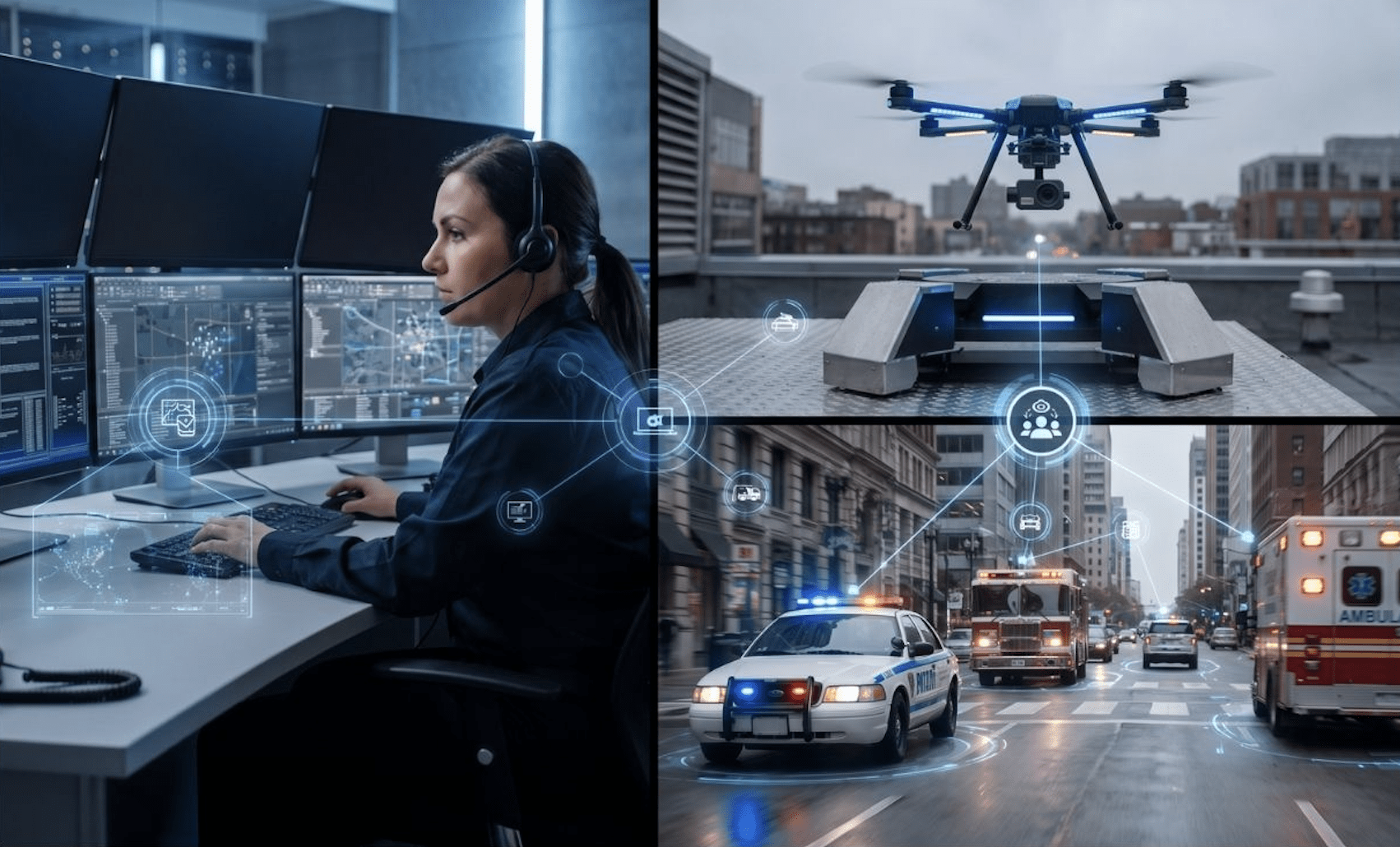
Versaterm on the Drone Radio Show! Next Level Integration of Drones into Public Safety
In a recent episode of the Drone Radio Show, Ryan Bracken from Versaterm discussed the company's acquisition of DroneSense and its implications for public safety agencies. This strategic move aims to enhance the integration of drone technology into computer-aided dispatch (CAD) workflows, moving beyond traditional standalone drone programs. The conversation highlighted the common characteristics of successful drone initiatives and offered insights on how agencies can develop sustainable operations while adhering to budget constraints. This integration is seen as a crucial step in advancing the use of drones in public safety, enabling agencies to leverage aerial technology more effectively in their operations.
Applications Drone News Drone News Feeds emergency response News Podcast
Software Bounced Exactly Where I Wanted; What's Next?
The iShares Expanded Tech-Software Sector ETF (IGV) has experienced an 11% rebound since late June, driven by a shift in capital from semiconductor stocks. This recovery is supported by a strategic increase in the ETF's allocation to cybersecurity leaders, which now comprises 21.27% of its holdings, as these integrated platforms have been outperforming both generic software and the overall market. Major contributors to this growth include Microsoft and Oracle, which together account for 14.33% of IGV and are nearing the end of their selloff, with most downside risks already reflected in their valuations. Amrita Roy, an investment strategist based in Vancouver, plans to increase her holdings in IGV and select software stocks if technical indicators confirm a positive trend. She emphasizes the importance of monitoring price movements relative to the 200-day moving average and broader market trends. Roy, who runs a family office fund focused on sustainable growth investments, aims to provide accessible financial insights through her award-winning newsletter, The Pragmatic Optimist.
SMH ORCL MSFT PANW CRWD FTNT
Tsinghua and CAS teams collaborate with West China Hospital to develop a home care transport robot.
Shenzhen-based Kolidian Technology Co., Ltd. has recently secured strategic financing led by Lihe Kechuang, with participation from the Jiangsu Zhongke Intelligent Science and Technology Application Research Institute. This funding will primarily support product development, team expansion, and commercialization efforts. Kolidian focuses on AI and robotics in the eldercare sector, offering products designed for home companionship and rehabilitation. The company has developed a proactive companionship robot for home use and a rehabilitation transport robot in collaboration with Sichuan University’s West China Hospital. Both products have completed prototype development and are moving towards small-scale production and commercialization. As China's population ages, the silver economy is emerging as a significant market, with projections suggesting it could exceed 30 trillion yuan by 2035. The national strategy to actively address aging demographics is driving growth in the eldercare robotics sector. The GR-150 rehabilitation transport robot, designed for medical and eldercare institutions, utilizes advanced navigation and sensor fusion technology to assist patients with mobility. Kolidian's second-generation home companionship robot integrates health monitoring, emotional support, cognitive assistance, and safety features. It can interact with users, detect falls, and provide alerts, while also offering multimedia capabilities. The company aims to finalize product design by the third quarter of 2026 and begin small-scale production by the fourth quarter, with plans for revenue generation by 2027. The founding team, led by Wang Yuheng, combines expertise from prestigious institutions, positioning the company to capitalize on the growing demand for intelligent eldercare solutions. Investors view Kolidian as a promising player in the intersection of the silver economy and embodied intelligence.

Tencent launches Ubisoft-licensed Just Dance: Party on mobile platforms with AI body tracking
Tencent has officially released Just Dance: Party, a mobile rhythm game inspired by Ubisoft’s popular Just Dance franchise. The game is now available for download on iOS, Android, and HarmonyOS devices. Utilizing a proprietary AI-powered skeletal tracking algorithm, Just Dance: Party allows players to engage in full-body motion capture using only their smartphone's front-facing camera, removing the necessity for additional accessories like dance mats or motion controllers. This innovative approach aims to enhance accessibility and convenience for users, making it easier for fans to enjoy the dance experience anytime and anywhere.
News Feed
In Robotics, Ruggedization Is No Longer Optional
As the field of robotics advances, the need for ruggedized design in autonomous systems is increasingly recognized as essential for dependable performance in real-world environments. This shift highlights the growing importance of durability and resilience in robotic applications, moving beyond controlled settings to tackle more challenging conditions. The push for ruggedization is driven by the demand for robots to operate effectively in diverse and often harsh environments, ensuring they can withstand various operational stresses. This trend reflects a broader evolution in robotics, as developers prioritize the integration of robust features to enhance reliability and functionality in practical applications. The emphasis on rugged design is becoming a fundamental requirement for the future of autonomous robotics.
Sponsored Content WiBoticRobotics needs a service framework.
RSF defines a common language for robot service capability, lifecycle operations, certification pathways, and service-provider networks.