Industry Briefing
A single destination for timely, editor-curated robotics news from around the world.
Blykalla and Microsoft Reduce Lead-Cooled Reactor Licensing Time from Years to Months
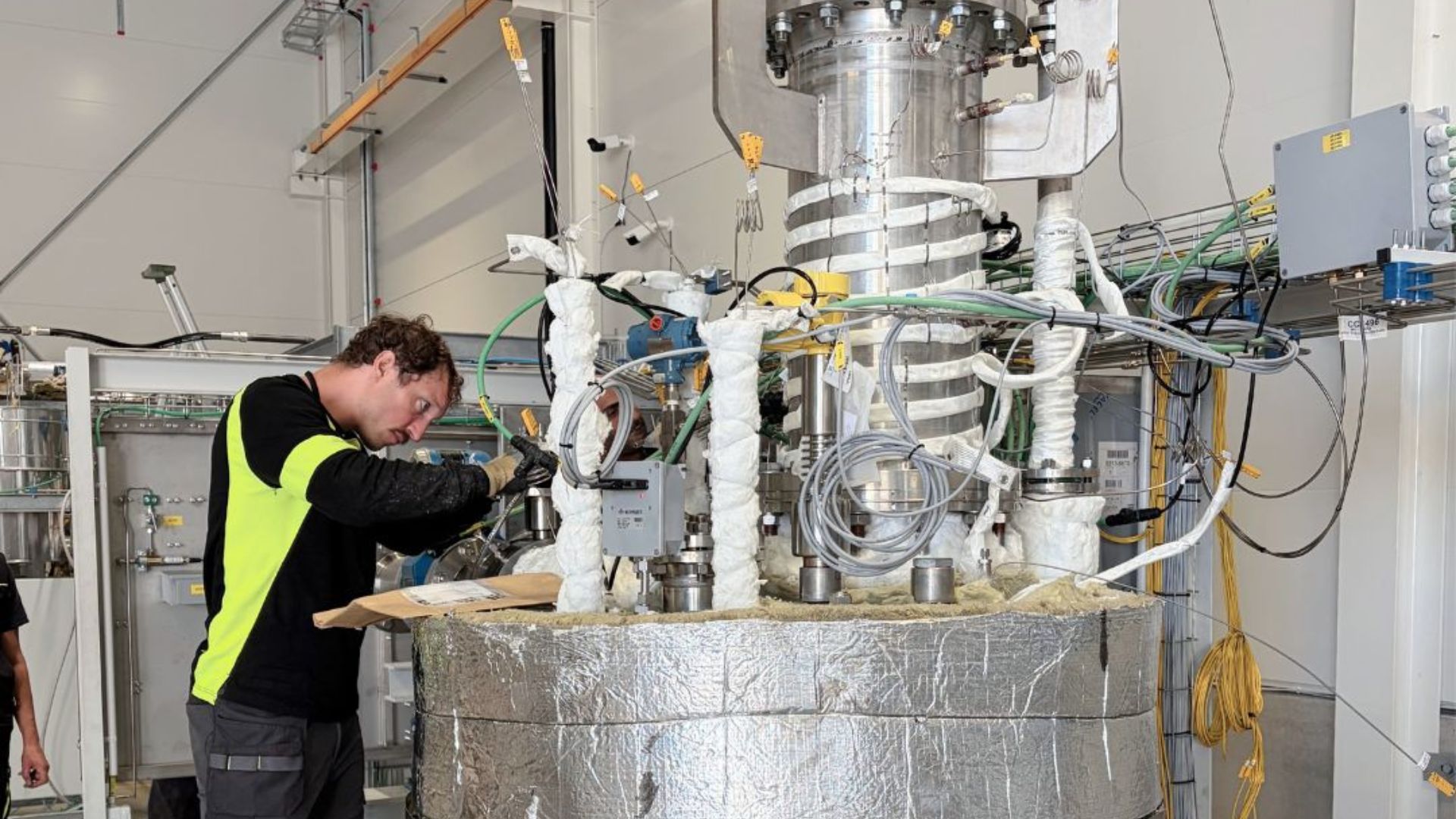
Blykalla, a nuclear technology firm, has implemented a new computational platform in collaboration with Microsoft to streamline the licensing process for its lead-cooled reactors. This innovative system automates the assessment of reactor data against stringent regulatory standards, enabling the company to transform lengthy licensing preparation periods from years to mere months. This advancement is significant as it supports active licensing efforts in both Sweden and the United States, where Blykalla is pursuing the construction of two advanced reactor parks. The platform is designed to reduce documentation time and resources by 90% while maintaining the necessary safety standards expected by regulators, as emphasized by Jon Christensen, Head of AI at Blykalla. Looking ahead, Blykalla's SEALER reactor, which utilizes a patented aluminum alloyed steel to combat corrosion from molten lead, represents a leap forward in modular reactor technology. The company has also established an engineering facility in Austin, Texas, to adapt its systems for the North American market. No further timeline was disclosed at the time of publication.
Energy
SETI Institute Proposes Searching Moon Dust for Microscopic Alien Technology
The SETI Institute has proposed a novel idea to search for microscopic technosignatures in moon dust, which may indicate the presence of alien technology. Led by Affiliate Scientist Lewis Pinault, the research suggests that the moon has been accumulating material from space for billions of years, potentially containing traces of ancient technologies. This initiative is significant as it could enhance our understanding of interstellar dust and its effects on lunar geology. Although the study currently reports no evidence of extraterrestrial technology, it emphasizes that the search for these technosignatures is now scientifically testable, especially with upcoming lunar missions like NASA's Artemis program and China's Chang'e series. Researchers aim to analyze about 35 cubic feet of lunar regolith to investigate the presence of durable artificial materials from past civilizations. The findings could provide insights into how advanced technologies might have left behind microscopic debris embedded in the lunar surface over billions of years.
Search for Life Space Exploration
Dalan Technology Secures Multi-Million Dollar Investment Led by Sequoia China
Dalan Technology, a startup specializing in long-range imaging solutions, has successfully raised tens of millions of U.S. dollars in funding during its angel and Pre-A rounds. This funding round was notably led by Sequoia China, highlighting investor confidence in Dalan's innovative technology. The significance of this funding lies in Dalan Technology's potential to advance long-range imaging capabilities, which are crucial for various applications, including surveillance and autonomous systems. The financial backing from Sequoia China is expected to accelerate Dalan's development and market entry, positioning it as a key player in the imaging technology sector. Looking ahead, industry observers will be keen to see how Dalan Technology utilizes this funding to enhance its product offerings and expand its market reach. No further timeline was disclosed at the time of publication.
News
Yushu Technology Announces IPO with Strategic Placement Led by National Social Security Fund
On August 6, 2026, Yushu Technology, a humanoid robot company, revealed its complete list for IPO strategic placements. The share price is set at 150.8 yuan, with a total of 40.4464 million shares to be issued, and the subscription period begins on August 10. The National Social Security Fund emerged as the primary strategic investor, acquiring 933,400 shares for a total investment of approximately 140 million yuan. The National Social Security Fund's three investment portfolios participated in the subscription, with the 601 portfolio receiving 340,000 shares for 51.38 million yuan, the 502 portfolio obtaining 327,000 shares for 49.26 million yuan, and the 109 portfolio acquiring 266,000 shares for 40.11 million yuan. Additionally, four industrial capital firms, including China National Petroleum's Kunlun Capital, also received allocations of 903,290 shares each, with individual investments around 136 million yuan, indicating strong industry collaboration. Analysts suggest that the National Social Security Fund's significant investment reflects a strong endorsement of Yushu Technology's core competitiveness in the humanoid robotics sector. The estimated market capitalization at the issue price is around 61 billion yuan. Founded in 2016, Yushu Technology specializes in humanoid and quadruped robots, achieving notable sales figures and rapid revenue growth projected to reach 1.699 billion yuan by 2025.
Humanoid Robots IPO Investment Robotics Technology
Starmind's Satellite Technology Achieves 880 Billion Liters in Annual Water Savings
Starmind has announced that its satellite technology can save approximately 880 billion liters of cooling water annually at full scale. This figure is equivalent to the annual household water use of around 6.5 million Americans. The technology operates by utilizing a closed-loop liquid cooling system that eliminates the need for water during its operational life, contrasting sharply with traditional ground data centers that consume vast amounts of water for cooling. The significance of this achievement lies in the growing water consumption crisis faced by data centers, particularly as AI expansion drives demand. In 2025, U.S. data centers consumed nearly one trillion liters of water, highlighting the urgent need for sustainable solutions. Starmind's approach not only addresses direct water usage but also avoids indirect water consumption associated with electricity generation, marking a substantial shift in how computing can be conducted in a resource-efficient manner. Looking ahead, Starmind's deployment strategy includes a projected buildout of 100 GW of orbital compute per year, which could displace an additional 735 billion liters of ground water demand annually. The first tranche of 10,000 satellites is already operational, offsetting approximately 8.8 billion liters of water per year. No further timeline was disclosed at the time of publication.

Bee Technology Highlights Robot Trainer Role for Disabled at Service Trade Fair
On September 9, 2026, Bee Technology showcased its innovations at the China International Service Trade Fair in Beijing, focusing on the theme of empowering disabled individuals through technology. The company presented its MEgo View and MEgo Gripper products, enabling disabled users to participate in robot training and data collection, thus unlocking new employment opportunities as 'robot trainers'. This initiative is significant as it aligns with the recent announcement by the Ministry of Human Resources and Social Security, which introduced new job categories, including 'embodied intelligent robot data collector' and 'robot trainer'. The development of the embodied intelligence industry is creating new job options, allowing disabled individuals to engage in robot training without needing complex programming skills. Looking ahead, the launch of the MEgo Pai app on September 23 will enable disabled individuals to undertake data collection tasks remotely, providing them with income opportunities. Bee Technology aims to explore more data collection scenarios suitable for disabled participation, connecting data needs with employment opportunities and fostering inclusivity in the tech-driven job market.
Robot Training Assistive Technology Data Collection Employment Opportunities
EPFL Engineers Develop Sound-Powered Micro-Robots Without Motors or Batteries
Engineers at Switzerland’s École Polytechnique Fédérale de Lausanne (EPFL) have developed a method to convert sound waves into directional thrust, enabling the creation of micro-machines that operate without motors, batteries, or electronics. This innovative technique utilizes Helmholtz resonance, where sound excites air within a cavity, generating propulsion through airflow imbalance. This advancement is significant as it allows for the design of small boats and ultralight aerial vehicles powered solely by sound, eliminating the need for traditional power sources. The EPFL team’s approach, which involves 3D-printed hollow cavities, represents a shift from previous acoustic levitation methods, offering a new way to achieve self-generating thrust through concentrated air jets. Looking ahead, the potential for further miniaturization of these sound-powered devices could revolutionize robotics and aeronautics. Researchers have already demonstrated prototypes at both centimeter and microscopic scales, showcasing capabilities such as controlled navigation and impressive lift, indicating a promising future for passive materials in robotic applications. No further timeline was disclosed at the time of publication.
Innovation
University of Stuttgart and Max Planck Institute Develop Magnet-Controlled Microscrolls for Robotics
Researchers at the University of Stuttgart and the Max Planck Institute for Solid State Research have created innovative microscrolls that can be magnetically controlled to unroll and roll up. Inspired by butterfly proboscises, these ceramic microscrolls represent a significant advancement in smart materials. This development is crucial for enhancing drive technologies in micro- and soft robotics, which are increasingly important in various economic sectors. The ability to manipulate these microscrolls with precision opens new avenues for efficient robotic applications, potentially transforming how tiny robots operate. Looking ahead, the implications of this research could lead to more sophisticated robotic systems that leverage these smart materials. No further timeline was disclosed at the time of publication.
Robotics
Microsoft 365 Copilot Evolves from Human-Led to Autonomous Execution with New Features
Microsoft's AI assistant, Microsoft 365 Copilot, is being utilized by 87% of companies in the Nikkei 225 index, according to Japan Microsoft. The service is evolving to enhance its capabilities, transitioning from a human-led approach to a more autonomous execution model. This evolution is supported by the introduction of customized AI agents and the 'Microsoft IQ' framework, which allows AI agents to better understand user data and improve task execution. The significance of this development lies in the growing trend of AI agents that can autonomously perform tasks, reflecting a shift in how organizations leverage AI technology. By expanding the functionalities of Microsoft 365 Copilot, Microsoft aims to streamline workflows and enhance productivity for businesses. The introduction of platforms like 'Copilot Studio' and the integration of various AI models, including those from Anthropic, further emphasize this commitment to innovation. Looking ahead, Microsoft plans to continue expanding the capabilities of Microsoft 365 Copilot and its associated AI models. Organizations are encouraged to adopt these tools progressively, starting with individual use before scaling to broader organizational applications. No further timeline was disclosed at the time of publication.

New 200x Sharper Electron Microscope Installed at BNL to Transform Battery and Semiconductor Research
The US Department of Energy’s Brookhaven National Laboratory has installed a groundbreaking scanning transmission electron microscope that offers an energy resolution 200 times better than existing models. This custom-made instrument will significantly enhance research capabilities in battery technology, semiconductors, and quantum computing by allowing scientists to analyze materials at an atomic level with unprecedented detail. The installation of this advanced microscope is crucial as it bridges the gap between electron microscopy and synchrotron X-ray facilities, enabling simultaneous evaluation of a material’s atomic structure, chemical composition, and electronic behavior. The microscope's unique features, such as dual secondary electron detectors, will aid in catalyst research, which is vital for developing efficient energy conversion and storage technologies like batteries and fuel cells. Looking ahead, the microscope's capabilities in electron energy-loss spectroscopy and low-voltage operation will facilitate the study of delicate 2D quantum materials. No further timeline was disclosed at the time of publication, but the potential applications in clean-energy technologies and advanced materials research are significant, marking a new era in material science exploration.
Innovation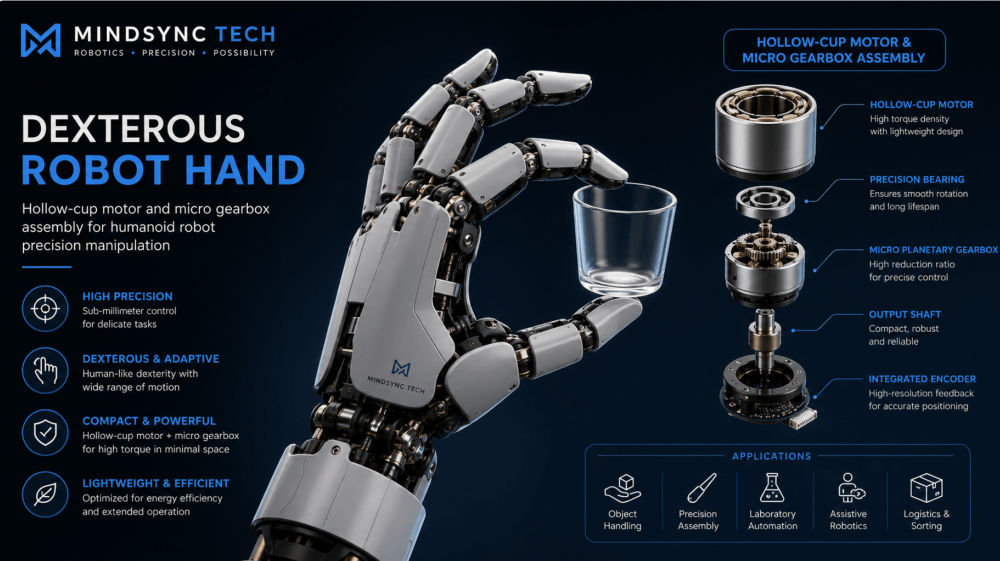
Jiangsu Leili Addresses Robot 'Fingertip Stiffness' with Innovative Micro Motor Solutions
Jiangsu Leili Electric Motor is tackling the critical issue of mechanical stiffness in humanoid robots, which affects their ability to balance flexibility and stability. Their subsidiary, MINDSYNC TECH, showcased a dexterous robotic hand capable of performing tasks such as calligraphy and operating precision instruments, demonstrating significant advancements in addressing stiffness. The dexterous hand requires multiple micro motors for human-like joint movements. Traditional iron-core motors are bulky and inefficient, while hollow cup motors offer higher power density and lighter weight, making them essential for high-end dexterous hands. Jiangsu Leili's subsidiary has developed a full range of hollow cup motors and achieved automated production, enhancing their capabilities in gearboxes and precision gear transmission. Currently, the price of a single dexterous hand ranges from 10,000 to 60,000 yuan. MINDSYNC TECH's General Manager, Wang Wenwei, noted that most humanoid robots in factories still use basic two-finger grippers, limiting their functionality. The industry anticipates that large-scale industrial applications of dexterous hands will take 1-2 years, aligning with the maturation of humanoid robot cost curves.
Robotics Micro Motors Dexterous Manipulation Industrial Automation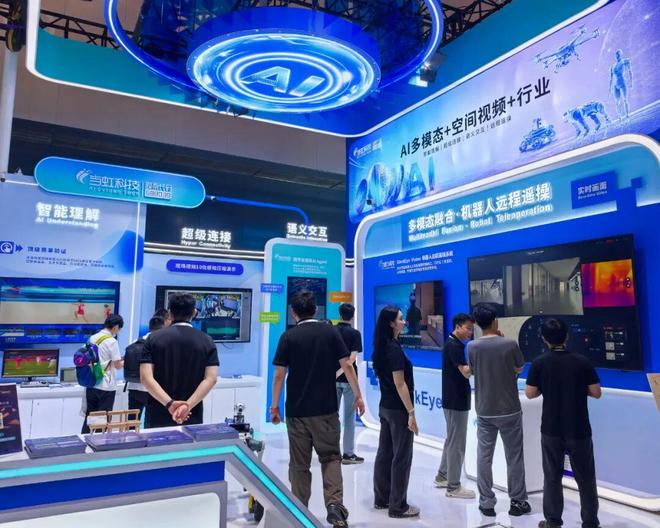
Dahuang Technology Showcases Advanced AI Multimodal Capabilities at WAIC 2026
On July 17, 2026, the World Artificial Intelligence Conference (WAIC) commenced in Shanghai, focusing on the theme 'Intelligent Partners, Co-Creating the Future.' Dahuang Technology presented its AI multimodal capabilities, showcasing a comprehensive system that includes understanding, connecting, interacting, and controlling complex data. The demonstration highlighted the company's transition from video-centric solutions to a broader AI multimodal framework. Dahuang Technology's Sports AI system, based on the BlackEye multimodal spatial model, was a key feature, providing real-time analysis of sports events. This system can automatically label players, track movements, and generate slow-motion replays, demonstrating the AI's ability to comprehend complex video scenarios. The technology has already been validated in high-profile events like the 2026 World Cup and the Paris Olympics. The company also introduced its AI multimodal perception compression technology, achieving over tenfold compression efficiency while maintaining video quality. This capability is crucial for applications in drone inspections, remote communications, and robotic operations, addressing the growing demands for bandwidth and data transmission efficiency in various sectors. No further timeline was disclosed at the time of publication.
AI Multimodal Technology Video AI Data Compression Sports AI Human-AI Interaction
Microsoft's Satya Nadella Critiques Anthropic's Fable for Excessive Editorial Control
In a recent meeting, Microsoft CEO Satya Nadella expressed concerns about Anthropic's restrictions on its Fable generative AI model. He questioned the rationale behind the model's editorial controls, stating that it is unusual for a creation tool to impose such limitations. Nadella's remarks highlight a growing trend among executives to seek more cost-effective AI solutions rather than relying solely on top-tier labs. The significance of Nadella's comments lies in the shifting landscape of AI development, where companies are increasingly looking for models that can efficiently handle tasks without excessive restrictions. This comes at a time when Anthropic's Fable model has faced criticism for its limitations on user requests, which the company has attempted to address through updates. Nadella's critique underscores the need for flexibility in AI tools to foster innovation and productivity. Looking ahead, the industry may see a rise in alternative AI models that prioritize user autonomy and cost-effectiveness. As companies like Moonshot AI introduce open-source models that claim to outperform existing solutions, the competitive dynamics in the AI sector are likely to evolve. No further timeline was disclosed at the time of publication.
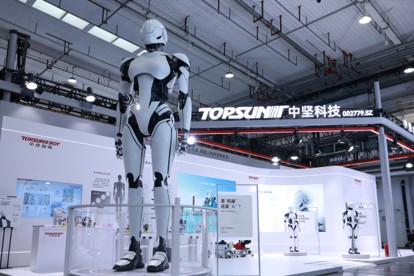
Giant Humanoid Robot ZERO Unveiled by Zhongjian Technology for Future Exploration
Zhongjian Technology has introduced the ZERO, a humanoid robot nearly two stories tall, marking a significant shift in robot engineering. This ambitious design challenges conventional robot dimensions, which typically range from 1.2 to 1.8 meters, and aims to enhance public perception of humanoid robots. The ZERO's design, crafted by renowned artist Zhu Gaowen, embodies a blend of minimalism and Eastern aesthetics, inviting curiosity and engagement from the public. The introduction of the ZERO is significant as it represents a new paradigm in human-robot interaction, emphasizing the importance of design in fostering acceptance of embodied intelligence. By creating a robot that requires viewers to look up, Zhongjian Technology aims to redefine the relationship between humans and machines, highlighting the potential for innovative designs that transcend traditional engineering constraints. Looking ahead, Zhongjian Technology's production capacity has already reached over 1,000 units per month, positioning them as a leader in the burgeoning field of embodied intelligence. The feasibility of deploying giant humanoid robots in museums, amusement parks, and entertainment venues is now a tangible possibility, with the company also testing similar concepts in robotic dogs.
Humanoid Robots Robotics Engineering AI Industrial Automation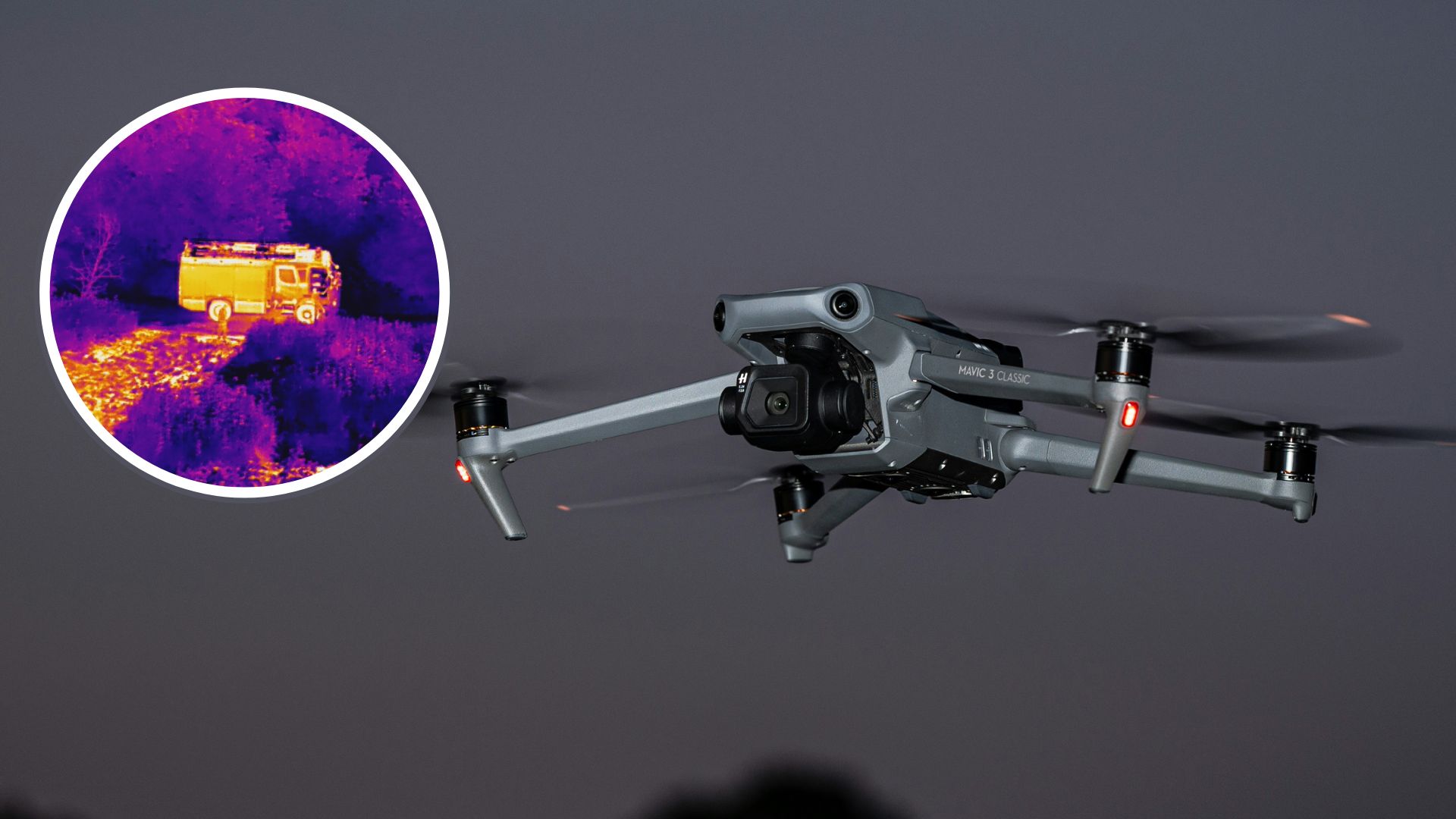
Teledyne FLIR OEM to Enhance U.S. Army's Thermal Imaging Technology for Drones
Teledyne FLIR OEM has partnered with the U.S. Army to advance thermal imaging technology under the DUTCH initiative. This program aims to develop smaller, more affordable uncooled infrared sensors for military applications, enhancing the performance of drones and other autonomous systems. The initiative is significant as it seeks to improve sensor capabilities without increasing size or power requirements, addressing the Army's need for more efficient military equipment. By focusing on size, weight, power, and cost (SWaP-C), the project aims to reduce payload burdens on uncrewed aircraft while extending operational time. Teledyne FLIR OEM plans to leverage its expertise in thermal imaging and system integration to support the Army's modernization efforts. The company is investing in small-pixel thermal sensor designs, which will allow for compact imaging systems that maintain thermal detail. No further timeline was disclosed at the time of publication.
Military
New Material Technology Reduces Jet Turbulence and Aerodynamic Drag at 640 mph
A recent study from the University of Colorado Boulder introduces a novel material-based approach aimed at reducing aerodynamic drag and turbulence in air vehicles. This innovation could lead to significant fuel savings for commercial airlines and high-speed aircraft, especially as severe turbulence has increased by 55% since 1979 due to climate change. The research focuses on modifying subsurface materials beneath an aircraft's skin to neutralize turbulence at its source, rather than solely relying on aerodynamic shape changes. By utilizing synthetic materials that generate microscopic vibrations, the technology aims to dampen chaotic friction, potentially cutting carbon emissions and saving airlines billions in fuel costs for flights consuming over 10,000 gallons per trip. Looking ahead, the study's findings could revolutionize aircraft design and performance. The introduction of phononic subsurfaces (PSubs) allows for dynamic interaction with airflow, enhancing vehicle performance. Future developments may further refine these materials to address the complexities of real-world turbulence, as researchers continue to explore super-resonance and scatterless interference techniques.
Science
Elon Musk Highlights Tesla's Supply Gains with Micron's Memory Chip Allocation
On July 22, Elon Musk informed Tesla (TSLA) investors about a significant supply development regarding memory chips. He announced that Micron (MU) has provided Tesla with a 'very significant allocation' of memory chips under 'reasonable terms,' indicating a potential long-term partnership as Micron prepares to support Tesla's needs in the coming years. This development is crucial as it comes amid a broader industry shortage of memory chips, exacerbated by high demand driven by AI technologies. Musk's comments suggest that Tesla may be securing a more reliable supply chain at a time when memory chips are increasingly scarce and costly, which could be pivotal for the company's future growth. Looking ahead, the implications of this allocation could extend beyond immediate supply relief. As Tesla continues to invest heavily in its next ventures, the partnership with Micron may play a vital role in supporting its ambitions. No further timeline was disclosed at the time of publication.

NVIDIA Announces Release of Next-Gen AI Upscaling Technology DLSS 5 This Fall
NVIDIA revealed on July 20 that it will launch its next-generation AI upscaling technology, DLSS 5, in the fall of 2026 during the SIGGRAPH 2026 conference. This new technology will utilize a neural network to generate entire screen patches, enhancing the realism of rendered images through a one-step pixel space diffusion transformer model. The introduction of DLSS 5 marks a significant shift from previous versions, which relied on reconstruction methods. According to Edward Liu, Director of Applied Deep Learning Research, DLSS 5 will add a new category of 'generation' to its capabilities, positioning AI as an enhancer of graphics rather than a replacement. This advancement is expected to provide developers with more control over the rendering process, including automatic character recognition and targeted enhancements. In related news, Microsoft and French startup Mistral announced a strategic partnership on July 21 to expand AI computing capabilities in Europe. This partnership aims to enable European companies to utilize frontier AI while retaining data management rights. Mistral plans to deploy thousands of NVIDIA's Vera Rubin Superchips to enhance GPU capacity, supporting Microsoft's cloud and AI services. No further timeline was disclosed at the time of publication.
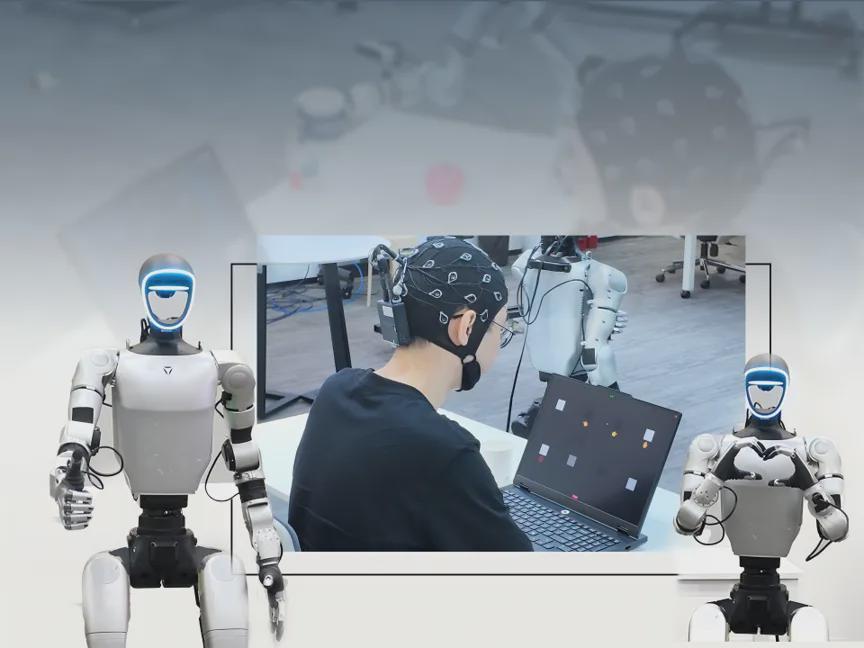
BrainCo Unveils Brain-Controlled Robot Training Platform at WAIC 2026
At the 2026 World Artificial Intelligence Conference (WAIC), BrainCo showcased a brain-controlled robot training platform. This innovative platform allows users to control robotic arms through brainwave signals, enabling actions like pouring water and picking apples without traditional interfaces. The significance of this technology lies in its ability to bridge the gap between human intention and robotic action. By decoding brain signals, the platform facilitates a direct communication pathway, allowing robots to understand and execute tasks based on users' thoughts. This advancement simplifies the integration of brain-machine interfaces with robotics, making it accessible to researchers without specialized backgrounds. Looking ahead, BrainCo's platform supports various robotic types, including humanoid robots and robotic arms, and is adaptable for ongoing developments. Researchers can select robots based on their study focus, whether for grasping tasks or complex human-robot interactions. No further timeline was disclosed at the time of publication.
Brain-Controlled Robots AI Research Neuro-Embodied AI Human-Robot Interaction
Hippo Harvest Secures $30 Million Series C to Expand Robotic Greenhouse Operations in California
Hippo Harvest has successfully closed a $30 million Series C funding round, led by Cox Farms, the largest greenhouse operator in North America. This funding will facilitate the expansion of Hippo Harvest's operations with a new 30-acre facility in Hollister, California, which is currently undergoing permitting. The company specializes in producing USDA-certified organic greens using robotics and machine learning technologies, aiming to scale its production capabilities significantly. The significance of this funding lies in Hippo Harvest's commitment to enhancing its robotic growing systems, which will increase its growing capacity from one acre to a much larger scale. This expansion is expected to accelerate the commercialization of indoor-grown spinach, tapping into the growing demand for organic produce. The integration of advanced technology in their greenhouses positions Hippo Harvest to meet retail buyers' needs more effectively. Looking ahead, Hippo Harvest is poised to make substantial advancements in the indoor agriculture sector. The timeline for the completion of the new facility and the rollout of the next-generation growing system remains undisclosed, but the company is focused on leveraging this investment to enhance its market presence and operational efficiency in the coming years.

SpaceX's Starmind Plans 1 Million AI Satellites Amid Collision Risks
SpaceX has announced its ambitious Starmind project, which aims to deploy 1 million AI satellites in orbits between 500 and 2,000 km. This initiative, confirmed by Elon Musk on June 23, 2026, follows a merger with xAI, valuing the combined entity at $1.25 trillion. The satellites will function as orbital data centers, processing AI workloads powered by solar arrays and linked by optical lasers. The significance of Starmind lies in its potential to add 100 gigawatts of AI compute capacity annually, contingent on the successful operation of the Starship launch system. However, the project raises concerns regarding space debris, as the current orbital environment is already congested, with a 20% increase in collision risk reported since 2024. The European Space Agency has highlighted that the density of debris in low Earth orbit is now comparable to that of active satellites, complicating the operational landscape for new entrants like Starmind. Looking ahead, the first operational orbital AI deployments are targeted for 2028, with test launches expected in early 2027. However, the project faces scrutiny regarding its impact on space debris, as even a 1% failure rate could significantly increase the number of uncontrollable objects in orbit, exacerbating existing risks. No further timeline was disclosed at the time of publication.

Tesla's Optimus Robots to Support Starmind Satellite Production, Not Maintenance
Tesla's Optimus robots will not be used to repair Starmind satellites in orbit, as confirmed by recent statements from Elon Musk. Instead, these robots are intended to assist in the construction and operation of the Terafab chip manufacturing facility in Texas. The AI1 satellites, designed to disintegrate upon reentry, highlight the company's swap-and-replace strategy rather than traditional maintenance practices. This approach is significant as it reflects a broader trend in satellite management, where mass-produced satellites are replaced rather than repaired. The economics of servicing missions are prohibitive, with the cost of launching a replacement satellite being significantly lower than conducting a repair mission. This model aligns with SpaceX's operational history, where rapid replacement of satellites is more efficient than attempting to maintain them in orbit. Looking ahead, the focus will remain on the production capabilities of the Gigasat factory, which is expected to support the continuous replacement of satellites. No further timeline was disclosed at the time of publication, but the demand for rapid satellite turnover suggests a robust future for Optimus robots in terrestrial manufacturing rather than in-space servicing.
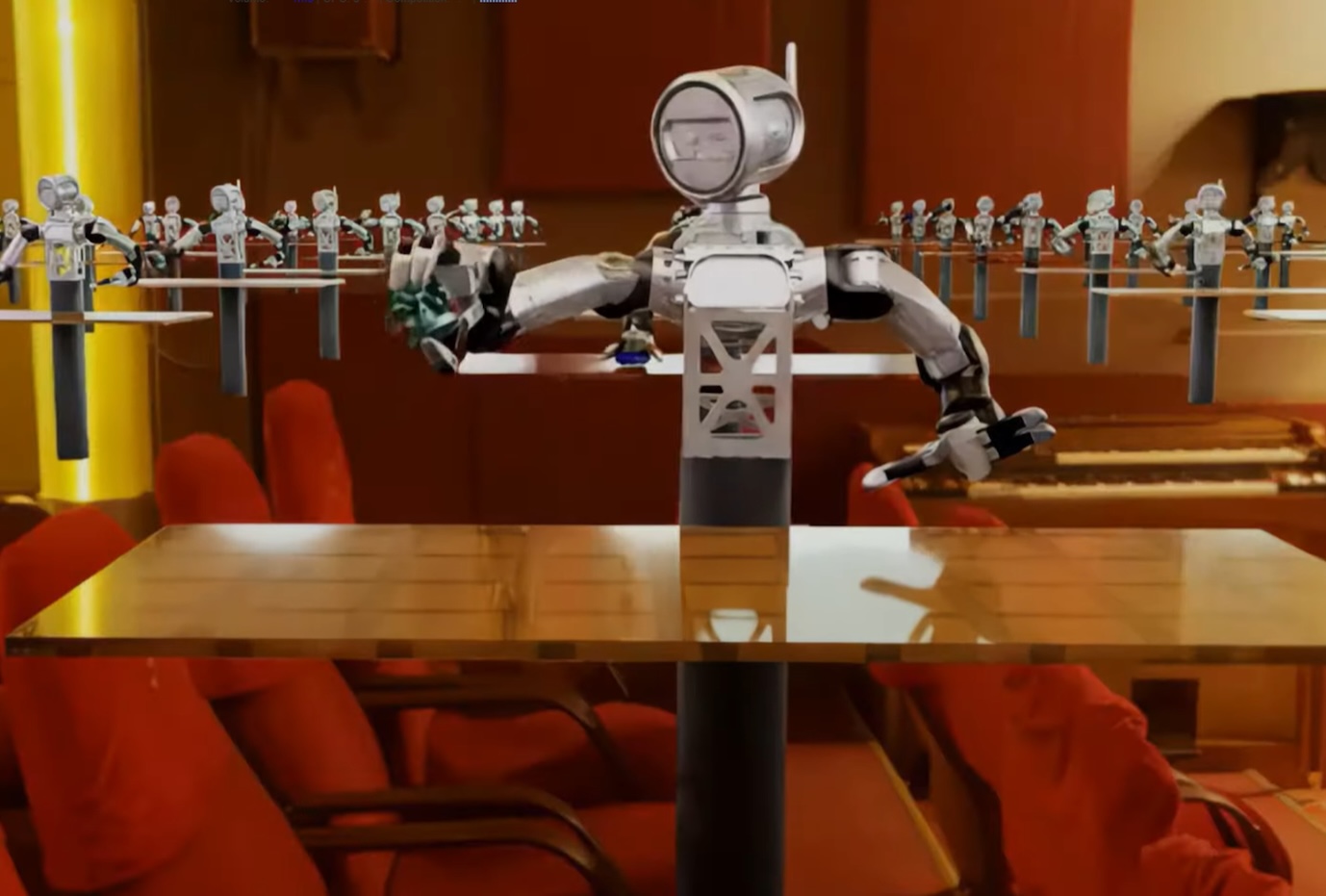
SpaceX's Starmind Faces Feasibility Challenges for 1 Million Satellite Deployment
On January 30, 2026, SpaceX submitted a request to the FCC to launch up to 1 million satellites as part of its Starmind orbital compute constellation. This ambitious plan is unprecedented, as the total number of satellites ever launched globally is in the low tens of thousands. The proposal seeks a waiver from standard deployment milestones, citing reliance on the Starship's full reusability for success. The significance of this request lies in the technical and logistical challenges it presents. Experts warn that low Earth orbit may not support the proposed number of active satellites without risking a debris cascade. SpaceX's own IPO prospectus acknowledges unresolved dependencies related to Starship's launch cadence and reusability, which are critical for the orbital AI compute strategy. Looking ahead, the timeline for achieving the necessary launch cadence and manufacturing capacity remains uncertain. SpaceX's Gigasat facility in Texas aims for volume production by late 2027, but this would require unprecedented output levels. No further timeline was disclosed at the time of publication, leaving the feasibility of the Starmind project in question.

SpaceX Unveils AI1 Satellite Specs for Starmind Constellation with Key Thermal Challenges
SpaceX has introduced the AI1 satellite, the inaugural component of its Starmind constellation, which stands 20 meters tall and has a wingspan of 70 meters. This orbital compute node is designed to deliver computing power equivalent to one NVIDIA GB300 server rack, utilizing a unique cooling system with deployable liquid radiators. The satellite's specifications were revealed during a presentation on June 8, 2026, ahead of SpaceX's IPO. The significance of the AI1 satellite lies in its role as a compute platform rather than a traditional satellite, focusing on running AI inference workloads. The satellite's cooling system, which is critical for its operation in the vacuum of space, is designed to reject heat through infrared radiation. However, independent engineers have raised concerns about the feasibility of the thermal and mass claims made by SpaceX, suggesting that the cooling requirements may exceed practical limits. Looking ahead, SpaceX plans to launch two AI1 prototypes in early 2027, with full-scale production expected to commence later that year at its Gigasat facility in Bastrop, Texas. The ongoing debate regarding the satellite's thermal management capabilities will be crucial to monitor as the project progresses, with no further timeline disclosed at the time of publication.
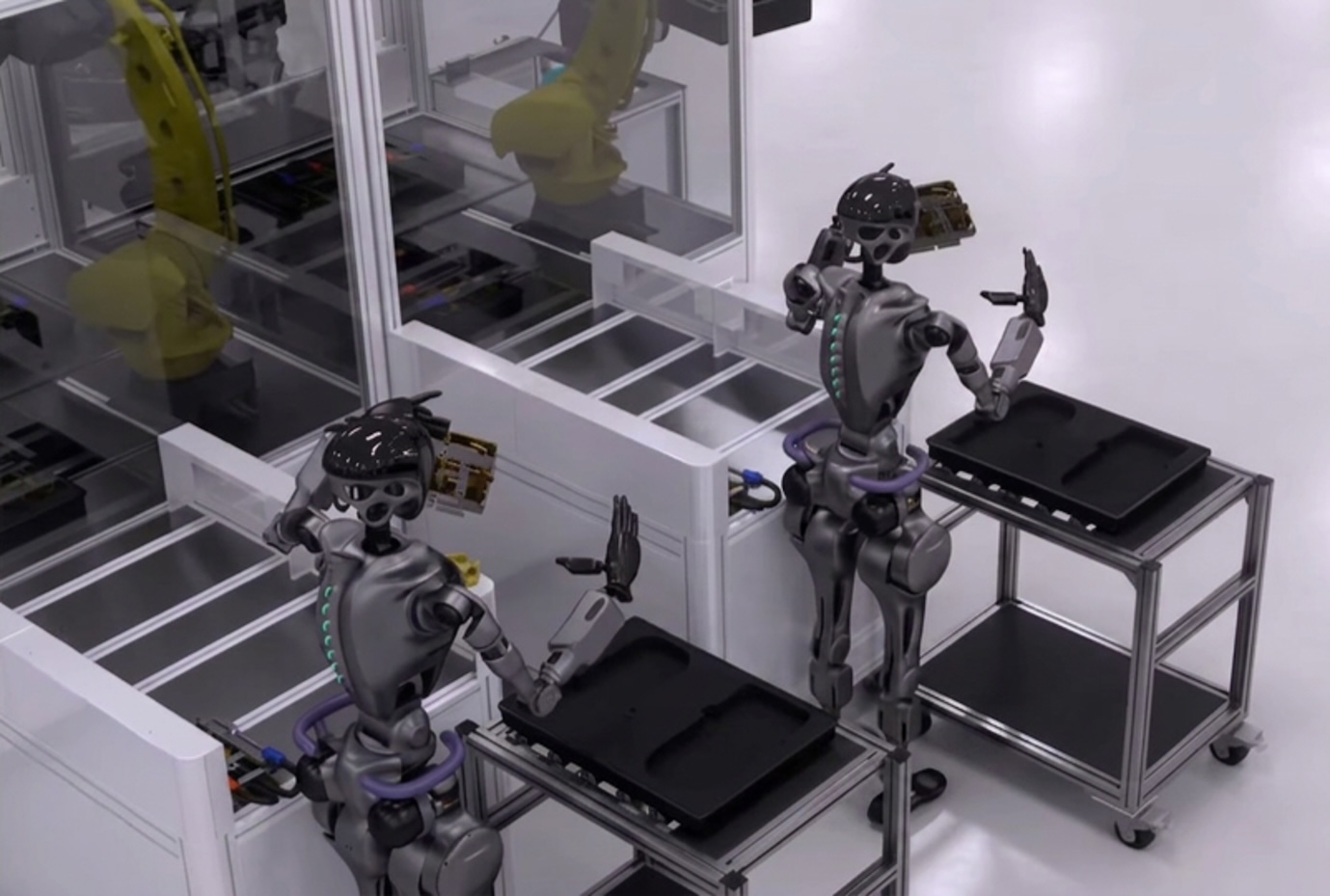
SpaceX Launches Starmind Project for 1 Million AI Satellites by 2028
SpaceX has officially named its orbital AI infrastructure project 'Starmind,' which aims to deploy a constellation of up to 1 million satellites. This initiative, confirmed by Elon Musk on June 22, 2026, will enable AI inference directly in space, utilizing solar energy rather than terrestrial power sources. The first satellite, designated AI1, was unveiled on June 8, 2026, and is designed to operate in sun-synchronous orbits. The significance of Starmind lies in its potential to overcome the limitations faced by ground-based data centers, such as land, power, and water constraints. By running AI computations in orbit, Starmind can provide a more efficient solution to the growing demand for AI computing power. The project leverages the existing Starlink infrastructure for data transmission, distinguishing its function from Starlink's internet relay capabilities. Looking ahead, SpaceX plans to begin hardware deployment with the AI1 satellite, while full-scale production and deployment of the satellite constellation are targeted for 2028. As of now, no Starmind satellites have been launched, and further engineering challenges remain to be addressed, particularly regarding the scalability of the satellite design.

Starmind's Orbital Compute vs. Terrestrial Data Centers: Analyzing Resource Advantages
Starmind's orbital compute technology presents a significant advantage over traditional ground-based data centers by eliminating constraints related to land, water, and grid permitting. While terrestrial data centers are currently cheaper and faster to construct, with U.S. data center spending reaching $85.3 billion in 2026, Starmind's approach focuses on addressing the growing resource limitations faced by hyperscale facilities. The significance of Starmind's technology lies in its ability to sidestep the increasing challenges of land and water usage. For instance, a 100 MW data center can consume approximately 530,000 gallons of water daily for cooling, while Starmind's AI1 utilizes deployable liquid radiators that require no water. This structural advantage could resonate with investors as the demand for AI computing continues to escalate, potentially leading to annual water withdrawals of up to 1.7 trillion gallons by 2027. Looking ahead, Starmind's next milestones include the launch of AI1 prototypes scheduled for early 2027. However, the technology's claims regarding cooling efficiency and operational reliability remain unverified until real flight data is available. As the industry evolves, the competition between orbital and terrestrial solutions will become increasingly relevant, particularly in the context of resource management and sustainability.

Capital Increase + Price Drop: Hangkai Microelectronics Accelerates the Popularization of Embodied Intelligent End Force Control Technology
Hangkai Microelectronics is taking significant steps to advance the adoption of its embodied intelligent end force control technology through a recent capital increase and a strategic price drop. This initiative, announced in October 2023, aims to enhance the accessibility of their innovative solutions in the market. The company is focused on expanding its reach and facilitating the integration of this technology across various industries, addressing the growing demand for intelligent automation. By reducing prices, Hangkai Microelectronics hopes to attract a broader customer base and accelerate the implementation of their cutting-edge technology, ultimately positioning itself as a leader in the field of intelligent control systems.
Robotics Automation AI
Latest Progress! Zhejiang University Team's T-RO Research Achievements, Magnetic-Controlled Microrobots Achieve "Wave-Like Steps" in Complex Environments.
A team from Zhejiang University has made significant advancements in the field of robotics with their development of magnetic-controlled microrobots capable of executing "wave-like steps" in complex environments. This breakthrough was announced recently, showcasing the innovative capabilities of these microrobots, which can navigate challenging terrains with enhanced agility. The research aims to address various practical applications, including medical procedures and environmental monitoring, where precise movement is crucial. By employing magnetic fields to control the microrobots, the team has demonstrated a novel approach to maneuvering small-scale machines, potentially paving the way for future technological advancements in robotics.
Robotics Automation AI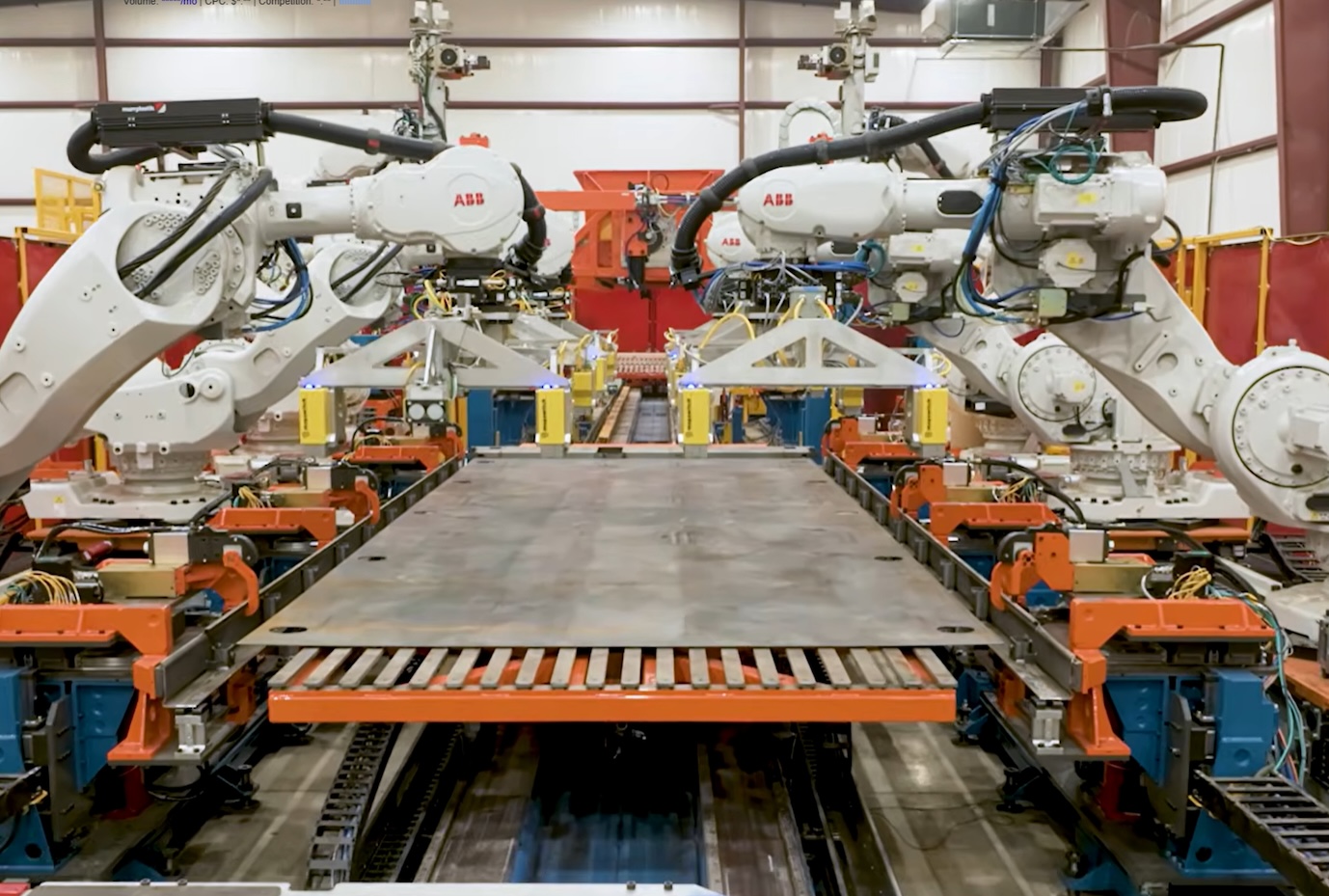
Black Recon ‘microdrone’ system unveiled by Teledyne FLIR
A new drone weighing under 450 grams has been launched, boasting an impressive flight time of up to one hour and a maximum speed of approximately 55 miles per hour. This innovative technology aims to enhance aerial capabilities for both recreational and professional users. The drone's lightweight design and extended flight duration make it suitable for a variety of applications, including photography, surveillance, and delivery services. The company behind the drone emphasizes its potential to revolutionize the way users engage with aerial tasks, providing a versatile tool that combines speed and efficiency. As the demand for advanced drone technology continues to grow, this latest offering is positioned to meet the needs of a diverse market.
Global Land Warfare Army Drones Europe EUROSATORY 2026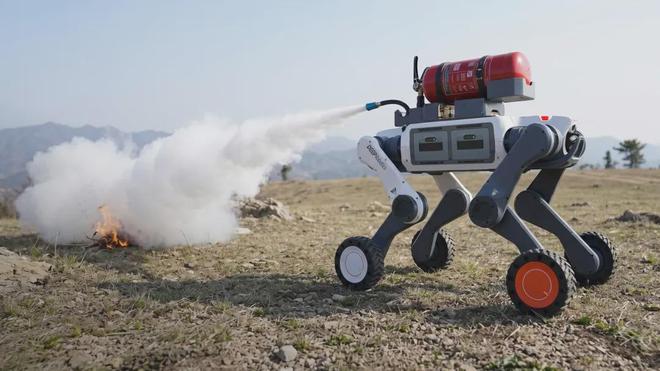
Launch of the Lynx M20S: Wheeled-Leg Robot Enters Performance Competition, Cloud Depth Technology is Redefining Industry Standards!
On April 27, Cloud Depth Technology introduced the Lynx M20S, an advanced wheeled-leg robot designed to improve efficiency in industrial applications. This upgraded model boasts a continuous operational load capacity of 35 kilograms and achieves a remarkable 233% increase in performance compared to its predecessor. The enhancements in load capacity, protection, and speed position the M20S as a significant advancement in the field of industrial robotics, setting a new standard for future developments in the sector.
Wheeled-Leg Robots Industrial Automation Robotics Technology Performance Enhancement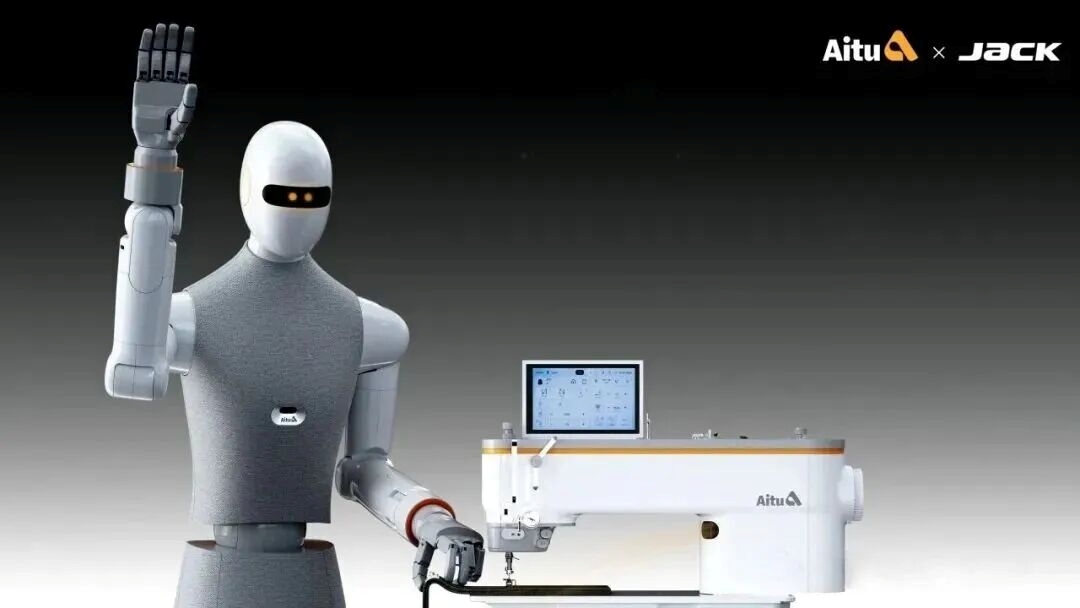
Jack Technology's Ambition in Humanoid Robots Unveiled with Strategic Partnerships
Jack Technology, a prominent player in the sewing equipment sector, has announced the formation of strategic alliances with the Zhejiang Humanoid Robot Innovation Center and Zhiyuan Robotics. This collaboration aims to create joint ventures focused on integrating artificial intelligence and humanoid robotics into the garment manufacturing industry. The initiative is designed to tackle ongoing labor shortages and improve production efficiency, reflecting Jack Technology's commitment to innovation and modernization in manufacturing processes. The partnerships signal a significant shift in how the industry may operate in the future, leveraging advanced technology to meet evolving market demands.
Humanoid Robots AI Garment Manufacturing Automation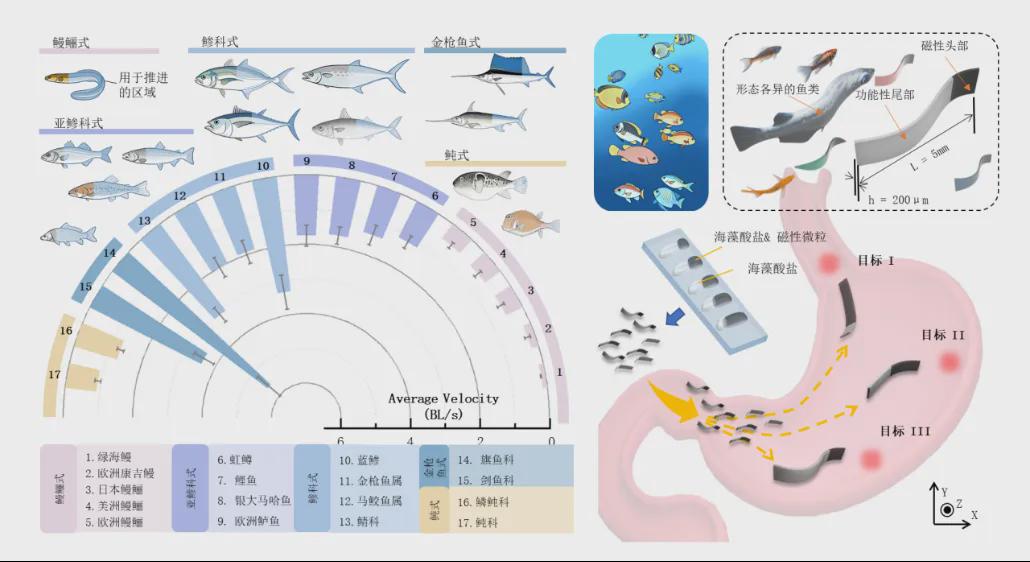
Inspired by Fish Diversity: Beijing Institute of Technology Team Develops Morphology-Encoded Soft Microrobots
A research team at the Beijing Institute of Technology has unveiled a groundbreaking system of soft microrobots that mimic the various swimming styles of fish. This innovative development allows for the selective control of the robots by adjusting their body proportions within a uniform magnetic field. The advancements in this technology hold significant promise for future applications in the biomedical field, potentially enhancing medical procedures and therapies.
Soft Robotics Biomedical Engineering Microrobots Control Systems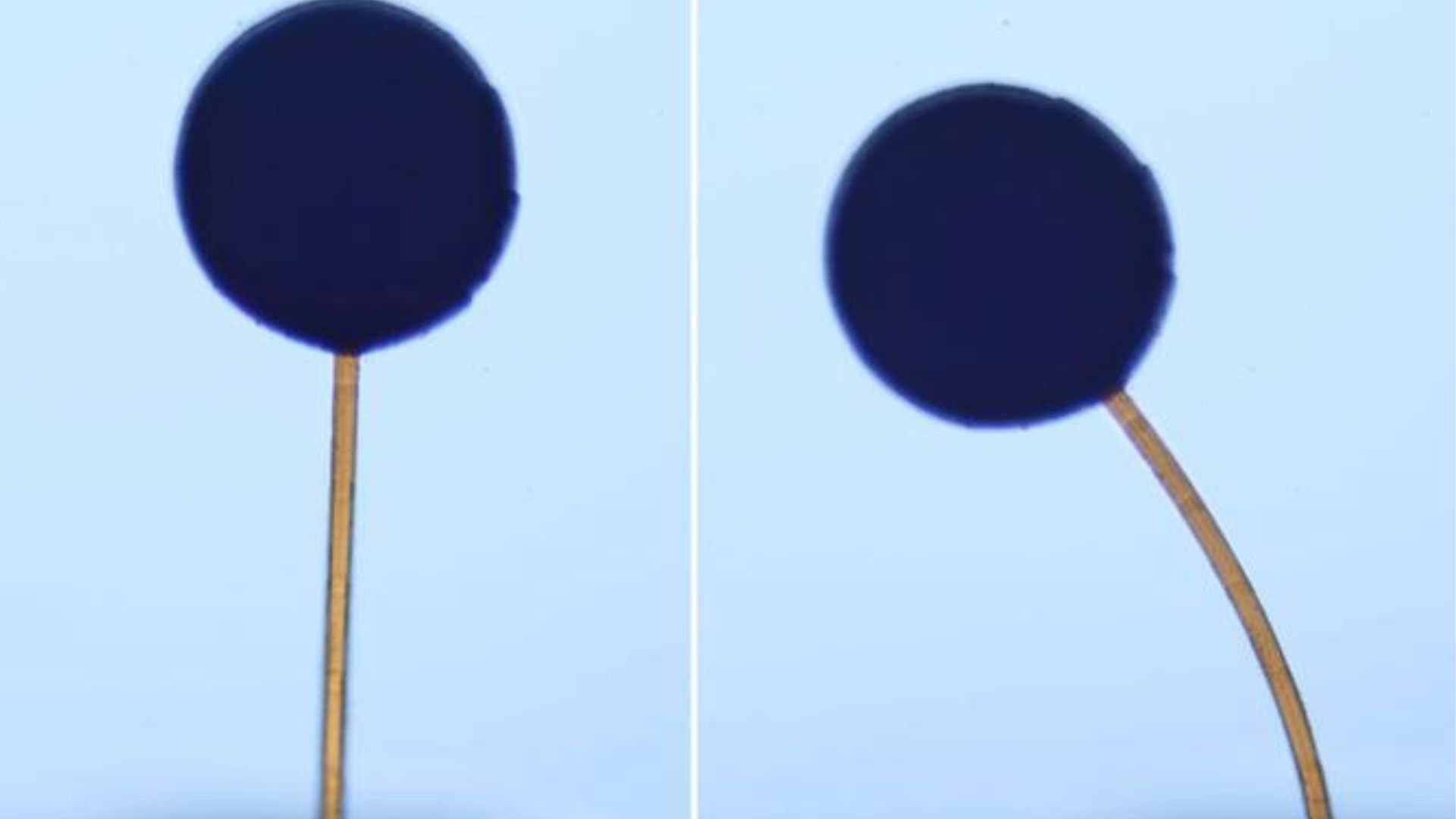
MIT engineers develop 3D-printed micro-robots that can be controlled by magnets
A team of engineers has successfully developed an innovative soft magnetic hydrogel that can be 3D-printed into intricate microscopic structures. This breakthrough, announced in October 2023, opens new avenues for applications in various fields, including biomedical engineering and robotics. The hydrogel's unique properties allow it to respond to magnetic fields, making it particularly useful for creating responsive materials and devices. By utilizing advanced 3D printing techniques, the engineers demonstrated the ability to fabricate complex shapes that were previously difficult to achieve with traditional materials. This advancement not only enhances the versatility of hydrogels but also paves the way for future research and development in smart materials.
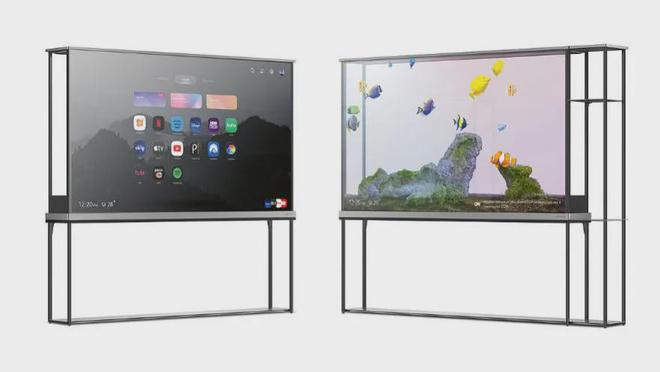
The Art of Photonic Weaving: How Micro-LEDs Illuminate the Physical Boundaries of Home
Micro-LED technology is poised to transform display screens by offering true blacks and seamless integration into home environments. This innovative advancement marks a significant departure from traditional LCDs, as it utilizes independent light-emitting pixels to enhance visual experiences. The shift to Micro-LED not only improves picture quality but also redefines the role of screens in daily life, making them more versatile and aesthetically pleasing. As this technology continues to evolve, it is expected to reshape consumer expectations and the future of display solutions.
Micro-LED Technology Display Innovation Home Automation AI Integration Visual Experience
Teledyne Marine Secures First Orders For New Compact Navigator From Ashtead Technology
Teledyne Marine has secured its first orders for the Compact Navigator, an ultra-compact and high-performance autonomous navigation system designed for subsea and surface vehicles. This milestone follows a successful launch at Ocean Business 2025, where the product garnered significant attention. Ashtead Technology has made a notable initial order, representing the first commercial adoption of this innovative navigation solution, which is touted as the world's smallest and most efficient fully integrated system. The Compact Navigator aims to enhance navigation capabilities in various marine applications, reflecting Teledyne Marine's commitment to advancing technology in the industry.
teledyne marine compact navigator ashtead technologyRobotics needs a service framework.
RSF defines a common language for robot service capability, lifecycle operations, certification pathways, and service-provider networks.
Join the RobotToday community on LinkedIn
Daily robotics news, in-depth analysis, conference highlights, and discussions with professionals worldwide.