

Industry Briefing
A single destination for timely, editor-curated robotics news from around the world.

Shangwei New Materials Launches Personal Robots Despite Stock Price Decline
On September 20, Shangwei New Materials launched two personal robots under its consumer brand, Qiyuan Robotics, targeting the personal and family market. CEO Tian Hua stated that their goal is to position their products as the 'Apple of robotics.' However, following the launch, the company's stock price fell by 4.14% on September 21 and continued to decline over the next two days. The introduction of Q1, the world's first small-sized humanoid robot, and T1, a transformable personal robot, aims to explore the consumer market for robotics. Key functionalities include children's programming, companionship, and remote photography. Industry experts suggest that while the initial focus on fun is valid, the long-term value will depend on the robots' practical applications. Looking ahead, Qiyuan Robotics plans to invest 1 billion yuan over the next five years to develop its ecosystem and enhance its hardware and AI capabilities. The success of these personal robots in generating stable sales and profits will be crucial for Shangwei New Materials as it seeks to establish a new growth trajectory in the robotics sector.
Personal Robots Consumer Robotics AI Technology Smart Home Robot Development
Atlas Building Composites Converts Plastic Waste into Durable Building Materials
Atlas Building Composites, a spinout from MIT, is addressing the dual challenges of housing shortages and plastic waste through an innovative solution. The company has created an AI-powered robotic manufacturing platform that transforms single-use plastics into resilient building materials, including components for homes such as foundations and trusses. Their mission aims to convert waste plastic pollution into durable composites to support the construction of 1 billion homes. The significance of Atlas's work lies in its potential to revolutionize both the construction and recycling industries. By utilizing waterless plastic recycling and large-scale composite additive manufacturing, Atlas is not only providing sustainable building solutions but also democratizing recycling efforts globally. This approach allows countries with limited water resources to effectively manage plastic waste, thereby reducing environmental impact. Looking ahead, Atlas co-founders A.J. Perez and Matt Pouliot envision deploying thousands of their AI robotic production systems worldwide. Their recent collaboration with the U.S. Army Corps of Engineers to construct a bridge using recycled composite trusses highlights the practical applications of their technology. No further timeline was disclosed at the time of publication.
3-D printing Alumni/ae Housing Sustainability Cleaner industry Startups
MIT Researchers Develop Framework for Designing Adaptive Materials Inspired by Pine Cones
MIT researchers have created a mathematical framework that simplifies the design of bioinspired materials, such as moisture-responsive shingles. This framework captures the mechanisms across various length scales in natural systems, like those found in pine cones, and translates them into engineered systems that can be 3D printed. The significance of this work lies in its potential to streamline the development of adaptive materials, reducing costs and time associated with failed prototypes. By moving beyond mere bio-inspiration to what is termed 'bio-derivation,' engineers can systematically translate natural behaviors into synthetic structures, paving the way for innovations like soft robotic grippers and morphing airplane wings. Looking ahead, the framework's application could extend to more complex systems, enhancing the ability of engineers to create materials that respond dynamically to environmental changes. No further timeline was disclosed at the time of publication.
Research Bioinspiration Materials science and engineering Algorithms Design Biology
Reddit Rises While Applied Materials and Gemini Space Station Experience Declines
In the latest Stock Movers episode, several drone companies, including AeroVironment Inc. (AVAV), Aevex Corp. (AVEX), and Unusual Machines Inc. (UMAC), saw their stocks rise following the announcement of a proposed 100% tariff on imports of unmanned aircraft systems and components by the Trump administration. Conversely, Applied Materials (AMAT) experienced a decline despite exceeding earnings forecasts, as investor reactions remained subdued even with the stock more than doubling in value this year. Additionally, Gemini Space Station (GEMI) faced a drop due to its earnings report revealing significant losses amid challenging conditions in the crypto market. Reddit (RDDT) saw a rise in its stock price after news broke that it would be included in the S&P 500 index. This inclusion is significant as it reflects the company's growing influence and stability in the market. No further timeline was disclosed at the time of publication.

AI and Self-Driving Labs to Transform Semiconductor Materials Discovery Process
The semiconductor industry is facing significant challenges as it approaches physical limits in material performance, particularly as linewidths shrink below 2 nanometers. Traditional methods of discovering new semiconductor materials are outdated, often taking 10 to 20 years to bring a new material from the lab to market. This slow pace is due to the linear approach of hypothesis formation, synthesis, and characterization, which does not keep up with the complex requirements of modern materials. The need for new materials is critical for advancing device and chip architectures, especially as conventional materials like copper are becoming inadequate. Innovations such as hafnium oxide (HfO2) have previously enabled breakthroughs, but the current methods for material discovery have not evolved. Robotics and automation present a solution to these bottlenecks, offering the potential to accelerate the discovery process significantly. As the industry continues to evolve, companies that embrace automation in materials discovery will likely gain a competitive edge. The reluctance of some firms to adopt these technologies could result in them falling behind as first movers capitalize on the efficiencies and innovations that AI and self-driving labs can provide. No further timeline was disclosed at the time of publication.
Autonomous Vehicles Computing Materials advanced materials ai artificial intelligence
MIT Chosen to Lead New NSF Materials Research Science and Engineering Center
The National Science Foundation (NSF) has appointed MIT to establish and lead a new Materials Research Science and Engineering Center (MRSEC) dedicated to advancing materials technologies for medical imaging, sustainable metals production, and next-generation semiconductors. The center is expected to receive $18 million in funding over six years, uniting 16 research groups from nine departments across four institutions, including five MIT departments and three collaborating universities. This initiative is significant as it aims to enhance medical diagnostics through improved X-ray detectors, which could lead to better cancer detection and reduced radiation exposure. Additionally, the center will investigate high-temperature sulfur-based molten materials to innovate metal and semiconductor production, potentially increasing efficiency and access to critical materials. The funding will also support a shared laboratory for testing magnetic materials under extreme conditions, available to both academic and industry users. Looking ahead, the MRSEC is part of a broader $108 million NSF investment in six research centers exploring various scientific challenges. The center builds on nearly 60 years of interdisciplinary materials research at MIT, fostering collaboration across disciplines to address complex issues in materials science and engineering. No further timeline was disclosed at the time of publication.
Research Funding Materials science and engineering Chemistry Physics Earth and atmospheric sciences
MP Materials Initiates Rare-Earth Magnet Production for Domestic Drone Manufacturing
MP Materials has launched an initiative to produce neodymium-iron-boron (NdFeB) magnets, essential for drone motors, aiming to reduce U.S. dependence on foreign sources. Currently, 75% of U.S. imports of these magnets come from China, highlighting the need for domestic production. The initiative will allow manufacturers to reserve up to 2 million drone magnet capacities annually, as stated by Chairman and CEO James Litinsky. This initiative is crucial as it seeks to aggregate demand and provide certainty for companies developing new technologies in the drone sector. MP Materials plans to create a fully integrated American magnetic solution, from mining to magnetization, in collaboration with the Department of Defense. The project aims to standardize production processes and enhance the domestic supply chain for rare-earth materials. The initiative is expected to commence with the operation of MP's 10X plant in 2028. As MP Materials forms agreements with various drone manufacturers, it also intends to expand its reach to motor manufacturers and defense technology companies, responding to China's dominance in the drone market and its recent export restrictions on related technologies.
Chemical Materials Crucial for Enhancing Humanoid Robots' Performance and Competitiveness
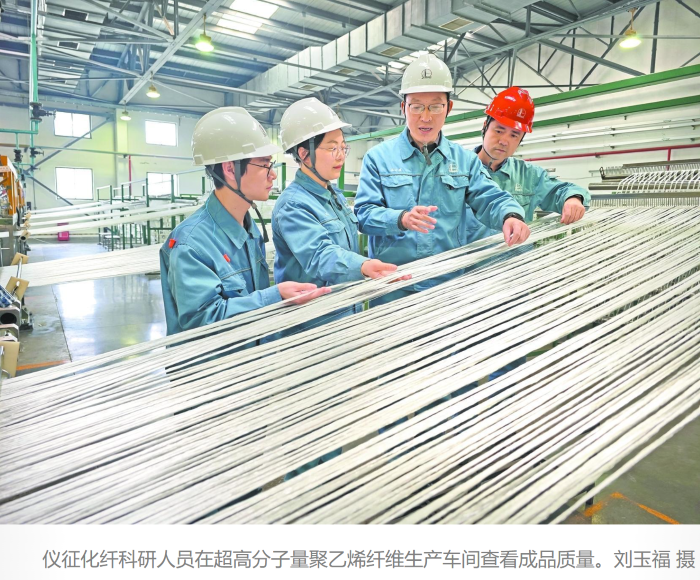
A humanoid robot recently completed a half marathon in 50 minutes and 26 seconds, showcasing its capabilities not just through algorithms but through advanced materials. The year 2026 is anticipated to mark a significant milestone in the mass production of humanoid robots, with China's four-legged robots accounting for nearly 70% of global sales and over 400 humanoid robot models available worldwide. The competition in the humanoid robot industry is increasingly influenced by chemical materials, which are essential for improving performance. For instance, the use of PEEK, which is lighter than aluminum and steel, can reduce the weight of robots by 10%-30% and lower energy consumption by 15%-25%. Companies like YuTree and Xiaopeng are already utilizing carbon fiber composites and PEEK in their robots, while the global market for carbon fiber in humanoid robots is projected to reach $1.114 billion by 2033. Furthermore, the integration of flexible materials is vital for creating more lifelike robots. SEBS thermoplastic elastomers are being developed to mimic human skin, enhancing the robots' tactile interactions. As humanoid robots transition from laboratories to practical applications in factories and homes, the focus will shift from algorithms to the materials that enable robots to perform better and more human-like. No further timeline was disclosed at the time of publication.
Humanoid Robots Chemical Materials Robotics Technology Lightweight Materials
Uplift360 Secures Multi-Year Contract with Luxembourg for High-Performance Materials Supply
Uplift360 has signed a multi-year framework agreement with the Directorate of Defence (DOD) in Luxembourg. This contract aims to enhance the supply of high-performance materials specifically for defence and aerospace applications across Europe. The agreement marks a significant step in bolstering the region's capabilities in advanced materials procurement. The importance of this contract lies in its potential to strengthen Europe's supply chain for critical materials used in defence and aerospace sectors. By partnering with Uplift360, Luxembourg aims to ensure a reliable source of high-performance materials, which are essential for the development and manufacturing of advanced technologies in these industries. This move reflects a growing emphasis on securing local supply chains amid global uncertainties. Looking ahead, stakeholders will be monitoring the implementation of this agreement and its impact on the supply chain dynamics within Europe. No further timeline was disclosed at the time of publication, but the contract is expected to play a pivotal role in enhancing material availability for defence and aerospace projects in the region.
News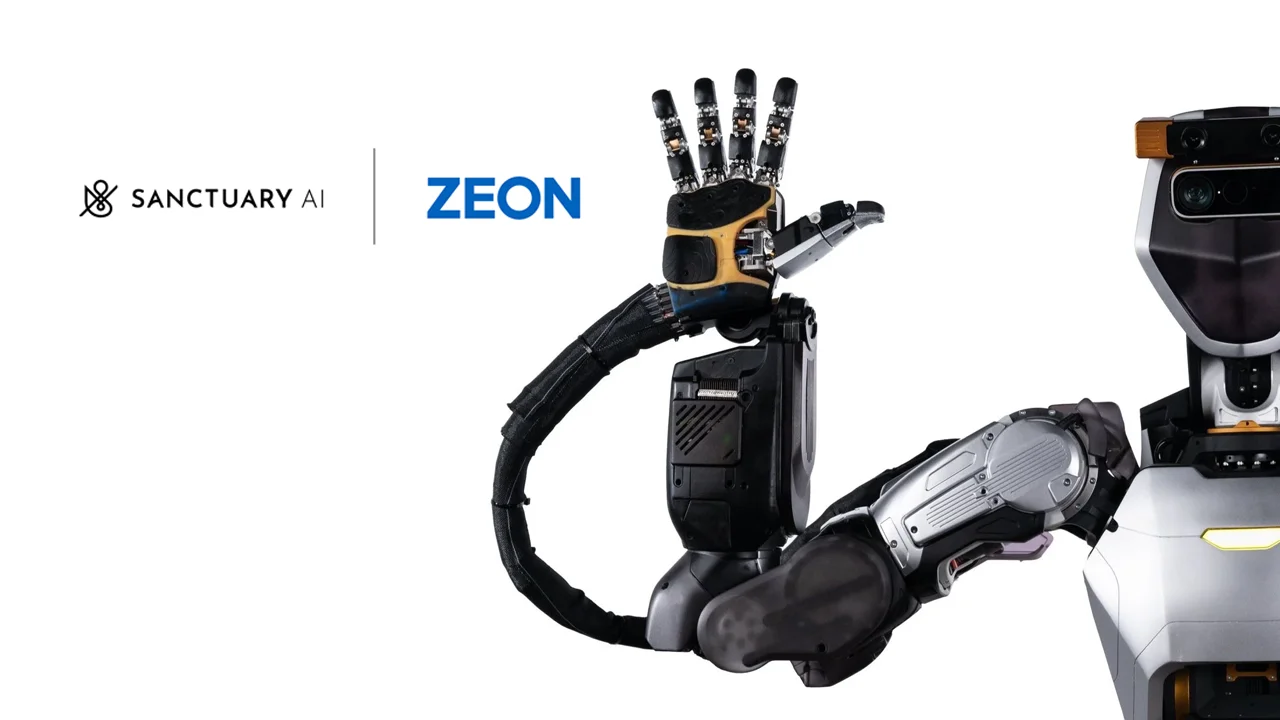
Sanctuary AI Partners with Zeon to Enhance Materials for Industrial Robotic Hands
Sanctuary AI, based in Vancouver, has formed a strategic partnership with Tokyo's Zeon Corporation to develop advanced materials for robotic hands. This collaboration focuses on creating rugged elastomeric components that will enhance the durability and tactile precision of industrial robots, addressing a critical hardware challenge as these robots transition to factory environments. The partnership is significant as it aims to solve material durability issues that affect the performance of high-degree-of-freedom robotic hands. Sanctuary AI's innovative approach combines miniaturized hydraulic actuators with high-fidelity tactile sensing, which requires resilient materials to maintain accuracy under industrial stress. Zeon's expertise in elastomeric materials will be crucial in this development. Looking ahead, the collaboration reflects a broader trend in the robotics sector, with increased urgency to solve industrial dexterity challenges by 2026. Sanctuary AI is well-positioned for commercialization, backed by over $140 million in funding and a strong intellectual property portfolio, while Zeon sees this investment as a strategic move to support next-generation automation and economic growth.
Canada sanctuary-ai
XL Batteries and ENEOS Holdings Collaborate on Organic Flow Battery Technology for Energy Storage
XL Batteries and ENEOS Holdings have entered into a memorandum of understanding to develop organic flow battery technology aimed at large-scale, long-duration energy storage. This collaboration will initiate with a joint feasibility study, potentially leading to commercial deployments of the innovative battery system. The significance of this partnership lies in addressing the increasing demand for energy storage solutions as electrification and industrial electricity needs rise. Long-duration storage is essential for balancing supply and demand, especially when renewable energy sources like solar and wind are not generating power. Looking ahead, the feasibility study will assess the commercial viability of XL Batteries' technology, which utilizes abundant and non-toxic organic electrolytes. No further timeline was disclosed at the time of publication.
Energy
Cyclic Materials Launches First U.S. Rare Earth Recycling Facility in Arizona
Cyclic Materials has inaugurated its first U.S. facility in Mesa, Arizona, aimed at enhancing domestic rare earth supply chains. This initiative aligns with the Trump administration's strategy to reduce reliance on foreign materials, particularly from China, as highlighted by William Kimmitt of the Commerce Department. The facility, which spans 144,000 square feet, utilizes proprietary MagCycle technology to recycle rare earth magnets, producing a material known as Mag-Xtract. The establishment of the Mesa facility is significant for U.S. manufacturing, as it promises to strengthen supply chains and provide additional materials for American manufacturers. Kimmitt emphasized the importance of reliable access to foundational materials for future technological advancements. With over 7,000 metric tons of scrap already processed, the facility is expected to begin shipments soon, contributing to the local economy by creating more than 30 jobs. Looking ahead, Cyclic Materials aims to further develop its infrastructure for rare earth and critical minerals in the U.S., with plans for a second facility in McBee, South Carolina. This expansion is projected to create 90 additional jobs and underscores the company's commitment to closing gaps in the domestic supply chain for critical materials essential for sectors like AI and defense. No further timeline was disclosed at the time of publication.

Hyundai's Louisiana Steel Mill to Supply Materials for Robots and SpaceX Rockets
Hyundai Motor Group Executive Chair Chung Euisun announced that steel from the upcoming Hyundai Steel mill in Louisiana could be utilized beyond automotive applications, potentially in Atlas humanoid robots and SpaceX rockets. This vision was shared during the groundbreaking ceremony for the Hyundai-Posco Louisiana Steel plant, which will initially focus on automotive steel production. The $5.8 billion electric arc furnace facility is set to be Hyundai Steel's first production base in the U.S., with an annual capacity of 2.7 million metric tons, including 1.8 million tons dedicated to automotive steel and 900,000 tons for other uses. Chung's comments reflect a long-term strategy to diversify the mill's output, aligning with Hyundai's plans to deploy Atlas robots in U.S. manufacturing operations by 2028. Looking ahead, Hyundai is cautious about deploying Atlas within the steel mill, emphasizing the need for extensive testing. Chung also highlighted the company's efforts to enhance Atlas' development by reorganizing its structure to accelerate technology adoption and improve capabilities in critical components like actuators and grippers. No further timeline was disclosed at the time of publication.
All News
Analysis of Major Chinese Semiconductor Equipment and Materials Companies' Performance in H1 2026
In the first half of 2026, major Chinese semiconductor equipment and materials companies reported their financial results, revealing a robust demand in the semiconductor equipment market. Out of 13 companies, 12 experienced revenue growth, driven by the surge in AI computing power, expansion of wafer and packaging factories, and advancements in packaging technology. Notably, North Huachuang's revenue surpassed 20 billion yuan for the first time, while companies like Changchuan Technology and Jinhai Tong benefited from increased demand for AI chip testing, achieving significant profit growth. The semiconductor materials sector also showed positive trends, with 11 out of 12 companies reporting revenue increases. The demand for materials such as target materials and silicon wafers surged due to the explosion in AI computing and storage needs. Companies like Lianang Micro and Youyan New Materials reported substantial profit improvements, with Lianang Micro turning a profit after two years of losses, driven by the rapid release of market demand for silicon wafers. Looking ahead, the semiconductor industry is expected to continue evolving, with ongoing advancements in AI and high-performance computing driving further demand for both equipment and materials. No further timeline was disclosed at the time of publication.

Yale Lift Truck Technologies Hosts Dealer Showcase to Highlight Innovations in Materials Handling
Yale Lift Truck Technologies held a dealer showcase from June 24-25, 2026, at its upgraded Frankfurt Experience Centre in Mörfelden-Walldorf, Germany. The invite-only event gathered dealers from DACH and Northern Europe to explore advanced technologies and participate in knowledge-sharing sessions aimed at modern supply chain demands. The showcase featured an exclusive preview of the Yale Route Runner, a materials handling solution designed to enhance direct-to-store deliveries, significantly improving operational efficiency and last-mile performance. Attendees also learned about the new Yale® MXLG series of lithium-ion forklifts, capable of handling loads up to 7-tonnes, and battery technologies that promote energy management and sustainability. Looking ahead, the collaborative spirit of the Yale dealer network was emphasized, with a focus on delivering customer-centric solutions. No further timeline was disclosed at the time of publication.
Fork Lift Trucks
Trelleborg Introduces Fluorosurfactant-Free Materials for Semiconductor Sealing Applications
Trelleborg Sealing Solutions has unveiled a new line of fluorosurfactant-free materials specifically designed for semiconductor manufacturing. This launch is in response to increasing regulatory scrutiny and industry demand for safer alternatives to per- and polyfluoroalkyl substances (PFAS), which are known for their adverse effects on health and the environment. The introduction of these three new materials expands Trelleborg's PureFab® materials range, aligning with the growing trend among semiconductor manufacturers to adopt environmentally friendly practices. By eliminating fluorosurfactants, Trelleborg aims to support the semiconductor industry in meeting regulatory requirements while ensuring product performance and reliability. Looking ahead, the focus on sustainable materials in semiconductor manufacturing is expected to intensify. Trelleborg's commitment to innovation in this area positions the company as a key player in the transition towards safer manufacturing processes. No further timeline was disclosed at the time of publication.

University of California, Berkeley Partners with Applied Materials for Semiconductor R&D Access
Applied Materials has selected the University of California, Berkeley as a research collaborator at its new EPIC Center in Silicon Valley, aimed at accelerating semiconductor research and development. This partnership will enable Berkeley faculty and students to work directly with Applied engineers on semiconductor materials and processes related to AI computing, potentially reducing the time needed to transition new technologies from research to production. The collaboration is significant as it addresses the bottleneck often faced in semiconductor development, where promising research concepts struggle to scale due to lack of access to advanced manufacturing equipment. By providing Berkeley researchers with industry-scale tools and direct interaction with Applied's technical teams, the EPIC Center is designed to facilitate earlier identification of manufacturing challenges and streamline the development cycle. Looking ahead, the EPIC Center is expected to become operational in 2026, representing Applied Materials' largest investment in semiconductor R&D in the U.S. This partnership not only enhances Berkeley's long-standing semiconductor research legacy but also aligns with the growing demand for advanced computing hardware driven by AI technologies. No further timeline was disclosed at the time of publication.
AI and Robotics Innovation
Swancor Advanced Materials to Launch World's First Shape-Shifting Personal Robot at WAIC
Swancor Advanced Materials is set to unveil the Quester1, the world's first shape-shifting personal robot, at the 2026 World Artificial Intelligence Conference (WAIC) on July 17. This innovative robot can automatically switch between bipedal and quadrupedal modes without manual disassembly, showcasing a unique 'transformable cross-modal integration architecture' that enables smooth transitions. The Quester1 is designed for various environments, with its bipedal form ideal for flat surfaces and intricate tasks, while the quadrupedal mode excels in navigating stairs and rough terrain. CEO Tian Hua emphasized that this product aims to redefine personal robotics for consumer markets, marking Swancor's first foray into the consumer robotics sector. As the Quester1 prepares for its debut, it highlights the rapid development of transformable robotics in China. The WAIC will feature over 1,100 companies and more than 300 product launches, indicating a significant shift towards embodied intelligence in robotics. No further timeline was disclosed at the time of publication.
Personal Robots Shape-Shifting Technology AI Robotics Consumer Robotics
Syensqo Expands Havre de Grace Facility to Boost Aerospace Material Production by 30%
Syensqo, a global aerospace company, is expanding its Havre de Grace facility to enhance its manufacturing capabilities by over 30%. This multi-million-dollar investment aims to strengthen the company's U.S. manufacturing footprint and support the growing demand for advanced material solutions in aerospace, defense, and automotive sectors. The expansion focuses on producing high-performance structural adhesives and surfacing products, crucial for commercial aerospace and space exploration applications. The significance of this expansion lies in Syensqo's commitment to supplying high-performance materials that contribute to safer and more sustainable products across various industries. By reinforcing its global manufacturing network, the company aims to improve supply reliability and efficiency, addressing the increasing customer demand for adhesive and bonding materials. This move is part of Syensqo's broader strategy to lead in advanced materials and sustainable specialty chemicals, particularly in the aerospace sector, which is its largest market. Looking ahead, Syensqo's expansion at the Havre de Grace site marks a pivotal milestone in its growth trajectory. The company is expected to accelerate its efforts in supporting customers as they scale production, particularly in high-performance materials. No further timeline was disclosed at the time of publication, but the investment aligns with Syensqo's ongoing initiatives in electric vehicle batteries and clean energy technologies.
Science
World’s first Mach 2.5 test platform to blast hypersonic materials through storms
A U.S. aerospace company has introduced what it claims to be the world's first commercial platform designed for urban air mobility. The announcement was made during a press conference held on October 15, 2023, at the company's headquarters in California. This innovative platform aims to revolutionize transportation in densely populated areas, addressing the growing need for efficient and sustainable urban transit solutions. The company’s executives highlighted that the development is motivated by increasing urban congestion and the demand for faster travel options. The platform is expected to utilize advanced electric vertical takeoff and landing (eVTOL) technology, enabling it to operate in urban environments while minimizing noise and emissions. The unveiling marks a significant milestone in the aerospace industry, as the company plans to collaborate with city planners and regulatory bodies to ensure the safe integration of this new mode of transportation into existing urban infrastructures.
Military
Robots that can identify materials and map unknown environments could aid nuclear and defense sectors
Researchers at the University of Surrey are developing advanced robots capable of surpassing human vision, creating live 3D maps of unfamiliar environments, and determining the composition of various objects. This innovative technology, which is currently in development, has the potential to revolutionize several fields, including nuclear inspection, rail and building safety, and search and rescue operations in combat zones. By enhancing robotic capabilities, the team aims to improve safety and efficiency in critical situations where human intervention may be risky or impractical. The project highlights the university's commitment to pioneering research that addresses real-world challenges through cutting-edge technology.
Robotics
LG Chem to invest W15tr in R&D by 2035 to develop advanced materials
LG Chem Ltd. announced a significant investment of 15 trillion won (approximately $9.74 billion) aimed at research and development over the next 12 years. The plan, revealed by CEO Kim Dong-chun during a town hall meeting on Monday, focuses on diversifying the company's portfolio beyond its traditional petrochemical roots. The investment will target high-value sectors including semiconductor materials, mobility solutions, robotics, and anticancer drugs. This strategic move is designed to establish new growth drivers and enhance the company's competitiveness in emerging markets.
All News
From Materials Simulation to Experimental Astronomy, New NVIDIA AI Software Unlocks Scientific Discoveries
During the ISC conference taking place this week in Hamburg, NVIDIA unveiled innovative software aimed at accelerating artificial intelligence applications in scientific research. The newly introduced DAQIRI library and ALCHEMI NIM software are designed to enhance processes in various fields, including chemistry, materials discovery, and even the exploration of dark matter. By leveraging advanced AI capabilities, NVIDIA seeks to empower researchers and scientists to achieve breakthroughs more efficiently, addressing the growing demand for faster and more effective scientific solutions.
Materials Handling Group Power
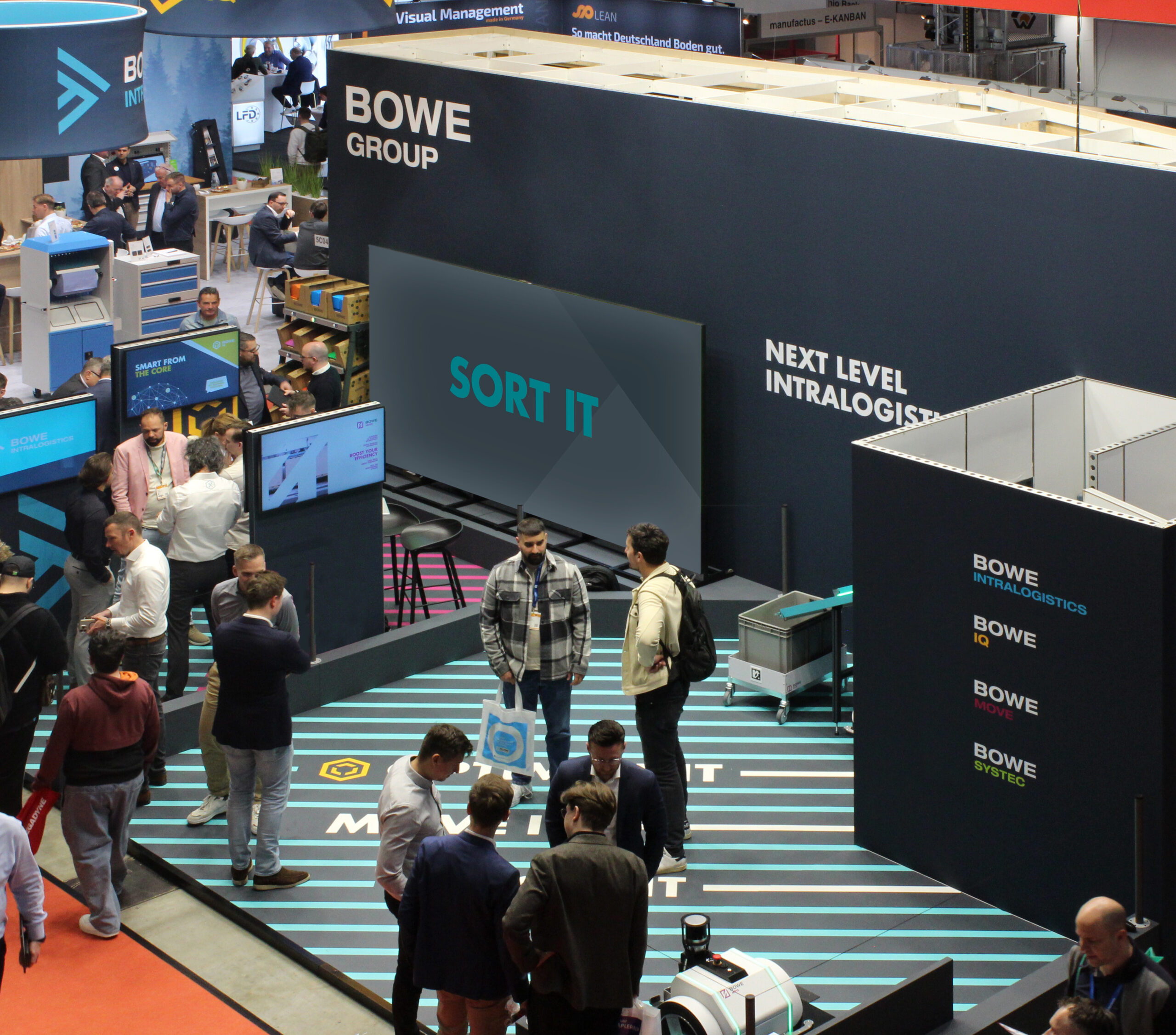
At LogiMAT, Bowe Group leaders discussed the company's evolution and future plans for integrated automation supported by advanced software intelligence. Founded 80 years ago, Bowe Group initially focused on manufacturing household goods before expanding into dry cleaning and car wash systems, and eventually document and paper management. The company's commitment to engineering innovation continues to drive its growth and adaptation in the materials handling sector.
AMR and AGV Automation Systems and Shuttles Conveying and Sortation Magazine Features Materials Handling WMS & SCM Software
Smart Materials and the Rise of Ornithopters: on this episode of the Drone Radio Show!
Dr. Onur Bilgen, an Associate Professor at Rutgers University’s Department of Mechanical and Aerospace Engineering, recently discussed the future of flapping wing drones on the Drone Radio Show. In the episode, he highlighted the significance of smart materials in the design of next-generation aircraft and explored how bioinspired engineering could drive innovation in unmanned aviation. This conversation sheds light on the potential advancements in drone technology and the integration of nature-inspired designs, emphasizing the evolving landscape of aerial robotics.
DL Exclusive Drone News Drone News Feeds Drones in the News News Podcast
China completes record 537-day deep-sea materials experiment under extreme pressure
China has announced the successful completion of a groundbreaking 537-day deep-sea material corrosion exposure experiment, claiming it to be the first of its kind in the world. Conducted in the South China Sea, the project aimed to assess the durability and longevity of various materials used in marine engineering and construction. The initiative is part of China's broader efforts to enhance its capabilities in deep-sea exploration and technology, driven by the increasing demand for sustainable and resilient infrastructure in challenging underwater environments. Researchers monitored the materials' performance and degradation over the extended period, providing valuable data that could inform future developments in maritime engineering. This achievement underscores China's commitment to advancing its scientific research and technological prowess in the field of marine sciences.
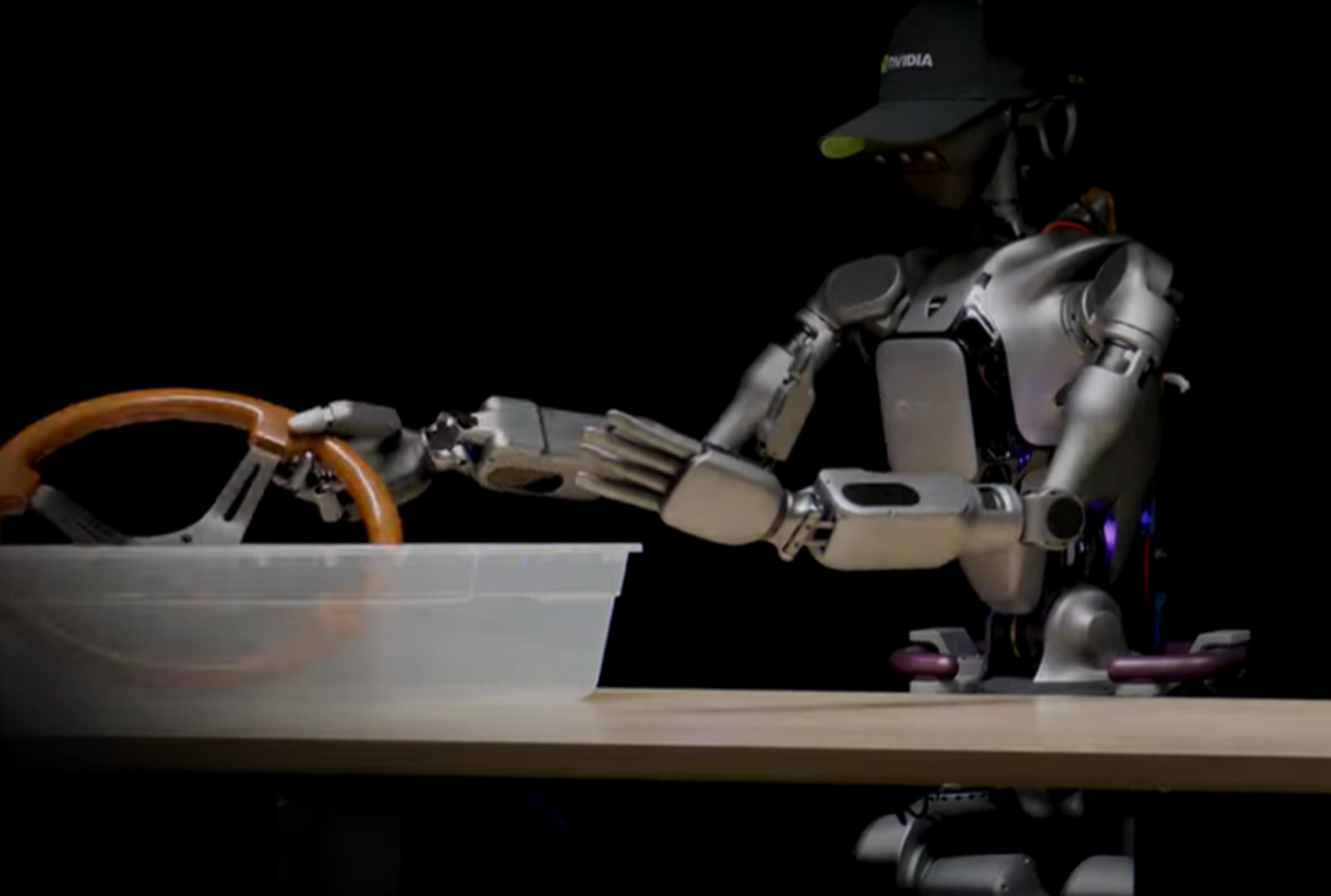
Shape-morphing metamaterials with continuous relearning
In a groundbreaking study published in the May 2026 issue of Science Robotics, researchers from a leading robotics institute have unveiled a new autonomous robotic system designed to assist in disaster response efforts. The innovative technology aims to enhance the efficiency and effectiveness of rescue operations in the aftermath of natural disasters, such as earthquakes and floods. The research team, comprised of experts in robotics and emergency management, conducted extensive field tests in various simulated disaster scenarios to evaluate the robot's capabilities. These tests demonstrated the system's ability to navigate challenging terrains, locate survivors, and deliver essential supplies, significantly reducing response times. The motivation behind this development stems from the increasing frequency and severity of natural disasters worldwide, which necessitate improved response strategies. By integrating advanced artificial intelligence and machine learning algorithms, the robotic system can adapt to dynamic environments and make real-time decisions, ultimately saving lives. The study highlights the potential for collaboration between technology and emergency services, showcasing how robotics can play a crucial role in humanitarian efforts. As the world grapples with the impacts of climate change, this innovation represents a significant step forward in preparing for and responding to future crises.
Editors' Choice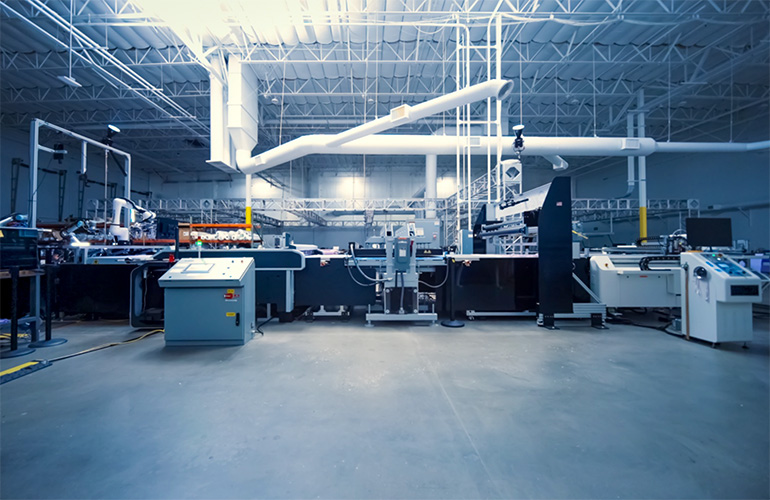
Why deformable materials are physical AI’s real manufacturing test
Createme's CEO has highlighted the potential of Physical AI in revolutionizing the assembly of deformable materials, particularly in the apparel industry. This insight comes as the company explores innovative approaches and software solutions to enhance manufacturing processes. The discussion emphasizes the importance of adapting technology to effectively handle the complexities of working with flexible materials. As the demand for advanced manufacturing techniques grows, the application of Physical AI could serve as a significant test for the industry, showcasing its capabilities beyond traditional manufacturing methods.
6-Axis Artificial Intelligence / Cognition Manufacturing Materials News Opinion
Exploring the Use and Impact of Composite Materials in Robotics: A Systematic Review
A recent study published in the Journal of Field Robotics highlights the advancements in autonomous robotic systems designed for agricultural applications. Conducted by a team of researchers from various universities, the study was released in early October 2023. The research focuses on the increasing need for efficient farming solutions amid growing global food demands and labor shortages. The team developed a series of robotic prototypes capable of performing tasks such as planting, weeding, and harvesting with minimal human intervention. These innovations aim to enhance productivity and sustainability in agriculture, addressing critical challenges posed by climate change and population growth. By utilizing advanced sensors and artificial intelligence, the robots can navigate complex environments and make real-time decisions, significantly improving operational efficiency. The findings underscore the potential of robotics to transform traditional farming practices and contribute to food security. This research not only showcases the technological capabilities of modern robotics but also emphasizes the importance of integrating such systems into agricultural practices to meet future demands. The implications of this work could lead to widespread adoption of robotic solutions in farming, ultimately benefiting both producers and consumers.
FIELD REPORT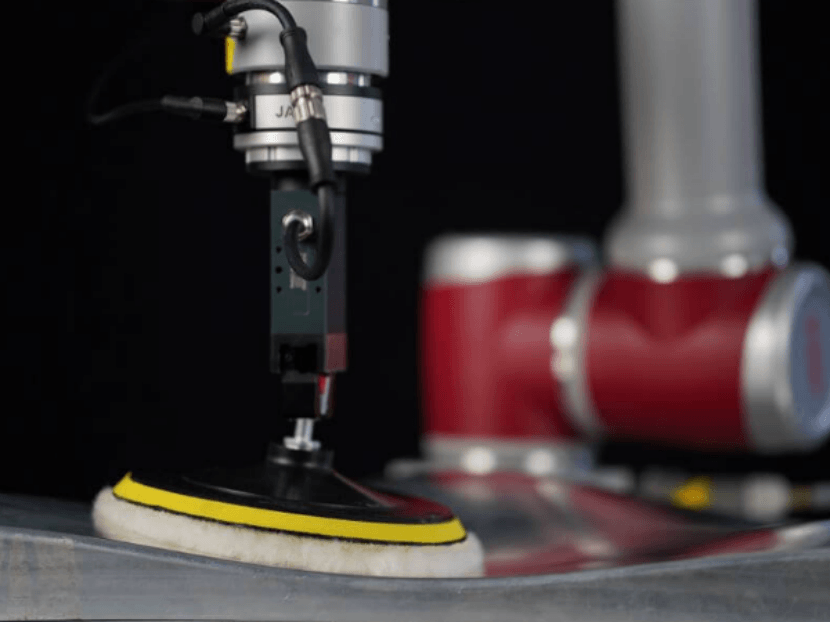
The Future of Factory Robot Arm Design: Lightweight Materials and Modularity
JAKA, a leader in factory automation technology, is advancing the design of robotic arms by integrating lightweight materials and modular architecture to enhance efficiency and safety. In recent years, the demand for precise and adaptable automation solutions has surged, prompting JAKA to innovate in creating flexible, high-performance systems that prioritize user safety. The company’s latest model, the JAKA S5, exemplifies this evolution by utilizing lightweight materials that facilitate smoother movements and improved processing accuracy, particularly in delicate operations like polishing. This design minimizes vibration and inertia, leading to enhanced repeatability and efficiency, which is crucial in high-quality production environments. Moreover, JAKA’s modular approach allows for high reprogrammability, enabling users to easily adjust the robots for various tasks without significant downtime or extra costs. This adaptability not only streamlines workflows but also reduces the risk of workplace accidents by minimizing direct contact with hazardous equipment. While the initial investment in these robotic solutions can vary, JAKA’s focus on lightweight and modular designs ultimately lowers long-term costs by extending the operational lifespan and reducing maintenance needs. The JAKA S5 serves as a versatile platform for multiple production lines, allowing manufacturers to quickly adapt to changing demands. In summary, JAKA is at the forefront of transforming manufacturing processes through innovative robotic solutions that enhance precision, safety, and cost-effectiveness, aligning with the evolving needs of the industry.

Radboud chemists are working with companies and robots on the transition from oil-based to bio-based materials
Researchers at Radboud University are addressing the sustainability challenges posed by the reliance on fossil raw materials in the production of chemical products, including medicines, plastics, soap, and paint. Recognizing the urgent need for a transition to bio-based raw materials, the team is exploring innovative solutions to facilitate this shift. The initiative aims to accelerate the development of sustainable alternatives, thereby reducing the environmental impact associated with traditional materials. By focusing on efficient methods for sourcing and utilizing bio-based resources, the researchers hope to contribute to a more sustainable future in the chemical industry.
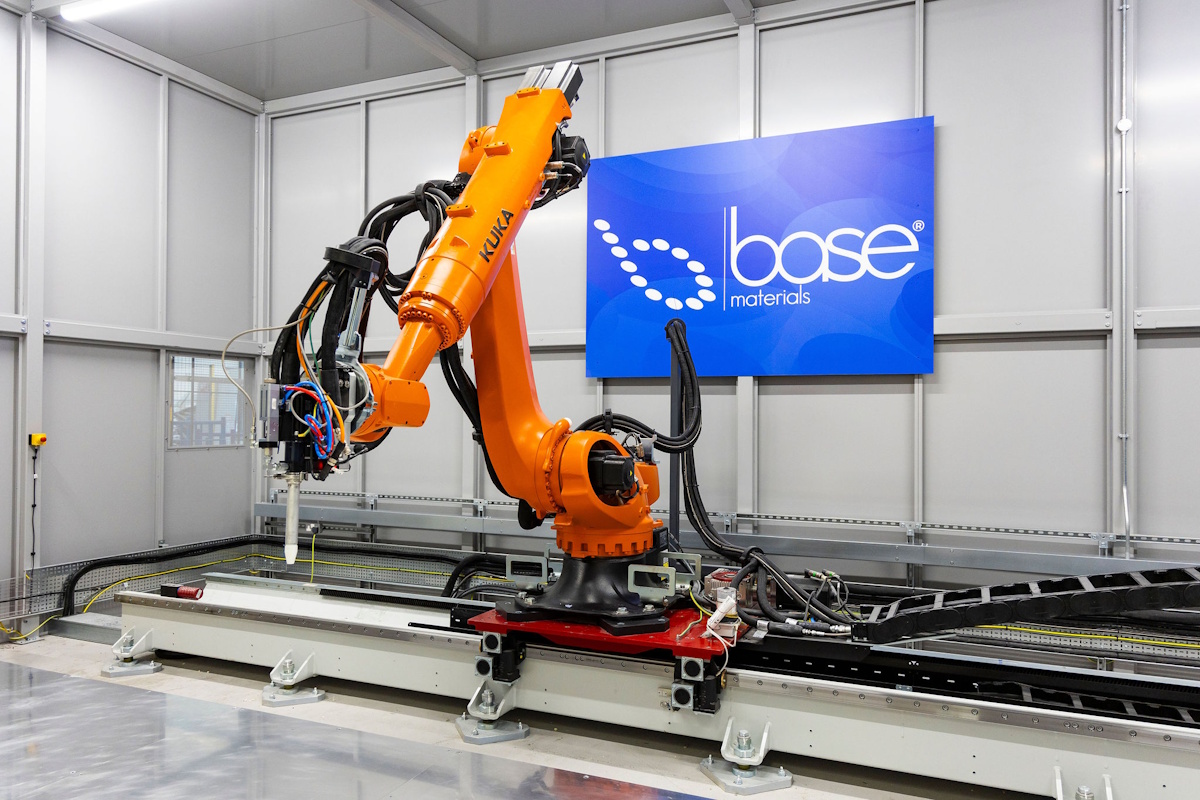
Base Materials Launches Large-format 3D Printing Service Featuring ProXtrude® Printable Paste System
Base Materials has introduced a groundbreaking large-format 3D printing service aimed at revolutionizing manufacturing processes. This innovative service offers a quicker and more efficient alternative to traditional tooling methods, which typically involve CNC machining of tooling boards. The new process allows for the creation of intricate, single-piece models without visible bond lines, significantly enhancing the quality of the final product. Launched following successful internal trials, the service has demonstrated the potential to cut material waste by up to 58% and reduce production timelines by as much as 70%. By removing the need for molds, casting, or bonding, and requiring only minimal post-processing, Base Materials is poised to accelerate lead times for manufacturers. This advancement not only streamlines production but also contributes to sustainability efforts by minimizing both consumable and material waste.
base materials large-format 3d printing service proxtrude® printable paste system
Base Materials Becomes First Manufacturer with Full DNV Type Approval Across Entire Syntactic Buoyancy Material Range
Base Materials has solidified its status as a global leader in high-performance subsea buoyancy materials by becoming the first manufacturer of syntactic foam subsea buoyancy materials to receive full DNV type approval (TAC) for its entire range of Subtec® buoyancy products. This milestone reflects the company's commitment to quality and innovation in the subsea industry, enhancing its credibility and competitive edge. The approval signifies that Base Materials meets rigorous international standards, ensuring the reliability and safety of its products in demanding underwater environments.
base materials full dnv type approval syntactic buoyancy
CMU Researchers Blend Materials at “Hard Textiles” Jam
On March 7, the Textiles Lab at Carnegie Mellon University's Robotics Institute held a “Hard Textiles” lab jam, led by Associate Professor Jim McCann. This event highlighted the innovative intersection of textiles and technology, offering insights into potential future research directions. It also provided an opportunity for the campus community to engage with the lab's work and explore the unique applications of materials in robotics and design. The lab jam aimed to foster collaboration and creativity among participants, showcasing how advancements in textile technology can influence various fields.
Research Uncategorized
Base Materials to Supply Buoyancy Solutions to DNV Certified Full Ocean Depth Submersible
Base Materials has announced a partnership with Inkfish, an organization dedicated to marine research, to provide buoyancy solutions for the DSV Bakunawa, a full ocean depth submersible. This collaboration is part of a broader initiative to upgrade the submersible, enhancing its capabilities for deep-sea exploration. The project aims to advance marine research efforts, enabling scientists to conduct more comprehensive studies of ocean ecosystems. The timeline for the upgrade has not been specified, but it reflects a growing commitment to improving tools for underwater research.
base materials buoyancy dnv submersible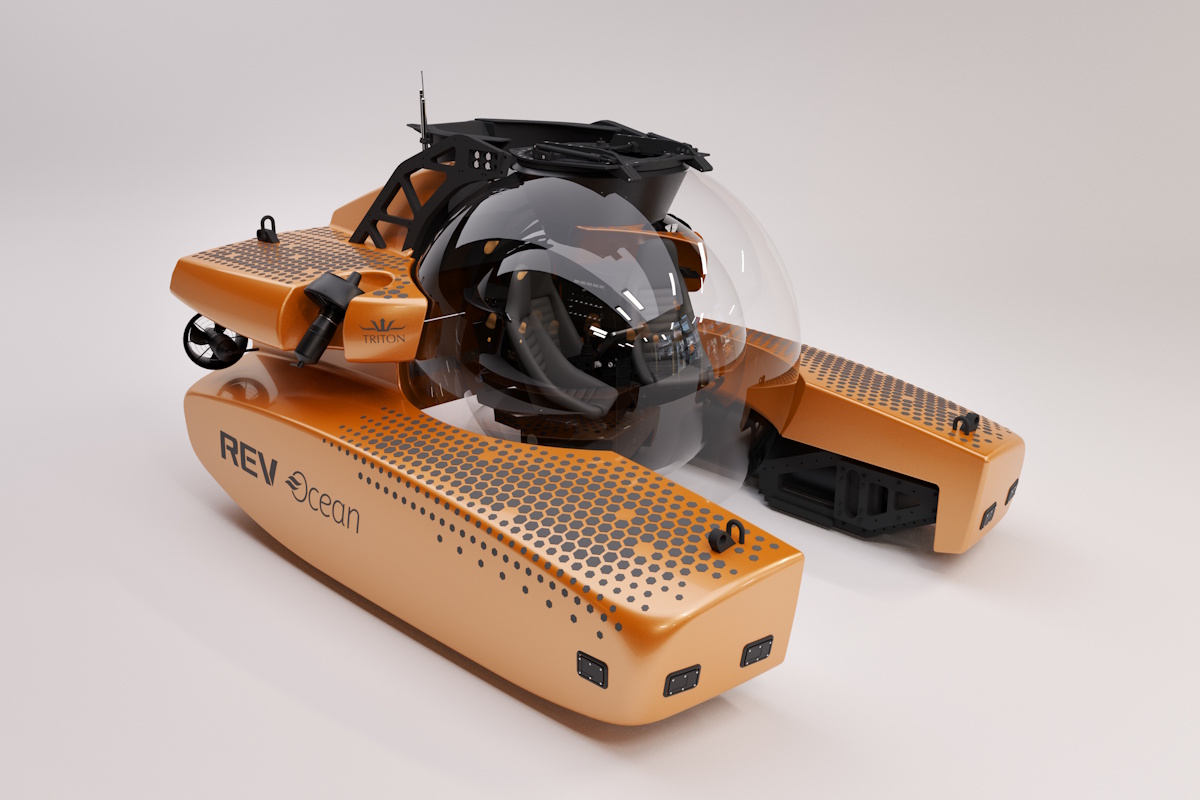
Base Materials Announces Long-term Technical Partnership with Cutting-edge Submersible Manufacturer Triton Submarines LLC
Base Materials has entered into a strategic partnership with Triton Submarines LLC to enhance the capabilities of the Triton 7500/3, recognized as the world's deepest diving three-person acrylic submersible. This collaboration aims to upgrade the innovative vessel, which is certified by DNV and features a fully transparent acrylic pressure hull. Capable of reaching depths of 2,286 meters (7,500 feet) and operating for over 10 hours, the Triton 7500/3 will provide explorers, scientists, and filmmakers with unparalleled access to the ocean's bathypelagic zone, an area located between 1,000 and 4,000 meters (3,280 to 13,123 feet) beneath the surface. This initiative underscores the growing interest in deep-sea exploration and the need for advanced technology to uncover the mysteries of the ocean.
base materials technical partnership submersible triton submarinesRobotics needs a service framework.
RSF defines a common language for robot service capability, lifecycle operations, certification pathways, and service-provider networks.
Join the RobotToday community on LinkedIn
Daily robotics news, in-depth analysis, conference highlights, and discussions with professionals worldwide.







