Industry Briefing
A single destination for timely, editor-curated robotics news from around the world.
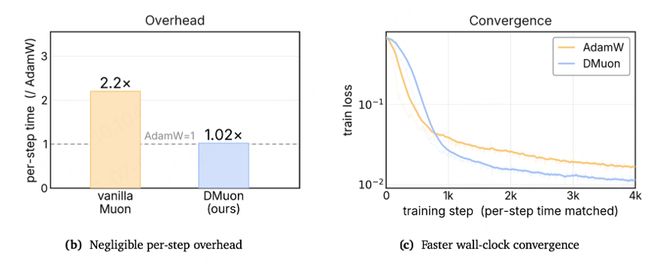
Variable Launches DMuon Optimizer to Improve Distributed Muon Model Infrastructure Efficiency by 30%
Variable Robotics has introduced the DMuon optimizer, enhancing the distributed Muon model infrastructure's efficiency by approximately 30%. This new optimizer addresses the additional computational and communication costs associated with using Muon in distributed training, which previously resulted in an end-to-end step time 2.2 times longer than AdamW. The significance of DMuon lies in its ability to maintain the faster convergence benefits of the Muon optimizer while reducing the end-to-end step time to just 1.02 times that of AdamW. This improvement is achieved through fine-grained communication optimization, computation-aware load balancing, and a high-performance kernel system, making DMuon a viable option for embodied model training without requiring changes to parameter update rules or training frameworks. Looking ahead, DMuon is expected to become a new default choice for embodied model training, as it effectively mitigates the redundant computations and communication overhead that previously hindered Muon's performance in distributed environments. No further timeline was disclosed at the time of publication.
Neural Network Optimization Distributed Training Machine Learning Infrastructure AI Models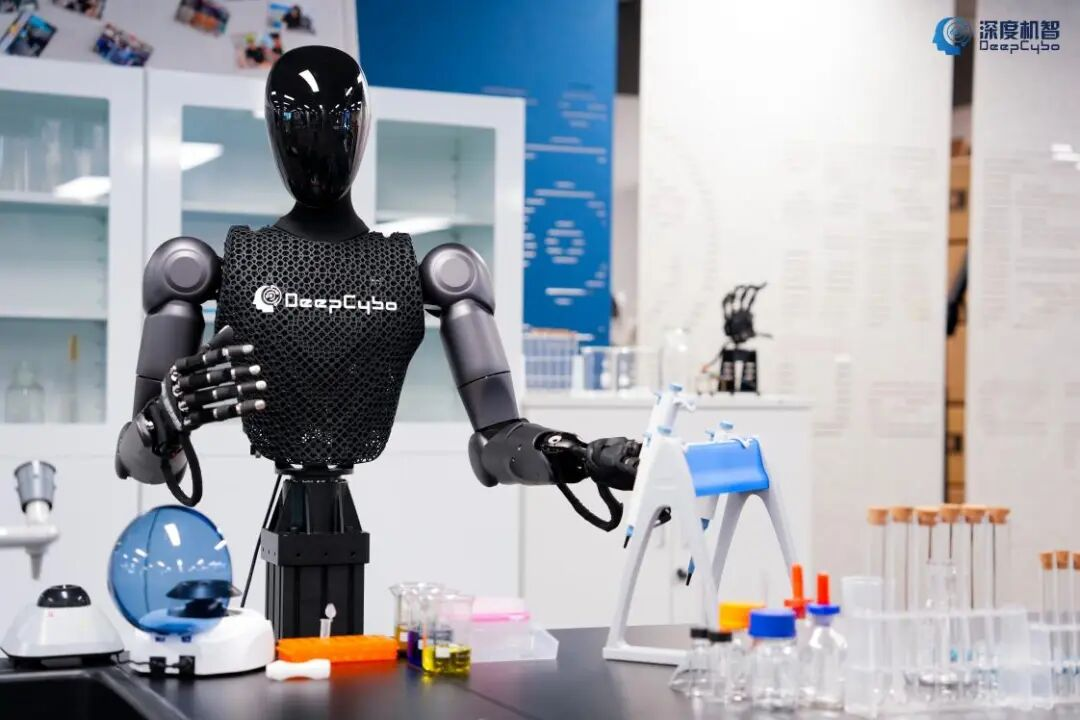
"Not Competing with Real Machines, Not Stacking Simulations: Deep Intelligence Relies on 'Human Learning' to Secure Hundreds of Millions in Financing"
Deep Intelligence, a company focused on advancing artificial intelligence through human learning methodologies, has secured hundreds of millions in financing. This significant funding round, announced recently, highlights the growing interest in AI technologies that prioritize human-like learning processes over traditional machine simulations. The investment aims to enhance Deep Intelligence's research and development efforts, positioning the company as a leader in the AI sector. By leveraging insights from human cognition, Deep Intelligence seeks to create more intuitive and effective AI systems. The financing comes at a time when the demand for innovative AI solutions is surging, driven by various industries looking to integrate smarter technologies into their operations.
Robotics Automation AI
Machine Learning Predicts Toxic Metal Levels in Marine Systems
Researchers have developed a new method that utilizes machine learning and feature selection to accurately predict aluminum levels in marine environments. This innovative approach aims to enhance the efficiency of monitoring efforts, addressing growing concerns over aluminum pollution in aquatic ecosystems. The study, which builds on data collected up to October 2023, highlights the importance of advanced technological solutions in environmental science. By improving prediction accuracy, the research not only aids in better understanding the impact of aluminum on marine life but also supports regulatory bodies in making informed decisions regarding environmental protection. The findings are expected to play a crucial role in future monitoring strategies, ensuring healthier marine ecosystems.

Machine Learning Models Predict Stroke Risk in Atrial Fibrillation
Recent advancements in machine learning have led to the development of innovative models that utilize routine clinical data to enhance stroke risk prediction in patients with atrial fibrillation. This breakthrough, which emerged from ongoing research in the field, aims to provide more personalized patient care by accurately assessing individual risk factors. The models, trained on extensive datasets, demonstrate a significant improvement in predicting stroke risk compared to traditional methods. As healthcare professionals increasingly adopt these technologies, the potential for tailored treatment plans and better patient outcomes is becoming more evident. This development marks a pivotal step in integrating artificial intelligence into clinical practice, ultimately striving to improve the quality of care for those affected by atrial fibrillation.

Terrain Classification for Planetary Rovers Using Wireless In‐Wheel Sensor Modules and Machine Learning
In May 2026, researchers published a significant study in the Journal of Field Robotics, focusing on advancements in robotic technology. The study highlights innovative developments in autonomous navigation systems, which have the potential to enhance the efficiency and safety of robotic operations in various environments. Conducted by a team of experts in robotics and artificial intelligence, the research aims to address the challenges faced by robots in dynamic and unpredictable settings. The findings were based on extensive field tests conducted in diverse locations, including urban areas and remote terrains, showcasing the robots' adaptability and reliability. The motivation behind this research stems from the increasing demand for autonomous systems in industries such as agriculture, logistics, and disaster response, where precision and real-time decision-making are crucial. By employing advanced algorithms and machine learning techniques, the researchers demonstrated how these robots can effectively navigate complex environments while avoiding obstacles and optimizing their routes. This breakthrough not only promises to improve operational capabilities but also aims to reduce human intervention, thereby enhancing safety and efficiency in various applications. The study's implications are far-reaching, potentially transforming the landscape of robotic applications and paving the way for more sophisticated autonomous systems in the future.
RESEARCH ARTICLE
Advancements in Embodied Intelligence: Robots Learning Through Experience
A robot in a warehouse near Austin has fallen for the 4,000th time without assistance, showcasing the progress of embodied intelligence. This technology allows machines to physically interact with the world, fundamentally changing how they learn. Instead of merely processing information, these robots learn through experience, such as understanding gravity by knocking over objects. Embodied intelligence is gradually integrating into daily life, with humanoid robots working on assembly lines and assisting police in Hangzhou. In Malaysia, the Prime Minister introduced an AI digital twin to handle citizen inquiries autonomously. However, in Europe, there is growing concern about job displacement, with unions negotiating wage structures in anticipation of humanoid robot deployment. The societal divide is evident: while Asian countries view robots as helpful assistants, Europeans express fears of job loss. The future of embodied intelligence will depend on societal acceptance, highlighting a complex relationship between technology and human values. No further timeline was disclosed at the time of publication.
Embodied Intelligence Robotics AI Technology Human-Robot Interaction
NVIDIA, Ineffable Intelligence Team Up to Build the Future of Reinforcement Learning Infrastructure
NVIDIA has announced a new engineering collaboration with Ineffable Intelligence, a London-based AI lab, aimed at enhancing the capabilities of reinforcement-learning agents. These AI systems, which learn through trial and error, are designed to transform computational processes into valuable knowledge. The partnership seeks to leverage the strengths of both organizations to advance the development of these intelligent systems, potentially leading to significant breakthroughs in AI applications. The collaboration underscores a growing interest in harnessing advanced AI techniques to drive innovation and efficiency across various sectors.

Tesla's Optimus Robots to Support Starmind Satellite Production, Not Maintenance
Tesla's Optimus robots will not be used to repair Starmind satellites in orbit, as confirmed by recent statements from Elon Musk. Instead, these robots are intended to assist in the construction and operation of the Terafab chip manufacturing facility in Texas. The AI1 satellites, designed to disintegrate upon reentry, highlight the company's swap-and-replace strategy rather than traditional maintenance practices. This approach is significant as it reflects a broader trend in satellite management, where mass-produced satellites are replaced rather than repaired. The economics of servicing missions are prohibitive, with the cost of launching a replacement satellite being significantly lower than conducting a repair mission. This model aligns with SpaceX's operational history, where rapid replacement of satellites is more efficient than attempting to maintain them in orbit. Looking ahead, the focus will remain on the production capabilities of the Gigasat factory, which is expected to support the continuous replacement of satellites. No further timeline was disclosed at the time of publication, but the demand for rapid satellite turnover suggests a robust future for Optimus robots in terrestrial manufacturing rather than in-space servicing.

Detecting IoT Malware in EV Chargers with Deep Learning
A recent study has introduced a deep learning methodology aimed at improving malware detection in electric vehicle (EV) charging stations. Conducted by a team of researchers, the study addresses significant limitations in current detection systems, ultimately enhancing their accuracy. The findings, which were published in October 2023, highlight the growing need for robust cybersecurity measures in the rapidly expanding network of IoT devices associated with EV infrastructure. By leveraging advanced machine learning techniques, the researchers aim to provide a more effective solution to safeguard these critical charging stations from potential cyber threats, ensuring the safety and reliability of EV charging operations.

The New Era of Robot Perception: How CoRMA Enables Machines to Truly "Understand Touch"
Researchers have unveiled a groundbreaking advancement in robotic technology with the introduction of CoRMA, a new system designed to enhance machines' ability to perceive touch. This innovative development, announced in October 2023, aims to bridge the gap between human-like sensory experiences and robotic capabilities. Located at a leading technology research facility, the CoRMA system utilizes advanced algorithms and sensory data to enable robots to interpret tactile information more effectively. The motivation behind this initiative stems from the growing demand for robots to perform tasks that require a nuanced understanding of touch, such as delicate assembly work or providing care in healthcare settings. By integrating sophisticated sensors and machine learning techniques, CoRMA allows robots to not only detect pressure but also differentiate between various textures and materials. This advancement is expected to significantly improve the functionality of robots in diverse applications, from manufacturing to personal assistance. The development of CoRMA represents a significant leap forward in the field of robot perception, potentially transforming how machines interact with their environment and enhancing their ability to perform complex tasks that require a human-like touch.
Robotics Automation AI
Opinion: The AI infrastructure risk robotics leaders can’t afford to ignore
The robotics industry is experiencing a significant transformation, marked by advancements in autonomous mobile robots that are now navigating warehouses with enhanced precision and intelligence. As of October 2023, industrial robots are evolving to become smarter and more adaptable, while AI-powered vision systems are revolutionizing sectors such as manufacturing, logistics, and defense. This surge in technological capabilities is driven by the increasing demand for efficiency and automation across various industries, highlighting the critical role of innovation in shaping the future of robotics.
Aircraft Artificial Intelligence Engineering Features AI deployment AI infrastructure
Scientists show predictable training can outperform complex robot learning data
Researchers are making significant strides in developing robots capable of manipulating objects with human-like dexterity, a challenge that has long posed difficulties in the field of robotics. This advancement is crucial as it could enhance the ability of robots to perform complex tasks in various settings, including homes, hospitals, and manufacturing plants. The ongoing work, which has gained momentum in recent months, is taking place in laboratories across the globe, where teams are experimenting with advanced algorithms and machine learning techniques. The motivation behind this research stems from the increasing demand for robots that can assist in everyday tasks, improve efficiency in industrial processes, and provide support in healthcare environments. By mimicking the intricate movements of the human hand, researchers aim to create robots that can handle delicate objects and perform tasks that require precision and adaptability. To achieve this, scientists are employing a combination of innovative hardware designs and sophisticated software programming. They are utilizing sensors and artificial intelligence to enable robots to learn from their interactions with various objects, refining their skills over time. This iterative learning process is essential for developing robots that can operate effectively in unpredictable environments. As the field progresses, the implications of these advancements could revolutionize how robots are integrated into daily life, making them more versatile and capable of performing a wider range of functions. The ongoing research highlights the potential for robots to not only assist but also enhance human capabilities in numerous domains.
Shape-morphing metamaterials with continuous relearning
In a groundbreaking study published in the May 2026 issue of Science Robotics, researchers from a leading robotics institute have unveiled a new autonomous robotic system designed to assist in disaster response efforts. The innovative technology aims to enhance the efficiency and effectiveness of rescue operations in the aftermath of natural disasters, such as earthquakes and floods. The research team, comprised of experts in robotics and emergency management, conducted extensive field tests in various simulated disaster scenarios to evaluate the robot's capabilities. These tests demonstrated the system's ability to navigate challenging terrains, locate survivors, and deliver essential supplies, significantly reducing response times. The motivation behind this development stems from the increasing frequency and severity of natural disasters worldwide, which necessitate improved response strategies. By integrating advanced artificial intelligence and machine learning algorithms, the robotic system can adapt to dynamic environments and make real-time decisions, ultimately saving lives. The study highlights the potential for collaboration between technology and emergency services, showcasing how robotics can play a crucial role in humanitarian efforts. As the world grapples with the impacts of climate change, this innovation represents a significant step forward in preparing for and responding to future crises.
Editors' Choice
Argonne Researchers to Develop Learning-Based Robots as Step Toward a Scientific Assistant
Researchers are exploring the potential of robots that can not only conduct experiments but also learn and adapt alongside human scientists. This initiative aims to develop advanced robotic systems capable of functioning in real laboratory settings, allowing them to respond to dynamic conditions and collaborate effectively with their human counterparts. By integrating machine learning and artificial intelligence, these robots could enhance scientific research, increasing efficiency and innovation in various fields. The project is currently in its developmental stages, with ongoing studies focused on refining the robots' capabilities to ensure they can seamlessly integrate into existing scientific workflows. As this technology evolves, it holds the promise of transforming the landscape of scientific inquiry and experimentation.

Robot Talk Episode 130 – Robots learning from humans, with Chad Jenkins
Claire recently engaged in a conversation with Odest Chadwicke Jenkins, a prominent Professor of Robotics and Electrical Engineering at the University of Michigan, to explore the evolving role of robots in everyday life. Jenkins, whose research focuses on enabling robots to learn from human demonstrations, discussed the potential for these machines to enhance our daily activities. The dialogue highlighted the significance of integrating human-like learning processes into robotic systems, aiming to create more intuitive and helpful technologies. This exchange took place as part of ongoing efforts to bridge the gap between human interaction and robotic assistance, emphasizing the importance of collaboration between humans and machines in shaping the future of robotics.
UK startup Humanoid launches reinforcement learning system to improve robot manipulation
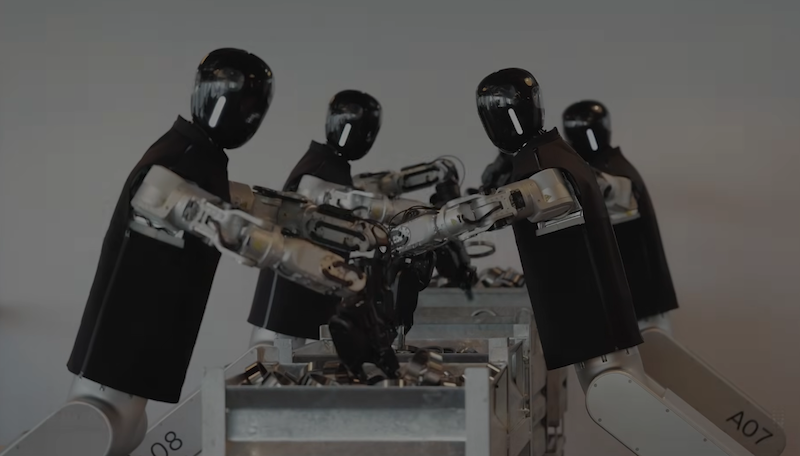
UK-based robotics and AI company Humanoid has introduced KinetIQ Ascend, the company’s reinforcement learning approach designed to reach 99.9 percent manipulation reliability at human speed and beyond. KinetIQ Ascend builds on the previously announced KinetIQ platform with trial-and-error learning, helping the company’s robots improve directly on industrial tasks. The new system was tested on several […]
Computing Humanoids News artificial intelligence automation embodied ai
AI Is Learning to Read the Room
Recent advancements in emotion AI technology are reshaping how machines interpret human feelings, particularly in professional settings. Companies like Meta and startups such as Hume AI are developing systems that analyze facial expressions, voice tones, and behaviors to gauge emotions during interactions like performance reviews. This technology, which has applications in employee well-being, recruitment, and customer service, aims to enhance communication by providing real-time feedback. Despite its rapid growth, current emotion AI systems often struggle to capture the complexity of human emotions, typically categorizing feelings into simplistic labels like "happy" or "sad." Researchers are now focusing on a new approach called human-context AI, which combines multiple inputs—such as facial dynamics and voice modulation—with situational context to better understand emotional nuances. This shift aims to close the gap between human emotional expression and machine interpretation. The origins of emotion AI trace back to the MIT Media Lab, where Rosalind Picard pioneered the concept of affective computing. Over the years, advancements in data collection and analysis have improved the accuracy of emotion detection. However, ethical concerns remain, particularly regarding privacy and the potential for misuse in workplaces and public spaces. As this technology evolves, it promises to enhance various applications, from professional development platforms to health care, by providing a deeper understanding of human emotions. Yet, experts caution against over-reliance on AI for critical decisions, emphasizing the importance of human insight in interpreting emotional signals.
Emotions Affective-computing Facial-expressions Companion-robots Multimodal-ai Machine-learning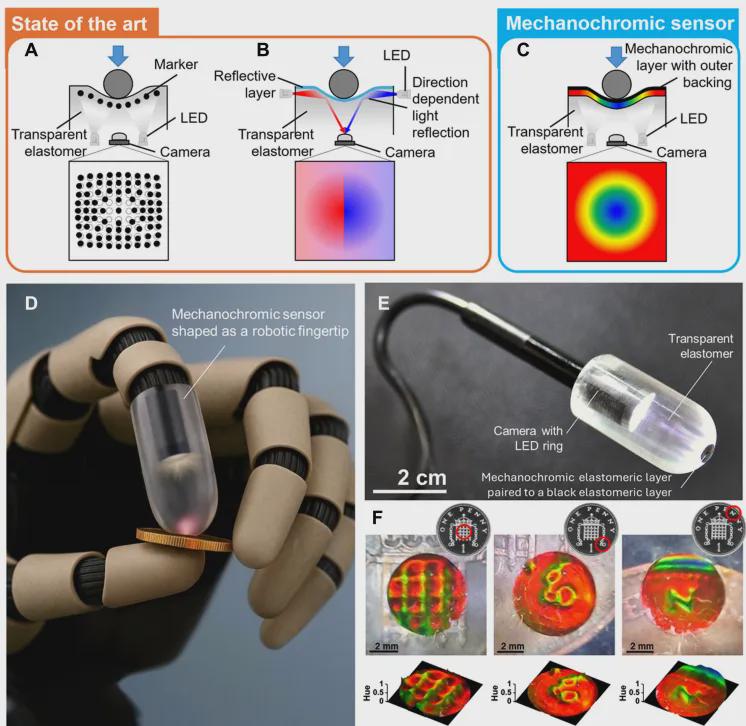
New Tactile Sensors Achieve High Resolution Without Deep Learning
Researchers from Queen Mary University of London and the University of Florence have unveiled a groundbreaking mechanochromic film measuring just 16 microns in thickness, designed to enhance tactile sensing capabilities in robots. This innovative sensor operates without the need for deep learning, directly translating mechanical strain into color changes. As a result, it generates real-time pressure maps with an impressive spatial resolution of around 100 microns. This advancement significantly boosts the dexterity of robotic systems, enabling them to interact more effectively with their environments. The development marks a notable step forward in robotics, potentially transforming how machines perceive and respond to tactile stimuli.
Tactile Sensors Robotics Mechanochromic Materials Pressure Mapping
A Hybrid Technique for Active SLAM Based on RPPO Model With Transfer Learning
The Journal of Field Robotics has released an EarlyView article highlighting recent advancements in robotic technology. Researchers from various institutions have collaborated to develop innovative algorithms that enhance the efficiency and autonomy of field robots. This significant study, published in October 2023, aims to address the growing demand for automation in agriculture and environmental monitoring. The research focuses on improving the decision-making capabilities of robots operating in complex outdoor environments. By integrating machine learning techniques, the team has demonstrated how robots can better navigate and adapt to changing conditions, ultimately increasing productivity in agricultural practices. The findings are particularly relevant as the industry seeks to optimize resource use and reduce labor costs. The study was conducted across multiple test sites, showcasing the practical applications of these advancements in real-world scenarios. The researchers emphasize that these developments are crucial for meeting the challenges posed by climate change and the need for sustainable farming practices. By enhancing the operational capabilities of field robots, the team hopes to contribute to a more efficient and resilient agricultural sector. This publication marks a significant step forward in the field of robotics, underscoring the potential for technology to transform traditional practices and improve outcomes in various sectors. As the demand for automation continues to rise, the implications of this research could be far-reaching, paving the way for future innovations in robotic applications.
RESEARCH ARTICLE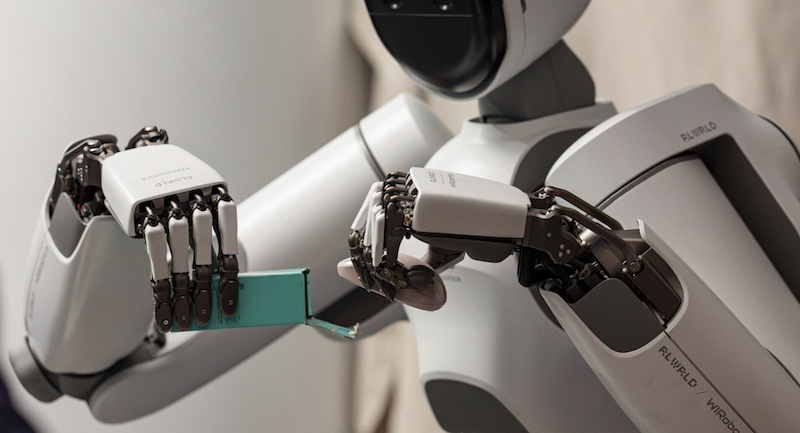
RLWRLD named World Economic Forum Technology Pioneer for advancing physical AI infrastructure
RLWRLD, a company specializing in physical artificial intelligence, has been recognized as a World Economic Forum Technology Pioneer for 2026 due to its development of the Robotics Foundation Model RLDX-1. This prestigious designation is awarded annually to 100 innovative technology firms that are expected to create significant, transformative impacts on industries and society at large. The World Economic Forum's analysis highlights RLWRLD's potential to lead advancements in technology, underscoring the company's role in shaping the future of robotics and AI.
Artificial Intelligence News Technology AI infrastructure artificial intelligence automation news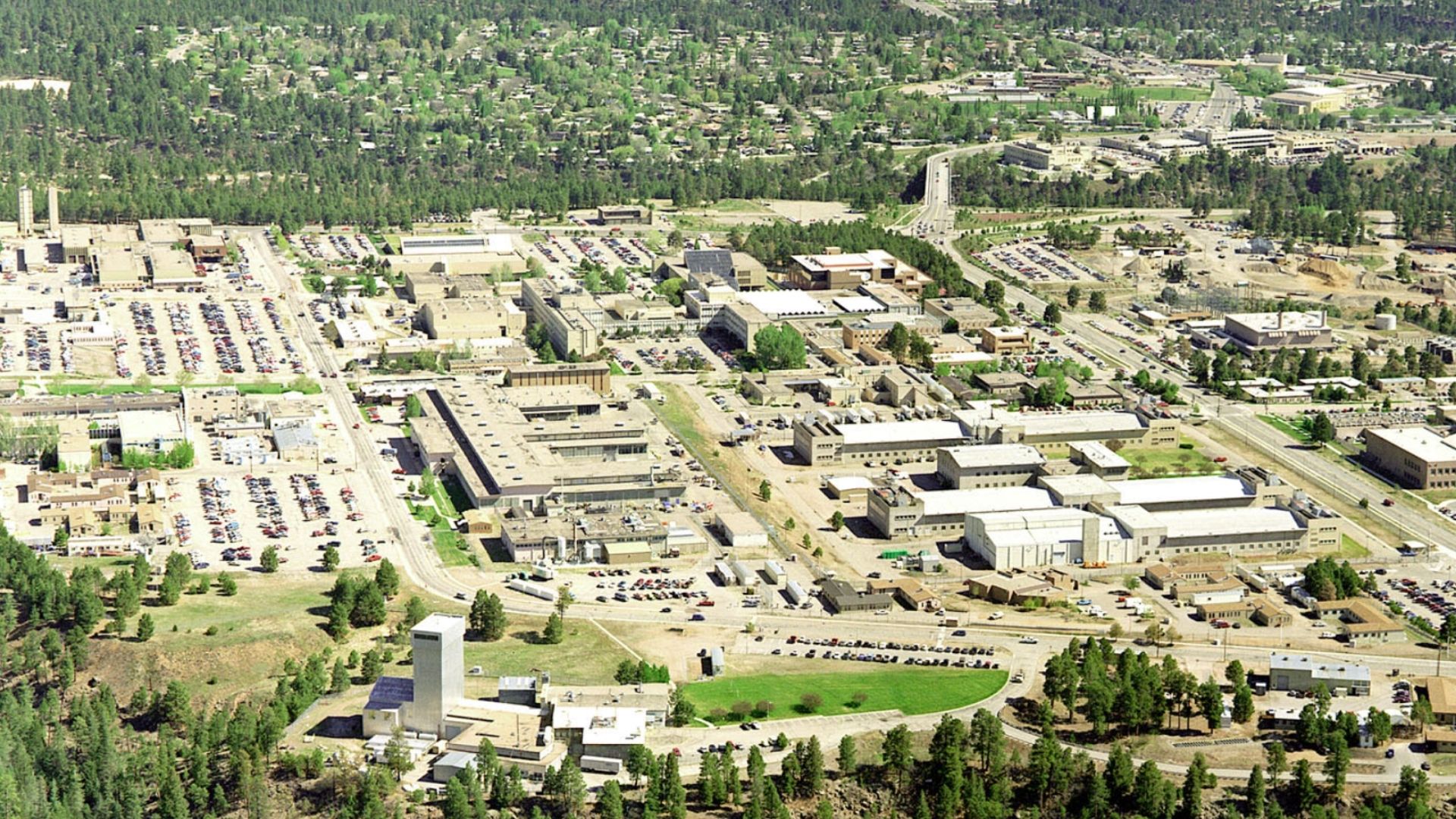
US: Los Alamos lab’s new tool detects hallucinations in machine vision models
Researchers at Los Alamos National Laboratory have unveiled a groundbreaking tool named Prelim Attention, designed to enhance the analysis of complex data sets. This innovative tool, which leverages advanced machine learning techniques, aims to streamline the process of identifying significant patterns and insights within large volumes of information. The development was announced in October 2023, highlighting the laboratory's commitment to advancing data science and its applications in various fields. The motivation behind creating Prelim Attention stems from the increasing demand for efficient data analysis solutions in scientific research, national security, and other sectors that rely heavily on data interpretation. By improving the capability to focus on critical data points, the tool is expected to facilitate more informed decision-making and accelerate research outcomes. The researchers employed a combination of algorithms and user-friendly interfaces to ensure that Prelim Attention can be utilized effectively by both experts and non-experts alike. This approach not only enhances accessibility but also broadens the potential user base, allowing a wider range of professionals to benefit from its capabilities. The introduction of Prelim Attention marks a significant advancement in the field of data analysis, promising to transform how researchers and analysts approach complex data challenges in the future.
AI and Robotics
China: Pudu unveils semi-humanoid learning robot built to transform factory automation
Chinese robotics company Pudu has introduced a next-generation industrial semi-humanoid robot aimed at enhancing manufacturing processes. The unveiling took place at a technology expo in Shanghai on October 15, 2023. This innovative robot is designed to improve efficiency and productivity in factories, addressing the growing demand for automation in the manufacturing sector. Pudu's latest development incorporates advanced AI and machine learning capabilities, allowing the robot to adapt to various tasks and environments seamlessly. By leveraging cutting-edge technology, the company aims to support manufacturers in overcoming labor shortages and increasing operational efficiency. The introduction of this semi-humanoid robot marks a significant step forward in the integration of robotics within industrial settings, reflecting Pudu's commitment to leading the way in automation solutions.
Deep Learning‐Driven Steering Angle Prediction and Scene Understanding via Harmonic Carpet Weaver Optimization
In June 2026, the Journal of Field Robotics published a comprehensive study examining advancements in robotic technologies and their applications in various fields. This research highlights the contributions of leading experts in robotics, who analyzed the latest innovations and their potential to enhance efficiency and safety in sectors such as agriculture, manufacturing, and disaster response. The study emphasizes the growing importance of integrating artificial intelligence and machine learning into robotic systems to improve their adaptability and functionality. Researchers conducted extensive field tests to evaluate the performance of these robots in real-world scenarios, demonstrating their effectiveness in tasks ranging from precision farming to search and rescue operations. The motivation behind this research stems from the increasing demand for automation and the need for more reliable and intelligent robotic solutions to address complex challenges faced by industries today. By providing empirical data and insights, the study aims to inform policymakers, industry leaders, and researchers about the transformative potential of robotics. As the field continues to evolve, the findings presented in this publication are expected to influence future developments and investments in robotic technologies, ultimately shaping the landscape of automation in the coming years.
RESEARCH ARTICLE
Deep Reinforcement Learning Based Autonomous Decision‐Making for Cooperative Uncrewed Aerial Vehicles: A Search and Rescue Real World Application
A recent study published in the Journal of Field Robotics highlights advancements in autonomous robotic systems designed for agricultural applications. Researchers from various institutions collaborated to develop innovative algorithms that enhance the efficiency and precision of robotic farming equipment. The findings, released in early October 2023, emphasize the growing importance of automation in agriculture, particularly in response to labor shortages and the need for sustainable farming practices. The research was conducted in multiple agricultural settings, showcasing how these robotic systems can adapt to different crop types and environmental conditions. By integrating machine learning and sensor technology, the robots are capable of performing tasks such as planting, weeding, and harvesting with minimal human intervention. This development aims to address the challenges faced by farmers, including the rising costs of labor and the increasing demand for food production. The study underscores the potential for these autonomous systems to revolutionize the agricultural sector, making it more efficient and environmentally friendly. As the agricultural industry continues to evolve, the implementation of such technologies could lead to significant improvements in productivity and sustainability.
RESEARCH ARTICLE
MVTec showcases cutting-edge AI technologies and highly flexible machine vision software at Automate 2026
MVTec Software GmbH will showcase its advanced AI technologies and flexible machine vision software at the Automate trade show, taking place from June 22 to 25, 2026, in Munich. With a strong presence in the North American market, the company aims to demonstrate how its hardware-independent software can enhance efficiency across various industries, including semiconductor manufacturing and food and beverage. Dr. Olaf Munkelt, Managing Director and co-founder, emphasized the significance of the event, stating that their products facilitate sustainable digital transformation through cutting-edge AI. Attendees can experience live demonstrations of MVTec's software, including HALCON and MERLIC, which feature innovations like Deep 3D Matching for robust object detection and Global Context Anomaly Detection for comprehensive inspection tasks. MVTec's commitment to hardware independence allows users to select any compatible camera or sensor, ensuring optimal performance in demanding applications. Heiko Eisele, President of MVTec LLC, highlighted the flexibility this offers to companies seeking to optimize production lines. Additionally, MVTec experts will participate in the conference program, with Agnes Weiershaeuser presenting on practical deep learning for industrial vision on June 22. This event underscores MVTec's ongoing dedication to advancing industrial automation through innovative machine vision solutions.
A Critical Review of Reinforcement Learning Algorithms for Mobile Robot Path Planning
The Journal of Field Robotics has published an early view article highlighting recent advancements in robotic technology. Researchers from various institutions have collaborated to explore innovative applications of robotics in diverse fields, including agriculture, healthcare, and disaster response. The findings, released in October 2023, underscore the growing importance of robotics in enhancing efficiency and safety across these sectors. The study emphasizes the integration of artificial intelligence and machine learning to improve the functionality and adaptability of robotic systems. By leveraging these technologies, the researchers aim to address complex challenges faced in real-world scenarios, such as precision farming and emergency management. This publication is part of an ongoing effort to disseminate cutting-edge research that can inform future developments in robotics. The collaborative nature of the research showcases a commitment to interdisciplinary approaches, fostering innovation that can lead to significant societal benefits. As the field continues to evolve, the implications of these advancements are expected to resonate across various industries, driving further investment and interest in robotic solutions.
SURVEY ARTICLE
AI Framework Improves Learning on Edge Devices
Recent advancements in federated learning technology have made it possible to implement this innovative approach on edge devices, significantly enhancing efficiency in data processing. A new framework, known as FTTE, has been developed to optimize the training process, achieving a remarkable reduction in training memory usage by 80% and a decrease in communication load by 69%. This breakthrough not only streamlines the training process but also ensures rapid convergence, making it a game-changer for organizations looking to leverage edge computing for machine learning applications. The developments were reported in October 2023, highlighting the growing importance of federated learning in managing data privacy and resource constraints in various industries.
A Field‐Adaptive Mechanical Weeding System Coupling Oscillating Pneumatic Mechanism With Deep Learning for Intra‐Row Weed Control in Lettuce
The Journal of Field Robotics has published an early view article highlighting recent advancements in autonomous robotic systems. Researchers from leading universities and technology firms presented their findings on October 15, 2023, during a virtual conference focused on robotics innovation. The study emphasizes the growing importance of these systems in various sectors, including agriculture, search and rescue, and environmental monitoring. The motivation behind this research stems from the increasing demand for efficient and reliable robotic solutions capable of operating in complex environments. By integrating advanced artificial intelligence and machine learning algorithms, the researchers demonstrated how these autonomous systems can enhance operational capabilities and decision-making processes. The article details various case studies showcasing successful implementations of robotic technologies, illustrating their potential to revolutionize traditional practices. The findings suggest that as technology continues to evolve, the integration of autonomous robots will become crucial in addressing global challenges, such as food security and disaster response. This publication marks a significant contribution to the field of robotics, providing insights into future trends and encouraging further exploration of autonomous systems' applications. Researchers and industry professionals are urged to collaborate and innovate, ensuring that the benefits of these technologies are realized across multiple domains.
RESEARCH ARTICLE
Development and Preliminary Evaluation of a Machine Vision‐Guided Smart Sprayer Prototype Toward Precision Vegetable Weeding
In May 2026, researchers published a significant study in the Journal of Field Robotics, focusing on advancements in robotic technology. The study, appearing in Volume 43, Issue 3, pages 1973-1987, highlights innovative methodologies for enhancing the autonomy and efficiency of field robots. Conducted by a team of experts in robotics and artificial intelligence, the research aims to address the growing demand for automated solutions in various industries, including agriculture, construction, and disaster response. The motivation behind this research stems from the need to improve operational capabilities in challenging environments, where human intervention may be limited or hazardous. By employing advanced algorithms and machine learning techniques, the researchers demonstrated how robots can better navigate complex terrains and perform tasks with minimal human oversight. The findings are expected to have a profound impact on the future of robotics, paving the way for more reliable and versatile machines capable of operating in diverse settings. This study not only contributes to the academic field but also offers practical applications that could revolutionize industries reliant on automation. As the demand for efficient robotic systems continues to rise, this research represents a crucial step towards achieving greater autonomy in robotic operations.
RESEARCH ARTICLE
HDP‐Map: Hierarchical Dual‐Path Learning Framework With Geometric‐Semaware Attention
In May 2026, researchers published a study in the Journal of Field Robotics, focusing on advancements in robotic technology for agricultural applications. The study highlights innovative methods for enhancing crop monitoring and management through the use of autonomous robots. Conducted by a team of engineers and agricultural scientists, the research aims to address the growing challenges of food production and sustainability in the face of climate change and population growth. The team conducted field tests in various agricultural settings to evaluate the effectiveness of their robotic systems in real-world conditions. By integrating advanced sensors and machine learning algorithms, the robots were able to collect and analyze data on crop health, soil conditions, and environmental factors, providing farmers with actionable insights to optimize their practices. This research is motivated by the need for more efficient agricultural methods that can help ensure food security while minimizing environmental impact. The findings suggest that the implementation of robotic technology could significantly improve productivity and resource management in farming, paving the way for smarter, more sustainable agricultural practices in the future.
RESEARCH ARTICLE
A Review on Path Planning for Autonomous Underwater Vehicles: From Models, Classical Methods, and Learning‐Based Intelligence Perspectives
In a recent study published in the Journal of Field Robotics, researchers explored advancements in robotic technologies aimed at enhancing agricultural efficiency. The findings, released in May 2026, highlight innovative methods for deploying autonomous robots in farming environments to improve crop management and yield. Conducted by a team of experts in robotics and agriculture, the research took place in various agricultural settings, focusing on the integration of artificial intelligence and machine learning to optimize planting, monitoring, and harvesting processes. The motivation behind this initiative stems from the growing need for sustainable farming practices and the increasing global demand for food production. By utilizing advanced robotics, the study aims to address labor shortages and reduce environmental impacts associated with traditional farming methods. The researchers conducted extensive field trials to assess the effectiveness of these robotic systems, demonstrating significant improvements in efficiency and productivity. This work not only contributes to the field of robotics but also offers practical solutions for the agricultural sector facing modern challenges.
SURVEY ARTICLE
A Feature‐Decoupled and Gated‐Interaction‐Enhanced Deep Reinforcement Learning for Path‐Following of Large‐Inertia Vessels
A recent study published in the Journal of Field Robotics explores advancements in autonomous robotic systems designed for agricultural applications. Researchers from various institutions conducted the study to address the growing need for efficient farming solutions amid increasing global food demand. The findings, released in early October 2023, highlight innovative technologies that enable robots to perform tasks such as planting, monitoring crop health, and harvesting with minimal human intervention. The research was carried out in diverse agricultural settings, demonstrating the robots' adaptability to different environments and crop types. By integrating artificial intelligence and machine learning, these autonomous systems can analyze data in real-time, making informed decisions that enhance productivity and reduce resource waste. The motivation behind this study stems from the challenges faced by the agricultural sector, including labor shortages and the need for sustainable practices. The researchers aim to provide farmers with tools that not only improve efficiency but also contribute to environmental sustainability. Through rigorous testing and validation, the study showcases the potential of these robotic systems to revolutionize farming practices, ultimately leading to increased yields and reduced operational costs. As the agricultural industry continues to evolve, the implementation of such technologies could play a crucial role in meeting future food security challenges.
RESEARCH ARTICLE
IoT SIM Cards Become Critical Infrastructure for Industrial Automation, Robotics, and Drone Operations
As industries such as manufacturing, logistics, energy, and infrastructure embrace digital transformation, a significant shift is occurring with the integration of cellular-connected devices. These advancements are replacing traditional isolated machines with interconnected systems that facilitate continuous communication. This transition enables real-time coordination and remote management, enhancing operational efficiency and responsiveness. The push for modernization is driven by the need for improved productivity and adaptability in an increasingly competitive market. By leveraging advanced technology, companies are positioning themselves to better meet the demands of their sectors and optimize their processes.
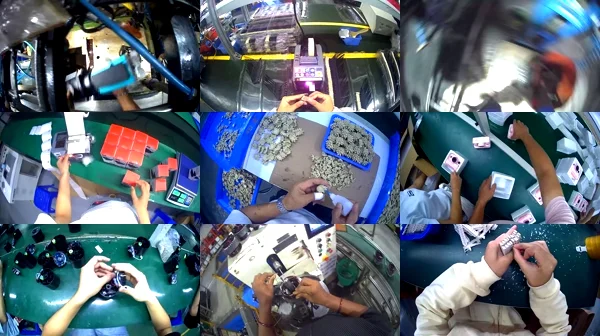
Build AI Open-Sources 10,000 Hours of Factory-Worker Video to Scale Robot Learning
A robotics startup has unveiled Egocentric-10K, which it claims to be the largest egocentric video dataset ever created. This extensive collection was gathered exclusively from real factory environments and aims to address the challenges associated with the "physical AI bottleneck" by utilizing human-generated data. The release of this dataset marks a significant advancement in the field of robotics and artificial intelligence, providing researchers and developers with valuable resources to enhance machine learning algorithms and improve AI performance in physical tasks.
Build AI
1X Technologies Details Humanoid Robot NEO's Path to Domestic Life, Emphasizing Real-World Learning and Safety
In a recent episode of the NVIDIA AI Podcast, Bernt Børnich, CEO of 1X Technologies, unveiled insights about the company's humanoid robot, NEO. Designed to learn and operate safely in human environments, NEO aims to assist with household chores and facilitate collaborative development with early adopters. The consumer launch is scheduled for 2025, following earlier announcements regarding home pilot programs. Børnich emphasized his broader vision for integrating humanoid assistance into daily life, highlighting the potential for these robots to enhance productivity and support human activities.
NVIDIA 1X-technologies machine learning AI NEO
Sutton partners with Tianshan Technology to launch "Robot Kindergarten," using tactile perception to enable robots' self-learning abilities in the real world.
Sutton has announced a collaboration with Tianshan Technology to introduce "Robot Kindergarten," an innovative initiative aimed at enhancing robots' self-learning capabilities through tactile perception. This partnership seeks to bridge the gap between artificial intelligence and real-world applications by allowing robots to learn from their interactions with the environment. The launch of Robot Kindergarten is set to take place in the coming months, with the aim of revolutionizing how robots adapt and respond to various stimuli. By leveraging advanced sensory technology, the project aspires to create more autonomous and intelligent robotic systems, ultimately paving the way for broader applications in industries such as education, healthcare, and manufacturing.
Robotics Automation AI
Learning flight navigation like a honey bee
In June 2026, a groundbreaking study published in Science Robotics highlights significant advancements in robotic technology aimed at enhancing human-robot collaboration. Researchers from leading universities and tech companies have developed a new generation of robots equipped with advanced artificial intelligence, enabling them to perform complex tasks alongside human workers more efficiently. This initiative is driven by the increasing demand for automation in various industries, particularly in manufacturing and healthcare, where precision and reliability are paramount. The study outlines how these robots can adapt to dynamic environments, learn from human interactions, and improve their performance over time, thereby reducing the risk of workplace accidents and increasing productivity. The research team conducted extensive field tests in factories and hospitals to evaluate the robots' capabilities in real-world scenarios. The results demonstrated a marked improvement in task execution speed and accuracy when robots and humans worked in tandem, showcasing the potential for these technologies to transform traditional workflows. As industries continue to evolve, the implications of this research could lead to a new era of collaboration between humans and machines, addressing labor shortages and enhancing operational efficiency. The findings underscore the importance of ongoing innovation in robotics, paving the way for future developments that could redefine the nature of work across various sectors.
Editors' Choice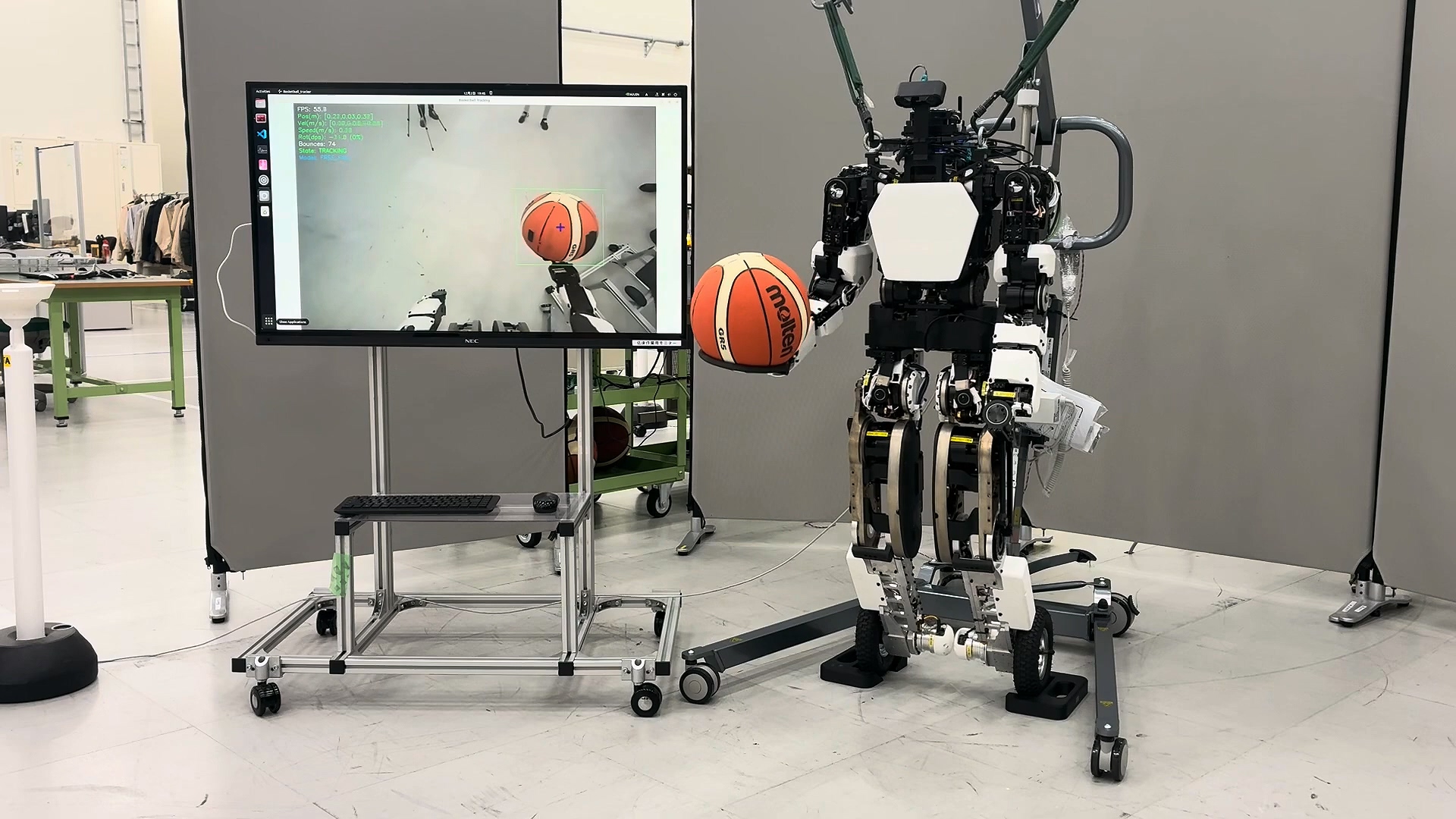
Toyota's CUE Robot Advances: Learning to Walk and Dribble with Reinforcement Learning and Sim2Real
Toyota's CUE humanoid robot is advancing its capabilities through a novel approach that integrates reinforcement learning with Sim2Real techniques. This development focuses on improving the robot's walking and dribbling abilities, effectively narrowing the divide between simulated environments and real-world functionality. By employing this innovative method, Toyota aims to enhance the practical applications of robotics, showcasing the potential for more sophisticated interactions in various settings.
Humanoid Robots Reinforcement Learning Sim2Real AI Robotics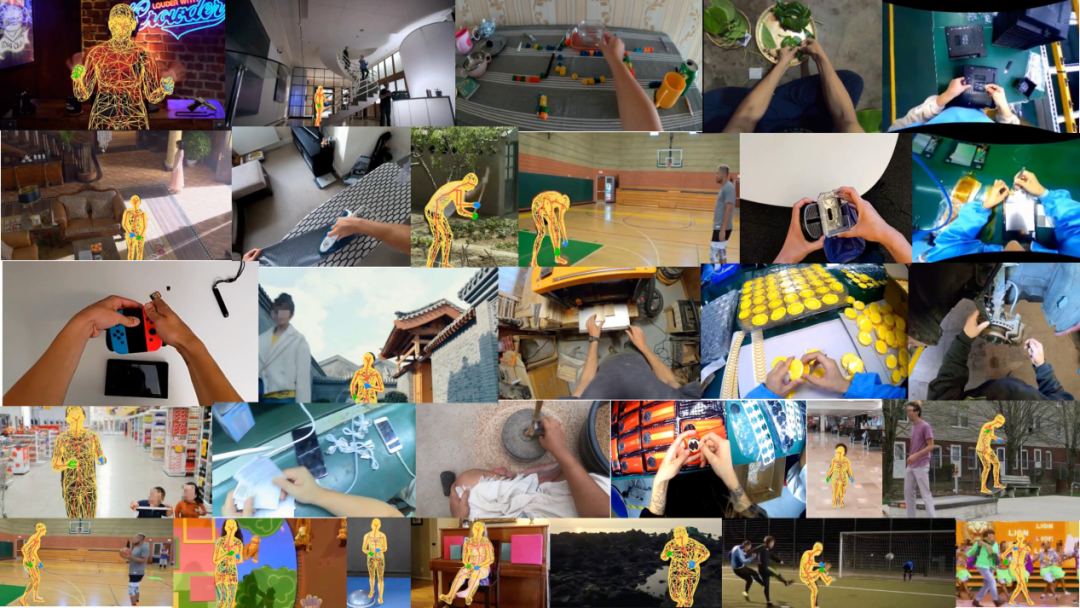
How One Million Hours of Human Video Became a 'Textbook' for Robot Learning
A research team at Peking University has unveiled the HumanNet dataset, a comprehensive collection of one million hours of human-centered videos aimed at advancing robot training in physical tasks. Released in October 2023, this extensive dataset offers a wealth of diverse perspectives and detailed annotations, enhancing the learning capabilities of robots. The initiative seeks to improve the interaction between robots and humans by providing a rich resource that reflects real-world scenarios, ultimately fostering more effective and adaptable robotic systems.
Robot Learning Human-Centered Data AI Training Computer Vision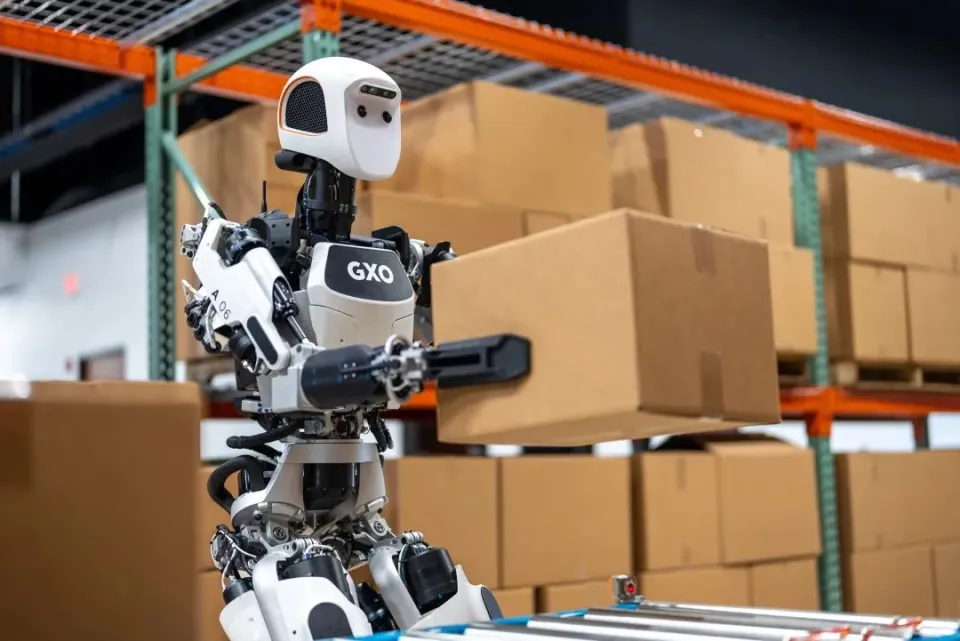
Data Infrastructure: The Next Battleground for Embodied Intelligence
The embodied intelligence sector is experiencing significant advancements, driven by the need for enhanced robotics and robust data infrastructure. As companies compete to create platforms that allow robots to learn from real-world data, the demand for high-quality training data has become increasingly critical for the industry's development. This race to innovate is reshaping the landscape of robotics, emphasizing the importance of effective data utilization in fostering growth and improving the capabilities of intelligent systems. With these developments occurring in late 2023, the sector is poised for transformative changes that could redefine how robots interact with their environments.
Embodied Intelligence Robotics Data Infrastructure AI Training Machine Learning
New Senate Bill Targets Drone Threats to Critical Infrastructure
A new Senate bill introduced by Arkansas Senator Tom Cotton seeks to enhance the authority of critical infrastructure operators to combat unauthorized drone activity. As concerns over drone threats grow, particularly in anticipation of significant events, the legislation outlines provisions for increased authority, necessary training, and funding to better equip operators. This initiative reflects lawmakers' recognition of the rising risks posed by drones to essential facilities and aims to bolster security measures in response to these emerging challenges.
Anti-drone technology C-UAS Drone News Drone News Feeds drone security News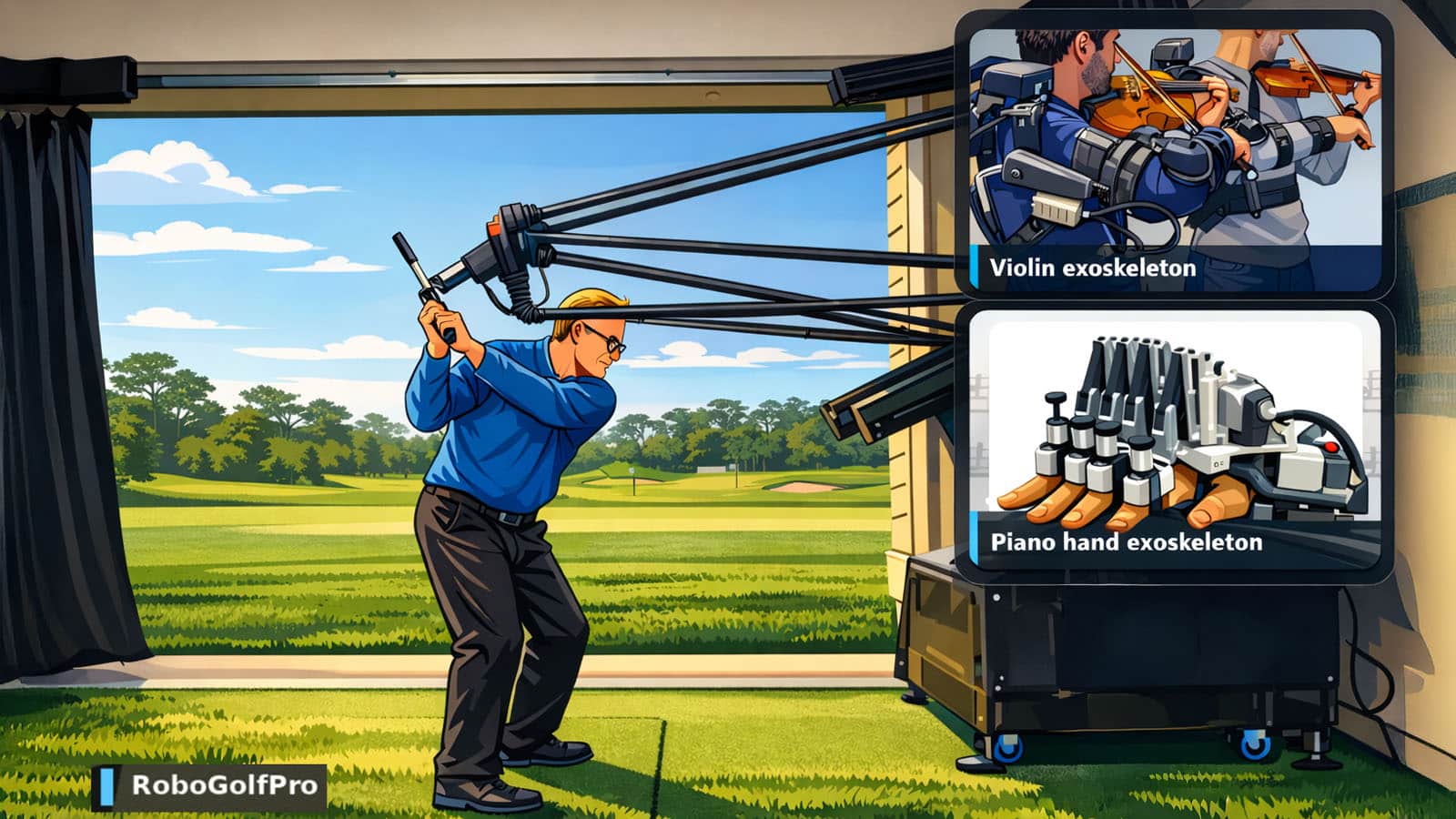
When the Robot Becomes the Teacher: Exoskeletons, Haptic Guidance, and the Future of Learning Movement
Recent discussions surrounding exoskeleton technology have predominantly centered on its applications in rehabilitation, industry, and defense, often overlooking its potential in education. Experts argue that this perspective may underestimate the transformative role exoskeletons could play in training environments. As the demand for innovative learning methods increases, the integration of exoskeletons and haptic guidance systems could revolutionize how movement and physical skills are taught. This shift in focus highlights the need for educational institutions to explore the benefits of these technologies, potentially enhancing the learning experience and improving outcomes for students. The exploration of exoskeletons in education represents a significant opportunity to redefine traditional teaching methods and foster a new generation of learners equipped with advanced skills.
Xpeng’s humanoid robot IRON falls at debut, CEO calls it part of learning process
Xpeng Motors CEO He Xiaopeng addressed concerns following the debut of the company's humanoid robot, IRON, which stumbled during its first public demonstration at a shopping mall in Shenzhen. The incident occurred yesterday and has sparked discussions about the challenges of developing advanced robotics. In a social media post, He compared the robot's fall to the process of children learning to walk, emphasizing that such setbacks are a normal part of technological advancement. He reassured the public that these experiences are essential for progress in robotics and innovation.
News Feed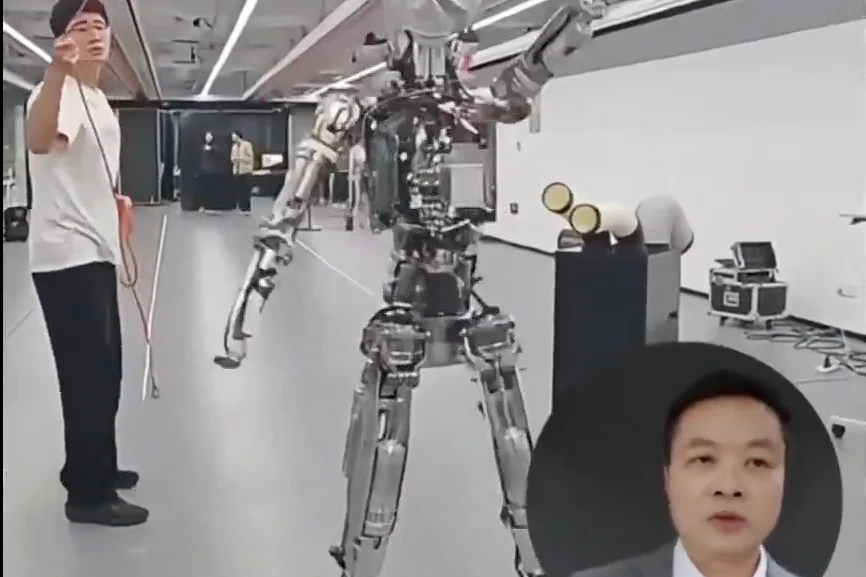
Xpeng Demos 'Iron' Robot Dancing, Credits 'Human-Like Spine' and New AI for Rapid Learning
Xpeng CEO He Xiaopeng recently unveiled a video showcasing a bare-metal 'Iron' robot performing a dance routine, a demonstration that has reignited discussions following the company's AI Day. He attributes the robot's fluid, human-like movements to an innovative 'human-like spine' design, coupled with an advanced AI model capable of learning intricate motions from human data in a mere two hours. This development highlights Xpeng's commitment to pushing the boundaries of robotics and artificial intelligence, aiming to enhance the capabilities of their robotic systems.
XPeng IRON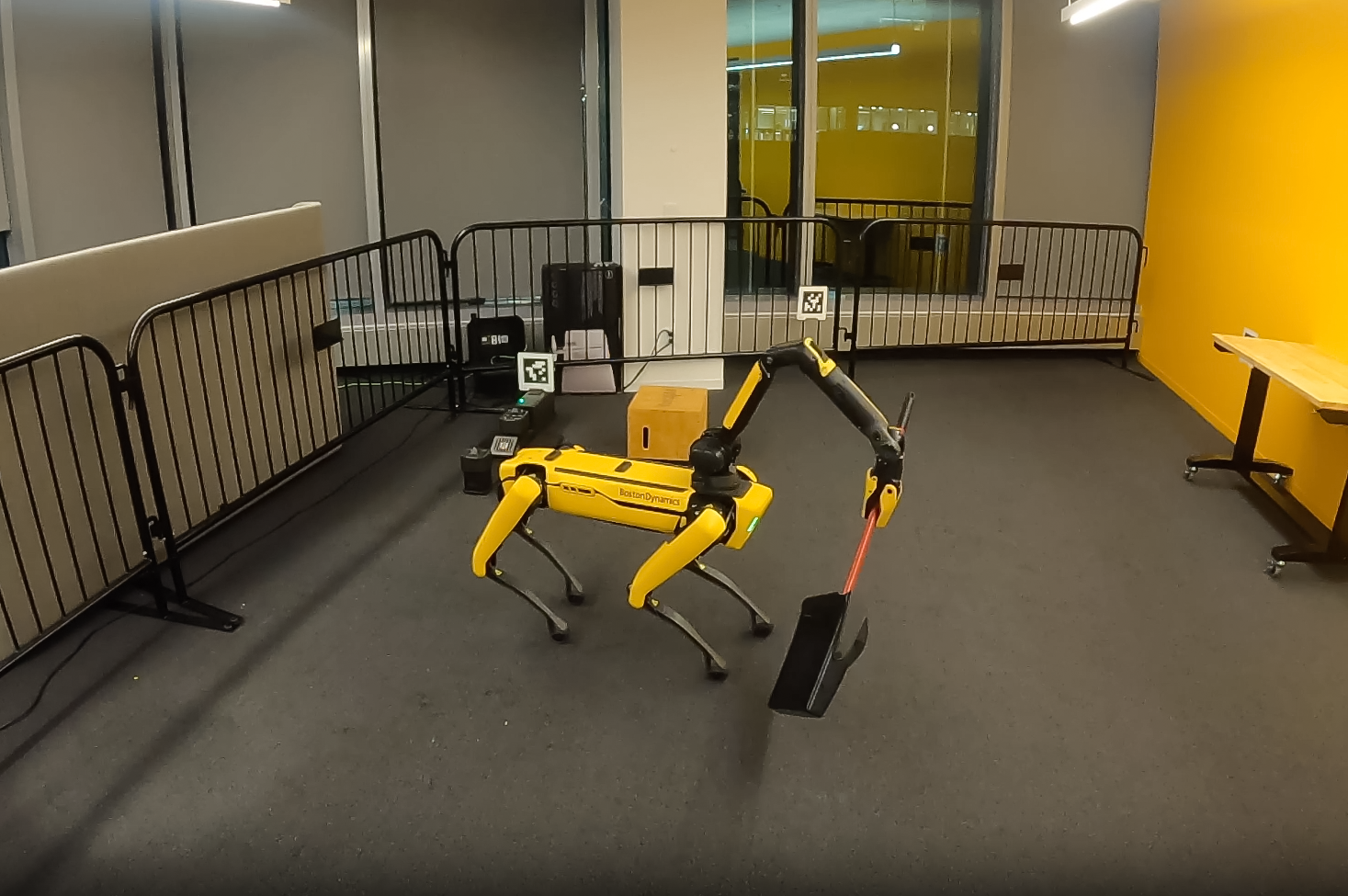
Innovative Framework Drives Autonomous Learning and Task Mastery
A recent initiative at Carnegie Mellon University's Robotics Institute is promoting autonomous learning and task mastery, particularly in the context of teaching children how to ride bicycles. This innovative framework emphasizes the importance of independent trial and error, allowing children to develop their skills through personal experience rather than relying solely on adult guidance. The program highlights that while adults can provide initial support, the majority of skill acquisition occurs through the child's own practice, which may involve challenges such as falls. This approach aims to foster resilience and self-reliance in young learners, ultimately enhancing their ability to master new tasks independently.
Research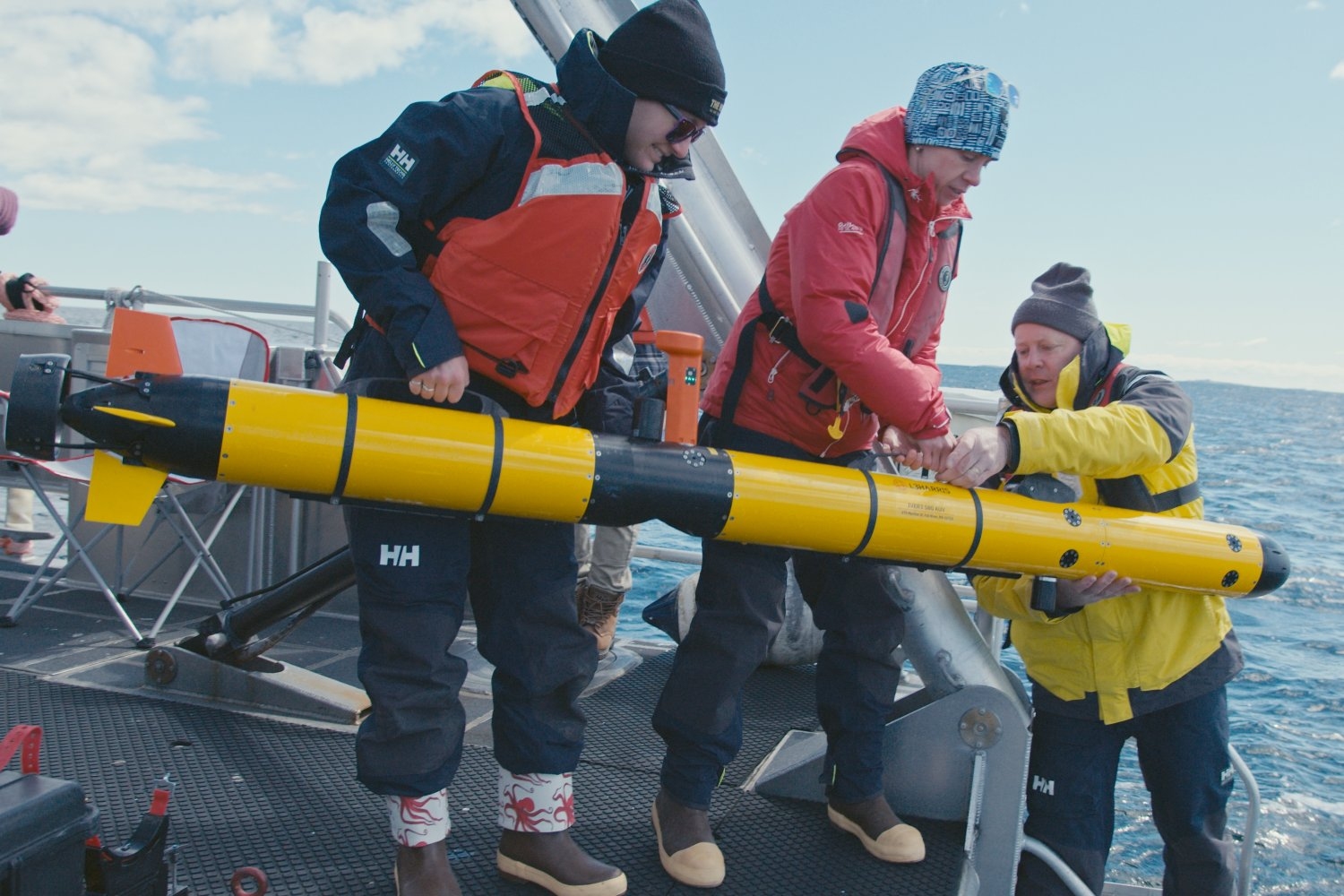
Human-machine teaming dives underwater
A team of researchers is advancing the capabilities of collaboration between divers and autonomous underwater vehicles (AUVs) for maritime missions. This initiative, which began in late 2023, aims to enhance operational efficiency and safety in underwater exploration and tasks. The research is taking place at a leading marine technology institute, where experts are focused on creating innovative hardware and sophisticated algorithms that facilitate seamless communication and coordination between human divers and AUVs. The motivation behind this development stems from the increasing complexity of underwater missions, which require precise teamwork to navigate challenging environments and accomplish objectives effectively. By integrating advanced technology, the researchers hope to improve the overall effectiveness of maritime operations, making them safer and more efficient for both divers and AUVs alike.
Research Sensors Lincoln Laboratory Oceanography and ocean engineering Robotics Computer science and technology
The Orbital Data Center Hype Machine Is Already in Orbit
At the World Economic Forum in Davos this January, SpaceX founder Elon Musk announced plans to establish orbital data centers in space, predicting that they will become the most cost-effective solution for artificial intelligence (AI) within two to three years. Following this declaration, SpaceX submitted an application to the Federal Communications Commission for a constellation of up to 1 million satellites in low Earth orbit, aimed at supporting this ambitious project. However, experts caution that the logistics of deploying such a vast number of satellites are daunting. Currently, there are approximately 14,500 active satellites in orbit, with SpaceX's Starlink making up two-thirds of that total. To launch 1 million satellites, SpaceX would need to conduct over 16,000 dedicated launches, a feat that could take decades given current launch capacities. Challenges also extend to the technical feasibility of cooling advanced computing hardware in space, as highlighted by the difficulties faced by startups like Starcloud, which has struggled to operate even a single GPU in orbit. Concerns have been raised about the potential for increased space debris and the impact on astronomical observations. Despite these hurdles, analysts suggest that the push for orbital data centers is driven by the growing demand for AI computing power and the need for energy-efficient solutions. While Musk's timelines may be optimistic, industry experts believe that the concept is gaining traction, with major players beginning to invest in the necessary infrastructure to explore the viability of space-based data centers.
Orbital-data-centers Satellites Spacex Elon-musk Starcloud Ai
What lessons is Ideal learning to catch up with FSD V14?
The competitive landscape of the intelligent driving industry has undergone significant changes in recent years, shifting from hardware specifications to advanced model development. Companies are increasingly recognizing that merely having larger models is insufficient for achieving generational advantages; instead, the integration of models, data, computing power, and chips into a continuous iterative loop is becoming crucial. This realization has prompted many automakers to invest in in-house research and development. Tesla has established a comprehensive ecosystem that spans data collection, training infrastructure, and self-developed chips, while Chinese companies like Li Auto, Xpeng, and NIO are also deepening their technological foundations. Li Auto has introduced its self-developed Mach M100 chip in its L8 and L9 models, which it views as a significant advancement in AI technology. In a recent discussion with Li Auto's autonomous driving and chip leaders, they emphasized that the industry should focus on the practical problems these investments aim to solve rather than merely the existence of in-house development. They outlined their strategies to achieve performance comparable to Tesla's Full Self-Driving (FSD) system, highlighting the importance of safety, efficiency, and comfort in user experience. As the industry moves towards higher levels of autonomy, the integration of vision and language models is seen as essential for developing systems that can handle complex, unforeseen scenarios. The executives noted that achieving higher levels of autonomy (L3 and L4) requires models that can reason and think like humans, underscoring the growing significance of language in AI systems. Overall, the conversation revealed the industry's focus on enhancing AI capabilities through innovative chip design and data utilization, aiming for a future where autonomous driving technology can meet the challenges of real-world driving conditions.

Tactile learning loop: How human touch data teaches robots to handle eggs
Engineers have observed significant advancements in industrial robotics, particularly in the areas of automated welding and pallet stacking. Over the years, these machines have demonstrated remarkable precision and efficiency, transforming manufacturing processes. The ongoing development in robotics technology has been driven by the need for increased productivity and cost-effectiveness in various industries. As companies seek to enhance their operational capabilities, the integration of sophisticated robotic systems has become essential. This evolution in automation is not only streamlining production lines but also addressing labor shortages and improving workplace safety. The continuous innovation in this field suggests a promising future for industrial robots, as they become increasingly capable of handling complex tasks with minimal human intervention.
AI and Robotics
CSC Financial: Construction Machinery Exceeds Expectations in May, Unitree IPO Clears Review, Boosting Humanoid Robot Sector
CSC Financial has published an in-depth research report analyzing five key industrial sectors, highlighting significant trends in the humanoid robot industry and the construction market. The report emphasizes the rapid growth of the humanoid robot sector, particularly following Unitree's recent initial public offering, which has sparked increased interest and investment in this technology. Additionally, the construction sector is showing resilience, with performance surpassing previous expectations, driven by ongoing infrastructure projects and a rebound in demand. This comprehensive analysis aims to provide insights for investors and stakeholders looking to navigate these evolving markets effectively.
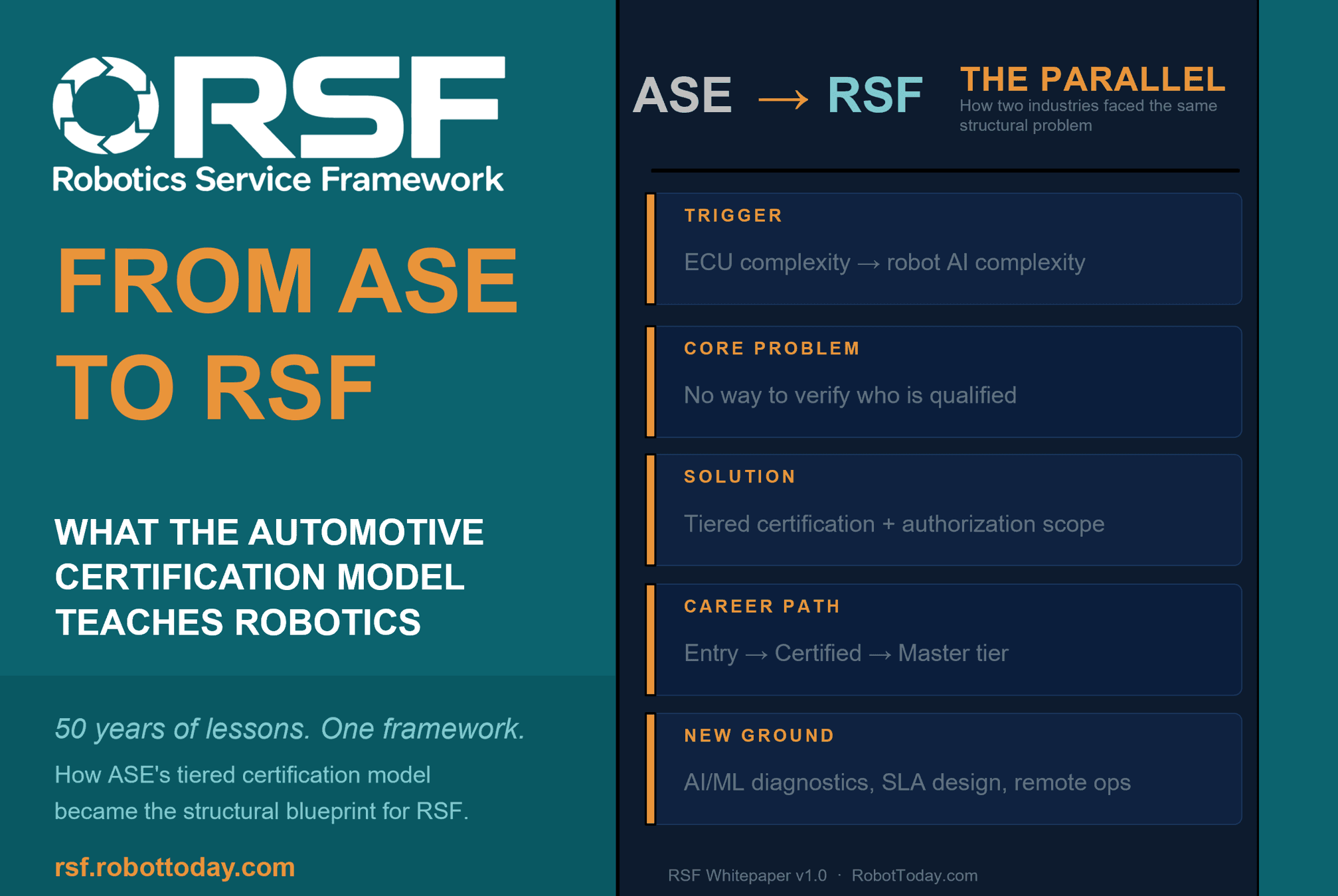
TechnologyRobotics needs a service framework.
RSF defines a common language for robot service capability, lifecycle operations, certification pathways, and service-provider networks.