Industry Briefing
A single destination for timely, editor-curated robotics news from around the world.
Video: New robotic system achieves 99.5% success in fast auto factory wire assembly
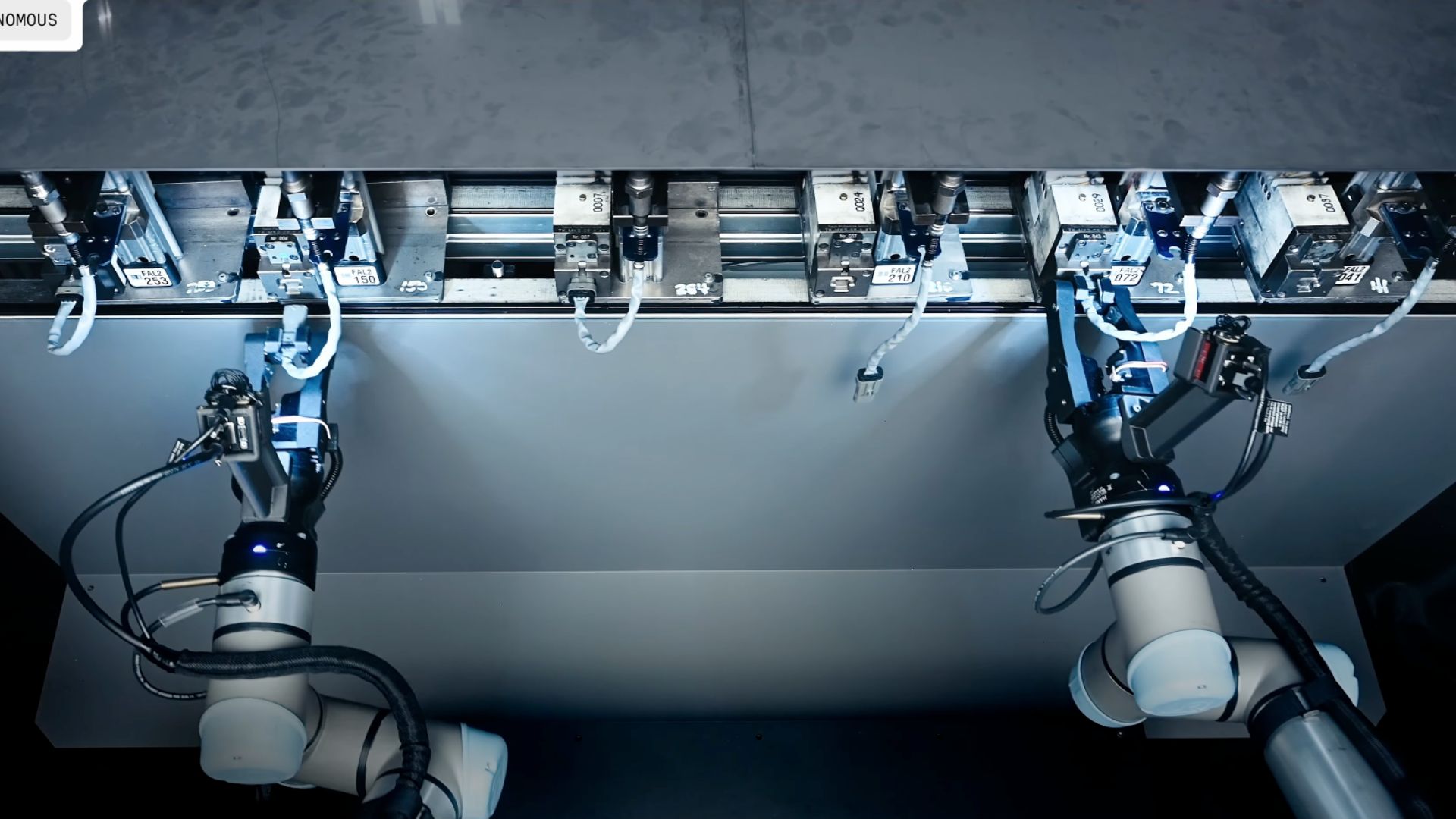
Sanctuary AI, a Canadian robotics company, has announced a major breakthrough in industrial automation. The firm has developed advanced AI-driven robots capable of performing complex tasks traditionally handled by human workers. This innovation comes as industries increasingly seek to enhance productivity and efficiency amid labor shortages and rising operational costs. The robots, which are designed to seamlessly integrate into existing workflows, utilize sophisticated machine learning algorithms to adapt to various environments and tasks. This development was unveiled during a press conference held in Toronto on October 15, 2023, where company executives highlighted the potential of these robots to revolutionize sectors such as manufacturing and logistics. By automating repetitive and labor-intensive processes, Sanctuary AI aims to not only improve operational efficiency but also allow human workers to focus on more strategic and creative roles.
AI and Robotics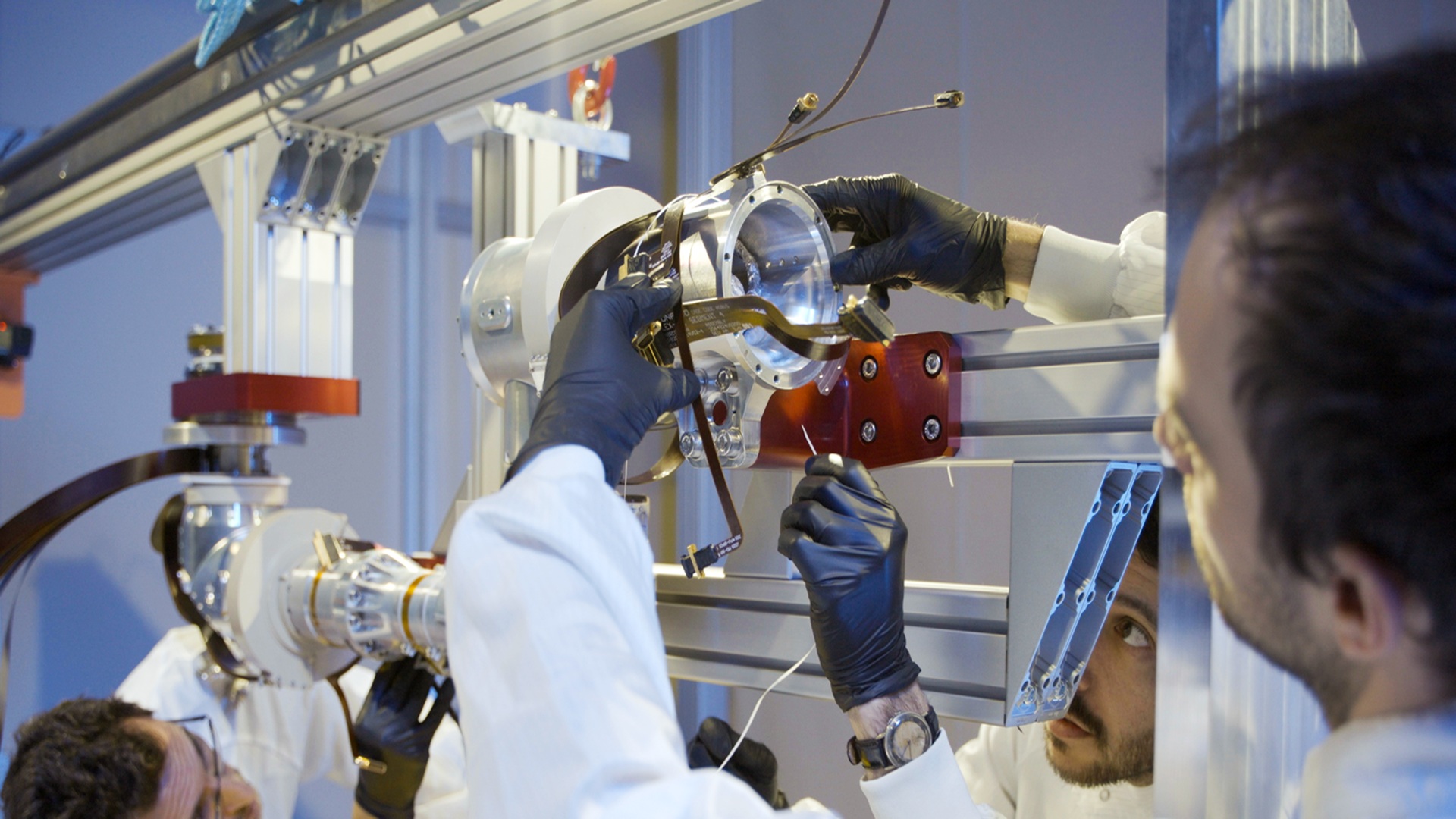
Europe builds robotic arm that can see, feel and handle samples for Moon missions
Engineers at the European Space Agency (ESA) are currently in the process of assembling a highly sophisticated robotic arm designed for future space missions. This advanced technology aims to enhance the capabilities of European spacecraft, allowing for more complex tasks in orbit and on planetary surfaces. The assembly is taking place at ESA's facilities in the Netherlands, where teams are meticulously working to ensure the arm meets stringent operational standards. The initiative is part of ESA's broader strategy to strengthen its role in international space exploration and to contribute to collaborative missions with other space agencies. By developing this cutting-edge robotic arm, ESA seeks to improve the efficiency and effectiveness of its missions, ultimately advancing scientific research and exploration beyond Earth.
AI and Robotics

Israel’s Elbit Systems, Germany’s Diehl Defence team on SkyStriker pitch for Berlin
Elbit Systems has announced a significant partnership with Diehl to enhance Germany's defense capabilities through local manufacturing and assembly of advanced defense systems. This collaboration aims to bolster the development of sovereign defense capabilities and strengthen the German defense industry. The deal reflects a strategic move to ensure that Germany can independently produce critical defense technologies, thereby enhancing national security. The initiative is expected to create jobs and foster innovation within the local defense sector, marking a pivotal step in Germany's commitment to increasing its defense capabilities.
Air Warfare Air Force Business & Industry Diehl Drones Elbit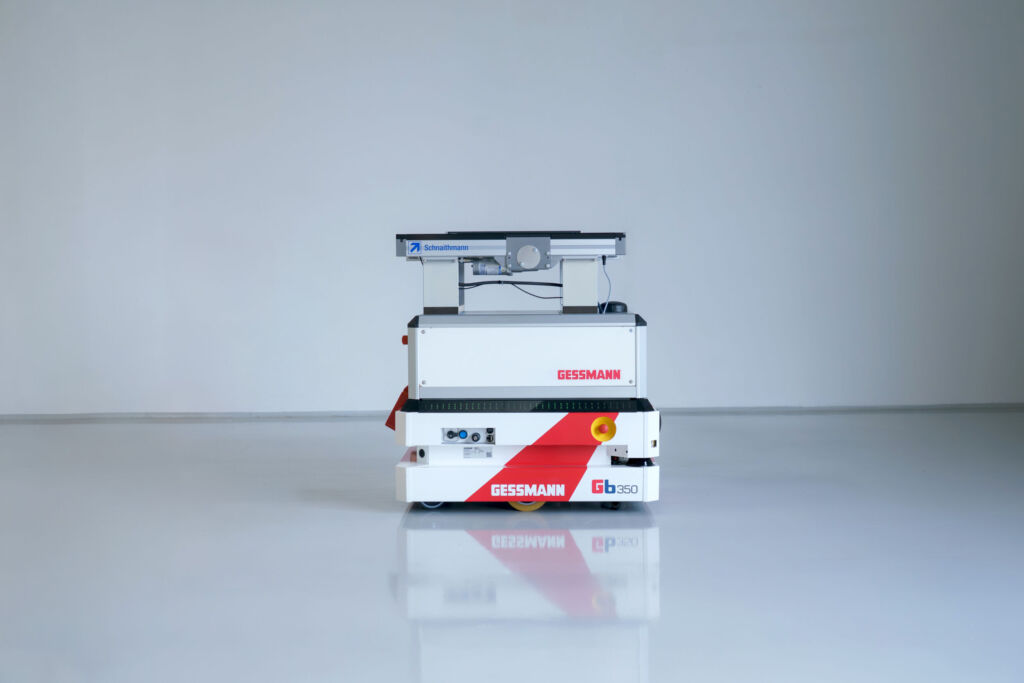
Autonomous mobile robots enhance assembly automation.
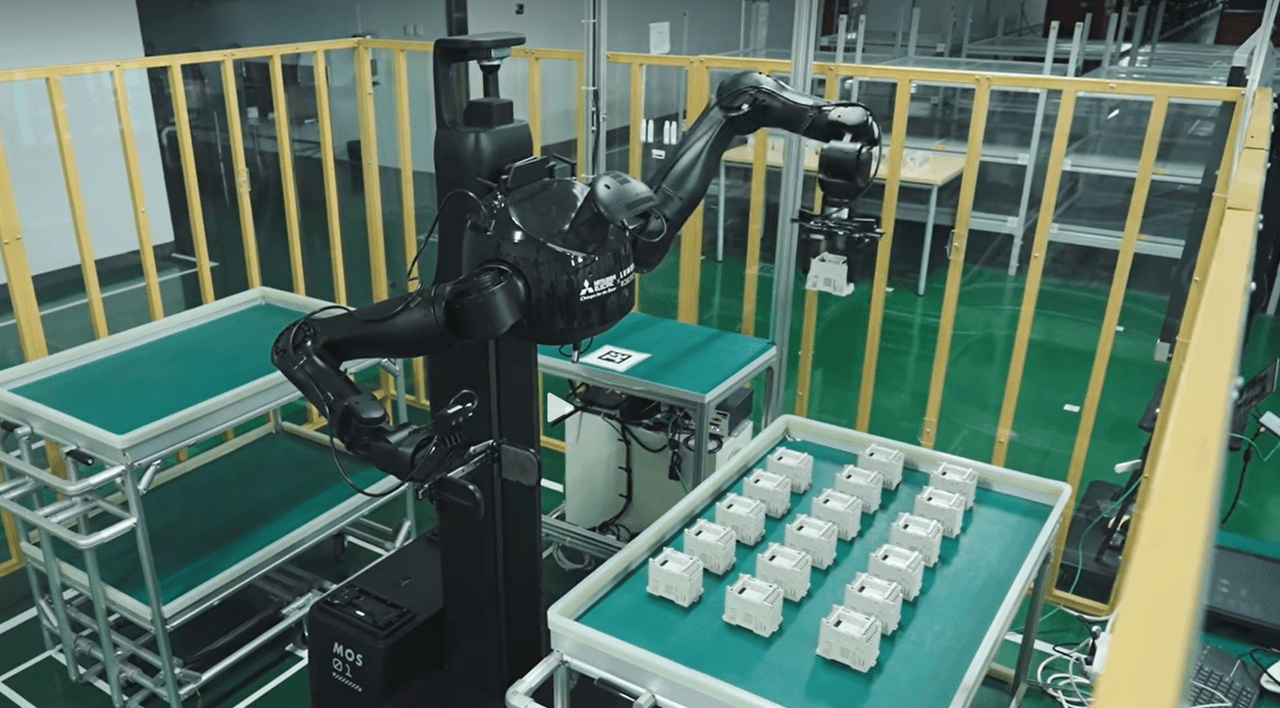
Schnaithmann has introduced autonomous mobile robots into its assembly and transfer lines, enhancing automation capabilities. This integration aims to streamline operations and improve efficiency in manufacturing processes. The deployment of these robots represents a significant advancement in the company's approach to modern assembly automation, reflecting a growing trend in the industry towards increased reliance on autonomous technologies.
Allgemein Automation Fördertechnik & Handling Lagerlogistik & Materialfluss Mobile Robotik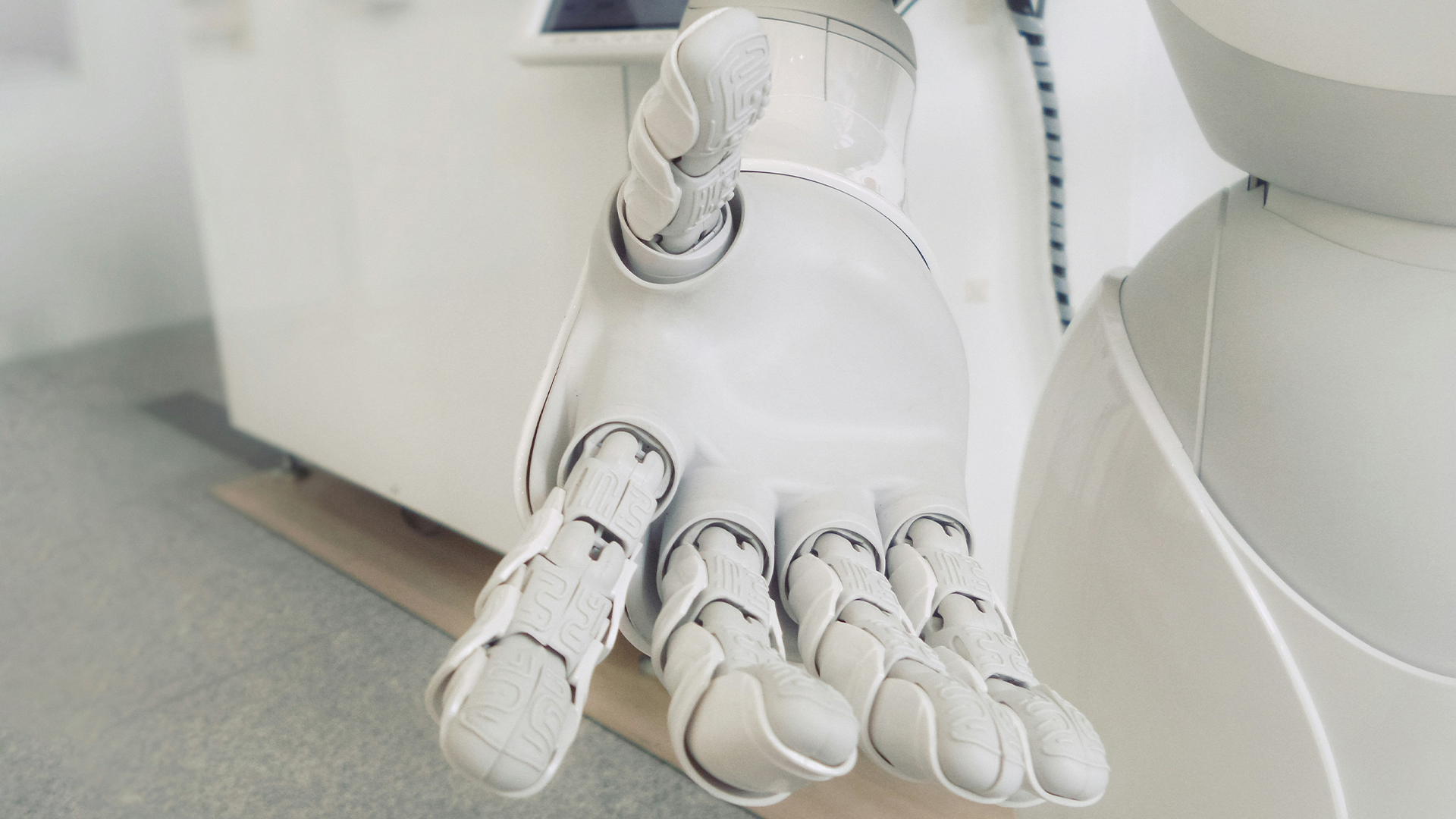
MIT’s ultrasound wristband could teach humanoid robots human hand skills
Researchers have developed an innovative wearable device aimed at enhancing the dexterity of humanoid robots, potentially allowing them to perform tasks with greater human-like precision. This breakthrough was announced in October 2023, as scientists continue to explore ways to improve robotic functionality and interaction in various settings. The device integrates advanced sensors and actuators, enabling robots to mimic the intricate movements of human hands. The motivation behind this development stems from the increasing demand for robots in industries such as healthcare and manufacturing, where fine motor skills are essential for tasks like surgery or assembly. By equipping robots with this new technology, researchers hope to bridge the gap between human and robotic capabilities, leading to more effective collaboration in the workplace. The project highlights the ongoing advancements in robotics and the potential for these machines to take on more complex roles in society.
AI and Robotics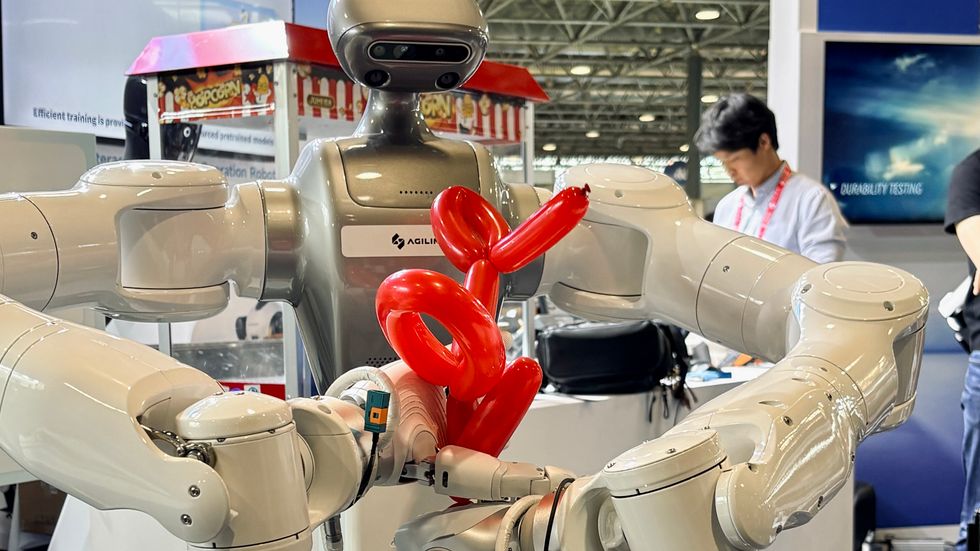
Beyond Dexterity: Why Contact May Define the Next Era of Robotics
At the 2026 IEEE International Conference on Robotics (ICRA) in Vienna, AGILINK showcased a captivating demonstration of robotic dexterity by creating a balloon dog, which drew significant attention from attendees. This seemingly playful task is recognized in the robotics community as a complex manipulation challenge due to the balloon's lightweight and highly deformable nature. The demonstration highlighted the intricate balance between motion and contact intelligence, essential for successful robotic manipulation. AGILINK's approach involved mapping the actions of professional balloon artists to robotic hands, allowing the robot to learn both successful manipulation sequences and recovery strategies during failures. This dual focus on motion and contact intelligence is crucial, as maintaining stable interaction with the balloon is as important as executing the correct sequence of actions. In conjunction with the balloon dog demonstration, AGILINK introduced the OmniHand 3 Ultra-M, a dexterous robotic hand designed to enhance contact intelligence through advanced sensing and faster response capabilities. The hand features 20 active degrees of freedom and a direct-drive architecture, enabling precise force regulation and tactile sensing across its surface. The significance of these advancements extends beyond balloon animals, addressing broader challenges in robotics related to unstable and deformable interactions, such as delicate assembly and household tasks. As robotics research increasingly prioritizes interaction dynamics, AGILINK's innovations may pave the way for more effective manipulation in unpredictable real-world environments.
Humanoid-robots Physical-ai Dexterous-hands Direct-drive-actuation Robotic-manipulation Reinforcement-learning
Miniature sensors for the safe operation of robotic grippers
Contrinex has introduced a new line of inductive and photoelectric miniature sensors designed specifically for robotic grippers used in Pick&Place applications and precision assembly. These sensors aim to enhance the safety and efficiency of robotic operations, ensuring reliable performance in various industrial settings. The development reflects a growing demand for advanced automation solutions that can improve productivity and operational safety in manufacturing processes.
Allgemein Greifer & Werkzeuge Robotik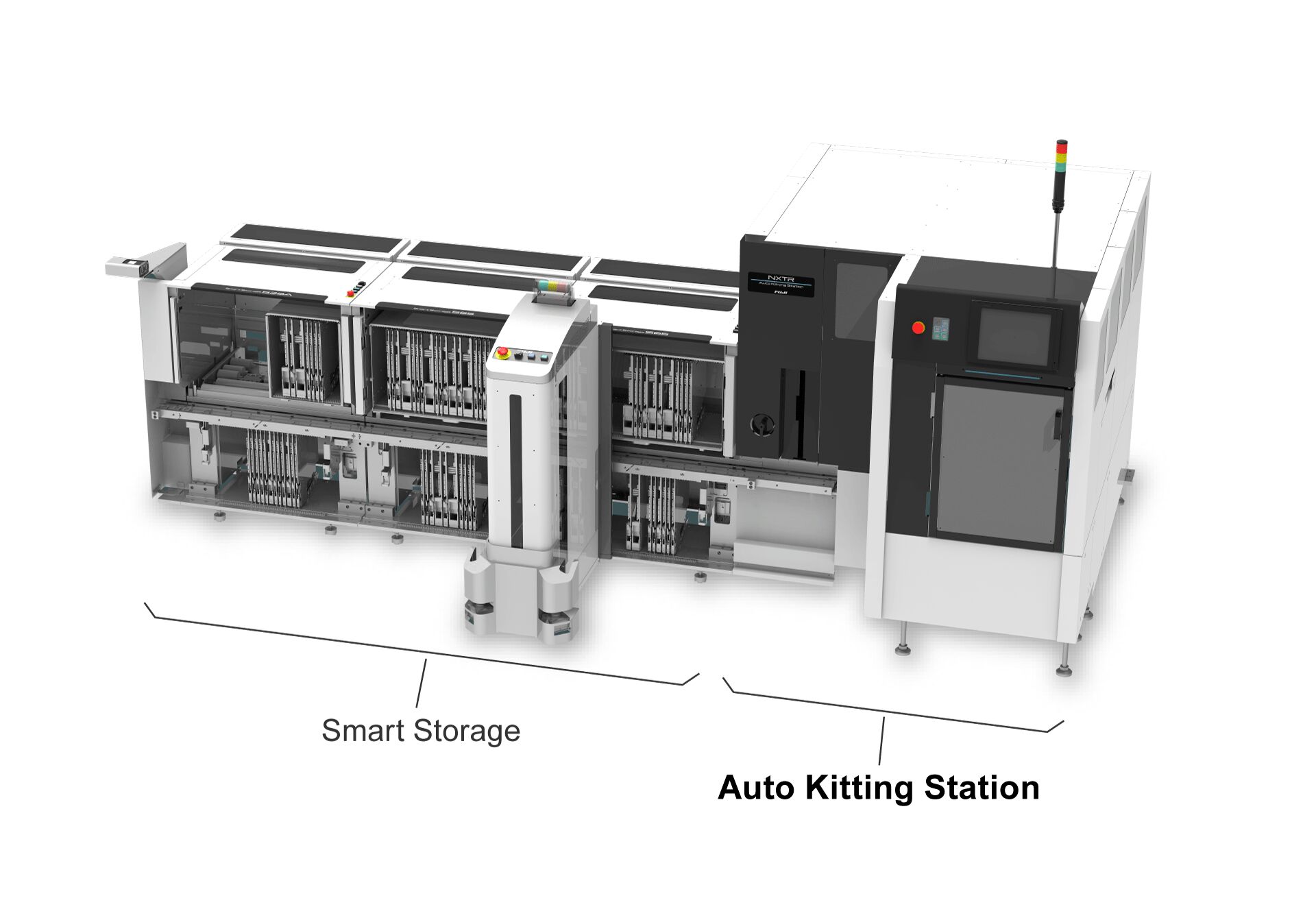
Automated setup processes system combined with AMR.
Fuji has introduced a new system unit called the Auto Kitting Station, designed to automate the process of loading feeders with belt rolls for component supply in assembly machines. This innovation aims to enhance efficiency in automated setup processes, particularly when integrated with Autonomous Mobile Robots (AMR). The development reflects Fuji's commitment to advancing automation in manufacturing, streamlining operations, and reducing manual labor requirements.
Allgemein Lösungen
Why Precision Swiss Machining is Critical to the Future of Robotics and Automation
The industrial production landscape is undergoing a significant transformation due to the rapid advancements in robotics, factory automation, and intelligent manufacturing systems. This shift is characterized by an increasing reliance on highly precise mechanical systems that can operate continuously with minimal deviation. As automation technologies evolve and become more interconnected, modern manufacturing environments are integrating collaborative robots, automated assembly systems, and sensor-driven equipment. These innovations are not only enhancing efficiency but also improving the accuracy and reliability of production processes. The ongoing evolution in this sector reflects a broader trend towards smarter, more automated manufacturing practices that aim to meet the growing demands of global markets.
Automation Engineering Factories automated manufacturing automation hardware automation news
FUJI unveils integrated parts storage, supply, and implementation at "JISSO PROTEC 2026" with AMR collaboration.
FUJI Corporation has developed a new unit called the "Auto Kitting Station," aimed at automating the kitting process in the surface mount technology (SMT) assembly line, which has traditionally relied heavily on manual labor. This innovation addresses the need for increased efficiency in loading tape reels into feeders, a critical step in the production of electronic components. The introduction of the Auto Kitting Station marks a significant advancement in the automation of SMT processes, reflecting FUJI's commitment to enhancing productivity and reducing human error in manufacturing.

A Piece of Automation History in Steel Construction
Liebherr Group has taken a significant step in automation by fully automating the production of complex component assemblies at its facility in Telfs, Austria. This milestone marks the first time the construction machinery manufacturer has implemented such advanced automation in its production processes. The autonomous manufacturing cell, developed and built by Yaskawa, utilizes three Motoman industrial robots to handle all manipulation and assembly tasks, culminating in the efficient output of finished components. This innovation reflects Liebherr's ongoing commitment to pushing the boundaries of automation in their manufacturing operations.
Allgemein Anwendungen & Lösungen Lösungen
XELA Robotics to Unveil New Major Tactile Sensor Capabilities at Automate 2026
Researchers have successfully developed advanced robotic fingertips equipped with sensitive nails, enabling precise grasping of extremely thin objects. This innovative technology, which was unveiled recently, features a universal manipulation interface that enhances the robot's ability to interact with various items. Additionally, the system includes improved magnetic interference compensation, allowing for more reliable handling of fragile objects. The advancements aim to address challenges in robotic dexterity and manipulation, making these robotic fingertips suitable for a range of applications, from delicate assembly tasks to intricate surgical procedures. This breakthrough represents a significant step forward in robotics, potentially transforming industries that require high precision and care in handling lightweight and fragile materials.

Robots Rule LG's Clarksville Plant
LG has opened the doors to its state-of-the-art washer and dryer factory in Clarksville, Tennessee, showcasing the advanced automation technology that powers its production line. This facility, which began operations recently, is part of LG's strategy to enhance manufacturing efficiency and meet the growing demand for home appliances in the U.S. market. The factory employs cutting-edge robotics and AI-driven systems to streamline the assembly process, significantly reducing production time while maintaining high-quality standards. By investing in automation, LG aims to bolster its competitive edge and respond swiftly to consumer needs. The facility not only represents a significant investment in local manufacturing but also highlights LG's commitment to innovation in the appliance sector. As the demand for smart home technology continues to rise, LG's Clarksville factory is positioned to play a crucial role in the company's efforts to deliver advanced, reliable products to American consumers. The opening of this facility underscores LG's dedication to enhancing its operational capabilities and supporting the local economy through job creation and technological advancement.
Technology and IIoT / Robotics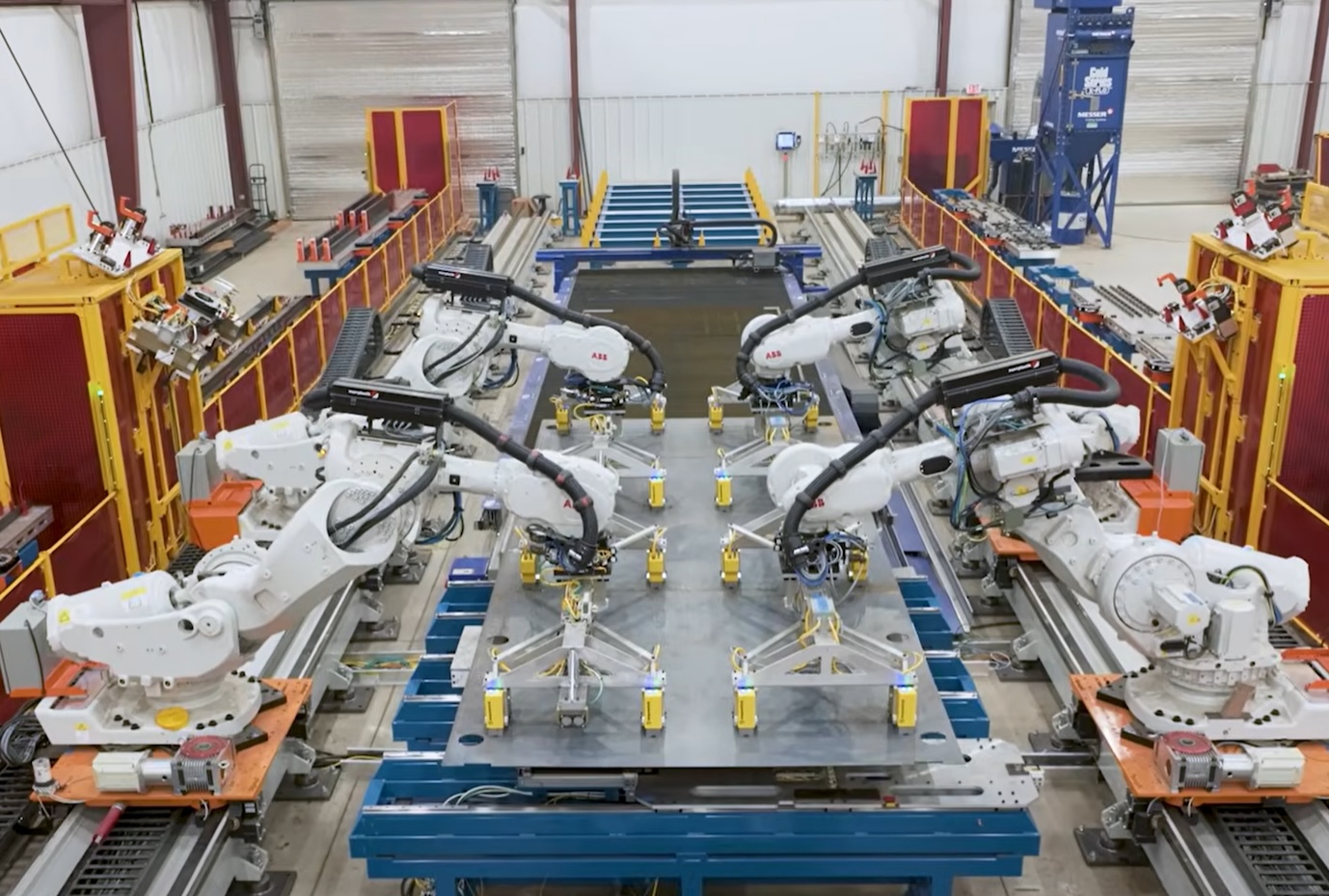
Mobileye Is A Better And Cheaper Physical AI Play Than Ouster
Investment analyst Ricardo Fernandez has rated Mobileye (MBLY) as a "buy," citing its advanced technology and diverse applications in artificial intelligence as key factors. He believes that the company's mobility-focused sensors and extensive 25-year experience position it well for future demand, particularly as the adoption of autonomous vehicles (AV) and AI accelerates. Fernandez anticipates significant growth for Mobileye starting in 2028, when its Chauffeur and Drive systems are expected to be deployed in robotaxis, potentially leading to a favorable re-evaluation of its market value. In contrast, he views Ouster (OUST) as overvalued, noting its lack of positive margins until at least 2028 and limited growth potential unless there is a substantial increase in software penetration. Fernandez, who has over 35 years of experience in investment analysis, aims to provide a fundamental perspective on companies and funds through his contributions to Seeking Alpha. He emphasizes the importance of financial forecasts in determining valuations and investment ratings, while also clarifying that he currently holds no positions in the companies discussed.
MBLY OUST Ricardo Fernandez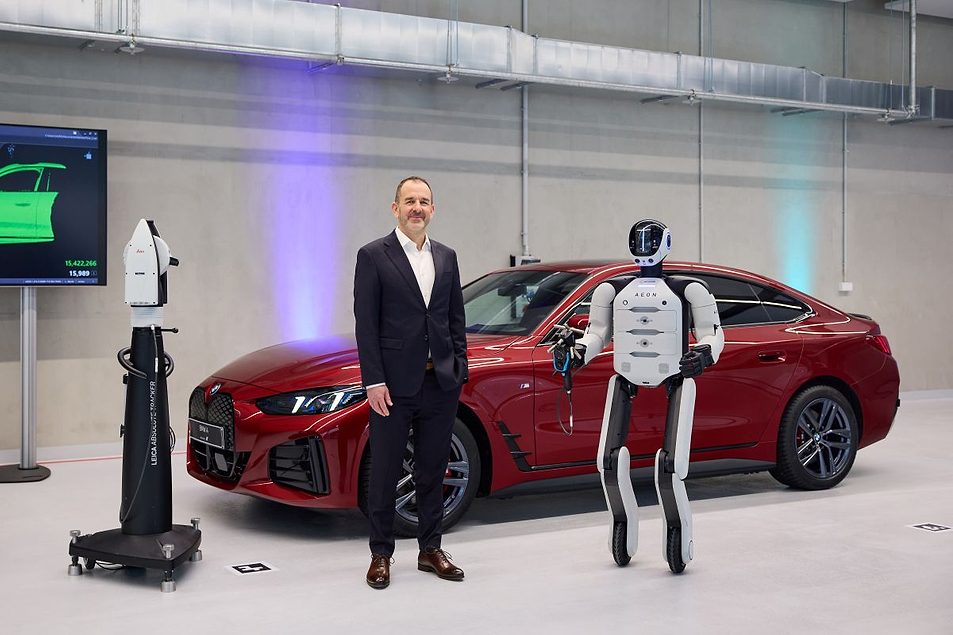
BMW to Use Humanoid Robots to Make Cars in Europe
A recent analysis highlights the potential of humanoid robots to transform the workforce by replacing human workers in various industries. This shift could significantly reduce costs associated with redesigning assembly lines, which are often prohibitively expensive. As companies seek to enhance efficiency and cut operational expenses, the integration of humanoid robots presents a viable solution. The development and deployment of these robots are gaining traction as businesses explore innovative ways to streamline production processes without the need for extensive infrastructure changes. This trend is expected to reshape the labor market and redefine roles within manufacturing and other sectors, prompting discussions about the future of work and the implications for human employment.
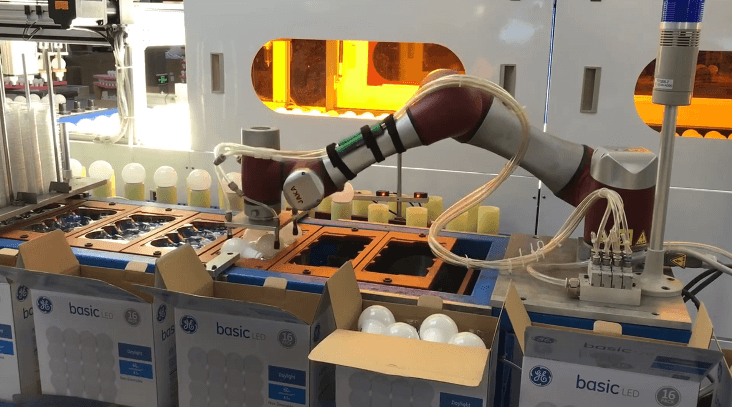
Best Practices for Calibrating and Maintaining Manufacturing Robotic Arms
In the evolving landscape of modern manufacturing, robotic arms and collaborative robots have emerged as essential tools, enhancing efficiency and precision while minimizing human error. JAKA, a leading provider of collaborative robots, emphasizes the importance of scientific calibration and regular maintenance to ensure the stable operation of these machines, which directly impacts production quality and safety. To maintain optimal performance, JAKA outlines best practices for calibrating and servicing robotic arms, particularly its JAKA Zu12 model. Regular kinematic calibration is crucial for correcting geometric errors and ensuring accurate motion trajectories, which is vital for collaborative robots that interact closely with humans. The JAKA Zu12’s integrated design facilitates efficient calibration during assembly, maximizing its reach and payload capabilities. Daily and periodic maintenance is also critical in reducing failure rates. Daily tasks include cleaning, checking cable connections, and ensuring joint operation, while periodic maintenance focuses on lubricating joints, inspecting wear on components, and updating software. For collaborative robots like the JAKA Zu12, regular safety checks are essential to ensure safe human-robot interactions. JAKA also advocates for scenario-based maintenance tailored to specific application needs, such as handling and palletizing tasks, to enhance processing precision and operational reliability. By implementing systematic calibration and maintenance strategies, JAKA aims to help enterprises optimize the performance of their robotic arms, ultimately reducing costs and boosting production efficiency in automated manufacturing environments.

N Ways Robotic Arms Are Transforming the Automotive Assembly Line
The automotive manufacturing industry is experiencing a significant transformation driven by the integration of advanced robotic arms, particularly collaborative robots, which enhance production efficiency, precision, and flexibility. JAKA, a leader in intelligent manufacturing, is at the forefront of this shift, implementing its robotic technology to address challenges such as low efficiency, inconsistent quality, and high labor costs in automotive assembly. As consumer demand evolves towards smaller batches and diverse product varieties, JAKA's collaborative robots, exemplified by the JAKA S12, offer high-precision adaptive assembly capabilities. With built-in force sensors and a lightweight design, these robots can be quickly deployed on assembly lines, minimizing downtime and adapting to various workpiece shapes and sizes. In the critical welding phase of automotive assembly, JAKA's robotic arms improve quality and efficiency by optimizing the welding process. Their user-friendly configuration interface and safety features ensure reliable operation, while compatibility with various welding machine brands enhances their versatility. Moreover, JAKA's collaborative robots lower the barriers to automation with zero-cost deployment and straightforward operation, allowing companies to implement these systems without specialized technical staff. This innovation not only reduces training costs but also enables manufacturers to quickly adapt to automation in their assembly lines. As the automotive sector increasingly embraces intelligent and flexible manufacturing, JAKA is committed to continuous innovation, providing high-quality robotic solutions that empower enterprises to enhance production efficiency and sustainability in the evolving market landscape.

The Benefits of High-Speed Joint Actuation in Modern Articulated Robots
In the rapidly evolving manufacturing sector, JAKA Robotics is at the forefront of intelligent automation, showcasing the transformative capabilities of articulated robots, particularly collaborative robots (cobots). These advanced machines, equipped with high-speed joint actuation, are designed to enhance production efficiency and precision. The JAKA Pro5 articulated robot exemplifies this innovation, enabling accelerated production cycles through quick and precise movements that streamline loading, unloading, and assembly processes. This is particularly beneficial in time-sensitive industries like consumer electronics and automotive assembly, where reduced cycle times can significantly boost throughput. Moreover, the high-speed joint actuation not only increases speed but also enhances precision, ensuring consistent quality control in tasks such as component placement and welding. JAKA's robots maintain high accuracy over time, minimizing errors and reducing scrap rates, which is crucial for industries with stringent quality standards. The Pro5 model's compact design and user-friendly programming interface facilitate easy integration into existing production lines, allowing manufacturers to adapt swiftly to changing demands without extensive downtime. This flexibility empowers companies to optimize resources effectively and respond to market fluctuations. As industries continue to evolve, the role of high-speed joint actuation in articulated robots is becoming increasingly vital. By adopting JAKA's technology, organizations can modernize their production processes, improve workplace safety, and enable skilled workers to focus on higher-value tasks, positioning themselves for success in a competitive landscape.
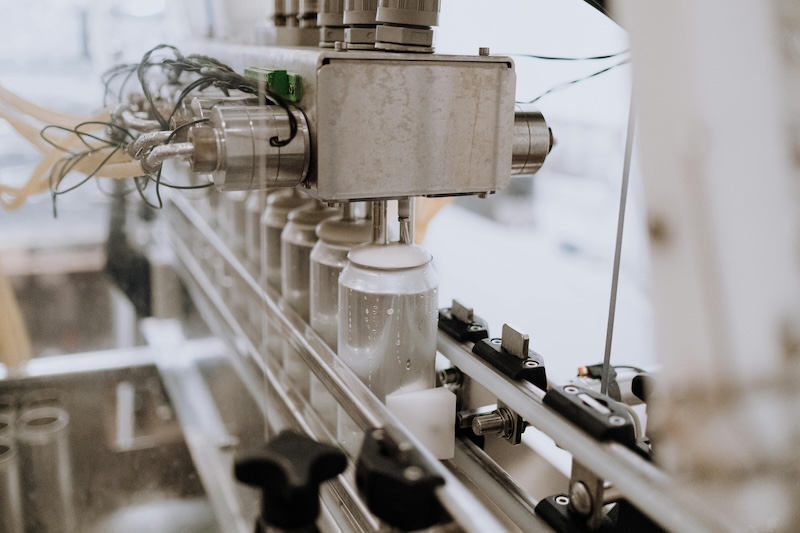
Application engineering for assembly systems is quietly becoming manufacturing’s biggest competitive edge
In a significant shift within the manufacturing sector, companies are increasingly focusing on application engineering to enhance assembly systems. This evolution is driven by the need for higher productivity and reduced error rates on the factory floor. Leading the charge is Atlas Copco, a prominent player in the industry, which is fully embracing this transformation. The emphasis is now on not just the machines themselves, but also on the engineering that connects and adjusts these machines in real-time to align with operational demands. As factories strive to optimize their processes, the integration of advanced engineering techniques is becoming essential for success in a competitive landscape.
Engineering Manufacturing application engineering assembly line automation assembly systems atlas copco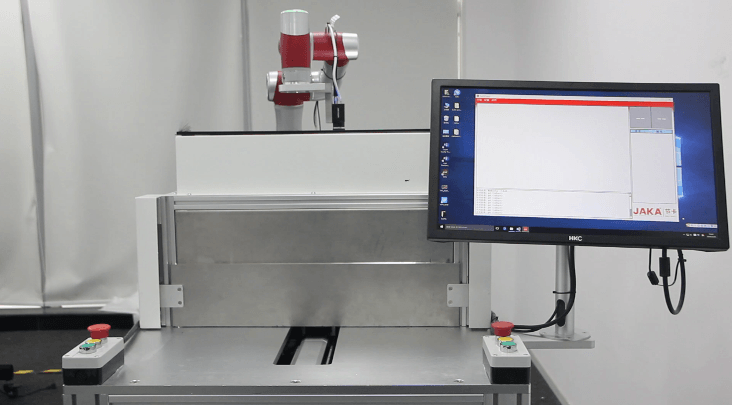
N Degrees of Freedom: Understanding the Versatility of the Articulated Robot Arm
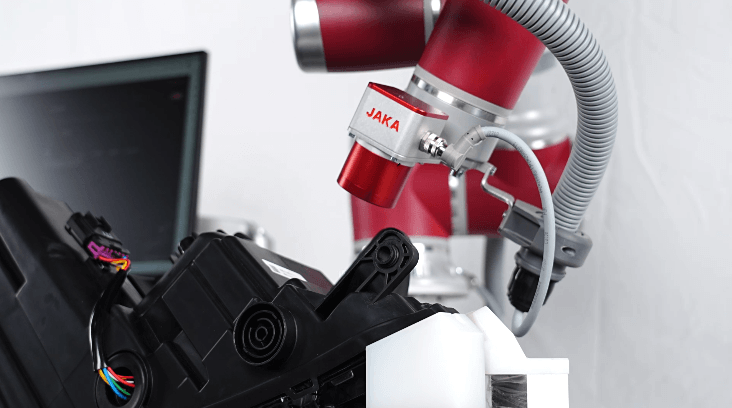
JAKA Robotics is revolutionizing industrial automation with its advanced articulated robots, particularly the JAKA S5 model, which offers exceptional versatility and dexterity. These collaborative robots feature multiple degrees of freedom, allowing them to perform intricate tasks with high precision, making them essential in industries such as assembly, welding, and packaging. The JAKA S5 is equipped with a built-in force sensor that enables multi-dimensional force perception, crucial for delicate operations like flexible grasping and gluing. Its articulated design allows access to confined spaces, enhancing its utility for tasks that traditional robots struggle with, such as welding in tight corners. These robots are designed for seamless integration into existing workflows, requiring no installation or configuration, which minimizes downtime and accelerates startup times. Additionally, features like singularity protection enhance reliability and safety, reducing the risk of operational errors. As industries evolve, the demand for adaptable automation solutions grows. JAKA's articulated robots empower companies to streamline processes, improve safety, and maintain high production quality while reducing labor costs. By embracing this innovative technology, businesses can enhance their operational efficiency and redefine their manufacturing capabilities, positioning themselves at the forefront of industrial automation.
Enhancing Safety and Precision with Real-Time Force Feedback in Controllable Robots
The manufacturing sector is undergoing a significant transformation with the rise of collaborative robots, or cobots, particularly through innovations from JAKA Robotics. The company’s controllable robots utilize real-time force feedback technology, enhancing safety and precision in various industrial applications. This technology continuously monitors the forces exerted during operations, allowing cobots to adapt to unexpected changes in their environment, such as obstacles or excessive force during assembly. By equipping their cobots with real-time force feedback, JAKA Robotics significantly improves workplace safety, enabling safe collaboration between human workers and machines. For instance, when a cobot detects a sudden force change or an object in its path, it can automatically slow down or stop, reducing the risk of accidents. This capability not only enhances safety but also allows human operators to focus on more strategic tasks by relieving them from repetitive, hazardous activities. The JAKA Zu3 cobot exemplifies this innovation, designed for high-precision tasks in confined spaces, with a payload capacity of 3 kg and a reach of 626 mm. Its integration with vision systems allows for non-destructive testing and precise measurements, crucial in industries like electronics manufacturing. As the demand for advanced cobots grows, JAKA Robotics is committed to enhancing operational efficiency while prioritizing worker safety. The integration of real-time force feedback is set to redefine automation standards, positioning companies to thrive in a competitive landscape by improving productivity and quality control.
Cobots for Electronics Assembly: 5 Best Options You Can't Miss
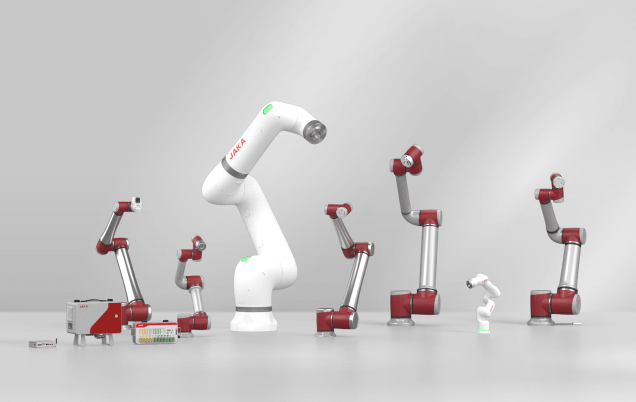
In the rapidly evolving electronics assembly sector, JAKA Robotics is leading the charge in enhancing operational efficiency through its innovative collaborative robots, or cobots. These advanced machines are designed to work alongside human operators, significantly boosting productivity and precision in manufacturing processes. The JAKA ZU series exemplifies high-quality standards and versatility, enabling seamless integration into existing workflows for tasks such as small component handling. Meanwhile, the JAKA S series features intelligent force control, allowing for careful handling of delicate electronic parts, thereby ensuring safety and effectiveness in assembly operations. For challenging environments, the JAKA Pro series offers robust performance with its IP68 protection rating, making it suitable for settings exposed to dust and liquids. The JAKA AL series stands out by integrating intelligent vision systems, facilitating complex operations like precise component placement and inspection, which enhances quality control. Lastly, the JAKA A series provides a flexible solution for various industrial applications, allowing quick reconfiguration to meet changing production demands. By incorporating these cobots, companies can significantly improve their assembly processes, driving growth and maintaining a competitive edge in the electronics industry. JAKA Robotics’ commitment to innovation is redefining the future of work in manufacturing, unlocking new potential for operational excellence.
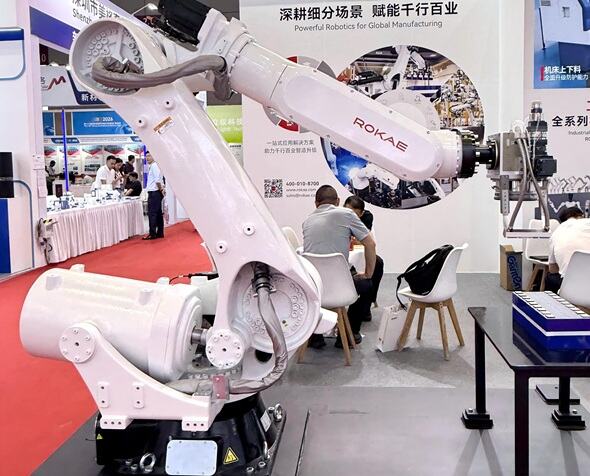
ROKAE Robotics at CIBF 2026: Force-Controlled Welding Solutions for Battery Manufacturing
ROKAE Robotics showcased its advanced automation solutions for lithium battery manufacturing at the 2026 China International Battery Fair (CIBF), held at the Shenzhen World Exhibition & Convention Center. The company highlighted its innovative technologies focused on force-controlled assembly and robot-integrated laser welding, aimed at enhancing efficiency and precision in battery production. This exhibition provided ROKAE Robotics with a platform to demonstrate its commitment to advancing the battery manufacturing industry, responding to the growing demand for high-quality and reliable lithium batteries in various applications.

What Complex Problems Do 6 Axis Robot Arms Help Solve in Production?
In the evolving landscape of Industry 4.0, manufacturers are increasingly turning to 6-axis robot arms to address complex production challenges. As of now, these advanced collaborative robots are essential for managing diverse product lines, limited workspace, and a shortage of specialized labor. Unlike traditional automation, which often relies on fixed machinery, the 6-axis design allows for greater agility and flexibility in navigating three-dimensional spaces, making it ideal for intricate tasks that require specific angles and movements. The introduction of these robots has transformed assembly processes by eliminating the need for expensive rotating fixtures, as they can approach parts from various angles. This adaptability also enables manufacturers to integrate automation without overhauling entire production lines, allowing for quick responses to localized bottlenecks, such as increased palletizing demands. Moreover, the rise of high-mix, low-volume production has necessitated a shift in automation strategies. The 6-axis robot arms, equipped with advanced features like quick-change grippers and vision systems, can swiftly adapt to different products, reducing changeover times from hours to mere seconds. JAKA, a leader in this field, has developed the JAKA Zu30, a robust 6-axis robot capable of handling heavy-duty tasks with a 30kg payload capacity. This model not only excels in palletizing and machine tending but also ensures safety with high-sensitivity sensors. Controlled via a user-friendly app, the JAKA Zu30 exemplifies the modern manufacturing solutions needed to navigate the complexities of today's production environments.

Selecting a Collaborative Robot Cobot for Small Parts Assembly
In the evolving landscape of electronics and medical device manufacturing, the introduction of collaborative robots, or cobots, is transforming small parts assembly. Traditionally reliant on manual labor or rigid machinery, this sector now benefits from the advanced capabilities of cobots, which combine the precision of a six-axis robot arm with sophisticated safety sensors. This innovation allows manufacturers to automate intricate tasks while maintaining human oversight. The assembly of small components, such as connectors and micro-screws, requires sub-millimeter accuracy, which traditional robots often lack. Cobots, however, utilize force-torque feedback to ensure components are correctly positioned, preventing damage to sensitive electronics. Their compact design enables them to operate alongside human workers on crowded workbenches without the need for bulky safety barriers, facilitating a hybrid workflow where robots handle repetitive tasks while humans focus on quality control. Manufacturers frequently changing product designs find cobots particularly advantageous due to their ease of programming. The JAKA Zu5, a leading model in this field, offers a payload capacity of 5 kg and a working radius of 954 mm, making it ideal for standard assembly tasks. With a remarkable repeatability of ±0.02 mm, the Zu5 ensures precision in placing even the smallest components. Additionally, its lightweight design allows for easy relocation across different production stations. JAKA emphasizes user-friendly automation, replacing complex coding with a wireless app that enables control of the robot from any mobile device. By integrating the JAKA Zu5 into assembly lines, manufacturers can achieve a balance of machine accuracy and human flexibility, enhancing productivity in high-mix production environments.

Scaling Battery Disassembly: Why the Real Challenge Is Not Automation
The rise of the circular economy is presenting unique challenges and opportunities for automation, particularly in the field of electric vehicle (EV) battery disassembly. As of October 2023, this sector faces significant hurdles due to the lack of stable geometries, consistent designs, and reliable data, which are typically found in traditional industrial settings. The need for effective automation solutions in this area is driven by the increasing demand for sustainable practices and the efficient recycling of EV batteries. As companies strive to adapt to these new requirements, innovative technologies and methodologies are being explored to streamline the disassembly process, ensuring that valuable materials can be recovered and reused.
Implementing Automated Quality Inspection with a Pick and Place Robotic Arm
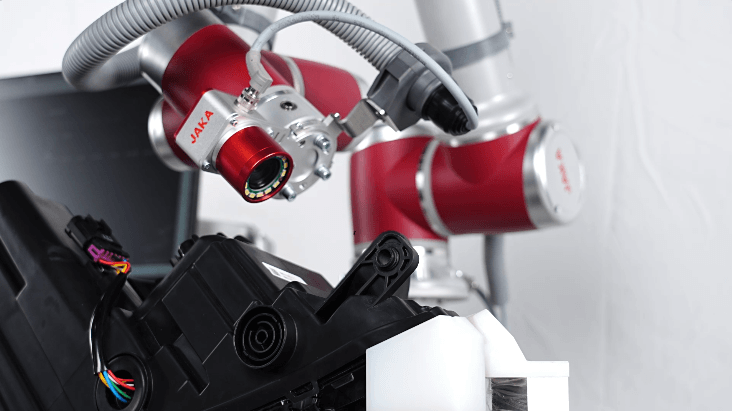
In a significant advancement towards "Zero-Defect Manufacturing," the boundaries between production and quality control are being redefined. Modern manufacturing facilities are now incorporating real-time inspection directly into the material handling process, rather than waiting until products reach the end of the assembly line. This shift is facilitated by the use of a 6-axis robotic arm, which functions as both a pick-and-place device and an inspection station, enabling manufacturers to detect defects immediately and minimize waste. During the automated quality inspection, the robotic arm evaluates components as it lifts them, utilizing a vision tunnel or high-resolution sensors to check for dimensional accuracy, surface integrity, and assembly verification. Parts that meet quality standards proceed to the "Good" bin, while those that fail are diverted to rework or scrap stations, ensuring that only flawless components advance in the production process. To achieve effective robotic inspection, three key technologies are essential: adaptive grippers for versatile handling, advanced vision sensors for precise measurements, and Edge AI processing to enable real-time data analysis. The JAKA Zu series of robots exemplifies this integration, particularly the JAKA Zu7 model, which is designed for high-precision inspection tasks. With a payload capacity of 7kg and a work radius of 819mm, it offers the agility and strength needed for rapid inspection cycles, while its compatibility with various communication protocols allows seamless integration with manufacturing systems. This innovative approach transforms each handling operation into an opportunity for quality assurance, enhancing overall production efficiency.

Chef Robotics Advances Bi-Manual Physical AI System for Prep Table Food Assembly Powered by a Food Foundation Model
Chef Robotics has announced the development of a bi-manual physical AI system aimed at enhancing food assembly tasks on prep tables, such as burger and burrito preparation. This innovative system, which is set to launch on May 19, 2026, will cater to various sectors including ghost kitchens, fast-casual restaurants, and catering services, focusing on lower-volume yet more complex meal assembly compared to traditional food manufacturing processes. The new AI system utilizes two robotic arms for coordinated and dexterous manipulation, mimicking human-like capabilities to handle a variety of food items and utensils. It is powered by Chef's Food Foundation Model (FFM), which employs imitation learning to adapt quickly to diverse tasks and environments, overcoming the limitations of existing robotic systems that struggle with the variability of food materials. Chef Robotics aims to automate manual prep table assembly, a critical area in the food industry that has remained largely reliant on human labor. By leveraging the FFM, the system is designed to learn from demonstrations, allowing it to generalize across different tasks and robotic platforms. This advancement is expected to improve operational efficiency, yield, and consistency in food preparation, ultimately transforming how food assembly is approached in various culinary settings.
Are 6 Axis Cobot Arms Better Than Dedicated Pick & Place Machines?
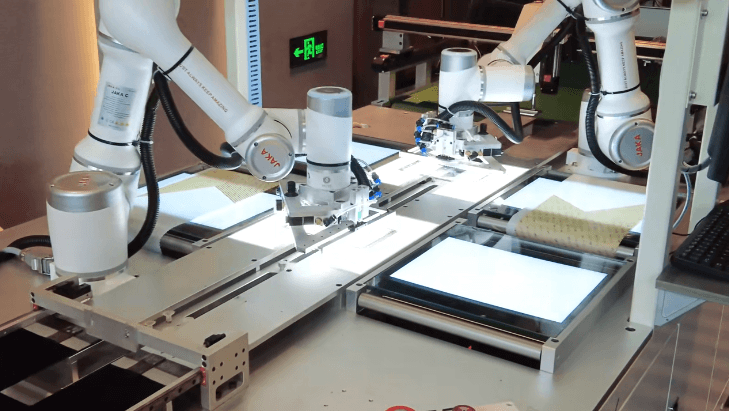
In a strategic shift towards enhanced manufacturing efficiency, companies are increasingly weighing the benefits of specialized hardware against flexible automation. Traditionally, high-speed assembly lines have relied on dedicated pick and place machines, which excel in repetitive tasks but lack adaptability. However, as product lifecycles shorten and customization becomes essential, the 6-axis robotic arm has emerged as a viable alternative, offering the flexibility needed for modern high-mix production environments. Dedicated machines, such as SCARA or Delta robots, are optimized for high-speed linear movements in fixed production runs. Their rigidity poses a challenge when product designs change, often necessitating costly retooling. In contrast, 6-axis robotic arms provide a spherical work envelope and six degrees of freedom, enabling them to perform complex tasks like inspection and screwdriving without relocating parts. This adaptability ensures that as businesses evolve, their hardware remains relevant with simple software updates. Additionally, the physical footprint of automation plays a crucial role in decision-making. Traditional machines require extensive safety guarding and rigid frames, consuming valuable space. In contrast, collaborative 6-axis systems can be integrated into existing workstations without barriers, fostering a hybrid workflow where robots handle repetitive tasks and humans focus on quality control. JAKA, a leader in this field, offers the JAKA Zu series, which combines the precision of dedicated machines with the flexibility of collaborative platforms. The JAKA Zu30, capable of managing heavy-duty material transfers, exemplifies this innovation. With a user-friendly wireless ecosystem and built-in safety features, JAKA aims to provide manufacturers with the agility and scalability needed to meet evolving market demands.
What Are 6 Axis Robot Arms, and How Does Their Versatility Work?
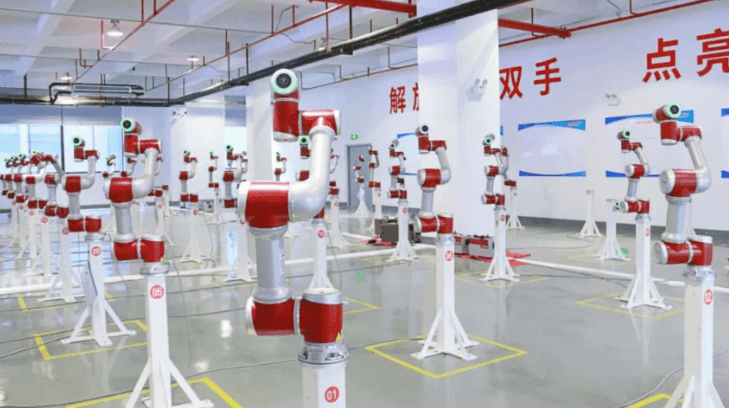
In the realm of industrial automation, the 6-axis robot arm has emerged as a pivotal innovation, offering unparalleled flexibility in manufacturing processes. These advanced machines, designed to mimic human arm movements, have transformed factory operations by enabling complex tasks with ease. The versatility of these robots stems from their unique kinematic structure, which features a series of rotating joints that allow them to access virtually any point in their workspace from various angles. The term "6-axis" signifies the six independent joints that provide the robot with multiple degrees of freedom. The major axes facilitate overall reach, while the minor axes function as a mechanical wrist, granting the robot the ability to pitch, roll, and yaw. This capability allows for diverse applications, from precision medical assembly to heavy-duty palletizing, setting them apart from traditional 4-axis robots. The adaptability of 6-axis robots is particularly beneficial in high-mix production environments, where they can seamlessly switch between tasks throughout the day, such as CNC machine tending and complex surface finishing. This flexibility minimizes the need for specialized machinery, optimizing floor space and reducing capital costs. JAKA has capitalized on this versatility with its Zu series of collaborative robots, which are lightweight and easily redeployable across production lines. The JAKA Zu18 model, capable of handling an 18kg payload with a reach of 1073mm, exemplifies strength combined with agility. Enhanced by user-friendly wireless control through the JAKA App, these robots are positioned to meet the evolving demands of both small workshops and large assembly plants, ensuring efficiency and adaptability in modern manufacturing.
US aerospace firm clears new adaptive engine for Boeing F-47 sixth-gen fighter jet
GE Aerospace, a leading US aircraft engine supplier, has announced the successful clearance of its XA102 adaptive cycle engine for assembly. This significant development comes as part of the company’s ongoing efforts to enhance engine performance and efficiency. The announcement was made on [insert date], marking a crucial step in the engine's production process. The XA102 engine is designed to provide advanced capabilities for future military aircraft, addressing the increasing demands for versatility and adaptability in modern aviation. By utilizing innovative technology, GE Aerospace aims to meet the evolving needs of the defense sector, ensuring that the new engine can operate effectively across a range of flight conditions. The assembly phase is expected to pave the way for further testing and eventual deployment, reinforcing GE Aerospace's commitment to delivering cutting-edge solutions in aerospace engineering.
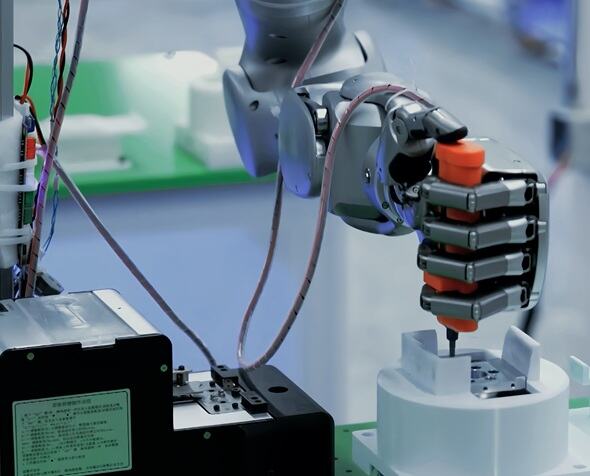
ROKAE AR Arms Prove Their Mettle in Autonomous Assembly
ROKAE Robotics has gained significant industry attention following a recent broadcast segment that showcased its advanced AR humanoid force-control arms. The segment highlighted a dual-arm robot that autonomously completed the entire assembly sequence of mechanical arm joints, demonstrating remarkable progress in the field of embodied intelligence. This innovative technology not only underscores ROKAE Robotics' commitment to advancing robotics but also reflects the growing interest in automation solutions across various sectors. The broadcast serves as a pivotal moment for the company, positioning it at the forefront of robotics innovation.
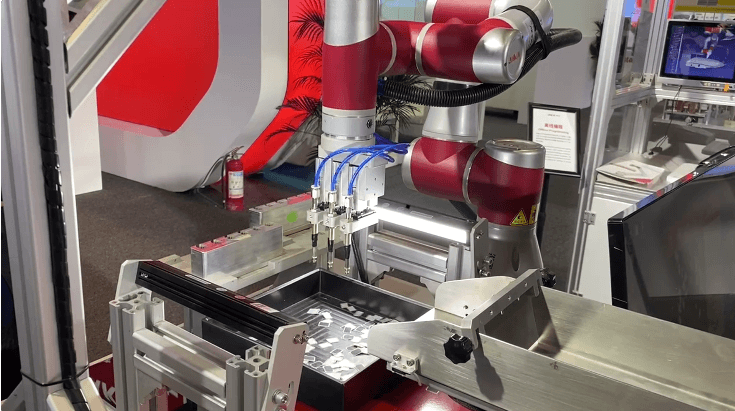
Understanding the Different Robot Arm Types (6-Axis, SCARA, Delta): A Comparison Guide
In the evolving field of automation, selecting the right type of robotic arm is crucial for optimizing production strategies. Different robotic configurations, including 6-axis, SCARA, and Delta robots, offer unique mechanical strengths and capabilities tailored to specific manufacturing tasks. The 6-axis articulated robot, commonly found in factories, mimics human arm movements and excels in complex processes like welding and assembly due to its six degrees of freedom and flexible work envelope. In contrast, SCARA robots, known for their rigidity in the vertical axis and compliance in horizontal movements, are ideal for high-speed tasks such as pick-and-place and electronics assembly, achieving remarkable precision and faster cycle times. Delta robots, characterized by their lightweight, spider-like design, are engineered for high-speed sorting and packaging in industries like food and pharmaceuticals, making them suitable for handling lightweight items quickly. JAKA Robotics has focused on enhancing 6-axis collaborative industrial robots, offering models like the JAKA Zu and Pro series that combine power and agility for various applications, from precision assembly to heavy-duty palletizing. JAKA emphasizes "Embodied Intelligence," ensuring their robots provide precise repeatability and user-friendly operation through wireless control and intuitive programming, catering to the needs of modern smart factories.

Humanoid Secures Landmark Deal with Schaeffler to Deploy Thousands of Humanoid Robots
Humanoid, a London-based AI and robotics startup, has secured a significant phased deployment agreement with Schaeffler, a leading motion technology company, to integrate humanoid robots into its manufacturing operations. The rollout is set to commence in late 2026, with the initial deployment occurring at two Schaeffler sites in Germany. This landmark agreement aims to deploy thousands of humanoid robots across Schaeffler’s global facilities by 2032, following successful proof-of-concept trials. The first phase will take place from December 2026 to June 2027, focusing on box handling in Herzogenaurach and conducting capability demonstrations in Schweinfurt. The collaboration emphasizes economic viability, with Humanoid assisting Schaeffler in seamlessly integrating robotic systems into existing production environments while adhering to safety and IT standards. The partnership operates under a Robot-as-a-Service (RaaS) model, where Humanoid will provide not only the robotic systems but also ongoing support, maintenance, and performance management. Additionally, Humanoid has entered a five-year supply agreement with Schaeffler, designating them as the preferred supplier for actuators, which will cover over 50% of Humanoid's actuator needs through 2031. Artem Sokolov, Humanoid's founder and CEO, highlighted the importance of this collaboration in advancing humanoid robotics within global manufacturing. Dr. Jochen Schroeder, COO of Schaeffler AG, emphasized the partnership's role in scaling advanced robotics technology in real-world manufacturing settings. Following the initial deployment, both companies plan to assess performance and expand the use of humanoid robots for various tasks, including assembly and packaging.
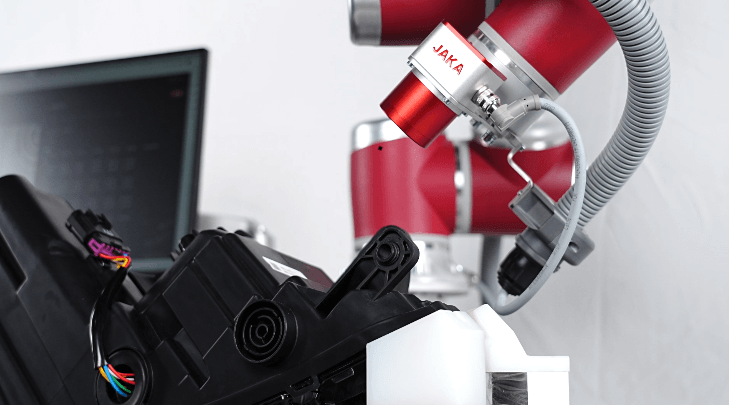
Assembly Robots for Consumer Electronics: Challenges and Solutions
The consumer electronics industry is increasingly adopting specialized assembly robots to address the challenges posed by rapid product life cycles and the need for precision in manufacturing. As smartphones, wearables, and home gadgets evolve, traditional manual assembly methods struggle to keep up with the demand for high-quality production. This shift is driven by the need for accuracy in handling densely packed components, which require sub-millimeter precision and are sensitive to electrostatic discharge. To adapt to frequent design changes and seasonal updates, manufacturers are turning to flexible automation solutions. These advanced robots can be quickly reprogrammed and equipped with modular end-effectors, enabling them to perform various tasks across different product lines. The integration of 2D and 3D vision systems enhances quality control, allowing robots to make real-time adjustments to ensure precise assembly. JAKA, a leader in robotics technology, has developed the JAKA A12L, designed specifically for the electronics sector. This robot offers a long reach and high payload capacity, making it suitable for large-format assembly. With an impressive repeatability of ±0.03mm, JAKA's solutions meet the stringent requirements of consumer electronics manufacturing. The company emphasizes ease of integration and safety, providing an open software ecosystem for seamless communication with vision sensors and factory systems, along with user-friendly wireless control through the JAKA App. This innovation positions manufacturers to turn production challenges into competitive advantages.

Chef Robotics Expands into Component Assembly for CPG Manufacturing
Chef Robotics has announced an expansion into component assembly for consumer packaged goods (CPG) manufacturing, enabling automation of secondary packaging and kitting processes. This development, revealed on May 11, 2026, allows Chef robots to efficiently handle a variety of items, including sauce sachets, seasoning packets, and even non-food inserts like cutlery kits and instruction cards. Historically, CPG assembly lines have relied heavily on manual labor due to the challenges posed by lightweight and deformable items. Chef Robotics aims to address this issue by utilizing AI-powered computer vision, which enables robots to assess and manipulate items in real time, ensuring precise placement without damage. The technology adapts to the variability of items in unstructured bins, eliminating the need for pre-sorting. The new assembly application features three key capabilities: detecting and reorienting items mid-pick for accurate placement, picking and placing multiple components simultaneously, and ensuring correct item allocation in multi-compartment products. This innovation promises higher throughput, reduced labor dependency, and consistent item placement across production shifts. Chef's CPG assembly application is available in the US, Canada, the UK, and Germany, and operates on existing robotic hardware and software, allowing for seamless integration into current manufacturing setups. The service is offered under Chef's robotics-as-a-service (RaaS) pricing model, further solidifying the company's position as a leader in AI-driven food robotics solutions.
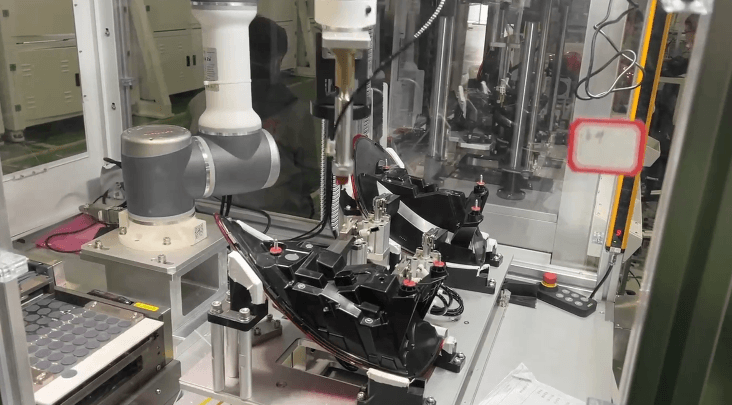
5 Factors to Consider When Selecting Assembly Robots for High-Mix Production
In response to the evolving demands of modern manufacturing, JAKA has introduced advanced assembly robots designed specifically for high-mix, low-volume production environments. This shift, which contrasts sharply with traditional mass production, requires automation systems capable of quickly adapting to various products and tasks. JAKA's S12 robot, featuring a 12kg payload and a 1327mm working radius, exemplifies this adaptability, allowing manufacturers to respond efficiently to changing market needs without incurring excessive operational costs. The S12 robot is engineered for ease of programming, utilizing intuitive graphical interfaces that enable technicians to reprogram it quickly, reducing downtime significantly. Its design incorporates interchangeable end-effectors, allowing it to handle diverse product types, from flat panels to engine components, with precision. Additionally, the robot's advanced safety features, including force-torque sensors, facilitate a collaborative workspace where humans and machines can operate safely in proximity. With a repeatability of ±0.03 mm, the S12 ensures high-quality assembly across various tasks, maintaining accuracy even after multiple re-deployments. Its integration with 2D and 3D vision systems allows it to manage unsorted parts effectively, a crucial capability for high-mix production lines. JAKA's commitment to flexibility is further demonstrated through its wireless software ecosystem, enabling remote management via the JAKA App. By investing in JAKA's technology, manufacturers can enhance their production agility and maintain competitiveness in a rapidly changing market.
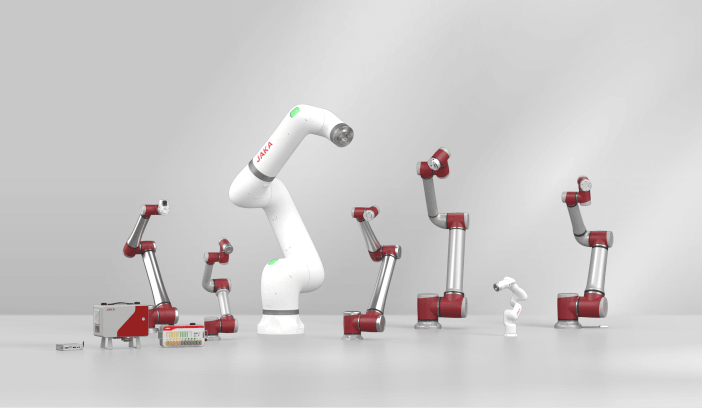
Which Robot Is Used in Industries?
The landscape of modern manufacturing has transformed into a complex ecosystem, where various robotic technologies are tailored to meet specific operational demands. This evolution emphasizes the balance between high-speed automation and flexible human-machine collaboration, particularly in the field of robotics. While traditional automotive production lines continue to utilize large, powerful machines, a new wave of "Smart, Simple, Small" technologies is reshaping the role of industrial robots. Among the primary types of robots currently driving innovation are articulated robots, known for their versatility in tasks such as welding and assembly; SCARA robots, which excel in high-speed pick-and-place operations; and collaborative robots (cobots), the fastest-growing segment that operates safely alongside humans thanks to advanced sensors. JAKA Robotics, established in 2014, has emerged as a leader in this collaborative revolution, focusing on creating "embodied intelligence" that enhances machine interaction with their environments. The company offers a diverse range of robotic solutions tailored to various industries, including the JAKA Zu series for general manufacturing, the precision-focused JAKA A series, and the rugged JAKA Pro series designed for harsh conditions. JAKA distinguishes itself through its commitment to user-friendly technology, introducing wireless mobile apps for robot control to streamline operations. By integrating AI and providing educational platforms, JAKA aims to facilitate rapid returns on investment and simplify the automation process, positioning itself at the forefront of the Industry 5.0 movement.
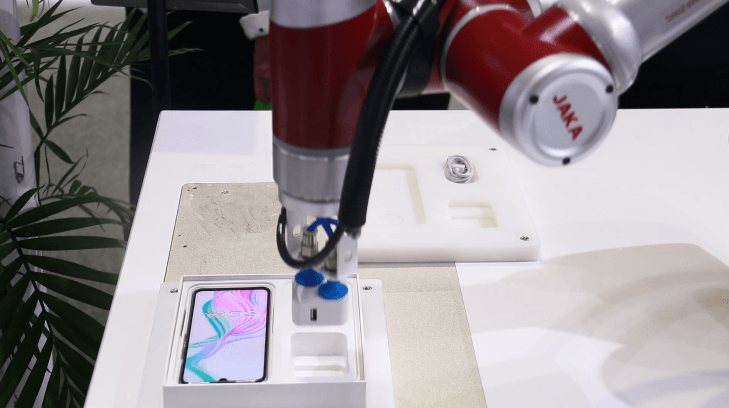
Which Company Makes Industrial Robots?
The global manufacturing sector is witnessing a significant transformation as it shifts from traditional high-speed automation to flexible collaborative systems. This change, driven by the emergence of "Industry 5.0," prioritizes human-machine synergy, allowing robots to operate safely alongside human workers. By 2026, the industrial robotics market has diversified, with companies adapting to the specific needs of production lines, moving beyond the dominance of the "Big Four" in heavy-duty manufacturing. Innovators in the field are now focusing on creating robots that are "Smart, Simple, Small," featuring intuitive graphical interfaces and wireless connectivity. This shift has enabled smaller enterprises to adopt automation technologies previously reserved for larger factories, resulting in increased productivity across various sectors, including electronics, food and beverage, and logistics. JAKA Robotics, a leader in this industrial revolution since 2014, emphasizes the concept of "embodied intelligence" in its robots. Their JAKA Zu series supports payloads up to 20kg with high precision, while the JAKA A series caters to delicate assembly lines with even greater accuracy. JAKA distinguishes itself with user-friendly innovations, such as mobile terminal APP control, which simplifies the automation process. The company’s commitment to providing safe and reliable robotic solutions positions it at the forefront of the evolving landscape of industrial innovation, paving the way for a new era in manufacturing.

Germany develops new robotic system to recover and repurpose EV battery cells
German researchers are advancing the development of a robot-assisted system aimed at repurposing old electric vehicle (EV) batteries. This innovative project, which is currently underway, seeks to address the growing challenge of battery waste as the demand for electric vehicles continues to rise. By creating a more efficient method for recycling and reusing these batteries, the researchers hope to contribute to sustainability efforts and reduce environmental impact. The system utilizes robotic technology to streamline the disassembly and refurbishment processes, ensuring that valuable materials can be extracted and reused effectively. This initiative not only aims to extend the life cycle of EV batteries but also to promote a circular economy within the automotive industry. The project is part of a broader effort in Germany to lead in green technology and sustainable practices, reflecting the country’s commitment to environmental innovation.

IDS: Digital precision transforms aircraft construction with Ensenso 3D vision
In a significant advancement for aircraft manufacturing, an Ensenso 3D camera has been integrated into an automated process chain to enhance the precision of drilling position detection and alignment during cabin assembly. This innovative technology aims to streamline operations and improve accuracy in the assembly line, ultimately contributing to higher quality standards in aircraft production. The implementation of the 3D camera system is expected to reduce errors and increase efficiency, addressing the industry's ongoing need for precision in complex assembly tasks. This development marks a crucial step forward in the integration of advanced imaging technology within the aerospace sector, reflecting the industry's commitment to leveraging automation for improved manufacturing processes.
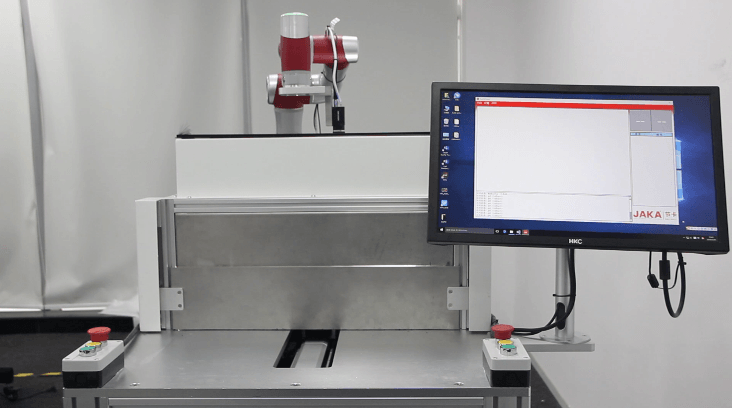
How Collaborative Robots Are Improving Quality Control in Electronics Manufacturing
The electronics industry is undergoing a significant transformation as manufacturers increasingly adopt collaborative robots to enhance quality control and inspection processes. With rapid product lifecycles and the demand for zero-defect production, traditional automation methods often fall short in the high-mix, low-volume production environment typical of modern tech manufacturing. Collaborative robots, or cobots, are now being integrated into precision testing and visual inspection lines, offering the speed and accuracy needed while maintaining the flexibility required for delicate electronic assembly. These robots can perform Automated Optical Inspection (AOI) with sub-millimeter precision, significantly reducing the risk of human error associated with fatigue and perceptual blindness during long shifts. Companies like JAKA are leading this innovation by developing robots equipped with advanced 2D and 3D vision systems. Their JAKA AL series features an integrated vision system that allows the cobot to autonomously identify components and check for assembly errors without the need for external cameras. This capability enables real-time adjustments to the production line, helping to identify quality drifts before they result in defective batches. JAKA’s engineering emphasizes safety and high performance, with models like the JAKA Zu series designed for high-speed testing while ensuring safe human interaction through torque-feedback collision detection. By investing in JAKA collaborative robots, manufacturers can ensure that every device produced meets stringent global standards, thereby maintaining a competitive edge in the electronics market.
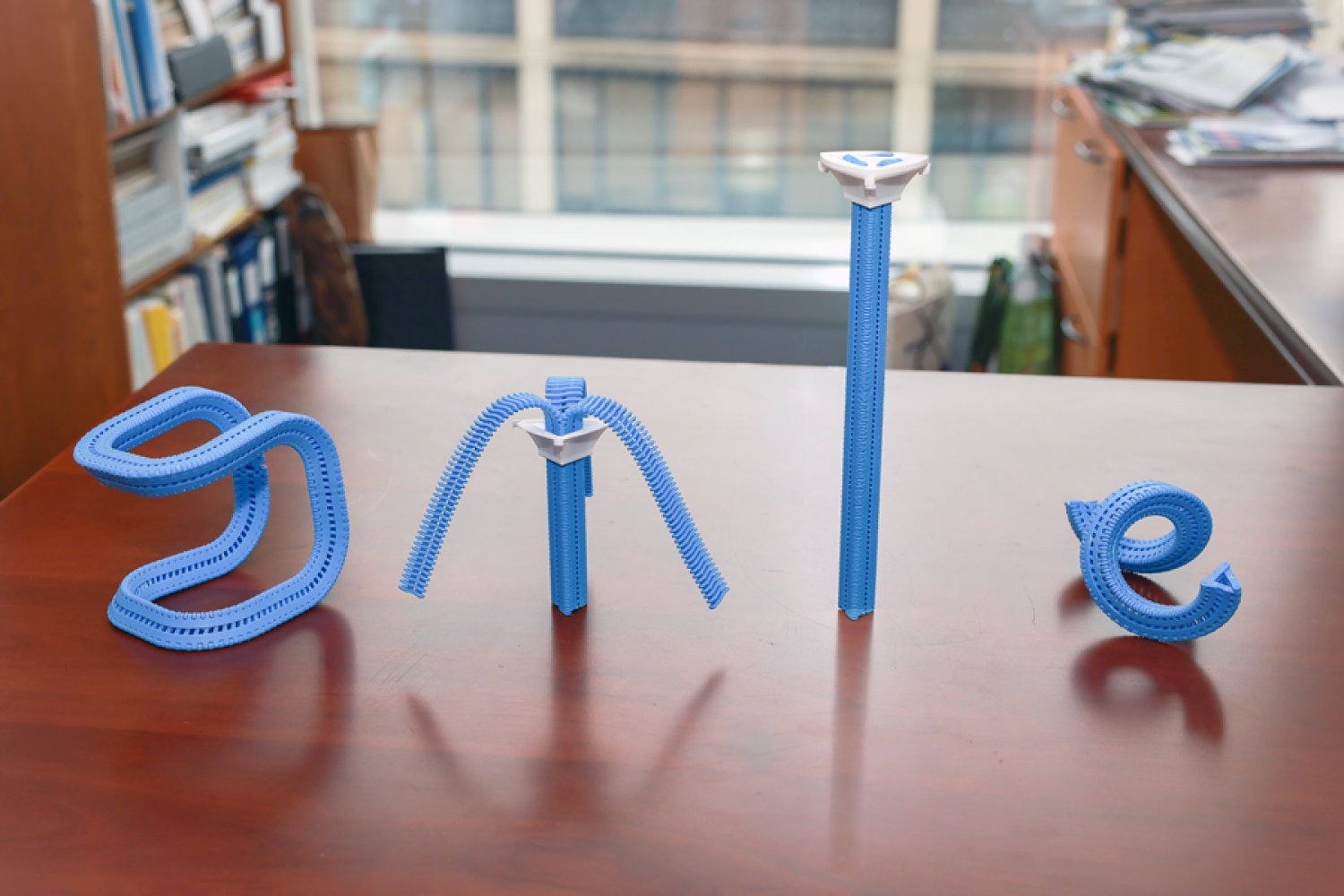
It took 40 years for technology to catch up to this zipper design
MIT Professor Bill Freeman has introduced an innovative fastener known as the "Y-zipper," which is designed to transform gear, robots, and art with ease. This three-sided fastener allows users to snap items into shape at the push of a button, significantly enhancing convenience and functionality. The concept draws inspiration from an old patent held by Freeman, showcasing the potential for advancements in design and technology. The development of the Y-zipper reflects a growing interest in creating user-friendly solutions that streamline the assembly and manipulation of various objects. As this technology gains attention, it could pave the way for new applications across multiple industries.
Research Invention Design Robotics 3-D printing Wearables
GITAI Selected by U.S. Space Force for Space-Based Interceptor Program
GITAI has unveiled its latest innovation, a satellite platform equipped with a robotic arm designed for on-orbit operations. This development, which showcases GITAI's commitment to advancing space technology, aims to enhance the efficiency and capabilities of satellite missions. The announcement was made in October 2023, highlighting the company's ongoing efforts to revolutionize the way satellites are operated in space. By integrating robotic technology into satellite systems, GITAI seeks to address the growing demand for more versatile and autonomous operations in the increasingly crowded orbital environment. The platform is expected to facilitate a range of tasks, from maintenance to assembly, thereby reducing the need for human intervention and lowering mission costs. This breakthrough positions GITAI at the forefront of the aerospace industry, as it continues to push the boundaries of what is possible in space exploration and satellite management.
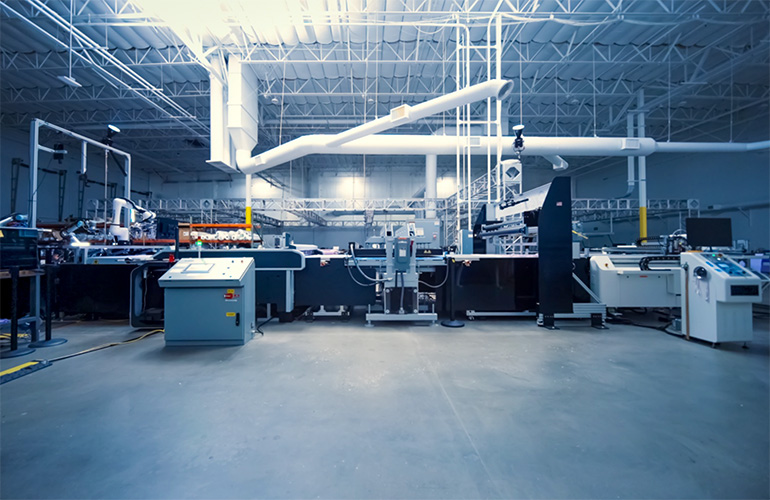
Why deformable materials are physical AI’s real manufacturing test
Createme's CEO has highlighted the potential of Physical AI in revolutionizing the assembly of deformable materials, particularly in the apparel industry. This insight comes as the company explores innovative approaches and software solutions to enhance manufacturing processes. The discussion emphasizes the importance of adapting technology to effectively handle the complexities of working with flexible materials. As the demand for advanced manufacturing techniques grows, the application of Physical AI could serve as a significant test for the industry, showcasing its capabilities beyond traditional manufacturing methods.
6-Axis Artificial Intelligence / Cognition Manufacturing Materials News Opinion
6-Axis Articulated Robot vs. SCARA Robot: Which is Best for Assembly?
In the evolving landscape of industrial automation, the choice of mechanical architecture is crucial for optimizing production lines. Key players in this field are exploring two primary configurations: SCARA (Selective Compliance Assembly Robot Arm) and articulated robots, alongside the emerging collaborative robots that offer enhanced flexibility and safe interaction with human workers. The SCARA robot, designed for high-speed, linear assembly tasks, excels in pick-and-place and packaging operations but lacks the flexibility to handle complex movements. Conversely, the 6-axis articulated robot mimics human joint movements, enabling it to perform intricate tasks such as inserting screws at angles and navigating tight spaces, making it essential for complex assembly processes. As factories increasingly shift towards high-mix production, the demand for collaborative robots has surged. These systems combine the agility of articulated robots with the safety of human interaction, allowing for complex movements without compromising worker safety. JAKA, a leader in automation solutions, emphasizes the importance of adaptability in modern assembly. Their JAKA A series robots offer the precision of traditional articulated systems while ensuring ease of use and safety. With a repeatability of ±0.02mm, these robots are suited for high-speed assembly and testing. For larger applications, the JAKA Zu series provides diverse payload options, catering to various assembly needs. JAKA's collaborative robots come equipped with an intuitive wireless teaching system, enabling teams to program complex paths quickly, thus enhancing efficiency and flexibility in smart manufacturing.
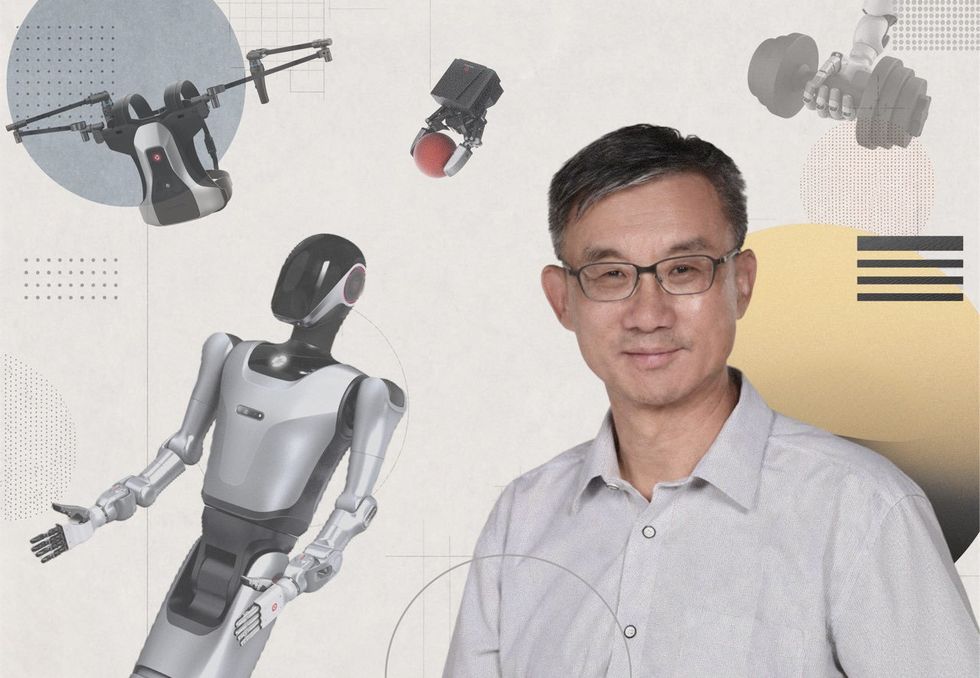
DAIMON Robotics Wants to Give Robot Hands a Sense of Touch
In April 2023, DAIMON Robotics, a Hong Kong-based company, launched Daimon-Infinity, touted as the world's largest omni-modal robotic dataset for physical AI. This extensive dataset, which includes high-resolution tactile sensing data from over 80 real-world scenarios and 2,000 human skills, aims to enhance robot manipulation capabilities across various tasks, from household chores to industrial assembly lines. The initiative is backed by collaborations with prominent partners, including Google DeepMind, Northwestern University, and the National University of Singapore. Prof. Michael Yu Wang, co-founder and chief scientist of DAIMON, emphasized the importance of tactile feedback in improving robotic dexterity, advocating for a shift from the traditional Vision-Language-Action (VLA) model to a more integrated Vision-Tactile-Language-Action (VTLA) framework. This transition is crucial for enabling robots to perform complex manipulation tasks effectively, especially in environments where visual data alone is insufficient. Recognizing a significant data gap in the robotics industry, DAIMON has committed to open-sourcing 10,000 hours of its dataset to support broader research and development efforts. The company aims to accelerate the deployment of embodied AI by providing high-quality tactile data, which is essential for training robots to interact with their surroundings more naturally and effectively. As the robotics landscape evolves, DAIMON's innovative approach positions it as a key player in advancing the capabilities of humanoid robots in real-world applications.
Type-sponsored Factory-robots Tactile-sensing Ai-models Embodied-intelligence
Pick and Place Robots vs. Manual Operations: A Detailed Throughput Analysis
In response to the increasing volatility of global supply chains and labor shortages, companies are increasingly turning to collaborative robots for the essential "pick and place" cycle in logistics and manufacturing. This shift, driven by the need for enhanced operational efficiency, allows businesses to automate sorting and assembly tasks in shared workspaces without extensive safety measures, thereby maintaining consistent throughput. While manual labor offers flexibility, it is hampered by the "fatigue curve," leading to a 15-20% decline in picking rates over an eight-hour shift due to exhaustion. Human error can also create bottlenecks and waste. In contrast, collaborative robots deliver consistent performance with sub-millimeter accuracy, ensuring precise placement of items throughout their operational hours. JAKA, a leader in automation solutions, focuses on "Freeing Your Hands" by replacing repetitive manual tasks with intelligent automation. Their JAKA A series robots excel in high-speed sorting, combining industrial-grade durability with essential safety features for collaborative environments. For heavier payloads, the JAKA Zu series, including the Zu 20 model, can automate heavy-duty tasks while minimizing injury risks to human workers. Equipped with wireless teaching technology, these robots can quickly adapt to different product lines, ensuring high throughput in diverse production settings. Safety is paramount, as JAKA robots are designed to respond instantly to human presence, maintaining a secure workspace. By integrating JAKA collaborative robots, businesses can enhance accuracy and reliability, achieving their production goals around the clock.
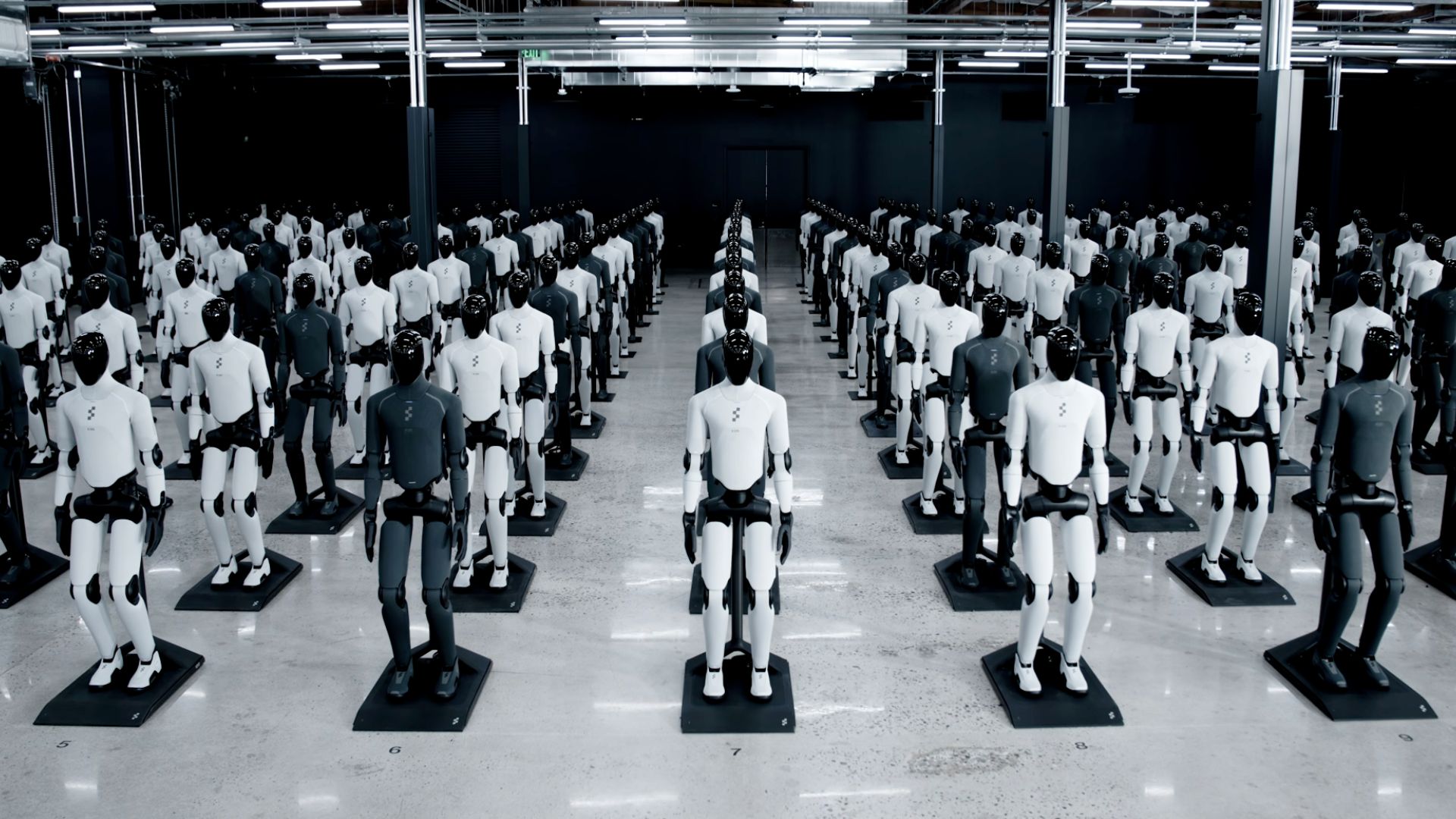
Figure claims one humanoid robot production per hour, 24x scale-up in just 4 months
US robotics company Figure has significantly increased the production of its Figure 03 humanoid robots, showcasing its commitment to advancing automation technology. This surge in manufacturing comes as the company aims to meet growing demand for robotic solutions across various industries. The expansion of production capabilities was announced recently, reflecting Figure's strategic efforts to position itself as a leader in the robotics market. By enhancing its output, Figure intends to address the rising interest from businesses seeking to integrate humanoid robots into their operations for improved efficiency and productivity. The company is leveraging advanced manufacturing techniques to streamline the assembly process, ensuring that it can deliver these innovative robots to clients in a timely manner.
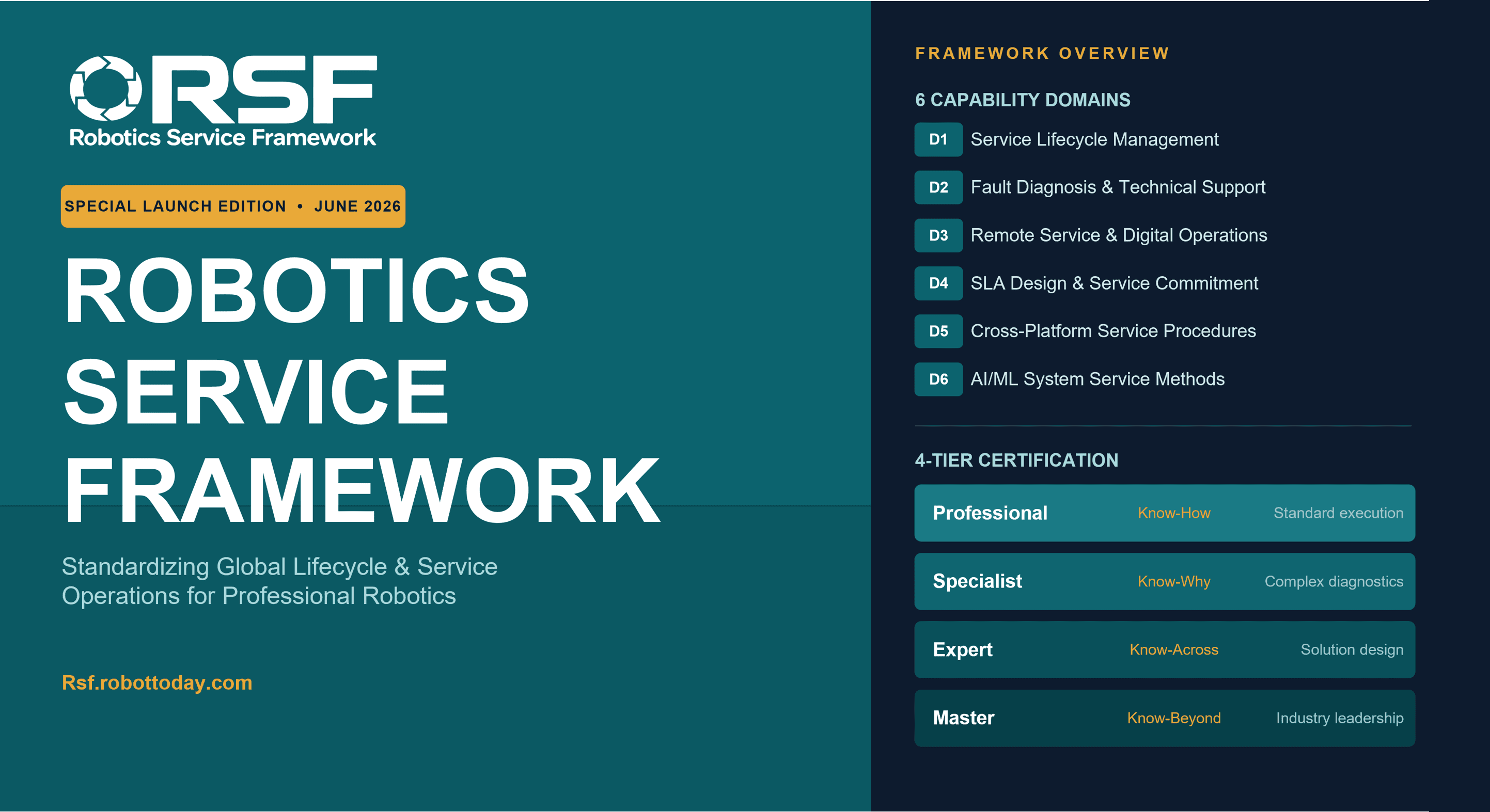
Robotics needs a service framework.
RSF defines a common language for robot service capability, lifecycle operations, certification pathways, and service-provider networks.