

Industry Briefing
A single destination for timely, editor-curated robotics news from around the world.
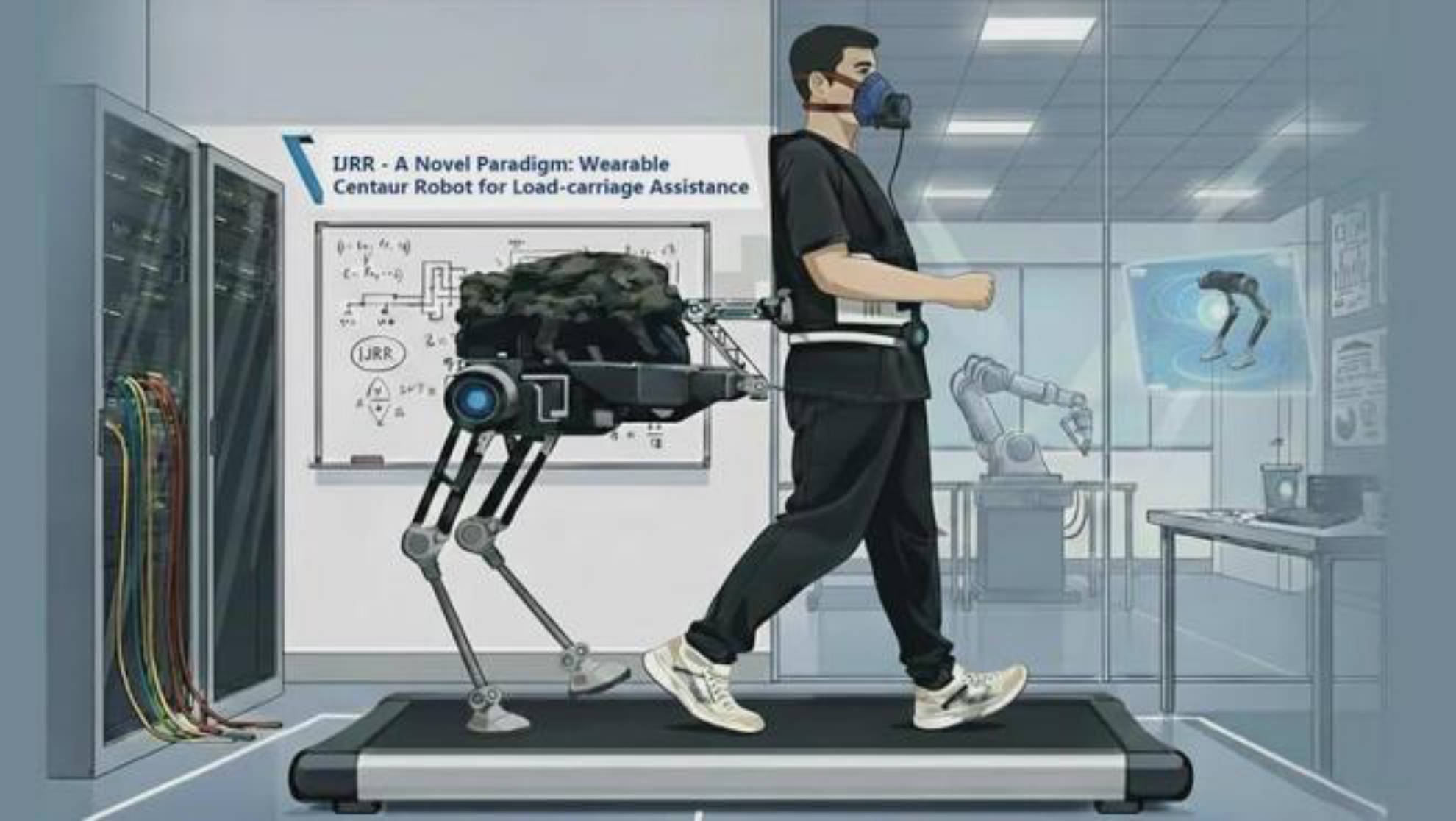
Breakthrough! Chinese Scientists Create 'Centaur' Robot Capable of Carrying 20kg Effortlessly, Featured in IJRR
A team of researchers from China has unveiled a groundbreaking 'Centaur' robot, designed to function as an independent mechanical limb that enables individuals to carry heavy loads with ease. This innovative technology, which enhances mobility and alleviates physical strain, represents a significant leap forward in the field of wearable load-bearing devices. The development aims to improve the quality of life for users by reducing the physical burden associated with lifting and transporting heavy items. The Centaur robot showcases advanced engineering and design, reflecting the ongoing efforts to integrate robotics into everyday human activities.
Wearable Robotics Load-Bearing Technology Robotics Research Exoskeletons Human-Robot Collaboration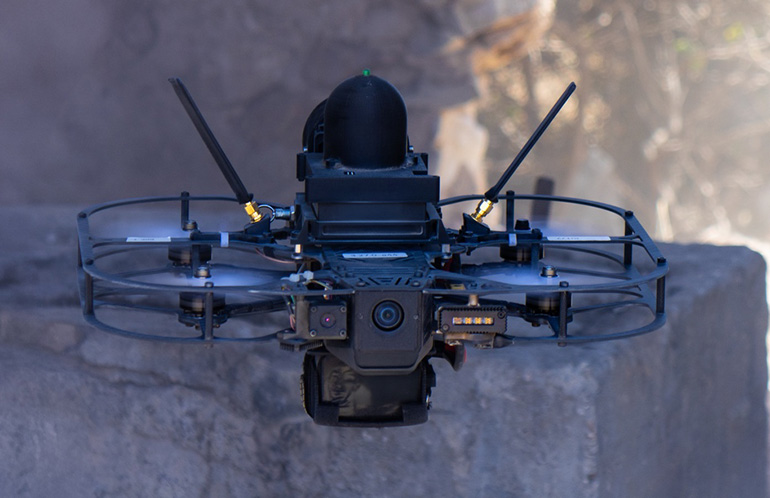
XTEND Receives U.S. Patent for Drone Autonomy Technology Enhancing Mission Efficiency
XTEND Reality Inc. has secured a U.S. patent for its autonomous navigation technology, specifically U.S. Patent No. 12,222,735, which allows drones to navigate toward operator-designated destinations without reliance on the surrounding environment. This patent, also granted in Israel, supports the company's mission to enhance drone autonomy in complex operational settings, reducing operator workload and improving mission execution reliability. The significance of this patent lies in its ability to enable drones to adapt their navigation in real-time while maintaining focus on mission objectives. As autonomous operations grow in defense, security, and public safety sectors, this technology positions XTEND favorably in a competitive landscape, reinforcing its software foundation, XOS, for next-generation autonomous systems. Looking ahead, XTEND is set to participate in the Gauntlet II phase of the U.S. Department of War's Drone Dominance Program, which will test autonomous systems in August at Fort Carson, Colorado. No further timeline was disclosed at the time of publication regarding additional developments related to this patent or upcoming projects.
Controllers Defense / Security Investments Mergers & Acquisitions News Unmanned Aerial Systems / Drones
SpaceX's Starmind Targets AI Labs with $6.3 Billion Compute Contracts
SpaceX's Starmind is designed to provide wholesale AI compute services to businesses, particularly AI labs and cloud customers, rather than individual consumers. The service operates similarly to AWS, where users benefit from applications running on Starmind without direct subscriptions. The compute capacity of a single AI1 satellite is comparable to one NVIDIA GB300 rack, emphasizing its enterprise-grade capabilities. The significance of Starmind lies in its positioning as a potential fourth hyperscaler, joining the ranks of AWS, Microsoft Azure, and Google Cloud. The Reflection AI contract, valued at $150 million per month, exemplifies the enterprise-focused model, with total payments potentially reaching $6.3 billion through 2029. This contract highlights the growing demand for AI compute resources, particularly from AI-native startups and labs. Looking ahead, the focus will remain on securing additional enterprise contracts as Starmind expands its offerings. No consumer-facing products or subscriptions have been announced, and the current strategy is to cater to businesses with substantial AI workloads. No further timeline was disclosed at the time of publication.
SpaceX's Starship V3 Plans for 1 Million Starmind Satellites by 2030
SpaceX's Starship V3 is set to revolutionize satellite deployment, aiming to launch 1 million Starmind satellites by 2030. The spacecraft can carry over 100 tonnes to low Earth orbit (LEO), significantly more than the Falcon 9's capacity. As of May 2026, Starship has completed 12 flights, with the next mission scheduled for late July 2026, focusing on operational payloads including AI1 prototypes in early 2027. This ambitious plan is crucial for expanding orbital compute capacity, targeting an annual addition of 100 GW through a million tonnes of satellite hardware. SpaceX's strategy hinges on achieving a launch cadence of approximately 12,000 flights, equating to about three launches per day. The company has invested over $15 billion in the Starship program, with expectations to begin payload deliveries in the second half of 2026, starting with Starlink V3 satellites. Looking ahead, the successful deployment of the Starmind constellation will depend on Starship's ability to meet its cost targets of $10–20 million per flight. If achieved, this would make launching satellites more economical than building ground data centers. The next significant milestone will be the launch of AI1 prototypes in early 2027, with full-scale deployments commencing in 2028 from the new Gigasat factory in Texas.

SpaceX's Starmind Project: Supplier Strategy and Chip Manufacturing Plans for 2026
SpaceX's Starmind project, aimed at deploying up to 1 million AI satellites, was filed with the FCC on January 30, 2026. The initiative is designed to minimize reliance on external suppliers, with CEO Elon Musk stating that current chip production capabilities only meet 2% of the projected needs. The first satellite, AI1, is set for prototype launches in early 2027, featuring a 70-meter wingspan and a modular payload system that allows for interchangeable chips from various suppliers. The significance of Starmind lies in its ambitious supply chain strategy, which seeks to transition from external hardware suppliers to a fully integrated Musk-owned facility by 2028. The Gigasat manufacturing site in Bastrop, Texas, is expected to be operational by the end of 2027, with plans for high-volume production of the D3 chip, specifically designed for space applications. This approach aims to consolidate chip manufacturing processes under the Terafab joint venture, which has an estimated initial investment of $55 billion. Looking ahead, the next milestone for Starmind is the launch of AI1 prototypes in early 2027, while the full-scale chip production at Terafab is projected to ramp up significantly thereafter. However, analysts express skepticism regarding the feasibility of achieving Musk's ambitious compute goals, which may require substantial investment and time to establish the necessary manufacturing capabilities.
SpaceX Proposes 1 Million AI Satellites to Address Ground Data Center Constraints
On January 30, 2026, SpaceX filed with the FCC to launch up to 1 million AI compute satellites, positioning orbital data centers as a solution to the increasing demand for AI computing power. Ground data centers are facing significant challenges, with energy consumption projected to reach approximately 1,050 TWh in 2026, making them the fifth-largest electricity consumer globally. The demand for new data center capacity is outpacing the growth of power generation infrastructure, leading to a critical bottleneck in the grid system. The significance of this initiative lies in the structural constraints faced by ground data centers, including power delivery limitations, high water consumption, and local opposition to new projects. The Uptime Institute's 2026 outlook identifies power as the primary constraint on data center growth, with capacity clearing prices in the PJM grid skyrocketing to $329.17/MW, driven by data center expansion. Additionally, cooling requirements are becoming increasingly unsustainable, with facilities consuming vast amounts of water, further complicating their operational viability. Looking ahead, SpaceX's orbital AI compute initiative aims to circumvent these challenges by leveraging the advantages of space, such as continuous solar power and minimal local opposition. The first AI prototypes are expected to launch in early 2027, with operational deployments planned for 2028. No further timeline was disclosed at the time of publication.
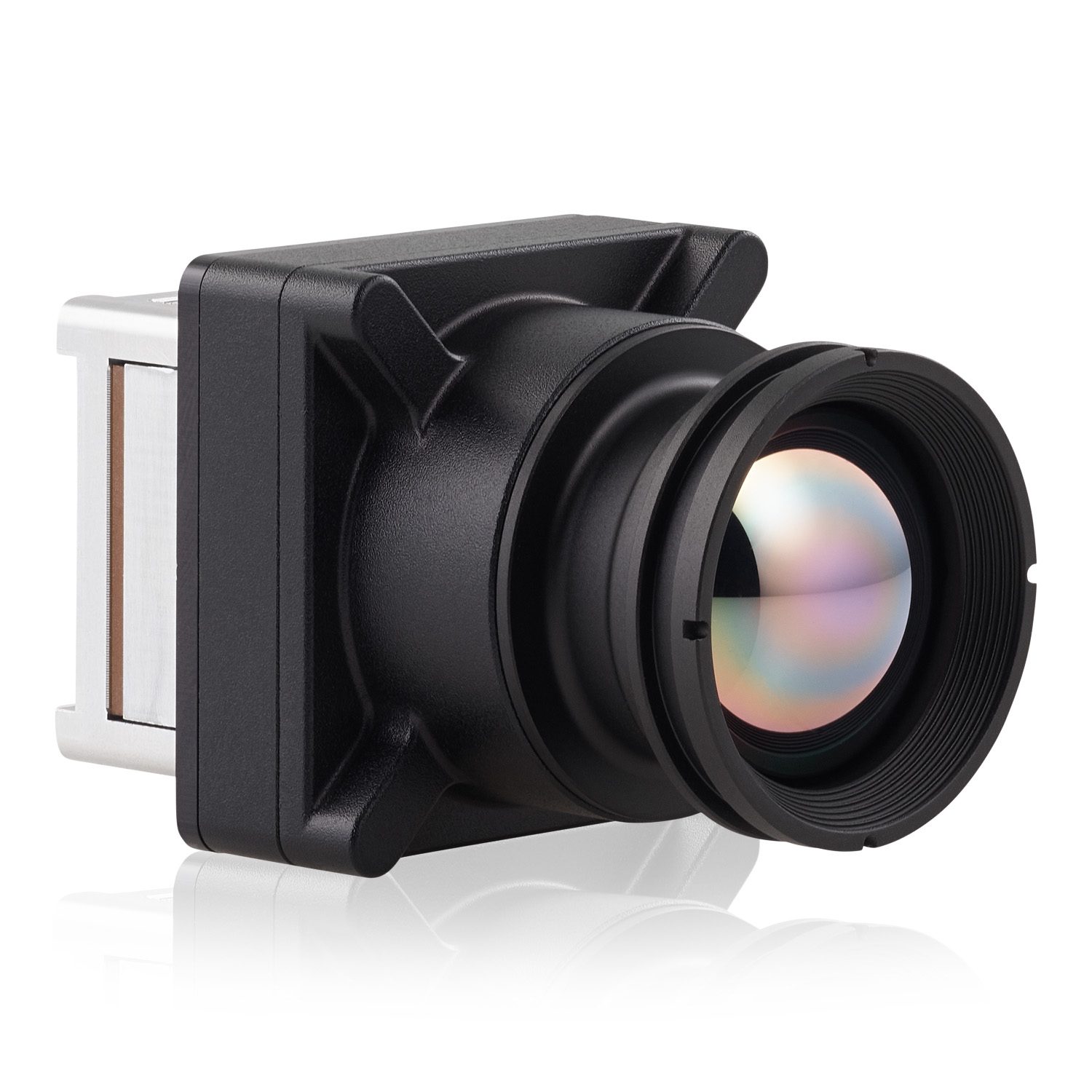
New Boson SX8 Brings High-Resolution Thermal Imaging to NDAA-Compliant Drone Payloads
Teledyne FLIR OEM has unveiled the Boson SX8, a cutting-edge longwave infrared (LWIR) thermal camera module aimed at defense, industrial, and uncrewed systems applications. Announced recently, the Boson SX8 stands out as the first NDAA-compliant, volume-production uncooled thermal camera module, merging high SXGA resolution with a compact design. This innovation is expected to enhance the capabilities of drone payloads, providing high-resolution thermal imaging for various applications. The development reflects a commitment to U.S. manufacturing and addresses the growing demand for advanced thermal imaging solutions in critical sectors.
Applications Defense defense Drone News Drone News Feeds drone parts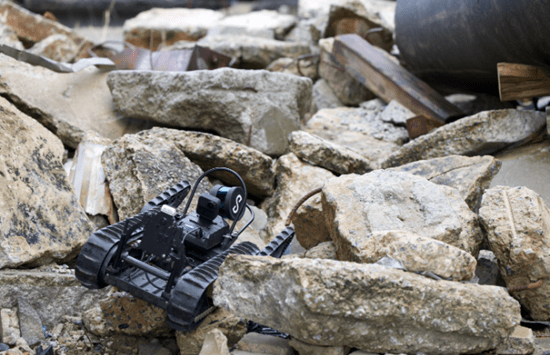
Teledyne FLIR Defense Expands Payload Program with Emesent Hovermap for GPS-Denied Operations
Teledyne FLIR Defense has announced an expansion of its Third-Party Payload Integration Program by incorporating Emesent’s Hovermap LiDAR payload, a development unveiled at the Modern Day Marine 2026 event. This integration enables the Hovermap system to function seamlessly across Teledyne FLIR’s unmanned aerial systems (UAS) and ground robots, enhancing capabilities in GPS-denied environments. The collaboration aims to improve operational efficiency and data accuracy in various defense applications, allowing for advanced mapping and radiation detection across both air and ground platforms.
Applications Defense Drone News Drone News Feeds Dual Use LiDAR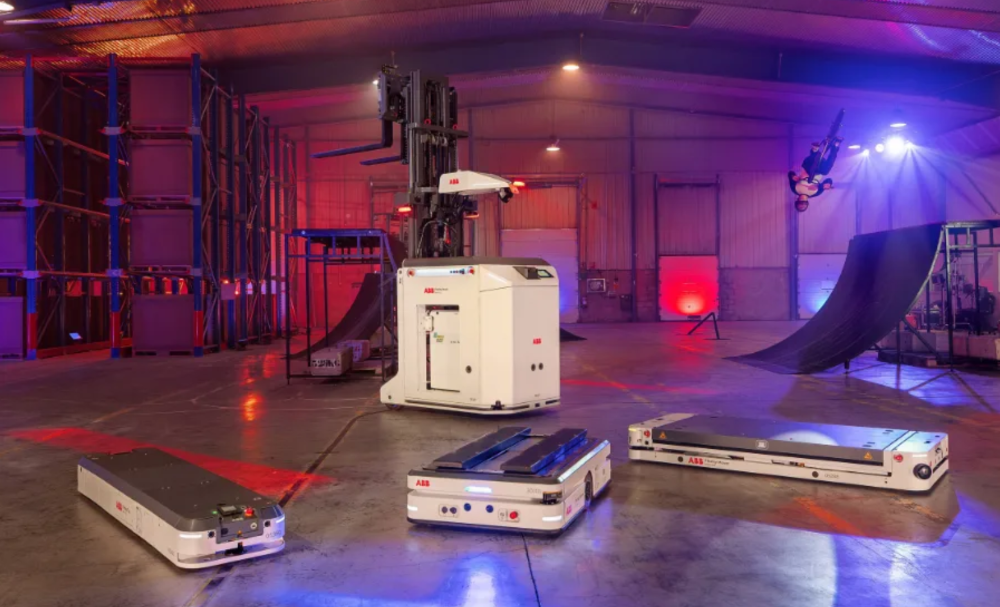
ABB Introduces Flexley Stack F712 AI-Powered Forklift with Visual SLAM Technology
On July 8, ABB Robotics launched the Flexley Stack F712, an AI-driven autonomous forklift utilizing visual SLAM technology. This product completes ABB's lineup of autonomous mobile robots (AMRs), which now includes forklifts, tuggers, and transport vehicles. The F712 can handle various load types, with a maximum capacity of 2000 kg and a lifting height of 8.5 meters, achieving a top speed of 1.7 meters per second under full load. The significance of the F712 lies in its advanced navigation capabilities, which eliminate the need for traditional infrastructure like reflective markers or magnetic strips. With a positioning accuracy of ±10 mm, the F712 can autonomously navigate complex warehouse environments. It integrates seamlessly with the AMR Studio software, allowing for rapid deployment and fleet coordination, reducing debugging time by 20% compared to traditional systems. Looking ahead, the F712 is designed to support various internal logistics tasks, including warehousing and production line operations, and is compliant with the latest ISO and ANSI safety standards. No further timeline was disclosed at the time of publication, but the F712 represents a significant step towards more autonomous and capable robotic solutions in smart manufacturing environments.
Autonomous Forklifts AI Robotics Warehouse Automation Visual SLAM Logistics Technology
CATL’s cell-making factory gets Galbot’s heavy-load humanoid robot as new worker
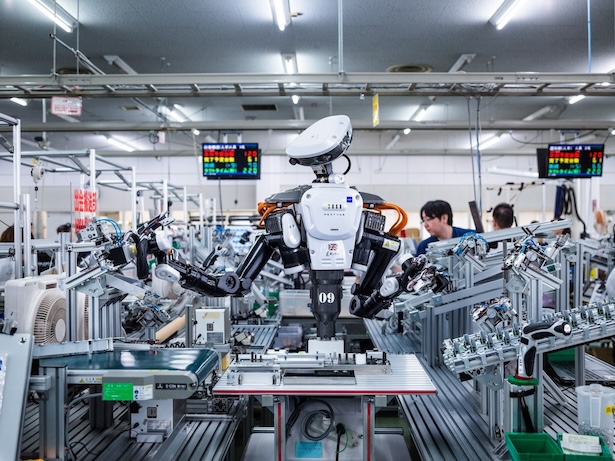
Contemporary Amperex Technology Co., Limited (CATL), the leading global manufacturer of power batteries, has introduced its first heavy-load humanoid robot, marking a significant advancement in automation technology. This innovative robot was unveiled during a recent event held at CATL's headquarters in Ningde, China. The deployment of this humanoid robot is part of CATL's ongoing efforts to enhance operational efficiency and reduce labor costs in its manufacturing processes. By integrating advanced robotics into its production lines, CATL aims to streamline workflows and improve productivity. The introduction of this technology reflects the company's commitment to innovation and its strategic focus on automation in response to the growing demand for electric vehicle batteries.
AI and Robotics
How FERC’s Large-Load Interconnection Actions Help Address Grid Stress, Improve Affordability
The Federal Energy Regulatory Commission (FERC) announced a significant decision today regarding large-load interconnections, which will notably affect the construction of AI factories and semiconductor fabrication facilities. This milestone aims to streamline the process for connecting these power-intensive operations to the grid, addressing the growing demand for energy as technology sectors expand. The decision comes at a crucial time when the U.S. is focusing on enhancing its infrastructure to support emerging industries. By simplifying the interconnection process, FERC seeks to facilitate the rapid development of these facilities, ultimately fostering innovation and economic growth in the technology sector.

Astrobotic unveils Griffin-1, NASA’s Moon Base lander with 1,377-lb payload, for 2026
Astrobotic has officially introduced its Griffin-1 lunar lander, which has been chosen by NASA for future lunar missions. The unveiling took place during a recent event, showcasing the lander's advanced technology and design aimed at facilitating exploration and research on the Moon. This selection is part of NASA's broader Artemis program, which seeks to return humans to the lunar surface and establish a sustainable presence there. The Griffin-1 is expected to play a crucial role in delivering payloads to the Moon, supporting scientific experiments and technology demonstrations. Astrobotic's commitment to lunar exploration underscores the growing interest in space commercialization and international collaboration in scientific endeavors.
Space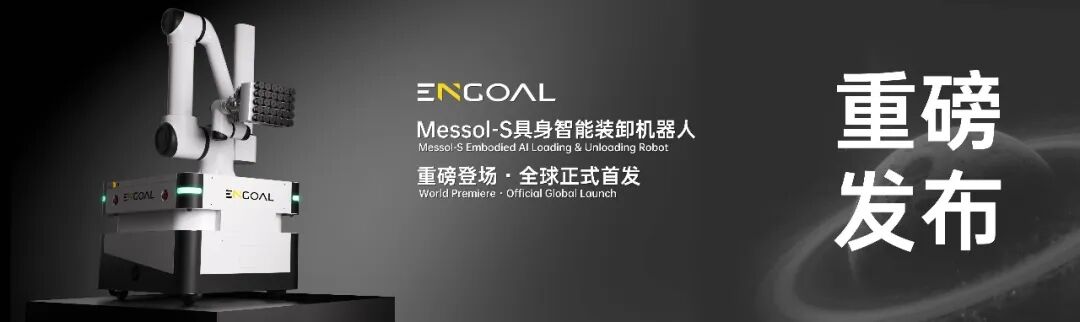
Engoal Launches Messol-S Intelligent Loading Robot to Tackle Mixed Box Challenges
Engoal has unveiled the Messol-S, an advanced intelligent loading robot aimed at simplifying the challenges of mixed box loading in automated logistics. The launch, which took place recently, highlights the robot's capabilities, including dual 3D vision and SLAM navigation technology. These features enable the Messol-S to adapt to different box sizes and stacking techniques, thereby minimizing product damage and improving operational efficiency within warehouse environments. This innovation is expected to transform logistics operations by streamlining the loading process and enhancing overall productivity.
Intelligent Robotics Logistics Automation Warehouse Solutions AI Technology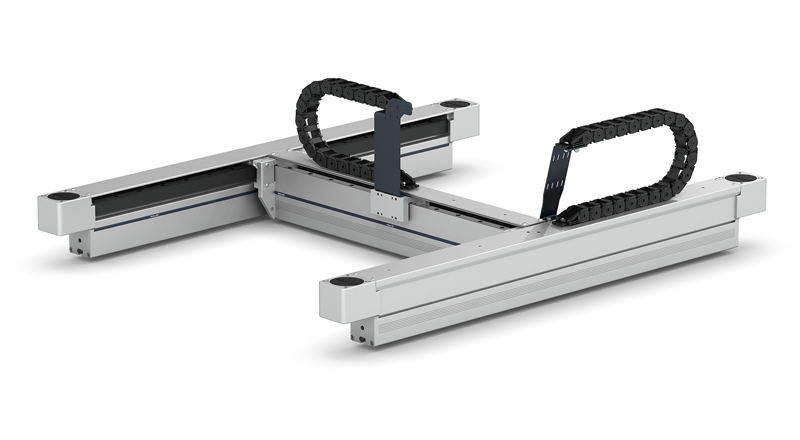
H-Bot for loads up to 10 kg
The H-Bot portal robot from Rollon is designed to deliver high precision, dynamic performance, and versatility while maintaining a compact structure. This innovative robot is capable of handling loads of up to 10 kilograms, making it particularly suitable for applications in the medical technology sector. With its expansive working range, the H-Bot is positioned to meet the demands of various tasks within healthcare environments, enhancing efficiency and effectiveness in medical operations.
Allgemein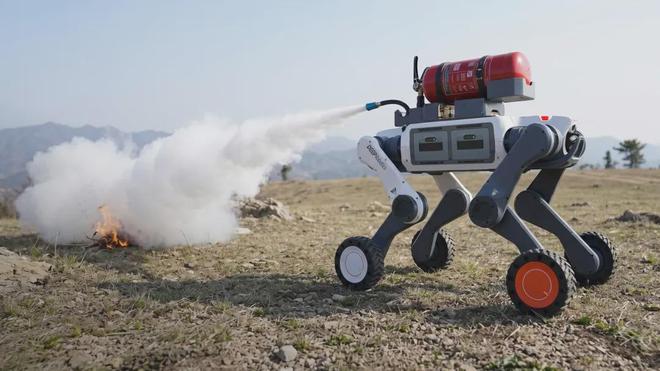
Launch of the Lynx M20S: Wheeled-Leg Robot Enters Performance Competition, Cloud Depth Technology is Redefining Industry Standards!
On April 27, Cloud Depth Technology introduced the Lynx M20S, an advanced wheeled-leg robot designed to improve efficiency in industrial applications. This upgraded model boasts a continuous operational load capacity of 35 kilograms and achieves a remarkable 233% increase in performance compared to its predecessor. The enhancements in load capacity, protection, and speed position the M20S as a significant advancement in the field of industrial robotics, setting a new standard for future developments in the sector.
Wheeled-Leg Robots Industrial Automation Robotics Technology Performance Enhancement
A New Era of Ton-Class Heavy Load Begins | The Global Debut of "Ton-Class Heavy Load Robot Horse" by Daka Robotics
Daka Robotics has unveiled its groundbreaking "Ton-Class Heavy Load Robot Horse," marking a significant advancement in heavy load transportation technology. The global debut took place at an industry conference held in Shanghai on October 15, 2023. This innovative robot horse is designed to efficiently transport heavy materials across various terrains, addressing the growing demand for robust logistics solutions in sectors such as construction and agriculture. The introduction of this technology comes in response to the increasing challenges faced by industries that require reliable and powerful transportation methods for heavy loads. Daka Robotics aims to enhance operational efficiency and reduce labor costs with this autonomous solution, which can navigate complex environments with ease. The robot horse is equipped with advanced sensors and AI-driven navigation systems, allowing it to operate safely and effectively in diverse conditions. This debut not only showcases Daka Robotics' commitment to innovation but also sets a new standard in the field of heavy load transportation, promising to transform how industries manage logistics in the future.
Robotics Automation AI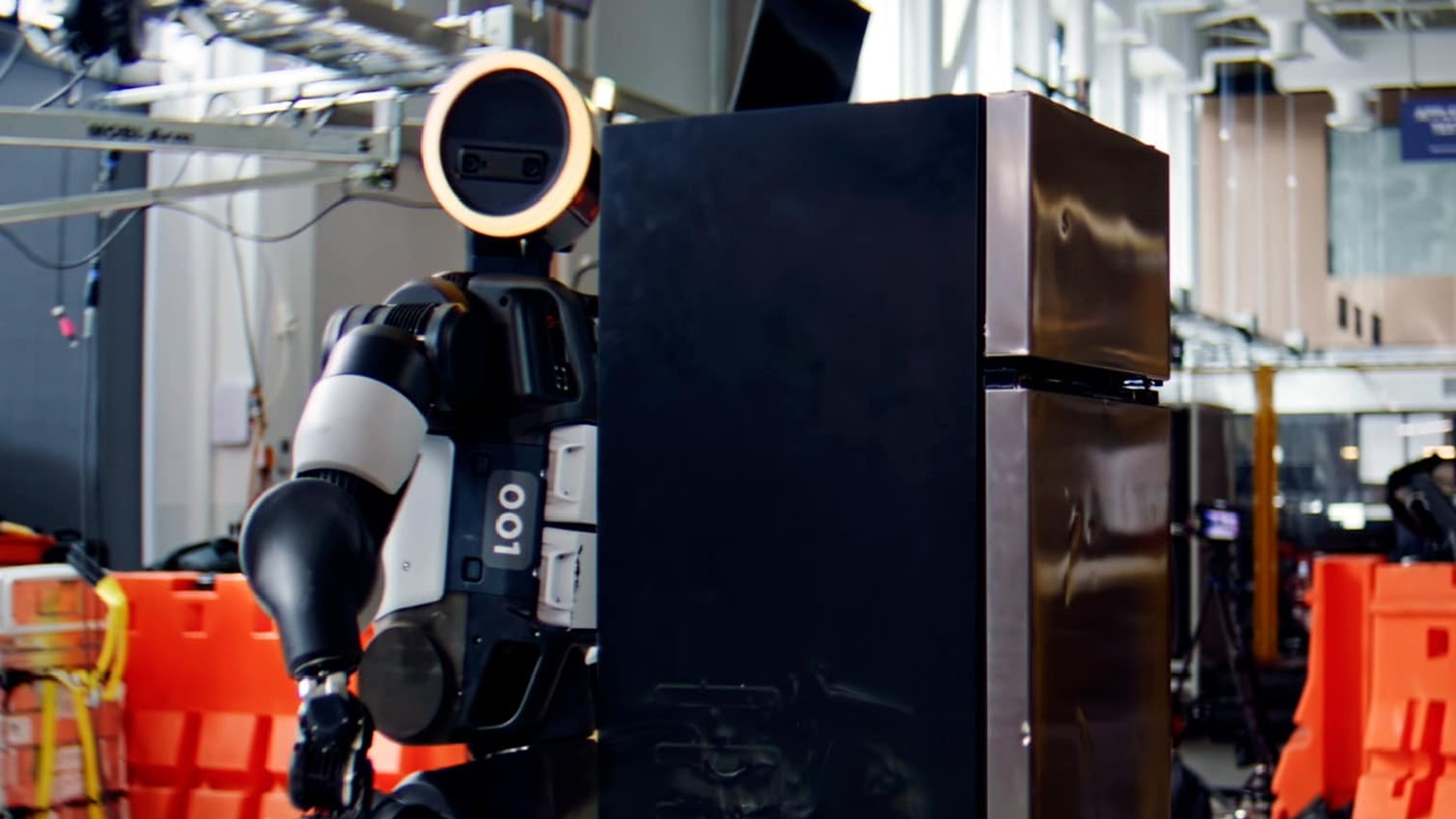
Boston Dynamics reveals how Atlas robot lifts 100-pound industrial loads at scale
Boston Dynamics has unveiled the training process behind its Atlas humanoid robot, showcasing its ability to lift and carry heavy objects. This development was announced in a recent demonstration, highlighting the robot's advanced capabilities in handling various tasks. The event took place in October 2023, where engineers detailed the methods used to enhance Atlas's physical skills. The motivation behind this innovation stems from the growing demand for robots that can assist in labor-intensive environments, such as warehouses and construction sites. By equipping Atlas with the ability to perform complex lifting and carrying tasks, Boston Dynamics aims to address labor shortages and improve efficiency in these sectors. The training involved a combination of machine learning techniques and physical simulations, allowing the robot to understand and adapt to different weights and shapes of objects. This iterative process enabled Atlas to refine its movements and improve its stability while handling heavy loads. As a result, the robot is now capable of executing tasks that require both strength and precision, marking a significant advancement in robotics technology.
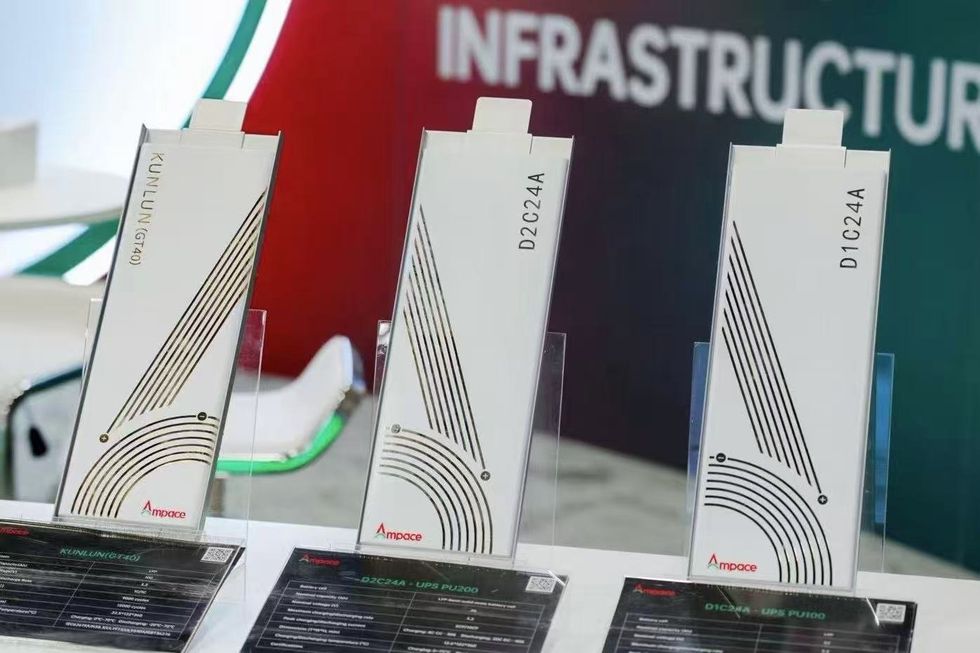
Neutralizing the Gigascale Problem: How to Solve the Physical Power Paradox of Extreme AI Training Loads
As the demand for AI workloads escalates, the data center industry is confronting significant challenges related to power stability. At Data Center World 2026 in Washington, D.C., Ampace and Eaton highlighted these issues during their session titled "Powering Giga-scale AI." They discussed how modern AI computing clusters, which rely on extensive GPU setups, create abrupt and high-frequency power fluctuations that can destabilize local grids. Traditional backup systems, such as diesel generators, struggle to respond to these rapid changes, leading to costly infrastructure oversizing. To address this "power paradox," Ampace is introducing its semi-solid-state battery technology, which acts as a high-speed stabilizer for power spikes, thereby enhancing the reliability of AI infrastructure. This innovation is designed to work in tandem with Eaton's advanced UPS systems, which prioritize rapid load responsiveness. By transforming energy storage from a passive backup into an active component, the collaboration aims to ensure continuous AI operations while minimizing the risk of grid stress. Ampace's approach not only enhances safety by reducing the risk of thermal runaway but also optimizes the total cost of ownership for AI data centers by allowing operators to right-size their infrastructure. As AI technology continues to evolve, Ampace is committed to developing solutions that align with future grid requirements and ensure the resilience of AI systems.
Batteries Power-electronics Data-centers Energy-storage Ai-infrastructure
ARBOR Technology Unveils ARES-2100 Series for Next-Generation Edge AI with Intel Core Series 3 Processors
A new technology aimed at enhancing industrial automation has been introduced, focusing on machine vision and lightweight edge AI inference workloads. This innovation is set to facilitate the deployment of smart factory applications, allowing for more efficient operations in manufacturing environments. The development comes in response to the growing demand for advanced automation solutions that can improve productivity and reduce operational costs. By leveraging cutting-edge AI capabilities, the technology enables real-time data processing and decision-making at the edge, minimizing latency and enhancing overall system performance. This advancement is expected to significantly impact the manufacturing sector, providing businesses with the tools necessary to adapt to the rapidly evolving landscape of industrial automation.

Teledyne FLIR adds Emesent Hovermap to third-party payload programme
Teledyne FLIR Defense has announced the certification of Emesent’s Hovermap LiDAR payload for integration with its uncrewed aerial systems (UAS), ground robots, and radiation detection platforms. This development, which took place in October 2023, enhances the capabilities of Teledyne FLIR's technology by allowing for advanced mapping and navigation in various environments. The certification aims to improve operational efficiency and data collection accuracy in defense and industrial applications. By incorporating the Hovermap LiDAR payload, Teledyne FLIR Defense is positioned to offer more robust solutions for complex missions, leveraging Emesent's innovative technology to enhance situational awareness and safety.
News
Teledyne FLIR Defense Grows Third-Party Payload Integration Program, Adds Emesent Hovermap LiDAR for Unmanned Air, Ground, and Detection Platforms
A newly certified payload is set to enhance the capabilities of drones, robots, and radiation detection systems, facilitating faster deployment of mapping in environments where GPS signals are unavailable. This innovative technology aims to improve the efficiency of fused Chemical, Biological, Radiological, and Nuclear (CBRN) visualizations, which are critical for various applications, including emergency response and environmental monitoring. The certification, achieved in October 2023, underscores the growing importance of advanced technological solutions in navigating complex and hazardous situations. By integrating these systems, operators can obtain real-time data and insights, significantly improving situational awareness and decision-making in challenging scenarios.
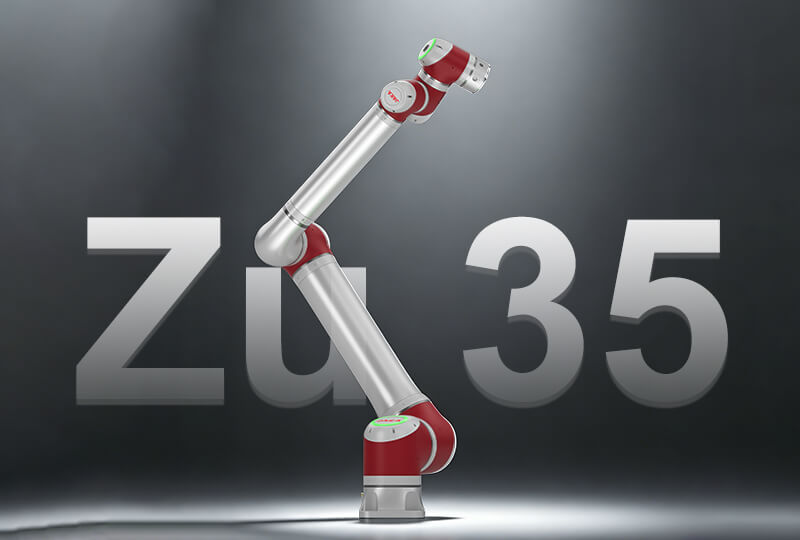
JAKA Zu35: Defining a New Realm of High-Payload Cobots
Manufacturers are increasingly seeking to automate complex tasks, leading to the introduction of the JAKA Zu35, a powerful collaborative robot (cobot) designed to enhance industrial performance. Launched recently, the Zu35 features a 35 kg payload capacity and a 2,000 mm reach, making it the most robust cobot in JAKA's lineup. This innovative robot is tailored for heavy-duty applications such as large-scale palletizing, machine tending for heavy parts, and high-torque assembly, effectively expanding the capabilities of collaborative robots. Its reach surpasses that of other cobots in the same weight class by 11% and outperforms industrial robots by 9%, allowing it to manage full-sized pallets and dual-station setups efficiently. The Zu35's high payload capacity, which exceeds typical heavy-duty cobots by 17%, enables the use of heavier end-effectors and the processing of multiple parts in a single cycle. Despite its size, it maintains impressive precision with a repeatability of ±0.05 mm. At the core of the Zu35 is advanced motion control technology, designed for reliability in high-throughput environments. With improved joint speeds reaching up to 300°/s, it can achieve a palletizing rate of 12 cycles per minute. The robot also features a 1kHz control loop and EtherCAT for real-time synchronization, ensuring smooth operation while protecting delicate workpieces. Additionally, the Zu35 incorporates innovative thermal management and fail-safe protection, including electromagnetic disc brakes, ensuring long-term reliability and safety during continuous operation.
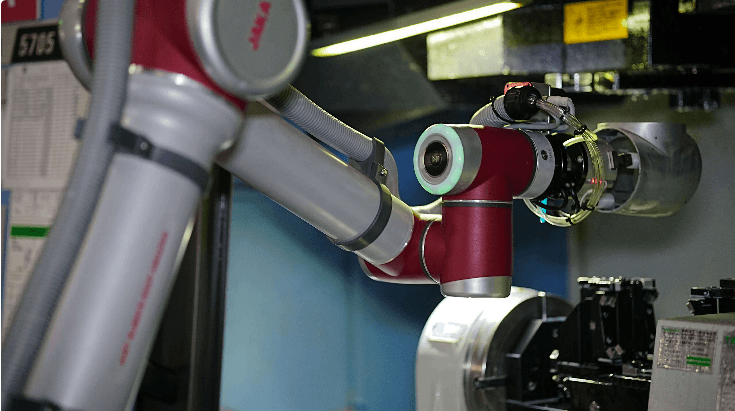
Advanced Robotics Technology in Collaborative Workspaces: Force Limiting and Sensing
In a significant advancement for manufacturing, JAKA is revolutionizing collaborative workspaces through the integration of advanced robotics technology. The company’s focus on industrial collaborative robots (cobots) allows for safe and efficient interaction between machines and human operators, essential in today’s fast-paced production environments. By employing force limiting and sensing capabilities, JAKA's robots can detect unexpected interactions and adjust their movements accordingly, enhancing workplace safety and productivity. The JAKA Pro5 model exemplifies this innovation, specifically designed for loading and unloading tasks. It minimizes reliance on manual labor while ensuring consistent quality through simple programming interfaces that enable rapid setup for various production line tasks. This flexibility allows teams to adapt the robots quickly, optimizing efficiency and precision in machine tending. JAKA recognizes that the successful adoption of robotics hinges on factors such as production complexity and workspace layout. Their cobots are engineered to address these challenges, providing scalable operations that accommodate delicate handling requirements and reduce product damage risks. By integrating these intelligent systems, JAKA not only improves operational standards but also frees up human resources for more strategic roles, fostering a collaborative environment that enhances overall productivity. As industries increasingly embrace advanced robotics, JAKA’s commitment to safety, adaptability, and efficiency positions it at the forefront of transforming manufacturing practices, ultimately driving sustainable productivity improvements.
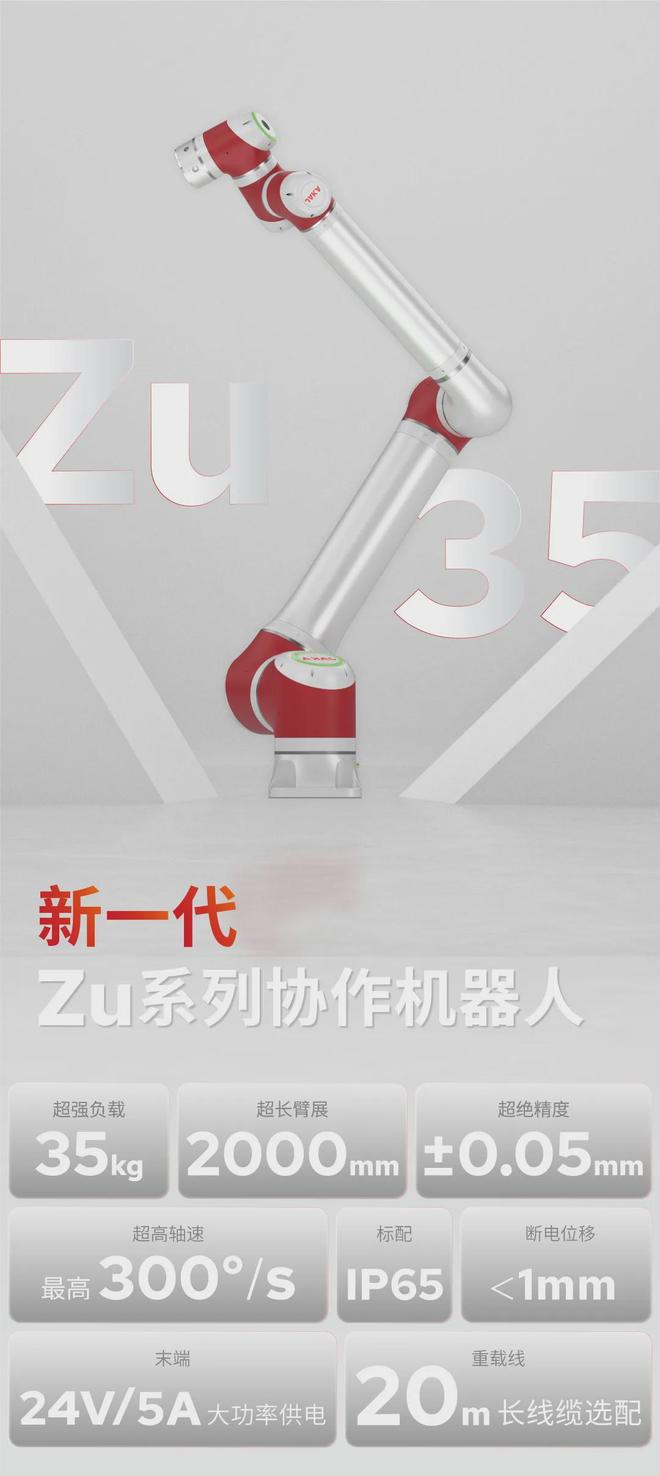
JAKA Launches New JAKA Zu35 High-Load Collaborative Robot!
JAKA has introduced its newest collaborative robot, the JAKA Zu35, aimed at high-load applications within industrial environments. This advanced robot is engineered to boost productivity and efficiency, positioning it as a significant advancement in automation technology. The launch reflects JAKA's commitment to enhancing operational capabilities across various sectors, catering to the growing demand for innovative solutions in industrial automation.
Collaborative Robots Industrial Automation Robotics Technology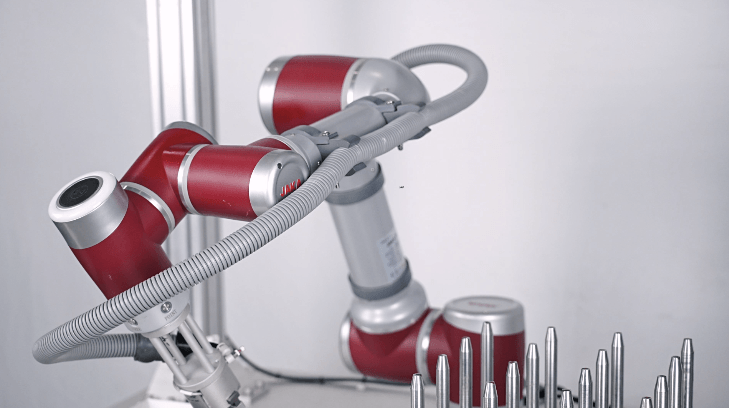
Implementing Vision Systems in Advanced Robotics Technology for Adaptive Tasks
A company specializing in advanced robotics is enhancing production efficiency by integrating vision systems into its industrial cobot solutions. This innovative approach allows robots, such as the JAKA Pro16, to perceive and adapt to changing conditions on the production line, enabling them to identify parts, detect orientation, and adjust movements in real time. The implementation of these vision systems minimizes the risk of misplacement and reduces human error during loading and unloading tasks. The company’s cobot platforms are designed for flexibility, allowing them to efficiently respond to diverse production requirements. By detecting subtle variations and unexpected obstacles, these robots enhance the resilience of production lines. The JAKA Pro16 features simple programming capabilities that facilitate quick adjustments to production setups, thereby minimizing downtime and improving overall efficiency and product quality. Additionally, the company emphasizes user-friendly programming interfaces, enabling operators with minimal training to manage complex tasks effectively. The drag-and-drop teaching and graphical interfaces of the JAKA Pro16 maximize robot utilization while allowing human resources to focus on strategic activities. This combination of visual perception and intelligent control algorithms ensures high precision and adaptability in various manufacturing scenarios. In summary, the integration of vision systems into robotics technology is pivotal for creating flexible manufacturing solutions. The company remains committed to developing adaptive robotics that enhance task accuracy, optimize workforce allocation, and support high-quality production outcomes.
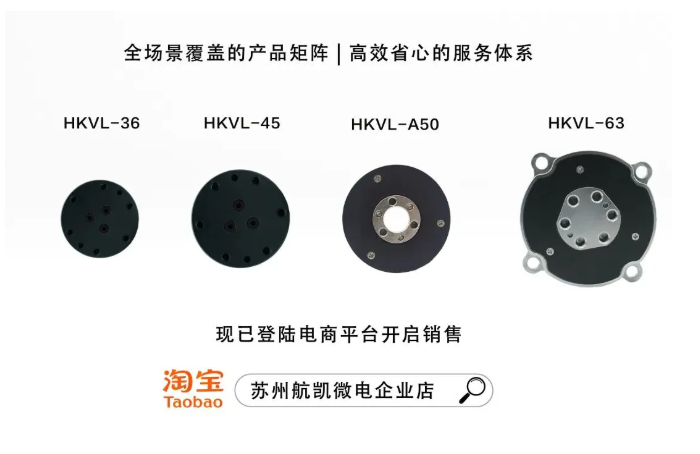
300% FS Safe Overload and 0.01N Resolution: Launch of HKVL Series Six-Dimensional Force Sensors by Hangkai Microelectronics
Hangkai Microelectronics has introduced its latest innovation, the HKVL series six-dimensional force sensors, aimed at enhancing robotic force control. The sensors have undergone rigorous testing, showcasing remarkable performance in extreme overload scenarios and micro-force detection. This advancement promises to significantly improve reliability and accuracy in various industrial automation and robotics applications. The launch of these sensors marks a pivotal step in the company's commitment to advancing technology in the field, addressing the growing demand for precision in automated systems.
Force Sensors Robotics Industrial Automation Precision Control
Key Features and Benefits of 6-Axis Cobot Arms (Reach, Payload, Safety)
In response to the evolving demands of modern manufacturing, JAKA has developed a versatile 6 axis collaborative robot arm designed to enhance production processes. These robotic units, known as cobots, feature an articulated design that mimics human arm movement, allowing them to navigate tight spaces and perform tasks such as assembly and inspection with precision. JAKA's Zu series exemplifies this design philosophy, offering a substantial working radius while maintaining a compact footprint, making them suitable for dense production environments. The robots are engineered to manage significant payloads while ensuring movement accuracy, thanks to advanced precision control technology. This capability enables them to handle tasks requiring fine movements, such as detailed inspections, without compromising quality. A key advantage of JAKA's cobots is their integrated safety features, which allow them to operate alongside human workers without the need for extensive external safeguards. These safety mechanisms include force and speed monitoring, collision detection, and a design that minimizes risks, facilitating direct human-robot collaboration. By optimizing reach, payload management, and safety, JAKA's 6 axis robot arms are positioned as reliable and adaptable solutions for repetitive or ergonomically challenging tasks within dynamic manufacturing environments. The company emphasizes that their collaborative robots are designed to seamlessly integrate into operational teams from the moment of installation, enhancing productivity and efficiency in modern manufacturing settings.

Saddle Creek Logistics Transforms Container Unloading with Anyware Robotics’ Pixmo
Saddle Creek has announced a partnership with Anyware Robotics, a prominent company specializing in multi-purpose mobile robots that utilize advanced physical AI technology. This collaboration focuses on the deployment of Pixmo, an innovative AI-powered mobile robot specifically engineered for box handling tasks. Pixmo is designed to autonomously unload containers and trailers, enhancing operational efficiency in logistics and supply chain management. This partnership marks a significant step forward in automating warehouse processes, aiming to streamline operations and reduce labor costs. The initiative is part of a broader trend towards integrating robotics in industrial settings, reflecting the growing demand for automation solutions in the logistics sector.

KR AGILUS ultra closes the gap for low payloads and offers flexible usability
KUKA is set to enhance its small robotics portfolio with the introduction of a new product family that connects the KR AGILUS series and the KR CYBERTECH nano family. This innovative addition, known as the KR AGILUS ultra, boasts a rated payload capacity of up to 16 kilograms, positioning it as a versatile solution for various industries. The launch aims to elevate automation capabilities, providing high performance and adaptability across multiple applications. This strategic move reflects KUKA's commitment to advancing robotic technology and meeting the evolving demands of the market.
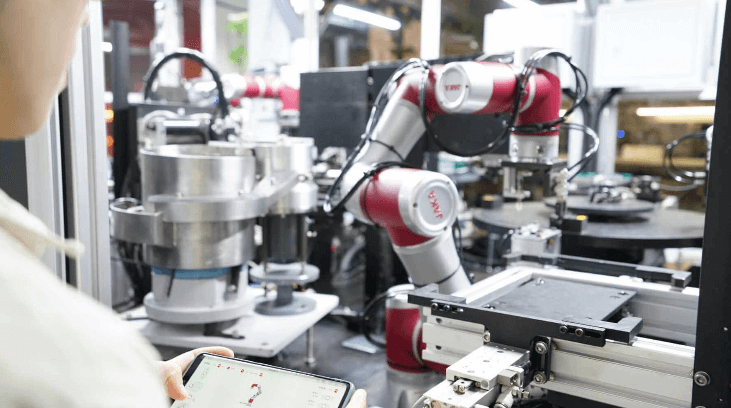
The Benefits of High Payload Capacity in Cobot Palletizing Systems
JAKA highlights the critical role of high payload capacity in enhancing warehouse and production line efficiency through automation. In a recent analysis, the company emphasizes that integrating a robust 6-axis robot arm for cobot palletizing can significantly improve operational flexibility and throughput. This technology allows businesses to handle a diverse range of products—from lightweight cartons to heavier bundled items—without necessitating system redesigns, thus safeguarding capital investments against future production shifts. The report underscores that a higher payload capacity directly correlates with reduced cycle times. By enabling the robot arm to lift and place multiple items simultaneously, the number of trips between pickup and placement locations decreases, leading to faster pallet builds. This efficiency not only meets increasing throughput demands but also enhances the longevity and stability of the system, as the robot operates well within its capacity, reducing strain on mechanical components. JAKA advocates for businesses to prioritize payload capacity when selecting palletizing automation solutions, asserting that this feature is essential for adapting to evolving production needs. By choosing the right capacity, companies can ensure their automation systems remain scalable, efficient, and reliable, ultimately leading to predictable operational costs and improved performance over time.

KNF - Automation Technology Requires Reliable and Durable Pumps
KNF has introduced a new line of vacuum pumps specifically designed for automation applications, boasting an impressive service life of over 20,000 hours for its micro gas pumps used in collaborative robots (cobots). This advancement comes with the latest generation of KNF brushless DC motors, which feature an innovative bearing design capable of enduring high mechanical loads. The robust engineering of these pumps not only enhances their durability but also ensures reliable performance during rapid switching cycles, making them ideal for demanding industrial environments. The development reflects KNF's commitment to providing efficient and long-lasting solutions for automation, catering to the growing needs of the industry.
DJI launches FC100 delivery drone with 80kg payload, starting at $12,500
Chinese drone manufacturer DJI introduced its latest flagship civilian delivery drone, the FC100, on Monday. Priced starting at RMB 89,999 (approximately $12,500), the FC100 is designed to enhance delivery capabilities with a maximum payload capacity of 80 kilograms. The drone boasts an impressive flight range, capable of traveling up to 6 kilometers on a single battery and extending to 12 kilometers when equipped with dual batteries. Incorporating advanced technology, the FC100 is equipped with LiDAR (Light Detection and Ranging) and millimeter-wave radar, which enhance its navigation and obstacle avoidance capabilities. This launch reflects DJI's commitment to advancing drone technology and meeting the growing demand for efficient delivery solutions in various sectors. The introduction of the FC100 is expected to significantly impact the logistics and delivery industry, providing businesses with a reliable tool for transporting goods quickly and efficiently.
News Feed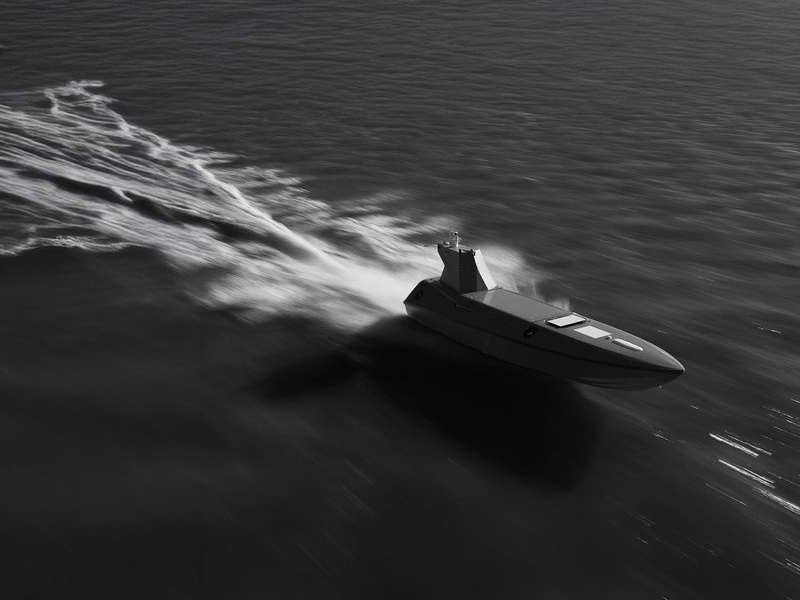
Anduril Partners with Kraken Technology Group on Small USVs
Recent developments in naval warfare have highlighted the critical need for advanced unmanned systems, as traditional strategies are becoming obsolete. The U.S. Navy, facing evolving threats, is seeking small unmanned surface vessels (USVs) capable of carrying flexible payloads over 1,000 pounds, sustaining prolonged operations, and being produced quickly. Navy Secretary John Phelan emphasized this urgency during a Senate Armed Services Committee hearing, stating that future conflicts cannot be won with outdated platforms. He underscored the importance of rapidly producing and integrating unmanned systems across air, surface, and subsurface domains to ensure success in modern warfare. The current domestic offerings, however, do not meet these requirements, prompting a reevaluation of the Navy's capabilities and production strategies.
anduril partnership kraken technology group small usvs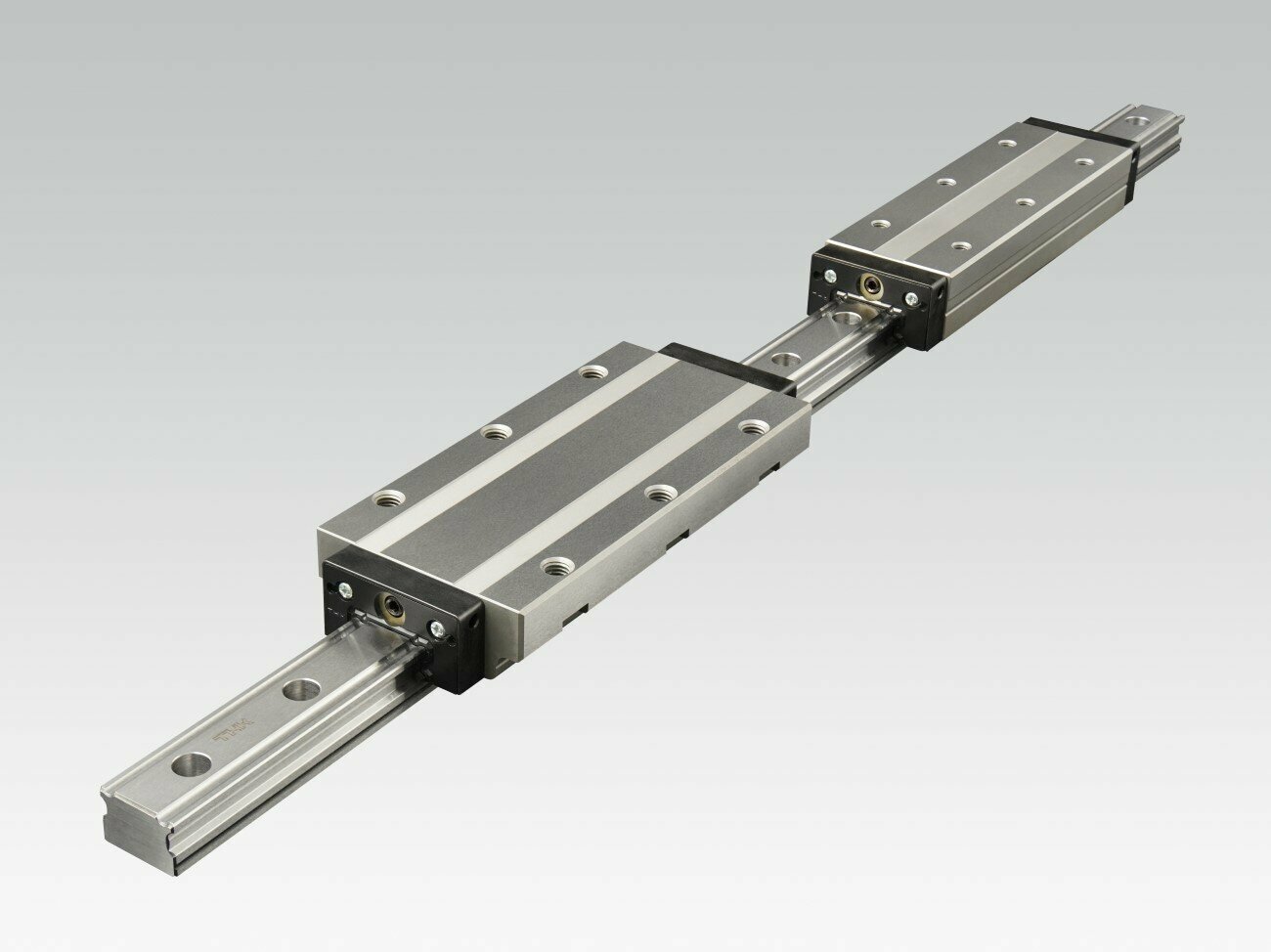
Expanded Lineup of Super-Heavy Load LM Guide Model NR-X/NRS-X for Machine Tools: 24 Super-Long Block Model Types Added
THK, a leading manufacturer of mechanical components, has announced its ongoing commitment to innovation and quality in the production of essential technologies. The company specializes in the development and manufacturing of a wide range of products, including Linear Motion systems, LM Guides, Ball Splines, Ball Screws, and electric actuators. With a global client base, THK also focuses on mechatronics products, automotive parts, and seismic isolation systems. This strategic expansion aims to meet the growing demand for advanced mechanical solutions across various industries. By leveraging cutting-edge technology and engineering expertise, THK continues to enhance its product offerings, ensuring they remain at the forefront of the mechanical components market.
THK Linear Motion LM Guides Linear bearing Linear Guide Ball Splines
SpaceX Unveils AI1 Satellite Specs for Starmind Constellation with Key Thermal Challenges
SpaceX has introduced the AI1 satellite, the inaugural component of its Starmind constellation, which stands 20 meters tall and has a wingspan of 70 meters. This orbital compute node is designed to deliver computing power equivalent to one NVIDIA GB300 server rack, utilizing a unique cooling system with deployable liquid radiators. The satellite's specifications were revealed during a presentation on June 8, 2026, ahead of SpaceX's IPO. The significance of the AI1 satellite lies in its role as a compute platform rather than a traditional satellite, focusing on running AI inference workloads. The satellite's cooling system, which is critical for its operation in the vacuum of space, is designed to reject heat through infrared radiation. However, independent engineers have raised concerns about the feasibility of the thermal and mass claims made by SpaceX, suggesting that the cooling requirements may exceed practical limits. Looking ahead, SpaceX plans to launch two AI1 prototypes in early 2027, with full-scale production expected to commence later that year at its Gigasat facility in Bastrop, Texas. The ongoing debate regarding the satellite's thermal management capabilities will be crucial to monitor as the project progresses, with no further timeline disclosed at the time of publication.

SpaceX's Starmind Plans 1 Million AI Satellites Amid Collision Risks
SpaceX has announced its ambitious Starmind project, which aims to deploy 1 million AI satellites in orbits between 500 and 2,000 km. This initiative, confirmed by Elon Musk on June 23, 2026, follows a merger with xAI, valuing the combined entity at $1.25 trillion. The satellites will function as orbital data centers, processing AI workloads powered by solar arrays and linked by optical lasers. The significance of Starmind lies in its potential to add 100 gigawatts of AI compute capacity annually, contingent on the successful operation of the Starship launch system. However, the project raises concerns regarding space debris, as the current orbital environment is already congested, with a 20% increase in collision risk reported since 2024. The European Space Agency has highlighted that the density of debris in low Earth orbit is now comparable to that of active satellites, complicating the operational landscape for new entrants like Starmind. Looking ahead, the first operational orbital AI deployments are targeted for 2028, with test launches expected in early 2027. However, the project faces scrutiny regarding its impact on space debris, as even a 1% failure rate could significantly increase the number of uncontrollable objects in orbit, exacerbating existing risks. No further timeline was disclosed at the time of publication.

UK’s 21-ton extra-large submarine drone to undergo trials for undersea operations, payload
The United Kingdom has awarded MSubs, a submarine technology company, an $8.8 million contract to initiate trials of a new unmanned underwater vehicle. This contract, announced recently, aims to enhance the UK's maritime capabilities and explore advanced underwater technologies. The trials will take place in various locations across the UK, with the goal of assessing the vehicle's performance and operational effectiveness. The initiative is part of the UK's broader strategy to bolster its defense and security measures in response to evolving maritime threats. By leveraging MSubs' expertise, the UK seeks to innovate and maintain a competitive edge in underwater operations.
Military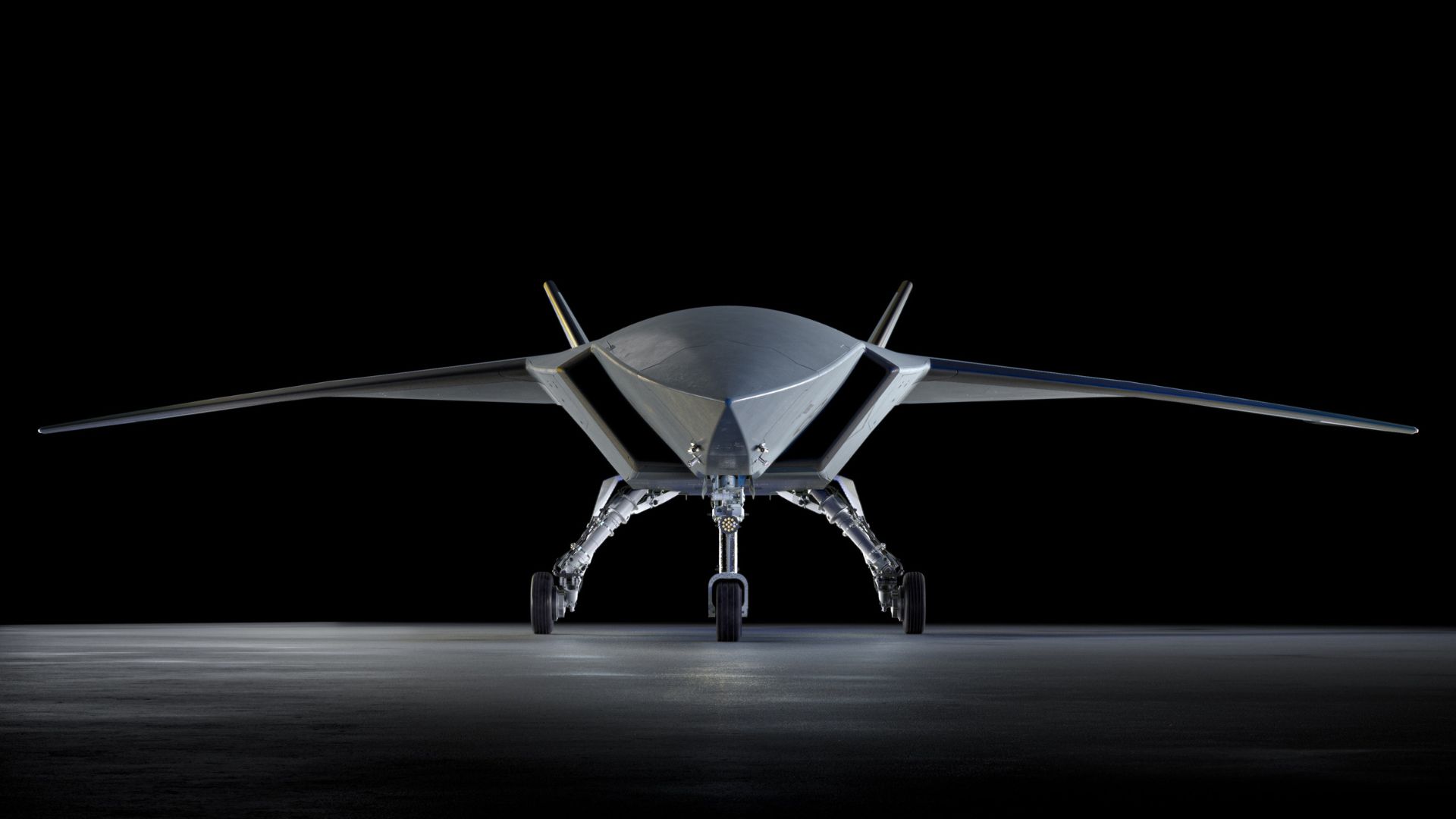
Boeing’s bigger Ghost Bat can carry missiles internally, carry more combat load
Boeing has introduced an upgraded version of its MQ-28 Ghost Bat drone, enhancing its capabilities with extended range and improved technology. The announcement was made during a recent defense expo in Australia, where the company showcased its commitment to advancing unmanned aerial systems. This new iteration aims to meet the growing demands for advanced surveillance and combat support in modern warfare. Boeing's development of the MQ-28 is driven by the need for more versatile and efficient military drones that can operate in complex environments. The enhancements include advanced sensors and artificial intelligence features, which allow for better decision-making and operational efficiency. This latest model is expected to play a crucial role in future defense strategies, particularly in the Indo-Pacific region, where military presence and technological superiority are increasingly prioritized.
Military
Navy tests MUSV autonomous control and payload architecture across seven prototypes
The US Navy has approved seven submissions for medium unmanned surface vessels (MUSVs) as part of its ongoing efforts to enhance maritime capabilities. This decision, announced recently, marks a significant step in the Navy's initiative to integrate advanced unmanned technologies into its fleet. The approvals come in response to the increasing demand for innovative solutions to address modern naval challenges, including surveillance and reconnaissance missions. By incorporating these unmanned vessels, the Navy aims to improve operational efficiency and reduce risks to personnel. The selected submissions will now move forward in the development process, with the Navy collaborating closely with the respective contractors to ensure successful implementation. This initiative underscores the Navy's commitment to leveraging cutting-edge technology to maintain its strategic advantage in maritime operations.
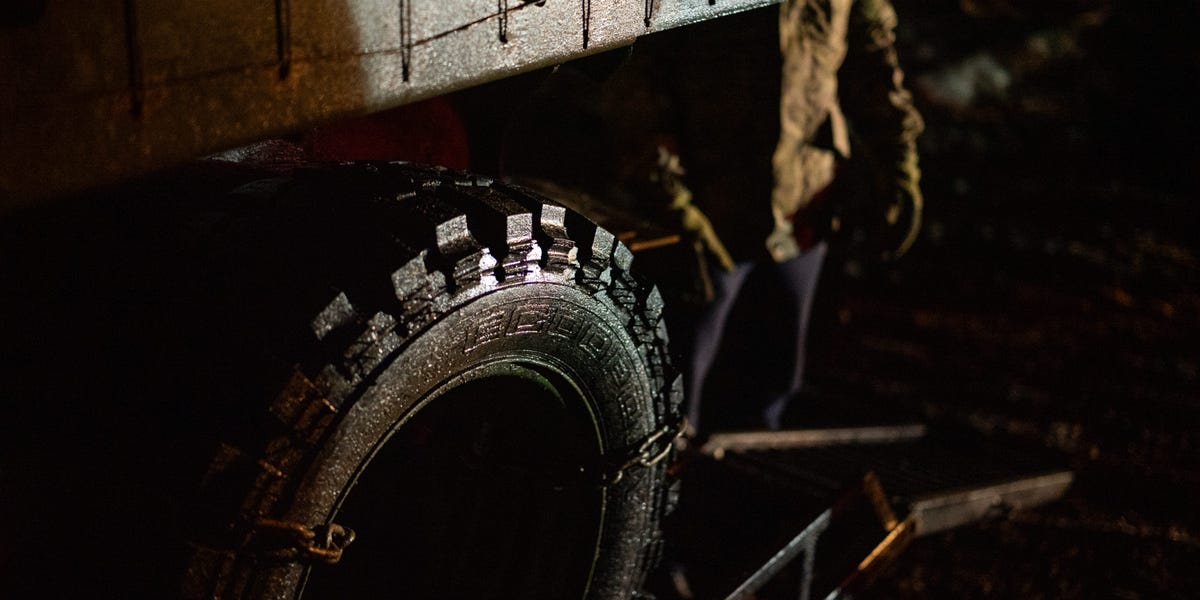
Ukraine's war robots are carrying a new type of payload: the elderly
A drone operated by the Kraken company successfully completed a 20-mile round-trip mission to rescue four elderly civilians from a combat zone, according to statements made by the drone's commander to Business Insider. This operation highlights the innovative use of drone technology in humanitarian efforts, particularly in areas affected by conflict. The mission underscores the growing importance of unmanned aerial vehicles in providing assistance and ensuring the safety of vulnerable populations in dangerous environments. The successful rescue demonstrates the potential for drones to play a critical role in emergency response scenarios, showcasing advancements in both technology and operational strategies in crisis situations.
Military & Defense warfare-big-bet uncrewed-ground-vehicles ukraine-war drone-warfare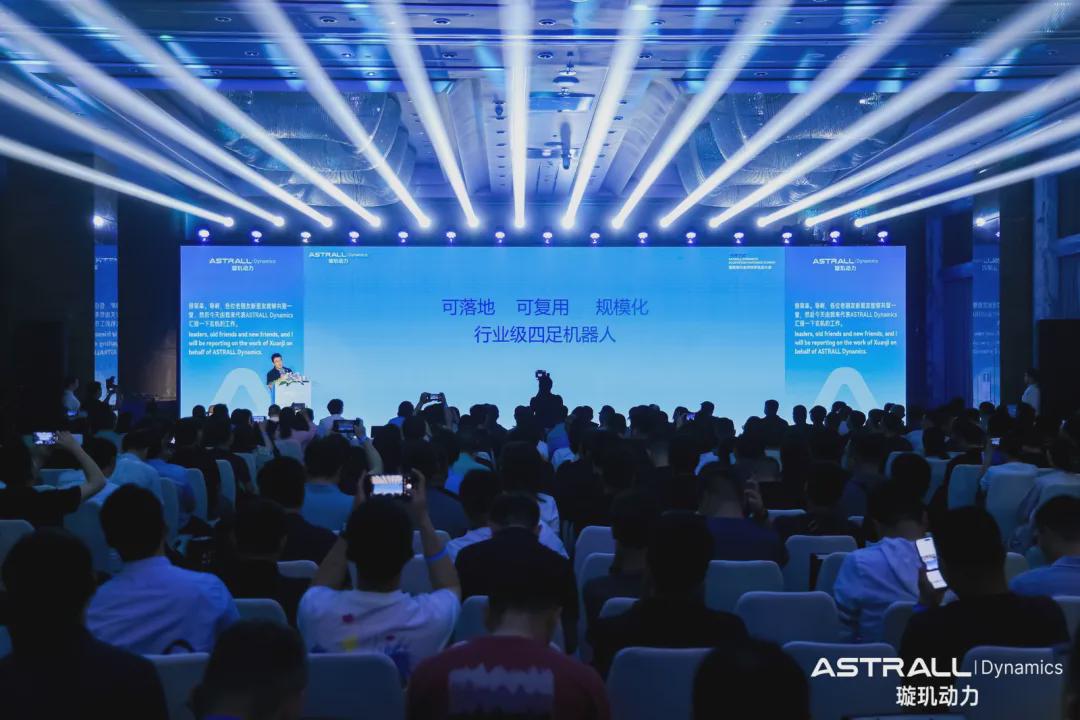
Breaking Through Heavy Loads for Ecological Win-Win: ASTRALL Dynamics Ecosystem Conference Held, Showcasing Full Range of Hypertron Series with 60kg Stair-Climbing Capability
At the ASTRALL Dynamics Ecosystem Conference held in Shenzhen, industry leaders introduced strategic initiatives designed to revolutionize the industrial quadruped robot sector. The event showcased the Hypertron series, featuring a notable 60kg stair-climbing robot, which exemplifies advancements in robotic technology. Organizers emphasized the importance of collaboration and technological openness as key factors in raising industry standards and expediting the deployment of these innovative robots. The conference aimed to foster partnerships and encourage the sharing of ideas to drive growth and efficiency within the sector.
Quadruped Robots Industrial Automation Robotics Technology Ecosystem Development
TECO Debuts High-Payload Commercial UAV Powertrain Systems and Robotic Joint Modules in North America Expanding into North America's UAV and Robotics Markets
TECO is making significant strides in the burgeoning commercial UAV and intelligent robotics sectors. By utilizing the localized service capabilities of its Texas-based subsidiary, TECO-Westinghouse, the company is able to offer customers a complete range of solutions, from initial development to after-sales support. This strategic expansion reflects TECO's commitment to meeting the increasing demand for advanced technology in these rapidly evolving markets.
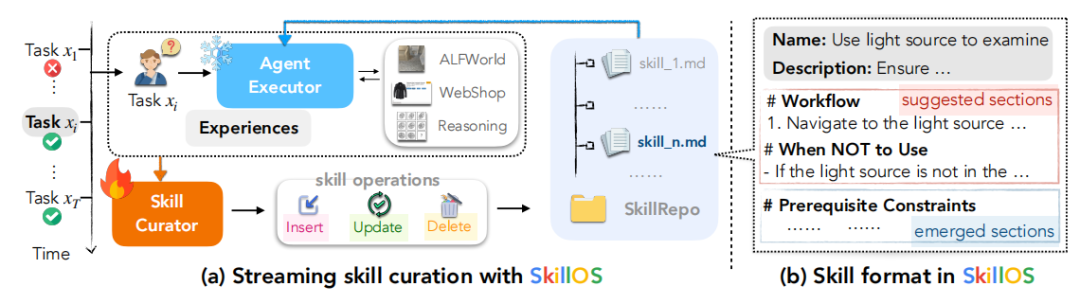
Google's SkillOS Framework: Enabling AI Agents to Self-Evolve Without Parameter Overload
Google has introduced a groundbreaking framework called SkillOS, aimed at improving the learning capabilities of AI agents. This development addresses a significant challenge in the field of artificial intelligence by enabling agents to manage their skill libraries through reinforcement learning. By allowing these agents to retain and refine skills acquired from previous tasks, SkillOS enhances their ability to effectively tackle new challenges. The announcement comes as part of Google's ongoing efforts to advance AI technology and improve its practical applications. This innovative approach is expected to lead to more adaptable and efficient AI systems, ultimately benefiting various industries reliant on artificial intelligence solutions.
AI Reinforcement Learning Skill Management Machine Learning
Linked and Loaded: Gaijin Single Sign-On Now Available on GeForce NOW
GeForce NOW members are set to experience enhanced gaming accessibility this week, as the cloud gaming service introduces faster login processes aimed at reducing wait times and allowing players to dive straight into their favorite titles. This improvement aligns with the platform's commitment to providing instant access to games across various devices, ensuring that users can maximize their gaming time. The update reflects the ongoing evolution of cloud gaming technology, which prioritizes user convenience and engagement in an increasingly competitive market.

Epson Robots Expands SCARA Lineup with High-Payload LS50C
The newly launched LS50C is set to revolutionize automation with its combination of high performance, compact design, and innovative SafeSense technology. This cutting-edge device aims to enhance efficiency and precision in various industrial applications. The LS50C was introduced in October 2023, highlighting its potential to streamline operations while ensuring safety in automated processes. By integrating advanced features, the LS50C addresses the growing demand for reliable and effective automation solutions in today's fast-paced manufacturing environment. Its compact form factor allows for easy integration into existing systems, making it an attractive option for businesses looking to upgrade their automation capabilities.

This robot sees danger, decides its route and powers over obstacles while carrying loads
A research team at KAIST has made significant advancements in quadrupedal robot technology, enabling these robots to navigate varied terrains without relying solely on visual input. This innovative system allows the robots to assess their surroundings using cameras and LiDAR sensors, enabling them to make autonomous decisions while walking, akin to how animals adapt their movements based on visual terrain analysis. The team anticipates that this technology will be applicable to a range of robotic platforms, including wheeled-legged robots and humanoid robots, potentially broadening the scope of robotic mobility and functionality.
Robotics
Bearing‐Based Moving Target Fencing Control for Multiple Underactuated Autonomous Surface Vehicles With Fixed‐Time Differentiators
In May 2026, the Journal of Field Robotics published a comprehensive study examining advancements in robotic technology and its applications in various fields. Researchers from leading institutions collaborated to investigate the integration of artificial intelligence and machine learning in field robotics, aiming to enhance efficiency and adaptability in challenging environments. The study highlights significant breakthroughs in navigation systems and sensor technologies, which are crucial for deploying robots in agriculture, disaster response, and environmental monitoring. The findings underscore the importance of interdisciplinary approaches in advancing robotic capabilities and address the growing demand for automation in sectors facing labor shortages. By showcasing successful case studies and experimental results, the research provides a roadmap for future innovations in the field, emphasizing the potential of robotics to transform industries and improve operational outcomes.
RESEARCH ARTICLE
Nonlinear Optimal and Multi‐Loop Flatness‐Based Control for Dual‐UAV Cooperative Load Transportation
In the May 2026 issue of the Journal of Field Robotics, researchers published a comprehensive study examining advancements in robotic technology and its applications in various fields. The study highlights innovative developments in autonomous systems, focusing on their integration into agriculture, search and rescue operations, and environmental monitoring. Conducted by a team of experts in robotics and engineering, the research aims to address the growing demand for efficient and reliable robotic solutions in response to global challenges such as food security and disaster management. The findings reveal how these technologies can enhance productivity and safety while minimizing human risk in hazardous environments. The publication underscores the importance of interdisciplinary collaboration in advancing robotic capabilities, showcasing case studies that illustrate successful implementations of these systems in real-world scenarios. By detailing the methodologies employed in the research, the authors provide insights into the future trajectory of robotics, emphasizing the potential for further innovation and application. This study not only contributes to the academic discourse on robotics but also serves as a valuable resource for industry professionals seeking to leverage these technologies for practical solutions. The ongoing evolution of robotics is positioned as a critical factor in addressing pressing societal needs, making this research timely and relevant.
RESEARCH ARTICLE
Truckloads of food are being wasted because computers won’t approve them
Modern food systems, while appearing stable, are becoming increasingly reliant on digital infrastructures that pose significant risks. As of October 2023, the functionality of these systems is critical, as food items must be identified by databases and automated platforms for transportation, sale, and distribution. This reliance means that any disruption in these digital systems can render food unusable, despite its physical availability. The growing dependence on technology highlights the vulnerabilities within the food supply chain, raising concerns about food security and the potential consequences of system failures.
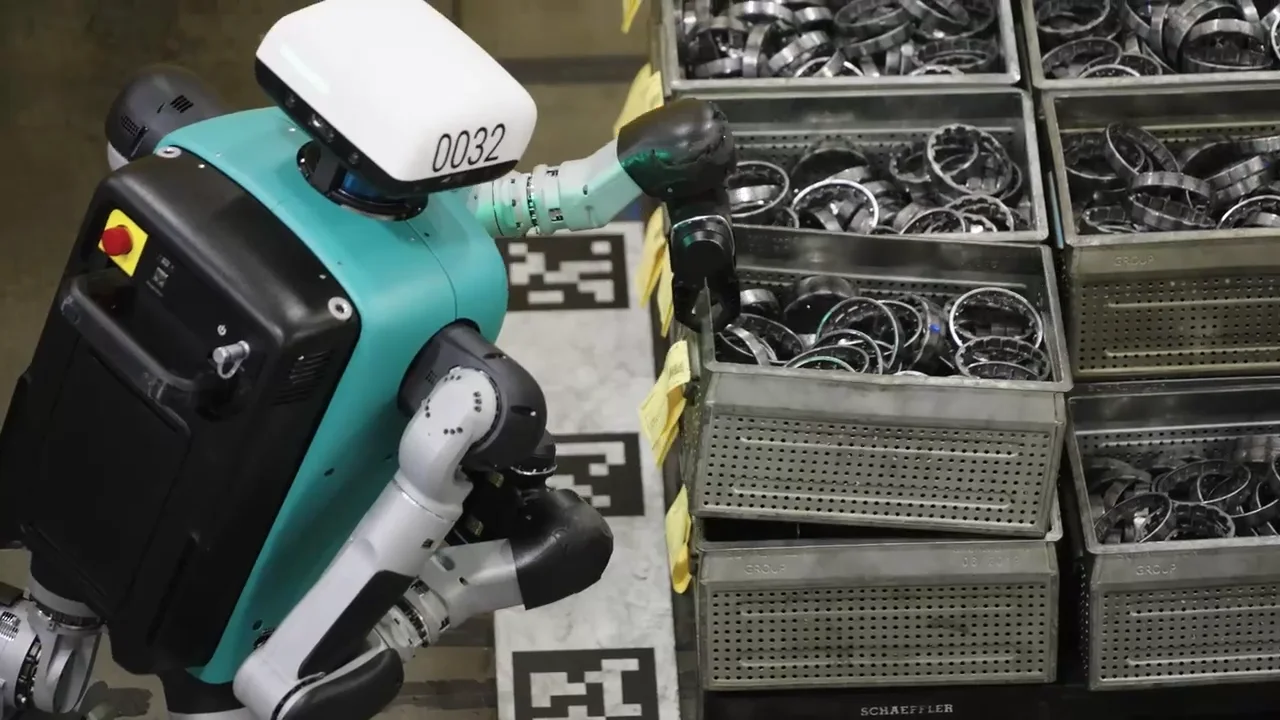
From Totes to Bearings: Agility’s Digit Hits the Production Floor in South Carolina
Schaeffler is taking a significant step in industrial manufacturing by integrating Agility’s Digit humanoid robot into its active auto-parts plant, as reported by the Wall Street Journal. This development marks a transition from previous logistics pilot projects to a more comprehensive application within deep industrial manufacturing. The initiative reflects Schaeffler’s commitment to enhancing operational efficiency and productivity through advanced robotics technology. The integration process is expected to streamline various manufacturing tasks, showcasing the potential for humanoid robots to play a crucial role in the future of the automotive industry.
US agility Schaeffler Agility RoboticsRobotics needs a service framework.
RSF defines a common language for robot service capability, lifecycle operations, certification pathways, and service-provider networks.







