Industry Briefing
A single destination for timely, editor-curated robotics news from around the world.

Large Models Transform Humanoid Robots from Tools to Partners
Humanoid robots are evolving from simple tools to complex partners, driven by advancements in large models. The architecture of these robots consists of a 'cerebellum' for motion control and a 'brain' for understanding tasks and making decisions. Companies like Yushutech and Tesla are at the forefront of this transformation, utilizing technologies such as VLA and world models. This shift is significant as it addresses the limitations of traditional decision-making processes in robots, which relied heavily on pre-defined rules and structures. The introduction of large models allows for more adaptive and intelligent behavior, enabling robots to learn and adjust in real-time rather than being constrained by rigid programming. This evolution is crucial for deploying robots in dynamic, real-world environments. Looking ahead, the competition between VLA and world model approaches will shape the future of humanoid robotics. As companies like Yushutech prepare for IPOs, the industry is keenly observing which technology will dominate. No further timeline was disclosed at the time of publication.
Humanoid Robots AI Robotics Machine Learning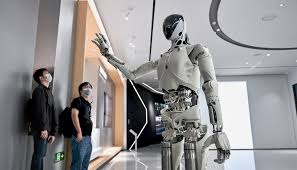
Comprehensive Survey on Vision-Language-Action Models for Embodied AI
A comprehensive survey on vision-language-action models for embodied artificial intelligence has been published in the Journal of Field Robotics. This survey explores the integration of visual perception, language understanding, and action execution in AI systems, highlighting the advancements and challenges in this interdisciplinary field. The significance of this survey lies in its potential to enhance the development of more capable and intelligent robotic systems. By examining the interplay between vision, language, and action, researchers can better understand how to create AI that can interact with the world in a more human-like manner, which is crucial for applications in various sectors. Looking ahead, the survey may pave the way for future research initiatives aimed at improving embodied AI systems. No further timeline was disclosed at the time of publication.
SURVEY ARTICLE
NASA Demonstrates Google’s Gemma Large Language Model in Space with NAVI-Orbital
NASA's Jet Propulsion Laboratory has successfully sent Google's Gemma 3 to space, marking the first in-orbit demonstration of a vision-language model analyzing satellite imagery. The NAVI-Orbital system utilized Gemma 3 to interpret images from Loft Orbital's YAM-9 satellite, showcasing a new method for scientists to interact with spacecraft through natural language prompts. This advancement is significant as it allows researchers to bypass traditional structured commands, enabling more intuitive communication with satellites. Juan M. Delfa from NASA highlighted that this shift could enhance how scientists engage with space missions, potentially streamlining operations and improving data analysis. Looking ahead, the implications of NAVI-Orbital extend beyond image analysis. The system could revolutionize satellite operations by enabling real-time data interpretation and reporting, which is crucial for applications like wildfire detection. No further timeline was disclosed at the time of publication.
Nasa Image-analysis Llms Satellite-imagery Google
ByteDance Explores Physical AI, Indicating a Shift Beyond Traditional Models
ByteDance has clarified its position regarding autonomous driving, stating it will not pursue smart driving. However, this clarification signals a significant shift as the company explores Physical AI. Unlike traditional AI, which learns from vast text data, Physical AI understands physical laws and causality, enabling it to predict physical states rather than merely generating text. The emergence of Physical AI is expected to peak around 2026 due to three key turning points: the spillover effects of large model technologies, breakthroughs in simulation technology that overcome data limitations, and a significant decrease in hardware costs. These advancements are paving the way for applications in autonomous driving, which has already seen large-scale commercialization in various sectors, outpacing humanoid robots still in demonstration phases. Industrial Physical AI is poised to revolutionize productivity through applications like predictive maintenance and quality inspection. While specialized robots are being deployed in logistics and inspection, the widespread implementation of general-purpose humanoid robots may take another 5 to 10 years. The competition in Physical AI has begun, marking a transformative shift as AI evolves from merely processing information to reshaping the world.
Physical AI Autonomous Driving Industrial Automation Simulation Technology
IEEE Rolls Out Large Language Models Virtual Training Course
Large language models (LLMs) have transitioned from research labs to everyday use in engineering, significantly altering how digital infrastructures are developed and maintained. As technical professionals increasingly rely on LLMs for complex tasks—such as identifying vulnerabilities in source code and converting fragmented discussions into detailed specifications—the demand for expertise in this technology is surging. According to MarketsandMarkets, the LLM technology market is projected to grow by approximately 33% annually through 2030. To effectively utilize LLMs, engineers must move beyond basic interactions and understand the underlying transformer architecture that enables these models to process vast datasets simultaneously. This knowledge is crucial to mitigate risks associated with inaccuracies, often referred to as "hallucinations," and to ensure reliable performance in coding and data handling. Key advancements include integrating LLMs with application programming interfaces (APIs) for direct database connections, addressing hallucination issues through retrieval-augmented generation (RAG), and prioritizing data security by establishing private model instances. Additionally, LLMs automate repetitive tasks, allowing engineers to focus on higher-level design and problem-solving. To bridge the growing knowledge gap, IEEE has launched an online program titled "Large Language Models Demystified," designed to equip technical professionals with a deeper understanding of LLMs. The curriculum covers the evolution of AI technology, transformer architectures, and practical model-building exercises. Participants will earn professional development credits and a digital badge upon completion, enhancing their credentials in this rapidly evolving field. Organizations interested in training their teams can consult with IEEE for tailored enrollment options.
Ai Type-ti Education Ieee-educational-activities Large-language-models Ieee-products-and-services
Why Are Large Language Models So Terrible at Video Games?
Recent advancements in large language models (LLMs) have led to significant improvements in various domains, particularly in coding. However, a notable limitation remains: LLMs struggle to play video games effectively. Despite some successes, such as Gemini 2.5 Pro defeating Pokémon Blue in May 2025, these models often perform poorly compared to human players, making frequent mistakes and requiring specialized software to assist them. Julian Togelius, director of New York University’s Game Innovation Lab and co-founder of AI game-testing firm Modl.ai, discussed these challenges in a recent interview with IEEE Spectrum. He highlighted that while coding resembles a well-structured game with clear tasks and immediate feedback, video games present a more complex landscape that LLMs have yet to navigate successfully. Unlike games like chess or Go, which have been mastered by AI through retraining, video games vary significantly in mechanics and input requirements, complicating the development of a general game AI. Togelius pointed out that the lack of comprehensive benchmarks for video games further hinders LLMs' performance. While benchmarks have driven improvements in coding, the diverse nature of video games makes it difficult to establish similar metrics. He noted that current LLMs perform poorly even compared to basic algorithms in gaming contexts, primarily due to insufficient training data and challenges in spatial reasoning. Despite their coding capabilities, LLMs cannot engage in the iterative process of game development, which involves testing and refining gameplay. This disparity raises questions about the future of AI in mastering video games and its implications for broader AI applications.
Llms Artificial-intelligence Video-games
Moonshot AI Launches Kimi K3, the World's First Open 3T-Class AI Model
Moonshot AI has introduced Kimi K3, a groundbreaking 2.8 trillion-parameter open-source AI model, marking it as the largest of its kind to date. This model is designed to handle complex workflows and features a one-million-token context window, enabling it to perform tasks significantly faster than traditional methods. For instance, Kimi K3 can complete a task in about two hours that would typically take one to two weeks for an experienced researcher. The significance of Kimi K3 lies in its potential to enhance scientific research workflows, allowing for the creation of interactive reports and presentations. It incorporates advanced features such as Widgets and Dashboard capabilities, which facilitate persistent, interactive workspaces. Despite its impressive performance, Kimi K3 still falls short compared to proprietary models like Claude Fable 5 and GPT 5.6 Sol, indicating that while progress is being made, there is still a competitive gap to close. Looking ahead, the focus will be on how Kimi K3 can further evolve and compete with leading AI models. Moonshot AI's innovative architecture, including Kimi Delta Attention and a Mixture-of-Experts framework, has improved scaling efficiency significantly. No further timeline was disclosed at the time of publication.
AI and Robotics Innovation
Large Tabular Models Excel Where LLMs Fail
A new generative AI model, known as NEXUS, has emerged from the startup Fundamental, which recently secured $275 million in funding. Launched on February 5, 2026, NEXUS is designed to analyze structured data, a task that traditional large language models (LLMs) like ChatGPT and Claude struggle with. While LLMs excel in generating human-like text and images, they falter when faced with complex tabular data, which is crucial for businesses across various sectors, including finance and healthcare. Fundamental's CEO, Jeremy Fraenkel, explained that LLMs are not suited for structured data due to their reliance on sequential input, making them less effective for tasks requiring deterministic predictions, such as fraud detection. In contrast, NEXUS utilizes a large tabular model (LTM) that directly models the structure of tabular data, allowing for more accurate reasoning and predictions. The development of NEXUS involved training on billions of tables, using a mix of proprietary and public datasets while ensuring customer data confidentiality. This innovative model has already been integrated into Amazon Web Services' SageMaker platform, enhancing its accessibility for businesses handling sensitive data. As the demand for effective data analysis solutions grows, other companies, including Feedzai and Google, are also developing similar technologies. Experts predict that the future of data processing will increasingly rely on automated systems, combining the strengths of LLMs and LTMs to improve efficiency and accuracy in data analysis.
Data-analytics Llms Foundation-models Databases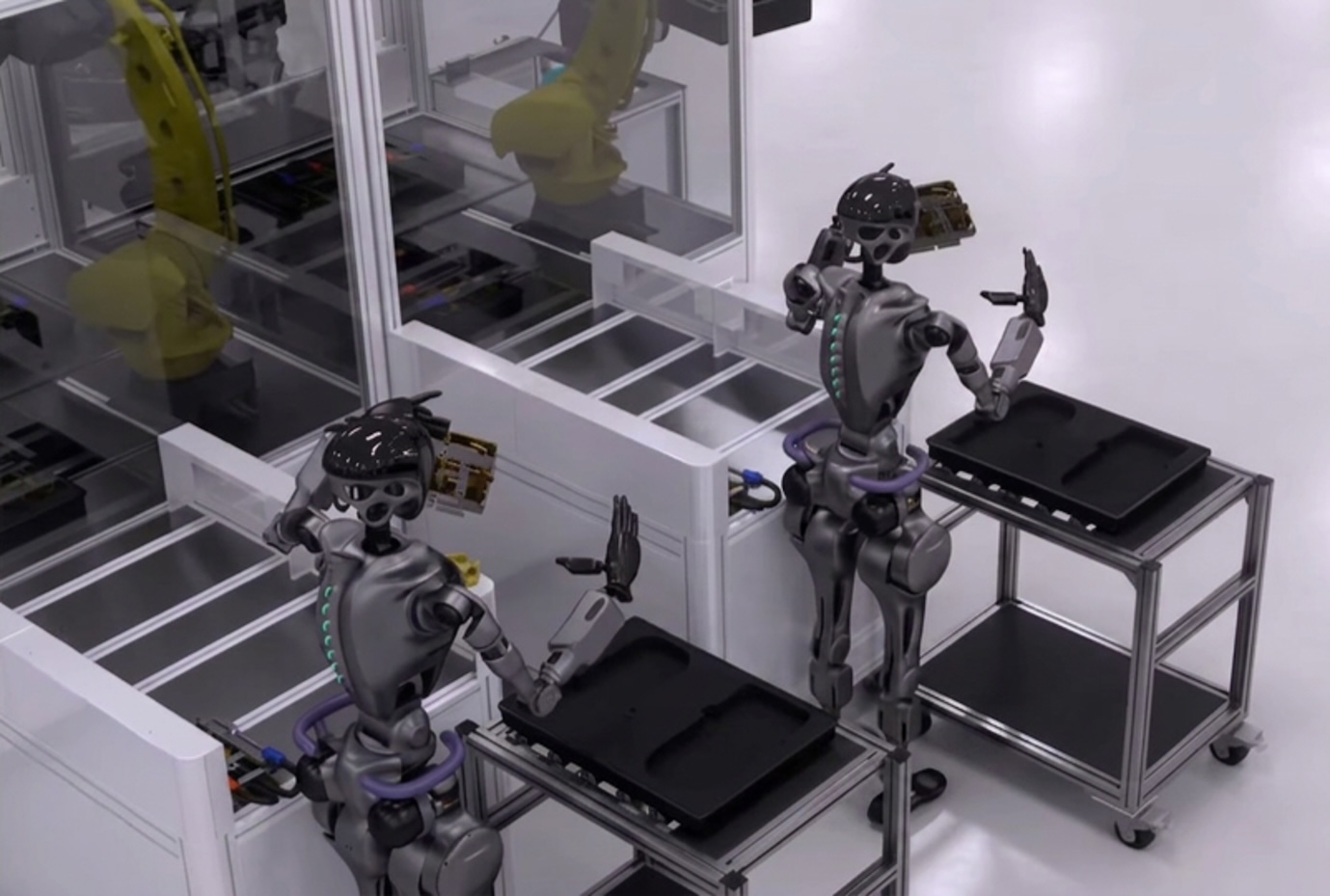
SpaceX Launches Starmind Project for 1 Million AI Satellites by 2028
SpaceX has officially named its orbital AI infrastructure project 'Starmind,' which aims to deploy a constellation of up to 1 million satellites. This initiative, confirmed by Elon Musk on June 22, 2026, will enable AI inference directly in space, utilizing solar energy rather than terrestrial power sources. The first satellite, designated AI1, was unveiled on June 8, 2026, and is designed to operate in sun-synchronous orbits. The significance of Starmind lies in its potential to overcome the limitations faced by ground-based data centers, such as land, power, and water constraints. By running AI computations in orbit, Starmind can provide a more efficient solution to the growing demand for AI computing power. The project leverages the existing Starlink infrastructure for data transmission, distinguishing its function from Starlink's internet relay capabilities. Looking ahead, SpaceX plans to begin hardware deployment with the AI1 satellite, while full-scale production and deployment of the satellite constellation are targeted for 2028. As of now, no Starmind satellites have been launched, and further engineering challenges remain to be addressed, particularly regarding the scalability of the satellite design.

SpaceX's $1.75 Trillion Valuation Driven by Starmind's Future Potential
Starmind is a pivotal element in SpaceX's estimated $1.75 trillion IPO valuation, despite currently generating no confirmed revenue. The stock price reflects optimistic projections regarding AI infrastructure growth, which Starmind has yet to substantiate. As of early July 2026, SpaceX's stock has decreased from its 52-week high of $225.64 to around $150, indicating market skepticism about future execution. The significance of Starmind lies in its potential to transform SpaceX's revenue model beyond traditional launch services. Goldman Sachs has shifted its focus from Starlink subscriber growth to the prospects of AI revenue, including orbital computing, as a cornerstone of SpaceX's long-term valuation. This marks a substantial change in how analysts view the company's growth trajectory, necessitating rates exceeding its historical 33% growth. Looking ahead, the credibility of Starmind as a growth narrative will be crucial for maintaining investor confidence. Analysts have noted a considerable divergence in price targets, reflecting uncertainty about the value of the Starmind and xAI initiatives. No further timeline was disclosed at the time of publication regarding specific milestones for these projects.

SpaceX's Starmind Plans 1 Million AI Satellites Amid Collision Risks
SpaceX has announced its ambitious Starmind project, which aims to deploy 1 million AI satellites in orbits between 500 and 2,000 km. This initiative, confirmed by Elon Musk on June 23, 2026, follows a merger with xAI, valuing the combined entity at $1.25 trillion. The satellites will function as orbital data centers, processing AI workloads powered by solar arrays and linked by optical lasers. The significance of Starmind lies in its potential to add 100 gigawatts of AI compute capacity annually, contingent on the successful operation of the Starship launch system. However, the project raises concerns regarding space debris, as the current orbital environment is already congested, with a 20% increase in collision risk reported since 2024. The European Space Agency has highlighted that the density of debris in low Earth orbit is now comparable to that of active satellites, complicating the operational landscape for new entrants like Starmind. Looking ahead, the first operational orbital AI deployments are targeted for 2028, with test launches expected in early 2027. However, the project faces scrutiny regarding its impact on space debris, as even a 1% failure rate could significantly increase the number of uncontrollable objects in orbit, exacerbating existing risks. No further timeline was disclosed at the time of publication.

Starmind's Satellite Technology Achieves 880 Billion Liters in Annual Water Savings
Starmind has announced that its satellite technology can save approximately 880 billion liters of cooling water annually at full scale. This figure is equivalent to the annual household water use of around 6.5 million Americans. The technology operates by utilizing a closed-loop liquid cooling system that eliminates the need for water during its operational life, contrasting sharply with traditional ground data centers that consume vast amounts of water for cooling. The significance of this achievement lies in the growing water consumption crisis faced by data centers, particularly as AI expansion drives demand. In 2025, U.S. data centers consumed nearly one trillion liters of water, highlighting the urgent need for sustainable solutions. Starmind's approach not only addresses direct water usage but also avoids indirect water consumption associated with electricity generation, marking a substantial shift in how computing can be conducted in a resource-efficient manner. Looking ahead, Starmind's deployment strategy includes a projected buildout of 100 GW of orbital compute per year, which could displace an additional 735 billion liters of ground water demand annually. The first tranche of 10,000 satellites is already operational, offsetting approximately 8.8 billion liters of water per year. No further timeline was disclosed at the time of publication.
Amiro Robotics' Liu Fang: Embodied Intelligence is Not Just Large Models or Autonomous Driving
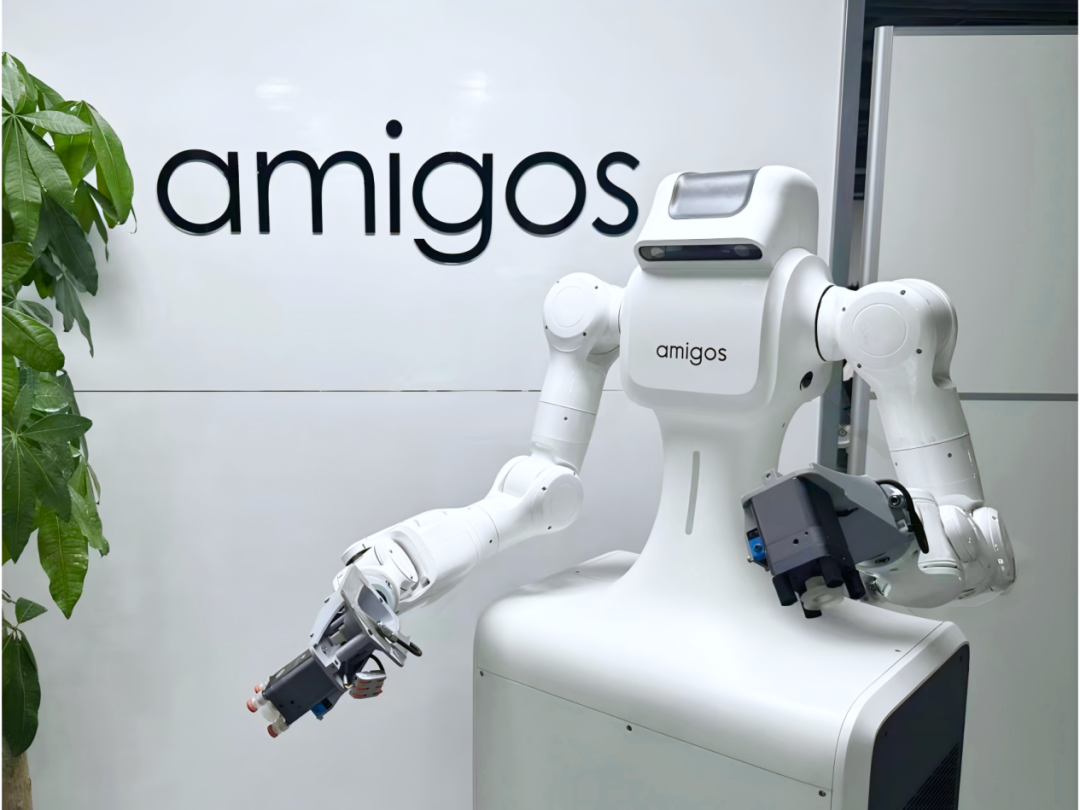
Liu Fang, the founder of Amiro Robotics, has presented a new perspective on embodied intelligence, distinguishing it from large models and autonomous driving. During a recent discussion, he emphasized that the true essence of embodied intelligence lies in enhancing labor capabilities within industrial environments. Liu argued that robots should be designed to provide consistent and reliable outputs, which is crucial for their integration into real-world applications. To further this discussion, he introduced a novel metric called Hours Per Intervention (HPI), aimed at evaluating robotic performance in production settings. This metric underscores the significance of building trust in robotic labor, as reliable performance is essential for widespread adoption in various industries. Liu’s insights reflect a growing recognition of the need for practical and dependable robotic solutions in the workforce, marking a shift towards more effective and measurable applications of robotics in industrial operations.
Embodied Intelligence Industrial Robotics Automation HPI Metric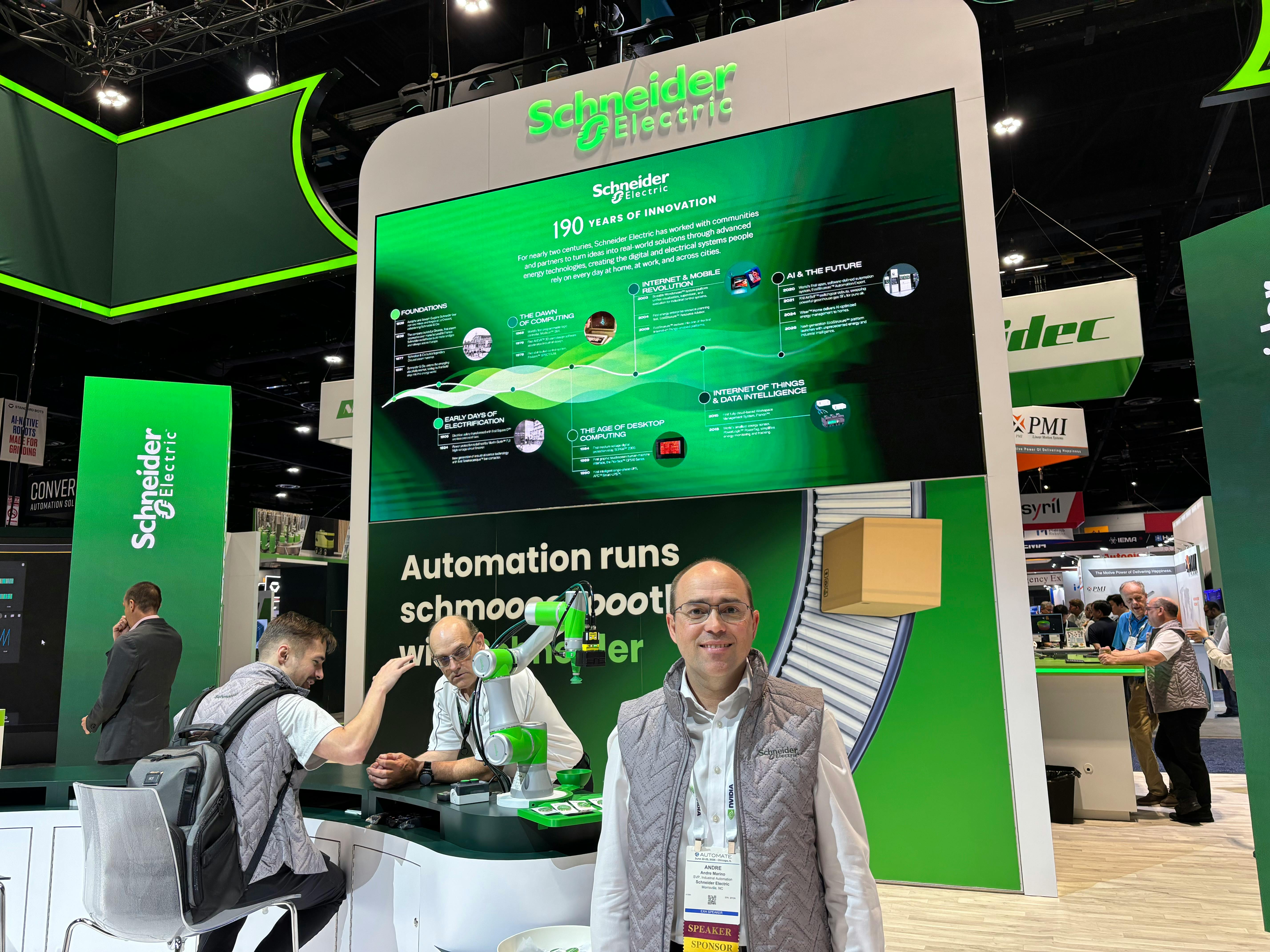
Large World Models & Software-Defined Automation: A Schneider Exec's Look at the Future
In a recent industry discussion, experts highlighted a significant challenge facing businesses: the issue of vendor lock-in. This problem, which restricts companies to a single supplier, limits their flexibility and innovation potential. The conversation took place during a technology conference held in San Francisco on October 15, 2023, where industry leaders gathered to address current trends and obstacles in the market. Participants emphasized that reliance on a single vendor can hinder competition and stifle creativity, as companies may feel compelled to continue using a service or product that does not fully meet their evolving needs. The motivation behind this concern stems from a desire for greater adaptability and the ability to leverage multiple solutions to enhance operational efficiency. To combat vendor lock-in, experts suggested strategies such as adopting open standards and promoting interoperability among different systems. By encouraging a more collaborative environment, businesses can mitigate risks associated with being tied to one provider and foster a more dynamic marketplace. The discussions underscored the importance of addressing these challenges to ensure that companies can thrive in an increasingly competitive landscape.
Factory / Control
Visual Language Models Train Robots to Read Human Emotions
A recent study led by Seung Chan Hong at the University of Melbourne explores the emotional capabilities of collaborative robots as they increasingly work alongside humans. Published on May 18 in IEEE Robotics and Automation Letters, the research investigates how robots can better understand human emotions through contextual cues, beyond just facial expressions. Involving 40 volunteers, the study trained a vision language model (VLM) to interpret emotions based on video interactions where robots handed objects to humans. The VLM outperformed traditional AI systems, scoring 0.86 in emotional accuracy compared to 0.77 for conventional methods. This improvement is attributed to the VLM's ability to consider the entire context of interactions rather than isolated facial expressions. In a follow-up experiment, participants interacted with a robot that was programmed to make an error, receiving either an emotionally adaptive apology or a standard one. The majority preferred the adaptive response, but trust in the robot diminished after it failed to complete its task, highlighting that emotional responses cannot compensate for a lack of functionality. While the VLM effectively recognized emotions from a third-party perspective, its accuracy dropped when compared to participants' self-reported feelings, indicating that robots still struggle to fully understand human emotions. The findings suggest that while emotional adaptivity is valuable, the primary concern for users remains the robot's competence in performing tasks.
Robotics Journal-watch Ai-models Emotion-recognition
Microsoft announces "Surface Laptop Ultra" featuring NVIDIA's new RTX Spark chip for local execution of large AI models.
Microsoft has unveiled its latest high-performance laptop, the Surface Laptop Ultra, which features NVIDIA's new Arm processor, the RTX Spark. This innovative device is designed to deliver powerful AI computing capabilities, enabling users to run large AI models in local environments. The announcement highlights Microsoft's commitment to advancing technology that enhances productivity and performance for users seeking cutting-edge solutions.
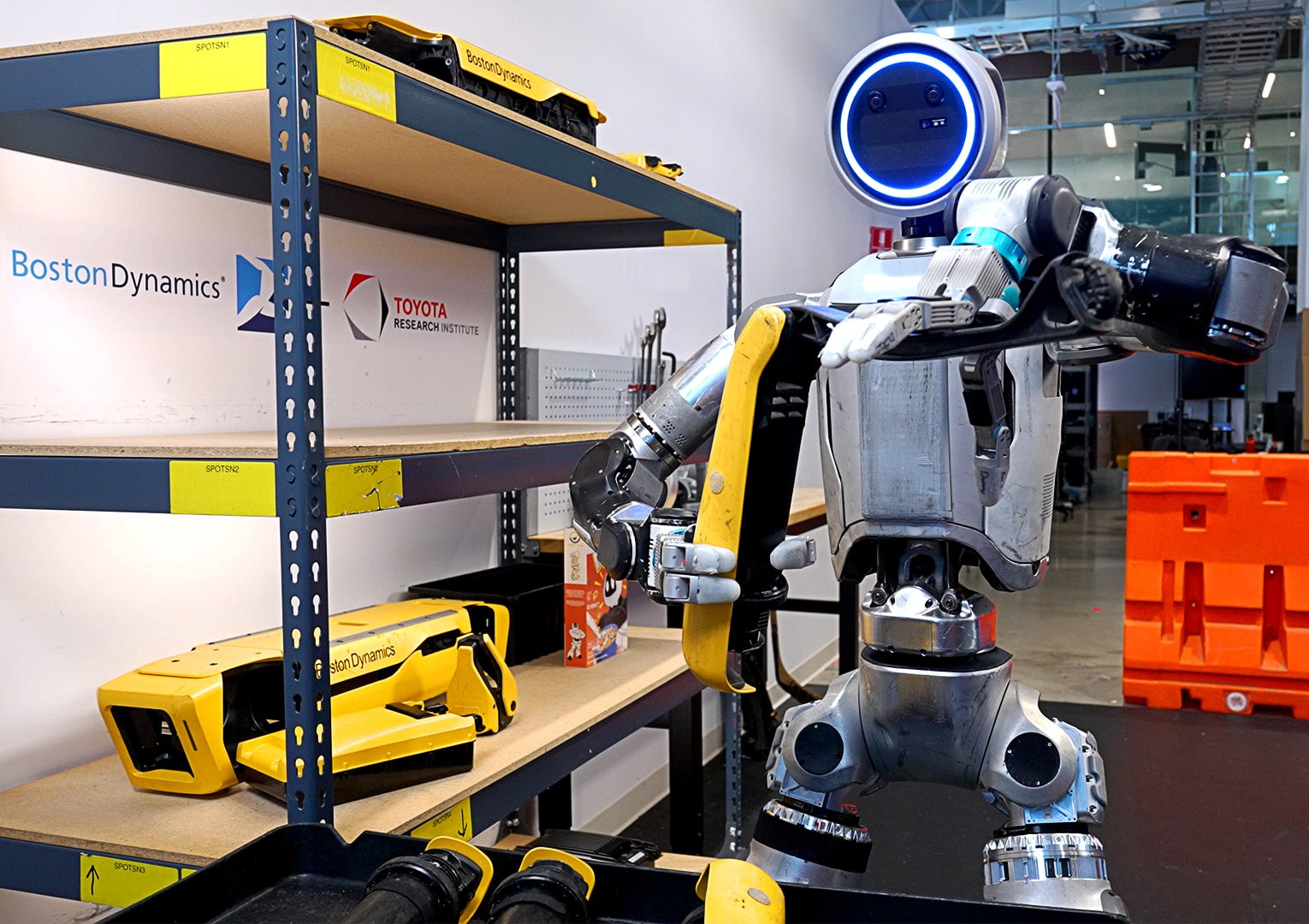
Large Behavior Models and Atlas Find New Footing | Boston Dynamics
Researchers emphasize that the development of effective humanoid robots hinges on a comprehensive set of skills. These robots must be capable of manipulating a wide variety of objects, ranging from hard to soft and heavy to delicate. They should also possess the ability to coordinate their movements to adapt to their surroundings, navigate obstacles, and maintain balance in unpredictable situations. This multifaceted approach is essential for creating AI generalists that can perform a diverse array of tasks, ultimately advancing the field of robotics. The ongoing research aims to address these challenges and enhance the functionality of humanoid robots, paving the way for their practical applications in everyday life.
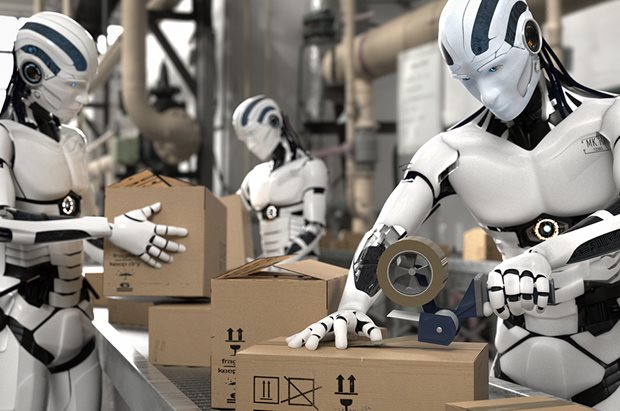
Dadu‐E: Rethinking the Role of Large Language Model in Robotic Computing Pipelines
In May 2026, the Journal of Field Robotics published a significant study exploring advancements in robotic technology. Researchers from various institutions collaborated to examine the latest innovations in field robotics, focusing on their applications in agriculture, search and rescue operations, and environmental monitoring. The study highlights how these robotic systems are designed to enhance efficiency and safety in challenging environments, addressing the growing demand for automation in various sectors. By employing cutting-edge artificial intelligence and machine learning techniques, the researchers demonstrated how robots can perform complex tasks with increased precision and reliability. This research aims to provide insights into the future of robotics, emphasizing the importance of continued development in this field to meet societal needs and improve operational capabilities.
RESEARCH ARTICLE
When Machines Learn to See Like Experts: The Rise of Vision Language Models in Manufacturing
In a significant development for the manufacturing sector, experts have highlighted the transformative potential of Variational Latent Models (VLMs) in enhancing quality assurance processes. While acknowledging that VLMs will not address every challenge faced in the realm of artificial intelligence within manufacturing, they emphasize that these models provide a unique capability that surpasses existing technologies, particularly in high-complexity production environments. This advancement comes at a time when industries are increasingly seeking innovative solutions to improve efficiency and accuracy in their operations. As manufacturers strive to meet rising demands and maintain high standards, the adoption of VLMs could represent a pivotal shift in how quality assurance is approached, ultimately leading to more reliable and efficient production outcomes.

Embodied Large Models: Aligning Evaluation First, Then Aligning with the World
Researchers in the field of robotics are grappling with the significant challenges posed by embodied intelligence, particularly the disparity between simulated environments and real-world applications. In response to these issues, a new benchmarking platform called RoboChallenge has been launched. This initiative aims to provide standardized evaluations for robotic models, addressing the pressing need for objective assessments to propel advancements in the industry. By establishing a consistent framework for evaluation, RoboChallenge seeks to bridge the existing gap and enhance the practical deployment of robotics in various settings.
Embodied Intelligence Robotics Benchmarking AI Evaluation RoboChallenge Simulation to RealityRobotics needs a service framework.
RSF defines a common language for robot service capability, lifecycle operations, certification pathways, and service-provider networks.
Join the RobotToday community on LinkedIn
Daily robotics news, in-depth analysis, conference highlights, and discussions with professionals worldwide.