Industry Briefing
A single destination for timely, editor-curated robotics news from around the world.

Berkeley Humanoid Lite: A Cost-Effective 3D-Printed Humanoid Robot for Research
Researchers at the University of California, Berkeley, have unveiled the Berkeley Humanoid Lite, a low-cost humanoid robot designed to enhance accessibility in robotics. This open-source platform utilizes 3D-printed components, allowing enthusiasts and developers to build and customize their own humanoid robots for under $5,000, significantly lowering the barrier to entry in robotics research. The Berkeley Humanoid Lite stands at 0.8 meters tall and weighs approximately 35 pounds (16 kilograms). It features modular actuators that convert electrical power into movement, utilizing a combination of brushless DC motors and 3D-printed cycloidal gearboxes. This innovative design not only reduces costs but also improves the robot's performance, making it a practical option for those interested in humanoid robotics. Looking ahead, the modular nature of the actuators allows for various configurations, enabling users to adapt the robot for different applications, including bipedal and quadruped designs. No further timeline was disclosed at the time of publication.
AI and Robotics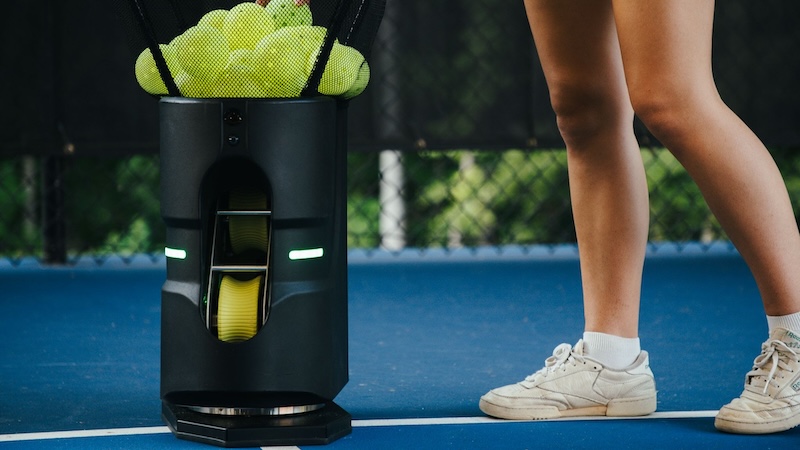
Tennibot Introduces Partner Lite AI Ball Machine Priced at $1,495 for Tennis and Padel
Tennibot has launched the Partner Lite, an AI-powered ball machine priced at $1,495, aimed at making intelligent training more accessible. This new model offers app-guided custom drills similar to those in the flagship Partner V2 but features a stationary design to reduce costs for athletes and training facilities. The introduction of Partner Lite is significant as it addresses the high cost of advanced training equipment, which has been a barrier for many players. By providing a more affordable option, Tennibot aims to expand its user base in the growing sports of tennis, pickleball, and padel, where technology adoption is on the rise. Orders for Partner Lite began on August 26, 2026, with shipping set to start in September. The machine is designed to work with Tennibot’s Rover autonomous ball collector, allowing users to enhance their training systems over time. No further timeline was disclosed at the time of publication.
Culture Health News ai ball machine ai training ball machine
Elon Musk's Prediction of Tesla Short Sellers' Obliteration Contradicted by $9 Billion Gains
Despite Elon Musk's assertion that Tesla short sellers would be 'obliterated,' they have realized approximately $9 billion in paper gains this year. Musk's comments, made on July 2, 2024, suggested that once Tesla achieves full autonomy and mass production of the Optimus robot, those betting against the company would face significant losses. The current situation indicates that short sellers have benefited from a nearly 30% decline in Tesla's stock price, leading to substantial unrealized gains. As of late July 2026, short sellers had accumulated around $9.08 billion in mark-to-market profits, according to data from S3 Partners. However, these gains are not guaranteed, as they could diminish if Tesla's stock rebounds. Looking ahead, the short interest in Tesla has increased significantly, rising to nearly 80 million shares from about 60 million in March, marking a 33% increase. This trend suggests that while Musk's prediction remains unfulfilled, the dynamics of short selling in Tesla continue to evolve, warranting close observation in the coming months.
Northrop Grumman Unveils Robotic Spacecraft for Satellite Repair and Life Extension
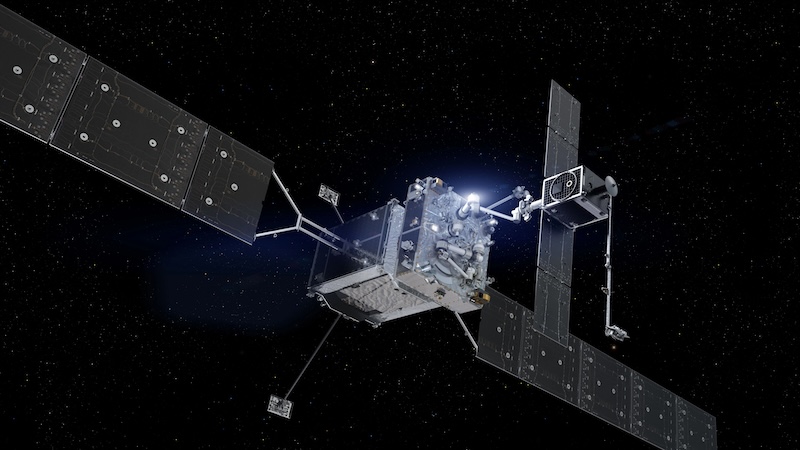
Northrop Grumman has successfully launched its advanced robotic spacecraft, the Mission Robotic Vehicle (MRV), designed to service satellites in orbit. The MRV, which took off from Cape Canaveral Space Force Station on July 21 aboard a SpaceX Falcon 9 rocket, aims to repair, upgrade, and relocate satellites, extending their operational life beyond their original fuel limits. This initiative is significant as it addresses the growing need for satellite maintenance in space, allowing expensive assets to remain functional without the need for complete replacement. The MRV is equipped with two robotic arms that facilitate satellite inspection, debris removal, and the installation of Mission Extension Pods (MEPs), which act as propulsion modules for satellites running low on fuel. Looking ahead, the MRV's first mission will showcase its capability to install MEPs on existing satellites, effectively providing them with additional propulsion. This innovative approach could redefine satellite longevity and operational efficiency. No further timeline was disclosed at the time of publication.
Features Space Autonomous robots darpa in-orbit servicing MEP
Army Pursues New Capabilities to Engage Enemy Surveillance Satellites from Ground
The U.S. Army is actively seeking new technologies to engage adversary satellites from the ground, as stated by Col. Joe Mroszczyk, a senior Army space official. This initiative aligns with the Army's expanding role in supporting U.S. Space Command in achieving space superiority, emphasizing the importance of counter-space operations. Col. Mroszczyk highlighted that the Army's involvement in counter-space operations is a natural extension of its core competencies, similar to naval engagements. The Army aims to follow U.S. national space policy, avoiding destructive anti-satellite attacks that create space debris. The focus is on counter-surveillance and reconnaissance capabilities against adversary satellites. The Army has been increasing its presence in the space domain, with counterspace listed as a budget priority starting in fiscal 2027. As the Army develops capabilities to prevent adversaries from collecting targeting data on U.S. forces, it is crucial to monitor advancements in this area and the integration of operational requirements into acquisition programs.
Air Warfare Land Warfare Space Air Force Army army space
Northrop Grumman's Mission Robotic Vehicle Enhances Satellite Longevity and Sustainability
Northrop Grumman's Mission Extension Vehicle (MEV) has successfully detached from the Optus satellite after over a year of service, paving the way for the new Mission Robotic Vehicle (MRV) and Mission Extension Pods (MEPs). This transition marks a significant advancement in satellite life-extension technology, allowing satellites to operate beyond their intended lifespan. The introduction of the MRV, equipped with advanced robotic arms, signifies a shift towards sustainable space operations. By enabling repairs and upgrades, Northrop aims to create a resilient space infrastructure that can extend the operational life of satellites, which often fail due to fuel depletion rather than technological obsolescence. The Optus satellite, launched in 2009, could potentially remain operational for an additional six years thanks to this innovative approach. Looking ahead, the MRV is set to attach an MEP to the Optus satellite in 2027, showcasing the potential for in-orbit servicing. As satellite operators increasingly seek cost-effective solutions, Northrop's advancements may redefine the future of satellite maintenance and operations, making it feasible to extend the life of larger, more expensive satellites currently in orbit.
Robotics Space Exclusive northrop grumman
Kapsch TrafficCom Launches Satellite Tolling System in the Netherlands
Kapsch TrafficCom has successfully deployed its Geo Location Platform (GLP) for satellite-based tolling in the Netherlands, expanding its operations in Europe. This platform is already in use in Belgium and is designed to create tolling transactions through advanced map-matching and trip-building capabilities. The significance of this expansion lies in Kapsch TrafficCom's ability to provide accurate and reliable tolling solutions that meet the needs of authorities and service providers. With the GLP operational in multiple countries, including Bulgaria and an upcoming launch in Lithuania, the company is showcasing its capacity to adapt to various regulatory environments and road networks. Looking ahead, Kapsch TrafficCom is poised to enhance its offerings by supporting additional charging types related to external costs, such as noise and air pollution, in line with EU directives. No further timeline was disclosed at the time of publication.
Space Transportation belgium co2 tolling connected vehicles eets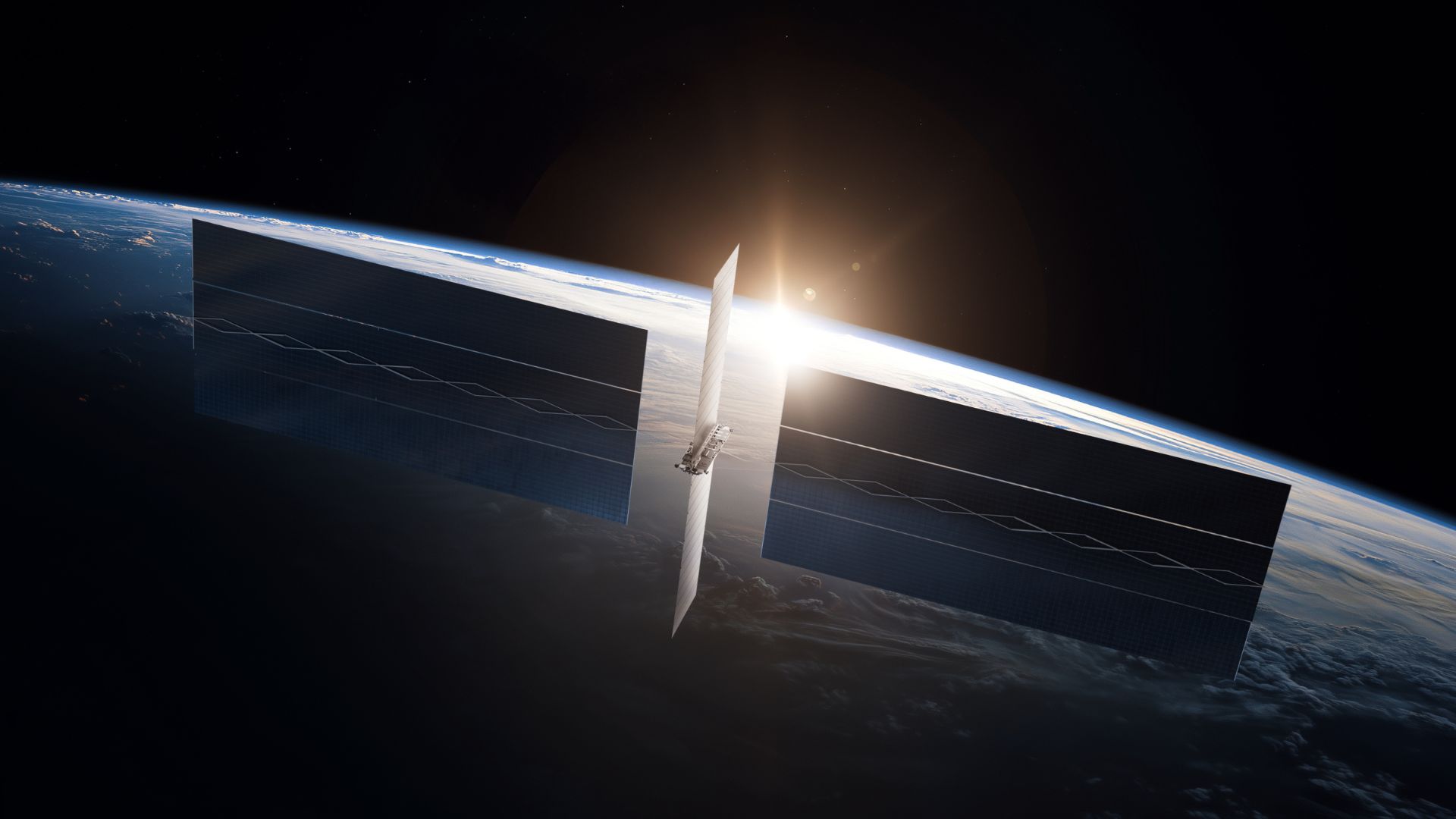
SpaceX and Nvidia Collaborate on Starmind AI1 Satellite with Rubin Chips for Orbital Computing
SpaceX and Nvidia have announced a partnership to develop the Starmind AI1 satellite, which will utilize Nvidia's Rubin GPUs and Vera CPUs for AI computing in low Earth orbit. This initiative aims to create a vast network of satellites, potentially reaching one million, forming a distributed AI supercomputer in space. The significance of this project lies in its potential to revolutionize AI processing capabilities beyond Earth, leveraging the advantages of solar energy and high-speed laser communication between satellites. SpaceX's commitment to using Nvidia's technology underscores the importance of this collaboration in advancing space computing. Looking ahead, prototype testing for the Starmind AI1 satellite is set for early 2027, with mass production anticipated later that year, contingent on regulatory approvals. The project could reshape the landscape of orbital infrastructure, significantly expanding the current satellite population and enhancing data processing capabilities in space.
AI and Robotics Space
HEBI Robotics Secures NASA Contract to Create Compact Actuators for Small Satellites
HEBI Robotics has received a Phase I contract from NASA’s Small Business Innovation Research program to develop compact robotic actuators for small satellites. This initiative aims to design miniature actuators capable of generating significant force while fitting within the constraints of spacecraft, particularly CubeSats, where space and weight are critical factors. The significance of this project lies in its potential to address the limitations of existing robotic hardware, which is often too large or lacks the necessary flexibility for advanced operations. As the commercial space industry grows, there is an increasing demand for affordable and reliable robotic systems that can perform effectively in harsh environments, as highlighted by HEBI Robotics’ director of hardware, Andrew Willig. Looking ahead, the contract, funded through NASA’s SBIR Ignite program, will extend through December 2026. HEBI Robotics plans to explore various motor and gearbox designs to create a compact actuator suitable for space missions, while also considering applications in industrial and field robotics, leveraging technology that can withstand extreme conditions.
Components News Space actuators aerospace commercial space
SenseTime Launches SenseNova U1.5-Lite-Preview Featuring Native 4K Output and Enhanced Editing Capabilities
SenseTime has introduced the SenseNova U1.5-Lite-Preview, which utilizes the NEO-Unify architecture to provide native 4K generation and advanced editing features. This new model is designed to replicate design frameworks effectively across various types of infographics and creative content. The release of SenseNova U1.5-Lite-Preview is significant as it enhances the capabilities of content creators by offering precise image editing tools and a lightweight unified multimodal model. This innovation is expected to streamline the design process and improve the quality of visual content produced by users. Looking ahead, industry professionals will be keen to observe how the SenseNova U1.5-Lite-Preview is adopted in creative sectors and its impact on the efficiency of design workflows. No further timeline was disclosed at the time of publication.

Siobahn Day Grady Launches AI Institute to Enhance Literacy at NCCU
Siobahn Day Grady, an associate professor at North Carolina Central University (NCCU), launched the Institute for Artificial Intelligence and Emerging Research (IAIER) in January 2025, marking the first AI research institute at a historically Black college or university (HBCU). This initiative aims to equip students and faculty with essential AI skills to meet the evolving demands of the workforce. The establishment of IAIER is significant as it addresses the disparities in funding and resources faced by HBCUs, which receive less than 1% of federal research and development funding despite comprising about 3% of four-year institutions in the U.S. Backed by a $1 million grant from Google.org, the institute has already engaged over 2,800 individuals through various research initiatives and training programs, emphasizing the principle that AI education should be accessible to all. Looking ahead, IAIER plans to sustain its momentum by expanding its interdisciplinary approach to AI education, requiring all NCCU freshmen to complete an introductory AI course. The institute also supports faculty research with seed grants and fosters industry connections to ensure that students are well-prepared for careers in an AI-driven economy. No further timeline was disclosed at the time of publication.
Artificial-intelligence Typedepartments Ai-research Universities Higher-education
Solid Launches Secula Lite AP-001 Security Camera with No Internet Required
On July 27, Solid released the Secula Lite AP-001 security camera, priced at 140,000 yen. This innovative device operates without the need for an internet connection, allowing for recording in locations where traditional connectivity is challenging. It features human detection capabilities, enabling users to connect directly via Wi-Fi to check and download recorded footage when necessary. The Secula Lite AP-001 stores video data on a microSD card, reducing the risk of data leaks due to its offline functionality. It also includes a privacy mask feature to obscure specific areas in the footage, ensuring personal privacy is maintained. The camera meets IP67 standards for water and dust resistance and can record at a maximum resolution of 3 million pixels, enhancing the accuracy of investigations and incident responses. As the demand for versatile security solutions grows, the Secula Lite AP-001's unique features position it well in the market. Observers should monitor how this product performs in various environments and its reception among consumers who prioritize privacy and ease of use. No further timeline was disclosed at the time of publication.

SpaceX Launches Dual-Arm Robot to Extend Lifespan of Aging Satellites
On July 21, SpaceX launched a dual-arm space robot named MRV from Cape Canaveral, Florida. Its mission is to extend the lifespan of aging satellites by attaching jetpacks to them in geostationary orbit, preventing them from becoming space debris. The first clients for this service are Luxembourg's SES and Australia's Optus, with each satellite's replacement costing up to hundreds of millions of dollars. This initiative is significant as it marks a shift in how satellites are viewed—not as disposable assets but as reusable ones that can be repaired and refueled. Northrop Grumman, the manufacturer of MRV, has experience in satellite servicing, having previously extended the lives of malfunctioning satellites. The MRV's capabilities may evolve to include repairing and repositioning active satellites and even removing defunct ones from busy orbits. Looking ahead, the success of MRV could pave the way for more advanced satellite servicing technologies. Just two weeks prior, another robotic spacecraft, LINK, was launched to rescue NASA's Swift Observatory, which is at risk of re-entering the atmosphere. As robotics play an increasingly vital role in space operations, the economic landscape of space could be fundamentally transformed.
Space Robotics Satellite Services Orbital Maintenance Space Economy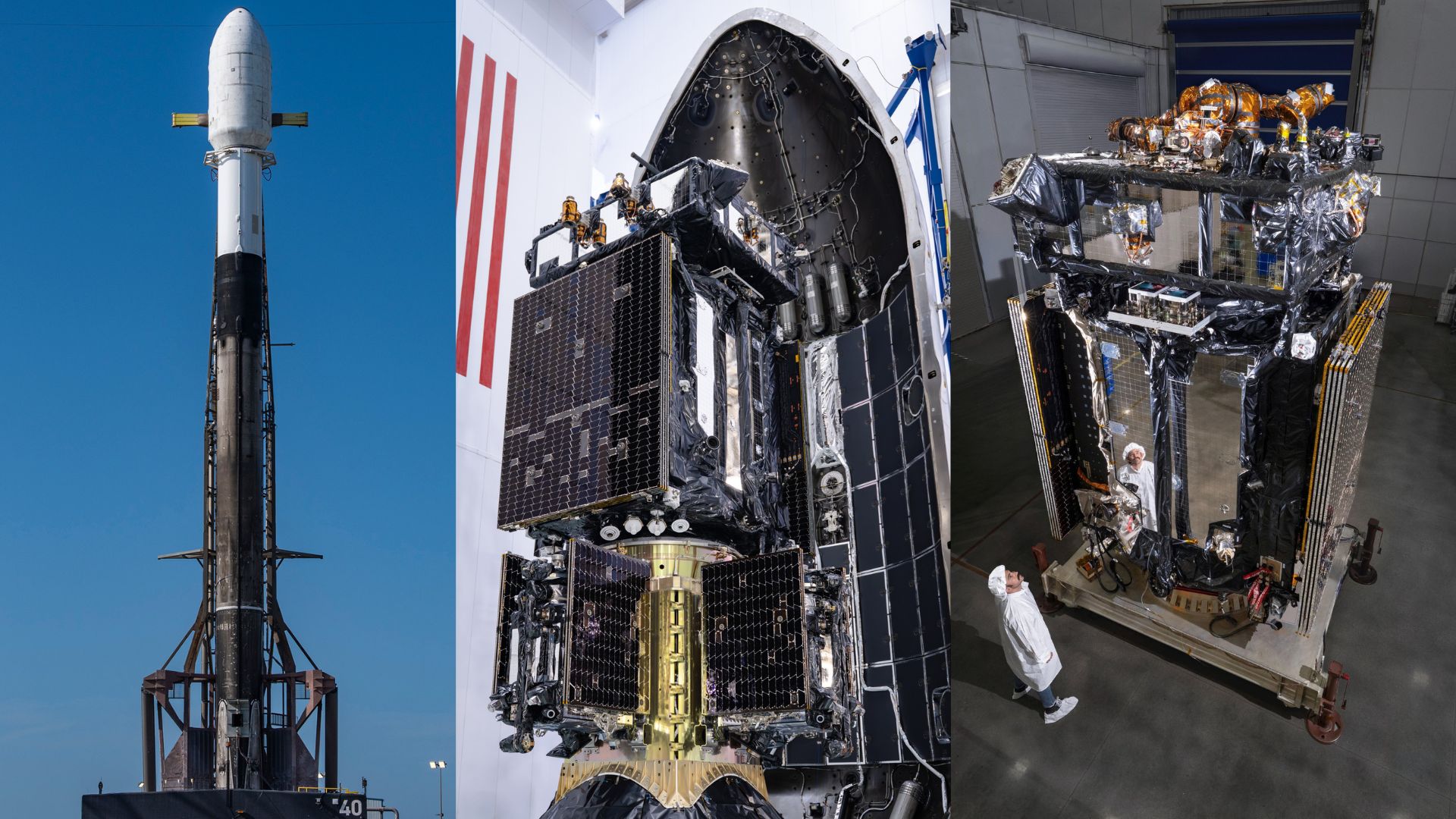
Northrop Grumman's Robotic Spacecraft Launched by SpaceX to Extend Satellite Lifespan
Northrop Grumman successfully launched its robotic spacecraft designed to extend the operational lives of aging communications satellites without the need for refueling. The spacecraft, known as the Mission Robotic Vehicle (MRV), was launched aboard a SpaceX Falcon 9 rocket from Cape Canaveral Space Force Station in Florida on July 21. This mission will test a new servicing model that allows MRV to install propulsion modules on multiple satellites in geostationary orbit. This mission is significant as it represents a shift in satellite maintenance, allowing for the servicing of multiple satellites over the MRV's operational lifespan of approximately 15 years. Unlike previous Mission Extension Vehicles that serviced a single satellite, MRV can move between clients, enhancing the efficiency of satellite operations. Northrop estimates that the technology can extend the life of a typical geostationary communications satellite by about six years. Looking ahead, Northrop plans to launch additional Mission Extension Pods for future customers while keeping the MRV operational in orbit. The U.S. Space Force has expressed interest in utilizing MRV's capabilities, indicating a growing demand for on-orbit servicing solutions. No further timeline was disclosed at the time of publication.
Space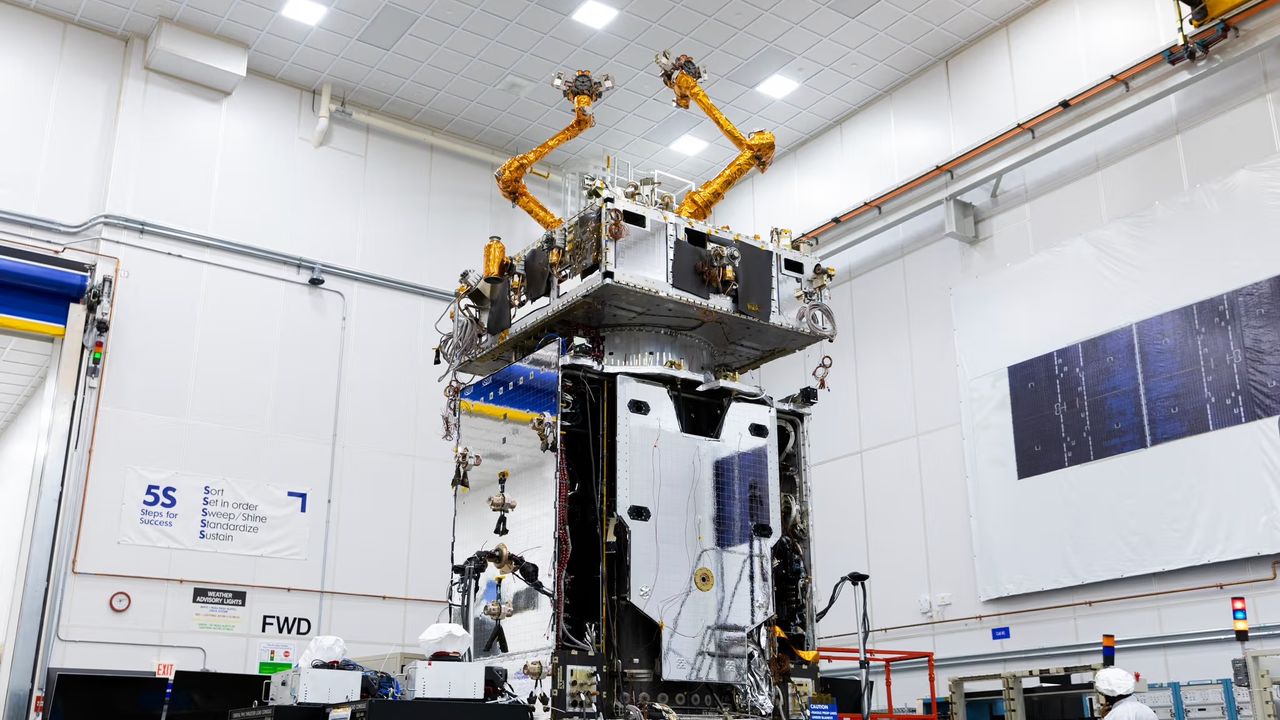
SpaceX Launches Innovative Satellite Repair Drone with Robotic Arms to Earth Orbit Today
SpaceX is set to launch a groundbreaking satellite-servicing mission today, July 21, using a Falcon 9 rocket from Cape Canaveral Space Force Station. The mission, named MRV-MEV, will deploy a Mission Robotic Vehicle (MRV) and three Mission Extension Pods (MEPs) to geostationary orbit (GEO) at an altitude of 22,236 miles (35,786 kilometers). The MRV, equipped with two robotic arms, will attach the MEPs to client satellites, extending their operational lives. This mission is significant as it marks the first launch of MEPs, which are designed to provide up to eight years of life extension for satellites in GEO. The MRV will not only install MEPs but also has capabilities to relocate, inspect, repair, and upgrade satellites in orbit. This advancement in satellite servicing technology is expected to enhance the resilience of space assets, as noted by Northrop Grumman, the parent company of SpaceLogistics, which operates the spacecraft. Looking ahead, the MRV will remain in GEO after installing the MEPs, awaiting future missions. The successful deployment of this technology could pave the way for more complex satellite servicing operations, building on Northrop Grumman's previous experiences with the Mission Extension Vehicle projects. No further timeline was disclosed at the time of publication.
Launches & Spacecraft Space Exploration
Elite Robots Partners with Generalist AI for Advanced Cobot Development
Elite Robots has teamed up with Generalist AI to enhance its cobot platform through real-world data collection and algorithm validation. This collaboration aims to leverage Generalist AI's expertise in embodied AI, particularly with the recent launch of GEN-1, which boasts a remarkable 99% task success rate and a threefold increase in speed. The partnership is significant as it combines Elite Robots' cobot technology with Generalist AI's cutting-edge AI capabilities, potentially leading to advancements in automation and robotics. The integration of high-performing AI models like GEN-1 could enhance the efficiency and effectiveness of collaborative robots in various applications. Looking ahead, the focus will be on the outcomes of this collaboration and how the integration of Generalist AI's technology will impact the performance of Elite Robots' cobots. No further timeline was disclosed at the time of publication.

Tesla's Optimus Robots to Support Starmind Satellite Production, Not Maintenance
Tesla's Optimus robots will not be used to repair Starmind satellites in orbit, as confirmed by recent statements from Elon Musk. Instead, these robots are intended to assist in the construction and operation of the Terafab chip manufacturing facility in Texas. The AI1 satellites, designed to disintegrate upon reentry, highlight the company's swap-and-replace strategy rather than traditional maintenance practices. This approach is significant as it reflects a broader trend in satellite management, where mass-produced satellites are replaced rather than repaired. The economics of servicing missions are prohibitive, with the cost of launching a replacement satellite being significantly lower than conducting a repair mission. This model aligns with SpaceX's operational history, where rapid replacement of satellites is more efficient than attempting to maintain them in orbit. Looking ahead, the focus will remain on the production capabilities of the Gigasat factory, which is expected to support the continuous replacement of satellites. No further timeline was disclosed at the time of publication, but the demand for rapid satellite turnover suggests a robust future for Optimus robots in terrestrial manufacturing rather than in-space servicing.

SpaceX's Starmind Plans 1 Million AI Satellites Amid Collision Risks
SpaceX has announced its ambitious Starmind project, which aims to deploy 1 million AI satellites in orbits between 500 and 2,000 km. This initiative, confirmed by Elon Musk on June 23, 2026, follows a merger with xAI, valuing the combined entity at $1.25 trillion. The satellites will function as orbital data centers, processing AI workloads powered by solar arrays and linked by optical lasers. The significance of Starmind lies in its potential to add 100 gigawatts of AI compute capacity annually, contingent on the successful operation of the Starship launch system. However, the project raises concerns regarding space debris, as the current orbital environment is already congested, with a 20% increase in collision risk reported since 2024. The European Space Agency has highlighted that the density of debris in low Earth orbit is now comparable to that of active satellites, complicating the operational landscape for new entrants like Starmind. Looking ahead, the first operational orbital AI deployments are targeted for 2028, with test launches expected in early 2027. However, the project faces scrutiny regarding its impact on space debris, as even a 1% failure rate could significantly increase the number of uncontrollable objects in orbit, exacerbating existing risks. No further timeline was disclosed at the time of publication.
SpaceX's Starship V3 Plans for 1 Million Starmind Satellites by 2030
SpaceX's Starship V3 is set to revolutionize satellite deployment, aiming to launch 1 million Starmind satellites by 2030. The spacecraft can carry over 100 tonnes to low Earth orbit (LEO), significantly more than the Falcon 9's capacity. As of May 2026, Starship has completed 12 flights, with the next mission scheduled for late July 2026, focusing on operational payloads including AI1 prototypes in early 2027. This ambitious plan is crucial for expanding orbital compute capacity, targeting an annual addition of 100 GW through a million tonnes of satellite hardware. SpaceX's strategy hinges on achieving a launch cadence of approximately 12,000 flights, equating to about three launches per day. The company has invested over $15 billion in the Starship program, with expectations to begin payload deliveries in the second half of 2026, starting with Starlink V3 satellites. Looking ahead, the successful deployment of the Starmind constellation will depend on Starship's ability to meet its cost targets of $10–20 million per flight. If achieved, this would make launching satellites more economical than building ground data centers. The next significant milestone will be the launch of AI1 prototypes in early 2027, with full-scale deployments commencing in 2028 from the new Gigasat factory in Texas.

Starmind's Satellite Technology Achieves 880 Billion Liters in Annual Water Savings
Starmind has announced that its satellite technology can save approximately 880 billion liters of cooling water annually at full scale. This figure is equivalent to the annual household water use of around 6.5 million Americans. The technology operates by utilizing a closed-loop liquid cooling system that eliminates the need for water during its operational life, contrasting sharply with traditional ground data centers that consume vast amounts of water for cooling. The significance of this achievement lies in the growing water consumption crisis faced by data centers, particularly as AI expansion drives demand. In 2025, U.S. data centers consumed nearly one trillion liters of water, highlighting the urgent need for sustainable solutions. Starmind's approach not only addresses direct water usage but also avoids indirect water consumption associated with electricity generation, marking a substantial shift in how computing can be conducted in a resource-efficient manner. Looking ahead, Starmind's deployment strategy includes a projected buildout of 100 GW of orbital compute per year, which could displace an additional 735 billion liters of ground water demand annually. The first tranche of 10,000 satellites is already operational, offsetting approximately 8.8 billion liters of water per year. No further timeline was disclosed at the time of publication.
SpaceX's Starmind Faces Feasibility Challenges for 1 Million Satellite Deployment
On January 30, 2026, SpaceX submitted a request to the FCC to launch up to 1 million satellites as part of its Starmind orbital compute constellation. This ambitious plan is unprecedented, as the total number of satellites ever launched globally is in the low tens of thousands. The proposal seeks a waiver from standard deployment milestones, citing reliance on the Starship's full reusability for success. The significance of this request lies in the technical and logistical challenges it presents. Experts warn that low Earth orbit may not support the proposed number of active satellites without risking a debris cascade. SpaceX's own IPO prospectus acknowledges unresolved dependencies related to Starship's launch cadence and reusability, which are critical for the orbital AI compute strategy. Looking ahead, the timeline for achieving the necessary launch cadence and manufacturing capacity remains uncertain. SpaceX's Gigasat facility in Texas aims for volume production by late 2027, but this would require unprecedented output levels. No further timeline was disclosed at the time of publication, leaving the feasibility of the Starmind project in question.

SpaceX Unveils AI1 Satellite Specs for Starmind Constellation with Key Thermal Challenges
SpaceX has introduced the AI1 satellite, the inaugural component of its Starmind constellation, which stands 20 meters tall and has a wingspan of 70 meters. This orbital compute node is designed to deliver computing power equivalent to one NVIDIA GB300 server rack, utilizing a unique cooling system with deployable liquid radiators. The satellite's specifications were revealed during a presentation on June 8, 2026, ahead of SpaceX's IPO. The significance of the AI1 satellite lies in its role as a compute platform rather than a traditional satellite, focusing on running AI inference workloads. The satellite's cooling system, which is critical for its operation in the vacuum of space, is designed to reject heat through infrared radiation. However, independent engineers have raised concerns about the feasibility of the thermal and mass claims made by SpaceX, suggesting that the cooling requirements may exceed practical limits. Looking ahead, SpaceX plans to launch two AI1 prototypes in early 2027, with full-scale production expected to commence later that year at its Gigasat facility in Bastrop, Texas. The ongoing debate regarding the satellite's thermal management capabilities will be crucial to monitor as the project progresses, with no further timeline disclosed at the time of publication.
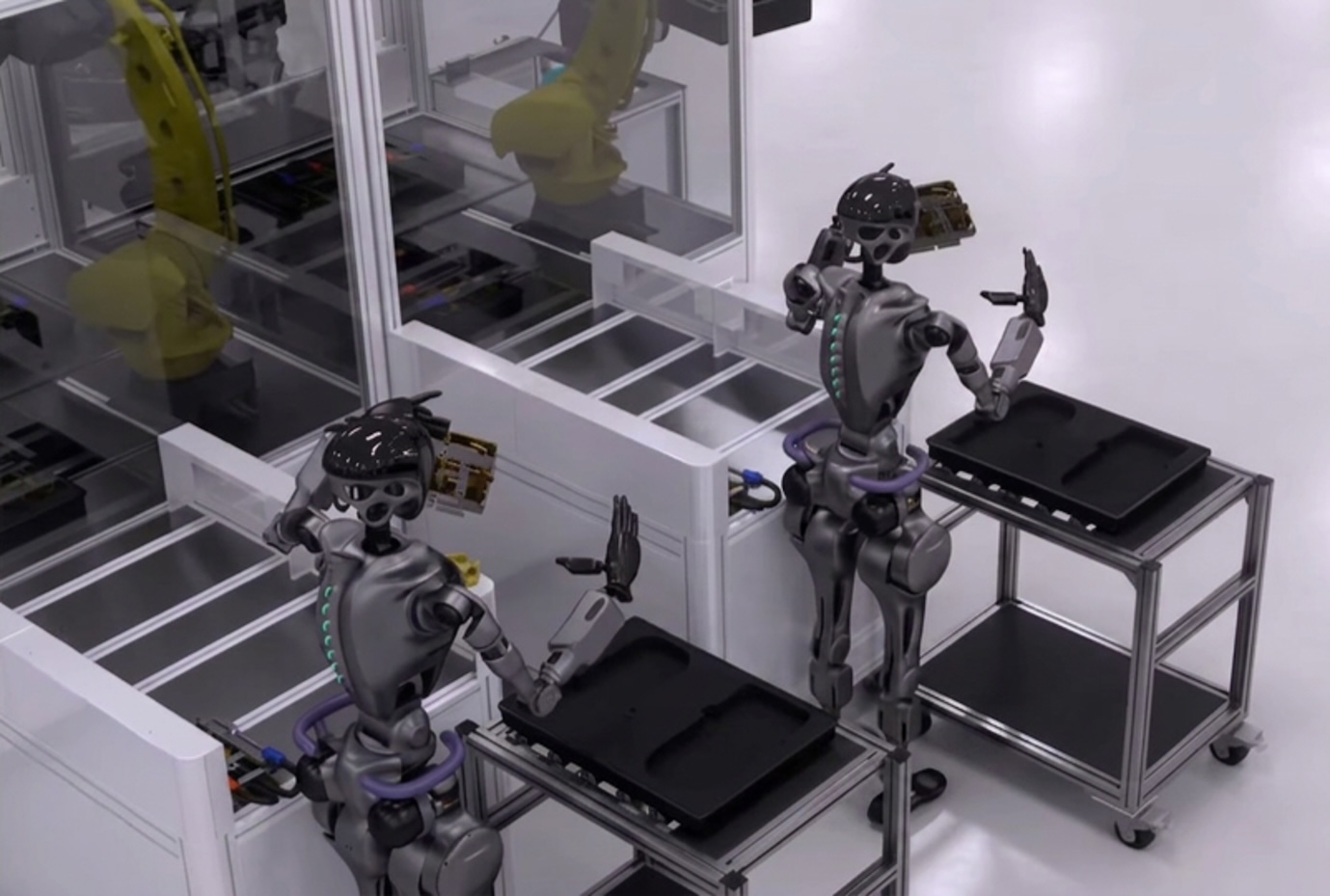
SpaceX Launches Starmind Project for 1 Million AI Satellites by 2028
SpaceX has officially named its orbital AI infrastructure project 'Starmind,' which aims to deploy a constellation of up to 1 million satellites. This initiative, confirmed by Elon Musk on June 22, 2026, will enable AI inference directly in space, utilizing solar energy rather than terrestrial power sources. The first satellite, designated AI1, was unveiled on June 8, 2026, and is designed to operate in sun-synchronous orbits. The significance of Starmind lies in its potential to overcome the limitations faced by ground-based data centers, such as land, power, and water constraints. By running AI computations in orbit, Starmind can provide a more efficient solution to the growing demand for AI computing power. The project leverages the existing Starlink infrastructure for data transmission, distinguishing its function from Starlink's internet relay capabilities. Looking ahead, SpaceX plans to begin hardware deployment with the AI1 satellite, while full-scale production and deployment of the satellite constellation are targeted for 2028. As of now, no Starmind satellites have been launched, and further engineering challenges remain to be addressed, particularly regarding the scalability of the satellite design.
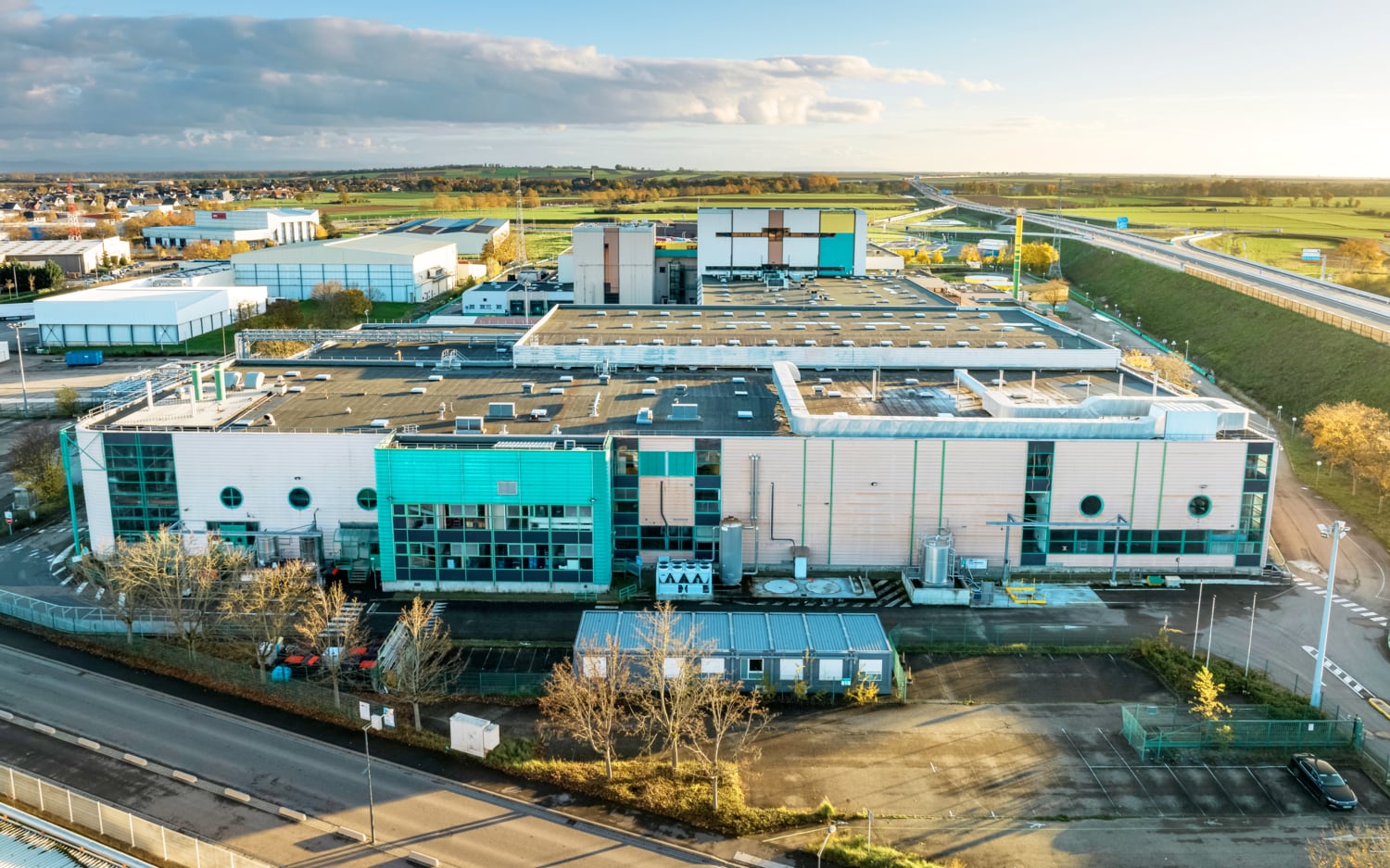
Swap Food, formerly Umiami, files for bankruptcy due to oversized factory and small market
Swap Food, previously known as Umiami, has ultimately succumbed to judicial liquidation. The company was reportedly losing one million euros per month, which contributed significantly to its financial troubles. The situation highlights the challenges faced by companies in the food sector, particularly those with large operational scales that do not align with market demand. Swap Food's oversized factory was a critical factor in its inability to sustain operations. Looking ahead, industry observers will be keen to see how this bankruptcy impacts the broader food market and whether it prompts other companies to reassess their operational strategies. No further timeline was disclosed at the time of publication.
Produits alimentaires
3D Printed Robot Prime Lite Aims to Inspire Future Engineers in Classrooms
In the past year, job openings in the robotics sector have surged by 75.26%, with humanoid robot positions increasing by 215.8%. However, the supply-demand ratio for technical talent in the industry stands at 1:5.2, indicating a significant gap in practical skills. The newly launched Prime Lite, a 3D printed educational robot, aims to address this gap by allowing students to engage in the entire process of design, assembly, and troubleshooting. Prime Lite, developed through a collaboration between Beijing Zhongguancun Academy and the Zhongguancun Artificial Intelligence Research Institute, features a modular design that encourages hands-on learning. It is equipped with a self-developed AI model, PhysBrain, enabling students to understand the complete cycle of perception, decision-making, control, and execution. This initiative is not just about education; it is a long-term investment in cultivating engineers who can work with embodied intelligent robots in the future. As Prime Lite is integrated into educational institutions like Beijing No. 11 School, the focus will be on tracking the long-term impact of this initiative. The real measure of success will be the number of students who pursue careers in robotics and automation after their experience with Prime Lite, highlighting the importance of practical, hands-on education in shaping the future workforce.
Educational Robotics 3D Printing Embodied Intelligence STEM Education
ByteDance Prepares AI Model for Real-Time Spatial Video Generation Competing with Meta and Alphabet
ByteDance Ltd. is developing an AI model focused on real-time spatial video generation, positioning itself against major players like Meta Platforms Inc. and Alphabet Inc. This initiative highlights the growing competition in the AI sector, particularly in applications relevant to robotics and autonomous systems. The significance of ByteDance's efforts lies in its potential to enhance capabilities in robotics and autonomous systems, areas that are increasingly reliant on advanced AI technologies. By entering this competitive landscape, ByteDance aims to carve out a niche in a market that is rapidly evolving and attracting significant attention from industry leaders. Looking ahead, stakeholders should monitor ByteDance's progress in this AI model development, as it could influence trends in spatial video applications and their integration into robotics. No further timeline was disclosed at the time of publication.

Hebbian Robotics Releases HFlow 0.2.4 for Robotic Data Quality Control
Hebbian Robotics has launched HFlow 0.2.4, a preliminary version of its open-source tool aimed at robotic data quality control. The software organizes videos, joint states, actions, and timestamps used for training models, while tracking transformations applied to each episode. Robotic teams often accumulate recordings from cameras, sensors, and commands that do not share the same clock, which can degrade learning without visible errors. HFlow aims to replace scattered scripts with a reproducible, observable, and queryable pipeline. It uses MCAP as the primary input and output format, which is natively utilized by ROS 2, and can integrate images, states, actions, and other time series. The latest version also adds support for importing datasets in LeRobot v3 format. Each processing step can execute transformations, checks, annotations, or enrichments written in Python, allowing teams to trace the code that produced an episode and compare versions of checks. The project’s success will depend on its adoption by teams already using ROS 2, MCAP, or LeRobot. HFlow addresses a significant issue: a robotic model cannot sustainably compensate for desynchronized, incomplete, or irreproducible data. By making these defects measurable and auditable, HFlow seeks to shift quality control earlier in the learning pipeline.
Robots
MIT Lincoln Laboratory Develops LightHOUSE for Navigation in Cislunar Space
MIT Lincoln Laboratory is developing the Light High-Orbit Utility Signal Emitter (LightHOUSE) to enhance navigation in cislunar space. This initiative aims to address the limitations of current navigation systems, which rely on NASA's Deep Space Network (DSN) and can take hours for orbit determination. The LightHOUSE concept proposes a constellation of high-altitude satellites that will serve as optical beacons, providing timely navigation data to spacecraft. This system could significantly reduce the need for corrective maneuvers and conserve propellant, making it crucial as lunar missions become a strategic priority for national security. As the project progresses, the team is focused on refining the system through analysis and experimentation. The successful implementation of LightHOUSE could revolutionize navigation in cislunar space, offering a reliable alternative to existing ground-based systems and enhancing mission capabilities beyond geosynchronous orbit.
Research Space exploration Satellites Communications Spaceflight Lincoln Laboratory
SpaceX Plans Lunar Factories with Robotic Assistance for Starmind Satellite Production
During SpaceX's quarterly earnings call on August 4, Elon Musk announced plans to establish factories on the moon, utilizing robots for heavy lifting. This initiative aims to support the production of Starmind AI satellites, with a goal of deploying a million-satellite constellation in Earth's orbit and beyond. Musk emphasized the significance of off-Earth manufacturing, stating that robots will play a crucial role in scaling up lunar production. The factories will focus on creating essential components like solar panels and radiators for the Starmind satellites, which are expected to revolutionize space intelligence capabilities. Looking ahead, Musk's vision includes launching locally manufactured Starmind satellites from the moon using electromagnetic mass drivers. While specific details about the robotic workforce remain undisclosed, the use of Tesla's Optimus robots is anticipated. No further timeline was disclosed at the time of publication.
The moon Astronomy Solar System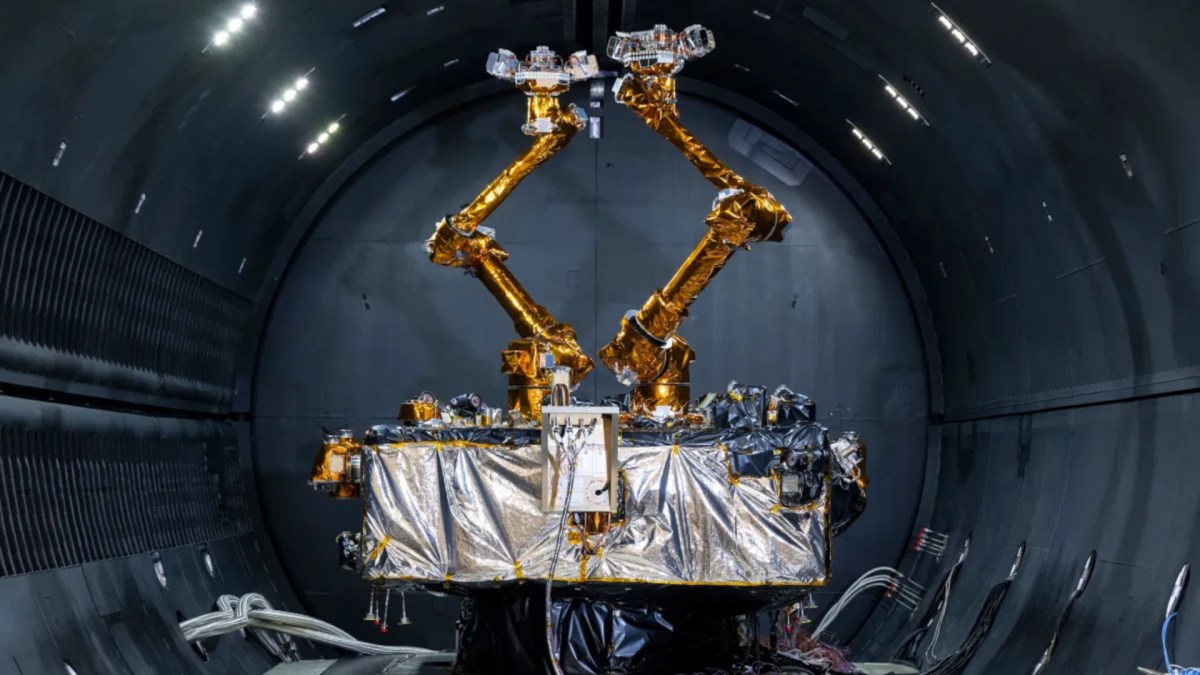
Northrop Grumman's New MRV Spacecraft Launches Today Amid Offensive Capability Questions
Northrop Grumman is set to launch its Mission Robotic Vehicle (MRV) today, equipped with two robotic arms designed for satellite servicing. While the primary purpose of the MRV is to refuel and repair satellites in geosynchronous orbit, discussions have emerged regarding its potential use in offensive operations against enemy satellites. The U.S. Space Force is exploring offensive capabilities to protect its assets, raising questions about the MRV's dual-use potential. The MRV's launch is significant as it represents a step forward in commercial satellite servicing, with the ability to install life extension jetpacks on satellites, potentially prolonging their operational life by up to eight years. Northrop Grumman's CEO, Kathy Warden, emphasized the spacecraft's capabilities during a recent earnings call, indicating that the company is prepared to offer options for technology deployment to clients, including the U.S. government. Looking ahead, the MRV is scheduled to launch aboard a SpaceX Falcon 9 rocket from Cape Canaveral, with a window starting at 5:15 PM ET. The mission will involve rendezvousing with satellites from commercial telecommunications providers Optus and SES, showcasing the MRV's versatility in on-orbit servicing and inspection. No further timeline was disclosed at the time of publication.
Space Anti-Satellite Capabilities News & Features Orbital Systems War In Space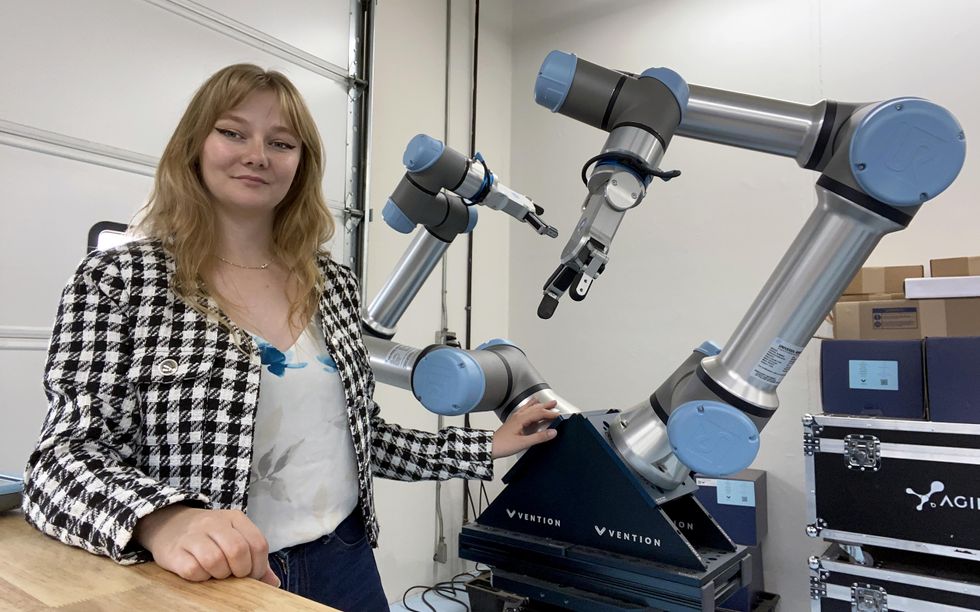
Graduate Student Develops NASA Robot Assembly Algorithm for Satellite Antennas
Sarah Downs, a graduate student at Texas A&M University, has developed an algorithm for NASA that enables robots to assemble satellites in space. This algorithm addresses the classic peg-in-hole problem by allowing robots to insert antennas accurately into designated spots. Downs's work is significant as it enhances the capabilities of robots operating in the challenging environment of outer space. The importance of Downs's research lies in its potential to improve satellite assembly processes, which are critical for space missions. By creating a robot that can perform tasks without relying on vision systems, Downs addresses the challenges posed by the harsh conditions of space where cameras may fail. This innovation could lead to more reliable and efficient satellite deployment in future missions. Looking ahead, Downs plans to continue her research on satellite assembly and manipulation at a larger scale. As she progresses in her Ph.D. studies, her work will likely contribute to advancements in robotics that could transform how satellites are constructed and maintained in orbit. No further timeline was disclosed at the time of publication.
Type-ti Ieee-member-news Robots Nasa Student-member Satellites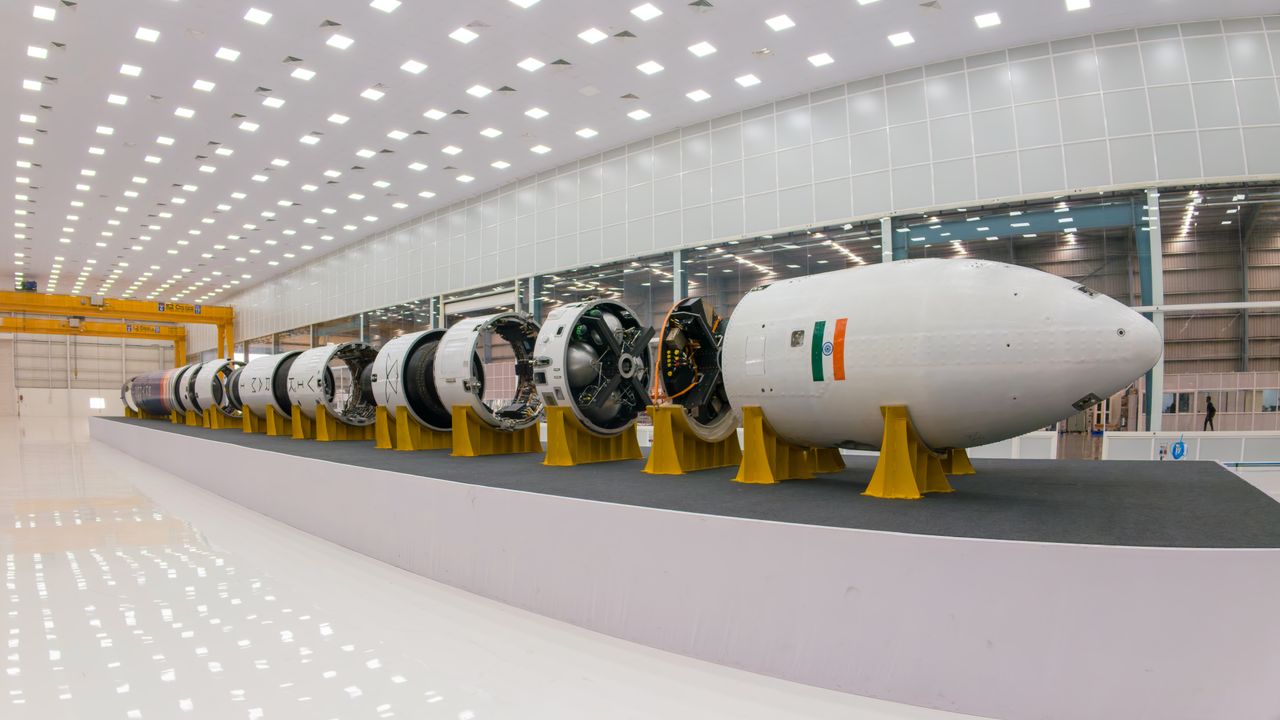
Skyroot Aerospace Prepares for Historic Vikram-1 Launch to Orbit Multiple Satellites
Skyroot Aerospace is on the verge of launching its first orbital rocket, Vikram-1, from the Satish Dhawan Space Centre, with a launch window from July 12 to August 4. The rocket features a unique liquid-fueled upper stage that allows for multiple satellite deployments during a single mission, marking a significant milestone for private spaceflight in India. The successful launch of Vikram-1, named Aagaman, would be a historic achievement as it would make Skyroot the first private Indian company to place satellites into orbit. The mission includes various payloads, such as Skyroot's SCOPE satellite and technology demonstrations from international partners, showcasing the company's capability to cater to specific orbital requirements for small satellites. Looking ahead, Skyroot aims to validate Vikram-1 through three development flights before commencing commercial operations. The company plans to scale production to one rocket per month, positioning itself in the market for dedicated satellite launches, akin to a 'cab' service for orbital missions, as stated by co-founder and CEO Pawan Kumar Chandana.
Launches & Spacecraft Space Exploration
SpaceX's $1.75 Trillion Valuation Driven by Starmind's Future Potential
Starmind is a pivotal element in SpaceX's estimated $1.75 trillion IPO valuation, despite currently generating no confirmed revenue. The stock price reflects optimistic projections regarding AI infrastructure growth, which Starmind has yet to substantiate. As of early July 2026, SpaceX's stock has decreased from its 52-week high of $225.64 to around $150, indicating market skepticism about future execution. The significance of Starmind lies in its potential to transform SpaceX's revenue model beyond traditional launch services. Goldman Sachs has shifted its focus from Starlink subscriber growth to the prospects of AI revenue, including orbital computing, as a cornerstone of SpaceX's long-term valuation. This marks a substantial change in how analysts view the company's growth trajectory, necessitating rates exceeding its historical 33% growth. Looking ahead, the credibility of Starmind as a growth narrative will be crucial for maintaining investor confidence. Analysts have noted a considerable divergence in price targets, reflecting uncertainty about the value of the Starmind and xAI initiatives. No further timeline was disclosed at the time of publication regarding specific milestones for these projects.

SpaceX IPO Provides Indirect Investment Opportunity in Starmind Project
Starmind does not have a standalone stock or ticker; investors can gain exposure through SpaceX (ticker: SPCX), which began trading on Nasdaq after its IPO on June 12, 2026. Starmind is integrated within SpaceX, contributing to the company's AI and space initiatives, and its performance directly influences SPCX shares. The significance of Starmind lies in its role as a division of SpaceX, which encompasses other projects like Starlink and Starship. As of early July 2026, SPCX shares are trading between $149 and $150, significantly lower than their 52-week high of $225.64. The project’s milestones, such as AI1 prototype updates, can impact SpaceX's stock performance, making it essential for investors to monitor these developments closely. Looking ahead, the early 2027 launch of AI1 prototype satellites is a critical milestone that could provide verifiable data affecting Starmind's valuation and, consequently, SPCX stock. No further timeline was disclosed at the time of publication, but the upcoming events will be pivotal for investors tracking the relationship between Starmind and SpaceX's stock performance.

SpaceX's Starmind Project: Supplier Strategy and Chip Manufacturing Plans for 2026
SpaceX's Starmind project, aimed at deploying up to 1 million AI satellites, was filed with the FCC on January 30, 2026. The initiative is designed to minimize reliance on external suppliers, with CEO Elon Musk stating that current chip production capabilities only meet 2% of the projected needs. The first satellite, AI1, is set for prototype launches in early 2027, featuring a 70-meter wingspan and a modular payload system that allows for interchangeable chips from various suppliers. The significance of Starmind lies in its ambitious supply chain strategy, which seeks to transition from external hardware suppliers to a fully integrated Musk-owned facility by 2028. The Gigasat manufacturing site in Bastrop, Texas, is expected to be operational by the end of 2027, with plans for high-volume production of the D3 chip, specifically designed for space applications. This approach aims to consolidate chip manufacturing processes under the Terafab joint venture, which has an estimated initial investment of $55 billion. Looking ahead, the next milestone for Starmind is the launch of AI1 prototypes in early 2027, while the full-scale chip production at Terafab is projected to ramp up significantly thereafter. However, analysts express skepticism regarding the feasibility of achieving Musk's ambitious compute goals, which may require substantial investment and time to establish the necessary manufacturing capabilities.
SpaceX Proposes 1 Million AI Satellites to Address Ground Data Center Constraints
On January 30, 2026, SpaceX filed with the FCC to launch up to 1 million AI compute satellites, positioning orbital data centers as a solution to the increasing demand for AI computing power. Ground data centers are facing significant challenges, with energy consumption projected to reach approximately 1,050 TWh in 2026, making them the fifth-largest electricity consumer globally. The demand for new data center capacity is outpacing the growth of power generation infrastructure, leading to a critical bottleneck in the grid system. The significance of this initiative lies in the structural constraints faced by ground data centers, including power delivery limitations, high water consumption, and local opposition to new projects. The Uptime Institute's 2026 outlook identifies power as the primary constraint on data center growth, with capacity clearing prices in the PJM grid skyrocketing to $329.17/MW, driven by data center expansion. Additionally, cooling requirements are becoming increasingly unsustainable, with facilities consuming vast amounts of water, further complicating their operational viability. Looking ahead, SpaceX's orbital AI compute initiative aims to circumvent these challenges by leveraging the advantages of space, such as continuous solar power and minimal local opposition. The first AI prototypes are expected to launch in early 2027, with operational deployments planned for 2028. No further timeline was disclosed at the time of publication.
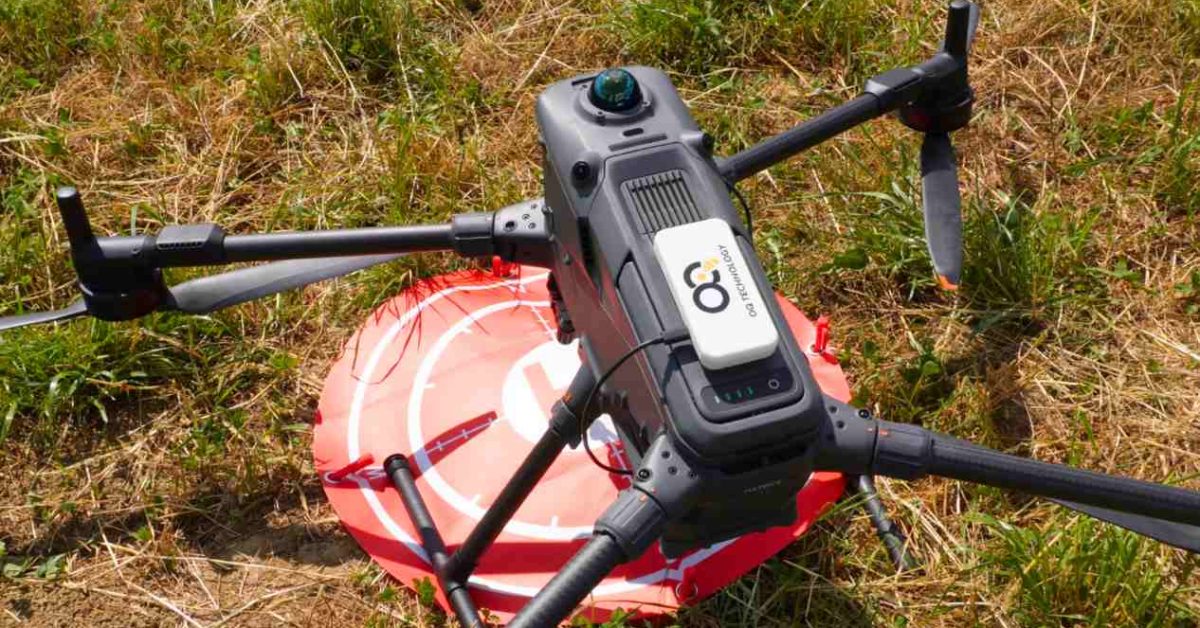
Wildfire drones could soon ditch bulky satellite terminals
As Europe gears up for its largest coordinated response to wildfires, the use of drones is proving crucial for detecting fires, monitoring their progression, and providing real-time updates to emergency teams. However, a significant challenge arises when these drones operate beyond cellular coverage, as traditional methods for transmitting live video require cumbersome satellite terminals. Addressing this issue, OQ Technology has developed a new satellite demonstration that aims to streamline communication for responders in remote areas. This innovation is expected to enhance the efficiency and effectiveness of wildfire management efforts across the continent.
News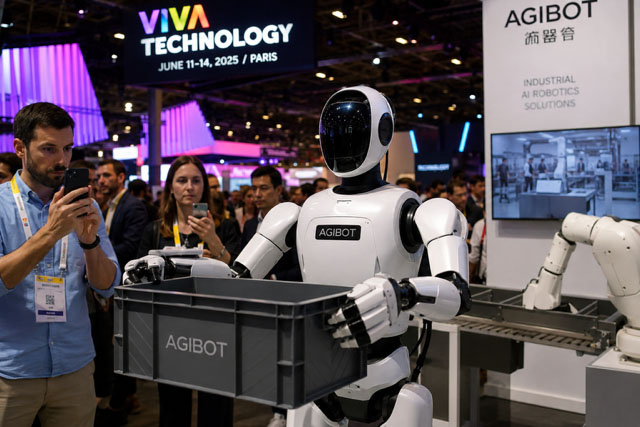
VivaTech 2026: The Year Humanoid Robots Became an Industrial Reality
VivaTech 2026, held at Porte de Versailles in Paris on June 17 and 18, marked its tenth anniversary by highlighting significant advancements in artificial intelligence and the maturation of robotics. The event showcased the growing trend of humanoid robots transitioning into industrial applications, reflecting a global shift in technology. Attendees had the opportunity to witness firsthand the innovations that are shaping the future of robotics, underscoring the industry's evolution and its increasing relevance in various sectors.
À la une IA Industrie Robotique automatisation industrielle. CNRS robotique
OMS Advances Sea Acceptance Tests for USV Elite, Validating Deepwater Survey P Capability and Long-range Endurance
OMS Group (OMS) has announced significant progress in the Sea Acceptance Tests (SAT) for its long-range DriX O-16 Uncrewed Surface Vessel (USV), taking place off the southern coast of France. The ongoing tests are showcasing remarkable seakeeping abilities and promising initial results regarding the vessel's deepwater multibeam echosounder performance. This development aligns with OMS's strategic objective to enhance and expand its long-range uncrewed survey capabilities on a global scale.
oms group sea acceptance tests usv deepwater survey long-range endurance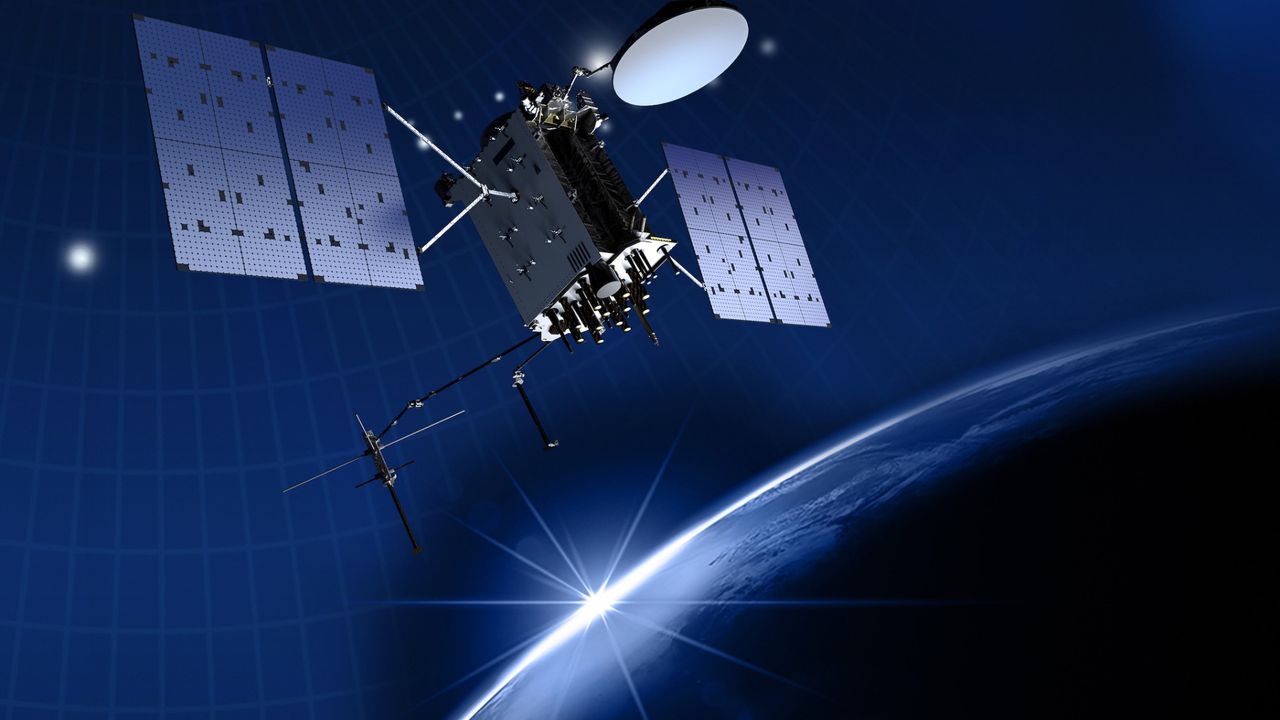
'It's quite a bit more than we expected': Satellite reveals immense scale of GPS signal tampering
An experimental satellite has successfully mapped the extent of GPS jamming across Europe and the Middle East, marking a significant advancement in space-based monitoring technology. This groundbreaking achievement was reported recently, showcasing the satellite's ability to detect and analyze interference in GPS signals from a vantage point in space. The initiative aims to enhance understanding of the growing issue of GPS jamming, which poses risks to navigation and communication systems. By employing advanced sensors and data processing techniques, the satellite collected and transmitted detailed information about the locations and intensity of jamming activities. This development is crucial for improving the resilience of GPS-dependent services and ensuring the reliability of navigation systems in the affected regions.
Satellites Space Exploration
'Aliens: Fireteam Elite 2' upgrades the sci-fi action shooter to the state-of-the-badass art
In a recent preview of "Aliens: Fireteam Elite 2," game director Chris Cross provided insights into the upcoming title, highlighting its tactical gameplay and immersive experience. The event took place in October 2023, showcasing the game’s advancements and features that aim to enhance player engagement. Cross emphasized the importance of strategy and teamwork in navigating the game's challenges, reflecting the franchise's legacy of intense action and cooperative gameplay. As anticipation builds among fans, the developers are focused on delivering a refined experience that stays true to the essence of the beloved "Aliens" universe.
Space Games Entertainment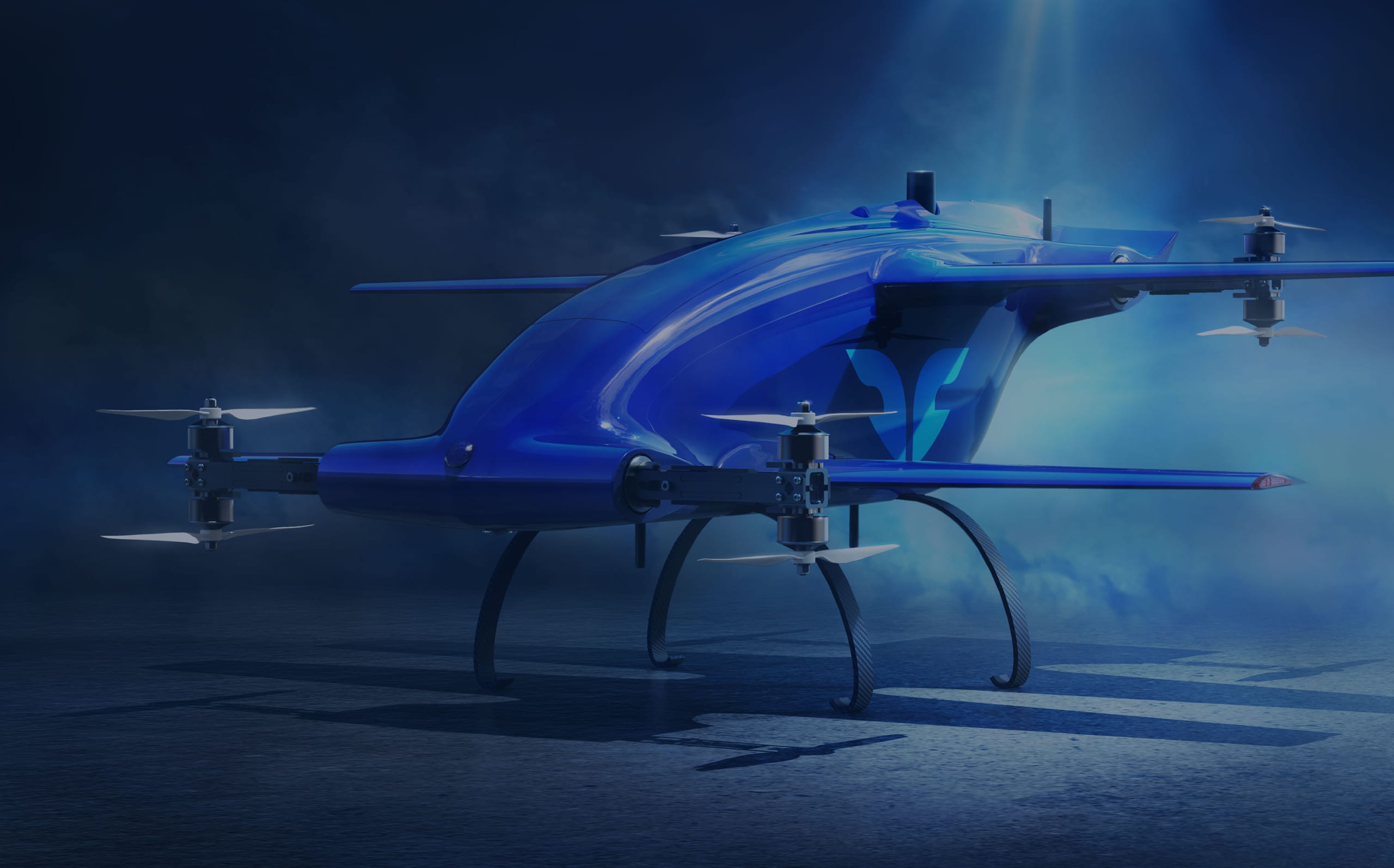
Blueflite Added to FAA Section 44807 Approved UAS List: Why it Matters
Michigan-based drone manufacturer blueflite has announced that its Cobalt 461 cargo drone has been included in the FAA’s Section 44807 Approved UAS List. This addition signifies that the drone has successfully passed the FAA's review process, which is part of the agency's advanced operations approval framework. The inclusion of the Cobalt 461 in this list is expected to streamline future approvals for operators, facilitating the deployment of cargo drones in commercial applications. This development reflects the ongoing efforts to enhance the regulatory landscape for unmanned aerial systems, promoting innovation and efficiency in the drone industry.
Applications BVLOS Cargo Delivery Drone News Drone News Feeds
NASA Satellites Track Harmful Algae With AI
NASA has developed an artificial intelligence tool that utilizes satellite data to detect harmful algal blooms, a significant environmental concern for coastal communities. This innovative technology aims to enhance response times and improve protective measures for both local economies and ecosystems. By analyzing satellite imagery, the AI can quickly identify the presence of these blooms, which can pose health risks to marine life and humans alike. The initiative is part of NASA's broader commitment to leveraging advanced technology for environmental monitoring and public safety. As coastal areas increasingly face the challenges posed by climate change and pollution, this tool represents a proactive approach to safeguarding vulnerable regions.
China’s new LLM-powered ‘AI brain’ automates satellite surveillance
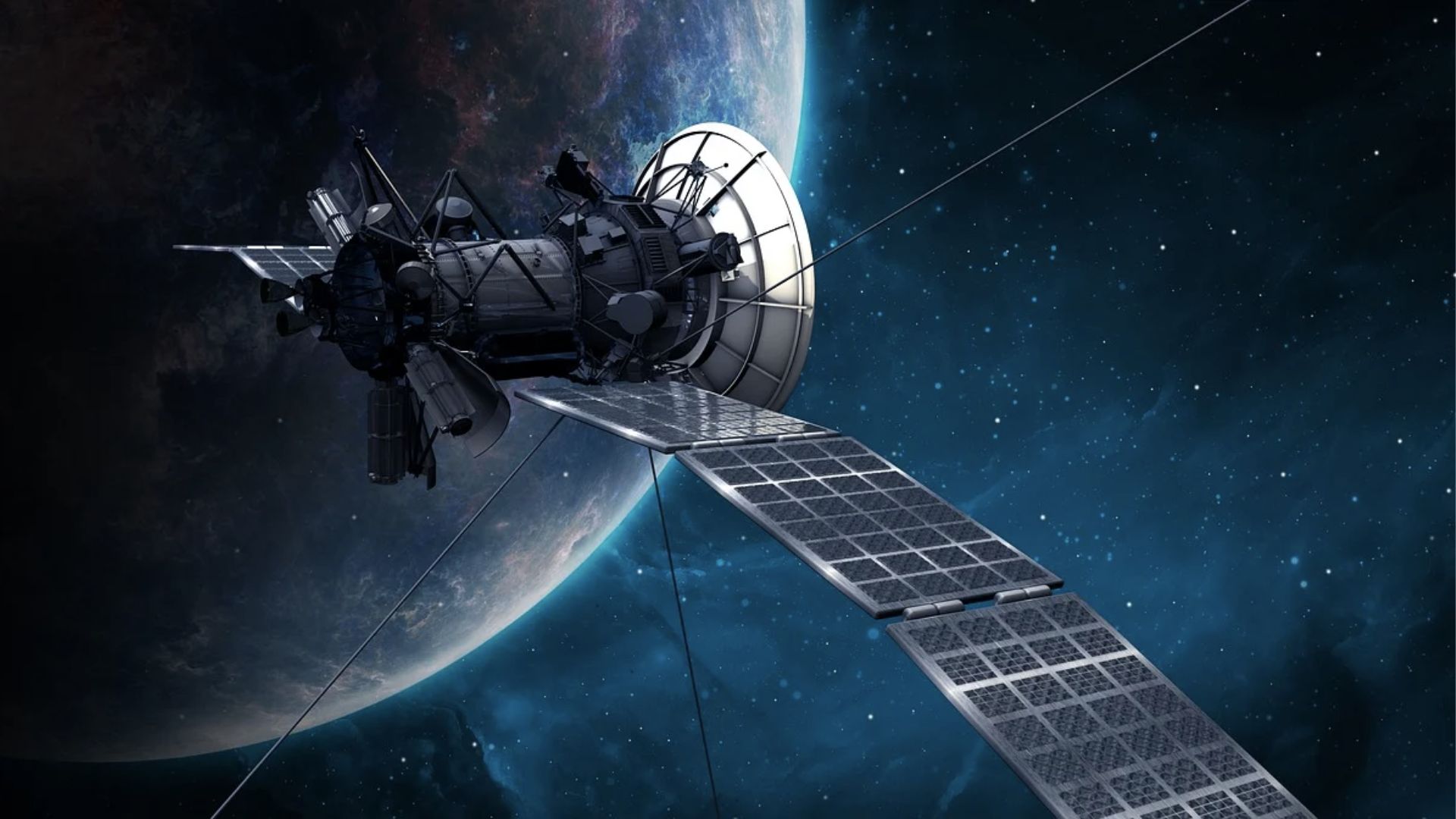
Chinese aerospace researchers have unveiled an innovative system that utilizes Large Language Models (LLMs) to enhance various aspects of aerospace engineering. This development was announced during a recent conference focused on advancements in aerospace technology, held in Beijing. The researchers aim to improve design processes, streamline communication, and facilitate problem-solving in the aerospace sector through the application of artificial intelligence. The motivation behind this initiative stems from the increasing complexity of aerospace projects, which demand efficient and effective solutions. By integrating LLMs, the researchers hope to harness the power of AI to analyze vast amounts of data and generate insights that can lead to more innovative designs and improved operational efficiency. The system operates by processing extensive datasets related to aerospace engineering, enabling it to assist engineers in generating design concepts, optimizing workflows, and predicting potential challenges. This approach not only aims to reduce the time and resources required for development but also seeks to foster collaboration among engineers by providing a common platform for communication. As the aerospace industry continues to evolve, the introduction of such advanced technologies is expected to play a crucial role in shaping the future of aerospace engineering, making it more adaptive and responsive to the challenges ahead.
Beyond satellites: Why FOG inertial navigation is the new imperative for land warfare
The landscape of military navigation is undergoing a significant transformation as counterspace threats and electronic warfare challenge the previously uncontested dominance of GPS technology. Exail is at the forefront of this shift, introducing its Fiber Optic Gyro (FOG) technology, which offers enhanced stability and serves as a reliable "source of truth" for land maneuvering and precision targeting in environments where Global Navigation Satellite Systems (GNSS) are compromised. This innovation is crucial for modern military operations, enabling forces to maintain operational effectiveness despite the increasing prevalence of electronic warfare tactics. As the battlefield evolves, Exail’s advancements in navigation technology are poised to play a vital role in ensuring that military units can navigate and execute missions with precision and confidence, even in the most challenging conditions.
Land Warfare Sponsored Post Army autonomy electronic warfare (EW) Exail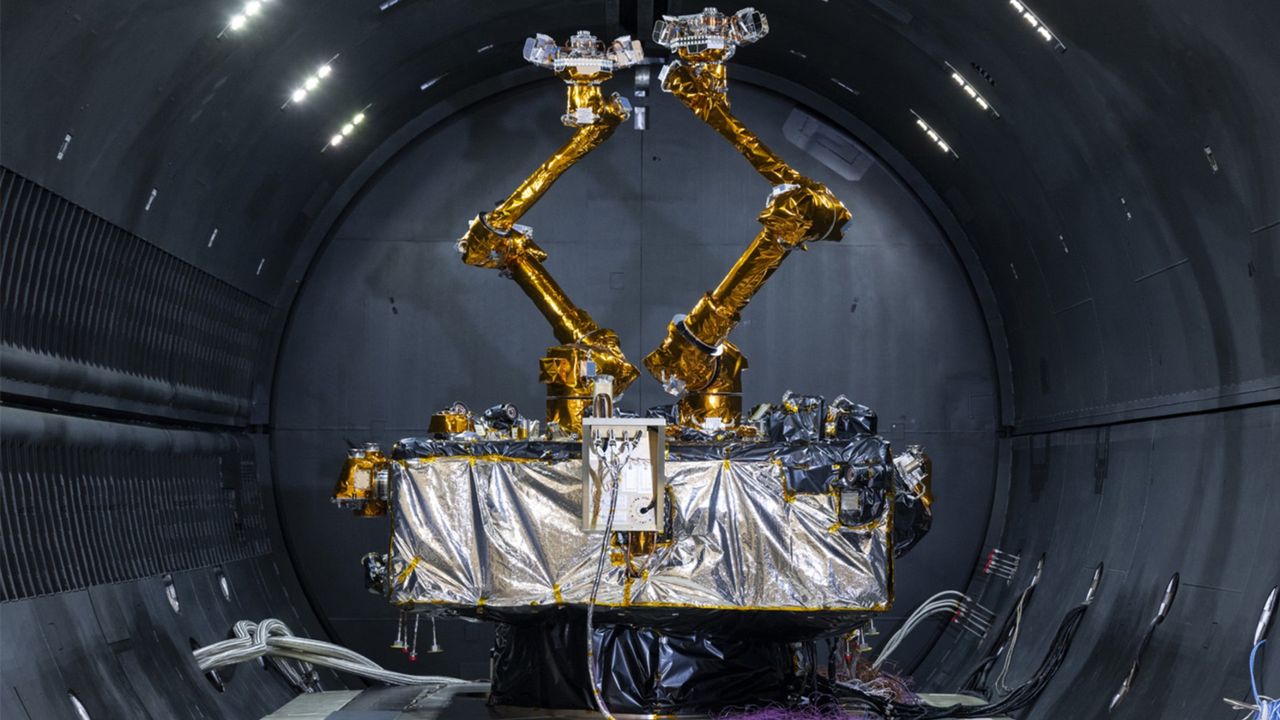
DARPA readies robotic deep-space repair satellite for 2026 launch
The Defense Advanced Research Projects Agency (DARPA) is set to launch a mission this summer to extend the operational lifespan of geosynchronous satellites beyond their typical expiration dates. This initiative aims to address the growing need for sustainable satellite operations in space, allowing for continued functionality and service without the immediate need for replacement. By testing innovative technologies and methods, DARPA seeks to enhance the longevity of these critical assets, which play a vital role in communication, weather monitoring, and national security. The upcoming mission represents a significant step towards ensuring that satellites can remain in service for years longer than previously anticipated.
Satellites Space Exploration
Honor Robot Phone: A Smartphone That Literally Reaches Out and Takes Photos for You
At Qualcomm's annual Snapdragon Fans event held in Shenzhen on May 24, Honor introduced the Robot Phone, marking a significant innovation in smartphone technology. This device is recognized as the world's first smartphone equipped with a motorized arm that functions as an integrated gimbal, enhancing photography capabilities. Additionally, the Robot Phone features on-device embodied AI, enabling users to engage in autonomous photography and control smart home devices seamlessly. Honor's unveiling of this groundbreaking technology aims to redefine user interaction with smartphones, combining advanced photography and smart home integration in a single device.
Technology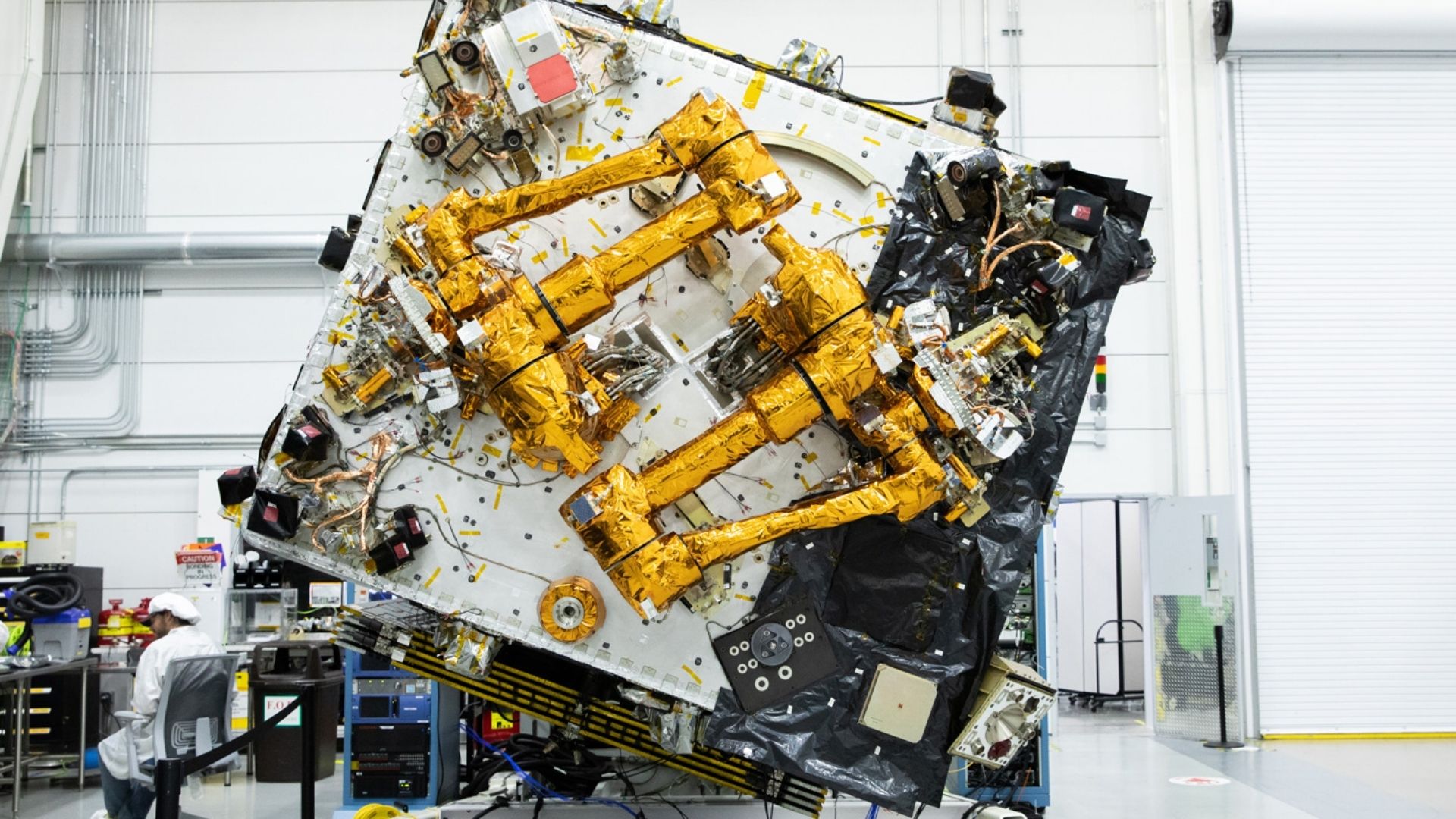
DARPA`s orbital robotic servicing satellite set for 2026 launch
The Defense Advanced Research Projects Agency (DARPA) is set to launch its Robotic Servicing of Geosynchronous Satellites (RSGS) program this summer. This initiative aims to enhance the capabilities of satellites in geosynchronous orbit by enabling robotic servicing, which includes maintenance, upgrades, and repairs. The program is designed to address the growing need for satellite longevity and functionality in an increasingly crowded orbital environment. By employing advanced robotics technology, DARPA seeks to extend the operational life of critical satellite assets, thereby ensuring continued communication and data services. The launch of RSGS represents a significant step forward in satellite servicing, with the potential to revolutionize how space assets are managed and maintained.
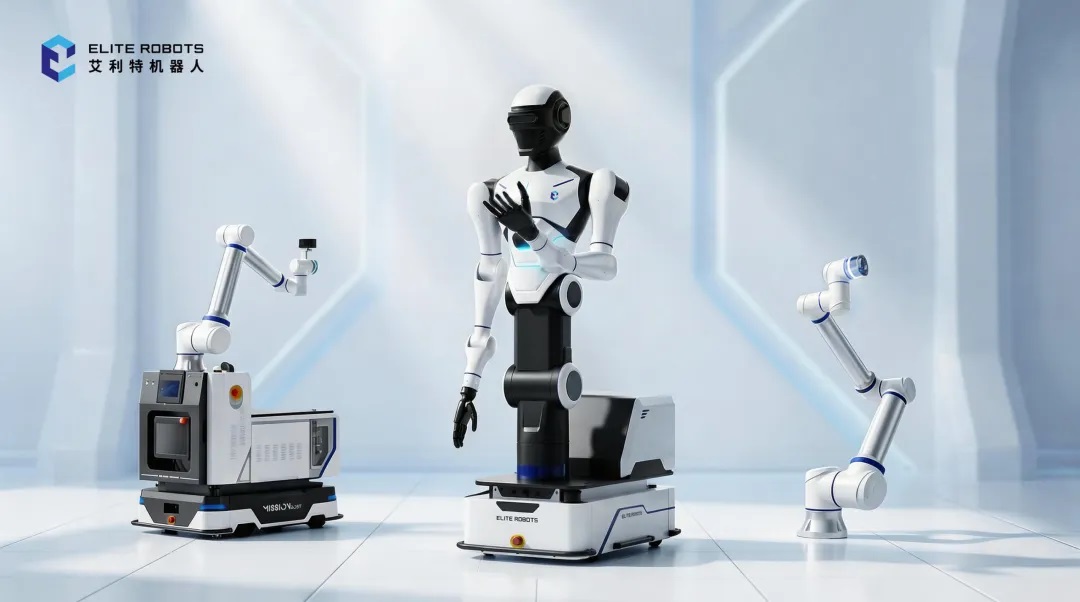
Elite Robotics Secures 600 Million RMB in D+ Round Financing: What’s Behind It?
Elite Robotics has secured 600 million RMB in a D+ financing round, drawing substantial investments from prominent firms and corporate venture capital funds within the artificial intelligence and robotics sectors. This successful fundraising underscores the increasingly blurred lines between robotics and AI, as Elite Robotics aims to capitalize on high-value applications within the AI supply chain. The company is strategically positioning itself for growth in a competitive market landscape, signaling its commitment to innovation and development in these rapidly evolving industries.
Robotics AI Integration Industrial Automation Investment
Leading Companies Connect with Elite Talent: A One-Stop Resource Link for High-End Intelligent Talent Recruitment in Beijing
As investment in embodied intelligence continues to rise, the robotics sector is experiencing an increasing demand for skilled professionals. In response to this growing need, a talent recruitment fair is set to take place in Beijing, aimed at connecting highly qualified candidates with leading robotics companies. Scheduled for next month, the event seeks to address the critical talent shortages within the industry by facilitating effective job matching. Organizers believe that this fair will play a pivotal role in aligning the skills of job seekers with the specific requirements of employers, ultimately enhancing the workforce in this rapidly evolving field.
Robotics Talent Recruitment Embodied Intelligence AI Industry EventsRobotics needs a service framework.
RSF defines a common language for robot service capability, lifecycle operations, certification pathways, and service-provider networks.
Join the RobotToday community on LinkedIn
Daily robotics news, in-depth analysis, conference highlights, and discussions with professionals worldwide.