Industry Briefing
A single destination for timely, editor-curated robotics news from around the world.

MassRobotics announces the winners of 2026 Robotics Medal and Rising Star awards
Allison Okamura and Ayoung Kim have been recognized with prestigious awards from MassRobotics, receiving the 2026 Robotics Medal and the Rising Star Medal, respectively. These accolades celebrate the achievements of women in the field of robotics, highlighting their significant contributions and inspiring future generations. The announcement was made recently, underscoring the growing recognition of female innovators in a traditionally male-dominated industry. The awards aim to promote diversity and encourage more women to pursue careers in robotics, reflecting a broader commitment to inclusivity within the technology sector.
Academia / Research Artificial Intelligence Artificial Intelligence / Cognition Design / Development Events Healthcare Robotics
indie Launches Edge AI SoC to Power Smarter Perception Systems for Automotive and Humanoids
indie, an automotive solutions innovator based in Aliso Viejo, CA, has announced the launch of its next-generation edge AI system-on-chip (SoC), the iND881, designed to enhance smart camera technology for automotive and robotic applications. Unveiled on June 10, 2026, the iND881 integrates an AI compute engine with indie’s advanced low-latency multi-camera image signal processor (ISP), providing an efficient solution for developers. The iND881 is engineered for low power consumption and real-time responsiveness, featuring a Neural Processing Unit (NPU), a versatile Digital Signal Processor (DSP), and a quad-core ARM Cortex-A53 CPU. This architecture is tailored for demanding edge perception tasks, making it particularly beneficial for advanced driver assistance systems, including driver and occupant monitoring and smart mirrors with blind-spot detection. In addition to automotive applications, the iND881 supports robotics and physical AI automation, facilitating accurate sensing and navigation for autonomous mobile robots. The device's capabilities include multi-channel video compression, high-dynamic-range ISP, and compatibility with various sensor modalities such as infrared and LiDAR, ensuring robust performance in complex environments. The iND881 is ASIL-B compliant and automotive qualified, currently available for sampling. It will be showcased at the upcoming AutoSens and InCabin USA 2026 events. Fred Jarrar, indie's senior vice president, emphasized that the launch not only expands their product portfolio but also positions indie as a comprehensive solutions provider in the edge AI market.

Robots move beyond mapped worlds with advanced lidar sensing
A lidar technology company has partnered with a robotics AI developer to enhance the capabilities of autonomous systems. This collaboration, announced recently, aims to integrate advanced lidar sensing with cutting-edge artificial intelligence to improve navigation and object recognition in various applications, including autonomous vehicles and drones. The partnership is expected to leverage the strengths of both companies, combining precise environmental mapping with intelligent decision-making algorithms. This initiative comes in response to the growing demand for more reliable and efficient autonomous solutions in industries such as transportation and logistics. The companies plan to begin testing their integrated systems in the coming months, with the goal of launching a prototype by early next year.

DJI drone exposes hidden Maya megacities across Guatemala
Archaeologists have long suspected that significant remnants of the ancient Maya civilization lay hidden beneath the dense rainforests of northern Guatemala. However, the thick jungle canopy has made it difficult to uncover these historical treasures. Recently, researchers have turned to advanced drone technology and LiDAR scanning to penetrate the foliage and reveal the hidden structures beneath. This innovative approach is shedding light on what could be one of the most important archaeological discoveries of our time, offering new insights into the Maya world and its extensive urban landscapes. The use of these modern techniques marks a significant advancement in archaeological exploration, allowing scientists to visualize and map ancient sites that were previously obscured from view.
News
Counter-Drone Partnership Sends Ouster Shares Higher as Investors Focus on Airspace Security
Ouster, a lidar manufacturer, experienced a significant surge in its stock prices last week following the announcement of a strategic partnership with German counter-UAS firm ARGUS Interception. This collaboration underscores the increasing demand for technologies that enhance drone detection, tracking, and interception capabilities. The positive market reaction highlights a growing investor interest in airspace security solutions, reflecting a broader trend in the industry as concerns over drone-related threats continue to rise.
Anti-drone technology Applications C-UAS Defense Drone News Drone News Feeds
Fortsense Develops Single-Chip RGBD Spatial Cameras for Physical AI Perception
Fortsense Technologies is making significant strides in the field of imaging technology with its development of single-chip RGBD spatial cameras. These innovative cameras combine color and depth perception into a single unit, offering a streamlined alternative to the traditional combination of cameras and LiDAR systems. The company's focus is on enhancing the capabilities of autonomous vehicles and robotics, sectors that increasingly rely on advanced sensing technologies for navigation and environmental understanding. By integrating both color and depth data into one chip, Fortsense aims to improve efficiency and reduce costs in these applications. The initiative is part of a broader trend towards more compact and effective sensor solutions in the rapidly evolving landscape of autonomous technology.
AI
Intelligent indoor/outdoor automation company MyBull Robotics opens new US headquarters
MyBull Robotics U.S. has officially opened its new headquarters in Farmington Hills, Michigan, on May 14, 2026, marking a significant step in the company's expansion into the North American market. The facility aims to enhance the supply of the company's innovative indoor and outdoor automated logistics solutions, which utilize advanced technologies such as lidar and vision cameras for efficient material handling. This strategic move is designed to support local investment and job creation, with plans to grow the current team of 12 employees, focusing on engineering and technical roles. The grand opening event attracted business leaders, partners, and customers, featuring structured sessions that included product demonstrations and a Q&A with the MyBull Robotics team. The new headquarters, located at 37735 Enterprise Ct., includes a showroom and a warehouse for proof-of-concept demonstrations, showcasing the capabilities of MyBull Robotics' autonomous machines in real-world industrial settings. Vinh Tran, Managing Director of MyBull Robotics U.S., emphasized the company's commitment to contributing to the advanced manufacturing and supply chain ecosystem in Michigan and across the U.S. With a focus on improving efficiency and performance for various industrial sectors, MyBull Robotics aims to leverage its technology and customer support to drive innovation in the automation and robotics market.

Fusing LiDAR and vision to generate high-quality reconstructions
In a groundbreaking study published in the May 2026 issue of Science Robotics, researchers have unveiled a new robotic system designed to enhance surgical precision. This innovative technology, developed by a team at a leading university, aims to reduce the risks associated with complex surgical procedures. The research, conducted over the past two years, involved extensive testing and collaboration with medical professionals to ensure the system meets clinical needs. The robotic system employs advanced algorithms and real-time imaging to assist surgeons during operations, allowing for greater accuracy and control. This development comes in response to the increasing demand for minimally invasive surgical techniques that promise quicker recovery times and fewer complications for patients. The team conducted trials in various surgical settings, demonstrating the system's effectiveness in improving outcomes across different types of procedures. By integrating cutting-edge robotics with traditional surgical methods, the researchers hope to set a new standard in the field, ultimately benefiting both surgeons and patients alike. As the medical community continues to explore the potential of robotics in healthcare, this study represents a significant step forward in the quest for safer and more efficient surgical practices. The implications of this research could lead to widespread adoption of robotic assistance in operating rooms around the world, transforming the landscape of surgical care.
Editors' Choice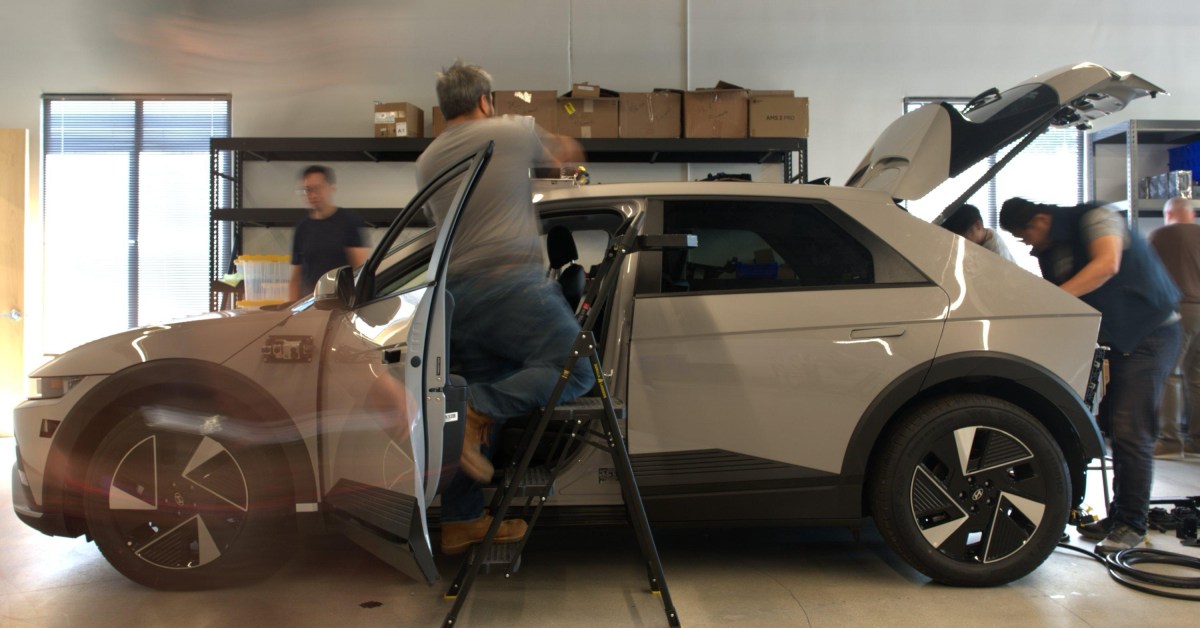
Uber is deploying its own self-driving cars again, just not as robotaxis
Uber has reintroduced its autonomous vehicles to the streets as part of its new Autonomous Vehicle (AV) Lab initiative. This project aims to gather data for its numerous robotaxi partners. The vehicles will be equipped with standard self-driving technology, including cameras, lidar, and radar. However, these cars will not be functioning as fully operational robotaxis during this phase. The decision to restart testing comes as part of Uber's strategy to enhance its data collection capabilities and improve the performance of its autonomous driving systems. The initiative is expected to contribute to the development of safer and more efficient self-driving technology in the future.
Autonomous Cars News Ride-sharing Transportation Uber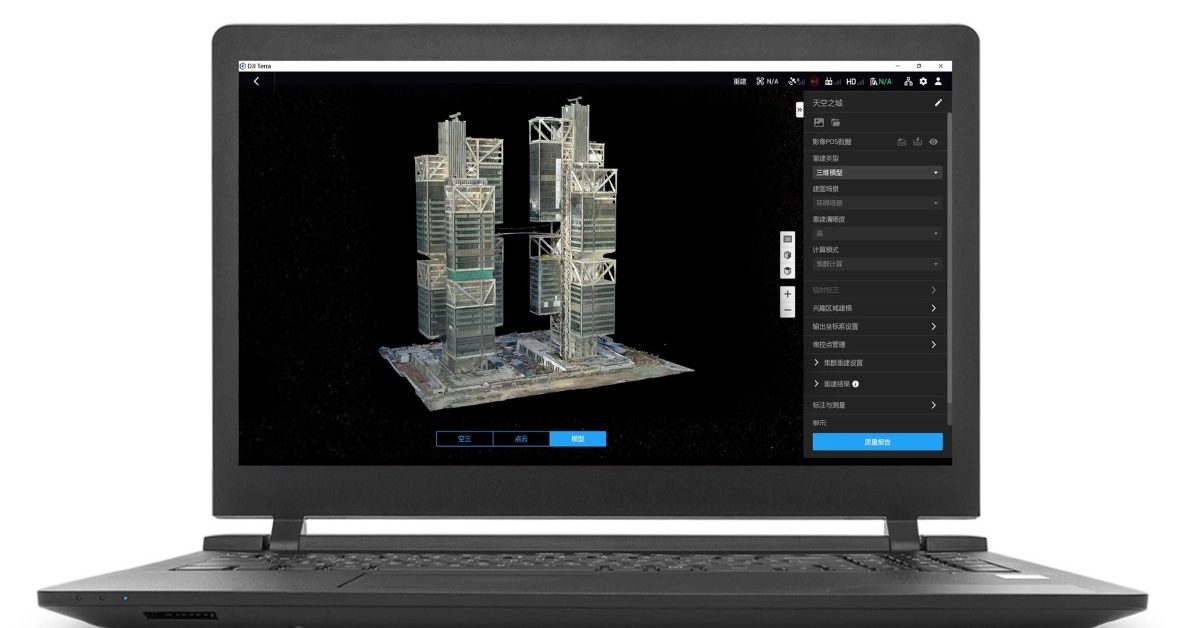
New DJI Terra update fixes annoying LiDAR workflow issues
DJI has announced an update to its enterprise drone software, DJI Terra, with the release of version 5.2.5. This latest iteration, while seemingly modest, aims to resolve several common workflow challenges faced by professional drone operators. The update reflects DJI's ongoing commitment to enhancing its software offerings for enterprise users, ensuring that they can operate more efficiently and effectively in their respective fields. The enhancements are expected to streamline operations and improve user experience, reinforcing DJI's position in the competitive drone software market.
News
How the Modular Concept Can Help You Build a Future-Proof and Secure Robotic Computing Platform
An advanced robotic platform has been developed to execute real-time multi-axis motion control while simultaneously processing data from various sensors, including 2D and 3D vision cameras and LIDAR. This innovative technology, unveiled today, aims to enhance automation and precision in various applications. By integrating multiple data streams, the platform can effectively navigate and respond to its environment, showcasing significant advancements in robotics and sensor technology. The development is expected to have wide-ranging implications across industries, from manufacturing to autonomous vehicles, as it demonstrates the potential for improved efficiency and safety in complex tasks.
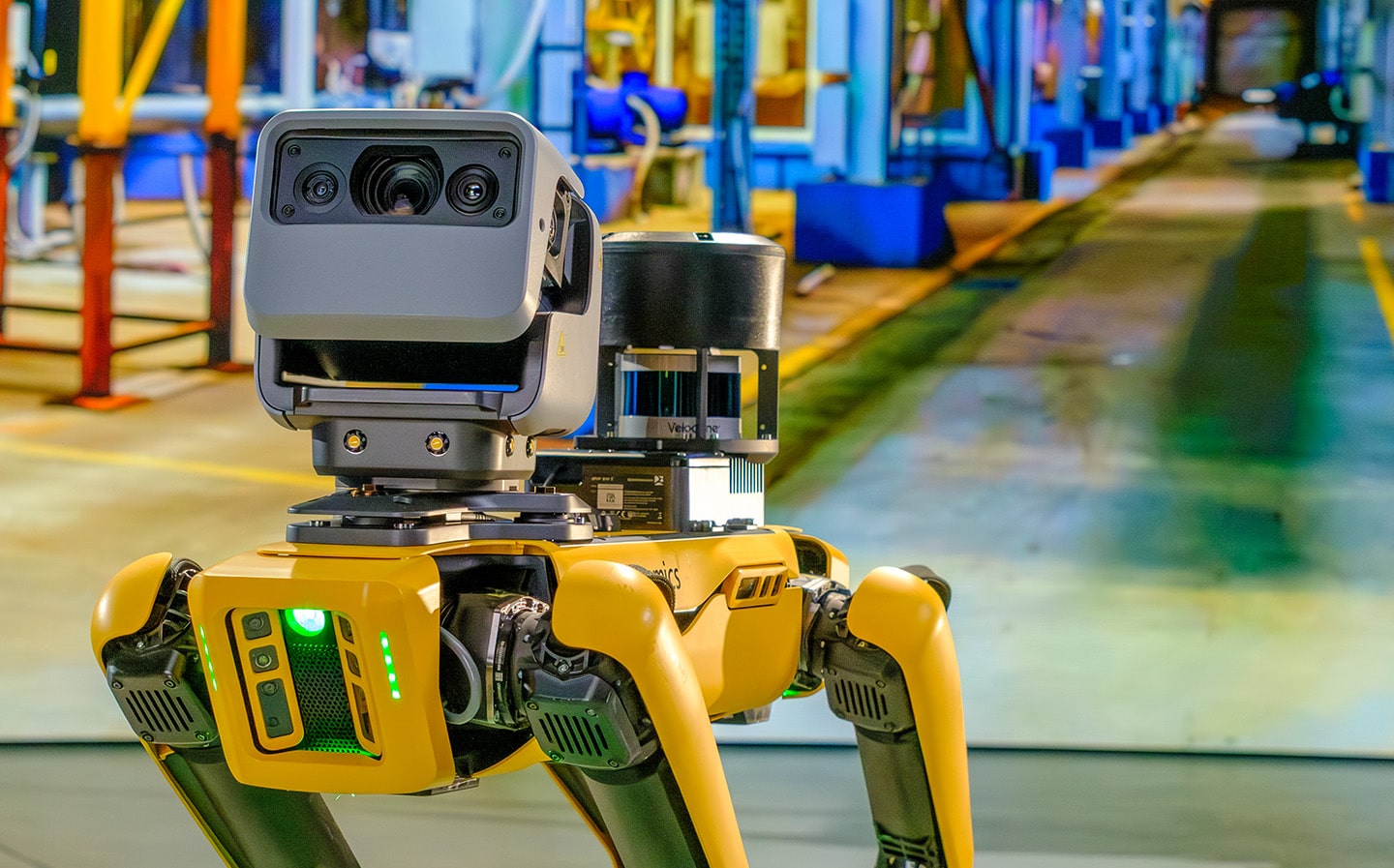
Robot Vision Systems: 3 Ways Robots See the World | Boston Dynamics
Modern robot vision systems are increasingly utilizing advanced technologies such as visual cameras, 3D lidar scans, and various sensors to enhance their ability to interpret, navigate, and interact with their surroundings. These developments are part of a broader trend in robotics aimed at improving automation and efficiency across multiple industries. As of October 2023, the integration of these sophisticated systems is revolutionizing how robots perceive and respond to their environment, enabling them to perform complex tasks with greater accuracy and reliability. This advancement is driven by the need for more intelligent and adaptable robotic solutions in sectors ranging from manufacturing to healthcare, where precise navigation and interaction with dynamic environments are crucial. The ongoing research and implementation of these technologies signify a significant leap forward in the field of robotics, paving the way for more autonomous and capable machines.
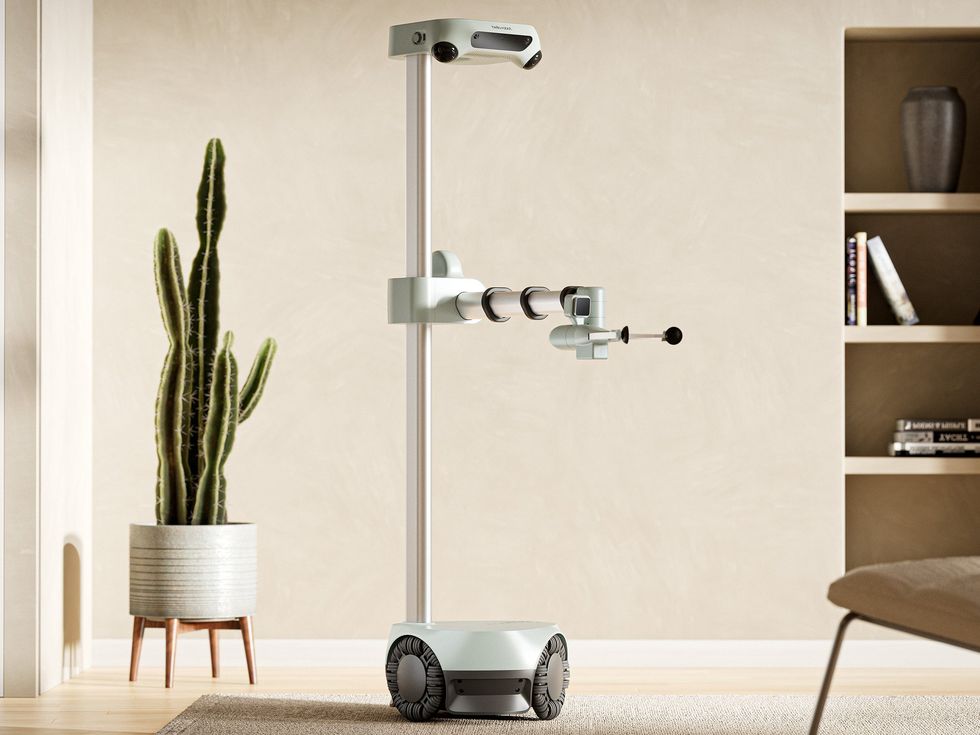
Hello Robot Sets the Standard for Practical, Safe Home Robots
Hello Robot has announced the launch of Stretch 4, a new version of its mobile robot designed for practical household tasks. This announcement comes as the company aims to transition from research-focused robotics to a deployable solution for home use, particularly for individuals with severe mobility impairments. The unveiling took place today, with the robot's design emphasizing mobility and manipulation over humanoid features. Stretch 4 features an advanced omnidirectional base allowing it to move in any direction, enhancing user control. The robot is equipped with a sophisticated sensor suite for improved navigation and autonomy, including cameras and lidar technology. Co-founders Aaron Edsinger and Charlie Kemp highlighted the challenges faced during the design process, aiming to avoid overcomplicating the robot while ensuring it meets real-world needs. The robot is intended for pilot deployments in homes, with the goal of gathering data to refine its capabilities for everyday use. Unlike humanoid robots, which may not effectively serve individuals with disabilities, Stretch 4's wheeled design is seen as more practical and safer for home environments. Priced at $29,950, Stretch 4 is positioned as an affordable option in the mobile manipulation market, with plans for further development leading to a commercially viable assistive robot in the near future.
Hello-robot Home-robots Humanoid-robots Mobile-manipulator Mobility-impaired
Hello Robot Unveils Stretch 4: A Simply Useful Robot that Puts People First
Hello Robot has launched Stretch 4, a new open-source robotics platform aimed at enhancing the integration of robots into everyday life. Announced on May 12, 2026, in Martinez, California, Stretch 4 is priced at $29,950 and is designed for researchers and developers working on Physical AI applications. The robot focuses on safe, intuitive human-robot interaction, making it suitable for assisting individuals with mobility impairments. Co-founder and CEO Aaron Edsinger emphasized that Stretch 4 is built to operate alongside people, featuring a compact and lightweight design that prioritizes user safety. The robot is equipped with advanced sensors, including 3D LiDAR and high-resolution cameras, enabling it to navigate complex environments and perform tasks like fetching drinks or closing blinds through a mobile app. The development of Stretch 4 reflects Hello Robot's commitment to creating robots that enhance the quality of life for various users, including children and older adults. By addressing the challenges of human-robot collaboration, the company aims to pave the way for robots to become a familiar presence in homes and workplaces. Charlie Kemp, CTO and co-founder, highlighted that the redesign of Stretch 4 was informed by customer feedback, resulting in a versatile platform that supports a wide range of applications.
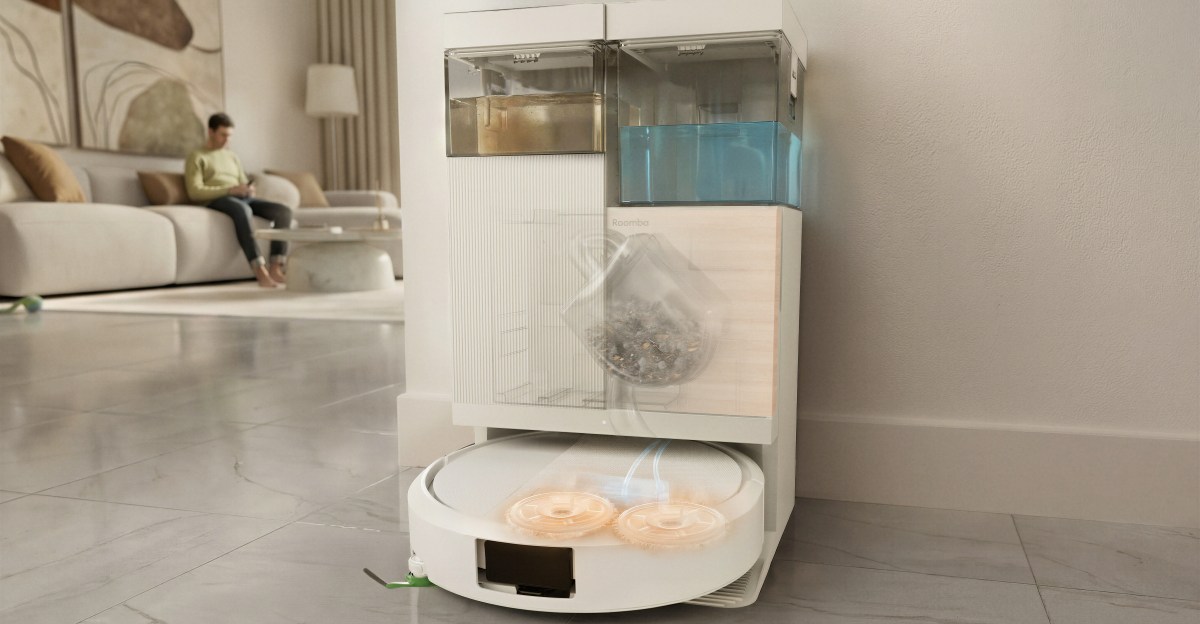
These new Roombas are smaller and cheaper
iRobot has unveiled a new range of Roomba robot vacuums, enhancing its existing lineup just a year after launching its first lidar-equipped models. This week, the company introduced eight updated vacuums, which boast improved suction power and a more compact design for better navigation. Notably, these new models are also more affordable, with some priced up to £200 (approximately $270) less than their predecessors. The introduction of these cost-effective and technologically advanced vacuums aims to attract a broader customer base and solidify iRobot's position in the competitive home cleaning market.
News Robot Smart Home Tech
LDROBOT Robotics Jumps 103% on HK IPO Debut, Market Cap Hits $2.4B
LDROBOT Robotics experienced a remarkable 103% surge on its debut on the Hong Kong Stock Exchange, marking a significant milestone as China's second listed robotics company, following UBTECH. The company specializes in DTOF LiDAR technology and has established a client base that includes notable firms such as Ecovacs and Dreame. This successful IPO reflects growing investor interest in the robotics sector, driven by increasing demand for advanced automation solutions in various industries. The strong market performance on its first day highlights LDROBOT's potential for future growth and innovation in the rapidly evolving technology landscape.
IPO Robotics
Seegrid Surpasses 20 Million Autonomous Miles, Cementing Its Leadership in Reliable AMR Solutions
Seegrid, a leader in autonomous mobile robot (AMR) solutions, has achieved a significant milestone by surpassing 20 million autonomous miles driven in real-world production environments. This accomplishment, announced on May 11, 2026, highlights Seegrid's strong position in the North American manufacturing, warehousing, and logistics sectors, equating to over 800 circumferences of the Earth. The milestone reflects the deep integration of Seegrid's technology into daily operations of major global manufacturers and logistics companies. CEO Chris Baker emphasized that this achievement validates the reliability of their technology, which has operated without any recordable safety incidents, showcasing the effectiveness of their proprietary vision and LiDAR/SLAM technology. The extensive miles logged in active production settings demonstrate Seegrid's commitment to delivering tangible returns on investment for its customers, which include automotive and e-commerce leaders. As companies face challenges like labor shortages and rising wages, Seegrid's AMRs are positioned as essential components of modern automated workflows, all designed and supported in the U.S. This milestone not only underscores Seegrid's operational excellence but also serves as a foundation for advancing Physical AI, enabling their robots to navigate complex industrial environments with human-like precision. The company expresses gratitude to its customers for their partnership in pushing the boundaries of autonomous material handling.

GoLabs Launches Custom Robotics Security Initiative Using Unitree Quadrupeds
GoLabs, a newly established U.S.-based robotics company, has unveiled its innovative robotic security solutions featuring Unitree quadrupeds. Announced on May 8, 2026, these advanced four-legged robots are designed to enhance security measures for businesses by providing 24/7 autonomous surveillance without the burden of international shipping costs. Equipped with high-definition cameras, thermal imaging, and infrared sensors, these robots can operate in complete darkness and navigate challenging environments, including those hazardous to human health. GoLabs aims to streamline security operations by integrating these robots into existing systems, offering programming, setup, and troubleshooting support. Utilizing an integrated 4D LiDAR system and SLAM technology, the robots can create detailed 3D maps of facilities, allowing companies to establish automated patrol paths and checkpoints. This capability enables a wide range of applications, from monitoring AI warehouses to securing large events. GoLabs is committed to bridging innovation with practical applications, providing businesses with efficient and reliable robotic security solutions tailored to meet diverse needs. For more information, visit their website.

Aeva Delivers Atlas C-Samples to Daimler Truck for Autonomous Truck Production Program
Aeva, a prominent company specializing in advanced sensing and perception systems, has successfully delivered the initial C-sample units of its Aeva Atlas™ 4D LiDAR sensors to Daimler Truck North America and Torc Robotics. This delivery represents a significant milestone in the ongoing collaboration between the companies, aimed at advancing the series production of SAE Level 4 autonomous Class 8 trucks. The partnership underscores Aeva's commitment to enhancing autonomous vehicle technology, which is crucial for the future of transportation. The delivery of these sensors is a pivotal step in the development process, facilitating further testing and refinement of the technology necessary for achieving higher levels of automation in trucking.
AI AI Use Cases Robotics Autonomous Trucking collaboration Daimler Truck North America
Ouster Brings Support for REV8 Digital Lidar to Robotics and Edge AI Ecosystem
Ouster has announced the integration of its Rev8 OS digital lidar technology with the NVIDIA Jetson platform, enhancing the capabilities of the NVIDIA Robotics ecosystem. This development, which aims to introduce native color lidar sensing, is set to advance the field of Physical AI. By leveraging the powerful processing capabilities of the Jetson platform, Ouster's technology will enable more sophisticated and responsive robotic applications. This integration marks a significant step forward in the evolution of robotics, allowing for improved perception and interaction with the physical world. The collaboration is expected to drive innovation and expand the potential uses of lidar in various industries, including autonomous vehicles and smart infrastructure.
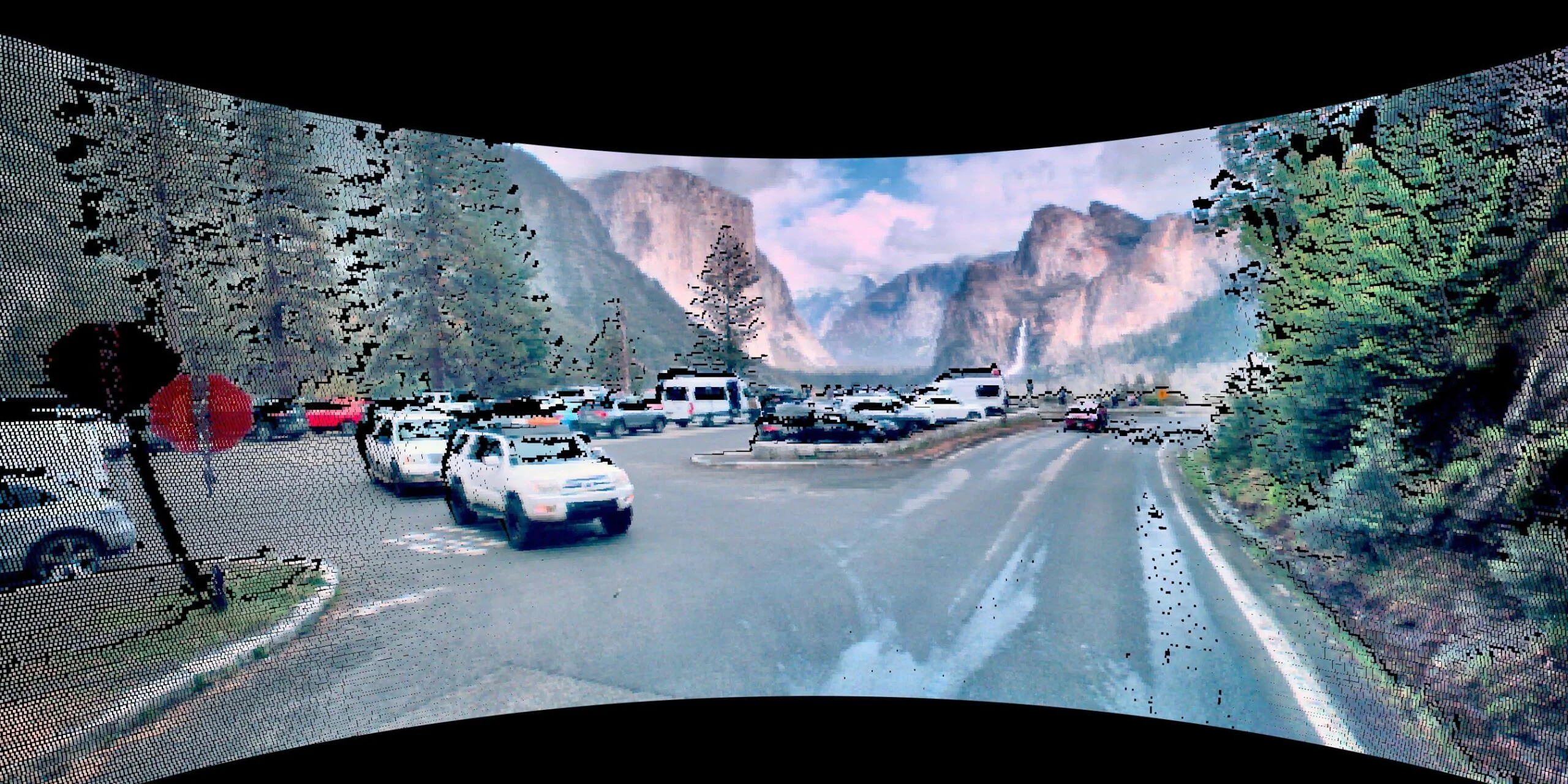
Ouster Releases Family of ‘Native Color Lidar’ Sensors for Robotics, Autonomous Vehicles
Ouster has launched a groundbreaking series of digital lidar sensors, the Rev8 family, which the company claims to be the world's first native color lidar platform. This innovative technology is designed for applications in robotics, autonomous vehicles, and industrial AI systems. The announcement was made recently, showcasing the sensors' capabilities powered by Ouster's advanced L4 Silicon architecture, which enhances their range and performance. This development marks a significant advancement in lidar technology, aiming to meet the growing demand for high-quality sensing solutions in various industries.
AI AI Use Cases Robotics autonomous driving industrial AI LiDAR
Teledyne FLIR adds Emesent Hovermap to third-party payload programme
Teledyne FLIR Defense has announced the certification of Emesent’s Hovermap LiDAR payload for integration with its uncrewed aerial systems (UAS), ground robots, and radiation detection platforms. This development, which took place in October 2023, enhances the capabilities of Teledyne FLIR's technology by allowing for advanced mapping and navigation in various environments. The certification aims to improve operational efficiency and data collection accuracy in defense and industrial applications. By incorporating the Hovermap LiDAR payload, Teledyne FLIR Defense is positioned to offer more robust solutions for complex missions, leveraging Emesent's innovative technology to enhance situational awareness and safety.
News
Ouster releases REV8 OS sensor family with native-color lidar
Ouster has announced the launch of its new Rev8 OS sensor family, which features the industry's first native color lidar technology. This innovative lineup includes the OS1 Max, which boasts double the range and resolution compared to its predecessor, the Rev7. The introduction of these advanced sensors marks a significant advancement in lidar capabilities, aimed at enhancing various applications in robotics and autonomous vehicles. Ouster's commitment to pushing the boundaries of sensor technology is evident in this latest release, which promises to improve performance and accuracy in real-world scenarios.
Automotive Cameras / Imaging / Vision Mobility / Navigation News Self-Driving Vehicles Sensors / Sensing Systems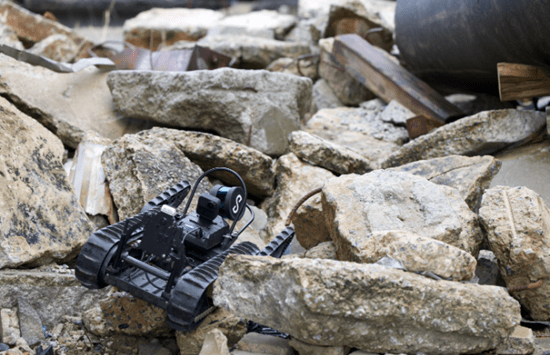
Teledyne FLIR Defense Expands Payload Program with Emesent Hovermap for GPS-Denied Operations
Teledyne FLIR Defense has announced an expansion of its Third-Party Payload Integration Program by incorporating Emesent’s Hovermap LiDAR payload, a development unveiled at the Modern Day Marine 2026 event. This integration enables the Hovermap system to function seamlessly across Teledyne FLIR’s unmanned aerial systems (UAS) and ground robots, enhancing capabilities in GPS-denied environments. The collaboration aims to improve operational efficiency and data accuracy in various defense applications, allowing for advanced mapping and radiation detection across both air and ground platforms.
Applications Defense Drone News Drone News Feeds Dual Use LiDAR
Teledyne FLIR Defense Grows Third-Party Payload Integration Program, Adds Emesent Hovermap LiDAR for Unmanned Air, Ground, and Detection Platforms
A newly certified payload is set to enhance the capabilities of drones, robots, and radiation detection systems, facilitating faster deployment of mapping in environments where GPS signals are unavailable. This innovative technology aims to improve the efficiency of fused Chemical, Biological, Radiological, and Nuclear (CBRN) visualizations, which are critical for various applications, including emergency response and environmental monitoring. The certification, achieved in October 2023, underscores the growing importance of advanced technological solutions in navigating complex and hazardous situations. By integrating these systems, operators can obtain real-time data and insights, significantly improving situational awareness and decision-making in challenging scenarios.

This robot sees danger, decides its route and powers over obstacles while carrying loads
A research team at KAIST has made significant advancements in quadrupedal robot technology, enabling these robots to navigate varied terrains without relying solely on visual input. This innovative system allows the robots to assess their surroundings using cameras and LiDAR sensors, enabling them to make autonomous decisions while walking, akin to how animals adapt their movements based on visual terrain analysis. The team anticipates that this technology will be applicable to a range of robotic platforms, including wheeled-legged robots and humanoid robots, potentially broadening the scope of robotic mobility and functionality.
Robotics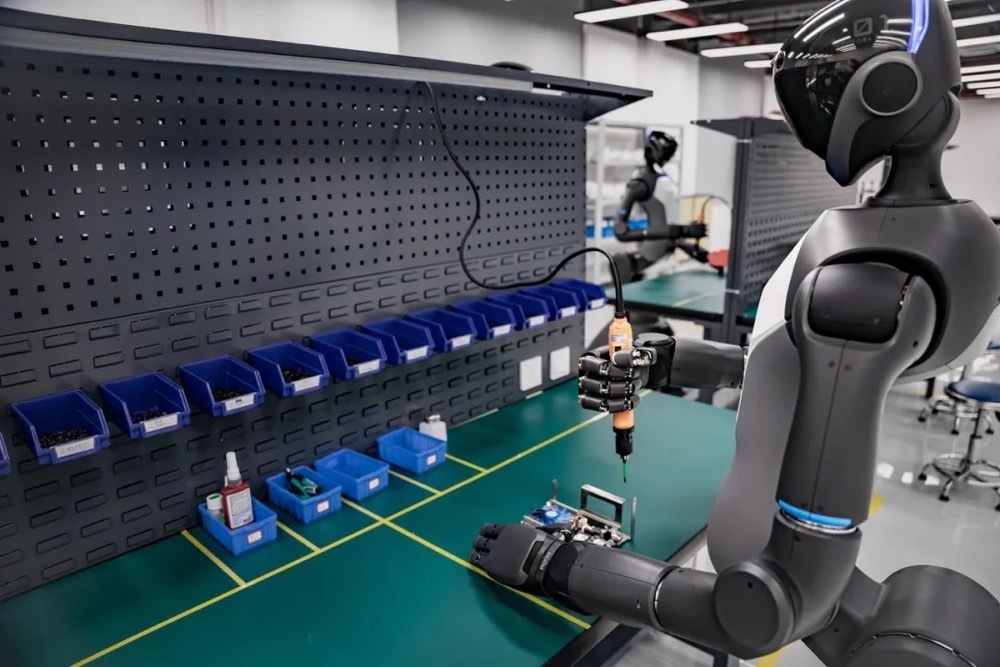
HK‐MEMS, a Multi‐Sensor Data Set With MEMS LiDAR on Degenerate and Dynamic Urban Scenarios
In May 2026, the Journal of Field Robotics published a significant study focusing on advancements in robotic technology. Researchers from various institutions collaborated to explore innovative applications of robotics in field environments, aiming to enhance efficiency and safety in agricultural practices. The study highlights the integration of artificial intelligence and machine learning to improve the decision-making processes of autonomous robots. Conducted in diverse agricultural settings, the research emphasizes the growing need for automation in response to labor shortages and the increasing demand for food production. By employing advanced sensors and data analytics, the robots demonstrated improved performance in tasks such as planting, harvesting, and monitoring crop health. The findings are expected to influence future developments in agricultural robotics, potentially leading to widespread adoption of these technologies in the industry. As the global population continues to rise, the study underscores the importance of leveraging robotics to meet food security challenges while promoting sustainable farming practices.
RESEARCH ARTICLE
DURAL: Degradation‐Resistant Robust Adaptive Localization by LiDAR‐Inertial‐UWB‐Wheel Fusion for Coal Mine Robots
A recent study published in the Journal of Field Robotics highlights advancements in autonomous robotic systems designed for agricultural applications. Conducted by a team of researchers from various universities, the study was released in early October 2023. The research focuses on enhancing the efficiency of crop monitoring and management through the integration of advanced sensors and machine learning algorithms. The motivation behind this study stems from the growing need for sustainable agricultural practices amid increasing global food demands. By employing autonomous robots equipped with state-of-the-art technology, farmers can optimize resource use, reduce labor costs, and improve crop yields. The researchers conducted field tests in diverse agricultural settings to evaluate the robots' performance in real-world conditions. Through rigorous testing and data analysis, the team demonstrated that these robotic systems could significantly improve the accuracy of crop assessments and facilitate timely interventions. The findings suggest that the implementation of such technology could revolutionize traditional farming methods, making them more efficient and environmentally friendly. This innovative approach not only addresses current agricultural challenges but also paves the way for future developments in the field of robotics and sustainable farming practices.
RESEARCH ARTICLE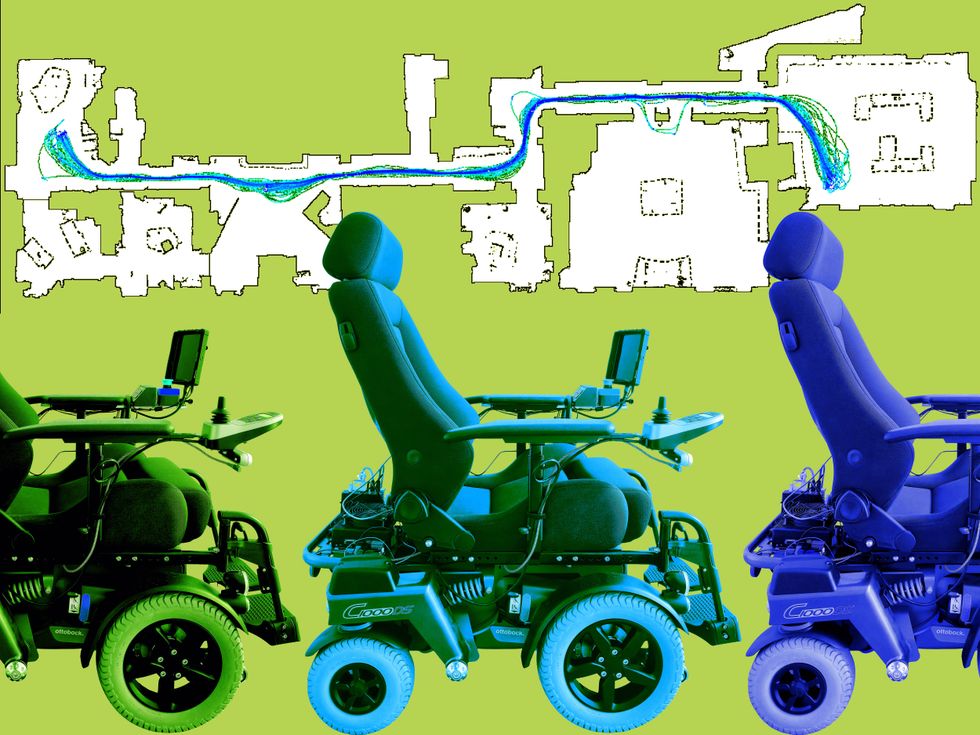
AI Aims for Autonomous Wheelchair Navigation
Researchers from the German Research Center for Artificial Intelligence (DFKI) in Bremen, led by Christian Mandel and Serge Autexier, are exploring the potential of AI-powered smart wheelchairs to navigate complex environments more effectively than traditional systems. Their findings were presented earlier this month at the CSUN Assistive Technology Conference in Anaheim, California. The team developed prototype electric wheelchairs equipped with advanced sensors, including lidar and 3D cameras, to detect and avoid obstacles in real-time. The smart wheelchairs operate in both semiautonomous and fully autonomous modes. In semiautonomous mode, users control the wheelchair via a joystick, while in autonomous mode, they can issue commands using natural language, such as asking the wheelchair to navigate to a specific location. The research is part of a larger initiative called REXASI-PRO, aimed at enhancing mobility for individuals with severe disabilities. Despite the advancements, challenges remain, particularly regarding cost, reliability, and the need for tailored solutions that accommodate diverse user needs. Pooja Viswanathan, CEO of Braze Mobility, emphasized the importance of making these technologies accessible to everyday consumers. The researchers anticipate that smart wheelchairs could be available in the mainstream market within the next decade, with a focus on creating partnerships between users and technology rather than replacing human control. The ongoing work aims to ensure that smart wheelchairs are safe, reliable, and capable of adapting to the complexities of real-world environments.
Wheelchairs Taenzer-fellowship Navigation Artificial-intelligence
CES 2026: Roborock releases the world's first robotic vacuum with wheel-leg architecture as it joins hands with Real Madrid Football Club
At CES 2026, Roborock made headlines with the introduction of the Saros Rover, a groundbreaking robotic vacuum featuring a unique wheel-leg architecture that enables it to navigate stairs and slopes with remarkable agility. This innovative product marks a significant advancement in robotic cleaning technology. In addition to the Saros Rover, Roborock announced a strategic partnership with Real Madrid Football Club, further enhancing its brand visibility and market reach. The company also expanded its smart cleaning product lineup with the launch of the Saros 20 and the RockMow X1 LiDAR, showcasing its commitment to innovation in home and garden maintenance solutions.
Robotics Smart Home Consumer Electronics AI Technology Partnerships
Hesai secures over $40 million LiDAR order from leading US Robotaxi company
Hesai Technology, a Chinese LiDAR company, has secured a contract exceeding $40 million with a prominent US Robotaxi firm. This agreement designates Hesai as the exclusive supplier of its comprehensive range of long-range and short-range LiDAR products. Deliveries are expected to be finalized by the end of 2026, marking a significant step in the collaboration between the two companies. The partnership aims to enhance the technological capabilities of the Robotaxi service, reflecting the growing demand for advanced sensor technologies in the autonomous vehicle sector.
News Feed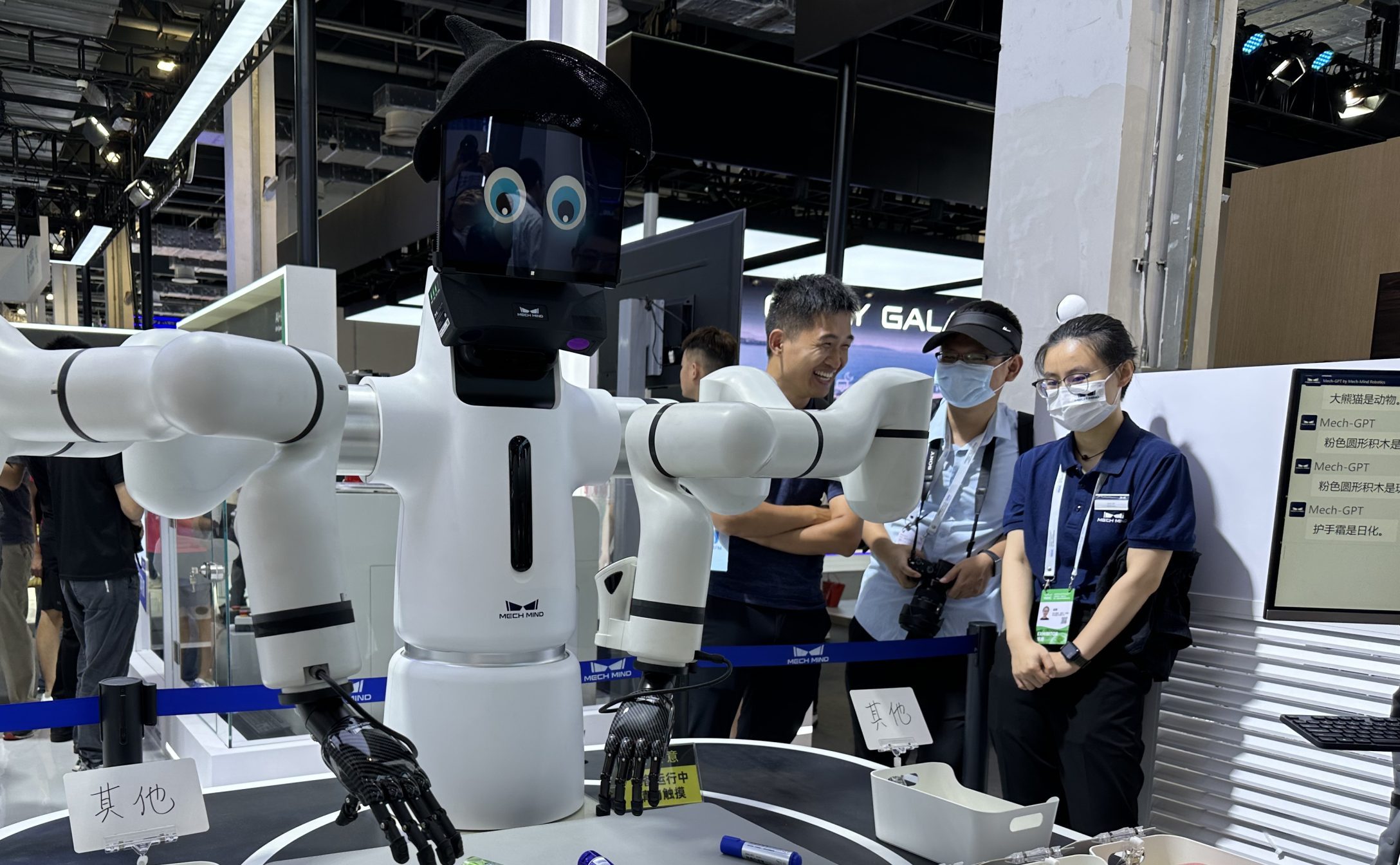
From retro streets and robot assembly to robot boxing, WAIC 2025 unveils China’s latest robotics tech
The 2025 World Artificial Intelligence Conference (WAIC) took place in Shanghai from July 26 to 28, focusing on the theme of "Global Solidarity in the AI Era." This year’s event marked a significant increase in participation, with over 80 companies involved in embodied intelligence, compared to just 18 robotics companies at last year's conference. The surge in attendance underscores the growing interest and investment in artificial intelligence technologies. The conference featured various discussions and showcases aimed at fostering collaboration and innovation in the AI sector.
Heavy Hitters Content and entertainment government Highlight News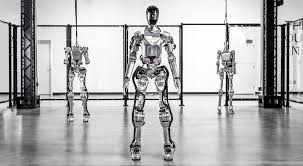
DJI launches FC100 delivery drone with 80kg payload, starting at $12,500
Chinese drone manufacturer DJI introduced its latest flagship civilian delivery drone, the FC100, on Monday. Priced starting at RMB 89,999 (approximately $12,500), the FC100 is designed to enhance delivery capabilities with a maximum payload capacity of 80 kilograms. The drone boasts an impressive flight range, capable of traveling up to 6 kilometers on a single battery and extending to 12 kilometers when equipped with dual batteries. Incorporating advanced technology, the FC100 is equipped with LiDAR (Light Detection and Ranging) and millimeter-wave radar, which enhance its navigation and obstacle avoidance capabilities. This launch reflects DJI's commitment to advancing drone technology and meeting the growing demand for efficient delivery solutions in various sectors. The introduction of the FC100 is expected to significantly impact the logistics and delivery industry, providing businesses with a reliable tool for transporting goods quickly and efficiently.
News Feed
Movin Raises $2.7 Million to Revolutionize Humanoid Robotics with Lidar Motion Capture
South Korean startup Movin has successfully secured $2.7 million in pre-Series A funding to further develop its Lidar-based motion capture technology designed for humanoid robots. The company’s innovative product, Tracin, offers a more affordable solution compared to traditional motion capture systems and has already gained traction among global firms. To bolster its services for game studios and support the growing demand for AI-driven humanoid robotics, Movin is set to establish a new office in Los Angeles.
Movin Byeoli Cho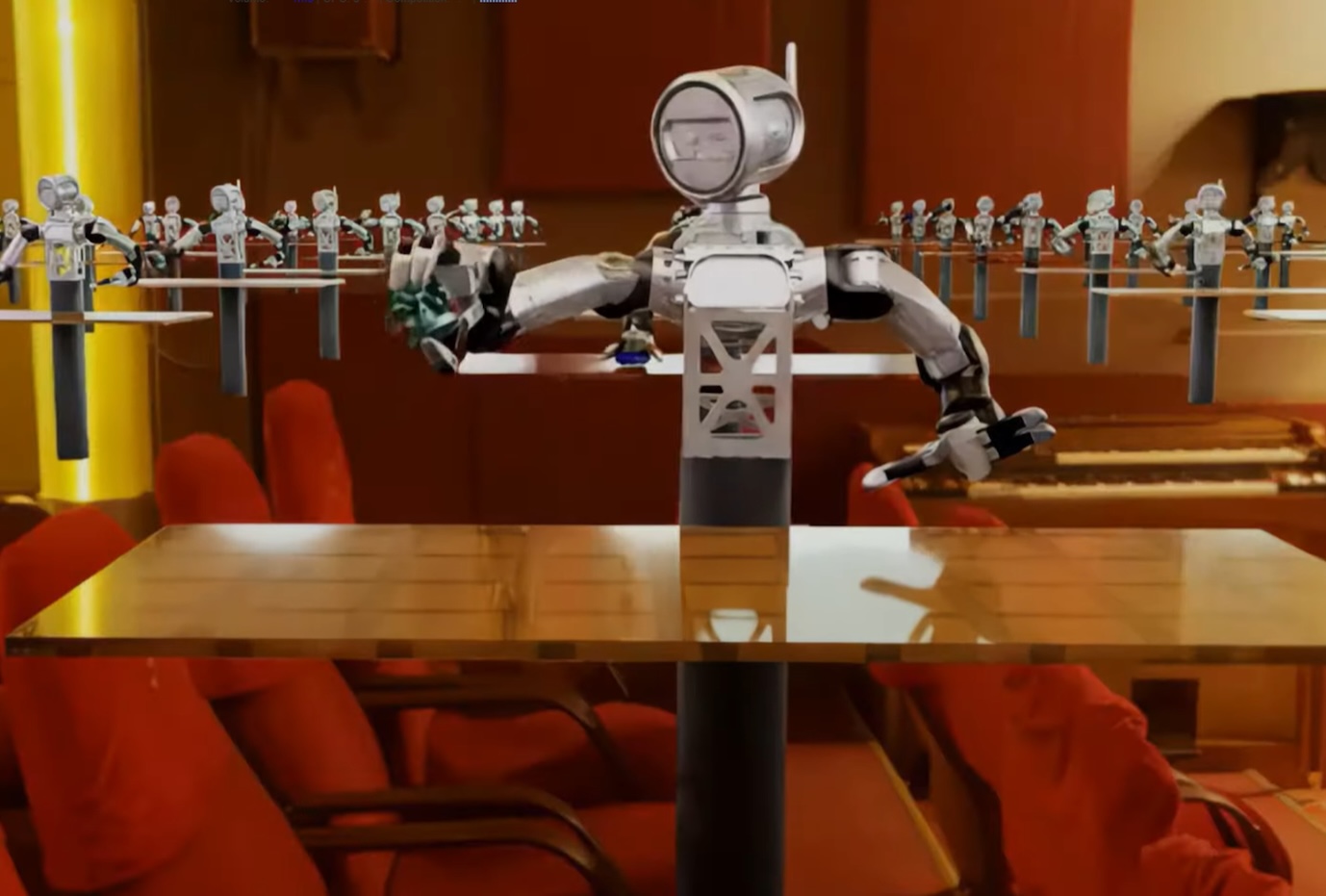
Tongji University purchases 10 Unitree humanoid robots for student training
Tongji University, a leading educational institution in China, has entered into a procurement agreement worth RMB 8.26 million (approximately $1.14 million) with Unitree Robotics. This contract, announced on the China Government Procurement Network, involves the acquisition of 10 Unitree H1-2 humanoid robots along with essential accessories, including high-precision depth cameras and LiDAR technology. The initiative aims to enhance the university's robotics training capabilities, reflecting a growing emphasis on advanced technology in education. The partnership is expected to facilitate hands-on learning and research opportunities in the field of robotics, positioning Tongji University at the forefront of innovation in this rapidly evolving sector.
News Feed
RoboSense delivers one millionth LiDAR sensor for humanoid robot Qinglong
RoboSense, a leading Chinese robotics company, celebrated a significant milestone on Monday in Shenzhen by producing its one millionth LiDAR (Light Detection and Ranging) unit, becoming the first company globally to achieve this feat. The milestone was marked by the delivery of the one millionth E1R LiDAR to Humanoid Robots (Shanghai) Limited. This achievement underscores RoboSense's commitment to advancing technology in the robotics sector and highlights the growing demand for LiDAR systems in various applications, including autonomous vehicles and robotics. The production of one million units reflects the company's innovative capabilities and its pivotal role in shaping the future of intelligent machines.
News Feed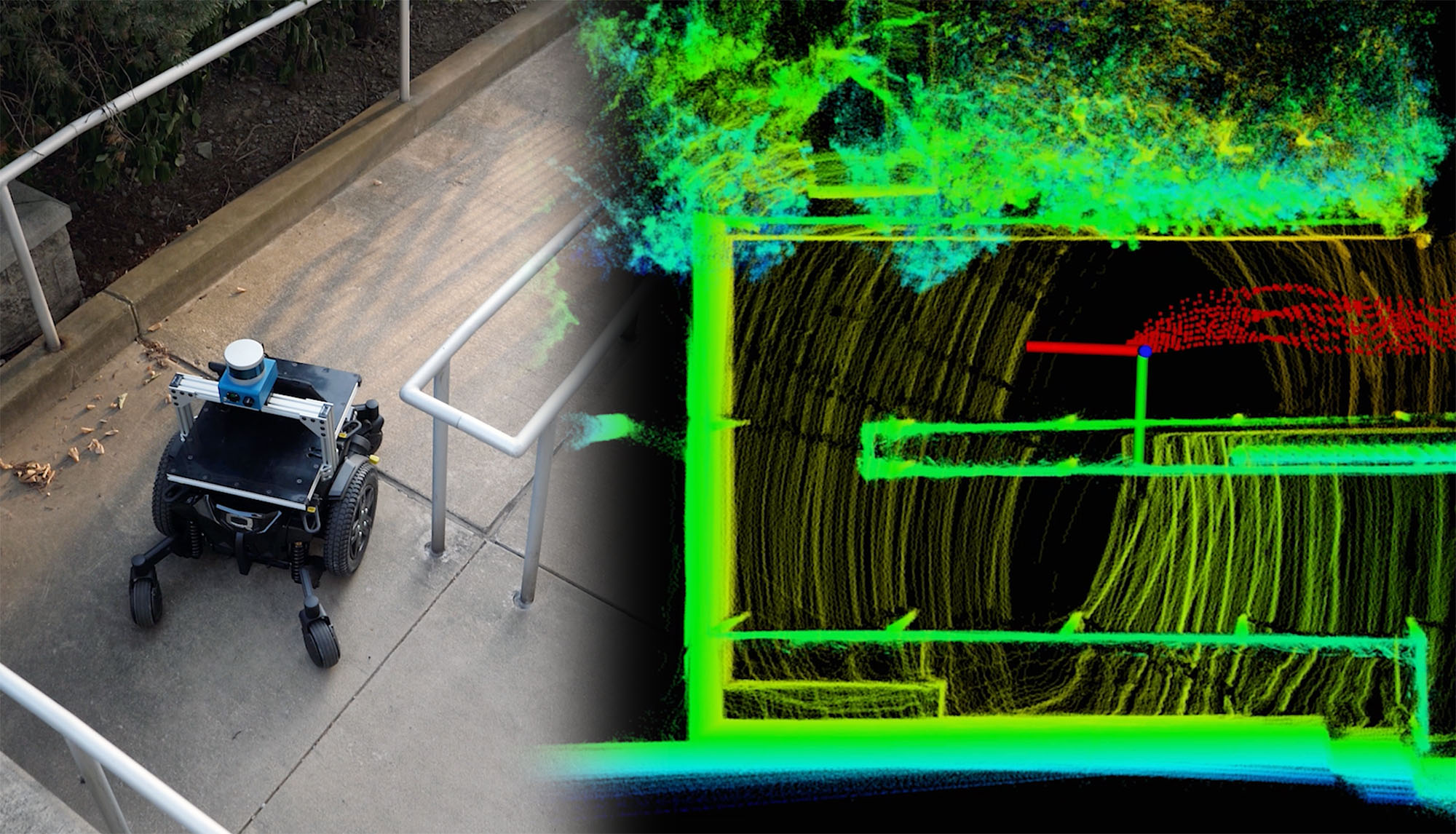
Ji Zhang Receives 2024 Test of Time Award
Carnegie Mellon University systems scientist Ji Zhang has been honored with the 2024 Test of Time Award from the Robotics: Science and Systems (RSS) conference for his influential research on Lidar Odometry and Mapping in Real-Time (LOAM). This award, introduced by RSS, recognizes papers published over a decade ago that have significantly shaped the field of robotics. Zhang's work, which has had a lasting impact on robotics design, continues to be relevant in advancing technologies in the sector. The award highlights the importance of foundational research in driving innovation and development in robotics.
Uncategorized