Industry Briefing
A single destination for timely, editor-curated robotics news from around the world.
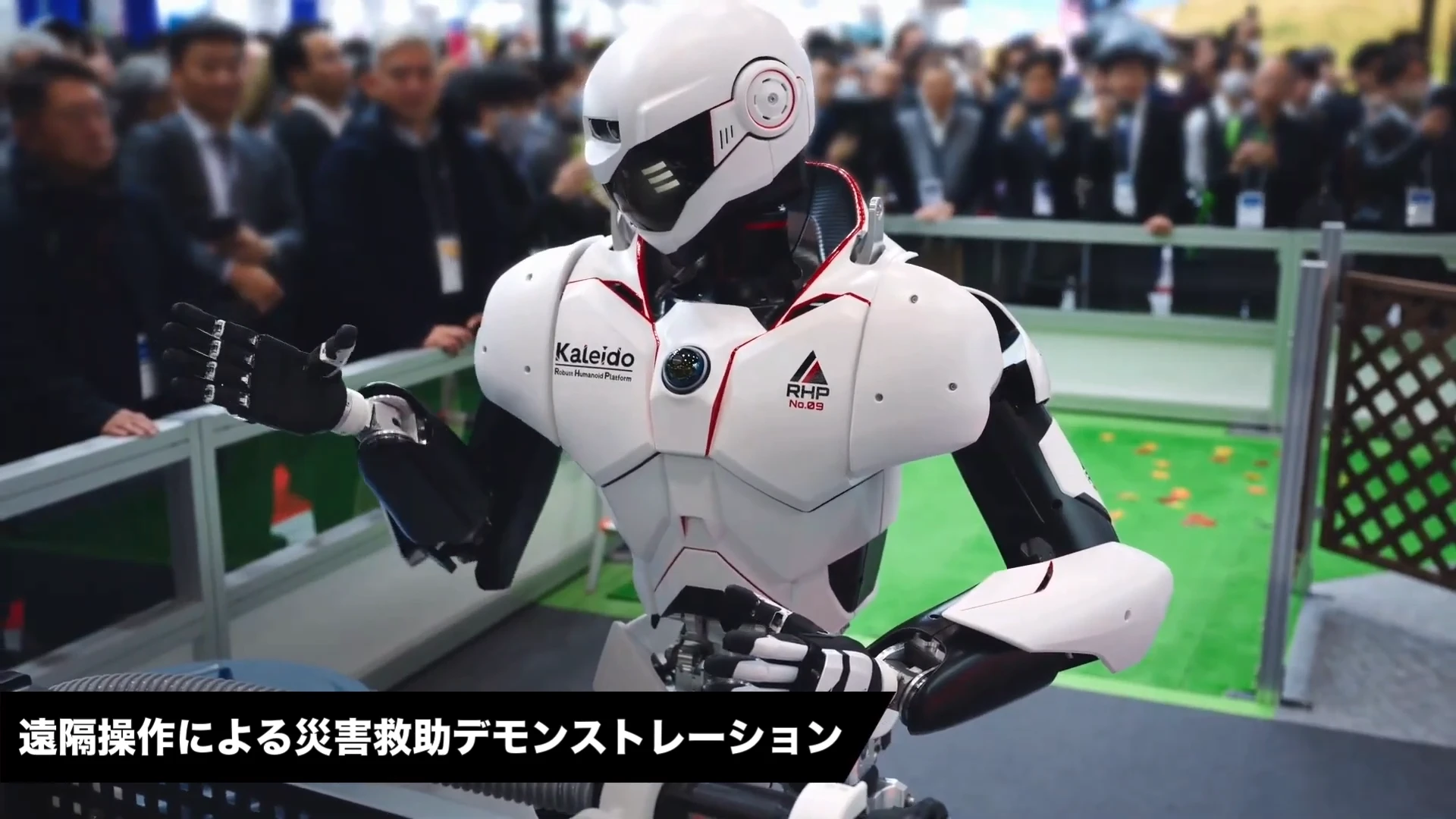
Kawasaki to Deploy Noetra-Enhanced Kaleido Humanoid by 2030 with Gradual Autonomy Expansion
Kawasaki Heavy Industries plans to integrate Noetra’s Japanese physical AI platform into its Kaleido humanoid, aiming for a rollout as early as 2030. Kaleido will be the first to utilize Noetra’s technology, which will initially operate through a combination of remote human control and AI, gradually increasing its autonomous capabilities as Noetra’s platform evolves. The significance of this development lies in the phased approach to autonomy, with initial tasks focused on simpler operations such as patrolling and moving parts. While the goal is full autonomy, the rollout will begin with a hybrid model. Kawasaki’s roadmap indicates that remote-assisted work is expected around 2030, with full autonomous operation targeted for 2040, although the Noetra report does not confirm that all tasks will be autonomous at launch. Looking ahead, Kawasaki's collaboration with Noetra and NVIDIA aims to enhance the complexity and precision of autonomous movements. The company envisions deploying tens of thousands of robots across various applications by 2040, indicating a broader ambition beyond just humanoids, which will be crucial to watch in the coming years.
Kawasaki Japan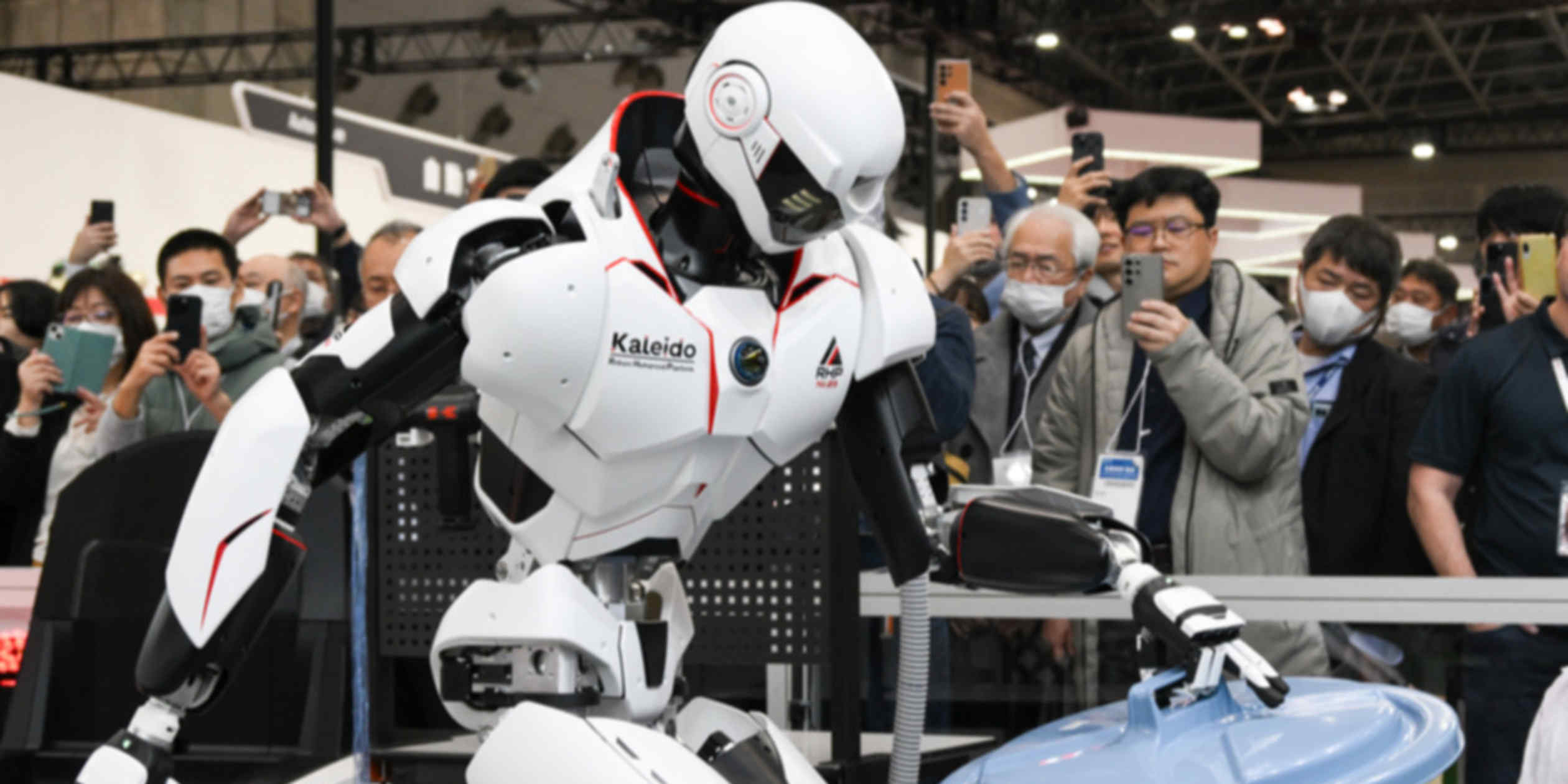
Kawasaki Heavy Industries Targets Fully Autonomous Humanoid AI Robot by 2030
Kawasaki Heavy Industries has announced plans to develop a fully autonomous humanoid robot, named Kaleido, by 2030. This initiative is supported by a proprietary AI platform currently under development in Japan, marking a significant step in robotics innovation. The introduction of the Kaleido robot is crucial as it highlights Kawasaki's commitment to advancing humanoid robotics and artificial intelligence. This development aligns with the growing trend of integrating AI into robotics, which is expected to enhance operational efficiency across various sectors. As Kawasaki Heavy Industries progresses towards its 2030 goal, industry watchers should keep an eye on the advancements of the AI platform and its implications for the robotics market. No further timeline was disclosed at the time of publication.
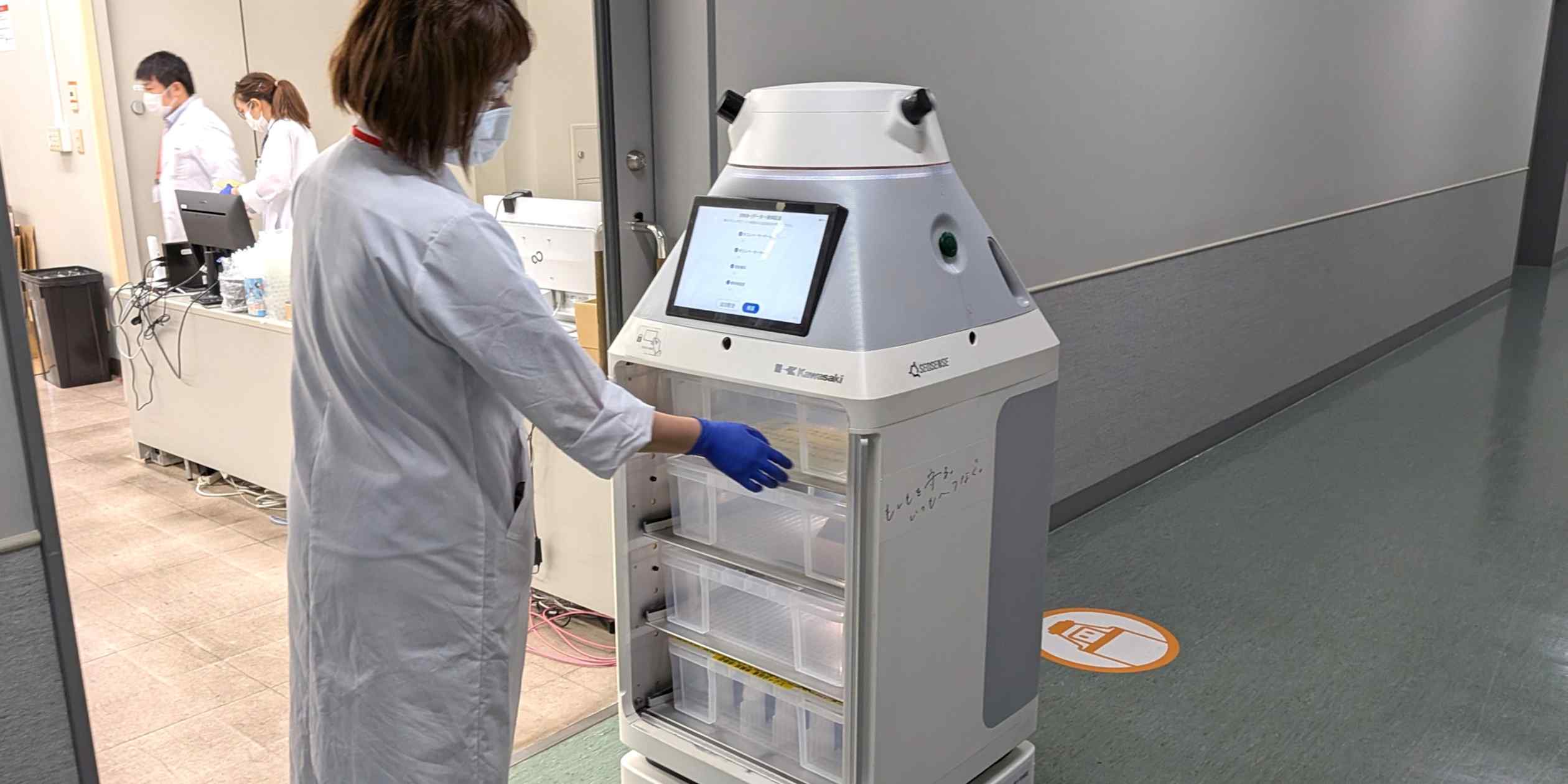
Kawasaki Heavy Industries' Hospital Robots Save 2,700 Work Hours in Japan
Kawasaki Heavy Industries has initiated mass production of hospital robots designed to transport medical samples and medications, significantly saving labor hours. These robots have collectively saved 2,700 hours of work, addressing the labor shortages faced by healthcare institutions in Japan. The introduction of these robots is crucial as Japan's healthcare sector grapples with a labor crunch, making automation a vital solution for improving operational efficiency. By utilizing robots for tasks such as delivery and cleaning, hospitals can allocate human resources to more critical areas of patient care. Looking ahead, the continued deployment of Kawasaki's robots in healthcare settings will be essential to monitor. Their impact on alleviating labor shortages and enhancing service delivery in hospitals will be a key area of interest as the industry evolves. No further timeline was disclosed at the time of publication.

Kawasaki Reveals Patented Designs for Corleo, Its Innovative Robotic Horse
Kawasaki Heavy Industries has unveiled a set of patented designs for its robotic horse, Corleo, which integrates hydrogen energy, AI, and biomimetic technology. This project aims to create an unprecedented all-terrain personal mobility tool, replacing traditional wheels with four biomimetic mechanical legs that can independently move and absorb shocks. The core design features a 150cc hydrogen fuel engine that acts as a generator, powering independent motors at each leg joint, ensuring long-range and eco-friendliness with emissions of only pure water. The AI system enhances the riding experience by scanning terrain in real-time, assessing foot placements, and maintaining balance based on the rider's weight shifts, offering a unique 'walking-style electrification' experience. Looking ahead, Kawasaki plans to launch a riding simulator and digital models based on Corleo's movement data by 2027. The company has established the 'SAFE ADVENTURE' project team, led by the president, and is collaborating with Nvidia to accelerate development using physics AI and simulation tools. No further timeline was disclosed at the time of publication.
Robotic Mobility Hydrogen Energy AI Technology Biomimetic Design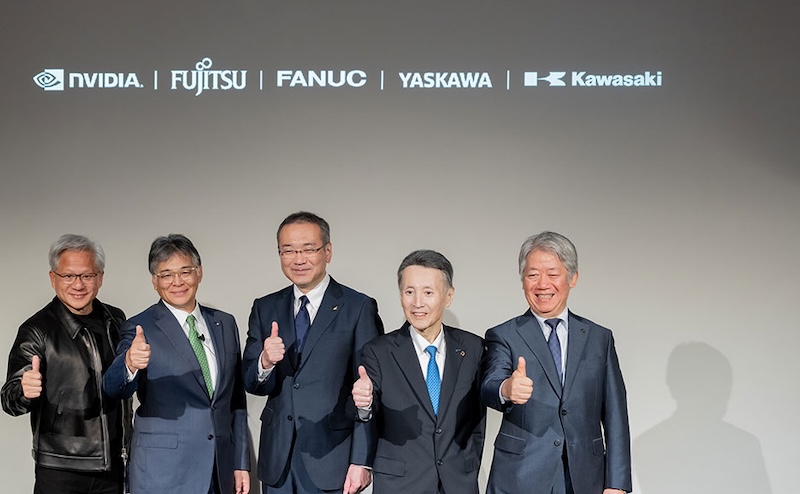
Fujitsu Collaborates with Fanuc, Yaskawa, and Kawasaki to Enhance Physical AI with Nvidia
Fujitsu has initiated a partnership with Japanese robotics firms Fanuc, Yaskawa Electric, and Kawasaki Heavy Industries to advance the development and deployment of physical AI in sectors such as manufacturing, logistics, and healthcare. This collaboration will leverage Nvidia's physical AI technologies to create a collaborative control platform that connects digital systems with robots and physical equipment. The initiative aims to accelerate the adoption of physical AI, addressing challenges like labor shortages and an aging workforce while enhancing global competitiveness. The platform will optimize production planning in manufacturing, automate material handling in logistics, and improve healthcare operations by automating the transport of medical supplies and assisting with patient interactions. Fujitsu plans to develop an open collaborative control platform that integrates AI, robotics, and data analysis technologies, ensuring interoperability and addressing cybersecurity concerns. No further timeline was disclosed at the time of publication.
Artificial Intelligence Industry News ai factory automation fanuc
Kawasaki Heavy and Nvidia Collaborate on AI-Driven Shipyard in Japan
Kawasaki Heavy Industries and Nvidia have announced a partnership to create a cutting-edge shipyard in Japan that will utilize artificial intelligence. This initiative aims to enhance productivity and address labor shortages in the shipbuilding sector by leveraging Nvidia's digital twin technology. The collaboration is significant as it represents a strategic move by Kawasaki Heavy to modernize its operations and improve efficiency through advanced technology. By integrating AI and robotics, the shipyard is expected to streamline processes such as welding, which is critical in ship construction, thereby mitigating the impact of the ongoing labor crunch in the industry. Looking ahead, the development of autonomous robots capable of performing essential tasks at shipyards will be a key focus of this partnership. No further timeline was disclosed at the time of publication.

Agru Achieves 24 Years of Continuous Operation with Kawasaki Robotics Automation
Agru, an Austrian manufacturer of high-end plastic solutions, has relied on Kawasaki Robotics industrial robots for approximately 25 years. This partnership has resulted in 31 automated systems that enhance production efficiency and reliability. The significance of this long-standing collaboration lies in Agru's ability to maintain continuous operation without failures for 24 years. This achievement underscores the reliability of Kawasaki Robotics' technology in demanding industrial environments, contributing to Agru's competitive edge in the market. Looking ahead, it will be important to monitor how Agru continues to innovate in automation and training, particularly with the introduction of new educational concepts using the teaching robot Astorino. No further timeline was disclosed at the time of publication.
Allgemein Anwendungen & Lösungen Kunststoff & Gummi Lösungen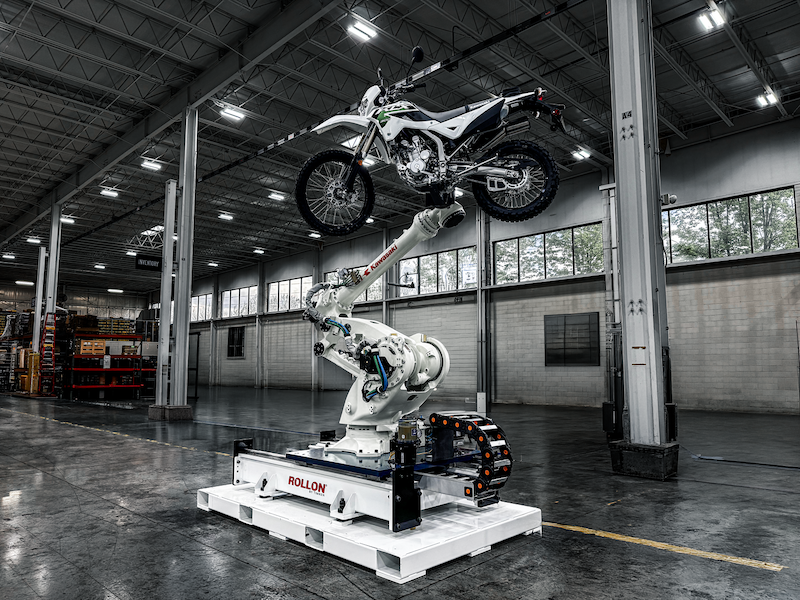
Kawasaki Robotics showcases 8-axis Physical AI robot and intelligent automation technologies at Automate 2026
Kawasaki Robotics unveiled its latest advancements in automation technology at the Automate 2026 trade show held in Chicago. The event, which took place recently, highlighted the transformative impact of robotics, artificial intelligence, machine learning, vision systems, and real-time control on industrial automation. A key feature of the showcase was the introduction of the new “RL030N” robot platform, which boasts eight degrees of freedom and is specifically designed for Physical AI applications. This innovation reflects Kawasaki Robotics' commitment to pushing the boundaries of automation and enhancing operational efficiency across various industries.
Industrial robots News Robotics 8-axis robot Automate 2026 BA013L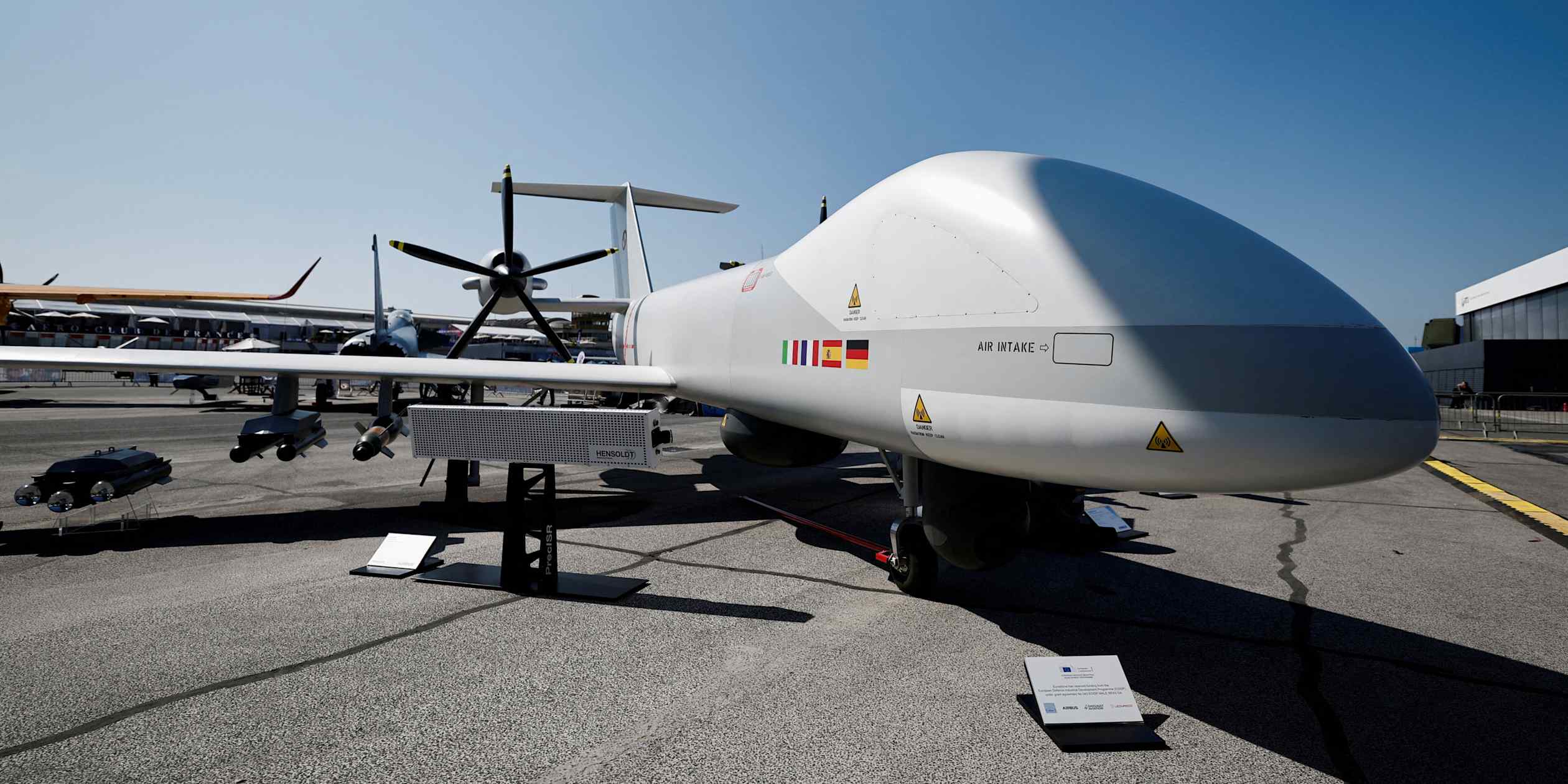
Kawasaki Heavy and Airbus to team up on anti-submarine drone for Japan
Kawasaki Heavy Industries is collaborating with Airbus to develop anti-submarine drones, aimed at enhancing Japan's maritime defense capabilities. This partnership, announced on June 26, 2026, will focus on equipping the existing Eurodrone with advanced maritime surveillance technology provided by Kawasaki. The initiative is intended to bolster Japan's defense strategy and will be proposed to the country's defense ministry for consideration. The collaboration reflects a growing emphasis on integrating advanced technology into national defense systems, particularly in response to regional security challenges.

Kawasaki Robotics and Dexterity Expand Collaboration to Scale Physical AI for Warehouse Logistics
Kawasaki Robotics has unveiled the RL030N, an advanced 8 DoF (degrees of freedom) robot arm platform that integrates cutting-edge industrial robot engineering with Dexterity's Mech hardware and Foresight World Model technology. This innovative platform aims to enhance automation capabilities across various industries by providing greater flexibility and precision in robotic tasks. The announcement was made during a recent technology expo held in Tokyo, showcasing the latest advancements in robotics and automation. By combining expertise from multiple sectors, the RL030N is designed to meet the growing demand for sophisticated robotic solutions that can adapt to complex environments and tasks. The collaboration between these industry leaders highlights a commitment to pushing the boundaries of what robotic systems can achieve, ultimately aiming to improve efficiency and productivity in manufacturing and other applications.

Kawasaki Robotics Unveils Dexterous Physical AI Robot Platform, Advanced Automation Technologies at Automate 2026
Kawasaki Robotics introduced its latest advancements in automation technology at Automate 2026, held in Chicago on June 17, 2026. The company showcased the new RL030N robot platform, which features eight degrees of freedom specifically designed for Physical AI applications, alongside its patented Pulseboard inspection technology. These innovations highlight Kawasaki's commitment to enhancing industrial automation through the integration of robotics, artificial intelligence, and machine learning. The RL030N robot stands out as the industry's first 8-axis platform, enabling high-speed motion and enhanced dexterity for complex tasks in dynamic environments. This robot is engineered to support AI-driven applications that require adaptive motion and obstacle avoidance, setting it apart from traditional industrial robots optimized for repetitive tasks. Additionally, Kawasaki demonstrated the Pulseboard technology in a robotic weld inspection system developed with Fives DyAG. This system significantly improves inspection efficiency by synchronizing image acquisition with the robot's movements, allowing for up to ten times faster weld inspections without compromising accuracy. Seiji Amazawa, President of Kawasaki Robotics, emphasized the importance of these technologies in shaping the future of automation, stating that they are designed to support emerging Physical AI applications while maintaining the reliability that manufacturers expect. The event marks a pivotal moment for Kawasaki Robotics as it continues to lead in intelligent automation solutions.
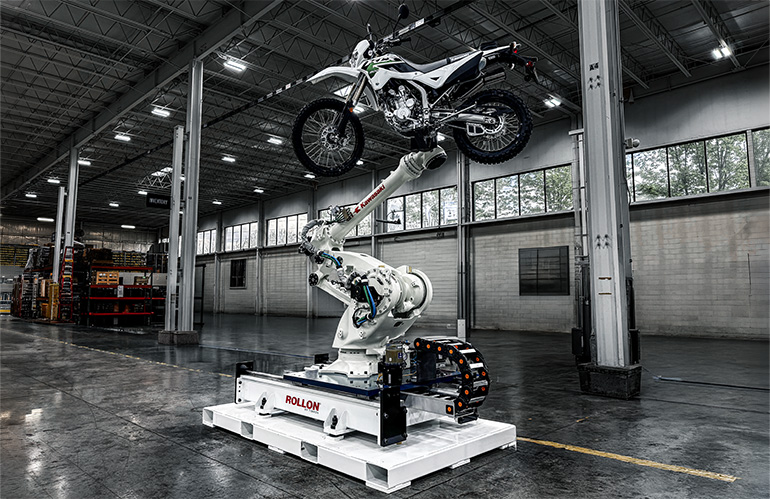
Kawasaki Robotics to debut RL030N physical AI platform at Automate
Kawasaki Robotics is set to unveil its RL030N physical AI platform, along with its 8-DoF robot and Pulseboard inspection technology, at the upcoming Automate event. This showcase, scheduled for later this month, aims to demonstrate the company's vision for intelligent automation solutions. By integrating advanced robotics with AI capabilities, Kawasaki Robotics seeks to enhance operational efficiency and precision in various industries. The introduction of these innovative systems reflects the growing demand for automation technologies that can adapt to complex tasks and improve productivity in manufacturing and beyond.
Arms / Manipulators Artificial Intelligence Automotive Cobot Arms Controllers Events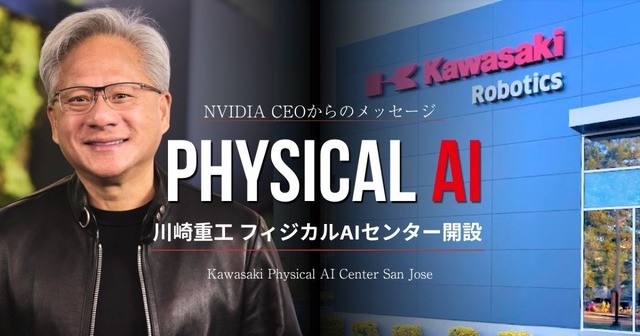
Kawasaki Heavy Industries opens Physical AI Center in San Jose, California, with a congratulatory message from NVIDIA's Jensen Huang.
Kawasaki Heavy Industries, Ltd. announced the opening of its Kawasaki Physical AI Center, scheduled for June 15, 2026. To mark this occasion, the company released a video message from NVIDIA's CEO, Jensen Huang, on YouTube. The establishment of the center aims to enhance research and development in artificial intelligence and robotics, reflecting Kawasaki's commitment to innovation in these fields. The collaboration with NVIDIA underscores the importance of integrating advanced AI technologies into Kawasaki's operations, positioning the company at the forefront of technological advancements in the industry.
Kawasaki Heavy to partner with Nvidia on physical AI, open US robot center
Kawasaki Heavy Industries is collaborating with Nvidia to develop innovative solutions that merge robotics with physical artificial intelligence. This partnership, which includes contributions from Microsoft and Fujitsu, will establish a joint development center in Silicon Valley. The initiative aims to enhance Kawasaki's robotics applications by integrating Nvidia's advanced AI technology. This strategic move comes as the demand for AI-driven solutions in various industries continues to grow, with expectations that physical AI will significantly impact a large portion of companies in the coming years. The collaboration reflects a broader trend of Japanese and U.S. firms working together to advance AI technologies, particularly in sectors such as manufacturing and healthcare.
Robotics needs a service framework.
RSF defines a common language for robot service capability, lifecycle operations, certification pathways, and service-provider networks.
Join the RobotToday community on LinkedIn
Daily robotics news, in-depth analysis, conference highlights, and discussions with professionals worldwide.