Industry Briefing
A single destination for timely, editor-curated robotics news from around the world.
Is PROCEPT BioRobotics Corporation (PRCT) A Good Stock To Buy Now?
PROCEPT BioRobotics Corporation (PRCT) has garnered attention as a potential investment opportunity, with a bullish thesis highlighted on the r/ValueInvesting forum by user mrmrmrj. As of June 17, 2026, PRCT shares were trading at $20.91, reflecting significant growth in the surgical robotics sector. The company has seen its revenues quadruple since 2022, indicating strong early-stage economies of scale akin to its larger competitor, Intuitive Surgical (ISRG). Despite PRCT's impressive growth, trading at approximately 4.5 times sales presents a notable valuation gap compared to ISRG's historical performance, which experienced a volatile sales multiple range during a similar developmental phase. Analysts suggest that if PRCT can replicate ISRG's trajectory, the stock could appreciate by around 150% over the next three years, driven by revenue compounding and market re-rating. However, near-term sentiment is mixed, as management has guided revenues slightly below expectations, although still reflecting a robust 30% year-over-year growth. Looking ahead, 2027 revenue projections indicate a significant acceleration that may not yet be fully recognized by analysts, potentially leading to an upside surprise. While PRCT is not among the top 40 most popular stocks among hedge funds, interest has increased, with 28 hedge fund portfolios holding shares as of the end of the first quarter. Despite the risks associated with PRCT, some analysts believe that certain AI stocks may offer greater short-term returns.
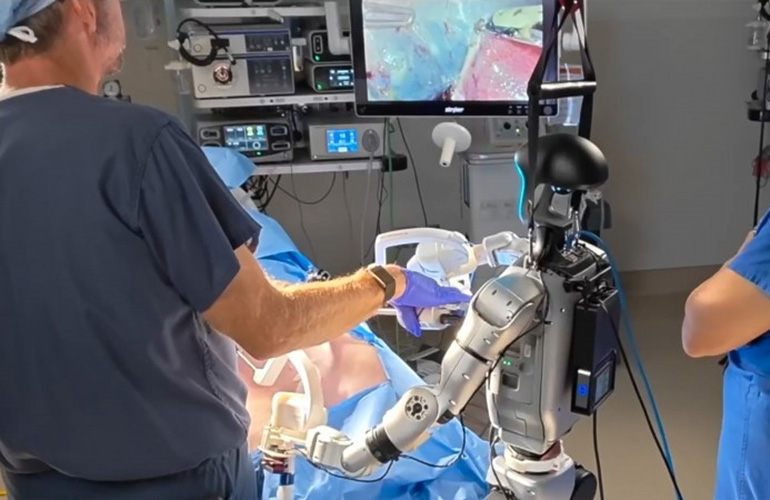
UC San Diego Trials Teleoperated Humanoid Robots for Surgical Procedures
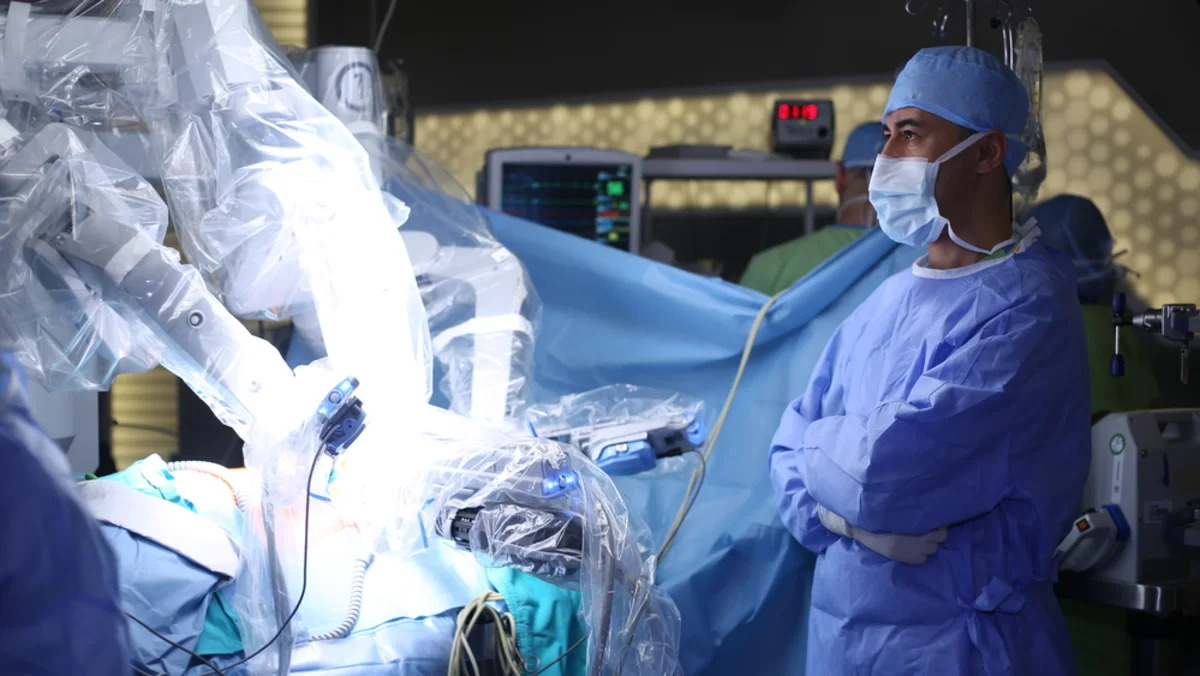
In a groundbreaking preclinical trial at UC San Diego, teleoperated humanoid robots successfully conducted surgeries, marking a significant advancement in surgical technology. This trial represents the first instance of humanoid robots being utilized in a surgical context, showcasing their potential to enhance precision and efficiency in medical procedures. The significance of this development lies in the versatility of humanoid robots, which may offer improved capabilities over traditional robotic systems like the da Vinci Surgical System. By integrating advanced teleoperation techniques, these robots could potentially reduce the need for human intervention, thereby minimizing risks and improving patient outcomes in complex surgeries. Looking ahead, the next steps involve further trials to assess the long-term effectiveness and safety of these humanoid robots in surgical environments. No further timeline was disclosed at the time of publication, but the results of this trial could pave the way for broader applications in healthcare robotics.
Healthcare Robotics Human Robot Interaction / Haptics Humanoids News Surgical / Interventional Systems Surgical Systems
A minimally invasive robotic spinal surgical system for anterior lumbar nerve decompression
In May 2026, a groundbreaking study published in Science Robotics highlights the advancements in robotic technology aimed at enhancing human-robot collaboration. Researchers from leading universities and tech companies gathered to explore innovative methods for integrating robots into various industries, including manufacturing and healthcare. The study reveals that the increasing complexity of tasks in these sectors necessitates a more sophisticated approach to robotics, emphasizing the need for machines that can adapt to dynamic environments and work alongside human counterparts effectively. The research team conducted extensive experiments to develop algorithms that enable robots to learn from their interactions with humans, improving their efficiency and safety. This initiative is driven by the growing demand for automation and the potential for robots to alleviate labor shortages while increasing productivity. By focusing on collaborative robots, or cobots, the researchers aim to create systems that not only perform tasks but also understand and respond to human cues, fostering a more intuitive working relationship. The findings are expected to pave the way for the next generation of robotic systems that can seamlessly integrate into the workforce, ultimately transforming how industries operate and enhancing overall productivity. As the field of robotics continues to evolve, this research marks a significant step towards realizing the full potential of human-robot collaboration.
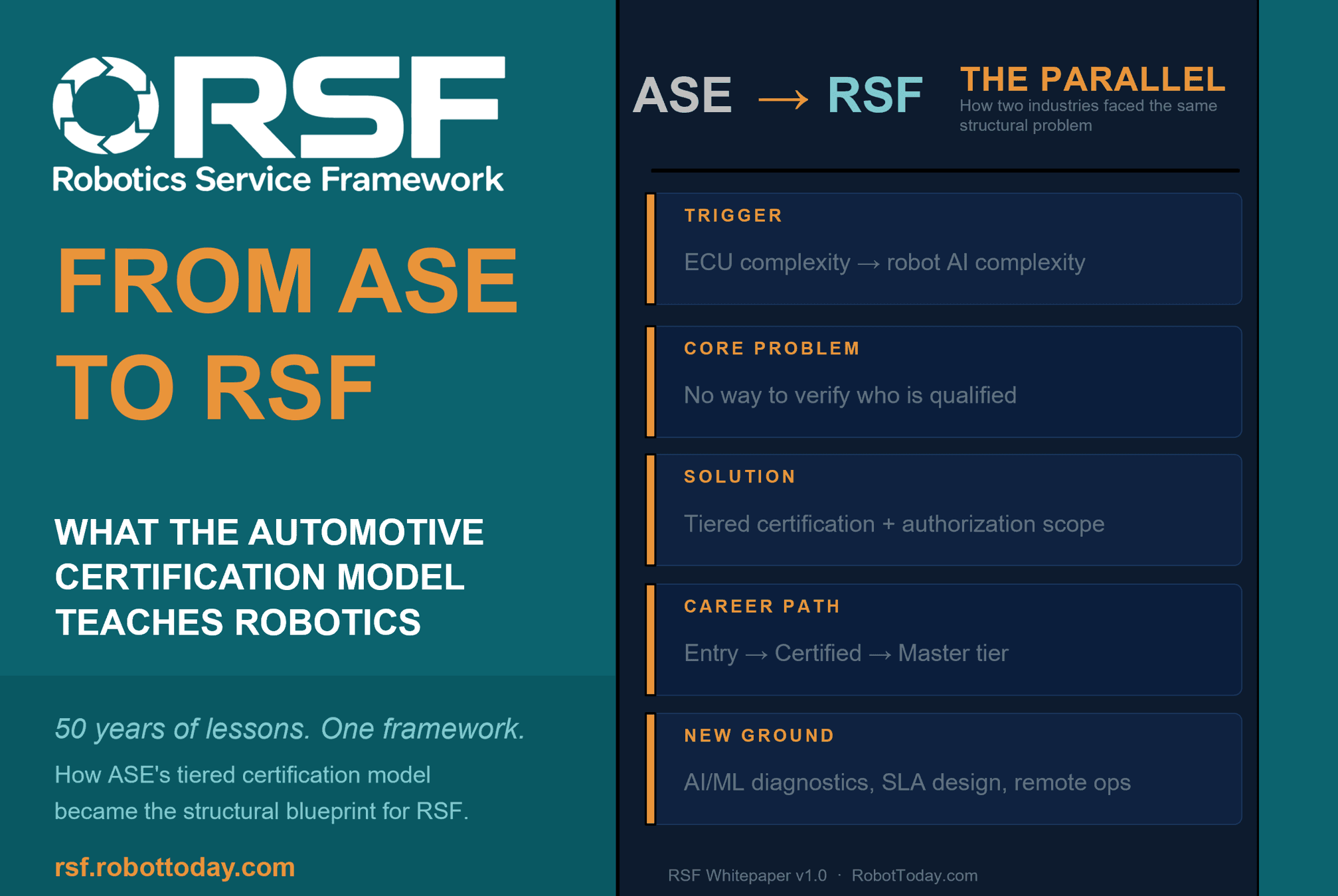
Research ArticleRobotics needs a service framework.
RSF defines a common language for robot service capability, lifecycle operations, certification pathways, and service-provider networks.