Industry Briefing
A single destination for timely, editor-curated robotics news from around the world.
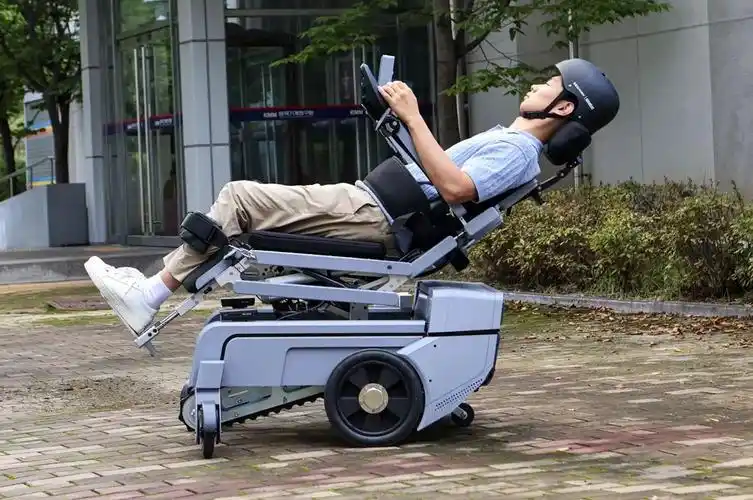
Xingcan Intelligent Secures Funding for Innovative Wheelchair Robot XcanMateX
Xingcan Intelligent has successfully completed four rounds of funding within a year, focusing on the development of its wheelchair robot, XcanMateX. This rapid funding pace is notable in the hard tech startup sector. The company aims to build a robust mass production team and a clear industrial logic, leveraging its core team’s extensive experience in autonomous driving and robotics. The significance of Xingcan Intelligent's approach lies in its focus on hardware-centric supply chain systems from the outset, contrasting with many companies that prioritize financial investment first. By collaborating with industry capital, the company can develop products at mass production prices and quality standards, thereby minimizing production risks and reducing costs. The XcanMateX is designed to transform traditional wheelchairs into smart mobility companions, featuring advanced navigation and interaction capabilities. Looking ahead, Xingcan Intelligent plans to expand its market presence in Europe, targeting the aging population's needs for smart mobility solutions. The company is also preparing for its Pre-A round of funding, aiming to raise between 50 million to 60 million RMB. The effectiveness of its deployments in hospitals and care institutions will be crucial in determining its success in addressing the mobility and social needs of the elderly.
Wheelchair Robots Healthcare Technology Aging Population Solutions Autonomous Navigation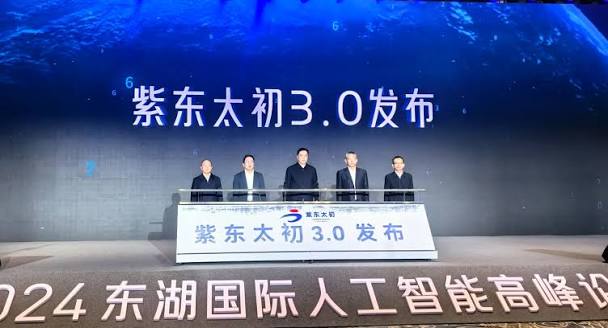
ZDTaichu 5.0-9B Model Excels in Spatial Embodied Intelligence Benchmarks
ZDTaichu 5.0-9B, a 9 billion parameter multimodal model, has achieved remarkable results in spatial embodied intelligence, securing first place in 8 out of 9 international benchmarks. It outperforms competitors like Qwen 3.5-9B and STEP 3-VL-10B in spatial perception and three-dimensional reasoning tasks. The significance of ZDTaichu 5.0-9B lies in its ability to integrate complex spatial reasoning tasks that are crucial for robotics in real-world applications. Its performance in accurately identifying object coordinates and spatial relationships demonstrates its advanced capabilities compared to other open-source models. Looking ahead, ZDTaichu 5.0-9B's open-source pipeline for training multimodal models offers valuable insights for robotics companies and research institutions. No further timeline was disclosed at the time of publication.
Multimodal Models Spatial Intelligence Robotics AI Open Source Technology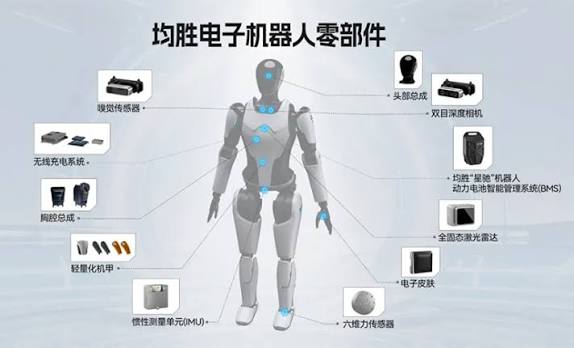
Jiangsu Jusheng Electronics Stock Rises Over 9% Following Progress in Embodied Intelligence Controllers
On September 17, Jiangsu Jusheng Electronics saw its stock price increase by over 9%, closing at HKD 12.23 with a trading volume of HKD 66.34 million. This surge is attributed to the company's advancements in its embodied intelligence business. The significance of this development lies in Jiangsu Jusheng's recent showcase at the 2026 World Artificial Intelligence Conference, where it unveiled several core components, including dexterous hands, hybrid batteries, third-generation AI head assemblies, electronic skin, and embodied intelligence brains. The company has announced that its embodied intelligence products, including controllers, are now being mass-produced for leading robotics companies. Looking ahead, it will be crucial to monitor whether the scale of mass production can continue to grow and if products like dexterous hands and electronic skin can transition from the sample phase to bulk delivery. No further timeline was disclosed at the time of publication.
Embodied Intelligence Robotics Components AI Technology Automation Electronic Systems
Five One Vision's Embodied Intelligence Business Achieves Over 200 Million Yuan in Orders
On September 17, Five One Vision's stock opened nearly 3% higher, reaching 56.50 HKD, following the announcement of significant order data. Since the launch of its embodied intelligence business, APER, on August 18, the company has accumulated orders exceeding 200 million Yuan in less than a month. The customer base includes companies in embodied data collection, embodied entities, world modeling, and end-user enterprises in parks and mines, with over 90% of orders expected to be delivered by year-end. The rapid order growth, with over 10,000 units ordered within just two days of the AperData platform's release, highlights the strong market demand for data collection tools. AperData offers 99% trajectory physical consistency in data delivery and improves data production efficiency by over ten times compared to traditional remote operation methods. This significant efficiency gain is a key factor in securing orders, especially for data collection and embodied entity companies that benefit from reduced time and labor costs. Five One Vision's AperOS has recently received its first update post-launch, focusing on enhancing hardware-software collaboration, edge-cloud data processing, and flexible delivery capabilities. With over 200 million Yuan in orders and a goal of completing more than 90% of deliveries within the year, the company's ability to maintain delivery pace will be crucial. Successfully achieving this target could significantly impact the revenue structure of the APER business within Five One Vision.
Embodied Intelligence Data Collection Robotics AI Automation
He Xiaopeng Discusses the Embodied Intelligence Bubble and Genuine Innovation
At a Tsinghua University presentation on September 16, He Xiaopeng addressed concerns regarding the pace of embodied intelligence commercialization, acknowledging an overzealous investment climate. He emphasized that while bubbles exist in every industry, the true innovation lies beneath the surface. He highlighted the potential for rapid advancements in physical AI, suggesting that its impact on daily life may exceed expectations. He Xiaopeng revealed that 98% of the Xiaopeng Robotics team holds advanced degrees, with 18% being PhD students. The company plans to hire over 8,000 employees annually from 2025 to 2027, with more than half of these positions focused on campus recruitment. Approximately 40% of this year's job openings are related to physical AI, alongside roles in modeling, robotics, autonomous driving, and manufacturing. Looking ahead, He Xiaopeng advised companies to focus on core competencies and collaboration rather than spreading resources too thin. He noted that larger companies should embrace uncertainty and invest in cutting-edge projects while maintaining a keen awareness of market trends. He underscored the importance of identifying long-term goals and aligning with the right teams in a rapidly evolving landscape.
Embodied Intelligence AI Development Recruitment Strategy Technology Innovation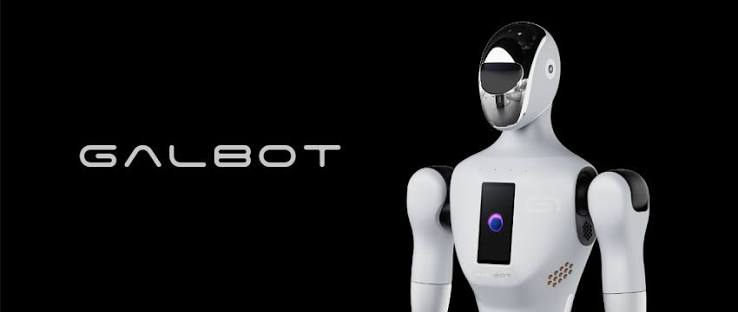
Yin Fangming Addresses Embodied Intelligence at SCO Forum; Chinese Team Evaluates GPT-6 Astra
Yin Fangming, Chairman of Galaxy General, spoke on embodied intelligence at the SCO Digital Economy Forum, emphasizing open collaboration. He proposed two main approaches: providing mature technology and product solutions, and partnering with local industries to tailor robotic solutions to regional needs. This perspective highlights China's strategy to address data scale disparities in the context of significant investments in embodied intelligence by companies like OpenAI. In less than two weeks since its release, a Chinese team was the first to systematically assess the capabilities of GPT-6 Astra. The report, authored by a doctoral student of Professor Wang He, founder and CTO of Galaxy General, compared OpenAI's GPT-6 Astra with the π0.5 model. The hybrid architecture achieved a score of 62.60 and a 48% success rate on ten dual-arm tasks in the Robo Dojo benchmark, nearly double the score of the top entry on the public leaderboard. The report indicates breakthroughs in the generalization of American large models for embodied control, with the pace of advancements in the embodied intelligence domain exceeding expectations. Industry insiders revealed that OpenAI has invested over 10 billion yuan to acquire vast amounts of embodied data, surpassing any Chinese company. As the industry evolves, metrics such as operational duration, repurchase rates, and unit economics may redefine rankings in the embodied intelligence sector in the coming years.
Embodied Intelligence Robotics AI Machine Learning
Leap Motor Introduces Fully Self-Developed Embodied Intelligent Robot at Technology Day
On September 16, Leap Motor announced the completion of its fully self-developed embodied intelligent robot during its 2026 Technology Day. The company has independently mastered all core components, including motors, controllers, batteries, perception algorithms, and computing platforms. This comprehensive self-research system allows Leap Motor to transfer its automotive technology chain into the robotics sector, achieving internal closed-loop for most core components. This development is significant as it positions Leap Motor to explore scalable applications that can generate commercial value, moving beyond mere laboratory prototypes or demonstrations. The overlap in technology stacks between automotive and robotics provides a logical foundation for this transition. Leap Motor's simultaneous release of various technologies, such as the MM-i multi-modal hybrid electric drive and the LEAP 5.0 new mobile space architecture, directly correlates with core robotic components, enhancing its manufacturing capabilities. Looking ahead, Leap Motor aims to leverage its extensive self-research and manufacturing capabilities to expand its high-level intelligent driving across all vehicle models. The company's focus on finding commercially viable scenarios for its robotics business is crucial, especially as it navigates the challenges of balancing resources across its automotive and robotics divisions. The success of its robotics initiative will depend on its ability to identify paying customers and viable applications in real-world settings.
Robotics Automotive Technology AI Manufacturing Embedded Systems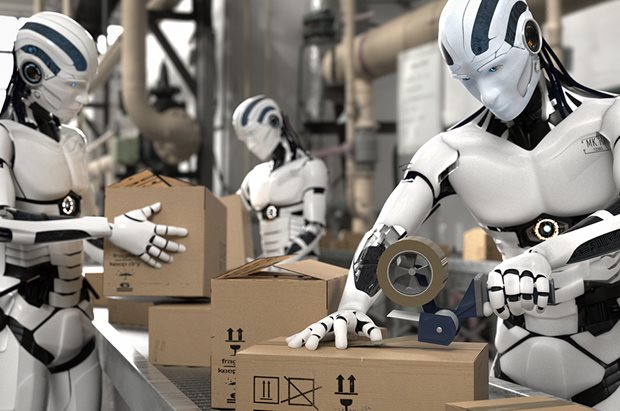
Huizhou Zhongkai's Embodied Intelligence Industrial Park Project Secures 1.031 Billion Investment
The Huizhou Zhongkai District has approved the Embodied Intelligence Industrial Park project, which will feature a digital infrastructure platform. The project, with a total investment of 1.031 billion yuan, spans 135,600 square meters and is set to commence on December 1, 2026. It aims to deploy 80 intelligent robotic workstations and 4,800 IoT data collection points, alongside an AGV intelligent logistics system. This initiative is significant as it represents a substantial investment in the embodied intelligence sector, focusing on enhancing production and logistics capabilities. The project will also establish a range of digital systems including MES, PLM, and ERP, which will facilitate comprehensive factory operations. The infrastructure aims to reduce the R&D costs for companies within the park by providing shared resources and systems. Looking ahead, the success of the project will depend on its ability to attract sufficient embodied intelligence enterprises and the intended use of the 80 robotic workstations, whether for production or scenario validation. No further timeline was disclosed at the time of publication.
Embodied Intelligence Industrial Automation IoT Smart Robotics
Concerns Rise Over Sustainability of Embodied Intelligence Companies Amid IPO Rush
Shiao Tianlan, founder of Mechamand, has criticized certain high-profile embodied intelligence companies for generating unsustainable revenue through questionable practices. His own company, Mechamand, recently went public on the Hong Kong Stock Exchange but faced a drop in share price on its first day. This criticism highlights the growing anxiety within the industry regarding the viability of these companies as they rush to IPO. The significance of this situation lies in the alarming trends observed in the financing and revenue structures of these companies. For instance, Yushu Technology, which saw a dramatic surge in market value shortly after its IPO, has since experienced a significant decline in valuation. Analysts have noted that many founders underestimate the challenges of deploying robots in real-world scenarios, leading to inflated expectations and unsustainable business models. Looking ahead, the Chinese Securities Regulatory Commission has indicated that humanoid robot companies must demonstrate sustainable revenue and genuine technological innovation to gain approval for IPOs. As the market continues to evolve, it will be crucial to monitor how these companies adapt to the regulatory landscape and whether they can deliver on their ambitious promises.
Embodied Intelligence Robotics IPO Sustainable Revenue Market Analysis
OpenAI's GPT-6 Astra Revolutionizes Embodied Intelligence with High Success Rates
In early September, OpenAI launched GPT-6 Astra, which quickly gained attention for its ability to control robotic arms without additional training. Independent testing by Robocurve showed Astra achieving a 95% success rate in tasks involving dual-arm robots, significantly outperforming Claude Fable 5.1's 40%. This breakthrough has sparked discussions about the future of embodied intelligence, with experts divided on its implications. The significance of Astra's performance lies in its potential to reshape the robotics landscape. Zeeshan Zia, Chief Scientist at Amazon Alexa, suggested that OpenAI could dominate the robotics field, while others like He Yonghao, CTO of Virtual Time Technology, believe that traditional approaches may no longer hold value. The rapid advancements in language models are seen as a threat to embodied intelligence, with experts urging teams to accelerate their development. Looking ahead, the industry is keenly observing how Astra's capabilities will evolve. Some experts argue that while Astra excels in semantic and spatial generalization, it struggles with complex physical tasks. The ongoing debate highlights the importance of high-quality data in training models, with predictions that future iterations, like GPT-8, may focus on high-frequency motion control. No further timeline was disclosed at the time of publication.
Embodied Intelligence Robotics AI Machine Learning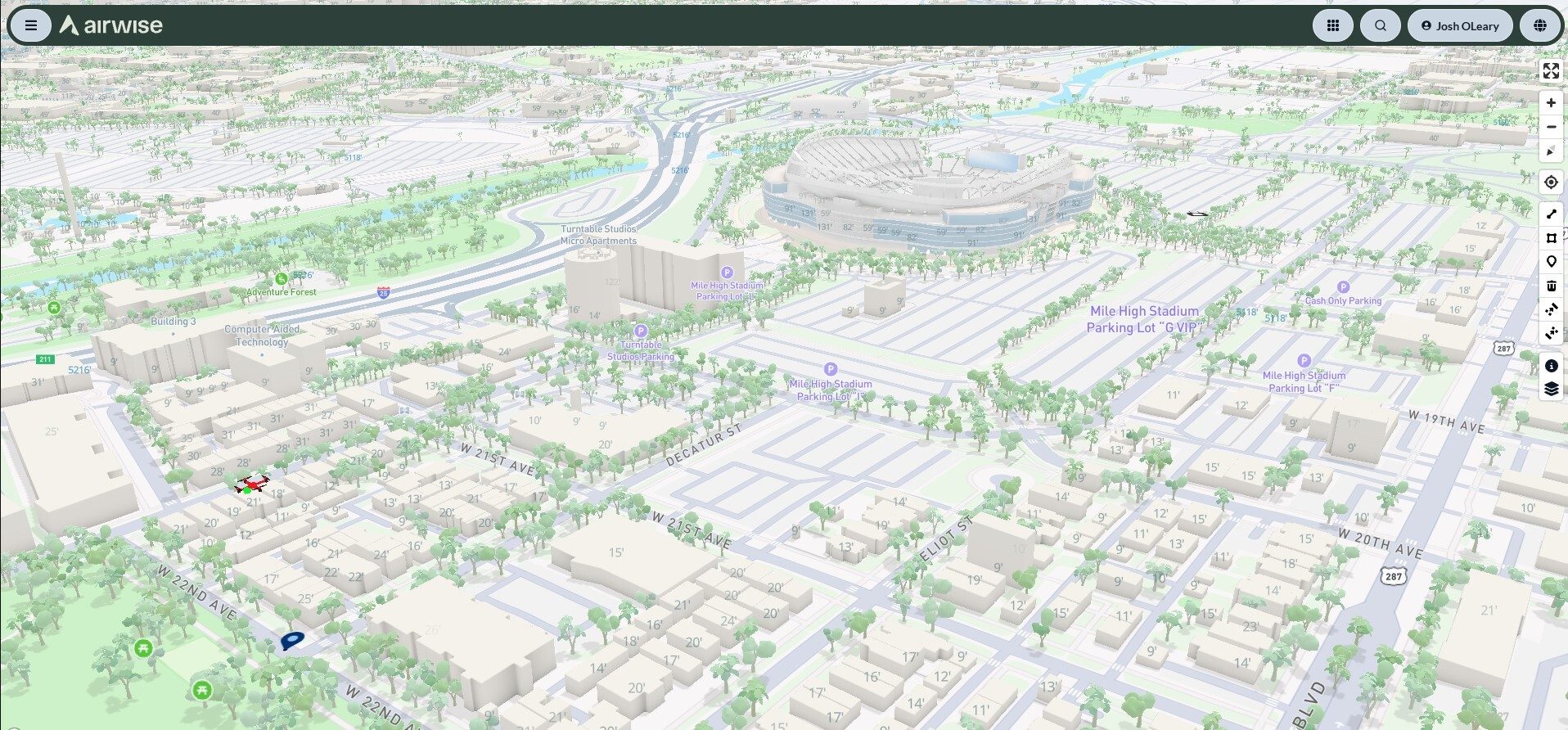
Airwise Solutions Partners with UAS Sentry for Enhanced Drone Detection and Airspace Intelligence
Airwise Solutions and UAS Sentry have established a partnership aimed at improving low-altitude airspace awareness. This collaboration will integrate UAS Sentry Nexus detection capabilities with the Airwise Nexus platform, allowing users to visualize detected Remote ID signals alongside their drone operations. The integration will also enable the connection of this data with airspace information, mission activity, aircraft telemetry, weather, and FAA services. This partnership is significant as it supports critical infrastructure, utilities, airports, and industrial sites, while also catering to public safety agencies managing drone operations near sensitive areas. UAS Sentry Nexus is capable of detecting and identifying drones that transmit Remote ID signals, providing essential information about a drone's location and control station. The Airwise integration enhances this data by adding operational context, helping organizations differentiate between authorized and unauthorized drone activities. Looking ahead, the integration of UAS Sentry's detection capabilities with Airwise's operational tools could transform how organizations manage their airspace. No further timeline was disclosed at the time of publication. As the demand for drone operations continues to rise, the ability to understand and manage low-altitude airspace effectively will be crucial for various sectors.
Drone News Drone News Feeds News Remote ID UTM airspace awareness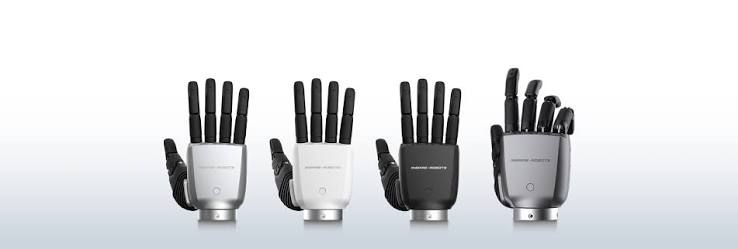
China Launches First Insurance for Intelligent Robotic Components at 2026 Service Trade Fair
On September 11, China Pacific Insurance and Beijing Daqi Yuequan Biomimetic Technology signed a collaboration for insurance covering intelligent robotic components, marking the first such insurance in the country. The policy protects against accidents, natural disasters, design defects, and operational errors, while also covering third-party injuries and property damage caused by equipment use. This insurance product addresses significant concerns for manufacturers and end-users of dexterous hands, which are costly and require high precision. With this coverage, procurement decisions may become easier as risks associated with equipment loss and third-party liabilities are mitigated. The collaboration aims to bolster confidence in the intelligent robotics sector by establishing a risk barrier for core components. The launch of this insurance indicates a shift in the industry, suggesting that key components have moved beyond experimental phases to a stage where tangible investments are necessary. Future developments to watch include the alignment of insurance rates with actual fault data and the potential introduction of similar insurance products for other critical components like joint modules and sensors.
Robotic Components Insurance Embodied Intelligence Risk Management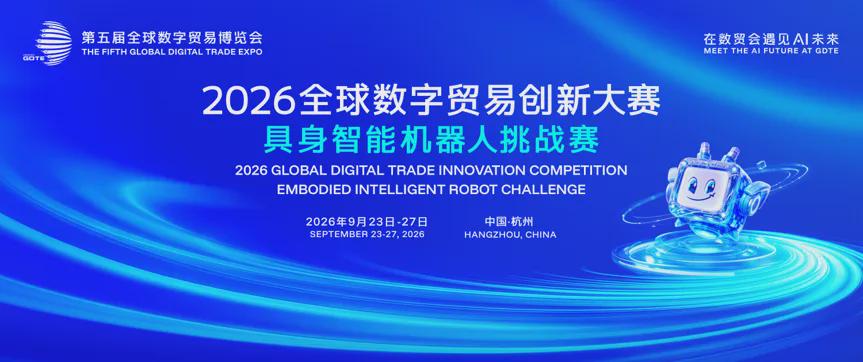
2026 Embodied Intelligence Challenge to Feature Robotic Sports Carnival at Digital Trade Expo
The 2026 Global Digital Trade Innovation Competition, featuring the Embodied Intelligence Challenge, will take place from September 23 to 27 at the Hangzhou International Expo Center. Attendees will have the opportunity to engage in various robotic sports, including sprinting alongside robots and competing in basketball shooting contests. This event is significant as it aims to attract over a hundred teams and includes 14 competition categories and two special activities, showcasing innovations in robotics and technology. The challenge will test robots in various scenarios, such as sprinting, obstacle courses, and team sports, providing a platform for both entertainment and technological demonstration. As part of the fifth Global Digital Trade Expo, the event will also feature an innovation showcase where companies can present their robotic products, including service robots like massage and ice cream robots. Attendees can participate in interactive experiences, making the event a unique blend of competition and technology engagement. No further timeline was disclosed at the time of publication.
Robotics AI Digital Trade Interactive Technology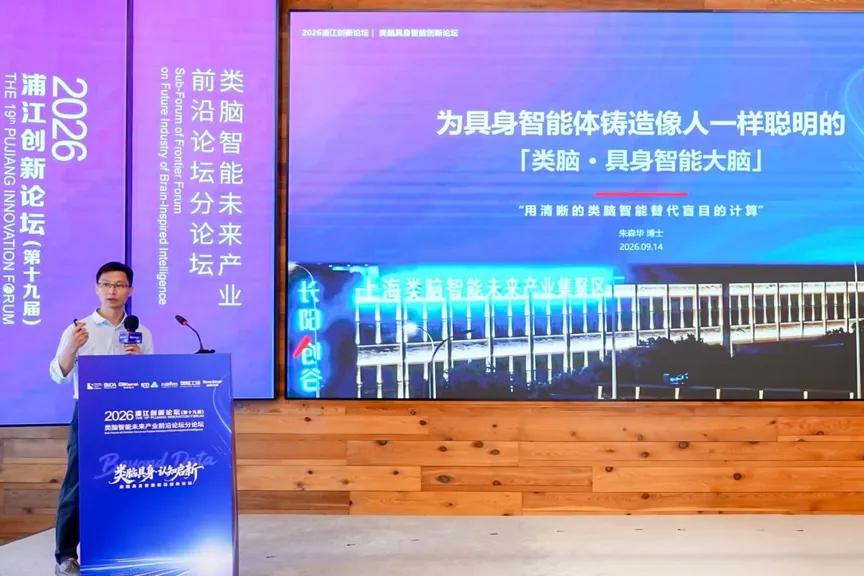
Cog-WM 1.0 Launch: Advancing Embodied Intelligence with Cognitive Models
On September 14, the first forum on brain-like embodied intelligence unveiled Cog-WM 1.0, a cognitive world model developed by Brain Rock. This model addresses challenges faced by robots in unfamiliar environments, such as maintaining spatial memory and predicting actions after losing sight of targets. The forum attracted top experts and capital interest, aiming to position Shanghai as a global hub for brain-like intelligence innovation. The significance of Cog-WM 1.0 lies in its potential to shift the competition in embodied intelligence from data quantity to the quality of internal world representation. The model integrates navigation and manipulation tasks, demonstrating improvements over existing state-of-the-art methods. This advancement suggests a new direction for embodied intelligence, focusing on cognitive maps and global memory spaces rather than solely on data-driven approaches. Looking ahead, the development of Cog-WM 1.0 could redefine how robots interact with their environments, emphasizing the importance of memory and prediction. The founder of Brain Rock, Dr. Zhu Senhua, highlighted the structural challenges in the field, suggesting that breakthroughs in embodied intelligence will require innovative approaches beyond mere data scaling. No further timeline was disclosed at the time of publication.
Cognitive Robotics Embodied Intelligence AI Navigation Cognitive Mapping
PrimeLite Robot Enhances Classroom Learning Through Embodied Intelligence
A small robot named PrimeLite, developed by Deep Intelligence, is designed for educational settings, allowing students to build their own robots from 3D-printed parts. This initiative aims to make embodied intelligence accessible in classrooms by addressing cost and safety concerns associated with traditional industrial robots. The significance of PrimeLite lies in its innovative design and educational approach, which enables hands-on learning. By allowing students to assemble the robot from components, they gain insights into the engineering principles behind robotics. The robot's lightweight, 3D-printed shell ensures safety, while its open-source software facilitates interaction and learning. Looking ahead, PrimeLite has been adopted as the official development platform for the International AI Safety Olympic Competition (ICOA2026). The program is expanding to various educational institutions, including partnerships with Beijing 11th School and Renmin University Affiliated High School, to integrate embodied intelligence into research-based learning. No further timeline was disclosed at the time of publication.
Educational Robotics Embodied Intelligence 3D Printing AI in Education
Companion Robots Achieve Nearly 300,000 Sales, Highlighting New Market for Embodied Intelligence
Robopoet's Fuzozo, priced at 399 yuan, has sold nearly 300,000 units in China since its launch in July 2025. This surge in sales contrasts sharply with traditional humanoid robots, which have struggled to gain traction in the market. The emotional companionship and personalized interaction offered by such robots have proven to meet a validated demand, as evidenced by users engaging in over 40 minutes of daily conversation. The growing sales figures for companion robots like Fuzozo and Haivivi's BubblePal, which surpassed 300,000 units in the U.S., indicate a shift in consumer interest towards emotional engagement rather than purely functional capabilities. This trend is underscored by WHO data revealing that one in six people globally experience loneliness, particularly among younger demographics. The success of these robots suggests that emotional needs can drive substantial market growth. Looking ahead, the challenge will be whether these products can maintain user engagement as novelty fades. The integration of large language models has transformed companion robots, allowing them to remember past interactions and respond dynamically, which could enhance user retention. No further timeline was disclosed at the time of publication.
Companion Robots Emotional AI Consumer Robotics Human-Robot Interaction
Faraday Future's Chris Chen Discusses Robotics as an Extension of Intelligent Vehicles
Faraday Future, primarily recognized as an electric vehicle manufacturer, is expanding its technological applications to include robotics. The company emphasizes that various technologies initially developed for intelligent electric vehicles, such as artificial intelligence, computer vision, and sensor fusion, are highly relevant to robotic systems. This shift is significant as it highlights the versatility of Faraday Future's technology base, suggesting that advancements in electric vehicle technology can drive innovation in robotics. By leveraging their expertise in localization, connectivity, and simulation, the company aims to enhance the capabilities of robots, potentially transforming multiple industries. Looking ahead, it will be important to monitor how Faraday Future integrates these technologies into robotic applications and the impact this may have on both the automotive and robotics sectors. No further timeline was disclosed at the time of publication.
Artificial Intelligence Automotive Features Robotics AIxCrypto artificial intelligence
Shift in Embodied Intelligence Focus from Body to Brain by 2026
By 2026, the embodied intelligence sector is witnessing a significant shift in focus from 'body' to 'brain'. Data indicates that over half of the funding in the first half of this year has gone to companies emphasizing cognitive systems. Investors are prioritizing the ability of agents to perform in complex scenarios rather than merely their humanoid appearance. This shift is crucial as traditional automation devices are insufficient for real-world applications in pharmacies, supermarkets, hotels, and homes, which are filled with uncertainties. Robots require a cognitive system capable of understanding environments, predicting outcomes, and making autonomous decisions to thrive in these settings. The concept of an embodied brain is essential for advanced cognitive decision-making, enabling robots to evolve from simple actions to understanding natural language tasks and generating action sequences. Companies like Figure and Google are leading this transformation, demonstrating that robots can perform complex tasks effectively, although challenges remain in predictive capabilities and dynamic responses.
Embodied Intelligence Cognitive Robotics AI Machine Learning
Paxini Leads 51 Standards Initiatives for Embodied Intelligence to Globalize Domestic Technology
Paxini has taken a proactive role in establishing a comprehensive standards system for embodied intelligence, participating in 51 international, national, and industry standards projects. This includes one international standard, 32 national standards, and 18 industry standards, focusing on key areas such as perception, data, and robotics. The establishment of a recognized standards framework is crucial for China's technology sector to enhance its global competitiveness. By leveraging its complete supply chain and advanced R&D capabilities, Paxini aims to fill gaps in domestic technical specifications and contribute to global industrial collaboration. Looking ahead, Paxini's ongoing efforts in standardization will play a significant role in shaping the future of the embodied intelligence industry. No further timeline was disclosed at the time of publication.
Embodied Intelligence Standardization Robotics AI Technology Development
Xieyue Intelligence Raises Significant Funding to Advance Embodied AI Development
Xieyue Intelligence has announced the completion of a substantial angel round funding, amounting to hundreds of millions, with investments from Linear Capital, Junshan Capital, Hongyi Capital, and Yingshan Capital. This funding will be utilized to further advance the training of embodied foundational models, enhance computational and data infrastructure, expand the core team, and develop household robot prototypes and scenario validations. The significance of this funding lies in Xieyue Intelligence's ambition to establish itself as a leader in the embodied AI sector, particularly focusing on household applications. Founded by Chen Wei, former AI Chief Scientist at Li Auto, and Zhang Xiao, former product line president, the company aims to create a universal embodied model that operates effectively in the real physical world, leveraging its proprietary models to drive the deployment of general household robots. Looking ahead, Xieyue Intelligence is set to implement its Duplex Reasoning paradigm, which enables a bidirectional communication channel between robots and users, enhancing interaction and task execution. The company plans to complete its data collection, cleaning, labeling, and training capabilities by 2026, marking a significant milestone in its development trajectory.
Embodied AI Home Robotics AI Infrastructure Machine Learning
Is Full-Body Intelligence the Next Frontier After Robots Learn to 'Twist Their Waists'?
A newly established company has secured essential components for the low-altitude economy, highlighting the growing demand in this sector. Boston Dynamics has diversified its profitable business by collaborating with a plush toy manufacturer, indicating a shift in focus within the robotics industry. As AI technology evolves, concerns arise about its potential risks, with 88% of enterprises adopting AI, yet only 39% achieving profitability, underscoring the challenges ahead.
Robotics Automation AI
UltraSense Proposes Ultrasound as a Solution for Tactile Intelligence in Robotics
UltraSense has introduced ultrasound technology as a solution to enhance tactile sensing in robotics, addressing the wear and tear associated with traditional electronic skin. As robots evolve to interact more effectively with their environments, reliable touch sensing becomes crucial for various applications, including humanoid hands and industrial systems. The challenge lies in developing a scalable tactile architecture that can withstand harsh mechanical conditions while maintaining signal integrity over time. The significance of this development is underscored by the limitations of current tactile sensing technologies, which often struggle with durability and accuracy due to environmental factors. Traditional methods, such as capacitive and piezoelectric sensors, face challenges like wear, hysteresis, and recalibration burdens, particularly in high-duty-cycle applications. UltraSense's approach aims to provide a more robust solution that can sustain performance across millions of contact cycles, making it a potential game-changer in the field of physical AI. Looking ahead, the industry will need to monitor advancements in ultrasound technology and its integration into robotic systems. As physical AI continues to gain traction, the ability to maintain accurate and reliable tactile sensing will be critical for the success of various robotic applications. No further timeline was disclosed at the time of publication.
Artificial Intelligence / Cognition Grippers Human Robot Interaction / Haptics Humanoids Microprocessors / SoCs News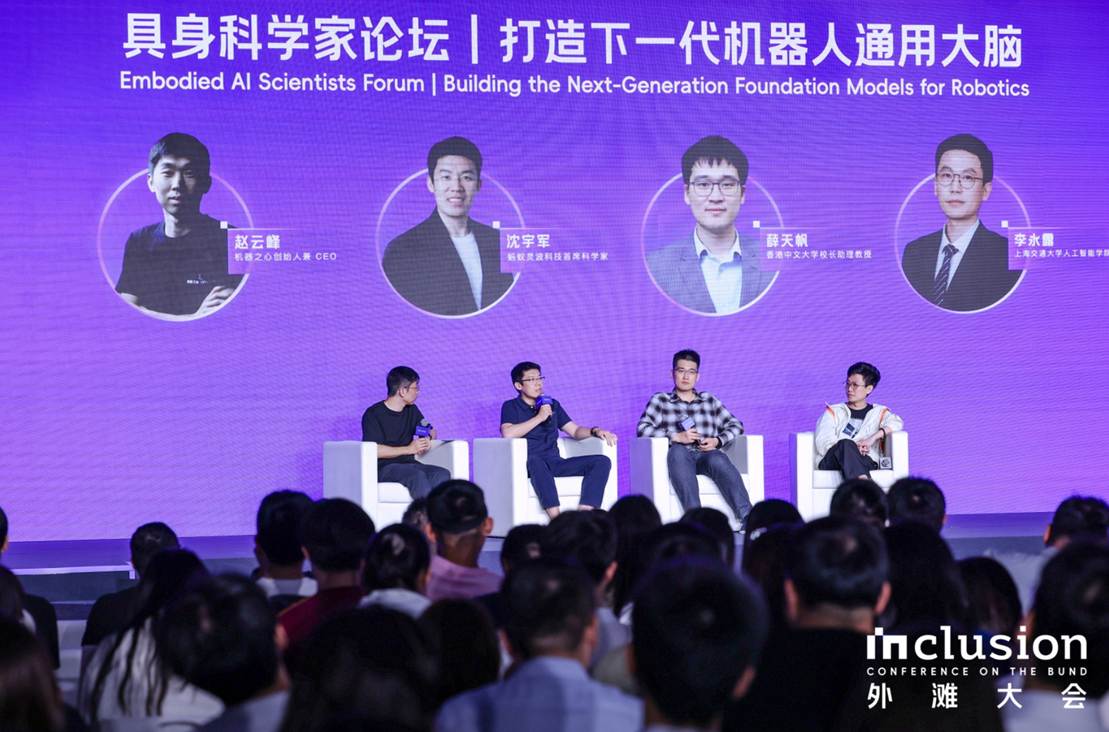
Key Insights on Embodied Intelligence Discussed at the Bund Conference
On September 11, Ant Group's Lingbo Technology hosted a forum at the 2026 Inclusion Bund Conference focused on embodied intelligence. Young scientists, data experts, and leaders from billion-dollar companies gathered to discuss the challenges and advancements in the field, particularly around general intelligence, data utilization, and practical applications. The forum highlighted the industry's urgent need for effective data and scalable products, as well as the evolving standards for measuring progress in embodied intelligence. The discussions emphasized the importance of understanding the capabilities required for robots to operate effectively in real-world scenarios. Ant Group's Chief Scientist, Shen Yujun, pointed out that the focus should shift from theoretical debates to practical abilities, such as extracting meaningful representations from raw signals and integrating various sensory modalities. The conversation also touched on the need for models that are tailored to physical environments rather than relying solely on digital methodologies. As the dialogue progressed, the criteria for evaluating model advancements began to shift. Key metrics included the cost of deploying models in specific scenarios and the robots' ability to function continuously in dynamic environments. The forum concluded with a call for the industry to not only demonstrate robotic capabilities but also to assess the costs and sustainability of these operations, marking a significant shift in the focus of embodied intelligence discussions.
Embodied Intelligence Robotics Data Utilization AI Models
Ant Group and Tencent Lead Over Billion Financing for Tianji Intelligent in Three Months
Recently, Guangdong Tianji Intelligent System Co., Ltd. announced the completion of a B++ round of strategic financing, led by Ant Group and Sofina Asia Private Ltd., with continued investment from existing shareholders including Tencent. The new funding will primarily focus on technology research and development, large-scale production, and global market expansion. This financing round follows a previous B round and B+ round completed in May, which raised a total of 1 billion yuan, led by Hillhouse Capital and Meituan, with Tencent and other investors participating. The entry of Ant Group is noteworthy, as the company has been actively investing in the embodied intelligence sector this year, recently leading a significant financing round for tactile perception company Daimeng. Tianji Intelligent, established in 2015, has developed a comprehensive product system around core force control technology, including MEMS joint torque sensors and humanoid robotic arms. The company aims to achieve an annual production capacity of 50,000 units by 2026, with over 10,000 orders already in hand from 45 global customers in the humanoid robotics sector.
Embodied Intelligence Robotics Investment Technology Development
Experts Discuss Key Technical Challenges in Embodied Intelligence at Recent Roundtable
A recent roundtable featured six experts discussing the core technical challenges in embodied intelligence. Huang Siyuan from the Beijing Academy of Artificial Intelligence focused on full-body coordination in bipedal robots, while Zhao Xing from Xinghai Map emphasized training paradigms for embodied foundational models. Other participants included Yu Chao from Tsinghua University, who advocated for integrating reinforcement learning with Agentic Robotics, and Zhu Yichen from Current Robotics, who highlighted the end-to-end data loop for local manipulation. The discussion revolved around three main themes: the model layer, data layer, and implementation layer. Experts debated whether the VLA represents the most reasonable technical route and the significance of world models. They also explored the potential of one million hours of human video in scaling robotic capabilities and the efficient use of multimodal and causal signals. A consensus emerged that while data is crucial for scaling, the path to achieving it is not singular. Looking ahead, the experts acknowledged the excitement surrounding advancements in robotics, particularly in Silicon Valley, where tech giants are rapidly forming robotics teams. However, they cautioned that the industry is still in its infancy, emphasizing the need for a calm assessment of the challenges and breakthroughs required for progress in embodied intelligence.
Embodied Intelligence Robotics Machine Learning AI Research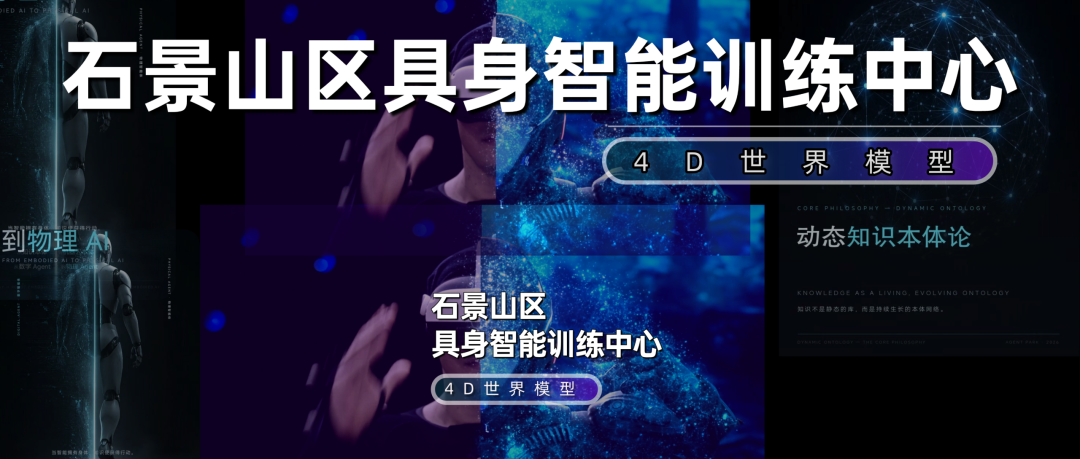
Beijing's Shijingshan Intelligent Training Center Undergoes Major Upgrade Amid AI Advances
The Shijingshan Intelligent Training Center in Beijing has completed a significant upgrade, enhancing its technical architecture and logic. This upgrade, led by Lingyun Guang·Yuan Keshijie, a prominent visual technology company, aligns with global AI developments, particularly in embodied intelligence. The center aims to transition from merely mimicking actions to enabling robots to understand their environment, addressing the challenges faced in real-world applications. This upgrade is crucial as the robotics industry grapples with the limitations of traditional training methods, which often rely on 2D video and fixed environments. These methods fail to equip robots with the necessary understanding of dynamic, real-world scenarios. The shift towards a comprehensive 'world model' that incorporates 3D and 4D data is essential for improving robots' decision-making capabilities in varied environments. Looking ahead, the Shijingshan center is set to officially launch its upgraded facilities during the upcoming service trade fair. It will feature over 100 robots and ten real-world scenarios, including home care and automotive assembly. The center's evolution represents a pivotal step in addressing the industry's data challenges and enhancing the training of robots for practical applications.
Robotics AI Training Data Collection Machine Learning
Understanding the Distinction Between Embodied Intelligence and Generalization in Robotics
Recent discussions at technology forums have highlighted the disparity between demonstrations of robotic capabilities and the reality of embodied intelligence. While large models can achieve a 50% task success rate, physical robots struggle to deliver similar results, revealing a fundamental gap between digital and physical realms. Xu Huazhe, founder of Breakthrough Robotics, emphasized two distinct commercialization paths: the post-training route, which offers short-term cash flow but limited generalization, and the large model approach, which aims for broader capabilities but lacks immediate economic returns. The significance of these insights lies in understanding that successful demonstrations in controlled environments do not equate to the commercial viability of general embodied intelligence. The post-training approach can yield high success rates in specific scenarios but requires extensive reconfiguration for new tasks, while the large model route faces challenges in achieving acceptable performance in the unpredictable physical world. This highlights a critical misconception: achieving near-perfect results in closed environments does not guarantee success in open, real-world applications. Moving forward, it is essential to recognize the resource conflicts between these two paths. Companies often find themselves in a dilemma, trying to balance short-term revenue from customized projects with the long-term goal of developing general intelligence. The industry must focus on advancing foundational models to handle diverse, non-predefined tasks, rather than relying solely on tailored solutions for immediate survival. No further timeline was disclosed at the time of publication.
Embodied Intelligence Robotics Automation AI Machine Learning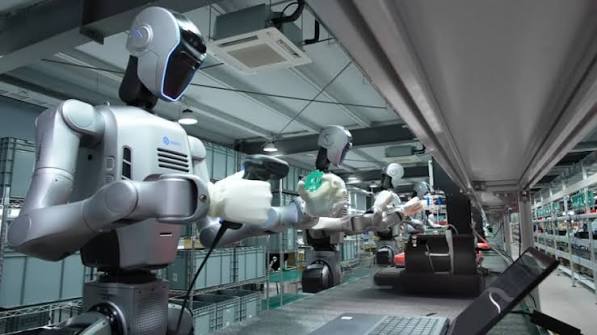
Security Vulnerabilities in Embodied Intelligence: Risks and Implications for Physical Safety
In April 2026, a security demonstration showcased a commercial robotic dog being remotely hijacked, activating its camera to gather information and subsequently attacking a dummy model. Zhou Hongyi, founder of 360 Group, emphasized that the essence of embodied intelligence security issues has evolved from 'data security' to 'production safety' and 'life safety.' The DARKNAVY white paper revealed alarming data: while it takes months to breach a flagship smartphone or a smart car, penetration testing on a well-known brand of embodied intelligent robot can be completed in under eight hours. The paper highlighted that many domestic robots lack even basic security measures, with some shipping with unchangeable hotspot passwords, allowing unauthorized control. In September, a more severe issue was uncovered involving the Yushu G1 humanoid robot, which had a vulnerability chain named 'UniBLEed,' allowing attackers within Bluetooth range to gain full control. The embodied intelligence industry is on the brink of explosive growth, with projections estimating a market size of 19.2 billion yuan by 2025. However, funding primarily focuses on core technology and application development, with little emphasis on security investments.
Embodied Intelligence Robotics Security AI Safety Cybersecurity Industrial Automation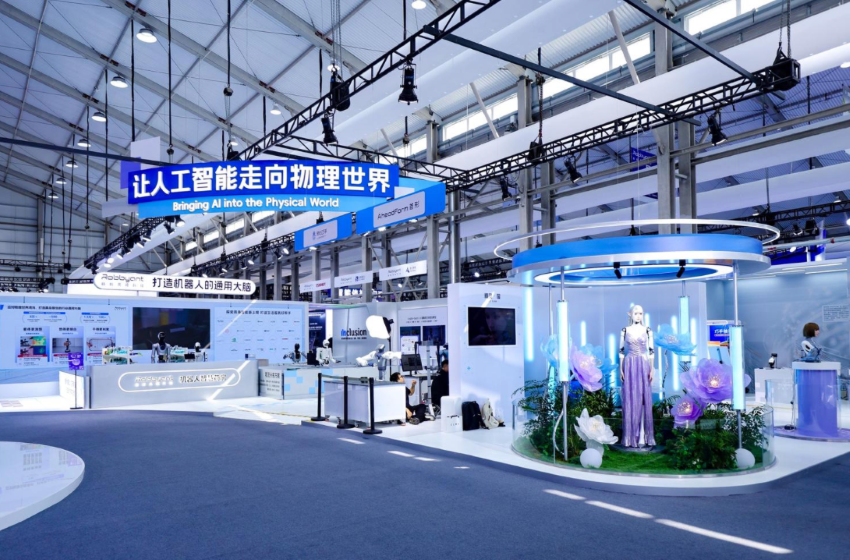
2026 Bund Conference Showcases Ant Group's Robots Integrating Intelligence into Real-World Applications
At the 2026 Bund Conference, Ant Group showcased robots that perform practical tasks such as accurately retrieving medication from shelves and sorting in logistics. Unlike previous demonstrations focused on flashy movements, these robots are designed to understand their environment and adapt to complex scenarios without human intervention. This shift is significant as it addresses the industry's long-standing challenge of creating versatile robots capable of operating in real-world settings. The demonstration included a 'smart pharmacy' where robots autonomously received orders, identified medications, and delivered them, proving the feasibility of deploying such technology in retail environments without requiring store modifications. Looking ahead, Ant Group's LingBot-VLA 2.0 model is set to support various robot configurations, enhancing the scalability of robotic services in real-world applications. The conference also featured discussions on the evolution of embodied intelligence, with insights from leading scientists and industry leaders, indicating a promising future for robotics in practical scenarios.
Robotics AI Warehouse Automation Pharmacy Automation Intelligent Systems
New Profession Emerges as Embodied Intelligent Robot Application Technicians Begin Work
The rise of embodied intelligent robots has led to the emergence of a new profession: Embodied Intelligent Robot Application Technicians. These technicians are responsible for the deployment and maintenance of robots that have recently started working in various sectors. This development is significant as it highlights the growing integration of robots into the workforce, creating new job opportunities for humans. The demand for skilled technicians to manage and support these intelligent systems is expected to increase as more industries adopt robotic solutions. Looking ahead, the continued evolution of robotics technology will likely lead to further job creation in this field. No further timeline was disclosed at the time of publication.
Robotics Automation AI
General Robotics GRID Achieves Milestone as First Auto-Engineering Robot Intelligence Platform
General Robotics has announced a significant advancement for its GRID platform, which now auto-engineers its entire development and deployment lifecycle. This milestone allows GRID to streamline processes from robot onboarding to skill deployment, significantly reducing the time and expertise needed for production. The importance of this development lies in its potential to accelerate the transition from pilot projects to full-scale production for customers. By automating the engineering processes, GRID enhances the efficiency of skill creation, AI training, testing, and evaluation, making it easier for organizations to implement robotic solutions. Looking ahead, the industry will be watching how this innovation impacts the adoption of robotics in various sectors. General Robotics' ability to simplify the integration of robots into production environments could set a new standard for robot intelligence platforms. No further timeline was disclosed at the time of publication.

Shenzhen's Embodied Intelligence Port Launches to Enhance AI Functionality and Data Services
In 2026, Shenzhen's Bao'an Qianhai Kexing Science Park will officially launch the first 'data service + incubation empowerment' embodied AI ecosystem community, known as 'Jubaopen.' This initiative aims to address the critical challenge in the embodied intelligence industry: bridging the gap between prototype development and functional deployment. The 'Jubaopen' community will focus on data services, creating a closed-loop system for data collection, cleaning, labeling, training, and iteration. It will support over 100 terminals simultaneously, covering 50 to 100 tasks, and is expected to reduce R&D costs for enterprises by 30% to 50%. The efficiency of this model is exemplified by the case of Zhenjue Wanxiang, which has successfully supplied wearable data collection devices to North American robotics giant Figure. The embodied intelligence port spans 23 square kilometers and hosts over 139 upstream and downstream companies, including Tencent and VIVO. Bao'an's strategy includes providing open testing environments across various industries, facilitating rapid development and market entry for companies. As the competition in embodied intelligence shifts towards scalable applications, this port aims to offer systematic solutions for the industry.
Embodied AI Robotics Development Data Services Automation Industry Innovation
Atomica Launches Physical AI Sensor Platform for Diverse Intelligent Systems Applications
Atomica, a microfabrication foundry based in the U.S., has introduced its Physical AI Sensor Platform. This platform is designed to assist customers in creating sensors tailored for various applications, including robotics, autonomy, industrial automation, medical systems, defense, smart infrastructure, and edge intelligence. The launch of the Physical AI Sensor Platform is significant as it addresses the growing demand for advanced sensor technologies across multiple sectors. By providing a streamlined solution for sensor fabrication, Atomica aims to enhance the development of intelligent systems that rely on accurate and efficient sensor data. Looking ahead, industry stakeholders should monitor how Atomica's platform influences sensor development in key sectors. The effectiveness of this platform in facilitating the creation of sophisticated sensors will be crucial for advancements in robotics and other intelligent systems. No further timeline was disclosed at the time of publication.

LiControl Secures B++ Funding to Advance Embodied Intelligence Technology
On September 8, 2026, Guangdong Tiangji Intelligent System Co., Ltd. announced the completion of its B++ round of strategic financing, led by Ant Group and SOFINA, with continued investment from existing shareholders such as Gaorong Capital and Tencent. This follows a significant B and B+ round financing completed just three months earlier, which raised 1 billion yuan and valued the company at nearly 10 billion yuan. The recent funding is notable as it comes amid a general decline in investment within the embodied intelligence sector in the latter half of 2026. Tiangji positions itself as a leader in embodied force control and intelligent infrastructure, emphasizing the importance of stable and sensitive physical systems for effective interaction with the physical world, rather than solely focusing on humanoid robotics. Looking ahead, Tiangji's proprietary MEMS torque sensors, which boast ten times the sensitivity and four times the stability of traditional metal strain gauges, are set to play a crucial role in their technology roadmap. The company aims to leverage these advancements to enhance their robotic systems, including the Marvin M6S Lite and Marvin M20S, which showcase significant improvements in load capacity and operational efficiency.
Embodied Intelligence Robotics Force Control Technology MEMS Sensors Automation
Challenges in Commercializing Embodied Intelligence: Hardware and Engineering Focus
As robots demonstrate capabilities like running and jumping, the industry consensus is clear: technical prototypes do not equate to commercial products. The competition in the embodied intelligence sector has shifted from algorithmic prowess to a comprehensive evaluation of hardware engineering, supply chain systems, and cost-benefit analysis in real-world scenarios. By 2026, advancements in technologies such as large models and dexterous hands are expected to accelerate. However, as numerous prototypes enter operational environments, issues like stability, maintenance costs, and parts supply have surfaced, revealing a significant gap between technological capabilities and industrial demands. While robots may achieve high success rates in laboratory settings, industrial applications require thousands of operational cycles, where even minor failures can halt entire processes. The industry recognizes that universal robots are not a feasible path at this stage. Instead, addressing gaps left by traditional automation is a more pragmatic approach. The logistics and warehousing sectors, characterized by structured environments, are the first to undergo large-scale validation. However, not all tasks are suitable for robots, and traditional automation still holds advantages in many areas. The maturity of the supply chain will ultimately determine the limits of industry expansion, as companies begin to build collaborative platforms to support large-scale delivery and address current mismatches in planned capacity and actual output.
Robotics Hardware Engineering Supply Chain Management Industrial Automation
Huayan Robotics to Showcase Intelligent Manufacturing Solutions at IMTS 2026
Huayan Robotics is set to present its advanced intelligent manufacturing solutions at IMTS 2026, taking place from September 14 to 19 at McCormick Place in Chicago. The company will demonstrate its capabilities in various applications, including welding, palletizing, CNC machine tending, vision inspection, and force-controlled grinding. The significance of Huayan Robotics' participation lies in the opportunity to engage with over 2,000 exhibitors and 90,000 professional visitors, showcasing the latest trends in global manufacturing technologies. This event, which has been held biennially since 1927, serves as a vital platform for industry leaders to exchange insights and innovations. As IMTS 2026 approaches, stakeholders should monitor Huayan Robotics' presentations and product demonstrations, which may influence future developments in intelligent manufacturing. No further timeline was disclosed at the time of publication.

AI Ultrasound Robots Revolutionize Congenital Heart Defect Surgery with Intelligent Imaging
Recently, a medical team in China successfully performed a congenital heart defect closure surgery using an AI-assisted ultrasound robot. This operation, conducted by the Sixth Medical Center of the PLA General Hospital, involved a 48-year-old male patient and marks the first global use of an AI ultrasound robot with intelligent imaging capabilities for such minimally invasive treatment. This breakthrough signifies a shift in medical robotics from traditional execution tools to intelligent assistance systems. Previously, interventional surgical robots primarily handled mechanical tasks, while physicians relied on their experience to interpret ultrasound images. The AI ultrasound robot enhances this process by integrating image recognition, real-time analysis, and operational guidance, enabling automatic image acquisition and abnormal structure identification, which is crucial for precise placement of occluders in complex cardiac structures. As the field of medical robotics rapidly evolves, the cardiovascular sector is a key area for AI exploration due to the high precision and risk involved in heart interventions. The successful application of AI ultrasound robots in China reflects a significant trend towards redistributing medical resources, potentially improving access to high-quality healthcare in underserved regions. No further timeline was disclosed at the time of publication.
AI in Healthcare Surgical Robotics Cardiovascular Technology Medical Imaging Precision Medicine
China Achieves First AI-Guided Surgery for Congenital Heart Disease Using Intelligent Robotics
Recently, a medical team in China completed the world's first AI ultrasound robot-assisted interventional procedure for congenital heart disease. Conducted by the Cardiovascular Medicine Department of the Sixth Medical Center of the PLA General Hospital, this surgery marks a significant milestone in the clinical application of intelligent technology in healthcare. This breakthrough is crucial as it signifies the integration of artificial intelligence into one of the most critical aspects of surgical procedures: interpreting images, assessing positions, and aiding doctors in formulating operational plans. Traditionally, cardiovascular interventions heavily relied on physician experience, particularly in complex cases where accurate understanding of heart structure changes is essential. Looking ahead, the focus may shift from merely achieving higher precision with robotic arms to whether robots can comprehend medical images, analyze patient conditions, and adapt strategies in real-time. The integration of AI models, medical imaging, and robotic control systems will be vital for advancing surgical capabilities, especially in areas lacking experienced specialists.
AI in Healthcare Surgical Robotics Medical Imaging Cardiovascular Surgery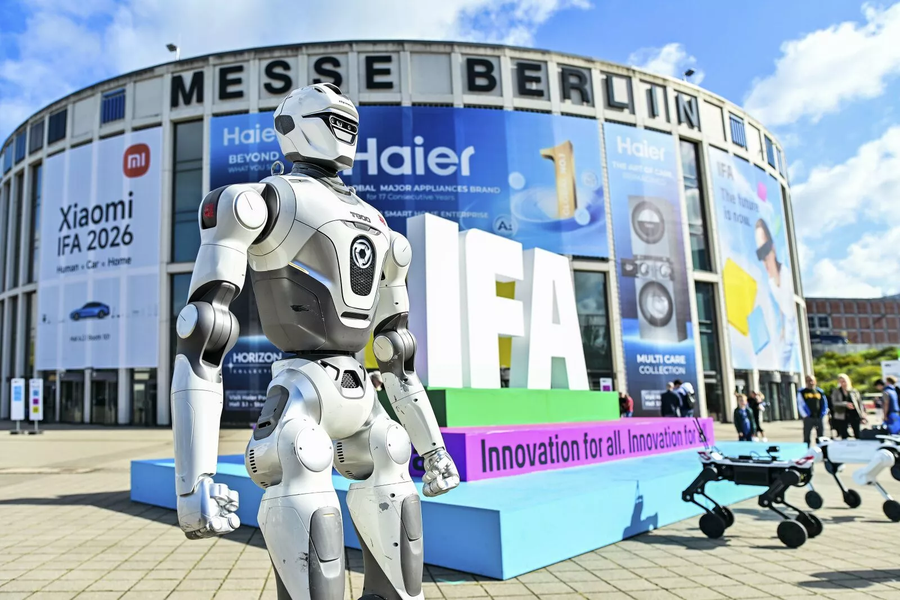
The Shift of Embodied Intelligence at IFA: Chinese Robots Lead the Way
The IFA Next event showcased the largest humanoid robot display to date, with a significant focus on physical AI. Chinese companies dominated the exhibition, with over 1,000 exhibitors from China, marking a historic record. The event featured a runway show for humanoid robots, primarily from Chinese firms, highlighting the industry's shift towards international markets. This transition is crucial as the term 'going overseas' has become a key phrase in the embodied intelligence sector, appearing in funding materials and news releases. However, the actual delivery of products lags behind the narrative hype. While applause is easily seen at the exhibition, the real measure of success lies in tangible business outcomes, such as robots operating in European factories and hospitals. Looking ahead, the focus will be on companies that have successfully delivered products and established verifiable international contracts. Notable examples include Wujie Power, which shipped humanoid robots to France and Korea, and Magic Atom, which has secured local partnerships in Europe. The industry is evolving, and understanding the actual progress of these companies will be essential for evaluating their success in international markets.
Robotics AI Consumer Electronics Global Expansion
Physical Superintelligence Secures $58 Million to Advance AI Physics Platform Development
Physical Superintelligence (PSI) has successfully raised $58 million in seed funding, led by Breakthrough Energy Ventures, to develop its AI-based physics platform named Emmy. This funding will enable PSI to recruit top talent and enhance its computational models aimed at optimizing data centers. The significance of this funding lies in PSI's ambition to revolutionize the discovery of new physics, particularly in optimizing terrestrial and orbital data centers. CEO Matt Pines emphasized that the initial focus on data centers will pave the way for tackling long-standing physics challenges, making advanced research more accessible. Looking ahead, PSI plans to utilize the funding for expanding its team of physicists and AI researchers, developing Emmy's capabilities, and exploring applications in energy and computing. No further timeline was disclosed at the time of publication.
AI Funding & Investment AI Breakthrough Energy Ventures capital markets funding funding round
Embodied Intelligence Industry Sees Rapid Growth Amidst Uneven Funding Landscape
In the early hours of the morning in Nanshan, Shenzhen, an entrepreneur concluded a pitch presentation on embodied intelligence, highlighting its potential as a trillion-dollar sector. The first half of 2026 saw over 500 companies mention 'embodied intelligence' in their reports, with a staggering 322 financing events totaling 93.5 billion yuan, surpassing the entire funding of 2025. Despite the impressive funding figures, the reality is more complex. Only 23 of the 500 companies have elaborated on their strategies more than ten times, and only a handful reported corresponding revenues. The top 20 companies secured approximately 55% of the total funding, indicating a significant concentration of capital, while the remaining startups struggled to access sufficient resources. Looking ahead, the industry faces a challenge as the technology and business models for embodied intelligence remain fragmented. Investors are gravitating towards established companies with proven products and orders, making it increasingly difficult for mid-tier and smaller startups to secure substantial funding. No further timeline was disclosed at the time of publication.
Embodied Intelligence Investment Trends Startup Ecosystem Robotics
International Embodied Intelligence Skills Competition Launches Global Recruitment for Real Workstations
The International Embodied Intelligence Skills Competition has officially launched its global recruitment initiative, moving beyond traditional exhibition stages. This shift emphasizes the importance of practical applications of embodied intelligence in real-world workstations, showcasing the competition's commitment to integrating advanced robotics skills into everyday tasks. This initiative is significant as it highlights the growing demand for skilled professionals in the field of embodied intelligence. By focusing on real workstations, the competition aims to bridge the gap between theoretical knowledge and practical implementation, ensuring that participants are well-prepared for the challenges of modern industries. Looking ahead, stakeholders should monitor the competition's progress and its impact on workforce development in robotics and automation. The emphasis on real-world applications may lead to new opportunities for collaboration between educational institutions and industry leaders. No further timeline was disclosed at the time of publication.
Robotics Automation AI
Embodied Intelligence: A Record Half-Year Amid Industry Divisions
The WAIC 2026 showcased a significant surge in robotic forms, highlighting the evolving landscape of embodied intelligence. Despite the absence of robots at some booths, the event attracted numerous data seekers, indicating a strong interest in the sector. This growth is underscored by a notable $5 billion in funding and a valuation of $20 billion in the edge intelligence domain, reflecting the capital's enthusiasm for embodied intelligence. The market appears to be at a critical juncture, with the potential for significant advancements and acceptance. Looking ahead, the industry is poised for further developments as stakeholders assess the implications of these investments and the future of embodied intelligence. No further timeline was disclosed at the time of publication.
Robotics Automation AI
Former ByteDance and Tencent AI Researcher Sun Peng Joins Stardust Intelligence for Robot Learning
Sun Peng, a former core researcher in AI at ByteDance and Tencent, has joined Stardust Intelligence to improve post-training processes in robot reinforcement learning. This move is expected to enhance the capabilities of robots in learning from their environments more effectively. The significance of this development lies in the growing importance of reinforcement learning in robotics, particularly in the context of embodied intelligence. With Sun Peng's expertise, Stardust Intelligence aims to advance its technology and potentially lead the market in intelligent robotics solutions. Looking ahead, industry observers will be keen to see how Sun Peng's contributions will shape the future of robot reinforcement learning at Stardust Intelligence. No further timeline was disclosed at the time of publication.
Robotics Automation AI
OpenLoong Master Series Launches to Advance Embodied Intelligence Technology
The OpenLoong Master Series has officially opened registration, aimed at promoting embodied intelligence technology and talent development. Guided by the OpenAtom Open Source Foundation and hosted by the OpenLoong open-source community, this initiative is supported by the National and Local Joint Innovation Center for Humanoid Robots, marking a significant step in addressing technical challenges in the robotics industry. This competition provides a premier platform for developers in the robotics field, focusing on real-world technical barriers in humanoid robot development. The first phase of the competition will center on two core topics: 'Motion Capture and Replication' and 'Embodied Navigation and Perception,' allowing teams to choose one or participate in both, addressing industry pain points such as the scarcity of motion data and poor motion generalization. Participants will utilize monocular cameras to extract human motion features and replicate them in simulation environments. The National and Local Joint Innovation Center will provide high-performance robot models to facilitate deep integration of algorithms with real hardware characteristics. Developers can register through the OpenLoong community website, with dedicated channels for technical support and resources available for participants.
Robotics Open Source Embodied Intelligence Innovation Technical Challenges
The Launch of Microduck: A $399 Robot Duck Revolutionizes Embodied Intelligence
On August 27, 2026, the AI open-source community Hugging Face partnered with French robotics company Pollen Robotics to launch the Microduck, a robot duck priced at $399. Within 24 hours of opening orders, sales exceeded $2.6 million, equating to over 5,000 units sold, with peak sales reaching one unit every four seconds. The company announced that new orders would have a shipping schedule of four to six months. The Microduck's price is supported by China's hardware supply chain, with the entire unit manufactured by Shenzhen Xidi Technology, significantly reducing the bill of materials costs compared to local production. The software is fully open-source, allowing developers to modify behaviors using Python and train new gaits in just a couple of hours within a simulator. The design intentionally avoids humanoid features, featuring a single-eyed mechanical duck with a 90s retro aesthetic, and each duck generates a unique voice upon startup. The Microduck represents a shift in how robotic failures are perceived, as its lightweight design allows for low-cost learning from mistakes. Unlike humanoid robots that are judged against human standards, the duck's performance is evaluated on an open scale, where unexpected successes are celebrated. This shift in perspective, combined with low entry costs, open-source software, and a vast developer ecosystem, positions the Microduck as a potential catalyst for a new wave of embodied intelligence in robotics.
Robot Duck Embodied Intelligence Open Source Robotics AI Development
Key Challenges in Embodied Intelligence Discussed at the 2026 World Robot Conference
At the 2026 World Robot Conference, six industry experts addressed critical challenges in embodied intelligence during a technical roundtable. Key topics included full-body coordination in bipedal robots, training paradigms for embodied foundational models, and the integration of reinforcement learning with Agentic Robotics. The discussions highlighted the importance of data for scaling embodied intelligence technologies. Experts emphasized that while the path to scalability is multifaceted, the foundational requirement remains robust data. The conversation also touched on the potential of leveraging one million hours of human video for scaling laws and the efficiency of multimodal and causal signals. Looking ahead, the panelists underscored the need for breakthroughs in real-world applications of reinforcement learning and the establishment of closed-loop systems. No further timeline was disclosed at the time of publication.
Embodied Intelligence Bipedal Robots Reinforcement Learning Robotics Data Scaling
The Role of Embodied Intelligence in Enhancing Disaster Response Systems
This summer, natural disasters in regions such as Tibet, Shanxi, Guangxi, and Chongqing highlighted the limitations of traditional rescue methods, which primarily rely on drones and excavators. While embodied intelligence technologies, including quadrupedal and snake-like robots, are beginning to enter emergency systems, their full potential in real-world disaster scenarios remains largely untapped. The challenges of integrating these technologies into rescue operations include technical gaps, data management, costs, and standards. The need for advanced robotic solutions is underscored by the dangers faced by human rescuers in hazardous environments. For instance, landslides and toxic gas leaks pose significant risks, with over 60% of rescue personnel injuries occurring during high-risk reconnaissance phases. Traditional remote-controlled robots have limited capabilities, often restricted to simple tasks, which hampers their effectiveness in dynamic rescue situations. Recent advancements in embodied intelligence have led to the development of autonomous rescue robots capable of real-time decision-making and multi-tasking. The Ministry of Emergency Management and the Ministry of Industry and Information Technology have called for accelerated development of emergency robotics. Notable innovations include the X20 firefighting reconnaissance robot, which can navigate collapsed structures and relay critical data, and the B2 industrial quadrupedal robot, designed for supply delivery in hard-to-reach areas. The evolution of these technologies is set to enhance the efficiency and safety of disaster response efforts.
Disaster Response Embodied Intelligence Robotics Emergency Management Rescue Technology
Lingchu Intelligent Raises $100 Million Funding, Achieving $1.48 Billion Valuation
On August 27, Lingchu Intelligent, a Shanghai-based embodied intelligence company, announced the completion of a new funding round exceeding $100 million. This round saw participation from major manufacturing leaders including Top Group, Chery Holdings' Ruicheng Fund, and Lens Technology, along with support from several other institutions. Following this funding, Lingchu Intelligent's post-money valuation is approximately $1.48 billion. This funding is significant as it highlights the involvement of key players in the automotive and precision manufacturing sectors, such as Top Group, a core supplier for Tesla, and Lens Technology, a major supplier for Apple and Tesla. Lingchu Intelligent aims to utilize the raised funds to advance frontier technologies in embodied intelligence and accelerate the commercialization of logistics and advanced manufacturing scenarios. Looking ahead, Lingchu Intelligent's CEO, Wang Qibin, predicts that the industry will experience significant differentiation by 2027. The entry of industrial capital into the embodied intelligence sector is expected to provide companies with crucial strategic advantages, particularly those capable of real-world implementation. No further timeline was disclosed at the time of publication.
Embodied Intelligence Robotics Funding Manufacturing Technology
Kingsoft Cloud Advances Robotics Innovation with Embodied Intelligence Solutions
The 2026 World Robot Conference was successfully held in Beijing, focusing on embodied intelligence and humanoid robot technologies. Kingsoft Cloud participated, showcasing its advancements in embodied intelligence and cloud services. Song Ye, General Manager of Internet Solutions at Kingsoft Cloud, emphasized that cloud computing is essential for industrial intelligence, helping manufacturers innovate in core robotics applications. Kingsoft Cloud addresses challenges in the robotics sector, such as high R&D costs and slow deployment, by offering a comprehensive computing cluster platform and simulation services tailored for various robot enterprises. Their robust computing resources support model development and real-time inference, ensuring efficient and stable cloud-based services for robotics. The company is committed to enhancing its presence in the embodied intelligence sector, providing essential support for the high-quality development of the domestic industry. As the field of embodied intelligence and humanoid robots continues to grow, Kingsoft Cloud's contributions are crucial for accelerating innovation and efficiency in this evolving market.
Embodied Intelligence Robotics Innovation Cloud Computing AI Model DevelopmentRobotics needs a service framework.
RSF defines a common language for robot service capability, lifecycle operations, certification pathways, and service-provider networks.
Join the RobotToday community on LinkedIn
Daily robotics news, in-depth analysis, conference highlights, and discussions with professionals worldwide.