Industry Briefing
A single destination for timely, editor-curated robotics news from around the world.
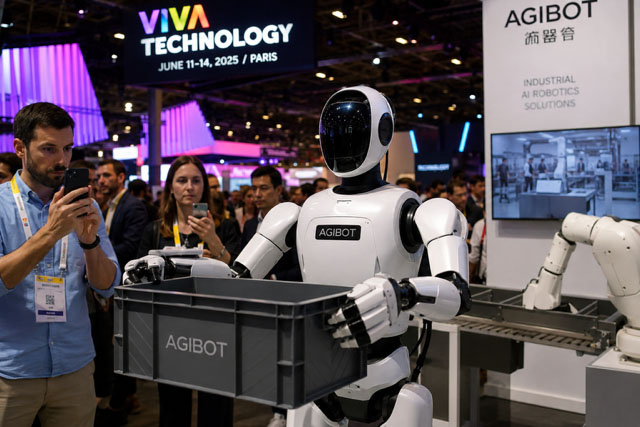
VivaTech 2026: The Year Humanoid Robots Became an Industrial Reality
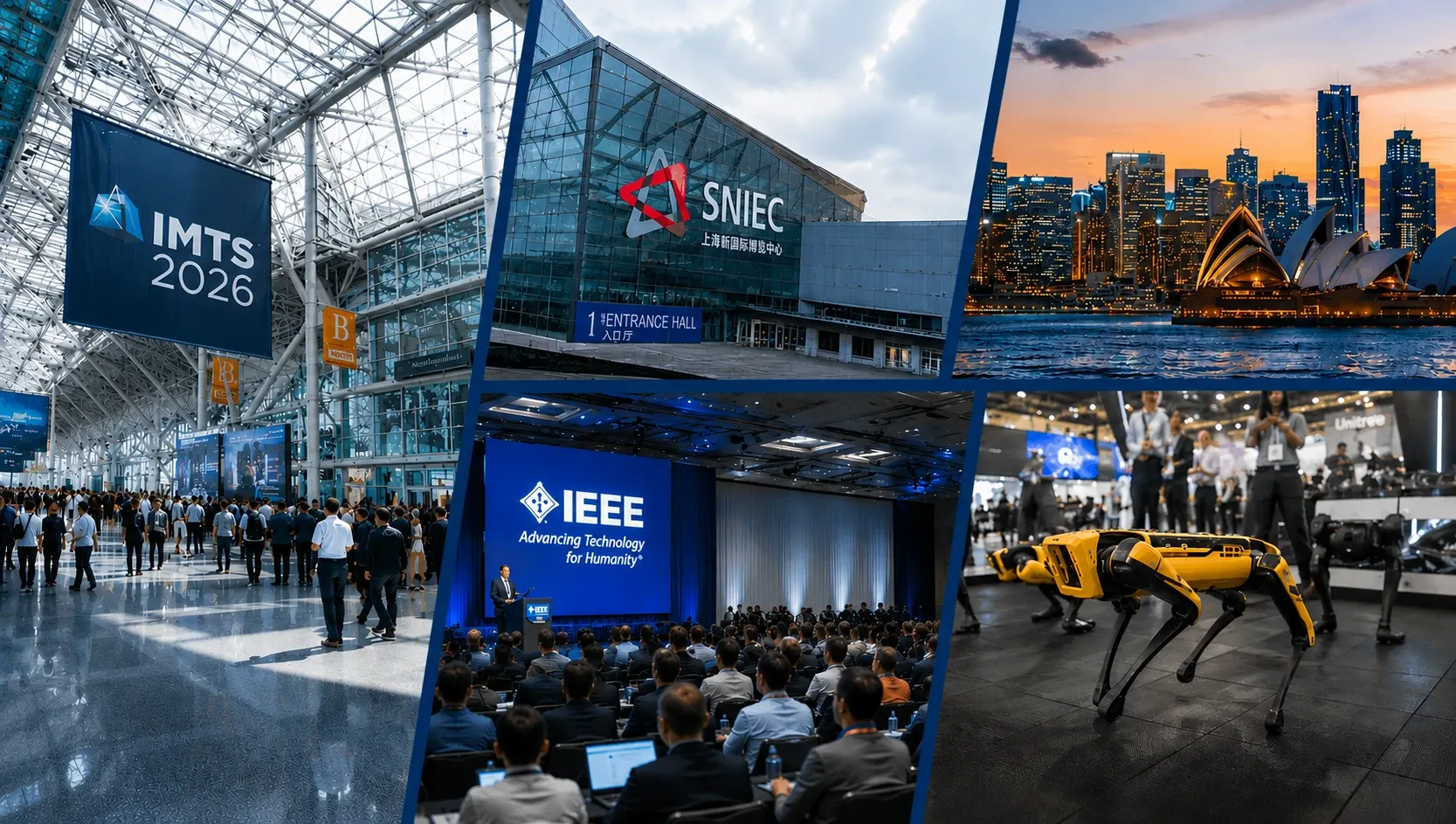
VivaTech 2026, held at Porte de Versailles in Paris on June 17 and 18, marked its tenth anniversary by highlighting significant advancements in artificial intelligence and the maturation of robotics. The event showcased the growing trend of humanoid robots transitioning into industrial applications, reflecting a global shift in technology. Attendees had the opportunity to witness firsthand the innovations that are shaping the future of robotics, underscoring the industry's evolution and its increasing relevance in various sectors.
À la une IA Industrie Robotique automatisation industrielle. CNRS robotique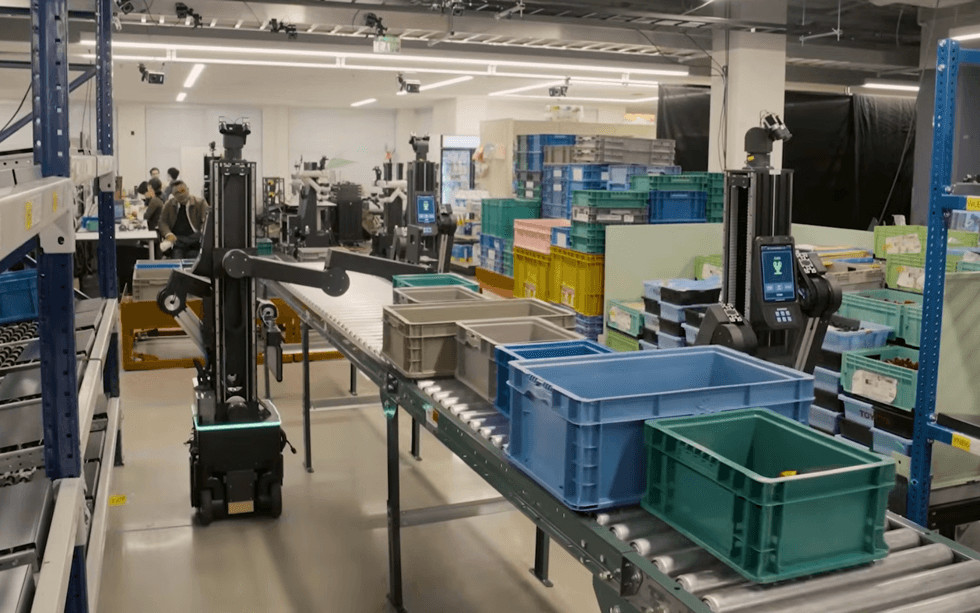
Video Friday: Autonomous Robots Learn By Doing in This Factory
In a recent edition of Video Friday, IEEE Spectrum robotics showcased a variety of innovative robotics projects and developments. Notably, scientists at the Toyota Research Institute are collaborating with Toyota Manufacturing to implement autonomous robots on factory floors, enhancing production efficiency. Zipline shared insights into their drone delivery system, detailing the challenges faced and lessons learned in its development. Humanoid introduced KinetIQ, an AI framework designed for the orchestration of humanoid robot fleets, which integrates task allocation and execution through advanced cognitive layers. Meanwhile, researchers at VISTEC unveiled a decentralized adaptive resilient neural control system (DARCON) that enables legged robots to autonomously adapt to limb loss, ensuring mission success despite mechanical failures. NASA's Jet Propulsion Lab presented an animation of the Perseverance rover's drive along the Jezero Crater, captured on December 10, 2025, showcasing the rover's navigation capabilities. Additionally, Unitree's humanoid robot G1 made its mark on the snowfields of Altay, demonstrating its adaptability in extreme conditions. The Norwegian University of Science & Technology introduced a hierarchical 3D scene graph to enhance autonomous agents' understanding of their environments. Other highlights included the HoLoArm quadrotor, which features compliant arms for improved stability, and SkyDreamer, a pioneering vision-based autonomous-drone racing policy. The event also featured demonstrations of dexterous object manipulation by the AI Worker robot and advancements in swarm robotics for architectural applications.
Video-friday Autonomous-robots Humanoid-robots Industrial-robots Robot-ai Perseverance-rover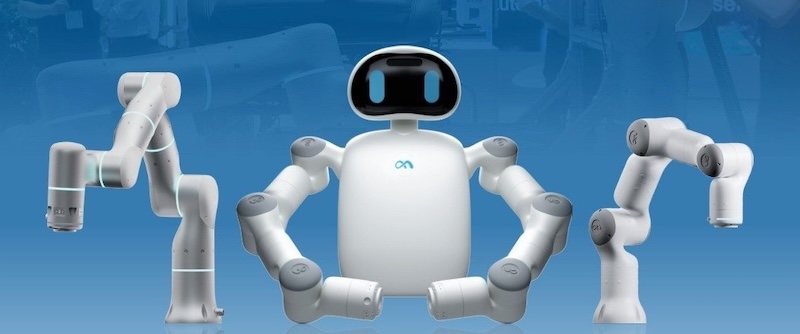
Flexiv launches new ‘adaptive robots’ for industrial automation
Flexiv has introduced two innovative adaptive robots aimed at enhancing tactile sensing and physical AI capabilities within the realm of industrial automation. The company unveiled its flagship Enlight robotic arm and the Mico dual-arm robotic platform, marking a notable advancement in force-controlled robotics and embodied intelligence. The Enlight arm features a seven-axis design, allowing for greater flexibility and precision in various applications. This launch, which took place recently, underscores Flexiv's commitment to pushing the boundaries of robotics technology to meet the evolving needs of the manufacturing sector. By integrating advanced sensing and control mechanisms, these robots are expected to improve operational efficiency and adaptability in complex industrial environments.
Industrial robots News adaptive robots cobots collaborative robots embodied ai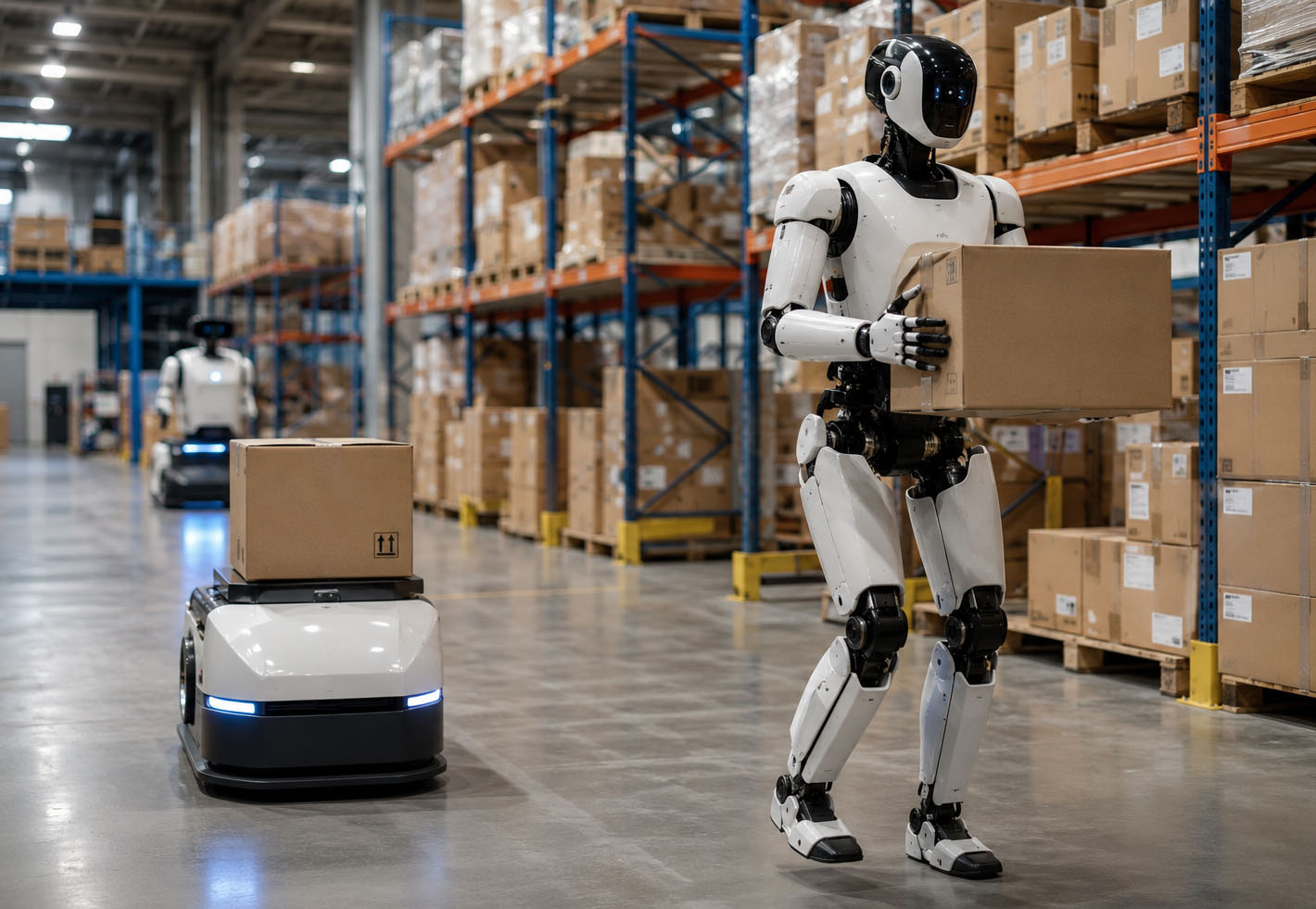
NVIDIA Halos for Robotics: A New Era for Industrial Robot Safety
Recent advancements in industrial robotics have marked a significant milestone in the integration of physical artificial intelligence. Over the past few years, the field has experienced unprecedented growth, evolving beyond mere data analysis and text generation. Now, AI technology is enabling machines to perceive their surroundings, make real-time decisions, and interact directly with their environment. This evolution is exemplified by NVIDIA's latest innovations, which are set to enhance the safety and functionality of industrial robots. As these developments unfold, the landscape of robotics is transforming, paving the way for smarter and more autonomous machines in various industries.
À la une IA Industrie Robotique automatisation industrielle. cobot industriel
NVIDIA's Halos for Robotics: A New Era for Industrial Robot Safety
Recent advancements in industrial robotics have marked a significant milestone in the integration of physical artificial intelligence. Over the past few years, the field has experienced unprecedented growth, with AI evolving beyond mere data analysis and text generation. Now, machines equipped with this technology can perceive their surroundings, make real-time decisions, and interact directly with their environment. This transformation is highlighted in a recent article discussing NVIDIA's Halos for Robotics, which emphasizes the new era of safety in industrial robots. The developments signal a shift in how robots operate, enhancing their capabilities and effectiveness in various industrial applications.
À la une IA Industrie Robotique automatisation industrielle. cobot industriel
Standard Bots Raises $200M in Series C Funding at $1B Valuation to Scale American-Made, AI-Native Industrial Robots
Standard Bots, a U.S.-based robotics company, has successfully secured $200 million in a Series C funding round, primarily led by RoboStrategy. Existing investors, including General Catalyst, also contributed to this significant investment. This funding round elevates the company's valuation to $1 billion and is aimed at enhancing the production capabilities of its AI-powered industrial robots. The influx of capital will enable Standard Bots to expand its operations and meet the growing demand for advanced robotics solutions in various industries.
AI AI Funding & Investment Robotics funding General Catalyst industrial robotics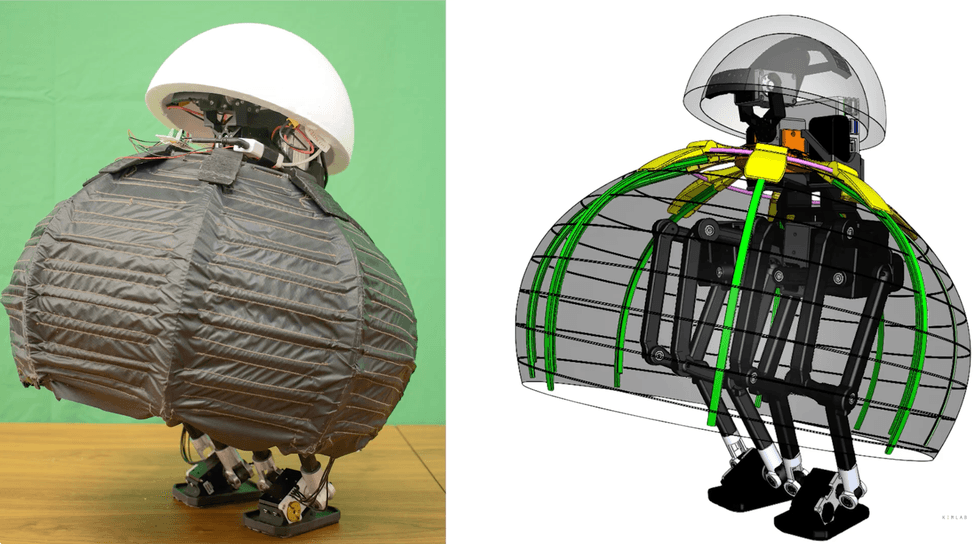
Video Friday: Bipedal Robot Stops Itself From Falling
IEEE Spectrum robotics has released its latest edition of Video Friday, showcasing a variety of innovative robotics videos and announcing upcoming events in the field. Among the highlights is the Robotic Autonomy in Complex Environments with Resiliency (RACER) program, which is nearing completion after extensive collaboration with the U.S. Army and Marine Corps. This program is expected to leave a lasting impact on military operations and stimulate private-sector investment in autonomous technologies. Notable advancements include the introduction of COSA, a cognitive operating system that enhances humanoid robots' capabilities for high-level cognition and motion control. Meanwhile, the 1X World Model has made significant strides in robot learning, allowing its NEO model to perform tasks autonomously based on voice or text prompts, even for unfamiliar objects. In assistive technology, the GuideData Dataset has been launched to improve interactions between guide dog trainers and visually impaired individuals, aiming to enhance mobility and safety. Additionally, Fourier's Care-Bot prototype is gaining attention for its interactive features at CES 2026. In environmental monitoring, ETH Zurich has developed an autonomous quadruped robot for volcanic gas measurements, successfully tested on Mount Etna. Humanoid robots have also made progress in industrial logistics, completing proof-of-concept testing at Siemens's factory in Erlangen. Columbia Engineers have created a robot capable of learning facial lip motions for speech and singing through observational learning, marking a significant milestone in robotics. Lastly, DEEP Robotics showcased its quadruped robots' capabilities in complex firefighting scenarios, while Synapticon introduced its POSITRON platform to enhance safety in humanoid robots for real-world applications.
Robotics Video-friday Bipedal-robots Humanoid-robots Quadruped-robots Industrial-robots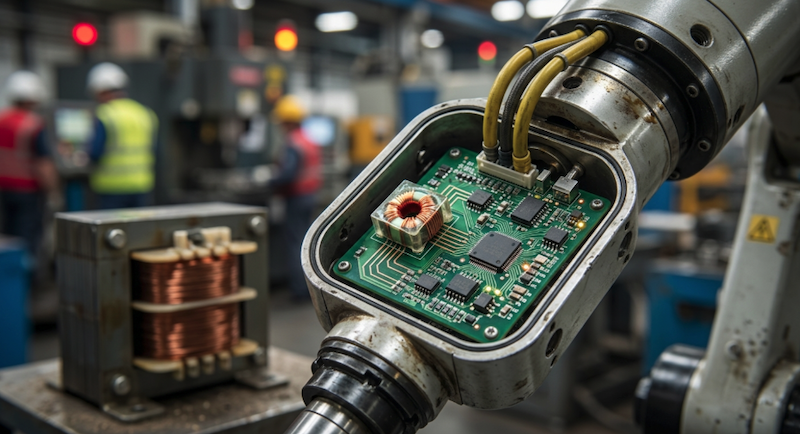
The Small Component Problem Behind More Reliable Industrial Robots
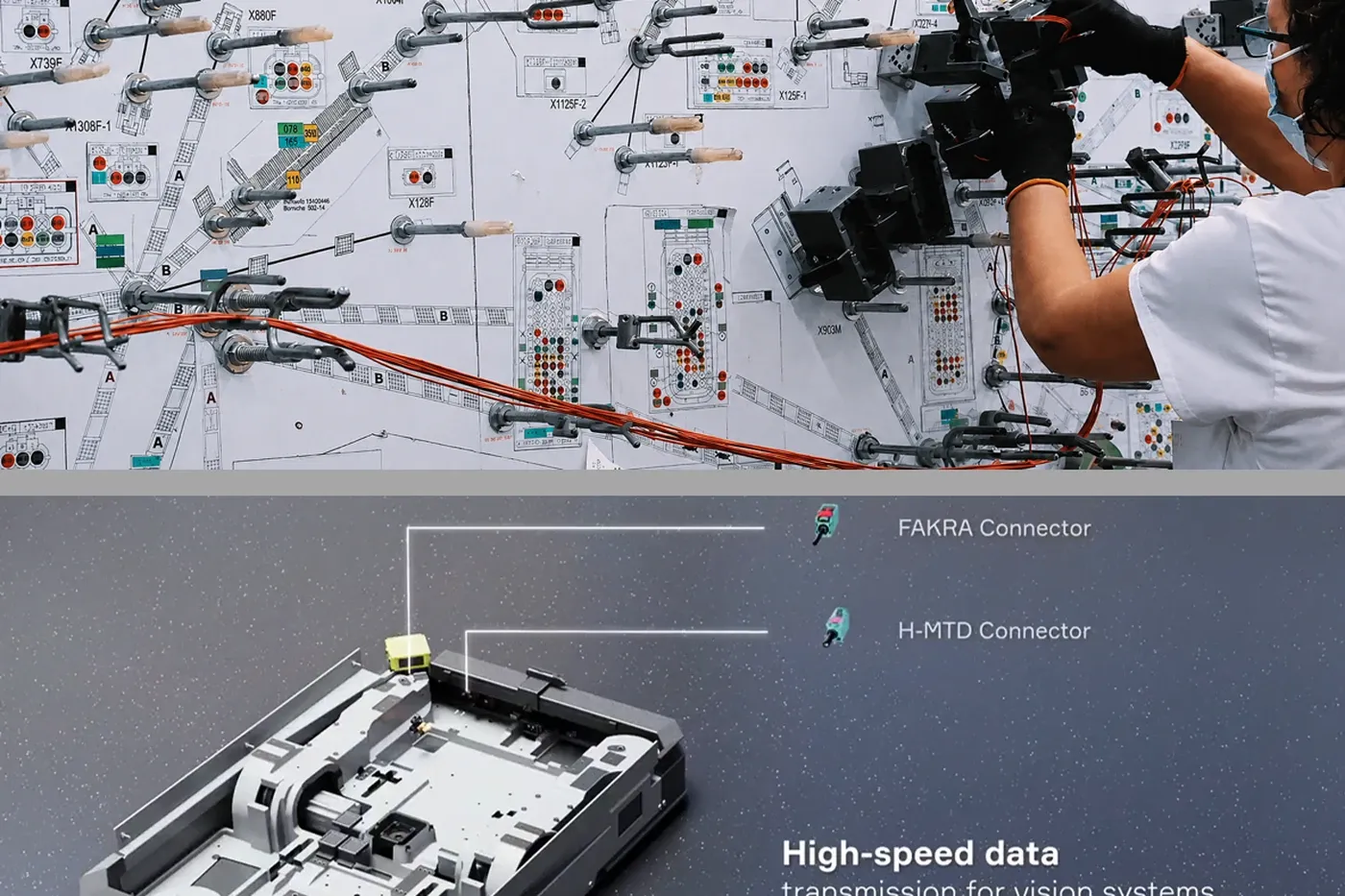
In a groundbreaking development for the manufacturing industry, advanced automation technology is transforming assembly lines and semiconductor packaging facilities. A robotic arm, capable of executing movements with sub-millimeter precision at an impressive rate of 300 cycles per minute, is at the forefront of this innovation. These robotic systems are enhanced by machine vision technology, remote input/output blocks, and sensitive microcontrollers, allowing for seamless coordination and efficiency in production processes. This technological advancement is taking place in various industrial settings, where multiple machines share a common power source through an industrial rail system. The integration of heavy CNC machines into this grid further exemplifies the collaborative nature of modern manufacturing, where precision and speed are paramount. The motivation behind this shift towards automation is to increase productivity and reduce human error in manufacturing processes. By leveraging sophisticated robotics and interconnected systems, companies aim to streamline operations and enhance overall output. As industries continue to adopt these cutting-edge technologies, the future of manufacturing looks increasingly automated and efficient, promising significant advancements in production capabilities.
Components Design Engineering Industrial robots amrs automation news
ABB and Salzburg researchers patent AI system to cut energy use in industrial robots
Salzburg University of Applied Sciences has partnered with ABB’s Machine Automation Division, B&R, to enhance energy efficiency in industrial automation through the application of artificial intelligence. This collaboration is centered at the Josef Ressel Center for Intelligent and Secure Industrial Automation (JRZ ISIA), where the two entities aim to translate cutting-edge research into viable solutions for industrial drive systems. By leveraging AI technologies, the initiative seeks to optimize energy consumption and improve operational efficiency in manufacturing processes, addressing the growing demand for sustainable industrial practices.
Industrial robots News abb ai in manufacturing AI optimization automation news
Swiss Kemaro Pre-Closes $5M in Series B Round to Fund Expansion of Autonomous Industrial AI-Native Cleaning Robots
Swiss industrial robotics company Kemaro has successfully secured $5 million in an initial pre-closing of its Series B funding round, which aims to raise a total of $20 million. The pre-closing was spearheaded by Spicehaus Partner AG. The funds will be utilized to enhance sales operations, facilitate international expansion, and support the development of new products. Founded in [year], Kemaro is positioning itself for significant growth in the robotics sector.
AI AI Funding & Investment Robotics funding KEMARO robots
Xiaomi Reports 98% Success Rate for Humanoid Robots in Automotive Factory Tasks
Xiaomi has announced significant advancements in its humanoid robot utilized in an automotive factory. After four months of development, the robot's success rate at a self-tapping nut loading station improved from 90.2% to 98%, now just one percentage point below human workers' qualification rates. This progress is crucial as it demonstrates the increasing capability of humanoid robots to perform complex tasks in industrial settings. The introduction of two additional tasks—center console side panel sorting and parts bin folding and recycling—both achieving a 90% success rate, highlights the robot's versatility and potential for broader applications. Looking ahead, the center console side panel sorting task is particularly noteworthy as it represents the first instance of a humanoid robot executing long-duration continuous operations on flexible workpieces in an automotive factory. No further timeline was disclosed at the time of publication.
News Feed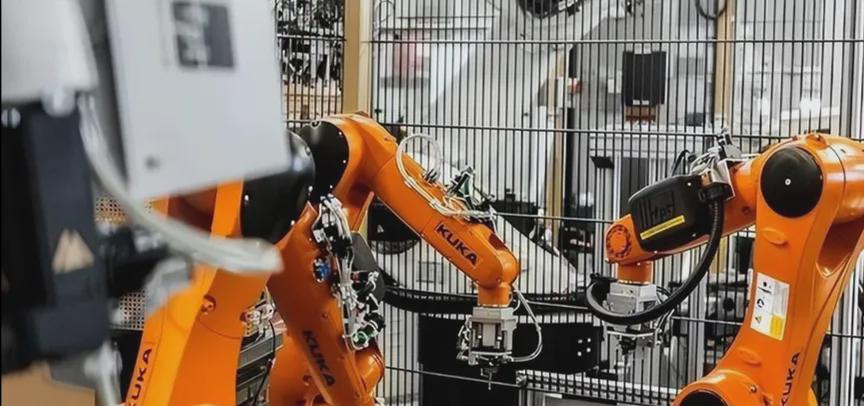
Midea Group Signs 300 Million RMB Strategic Deal to Expand Industrial Robotics
Midea Group's subsidiary KUKA has signed a strategic cooperation agreement with YINGKE Medical and YINGKE Recycling, valued at over 300 million RMB. This deal includes 1,500 industrial robots, 500 mobile and embodied intelligent robots, and 50 automated storage systems, showcasing Midea's commitment to expanding its industrial robotics capabilities. This partnership signifies a pivotal shift for Midea, transitioning from project-level procurement to a comprehensive group-level strategic collaboration. The collaboration aims to enhance production efficiency through advanced automation solutions, integrating AI visual recognition and adaptive grasping technologies. Looking ahead, Midea's focus on its ToB business model is expected to accelerate, with KUKA playing a crucial role in this transformation. The industry will be watching closely to see how this strategic partnership evolves and contributes to Midea's growth in the industrial automation sector. No further timeline was disclosed at the time of publication.
Industrial Robotics Automation Solutions Smart Manufacturing B2B Technology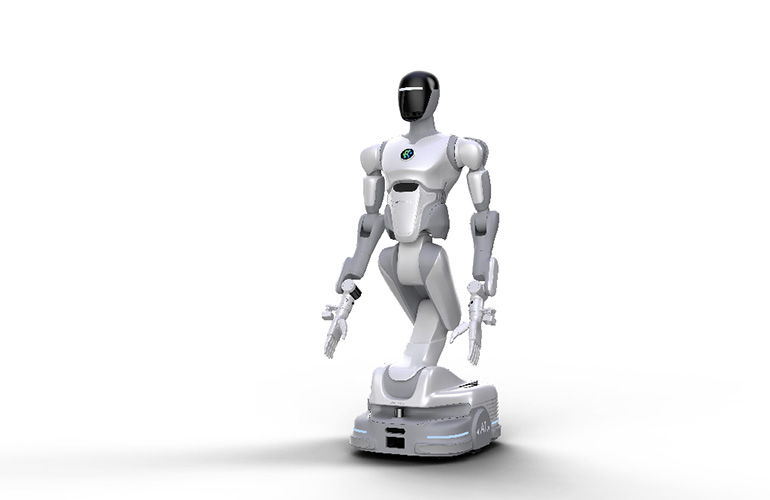
AI² Robotics Secures $735 Million Funding for Wheeled Humanoid Robots Development
AI² Robotics has successfully raised approximately $735 million in a recent funding round, elevating its valuation to around $2.8 billion. The Shenzhen-based company specializes in wheeled humanoid robots, which feature a humanoid torso and five-fingered hands, offering a unique alternative to traditional bipedal systems. This funding round attracted a diverse group of investors, including government-backed entities and major corporations, highlighting the growing importance of physical AI technology in China. The strategic choice to develop wheeled robots instead of bipedal models allows AI² Robotics to focus on mechanical simplicity and durability, making their robots more cost-effective and easier to deploy in public spaces. With over 34 degrees of freedom and a custom lifting mechanism, the robots are designed for various industrial applications, including logistics, manufacturing, and retail. The company’s proprietary Alpha Brain software enhances the robots' capabilities in real-time spatial reasoning and task planning, positioning them as practical solutions in structured environments. Looking ahead, AI² Robotics aims to further penetrate industrial markets while steering clear of the consumer robotics hype. The company is actively deploying its AlphaBot 2 in practical settings, emphasizing its utility in sectors such as biotech and public service. No further timeline was disclosed at the time of publication regarding future funding or product releases.
Artificial Intelligence / Cognition China Financial Humanoids Investments News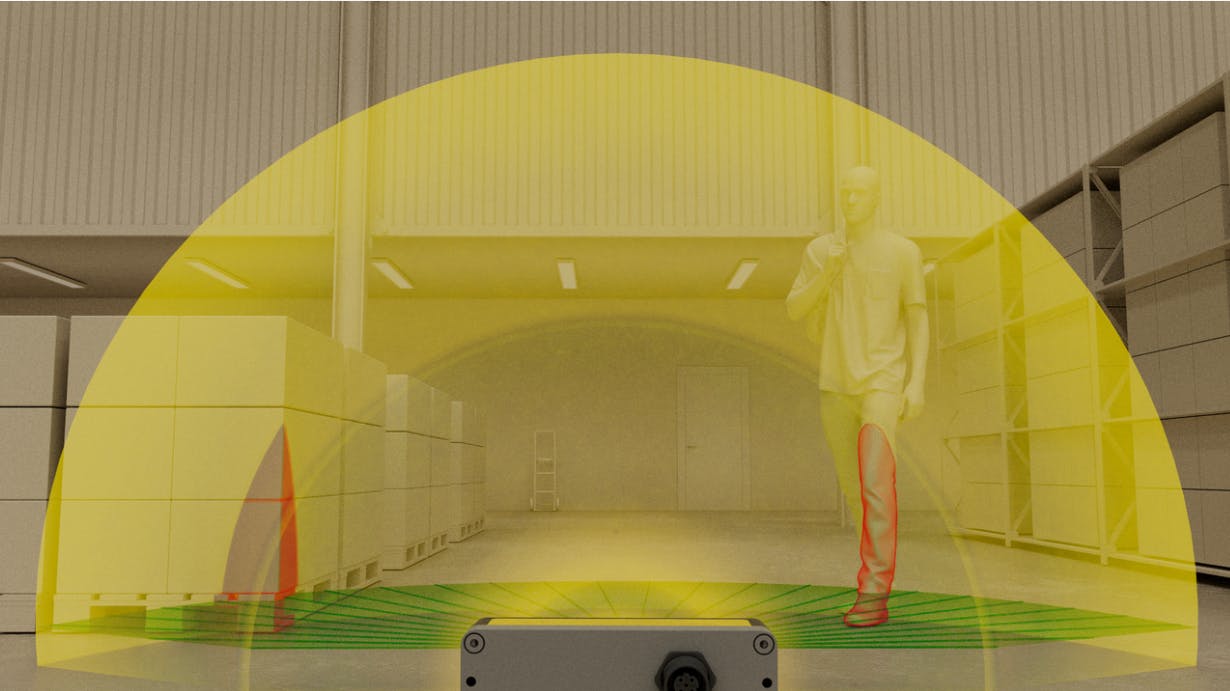
Sonair Launches Safety-Certified Sensor for Robots and Industrial Automation
A leading technology company has announced the launch of a groundbreaking sensor, touted as the first of its kind, specifically designed for autonomous mobile robots (AMRs) and industrial automation. This innovative product aims to enhance operational efficiency and precision in various industrial applications. The announcement was made earlier this week, highlighting the company's commitment to advancing automation technology. By integrating this sensor into AMRs, businesses can expect improved navigation and obstacle detection, ultimately streamlining their processes. The development of this sensor reflects the growing demand for advanced automation solutions in the industry, driven by the need for increased productivity and reduced labor costs.
Factory / Sensors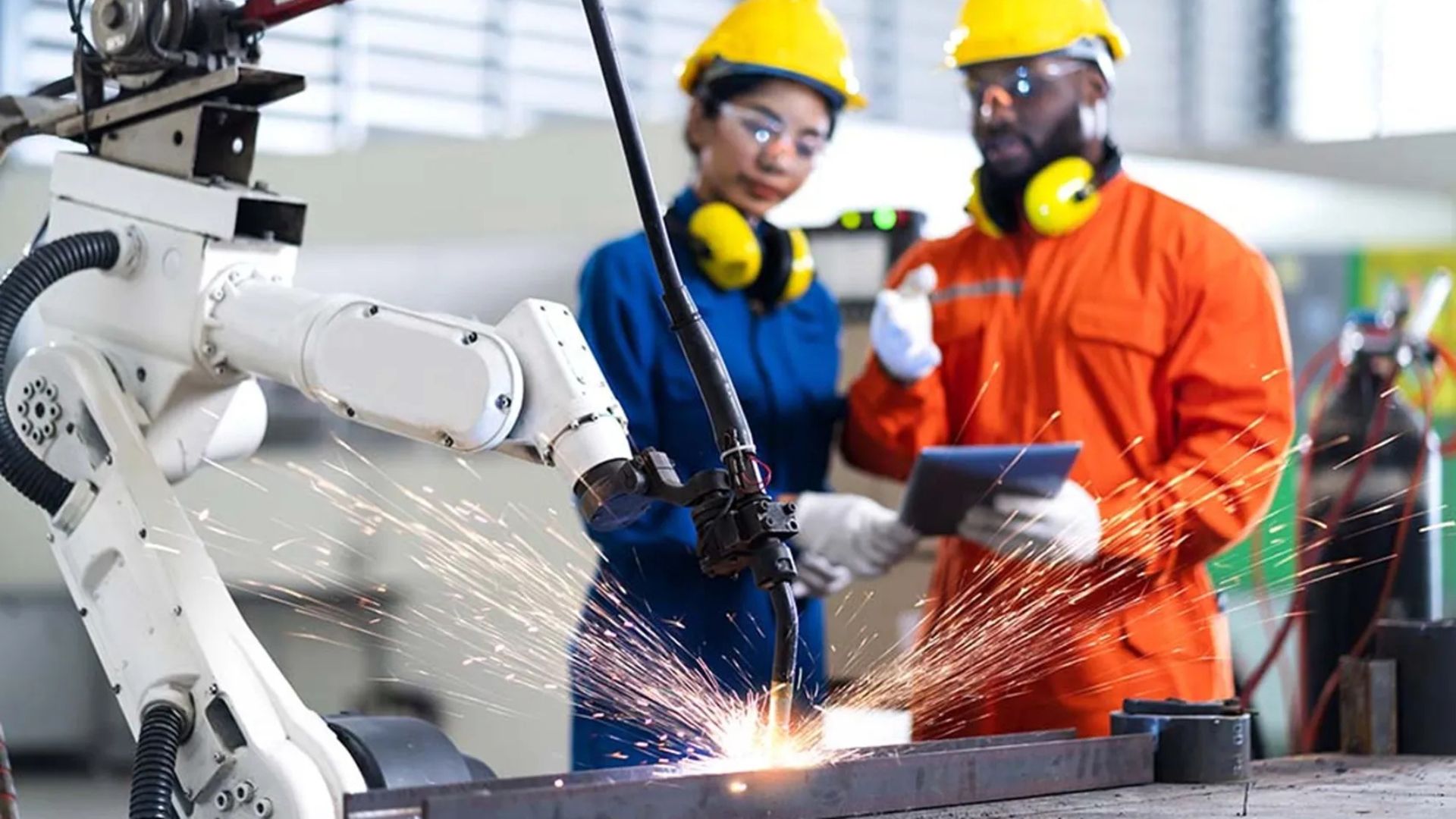
New vision-based safety tech lets industrial robots work safely near humans
Sensory Robotics has achieved safety certification for its innovative system that enables industrial robots to operate autonomously in various environments. This significant milestone was announced recently, marking a crucial step forward in the integration of advanced robotics into industrial applications. The certification process involved rigorous testing and evaluation to ensure that the system meets stringent safety standards, reflecting the company's commitment to enhancing workplace safety and efficiency. By allowing robots to function independently, Sensory Robotics aims to streamline operations and reduce the risk of accidents in manufacturing settings. The certification not only positions the company as a leader in the robotics field but also opens new opportunities for businesses looking to adopt automated solutions.
AI and Robotics
Standard Bots Raises $200 Million Series C at $1 Billion Valuation to Scale American-Made, AI-Native Industrial Robots
Standard Bots is set to account for 10% of new industrial robot deployments in the United States by next year, reflecting a significant shift in the automation landscape. This anticipated growth comes as industries increasingly seek to enhance efficiency and productivity through advanced robotic solutions. The surge in demand for industrial robots is driven by the need to streamline operations and reduce labor costs amid a competitive market. Standard Bots, leveraging innovative technology and strategic partnerships, is positioning itself as a key player in this evolving sector. As companies across various industries adopt automation, the impact of Standard Bots’ contributions will likely reshape the future of manufacturing and logistics in the U.S.

Small Industrial Robots Pros and Cons: An Honest Review for Lean Automation
In a bid to enhance manufacturing efficiency through "Lean Automation," many producers are turning to small industrial robots, such as the JAKA MiniCobo, which offers a compact solution to traditional bulky systems. These mini robot arms, designed to fit in tight spaces, provide a low-risk entry into automation, allowing manufacturers to maximize productivity while minimizing waste. The JAKA MiniCobo, weighing just 9.4 kg and featuring a 580 mm reach with a 1 kg payload, is particularly suited for delicate tasks in sectors like electronics and medical services. Its integrated intelligent drive module simplifies installation, eliminating the need for bulky control cabinets and enabling a plug-and-play experience. While small robots offer advantages such as energy efficiency, lower total cost of ownership, and safer operation near human workers, they also face limitations. Most can handle payloads under 2 kg and may struggle with high-torque tasks due to their lightweight construction. Additionally, they require careful management in high-temperature environments to prevent overheating. The JAKA MiniCobo exemplifies the principles of Lean Automation by reducing space and complexity while maintaining precision, making it an attractive option for manufacturers looking to streamline operations.
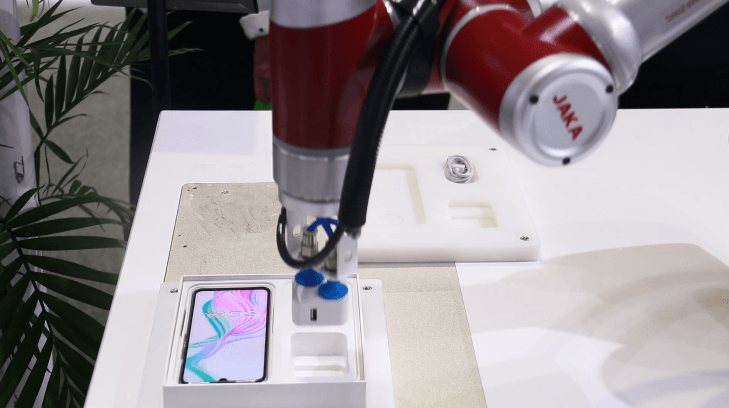
Which Company Makes Industrial Robots?
The global manufacturing sector is witnessing a significant transformation as it shifts from traditional high-speed automation to flexible collaborative systems. This change, driven by the emergence of "Industry 5.0," prioritizes human-machine synergy, allowing robots to operate safely alongside human workers. By 2026, the industrial robotics market has diversified, with companies adapting to the specific needs of production lines, moving beyond the dominance of the "Big Four" in heavy-duty manufacturing. Innovators in the field are now focusing on creating robots that are "Smart, Simple, Small," featuring intuitive graphical interfaces and wireless connectivity. This shift has enabled smaller enterprises to adopt automation technologies previously reserved for larger factories, resulting in increased productivity across various sectors, including electronics, food and beverage, and logistics. JAKA Robotics, a leader in this industrial revolution since 2014, emphasizes the concept of "embodied intelligence" in its robots. Their JAKA Zu series supports payloads up to 20kg with high precision, while the JAKA A series caters to delicate assembly lines with even greater accuracy. JAKA distinguishes itself with user-friendly innovations, such as mobile terminal APP control, which simplifies the automation process. The company’s commitment to providing safe and reliable robotic solutions positions it at the forefront of the evolving landscape of industrial innovation, paving the way for a new era in manufacturing.
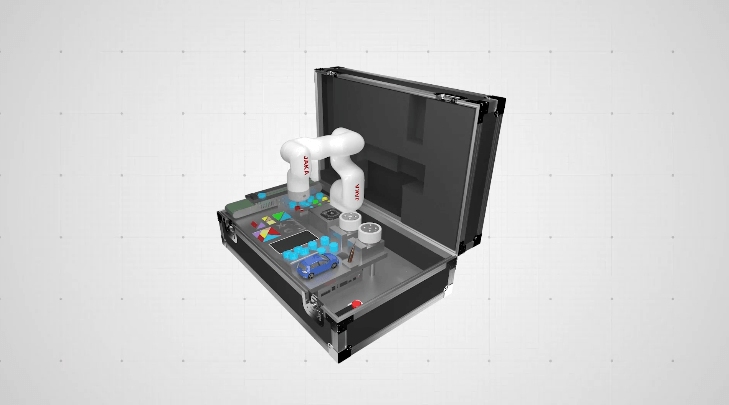
The ROI of Deploying Small Industrial Robots in Lean Manufacturing Cells
In a bid to enhance efficiency and cost-effectiveness in manufacturing, a company has successfully integrated small industrial robots, particularly the JAKA MiniCobo, into its lean manufacturing cells. This initiative, which began recently, aims to automate repetitive tasks such as material handling and machine tending, thereby alleviating labor bottlenecks and ensuring consistent production output. The JAKA MiniCobo stands out due to its compact design and flexibility, allowing for deployment in previously unsuitable spaces. By utilizing intuitive programming, the robot reduces setup time, enabling workers to concentrate on higher-value tasks. This streamlined approach not only boosts productivity but also improves product quality by minimizing human error, essential in lean manufacturing where even minor enhancements can significantly impact return on investment (ROI). Flexibility is a critical advantage of these small robots, which can be rapidly redeployed across various production line sections to meet changing demands without extensive reconfiguration. This adaptability leads to reduced downtime and more efficient scheduling, allowing manufacturing cells to respond dynamically to production needs while managing operational costs effectively. Although initial investment is a consideration, the focus remains on understanding the broader factors that influence cost-effectiveness, including labor savings, improved product consistency, and faster cycle times. The implementation of the JAKA MiniCobo not only promises direct labor replacement savings but also offers low maintenance requirements, ensuring a sustainable positive ROI over time. Overall, the deployment of small industrial robots represents a strategic move to maximize efficiency, enhance product quality, and optimize workforce allocation, demonstrating the tangible benefits of automation in modern manufacturing environments.
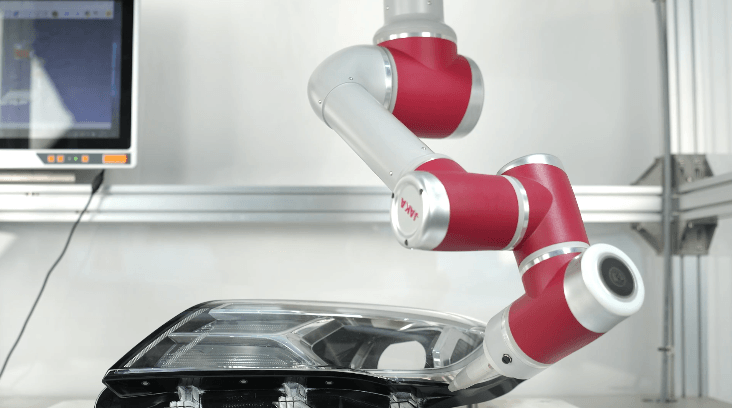
Cobot Arms vs. Traditional Arm Robots Industrial: TCO and Flexibility Comparison
Manufacturers are increasingly reassessing the role of automation in their long-term production strategies, particularly in light of the advantages offered by collaborative robots (cobots) compared to traditional industrial robots. JAKA, a leader in this field, reports a surge in demand for adaptable industrial robot arms that can be quickly deployed to meet fluctuating production requirements. This trend underscores a shift towards collaborative automation, which enhances efficiency without the need for rigid setups or complex infrastructure. The total cost of ownership (TCO) is a critical factor in this evaluation, extending beyond the initial purchase price of robotic systems. Traditional robots often incur higher indirect costs due to the need for safety measures, intricate integration, and extended commissioning times. In contrast, cobots simplify installation and allow for rapid redeployment across various tasks, ultimately lowering TCO. JAKA emphasizes that manufacturers also consider maintenance, retraining, and downtime when selecting automation solutions. Flexibility is another significant advantage of cobots, which are designed for easy reprogramming to accommodate varying product specifications. The JAKA Zu3, for instance, is frequently utilized in adhesive applications, allowing manufacturers to adapt to changing workflows efficiently. This capability is particularly beneficial in fast-paced environments with short product lifecycles. Moreover, cobots enhance safety by taking over hazardous tasks, thereby reducing the risk of accidents while ensuring consistent processing precision and product quality. While traditional robots remain effective for high-volume operations, collaborative robots offer a balanced solution that prioritizes safety, quality, and adaptability. JAKA continues to innovate in this space, helping manufacturers align their automation strategies with evolving production needs.
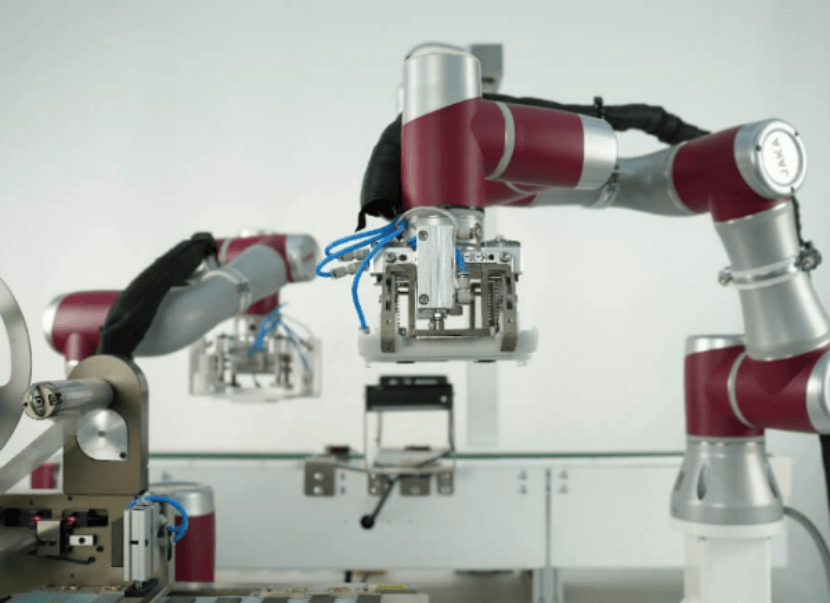
Cobots vs. Traditional Industrial Robots: Which Is Better for SMEs?
Small and medium-sized enterprises (SMEs) are increasingly faced with the challenge of choosing between collaborative robots (cobots) and traditional industrial robots for upgrading their production lines. This decision, influenced by factors such as production space, workforce skill levels, and the frequency of product changes, is crucial for aligning automation solutions with operational needs. JAKA, a company specializing in automation technology, emphasizes the importance of flexibility and safety in this choice. Collaborative robots are designed to work alongside human operators, allowing for gradual automation without significant changes to factory layouts. They require less safety fencing and can be installed more quickly than traditional robots, making them suitable for smaller manufacturing environments. JAKA's systems are tailored for rapid redeployment and user-friendly programming, enabling SMEs to implement automation incrementally while managing costs effectively. In addition to flexibility, SMEs prioritize process consistency and quality control. JAKA’s AL solution is engineered for precise and repeatable motion, essential for applications like adhesive application, which helps maintain product quality and reduce defect rates. The adaptability of cobots allows for quick adjustments to different workpieces, minimizing the need for additional equipment investments during process changes and enhancing workplace safety by reducing manual handling of hazardous tasks. Ultimately, the choice between cobots and traditional robots varies for each SME, depending on their production volume and flexibility needs. JAKA advocates for a practical approach to automation that supports gradual growth, enabling SMEs to enhance efficiency while ensuring operational stability.
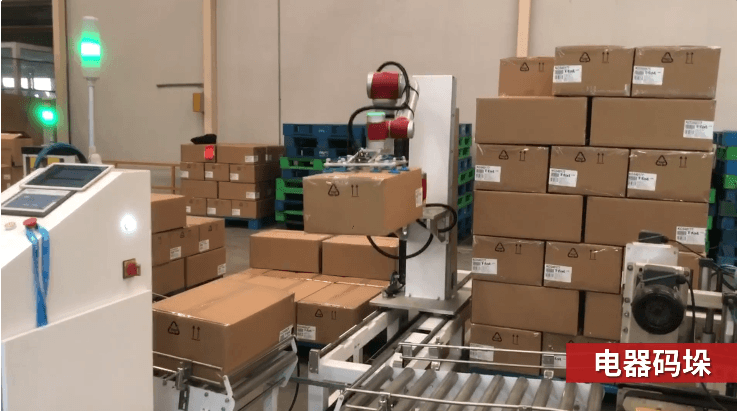
Industrial Collaborative Robots for Research and Development (R&D) Labs
In a bid to enhance productivity and precision in research and development laboratories, a company has adopted industrial collaborative robots, specifically the JAKA systems. These robots are designed to work alongside human researchers, automating repetitive and time-consuming tasks while maintaining high consistency. By integrating these cobots into daily operations, the company enables its staff to focus on critical areas such as experimental design and data analysis, thereby reducing human error and ensuring rigorous quality standards. One notable implementation is the JAKA Pro16 Palletizing solution, which features a compact structure and lightweight design, making it suitable for space-constrained laboratories. This automation alleviates the burden of manual palletizing, traditionally a labor-intensive task, and significantly boosts production efficiency while improving ergonomics for operators. The JAKA robots are equipped with advanced control algorithms and force-sensing technology, ensuring safe interactions with human personnel. Their flexibility allows for quick adaptation to various experimental setups, supporting tasks from handling delicate samples to repetitive assembly work. This adaptability not only reduces training time but also enables laboratories to meet evolving project demands without sacrificing safety or efficiency. By leveraging JAKA systems, the company aims to streamline operations, enhance working conditions, and maintain high accuracy standards, ultimately fostering innovation and advancing research capabilities across multiple disciplines.
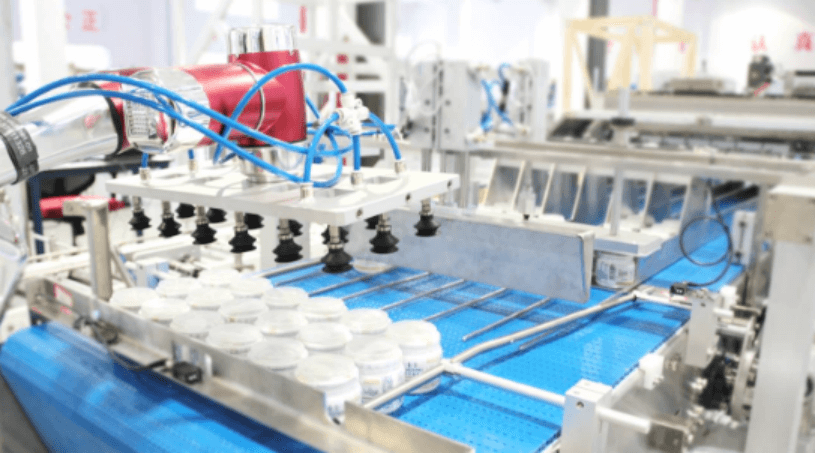
What Are the 5 Types of Industrial Robots?
JAKA, an industrial robot company, is at the forefront of automation technology, focusing on five primary types of robots that cater to various production needs. These include articulated robots, known for their flexibility and complex movements, which are essential for tasks like welding and assembly. The compact design of JAKA's Zu series exemplifies this versatility, allowing operation in confined spaces. Additionally, the SCARA robot specializes in high-speed, precise motions within a horizontal plane, making it ideal for electronics manufacturing. JAKA emphasizes engineering principles that ensure repeatability and stability in all its robotic models. The delta robot, characterized by its parallel-linked arms, excels in ultra-high-speed picking and packaging, particularly in the food and pharmaceutical industries. JAKA is committed to delivering reliable automation solutions that meet rigorous production standards. The Cartesian robot, or gantry robot, operates on three linear axes, making it suitable for applications such as 3D printing and precise dispensing. Its intuitive programming aligns with JAKA's mission to make automation accessible. Lastly, collaborative robots, or cobots, represent a significant shift towards human-centric automation, designed to work safely alongside human workers. JAKA focuses on developing accessible cobots equipped with user-friendly programming and safety features. Overall, JAKA aims to provide a diverse range of robotic solutions that enhance flexibility, efficiency, and collaboration in modern manufacturing environments.

BTM INDUSTRIAL IS HOSTING AN ONLINE SALE OF INDUSTRIAL ROBOTS ON DECEMBER 17-18, 2025
A significant court-authorized sale is underway, involving the liquidation of over 200 robots specifically designed for automating various industrial tasks, including welding, manufacturing, packaging, warehousing, and food processing. This event, which aims to clear all assets regardless of their market value, reflects the ongoing trend of automation in the manufacturing sector. The sale is expected to attract interest from companies looking to enhance their operational efficiency through advanced robotics technology. The timing of this liquidation comes as industries increasingly seek to streamline processes and reduce labor costs.
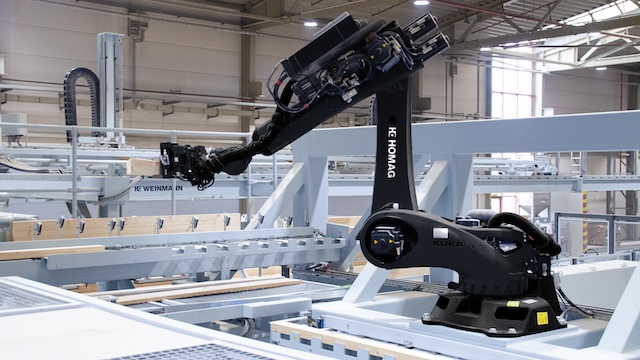
China produces 76,300 industrial robots in September, up 28.3% y-o-y
In September, China saw a significant increase in industrial robot production, with the Ministry of Industry and Information Technology reporting the rollout of 76,300 units, marking a 28.3% rise compared to the same month last year. This surge contributed to a cumulative production total of 595,000 robots from January to September, exceeding the total output for the entirety of the previous year. The robust growth in robot manufacturing is largely attributed to the rising demand for automation across various sectors, reflecting a broader trend towards increased efficiency and technological advancement in the Chinese industry.
News Feed
China Installed Nearly 300,000 Industrial Robots in 2024, More Than All Other Markets Combined
In 2024, China significantly advanced its industrial automation by installing 295,000 new industrial robots, surpassing the total installations of all other countries combined, as reported by the International Federation of Robotics (IFR). This surge contributed to a global deployment of 524,000 new robotic units, raising the total number of operational robots worldwide to 4.46 million, marking a 9% increase from the previous year. With 2.03 million robots in operation, China continues to dominate the global market, solidifying its position as the leading nation in industrial robotics. This trend reflects China's commitment to enhancing productivity and efficiency in its manufacturing sector, driven by the increasing demand for automation and technological advancement.
News Feed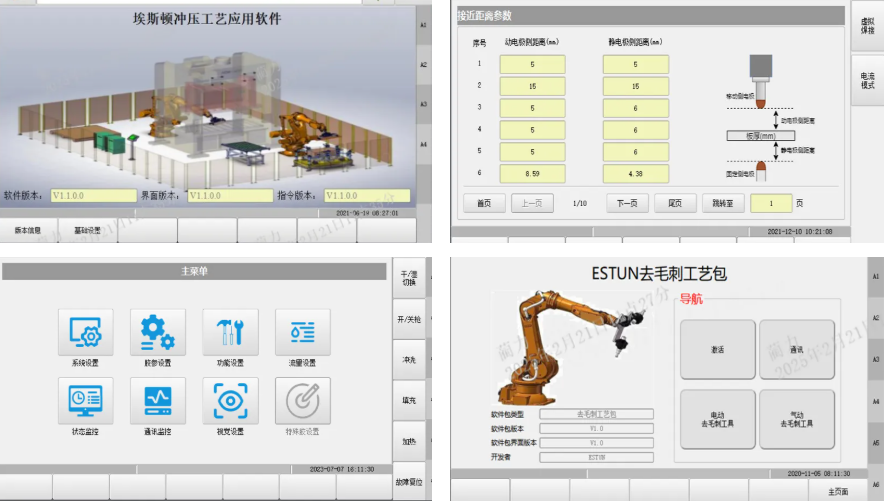
ESTUN Heavy-Payload Robots Set the Gold Standard in Industrial Reliability with MTBF 120,000 Hours Certification!
ESTUN has announced a significant milestone for its heavy-payload series of industrial robots, achieving a Mean Time Between Failures (MTBF) certification of 120,000 hours with a zero-failure performance. This accomplishment underscores the company's commitment to producing highly stable, reliable, and durable robotic solutions, positioning its products at the forefront of the industry. The certification reflects rigorous testing and quality assurance processes, demonstrating ESTUN's capability to meet the demanding needs of high-end manufacturing sectors. This achievement not only enhances the company's reputation but also sets a new standard in the robotics field, potentially influencing future developments and innovations in industrial automation.
ESTUN AUTOMATION ROBOTICS SERVO SYSTEMS
Casbot Secures $14 Million to Advance Humanoid Robots for Industrial and Harsh Environments
Casbot, a Chinese developer specializing in humanoid robots, has successfully secured nearly $14 million in angel funding. This financial boost will enable the company to mass-produce its bipedal robots, which are designed for challenging industrial and mining environments. The funding comes as Casbot seeks to leverage its innovative AI architecture, allowing the robots to adapt effectively to real-world conditions. The investment marks a significant step in the company's mission to enhance automation in demanding sectors.
China Casbot
Unitrees Strategic Focus on Industrial Robots Amid Household Safety Concerns
Unitree, a Chinese robotics company, is shifting its focus from household robots to industrial applications, citing safety concerns as a primary reason for this strategic change. The company aims to enhance the safety features of its humanoid robots, with the intention of making them suitable for domestic environments in the future. This decision reflects a growing emphasis on ensuring that robotic technology can be safely integrated into everyday life, while still addressing the demands of industrial sectors. By refining its designs and functionalities, Unitree is positioning itself to meet both current market needs and future consumer expectations.
G1 Unitree Robotics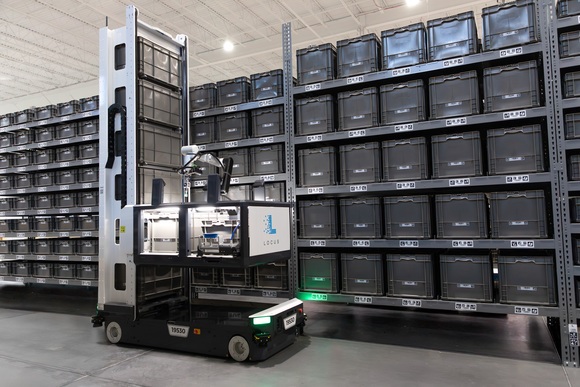
Autonomous process chains in the robots-to-goods model
Locus Robotics has introduced the Locus Array, an advanced automation system designed to enhance the efficiency of increasingly autonomous warehouse operations. This innovative technology aims to streamline the Robots-to-Goods model, facilitating a more effective integration of robotic systems within supply chain processes. The announcement underscores the growing trend towards automation in logistics, driven by the need for improved productivity and accuracy in inventory management. By implementing the Locus Array, companies can expect to optimize their warehouse workflows, reduce operational costs, and respond more swiftly to market demands. This development marks a significant step forward in the evolution of automated logistics solutions.
Allgemein Automation Fördertechnik & Handling Lagerlogistik & Materialfluss Mobile Robotik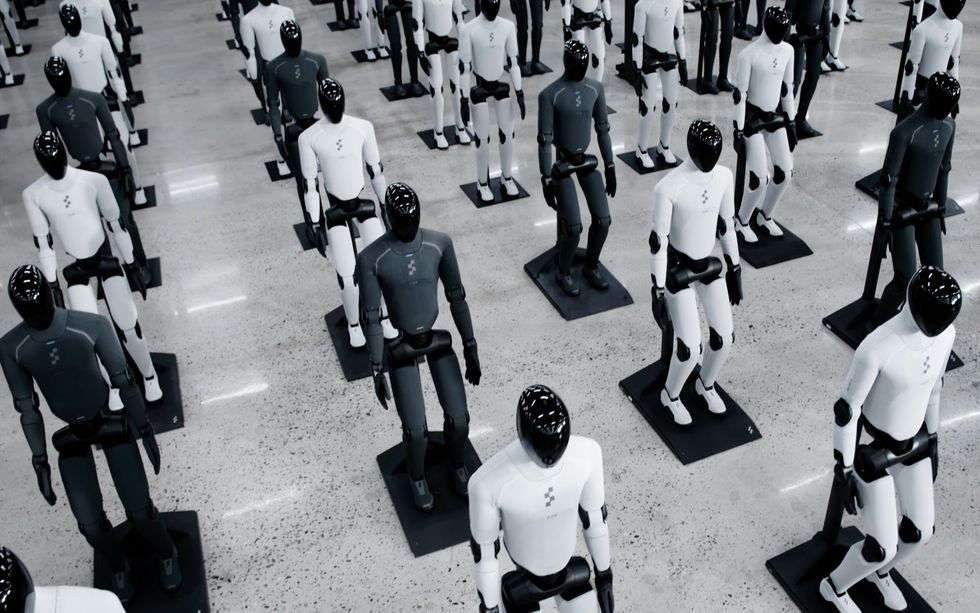
Video Friday: Figure, 1X Ramp Up Humanoid Robot Production
IEEE Spectrum robotics has released its weekly roundup of notable robotics videos and upcoming events, including major conferences like ICRA 2026 in Vienna and RSS 2026 in Sydney. A significant development in humanoid robotics has occurred with the opening of the NEO Factory in Hayward, California, which is now producing robots at a rate of 55 per week. This facility, which spans 58,000 square feet and employs over 200 staff, allows for complete in-house manufacturing, enhancing safety and efficiency. The first consumer robots are expected to ship in 2026, marking a pivotal step toward the realization of general-purpose home robots. In other news, NASA continues its exploration of Mars with two rovers, Perseverance and Curiosity, studying different geological eras of the planet. Meanwhile, the Chinese-made Unitree G1 humanoid robots are gaining traction in the U.S. tech landscape, being utilized by companies like OpenAI and Nvidia, raising questions about their implications for security and privacy. Additionally, advancements in robotics are showcased through various projects, including a surgical robot designed to streamline Neuralink implant procedures and a tactile-enabled humanoid manipulation system that enhances dexterity and stability in real-world tasks. As robotics technology evolves, experts are also exploring how autonomous systems make decisions in unpredictable environments, emphasizing the importance of AI in coordinating complex operations.
Humanoid-robots Video-friday Robot-videos Robot-manipulation Industrial-robots Robot-hands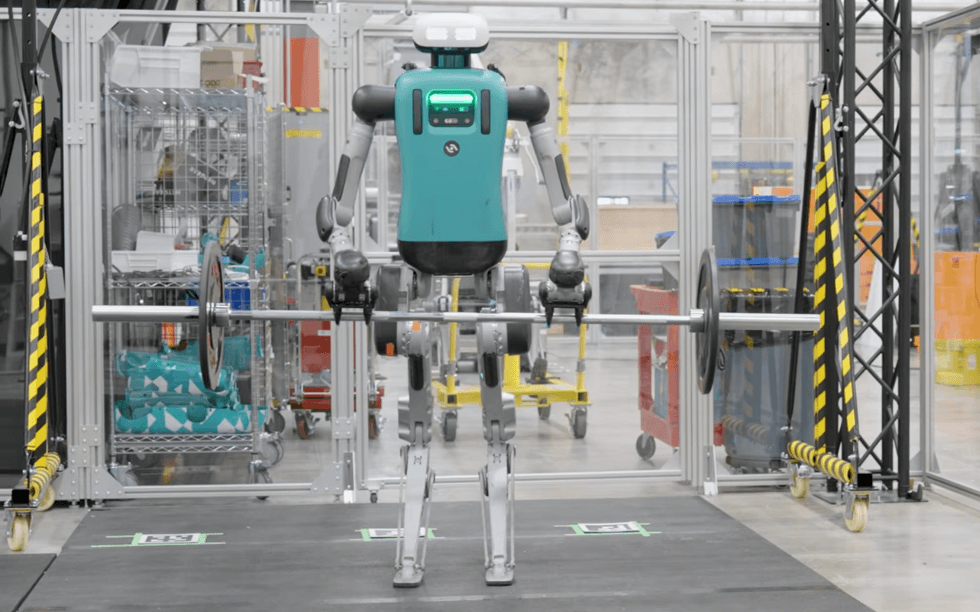
Video Friday: Digit Learns to Deadlift
IEEE Spectrum robotics has released its latest edition of "Video Friday," showcasing a selection of innovative robotics videos and announcing upcoming events in the field. The events include the International Conference on Robotics and Automation (ICRA) scheduled for June 1-5, 2026, in Vienna, the Robotics Science and Systems (RSS) conference from July 13-17, 2026, and a Summer School on Multi-Robot Systems taking place from July 29 to August 4, 2026, in Prague. Among the featured videos, researchers are training the robot Digit to perform a deadlift with a 65-pound object, emphasizing the importance of whole-body coordination and resilience in its actuators. This training allows for the development of a policy that enables Digit to execute a dynamically balanced lift in real-world scenarios. Additionally, Gatlin Robotics has introduced its first commercial showcasing robots in action as part of its Robot-as-a-Service (RaaS) contract. Dexterity highlights the expressive potential of motion intelligence in robotics, while Harvard researchers present a swarm of simple antlike robots capable of constructing and dismantling structures through adaptive group behavior. Lastly, a project from Michigan Robotics demonstrates a microcombustion actuator that rapidly inflates to launch colorful water droplets, challenging conventional notions about the capabilities of soft actuators. These advancements reflect the ongoing evolution and application of robotics technology across various domains.
Industrial-robots Humanoid-robots Video-friday Swarm-robotics Dancing-robot Bipedal-robots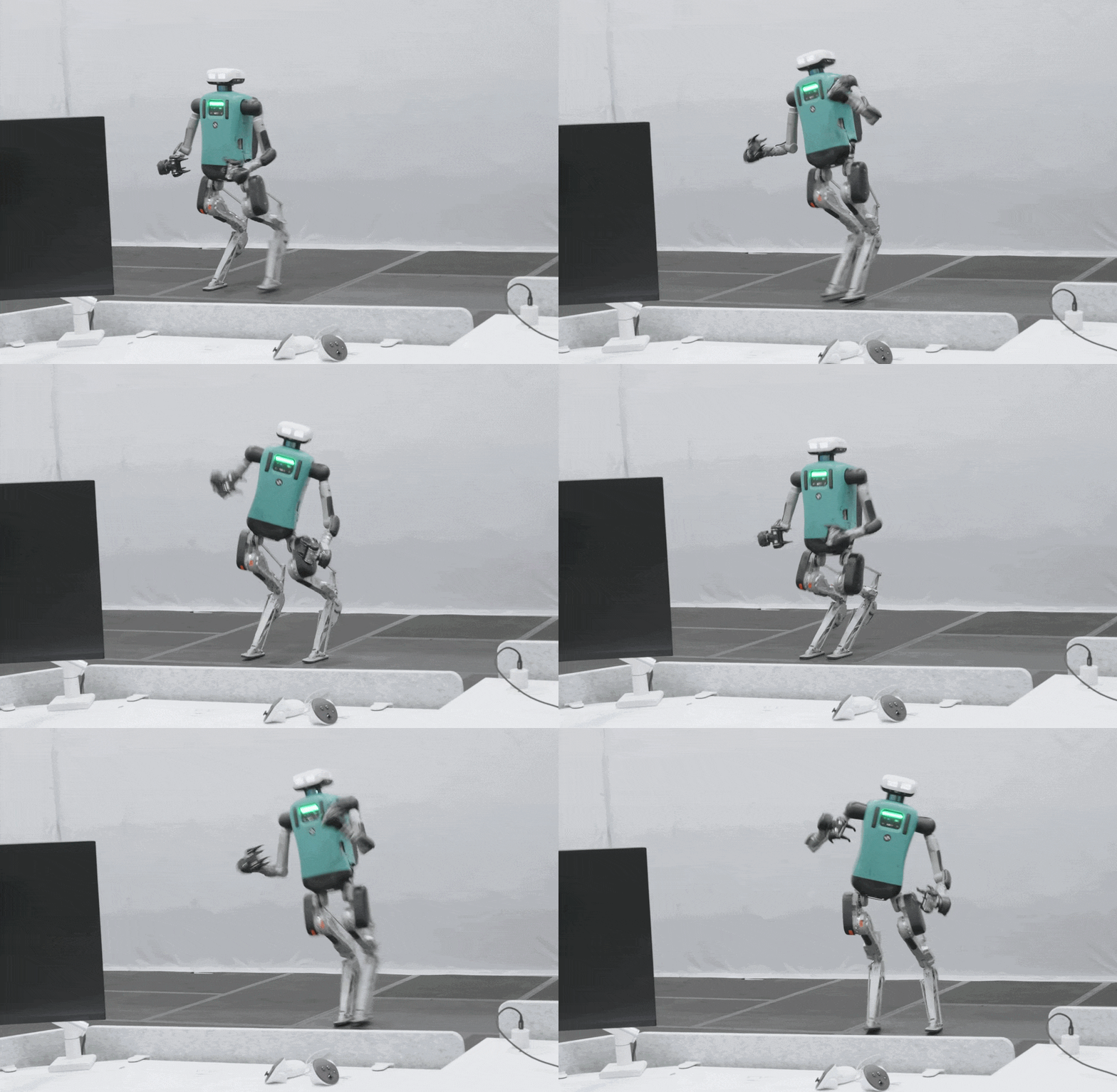
Video Friday: Digit Learns to Dance—Virtually Overnight
In a recent roundup of advancements in robotics, IEEE Spectrum highlighted several notable developments and upcoming events in the field. Among the key innovations is Digit, a humanoid robot that can learn new whole-body control capabilities overnight through sim-to-real reinforcement training, enhancing its performance in various tasks. Additionally, the introduction of GEN-1 marks a significant milestone in robot learning, achieving a 99% success rate in simple physical tasks and drastically reducing task completion time. Unitree has made strides by open-sourcing the UnifoLM-WBT-Dataset, a comprehensive dataset for humanoid robot teleoperation, which has been available since March 5, 2026. Meanwhile, researchers presented MRReP, a Mixed Reality interface that allows users to guide autonomous mobile robots in human-shared environments through hand gestures. In other developments, Sanctuary AI showcased its advanced hydraulic hands capable of dexterous manipulation, while China’s Yuxing 3-06 satellite successfully completed an in-orbit refueling test, paving the way for future satellite servicing. Furthermore, Japan Railway West collaborated with Serendix to utilize 3D printing technology for rapid construction at Hatsushima station, demonstrating innovative solutions to infrastructure challenges. Upcoming robotics events include ICRA 2026 in Vienna from June 1-5, and the Summer School on Multi-Robot Systems in Prague from July 29 to August 4, 2026, providing platforms for further exploration and collaboration in the robotics sector.
Humanoid-robots Video-friday Robot-ai Human-robot-interaction Teleoperation Industrial-robots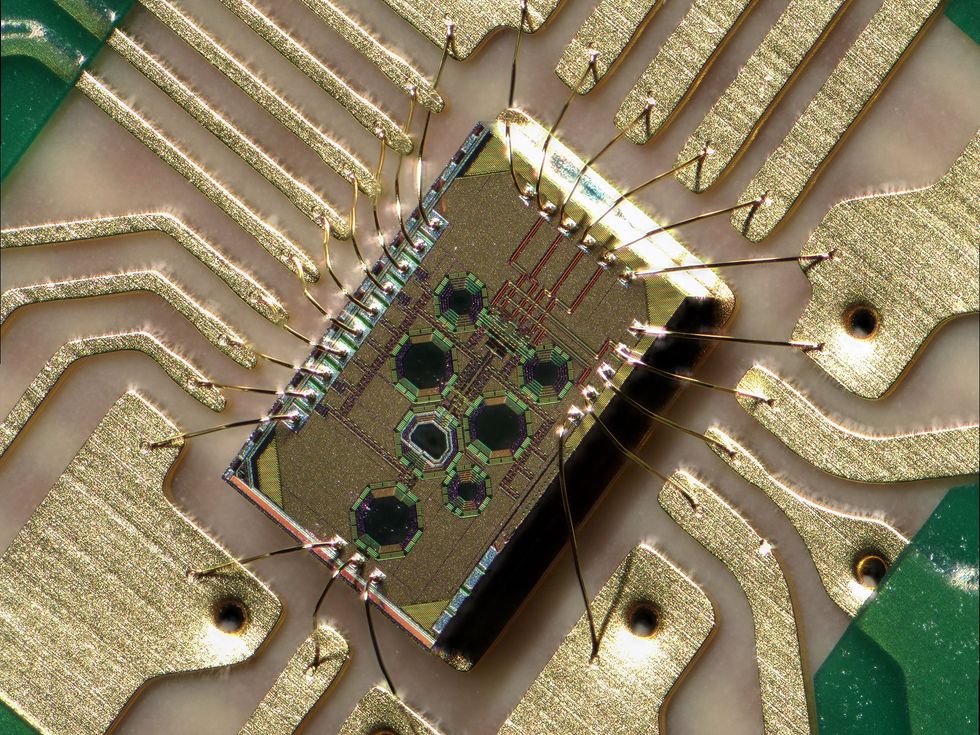
Wi-Fi That Can Withstand a Nuclear Reactor
Researchers at the Institute of Science Tokyo have developed a robust Wi-Fi receiver capable of functioning within the extreme conditions of a nuclear reactor, a breakthrough presented by graduate student Yasuto Narukiyo at the IEEE International Solid-State Circuits Conference in San Francisco this February. The receiver can withstand radiation doses of up to 500 kilograys, significantly exceeding the tolerance levels of typical electronics used in space. This innovation aims to enhance wireless communication for robots tasked with decommissioning nuclear reactors, a process that has become increasingly vital since the Fukushima Daiichi disaster in 2011. Currently, many robotic systems rely on cumbersome LAN cables, which can complicate operations in hazardous environments. With over 200 reactors expected to reach the end of their operational lives in the next two decades, the need for effective decommissioning solutions is pressing. To achieve radiation hardening, Narukiyo and his team modified the receiver's components, reduced the number of transistors, and adjusted their design to minimize vulnerability to radiation damage. They focused on optimizing the performance of PMOS and NMOS transistors, leading to a receiver that maintained comparable performance to standard Wi-Fi devices even after exposure to high radiation levels. Looking ahead, Narukiyo plans to enhance the receiver's capabilities and develop a transmitter for two-way communication, which presents additional challenges due to the high current requirements for Wi-Fi signal generation. The team is also investigating alternative semiconductor materials, such as diamond, to improve the transmitter's resilience.
Wi-fi Nuclear-reactors Isscc Decommissioning Industrial-robots Radiation-hardening
ROBOTS Secures Seed Funding for Integrated Control Platform Development with NTT Docomo and Incubate Fund
ROBOTS has announced the completion of a seed funding round through third-party allocation from Incubate Fund and NTT Docomo. The startup focuses on developing an integrated control platform for robots that become smarter through on-site operations. The funding will accelerate research and development of this platform and physical AI, particularly for implementation in the security sector. The significance of this development lies in addressing the severe labor shortages in the security industry, where high turnover rates and an aging workforce pose challenges. By integrating various robots and sensors into a cohesive system, ROBOTS aims to enhance operational efficiency and reduce the burden on security personnel. This approach allows for a flexible response to diverse on-site tasks, which is crucial given the unique demands of different environments. Looking ahead, ROBOTS plans to leverage insights gained from security applications to expand into other sectors such as equipment inspection and construction. CEO Koki Kawauchi emphasized the importance of robotics in addressing real-world challenges, aiming for a future where diverse robots work alongside humans seamlessly.
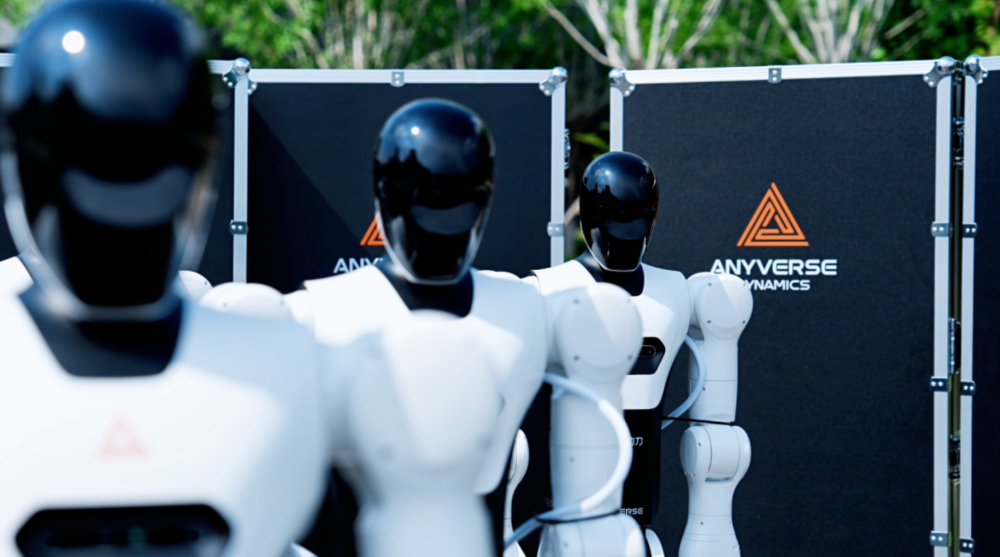
Automakers Seek Reliable Robots for Long-Term Performance Over Flashy Demonstrations
At the 2026 Embodied Intelligence Industry Integration Conference, industry leaders emphasized the need for robots that can operate reliably for extended periods without errors. Executives from companies like Beijing Galaxy General Robotics and Changan Automobile highlighted that automakers prioritize robots capable of consistent performance over flashy capabilities. The discussion revealed that many applications in automotive manufacturing, such as material handling and quality inspection, still lack effective solutions. High labor intensity and safety concerns drive the demand for robots that can maintain precision and efficiency over long operational hours, as noted by industry experts. Looking ahead, the focus will shift towards developing adaptable robots that can quickly integrate into various factory layouts without extensive reprogramming. The concept of 'Design for Robot' was introduced, aiming to reshape factory processes around robotic capabilities. No further timeline was disclosed at the time of publication.
Industrial Robotics Manufacturing Automation Automotive Technology Robotic Process Automation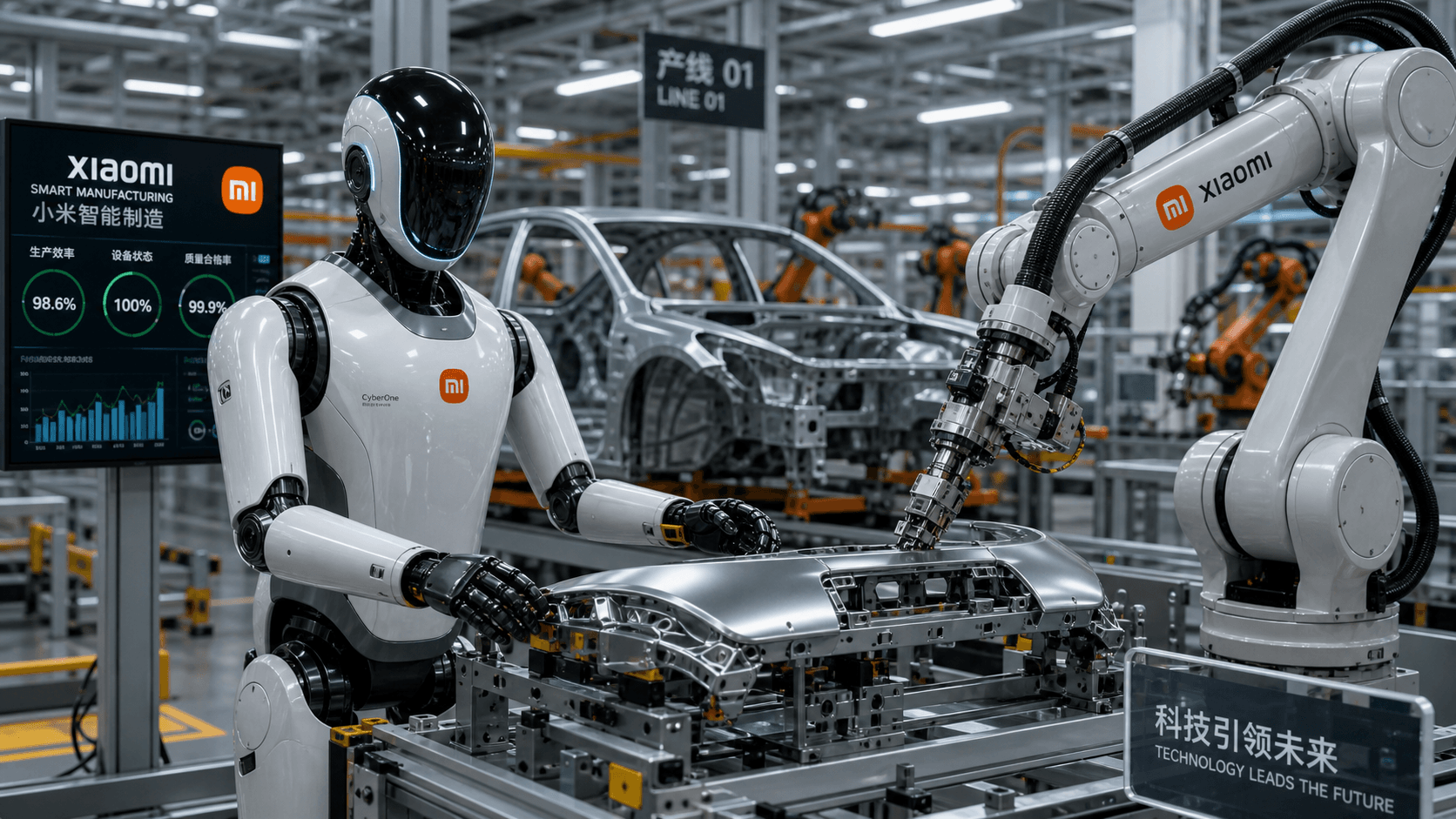
Xiaomi Humanoid Robots Transition to Complex Workpiece Handling on SU7 Production Line
Xiaomi's humanoid robots have advanced from basic screw-tightening tasks to managing complex flexible workpieces on the SU7 production line. This transition marks a significant achievement, with the robots reaching a success rate of over 90% after just six months of training in the factory environment. This development is crucial as it highlights Xiaomi's commitment to enhancing automation in car manufacturing, showcasing the potential of humanoid robots in handling intricate tasks. The successful implementation of these robots could lead to increased efficiency and productivity within the automotive production sector. Looking ahead, it will be important to monitor how Xiaomi continues to integrate these humanoid robots into their production processes and whether they will expand their capabilities further. No further timeline was disclosed at the time of publication.
Technology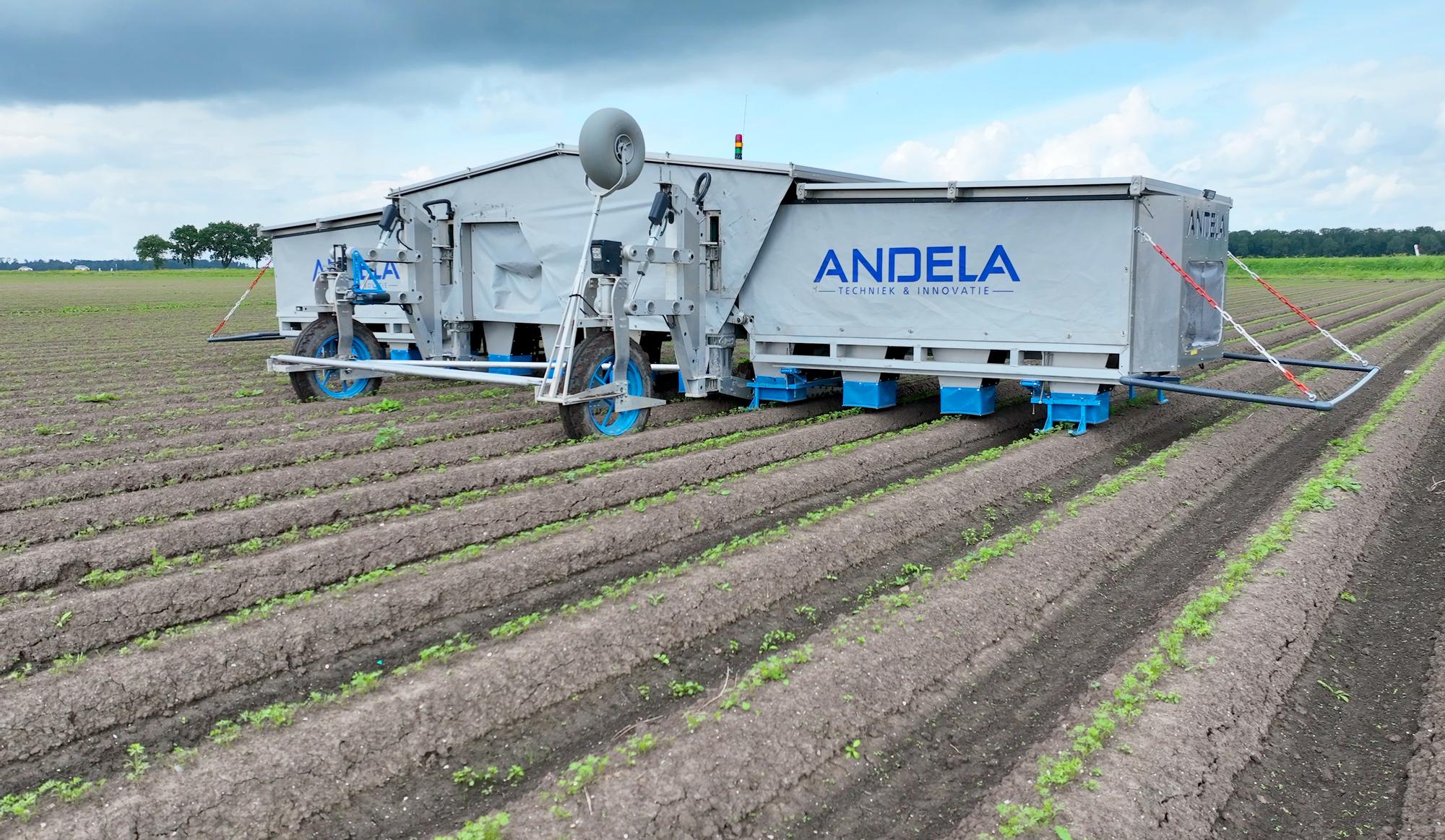
Challenges in Reducing Costs of Agricultural Robots Like the Andela Weeder
The Andela Robot Weeder is priced at approximately €800,000 (US$961,000), raising questions about the factors influencing its cost. Unlike traditional machinery, the price of agricultural robots is increasingly determined by the economic value they provide rather than manufacturing costs. This shift in perspective complicates the business case for growers, as the value derived from labor replacement and efficiency gains becomes paramount. As labor shortages and restrictions on herbicides grow, the competition landscape for agricultural robots may change significantly. Robots may not need to compete solely on price against traditional methods like chemical weed control. Instead, they could emerge as essential tools, altering the pricing dynamics in the market. While advancements in technology will likely enhance the performance of agricultural robots, this does not guarantee a decrease in their prices. The value proposition for farmers will focus more on the economic benefits rather than the cost of production, making the future of pricing in this sector uncertain. No further timeline was disclosed at the time of publication.
Crop solutions autonomous farm farm management mechanical weeder robotics weed control
Mitsubishi Motors to Begin Mass Production of Humanoid Robots by 2027
Mitsubishi Motors has announced plans to start mass production of humanoid robots at its factory in Japan by 2027. In collaboration with the Tokyo University startup Highlanders, the company aims to produce 1,000 units per month initially, utilizing existing space in its Kyoto engine plant. The robots will first be deployed in Mitsubishi's own facilities for tasks such as parts handling and engine assembly. This initiative is a response to Japan's aging population and the resulting labor shortages in the manufacturing sector, prompting a shift towards automation. By developing these robots for internal use, Mitsubishi aims to address its own workforce challenges before considering external sales. The humanoid robots, standing approximately 175 cm tall, will feature stable walking and grasping capabilities, controlled by an AI system. As the global humanoid robot market is projected to reach $729 billion by 2050, Mitsubishi's production plans represent a significant step for a traditional automaker entering this space. The company's pragmatic approach of first utilizing the robots internally reflects its strategy to tackle labor shortages while exploring future market opportunities. No further timeline was disclosed at the time of publication.
Humanoid Robots Manufacturing Automation AI Technology Robotics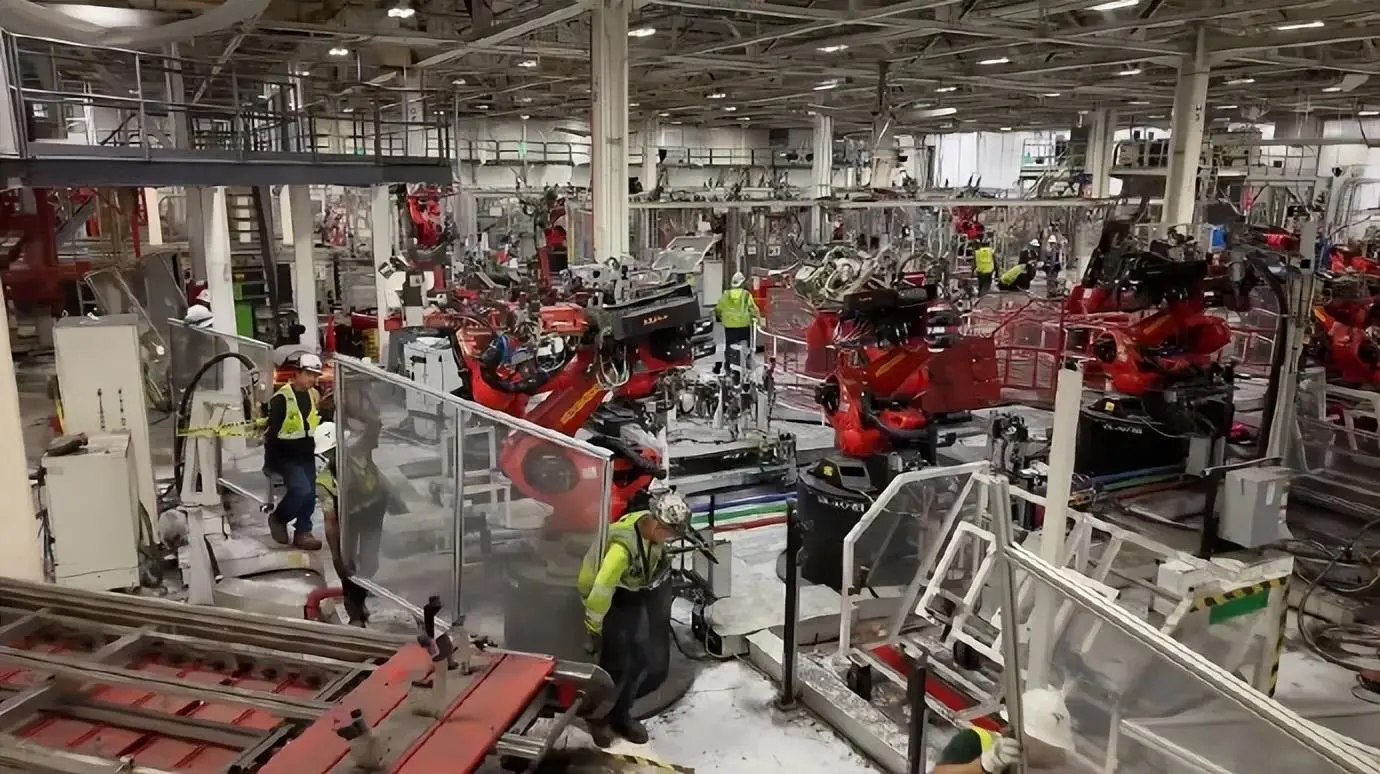
Tesla Completes Dismantling of 14-Year-Old Production Line for Optimus Robots
Tesla has officially dismantled the production line for its Model S and Model X vehicles at its Fremont factory, marking the end of a 14-year era. The entire process took just 46 days, as captured in a video released by Tesla, which stated, 'End of an era.' These flagship models have been pivotal in establishing Tesla's reputation in the luxury electric vehicle market since their launch in 2012. The dismantling is part of Tesla's strategic shift from traditional automotive manufacturing to robotics and artificial intelligence. The space will be repurposed for the production of the Optimus humanoid robots, with a target annual production capacity of up to 1 million units. Elon Musk has emphasized this transition, indicating a significant change in Tesla's focus and operations. The new production line for Optimus is expected to begin large-scale production by late July to August 2023, with plans to achieve a weekly output of 1,000 units by September and increase to 2,000 to 2,500 units by the end of the year. This marks a pivotal moment for Tesla as it aims to redefine its identity in the tech-driven landscape of robotics.
Humanoid Robots Robotics AI Manufacturing Tesla
Specialized Robots Enhance Efficiency in Solar Farm Construction and Maintenance
A rising number of robotics companies are developing specialized machines aimed at alleviating labor bottlenecks in solar farm construction and maintenance. These innovations are crucial as they address the unique challenges posed by solar farm terrains, optimizing both construction timelines and operational efficiency. The significance of these advancements lies in their potential to streamline processes and reduce reliance on manual labor, which can be both costly and time-consuming. By integrating specialized robots, companies can enhance productivity and improve safety standards on solar farms, making the sector more sustainable and economically viable. Looking ahead, the continued evolution of robotics in this field will be essential to meet the growing demand for renewable energy solutions. Stakeholders should monitor developments in robot capabilities and their impact on solar farm operations. No further timeline was disclosed at the time of publication.
In-Depth Analysis of Adsorption and Locomotion Codesign for Wall-Climbing Robots
The Journal of Field Robotics has published a comprehensive review focusing on the adsorption-locomotion codesign of wall-climbing robots. This review highlights the intricate relationship between the robots' ability to adhere to surfaces and their locomotion capabilities, which are crucial for performing complex operations on various surfaces. Understanding the codesign of these robots is essential as it directly impacts their efficiency and effectiveness in real-world applications. The review emphasizes the importance of optimizing both adsorption and locomotion to enhance the performance of wall-climbing robots, which are increasingly being utilized in fields such as inspection, maintenance, and exploration. Looking ahead, researchers and developers in the robotics field should pay close attention to advancements in adsorption technologies and locomotion strategies. Continued innovation in these areas could lead to significant improvements in the functionality and versatility of wall-climbing robots. No further timeline was disclosed at the time of publication.
SURVEY ARTICLE
Humanoid Robots Enhance Performance in Real-World Applications with New Testing Metrics
Recent advancements in humanoid robotics have led to the development of new testing methods that evaluate how effectively these robots can handle real-world forces. This shift is significant as humanoid robots transition from novelty items to practical tools in various industries, including manufacturing and logistics, where they perform tasks such as lifting heavy boxes and moving furniture. The importance of this testing lies in its ability to measure the robots' capabilities in dynamic environments, ensuring they can operate safely and efficiently alongside human workers. As these robots take on more demanding roles, understanding their physical interactions with the environment becomes crucial for their integration into workplaces, enhancing productivity and safety. Looking ahead, the continued evolution of testing methodologies will be essential for the deployment of humanoid robots in more complex scenarios. No further timeline was disclosed at the time of publication, but ongoing research is expected to yield more robust performance metrics that will guide future developments in this field.
Robotics
Tesla's Optimus Robots to Support Starmind Satellite Production, Not Maintenance
Tesla's Optimus robots will not be used to repair Starmind satellites in orbit, as confirmed by recent statements from Elon Musk. Instead, these robots are intended to assist in the construction and operation of the Terafab chip manufacturing facility in Texas. The AI1 satellites, designed to disintegrate upon reentry, highlight the company's swap-and-replace strategy rather than traditional maintenance practices. This approach is significant as it reflects a broader trend in satellite management, where mass-produced satellites are replaced rather than repaired. The economics of servicing missions are prohibitive, with the cost of launching a replacement satellite being significantly lower than conducting a repair mission. This model aligns with SpaceX's operational history, where rapid replacement of satellites is more efficient than attempting to maintain them in orbit. Looking ahead, the focus will remain on the production capabilities of the Gigasat factory, which is expected to support the continuous replacement of satellites. No further timeline was disclosed at the time of publication, but the demand for rapid satellite turnover suggests a robust future for Optimus robots in terrestrial manufacturing rather than in-space servicing.

Vention and FANUC America Join Forces to Bring Industrial Robots to Vention's AI-Driven Hardware and Software Platform
At Automate 2026, live demonstrations showcased the capabilities of FANUC's CRX10iA and LR Mate 200iD robots, which are enhanced by Vention's advanced MachineMotion AI and MachineLogic software. These technologies are designed to optimize machine tending and adaptive robotic motion applications. The event, taking place in 2026, highlights the growing integration of artificial intelligence in automation processes, aiming to improve efficiency and flexibility in manufacturing environments. By leveraging these innovative solutions, companies can streamline operations and adapt to varying production demands, reflecting the industry's shift towards smarter, more responsive automation systems.
Mouser Electronics launches "Rise of the Robots" series on the fusion of sensing, AI, and control technologies.
Mouser Electronics has unveiled the latest installment of its technology series, "Empowering Innovation Together" (EIT), titled "Rise of the Robots." This new episode explores the advancements in robotics and their impact on various industries. The release aims to highlight the growing significance of robotics in enhancing efficiency and productivity across sectors. By showcasing innovative technologies and expert insights, Mouser seeks to inform and inspire its audience about the future of automation. The series continues to serve as a platform for discussing cutting-edge developments in technology, reinforcing Mouser's commitment to fostering innovation in the electronics industry.

AGIRobots unveils new semi-humanoid robot "AGIRobots Worker" to enhance physical AI in manufacturing and logistics.
AGIRobots has unveiled its latest semi-humanoid robot, the "AGIRobots Worker," aimed at enhancing the use of physical AI in the manufacturing and logistics sectors. This announcement was made recently as part of the company's ongoing efforts to innovate and improve operational efficiency in these industries. The AGIRobots Worker is designed to assist in various tasks, streamlining processes and potentially reducing labor costs. By integrating advanced AI technology, the robot is expected to play a crucial role in transforming traditional workflows, making them more efficient and adaptable to modern demands. The launch reflects AGIRobots' commitment to driving technological advancements that support the evolving needs of the manufacturing and logistics landscapes.

The Silent Stabilizer: Why Gyroscopes Are Essential for Next-Gen Industrial Inspection Robots
A newly developed robot equipped with a gyro-backed stabilization system is revolutionizing workplace safety and efficiency. This innovative technology ensures that cameras remain level and navigation remains precise, allowing for the accurate detection of defects while minimizing risks for workers. By maintaining stability during operation, the robot enhances inspection processes and helps prevent accidents in various industrial settings. As companies increasingly prioritize safety and quality control, this advancement is set to play a crucial role in transforming how inspections are conducted, ultimately leading to safer work environments and improved operational outcomes.

How Thermal Imaging Modules Are Transforming Industrial Robots for Safer 24/7 Operations
The integration of a high-performance Thermal Imaging Module represents a significant engineering advancement aimed at addressing critical challenges in industrial automation. This strategic upgrade not only enhances sensor capabilities but also mitigates issues such as unexpected downtime, fire hazards, and environmental constraints. By implementing this technology, industries can improve operational efficiency and safety, ultimately leading to more reliable production processes. The move comes as companies seek innovative solutions to enhance their systems and reduce risks associated with traditional monitoring methods.
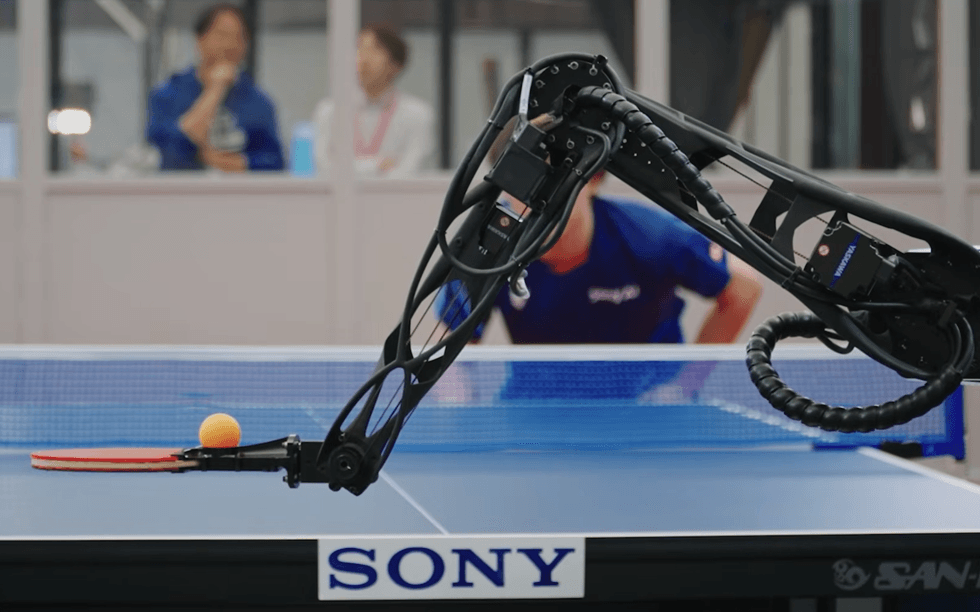
Video Friday: Who Wins in Robot Versus Pro Ping-Pong Player?
In a recent showcase of advancements in robotics, IEEE Spectrum highlighted several innovative developments and upcoming events in the field. Notably, Sony AI's latest research, featured on the cover of Nature, explores the potential of high-speed autonomous systems to master complex perception and dynamic control, aiming to compete with professional athletes. Among the exciting projects is the Ringbot Quad, a unique monocycle robot that integrates wheeled and legged locomotion, allowing it to navigate diverse terrains by switching between driving and walking modes. Meanwhile, in a significant milestone for China's robotics industry, humanoid robots outpaced human runners in a half-marathon in Beijing, with three robots finishing ahead of 12,000 participants. Other highlights include AthenaZero, a robot capable of juggling using only on-board sensory feedback, and advancements from the Max Planck Institute for Intelligent Systems, which reported a method to enhance the efficiency of soft electrostatic actuators, achieving conversion rates of up to 63.6%. As the field continues to evolve, discussions at Carnegie Mellon University emphasize the implications of Artificial General Intelligence (AGI) for society, proposing a future where humans collaborate with robots in supervisory roles, potentially transforming essential services and labor dynamics. Upcoming robotics events include ICRA 2026 in Vienna and the Summer School on Multi-Robot Systems in Prague, offering platforms for further exploration and innovation in robotics.
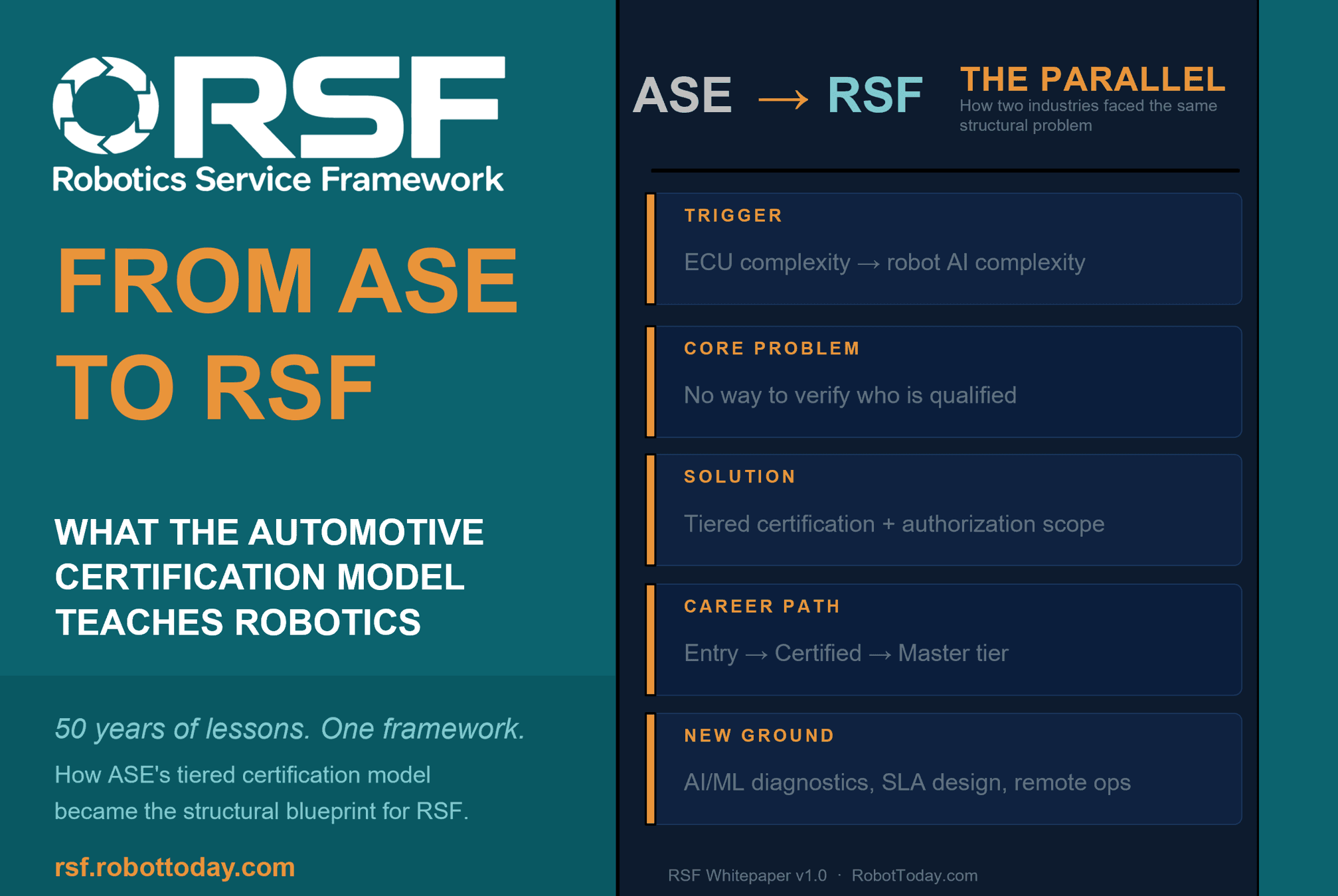
Robotics Humanoid-robots Video-friday Quadruped-robots Robot-videos Industrial-robotsRobotics needs a service framework.
RSF defines a common language for robot service capability, lifecycle operations, certification pathways, and service-provider networks.