Industry Briefing
A single destination for timely, editor-curated robotics news from around the world.

A3 Enhances Industrial Robotics Course with New Business Case for Automation Module
The Association for Advancing Automation (A3) has enhanced its Introduction to Industrial Robotics course by adding a new module that focuses on the business case for automation. This addition aims to assist learners in assessing the value and return on investment (ROI) that automation can provide in various scenarios. This expansion is significant as it allows participants to not only learn about the technical aspects of robotics but also to understand the strategic implications of implementing automation in their operations. By evaluating when and where automation is beneficial, businesses can make informed decisions that align with their financial goals. Looking ahead, it will be important to monitor how this new module influences the adoption of automation technologies in various industries. A3's initiative could lead to increased interest in robotics training and a greater understanding of the economic benefits of automation. No further timeline was disclosed at the time of publication.
Vecna Robotics Secures $31 Million to Enhance Warehouse Automation Solutions
Vecna Robotics has successfully raised $31 million to further develop its autonomous mobile robot business and enhance warehouse automation capabilities for handling cases and pallets. This funding round was led by Unless, with contributions from Drive Capital, Tiger Global, Highland Capital Partners, and Tectonic Ventures. The company aims to scale its deployment teams and expand its market presence while introducing new functionalities such as pallet stacking, de-stacking, and trailer loading and unloading. The significance of this funding lies in the increasing demand for Vecna's CaseFlow system, which has seen a year-over-year growth of over 100% since its launch in 2025. A deployment at GEODIS demonstrated the effectiveness of the system, doubling picking throughput and reducing training time for new employees. This reflects a broader trend where customers seek comprehensive automation solutions to streamline their material movement processes. Looking ahead, Vecna Robotics plans to leverage this investment to enhance its existing capabilities and meet the growing needs of its clients. The company is focused on providing a reliable, U.S.-based robotics platform that supports extensive automation across various operations. No further timeline was disclosed at the time of publication.
AI AI Funding & Investment Robotics Autonomous Mobile Robots Drive Capital funding
Hai Robotics and Ferag Solutions Enhance Partnership for Warehouse Automation in EMEA
Hai Robotics and Ferag Solutions are expanding their collaboration across Europe, the Middle East, and Africa after five years of successful warehouse automation projects. This partnership aims to leverage Hai Robotics' Automated Case-handling Mobile Robot systems and Ferag Solutions' integration expertise to meet the growing demand for flexible warehouse automation. The collaboration is significant as it combines Hai Robotics' innovative automation technology with Ferag Solutions' regional knowledge and systems integration capabilities. This synergy is expected to provide businesses with immediate operational improvements while allowing them to adapt to changing demands in the logistics sector. Looking ahead, both companies plan to host regional webinars to share insights on warehouse automation challenges and opportunities. Several projects have already been signed, indicating a strong foundation for future growth and collaboration in developing scalable warehouse operations across the EMEA region.
Warehouse Automation Intralogistics Automated Mobile Robots Systems Integration
Hai Robotics and Ferag Solutions Enhance Partnership for Warehouse Automation in EMEA
Hai Robotics and Ferag Solutions are expanding their collaboration across Europe, the Middle East, and Africa after five years of successful partnership. This expansion follows several warehouse automation projects in the UK, where both companies combined their strengths to deliver innovative solutions. Hai Robotics will provide its Automated Case-handling Mobile Robot (ACR) systems, while Ferag Solutions will contribute its systems integration expertise. The significance of this partnership lies in its ability to meet the increasing demand for integrated warehouse automation solutions that enhance operational efficiency. The collaboration aims to offer businesses the flexibility to adapt to changing volumes and requirements, ensuring they remain competitive in a rapidly evolving market. Nicholas Hughes, Managing Director of Ferag Solutions, emphasized the trust and commitment that have developed between the two organizations, which are crucial for recommending solutions to customers. Looking ahead, Hai Robotics and Ferag Solutions plan to host regional webinars to share insights on warehouse automation challenges and opportunities. With several projects already signed, the companies are well-positioned to support more businesses in developing scalable and future-ready warehouse operations. No further timeline was disclosed at the time of publication.
Warehouse Automation Intralogistics Automated Robotics Supply Chain Solutions
The Impact of Robotics and Automation on Island Supply Chains
Discussions on port automation often focus on large terminals like Rotterdam and Singapore, which handle immense volumes of cargo. However, the true challenge for logistics technology lies in island supply chains, where delays can have immediate and significant consequences. A single late shipment can lead to empty grocery shelves or stop construction projects, highlighting the critical need for efficient logistics solutions. The importance of optimizing island supply chains cannot be overstated, as these regions face unique logistical challenges. The reliance on timely deliveries makes them particularly vulnerable to disruptions. As robotics and automation technologies are integrated into these supply chains, they promise to enhance efficiency and reliability, ensuring that essential goods reach their destinations without delay. Looking ahead, stakeholders in island supply chains should monitor advancements in robotics and automation technologies. These innovations could provide the necessary tools to mitigate risks associated with supply chain disruptions. No further timeline was disclosed at the time of publication.
Logistics Robotics Supply chain agvs automated guided vehicles cargo tracking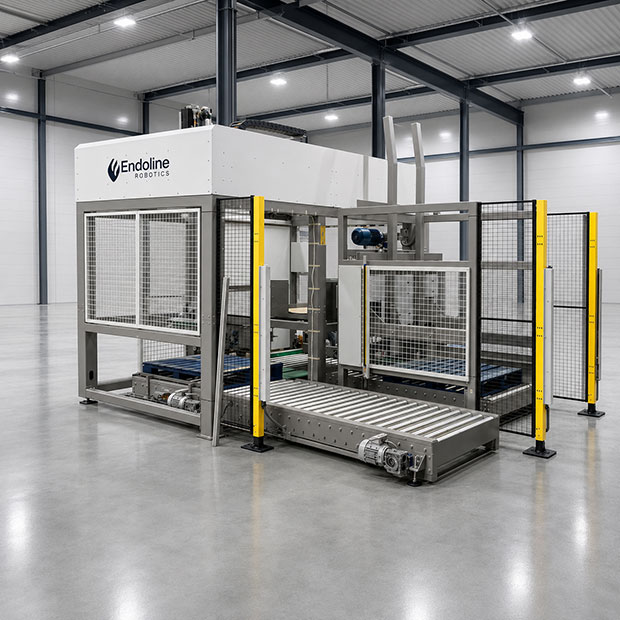
Endoline Automation Expands Robotics Capabilities for Tailored Solutions
Endoline Automation is enhancing its robotics capabilities to provide manufacturers with a wider array of end-of-line automation solutions tailored to specific production needs. This expanded offering will debut at the PPMA show in September, showcasing a fully integrated production line that combines case erecting, sealing, and palletizing. The significance of this development lies in Endoline's commitment to delivering customized, connected end-of-line solutions that adapt to each customer's operational requirements. By collaborating with Montech, Endoline has broadened its robotics portfolio to include both gantry and articulated robotic solutions, allowing for greater flexibility in automation project specifications. At the PPMA event, attendees will witness the integration of an Endoline Case Erector and case sealer with Montech’s palletizing system, demonstrating a scalable approach to automation. As the demand for automation increases, Endoline aims to support diverse applications while maintaining its reputation for bespoke engineering and reliable technical support.
Pallets & Containers
FANUC America to Showcase Robotics, Automation, and Physical AI Innovations at IMTS 2026
FANUC America will present its latest innovations in robotics, automation, and Physical AI at IMTS 2026, scheduled for Booth 338900. The company aims to demonstrate how its advanced technologies can enhance manufacturing productivity, flexibility, and deployment speed. The significance of FANUC's showcase lies in its commitment to integrating advanced CNC technologies with machining automation and robotics. This integration is expected to provide manufacturers with the tools needed to meet the evolving demands of the industry, ultimately leading to improved operational efficiency. As the event approaches, industry stakeholders should keep an eye on FANUC's demonstrations and product offerings. The focus on Physical AI and its applications in manufacturing could set new benchmarks for productivity and innovation in the sector. No further timeline was disclosed at the time of publication.

The Limitations of Robotics and Automation Without Proper Data Management
Manufacturers are increasingly investing in robotics and automation, yet many fail to address the foundational issue of manual data management. This oversight significantly limits the return on investment (ROI) for new technologies. As automation does not inherently solve workforce challenges, the focus must shift to training and upskilling employees to enhance productivity in the automotive and machine-building sectors. The gap between automation investments and effective data management is critical, as it can stifle the potential benefits of new technologies. Without a robust data foundation, companies may find their automation efforts falling short of expectations, leading to inefficiencies and missed opportunities for growth. This situation highlights the importance of integrating data management strategies alongside automation initiatives. Looking ahead, companies must prioritize the development of comprehensive data management systems to fully leverage their investments in robotics and automation. No further timeline was disclosed at the time of publication, but the ongoing skills gap in the workforce remains a pressing concern for manufacturers aiming to optimize their operations and achieve sustainable growth.

Sunrise Robotics Enhances Automation with ABB's GoFa™ Cobot Technology
Sunrise Robotics has integrated ABB Robotics' GoFa cobot into its autonomous cells to enhance precision manipulation for high-mix manufacturing tasks such as pick & place and machine tending. This collaboration has resulted in a 20% increase in throughput, elevating production from 72 to 90 parts per hour without hardware changes, solely by adjusting motion parameters through software. The significance of this development lies in Sunrise Robotics' ability to deliver intelligent, autonomous robotic cells that are adaptable to human-centric environments. By leveraging GoFa's speed and positional accuracy, the company aims to make automation more accessible and affordable for small and medium-sized manufacturers. The integration of on-board AI and radar-based safety features further enhances operational reliability. Looking ahead, Sunrise Robotics plans to continue optimizing its systems using ABB's technology, which provides long-term reliability and support. The combination of RobotStudio® for remote control and the robust software architecture allows for dynamic responses to environmental changes, ensuring that systems remain operational with minimal downtime. No further timeline was disclosed at the time of publication.

Neura Robotics Acquires Adlatus Robotics to Enhance Cleaning Automation Solutions
Neura Robotics has acquired 100 percent of Adlatus Robotics, a company specializing in autonomous cleaning robotics. This acquisition is part of Neura's strategy to integrate various robots and applications into a unified physical AI infrastructure, enhancing the capabilities of cleaning robots. The significance of this acquisition lies in Neura's aim to transform cleaning robots from simple navigators into intelligent agents capable of understanding their environment. Adlatus has developed a robust portfolio of autonomous cleaning systems, and Neura plans to enhance these with advanced sensor and AI technologies, ultimately connecting them to the Neuraverse. Looking ahead, Neura Robotics intends to leverage Adlatus as both a product platform and a testing ground for physical AI advancements. The integration is expected to foster collaboration with other manufacturers, promoting an open ecosystem for various autonomous systems and enhancing the scalability of physical AI solutions.
Humanoids News adlatus robotics amrs autonomous cleaning robots autonomous mobile robots
Tsinghua University Team Unveils Soccer-Playing Humanoid Robot in Science Robotics
On August 19, a team led by Professor Zhao Mingguo from Tsinghua University's Department of Automation published a paper in Science Robotics titled "Learning Vision-Driven Reactive Soccer Skills for Humanoid Robots." The research introduces a unified perception-motion reinforcement learning framework that enables a humanoid robot, known as Booster, to autonomously locate and kick a soccer ball without relying on external positioning or motion capture systems. This development is significant as it addresses the challenges of dynamic environments where visual perception is often unreliable. Traditional robotic soccer systems typically follow a modular pipeline, which can amplify errors due to perception noise and delays. The new framework allows the robot to make accurate movements even under imperfect visual conditions, marking a notable advancement in the field of robotics. Looking ahead, the implications of this research could extend to various applications in robotics, particularly in environments where visual feedback is compromised. The paper's publication in a prestigious journal underscores its importance, and the team’s innovative approach may pave the way for future developments in humanoid robotics and autonomous systems. No further timeline was disclosed at the time of publication.
Humanoid Robots Reinforcement Learning Robotics Research AI Autonomous Systems
Motion Controls Robotics, Inc. Expands Automation Portfolio with New Technologies and Expertise
Motion Controls Robotics, Inc. (MCRI) has announced an expansion of its automation portfolio by integrating new specialized automation technologies and intellectual property. This enhancement includes capabilities in tire manufacturing automation, robotic painting, precision fluid application, surface treatment, and other specialized manufacturing processes. This development is significant as it broadens MCRI's ability to support a wider range of operations within manufacturing plants. By adding experienced personnel with industry expertise, MCRI aims to improve efficiency and effectiveness in various manufacturing applications, thereby strengthening its market position. Looking ahead, MCRI's focus on enhancing its automation capabilities may lead to further innovations and partnerships in the automation sector. No further timeline was disclosed at the time of publication.

Three Robotics and Automation Stocks to Consider for Investment in August
Recent advancements in artificial intelligence and chip technology are transforming robotics and automation from single-task machines to intelligent systems. This evolution is projected to significantly boost adoption in various sectors, including manufacturing and healthcare. According to Future Market Insights, the industrial robotics market is expected to grow from $65 billion this year to nearly $344 billion by 2036, reflecting an 18% compound annual growth rate. Rockwell Automation, a leader in industrial automation, holds a dominant 50% market share in programmable logic controllers in North America. The company reported $2.2 billion in sales for Q2, a 9% increase, with GAAP earnings per share rising 40% to $3.10. Rockwell's recent selection by Aalo Atomics as the control platform provider for its Aalo-X test reactor positions it for growth in the nuclear energy sector. Ouster and Symbotic are also notable players in the robotics space. Ouster, specializing in digital 3D LiDAR technology, saw a 49% revenue increase in Q1, while Symbotic focuses on AI-powered supply chain automation. Investors should monitor these companies as they navigate growth opportunities and market challenges in the evolving landscape of robotics and automation.

The Importance of Companion Mobile Apps in Robotics and Automation Systems
Companion mobile apps are becoming essential in robotics and automation, allowing operators to manage machines remotely. As the International Federation of Robotics reported 542,000 industrial robot installations in 2024, the need for efficient monitoring and maintenance alerts has surged, making these apps integral to operations. The rapid growth of robot fleets, now exceeding 4.6 million units globally, necessitates real-time telemetry and role-based access in companion apps. These applications must provide offline functionality and timely alerts to prevent operational delays, as a five-minute lag in communication can lead to significant production losses. Looking ahead, the evolution of robotics-as-a-service is transforming companion apps to support features like usage-based billing and in-app payments. This shift indicates that the role of these apps will expand beyond monitoring to include handling regulated financial data, reflecting the changing landscape of industrial automation.
Automation Robotics Software automation companion apps cybersecurity
GMEX Robotics Enters Agreement to Acquire MediaMeta.ai for Enhanced Social Intelligence
GMEX Robotics Corp. has announced a definitive share-purchase agreement with Alpha Meta AI Pte. Ltd. and MetaGen AI Ltd. to acquire MediaMeta.ai. This acquisition aims to integrate artificial intelligence focused on human behavioral modeling into GMEX's automation portfolio. Mark March of MediaMeta.ai emphasized the importance of social intelligence in bridging capable AI systems with meaningful human interaction. The acquisition is significant as it will enable GMEX to enhance its AI-powered robotics across various sectors, including consumer, hospitality, education, healthcare, and retail. MediaMeta's technology is designed to provide AI systems with a foundational data layer that interprets social context, allowing robots to better understand and respond to human behaviors and cultural nuances. GMEX believes this collaboration will define the next generation of intelligent machines. Looking ahead, GMEX Robotics plans to integrate MediaMeta's capabilities into its robotics architecture, pending successful completion of the transaction and subsequent development efforts. The company is also focused on advancing its Terminal + Intelligence platform, with CEO Sam Lu highlighting the importance of technology that understands human interactions in the robotics industry's evolution. No further timeline was disclosed at the time of publication.
Artificial Intelligence Artificial Intelligence / Cognition Human Robot Interaction / Haptics Mergers & Acquisitions Microprocessors / SoC Microprocessors / SoCs
Improving Visibility for Robotics and Automation Companies in AI Search Platforms
Search behavior is evolving, with buyers of industrial robots and automation systems increasingly utilizing AI assistants like ChatGPT, Gemini, and Perplexity. These platforms summarize information from various sources, leading to a predicted 25% decline in traditional search volume by 2026, according to Gartner. This shift underscores the importance of Generative Engine Optimization (GEO) and related practices, prompting businesses to invest in specialized tools. Peec AI is a notable GEO platform that helps brands measure their visibility across AI search experiences. It offers insights into citation performance and competitor analysis, with subscription plans starting at $95/month. Serving over 2,500 brands, Peec AI is particularly beneficial for B2B SaaS companies and robotics businesses looking to benchmark their AI visibility. LightSite AI Ltd. complements this by combining AI visibility monitoring with automated optimization, making it relevant for robotics manufacturers. Its tiered subscription starts at $129/month, and it employs a workflow that enhances AI discoverability. As AI assistants become more prevalent, companies in the robotics sector should consider these tools to maintain competitive visibility in search results.
Business Software Technology ai search ai search optimization ai seo
Chinese Team Secures Championship at 2026 RoboCup Robotics Soccer World Cup
In late July, the RoboCup 2026 concluded in Incheon, South Korea, where Tsinghua University's THMOS team triumphed, defeating their opponent 6-2 to claim the humanoid robot soccer championship. This victory marks the team's second consecutive championship win, showcasing the advancements in robotics and artificial intelligence in competitive sports. The significance of this achievement lies in the integration of sports and technology, with humanoid robots serving as a testing ground for embodied intelligence. The competition featured 364 teams from 45 countries, highlighting the growing intensity of robotics competitions over the past decade. The dominance of Chinese hardware platforms, particularly from Booster Robotics, played a crucial role in the success of multiple teams. Looking ahead, the evolution of humanoid robots in soccer suggests a future where these machines may rival human athletes. With over 700 humanoid robots shipped globally and partnerships with more than 70 educational and research institutions, Booster Robotics is positioned to lead in this innovative field. No further timeline was disclosed at the time of publication.
Humanoid Robots Robotics Competitions AI Sports Technology
Engineering Power Chains for Enhanced Robotics and Automation Performance
Recent advancements in power converters are crucial for addressing real-world challenges in robotics and automation. For instance, achieving long runtimes for battery-powered autonomous mobile robots (AMRs) and managing multi-megawatt peaks in welding cells require meticulous engineering of the power chain. This is as critical as the design of mechanical joints or control firmware. The importance of power converters extends to applications demanding microsecond-level responsiveness, such as in medical robots. These innovations not only enhance operational efficiency but also ensure reliability and performance in demanding environments. The rigorous engineering of power systems is essential for the successful deployment of advanced robotic solutions. Looking ahead, the focus on power chain engineering will likely continue to grow, particularly as industries seek to optimize performance and energy efficiency in robotics. No further timeline was disclosed at the time of publication.

ETCO Incorporated Launches New Electrical Connectors and Terminals for Robotics and Automation
ETCO Incorporated has unveiled a new range of standard and custom electrical connectors and terminals designed specifically for automation systems and robotics. These products are engineered to endure intense operations, constant motion, and vibration, making them suitable for demanding applications. The introduction of these connectors and terminals is significant as they address the growing need for reliable electrical components in automation and robotics. With the increasing complexity of automated systems, the durability and performance of electrical connections are crucial for operational efficiency and safety. Looking ahead, industry stakeholders should monitor the adoption of ETCO's new products in various applications. The effectiveness of these connectors and terminals in real-world scenarios will be key to their success in the market. No further timeline was disclosed at the time of publication.

The Importance of Nearshore Call Centers in Supporting Robotics and Automation
Robotics and automation are transforming various sectors, including manufacturing, healthcare, and logistics. While these technologies enhance efficiency and reduce costs, they still require human intervention for troubleshooting. Nearshore call centers have emerged as essential support systems, providing real-time assistance for complex technical issues that automated systems cannot resolve. As businesses increasingly adopt automation, the need for effective customer support becomes critical. Nearshore call centers offer a cost-effective solution, delivering high-quality support that enhances customer experience. These centers facilitate smoother communication and faster response times due to their proximity and cultural familiarity, ensuring that customers receive the personalized assistance they need when unexpected issues arise. Looking ahead, companies must balance operational efficiency with customer satisfaction. The role of nearshore call centers will continue to be vital in maintaining service standards, offering multilingual support, and ensuring that customers can easily access help. No further timeline was disclosed at the time of publication.
Business Communications artificial intelligence automation business automation contact centers
RoboStrategy Leads Series A Investment in Maven Robotics for Intelligent Automation
RoboStrategy has announced its lead investment in Maven Robotics' Series A funding round. Maven Robotics specializes in designing, building, and deploying intelligent robots tailored for logistics and manufacturing sectors. Emerging from stealth mode, the company claims to possess the key to developing general-purpose robotics aimed at enterprise customers. This investment is significant as it highlights the ongoing challenge within the robotics industry, where despite substantial talent and capital, few robots are effectively performing real work. The focus on large enterprises as the primary market for robotics solutions underscores the need for reliable and cost-effective automation that can meet specific job requirements. Looking ahead, the challenge remains for robotics startups to transition from innovation projects to scalable solutions that deliver tangible results. The ability to convert initial interest into substantial contracts will be crucial for the success of Maven Robotics and its competitors in the evolving landscape of intelligent automation. No further timeline was disclosed at the time of publication.
market analysis Maven Robotics RoboStrategy Investment
Saxony's Automation and Robotics Sector Showcases Innovations at All About Automation in Chemnitz
The automation and robotics industry in Saxony will showcase its innovations at the All About Automation event in Chemnitz on September 23 and 24. This event serves as a platform for industry leaders to demonstrate their contributions to the advancement of small and medium-sized enterprises. This exhibition is significant as it highlights Saxony's role as a driving force in automation and robotics, emphasizing the region's commitment to fostering innovation within the industry. By participating in this event, local companies aim to strengthen their market presence and collaborate with other stakeholders. Looking ahead, the focus will be on how these innovations can further benefit the Mittelstand (SMEs) in Saxony. No further timeline was disclosed at the time of publication.
Allgemein Newsarchiv Veranstaltungs-Highlights
Robotics Trends in Society, Business, and Culture: Insights from August 2026
In August 2026, various developments in robotics highlighted the industry's evolution and challenges. U.S. founders and startups are reportedly sourcing components from Shenzhen, raising security concerns over Chinese hardware reliance, particularly in the electric and autonomous vehicle sectors. Meanwhile, Princeton engineers introduced a motorless origami-inspired robot that utilizes geometric principles for movement, showcasing innovative design approaches. The importance of managing expectations in robotics deployments was emphasized, especially in humanoid interactions. A Drexel study revealed that participants formed stronger connections with an expressive robot, but errors led to unexpected emotional responses, indicating a complex relationship between humans and robots. This highlights the need for careful communication regarding robot capabilities and limitations. As the automotive sector's dominance in robotics wanes, other industries are increasingly adopting robotic solutions. North American companies ordered 8,940 robots in Q2 2026, reflecting a 4.3% increase in units and a 21.3% revenue rise. The World Robot Conference in Beijing showcased over 2,000 products, emphasizing the global interest in robotics advancements.

Maven Robotics Raises $100 Million to Advance Warehouse Automation with Humanoid Robots
On September 10, Maven Robotics announced the completion of a $100 million Series A funding round. Founded in 2024, the company, co-founded by Hamza Derbas, started with minimal resources but has since deployed eight robots in a Fortune 250 consumer goods company's warehouse, operating 16 hours a day with over 99% uptime. These robots perform mixed palletizing, a task that traditionally relies on human labor. The significance of Maven's approach lies in its focus on automating the most monotonous and repetitive physical tasks in warehouses rather than pursuing humanoid capabilities. With over 480,000 job vacancies in U.S. manufacturing and a projected 2.1 million unfilled positions by 2030 due to skill gaps, automation is becoming a necessity rather than an option. The funding landscape for robotics has also shifted, with a record $18.8 billion raised in 2026, indicating a growing interest in practical automation solutions. Looking ahead, Maven plans to use the funding to produce 250 third-generation robots and initiate the design of a fourth-generation platform. The company aims to achieve over 100,000 hours of autonomous operating time by the end of 2026 and surpass 1 million hours by the end of 2027. However, the company acknowledges that expanding into more complex material handling and assembly tasks will require capabilities that currently do not exist in their robots.
Warehouse Automation Robotics Manufacturing AI
Maven Robotics Secures $100 Million in Series A Funding to Innovate Industrial Automation
Maven Robotics has officially launched with $100 million in Series A funding, taking a unique technological approach by utilizing a wheeled chassis combined with dual arms to tackle monotonous palletizing tasks in warehouse logistics. CEO Hamza Derbas stated that bipedal robots are 'meaningless' in industrial scenarios due to their complexity, unreliability, and added costs. The company's wheeled robots can achieve a speed of 10 miles per hour and lift loads of up to 30 kilograms, maintaining a 99% operational rate for 16 hours a day in customer warehouses. This design prioritizes stability, efficiency, and maintainability over biomimetic forms, aligning with the core demands of industrial environments. Maven's understanding of 'task closure' positions it not merely as a robot supplier but as a provider of end-to-end automation solutions. Looking ahead, Maven aims to accumulate over 100,000 hours of autonomous operation data by the end of the year, with a goal of surpassing 1 million hours by 2027. This pragmatic approach underscores the belief that the evolution of industrial intelligence relies on consistent performance in real production lines rather than the allure of impressive demonstration videos.
Warehouse Automation Robotics Industrial Automation Logistics Technology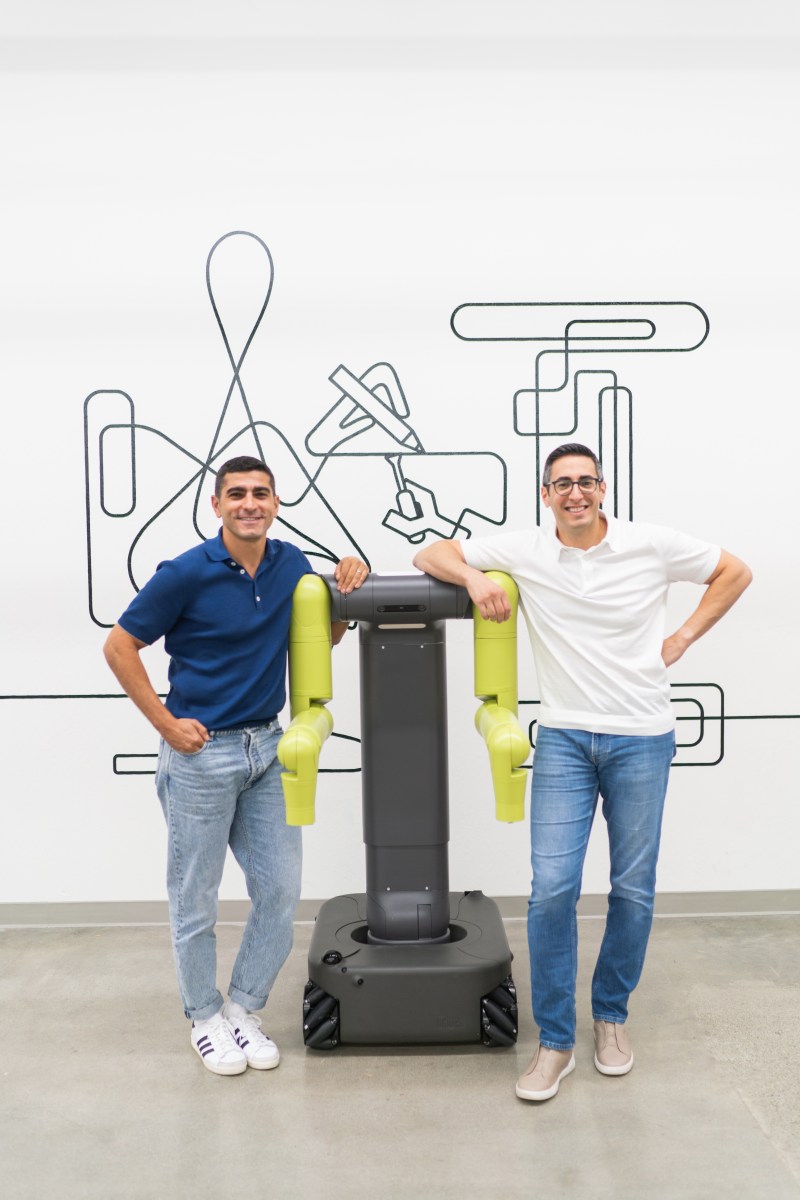
Maven Robotics Emerges from Stealth with $100 Million Funding and Innovative Automation Solutions
In 2024, Maven Robotics, a new startup, secured a significant deal with a major consumer goods company by demonstrating its unique approach to automation. Instead of focusing on single robot solutions, Maven aims to provide end-to-end automation that integrates seamlessly with warehouse management systems. This strategy led to the deployment of eight robots operating 16 hours a day with an impressive uptime of 99% or higher. The importance of Maven's approach lies in its ability to adapt to real-time demand in logistics, particularly in mixed palletizing tasks. Their robots can efficiently create mixed pallets from various products, addressing the need for quick adjustments based on consumer demand. This capability is crucial for distribution centers aiming to optimize their operations and reduce reliance on manual labor. Looking ahead, Maven plans to utilize its recent $100 million funding to build 250 third-generation robots and begin designing a fourth-generation platform. The company’s focus on industrial operations and data-driven training sets it apart in a competitive market, making it a key player to watch in the evolving landscape of robotics and automation.
AI Robotics Exclusive
Robotics Must Address Major Ecological and Societal Challenges, Says Catherine Simon
Catherine Simon, an Industrial Digital Advisor at the General Secretariat for Investment, discusses the significant transformations in the robotics industry, from the era of Innorobo to the rise of Physical AI. She emphasizes the potential of service robotics across various sectors, including healthcare, logistics, and agriculture, highlighting its evolution from specialized industrial tools to a General Purpose Technology. The rapid advancement of generative AI and Physical AI is fundamentally changing robotics, moving it beyond niche applications and technological demonstrations. Simon argues that France and Europe have the potential to become global leaders in robotics by adopting a demand-driven strategy that focuses on addressing urgent economic and environmental needs, rather than merely pushing technological advancements. Looking ahead, Simon suggests that identifying promising markets where the demand for robotics is both urgent and substantial will be crucial. France and Europe can leverage a robust industrial ecosystem that includes international corporations, innovative SMEs, and top-tier research laboratories to ensure a seamless transition from innovation to practical applications in the robotics sector.
À la une Humanoide IA Interview Robotique Santé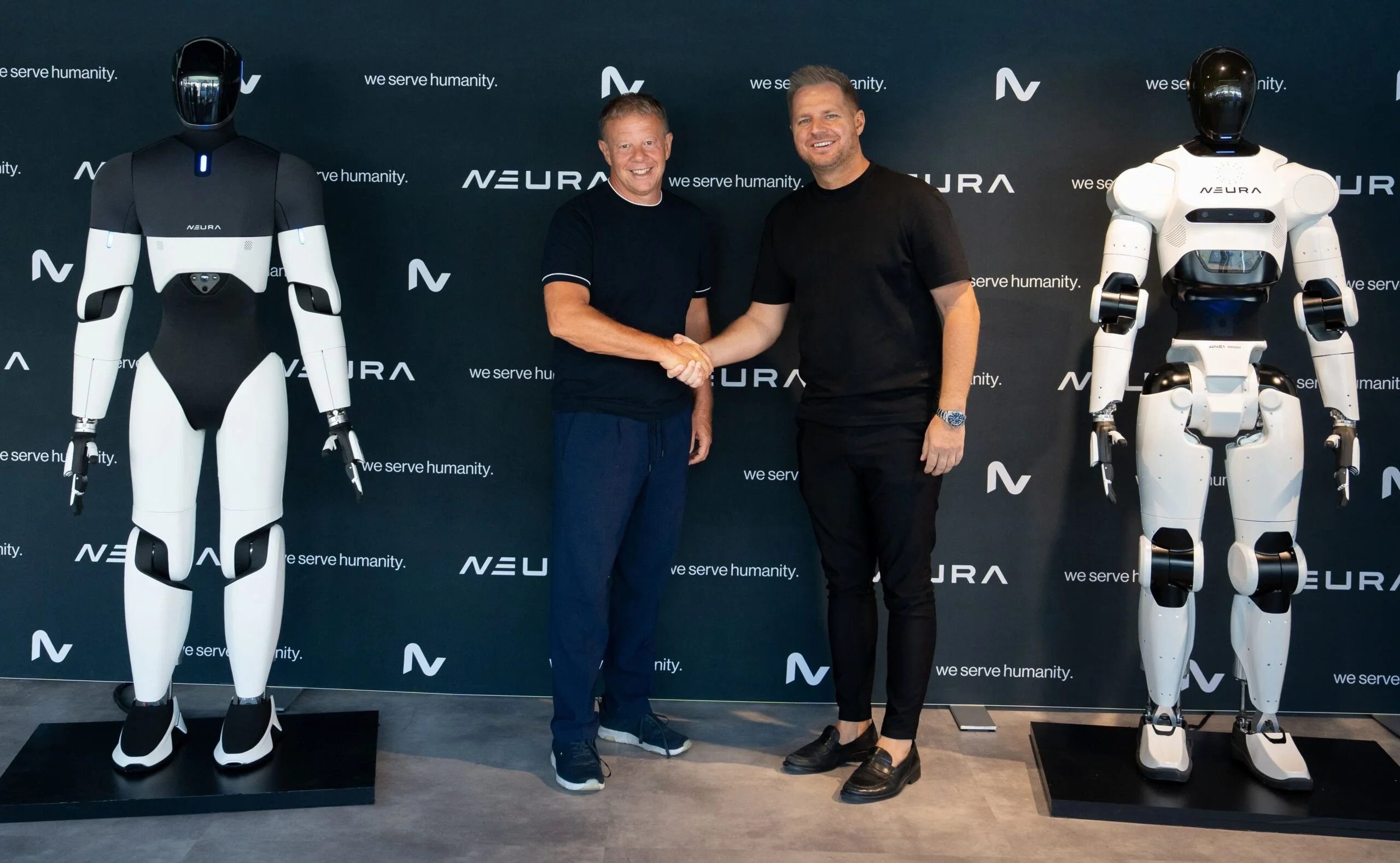
Neura Robotics and Seco Form Strategic Partnership for Physical AI and Robot Compute
Neura Robotics and Seco have established a strategic partnership focused on developing robot compute hardware and physical AI automation. This collaboration aims to manufacture key computing components for Neura's cognitive robots, including the 4NE1 humanoid, using Qualcomm Dragonwing processors. The partnership also includes plans to open a Neura Gym in Italy for training and to collect real-world production data from industrial applications. This partnership is significant as it aims to enhance the capabilities of Neura's robots through advanced computing and physical AI, which could revolutionize semiconductor and electronics manufacturing. By leveraging real-world data, Neura and Seco intend to create automation solutions that can be deployed globally, thereby contributing to a broader European physical AI ecosystem that integrates regional robotics and manufacturing expertise. Looking ahead, the collaboration will focus on training machines to handle complex production processes, with the goal of scaling these capabilities across various manufacturing environments. No further timeline was disclosed at the time of publication.
AI AI Funding & Investment Capital Markets Robotics Europe Germany
KUKA Achieves Security Level 2 Certification for Robotics Automation Solutions
KUKA has successfully attained Security Level 2 certification, showcasing its dedication to cybersecurity in automation solutions. This certification is crucial as manufacturers increasingly adopt connected technologies, emphasizing the need for secure robot controllers and operating systems to mitigate cybersecurity risks. As the industry evolves, KUKA's achievement highlights the importance of reliable operations in protecting critical production assets.

HowToRobot and Robotics Australia Group Collaborate to Boost Automation Adoption in Australia
HowToRobot and Robotics Australia Group have announced a partnership aimed at enhancing automation adoption in Australia. With a robot density of 134 robots per 10,000 manufacturing employees, Australia lags behind the global average of 162, according to the International Federation of Robotics. The collaboration focuses on providing AI-driven tools to help businesses articulate their automation projects more effectively. This initiative is crucial as Australian manufacturing grapples with skilled workforce shortages and the slowest productivity growth in 60 years. By leveraging HowToRobot's platform, companies can develop project descriptions that facilitate funding requests, potentially unlocking significant productivity gains. The Australian government estimates that increased automation could contribute between $170 billion and $600 billion to the GDP by 2030. Looking ahead, the partners have launched AutomationFinder.com.au, a platform designed to assist Australian businesses in identifying automation opportunities. This site will provide structured project briefs and access to a global network of over 20,000 vetted suppliers, including 500 in Australia. No further timeline was disclosed at the time of publication.
Business Resources Manufacturing News Packaging & Palletizing • Pick-Place australia government
Training and Upskilling, Not Automation, Key to Productivity Growth in Manufacturing
Recent insights indicate that while innovation in automation and robotics is ongoing, the immediate solution to productivity growth does not stem from these technologies. Instead, the focus should be on training and upskilling the workforce, which is becoming increasingly critical for manufacturers in the automotive and machine-building sectors. This emphasis on workforce development highlights a significant challenge for manufacturers, as the lack of skilled labor may hinder their ability to fully leverage technological advancements. As industries evolve, the need for a well-trained workforce will become a bottleneck, impacting productivity and competitiveness in the market. Looking ahead, companies must prioritize investment in training programs to address this skills gap. No further timeline was disclosed at the time of publication, but the ongoing shift towards upskilling suggests that manufacturers will need to adapt their strategies to ensure they can meet future demands effectively.

ForwardX Robotics Releases Whitepaper on Scaling AMRs in Existing Manufacturing Facilities
ForwardX Robotics has launched a new whitepaper that explores the engineering capabilities necessary for deploying and scaling autonomous mobile robots (AMRs) in existing manufacturing environments. This initiative comes as manufacturers seek to enhance automation in their facilities while ensuring production continuity. The whitepaper highlights the potential of AMRs to improve internal material flow in brownfield environments, which often require minimal changes to existing factory infrastructure. However, it also addresses the unique challenges posed by these environments, which extend beyond simple robot navigation. As the industry moves towards greater automation, stakeholders should monitor how ForwardX Robotics' insights can influence the adoption of AMRs in brownfield settings. No further timeline was disclosed at the time of publication.
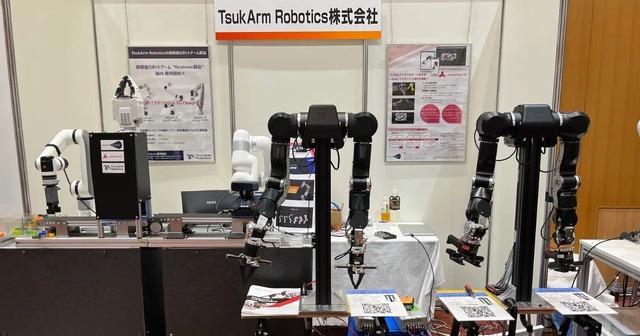
SmartScape and TsukArm Robotics Showcase Pick&Place Automation at ROBOMECH2026
SmartScape Inc. is enhancing its offerings of physical AI solutions that integrate AI, digital twins, and robotics. At the prominent robotics and mechatronics event, ROBOMECH2026 in Fukuoka, the company collaborated with TsukArm Robotics to showcase their automation solutions. The event attracted over 2,500 attendees, primarily from research institutions and manufacturing sectors, facilitating discussions on verification methods prior to robot implementation and the use of digital twins. The rising interest in physical AI, which addresses real-world challenges through robot control, is significant for industries facing labor shortages and productivity demands. SmartScape's digital twin technology allows for high-precision virtual environments to test robot operations before actual deployment, contributing to reduced development time and lower implementation risks. The showcased Pick&Place automation solution combined SmartScape's digital twin technology with TsukArm Robotics' capabilities, drawing considerable attention from visitors. Looking ahead, SmartScape plans to further strengthen its physical AI solutions, particularly in manufacturing and logistics, while responding to needs from research institutions. The company is set to participate in the 44th Annual Conference of the Robotics Society of Japan in Kanazawa from September 1 to 4, 2026, continuing its collaboration with TsukArm Robotics.
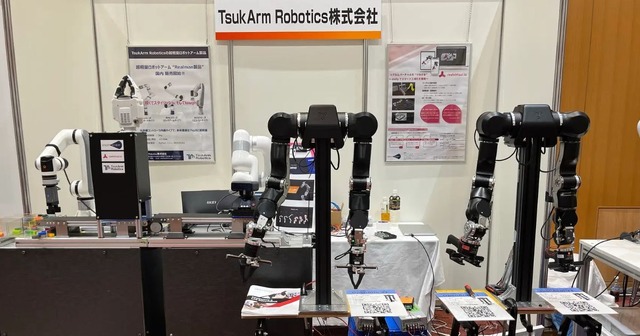
SmartScape and TsukArm Robotics Showcase Pick&Place Automation at ROBOMECH2026
SmartScape Inc. has strengthened its offerings of physical AI solutions that integrate AI, digital twins, and robotics. At the prominent robotics and mechatronics event, ROBOMECH2026 in Fukuoka, the company collaborated with TsukArm Robotics to showcase their automation solutions. The event attracted over 2,500 attendees, facilitating discussions on verification methods prior to robot implementation and the use of digital twins. The growing interest in physical AI, which controls actual robots and equipment to solve real-world challenges, is significant for industries facing labor shortages and productivity demands. SmartScape utilizes digital twin technology to create high-precision virtual environments for pre-verification of robot operations, contributing to reduced development time and risks before actual deployment. During ROBOMECH2026, the showcased Pick&Place automation solution combined SmartScape's digital twin technology with TsukArm Robotics' robotics expertise. The event highlighted themes such as reducing verification workloads before robot implementation and the integration of simulation environments with real-world applications. No further timeline was disclosed at the time of publication.

Global Robotics Roadmaps: Shaping the Future of Automation and AI
The IEEE Robotics and Automation Society has highlighted the importance of robotics roadmaps in shaping the future of automation and artificial intelligence. These roadmaps are essential for guiding innovation and investment in robotics across various sectors, including manufacturing, healthcare, and agriculture. As societies increasingly rely on robots, the development of adaptable machines capable of learning and interacting with their environments is crucial. National priorities in robotics investment reflect a global race to enhance the capabilities of robots, which will significantly impact labor markets and various industries. Future editions of this series will explore the unique robotics agendas of different countries, examining their priorities, target audiences, and the influence of geopolitical factors on their strategies. No further timeline was disclosed at the time of publication.

Multiway Robotics Completes Intelligent Warehouse Automation for Malaysian Manufacturer
Multiway Robotics has successfully deployed an intelligent warehouse automation system for a manufacturing company in Malaysia, integrating autonomous forklifts with warehouse management software to enhance storage capacity and material handling. This project supports over 5,000 storage locations, including raw material warehouses and finished goods storage, and has reportedly increased storage density by more than 30 percent. The significance of this deployment lies in its contribution to the ongoing trend of warehouse automation and digital transformation among manufacturers in Southeast Asia. By addressing the customer's growing storage needs and complex material flows, Multiway Robotics has implemented a fleet of autonomous forklifts alongside its proprietary Warehouse Management System (WMS) and Robot Control System (RCS), facilitating end-to-end automation of warehouse operations. Looking ahead, the system's capabilities include managing raw material receiving, finished goods storage, and internal material transportation. The deployment features three autonomous forklift models, each designed for specific tasks, and operates 24/7 with automatic charging. No further timeline was disclosed at the time of publication.
News Warehouse robots amrs automated warehouse autonomous forklifts autonomous mobile robots
Avatar Robotics Secures $6.5 Million Seed Funding to Enhance Industrial Automation
Avatar Robotics has successfully raised $6.5 million in seed funding to expand its capabilities in industrial automation. Since its launch in December 2025, the company has utilized its robots to pack, sort, and ship over 900,000 products, including those for a major global beauty retailer, demonstrating the effectiveness of its technology in real-world applications. This funding is significant as it positions Avatar Robotics to further develop its adaptive robotic solutions, which are designed to enhance operational flexibility and productivity in industrial settings. The ability to quickly respond to changing production requirements is crucial in today's fast-paced manufacturing environment, where traditional automation methods often fall short. Looking ahead, industry stakeholders should monitor Avatar Robotics' progress in deploying its technology across various sectors. The company's focus on creating an unlimited industrial workforce through advanced robotics could reshape the landscape of automation and address ongoing labor shortages in manufacturing. No further timeline was disclosed at the time of publication.

HII Enters $900M Agreements with Path Robotics and GrayMatter Robotics for Shipbuilding Automation
Huntington Ingalls Industries (HII) has announced long-term performance-based production agreements with Path Robotics and GrayMatter Robotics, potentially worth up to $900 million over seven years. These agreements aim to enhance shipbuilding capabilities through advanced robotic technologies, including welding and sanding systems. The significance of these agreements lies in HII's commitment to invest in automation that can adapt to complex manufacturing environments. Eric Chewning, HII's executive vice president, emphasized the importance of these partnerships in redefining robotics in shipbuilding, particularly under the High-Yield Production Robotics (HYPR) program launched in April. Looking ahead, HII plans to accelerate the development and deployment of physical AI technologies across various U.S. Navy shipbuilding programs. The agreements include a two-stage approach focusing on Navy-grade development and delivery, with the goal of integrating high-precision production techniques into autonomous production lines. No further timeline was disclosed at the time of publication.
Artificial Intelligence Artificial Intelligence / Cognition Construction Defense / Security Design / Development Earnings
July 2026 Update on Robotics in Society, Business, and Culture
In July 2026, the U.S. Federal Communications Commission (FCC) blocked new foreign-made advanced robotic devices from receiving equipment authorization for sale in the U.S., citing supply-chain vulnerabilities and cybersecurity risks. This decision affects networked humanoids, quadrupeds, and other mobile robots over 4.4 lbs, while existing authorized models remain unaffected. The FCC's action has sparked mixed reactions, with some experts warning it could hinder U.S. AI innovation by limiting access to affordable foreign platforms. Others, like Michigan Republican John Moolenaar, argue it strengthens the domestic robotics industry. China's Commerce Ministry has threatened retaliation against the U.S. if the restrictions persist, indicating a potential escalation in trade tensions. In other developments, researchers unveiled innovative robotics technologies, including a drone that becomes nearly invisible and a versatile robot capable of flying and swimming. Additionally, a new vine-inspired robot can help individuals don clothing hands-free, showcasing the diverse applications of robotics in society. No further timeline was disclosed at the time of publication.

The Impact of System Rigidity: Legacy Automation vs. Adaptive Robotics Performance
Adaptive robotics provide the necessary flexibility to swiftly meet changing production demands, enhancing productivity and long-term return on investment (ROI). In contrast, while legacy automation can still perform effectively for certain repetitive tasks, its inherent lack of adaptability limits overall operational agility. This distinction highlights the growing importance of adaptive solutions in modern manufacturing environments. The ability of adaptive robots to adjust to varying production requirements is crucial in today's fast-paced industrial landscape. As businesses seek to optimize their operations, the limitations of legacy automation become increasingly apparent, making it essential for companies to consider more flexible robotic solutions. The shift towards adaptive robotics signifies a broader trend towards enhancing efficiency and responsiveness in manufacturing processes. Looking ahead, organizations should monitor advancements in adaptive robotics technology and consider integrating these systems to improve their operational capabilities. The ongoing evolution of robotics will likely continue to challenge the status quo of legacy automation, pushing industries towards more agile and efficient production methodologies. No further timeline was disclosed at the time of publication.

BAUHAUS Collaborates with XYZ Robotics to Streamline Goods Receiving Automation
XYZ Robotics has launched an automation solution for goods receiving at BAUHAUS's central warehouse in Krefeld. This system utilizes the RockyOne and RockyOne SE robots to automate the entire workflow from container unloading to palletizing, enhancing operational efficiency. This partnership is significant as it allows BAUHAUS to improve operational consistency and optimize workforce allocation. By automating the goods receiving process, the team can redirect their efforts towards more meaningful tasks, thereby increasing overall productivity. Looking ahead, the implementation of this automation solution may set a precedent for other companies in the retail and logistics sectors. No further timeline was disclosed at the time of publication.

Doug Pagnutti Discusses Time Series Databases Enhancing Robotics and Automation
In Episode 254 of The Robot Report Podcast, Doug Pagnutti, a developer advocate at Tiger Data, elaborates on the role of time series databases, particularly TimescaleDB, in advancing industrial automation, robotics, and AI applications. He highlights the integration of these databases with various sensors and the management of data at scale, which is crucial for optimizing performance in both cloud and edge environments. This discussion is significant as it addresses the challenges faced by teams in managing time-series data infrastructure for Industrial Internet of Things (IIoT) deployments. Pagnutti's extensive background in oil and gas, manufacturing automation, and industrial software development positions him uniquely to bridge the operational technology and information technology gap, thereby enhancing the efficiency of automation engineers. Looking ahead, the conversation emphasizes the importance of time series databases in maintaining fast queries and performance as data volumes grow. No further timeline was disclosed at the time of publication.
6-Axis Artificial Intelligence Autonomous Mobile Robots (AMRs) Energy / Solar / Renewables News Opinion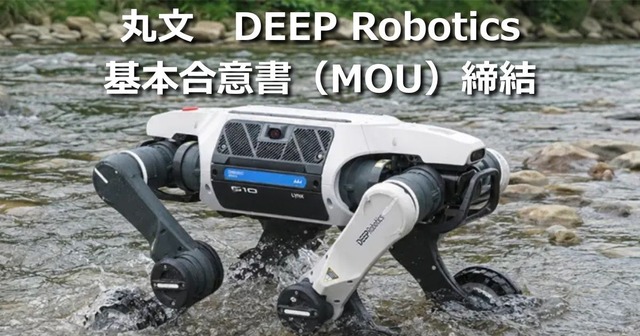
Marubeni and DEEP Robotics Sign MOU to Accelerate Automation with Quadrupedal Robots
On July 23, 2026, Marubeni Corporation announced a memorandum of understanding with DEEP Robotics to expand the sales of quadrupedal robots in the Japanese market. The collaboration aims to address labor shortages and aging infrastructure in Japan's industrial sector, where autonomous robots can operate in hazardous environments. This partnership is significant as it combines Marubeni's extensive customer network and technical support with DEEP Robotics' advanced AI and motion control technologies. The quadrupedal robots are designed to navigate complex terrains and perform tasks autonomously, offering a solution to Japan's pressing labor issues and safety concerns in industrial settings. Looking ahead, Marubeni plans to leverage both companies' strengths to develop new applications for quadrupedal robots in Japan. The focus will be on sectors such as power, construction, and disaster response, where the deployment of these robots could enhance operational efficiency and safety. No further timeline was disclosed at the time of publication.

Robotics as a Service Is Transforming Business Automation Strategies
Companies ranging from small warehouse operators to hospital networks are increasingly adopting Robotics as a Service (RaaS), allowing them to rent robotic capabilities instead of purchasing hardware outright. This model enables businesses to pay for outcomes, similar to how they rent cloud servers or software licenses. The significance of this shift lies in its ability to make automation more accessible and predictable for organizations. By treating robotic services as a monthly expense rather than a capital investment, companies can better manage their budgets and reduce the risks associated with automation investments. Looking ahead, the trend towards RaaS is expected to continue growing as more businesses recognize the benefits of flexible automation solutions. No further timeline was disclosed at the time of publication.
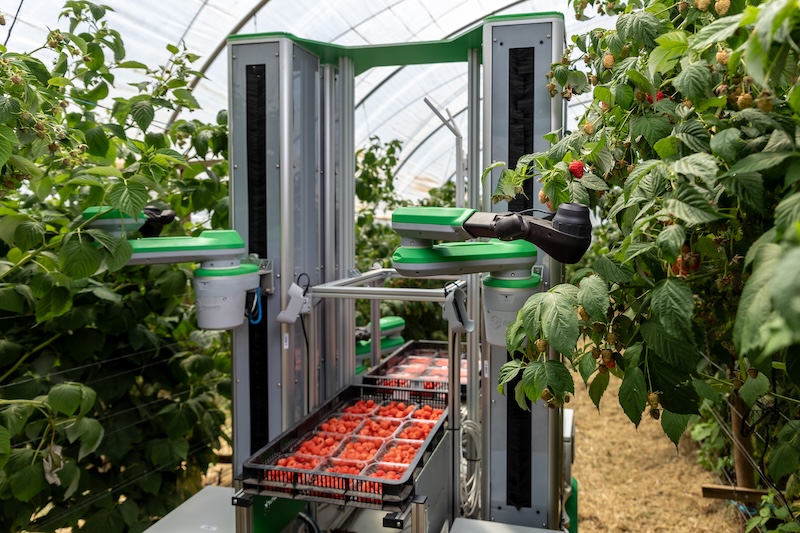
Fieldwork Robotics Receives £2.5 Million Investment for Berry Harvesting Automation
Fieldwork Robotics has secured a £2.5 million investment from SEED Innovations to enhance its selective and modular berry harvesting robots. This funding is part of a Seed+ fundraising initiative announced in April 2026, aimed at addressing labor shortages and rising costs in berry production. The investment will facilitate the transition from technology validation to commercial trials, with production robots already deployed in a two-year program in Norfolk and Stafford. The significance of this investment lies in its potential to alleviate pressing challenges faced by berry growers, including labor shortages and increased harvesting costs. By utilizing autonomous harvesting robots, Fieldwork aims to boost productivity and reduce reliance on seasonal labor, thereby minimizing food waste and stabilizing consumer prices. Jim Mellon, chairman of SEED Innovations, emphasizes the opportunity for robotics and AI to tackle real-world agricultural issues, aligning with Fieldwork's mission to enhance farm efficiency. Looking ahead, Fieldwork Robotics anticipates operating multi-robot fleets on farms by 2027, contingent on the success of ongoing trials. Additionally, the company plans to expand its operations internationally, with trials set to take place in Australia as part of its global growth strategy. No further timeline was disclosed at the time of publication.
Agriculture Financials & Investments agri robotics agricultural robotics agriculture automation
Manufacturers Assess Automation ROI by Evaluating IT Reliability and Downtime Costs
Manufacturers typically calculate the return on investment (ROI) for automation by focusing on labor savings and increased throughput. However, a critical factor often overlooked is the cost associated with automation downtime, which can significantly impact overall profitability. This aspect of IT reliability is essential for determining the true financial benefits of robotic systems in smart manufacturing environments. Understanding the hidden costs of automation downtime is vital for manufacturers aiming to optimize their operations. When automation systems experience failures, the resulting downtime can negate the anticipated labor savings and throughput gains. This highlights the importance of investing in reliable IT infrastructure to ensure continuous operation and maximize the ROI of automation investments. Looking ahead, manufacturers should prioritize strategies that enhance IT reliability to mitigate downtime risks. No further timeline was disclosed at the time of publication, but ongoing assessments of automation systems will be crucial in refining ROI calculations and ensuring sustainable manufacturing practices in the future.

Massachusetts Leads in Robotics Innovation with Warehouse Automation and AI-Driven Technologies
Massachusetts is at the forefront of robotics innovation, showcasing advancements in warehouse automation and logistics. Local companies are leveraging AI-driven robotics to enhance operational efficiency and streamline processes across various sectors. The significance of these developments lies in their potential to transform industries by improving productivity and reducing costs. As robotics technology evolves, Massachusetts firms are positioned to play a crucial role in shaping the future of automation and logistics. Looking ahead, it will be important to monitor how these innovations impact local economies and the broader robotics landscape. No further timeline was disclosed at the time of publication.

bergler Industrieservices Implements Locus Robotics for Mezzanine Automation
On February 20, 2026, Locus Robotics announced the successful deployment of its LocusONE™ platform at bergler Industrieservices GmbH. This implementation involves the management of 32 autonomous mobile robots (AMRs) to enhance the efficiency of order picking for electrical installation materials. The project was completed within three months, showcasing the effectiveness of Locus Robotics' technology in meeting increased operational demands. The automation of approximately 3,500 square meters of new picking space was driven by the need to accommodate a new client and expand warehouse capabilities. By utilizing Locus Robotics' innovative solutions, bergler Industrieservices achieved a significant improvement in order processing speed and accuracy, while also enhancing workplace ergonomics for employees. Future plans include expanding automation to include putaway processes, further advancing the company's warehousing capabilities. The collaboration highlights the importance of a strategic automation approach for sustainable business success, as emphasized by both Locus Robotics and bergler Industrieservices management.
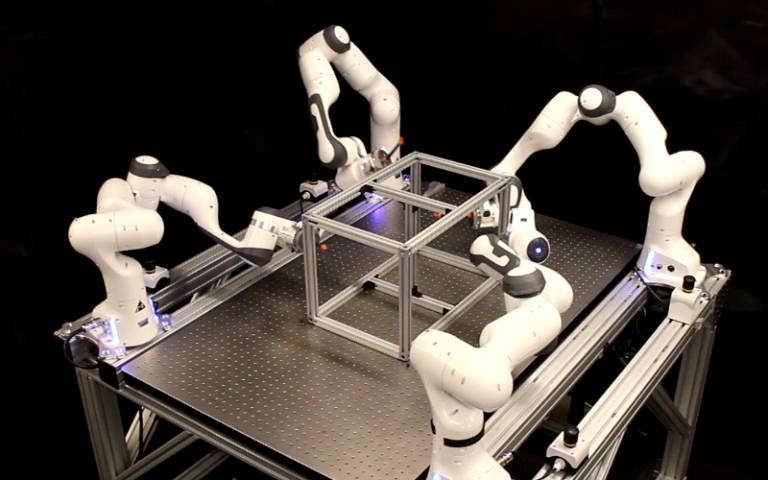
Locus Robotics Enhances Warehouse Automation for The Quality Group in Elsdorf
Locus Robotics is assisting The Quality Group in optimizing warehouse processes at their Elsdorf location. This collaboration aims to enhance efficiency and streamline operations within the warehouse environment. The initiative is significant as it reflects the growing trend of automation in warehousing, which is crucial for meeting increasing demand and improving operational productivity. By implementing advanced robotics solutions, The Quality Group seeks to stay competitive in the evolving market. Looking ahead, it will be important to monitor the outcomes of this partnership and how the integration of Locus Robotics' technology impacts The Quality Group's overall efficiency. No further timeline was disclosed at the time of publication.
Allgemein Automation Fördertechnik & Handling Lagerlogistik & Materialfluss Mobile Robotik
BD Deploys Vmax 160 to Enhance Pharmacy Automation and Care at Fairview
BD has initiated the first U.S. deployment of its Vmax 160 system at Fairview, marking a significant advancement in pharmacy automation. This innovative technology expands beyond traditional dispensing methods, addressing the increasing demand for specialty therapies and complex medication fulfillment requirements. The deployment of the BD Vmax 160 is crucial as health systems face challenges in managing the growing need for refrigerated medications and specialized treatments. By enhancing pharmacy automation, BD aims to streamline operations and improve patient care, ultimately transforming the future of pharmacy services. Looking ahead, the impact of the Vmax 160 on pharmacy operations will be closely monitored. As health systems adapt to evolving medication management needs, further developments in pharmacy automation technology are expected. No further timeline was disclosed at the time of publication.
Robotics needs a service framework.
RSF defines a common language for robot service capability, lifecycle operations, certification pathways, and service-provider networks.
Join the RobotToday community on LinkedIn
Daily robotics news, in-depth analysis, conference highlights, and discussions with professionals worldwide.