Industry Briefing
A single destination for timely, editor-curated robotics news from around the world.

Yuan Voice Technology Secures Over 100 Million RMB in Three Funding Rounds for Haptic Innovations
Yuan Voice Technology (Shenzhen) Co., Ltd. has announced the successful completion of three funding rounds, led by Hengxin Huaye, Shangfu Electric Technology, and Top Group, with total financing exceeding 100 million RMB. This rapid growth highlights the company's transition from technology validation to mass production and global market expansion within just over a year of establishment. The significance of this funding lies in the backing from prominent investment firms and industry players, which validates Yuan Voice Technology's capabilities in the haptic industry. Unlike many competitors still in the early stages of technology demonstration, the company has already launched its first multi-dimensional haptic standard product, securing mass production projects with leading domestic and international clients, resulting in sensor orders totaling hundreds of thousands within the year. Looking ahead, Yuan Voice Technology's strategic partnerships and the establishment of a vehicle-grade multi-dimensional haptic sensor production line with Shangfu Electric Technology are noteworthy. This collaboration aims to integrate automotive industry standards into the robotics sector, paving the way for large-scale applications of haptic technology. No further timeline was disclosed at the time of publication.
Haptic Technology Robotics Sensor Manufacturing Data Collection
Yushu Technology Announces IPO Price of 150.80 Yuan per Share with 219x PE Ratio
Yushu Technology (688836.SH) has set its initial public offering (IPO) price at 150.80 yuan per share, with the offering scheduled to begin on August 10. This pricing positions the company's market valuation at approximately 609.93 billion yuan, with expected total fundraising of around 60.99 billion yuan, netting about 59.17 billion yuan after expenses. The IPO's price corresponds to a static price-to-earnings (PE) ratio of 219.23, significantly exceeding the industry average of 38.56 for general equipment manufacturing. The strategic placement list includes major investors such as the National Social Security Fund and Tencent's Shanghai Qishan Investment, with a total of 808.93 million shares allocated, representing 20% of the total issuance. Yushu Technology has achieved a rapid review process, becoming the fastest in the Sci-Tech Innovation Board's history, taking only 73 days from acceptance to approval. The company anticipates a revenue increase from 1.59 billion yuan in 2023 to 16.99 billion yuan by 2025, marking a compound annual growth rate of 226.78%. No further timeline was disclosed at the time of publication.
Humanoid Robots IPO Robotics Industry Stock Market Investment
Yushu Technology Announces IPO Price of 150.8 CNY per Share Amid Low Subscription Rates
On August 6, Yushu Technology Co., Ltd. announced its initial public offering (IPO) price of 150.80 CNY per share, with a total market valuation of approximately 609.93 billion CNY upon listing. The company plans to issue 40.446 million new shares, representing 10% of the total post-issue share capital, aiming to raise around 60.99 billion CNY. This IPO is significant as it reflects a high price-to-earnings ratio of 219.23, which is substantially above the average for the general equipment manufacturing industry at 38.56. The company has warned of potential risks associated with a decline in market price post-listing. Strategic placements include participation from notable investors such as DeepSeek and Tencent, with subscription rates expected to be low due to high market interest. Looking ahead, the subscription period for both online and offline investors is set for August 10, with payment due on August 12. The funds raised will be allocated to the development of intelligent robot models and manufacturing facilities. No further timeline was disclosed at the time of publication.
Humanoid Robots IPO Artificial Intelligence Robotics Development
Yushu Technology Begins IPO Inquiry with Estimated Share Price of 104 Yuan
Yushu Technology has commenced its preliminary inquiry for an initial public offering (IPO) on August 5. The online and offline subscription dates are scheduled for August 10, with a payment deadline set for August 12. The company aims to issue around 40.45 million shares, potentially valuing it at over 40 billion yuan. This IPO is significant as it positions Yushu Technology as a notable entity within the humanoid robotics sector. With an estimated share price of 104 yuan, the offering could attract considerable interest from investors looking to capitalize on advancements in robotics technology. Looking ahead, the market will be watching closely for the outcomes of the subscription phase and the overall reception of Yushu Technology's IPO. No further timeline was disclosed at the time of publication.
Humanoid Robots IPO Artificial Intelligence Technology Investment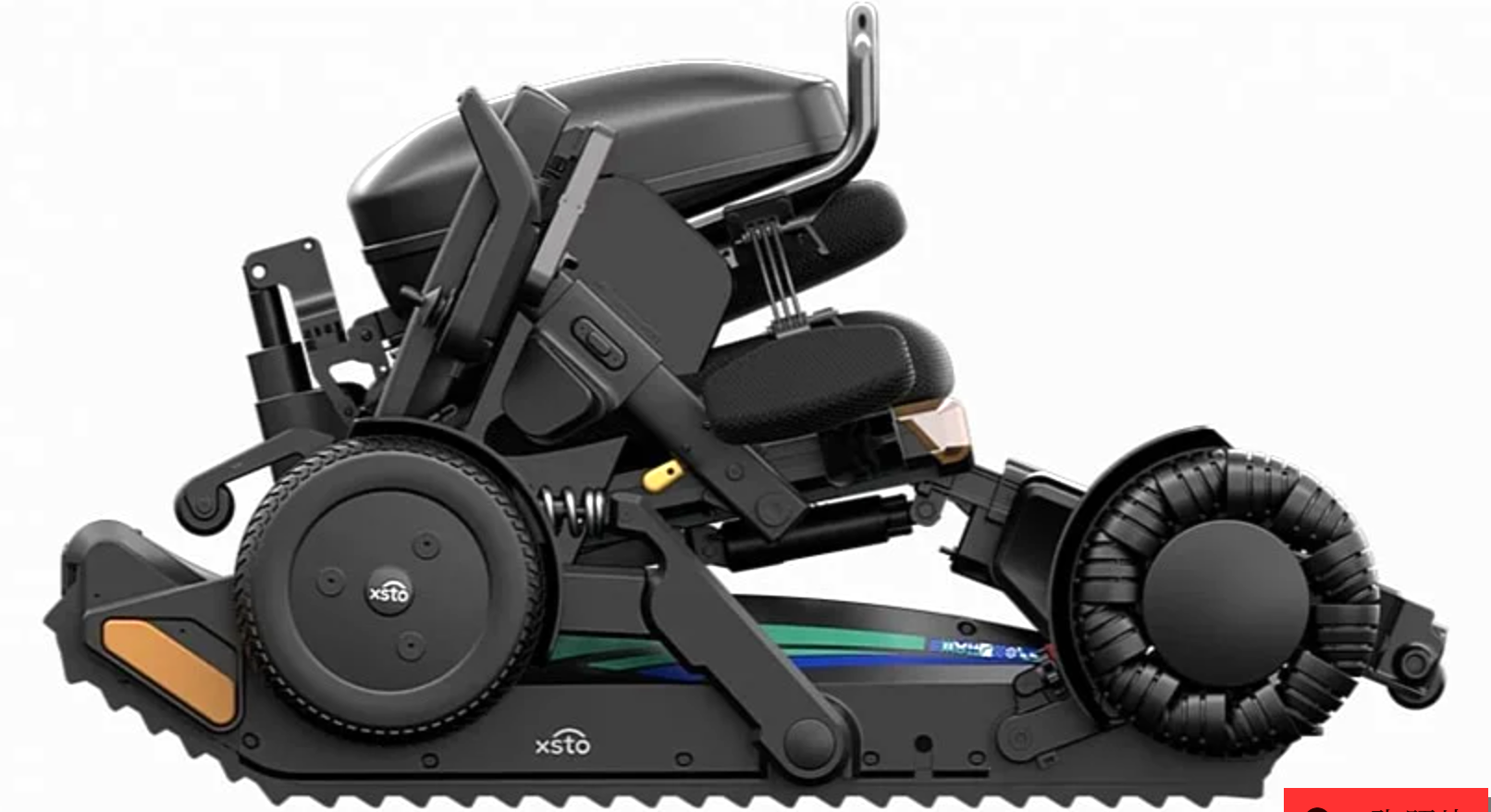
XSTO Mobility Launches $28,000 X12 Stair-Climbing Robot with AI and LiDAR Technology
XSTO Mobility has unveiled the X12 all-terrain mobility robot, priced at $27,999, designed to assist wheelchair users in overcoming stairs and other obstacles. Weighing approximately 115 kg and capable of carrying up to 136 kg, the X12 features a hybrid wheel-track chassis that allows it to navigate stairs autonomously, with a climbing speed of 25 steps per minute and descending speed of 30 steps per minute. The robot utilizes LiDAR and AI algorithms for real-time terrain perception, enabling it to adjust its driving mode and power output dynamically. The introduction of the X12 is significant as it addresses mobility challenges faced by individuals with disabilities, particularly in environments lacking accessibility features. With the ability to climb slopes of up to 40 degrees and traverse gaps of 300 mm, the X12 offers a solution that goes beyond traditional mobility aids. XSTO Mobility, based in Zhongshan, Guangdong, has been developing embodied mobile robots for over a decade, and the X12 represents a substantial advancement in this field, emphasizing user independence and safety. Looking ahead, XSTO Mobility has reported that orders for the X12 are already booked until April 2026, indicating strong market demand. The robot is currently available in over 70 countries, and its innovative design has garnered multiple awards. No further timeline was disclosed at the time of publication regarding additional product releases or enhancements.
Mobility Robots Assistive Technology AI Healthcare Innovation
Huawei and HP Ink Multi-Year Global Patent Cross-Licensing Agreement for Wi-Fi Technology
Huawei and HP Inc. have entered into a multi-year global patent cross-licensing agreement that encompasses Huawei's extensive Wi-Fi portfolio. This agreement includes provisions for the latest Wi-Fi 7 standard, reflecting both companies' commitment to advancing wireless technology. This partnership is significant as it allows both Huawei and HP to leverage each other's innovations in Wi-Fi technology, potentially enhancing their product offerings and competitive positioning in the market. The inclusion of the Wi-Fi 7 standard indicates a forward-looking approach to meet the growing demand for high-speed wireless connectivity. Looking ahead, industry stakeholders will be keen to observe how this agreement influences product development and market strategies for both companies. No further timeline was disclosed at the time of publication.

Penn State Researchers Develop Low-Power DNA-Based Memory Device Using Perovskite Technology
Researchers at Penn State have developed a new memory device that utilizes synthetic DNA and perovskite semiconductors, achieving a significant reduction in power consumption. This bio-hybrid system, which operates with 100 times less energy than traditional storage devices, could revolutionize data processing by combining the storage capabilities of DNA with the electronic properties of perovskite. The innovation is particularly relevant as the demand for artificial intelligence (AI) and neuromorphic computing grows, necessitating efficient low-power devices that can handle complex data. The memristor created by the team can retain information even when power is removed, mimicking the functionality of neurons in the brain and enabling more sophisticated data processing. Looking ahead, the integration of DNA into electronic systems presents opportunities for advancements in memory technology. However, practical applications will require further development to ensure sufficient storage capacity and efficiency. No further timeline was disclosed at the time of publication.

Yushu Technology Sets IPO Price at 150.80 Yuan Amid Valuation Concerns
On August 6, Yushu Technology announced its IPO pricing at 150.80 yuan per share, raising a total market value of approximately 60.99 billion yuan. Despite this, skepticism surrounds the valuation of a robotics company projected to generate less than 1.7 billion yuan in revenue by 2025, especially given its primary focus on hardware. The company's high price-to-earnings ratio of 219.23 suggests that investors are betting on future growth and technological advancements rather than current profitability. The valuation raises questions about Yushu's ability to transition from a hardware-centric business to one that integrates artificial intelligence effectively. While the company has demonstrated strong sales in humanoid robots, with an expected shipment of over 5,500 units by 2025, the majority of its revenue currently comes from academic and research institutions, indicating a lack of proven profitability in industrial applications. Looking ahead, Yushu anticipates revenue between 1.052 billion and 1.128 billion yuan in the first half of 2026, reflecting a year-on-year growth of 35.62% to 45.41%. However, the expected decline in net profit raises concerns about the sustainability of its business model. Investors will need to monitor how Yushu navigates its transition and whether it can establish a reliable revenue stream in industrial settings.
Humanoid Robots AI Robotics IPO Technology Valuation
Yushu Technology's IPO Countdown Drives Robot ETF and Stock Market Surge
On July 31, the Robot ETF (560770) opened with a 5.23% increase. Key stocks such as Han's Laser rose over 8%, while Gree Harmonic and Haoshi Motor surged over 15%. According to Choice data, the ETF saw a net subscription of 261 million yuan in July. The countdown to Yushu Technology's IPO, announced on July 30, is significant for the sector. The initial inquiry date is set for August 5, with subscription days on August 10. Analysts suggest that Yushu's IPO will provide a new pricing anchor for the sector, potentially reshaping the valuation benchmarks for core component manufacturers. Market data indicates that the CSI Robot Index fell by 19.92% in July, with a latest PE-TTM of 53.81, below the median of the past three years. Institutions predict that 2026 will be a crucial year for humanoid robots, with potential breakthroughs in shipments and orders in the second half of the year. Analysts believe that the sector has absorbed previous bubbles and may see renewed momentum with Yushu's listing and Tesla's production ramp-up.
Robot ETF IPO Stock Market Robotics Industry
Chinese Cleaning Robot Manufacturers Dominate 70% of Global Market Through Innovation
Chinese manufacturers of home cleaning robots have captured 70% of the global market, with Roborock leading at a 27% share. This dominance is attributed to technological innovations such as stair-climbing capabilities and robotic arms, which have shifted the competitive landscape away from price-based strategies. The rise of these advanced features signifies a pivotal change in consumer preferences, as buyers increasingly prioritize functionality and versatility over cost. Companies like Ecovacs and Dreame are also making significant contributions to this trend, enhancing their product offerings to meet evolving market demands. Looking ahead, it will be essential to monitor how these companies continue to innovate and adapt to consumer needs. No further timeline was disclosed at the time of publication.
Industry
Starmind's Satellite Technology Achieves 880 Billion Liters in Annual Water Savings
Starmind has announced that its satellite technology can save approximately 880 billion liters of cooling water annually at full scale. This figure is equivalent to the annual household water use of around 6.5 million Americans. The technology operates by utilizing a closed-loop liquid cooling system that eliminates the need for water during its operational life, contrasting sharply with traditional ground data centers that consume vast amounts of water for cooling. The significance of this achievement lies in the growing water consumption crisis faced by data centers, particularly as AI expansion drives demand. In 2025, U.S. data centers consumed nearly one trillion liters of water, highlighting the urgent need for sustainable solutions. Starmind's approach not only addresses direct water usage but also avoids indirect water consumption associated with electricity generation, marking a substantial shift in how computing can be conducted in a resource-efficient manner. Looking ahead, Starmind's deployment strategy includes a projected buildout of 100 GW of orbital compute per year, which could displace an additional 735 billion liters of ground water demand annually. The first tranche of 10,000 satellites is already operational, offsetting approximately 8.8 billion liters of water per year. No further timeline was disclosed at the time of publication.
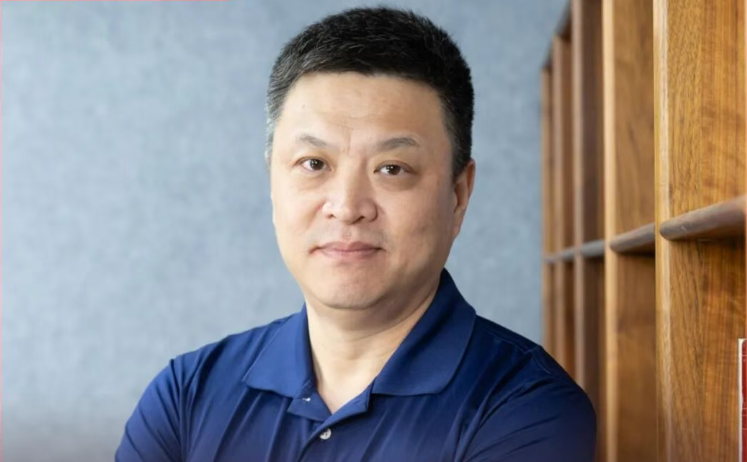
A Scholar's 25-Year Journey in Robotics and Focus on Companion Technology
In 1998, Zhang Fumin attended an international robotics conference in the U.S. with fewer than 400 attendees. Recently, he participated in the same conference in Vienna, which attracted 10,000 participants. Over 25 years, he has witnessed the evolution of the robotics industry but claims to have 'perfectly missed all opportunities for wealth.' Initially focused on model-based control during his PhD, he shifted to entrepreneurship when the industry moved towards data-driven approaches, choosing to develop companion technology rather than humanoid robots. Zhang emphasizes the principle of 'bounded companionship,' advocating for products that do not encourage addiction among minors or serve as substitutes for human interaction. Instead, his aim is to foster connections between people. He illustrates this with a story from Jin Yong's novel, where a character becomes so absorbed in a statue that he neglects real relationships. Zhang believes that while no product can eliminate loneliness, it can help alleviate it, promoting a balance between carbon-based and silicon-based intelligences. In 2023, Zhang returned to China as the director of the Robotics Institute at Hong Kong University of Science and Technology, fully committing to the entrepreneurial path in companion technology. His students have successfully secured funding in underwater embodied intelligence, and he has also achieved funding in the companion technology sector. 'This year is a magic year,' he states, reflecting on the journey ahead.
Companion Robots Robotics Research Human-Robot Interaction AI Technology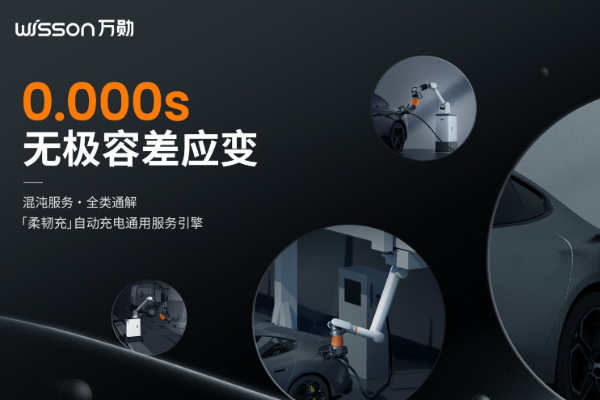
Wanxun Technology Launches Universal Charging Service Engine with 0.000s Tolerance
On July 9, Wanxun Technology unveiled its 'Flexible Charging' universal charging service engine in Beijing, marking the industry's first comprehensive solution for public, dedicated, and home charging applications. This engine features a unique 0.000s tolerance technology, which addresses the core challenges of automatic charging in chaotic environments, enabling reliable and scalable commercial applications across various scenarios. The significance of this launch lies in its potential to overcome the limitations of existing automatic charging solutions, which often struggle with unpredictable variables such as diverse vehicle models, environmental conditions, and user behaviors. Wanxun's technology promises to enhance safety, reliability, and adaptability, making it suitable for a wide range of charging situations, from public stations to private homes. Looking ahead, Wanxun Technology aims to expand its automatic charging solutions across various sectors, including unmanned logistics and public transportation. The company has already initiated collaborations with manufacturers, operators, and government entities to accelerate the deployment of its solutions. No further timeline was disclosed at the time of publication.

SpaceX's $1.75 Trillion Valuation Driven by Starmind's Future Potential
Starmind is a pivotal element in SpaceX's estimated $1.75 trillion IPO valuation, despite currently generating no confirmed revenue. The stock price reflects optimistic projections regarding AI infrastructure growth, which Starmind has yet to substantiate. As of early July 2026, SpaceX's stock has decreased from its 52-week high of $225.64 to around $150, indicating market skepticism about future execution. The significance of Starmind lies in its potential to transform SpaceX's revenue model beyond traditional launch services. Goldman Sachs has shifted its focus from Starlink subscriber growth to the prospects of AI revenue, including orbital computing, as a cornerstone of SpaceX's long-term valuation. This marks a substantial change in how analysts view the company's growth trajectory, necessitating rates exceeding its historical 33% growth. Looking ahead, the credibility of Starmind as a growth narrative will be crucial for maintaining investor confidence. Analysts have noted a considerable divergence in price targets, reflecting uncertainty about the value of the Starmind and xAI initiatives. No further timeline was disclosed at the time of publication regarding specific milestones for these projects.

SpaceX's Starmind Targets AI Labs with $6.3 Billion Compute Contracts
SpaceX's Starmind is designed to provide wholesale AI compute services to businesses, particularly AI labs and cloud customers, rather than individual consumers. The service operates similarly to AWS, where users benefit from applications running on Starmind without direct subscriptions. The compute capacity of a single AI1 satellite is comparable to one NVIDIA GB300 rack, emphasizing its enterprise-grade capabilities. The significance of Starmind lies in its positioning as a potential fourth hyperscaler, joining the ranks of AWS, Microsoft Azure, and Google Cloud. The Reflection AI contract, valued at $150 million per month, exemplifies the enterprise-focused model, with total payments potentially reaching $6.3 billion through 2029. This contract highlights the growing demand for AI compute resources, particularly from AI-native startups and labs. Looking ahead, the focus will remain on securing additional enterprise contracts as Starmind expands its offerings. No consumer-facing products or subscriptions have been announced, and the current strategy is to cater to businesses with substantial AI workloads. No further timeline was disclosed at the time of publication.

SpaceX IPO Provides Indirect Investment Opportunity in Starmind Project
Starmind does not have a standalone stock or ticker; investors can gain exposure through SpaceX (ticker: SPCX), which began trading on Nasdaq after its IPO on June 12, 2026. Starmind is integrated within SpaceX, contributing to the company's AI and space initiatives, and its performance directly influences SPCX shares. The significance of Starmind lies in its role as a division of SpaceX, which encompasses other projects like Starlink and Starship. As of early July 2026, SPCX shares are trading between $149 and $150, significantly lower than their 52-week high of $225.64. The project’s milestones, such as AI1 prototype updates, can impact SpaceX's stock performance, making it essential for investors to monitor these developments closely. Looking ahead, the early 2027 launch of AI1 prototype satellites is a critical milestone that could provide verifiable data affecting Starmind's valuation and, consequently, SPCX stock. No further timeline was disclosed at the time of publication, but the upcoming events will be pivotal for investors tracking the relationship between Starmind and SpaceX's stock performance.

Tesla's Optimus Robots to Support Starmind Satellite Production, Not Maintenance
Tesla's Optimus robots will not be used to repair Starmind satellites in orbit, as confirmed by recent statements from Elon Musk. Instead, these robots are intended to assist in the construction and operation of the Terafab chip manufacturing facility in Texas. The AI1 satellites, designed to disintegrate upon reentry, highlight the company's swap-and-replace strategy rather than traditional maintenance practices. This approach is significant as it reflects a broader trend in satellite management, where mass-produced satellites are replaced rather than repaired. The economics of servicing missions are prohibitive, with the cost of launching a replacement satellite being significantly lower than conducting a repair mission. This model aligns with SpaceX's operational history, where rapid replacement of satellites is more efficient than attempting to maintain them in orbit. Looking ahead, the focus will remain on the production capabilities of the Gigasat factory, which is expected to support the continuous replacement of satellites. No further timeline was disclosed at the time of publication, but the demand for rapid satellite turnover suggests a robust future for Optimus robots in terrestrial manufacturing rather than in-space servicing.

SpaceX's Starmind Plans 1 Million AI Satellites Amid Collision Risks
SpaceX has announced its ambitious Starmind project, which aims to deploy 1 million AI satellites in orbits between 500 and 2,000 km. This initiative, confirmed by Elon Musk on June 23, 2026, follows a merger with xAI, valuing the combined entity at $1.25 trillion. The satellites will function as orbital data centers, processing AI workloads powered by solar arrays and linked by optical lasers. The significance of Starmind lies in its potential to add 100 gigawatts of AI compute capacity annually, contingent on the successful operation of the Starship launch system. However, the project raises concerns regarding space debris, as the current orbital environment is already congested, with a 20% increase in collision risk reported since 2024. The European Space Agency has highlighted that the density of debris in low Earth orbit is now comparable to that of active satellites, complicating the operational landscape for new entrants like Starmind. Looking ahead, the first operational orbital AI deployments are targeted for 2028, with test launches expected in early 2027. However, the project faces scrutiny regarding its impact on space debris, as even a 1% failure rate could significantly increase the number of uncontrollable objects in orbit, exacerbating existing risks. No further timeline was disclosed at the time of publication.
SpaceX's Starship V3 Plans for 1 Million Starmind Satellites by 2030
SpaceX's Starship V3 is set to revolutionize satellite deployment, aiming to launch 1 million Starmind satellites by 2030. The spacecraft can carry over 100 tonnes to low Earth orbit (LEO), significantly more than the Falcon 9's capacity. As of May 2026, Starship has completed 12 flights, with the next mission scheduled for late July 2026, focusing on operational payloads including AI1 prototypes in early 2027. This ambitious plan is crucial for expanding orbital compute capacity, targeting an annual addition of 100 GW through a million tonnes of satellite hardware. SpaceX's strategy hinges on achieving a launch cadence of approximately 12,000 flights, equating to about three launches per day. The company has invested over $15 billion in the Starship program, with expectations to begin payload deliveries in the second half of 2026, starting with Starlink V3 satellites. Looking ahead, the successful deployment of the Starmind constellation will depend on Starship's ability to meet its cost targets of $10–20 million per flight. If achieved, this would make launching satellites more economical than building ground data centers. The next significant milestone will be the launch of AI1 prototypes in early 2027, with full-scale deployments commencing in 2028 from the new Gigasat factory in Texas.

SpaceX's Starmind Project: Supplier Strategy and Chip Manufacturing Plans for 2026
SpaceX's Starmind project, aimed at deploying up to 1 million AI satellites, was filed with the FCC on January 30, 2026. The initiative is designed to minimize reliance on external suppliers, with CEO Elon Musk stating that current chip production capabilities only meet 2% of the projected needs. The first satellite, AI1, is set for prototype launches in early 2027, featuring a 70-meter wingspan and a modular payload system that allows for interchangeable chips from various suppliers. The significance of Starmind lies in its ambitious supply chain strategy, which seeks to transition from external hardware suppliers to a fully integrated Musk-owned facility by 2028. The Gigasat manufacturing site in Bastrop, Texas, is expected to be operational by the end of 2027, with plans for high-volume production of the D3 chip, specifically designed for space applications. This approach aims to consolidate chip manufacturing processes under the Terafab joint venture, which has an estimated initial investment of $55 billion. Looking ahead, the next milestone for Starmind is the launch of AI1 prototypes in early 2027, while the full-scale chip production at Terafab is projected to ramp up significantly thereafter. However, analysts express skepticism regarding the feasibility of achieving Musk's ambitious compute goals, which may require substantial investment and time to establish the necessary manufacturing capabilities.
SpaceX Proposes 1 Million AI Satellites to Address Ground Data Center Constraints
On January 30, 2026, SpaceX filed with the FCC to launch up to 1 million AI compute satellites, positioning orbital data centers as a solution to the increasing demand for AI computing power. Ground data centers are facing significant challenges, with energy consumption projected to reach approximately 1,050 TWh in 2026, making them the fifth-largest electricity consumer globally. The demand for new data center capacity is outpacing the growth of power generation infrastructure, leading to a critical bottleneck in the grid system. The significance of this initiative lies in the structural constraints faced by ground data centers, including power delivery limitations, high water consumption, and local opposition to new projects. The Uptime Institute's 2026 outlook identifies power as the primary constraint on data center growth, with capacity clearing prices in the PJM grid skyrocketing to $329.17/MW, driven by data center expansion. Additionally, cooling requirements are becoming increasingly unsustainable, with facilities consuming vast amounts of water, further complicating their operational viability. Looking ahead, SpaceX's orbital AI compute initiative aims to circumvent these challenges by leveraging the advantages of space, such as continuous solar power and minimal local opposition. The first AI prototypes are expected to launch in early 2027, with operational deployments planned for 2028. No further timeline was disclosed at the time of publication.

Starmind's Orbital Compute vs. Terrestrial Data Centers: Analyzing Resource Advantages
Starmind's orbital compute technology presents a significant advantage over traditional ground-based data centers by eliminating constraints related to land, water, and grid permitting. While terrestrial data centers are currently cheaper and faster to construct, with U.S. data center spending reaching $85.3 billion in 2026, Starmind's approach focuses on addressing the growing resource limitations faced by hyperscale facilities. The significance of Starmind's technology lies in its ability to sidestep the increasing challenges of land and water usage. For instance, a 100 MW data center can consume approximately 530,000 gallons of water daily for cooling, while Starmind's AI1 utilizes deployable liquid radiators that require no water. This structural advantage could resonate with investors as the demand for AI computing continues to escalate, potentially leading to annual water withdrawals of up to 1.7 trillion gallons by 2027. Looking ahead, Starmind's next milestones include the launch of AI1 prototypes scheduled for early 2027. However, the technology's claims regarding cooling efficiency and operational reliability remain unverified until real flight data is available. As the industry evolves, the competition between orbital and terrestrial solutions will become increasingly relevant, particularly in the context of resource management and sustainability.
SpaceX's Starmind Faces Feasibility Challenges for 1 Million Satellite Deployment
On January 30, 2026, SpaceX submitted a request to the FCC to launch up to 1 million satellites as part of its Starmind orbital compute constellation. This ambitious plan is unprecedented, as the total number of satellites ever launched globally is in the low tens of thousands. The proposal seeks a waiver from standard deployment milestones, citing reliance on the Starship's full reusability for success. The significance of this request lies in the technical and logistical challenges it presents. Experts warn that low Earth orbit may not support the proposed number of active satellites without risking a debris cascade. SpaceX's own IPO prospectus acknowledges unresolved dependencies related to Starship's launch cadence and reusability, which are critical for the orbital AI compute strategy. Looking ahead, the timeline for achieving the necessary launch cadence and manufacturing capacity remains uncertain. SpaceX's Gigasat facility in Texas aims for volume production by late 2027, but this would require unprecedented output levels. No further timeline was disclosed at the time of publication, leaving the feasibility of the Starmind project in question.

SpaceX Unveils AI1 Satellite Specs for Starmind Constellation with Key Thermal Challenges
SpaceX has introduced the AI1 satellite, the inaugural component of its Starmind constellation, which stands 20 meters tall and has a wingspan of 70 meters. This orbital compute node is designed to deliver computing power equivalent to one NVIDIA GB300 server rack, utilizing a unique cooling system with deployable liquid radiators. The satellite's specifications were revealed during a presentation on June 8, 2026, ahead of SpaceX's IPO. The significance of the AI1 satellite lies in its role as a compute platform rather than a traditional satellite, focusing on running AI inference workloads. The satellite's cooling system, which is critical for its operation in the vacuum of space, is designed to reject heat through infrared radiation. However, independent engineers have raised concerns about the feasibility of the thermal and mass claims made by SpaceX, suggesting that the cooling requirements may exceed practical limits. Looking ahead, SpaceX plans to launch two AI1 prototypes in early 2027, with full-scale production expected to commence later that year at its Gigasat facility in Bastrop, Texas. The ongoing debate regarding the satellite's thermal management capabilities will be crucial to monitor as the project progresses, with no further timeline disclosed at the time of publication.
SpaceX Launches Starmind Project for 1 Million AI Satellites by 2028
SpaceX has officially named its orbital AI infrastructure project 'Starmind,' which aims to deploy a constellation of up to 1 million satellites. This initiative, confirmed by Elon Musk on June 22, 2026, will enable AI inference directly in space, utilizing solar energy rather than terrestrial power sources. The first satellite, designated AI1, was unveiled on June 8, 2026, and is designed to operate in sun-synchronous orbits. The significance of Starmind lies in its potential to overcome the limitations faced by ground-based data centers, such as land, power, and water constraints. By running AI computations in orbit, Starmind can provide a more efficient solution to the growing demand for AI computing power. The project leverages the existing Starlink infrastructure for data transmission, distinguishing its function from Starlink's internet relay capabilities. Looking ahead, SpaceX plans to begin hardware deployment with the AI1 satellite, while full-scale production and deployment of the satellite constellation are targeted for 2028. As of now, no Starmind satellites have been launched, and further engineering challenges remain to be addressed, particularly regarding the scalability of the satellite design.

Capital Increase + Price Drop: Hangkai Microelectronics Accelerates the Popularization of Embodied Intelligent End Force Control Technology
Hangkai Microelectronics is taking significant steps to advance the adoption of its embodied intelligent end force control technology through a recent capital increase and a strategic price drop. This initiative, announced in October 2023, aims to enhance the accessibility of their innovative solutions in the market. The company is focused on expanding its reach and facilitating the integration of this technology across various industries, addressing the growing demand for intelligent automation. By reducing prices, Hangkai Microelectronics hopes to attract a broader customer base and accelerate the implementation of their cutting-edge technology, ultimately positioning itself as a leader in the field of intelligent control systems.
Robotics Automation AI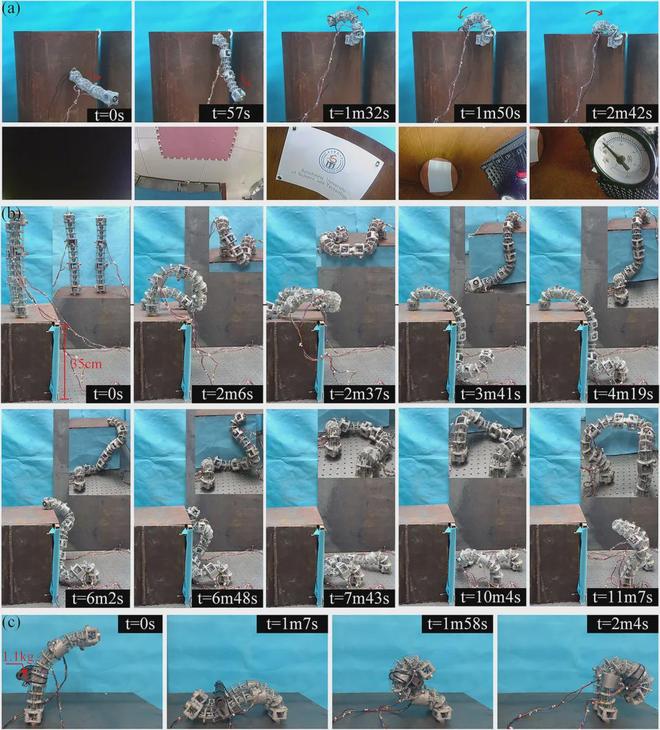
Have You Seen This Movement? A 360-Degree Flipping Wall-Climbing Robot from Southwest University of Science and Technology Mastering Physical Space
Researchers at Southwest University of Science and Technology have unveiled a groundbreaking wall-climbing robot that features a unique continuous structure, enabling it to bend up to 387 degrees. This advanced design significantly improves the robot's capability to navigate intricate environments and execute maintenance tasks on vertical surfaces. The development highlights the engineering potential of robotics in addressing challenges in various settings, offering promising applications in fields such as construction and facility management.
Wall-Climbing Robots Soft Robotics Robotic Engineering Automation Technology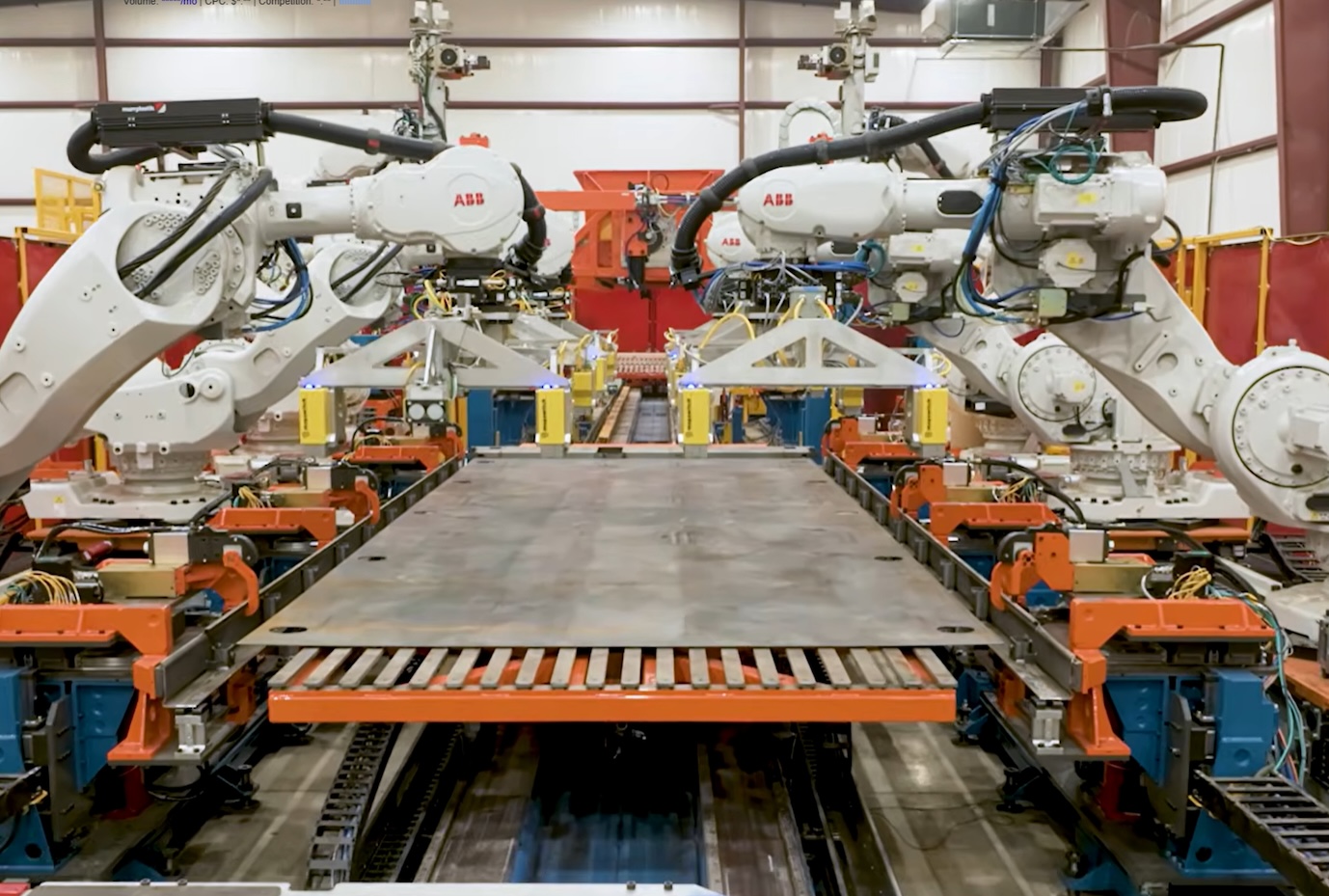
KEENON Robotics drives intelligent transformation of service robot technology
KEENON Robotics, a Shanghai-based technology company founded in 2010, has transformed from a research-focused entity into a leading player in the service robotics sector over the past 15 years. The firm has successfully navigated significant technological challenges, enabling it to develop and implement its robotic solutions across multiple industries, particularly in dining and hospitality. This evolution reflects the company's commitment to innovation and its adaptability in a rapidly changing market. As KEENON continues to expand its product applications, it aims to enhance efficiency and service quality in various sectors, positioning itself as a key contributor to the future of automation.
Up and Comers Content and entertainment E-commerce and New Retail Highlight News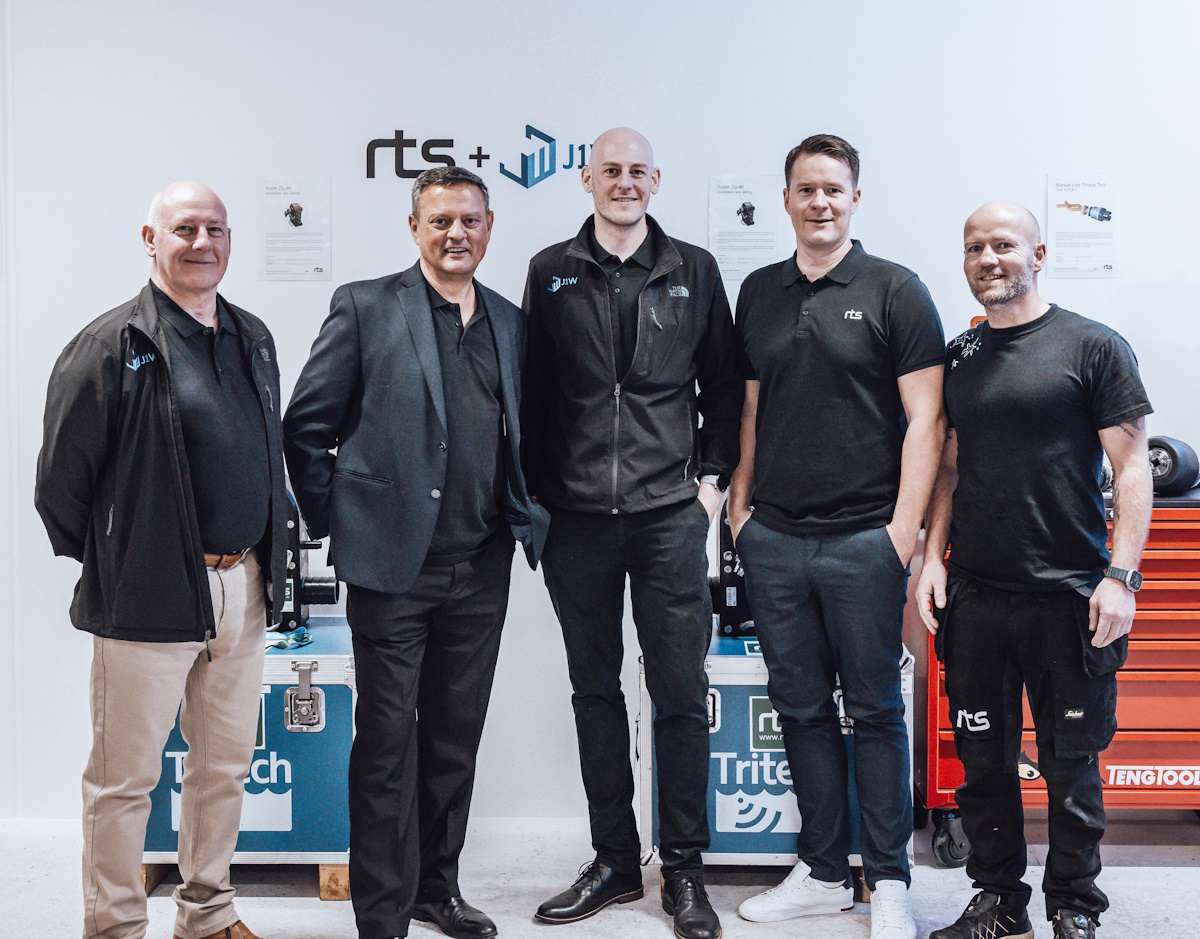
RTS – Rental Technology & Services accelerates growth with acquisition of J1W
RTS has announced its acquisition of J1W, a well-regarded specialist in ROV robotics and tooling based in Aberdeen. This strategic acquisition aligns with RTS's ongoing expansion efforts and enhances its status as a leading provider of subsea equipment and services. The move reflects RTS's commitment to innovation, as it plans to develop new tooling workshops and significantly expand its fleet of subsea rental tools and robotic arms.
rts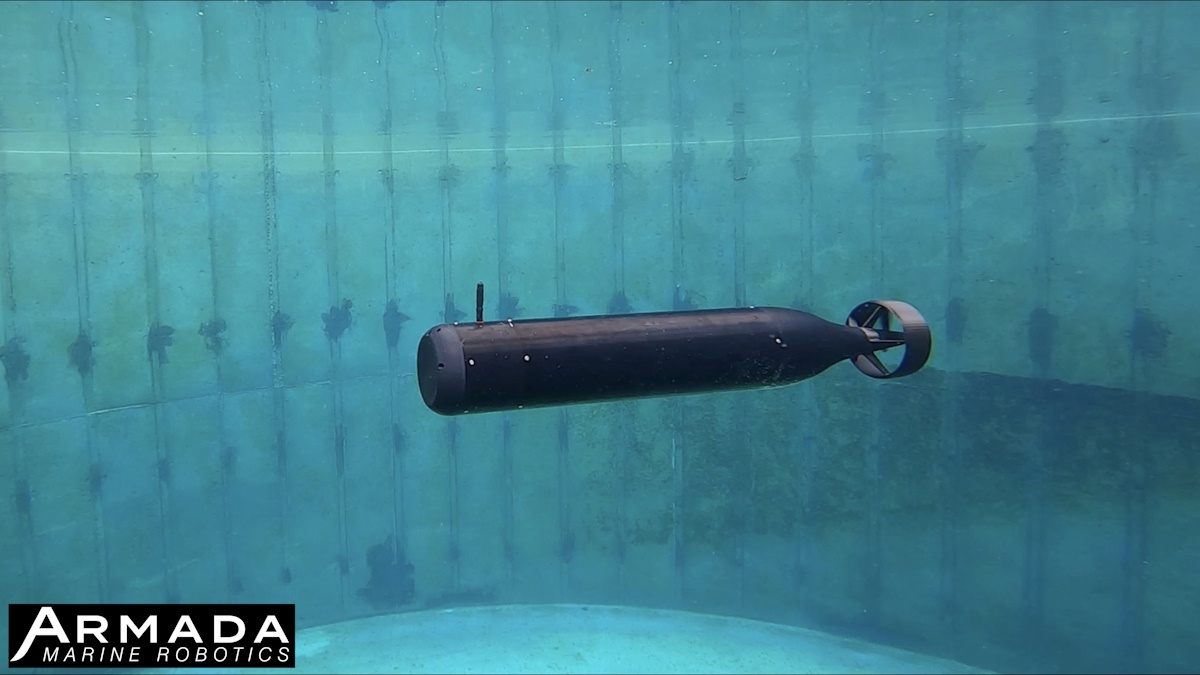
Woods Hole Oceanographic Institution Licenses Ocean Technology to ARMADA Marine Robotics
The Woods Hole Oceanographic Institution (WHOI) has signed two exclusive license agreements with ARMADA Marine Robotics, a spin-off company co-founded by WHOI engineers Robin Littlefield and Jeff Kaeli. This development, announced recently, represents a significant step in WHOI's commitment to promoting innovation and entrepreneurship in the field of ocean technology. The agreements aim to facilitate the commercialization of groundbreaking technologies that could enhance marine exploration and research. By collaborating with ARMADA Marine Robotics, WHOI seeks to leverage its expertise and resources to drive advancements in oceanographic tools and solutions.
woods hole oceanographic institution (whoi) armada marine roboticsRobotics needs a service framework.
RSF defines a common language for robot service capability, lifecycle operations, certification pathways, and service-provider networks.
Join the RobotToday community on LinkedIn
Daily robotics news, in-depth analysis, conference highlights, and discussions with professionals worldwide.