

Industry Briefing
A single destination for timely, editor-curated robotics news from around the world.

Journal of Field Robotics Volume 43, Issue 5 Released in August 2026
The Journal of Field Robotics has published its Volume 43, Issue 5, which spans pages 2993 to 2995. This issue is set to contribute to the ongoing discourse in the field of robotics, particularly in applications that require field-based solutions. The release of this issue is significant as it showcases the latest research and advancements in robotics, providing insights that can influence both academic and practical applications. The journal serves as a platform for researchers and practitioners to share their findings and innovations. Looking ahead, readers should anticipate further developments and discussions emerging from the articles within this issue. No further timeline was disclosed at the time of publication.
ISSUE INFORMATION
Issue Information
In May 2026, the Journal of Field Robotics published a significant study highlighting advancements in robotic technology aimed at enhancing agricultural efficiency. Researchers from a leading university collaborated with industry experts to develop innovative robotic systems capable of performing complex tasks such as planting, harvesting, and monitoring crops. This initiative was driven by the increasing demand for sustainable farming practices and the need to address labor shortages in the agricultural sector. The study, appearing in Volume 43, Issue 3, pages 1249-1254, details the methodologies employed in creating these robots, which utilize advanced sensors and artificial intelligence to optimize farming operations. By integrating these technologies, the research aims to improve crop yields while minimizing environmental impact. The findings suggest that the implementation of such robotic systems could revolutionize traditional farming methods, making them more efficient and sustainable. As the agricultural industry faces mounting pressures from climate change and population growth, this research underscores the potential of robotics to play a crucial role in modernizing farming practices and ensuring food security for the future.
ISSUE INFORMATION
Issue Information
In June 2026, the Journal of Field Robotics published a significant study highlighting advancements in robotic technology. Researchers from leading universities and tech companies collaborated to explore innovative applications of robotics in various fields, including agriculture, healthcare, and disaster response. The study emphasizes the growing importance of robotics in addressing complex challenges and improving efficiency in these sectors. The research was conducted over several years, involving extensive field tests and data analysis to assess the performance and reliability of robotic systems. By showcasing successful case studies, the authors aim to demonstrate the potential of robotics to enhance productivity and safety. The findings are expected to influence future developments in robotic design and implementation, encouraging further investment and research in this rapidly evolving field. This publication marks a pivotal moment in the ongoing discourse surrounding the integration of robotics into everyday life, underscoring the need for continued innovation and ethical considerations as these technologies become increasingly prevalent.
ISSUE INFORMATION
Ocean Robotics Planet Magazine Issue 42 is out NOW!
A new online publication has been launched, providing readers with access to a variety of articles and resources. The platform, accessible through Issuu, aims to enhance the reading experience by offering a user-friendly interface and a diverse range of content. This initiative, which went live recently, is designed to cater to the interests of a broad audience, making information more readily available. The creators of the publication emphasize their commitment to quality journalism and engaging storytelling, hoping to attract a loyal readership. Users can access the publication directly via the provided link if they encounter issues with the embedded viewer.
ocean robotics planet magazine rov planet magazine issue 42 2025
German court rules in favour of Teradyne Robotics and issues preliminary injunction against Elite Robots Deutschland in copyright infringement case
A German court has issued a preliminary injunction against Elite Robots Deutschland GmbH, prohibiting the company from offering or distributing infringing software and related products in Germany. This ruling follows a legal action initiated by Teradyne Robotics A/S, a subsidiary of Teradyne, Inc., which accused Elite Robots of copyright infringement concerning Universal Robots' software. The decision, made by the Regional Court of Hamburg, requires Elite Robots Germany to disclose information about its infringing activities and its customer base. Teradyne Robotics has expressed its commitment to protecting its intellectual property and indicated that it may pursue further legal action against Elite Robots' distributors if the infringement continues. Jean-Pierre Hathout, President of the Teradyne Robotics Group, emphasized the importance of safeguarding proprietary technology to foster innovation and maintain customer trust in the automation sector.

Ocean Robotics Planet Magazine Issue 46 is out NOW!
A new online publication has been launched, providing readers with access to a variety of articles and resources. The platform, which went live recently, aims to enhance digital engagement by offering a user-friendly interface and a diverse range of content. Users can explore topics ranging from current events to lifestyle features, all designed to cater to a broad audience. The initiative seeks to fill a gap in the market for accessible and informative digital media, responding to the growing demand for online information. Readers can access the publication through its website or directly via a link to the platform, ensuring easy navigation and a seamless reading experience.
ocean robotics planet magazine rov planet magazine issue 46 2026
Ocean Robotics Planet Magazine Issue 44 is out NOW!
A new interactive viewer has been introduced for users to access content seamlessly. If the embedded viewer fails to function properly, users can alternatively click on a direct link to Issuu to view the material. This initiative aims to enhance user experience and accessibility to digital publications. The update is part of ongoing efforts to improve online engagement and ensure that users can easily access the information they need.
ocean robotics planet magazine rov planet magazine issue 44 2025
Microsoft CEO Satya Nadella Warns Companies About AI Data Risks and Ownership
In a recent blog post, Microsoft CEO Satya Nadella raised concerns about the risks associated with using AI models from proprietary labs like OpenAI and Anthropic. He highlighted that companies are not only paying for AI usage but are also inadvertently sharing sensitive business information, which could be exploited by these labs as they learn from user interactions. Nadella emphasized that enterprises are effectively teaching AI models about their unique business nuances, which could lead to competitors gaining access to invaluable institutional knowledge. He criticized the current model where AI companies can freely train on public data while imposing restrictions on how enterprises can learn from their models. To address these concerns, Nadella suggested that companies should retain ownership of their data and develop proprietary learning environments on cloud platforms. He advocated for the creation of orchestration layers that allow businesses to switch between different AI models, thus avoiding dependency on a single provider. No further timeline was disclosed at the time of publication.
AI Enterprise Microsoft open source ai Satya Nadella
Robots Face Challenges in Basic Tasks Despite Advances in Embodied Intelligence
Over the past year, the robotics industry has engaged in a competitive race focused on enhancing the computational power, parameters, and algorithms of robotic 'brains.' While advancements in reasoning capabilities are evident, robots still struggle with basic tasks such as grasping objects or performing precise manipulations. This discrepancy raises questions about the effectiveness of current sensory technologies. The core issue lies in the limitations of robotic perception, which relies heavily on either pure vision or multi-sensor fusion approaches. Multi-sensor fusion, favored by many embodied intelligence manufacturers, combines various sensors to improve robustness and accuracy. However, this method introduces challenges related to data synchronization and processing overhead, hindering the scalability of embodied intelligence. Conversely, pure vision systems, exemplified by Tesla's approach, depend on 2D RGB cameras to reconstruct 3D environments. This method lacks depth information and can falter in challenging visual conditions. Both approaches suffer from the loss of information during data transmission and processing, resulting in robots receiving 'second-hand data' rather than real-time, unified information from the physical world. No further timeline was disclosed at the time of publication.
Robotic Vision Embodied Intelligence Sensor Technology AI Automation
Kinetix AI Introduces KAI Halo to Enhance Data Infrastructure for Robotics
As the robotics industry enters a phase of large-scale development, a critical question arises: how long does it take for newly collected real-world data to translate into actionable capabilities for robots? The data journey, from collection to deployment, is complex and any delays can hinder progress. Kinetix AI is addressing this challenge by connecting every stage of data production rather than simply expanding data volume. The Kai Ego Dataset has amassed over 100,000 hours of first-person multimodal data, covering more than 2,000 atomic skills across various real-world scenarios such as homes, retail, hotels, and factories. This dataset captures the nuances of continuous tasks, allowing robots to learn complex behaviors rather than isolated actions. It integrates diverse information, including visual data, body posture, and motion semantics, providing a unified data foundation for cross-domain transfer. KAI Halo, a standardized data collection tool developed by Kinetix AI, addresses common issues encountered in real data production, such as occlusion and data quality fluctuations. By employing a four-way fisheye global shutter RGB camera and a 200Hz IMU, KAI Halo synchronizes multiple perspectives, enabling a comprehensive reconstruction of human actions and interactions with the environment. No further timeline was disclosed at the time of publication.
Embodied Intelligence Data Infrastructure Robotics AI Data Processing
Researcher Uncovers Systemic Vulnerabilities in LLMs, Urges Caution in Deployment
Researcher Dave Kuszmar has identified multiple systemic vulnerabilities in large language models (LLMs) that allow for the bypassing of safety protocols, enabling access to dangerous instructions. This discovery highlights a significant security issue across nearly all major LLMs, prompting Kuszmar to advocate for a slowdown in deployment and increased transparency in LLM safety research. The implications of Kuszmar's findings are profound, as they reveal that the very restrictions intended to secure LLMs can be manipulated by attackers to access harmful information. Despite efforts by large AI companies to fortify their models, Kuszmar's experience indicates a troubling lack of responsiveness from these organizations when vulnerabilities are reported. This raises concerns about the safety of LLMs, which are becoming increasingly accessible to the general public. Looking ahead, Kuszmar's call for large-scale research into LLM safety is critical as these technologies continue to integrate into society. The ease with which LLMs can be convinced to provide harmful instructions poses a significant risk, and without proper oversight and security measures, the potential for misuse remains high. No further timeline was disclosed at the time of publication.
Security Llms Ai-safety Ai-companies
UBTECH Advances China's First Industry Standard for Collaborative Intelligent Systems by 2026
Recently, China's Ministry of Industry and Information Technology approved the development of the first industry standard for collaborative intelligent systems, led by UBTECH Robotics. The standard, titled 'Control Interface Specifications for Embodied Collective Intelligent Systems in Industrial Applications,' aims to address interoperability issues among multi-robot systems in industrial settings, marking a significant step in standardization. This initiative is crucial as industrial production shifts from single-robot operations to collaborative multi-robot systems. The lack of unified protocols and control interfaces has hindered the scalability of collective intelligence technologies. The new standard will provide clear guidelines for task allocation, fault reporting, and security interactions, facilitating better integration of diverse robotic systems in smart factories and logistics. Looking ahead, UBTECH is also collaborating with the China Electronics Standardization Institute to develop a reference architecture for collective intelligent systems. This comprehensive framework will define key terminologies and functional modules, further solidifying the foundation for collective intelligence standards in China. No further timeline was disclosed at the time of publication.
Humanoid Robots Industrial Automation AI Standards Collective Intelligence Robotics
What Makes AI Art Worth Collecting?
In May, an anonymous artist who goes by SHL0MS on X posted that he had used AI to generate an image inspired by Claude Monet and asked people to weigh in on how it missed the mark. More than 600 responses called out issues, saying the colors were off, the depth was all wrong, and that AI didn’t understand how light worked.SHL0MS then revealed that the image was of a real Monet, one of around 250 variations of water lilies the artist had painted in his lifetime. He had simply downloaded a high-resolution image from Wikimedia and cropped out the signature. He minted the exchange as an NFT (a unique digital collectible recording ownership of the work), titled it “Inferior Image,” and sold it for just over US $40,000 after 28 bids.The stunt exposed how charged the conversation around AI art has become, and how quick people are to dismiss anything AI-generated as slop—even when it’s not. Yet even as those arguments continue, a market for AI-generated art has begun to form anyway. It’s fragmented and contested, but bigger than most people realize.Jediwolf, an anonymous collector who says he has spent more than 20 years acquiring digital and AI art, was watching the experiment unfold in real time on X. He had never interacted with SHL0MS before, but when the NFT went up for auction he made a bid and won. “I was buying a unique moment in time,” he says, “captured by an artist and preserved as a token.”The Monet was not AI art, but most of what Jediwolf buys is. One of Jediwolf’s digital collections, which he calls UnderTheGAN—a play on GANs, or generative adversarial networks, the AI technology that preceded today’s diffusion models—comprises roughly 100 works valued at around $72,000, focused on early AI art from 2015 to 2020, before the medium went mainstream. He describes his role as part collector, part researcher, part curator, trying to document a fast-moving field.“A decade ago, digital art was often treated as peripheral to the ‘serious’ art world,” he says. “Today, it is increasingly difficult to separate contemporary culture from the internet.”AI Art Moves Into MuseumsThe market for AI art extends beyond NFTs: AI-generated pieces are also finding their way into physical installations. Last month saw the opening of Dataland, the world’s first generative AI museum, in downtown Los Angeles. It was spearheaded by Refik Anadol, a digital artist who has built a career out of transforming data into large-scale immersive experiences. The opening exhibition has pieces that use data that Anadol collected from rainforests around the world, with real-time weather information from 16 rainforests feeding into all five galleries. In three of the rooms, the imagery also shifts in response to visitors’ own biometric data, tracked by bracelets they wear. Like any museum it sells tickets, ranging from $49 to $79, and has a gift shop. This shop, however, uses visitors’ biometric data collected during their visit to generate a unique design printed on a T-shirt. For $15,000, a robotic painting system called Qualia creates a one-of-a-kind canvas from that same data, painted once a day, with a waiting list already forming. A founding collection of 1,000 AI data sculptures that evolve based on environmental data from global rainforests sold out in 34 minutes at $5,000 each.The system running it all, which Anadol calls the Large Nature Model, was trained on more than 500 million nature images representing 2.2 million species, gathered through field expeditions to 16 rainforests and partnerships with institutions including the Smithsonian and the Cornell Lab of Ornithology.For Anadol, AI art requires a different kind of transparency than any medium that came before it. Because commercial AI tools have shaped how most people understand the technology, artists working with it seriously have to be more open about their process than painters or photographers ever did.“For AI art, we have to know where the data comes from, we have to know which model is trained and how it’s trained,” he says. “We can’t just think about authenticity and uniqueness if a service and product is the fundamental layer of the artwork.”The reviews for Dataland have mostly been positive, with one critic calling it the Citizen Kane of immersive experiences. But Anadol is used to a more divided reception. His 2022 installation at MoMA—a 7-by-7-meter screen of AI-generated fluid forms with shifting colors and sounds—drew 3 million visitors and entered the permanent collection, even as New York Magazine called it “a massive techno lava lamp.” Anadol sees the skepticism as nothing new, just the latest version of a resistance that has greeted all new media. “Every art form has gone through similar cycles of denial,” he says. “We are living in a renaissance that started 10 years ago, and I just don’t think everyone is aware of it yet.”Who Is Buying AI Art?The broader market data points in multiple directions at once. According to the Art Basel and UBS Art Market Report 2026, digital art’s share of sales nearly tripled between 2024 and 2025, and just over half of all fine art collectors surveyed had purchased a digital artwork in 2025, making it the third most popular category after painting and sculpture (the report does not break out AI art specifically).Meanwhile, Christie’s shuttered its pioneering digital art department in September, folding digital works back into its broader contemporary sales after none of its dedicated auctions broke $400,000.The most data-rich window into buyer behavior comes from a less glamorous corner of the market. After one major stock image platform allowed AI-generated images, monthly sales jumped 80 percent, according to Samuel Goldberg, an economist at Stanford Graduate School of Business who published a research paper about the shift. Traditional contributors began leaving the platform as generative images flooded in, and creators using AI tools rushed to fill the gap. “It looks like consumers like generative AI,” Goldberg says, “and it seems like nongenerative artists could be getting crowded out of the market.” Stock images are essentially a commodity version of art, according to Goldberg, and because image-generating models are already very good at producing them, what’s happening there may be a preview of what’s coming for other creative goods markets—including fine arts—as the technology improves.Artists are typically among the first to test the limits of a new technology; early adopters have created AI art since the 1970s. What’s new now is the ability for anyone to generate an image in seconds with a text prompt. That, according to Christiane Paul, curator of digital art at the Whitney Museum of American Art, is not the same thing at all. What fills those stock-image platforms, and what most people encounter when they think of AI art, does not qualify as art.True AI art, Paul says, is a subcategory of digital art that uses artificial intelligence as both a tool and a medium, engaging with it practically and conceptually, doing things like training custom models, building extensions, and layering control systems. “A visual created by a prompt is not art,” she says. What serious AI artists are actually doing is much more than typing a few words into DALL-E.Far from the shortcut most people assume, working seriously with AI as an artistic medium is, by her account, brutally hard. Every artist she talks to says the same thing. “It is much, much harder than a paintbrush to handle,” she says. “You are literally communicating with a system with a completely different logic.”Thanks to bubblemaps.io for its research assistance on the NFT market.
Ai-art Generative-ai Digital-art Blockchain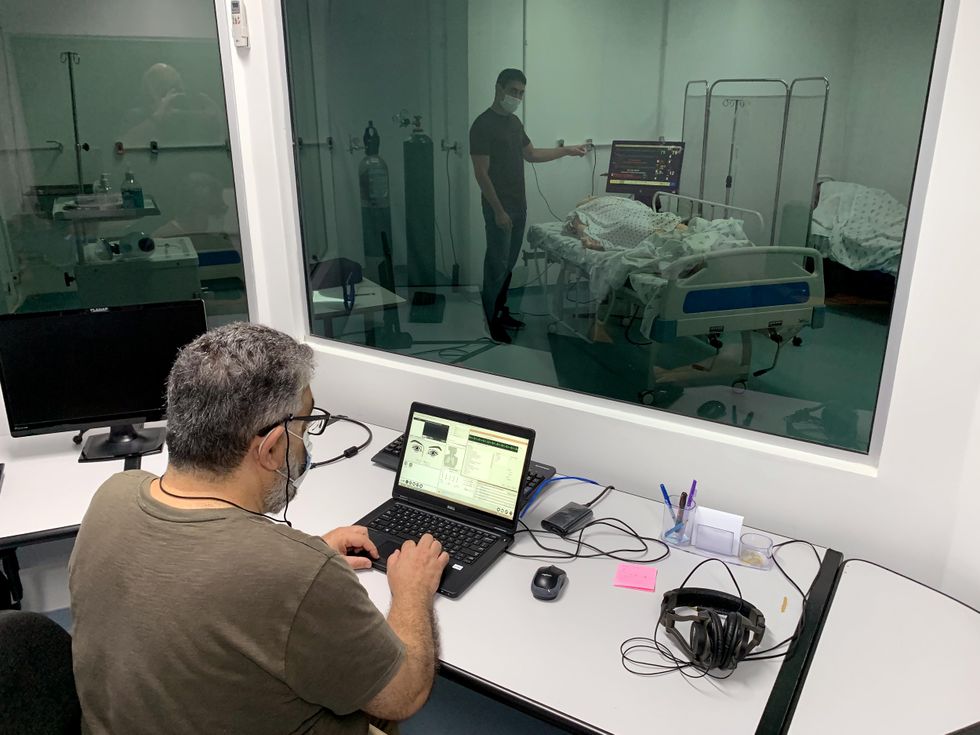
Small-AI Models Gain Traction Around the World
One morning in 2019, Adebayo Alonge was in a Cape Town hotel room, preparing to demonstrate his startup’s AI answer to a serious problem in African health care: counterfeit medication, which kills thousands of people across the continent every year.The RxScanner is a handheld spectrometer that scans a pill with infrared light, then sends the item’s molecular profile to an AI model equipped with a pharmaceutical database. In seconds, the AI identifies the medication from its molecular profile—or reports that it’s phony.Pharmacies were using the system in more than a dozen countries, including Ghana, Kenya, Myanmar, and Alonge’s native Nigeria. But that morning in South Africa, it didn’t work. “I was shocked,” Alonge says.The spectrometer connected to the AI model—but the data center was 14,000 kilometers away and bandwidth was limited. “Our server was in the United States, and just to get the result of a single scan was taking me over 5 minutes.”So Alonge immediately asked his engineers to shrink the AI model down to a smaller, low-power, unconnected version that could run entirely on his Android phone. They produced it 2 hours later, and that saved the demo.More importantly, the work birthed a new version of his device, which can authenticate a pill in places without broadband, computers, or even reliable electricity. It also turned Alonge into an advocate for this kind of “small AI.”Small AI for Global Health Care AccessSmall AI is a far cry from wealthy nations’ colossal large language models (LLMs), hyperscale data centers, multibillion-dollar investments, and debates about AI consciousness. But for millions of people around the world, the only AI that matters, and often the only kind available, is small. (According to a World Bank Report issued in November, only 0.7 percent of internet users in the world’s poorest countries have used ChatGPT, compared to a quarter of all internet users in the most developed nations.)“Most people are discussing AI from the LLM/generative side. But that needs a lot of computing power, electricity, massive data, and skilled people to manage it,” Ajay Banga, president of the World Bank, said last January at the World Economic Forum, in Davos. “Outside the developed world, other than maybe India and China, very few countries have that combination.”By contrast, small AI can deliver useful, even life-saving services to people in areas that have none of those things, Banga said. In India, where the government’s AI plans call for more development of small AI, many such systems are working for farmers.For example, a drone-based system developed by Bala Murugan and colleagues at the Vellore Institute of Technology, in India, takes photos of cashew plants and quickly identifies those with splotches that indicate disease. All the processing takes place on the drone itself, so there’s no need for a computer on-site, nor for a connection to a central server.Using small language models trained for a specific problem, and sometimes running on cheap, low-power devices, other small-AI implementations have been developed to identify ant infestations in a Uruguayan vineyard, detect the presence of malaria-carrying mosquitoes in a number of nations, and run electrocardiograms from an Arduino device in parts of Brazil that lack access to more complex equipment.“This is the most important area in AI nowadays,” says Marcelo José Rovai, a professor at the Institute of Engineering and Information Systems at the Federal University of Itajubá, in Brazil, who was involved in all three projects. “It’s growing very fast.”Low-Power, Small-AI Models on Devices Small AI models can run on a variety of low-power devices, including [from left to right] an Arduino Nano 33 BLE Sense, a Seeed Wio Terminal, and an Arduino Portenta.Moez AltayebFor Alonge, Rovai, and other advocates, small AI is not just “a promising trend,” as that November World Bank report calls it. It may be, in the long term, the form of AI that will touch the most lives and remain sustainable after some of the giant models become too costly for most users.“I think the future of AI is not like one giant model, at a center. I think it’s millions of small, precise models deployed at the edge, each one solving like a specific problem, a specific context,” Alonge says. This is partly because much of humanity—including people in parts of rich countries as well as the developing world—lives without access to cutting-edge frontier models. But, he says, it’s also because those models are not sustainable.“If someone is not subsidizing it, most people will not be able to afford those models. So those of us who are said to be small-AI developers are the ones who will have to build for the majority of the world,” Alonge says.There is no strict definition of “small AI,” but people often use the term for language models with at most a few billion parameters. (Compare that to cutting-edge models, which can include more than a trillion.) That’s small enough to run directly on a phone or a Raspberry Pi. That’s what allows these applications to run on devices without a connection to a data center and use only a few watts of power, often supplied by a battery or a solar panel.Despite their small footprint, these models aren’t fundamentally different technology from that of gigantic AI models, Rovai says. Many instances of small language models were created the same way the phone-based version of Alonge’s pharmaceuticals scanner was—by “pruning” large models, or removing the parameters that weren’t involved in the task. The result is a system that’s less capable generally but still very good at the specific job it was pruned for, Rovai says. A lighter version of RxAll’s RxScanner spectrometer sends its results to an AI model run locally on a phone to check that a drug’s molecular signature is genuine.RxAllOther small models are created by “distillation.” They are trained to mimic a large model, until their performance approaches that of their “teacher,” Rovai says. In other cases, a larger model’s precision is reduced, for example, so that a model run on 32-bit architecture can run on 8-bit designs. In situations where the machine learning application is being used to classify data or predict patterns (like an ant infestation), it’s trained from the beginning on a small device, not derived from a larger model at all. Running all these small, specialized systems is becoming easier, Rovai says, for two reasons.The first reason is that hardware is getting better and more capable while using less power, he says. This means more and more phones can run small AI—especially those equipped with neural processing units, which are specialized chips that handle AI tasks like facial recognition and changing the brightness, shadows, or contrast in a photo.In 2025, slightly more than a third of all smartphones shipped worldwide were capable of running generative AI, and that figure will reach 45 percent by the end of this year, according to the technology research firm Counterpoint. By the end of next year, slightly more than half of all smartphones will be able to run a small AI model.The second reason Rovai cites is the shrinking footprint of language models. Both Google DeepMind’s Gemma 4 (released in April) and Alibaba’s Qwen 3.5 are “fantastic” for small AI, Rovai says. Both models are “open weight,” meaning users can adjust the connections between parameters to suit their needs. This makes it easy, for example, “to take a lot of data from, say, the milk industry and retrain the model specifically on that,” Rovai says.Rovai illustrated these reasons on a Zoom call, using one of his most recent experiments. Holding up a device, he says, “This is the new Arduino UNO Q—a US $50 device with a Qualcomm chipset. I’m running a language model here, which collects data from sensors and analyzes that data to detect tiny pools of water where mosquitoes might be breeding. It takes 3 watts to run it.”Support for Small-AI DevelopmentConvinced that millions of people are already benefiting from these kinds of applications, the World Bank now actively promotes small AI with grants, mentorship programs, financing, technical advice, and models of government policies that are friendly for small-AI development. For example, in Rwanda, the World Bank is backing a government program to help low-income households get devices that can run AI.All that said, no one claims that large language models are going away entirely. To create a generative AI that can run on a phone or other small device requires the architectural insights, data processing, and results of a larger model, Rovai says. “We need the big models to create these smaller models.” And for all that small AI can benefit people without access to big AI, the technology can’t solve the larger problems of development and digital inequality, Alonge says. Implementing small AI won’t allow nations to escape the challenge of creating an ecosystem to support AI: reliable power, a supply chain that works, and an educational system that develops the talents needed to create AI tools.Though his drug-scanning system can run for days on a phone with no connection, “you still want to be able to enable periodic syncing for updates with new signatures for the medications and analytics,” Alonge says. “And even when you are using batteries, reliable power is important. That phone battery is not going to last forever.”In many parts of the world, the future of small AI isn’t assured, he says. “It works, and many places will eventually need to use it. The question is whether or not the political actors are wise enough to invest in infrastructure to support it long term.”
Small-language-models Artificial-intelligence Llms
When Can Regular People Buy Tesla Optimus? Consumer Availability Timeline
Tesla's highly anticipated Optimus robot is not yet available for purchase, with the company confirming a timeline for its release between 2026 and 2027. As excitement builds around the potential of this advanced technology, Tesla has issued warnings regarding pre-order scams, urging consumers to remain vigilant. While specific pricing estimates have not been disclosed, the company is expected to provide more detailed information as the release date approaches. The announcement comes as part of Tesla's ongoing commitment to innovation in robotics, aiming to revolutionize various industries with the capabilities of the Optimus robot. As the launch date nears, stakeholders and potential customers are advised to stay informed and cautious about unofficial offers.

'It's quite a bit more than we expected': Satellite reveals immense scale of GPS signal tampering
An experimental satellite has successfully mapped the extent of GPS jamming across Europe and the Middle East, marking a significant advancement in space-based monitoring technology. This groundbreaking achievement was reported recently, showcasing the satellite's ability to detect and analyze interference in GPS signals from a vantage point in space. The initiative aims to enhance understanding of the growing issue of GPS jamming, which poses risks to navigation and communication systems. By employing advanced sensors and data processing techniques, the satellite collected and transmitted detailed information about the locations and intensity of jamming activities. This development is crucial for improving the resilience of GPS-dependent services and ensuring the reliability of navigation systems in the affected regions.
Satellites Space Exploration
AI Assistance Weakens Independent News Judgment
Recent discussions among experts highlight the dual role of artificial intelligence in combating misinformation. While AI tools have proven effective in identifying false information, there are concerns that reliance on these technologies could undermine individuals' long-term ability to detect misinformation independently. This issue has gained attention as the prevalence of misinformation continues to rise, particularly in digital media. Experts emphasize the importance of developing strategies that not only utilize AI for immediate detection but also foster critical thinking skills among users. By encouraging independent analysis and evaluation of information, the goal is to create a more informed public capable of navigating the complexities of the information landscape. The conversation is ongoing, with many advocating for educational initiatives that integrate AI tools while promoting cognitive skills essential for discerning truth from falsehood.
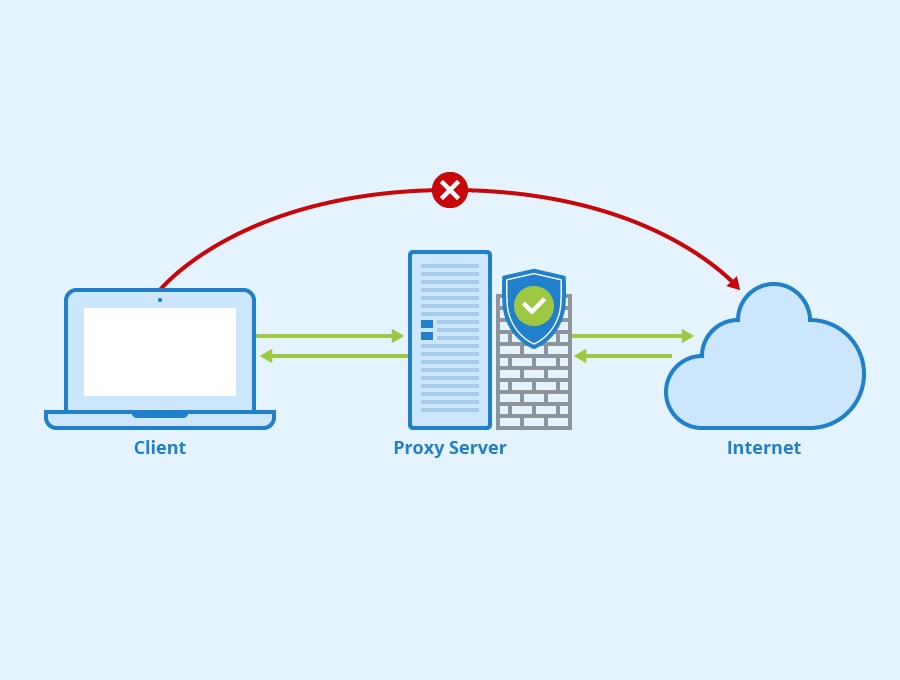
What is a US Residential Proxy and Why Businesses Need One in 2026
By 2026, the internet landscape has become increasingly fragmented, leading to significant disparities in user experience based on geographic location. Users in different regions, such as New York or Chicago, encounter varying versions of the same website, with changes in pricing, search results, and even accessibility to certain content. This uneven digital environment raises concerns for individuals and businesses relying on automated research or data analysis, as the information they access may differ dramatically based on their IP address. The evolving nature of the internet reflects broader issues of digital inequality and raises questions about the implications for users and content providers alike.
Computing Internet ad verification automation news cybersecurity data collection
Better collaboration needed on SOCOM programs, says government watchdog
The Government Accountability Office (GAO) has highlighted significant challenges faced by civilian officials in fulfilling their oversight responsibilities. In a recent report, the GAO stated that these officials often lack access to essential program information and meetings, hindering their ability to perform effectively. To address these issues, the GAO has put forth three recommendations aimed at improving access to necessary resources and information. This initiative underscores the need for enhanced transparency and communication within government operations to ensure that oversight functions can be carried out more efficiently.
Air Warfare Naval Warfare Pentagon AC-130J Ghostrider Air Force ASD(SO/LIC)
Light-activated gel could impact wearables, soft robotics, and more
Researchers at the Massachusetts Institute of Technology (MIT) have made significant strides in the field of ionotronics, a burgeoning area of study focused on the transfer of data via ions. This innovative approach aims to create a connection between traditional electronics and biological tissues, potentially revolutionizing the way information is processed and transmitted in various applications. The advancements were announced in October 2023, highlighting the ongoing efforts to enhance the integration of electronic systems with biological environments. By harnessing the unique properties of ions, the team at MIT is exploring new methods to facilitate communication between electronic devices and living organisms, paving the way for future developments in medical technology and bioengineering.
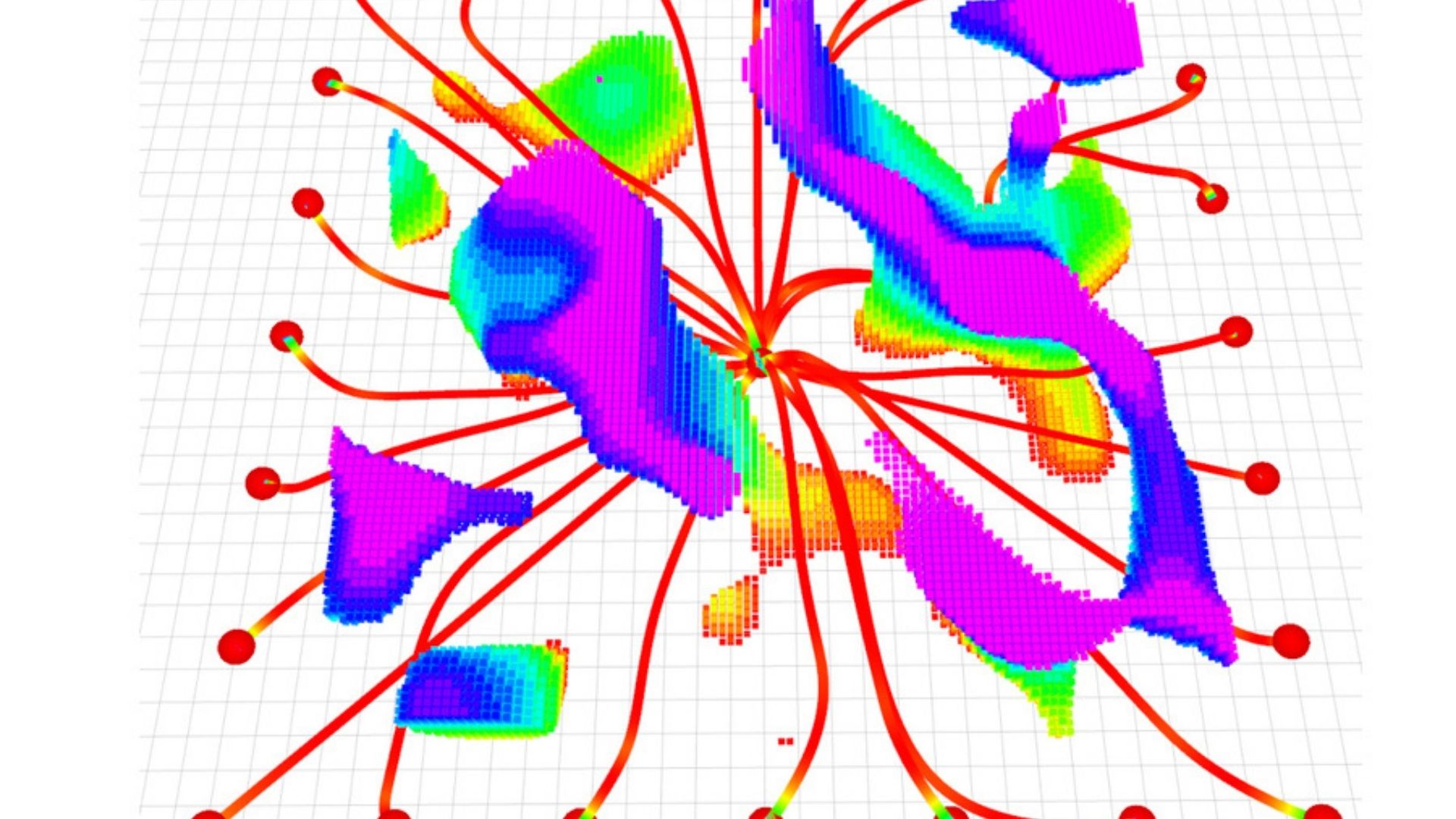
Smart flight system lets drones avoid obstacles instantly and fly more efficiently
Researchers from the Massachusetts Institute of Technology (MIT) and the University of Pennsylvania have unveiled an innovative system designed to enhance data processing efficiency. This groundbreaking development, announced on October 15, 2023, aims to address the growing challenges associated with managing large datasets in various fields, including artificial intelligence and machine learning. The motivation behind this research stems from the increasing demand for faster and more effective data handling solutions, as traditional methods often struggle to keep pace with the exponential growth of information. By leveraging advanced algorithms and machine learning techniques, the new system significantly improves the speed and accuracy of data analysis. The collaboration between these two prestigious institutions highlights the importance of interdisciplinary approaches in tackling complex technological issues. The researchers employed a combination of theoretical frameworks and practical applications to create a user-friendly interface that can be adapted for various industries. As organizations continue to seek ways to optimize their data management processes, this new system offers a promising solution that could transform how data is utilized across sectors, ultimately leading to more informed decision-making and enhanced operational efficiency.

Here is Yarbo’s promise to fix the robot mower that ran me over
A cybersecurity issue has emerged involving Yarbo, a manufacturer of robotic lawn mowers, as reports surfaced of a hacker gaining control of these devices. The incident, which occurred yesterday, highlighted the vulnerability of thousands of these Chinese-made robots, which can be easily hijacked. This breach potentially exposes sensitive information such as GPS coordinates, Wi-Fi passwords, and email addresses to malicious actors. In response to the alarming revelations, Yarbo has issued a statement addressing the security flaws and outlining steps to mitigate the risks associated with their products. The company aims to reassure customers and enhance the safety of their robotic lawn mowers in light of these findings.
News Tech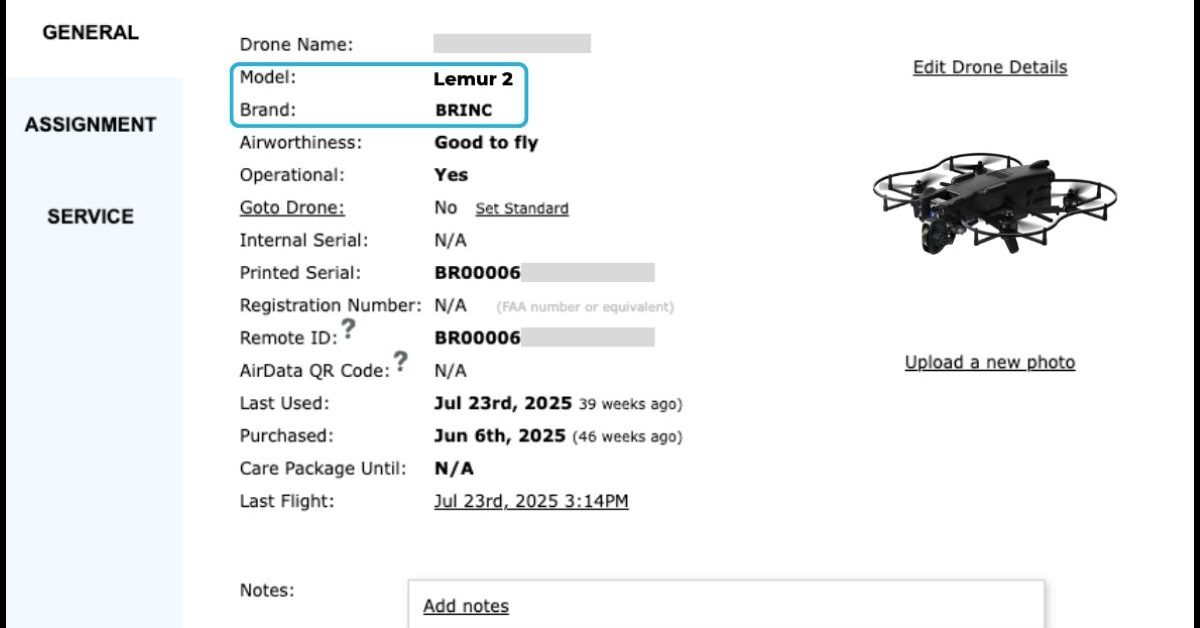
AirData automates logs for BRINC emergency response drones
As the use of drones in policing, firefighting, and emergency response expands across the United States, maintaining accurate records of each mission has become increasingly challenging. In response to this issue, AirData, a drone fleet management platform, has introduced a new integration designed to automatically capture and organize flight data from BRINC’s Lemur 2 and Responder drones. This initiative aims to assist public safety agencies in generating comprehensive mission records without requiring pilots to complete additional paperwork after each flight. By streamlining the data collection process, AirData seeks to enhance operational efficiency and ensure that vital information is readily available for review and analysis.
News
Tesla just increased its spending plan to $25B — here’s where the money is going
A major incident occurred in downtown Chicago on Saturday evening, where a large crowd gathered to celebrate the annual street festival. The event, which typically attracts thousands of attendees, turned chaotic when a series of altercations broke out among festival-goers. Witnesses reported that tensions escalated around 8 PM, leading to multiple injuries and the involvement of law enforcement. Chicago police responded swiftly, deploying additional officers to the scene to restore order. The motivation behind the disturbances remains unclear, but preliminary reports suggest that alcohol consumption may have played a significant role. Emergency services treated several individuals on-site for minor injuries, while others were transported to local hospitals for further evaluation. The festival, known for its vibrant atmosphere and community spirit, has faced scrutiny in the past regarding safety measures. Organizers expressed their commitment to ensuring a safe environment for attendees and stated that they will review security protocols for future events. The incident has raised concerns among residents and city officials about the need for improved crowd management strategies during large gatherings. As investigations continue, authorities are urging anyone with information about the altercations to come forward. The city aims to address the underlying issues contributing to such disturbances to prevent similar incidents in the future.
What Data Tesla Optimus Could Collect — And How People Feel About It (2026)
Recent findings reveal that a significant majority of individuals, approximately 92%, express concerns regarding the extensive data collection capabilities of home automation systems, particularly those utilizing advanced AI like Optimus. These systems are designed to monitor every room with cameras, maintain constant audio surveillance through always-on microphones, and create detailed floor plans of residences. The growing apprehension stems from privacy issues and the potential misuse of personal information. As technology continues to advance, experts emphasize the need for stricter regulations and transparency regarding data handling practices to protect consumers. This discussion is particularly relevant as more households adopt smart home technologies, raising questions about the balance between convenience and privacy.

Why AI Systems Fail Quietly
Engineers developing distributed AI platforms are facing a new challenge known as "quiet failure," where systems appear operational but produce incorrect outcomes over time. This issue arises as autonomy in software systems increases, complicating traditional methods of monitoring and observability. In late-stage testing, engineers find that while monitoring dashboards indicate a healthy status, users report that the system's decisions are increasingly flawed. For instance, an AI assistant designed to summarize regulatory updates may continue to function technically but rely on outdated information due to a failure to update its document retrieval process. This disconnect highlights the limitations of conventional observability metrics, which focus on uptime and error rates rather than the ongoing alignment of system behavior with intended outcomes. As autonomous systems operate continuously and make decisions based on evolving contexts, engineers must shift their focus from merely ensuring component functionality to actively supervising overall system behavior. This requires the implementation of supervisory control architectures that can monitor and intervene in real-time, preventing behavior drift before it leads to significant issues. The growing prevalence of quiet failures calls for a rethinking of reliability in engineering, emphasizing the need for continuous behavioral monitoring and control. As AI systems become more autonomous, this new approach will likely extend across various domains, transforming how engineers ensure that systems not only function correctly but also remain aligned with their intended purposes over time.
Software-failure Software-reliability Software-engineering Cloud-computing Autonomous-systems
Scientists Build Living Robots With Nervous Systems
Researchers at Tufts University have developed a groundbreaking type of biological machine known as a "neurobot," which combines living cells with neural networks to create self-directed systems. This innovative advancement was reported in the journal Advanced Science last month. The neurobots, which are constructed from frog cells, are capable of swimming and responding to their environment through integrated neurons that allow for electrochemical signaling. The development of neurobots marks a significant evolution from earlier biological machines, known as xenobots, which were limited to mechanical movements. These new creations exhibit more complex behaviors, such as exploring their surroundings and adapting to stimuli, thanks to their ability to process information internally. The research aims to deepen understanding of how neural networks can lead to sophisticated behaviors, potentially paving the way for applications in tissue repair and environmental monitoring. The team, led by biologist Michael Levin, plans to extend this technology by incorporating human neural cells into their designs, creating "anthrobots." These living machines could be trained to perform specific tasks, such as detecting environmental pollutants. The commercial startup Fauna Systems, co-founded by Levin, is focusing on deploying xenobots for environmental sensing, aiming to provide real-time indicators of ecosystem health. Despite the promising potential of neurobots, researchers acknowledge significant technical challenges ahead. However, the initial focus remains on simpler xenobots, which are already demonstrating valuable capabilities in monitoring environmental conditions.
Bioengineering Frog Living-cells Biomimetics Bioinspired-robots
Important Security Notice
KUKA has issued a warning regarding fraudulent email activities that have been targeting its stakeholders. The company has reported that the identities of its executives are being misused in these scams, which are designed to deceive recipients into providing sensitive information or financial resources. This alert comes in response to a growing number of incidents that have raised concerns among KUKA’s partners and clients. The fraudulent emails often appear legitimate, making it crucial for stakeholders to verify communications before taking any action. KUKA emphasizes the importance of vigilance and encourages recipients to report any suspicious messages to the company directly. The situation highlights the increasing sophistication of cybercriminals and the need for heightened security measures in corporate communications.

Amazon Reportedly Exploring Humanoid Robots for Deliveries, Focusing on AI Software
Amazon is reportedly in the process of developing artificial intelligence software designed for humanoid robots that would facilitate package deliveries. According to a report from The Information, the tech giant is constructing a specialized testing facility, referred to as a "humanoid park," in San Francisco. This initiative aims to refine the software capabilities while initially relying on third-party hardware for the robots. As of now, these developments have not been confirmed by Reuters, and Amazon has not issued any official comments regarding the project.
logistics AmazonRobotics needs a service framework.
RSF defines a common language for robot service capability, lifecycle operations, certification pathways, and service-provider networks.







