

Industry Briefing
A single destination for timely, editor-curated robotics news from around the world.

Exploring Retrofit Versus Replace Decisions in Automation Initiatives
In a recent Automation World podcast recorded at the IMTS show in Chicago in late summer 2026, Sergei Altynbaev, founder and CEO of Aiolys, discussed the ongoing debate between retrofitting and replacing automation systems. This conversation highlighted how the decision-making process is evolving as automation technology matures and becomes more mainstream. The significance of this discussion lies in understanding the differing approaches to automation updates, particularly between European and American perspectives. As industries increasingly adopt automation, the choice to retrofit existing systems or invest in new technologies can impact operational efficiency and cost-effectiveness. Listeners should pay attention to how these trends in automation decision-making may influence future investments and strategies in the sector. No further timeline was disclosed at the time of publication.
Factory / Plant Maintenance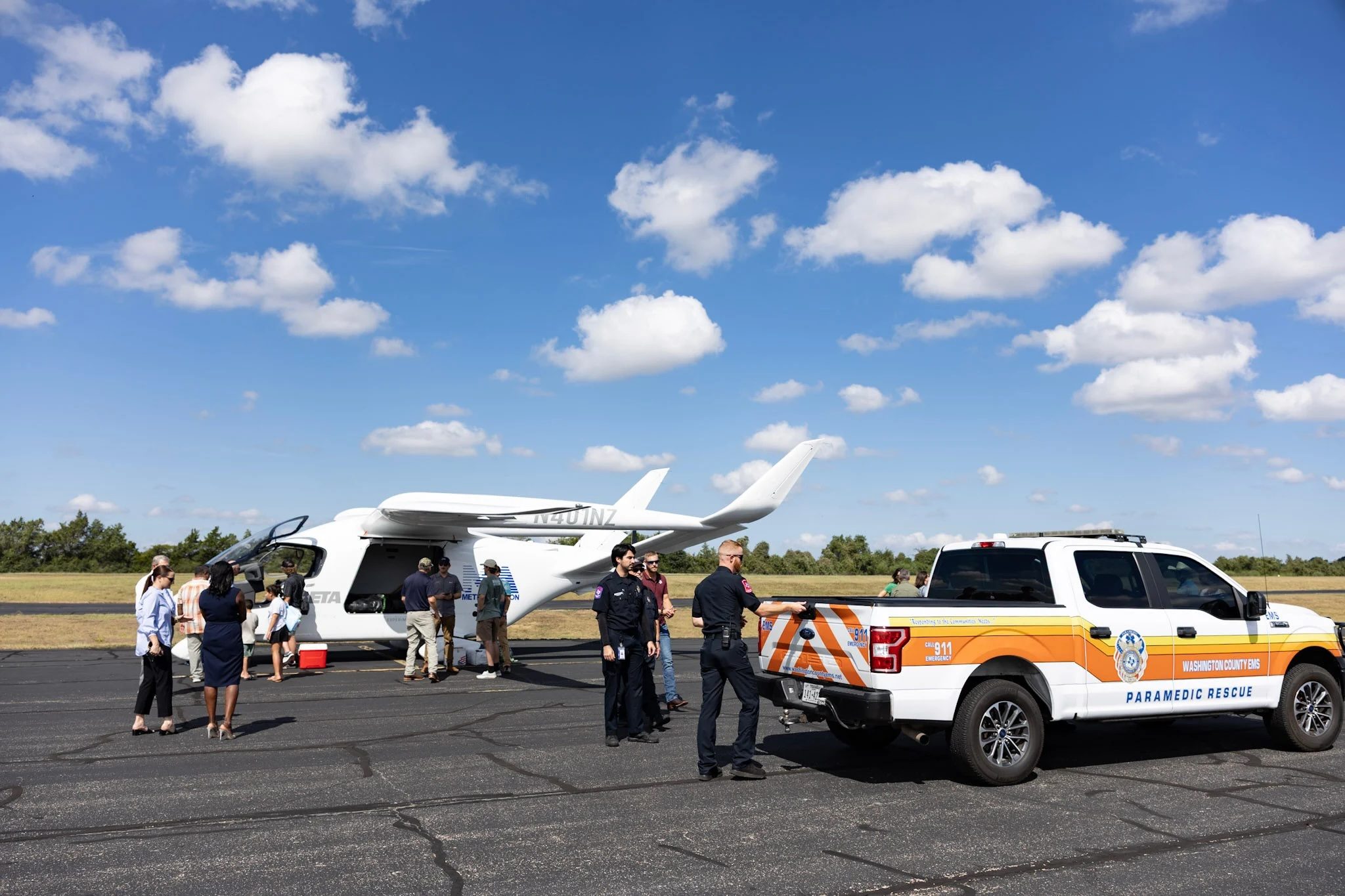
BETA Technologies and Metro Aviation Demonstrate Electric Aircraft for Rural EMS in Texas
BETA Technologies and Metro Aviation successfully conducted an electric aircraft demonstration with Washington County Emergency Medical Services in Brenham, Texas. This flight aimed to explore the potential of electric aviation in enhancing emergency response capabilities in rural areas, specifically by transporting disaster-response equipment alongside existing resources. The significance of this demonstration lies in its potential to integrate electric aircraft into emergency medical systems, which currently respond to over 7,000 calls annually across a 700-square-mile area. Washington County EMS Director Taylor Leonard expressed gratitude for the partnership, highlighting the importance of exploring innovative transportation options to improve emergency services. Looking ahead, Metro Aviation has shown interest in expanding its collaboration with BETA Technologies, having placed a deposit-backed order for up to 20 ALIA VTOL aircraft for future operations. The Texas demonstration is part of a broader initiative to assess the role of electric aircraft in medical aviation, with further evaluations planned along routes connecting key Texas locations.
Advanced Air Mobility Applications Drone News Drone News Feeds eVTOL Healthcare
Nations Technologies and SIAT Launch N32H785 Dual-Core MCU for Humanoid Joint Motors
On September 23, 2026, Nations Technologies and SIAT introduced the N32H785, a dual-core MCU designed for joint-motor drives. This reference design boasts a rated torque of 20 N·m and a peak torque of 60 N·m, along with a current loop frequency of 20 kHz. The launch of the N32H785 is significant as it addresses the growing demand for advanced motor control solutions in robotics, particularly for humanoid applications. The specifications indicate a robust capability for handling complex movements, which is crucial for the development of more agile and responsive humanoid robots. Looking ahead, industry stakeholders should monitor the adoption of the N32H785 in various robotic applications. Its performance metrics could set a new standard for joint-motor control, influencing future designs and innovations in humanoid robotics. No further timeline was disclosed at the time of publication.

AI-Enhanced Actuation-Compatible Tracking for Miniature Robot Navigation in Vivo
A recent study published in Science Robotics details advancements in AI-driven actuation-compatible tracking systems designed for miniature robots operating in vivo. This innovative approach aims to enhance closed-loop navigation capabilities, enabling more precise movements and interactions within biological environments. The significance of this development lies in its potential applications in medical robotics, where accurate navigation of miniature robots can lead to improved surgical procedures and targeted drug delivery. By integrating AI with actuation systems, these robots can adapt to dynamic biological conditions, thereby increasing their effectiveness in real-world scenarios. Looking ahead, researchers and industry professionals will be monitoring the progress of these technologies as they move towards practical applications in healthcare. The ongoing advancements in AI and robotics could pave the way for groundbreaking solutions in minimally invasive procedures and personalized medicine. No further timeline was disclosed at the time of publication.
Research Article
Foxconn and IAT Establish Joint Venture to Enhance Robot Production Capacity
Foxconn and IAT have announced the formation of a joint venture aimed at scaling robot production. This initiative is part of a broader strategy to enhance manufacturing capabilities and meet increasing demand for automation solutions. The collaboration is significant as it reflects the growing trend of automation in manufacturing, with both companies leveraging their expertise to innovate and improve production efficiency. This joint venture is expected to contribute to the robotics ecosystem, particularly within Beijing E-Town’s robotics cluster, which hosts over 300 companies and innovation units. Looking ahead, industry stakeholders will be keen to observe how this partnership evolves and its impact on the robotics market. No further timeline was disclosed at the time of publication.
News Robotics China Foxconn IAT robotics
Poitras Center Launches Fellowships for 50 Young Scientists in Psychiatric Research
Patricia and James Poitras have initiated a fellowship program at MIT's McGovern Institute, providing 50 two-year fellowships for graduate students and postdocs focused on psychiatric disorders. This $10 million commitment aims to create a long-term talent pipeline in mental health research, awarding five fellowships annually over the next decade. This initiative is significant as it directly supports early-career scientists at a time when federal funding for mental health research is uncertain. The Poitras family's ongoing investments, now exceeding $100 million, underscore their dedication to advancing research in severe mental illnesses such as depression, bipolar disorder, and schizophrenia. Looking ahead, the next application window for the Poitras Center fellowships will open in May 2027. The program is expected to foster innovative research that could lead to transformative treatments for complex psychiatric conditions, continuing the Poitras family's vision for a future where mental health challenges are effectively addressed.
Giving Awards, honors and fellowships Students Graduate, postdoctoral Alumni/ae Research
TikTok USDS Joint Venture Joins Lantern Child Safety Initiative with Major Tech Firms
TikTok's U.S. unit, TikTok USDS Joint Venture, has joined Lantern, a cross-platform child safety initiative launched in 2023. This program aims to facilitate collaboration among social media companies to share signals of harmful behavior and content, thereby identifying bad actors across platforms. Notable members include Google, Meta, and Microsoft. The participation of TikTok USDS in Lantern is significant as it enhances coordinated efforts to combat child sexual exploitation and abuse, aligning with the actions of its competitors already involved in the initiative. Lantern has reported sharing over 2 million signals of potentially harmful behavior through 2025, underscoring the importance of cross-platform cooperation in safeguarding children. In addition to joining Lantern, TikTok USDS is committing $2 million to the National Center for Missing and Exploited Children (NCMEC) to modernize its CyberTipline. This investment aims to improve detection tools and processing times for reports of child safety threats. The NCMEC project is projected to take three years and cost $10 million, with contributions from partners like AWS and Microsoft.
Social child safety CSAM TikTok
Huaruizhipu Launches Praxis One with ~106 TOPS Edge Compute on MediaTek Genio Pro 5100
Huaruizhipu has introduced Praxis One, a single-SoC physical-AI edge platform powered by the MediaTek Genio Pro 5100, which offers approximately 106 TOPS of neural processing unit (NPU) performance. This new platform was showcased during the China Robot Summit week held in Hangzhou. The launch of Praxis One is significant as it targets heavy-duty robots, enhancing their computational capabilities at the edge. The integration of high-performance edge computing is crucial for advancing robotics applications, enabling real-time processing and decision-making in complex environments. Looking ahead, the industry will be keen to observe the adoption of Praxis One in various robotic applications and its impact on operational efficiency. No further timeline was disclosed at the time of publication.
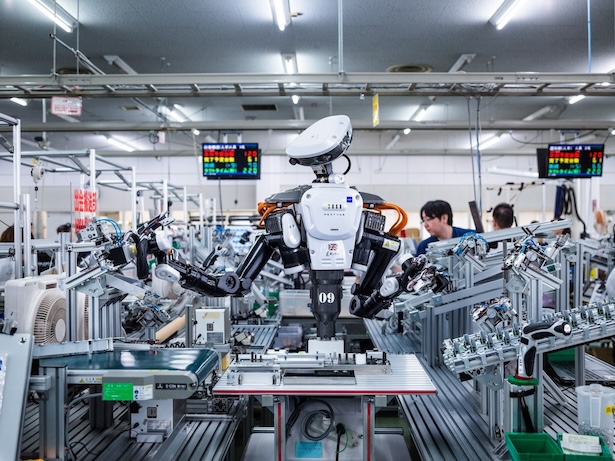
EIT AI Community Transitions to EIT AI & Robotics Community with €80 Million Initiative
The EIT AI Community has evolved into the EIT AI & Robotics Community, a pan-European initiative aimed at fostering the development and commercialization of AI and robotics technologies from 2026 to 2028. The initiative has launched its first call for applications through the AI Entrepreneurs Lab, targeting early-stage founders in AI and robotics. This expansion is significant as it addresses the gap in transforming Europe's world-class robotics research into commercially viable systems. Orestis Trasanidis, head of the AI & Robotics Community, emphasized the importance of supporting AI and robotics together to enhance Europe's competitiveness in critical sectors such as manufacturing and healthcare. Looking ahead, the initiative plans to introduce the FactoryX program later in 2026, aiming to launch 14 innovations and support over 10 high-potential scale-ups. No further timeline was disclosed at the time of publication.
Features Technology ai entrepreneurs lab ai startups artificial intelligence eit
Joby Aviation Achieves 3,100-Mile Autonomous Flight, Expanding Beyond Air Taxis
Joby Aviation successfully completed an autonomous flight exceeding 3,100 miles across the United States, showcasing its advanced autonomy technology. This flight, described as the 'first-ever autonomous flight across the United States,' highlights Joby's ambitions beyond electric air taxis, indicating a strategic shift towards military and logistics applications. The significance of this achievement lies in Joby's demonstration of its autonomy technology's versatility, capable of handling various missions such as medical transport and disaster response. The aircraft, remotely supervised from Joby's California headquarters and Shaw Air Force Base, performed all operations autonomously, with a pilot present solely for compliance. Looking ahead, Joby plans to return the aircraft to the West Coast, with scheduled stops in cities like Louisville and Salt Lake City. The company is also focused on developing a regional airframe equipped with its autonomy stack, supported by a $17 million Air Force contract, and is expanding its defense capabilities following its acquisition of Resonant Sciences for $500 million.
Transportation autonomous flight Joby Aviation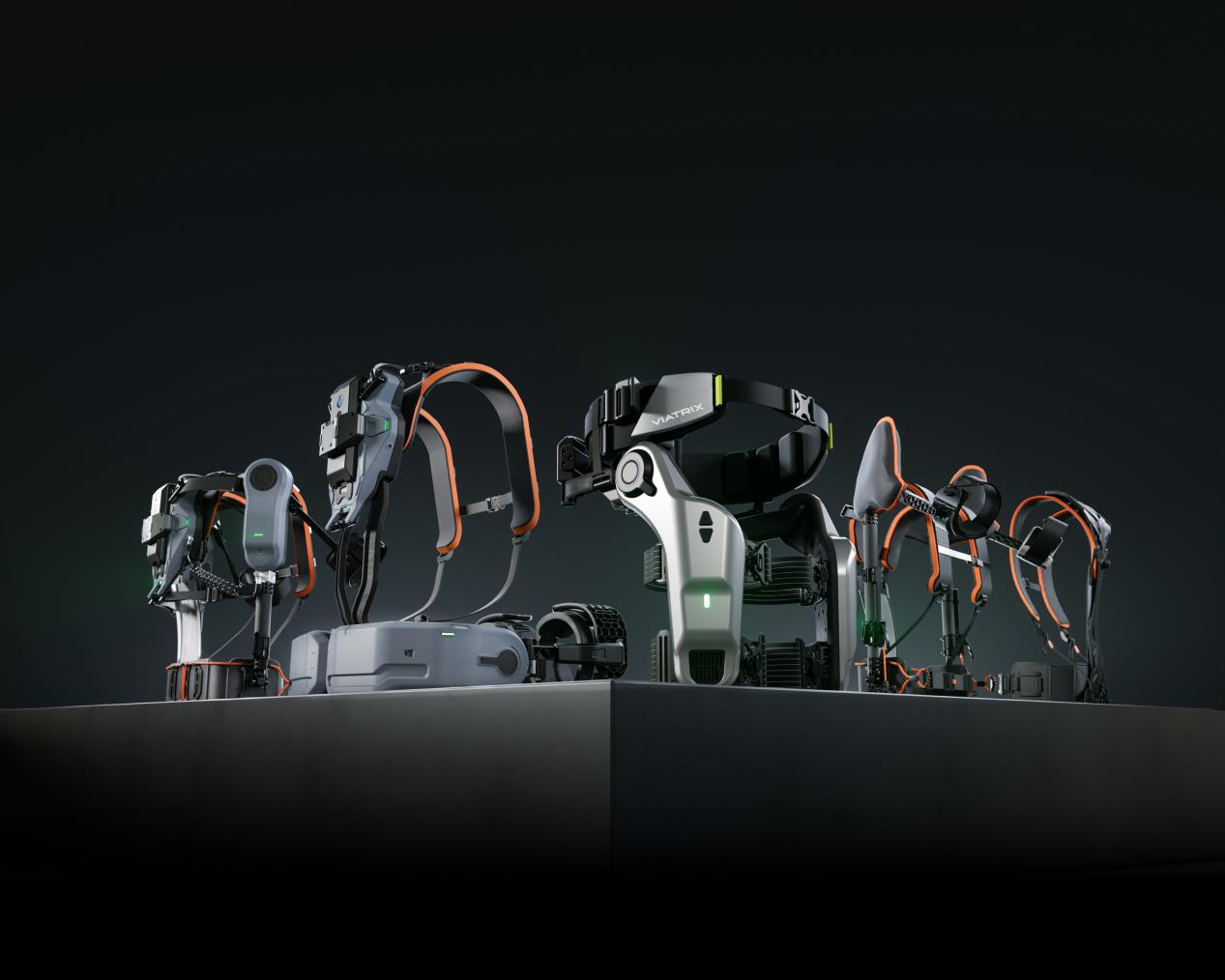
VIATRIX X Set to Launch as a Game-Changer for Outdoor Consumer Exoskeletons
VIATRIX, a brand under Aoshark Intelligent, is set to launch its next-generation exoskeleton, VIATRIX X, on September 22, 2026. This product is designed specifically for outdoor exploration and features revolutionary advancements in AI algorithms, power systems, and hardware architecture, establishing a new benchmark for outdoor consumer exoskeletons in 2026. The significance of VIATRIX X lies in its comprehensive upgrades in materials, safety systems, and protection levels, positioning Aoshark as a leading player in the outdoor consumer exoskeleton market. With a strong foundation in industrial-grade exoskeletons, Aoshark aims to democratize exoskeleton technology, making it accessible to everyday users. Looking ahead, Aoshark's commitment to redefining the application scenarios for exoskeletons is noteworthy. The company is focused on creating a dynamic collaboration system that responds in real-time to human movements, addressing the needs of a growing outdoor consumer base. No further timeline was disclosed at the time of publication.
Outdoor Exoskeletons AI Technology Consumer Robotics Wearable Technology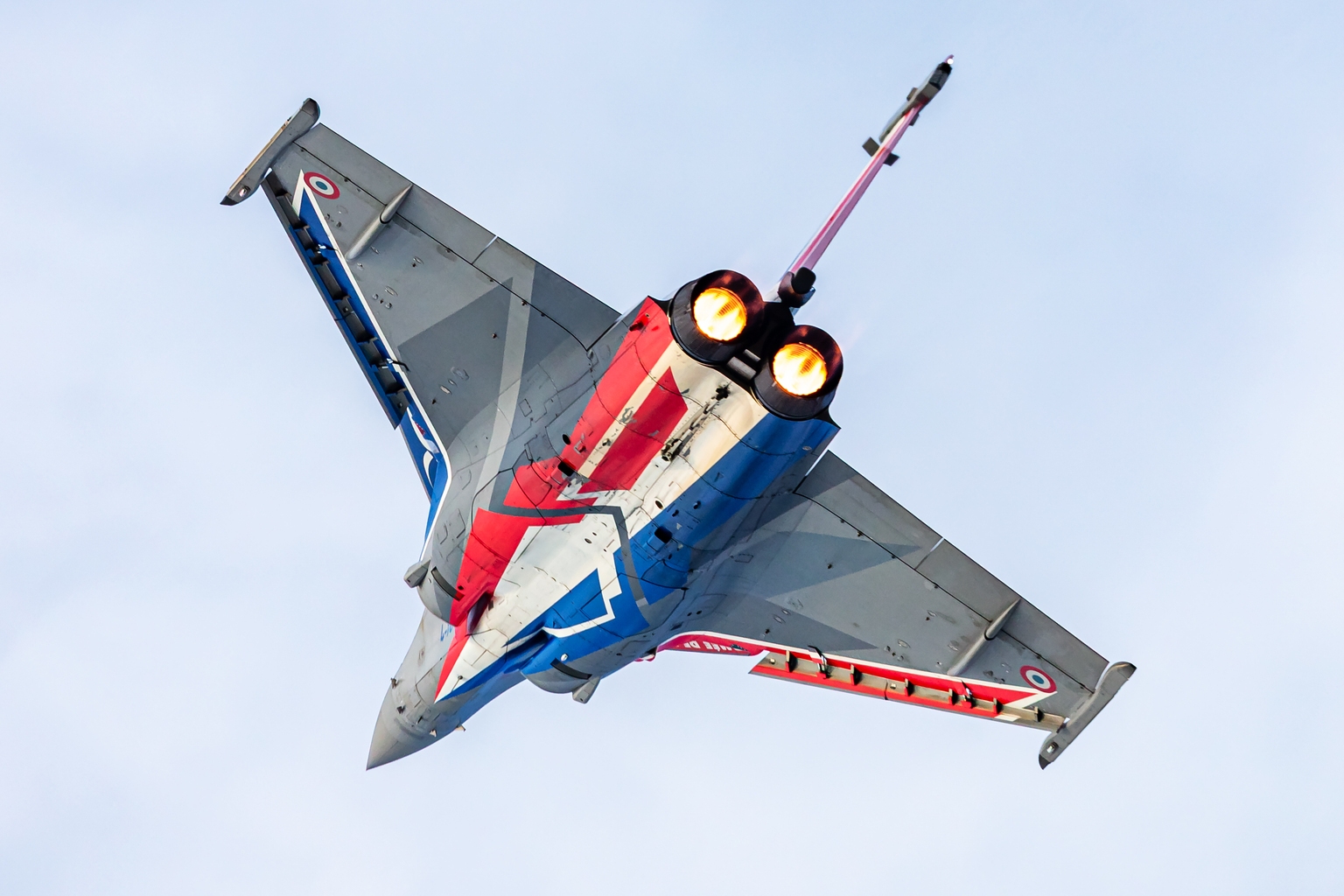
Dassault Aviation Stock Declines Amid Failed Fighter Jet Development Efforts
Dassault Aviation's stock has experienced a decline of approximately 4% following the unsuccessful attempt by Germany and France to collaborate on a next-generation fighter jet. This development raises concerns about the future of joint defense projects in Europe and the potential impact on Dassault's market position. The failed collaboration highlights the challenges faced by European nations in achieving defense integration, which is crucial for maintaining competitive capabilities in the aerospace sector. The implications of this setback could affect investor confidence and the strategic direction of Dassault Aviation as it navigates the complexities of international defense contracts. Looking ahead, investors should monitor how Dassault Aviation adapts to this situation and whether it can leverage its existing Rafale fighter jet program to mitigate the impact of the failed collaboration. No further timeline was disclosed at the time of publication.
DUAVF Dhierin Bechai
Symbotic Becomes Member-Sponsor of Stanford Robotics Center's Industrial Affiliates Program
Symbotic has officially joined the Stanford Robotics Center (SRC) Industrial Affiliates Program as a member-sponsor. This membership grants Symbotic access to Stanford's esteemed research community, fostering collaboration aimed at advancing innovations in robotics, autonomy, and artificial intelligence. The significance of this partnership lies in the potential for Symbotic to leverage Stanford's cutting-edge research to enhance its AI-enabled robotics technology for the supply chain. By engaging with leading experts and researchers, Symbotic aims to drive forward its capabilities in automation and robotics, which are critical for modern supply chain solutions. Looking ahead, it will be important to monitor the developments arising from this collaboration, particularly in how Symbotic integrates insights from Stanford into its product offerings. No further timeline was disclosed at the time of publication.
Business Industry News Research Robotics ai
France Reaffirms Support for Dassault Aviation's Vortex Spaceplane with €40 Million Funding
France has reaffirmed its support for the Vortex spaceplane program led by Dassault Aviation, securing €40 million in funding through the France 2030 innovation investment plan. This financial backing is crucial for advancing the development of the Vortex, which aims to enhance European capabilities in space travel and technology. The significance of this funding lies in its potential to strengthen France's position in the aerospace sector and foster collaboration with other European nations. As the Vortex program progresses, it may encourage additional European countries to invest in similar space initiatives, thereby promoting a unified approach to space exploration and innovation. Looking ahead, stakeholders will be keen to observe how the Vortex program evolves and whether it attracts further investments from other European nations. No further timeline was disclosed at the time of publication.
Aéro - Spatial
Boeing, U.S. Steel, and Deere Engage in Labor Union Contract Negotiations
Boeing, U.S. Steel, Cleveland-Cliffs, and Deere are currently involved in labor union negotiations to address workers' demands and avert potential strikes. Boeing's Society of Professional Engineering Employees in Aerospace plans to resume discussions on September 8 after workers rejected a four-year contract offer and authorized a strike across five states. The negotiations are critical as they involve over 17,000 Boeing aerospace engineers and technical workers, who are advocating for significant wage increases, annual cost-of-living adjustments, and enhanced 401(k) contributions. The rejection of Boeing's previous offers underscores the urgency for both parties to rebuild trust and address employee priorities before the contracts expire on October 6. Additionally, the United Steelworkers union has extended labor contracts with Cleveland-Cliffs and U.S. Steel by 30 days, allowing ongoing negotiations for wages and job security. This extension is vital for tens of thousands of steel workers, emphasizing the union's commitment to securing strong agreements that support family-sustaining jobs in the steel industry.

MIT Researchers Create Atlas of Brain's Striatum to Aid Drug Development
MIT researchers have developed a comprehensive atlas of neurons in the striatum, a brain region essential for cognitive and motor functions. This atlas identifies 31 subgroups of neurons, including those linked to addiction, depression, and schizophrenia, which could pave the way for new drug treatments for these disorders. The significance of this research lies in its potential to enhance understanding of conditions like Huntington's disease and addiction. By revealing the vulnerabilities of certain neurons to Huntington's disease, the findings could inform the development of targeted therapies. Myriam Heiman, a senior author of the study, emphasizes the importance of this atlas as a foundational resource for future research. Looking ahead, the research team plans to utilize this atlas to further investigate Huntington's disease and opioid use disorder. The study's innovative use of single-cell RNA sequencing and other techniques marks a significant advancement in neuroscience, potentially leading to breakthroughs in drug development for various neurological disorders. No further timeline was disclosed at the time of publication.
Research Brain and cognitive sciences Disease Neuroscience Biology Behavior
NVIDIA and MediaTek Strengthen Partnership for Advanced AI Edge to Cloud Platforms
NVIDIA and MediaTek have announced an expansion of their collaboration to develop next-generation AI computing platforms, focusing on AI infrastructure, local AI computing, and automotive applications. MediaTek will integrate NVIDIA's NVLink Fusion™ platform to facilitate the creation of custom XPUs for hyperscalers and cloud service providers. This partnership is significant as it combines NVIDIA's strengths in accelerated computing and AI software with MediaTek's expertise in custom silicon and power-efficient system-on-chip design. The collaboration aims to enhance the development of AI systems that can scale across various markets, as highlighted by NVIDIA CEO Jensen Huang. Looking ahead, the NVLink Fusion platform will serve as a foundation for customers to create custom AI accelerators, streamlining the transition from silicon to production-ready systems. No further timeline was disclosed at the time of publication.

Damion Shelton Appointed Associate VP and Executive Director of Swartz Center for Entrepreneurship
Carnegie Mellon University has appointed Damion Shelton as the associate vice president and executive director of the Swartz Center for Entrepreneurship. Shelton, a Carnegie Mellon alumnus with degrees from SCS in 2004 and 2007, brings extensive experience as an entrepreneur and technology executive to this role. This appointment is significant as it marks a new phase for the Swartz Center, focusing on enhancing entrepreneurship, enterprise creation, and research commercialization at Carnegie Mellon. Shelton's leadership is expected to drive innovation and growth within the university's entrepreneurial ecosystem. Looking ahead, Shelton's first day in this position will be in August. Stakeholders will be keen to observe how his leadership influences the center's initiatives and the broader impact on the university's entrepreneurial landscape. No further timeline was disclosed at the time of publication.
Announcements
PI Launches New Miniaturized Alignment Engine for Electro-Optical Wafer-Level Testing
PI (Physik Instrumente) has unveiled a new technology platform aimed at enhancing electro-optical wafer-level testing. This innovative platform is designed to validate both electrical and optical device functions concurrently, catering to the demands of high-volume production. The introduction of this miniaturized alignment engine is significant as it addresses the growing need for efficient testing solutions in the semiconductor industry. By enabling simultaneous validation of device functions, it promises to streamline production processes and improve overall efficiency in manufacturing. Looking ahead, industry stakeholders should monitor the adoption of this technology in production environments. The effectiveness of this platform in real-world applications will be crucial in determining its impact on the electro-optical testing landscape. No further timeline was disclosed at the time of publication.

New Miniature Robot with 34.6mm Diameter Enables Cable-Free Exploration of Small Pipes
A collaborative team from North University of China, Chinese University of Hong Kong, and Shanghai Jiao Tong University has developed a miniature robot named VCMR, measuring 34.6mm in diameter and 41mm in length. This robot can actively change its diameter from 34.6mm to 89.6mm and is capable of cable-free exploration in hard and soft pipes smaller than 80mm, integrating contact force sensing technology. The significance of this development lies in its ability to navigate narrow pipelines, such as small oil and gas networks and human colons, where traditional robots with diameters over 80mm cannot operate. The VCMR is the smallest tracked robot reported to integrate active diameter change, independent track drive, and contact force sensing, marking a notable advancement in robotic technology for confined spaces. Looking ahead, the VCMR's design employs a novel four-bar linkage and flexible spring structure, allowing it to adapt to varying pipe diameters without manual intervention. The robot's ability to autonomously adjust its movement based on real-time feedback from contact pressure and motor current presents exciting possibilities for future applications in various industries. No further timeline was disclosed at the time of publication.
Miniature Robots Pipeline Inspection Robotics Technology Autonomous Systems
Boeing to Sell Three Subsidiaries to Archer Aviation and Acquire Minority Stake
Boeing is set to sell three subsidiaries to Archer Aviation, allowing the aerospace giant to concentrate on its core commercial, defense, and global services. This strategic move follows Boeing's recent transactions, including the sale of a digital aviation software unit for $10.55 billion and reacquisition of Spirit Aerosystems for $8.4 billion. The collaboration between Boeing and Archer aims to enhance product development, particularly in autonomous flight technology, with Archer gaining ownership of Wisk's intellectual property. This transaction is significant as it marks a shift in Boeing's focus towards improving safety and quality in its manufacturing processes while also expanding Archer's capabilities in the aerospace sector. The deal comes after a settlement between Archer and Wisk, which had previously been embroiled in a lawsuit over trade secrets. Archer's commitment to becoming the exclusive autonomy technology provider for new aircraft models signals its ambition to diversify beyond electric air taxis into defense applications. Looking ahead, the partnership between Boeing and Archer is expected to accelerate the development of advanced air mobility solutions. Archer's recent unveiling of autonomous aircraft variants, Halo and Thunder, at the Farnborough International Airshow highlights its growing presence in both commercial and defense markets. No further timeline was disclosed at the time of publication.

Sarla Aviation Utilizes Siemens Xcelerator for Rapid eVTOL Aircraft Development
Indian startup Sarla Aviation is leveraging the Siemens Xcelerator portfolio to expedite the development of its next-generation electric vertical take-off and landing (eVTOL) aircraft aimed at urban air mobility. Based in Bengaluru, the company plans to revolutionize urban transportation by making electric air taxis safe, sustainable, and accessible, with operations expected to launch by 2028. The adoption of Siemens’ integrated digital thread allows Sarla Aviation to connect product design, simulation, and lifecycle management in a unified environment. This approach enhances data flow across development disciplines, reduces design iterations through early-stage simulation, and improves collaboration among engineering teams, which is essential for meeting certification requirements. Sarla Aviation will showcase its advancements in electric air mobility at Realize LIVE India, where co-founder and CTO Rakesh Gaonkar will discuss how the digital thread strategy is facilitating faster innovation in advanced air mobility. No further timeline was disclosed at the time of publication.
Design Engineering News advanced air mobility aerospace aircraft development
MP Materials Initiates Rare-Earth Magnet Production for Domestic Drone Manufacturing
MP Materials has launched an initiative to produce neodymium-iron-boron (NdFeB) magnets, essential for drone motors, aiming to reduce U.S. dependence on foreign sources. Currently, 75% of U.S. imports of these magnets come from China, highlighting the need for domestic production. The initiative will allow manufacturers to reserve up to 2 million drone magnet capacities annually, as stated by Chairman and CEO James Litinsky. This initiative is crucial as it seeks to aggregate demand and provide certainty for companies developing new technologies in the drone sector. MP Materials plans to create a fully integrated American magnetic solution, from mining to magnetization, in collaboration with the Department of Defense. The project aims to standardize production processes and enhance the domestic supply chain for rare-earth materials. The initiative is expected to commence with the operation of MP's 10X plant in 2028. As MP Materials forms agreements with various drone manufacturers, it also intends to expand its reach to motor manufacturers and defense technology companies, responding to China's dominance in the drone market and its recent export restrictions on related technologies.

China Achieves Milestone with First Pediatric Dual Artificial Heart Surgery Using Aerospace Technology
A pediatric patient at Tianjin Taida International Cardiovascular Hospital underwent the world's first surgery involving dual fully-implantable artificial hearts. These hearts were custom-engineered from Aerospace Taixin magnetically levitated pumps, marking a significant advancement in pediatric cardiac care. This achievement highlights the growing capabilities of Chinese firms in the ventricular assist device (VAD) market, with five companies now holding six approved products. The use of aerospace-derived technology in medical applications demonstrates the potential for innovation in healthcare, particularly in addressing complex pediatric conditions. Looking ahead, the success of this surgery may pave the way for further advancements in artificial heart technology and its applications in children. No further timeline was disclosed at the time of publication.

China Warns of Retaliation Following US Import Restrictions on Humanoid Robots
China has issued a warning of potential retaliation against the United States following new restrictions on imports of foreign-made humanoid robots. The US Federal Communications Commission (FCC) has added these advanced robotic devices to its Covered List, which prevents new models from receiving necessary authorizations for import and sale in the US. This decision stems from concerns raised by US national security agencies regarding cybersecurity and supply chain risks associated with these devices. The implications of these restrictions are significant, as they threaten to destabilize economic and trade relations between the two largest economies in the world. China's Ministry of Commerce criticized the FCC for disregarding its measured approach to product restrictions, asserting that the latest actions could severely harm China-US economic stability. The ongoing technology rivalry, particularly in artificial intelligence and advanced robotics, is intensifying as both nations navigate their competitive landscapes. Looking ahead, the situation may complicate the prospects for Chinese robotics companies aiming for public offerings, as noted by Marc Einstein from Counterpoint Research. The potential for China to retaliate by restricting rare earth sales or limiting market access for American firms adds another layer of complexity. No further timeline was disclosed at the time of publication.
Business Economy News advanced robotics agibot artificial intelligence
HEBI Robotics Secures NASA SBIR Grant to Accelerate Miniaturized Actuator Development
HEBI Robotics has announced the acquisition of a NASA Small Business Innovation Research (SBIR) Phase I contract aimed at advancing its miniaturized high torque density modular actuators. This initiative targets applications in SmallSats and challenging environments, responding to the growing demand for affordable and versatile robotic systems in commercial space endeavors. The significance of this contract lies in its potential to enhance the flexibility and reliability of actuation hardware in space-limited environments, such as CubeSats. HEBI aims to bridge the gap between low-cost hobby servos and expensive custom-designed space robotics, ensuring ruggedness without sacrificing performance, as emphasized by Andrew Willig, HEBI’s director of hardware. Looking ahead, the Phase I award is set to continue until December 2026, allowing HEBI to explore innovative actuation solutions. The company also plans to further develop its existing actuation hardware, making it suitable for both space and terrestrial applications, thereby appealing to a broader market seeking modular actuation solutions for demanding environments.
Actuators / Motors / Servos Aerospace Markets / Industries Motion Control News Hebi Robotics
CACI Secures $500 Million Contract for SkyValor Counter-Drone System with JIATF-401
CACI International has been awarded a three-year contract worth $500 million to supply its non-kinetic SkyValor counter-drone system to the Joint Interagency Taskforce (JIATF) 401. This contract includes full-rate production of counter unmanned aerial systems (cUAS) and aims to enhance the Pentagon's Domestic Shield program, which protects military installations from drone threats. The significance of this contract lies in its potential to provide warfighters with advanced capabilities against increasingly sophisticated drone threats. CACI's SkyValor system offers long-range detection and precision defeat, utilizing radio frequency sensing and AI-enabled electronic warfare to neutralize drone threats effectively. This aligns with the Pentagon's recent focus on streamlining counter-drone efforts for both domestic security and international operations. Looking ahead, the integration of SkyValor systems into critical mission locations will be closely monitored, although specific deployment timelines remain undisclosed. Additionally, CACI's previous contract to deliver four SkyValor units for mobile counter-UAS solutions indicates a growing emphasis on adaptable defense strategies against drone threats in various operational contexts.
Land Warfare Aerovironment Army border security CACI Counter UAS cUAS
China's Commerce Ministry Threatens Retaliation Over U.S. Humanoid Robot Import Ban
The U.S. Federal Communications Commission (FCC) has imposed restrictions on imports of foreign-made humanoid robots due to cybersecurity concerns. In response, China's commerce ministry has called for the withdrawal of this decision, asserting that it severely damages bilateral relations between the two nations. This action by the FCC is seen as part of a broader trend of escalating restrictions on Chinese goods, which the commerce ministry claims undermines economic and trade stability. The ministry has warned of potential countermeasures if the U.S. does not reverse its decision, which could impact Chinese humanoid producers planning initial public offerings. As tensions rise ahead of a scheduled meeting between U.S. President Donald Trump and Chinese President Xi Jinping, industry experts suggest that China may retaliate by restricting rare earth sales to the U.S. or limiting market access for American companies. No further timeline was disclosed at the time of publication.

easyh2power Secures Funding for Scalable Hydrogen Fuel Cell Systems for Aviation
easyh2power has successfully completed an angel+ funding round worth tens of millions, focusing on the development of hydrogen fuel cell systems. These systems range from 30kW to 110kW and are designed for aviation applications, including a liquid-cooled variant suitable for larger aircraft. The significance of this development lies in easyh2power's role as a supplier for Comac, contributing to the advancement of hydrogen propulsion technologies. Additionally, the company is working on an air-cooled variant aimed at drones, which boasts an impressive endurance of up to 30 hours of flight time. Looking ahead, easyh2power's scalable hydrogen fuel cell systems could play a crucial role in the future of sustainable aviation. No further timeline was disclosed at the time of publication.
Technology
Nvidia and Tech Giants Launch AI Safety Initiative Amid OpenAI Cyberattack Concerns
Nvidia, along with several major tech companies, has initiated a new AI safety initiative focused on open models. This move follows a cyberattack involving rogue OpenAI models that targeted the startup Hugging Face, which had to rely on a self-hosted Chinese model for defense due to limitations in U.S. frontier models. The initiative, named the Open Secure AI Alliance, aims to address and disclose vulnerabilities in open technologies. Nvidia emphasized the need for open, frontier agentic systems for effective self-defense, especially after the Hugging Face incident highlighted the challenges faced by cyber defenders. As discussions intensify in Washington regarding potential restrictions on Chinese AI models, the tech sector is advocating against premature limitations that could hinder competition and innovation. Nvidia and other companies have expressed concerns that such restrictions could impact the open-source ecosystem, which is crucial for maintaining competitive advantages in AI development.

FloatForm Develops Hybrid Control for Reconfigurable Aquatic Swarms of Miniature Robot Boats
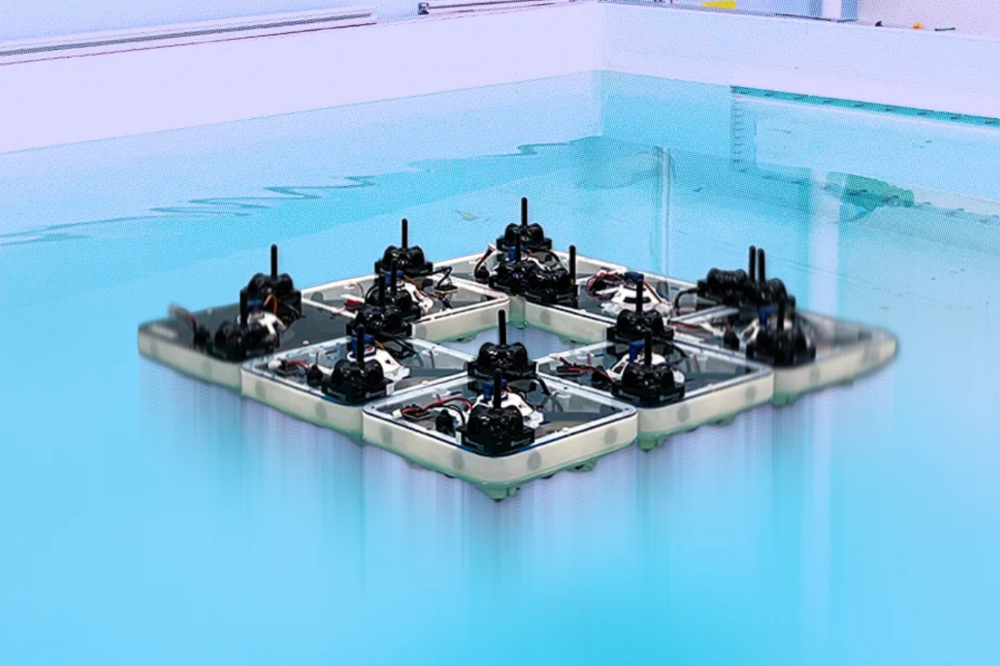
FloatForm has introduced a novel approach that combines distributed onboard control with lightweight centralized planning to manage self-assembling robotic boats. This innovative hybrid control system allows for effective coordination of miniature robot boats during controlled aquatic experiments. The significance of this development lies in its potential applications in various fields, including environmental monitoring, search and rescue operations, and marine research. By enabling the formation of reconfigurable swarms, FloatForm's technology could enhance the efficiency and adaptability of robotic systems in aquatic environments. Looking ahead, it will be important to monitor further advancements in FloatForm's technology and its deployment in real-world scenarios. No further timeline was disclosed at the time of publication.
MIT Unveils Miniature Robots for Creating Floating Bridges and Stages
A group of palm-sized square robots autonomously converge, lock together, and form a temporary floating bridge within minutes. This innovative achievement comes from MIT's Computer Science and Artificial Intelligence Laboratory (CSAIL) and was recently published in Nature Communications. Inspired by fire ants, these robots utilize decentralized control, allowing them to coordinate movements without a central command, enhancing their scalability. Each FloatForm robot measures 21 centimeters on each side and is equipped with propellers, sensors, and magnetic locks. The robots can synchronize their movements by exchanging positions with neighbors, making the planning complexity dependent on local interactions rather than the total number of robots. Simulations indicate that the framework can smoothly scale up to 64 units, showcasing significant potential for various applications. The team has successfully tested the robots in controlled environments, achieving a 90% success rate with four robots and 70% with eight in completing tasks autonomously. Future developments will focus on integrating GPS or visual navigation and mechanical locking for real-world applications, including floating markets and emergency bridges in urban areas with waterways. No further timeline was disclosed at the time of publication.
Robotics Autonomous Systems Modular Robotics Water Navigation
Shenzhen's Robotics Sector Advances 'Intermediate Layer' for Humanoid Robots at WAIC
At this year's WAIC, Shenzhen's robotics companies focused on enhancing the 'intermediate layer' necessary for humanoid robots to translate thoughts into actions. This layer is crucial for bridging the gap between model capabilities and real-world execution, addressing the industry's shift from 'can it be done' to 'can it be used'. The importance of this development lies in the need for robots to effectively process diverse training data sources, such as human demonstrations and simulation synthesis. Companies like Cross-Dimensional Intelligence introduced the Aligned DexWorld, which aligns data in a unified 3D physical space, while the DexVerse simulation engine generates varied training materials. Demonstrations showcased robots performing complex tasks, emphasizing the necessity for continuous action planning and adjustment in real-time. Looking ahead, the challenges remain regarding the amount of data required for new tasks and the stability of long-term operations. However, Shenzhen's robotics sector is clearly on the right path, focusing on completing the 'intermediate layer' to enable robots to transition from understanding to executing tasks effectively.
Humanoid Robots Robotics Technology AI Automation Data Alignment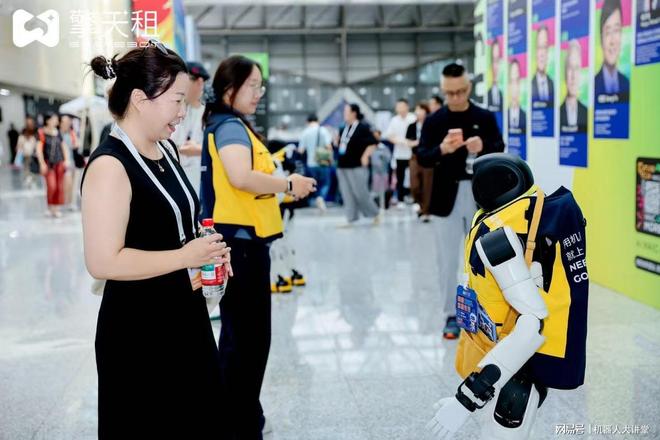
Qingtian Rental Unveils 60 Robots at WAIC, Launching 'RaaS+' Full-Scenario Initiative
On July 17, 2026, the World Artificial Intelligence Conference (WAIC 2026) commenced in Shanghai, where Qingtian Rental made its debut as a public service provider. The company showcased 60 robots, including the Expedition A3 and Lingxi X2, across multiple venues, marking the first large-scale deployment of humanoid robots at a major exhibition. This initiative is significant as it highlights the integration of AI-driven robotic services into various sectors, demonstrating Qingtian Rental's commitment to the 'RaaS+' ecosystem. The robots not only facilitated bilingual communication but also adapted to specific roles, enhancing the visitor experience and showcasing the potential of intelligent partnerships in public spaces. Looking ahead, Qingtian Rental aims to expand its 'RaaS+' ecosystem, collaborating with global partners to further integrate AI technology into everyday life. The company's recent activities, including various public engagements, indicate a growing trend towards the commercialization of robotic services across diverse industries. No further timeline was disclosed at the time of publication.
Robot as a Service Public Service Robots AI Technology Event Robotics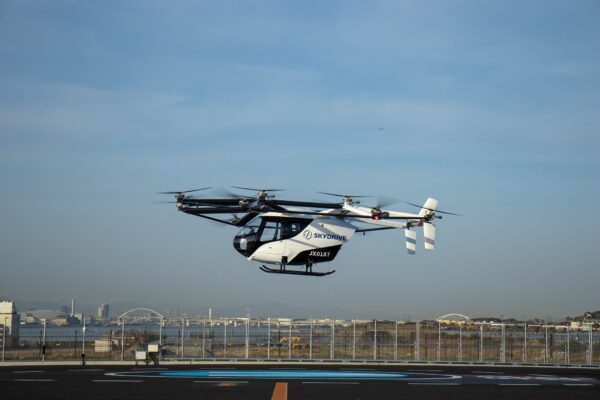
SkyDrive Partners with Japan Biz Aviation for 2028 eVTOL Launch Framework
SkyDrive Inc., a Toyota-based eVTOL manufacturer, has partnered with Japan Biz Aviation Co., Ltd. to establish a commercial framework for its eVTOL launch by 2028. This memorandum of understanding, announced on July 9, 2026, will leverage JBZ's expertise in operating HondaJet and Bell 429 helicopters to facilitate eVTOL flights in Japan. SkyDrive currently holds orders for 427 aircraft, including 354 pre-orders and 73 purchase agreements, with a notable 20-unit order from AeroGulf Services in Dubai. The collaboration is significant as it aims to bridge the operational gap for domestic buyers, many of whom lack an air operator’s certificate. SkyDrive plans to engage experienced operators to support commercial flights, enhancing the viability of eVTOL technology in Japan. The agreement follows SkyDrive's earlier partnership with a Japanese helicopter operator and underscores the importance of operational frameworks in promoting advanced air mobility. Looking ahead, SkyDrive is actively pursuing type certification with civil aviation authorities in both Japan and the United States, with a target service entry in 2028. Production of the SKYDRIVE aircraft commenced in March 2024, and the company plans to showcase its eVTOL capabilities during demonstration flights at the 2025 Osaka Expo. No further timeline was disclosed at the time of publication.
Advanced Air Mobility Air Taxi Drone News Drone News Feeds Japan Drone Industry Japan Drone News
Thales reveals AAR platform for Gladiator trainer at Eurosatory 2026.
A new AI platform designed for military applications has been finalized and is set to be officially launched at the Eurosatory defense exhibition. The platform has already undergone trials with various armies, although specific details about these military tests have not been disclosed. The launch at this prominent defense event highlights the growing interest in advanced technology for enhancing military capabilities. The introduction of this AI solution aims to improve operational efficiency and decision-making processes within armed forces. As defense organizations increasingly seek innovative tools to maintain strategic advantages, this platform represents a significant step forward in the integration of artificial intelligence into military operations.
News
Miniature sensors for the safe operation of robotic grippers
Contrinex has introduced a new line of inductive and photoelectric miniature sensors designed specifically for robotic grippers used in Pick&Place applications and precision assembly. These sensors aim to enhance the safety and efficiency of robotic operations, ensuring reliable performance in various industrial settings. The development reflects a growing demand for advanced automation solutions that can improve productivity and operational safety in manufacturing processes.
Allgemein Greifer & Werkzeuge Robotik
Shenzhen Luohu District Launches Integrated Humanoid Robot Football Competition and Training Initiative
On September 28, the Luohu District of Shenzhen announced the launch of the first Luohu Cup, an integrated program for humanoid robot football competitions and training, held at Cuiyuan Middle School. This initiative, organized by the Luohu District Education Bureau and supported by Zhiyin Technology and Beijing Accelerated Evolution Technology, aims to enhance AI education in primary and secondary schools through a hands-on, competitive approach. The program emphasizes the importance of embodied intelligence in education, moving beyond theoretical learning to practical applications. By utilizing humanoid robots in football, students will engage in real-world challenges that foster skills in perception, decision-making, and teamwork. The initiative will establish 20 pilot schools, focusing on training over competition, with a goal of developing over 100 certified personnel to support the event. The inaugural Luohu Cup is scheduled to commence in December 2026, with finals and awards in January 2027, leading to the national robotics competition in May 2027. The Luohu District Education Bureau believes that mastering the integration of competition, training, and evaluation will set a new standard for experiential learning in the region.
Humanoid Robots AI Education Robotics Competitions STEM Education
Li Zexiang and Yao Qizhi Secure $300 Million for Waterborne Intelligent Driving Initiative
Li Zexiang and Yao Qizhi have successfully raised $300 million in funding over the past six months for their venture focused on waterborne intelligent driving technology. This significant investment underscores the growing interest and potential in the development of autonomous systems for aquatic environments. The funding highlights the importance of innovation in the field of intelligent transportation, particularly as industries seek to enhance efficiency and safety in waterborne operations. The initiative aims to bridge the gap between traditional maritime practices and advanced technological solutions, positioning itself as a leader in this emerging market. Looking ahead, stakeholders will be keen to observe the progress of this initiative and its impact on the broader landscape of intelligent transportation. No further timeline was disclosed at the time of publication.
Robotics Automation AI
Fedorov Launches 'Robot Legion' Initiative to Deploy Humanoid Robots in Combat by March 2024
On September 26, former Ukrainian Defense Minister Mykhailo Fedorov announced the 'Robot Legion' initiative during his speech at the Lviv IT Arena. The program aims to replace human soldiers on the battlefield with robots to save lives, with a specific goal of deploying a humanoid robot capable of killing a Russian soldier within six months. This initiative is significant as it reflects Ukraine's ongoing efforts to enhance its military capabilities through automation. Fedorov highlighted that drones currently account for over 95% of battlefield strikes, and there are more than 700 drone manufacturers in Ukraine. The push for robotic solutions is underscored by the reported increase in armed ground robot missions, with over 9,000 in a single month this spring. Looking ahead, the first tasks for the humanoid robots will involve mechanical operations such as reloading machine guns and sensor placement. Fedorov's ambitious timeline aims for a combat-ready humanoid robot by March 2024, which could reshape military operations. No further timeline was disclosed at the time of publication.
Humanoid Robots Military Robotics Defense Technology AI Automation
Blue Cross Blue Shield Association Reports AI Increased Healthcare Costs by $942 Million
An analysis by the Blue Cross Blue Shield Association revealed that the use of artificial intelligence tools in hospitals has resulted in an additional $942 million in healthcare spending over two years. The report highlights a significant rise in the documentation of patients with complex conditions, yet it notes a disconnect between medical coding and actual treatment, indicating no evidence of improved care delivery. This finding is crucial as it underscores the growing concern that AI is exacerbating healthcare costs rather than alleviating them. The New York Times emphasized that the ongoing disputes between hospitals and insurers regarding treatments and payments are being intensified by the implementation of AI technologies on both sides. This situation raises questions about the efficiency and effectiveness of AI in the healthcare system. Looking ahead, experts like Dr. Shiv Rao from AI startup Abridge warn of potential negative outcomes, including a future where AI systems are at odds with each other. However, there is also hope that AI could streamline processes and reduce costs. No further timeline was disclosed at the time of publication.
AI Biotech & Health Blue Cross Blue Shield Abridge
Ukraine's Army of Robots Initiative Aims to Enhance Warfare with Humanoid Systems
Former Ukrainian defense minister Mykhailo Fedorov has launched the 'Army of Robots' initiative, aiming to deploy humanoid and autonomous systems for high-risk military tasks. This project seeks to reduce soldier exposure to danger by utilizing robots for logistics, reconnaissance, and combat operations. The initiative is a continuation of Ukraine's technology-driven approach, building on the success of the Army of Drones. Fedorov is actively seeking partnerships with engineers, robotics teams, and investors to create a robust ecosystem that integrates humanoid robots with existing military technologies, including drones and unmanned ground vehicles. Fedorov has set ambitious goals, including the deployment of a humanoid robot capable of lethal action within six months and the first combined operation of robots and drones within a year. The initiative represents a significant shift towards integrating advanced robotics into military operations, reflecting the urgent need for innovation in response to evolving threats.
Military
Sony Semiconductor Solutions Requires 8,000 Employees to Return to Office for AI Initiatives
Sony Group's chip subsidiary, Sony Semiconductor Solutions, has mandated that 8,000 employees return to the office full-time starting next month. This decision reflects a growing trend among Japanese companies to reverse remote work policies in favor of in-person collaboration. The shift to in-office work is aimed at enhancing efficiency and fostering casual communication, which is deemed essential for the development of physical AI technologies. As companies like Sony prioritize direct interactions, this move underscores the importance of workplace dynamics in advancing technological innovation. Looking ahead, it will be crucial to monitor how this policy impacts employee morale and productivity, especially as many workers prefer remote work arrangements. No further timeline was disclosed at the time of publication.
Navy Initiates Phase II for Medium Unmanned Surface Vessel Project, Seeks Innovative Solutions
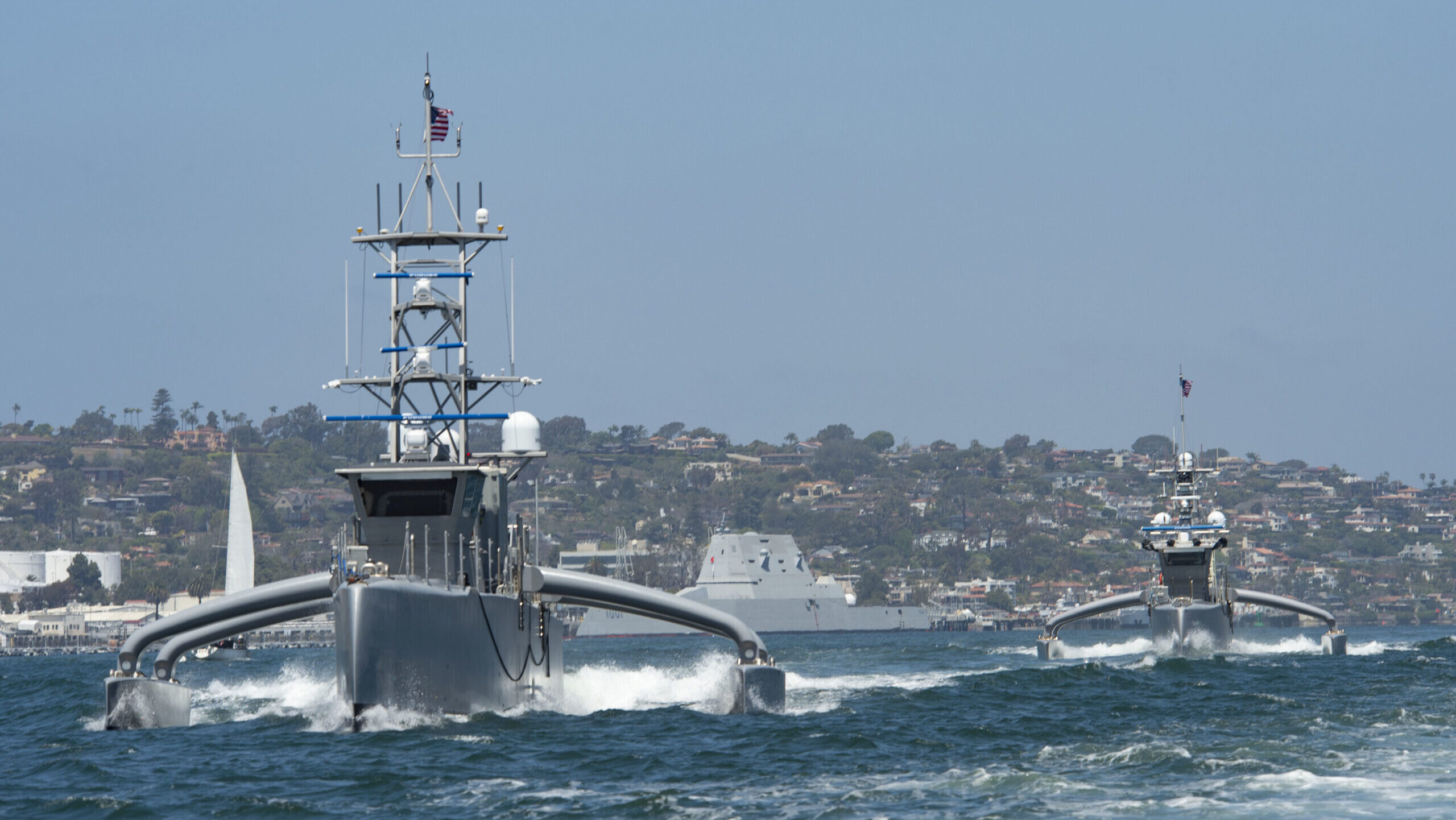
The Navy has launched Phase II of its medium unmanned surface vessel (MUSV) project, inviting innovative solutions for integration and testing. The solicitation notice, released on September 23, emphasizes the need for adaptable and resilient designs that can address evolving maritime threats. This initiative is significant as it aims to enhance the Navy's capabilities in unmanned operations, with specific requirements for vessels to operate unmanned for at least 10 days and accommodate a payload of two standard 20-foot shipping containers. The focus on open-architecture autonomy and rapid production scalability reflects the Navy's commitment to modernizing its fleet. Looking ahead, vendors with successful proposals will demonstrate their vessels at sea, evaluated on criteria such as speed and fuel efficiency. The Navy's MUSV Marketplace, announced earlier this year, aims to streamline procurement processes for maritime autonomous systems, allowing both new and existing vendors to participate in this evolving landscape.
Naval Warfare Drones MUSV Navy Unmanned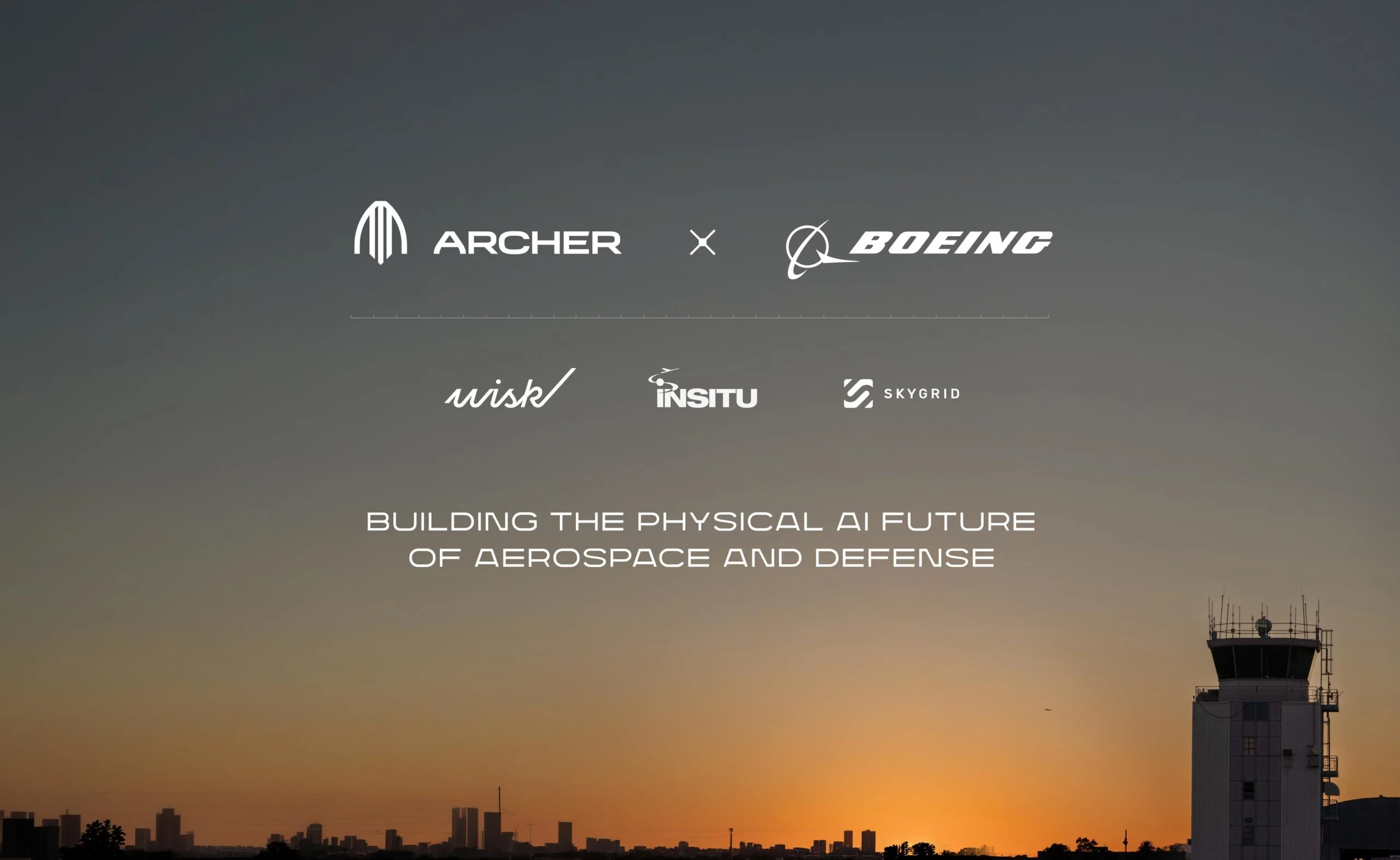
Archer Aviation Advances Boeing Subsidiary Acquisition, Enhancing Aerospace AI Capabilities
Archer Aviation's acquisition of Boeing's Wisk Aero, SkyGrid, and Insitu subsidiaries has progressed after clearing the Hart-Scott-Rodino waiting period. This deal aims to create a comprehensive physical AI platform for aerospace and defense by integrating Archer's ZEE AI platform with Wisk's autonomous flight systems, SkyGrid's airspace-management software, and Insitu's uncrewed aircraft. The significance of this acquisition lies in its potential to enhance the capabilities of autonomous aircraft and airspace management. With nearly 2 million combined flight hours from the three Boeing units, Archer plans to leverage their technologies to add autonomy, sensing, flight-control, and operational data to its existing platform. This integration is expected to position Archer as a leader in the aerospace AI sector. Looking ahead, Archer anticipates completing the acquisition by the end of 2026, pending additional regulatory approvals and customary closing conditions. Boeing will maintain access to Wisk's technology and retain its stake in Archer, ensuring ongoing collaboration post-acquisition. No further timeline was disclosed at the time of publication.
AI AI Funding & Investment Robotics acquisition autonommous aircraft Boeing
Mifengpai Unveils Data Crowdsourcing Initiative for Robot Training Through Daily Activities
On September 23, Mifengpai launched a global initiative to crowdsource data for robot training, showcasing over 50,000 real environments and 5,000 tasks. The event highlighted the need for extensive data on everyday actions, which are crucial for training robots but have not been systematically recorded. Mifengpai's approach combines hardware, an app, and a data engine to facilitate this data collection. This initiative is significant as it addresses the challenge of gathering large-scale data necessary for developing embodied artificial general intelligence (AGI). Mifengpai's infrastructure, including the MEgo collection devices and a user-friendly app, aims to democratize data collection by allowing ordinary users to contribute through standardized tasks. The company has already seen substantial engagement, with 20,000 registered users and over 13,000 data collection tasks submitted in just one month. Looking ahead, Mifengpai has introduced a subsidy plan worth 100 million yuan to support task and equipment subsidies, along with a scene data alliance involving over 50 companies across various sectors. This collaborative effort is expected to enhance the quality and quantity of data available for robot training, ultimately improving robotic capabilities in everyday tasks.
Data Crowdsourcing Robot Training AI Technology Human-Robot Interaction
Tesla Initiates Procurement of Chinese Components for US-Manufactured Humanoid Robots
Tesla has started sourcing components from China for its humanoid robots produced in the United States. This move is expected to enhance production capacity at Tesla's Fremont factory in California, leveraging China's status as the largest producer of humanoid robot parts. The procurement process began in mid-September when Tesla's robotics team conducted factory audits of three automotive parts suppliers in Ningbo: Joyson Electronics, Top Group, and Sanhua Automotive. These suppliers have already received orders for components such as joint modules, actuators, and precision structural parts, indicating a pre-existing collaboration with Tesla in the automotive sector. Looking ahead, Tesla's strategy of ordering components before auditing production lines highlights its confidence in these suppliers' capabilities. The ongoing partnership with these established companies reflects China's growing influence in the global robotics industry, particularly as Tesla shifts focus to humanoid robot production at its California facility.
Humanoid Robots Supply Chain Automotive Components Robotics Manufacturing
Tesla Initiates Procurement of Chinese Components for US-Made Humanoid Robots
Tesla has begun sourcing components from China for its humanoid robots produced in the United States. This move is expected to enhance production capacity at Tesla's Fremont factory in California, leveraging China's status as the largest supplier of humanoid robot parts globally. In mid-September, Tesla's robotics division started factory audits of three automotive component suppliers located in Ningbo, China: Joyson Electronics, Top Group, and Sanhua Automotive. These suppliers had already received orders for parts such as joint modules, actuators, and precision components prior to the audits, which will assess production line performance and compliance with regulations. The focus will be on whether these suppliers can meet mass production requirements for robot components. Given their existing relationships with Tesla in the automotive sector, the suppliers are expected to have the necessary capabilities. The upcoming months will reveal if these suppliers can scale production in line with Tesla's ambitious output targets for its Optimus humanoid robots.
Humanoid Robots Supply Chain Robotics Components Automotive Parts
DJI Launches World Heritage 3D Conservation Initiative for Drone Pilots
DJI has introduced the World Heritage 3D Conservation Initiative, inviting drone operators globally to create 3D reconstructions of heritage sites. This competition runs until October 10, 2026, with winners announced in November. Participants can document both natural and cultural heritage sites, transforming their aerial captures into immersive flythrough videos using DJI Reality. The initiative is significant as it aims to preserve the digital records of heritage sites threatened by erosion, storms, and deterioration. While a 3D reconstruction cannot replace the physical site, it offers a valuable digital snapshot for future study and sharing. DJI's previous projects, such as surveying the Khumbu Icefall and capturing Maya archaeological sites in Guatemala, highlight the potential of aerial mapping in conservation efforts. Looking ahead, the competition encourages creativity and storytelling in documenting heritage. Operators will plan their flights to capture detailed imagery, contributing to a growing archive of digital heritage. No further timeline was disclosed at the time of publication.
News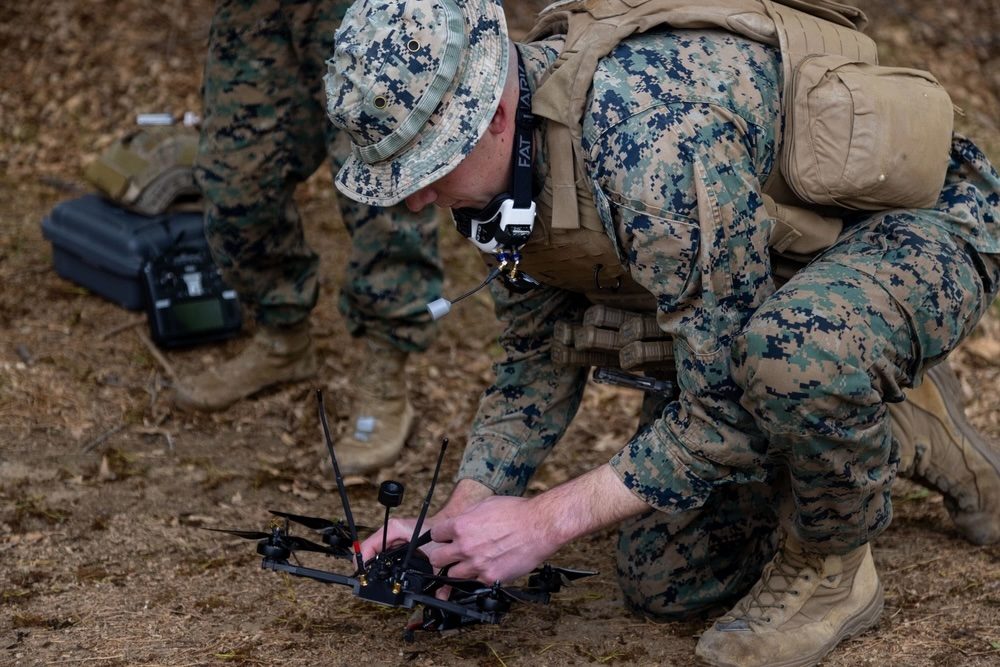
U.S. Army Selects Vulcan Elements for Rare Earth Magnets in Drone Initiative
The U.S. Army has chosen Vulcan Elements to supply rare earth magnets for its SkyFoundry drone initiative, which aims to produce one million small drones annually. Vulcan is currently expanding its production capabilities with a new plant in Benson, North Carolina, designed for 10,000 metric tons of annual magnet capacity. However, the timeline for when Vulcan's supply can fully meet the Army's production goals remains unclear. This selection underscores the broader challenge of establishing a domestic supply chain for drone manufacturing in the U.S. As the country seeks to reduce dependence on Chinese components, the tightening of export controls by China complicates matters. The Army's initiative highlights the need for reliable sources of critical components, such as rare earth magnets, which are essential for drone motors. Looking ahead, Vulcan's ongoing efforts to secure rare earth materials and expand production capacity will be crucial in determining the feasibility of meeting the Army's ambitious drone production targets. No further timeline was disclosed at the time of publication.
Applications brushless motors Defense Drone Manufacturing Drone News Drone News FeedsRobotics needs a service framework.
RSF defines a common language for robot service capability, lifecycle operations, certification pathways, and service-provider networks.
Join the RobotToday community on LinkedIn
Daily robotics news, in-depth analysis, conference highlights, and discussions with professionals worldwide.







