Top News

Industry Briefing

A single destination for timely, editor-curated robotics news from around the world.
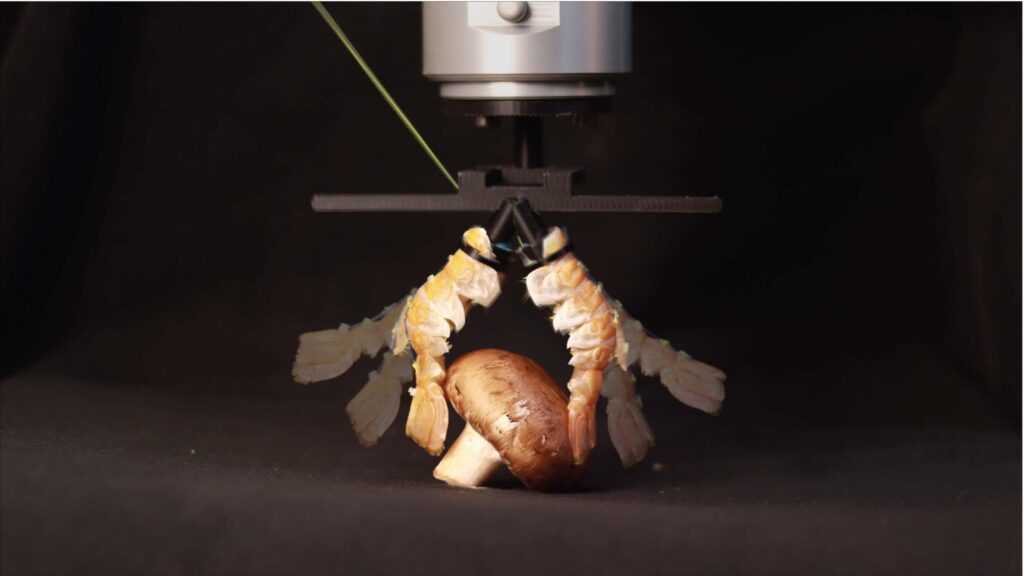
Bio-hybrid robots turn food waste into functional machines

Bio-hybrid robots turn food waste into functional machines

Researchers at the CREATE Lab of the École Polytechnique Fédérale de Lausanne (EPFL) have unveiled a groundbreaking robotic gripper crafted from langoustine tails. This innovative design, showcased in 2025, marks a significant departure from traditional robotic components typically made from metals and plastics. By drawing inspiration from nature, the team aims to enhance the functionality and adaptability of robotic systems. The use of organic materials not only aligns with sustainable practices but also offers unique advantages in terms of flexibility and grip. This development highlights a growing trend in robotics, where natural elements are increasingly influencing technological advancements.

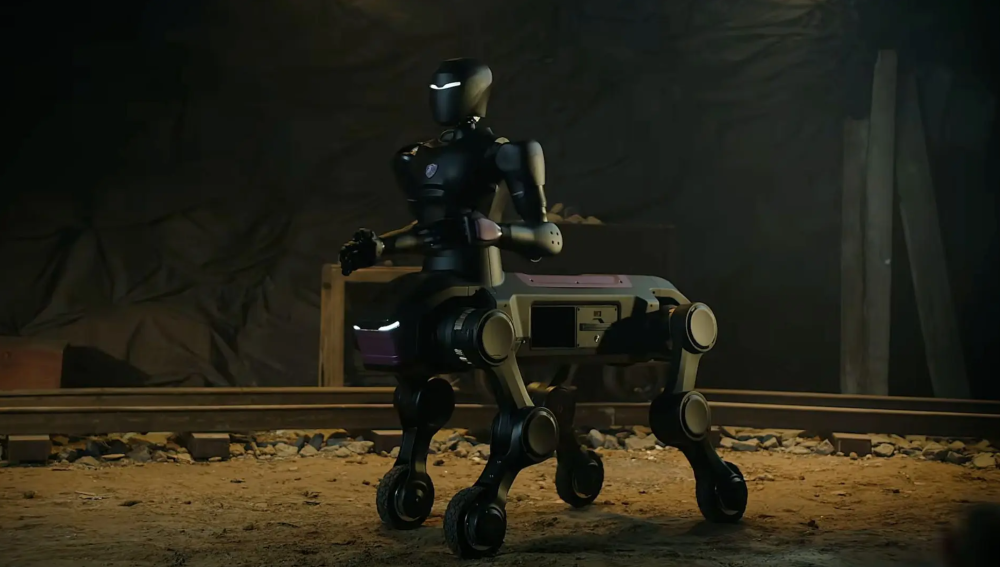
Run Robotics Unveils Hybrid 'Centaur' Robot at WAIC 2026 in Shanghai

Run Robotics Unveils Hybrid 'Centaur' Robot at WAIC 2026 in Shanghai

Run Robotics introduced the world's first hybrid 'Centaur' robot at the WAIC 2026 in Shanghai, redefining humanoid robotics. This innovative design features a four-wheeled all-terrain chassis combined with a humanoid upper body equipped with robotic arms, enabling it to navigate complex terrains and perform tasks in hazardous environments. The significance of this development lies in its potential applications in areas deemed unsafe for humans and inaccessible to traditional robots, such as steel mills, oil fields, and disaster sites. With over 95% of its core components sourced domestically, the Centaur robot showcases China's growing capabilities in advanced robotics manufacturing. Looking ahead, Run Robotics plans to complete an automated assembly line by Q4 2026 and has already secured commercial orders for the Centaur robot. This innovation not only highlights the strength of China's robotics industry but also emphasizes a shift in design philosophy—robots need not resemble humans but must be effective in their tasks.

Hybrid Robots Robotics Innovation AI Technology Industrial Automation
Robot Talk Episode 147 – Miniature living robots, with Maria Guix

Robot Talk Episode 147 – Miniature living robots, with Maria Guix

In a recent discussion, Claire spoke with Maria Guix, a chemist and nanotechnology researcher at the University of Barcelona, about the innovative field of biohybrid robots. This conversation highlighted Guix's work in the ChemInFlow lab, where she focuses on merging electronics with biological components to develop miniaturized living robots. These biohybrid robots possess emergent properties that could enhance their functionality and adaptability. Guix is also integrating flexible sensors into microfluidic platforms, a process aimed at advancing the understanding of these robotic systems. The research is significant as it explores the intersection of biology and technology, potentially leading to breakthroughs in robotics and bioengineering.

Xynova Unveils Hybrid-Driven Gen-2 Dexterous Hand for Humanoid Robots

Xynova Unveils Hybrid-Driven Gen-2 Dexterous Hand for Humanoid Robots

Xynova has unveiled its second-generation hybrid-driven dexterous hand, aimed at enhancing the manipulation capabilities of humanoid robots to perform real-world tasks with human-like intelligence. This innovative technology represents a significant advancement in robotics, allowing for more precise and adaptable interactions with various objects and environments. The release, which took place in October 2023, underscores Xynova's commitment to pushing the boundaries of robotic dexterity and intelligence. By integrating advanced engineering and artificial intelligence, the company seeks to address the growing demand for robots that can seamlessly integrate into everyday life and work alongside humans.

HumanoidRobotics
GE Aerospace Achieves Historic Hybrid-Electric Flight Above 30,000 Feet

GE Aerospace Achieves Historic Hybrid-Electric Flight Above 30,000 Feet

GE Aerospace has successfully completed the first flight of a hybrid-electric aircraft above 30,000 feet, marking a significant advancement in hybrid-electric aviation. This milestone was achieved in collaboration with NASA, BETA Technologies, and Boeing, demonstrating the potential of electrified propulsion for commercial aviation. The flight involved a modified Saab 340B, which operated its hybrid-electric propulsion system for over two hours at cruising altitudes typical for commercial passenger aircraft. This achievement is part of NASA's Electrified Powertrain Flight Demonstration program, showcasing the efficiency and performance benefits of combining a gas turbine with an electric powertrain. Looking ahead, GE Aerospace's successful flight tests pave the way for future hybrid aircraft development. The company has plans for further milestones under the CFM International RISE program, which aims to reduce fuel burn by over 20%. No further timeline was disclosed at the time of publication.

Transportation
Dynamic Environment Adaptive Path Planning for Mobile Robots: A Hybrid Enhanced Path‐Planning Approach

Dynamic Environment Adaptive Path Planning for Mobile Robots: A Hybrid Enhanced Path‐Planning Approach

The Journal of Field Robotics has published a new study highlighting advancements in autonomous robotic systems. Researchers from various institutions collaborated on this project, aiming to enhance the efficiency and safety of robots used in field applications. The study, released in early October 2023, focuses on innovative algorithms that improve navigation and obstacle avoidance in complex environments. Conducted in diverse outdoor settings, the research demonstrates how these advancements can significantly reduce operational risks and increase productivity in sectors such as agriculture, search and rescue, and environmental monitoring. By integrating cutting-edge machine learning techniques, the team was able to develop robots that adapt to changing conditions in real-time, showcasing their potential for practical deployment. This research is particularly timely as industries increasingly seek automation solutions to address labor shortages and improve operational efficiency. The findings underscore the importance of continued investment in robotic technologies, which are poised to transform various sectors by enhancing capabilities and ensuring safer working conditions. The study serves as a pivotal step toward realizing the full potential of autonomous systems in real-world applications.

RESEARCH ARTICLE

Soft Computing Techniques Applied to Adaptive Hybrid Navigation Methods for Tethered Robots in Dynamic Environments

Soft Computing Techniques Applied to Adaptive Hybrid Navigation Methods for Tethered Robots in Dynamic Environments

A recent study published in the Journal of Field Robotics highlights advancements in robotic technology aimed at enhancing agricultural efficiency. Researchers from various institutions conducted experiments over the past year, focusing on the integration of autonomous robots in crop monitoring and management. The study, carried out in multiple agricultural settings across the Midwest, demonstrates how these robots can significantly reduce labor costs and increase yield by providing real-time data on soil conditions and crop health. The motivation behind this research stems from the growing need for sustainable farming practices amid rising global food demands. By employing sophisticated sensors and machine learning algorithms, the robots are designed to analyze vast amounts of agricultural data, allowing farmers to make informed decisions quickly. The findings indicate that the use of these robotic systems can lead to a more precise application of resources, ultimately promoting environmental sustainability. As the agricultural sector faces challenges such as labor shortages and climate change, the implementation of robotic technology presents a viable solution to improve productivity and resilience in farming operations. The research team plans to continue refining these technologies, aiming for broader adoption in the industry.

RESEARCH ARTICLE
Hybrid Velocity Obstacle‐Nonlinear Control Method for Real‐Time Collision Avoidance of Nonholonomic Mobile Robots

Hybrid Velocity Obstacle‐Nonlinear Control Method for Real‐Time Collision Avoidance of Nonholonomic Mobile Robots

In May 2026, researchers published a study in the Journal of Field Robotics, exploring advancements in robotic technology and its applications in various fields. The study highlights the integration of artificial intelligence and machine learning in enhancing the capabilities of field robots. Conducted by a team of engineers and scientists, the research aims to address challenges faced in agriculture, search and rescue operations, and environmental monitoring. The findings demonstrate how these innovations can improve efficiency and accuracy in tasks traditionally performed by humans, thereby reducing labor costs and increasing safety in hazardous environments. The team employed a series of experiments to test the robots' performance in real-world scenarios, showcasing their ability to navigate complex terrains and make autonomous decisions. This research is significant as it underscores the potential of robotics to transform industries by providing solutions that are not only effective but also sustainable. The authors emphasize the importance of continued investment in robotic research to further develop these technologies and expand their applications.

RESEARCH ARTICLE
Translational bottlenecks for biohybrid microrobots

Translational bottlenecks for biohybrid microrobots

In a groundbreaking study published in the June 2026 issue of Science Robotics, researchers from leading universities have unveiled a new robotic system designed to assist in disaster relief efforts. This innovative technology aims to enhance the efficiency and effectiveness of rescue operations in the aftermath of natural disasters. The research team, comprised of experts in robotics and emergency management, conducted extensive field tests to evaluate the robot's capabilities in various simulated disaster scenarios. These tests demonstrated the robot's ability to navigate challenging terrains, locate survivors, and deliver essential supplies, significantly improving response times compared to traditional methods. The motivation behind this development stems from the increasing frequency and severity of natural disasters worldwide, which necessitates advanced solutions to aid first responders. By integrating artificial intelligence and machine learning, the robotic system can adapt to dynamic environments and make real-time decisions, thereby optimizing rescue strategies. The study's findings highlight the potential for robotics to transform disaster response, offering a promising tool for humanitarian efforts. As the world faces escalating climate-related challenges, this innovative approach could play a crucial role in saving lives and mitigating the impact of future disasters.

Focus
Run Robotics Unveils World's First Centaur Wheel-Leg Hybrid Robot at WAIC 2026

Run Robotics Unveils World's First Centaur Wheel-Leg Hybrid Robot at WAIC 2026

Run Robotics, a Shanghai-based company, has introduced the world's first 'centaur' wheel-leg hybrid robot at the WAIC 2026. This innovative AI-powered machine combines wheeled mobility with legged locomotion, allowing it to traverse complex terrains at high speeds. With over 95% of its components produced domestically, the robot is designed for demanding applications such as autonomous inspections, firefighting, and emergency rescue operations. The significance of this development lies in its potential to enhance operational capabilities in challenging environments. The centaur robot's unique design, featuring a four-wheel all-terrain chassis and a human-like upper body with robotic arms, enables it to perform complex tasks that traditional robots cannot. Its ability to carry loads between 220 to 265 pounds (100 to 120 kilograms) and support a maximum static load of 463 pounds (210 kilograms) makes it suitable for various industrial and emergency response scenarios. Looking ahead, Run Robotics aims to complete an automated assembly line by the fourth quarter of 2026 and has already secured commercial orders for the centaur robot. The company continues to refine its product to address challenges in operational capability and adaptability, positioning itself as a leader in advanced robotics manufacturing in China. No further timeline was disclosed at the time of publication.

AI and Robotics Innovation
Don’t Forget the Salt: Physical Intelligence Equips Robots with 15-Minute "Multi-Scale" Memory

Don’t Forget the Salt: Physical Intelligence Equips Robots with 15-Minute "Multi-Scale" Memory

Physical Intelligence (Pi) has introduced a groundbreaking technology known as Multi-Scale Embodied Memory (MEM), designed to enhance robotic capabilities in executing complex, long-term tasks. This innovative hybrid architecture integrates short-term video encoding with long-term textual summarization, enabling robots to effectively learn and adapt during activities such as kitchen cleaning and in-context error recovery. The announcement marks a significant advancement in robotics, aiming to improve the efficiency and autonomy of machines in dynamic environments. By leveraging this new system, robots can better understand and respond to their surroundings, ultimately leading to more sophisticated interactions and task completion.

US Research Artificial Intelligence Physical Intelligence embodied-ai
Design and Motion Control of a Propeller–Leg Hybrid Multimodal Underwater Adhesion Robot

Design and Motion Control of a Propeller–Leg Hybrid Multimodal Underwater Adhesion Robot

The Journal of Field Robotics has published an early view article that explores advancements in robotic technology and its applications in various fields. This publication, released in October 2023, highlights the innovative research conducted by a team of engineers and scientists aiming to enhance the efficiency and capabilities of robotic systems. The study focuses on the integration of artificial intelligence and machine learning to improve navigation and decision-making processes in autonomous robots. Researchers conducted extensive field tests to evaluate the performance of these systems in real-world environments, demonstrating significant improvements over previous models. The findings are expected to impact industries such as agriculture, manufacturing, and disaster response, where robotic assistance can lead to increased productivity and safety. This research underscores the growing importance of robotics in addressing complex challenges and advancing technological solutions across multiple sectors.

RESEARCH ARTICLE
A Hybrid Technique for Active SLAM Based on RPPO Model With Transfer Learning

A Hybrid Technique for Active SLAM Based on RPPO Model With Transfer Learning

The Journal of Field Robotics has released an EarlyView article highlighting recent advancements in robotic technology. Researchers from various institutions have collaborated to develop innovative algorithms that enhance the efficiency and autonomy of field robots. This significant study, published in October 2023, aims to address the growing demand for automation in agriculture and environmental monitoring. The research focuses on improving the decision-making capabilities of robots operating in complex outdoor environments. By integrating machine learning techniques, the team has demonstrated how robots can better navigate and adapt to changing conditions, ultimately increasing productivity in agricultural practices. The findings are particularly relevant as the industry seeks to optimize resource use and reduce labor costs. The study was conducted across multiple test sites, showcasing the practical applications of these advancements in real-world scenarios. The researchers emphasize that these developments are crucial for meeting the challenges posed by climate change and the need for sustainable farming practices. By enhancing the operational capabilities of field robots, the team hopes to contribute to a more efficient and resilient agricultural sector. This publication marks a significant step forward in the field of robotics, underscoring the potential for technology to transform traditional practices and improve outcomes in various sectors. As the demand for automation continues to rise, the implications of this research could be far-reaching, paving the way for future innovations in robotic applications.

RESEARCH ARTICLE
Outracing a National Level Model Racing Car Champion: A Hybrid Model‐Based Data‐Driven Approach

Outracing a National Level Model Racing Car Champion: A Hybrid Model‐Based Data‐Driven Approach

A recent study published in the Journal of Field Robotics highlights advancements in autonomous robotic systems designed for agricultural applications. Conducted by a team of researchers from various universities, the study was released in early October 2023. The research focuses on the development of robots capable of performing tasks such as planting, harvesting, and monitoring crops with minimal human intervention. The motivation behind this innovation stems from the increasing demand for efficient agricultural practices to address food security challenges and labor shortages in the farming sector. By utilizing advanced sensors and artificial intelligence, these robots can navigate complex terrains and adapt to varying environmental conditions, enhancing productivity and sustainability in agriculture. The researchers conducted extensive field trials to validate the robots' effectiveness, demonstrating their ability to operate autonomously while maintaining high levels of accuracy and efficiency. The findings suggest that integrating these robotic systems into farming operations could significantly reduce labor costs and improve crop yields, paving the way for a more sustainable future in agriculture.

RESEARCH ARTICLE
China’s new robotic hand combines hybrid actuation for smarter robot manipulation

China’s new robotic hand combines hybrid actuation for smarter robot manipulation

Chinese robotics company Xynova has introduced its second-generation dexterous hand, designed to enhance the capabilities of humanoid robots. The unveiling took place recently, showcasing advancements in robotic technology that aim to improve the dexterity and functionality of robots in various applications. This innovation is part of Xynova's ongoing commitment to push the boundaries of robotics, addressing the growing demand for more sophisticated and versatile robots in industries such as manufacturing, healthcare, and service. The new hand features improved grip strength and precision, enabling robots to perform complex tasks with greater ease. By advancing robotic dexterity, Xynova seeks to facilitate the integration of humanoid robots into everyday environments, ultimately enhancing human-robot collaboration.

Intelligent Autonomy: A Novel Hybrid Navigation System for Autonomous Load‐Haul‐Dump Vehicles

Intelligent Autonomy: A Novel Hybrid Navigation System for Autonomous Load‐Haul‐Dump Vehicles

A recent study published in the Journal of Field Robotics highlights advancements in autonomous robotic systems designed for agricultural applications. Researchers from various institutions collaborated to develop innovative algorithms that enhance the efficiency and accuracy of these robots in tasks such as planting, monitoring, and harvesting crops. The findings, released in early October 2023, emphasize the growing importance of robotics in addressing labor shortages and increasing productivity in the agricultural sector. By employing machine learning techniques, the team demonstrated how these robots can adapt to changing environmental conditions and improve decision-making processes. This research aims to support farmers in optimizing their operations while minimizing resource use, ultimately contributing to sustainable agricultural practices. The study was conducted in diverse agricultural settings, showcasing the versatility of robotic applications in different crop types and farming methods.

RESEARCH ARTICLE
A Fast and Robust Multistage Hybrid Algorithm for Inverse Kinematics of Redundant Mill Relining Manipulator

A Fast and Robust Multistage Hybrid Algorithm for Inverse Kinematics of Redundant Mill Relining Manipulator

In May 2026, researchers published a significant study in the Journal of Field Robotics, focusing on advancements in robotic technology. This research, conducted by a team of engineers and scientists, explores innovative methodologies for enhancing the autonomy and efficiency of field robots used in various applications, including agriculture and disaster response. The study highlights the development of new algorithms that enable robots to navigate complex environments more effectively, which is crucial for tasks that require precision and adaptability. The motivation behind this research stems from the increasing demand for automation in sectors where human intervention is limited or hazardous. By employing advanced machine learning techniques, the team demonstrated how these robots could learn from their surroundings and improve their operational capabilities over time. The findings are expected to have a profound impact on the future of robotics, potentially leading to safer and more efficient solutions in critical areas. This publication marks a pivotal moment in the ongoing evolution of robotic systems, showcasing the potential for these technologies to transform industries and enhance human productivity.

RESEARCH ARTICLE
Design of a Hybrid Robot Based on a Tensegrity Structure

Design of a Hybrid Robot Based on a Tensegrity Structure

In May 2026, researchers published a significant study in the Journal of Field Robotics, highlighting advancements in robotic technology. The study focuses on the development of autonomous robots designed for agricultural applications, aiming to enhance efficiency and productivity in farming practices. Conducted by a team of engineers and scientists, the research was carried out at various agricultural sites to test the robots' capabilities in real-world conditions. The motivation behind this initiative stems from the increasing demand for sustainable farming solutions amid growing global food shortages. By integrating advanced robotics, the team seeks to address labor shortages and improve crop management through precision farming techniques. The robots utilize cutting-edge sensors and artificial intelligence to navigate fields, monitor crop health, and optimize resource usage. The findings indicate that these autonomous systems can significantly reduce operational costs while increasing yield, marking a potential turning point in agricultural practices. As the study gains attention, it is expected to influence future research and development in the field of agricultural robotics, paving the way for more innovative solutions to meet the challenges of modern farming.

RESEARCH ARTICLE
Artificial tendons give muscle-powered robots a boost

Artificial tendons give muscle-powered robots a boost

Engineers at the Massachusetts Institute of Technology (MIT) have unveiled an innovative design that has the potential to enhance various biohybrid systems. This groundbreaking development, announced recently, aims to improve the functionality and efficiency of biohybrids, which combine biological and synthetic components for applications in fields such as robotics and medicine. The motivation behind this research stems from the growing need for advanced technologies that can mimic natural processes and improve interaction with living organisms. By integrating new materials and engineering techniques, the team at MIT has created a design that could significantly advance the capabilities of biohybrid builds, paving the way for more sophisticated applications in the future.

New plane prototype conducts maiden piloted flight, can transform hybrid-electric aircraft future

New plane prototype conducts maiden piloted flight, can transform hybrid-electric aircraft future

An aerospace and technology company has successfully completed the maiden piloted flight of its full-scale prototype, marking a significant milestone in its development efforts. The flight took place recently at the company's testing facility, showcasing advancements in aerospace technology and design. This achievement is part of the company's broader mission to innovate and enhance capabilities in the aerospace sector, driven by the growing demand for advanced aircraft solutions. The prototype's successful flight demonstrates the effectiveness of the engineering and design processes employed, paving the way for future developments and potential commercial applications. The company aims to leverage this success to attract investment and partnerships, furthering its goals in the competitive aerospace market.

Transportation
Cognibotics Secures €6.5 Million EU Funding for HKM1800 Robot Development

Cognibotics Secures €6.5 Million EU Funding for HKM1800 Robot Development

Cognibotics, a Swedish robotics firm, has received €6.5 million in funding from the European Innovation Council Accelerator under the Horizon Europe program. This funding comprises a €2.5 million grant and €4 million in equity financing, aimed at advancing the development and industrialization of the HKM1800 robot platform for logistics and manufacturing. The HKM1800 features a hybrid kinematic design that allows for delta-class speed and a workspace ten times larger than traditional robots, while consuming one-third less energy. The significance of this funding lies in its potential to enhance automation in Europe, addressing labor shortages and increasing throughput demands. The HKM1800 is designed to facilitate quick installation and achieve over 2,000 picks per hour within a 10 square meter workspace, effectively breaking the conventional speed/reach trade-off. CEO Fredrik Malmgren emphasized that this funding validates their technology and strategic direction, which focuses on both the robot and the software that supports it. Looking ahead, Cognibotics aims to leverage this funding to bring the HKM1800 to market and further develop its software and automation strategies. The project aligns with the growing need for scalable automation solutions in Europe. No further timeline was disclosed at the time of publication.

Business Financials & Investments News cognibotics EIC Accelerator European Innovation Council
XSTO Mobility Launches $28,000 X12 Stair-Climbing Robot with AI and LiDAR Technology

XSTO Mobility Launches $28,000 X12 Stair-Climbing Robot with AI and LiDAR Technology

XSTO Mobility has unveiled the X12 all-terrain mobility robot, priced at $27,999, designed to assist wheelchair users in overcoming stairs and other obstacles. Weighing approximately 115 kg and capable of carrying up to 136 kg, the X12 features a hybrid wheel-track chassis that allows it to navigate stairs autonomously, with a climbing speed of 25 steps per minute and descending speed of 30 steps per minute. The robot utilizes LiDAR and AI algorithms for real-time terrain perception, enabling it to adjust its driving mode and power output dynamically. The introduction of the X12 is significant as it addresses mobility challenges faced by individuals with disabilities, particularly in environments lacking accessibility features. With the ability to climb slopes of up to 40 degrees and traverse gaps of 300 mm, the X12 offers a solution that goes beyond traditional mobility aids. XSTO Mobility, based in Zhongshan, Guangdong, has been developing embodied mobile robots for over a decade, and the X12 represents a substantial advancement in this field, emphasizing user independence and safety. Looking ahead, XSTO Mobility has reported that orders for the X12 are already booked until April 2026, indicating strong market demand. The robot is currently available in over 70 countries, and its innovative design has garnered multiple awards. No further timeline was disclosed at the time of publication regarding additional product releases or enhancements.

Mobility Robots Assistive Technology AI Healthcare Innovation
Cyborg Cockroaches Equipped with Diving Suits Achieve Three-Hour Submersion

Cyborg Cockroaches Equipped with Diving Suits Achieve Three-Hour Submersion

Researchers have developed a miniature diving suit for cyborg cockroaches, allowing them to navigate both land and water environments. This innovation enables the cockroaches to survive underwater for up to three hours, showcasing their amphibious locomotion capabilities. The study highlights the potential applications of biohybrid systems in hazardous environments, where traditional robots may struggle to operate effectively. The significance of this development lies in its implications for search and rescue operations, environmental monitoring, and exploration of submerged terrains. By integrating biological organisms with robotic technology, researchers aim to enhance the adaptability and functionality of robotic systems in challenging conditions. This approach could lead to advancements in the field of biohybrid robotics, where living organisms and machines work in tandem. Looking ahead, the research team is expected to explore further enhancements to the diving suit's design and functionality. No further timeline was disclosed at the time of publication, but ongoing studies may reveal additional capabilities or applications for these cyborg cockroaches in various operational scenarios.

Peking University team develops new generation data acquisition device using EMG wristband, backed by Gong Hongjia, Lu Qi, and overseas

Peking University team develops new generation data acquisition device using EMG wristband, backed by Gong Hongjia, Lu Qi, and overseas

The SnowOrigin team, composed of researchers from Peking University, has secured investments from notable figures including Gong Hongjia and Lu Qi, as well as overseas institutions. This innovative team focuses on surface electromyography (sEMG) technology to develop a new generation of human control data collection solutions, utilizing wearable devices like neural wristbands and panoramic headsets, along with their proprietary Neural Math Hybrid (NMH) AI decoding model. As the fields of embodied intelligence and Physical AI rapidly evolve, there is an increasing demand for high-quality human control data. Current mainstream data collection methods, such as first-person video and motion capture, often fail to capture critical information about the intent and nuances of human actions. SnowOrigin's wearable devices aim to bridge this gap by integrating muscle and neural signal decoding technologies to create structured data that includes posture, force, and micro-control, thereby supporting the training of robots and world models. Founder Qin Xu emphasized that unlike traditional lab-based motion capture systems, their wearable solutions are cost-effective, lightweight, and suitable for long-term use without disrupting daily activities. The team is advancing two commercialization pathways: enhancing human-robot interaction for AI devices and building a foundational data infrastructure for Physical AI applications. With a strong academic background and a commitment to innovation, SnowOrigin is positioned to lead in the emerging market for embodied data collection, having already made significant strides in real-time decoding of sEMG signals into actionable insights. As the demand for comprehensive interaction data grows, the team is poised to capitalize on this shift in paradigm.

ANSCER Robotics closes Series A round for industrial material handling

ANSCER Robotics closes Series A round for industrial material handling

ANSCER Robotics has successfully secured $5.4 million in a Series A funding round aimed at expanding its hybrid industrial automation robots. This investment will enable the company to enhance its operations in North America and extend its reach to global markets. The funding comes at a time when the demand for advanced automation solutions is on the rise, driven by the need for increased efficiency in industrial material handling. With this financial boost, ANSCER Robotics plans to scale its technology and improve its product offerings to meet the evolving needs of the industry.

Autonomous Mobile Robots (AMRs) Investments Logistics Manufacturing News ANSCER Robotics
China establishes a venture capital fund in Hangzhou with 1 billion yuan; Tianjin opens AI sensor industrial park; Zhejiang plans

China establishes a venture capital fund in Hangzhou with 1 billion yuan; Tianjin opens AI sensor industrial park; Zhejiang plans

ZTO Express has established a new logistics company, Guangzhou Zhongjing Logistics Co., Ltd., in Guangzhou with a registered capital of 500 million RMB. The company, wholly owned by ZTO Express, will engage in domestic freight transportation, equipment leasing, and computer system services. OpenAI has announced its entry into the robotics sector, focusing on developing assistive robots. CEO Sam Altman stated the company is looking for engineers to create robots that can aid in building future infrastructure. The initiative, which has evolved from a world simulation research project, aims to integrate hardware and machine learning for practical applications. Nan Er, Vice President of Zhejiang Chint Electric, has been recognized as a "2026 Zhejiang Youth Technology Entrepreneur" as part of a program to support technology entrepreneurs in the region. Foxconn and French company Bull will collaborate to manufacture AI and cloud infrastructure, with an initial investment of over 120 million euros. The project will utilize facilities in both France and the Czech Republic. On June 1, new regulations for online food delivery were implemented, with Taobao Flash collaborating with various local regulatory bodies to label the first batch of "no dine-in" merchants, enhancing compliance among 60,000 restaurants this year. Muyu Group has partnered with Alibaba Cloud to develop an AI model for the livestock industry, significantly improving the efficiency of health checks for pigs. In investment news, a new venture capital fund, Guoxin Qianjiang, has been established in Hangzhou with a capital of 1 billion RMB, while Zhi Mi has opened a financing window with a pre-IPO valuation of approximately 70 billion RMB. In product developments, a new automotive brand resulting from a collaboration between Sairus and ByteDance is set to launch a hybrid vehicle this year, while Sharpa has introduced a humanoid robot equipped with advanced tactile capabilities in partnership with NVIDIA. Lastly, the Tianjin AI Sensor Industrial Park has officially opened, with ten companies signing contracts, and Shanghai is focusing on advancing core software technologies as part of its development plan. Zhejiang Province is also seeking to implement the "Spark Plan" to accelerate the application of quantum technology products.

AI listens to insect body signals to guide cyborg cockroaches

AI listens to insect body signals to guide cyborg cockroaches

Researchers have been exploring the potential of cyborg insects as bio-hybrid systems that integrate living organisms with miniature electronic devices. This innovative approach aims to enhance capabilities in various fields, including disaster search and rescue, environmental monitoring, and operations in environments that are too confined or hazardous for traditional robots. Despite the promise of these systems, current methodologies primarily focus on controlling insect behavior through observable actions, such as movement patterns. As the field advances, scientists are looking to refine these techniques to improve the functionality and application of cyborg insects in real-world scenarios.

Robotics
Selecting a Collaborative Robot Cobot for Small Parts Assembly

Selecting a Collaborative Robot Cobot for Small Parts Assembly

In the evolving landscape of electronics and medical device manufacturing, the introduction of collaborative robots, or cobots, is transforming small parts assembly. Traditionally reliant on manual labor or rigid machinery, this sector now benefits from the advanced capabilities of cobots, which combine the precision of a six-axis robot arm with sophisticated safety sensors. This innovation allows manufacturers to automate intricate tasks while maintaining human oversight. The assembly of small components, such as connectors and micro-screws, requires sub-millimeter accuracy, which traditional robots often lack. Cobots, however, utilize force-torque feedback to ensure components are correctly positioned, preventing damage to sensitive electronics. Their compact design enables them to operate alongside human workers on crowded workbenches without the need for bulky safety barriers, facilitating a hybrid workflow where robots handle repetitive tasks while humans focus on quality control. Manufacturers frequently changing product designs find cobots particularly advantageous due to their ease of programming. The JAKA Zu5, a leading model in this field, offers a payload capacity of 5 kg and a working radius of 954 mm, making it ideal for standard assembly tasks. With a remarkable repeatability of ±0.02 mm, the Zu5 ensures precision in placing even the smallest components. Additionally, its lightweight design allows for easy relocation across different production stations. JAKA emphasizes user-friendly automation, replacing complex coding with a wireless app that enables control of the robot from any mobile device. By integrating the JAKA Zu5 into assembly lines, manufacturers can achieve a balance of machine accuracy and human flexibility, enhancing productivity in high-mix production environments.

Are 6 Axis Cobot Arms Better Than Dedicated Pick & Place Machines?

Are 6 Axis Cobot Arms Better Than Dedicated Pick & Place Machines?

In a strategic shift towards enhanced manufacturing efficiency, companies are increasingly weighing the benefits of specialized hardware against flexible automation. Traditionally, high-speed assembly lines have relied on dedicated pick and place machines, which excel in repetitive tasks but lack adaptability. However, as product lifecycles shorten and customization becomes essential, the 6-axis robotic arm has emerged as a viable alternative, offering the flexibility needed for modern high-mix production environments. Dedicated machines, such as SCARA or Delta robots, are optimized for high-speed linear movements in fixed production runs. Their rigidity poses a challenge when product designs change, often necessitating costly retooling. In contrast, 6-axis robotic arms provide a spherical work envelope and six degrees of freedom, enabling them to perform complex tasks like inspection and screwdriving without relocating parts. This adaptability ensures that as businesses evolve, their hardware remains relevant with simple software updates. Additionally, the physical footprint of automation plays a crucial role in decision-making. Traditional machines require extensive safety guarding and rigid frames, consuming valuable space. In contrast, collaborative 6-axis systems can be integrated into existing workstations without barriers, fostering a hybrid workflow where robots handle repetitive tasks and humans focus on quality control. JAKA, a leader in this field, offers the JAKA Zu series, which combines the precision of dedicated machines with the flexibility of collaborative platforms. The JAKA Zu30, capable of managing heavy-duty material transfers, exemplifies this innovation. With a user-friendly wireless ecosystem and built-in safety features, JAKA aims to provide manufacturers with the agility and scalability needed to meet evolving market demands.

Peking University Team Develops Amphibious 'Super Suction Cup' Inspired by Lamprey

Peking University Team Develops Amphibious 'Super Suction Cup' Inspired by Lamprey

A research team at Peking University has developed a groundbreaking hybrid suction cup, drawing inspiration from the lamprey's distinctive mouth structure. This innovative design boasts an adhesion strength that surpasses 850 times its own weight, marking a significant advancement for amphibious robots operating in challenging environments. The team aims to enhance the functionality and versatility of these robots, enabling them to navigate and adhere to a variety of surfaces effectively. This development represents a crucial step forward in robotics, particularly for applications requiring adaptability in diverse terrains.

Amphibious Robotics Bioinspired Adhesives Suction Technology Robotic Grippers
Comparing Cloud-Based and Edge Computing for Robotic Automation Control

Comparing Cloud-Based and Edge Computing for Robotic Automation Control

JAKA, a leader in collaborative robotic solutions, emphasizes the importance of control system architecture in industrial automation, particularly the choice between cloud-based and edge computing. This decision significantly influences a system's capabilities, response times, and reliability. The company highlights that there is no one-size-fits-all solution; rather, the optimal setup depends on the specific demands of each task. The key distinction between the two computing paradigms lies in data processing locations. Cloud computing centralizes data in remote servers, providing analytical power and scalability for tasks like predictive maintenance and fleet management. In contrast, edge computing processes data locally, reducing latency crucial for real-time operations, especially in safety-sensitive environments where collaborative robots operate alongside humans. JAKA advocates for a hybrid approach that combines both paradigms. Their collaborative robots utilize edge computing for real-time motion control and immediate sensor responses, ensuring high precision and safety. Simultaneously, these robots can stream operational data to the cloud for broader analysis, allowing for continuous improvement without compromising immediate performance. The choice between cloud and edge computing should be based on application specifics. Tasks requiring ultra-low latency favor edge computing, while cloud resources excel in complex data aggregation and non-time-critical processes. JAKA's systems, like the Zu series, are designed for easy integration into either architecture, enabling manufacturers to tailor their setups for optimal performance. Ultimately, JAKA aims to create resilient and intelligent robotic systems that balance real-time autonomy with long-term intelligence, addressing the evolving needs of modern manufacturing.

Vertical Aerospace to Showcase First Public eVTOL Flight Demonstrations at Farnborough Airshow

Vertical Aerospace to Showcase First Public eVTOL Flight Demonstrations at Farnborough Airshow

British aerospace company Vertical Aerospace is preparing to conduct its inaugural public electric vertical take-off and landing (eVTOL) flight demonstrations at the Farnborough International Airshow. This event marks a significant milestone in the company's journey toward certification and the launch of commercial electric aircraft services. The demonstrations are crucial as Vertical Aerospace has recently unveiled its Valo aircraft and completed successful piloted transition flights. The company has also strengthened its financial position and expanded its global technology partnerships, all while advancing its certification program. CEO Stuart Simpson emphasized that these milestones are vital for reducing risk and enhancing the company's competitive stance in the electric aerospace sector. Looking ahead, Vertical Aerospace aims to complete its Critical Design Review by the end of 2026, which will establish the certifiable design baseline for its aircraft. The company plans to bring its early production aircraft assembly facility online in Q3 2026 and begin hybrid-electric flight testing in the first half of 2027. No further timeline was disclosed at the time of publication.

Transportation
Ecovacs Deebot X11 Self-Cleaning Vacuum and Mop Now Available at Record Low Price

Ecovacs Deebot X11 Self-Cleaning Vacuum and Mop Now Available at Record Low Price

Ecovacs has announced a new low price for its self-cleaning hybrid vacuum and mop, the Deebot X11, now available for $699, a $400 discount. This model features advanced capabilities such as 19,500Pa suction power, lidar, and a 3D camera for efficient home mapping and obstacle avoidance. The significance of the Deebot X11 lies in its innovative design that simplifies floor cleaning tasks. Its self-cleaning dock not only empties the dustbin but also rinses and dries the mop, enhancing convenience for users. The vacuum's ability to navigate over raised thresholds and thick rugs further adds to its appeal, making it a strong contender in the robotic cleaning market. Looking ahead, consumers should monitor the ongoing performance and user feedback of the Deebot X11, especially as it competes with other models in the market. No further timeline was disclosed at the time of publication.

Gadgets Smart Home Tech Verge Shopping
Prime Day takes $240 off Roborock’s Saros 20, one of our favorite robovacs

Prime Day takes $240 off Roborock’s Saros 20, one of our favorite robovacs

The Roborock Saros 20, a highly regarded robot vacuum and mop hybrid, is currently available at a discounted price of $1,359.99, reflecting a $240 reduction. This promotion coincides with Prime Day, making it an attractive option for consumers seeking a low-maintenance cleaning solution. The sale is accessible through both Amazon and Roborock, highlighting the product's appeal as a convenient household tool that requires minimal user intervention.

Deals Gadgets Prime Day Smart Home Tech Verge Shopping
Eufy’s Omni C28 is one of the best Prime Day deals on robot vacuums

Eufy’s Omni C28 is one of the best Prime Day deals on robot vacuums

During Amazon Prime Day, a significant event for online shoppers, consumers are finding numerous discounts on various products, particularly in the home appliance sector. Among the standout deals is the Eufy Omni C28, a robot vacuum and mop hybrid that has garnered attention for its impressive features and affordability. This model combines advanced cleaning technology with a competitive price point, making it an attractive option for those looking to enhance their home cleaning routine. The promotion, which runs for a limited time, aims to boost sales and attract new customers by offering high-quality products at reduced prices. As shoppers take advantage of these deals, the Eufy Omni C28 is emerging as a top choice for its blend of functionality and value.

Deals Gadgets Prime Day Tech Verge Shopping
RobotToday Initiative

Robotics needs a service framework.

RSF defines a common language for robot service capability, lifecycle operations, certification pathways, and service-provider networks.