Industry Briefing
A single destination for timely, editor-curated robotics news from around the world.
STMicroelectronics Invests in Oversonic Robotics to Enhance Humanoid Robot Development
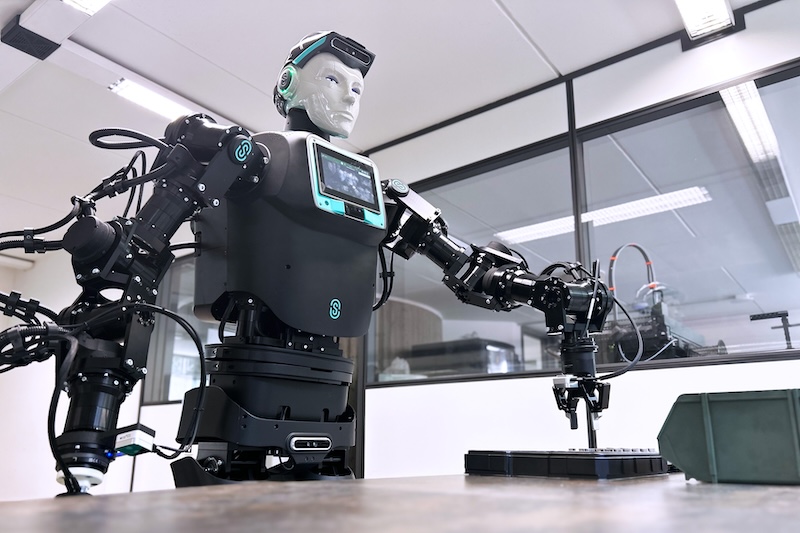
Oversonic Robotics, an Italian cognitive robotics firm known for RoBee, has announced a strategic investment from STMicroelectronics, Fondazione ENEA Tech Biomedical, and SpotInvest. This investment aims to accelerate Oversonic's industrial, technological, and international growth, particularly in the cognitive humanoid robotics sector. The involvement of STMicroelectronics, a leader in semiconductors, is expected to bolster Oversonic's technological advancements and support its expansion into the U.S. market. The partnership will enhance the development of RoBee, the first certified cognitive humanoid robot designed for complex environments, and facilitate applications in manufacturing and healthcare. Looking ahead, Oversonic plans to focus on expanding its technological platform and applications while strengthening its team and industrial capacity. The company views the U.S. as a key market for its cognitive humanoid robotics, aiming for significant growth in both commercial and industrial sectors. No further timeline was disclosed at the time of publication.
Humanoids News artificial intelligence automation cognitive robotics deep tech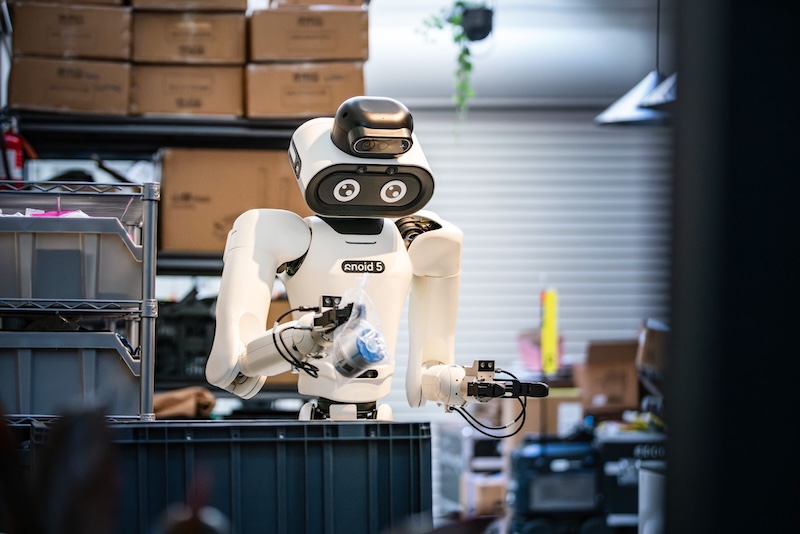
Robot.com Introduces R-noid Humanoid Robot for Challenging Labor Markets
Robot.com has officially launched R-noid, a humanoid robot designed to tackle repetitive and hard-to-fill jobs across various industries. Deployed under a Robot-as-a-Service model, R-noid can achieve autonomous operation within eight to twelve weeks, addressing significant staffing challenges in sectors like healthcare and food services. The introduction of R-noid is crucial as industries face high turnover rates, with quick-service restaurants experiencing over 130 percent staff turnover and hotel operators reporting critical staffing gaps. R-noid aims to alleviate these issues by taking on roles that are difficult to staff, allowing human workers to focus on more skilled tasks. Looking ahead, Robot.com is collaborating with FieldAI to integrate advanced AI capabilities into R-noid, enhancing its operational efficiency in dynamic environments. No further timeline was disclosed at the time of publication.
Humanoids News automation fieldai formic hospitality automation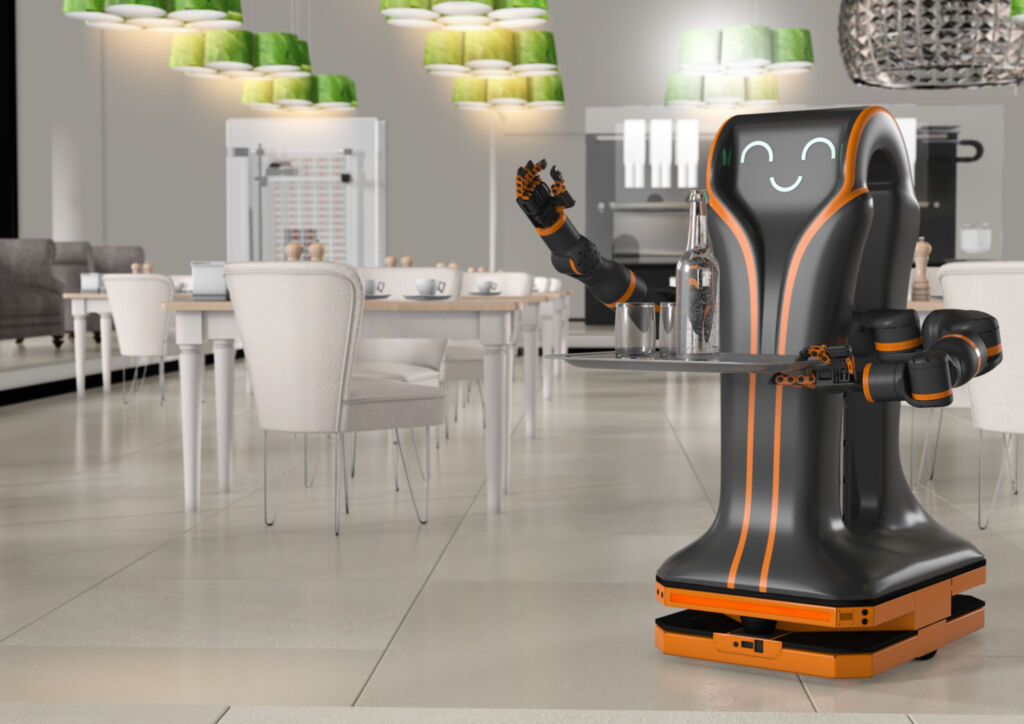
Humanoid service robots for household use
Igus has expanded its product lineup with the introduction of the Iggy Rob Home, a new humanoid service robot designed for household use. This latest addition aims to enhance domestic life by providing assistance in various tasks, reflecting the company's commitment to innovation in robotics. The announcement was made recently, highlighting Igus's ongoing efforts to integrate advanced technology into everyday environments. The Iggy Rob Home is expected to cater to the growing demand for smart home solutions, offering users a convenient and efficient way to manage household chores.
Allgemein Humanoide Robotik Robotik Servicerobotik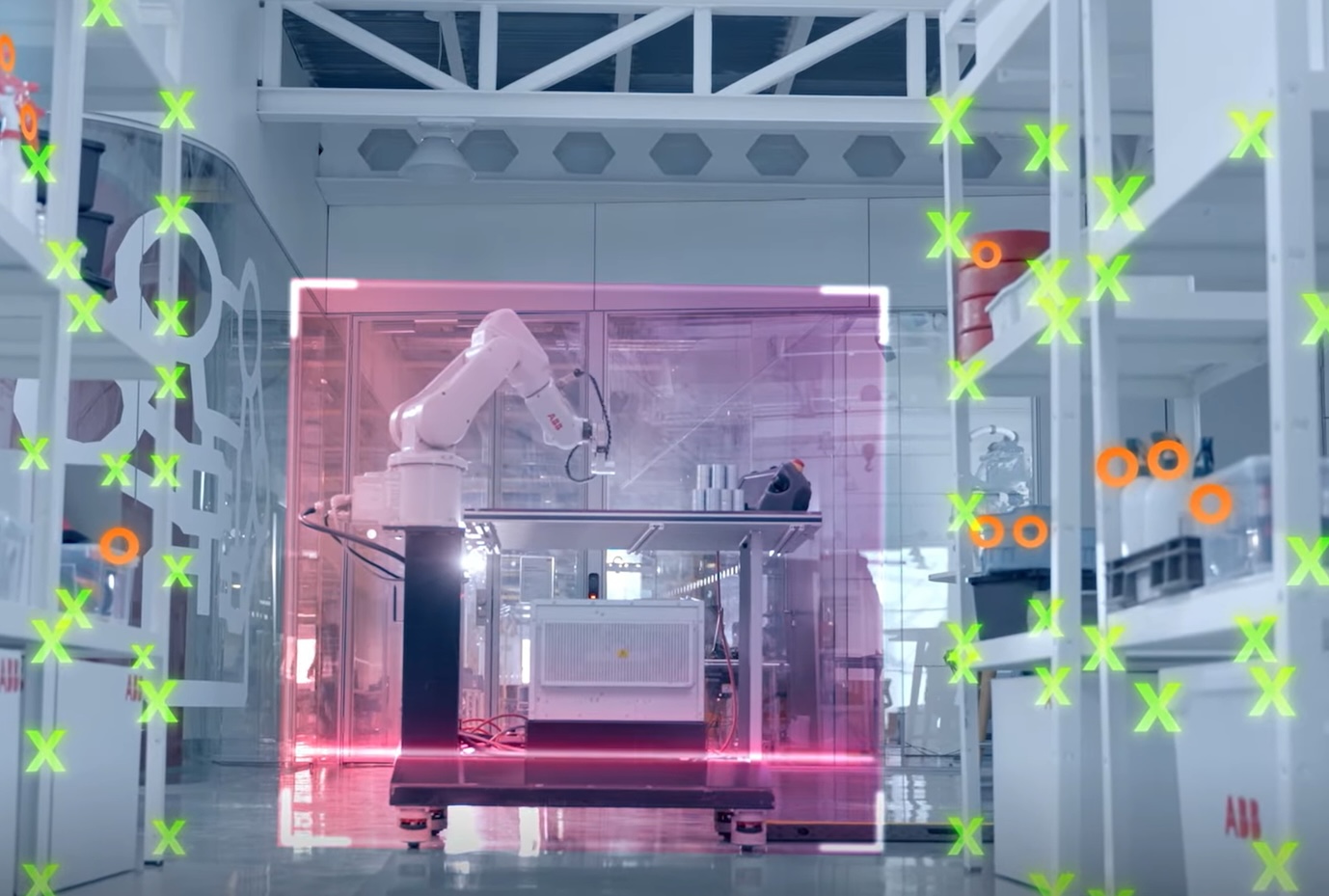
China Deploys Humanoid Robots to Enhance Learning in Human Tasks
In an industrial park near Beijing, humanoid robots are being utilized to learn human tasks, such as organizing snacks and folding sheets. These robots, equipped with advanced capabilities, aim to improve their functionality in everyday activities. This initiative is significant as it represents China's commitment to advancing robotics technology and enhancing the interaction between robots and humans. By focusing on practical tasks, the project seeks to bridge the gap between robotic capabilities and human-like performance. Looking ahead, the development of these humanoid robots will be closely monitored to assess their progress in learning and executing human tasks. No further timeline was disclosed at the time of publication.

Agility Robotics Proposes Six Key Recommendations for U.S. Humanoid Robot Policies
Agility Robotics has outlined six recommendations aimed at establishing a robust policy framework for humanoid robots in the U.S. According to CEO Peggy Johnson, these recommendations are essential for enhancing the regulatory environment and ensuring the successful integration of humanoids into the workforce. She emphasizes the need for domestic production of key components, as current reliance on international sources, particularly from China, poses risks to the U.S. industry. The importance of these recommendations lies in their potential to strengthen the U.S. humanoid robot market, which is currently challenged by foreign competition. Johnson highlights that China dominates the manufacturing of critical components, such as permanent magnets used in motors, which are vital for humanoid robots. By fostering domestic capabilities, the U.S. can reduce dependence on foreign suppliers and bolster its technological leadership in the sector. Looking ahead, the U.S. must develop a coordinated national strategy that unites federal agencies and industry stakeholders to support the humanoid robotics sector. Johnson warns that without proactive measures, the U.S. risks losing its technological edge and compromising national security. No further timeline was disclosed at the time of publication.
China Defense / Security Humanoids Logistics Manufacturing Markets / Industries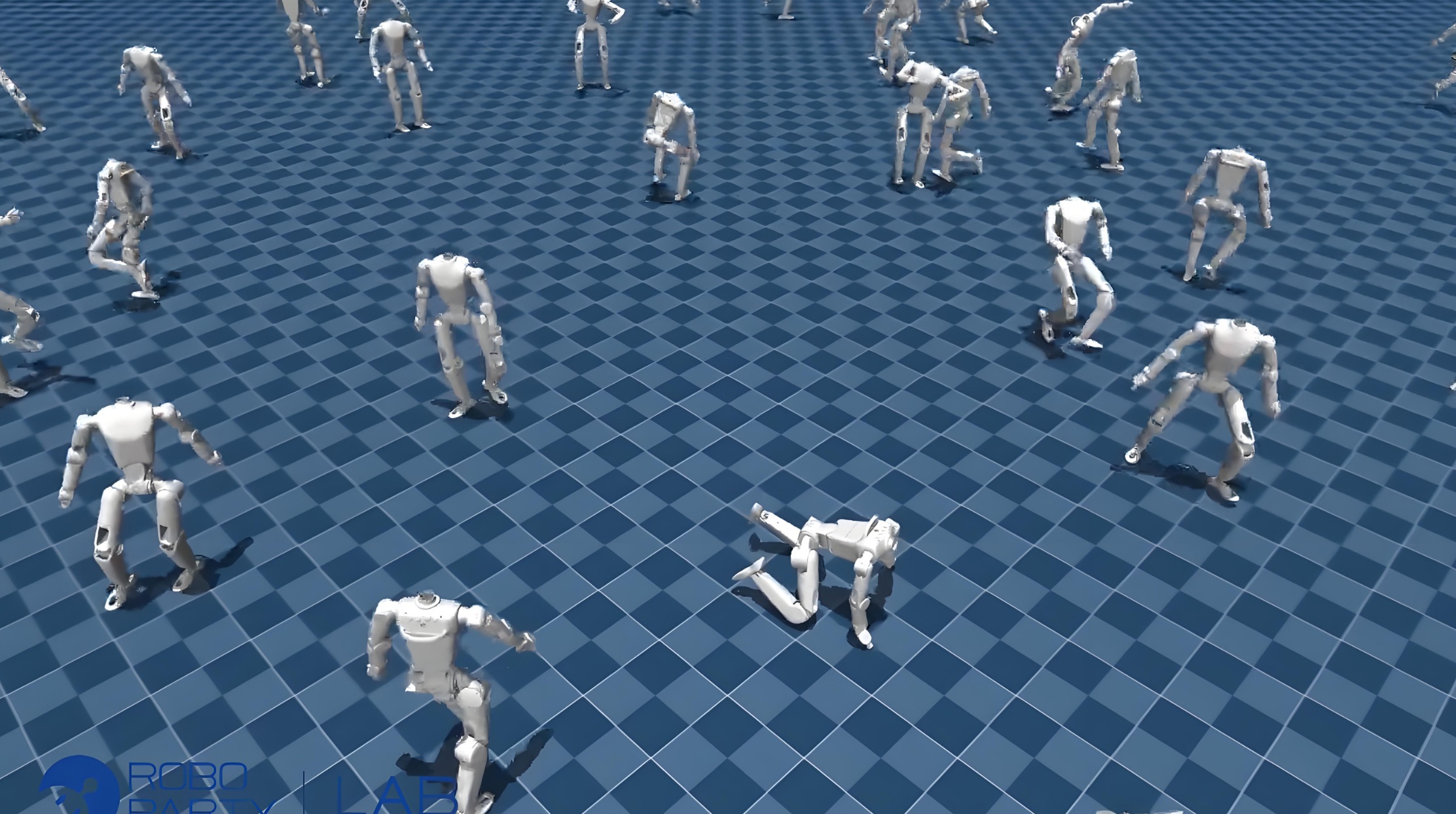
RoboParty Launches Open Source Framework for Next-Gen Humanoid Robot Development
In the past two years, the humanoid robot industry has seen numerous impressive demonstrations, but a shift is emerging in the second half of 2026. Companies are now focusing on developing training frameworks, development platforms, data tools, open-source models, and various R&D infrastructures. The competition is evolving from showcasing superior robots to enabling more developers to create robots faster. Recently, RoboParty established RoboParty Lab (RPLab) and introduced Party OS, an open-source embodied intelligence R&D foundation for next-generation humanoid robots. Alongside this, they released three R&D infrastructures: MimicLite, UFO, and hhtools. This move signifies a transition from merely demonstrating capabilities to building a robust R&D ecosystem that fosters collaboration and scalability within the developer community. As humanoid robots move from laboratories to practical applications in factories, warehouses, and homes, the industry is shifting its focus toward creating a reproducible, collaborative, and scalable R&D system. The emphasis is now on sustaining and accelerating development capabilities, marking a significant change in industry dynamics over the past year.
Humanoid Robots R&D Infrastructure Open Source Embodied AI Robot Development Tools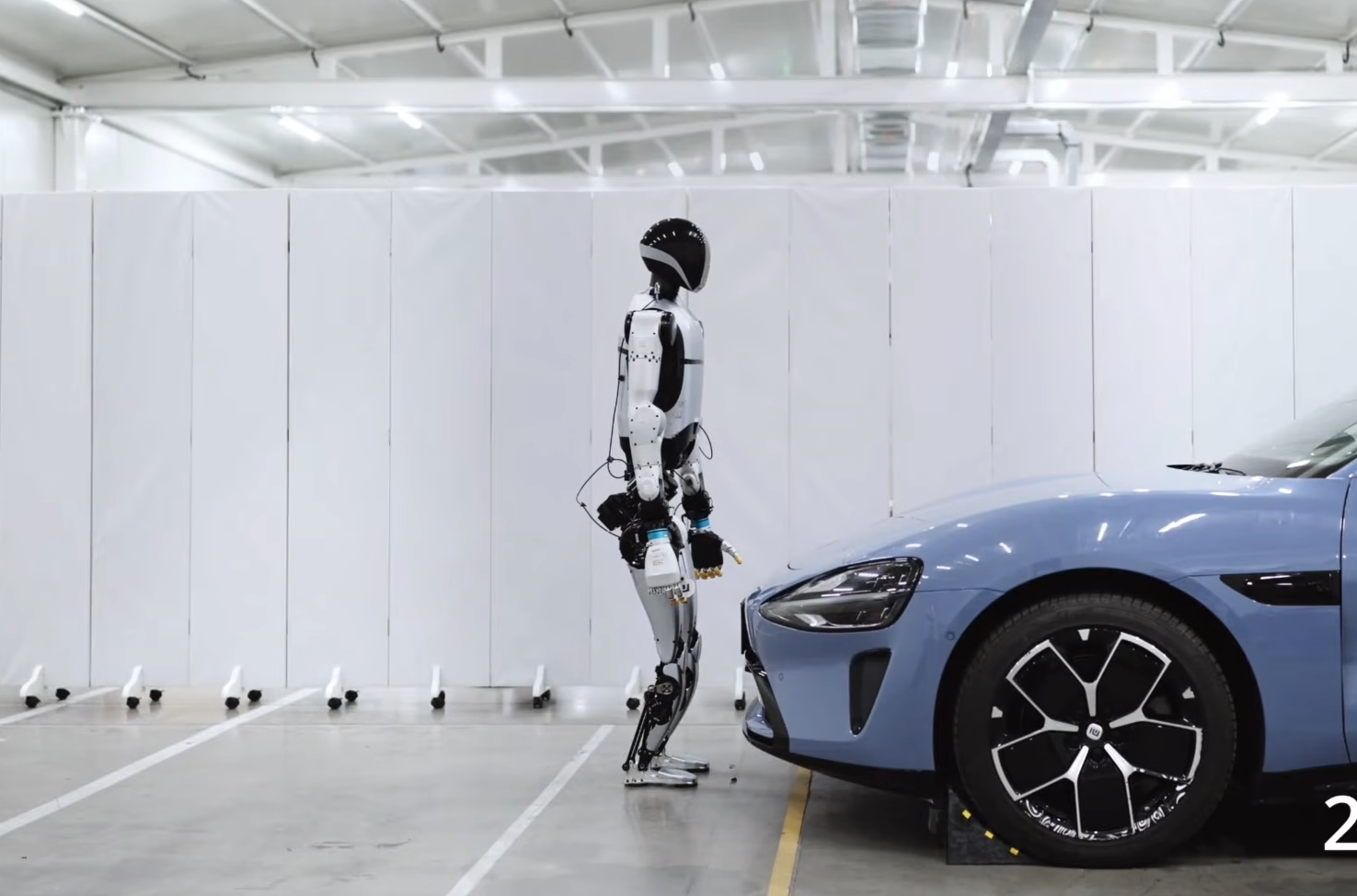
Xiaomi's Humanoid Robot Achieves 98% Success Rate in Automotive Production Tasks
Xiaomi has made significant advancements in deploying its humanoid robot on automotive production lines, achieving a 98% success rate at a self-tapping nut loading station. This improvement narrows the gap to human workers' qualification rates to just one percentage point, showcasing the robot's enhanced capabilities after four months of development. The importance of this development lies in Xiaomi's ability to expand the robot's role in manufacturing, as it has successfully taken on additional tasks such as center console side panel sorting and parts bin folding and recycling, both achieving a 90% success rate. This marks a significant milestone in the robot's operational capabilities, particularly in handling flexible workpieces, which are typically more challenging than rigid components. Looking ahead, Xiaomi's continued focus on refining its humanoid robot's perception and manipulation skills will be crucial for further integration into automotive assembly operations. No further timeline was disclosed at the time of publication.
AI and Robotics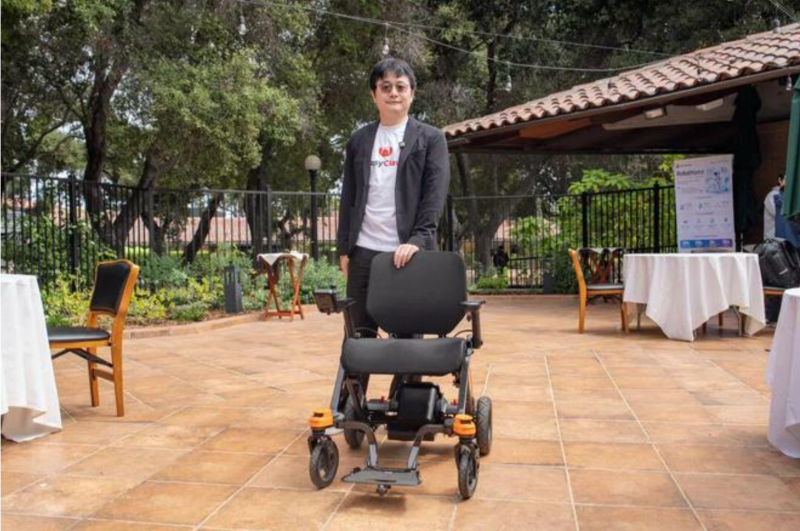
Smart Wheelchair Captivates Attention at Stanford AI Summit Over Humanoid Robots
At the Humanity & AGI Summit held at Stanford University, a smart wheelchair presented by Fu Sheng, Chairman of Cheetah Mobile, garnered significant attention, overshadowing humanoid robots. Attendees were drawn to the wheelchair's autonomous obstacle avoidance and user-friendly features, prompting many to experience it firsthand. The interest in the smart wheelchair highlights a critical shift in the robotics landscape, as Fu Sheng noted that humanoid robots are unlikely to achieve commercial scalability in the next five to ten years. He emphasized that the current limitations in software and hardware development hinder the practical application of humanoid robots, with most sales directed towards research institutions rather than commercial markets. Looking ahead, the focus on practical solutions like the smart wheelchair suggests a growing recognition that functionality is more important than form in robotics. As the industry continues to evolve, the demand for effective, user-centric products will likely shape future innovations, steering attention away from humanoid designs towards more practical applications.
Smart Wheelchairs Humanoid Robots AI Technology Robotics Assistive Devices
Xiaomi Reports 98% Success Rate for Humanoid Robots in Automotive Factory Tasks
Xiaomi has announced significant advancements in its humanoid robot utilized in an automotive factory. After four months of development, the robot's success rate at a self-tapping nut loading station improved from 90.2% to 98%, now just one percentage point below human workers' qualification rates. This progress is crucial as it demonstrates the increasing capability of humanoid robots to perform complex tasks in industrial settings. The introduction of two additional tasks—center console side panel sorting and parts bin folding and recycling—both achieving a 90% success rate, highlights the robot's versatility and potential for broader applications. Looking ahead, the center console side panel sorting task is particularly noteworthy as it represents the first instance of a humanoid robot executing long-duration continuous operations on flexible workpieces in an automotive factory. No further timeline was disclosed at the time of publication.
News Feed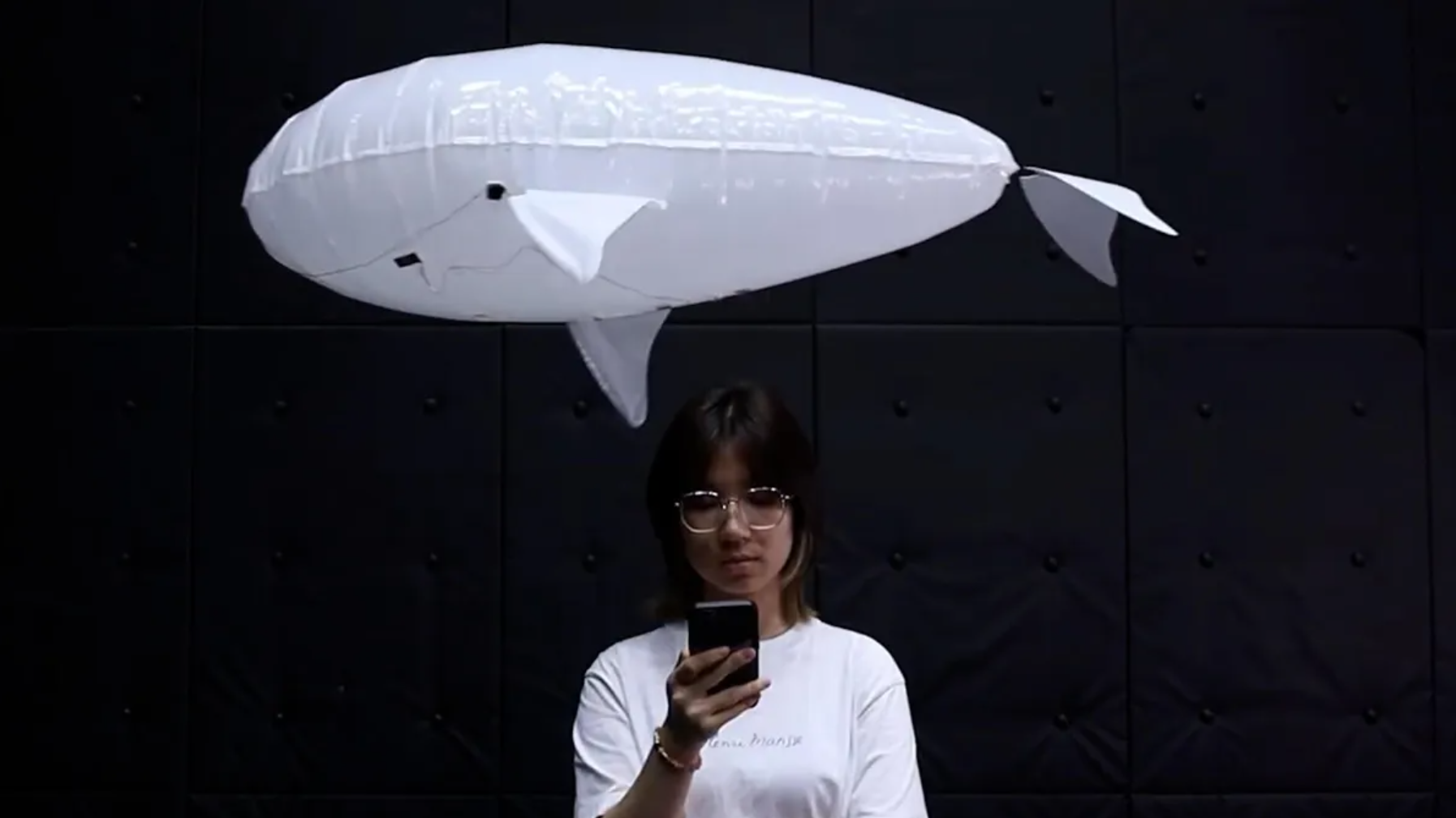
New Soft Floating Robot Inspired by Animation Aims to Enhance Human Connection
Researchers from Keio University and MIT Media Lab have unveiled a soft floating robot designed to foster emotional connections without traditional robotic features. Unlike conventional robots, this helium-filled creation resembles a white whale, responding to human touch with gentle movements rather than mechanical sounds or speech. The significance of this innovation lies in its ability to bypass the 'uncanny valley' effect, which often causes discomfort when robots closely mimic human appearance. By avoiding human-like features and instead utilizing soft materials and subtle movements, the robot can convey intentions and emotions, making it a safer and more approachable companion in everyday environments. Looking ahead, the research team plans to integrate multimodal interactions, allowing the robot to sense human posture, voice, and gaze to enhance its floating interactions. This approach aims to create a gentle presence that accompanies humans without the need for speech or complex thought, marking a new era in human-robot coexistence.
Soft Robotics Human-Robot Interaction Emotional AI Floating Robots
Mitsubishi Motors to Begin Mass Production of Humanoid Robots by 2027
Mitsubishi Motors has announced plans to start mass production of humanoid robots at its factory in Japan by 2027. In collaboration with the Tokyo University startup Highlanders, the company aims to produce 1,000 units per month initially, utilizing existing space in its Kyoto engine plant. The robots will first be deployed in Mitsubishi's own facilities for tasks such as parts handling and engine assembly. This initiative is a response to Japan's aging population and the resulting labor shortages in the manufacturing sector, prompting a shift towards automation. By developing these robots for internal use, Mitsubishi aims to address its own workforce challenges before considering external sales. The humanoid robots, standing approximately 175 cm tall, will feature stable walking and grasping capabilities, controlled by an AI system. As the global humanoid robot market is projected to reach $729 billion by 2050, Mitsubishi's production plans represent a significant step for a traditional automaker entering this space. The company's pragmatic approach of first utilizing the robots internally reflects its strategy to tackle labor shortages while exploring future market opportunities. No further timeline was disclosed at the time of publication.
Humanoid Robots Manufacturing Automation AI Technology Robotics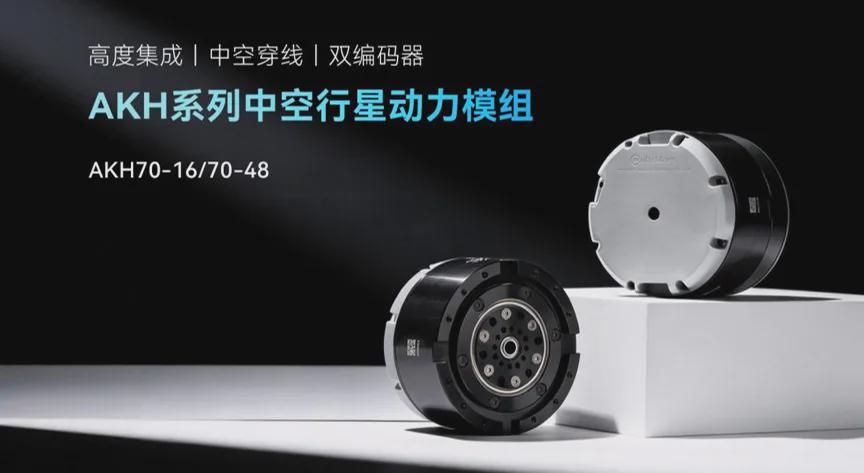
CubeMars Launches New Hollow Planetary Power Modules for Humanoid Robot Joints
In 2026, humanoid robots are approaching a critical point for industrial application. CubeMars has launched two specialized hollow planetary power modules, AKH70-16 and AKH70-48, which are crucial for enhancing flexibility and load capacity in robotic joints. These modules integrate brushless motors, planetary gear reducers, encoders, and driver boards, addressing common wiring issues with a 7mm hollow structure. The AKH70-16 focuses on lightweight applications, featuring a peak torque of 85Nm and a compact design, making it suitable for joints like the neck and elbow. In contrast, the AKH70-48 emphasizes high torque and stability, with a peak torque of 222Nm, ideal for heavy-load joints such as hips and knees. Both modules share advanced technologies, including dual encoder feedback and multi-mode control, which improve precision and operational efficiency. As the humanoid robot industry transitions from prototype development to commercial production, CubeMars's ability to control the entire manufacturing process positions it as a key player. The company’s self-developed capabilities ensure stable delivery and quality, addressing the challenges faced by robotic enterprises in scaling production and meeting market demands. No further timeline was disclosed at the time of publication.
Humanoid Robots Robotic Joints Power Modules Automation Technology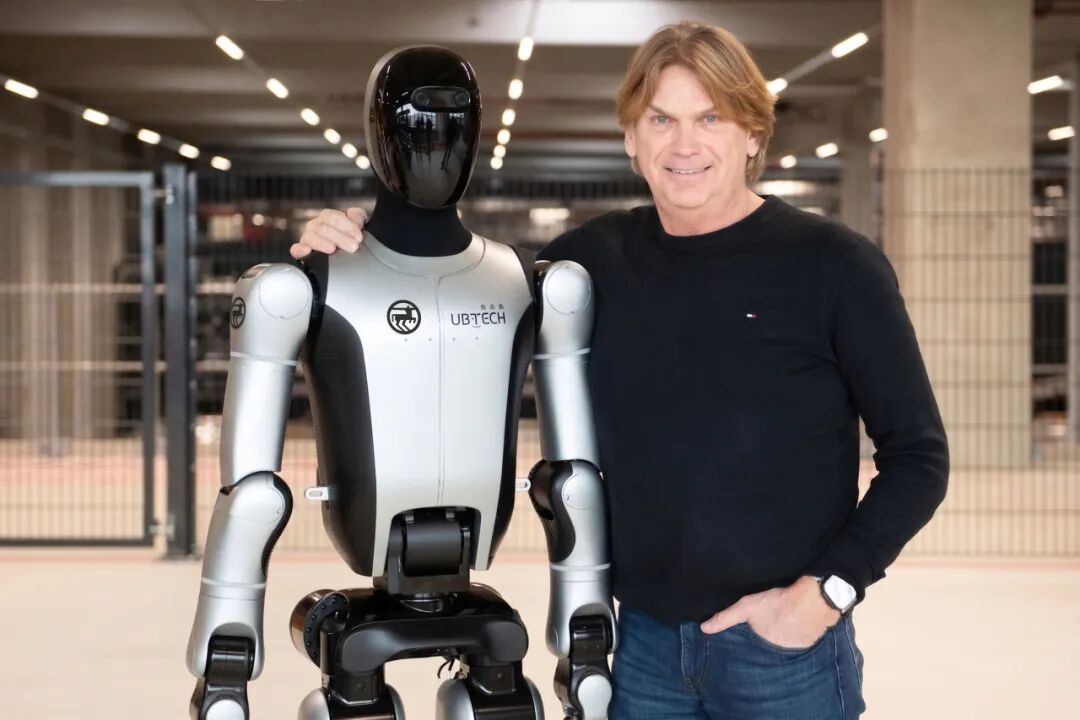
UBTECH Collaborates to Enhance Global Reach of Humanoid Robots in European Retail Logistics
UBTECH has announced partnerships aimed at accelerating the deployment of humanoid robots in European retail logistics environments. This initiative is part of UBTECH's broader strategy to expand its global footprint and enhance operational efficiencies in logistics through advanced robotics technology. The significance of this collaboration lies in its potential to transform retail logistics by integrating humanoid robots, which can streamline operations, reduce labor costs, and improve service delivery. As the demand for automation in logistics grows, UBTECH's efforts may set a precedent for the adoption of robotics in various sectors across Europe. Looking ahead, industry stakeholders should monitor UBTECH's progress in deploying these humanoid robots and the impact on logistics operations. The effectiveness of these robots in real-world applications will be crucial in determining the future of robotics in retail logistics. No further timeline was disclosed at the time of publication.
Humanoid Robot H1 Completes First Live Gallbladder Surgery Under Surgeon Control
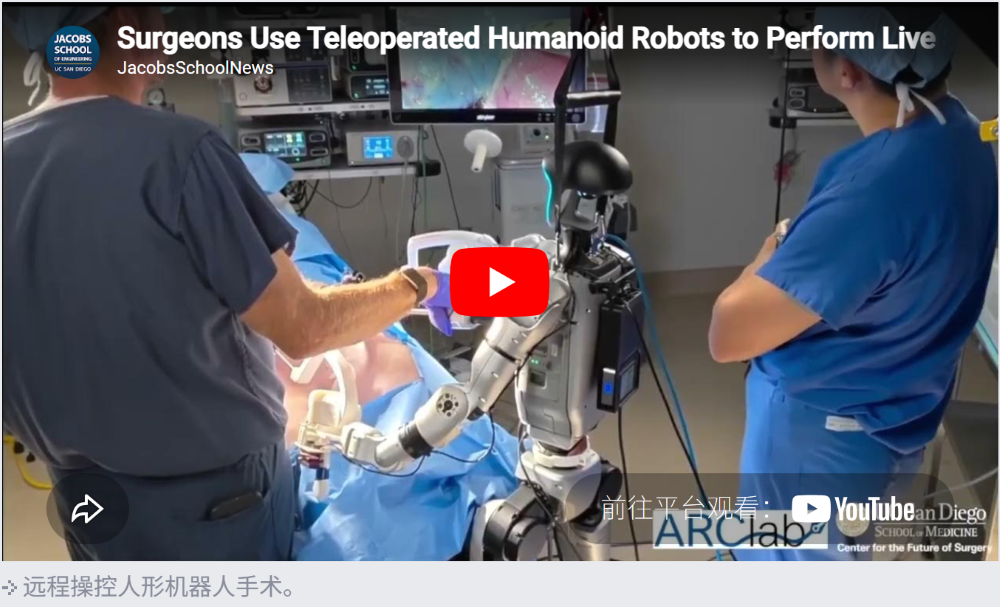
In July 2026, a humanoid robot successfully performed the world's first live gallbladder surgery on a pig under the control of a surgeon. This groundbreaking procedure, documented by Nature and featured on the front page of the New York Post, has sparked significant discussions in the tech community about the implications of humanoid robots in surgical settings, particularly regarding remote control and AI capabilities. The significance of this achievement lies in its potential to disrupt the surgical robotics market, which has been dominated by the Da Vinci surgical system for nearly two decades. The Da Vinci system, known for its high costs exceeding $2 million, relies on specialized robotic arms and instruments. In contrast, the humanoid robot's design allows it to utilize standard surgical tools, which could lead to reduced costs and increased accessibility for hospitals. Looking ahead, the successful completion of this surgery marks a pivotal moment for humanoid robots in healthcare. While regulatory hurdles and clinical validation processes remain, the experiment demonstrates that humanoid robots can perform complex surgical tasks. The next challenge will be determining when the costs associated with these robots can be lowered enough for broader adoption by hospitals beyond top-tier institutions. No further timeline was disclosed at the time of publication.
Humanoid Robots Surgical Robotics AI in Healthcare Remote Surgery
AI² Robotics Secures $735 Million Funding for Wheeled Humanoid Robots Development
AI² Robotics has successfully raised approximately $735 million in a recent funding round, elevating its valuation to around $2.8 billion. The Shenzhen-based company specializes in wheeled humanoid robots, which feature a humanoid torso and five-fingered hands, offering a unique alternative to traditional bipedal systems. This funding round attracted a diverse group of investors, including government-backed entities and major corporations, highlighting the growing importance of physical AI technology in China. The strategic choice to develop wheeled robots instead of bipedal models allows AI² Robotics to focus on mechanical simplicity and durability, making their robots more cost-effective and easier to deploy in public spaces. With over 34 degrees of freedom and a custom lifting mechanism, the robots are designed for various industrial applications, including logistics, manufacturing, and retail. The company’s proprietary Alpha Brain software enhances the robots' capabilities in real-time spatial reasoning and task planning, positioning them as practical solutions in structured environments. Looking ahead, AI² Robotics aims to further penetrate industrial markets while steering clear of the consumer robotics hype. The company is actively deploying its AlphaBot 2 in practical settings, emphasizing its utility in sectors such as biotech and public service. No further timeline was disclosed at the time of publication regarding future funding or product releases.
Artificial Intelligence / Cognition China Financial Humanoids Investments News
Unitree Announces CMG 2026 Humanoid Robot Combat Competition with Global Reactions
Unitree has released a promotional video for the CMG 2026 Humanoid Robot Combat Competition, scheduled for July 9, 2026. The video showcases advanced humanoid robots engaging in combat with humans, highlighting their physical capabilities and martial arts techniques. The announcement has generated significant global interest, with many viewers expressing excitement about the potential for real-life robot combat akin to the film 'Real Steel.' The significance of this event lies in its exploration of human-AI co-evolution through competitive robotics. Viewers have praised the initiative for pushing technological boundaries, with some noting that testing robots against humans is the ultimate validation of their capabilities. Additionally, there is a call for matches where skilled fighters remotely control robots, reflecting a desire for greater recognition of Unitree's technological prowess in the field. Looking ahead, the competition is expected to spark further discussions on the implications of teaching combat skills to robots, with some comments drawing parallels to science fiction narratives like 'Terminator.' No further timeline was disclosed at the time of publication, but the event promises to be a focal point for advancements in humanoid robotics and AI technology in the coming years.

1X Enhances NEO Humanoid Robot with Advanced 25-DOF Hands for Versatile Tasks
Norwegian robotics firm 1X has introduced new 25-degree-of-freedom (DOF) tendon-driven hands for its NEO humanoid robot, marking a significant advancement in robotic dexterity. These hands feature 22 actuated joints across the fingers and palm, along with three at the wrist, enabling NEO to perform tasks such as assembling LEGO models and catching balls with precision and strength. The redesigned hands allow for force sensing and durability, overcoming previous hardware limitations in robotic manipulation. With a unique tendon-drive system and low gear ratios, the hands can detect contact forces and provide continuous proprioception, enhancing the robot's ability to manipulate objects safely and effectively. The hands' human-like joint distribution, particularly the opposable thumb, facilitates a wide range of fine manipulation tasks, making NEO suitable for various household applications. 1X has commenced mass production of the NEO robot at its new California facility, aiming to commercialize home robots for daily assistance. The company emphasizes the hands' combination of precision, strength, and safety features, including IP68 waterproofing and self-cleaning capabilities. No further timeline was disclosed at the time of publication.
AI and Robotics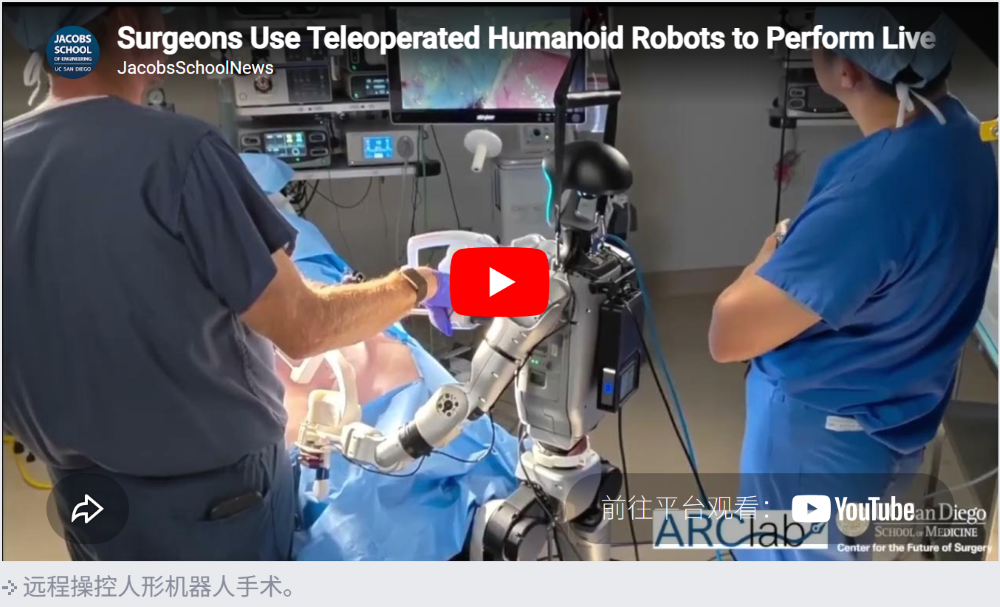
UC San Diego Team Demonstrates G1 Humanoid Robot 'Surgie' in First Live Surgery
On July 8, a research team from the University of California, San Diego, published a groundbreaking study in Nature, showcasing the G1 humanoid robot, nicknamed 'Surgie.' This robot, weighing 27 kg and priced from $13,500, successfully performed two laparoscopic cholecystectomies on live pigs, marking a significant milestone in robotic surgery. The significance of this achievement lies in the G1's affordability and adaptability compared to traditional surgical robots like the da Vinci system, which costs between $500,000 and several million dollars. Surgeon's remote control of the G1 allows for deployment in various settings, including rural areas, battlefields, and potentially space missions, without the need for specialized operating room modifications. Despite the success, the technology still faces challenges before clinical application, such as the need for frequent recalibration during surgery, which increases operation time. The G1's limited arm span of 450 mm also restricts its operational range. No further timeline was disclosed at the time of publication for the next steps in this research.
Humanoid Robots Surgical Robotics Remote Surgery Medical Technology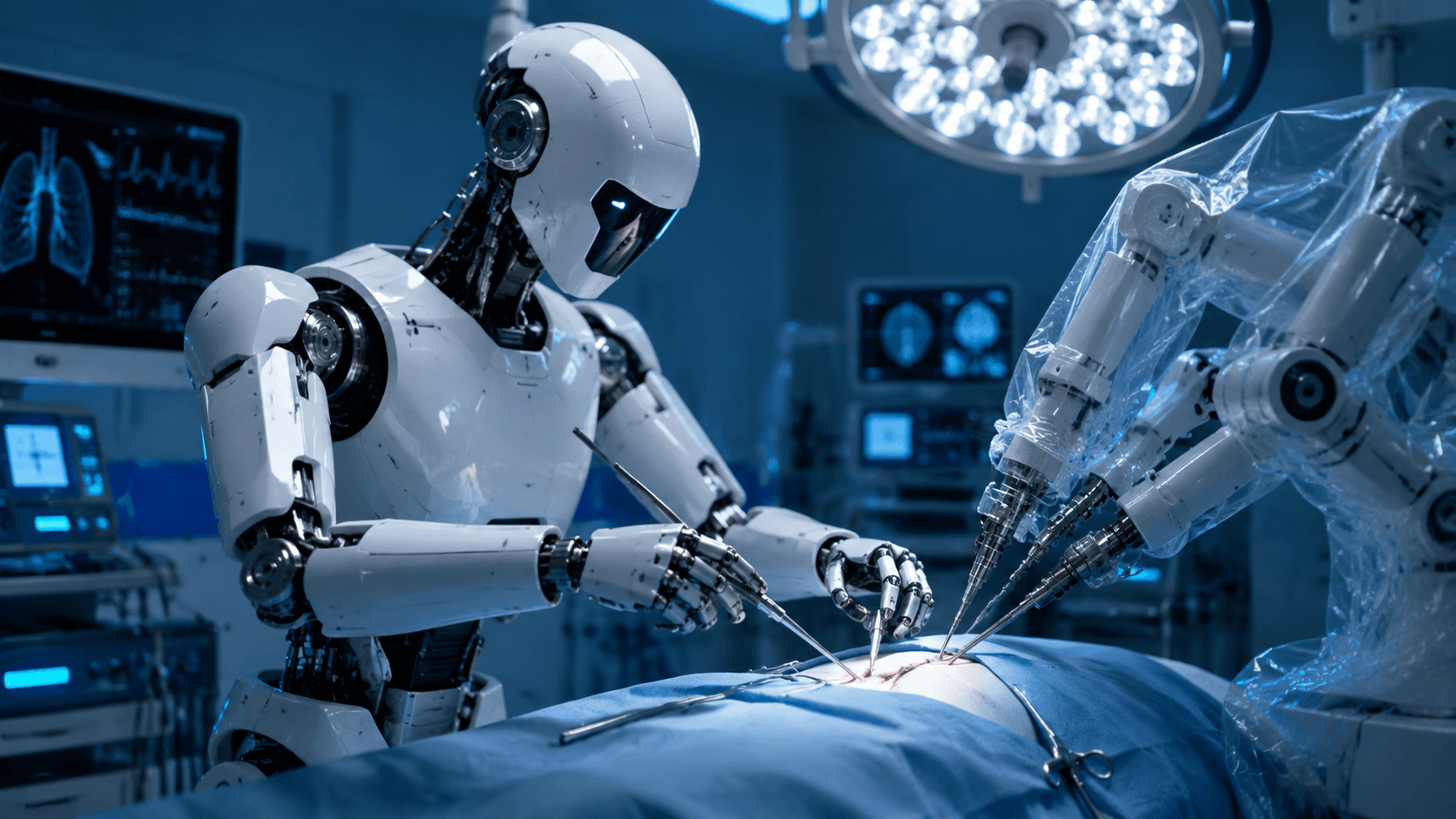
Unitree G1 Humanoid Robot Achieves Milestone in Live Gallbladder Surgery
The Unitree G1 humanoid robot has successfully performed a laparoscopic cholecystectomy on a living subject, marking a significant milestone in robotic surgery. This operation represents the first instance of a general-purpose humanoid robot conducting live surgery, showcasing advancements in robotic capabilities and surgical precision. This achievement is noteworthy as it highlights the growing integration of robotics in medical procedures, potentially transforming surgical practices. The successful completion of this surgery could pave the way for broader applications of humanoid robots in healthcare, addressing labor shortages and enhancing surgical outcomes through precision and consistency. Looking ahead, the implications of this surgery could lead to further developments in robotic-assisted procedures. No further timeline was disclosed at the time of publication, but the medical community will be closely monitoring advancements in humanoid robotics and their applications in surgery.
Robotics
InDro Robotics Introduces Axiom Humanoid Platform to Enhance Physical AI Research Accessibility
InDro Robotics has launched the Axiom, a modular humanoid-style robotic platform aimed at facilitating Physical AI research. Announced on July 10, 2026, this budget-friendly solution is designed to lower the barriers for researchers and academic institutions in developing advanced robotics applications. Initial customer units are already being shipped, indicating strong market interest. The Axiom platform is significant as it democratizes access to humanoid robotics, which has traditionally been limited to well-funded organizations. By providing a more affordable option, InDro Robotics is positioning itself to capture a wider audience in the research community, potentially accelerating advancements in Physical AI technologies. This move aligns with the growing demand for accessible robotics solutions across various sectors. Looking ahead, InDro Robotics aims to expand its customer base and enhance the Axiom's capabilities based on user feedback. No further timeline was disclosed at the time of publication, but the initial shipping of units suggests a proactive approach to market engagement and product iteration.
UC San Diego Trials Teleoperated Humanoid Robots for Surgical Procedures
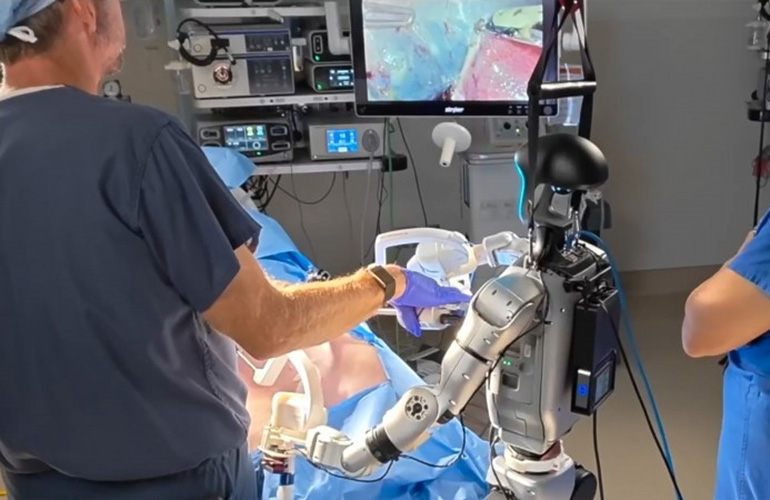
In a groundbreaking preclinical trial at UC San Diego, teleoperated humanoid robots successfully conducted surgeries, marking a significant advancement in surgical technology. This trial represents the first instance of humanoid robots being utilized in a surgical context, showcasing their potential to enhance precision and efficiency in medical procedures. The significance of this development lies in the versatility of humanoid robots, which may offer improved capabilities over traditional robotic systems like the da Vinci Surgical System. By integrating advanced teleoperation techniques, these robots could potentially reduce the need for human intervention, thereby minimizing risks and improving patient outcomes in complex surgeries. Looking ahead, the next steps involve further trials to assess the long-term effectiveness and safety of these humanoid robots in surgical environments. No further timeline was disclosed at the time of publication, but the results of this trial could pave the way for broader applications in healthcare robotics.
Healthcare Robotics Human Robot Interaction / Haptics Humanoids News Surgical / Interventional Systems Surgical Systems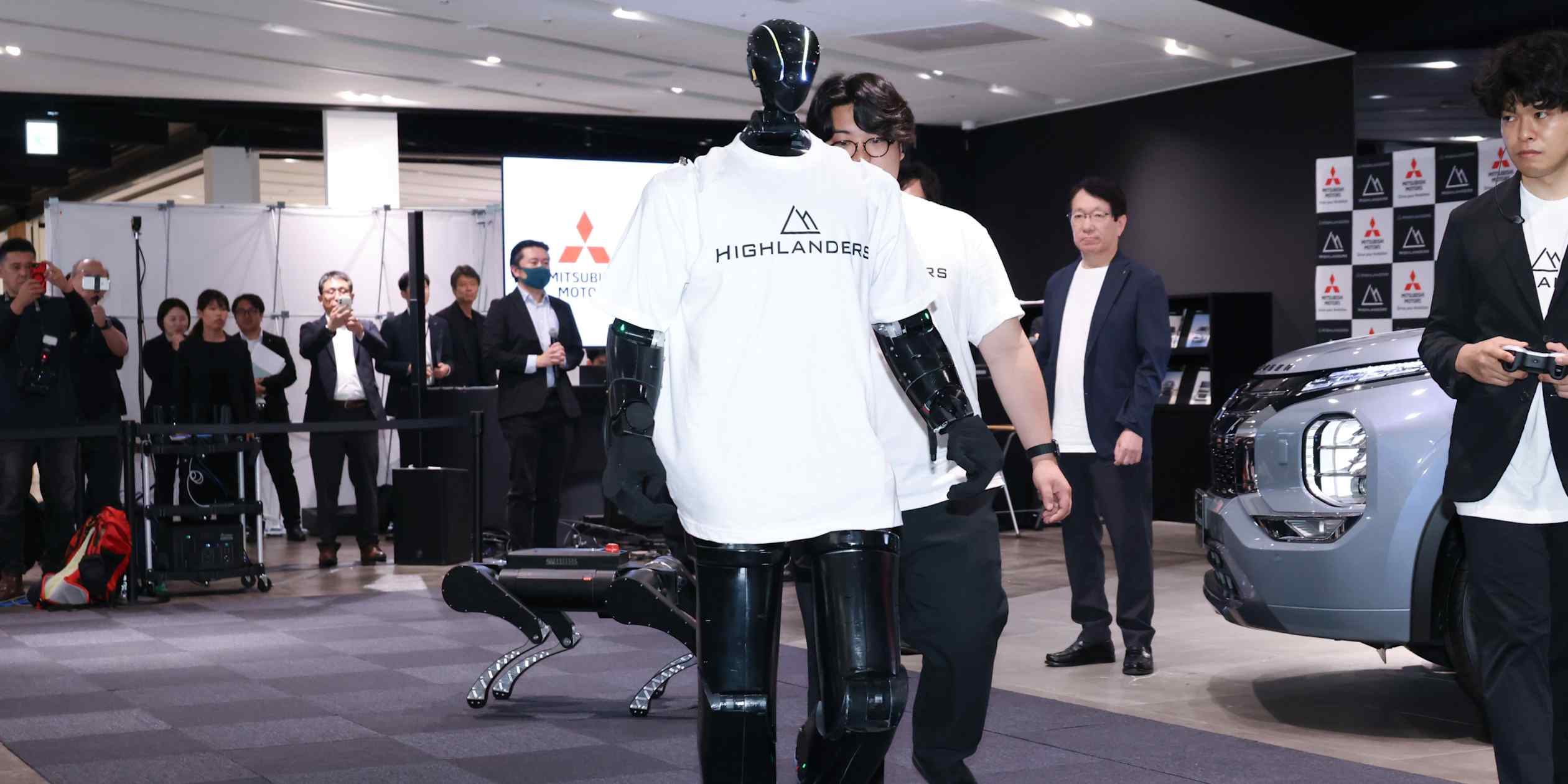
Mitsubishi Motors Partners with Highlanders for Humanoid Robot Production by 2027
Mitsubishi Motors has announced a collaboration with Tokyo-based startup Highlanders to mass-produce humanoid robots for its automotive factories. Production is set to commence as early as 2027, with the partnership aiming to enhance automation within Mitsubishi's manufacturing processes. This initiative was unveiled during a demonstration event in Tokyo on July 9, showcasing the jointly developed humanoid robot. The significance of this collaboration lies in Mitsubishi's strategic move to integrate advanced robotics into its production lines, reflecting a broader trend in the automotive industry towards automation and efficiency. By leveraging Highlanders' expertise in humanoid robotics, Mitsubishi aims to address labor shortages and improve operational productivity, aligning with global shifts towards smart manufacturing technologies. Looking ahead, industry observers will be keen to monitor the development and deployment timeline of these humanoid robots, as well as their impact on Mitsubishi's manufacturing capabilities. No further timeline was disclosed at the time of publication, but the partnership signals a commitment to innovation in the automotive sector.
VivaTech 2026: The Year Humanoid Robots Became an Industrial Reality
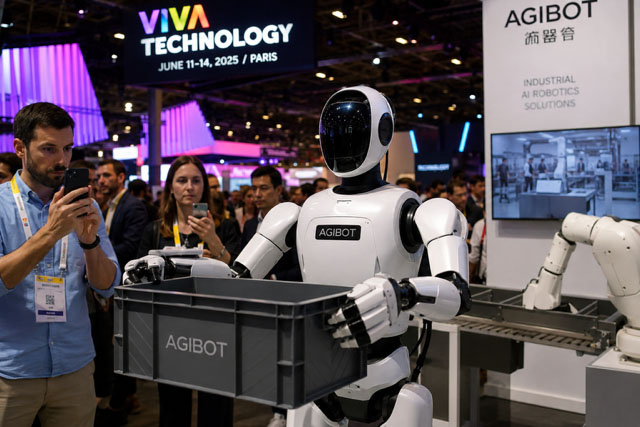
VivaTech 2026, held at Porte de Versailles in Paris on June 17 and 18, marked its tenth anniversary by highlighting significant advancements in artificial intelligence and the maturation of robotics. The event showcased the growing trend of humanoid robots transitioning into industrial applications, reflecting a global shift in technology. Attendees had the opportunity to witness firsthand the innovations that are shaping the future of robotics, underscoring the industry's evolution and its increasing relevance in various sectors.
À la une IA Industrie Robotique automatisation industrielle. CNRS robotique
From humanoid to quadruped robots
Agibot, a Chinese robotics company specializing in Physical AI, showcased its entire robotics portfolio at a major event in Munich, highlighting its ambitions for the German and European markets. The presentation included a range of innovations, from humanoid robots to quadrupedal designs, demonstrating the company's commitment to advancing robotic technology in these regions.
Allgemein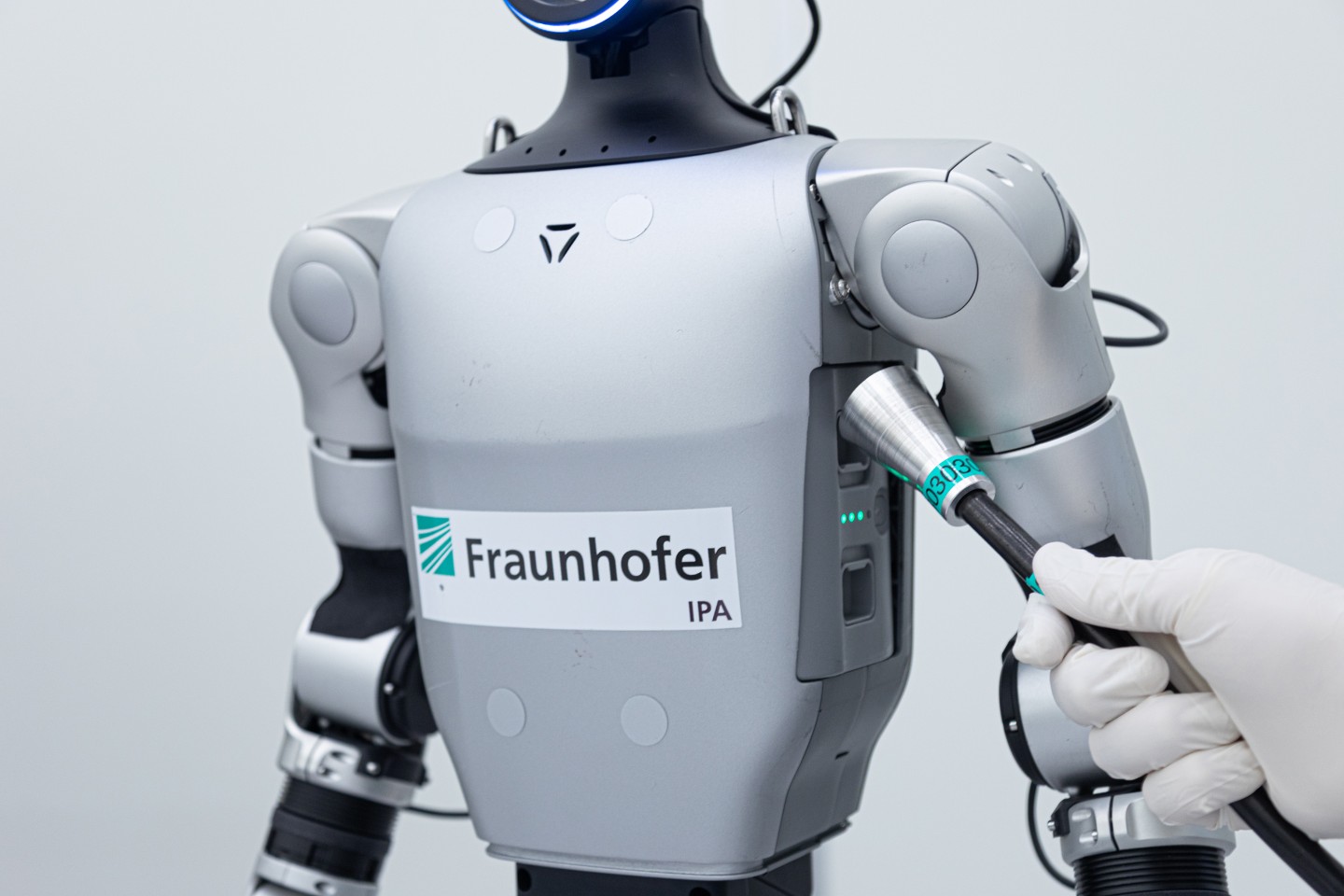
Fraunhofer IPA: Relevant Criteria for Humanoid Robots
In a recent development, researchers at Fraunhofer IPA are focusing on establishing application-relevant criteria for humanoid robots intended for industrial use. This initiative aims to ensure that these robots meet specific standards necessary for effective integration into various industrial applications. By defining these criteria, the team seeks to enhance the functionality and reliability of humanoid robots, ultimately facilitating their adoption in manufacturing and other sectors. The project highlights the growing importance of robotics in industry and the need for tailored solutions that address the unique challenges faced in different operational environments.
Allgemein Humanoide Robotik Lösungen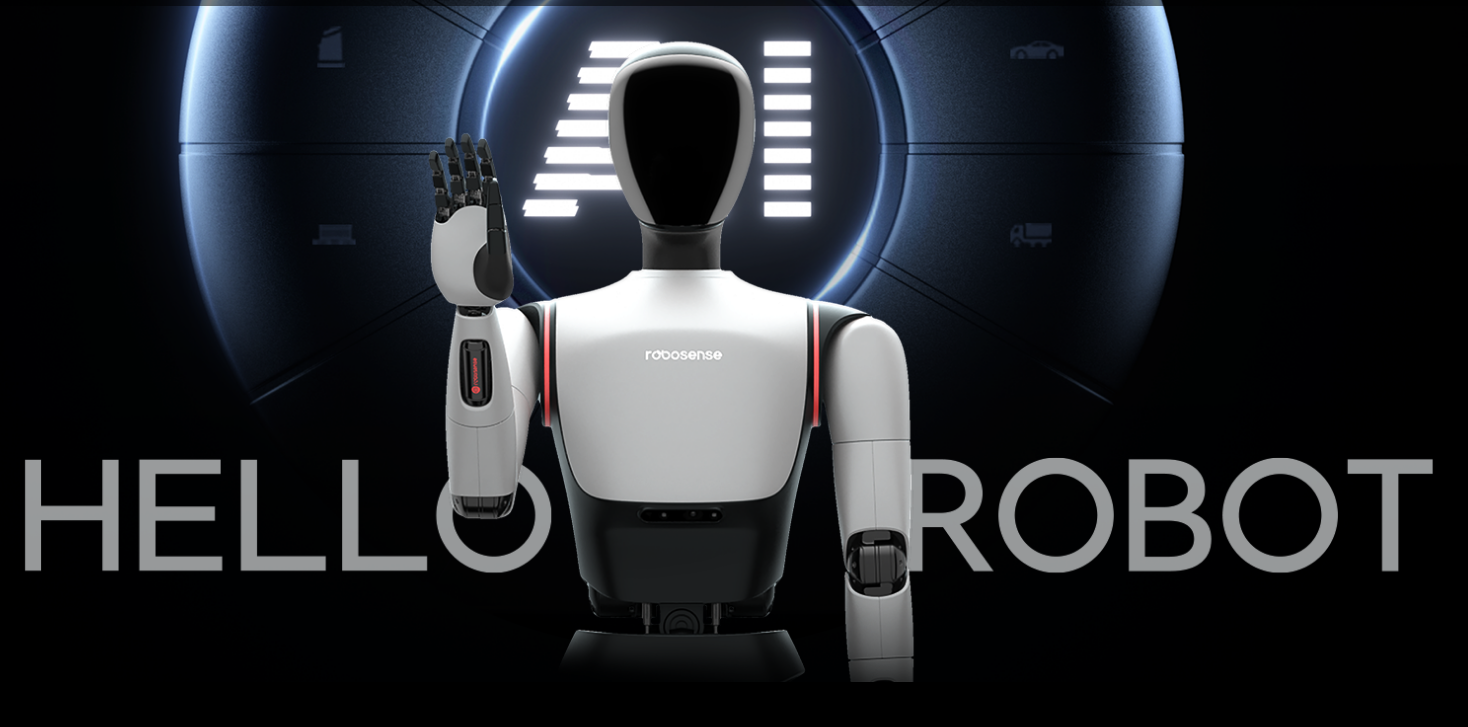
China's humanoid robotics hiring grows 400% year-on-year in early 2025.
A recent report from Zhaopin, a Chinese online recruitment platform, reveals a significant surge in the humanoid robotics sector in China. In the first five months of 2025, job postings in this industry increased by 409% compared to the same period last year, while the number of job seekers also rose by 396%. This rapid growth highlights the escalating demand for talent in the field, particularly for robotics algorithm engineers, who are currently earning an average monthly salary of 25,368 yuan (approximately $3,500). The findings underscore the expanding role of robotics in the Chinese economy and the urgent need for skilled professionals to support this burgeoning industry.
News Feed
BeingBeyond Unveils Being-M0.7: A Revolutionary Humanoid Robot for Mobility and Dexterity
On July 15, BeingBeyond officially launched the Being-M0.7, the world's first full-body mobile operation implicit world action model (Latent WAM). This model enables robots not only to 'see' the world but also to 'understand' how it operates, facilitating full-body movements and dexterous actions. It connects visual perception with physical interaction, allowing robots to exhibit human-like coordination. The significance of Being-M0.7 lies in its ability to learn from over 10,000 hours of human first-person video pre-training, enabling it to predict physical changes based on implicit visual and motion information. Before executing commands, the model learns three core capabilities: visual context understanding, future state prediction, and implicit representation of humanoid kinematics. This foundational understanding precedes its ability to control movements. Looking ahead, BeingBeyond's advancements in implicit world action models are noteworthy. The Being-M0.7 expands the capabilities of previous models, transitioning from desktop dexterous tasks to full-body mobile operations. Future demonstrations will likely showcase the robot's understanding of physical interactions and its ability to perform complex tasks autonomously, marking a significant step in humanoid robotics development.
Humanoid Robots Robotic Mobility AI Machine Learning
Advancements in Humanoid Robotics Driven by Power Management Solutions
The latest episode of Designing the Future highlights the significant progress in humanoid robotics, driven by advancements in speed, mobility, and dexterity. As these technologies evolve, the role of power management becomes increasingly critical, particularly in the context of battery and fuel cell usage. Engineers face challenges in converting energy from onboard sources to effectively power mechatronics and logic systems. This focus on power management is essential for the realization of humanoid robots that can perform a wide range of tasks, fulfilling the long-held promise of general-purpose machines. The conversation between Jim Anderton and John Quinlan from Murata Power Solutions underscores the importance of efficient power solutions in enhancing robotic performance. As the industry continues to innovate, the interplay between power systems and robotic capabilities will shape future developments. Looking ahead, the demand for compact and efficient power products will likely grow as humanoid robots become more prevalent in various sectors, including industrial and medical markets. No further timeline was disclosed at the time of publication.
Humanoids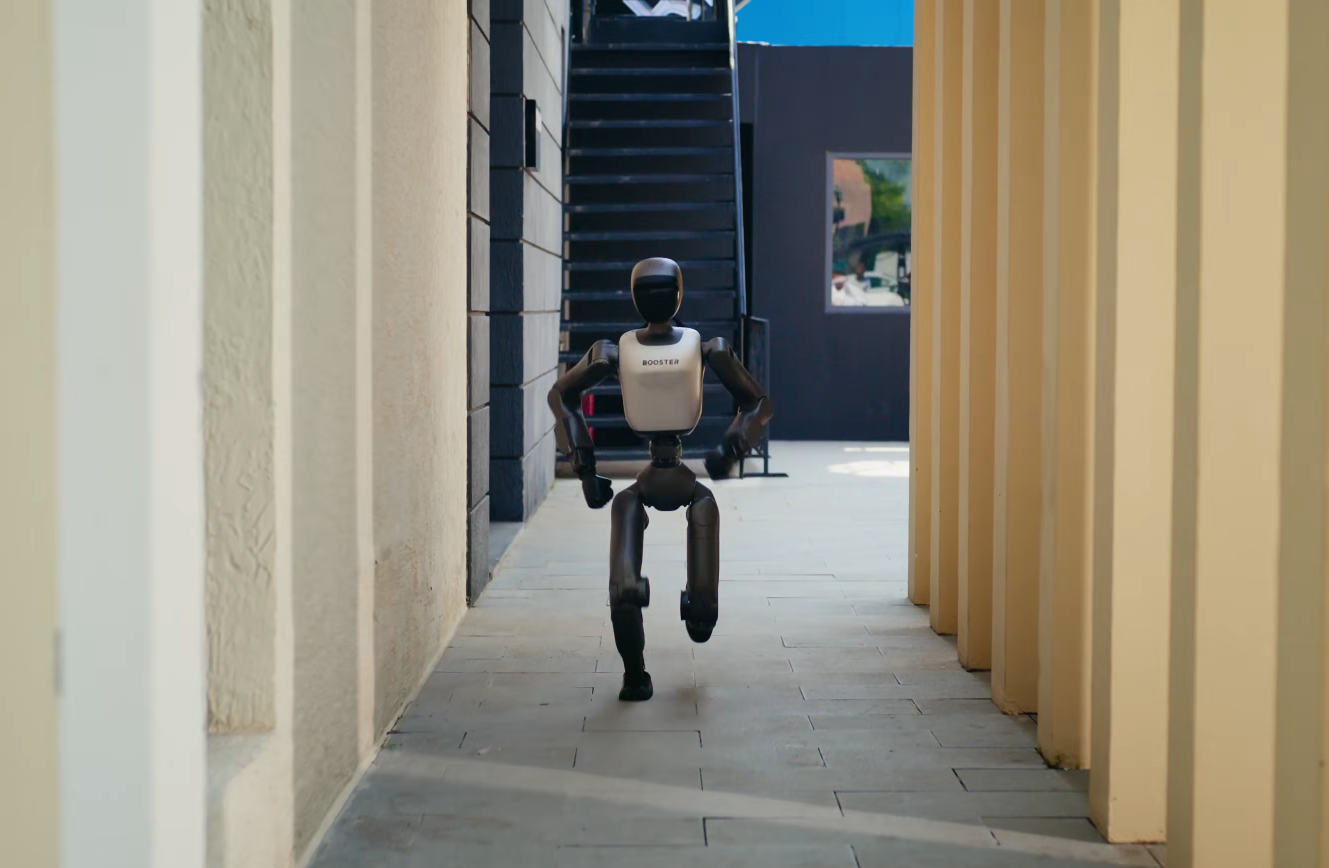
Booster Robotics Launches Booster T2 Humanoid Robot with NVIDIA Thor Computing Power
Booster Robotics has introduced the Booster T2, a humanoid robot platform aimed at real-world applications and embodied AI research. The T2 Pro version utilizes NVIDIA’s Thor chip, delivering up to 2,070 TFLOPS for real-time perception and control. The robot is designed for tasks requiring mobility and manipulation, showcasing advanced capabilities such as walking, dynamic balance, and athletic movements. The significance of the Booster T2 lies in its integration of cutting-edge technology and open development. With features like whole-body coordination and onboard AI computing, it supports a wide range of applications in robotics. The introduction of Booster Studio, an open software platform, further enhances its utility by allowing developers to simulate and deploy AI models effectively. Looking ahead, the Booster T2 is positioned to advance research in embodied AI and robotics. Its robust design, including 31 degrees of freedom and multiple hardware configurations, makes it suitable for various manipulation tasks. No further timeline was disclosed at the time of publication.
AI and Robotics
Humanoid Robots Enhance Performance in Real-World Applications with New Testing Metrics
Recent advancements in humanoid robotics have led to the development of new testing methods that evaluate how effectively these robots can handle real-world forces. This shift is significant as humanoid robots transition from novelty items to practical tools in various industries, including manufacturing and logistics, where they perform tasks such as lifting heavy boxes and moving furniture. The importance of this testing lies in its ability to measure the robots' capabilities in dynamic environments, ensuring they can operate safely and efficiently alongside human workers. As these robots take on more demanding roles, understanding their physical interactions with the environment becomes crucial for their integration into workplaces, enhancing productivity and safety. Looking ahead, the continued evolution of testing methodologies will be essential for the deployment of humanoid robots in more complex scenarios. No further timeline was disclosed at the time of publication, but ongoing research is expected to yield more robust performance metrics that will guide future developments in this field.
Robotics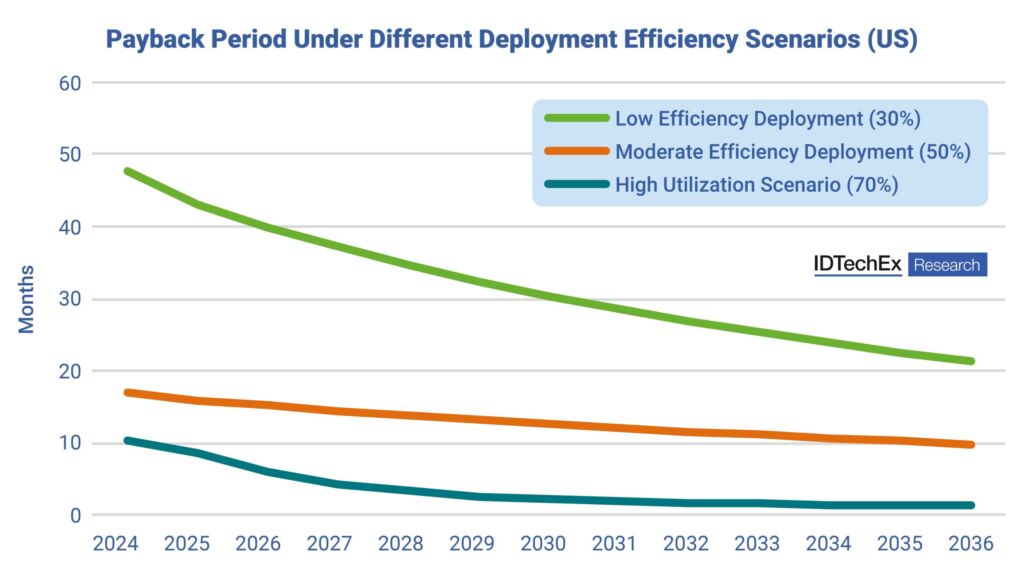
Humanoid robot market is rapidly growing.
According to a report by IDTechEx, the market for humanoid robots is projected to experience rapid growth in the automotive, logistics, and home usage sectors over the coming years. By the early 2030s, this market is expected to reach approximately $25 billion. However, growth is anticipated to slow down as the market matures around 2036. This surge in demand for humanoid robots is driven by advancements in technology and increasing applications across various industries. The findings highlight a significant shift in the robotics landscape, indicating a promising future for humanoid robots in enhancing efficiency and productivity.
Allgemein Humanoide Robotik Newsarchiv
Robotic Assistance in Natural Disasters and Human-Caused Crises
The Synergise research and development consortium is conducting its first integrated system field test to evaluate new technological solutions, including robots, drones, sensors, localization systems, wearables, and communication platforms. This test is taking place at a training ground in Botkyrka, Sweden, where the consortium aims to assess the effectiveness of these technologies in realistic operational environments. The initiative is driven by the need to enhance response capabilities for natural disasters and human-made crises, showcasing how advanced technology can aid in emergency situations.
Allgemein Newsarchiv Servicerobotik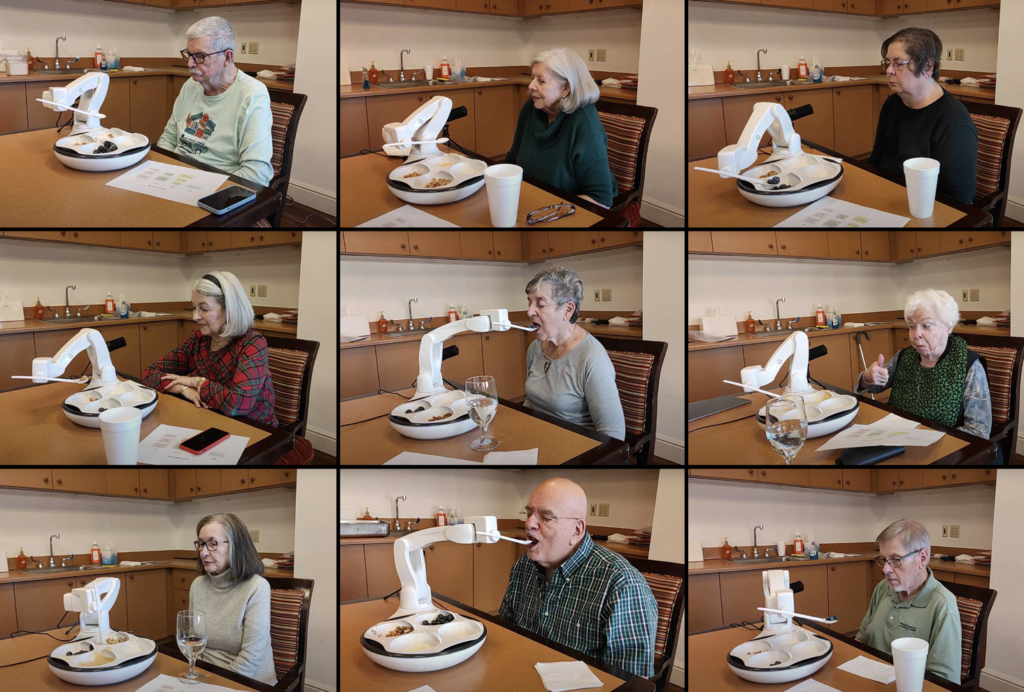
VoicePilot Framework Enhances Communication Between Humans and Physically Assistive Robots
Approximately 5 million people in the United States are affected by motor impairments, which significantly impact their daily lives. In response to this challenge, researchers at Carnegie Mellon University's Robotics Institute have developed the VoicePilot Framework, designed to enhance communication between humans and physically assistive robots. This innovative framework leverages Large Language Models (LLMs) capable of understanding and generating human language and code, thereby improving the interaction between users and robotic assistants. The initiative aims to empower individuals with motor impairments by facilitating greater independence, enhancing their well-being, and ultimately improving their quality of life. The advancements in this technology represent a significant step forward in the integration of robotics into everyday assistance for those in need.
Uncategorized
Qiyuan T1: The First Transformable Personal Robot Unveiled in Shanghai
The Qiyuan T1, the world's first transformable personal robot, was unveiled in Shanghai on July 14. This innovative robot can autonomously switch between a humanoid form and a quadrupedal 'robot dog' form, adapting to various environments without user intervention. This breakthrough is significant as it allows the Qiyuan T1 to navigate spaces that may not be suitable for a single form, enhancing its usability in both indoor and outdoor settings. The robot features advanced capabilities such as flexible force control for human interaction and the ability to carry items in its quadrupedal mode. The Qiyuan T1 will make its public debut at the World Artificial Intelligence Conference from July 17 to 20, 2026. As the personal robotics market evolves, the Qiyuan T1 sets a new standard for versatility and functionality in personal robots.
Transformable Robots Personal Robotics AI Technology Human-Robot Interaction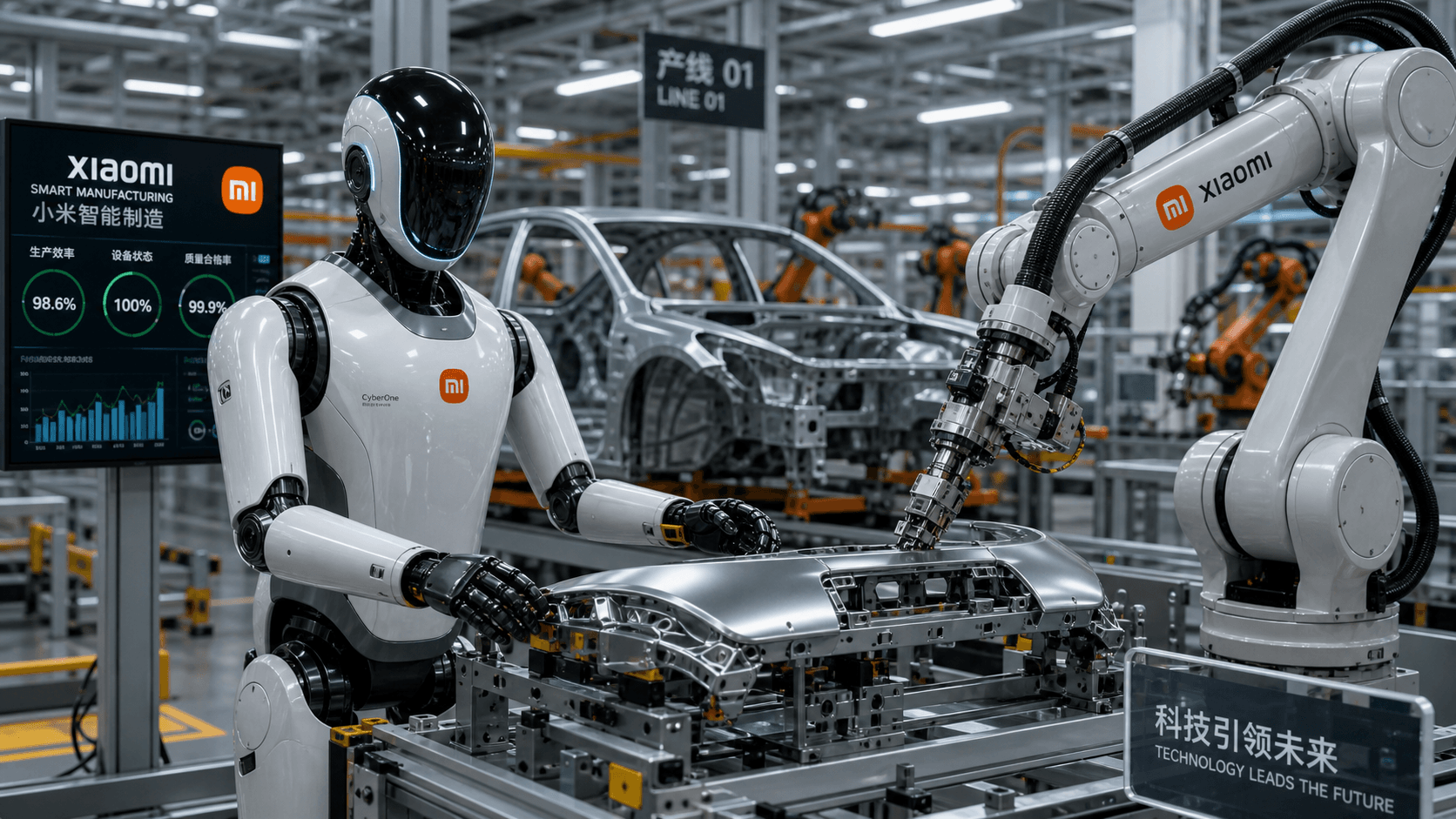
Xiaomi Humanoid Robots Transition to Complex Workpiece Handling on SU7 Production Line
Xiaomi's humanoid robots have advanced from basic screw-tightening tasks to managing complex flexible workpieces on the SU7 production line. This transition marks a significant achievement, with the robots reaching a success rate of over 90% after just six months of training in the factory environment. This development is crucial as it highlights Xiaomi's commitment to enhancing automation in car manufacturing, showcasing the potential of humanoid robots in handling intricate tasks. The successful implementation of these robots could lead to increased efficiency and productivity within the automotive production sector. Looking ahead, it will be important to monitor how Xiaomi continues to integrate these humanoid robots into their production processes and whether they will expand their capabilities further. No further timeline was disclosed at the time of publication.
Technology
LG Electronics Expands Humanoid Robot Actuator Supply Chain Ahead of 2027 Goals
LG Electronics is enhancing its robot-actuator division by hiring for six mid-career positions, aiming to supply motorized joints for humanoid robots by 2027. Actuators, which can account for up to 60% of a humanoid's cost, are critical components in the robotics industry. This strategic move is significant as LG seeks to establish itself as a key player in the actuator supply market, which is expected to generate substantial revenue in the near term. The roles span R&D, quality management, and global sales, indicating a comprehensive approach to bringing these components to market. Looking ahead, LG plans to leverage its manufacturing capabilities, producing approximately 45 million motors annually. The company aims to first utilize its actuators in its home robot CLOiD before expanding to global partners by 2027 and entering industrial applications by 2030. No further timeline was disclosed at the time of publication.
All News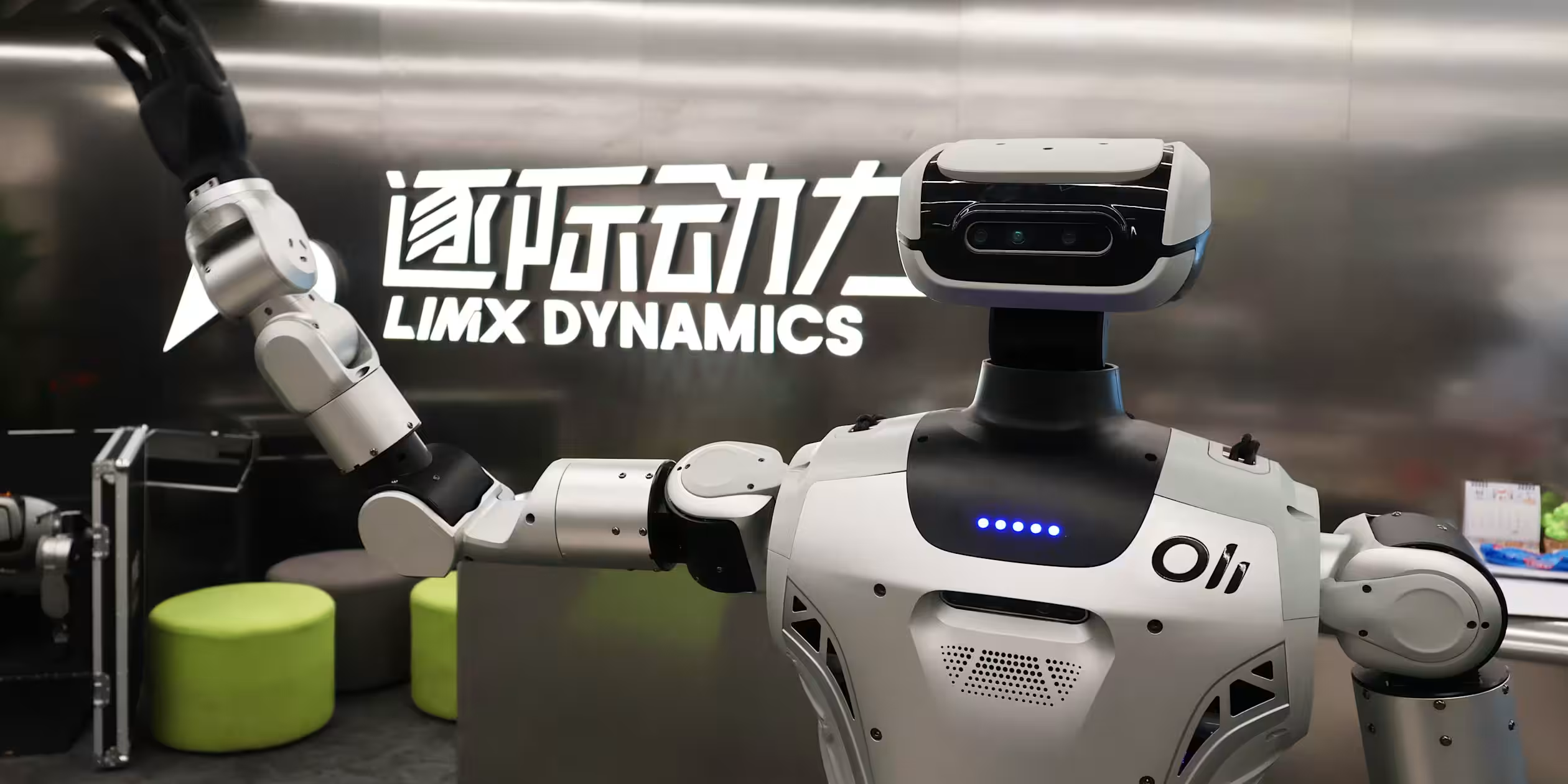
LimX Dynamics Secures $200 Million to Enhance Humanoid Robot Autonomy
Chinese startup LimX Dynamics announced the successful raising of nearly $200 million, valuing the company at approximately $2.2 billion. This funding aims to advance the development of humanoid robots capable of performing complex tasks autonomously, a critical step for the company based in Shenzhen, China. The significance of this funding round lies in LimX Dynamics' need for real-world data to enhance the autonomy of its robots. As the demand for advanced robotics solutions grows, achieving higher levels of autonomy will position LimX Dynamics competitively within the robotics market. Looking ahead, industry observers will be keen to see how LimX Dynamics utilizes this funding to accelerate its research and development efforts. No further timeline was disclosed at the time of publication.
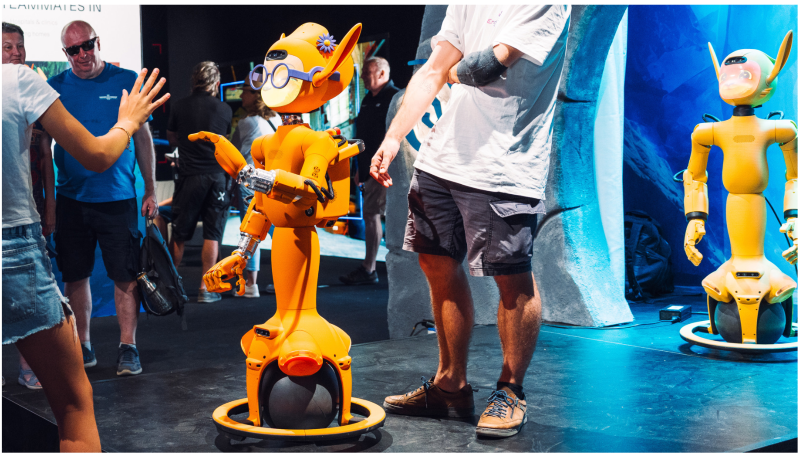
At Goodwood, Robots Explore Their Role in Enhancing Human Experience
At the Goodwood Cricket Ground, a fox-eared robot on roller skates greeted visitors without imitating humans or threatening to replace them, showcasing its unique identity. This event, part of the FOS Future Lab's Intelligent Systems Zone, featured three exhibitors presenting diverse answers to the question of what intelligent machines should do for humanity. One Sheffield startup, led by Raspberry Pi co-founder Liz Upton, demonstrated a method for programming robots using simple English. A robotic arm responded to natural language commands, with COO Eleanor Tang-Smith emphasizing the goal of making robots perform tasks that humans find tedious. Meanwhile, a large screen displayed a real-time reconstruction of Goodwood's famous Taylor Garage, merging digital and physical worlds seamlessly. The fox-eared robotic dogs, designed in Paris, avoided the 'uncanny valley' by engaging with humans through expressive features. They are already in use in hospitals and airports for tasks like transporting and assisting, allowing humans to focus on more urgent matters. The event highlighted three approaches to human-robot interaction, emphasizing the importance of language, vision, and gestures in redefining the interface between humans and machines.
Robotics AI Spatial Computing Human-Robot Interaction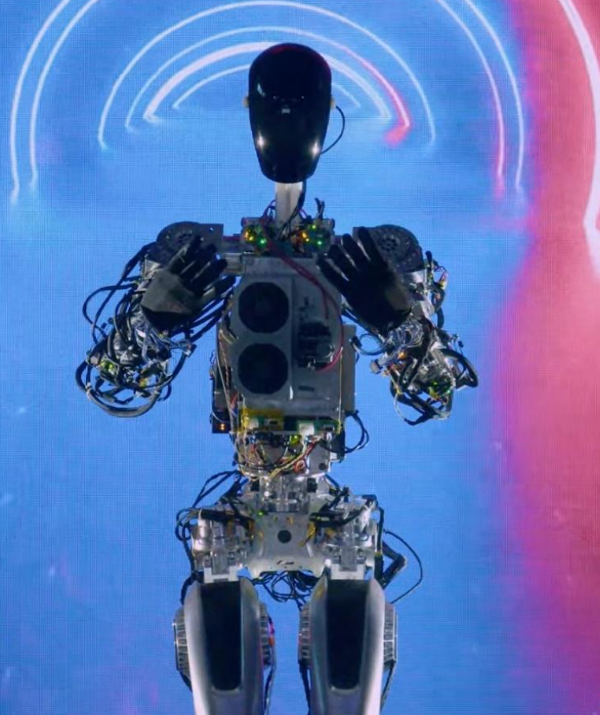
Optimus Robots to Construct Lunar Outpost by End of 2026 Under Musk's Plan
Elon Musk has announced that Tesla's Optimus humanoid robots will lead the construction of a lunar outpost by the end of 2026. SpaceX plans to launch essential construction materials, including modular living quarters and energy equipment, to the Moon using the Starship rocket. The deployment of robots aims to minimize human safety risks and efficiently handle repetitive heavy labor tasks. The rationale behind using robots instead of humans is to reduce complexity and enhance operational efficiency. According to Jim Cantrell, a member of the SpaceX founding team, robots only require sunlight and occasional maintenance, allowing them to work continuously. Upon arrival on the Moon, the Optimus robots will autonomously unload materials, prepare the lunar surface, and assemble prefabricated habitats while also extracting water ice for life support and fuel. Musk envisions the Moon as a testing ground for Mars colonization, with plans to send astronauts to the Moon within 2-3 years and establish a self-sustaining city by 2036. However, challenges remain, including the need for successful orbital refueling of the Starship and overcoming harsh lunar conditions. No further timeline was disclosed at the time of publication.
Humanoid Robots Space Exploration Lunar Colonization Construction Robotics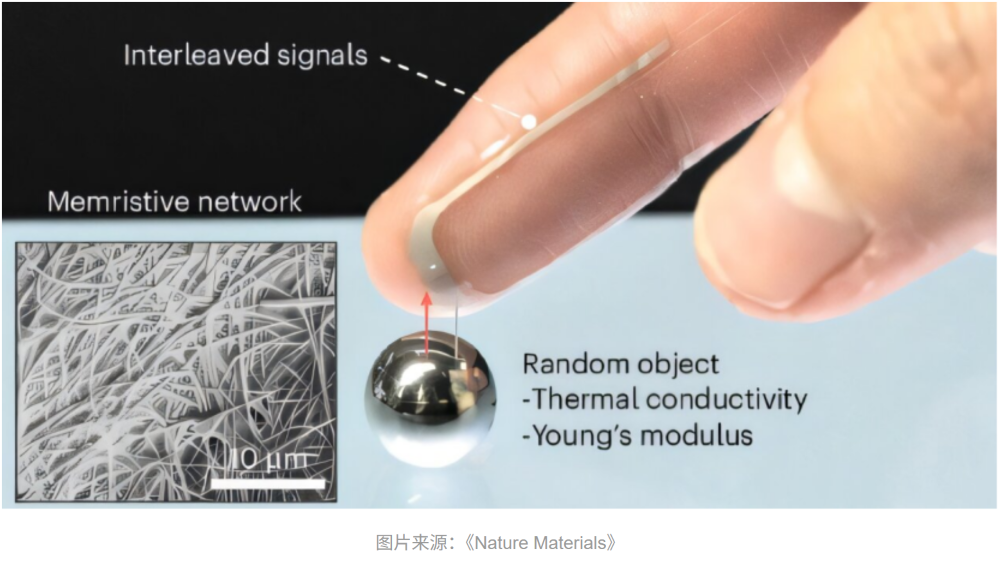
Seoul University Introduces Single-Layer Artificial Skin for Enhanced Robotic Sensory Perception
On July 10, a research team led by Professor Seung Hwan Ko at Seoul University published a significant study in Nature Materials, unveiling a novel single-layer artificial skin. This innovative material allows robots to simultaneously sense temperature and pressure, mimicking human sensory capabilities. The design utilizes a silver-core-copper oxide shell nanowire network, enabling rapid switching between temperature and mechanical sensing modes at a frequency of 16 Hz. The development is crucial as it addresses the limitations of existing artificial skin technologies, which typically rely on multiple stacked sensors, resulting in complex structures and slower response times. The new sensor demonstrates remarkable response speeds, with mechanical stimuli detected in microseconds and thermal stimuli in milliseconds. When combined with AI models, the sensor's accuracy in object recognition improved from 65% to 95% by integrating signals from both sensing modes, showcasing its potential for real-world applications. Looking ahead, the research team has created a multi-array platform that can measure temperature and pressure distribution with spatial resolution comparable to human skin. This technology not only serves as a fingertip sensor but also has the potential to evolve into a comprehensive artificial skin system for robots. The team emphasizes that this advancement is a key enabling technology for physical AI systems, allowing machines to perceive and interact with their environment more effectively. No further timeline was disclosed at the time of publication.
Artificial Skin Robotics Sensor Technology AI Human-Robot Interaction
NVIDIA and Hugging Face Enhance LeRobot with New AI Models and Frameworks
NVIDIA has expanded its collaboration with Hugging Face to enhance the LeRobot open-source robotics platform with new AI models and frameworks. This integration includes the NVIDIA Isaac GR00T 1.7 vision-language-action model and the Isaac Teleop framework, aimed at streamlining robot development. The partnership seeks to make advanced robotics tools more accessible to developers and researchers, with plans to incorporate NVIDIA Cosmos 3 in the future. This collaboration is significant as it addresses the fragmented nature of robotics development by providing standardized workflows for data collection, model training, and robot deployment. The introduction of the Isaac Teleop framework allows for high-quality training data collection through human demonstrations, which can be shared within the LeRobot ecosystem. By lowering barriers to entry, NVIDIA and Hugging Face aim to foster broader collaboration in the robotics community. Looking ahead, NVIDIA plans to integrate the Cosmos 3 model into LeRobot, which will generate synthetic robotics data and assist in policy development. The collaboration builds on existing resources, including a dataset with over 350,000 robot trajectories and 57 million grasp examples. No further timeline was disclosed at the time of publication.
AI and Robotics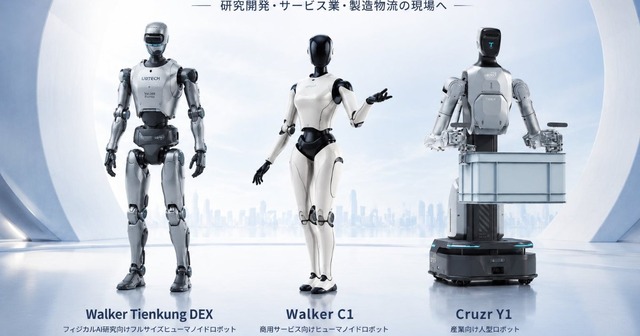
GA Robotics launches three models of UBTECH humanoids for research, commercial, and industrial use in Japan.
GA Robotics, the official distributor of UBTECH humanoid robots in Japan, announced the launch of three new models set to be available domestically starting June 30, 2026. The models include the "Walker Tienkung DEX" designed for research and development, the "Walker C1" tailored for commercial services, and the "Cruzr Y1" intended for industrial applications. This initiative aims to enhance technological innovation and support various sectors in Japan by providing advanced robotic solutions.
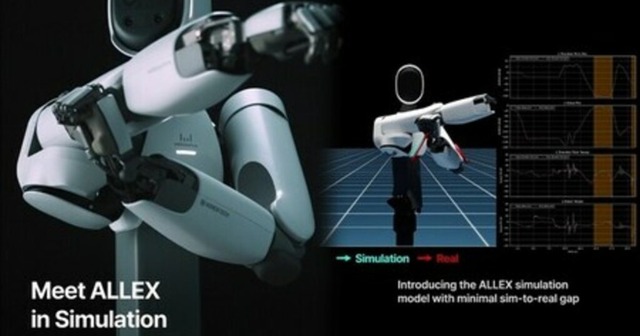
South Korea's WIRobotics unveils simulation model of humanoid "ALLEX," marking a step towards building a physical AI ecosystem.
South Korean robotics company WIRobotics has unveiled a simulation model of its humanoid robot, ALLEX, on June 29, 2026. This announcement coincides with the company's broader initiative to establish a technological roadmap aimed at developing a physical AI ecosystem. By sharing this simulation model, WIRobotics aims to foster innovation and collaboration within the robotics industry, positioning itself as a leader in the advancement of humanoid robotics technology.

GMO AIR becomes official distributor for top humanoid robot Unitree Robotics, offering one-stop sales and support in Japan.
GMO AI & Robotics Trading Co., Ltd. has entered into an official agency agreement with Unitree Robotics, a leading manufacturer known for its bipedal humanoid robots, which is projected to be the world's top seller by 2025. The agreement was finalized on June 19, 2026, and marks the beginning of sales for both humanoid and quadrupedal robots in Japan. This partnership aims to enhance the availability of advanced robotic solutions in the domestic market, reflecting a growing interest in robotics technology.
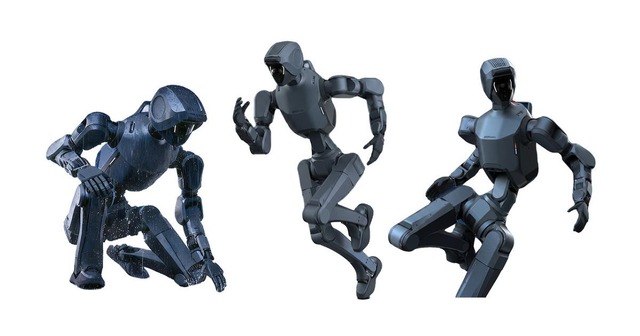
Elza Japan starts handling the world's first fully IP66 waterproof industrial humanoid, DEEPRobotics DR02.
Elsa Japan Co., Ltd. announced the launch of the DEEPRobotics DR02, an all-weather industrial humanoid robot, for the domestic market on June 18, 2026. This new product aims to enhance operational efficiency in various industries by providing advanced robotic solutions capable of functioning in diverse environmental conditions. The introduction of the DR02 reflects the growing demand for automation and robotics in Japan, as companies seek innovative technologies to improve productivity and safety in their operations.
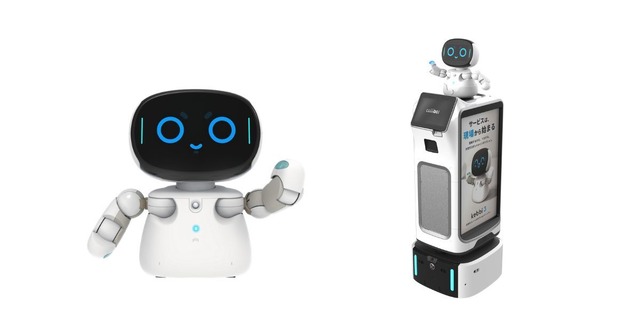
Asratec starts handling AI communication robot "Kebbi 3" and signage robot "Collibot" from Taiwan's NUWA Robotics.
Asuratech has announced a partnership with NUWA Robotics Japan to begin distributing two innovative robotics products from Taiwan's NUWA Robotics. The AI communication robot, "Kebbi 3," and the signage robot, "Collibot Signage Model," will now be available through Asuratech's channels. This collaboration aims to enhance the integration of advanced robotic solutions in various sectors, reflecting a growing trend towards automation and AI-driven technologies in Japan. The initiative is expected to provide businesses with cutting-edge tools for improved communication and customer engagement.
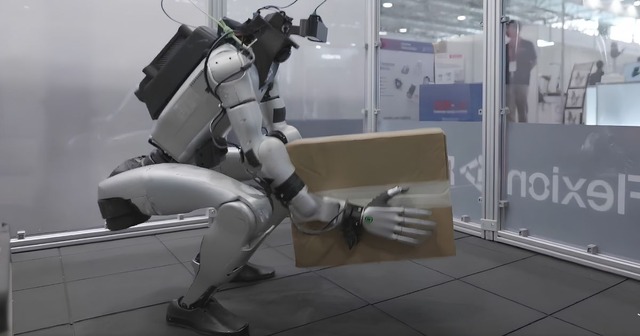
Flexion Robotics demonstrates fully autonomous humanoid with over 95% success rate in 300 trials at ICRA 2026.
Flexion Robotics announced on its official X account that it conducted a fully autonomous demonstration using humanoid robots at the International Conference on Robotics and Automation (ICRA 2026) from June 9 to June 11, 2026. The three-day event showcased the company's advancements in robotics technology, highlighting their commitment to innovation in the field. The demonstration aimed to illustrate the capabilities of humanoid robots in performing complex tasks autonomously, reflecting the growing interest and investment in robotics solutions across various industries.

Pudu Robotics unveils next-gen semi-humanoid "PUDU D7," featuring embodied AI for autonomous evolution through tasks.
Pudu Robotics, a leading Chinese robotics company, has announced the launch of its next-generation semi-humanoid robot, the PUDU D7, designed specifically for manufacturing and industrial environments. This innovative robot aims to enhance operational efficiency and productivity within various sectors by automating tasks that traditionally require human intervention. The announcement was made recently, highlighting the company's commitment to advancing robotic technology in industrial applications. The PUDU D7 is expected to streamline workflows, reduce labor costs, and improve safety in workplaces, reflecting the growing trend of automation in the industry.

AGIRobots unveils new semi-humanoid robot "AGIRobots Worker" to enhance physical AI in manufacturing and logistics.
AGIRobots has unveiled its latest semi-humanoid robot, the "AGIRobots Worker," aimed at enhancing the use of physical AI in the manufacturing and logistics sectors. This announcement was made recently as part of the company's ongoing efforts to innovate and improve operational efficiency in these industries. The AGIRobots Worker is designed to assist in various tasks, streamlining processes and potentially reducing labor costs. By integrating advanced AI technology, the robot is expected to play a crucial role in transforming traditional workflows, making them more efficient and adaptable to modern demands. The launch reflects AGIRobots' commitment to driving technological advancements that support the evolving needs of the manufacturing and logistics landscapes.
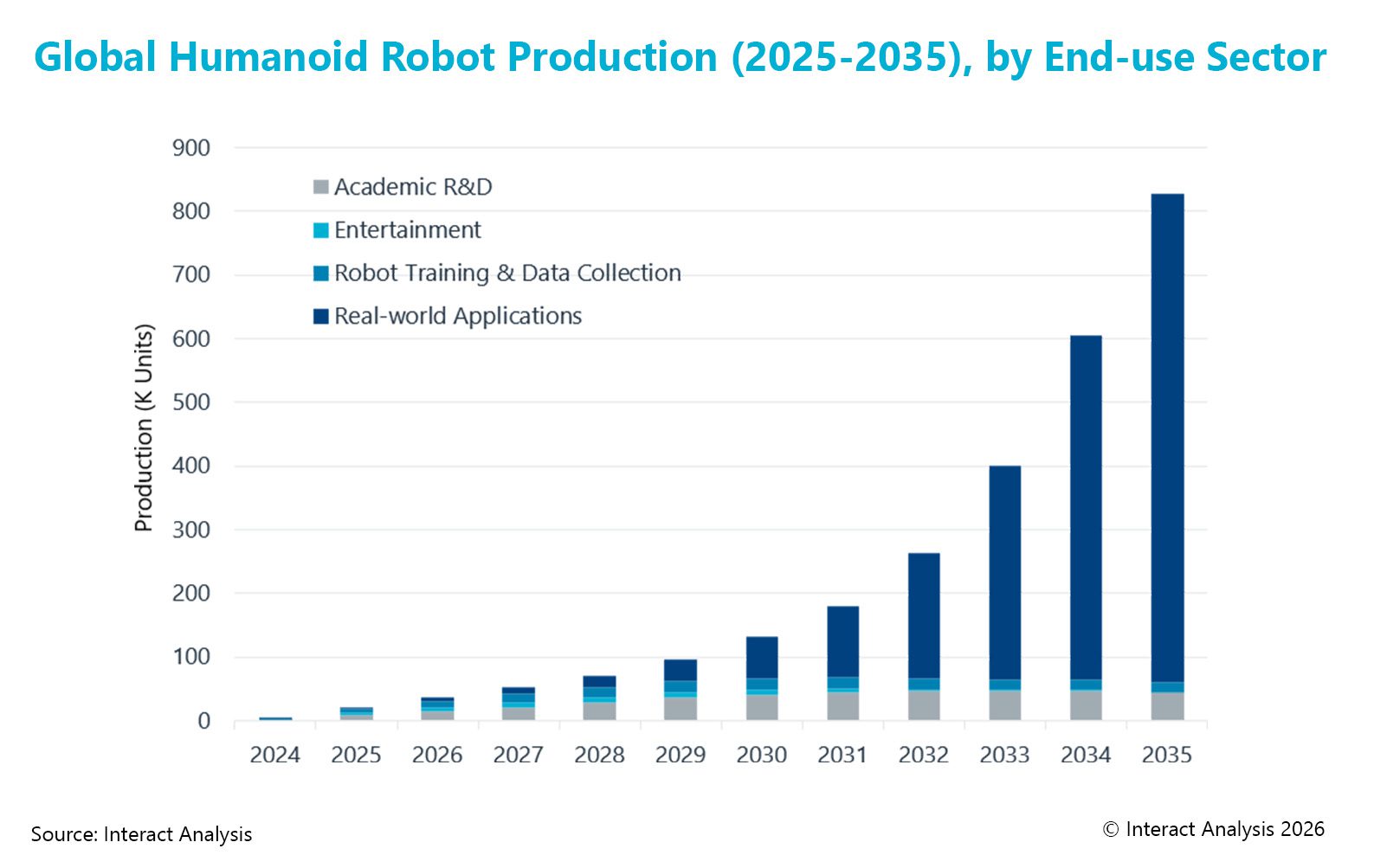
Strong growth expected for humanoid robots starting in 2032.
Humanoid robots are not yet widely utilized in the workforce, but significant growth is anticipated in the 2030s. Industry experts predict that by 2032, the integration of these advanced machines into various sectors will increase substantially, driven by advancements in technology and a growing demand for automation. This shift is expected to transform the labor landscape, enhancing productivity and efficiency across multiple industries. The insights were reported by ROBOTIK UND PRODUKTION, highlighting the potential for humanoid robots to play a crucial role in future work environments.
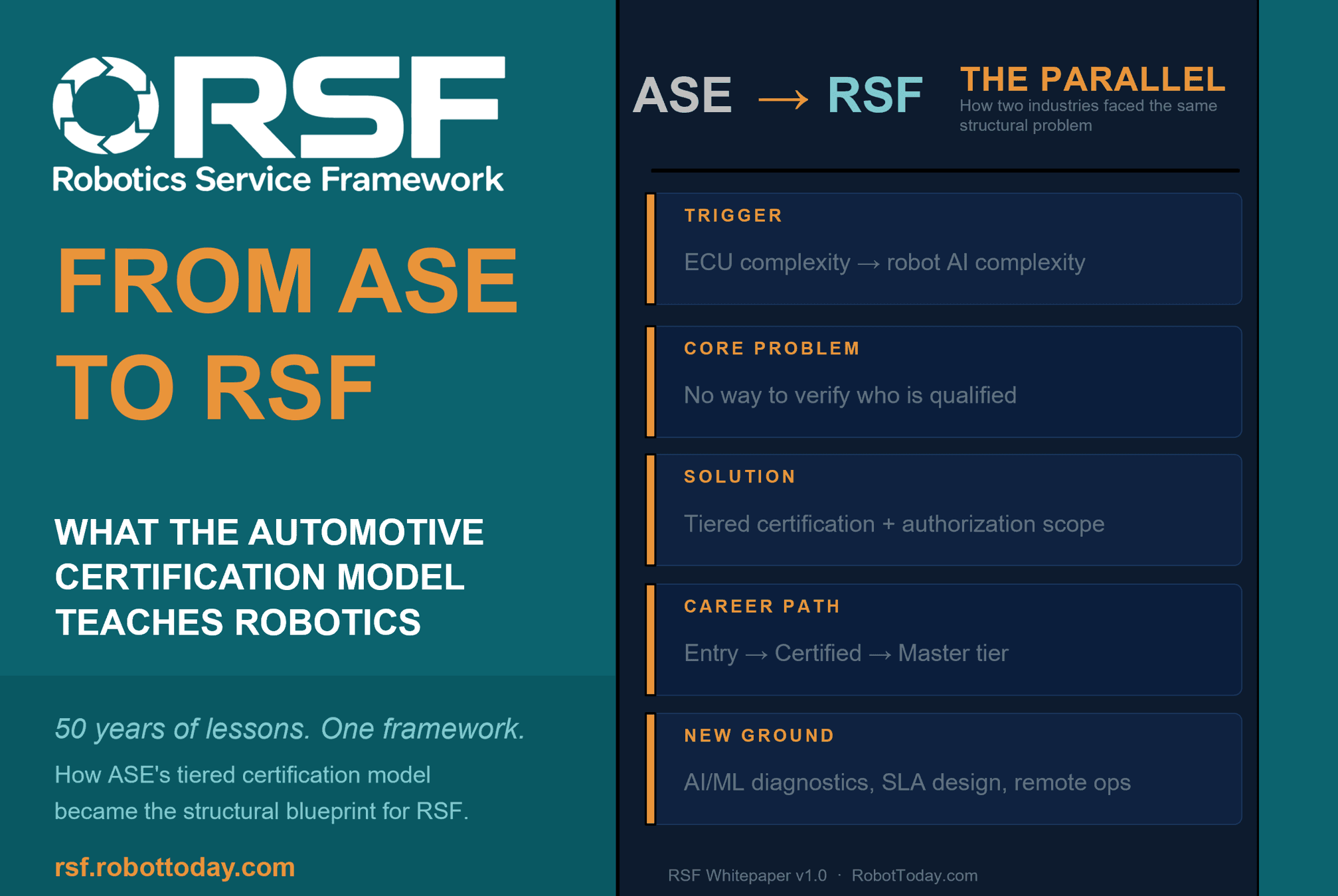
Allgemein Humanoide Robotik NewsarchivRobotics needs a service framework.
RSF defines a common language for robot service capability, lifecycle operations, certification pathways, and service-provider networks.