Industry Briefing
A single destination for timely, editor-curated robotics news from around the world.

Latest DPA Action Highlights Manufacturing Challenge Behind U.S. Drone Expansion
A new presidential memorandum has been issued to address defense production bottlenecks, highlighting concerns about the United States' capacity to scale emerging technologies. This initiative, part of the Trump Administration's Drone Dominance program launched in June 2025, has primarily focused on aircraft, regulations, and procurement processes. The memorandum aims to streamline manufacturing challenges that could hinder the expansion of the U.S. drone industry. As discussions continue around regulatory reforms and domestic capabilities, this action underscores the urgent need for improvements in defense production to maintain competitiveness in the evolving technological landscape.
Applications Defense Drone News Drone News Feeds News US Government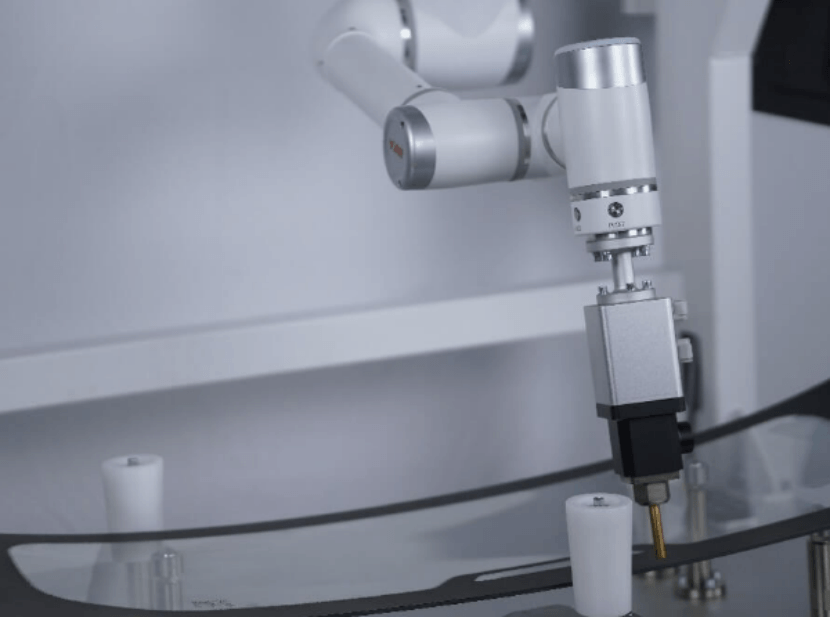
How Assembly Robots Achieve High-Precision Tolerance in Automotive Manufacturing
In the automotive manufacturing sector, achieving high-precision tolerance is crucial for maintaining quality across large production volumes. As vehicle designs evolve to become more compact and modular, traditional manual assembly processes are increasingly inadequate in ensuring the necessary accuracy during extended shifts. JAKA, a leader in robotic solutions, has identified that integrating automation at key assembly stages can enhance tolerance control and support flexible production planning. The company emphasizes the importance of robotic systems, particularly industrial robot arms, in managing repeatability and process stability. These robots execute predefined trajectories with consistent speed and positioning, significantly reducing variability associated with manual operations. For instance, when used for tasks like gluing, these robots can maintain uniform glue beads and consistent joint dimensions, even amidst changing production schedules. By replacing manual dispensing methods, which often lead to fluctuations in flow rate and application angles, automotive manufacturers can achieve more stable and programmable production processes. JAKA's robotic solutions facilitate precise flow control, minimize material waste, and enhance surface appearance, all while being user-friendly and requiring minimal retraining for operators. Ultimately, JAKA's approach underscores that high-precision tolerance is best achieved through the integration of assembly robots into workflows, thereby reducing human error and maintaining flexibility on the production floor. As automation continues to advance, JAKA aims to provide practical robotic solutions that meet the evolving needs of the automotive industry.
INKAS Expansion Highlights Growing Investment in North American Defense Manufacturing
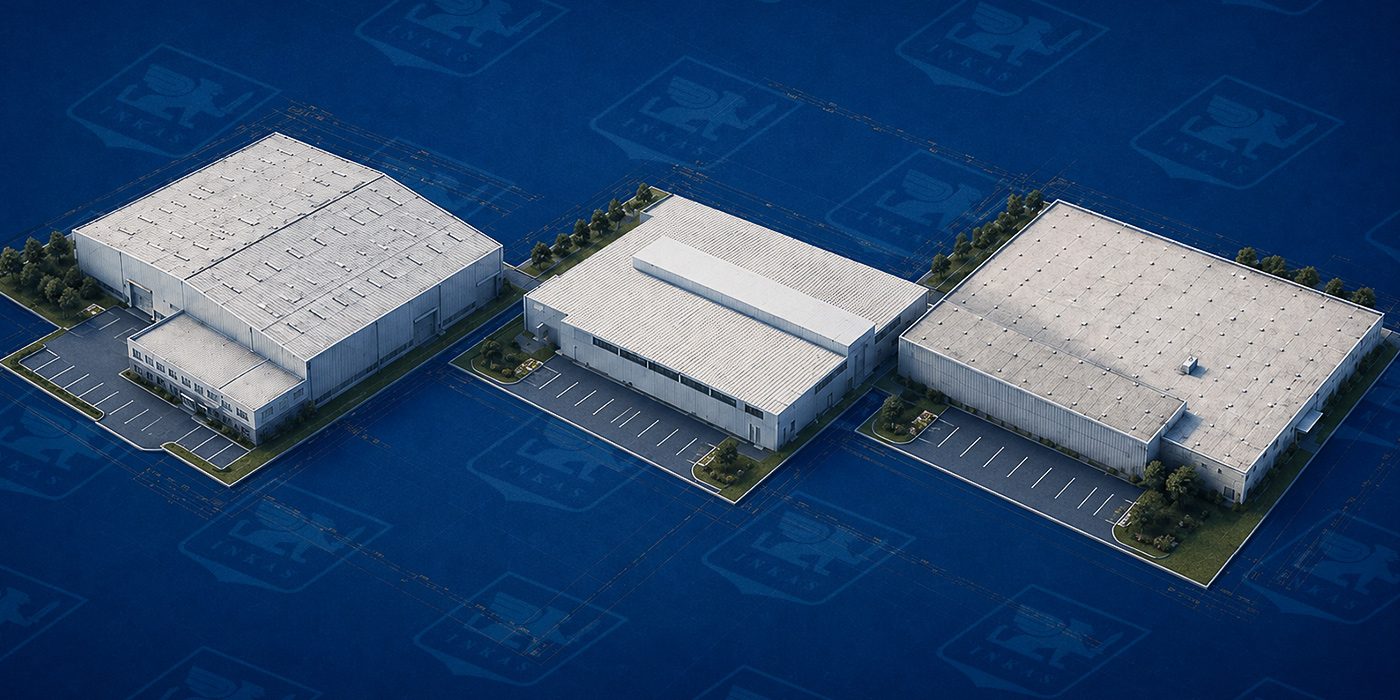
Toronto-based INKAS has announced a significant expansion of its North American manufacturing capabilities with the addition of three new production facilities in Canada and the United States. This strategic move aims to more than double the company’s manufacturing space, enabling enhanced production of armored vehicles, unmanned systems, and special-purpose platforms. The expansion reflects INKAS's commitment to supporting growth in the defense manufacturing sector, responding to increasing demand for advanced military and security solutions. The new facilities are expected to bolster the company’s operational efficiency and capacity, positioning INKAS to better serve its clients in a rapidly evolving market.
Applications Canada Canadian Drone Industry Defense defense Drone Manufacturing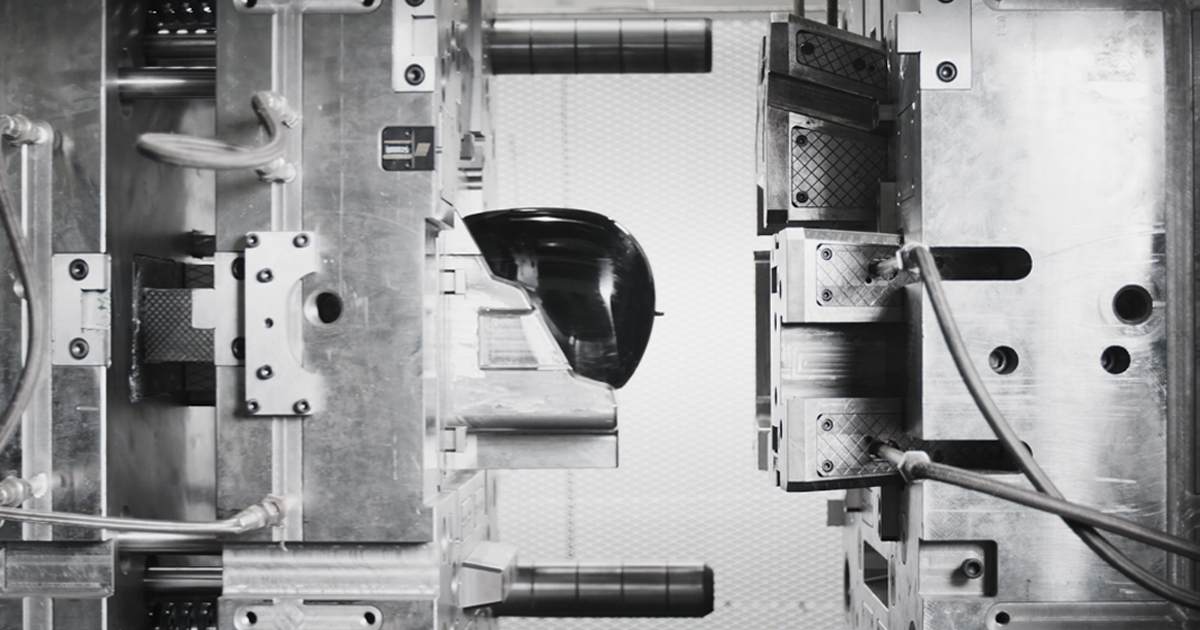
BotQ: A High-Volume Manufacturing Facility for Humanoid Robots
Figure has officially launched BotQ, a state-of-the-art manufacturing facility dedicated to the production of humanoid robots. Located in an undisclosed area, the facility is designed to produce up to 12,000 units annually, reflecting the company's commitment to scaling its operations. The initiative, which commenced recently, underscores Figure's focus on in-house manufacturing to enhance quality and efficiency in robot production. To achieve this, BotQ employs advanced manufacturing techniques, including injection molding and diecasting, which are essential for ensuring the reliability of the robots. Additionally, the facility aims to strengthen its supply chain development, addressing potential challenges in sourcing materials and components. This strategic move is part of Figure's broader vision to lead the humanoid robotics market, responding to increasing demand for advanced robotic solutions across various sectors.
humanoid robots manufacturing automation supply chain robotics
China’s Export Restrictions on Red Cat Highlight a Bigger Challenge for U.S. Drone Manufacturing
China's recent decision to impose export controls on Red Cat Holdings and its subsidiary, Teal Drones, has raised concerns within the U.S. drone manufacturing sector. While the immediate effects on production may be minimal, this action highlights the pressing need for American manufacturers to thoroughly analyze and understand their supply chains. The restrictions serve as a reminder of the complexities and vulnerabilities that U.S. companies face in the global market, particularly in light of increasing geopolitical tensions. As a result, industry leaders are urged to reassess their operational strategies to mitigate potential disruptions and ensure resilience against similar challenges in the future.
Applications Defense Drone Manufacturing Drone News Drone News Feeds drone parts
Opinion: Why robot dogs are leading the pack in factory floor efficiency
By Andrew Hamilton, head of the Digital Process Manufacturing Centre (DPMC) at the National Manufacturing Institute Scotland (NMIS) Manufacturing facilities today are sprawling, interconnected environments where equipment operates continuously and processes stretch across large physical footprints. From factory floors and plant rooms to service corridors and external assets, engineering teams need clear visibility across areas […]
Features Industry Autonomous robots boston dynamics spot digital manufacturing factory inspections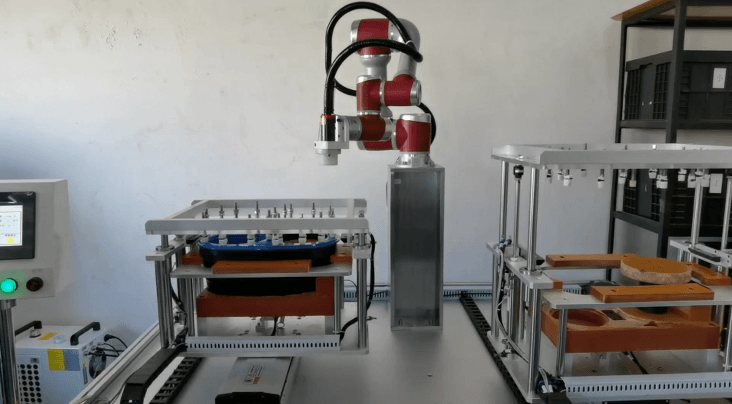
The Long-Term Value of Robotic Arms for Manufacturing in Small to Medium Enterprises (SMEs)
Small and medium enterprises (SMEs) in the manufacturing sector are increasingly turning to collaborative robots to enhance their operational efficiency and product quality, according to JAKA, a leading provider of robotic solutions. This shift comes as SMEs seek to balance cost control with long-term development, particularly in a competitive market. Historically, many SMEs viewed robotic arms as prohibitively expensive and complex. However, advancements in collaborative robot technology have made these tools more accessible. JAKA's A12L intelligent visual perception robot exemplifies this trend, offering simple programming and quick deployment, which eliminates the need for specialized technicians and extensive workshop modifications. This adaptability allows SMEs to significantly reduce labor costs, which are often their largest expense. The JAKA A12L operates continuously without fatigue, minimizing human error and ensuring consistent production quality. Its intelligent vision system enhances machine tending efficiency, enabling SMEs to maintain stable output and lower defect rates. This capability is particularly valuable as SMEs face challenges related to small-batch and diverse production needs, allowing for rapid reconfiguration of production lines. By adopting JAKA's collaborative robots, SMEs can not only achieve immediate cost savings and efficiency gains but also overcome developmental hurdles, positioning themselves for sustainable growth in the evolving manufacturing landscape. JAKA's commitment to providing cost-effective and user-friendly robotic solutions empowers SMEs to optimize their operations and enhance their competitiveness in the market.

From Forklifts to Laser Guided Vehicles — The Operational Shift in High-Volume Manufacturing
In response to the growing demands of manufacturing systems, which require increased efficiency and precision, the use of Automated Guided Vehicles (LGVs) is becoming more prevalent. Unlike traditional forklifts, which rely heavily on operator skill and can be affected by factors such as fatigue and congestion, LGVs offer a consistent and repeatable solution for material handling. This shift is particularly crucial as production volumes rise and tolerances become tighter, necessitating a more reliable flow of materials within facilities. As industries seek to enhance their operational capabilities, the integration of LGVs is seen as a strategic move to improve productivity and reduce the risks associated with human error.

The Benefits of High-Speed Joint Actuation in Modern Articulated Robots
In the rapidly evolving manufacturing sector, JAKA Robotics is at the forefront of intelligent automation, showcasing the transformative capabilities of articulated robots, particularly collaborative robots (cobots). These advanced machines, equipped with high-speed joint actuation, are designed to enhance production efficiency and precision. The JAKA Pro5 articulated robot exemplifies this innovation, enabling accelerated production cycles through quick and precise movements that streamline loading, unloading, and assembly processes. This is particularly beneficial in time-sensitive industries like consumer electronics and automotive assembly, where reduced cycle times can significantly boost throughput. Moreover, the high-speed joint actuation not only increases speed but also enhances precision, ensuring consistent quality control in tasks such as component placement and welding. JAKA's robots maintain high accuracy over time, minimizing errors and reducing scrap rates, which is crucial for industries with stringent quality standards. The Pro5 model's compact design and user-friendly programming interface facilitate easy integration into existing production lines, allowing manufacturers to adapt swiftly to changing demands without extensive downtime. This flexibility empowers companies to optimize resources effectively and respond to market fluctuations. As industries continue to evolve, the role of high-speed joint actuation in articulated robots is becoming increasingly vital. By adopting JAKA's technology, organizations can modernize their production processes, improve workplace safety, and enable skilled workers to focus on higher-value tasks, positioning themselves for success in a competitive landscape.
How Manufacturing Robots for Sale Improve Worker Ergonomics and Reduce Injury Risk
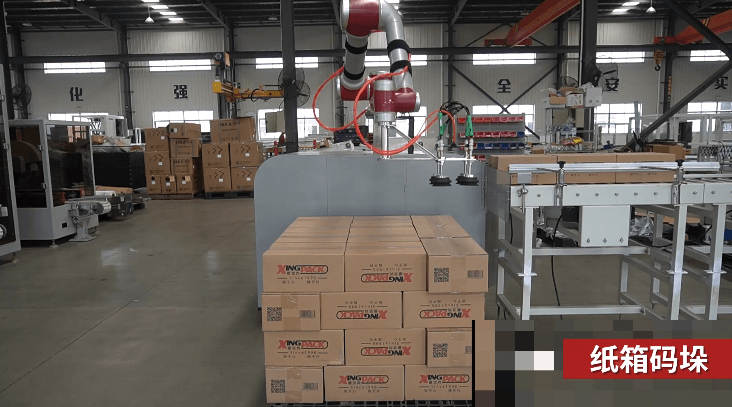
In response to the growing need for enhanced worker safety and comfort in industrial settings, JAKA is promoting the use of manufacturing robots, specifically the JAKA S5 flexible robot arm. This initiative aims to improve ergonomics and reduce injury risks associated with repetitive tasks. By integrating these advanced automation solutions into production lines, JAKA enables employees to focus on higher-value work while minimizing physical strain. The JAKA S5 robot, designed for easy integration with zero installation and configuration requirements, takes over demanding tasks such as heavy lifting and precise assembly. This allows workers to maintain natural postures and decreases their exposure to movements that can lead to long-term injuries. The robot's built-in force sensor enhances workplace safety by providing adaptive responses to production variations, thereby reducing the risk of accidents. While cost remains a significant consideration for businesses, JAKA emphasizes that investing in flexible robot arms can yield long-term benefits, including decreased medical claims and improved productivity. The company collaborates with clients to assess their specific production needs and identify cost-effective solutions that prioritize both functionality and ergonomics. Overall, JAKA's flexible robot arm technology is positioned as a key player in fostering safer and more efficient workplaces, aligning with the industry's evolving demands for sustainable manufacturing practices.
The ROI of Deploying Small Industrial Robots in Lean Manufacturing Cells
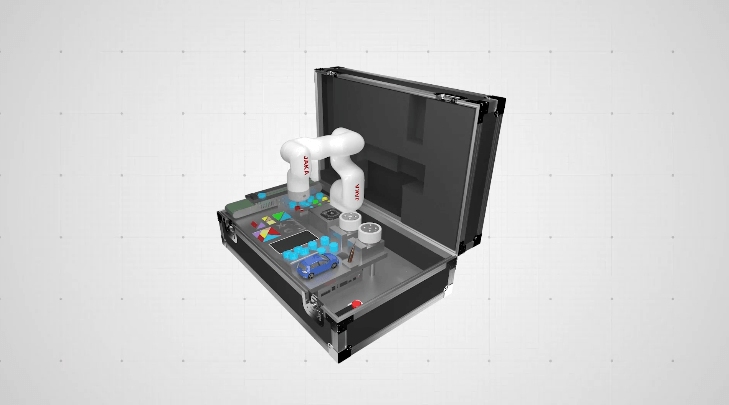
In a bid to enhance efficiency and cost-effectiveness in manufacturing, a company has successfully integrated small industrial robots, particularly the JAKA MiniCobo, into its lean manufacturing cells. This initiative, which began recently, aims to automate repetitive tasks such as material handling and machine tending, thereby alleviating labor bottlenecks and ensuring consistent production output. The JAKA MiniCobo stands out due to its compact design and flexibility, allowing for deployment in previously unsuitable spaces. By utilizing intuitive programming, the robot reduces setup time, enabling workers to concentrate on higher-value tasks. This streamlined approach not only boosts productivity but also improves product quality by minimizing human error, essential in lean manufacturing where even minor enhancements can significantly impact return on investment (ROI). Flexibility is a critical advantage of these small robots, which can be rapidly redeployed across various production line sections to meet changing demands without extensive reconfiguration. This adaptability leads to reduced downtime and more efficient scheduling, allowing manufacturing cells to respond dynamically to production needs while managing operational costs effectively. Although initial investment is a consideration, the focus remains on understanding the broader factors that influence cost-effectiveness, including labor savings, improved product consistency, and faster cycle times. The implementation of the JAKA MiniCobo not only promises direct labor replacement savings but also offers low maintenance requirements, ensuring a sustainable positive ROI over time. Overall, the deployment of small industrial robots represents a strategic move to maximize efficiency, enhance product quality, and optimize workforce allocation, demonstrating the tangible benefits of automation in modern manufacturing environments.
Common Manufacturing Problems Cobots Help Solve
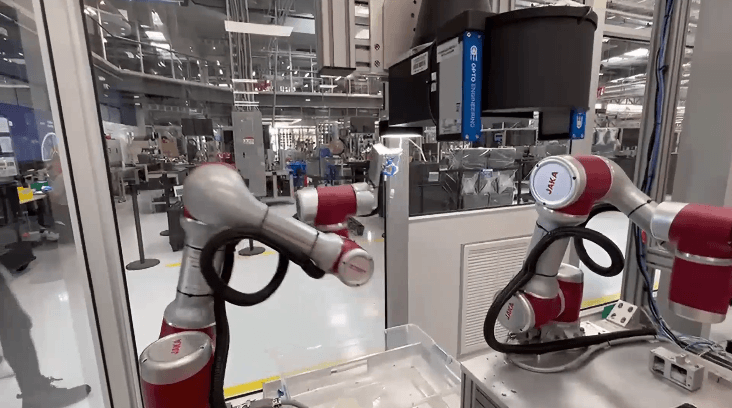
In response to ongoing challenges in modern manufacturing, such as labor shortages and inconsistent output, JAKA is introducing practical automation solutions designed to enhance efficiency without increasing operational risks. The company emphasizes the integration of collaborative robots, or cobots, into daily operations to stabilize production while maintaining flexibility. This approach allows human workers to share tasks safely with automated systems, improving workflow continuity without the need for extensive redesigns or disruptions to existing production schedules. One significant issue in manufacturing is the reliance on manual loading and unloading, particularly in machine tending, which can lead to operator fatigue. JAKA's AL system addresses this by simplifying programming and control, enabling cobots to handle repetitive material tasks. This not only reduces the physical workload on operators but also allows them to focus on higher-value decision-making, thereby enhancing production rhythm and product quality. Additionally, JAKA’s cobots facilitate rapid adjustments to production lines, essential for frequent product changes and small-batch manufacturing. Their design allows for quick redeployment between tasks with minimal downtime, supporting flexible manufacturing strategies and maintaining consistent operational performance. By prioritizing ease of use and adaptability, JAKA aims to help manufacturers overcome everyday production challenges, promoting a balanced and sustainable approach to automation.
Collaborative Robots in Manufacturing Case Study: Achieving Near-Zero Defects in Finishing
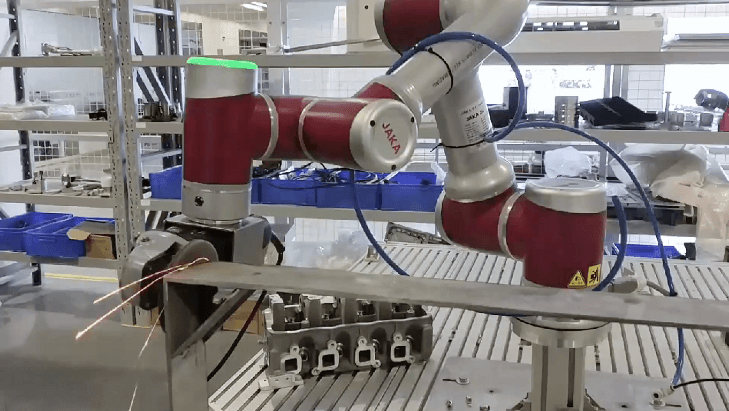
A manufacturing company has successfully integrated collaborative robots, specifically the JAKA S12, into its production workflow to enhance finishing processes. This implementation, which began recently, aims to reduce errors and improve quality in polishing operations, a critical area where uniformity is essential. The JAKA S12 features advanced capabilities such as zero installation and configuration, along with a built-in force sensor that allows for real-time adjustments in pressure and trajectory during polishing tasks. By automating these processes, the company has achieved near-zero defect rates, even amidst complex production demands and varying product designs. This technology not only optimizes workflow but also fosters effective human-robot collaboration, enabling operators to program intricate movements through user-friendly interfaces. As a result, workers can focus on high-value tasks while minimizing physical strain and errors associated with repetitive polishing. The company’s experience highlights the significant benefits of integrating robotics into manufacturing, demonstrating that such innovations can enhance precision and consistency in finishing applications. By maintaining high-quality standards and adapting quickly to production changes, the company underscores the potential of collaborative automation to transform modern manufacturing environments without compromising workforce involvement.
As Drone Demand Grows, Protolabs Scales On-Demand Manufacturing
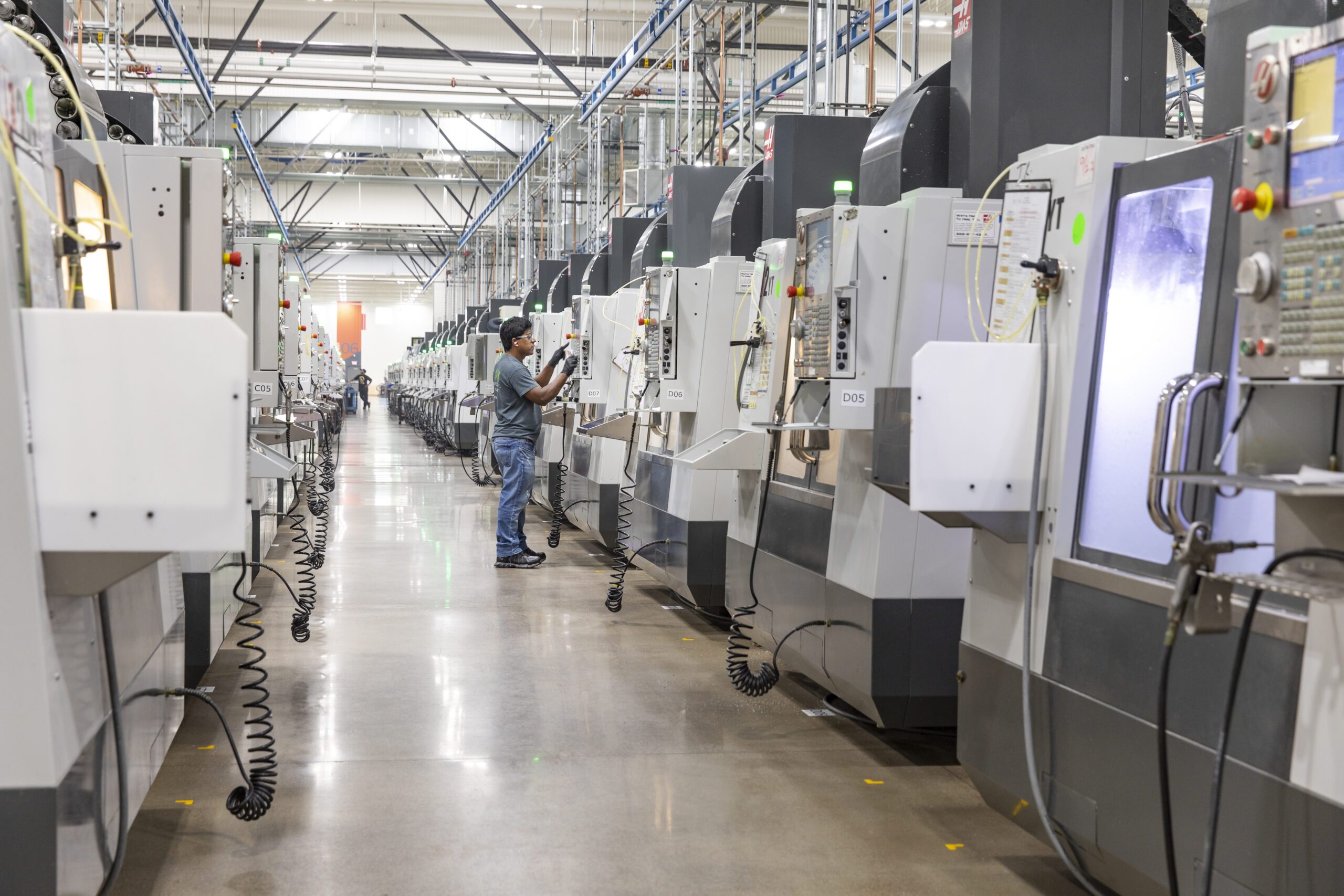
Protolabs, a digital manufacturing company listed on the NYSE, is enhancing its rapid manufacturing capabilities to support drone manufacturers in accelerating their transition from prototype to production. This initiative comes in response to the increasing demand for commercial and defense drones, which has put pressure on manufacturers to shorten development cycles while ensuring high quality. By expanding its CNC machining and 3D printing services, Protolabs aims to meet the evolving needs of the drone industry, facilitating faster production processes and helping companies keep pace with market growth.
Applications Drone Manufacturing Drone News Drone News Feeds News 3D Printing
Inside modern supplement manufacturing: How automated filling lines are raising the quality bar
Recent advancements in automation are transforming the supplement manufacturing industry, particularly through the implementation of cutting-edge filling lines that enhance both quality and efficiency. These innovative systems not only incorporate advanced technologies but also necessitate the establishment of new protocols and expectations for quality assurance. As manufacturers adopt these automated solutions, they are experiencing significant breakthroughs and adopting best practices that elevate production standards. The article delves into how these automated filling lines are setting a new benchmark in the industry, emphasizing the critical controls that are essential for maintaining high-quality output.
Health Manufacturing automated filling lines automated inspection automation news checkweighers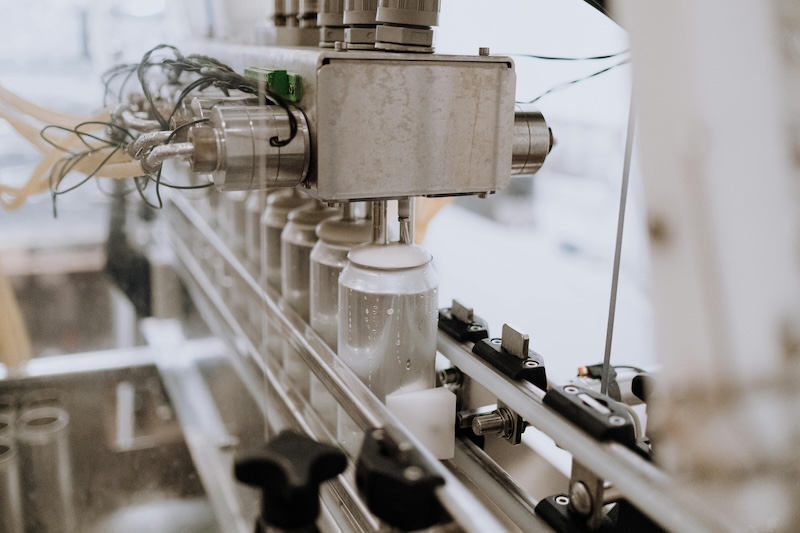
Application engineering for assembly systems is quietly becoming manufacturing’s biggest competitive edge
In a significant shift within the manufacturing sector, companies are increasingly focusing on application engineering to enhance assembly systems. This evolution is driven by the need for higher productivity and reduced error rates on the factory floor. Leading the charge is Atlas Copco, a prominent player in the industry, which is fully embracing this transformation. The emphasis is now on not just the machines themselves, but also on the engineering that connects and adjusts these machines in real-time to align with operational demands. As factories strive to optimize their processes, the integration of advanced engineering techniques is becoming essential for success in a competitive landscape.
Engineering Manufacturing application engineering assembly line automation assembly systems atlas copco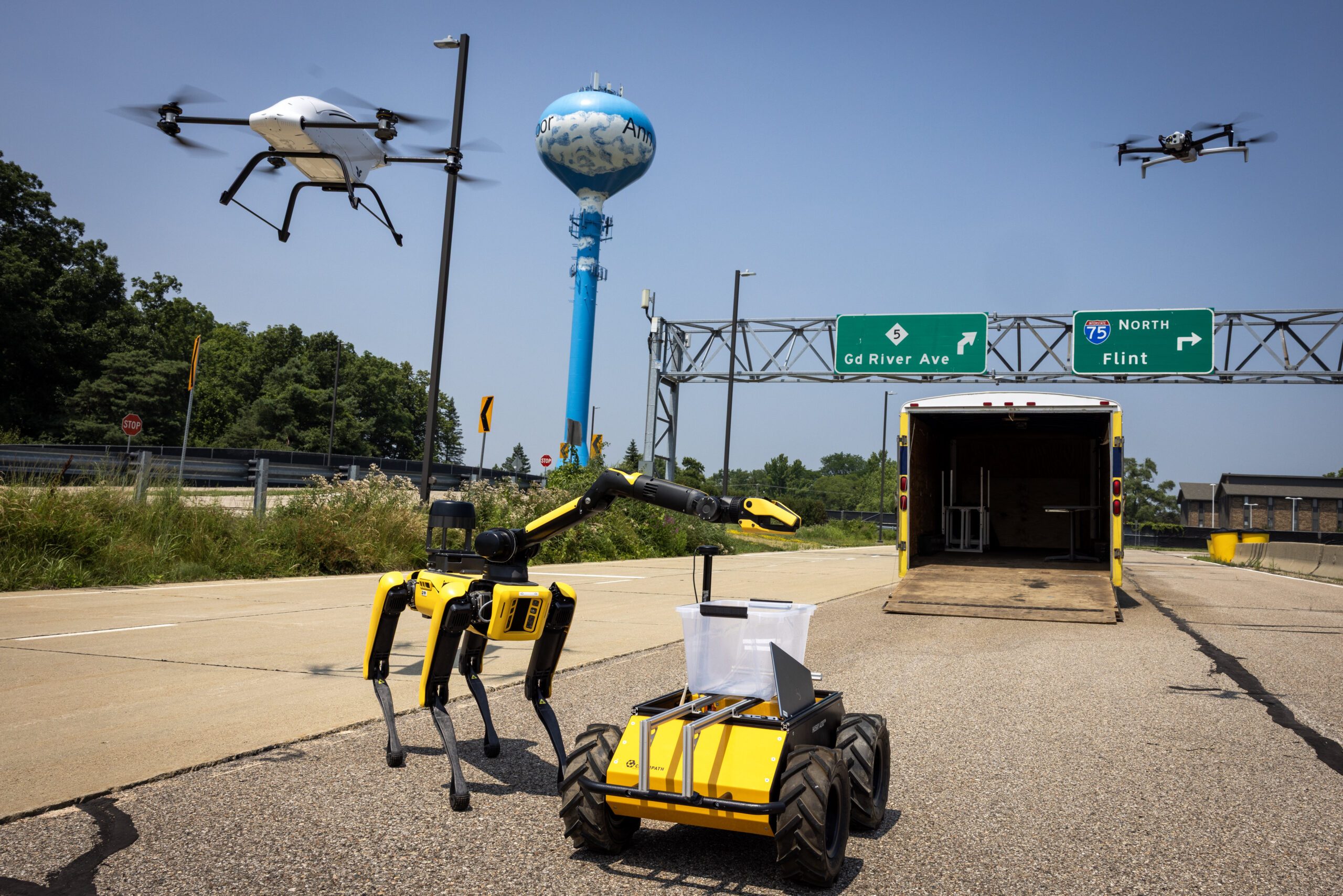
Michigan’s Bet on the Low Altitude Economy: How M Air Connects Aerospace Innovation and Detroit Manufacturing
At XPONENTIAL 2026, leaders from the University of Michigan presented a forward-looking vision aimed at establishing the state as a key player in the low altitude economy, particularly in the realms of drones and advanced air mobility (AAM). This initiative seeks to leverage Michigan's aerospace innovations alongside Detroit's robust industrial manufacturing capabilities. The discussion highlighted the potential for Michigan to become a central hub for these emerging technologies, emphasizing the synergy between cutting-edge aerospace developments and the region's manufacturing expertise.
Advanced Air Mobility Aerospace Applications Autonomous DL Exclusive Drone Manufacturing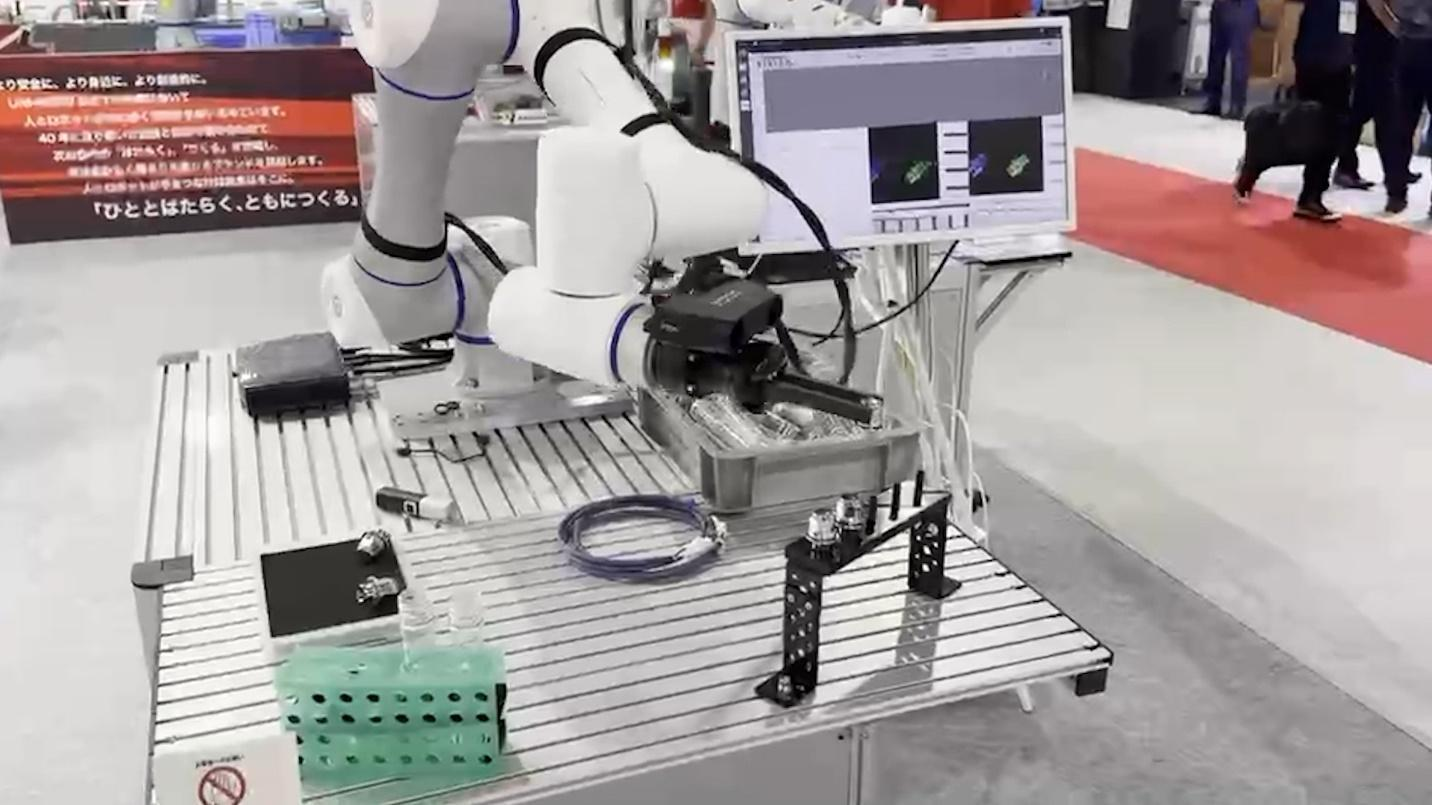
Collaborative Robots (Cobots) in Manufacturing: The Future of Human-Robot Teams
A recent exploration into the future of manufacturing highlights the potential of human-robot collaboration, focusing on how human workers can effectively partner with collaborative robots. As industries evolve, the integration of these advanced technologies aims to enhance productivity and efficiency on the factory floor. This shift is particularly relevant in light of ongoing labor shortages and the need for increased output in a competitive market. The study emphasizes that by 2024, many manufacturing sectors are expected to adopt these collaborative robots, which are designed to work alongside humans safely and efficiently. This partnership not only aims to alleviate the physical demands on workers but also to leverage the precision and speed of robots in repetitive tasks. The motivation behind this trend is driven by the need for innovation in manufacturing processes, as companies seek to remain competitive while addressing workforce challenges. By implementing collaborative robots, businesses can optimize operations, reduce costs, and improve overall product quality. The research indicates that successful integration will require training for human workers to effectively interact with these robots, ensuring a seamless workflow. As this technology continues to advance, the future of human-robot teams in manufacturing appears promising, potentially transforming the landscape of the industry and redefining the roles of human workers.
Dobot Breezy smartphone refurbishment AI automation Industry 5.0 collaborative robots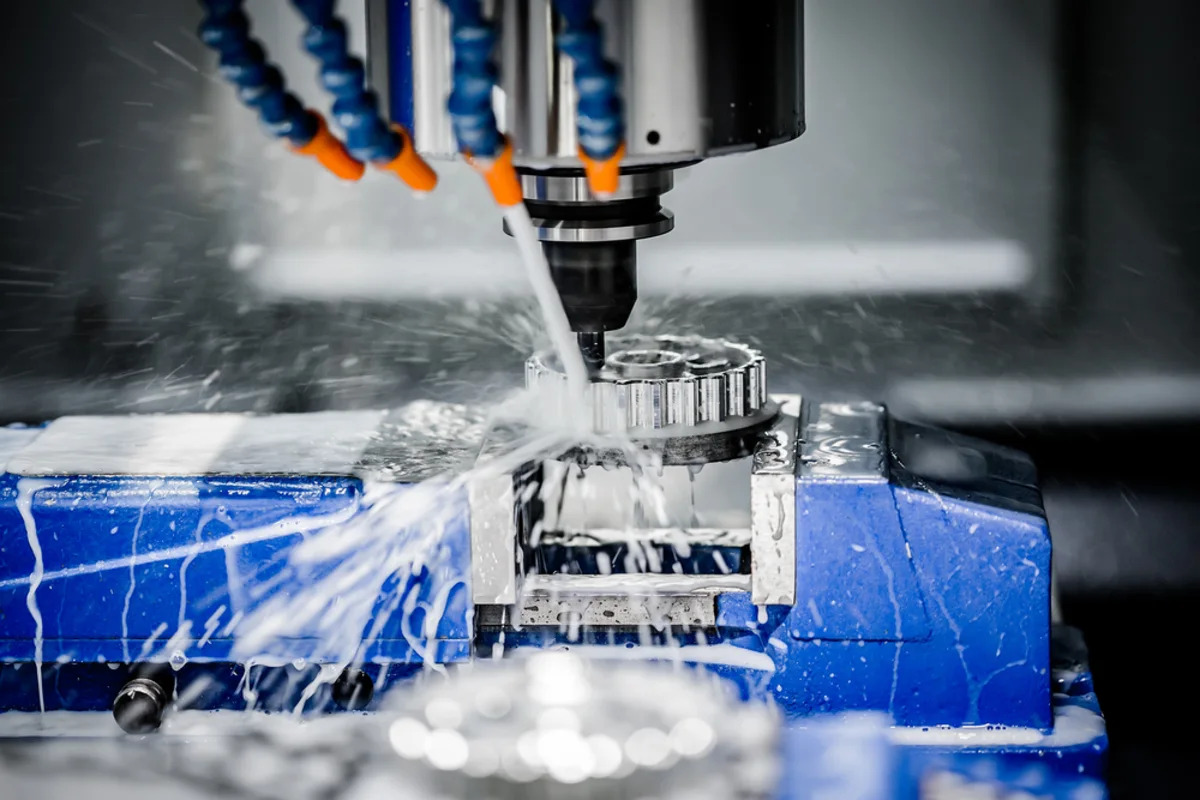
Honeywell International Inc. (HON): One of The Best Robotics Stocks to Buy Poised for Manufacturing Automation Opportunities
Honeywell International Inc. has emerged as a leading contender in the robotics sector, particularly in the realm of manufacturing automation. On June 9, 2026, the company introduced Experion Cognition, an AI-enabled control system aimed at enhancing autonomous operations. This innovative platform leverages Honeywell's extensive experience in process automation and incorporates advanced AI models to address anomalies in control room settings, thereby optimizing production efficiency. Experion Cognition is designed to seamlessly integrate into existing control room environments, enabling operators—regardless of their experience level—to manage plant operations effectively. By automating situation management, the platform addresses the ongoing industrial workforce shortage, allowing less experienced personnel to operate complex systems with greater ease. The system's AI features, including an Operations Assistant, can generate predictions within a span of 5 to 10 minutes. Dr. Hasan Karam, Chief Operating Officer of Borouge International, highlighted that this new solution establishes a benchmark for efficiency and innovation, paving the way for the first AI-autonomous operations within the petrochemical industry. As a global technology and manufacturing conglomerate, Honeywell specializes in automation, aerospace systems, and energy transition, providing essential hardware, software, and services that enhance the safety and sustainability of various industries. While investment in Honeywell carries inherent risks, analysts believe that its advancements in AI technology position it favorably for future growth.
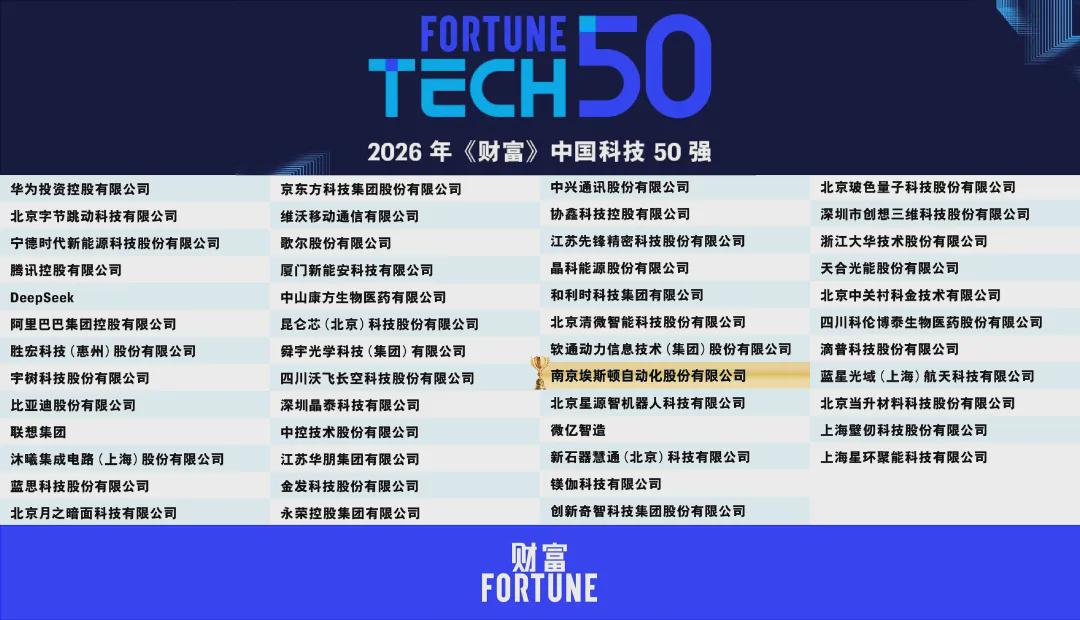
Aston Ranks Among the Top 50 Chinese Tech Companies in Fortune 2026, Leading Intelligent Manufacturing Transformation with AI+ Industrial Embodied Intelligence.
Aston has been recognized as one of the top 50 Chinese tech companies in the Fortune 2026 rankings, highlighting its significant role in advancing intelligent manufacturing through the integration of artificial intelligence and industrial embodied intelligence. This accolade reflects Aston's commitment to innovation and leadership in the tech sector, particularly in enhancing manufacturing processes. The recognition comes as industries increasingly adopt AI-driven solutions to improve efficiency and productivity. Aston's efforts in this domain are seen as pivotal in shaping the future of manufacturing in China and beyond, underscoring the company's influence in driving technological transformation.
Robotics Automation AI
Embodied AI: Industrial Manufacturing’s Answer to the Great Margin Squeeze
Companies are increasingly turning to embodied AI-enabled robotics to combat the challenges of the “great margin squeeze” in manufacturing. This innovative technology allows for a transition to high-mix manufacturing, enabling faster changeovers and minimizing disruptions that can halt production lines. By integrating these advanced robotic systems, businesses can enhance operational efficiency without the need to expand their engineering resources. This shift is particularly crucial as manufacturers seek to adapt to changing market demands while maintaining profitability. The adoption of AI-driven robotics is seen as a strategic move to streamline processes and improve overall productivity in a competitive landscape.
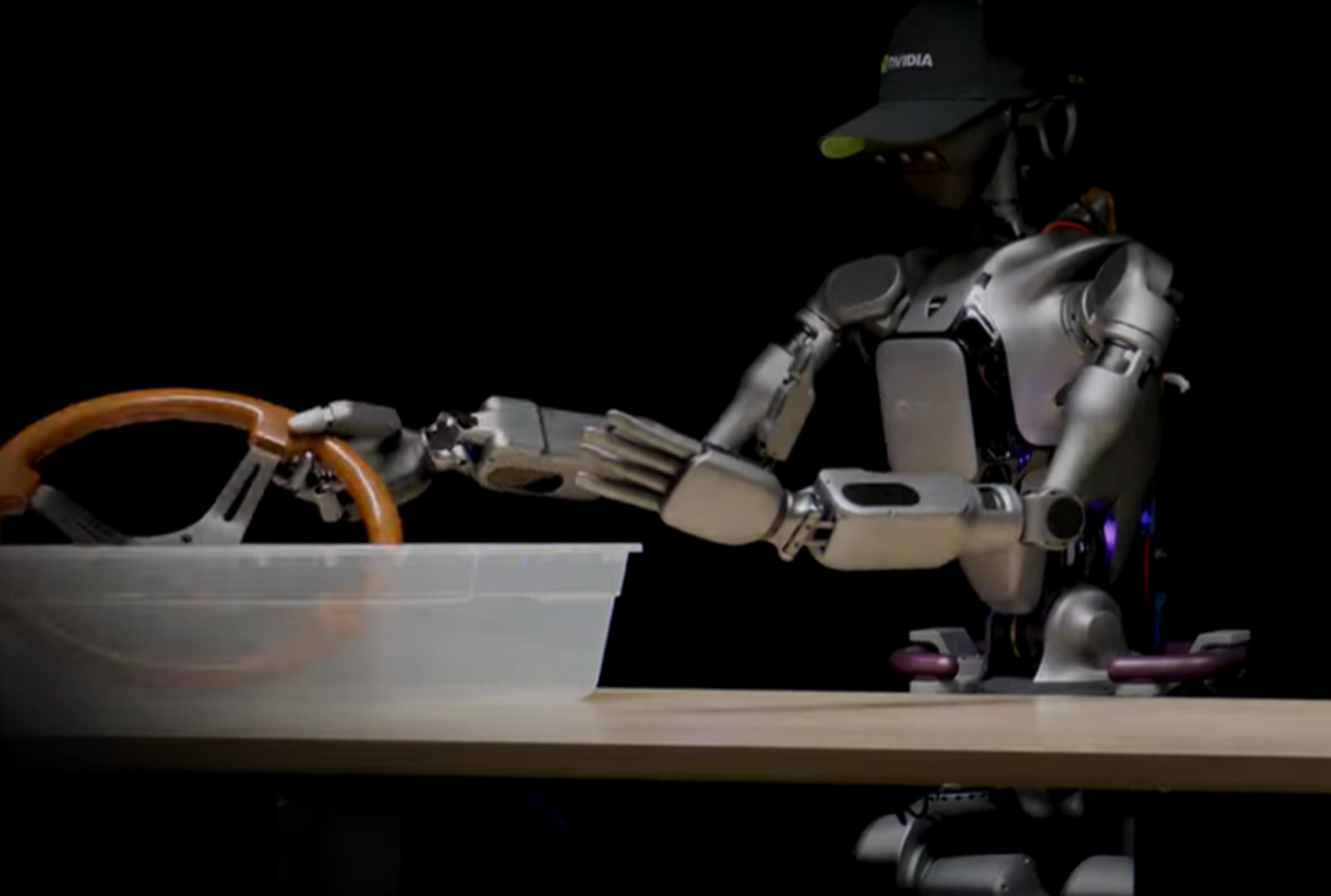
A high-endurance DNA origami snap-through switch for functional nanoscale control
In June 2026, a groundbreaking study published in Science Robotics highlights advancements in robotic technology that could revolutionize various industries. Researchers from leading universities and tech companies collaborated to develop a new generation of robots capable of performing complex tasks with unprecedented efficiency and precision. This innovation aims to address the growing demand for automation in sectors such as manufacturing, healthcare, and logistics. The study showcases robots equipped with advanced artificial intelligence and machine learning algorithms, enabling them to adapt to dynamic environments and learn from their experiences. By enhancing their operational capabilities, these robots can significantly reduce labor costs and improve productivity, ultimately benefiting businesses and consumers alike. The research team conducted extensive experiments in controlled environments to test the robots' performance, demonstrating their ability to execute intricate tasks that were previously thought to require human intervention. This development comes in response to the increasing pressure on industries to streamline operations and meet the challenges posed by a rapidly changing economic landscape. As companies seek to integrate these advanced robotic systems into their workflows, the implications for the workforce and future job markets are profound. The study underscores the potential for robots to not only augment human labor but also create new opportunities in technology and engineering fields. The findings are expected to spark further research and investment in robotics, paving the way for a more automated future.
Research Article
Semiconductor Review: Enhancing Semiconductor Manufacturing Through Intelligent Automation
Teradyne has been acknowledged by Semiconductor Review as the leading provider of semiconductor test and robotic solutions, highlighting the company's significant advancements in the integration of artificial intelligence within the semiconductor industry. This recognition comes amid a growing trend where the boundaries between semiconductor testing and factory automation are increasingly merging. The award underscores Teradyne's commitment to innovation and excellence in developing technologies that enhance efficiency and precision in semiconductor manufacturing. As the industry evolves, the incorporation of AI is expected to play a crucial role in streamlining operations and improving overall productivity.

SpaceX falls below IPO closing price, losing $400 billion; UK PM Starmer resigns; SK Hynix surpasses Samsung in market value.
On June 22, UK Prime Minister Keir Starmer announced his resignation from the leadership of the Labour Party, stating he would continue to serve as Prime Minister until a successor is chosen. Starmer acknowledged the party's concerns about his ability to lead them into the next election and accepted the feedback he received. In South Korea, semiconductor giant SK Hynix surpassed Samsung Electronics in market capitalization for the first time in 25 years, with a total value of approximately 207.97 trillion won, outpacing Samsung by about 18.85 trillion won. This shift marks a significant change in the Korean stock market, where Samsung had held the top position since 1999. Meanwhile, Samsung Electronics has rolled out ChatGPT and Codex to all its employees in South Korea, aiming to enhance AI adoption within the company. This deployment is one of OpenAI's largest enterprise-level initiatives to date, covering various operational areas including research and development, manufacturing, and marketing. In the United States, SpaceX's stock has seen a significant decline, dropping 16% and falling below its initial public offering price. The company is now planning to issue bonds to raise at least $20 billion to repay a transitional loan and support general corporate purposes. Lastly, former U.S. Federal Reserve Chairman Alan Greenspan passed away at the age of 100, leaving behind a legacy of significant influence on U.S. economic policy during his tenure from 1987 to 2006.

DENSO Exhibits High-Performance Robots at Automate 2026
DENSO, a leading global automotive supplier, is set to showcase its advanced robotics technology at an upcoming industry trade show. The demonstration will feature precision 4-axis and 6-axis robots, as well as collaborative robots designed to enhance manufacturing efficiency. Scheduled for next month in Tokyo, Japan, the event aims to highlight DENSO's commitment to innovation in automation and smart manufacturing solutions. The company seeks to address the growing demand for automation in the automotive sector, driven by the need for increased productivity and reduced labor costs. By integrating cutting-edge robotics into production lines, DENSO aims to streamline operations and improve overall performance in the industry.

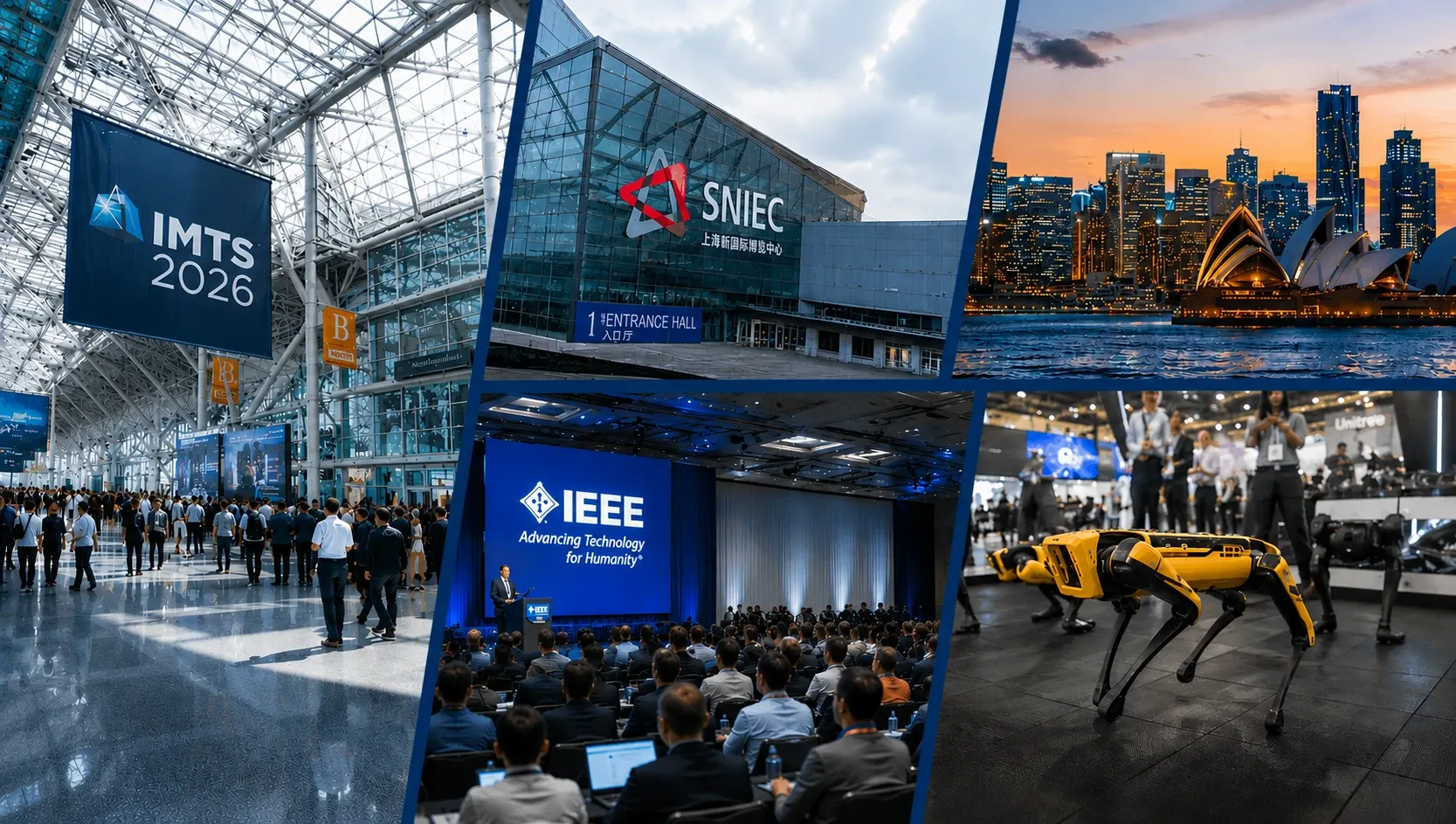
America to Showcase Live CNC Machining, Manufacturing Automation, and Cobot Demonstrations at IMTS 2026
SW North America is set to exhibit at Booth #338250, where it will present a range of innovations in smart manufacturing. The showcase will include live machining demonstrations, collaborative robots, and applications tailored for the aerospace sector, alongside CNC manufacturing automation. This event aims to illustrate the advancements and future potential of manufacturing technologies. Attendees will have the opportunity to engage with interactive displays that highlight these cutting-edge solutions, emphasizing the company's commitment to driving progress in the industry.

Vishay Precision Group (VPG) is Benefiting from the Manufacturing Rebound and Robotics Growth
Vishay Precision Group, Inc. (NYSE: VPG), a Malvern, Pennsylvania-based company specializing in precision measurement and sensing technologies, is experiencing significant growth due to a rebound in manufacturing and advancements in robotics. In its first-quarter 2026 investor letter, Prosper Stars & Stripes highlighted VPG as a key beneficiary of these trends, noting a 33.60% increase in share price over the past month and an impressive 429.73% rise over the past year, with shares closing at $133.45 on June 17, 2026. The company's recent performance reflects a broader recovery in the industrial sector, with VPG reporting a book-to-bill ratio above 1.0 for the sixth consecutive quarter and projecting revenue growth of nearly 10% alongside a doubling of operating margins to approximately 20%. This growth is driven by increased demand across various markets, including military, space, semiconductors, and data centers. Additionally, VPG is positioning itself in the emerging humanoid robotics market, which is expected to scale significantly later this year, potentially expanding its addressable market. The company reported $84.4 million in revenue for Q1 2026, marking an 18% year-over-year increase. Despite its potential, some analysts suggest that other AI stocks may offer greater upside. As of the end of Q1 2026, VPG was held by 23 hedge fund portfolios, up from 20 in the previous quarter.

Taiwan Excellence Pavilion Brings Edge AI, Robotics and Smart Manufacturing Technology to Automate 2026
Twenty-three Taiwanese companies recently presented their innovative industrial technologies aimed at enhancing real-time automation and connectivity within U.S. manufacturing. This showcase took place as part of a broader initiative to strengthen collaboration between Taiwan and the United States in the manufacturing sector. The event highlighted advancements in automation tools and connected systems designed to improve efficiency and productivity in manufacturing processes. By demonstrating these technologies, the Taiwanese firms aim to address the growing demand for smarter manufacturing solutions in the U.S. market, driven by the need for increased competitiveness and operational efficiency. The presentation underscored the importance of international partnerships in fostering technological advancements and meeting the evolving needs of the manufacturing industry.
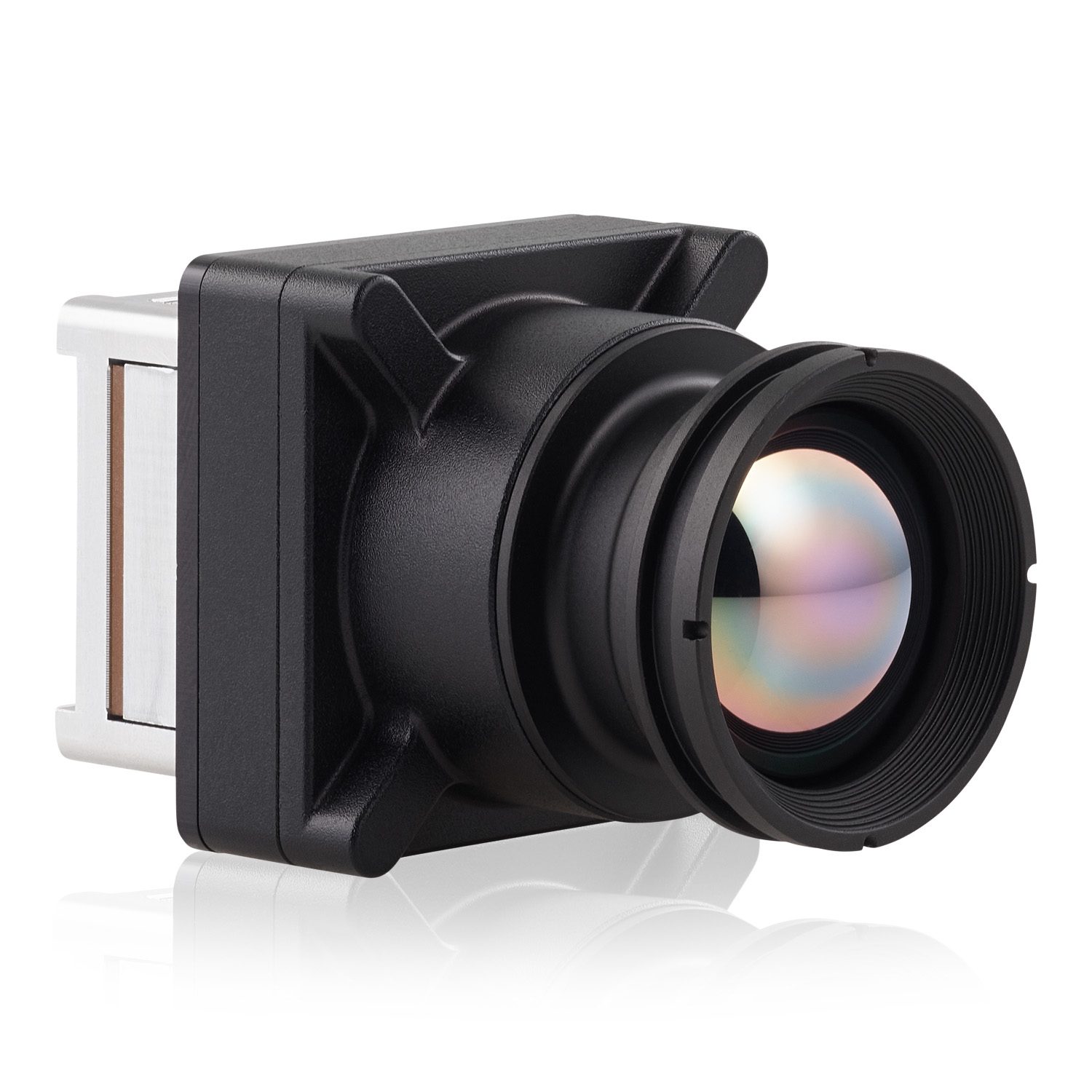
New Boson SX8 Brings High-Resolution Thermal Imaging to NDAA-Compliant Drone Payloads
Teledyne FLIR OEM has unveiled the Boson SX8, a cutting-edge longwave infrared (LWIR) thermal camera module aimed at defense, industrial, and uncrewed systems applications. Announced recently, the Boson SX8 stands out as the first NDAA-compliant, volume-production uncooled thermal camera module, merging high SXGA resolution with a compact design. This innovation is expected to enhance the capabilities of drone payloads, providing high-resolution thermal imaging for various applications. The development reflects a commitment to U.S. manufacturing and addresses the growing demand for advanced thermal imaging solutions in critical sectors.
Applications Defense defense Drone News Drone News Feeds drone parts
Standard Bots raises $200M to expand U.S. manufacturing footprint
Standard Bots has announced a significant funding round, raising $200 million to enhance its manufacturing capabilities in the United States. The investment aims to bolster the competitiveness of U.S. manufacturing in the global market by integrating advanced robotics into production processes. This initiative comes at a time when the demand for innovative manufacturing solutions is increasing, highlighting the importance of technology in maintaining a strong industrial base. The funding will be utilized to expand Standard Bots' operations and develop cutting-edge robotic systems that can streamline manufacturing and improve efficiency.
Artificial Intelligence Artificial Intelligence / Cognition Collaborative Robots Design / Development Financial Industrial Robots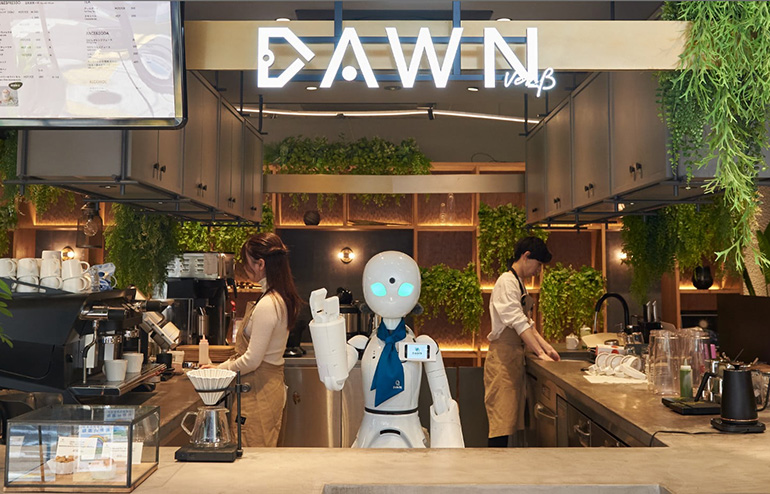
Robots can enhance manufacturing workers rather than replace them
In a recent statement, the president of ONE Holdings emphasized the potential of robotics to enhance manufacturing processes rather than replace human workers. This assertion highlights the importance of integrating advanced artificial intelligence, teleoperation technologies, and robust safety measures in the manufacturing sector. The discussion comes at a time when industries are increasingly exploring automation solutions to improve efficiency and productivity. By leveraging these technologies, companies can create a more collaborative environment where robots assist rather than supplant the workforce, ultimately leading to greater opportunities in manufacturing. The insights shared reflect a growing trend towards embracing innovation while prioritizing the role of human labor in the evolving landscape of production.
Artificial Intelligence Artificial Intelligence / Cognition Assembly Collaborative Robots Controllers Food / Beverage
Roboteon to Showcase Powerful Robotics Orchestration Software for Warehousing and Manufacturing at Automate 2026
In a groundbreaking event showcasing the future of robotics, multiple original equipment manufacturers (OEMs) demonstrated their latest robotic technologies, all synchronized through a single integrated software platform. This live demonstration took place recently, highlighting the advancements in automation and collaborative robotics. The event aimed to illustrate how diverse robotic systems can work together seamlessly, enhancing efficiency and productivity across various industries. By leveraging a unified software solution, the participating OEMs showcased their capabilities in real-time, allowing attendees to witness the potential of integrated robotic solutions in action. This initiative reflects the growing demand for cohesive automation systems that can adapt to complex operational environments. As industries increasingly seek to optimize their processes, the integration of different robotic technologies through a common platform represents a significant step forward in achieving smarter manufacturing and logistics solutions. The demonstration not only emphasized technological innovation but also underscored the importance of collaboration among manufacturers to drive the robotics industry forward. By showcasing their robots in a coordinated manner, the OEMs aimed to inspire confidence in the future of automated systems and their role in transforming the workforce.

NVIDIA and TSMC Bring AI Into Fabs to Advance Semiconductor Design and Manufacturing
NVIDIA has revealed that TSMC, the leading semiconductor manufacturer globally, is leveraging NVIDIA's accelerated computing and artificial intelligence technologies to enhance its semiconductor design and manufacturing processes. This collaboration aims to improve efficiency and innovation in the semiconductor industry, reflecting the growing importance of advanced computing solutions in driving technological advancements. The announcement underscores the strategic partnership between the two companies, highlighting their commitment to pushing the boundaries of semiconductor capabilities.
A Novel High‐Voltage‐Wire Stripping Robot and Adaptive Fuzzy RBF Neural Network PID Controller Optimized by PSO‐GA Algorithm
In a recent study published in the Journal of Field Robotics, researchers have unveiled significant advancements in robotic navigation systems. This groundbreaking research, conducted by a team of engineers and scientists, was published in the June 2026 issue and highlights innovative algorithms that enhance the ability of robots to navigate complex environments. The study focuses on improving the efficiency and accuracy of robotic systems, which are increasingly utilized in various sectors, including agriculture, manufacturing, and disaster response. By employing advanced machine learning techniques, the researchers demonstrated how robots can better interpret sensory data and make real-time decisions, ultimately leading to safer and more effective operations. The research was conducted in various simulated environments, allowing the team to rigorously test the new navigation algorithms under different conditions. This work is particularly timely as industries are seeking to automate processes and improve operational efficiency in response to growing demands for productivity and safety. The findings are expected to have a profound impact on the future development of autonomous systems, paving the way for more sophisticated robots capable of performing tasks in unpredictable settings. As the field of robotics continues to evolve, this study represents a significant step forward in the quest for smarter, more adaptable machines.
RESEARCH ARTICLE
Watch: The Gap Between Robotics Hype and Manufacturing Reality
Tilman Buchner, a partner and director at the Boston Consulting Group, recently presented insights from the firm’s latest report, which evaluates advancements in physical artificial intelligence within manufacturing environments. The report highlights significant progress in the integration of AI technologies on factory floors, emphasizing their potential to enhance operational efficiency and productivity. This analysis comes at a crucial time as industries increasingly seek innovative solutions to streamline processes and reduce costs. Buchner's findings underscore the importance of embracing these technological advancements to remain competitive in a rapidly evolving market. The report serves as a comprehensive overview of how AI is transforming traditional manufacturing practices, providing a roadmap for companies looking to leverage these technologies effectively.
Simulation vs. digital twin: A strategic lens on virtual manufacturing
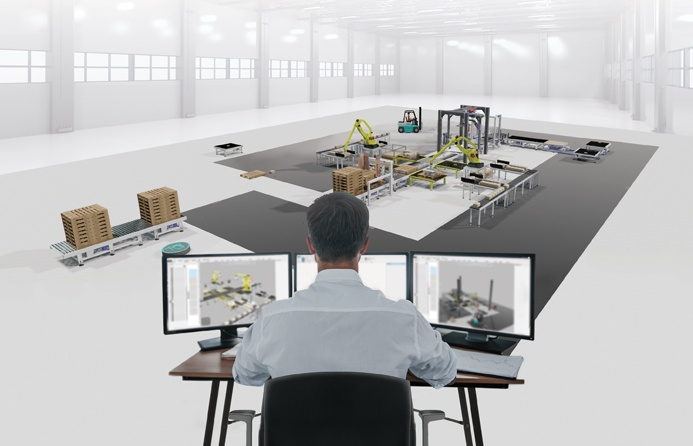
Visual Components has highlighted the advantages of digital twins and simulation technologies for manufacturers involved in system design and integration, particularly in automation. The discussion, featured in a recent post titled "Simulation vs. Digital Twin: A Strategic Lens on Virtual Manufacturing," emphasizes how these tools can enhance efficiency and accuracy in manufacturing processes. By leveraging virtual models, companies can optimize their operations, reduce costs, and improve overall productivity. The insights shared aim to guide manufacturers in making informed decisions about adopting these technologies to stay competitive in the evolving landscape of virtual manufacturing.
Manufacturing News Opinion Software / Simulation Visual Components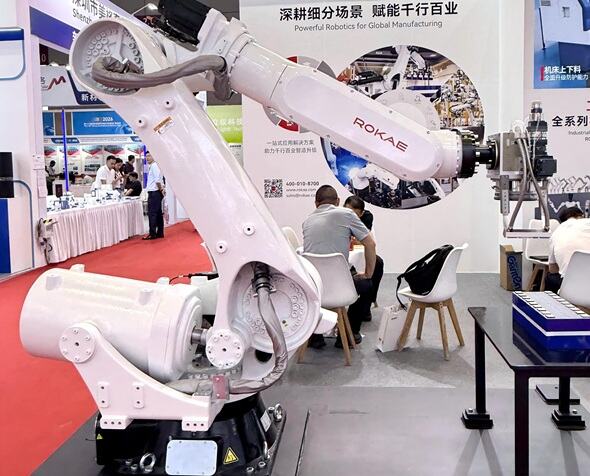
ROKAE Robotics at CIBF 2026: Force-Controlled Welding Solutions for Battery Manufacturing
ROKAE Robotics showcased its advanced automation solutions for lithium battery manufacturing at the 2026 China International Battery Fair (CIBF), held at the Shenzhen World Exhibition & Convention Center. The company highlighted its innovative technologies focused on force-controlled assembly and robot-integrated laser welding, aimed at enhancing efficiency and precision in battery production. This exhibition provided ROKAE Robotics with a platform to demonstrate its commitment to advancing the battery manufacturing industry, responding to the growing demand for high-quality and reliable lithium batteries in various applications.
Lingxin Qiaoshou Establishes Lingchuang Intelligent Manufacturing Company, Opening a New Chapter in Self-Manufacturing for Agile Hands
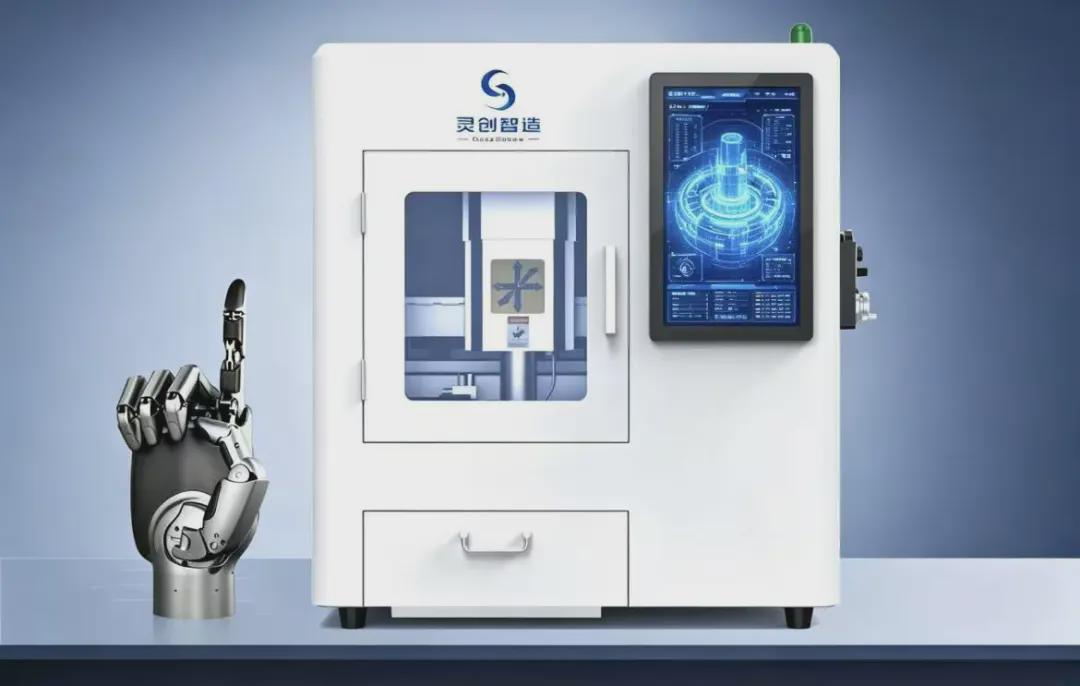
Lingxin Qiaoshou has established the Lingchuang Intelligent Manufacturing team to tackle hardware challenges in agile hand production by developing high-performance desktop CNC equipment. This initiative, launched recently, aims to democratize CNC technology, making precision manufacturing more accessible for individuals and small-scale operations. By focusing on innovative solutions, the team seeks to empower users with the tools necessary for efficient and precise manufacturing, thereby fostering a more inclusive environment for personal and small business production.
Desktop CNC Precision Manufacturing Robotics Smart Manufacturing
China says integration of AI, advanced manufacturing can help offset economic headwinds
Chinese Premier Li Qiang emphasized the need for stronger collaboration between artificial intelligence companies and advanced manufacturing sectors during a visit to Beijing on Monday. This initiative is part of China's strategy to cultivate new economic growth drivers in response to declining domestic demand and increasing external challenges. During his tour, which included Xiaomi’s electric vehicle factory and the Humanoid Robot Innovation Centre—housing numerous AI start-ups and research institutions—Li highlighted the importance of accelerating the development and application of AI technologies. His remarks reflect the government's commitment to fostering innovation and enhancing the country's industrial capabilities amidst a shifting economic landscape.

Cirtronics to discuss manufacturing robotics at scale at the Robotics Summit
Cirtronics is set to showcase its expertise at the Robotics Summit & Expo, where it will lead a panel discussion focused on the successful commercialization of robotics. This event, aimed at industry professionals, will take place in the near future, although the specific date has not been disclosed. Located at a prominent venue, the summit serves as a platform for innovators and manufacturers to explore advancements in robotics technology. Cirtronics' participation highlights its commitment to addressing the challenges and opportunities in manufacturing robotics at scale, providing insights into effective strategies for bringing robotic solutions to market. The company's presentation is expected to attract attention from stakeholders eager to learn about the latest trends and best practices in the robotics industry.
Defense / Security Design / Development Events Healthcare Robotics Manufacturing News
Industrial Robotics Market Report: Why Intelligent Automation Is Redefining Global Manufacturing
A significant transformation is occurring within global manufacturing ecosystems, driven by various factors impacting the industry. Manufacturers are grappling with rising labor shortages, which have intensified the need for innovative operational strategies. Concurrently, supply chain volatility and increasing wage pressures are compelling companies to reassess their production processes. Stricter quality requirements and a heightened demand for faster production cycles further contribute to this shift. As a result, manufacturers are exploring new approaches to enhance efficiency and adaptability in their operations. This evolution is not only a response to immediate challenges but also a proactive measure to remain competitive in an increasingly complex market. The ongoing changes reflect a broader trend towards modernization and resilience within the manufacturing sector, highlighting the necessity for businesses to evolve in response to external pressures and consumer expectations.
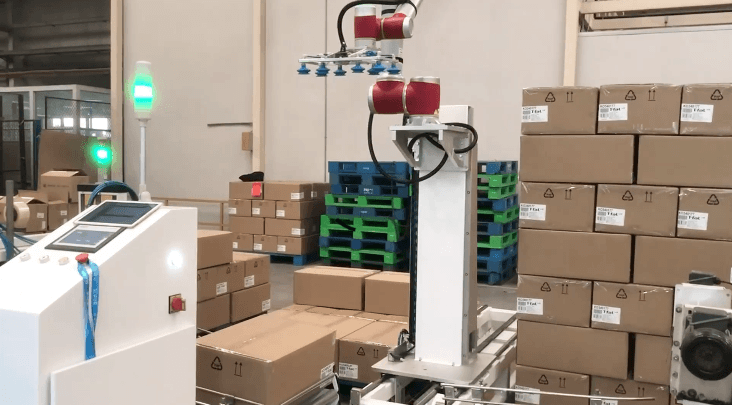
5 Reasons Why Cobots in Manufacturing are Essential for Employee Retention
Manufacturers are increasingly facing a "labor gap" that hinders growth, as attracting and retaining skilled workers requires more than just competitive wages; it necessitates a positive work environment. Collaborative robots, or cobots, are emerging as a solution by enhancing human roles rather than replacing them. By integrating a 6-axis robot arm into daily operations, companies are finding that these technologies significantly improve employee morale and retention. The primary reason for high turnover in manufacturing is physical burnout from repetitive and strenuous tasks. By delegating these labor-intensive duties to robots, companies protect workers from chronic strain and injuries, leading to increased job satisfaction. This shift allows employees to transition from manual labor to roles such as robot operators and quality inspectors, fostering professional growth and reducing the likelihood of job changes. Moreover, cobots maintain consistent focus, alleviating mental fatigue and minimizing human error in repetitive tasks. This not only enhances productivity but also allows workers to concentrate on problem-solving and process improvements. The introduction of collaborative technology also creates a safer, "fence-free" workspace, where humans and robots can work side by side, fostering better communication and a more appealing environment for younger workers. Additionally, automation facilitates flexible work shifts, helping to stabilize production schedules and improve work-life balance, which is a priority for modern employees. JAKA, a company specializing in collaborative robots, emphasizes the importance of human-robot synergy and offers the JAKA Zu series, designed to empower workers by making the transition to automation seamless and accessible.

MVTec showcases cutting-edge AI technologies and highly flexible machine vision software at Automate 2026
MVTec Software GmbH will showcase its advanced AI technologies and flexible machine vision software at the Automate trade show, taking place from June 22 to 25, 2026, in Munich. With a strong presence in the North American market, the company aims to demonstrate how its hardware-independent software can enhance efficiency across various industries, including semiconductor manufacturing and food and beverage. Dr. Olaf Munkelt, Managing Director and co-founder, emphasized the significance of the event, stating that their products facilitate sustainable digital transformation through cutting-edge AI. Attendees can experience live demonstrations of MVTec's software, including HALCON and MERLIC, which feature innovations like Deep 3D Matching for robust object detection and Global Context Anomaly Detection for comprehensive inspection tasks. MVTec's commitment to hardware independence allows users to select any compatible camera or sensor, ensuring optimal performance in demanding applications. Heiko Eisele, President of MVTec LLC, highlighted the flexibility this offers to companies seeking to optimize production lines. Additionally, MVTec experts will participate in the conference program, with Agnes Weiershaeuser presenting on practical deep learning for industrial vision on June 22. This event underscores MVTec's ongoing dedication to advancing industrial automation through innovative machine vision solutions.

Perceptron Mk1 shocks with highly performant video analysis AI model 80-90% cheaper than Anthropic, OpenAI & Google
Perceptron Inc., a Bellevue-based startup founded by former Meta researchers Armen Aghajanyan and Akshat Shrivastava, has launched its flagship video analysis model, Mk1, aimed at revolutionizing how enterprises utilize AI in real-time video processing. Announced today, this innovative model is priced significantly lower than competitors, at $0.15 per million input tokens and $1.50 per million output tokens, making it accessible for large-scale industrial applications. The Mk1 model, developed over 16 months, excels in understanding complex physical interactions and temporal reasoning, outperforming established models like OpenAI's GPT-5 and Google's Gemini 3.1 Pro in various benchmarks. Its unique architecture allows it to process video streams continuously, maintaining object identity and providing precise analysis of dynamic scenes, which is particularly beneficial for sectors such as security, robotics, and marketing. Perceptron aims to position Mk1 as a leader in the "Efficiency Frontier," balancing high performance with cost-effectiveness. The model's capabilities extend to auto-clipping highlights from live sports and enhancing quality control in manufacturing. A public demo site is available for potential users to explore its functionalities. This launch signifies a significant step towards integrating advanced AI into real-world applications, as the company seeks to make "physical AI" as prevalent as its digital counterpart.
Technology
Chef Robotics Expands into Component Assembly for CPG Manufacturing
Chef Robotics has announced an expansion into component assembly for consumer packaged goods (CPG) manufacturing, enabling automation of secondary packaging and kitting processes. This development, revealed on May 11, 2026, allows Chef robots to efficiently handle a variety of items, including sauce sachets, seasoning packets, and even non-food inserts like cutlery kits and instruction cards. Historically, CPG assembly lines have relied heavily on manual labor due to the challenges posed by lightweight and deformable items. Chef Robotics aims to address this issue by utilizing AI-powered computer vision, which enables robots to assess and manipulate items in real time, ensuring precise placement without damage. The technology adapts to the variability of items in unstructured bins, eliminating the need for pre-sorting. The new assembly application features three key capabilities: detecting and reorienting items mid-pick for accurate placement, picking and placing multiple components simultaneously, and ensuring correct item allocation in multi-compartment products. This innovation promises higher throughput, reduced labor dependency, and consistent item placement across production shifts. Chef's CPG assembly application is available in the US, Canada, the UK, and Germany, and operates on existing robotic hardware and software, allowing for seamless integration into current manufacturing setups. The service is offered under Chef's robotics-as-a-service (RaaS) pricing model, further solidifying the company's position as a leader in AI-driven food robotics solutions.
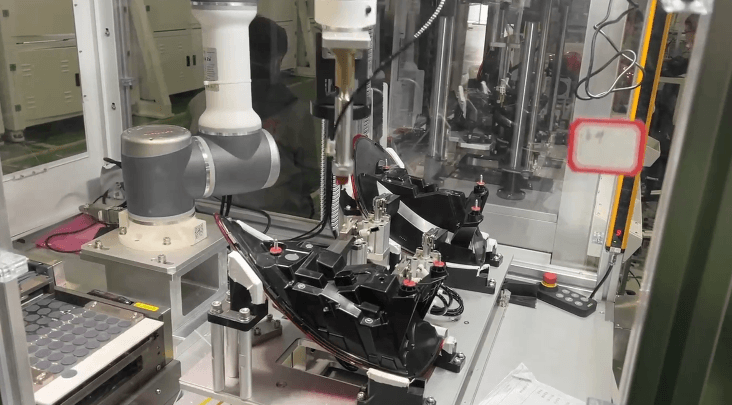
5 Factors to Consider When Selecting Assembly Robots for High-Mix Production
In response to the evolving demands of modern manufacturing, JAKA has introduced advanced assembly robots designed specifically for high-mix, low-volume production environments. This shift, which contrasts sharply with traditional mass production, requires automation systems capable of quickly adapting to various products and tasks. JAKA's S12 robot, featuring a 12kg payload and a 1327mm working radius, exemplifies this adaptability, allowing manufacturers to respond efficiently to changing market needs without incurring excessive operational costs. The S12 robot is engineered for ease of programming, utilizing intuitive graphical interfaces that enable technicians to reprogram it quickly, reducing downtime significantly. Its design incorporates interchangeable end-effectors, allowing it to handle diverse product types, from flat panels to engine components, with precision. Additionally, the robot's advanced safety features, including force-torque sensors, facilitate a collaborative workspace where humans and machines can operate safely in proximity. With a repeatability of ±0.03 mm, the S12 ensures high-quality assembly across various tasks, maintaining accuracy even after multiple re-deployments. Its integration with 2D and 3D vision systems allows it to manage unsorted parts effectively, a crucial capability for high-mix production lines. JAKA's commitment to flexibility is further demonstrated through its wireless software ecosystem, enabling remote management via the JAKA App. By investing in JAKA's technology, manufacturers can enhance their production agility and maintain competitiveness in a rapidly changing market.
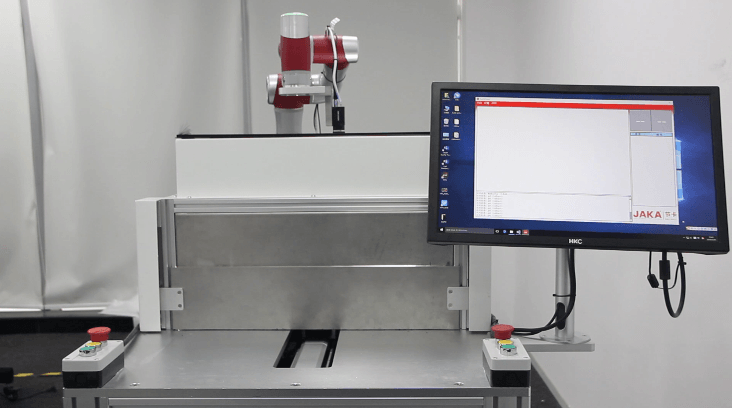
How Collaborative Robots Are Improving Quality Control in Electronics Manufacturing
The electronics industry is undergoing a significant transformation as manufacturers increasingly adopt collaborative robots to enhance quality control and inspection processes. With rapid product lifecycles and the demand for zero-defect production, traditional automation methods often fall short in the high-mix, low-volume production environment typical of modern tech manufacturing. Collaborative robots, or cobots, are now being integrated into precision testing and visual inspection lines, offering the speed and accuracy needed while maintaining the flexibility required for delicate electronic assembly. These robots can perform Automated Optical Inspection (AOI) with sub-millimeter precision, significantly reducing the risk of human error associated with fatigue and perceptual blindness during long shifts. Companies like JAKA are leading this innovation by developing robots equipped with advanced 2D and 3D vision systems. Their JAKA AL series features an integrated vision system that allows the cobot to autonomously identify components and check for assembly errors without the need for external cameras. This capability enables real-time adjustments to the production line, helping to identify quality drifts before they result in defective batches. JAKA’s engineering emphasizes safety and high performance, with models like the JAKA Zu series designed for high-speed testing while ensuring safe human interaction through torque-feedback collision detection. By investing in JAKA collaborative robots, manufacturers can ensure that every device produced meets stringent global standards, thereby maintaining a competitive edge in the electronics market.

NVIDIA and Corning Announce Long-Term Partnership to Strengthen US Manufacturing for AI Infrastructure
NVIDIA and Corning Incorporated have entered into a multiyear commercial and technology partnership aimed at significantly enhancing U.S.-based manufacturing of advanced optical connectivity solutions. This collaboration, announced today, seeks to address the growing demand for high-performance optical technologies essential for powering various applications, including data centers and telecommunications. By leveraging each company's expertise, the partnership is expected to drive innovation and bolster domestic production capabilities in the optical connectivity sector, ultimately contributing to the advancement of technology infrastructure in the United States.
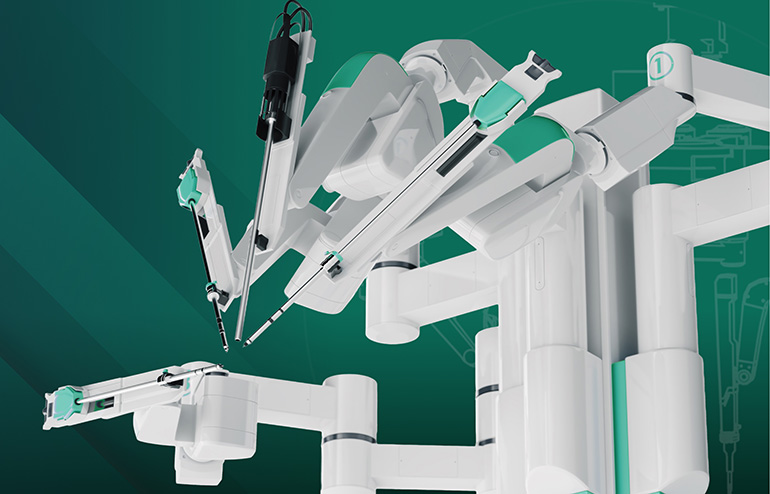
Why physical AI is the real manufacturing revolution
Fictiv highlights the potential of physical AI to revolutionize the manufacturing sector, emphasizing the need for robotics developers and integrators to focus on practical scaling challenges rather than succumbing to hype. The article suggests that while the integration of physical AI could significantly enhance manufacturing processes, its success hinges on addressing real-world obstacles and ensuring that technological advancements are implemented effectively. As the industry evolves, stakeholders are urged to prioritize realistic solutions to harness the full benefits of this emerging technology.
Actuators / Motors / Servos Arms / Manipulators Artificial Intelligence Artificial Intelligence / Cognition Assembly Automation
Why deformable materials are physical AI’s real manufacturing test
Createme's CEO has highlighted the potential of Physical AI in revolutionizing the assembly of deformable materials, particularly in the apparel industry. This insight comes as the company explores innovative approaches and software solutions to enhance manufacturing processes. The discussion emphasizes the importance of adapting technology to effectively handle the complexities of working with flexible materials. As the demand for advanced manufacturing techniques grows, the application of Physical AI could serve as a significant test for the industry, showcasing its capabilities beyond traditional manufacturing methods.
6-Axis Artificial Intelligence / Cognition Manufacturing Materials News OpinionRobotics needs a service framework.
RSF defines a common language for robot service capability, lifecycle operations, certification pathways, and service-provider networks.