Industry Briefing
A single destination for timely, editor-curated robotics news from around the world.
GTC 2026: ZhiYuan Partners with NVIDIA to Establish Physical AI Standards for Global Deployment
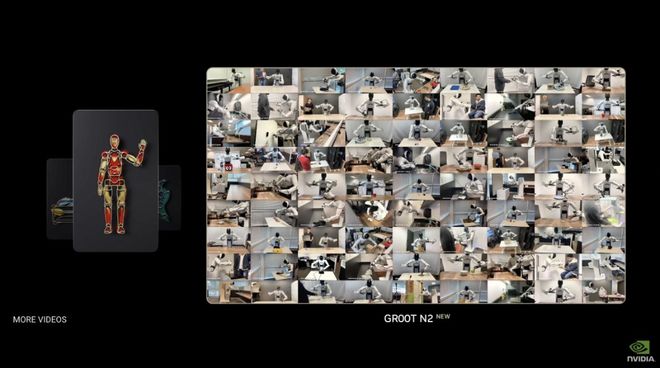
During the GTC 2026 event, NVIDIA's CEO Jensen Huang unveiled a strategic collaboration with ZhiYuan Robotics and several industry leaders to advance the implementation of physical AI across multiple sectors. This partnership is designed to establish industry standards for robotics, with the goal of improving operational efficiencies in manufacturing, logistics, and healthcare. The initiative reflects a growing commitment to harnessing AI technology to enhance productivity and innovation in these critical areas.
Physical AI Robotics NVIDIA Industry Standards Automation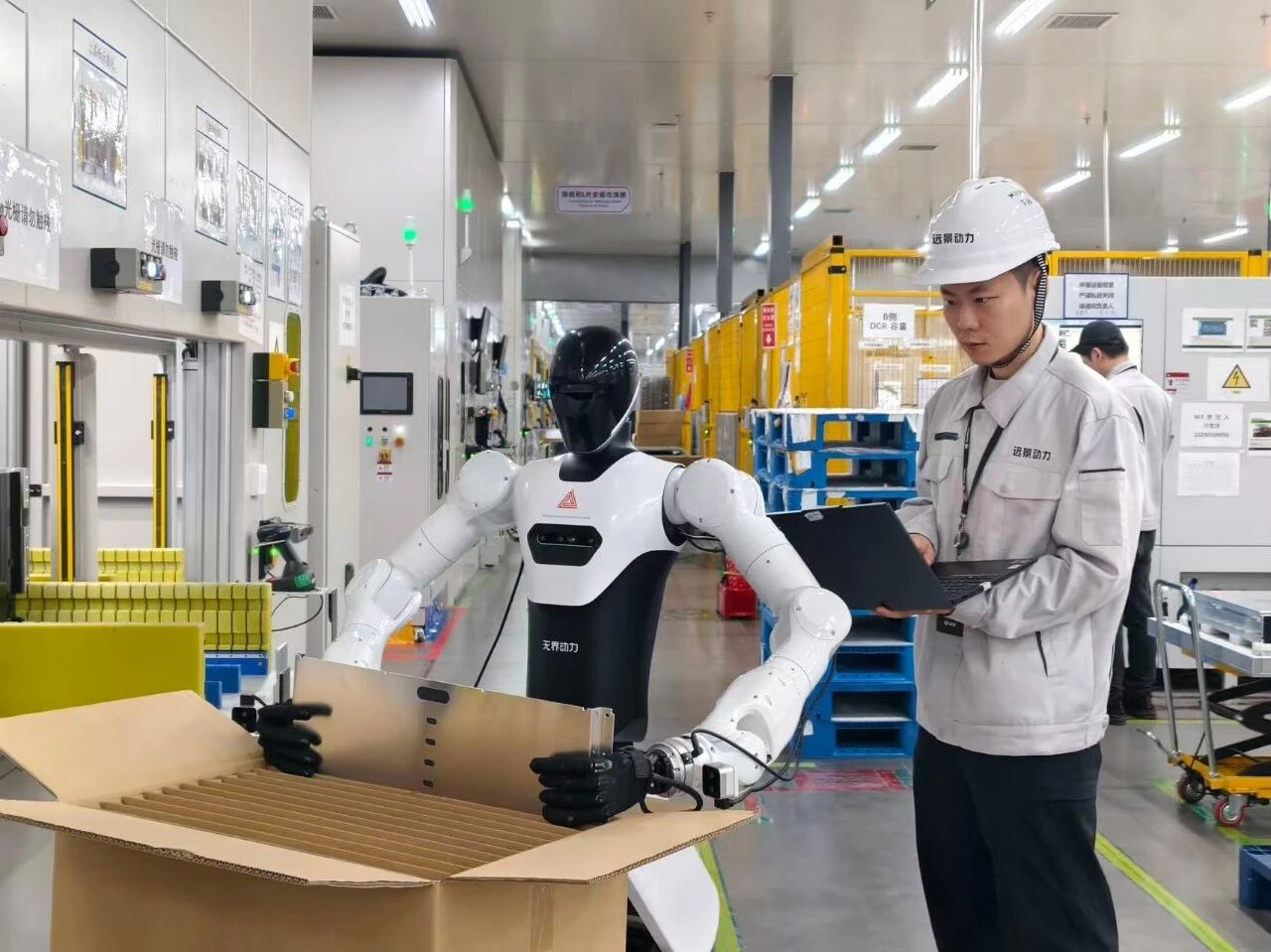
Milestone! First Overseas Order Worth Over 100 Million Yuan for 'Embodied Operational Intelligence'!
Wujie Power, a prominent player in the robotics industry, has achieved a significant milestone by securing its first overseas order valued at over 500 million yuan. This landmark deal, made in partnership with Envision Group, is set to facilitate the global deployment of advanced robotic solutions in renewable energy and artificial intelligence data centers. This development underscores the growing influence of China's embodied intelligence sector on the international stage.
Embodied Intelligence Robotics AI Renewable Energy Global Deployment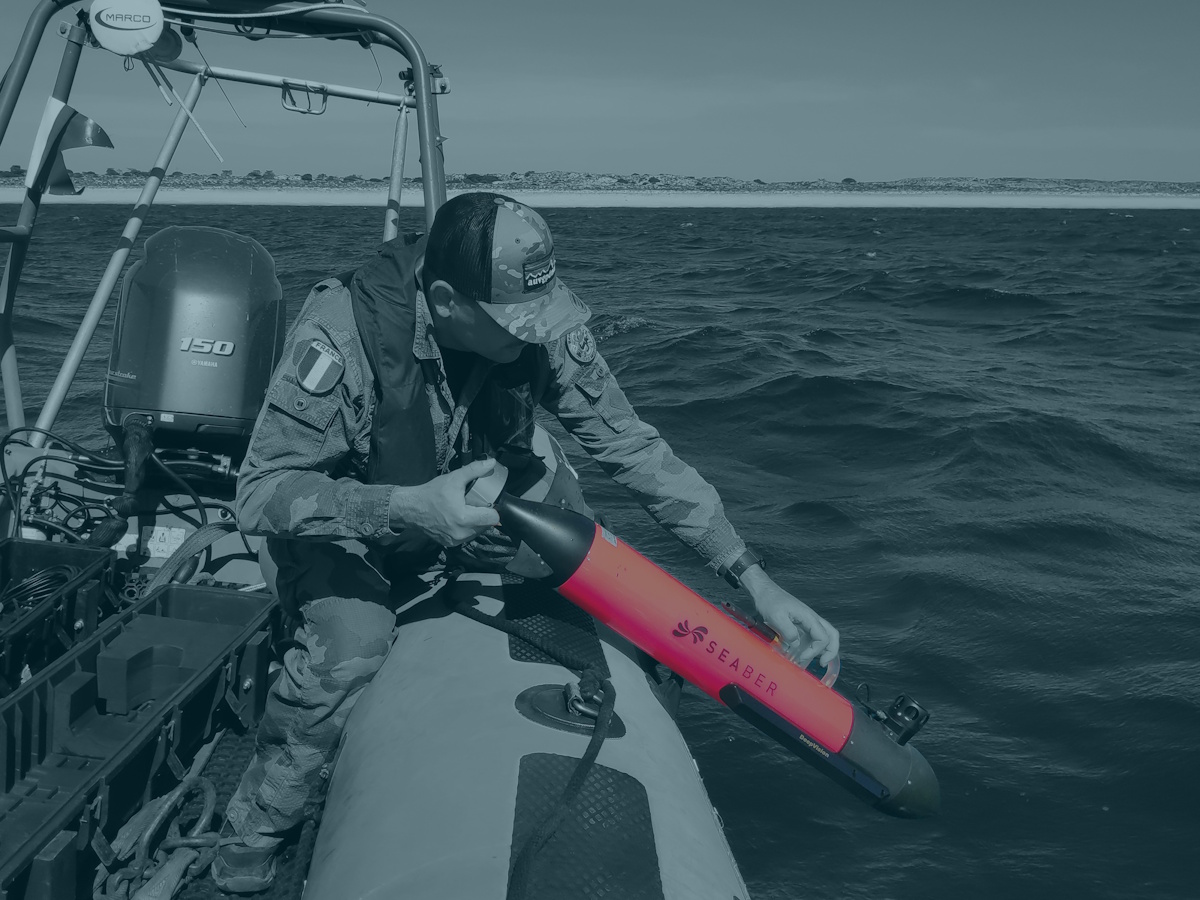
SEABER’s MARVEL 3DSS AUV for Beach Reconnaissance: A Technological Breakthrough for Naval Amphibious Operations
SEABER has achieved a significant milestone with the successful integration of a next-generation interferometric 3D side-scan sonar (3DSS) into its MARVEL micro-AUV, marking the first global deployment of this advanced technology on such a platform. Utilizing patented CAATI technology, the 3DSS provides high-resolution 2D imagery, true 3D seabed reconstruction, and centimetric-scale bathymetry from a compact system. In operational tests, the MARVEL-3DSS efficiently mapped a 300 × 150-meter beach approach zone in under 30 minutes, achieving speeds up to ten times faster than traditional methods while maintaining a minimal acoustic signature and eliminating the need for specialized personnel. This innovation significantly enhances the amphibious beach reconnaissance capabilities for naval forces, special operations units, and mine countermeasure teams, particularly in contested littoral environments.
seaber marvel 3dss auv beach reconnaissance amphibious operations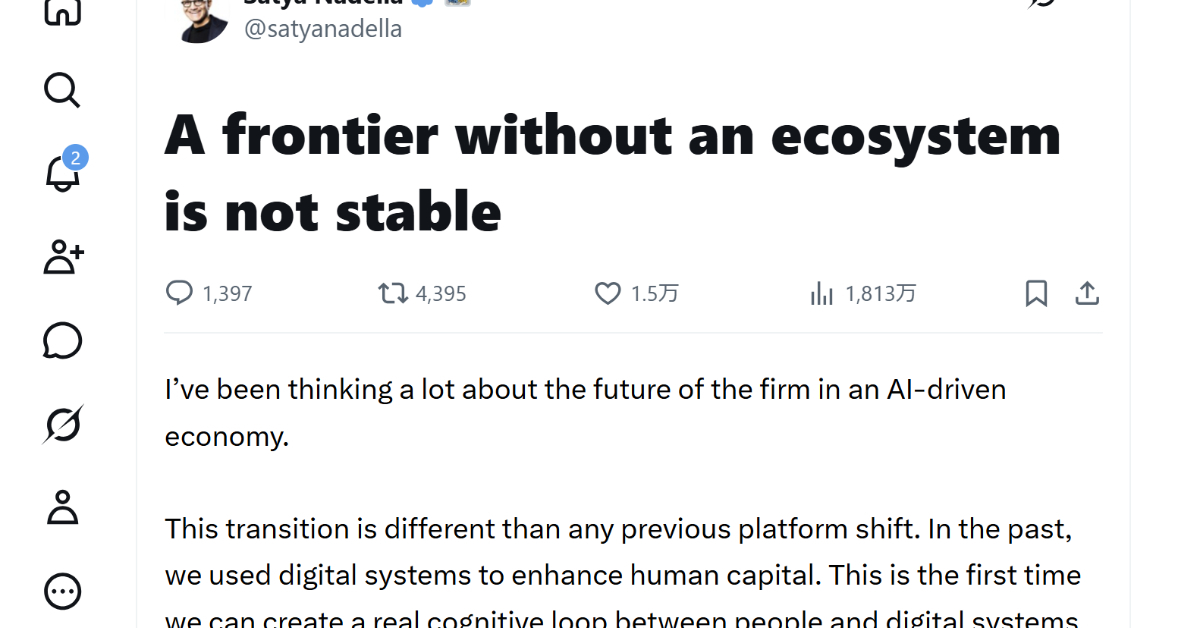
Microsoft CEO Satya Nadella posts on X: "A frontier without an ecosystem is unstable," two days after Fable 5 halt.
Two days after the U.S. government halted the global deployment of Anthropic's "Claude Fable 5" due to export control directives, Microsoft CEO Satya Nadella took to X to share his insights on the importance of building independent learning systems for companies. In his post, titled "An Ecosystem-less Frontier is Unstable," Nadella did not directly reference the Fable 5 situation but emphasized the necessity for businesses to avoid reliance on specific models. His comments come amid growing concerns about the stability of AI ecosystems in light of regulatory challenges.

China Installed Nearly 300,000 Industrial Robots in 2024, More Than All Other Markets Combined
In 2024, China significantly advanced its industrial automation by installing 295,000 new industrial robots, surpassing the total installations of all other countries combined, as reported by the International Federation of Robotics (IFR). This surge contributed to a global deployment of 524,000 new robotic units, raising the total number of operational robots worldwide to 4.46 million, marking a 9% increase from the previous year. With 2.03 million robots in operation, China continues to dominate the global market, solidifying its position as the leading nation in industrial robotics. This trend reflects China's commitment to enhancing productivity and efficiency in its manufacturing sector, driven by the increasing demand for automation and technological advancement.
News Feed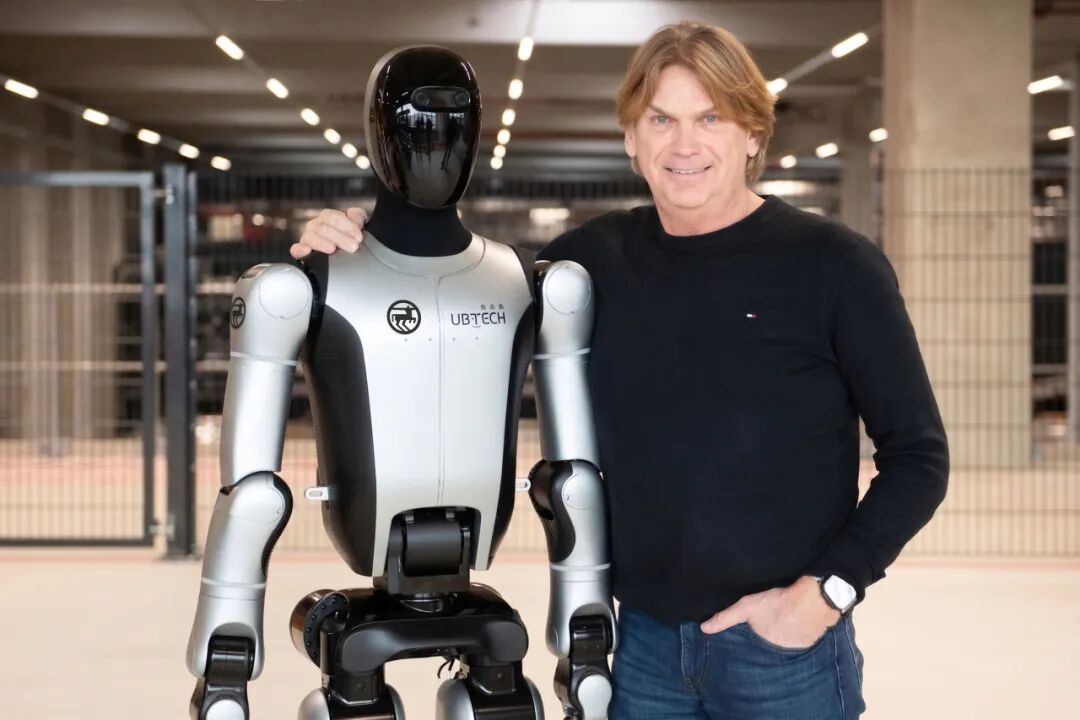
UBTECH Collaborates to Enhance Global Reach of Humanoid Robots in European Retail Logistics
UBTECH has announced partnerships aimed at accelerating the deployment of humanoid robots in European retail logistics environments. This initiative is part of UBTECH's broader strategy to expand its global footprint and enhance operational efficiencies in logistics through advanced robotics technology. The significance of this collaboration lies in its potential to transform retail logistics by integrating humanoid robots, which can streamline operations, reduce labor costs, and improve service delivery. As the demand for automation in logistics grows, UBTECH's efforts may set a precedent for the adoption of robotics in various sectors across Europe. Looking ahead, industry stakeholders should monitor UBTECH's progress in deploying these humanoid robots and the impact on logistics operations. The effectiveness of these robots in real-world applications will be crucial in determining the future of robotics in retail logistics. No further timeline was disclosed at the time of publication.

SoftServe Introduces Virtual Gyms for Enhanced Robotics Training and Deployment
SoftServe has highlighted the importance of 'virtual gyms' for robotics teams, emphasizing their role in preparing robots for dynamic environments. These high-fidelity simulation environments allow robots to train, fail, and recover safely before real-world deployment, addressing the challenges posed by unpredictable operational conditions. The global robotics market is projected to grow at a 19.6% CAGR from 2026 to 2036, underscoring the need for effective training solutions like virtual gyms to enhance robotic autonomy and performance. The shift from programmed automation to physical AI necessitates that robots adapt to constantly changing environments, which traditional training methods struggle to accommodate. Virtual gyms integrate technologies such as digital twins, reinforcement learning, and sensor modeling to provide a comprehensive training platform. This approach mitigates the risks and costs associated with real-world trials, enabling teams to generate valuable training data in a controlled setting, thus improving deployment success rates. Looking ahead, the adoption of virtual gyms is expected to become a standard practice in robotics development, as they offer a solution to the simulation-to-reality gap. No further timeline was disclosed at the time of publication, but the increasing complexity of robotic tasks suggests that the demand for such training environments will continue to rise as the industry evolves.
Artificial Intelligence Artificial Intelligence / Cognition Autonomous Mobile Robots (AMRs) Development Tools / SDKs / Libraries Industrial Robots Logistics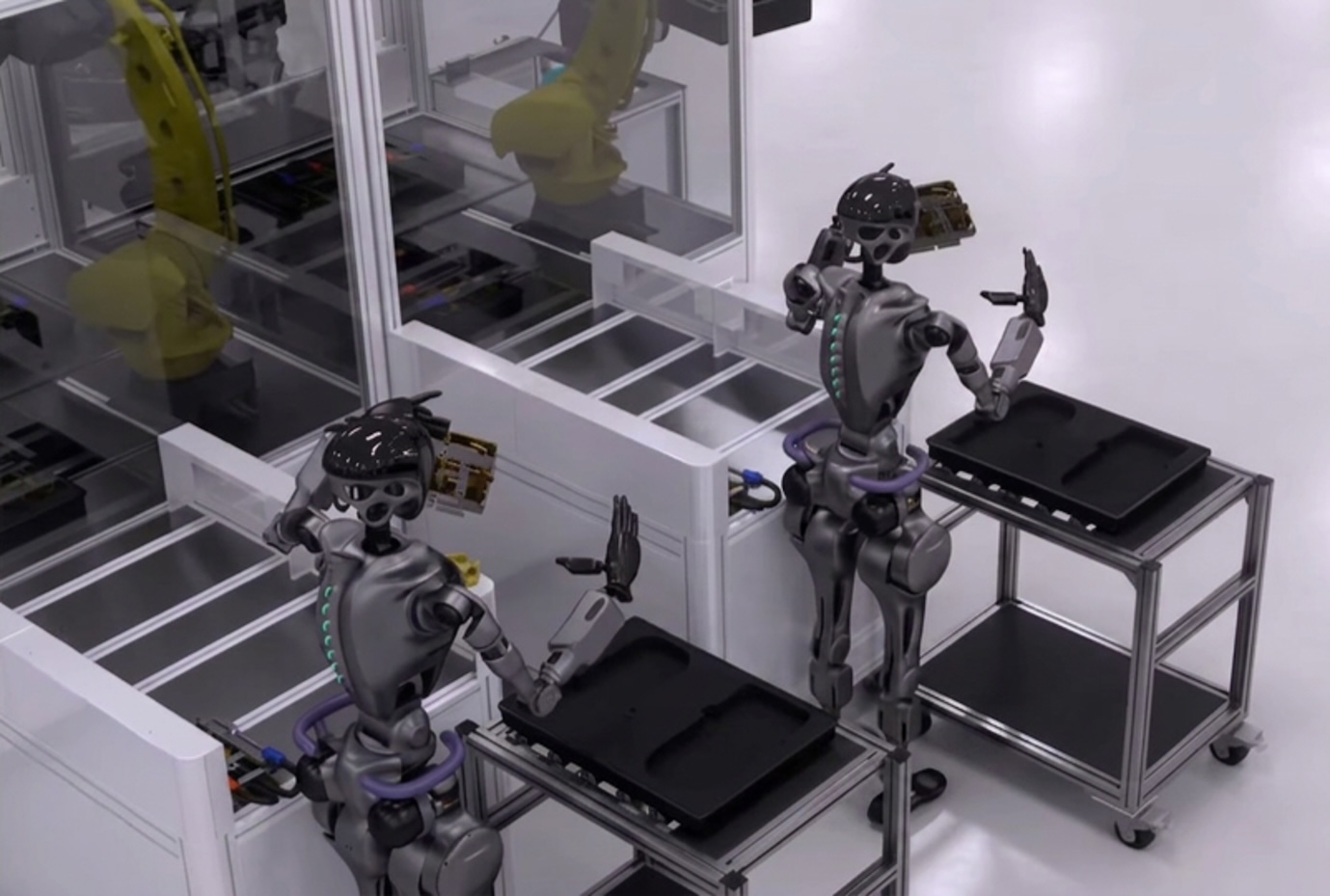
SpaceX Proposes 1 Million AI Satellites to Address Ground Data Center Constraints
On January 30, 2026, SpaceX filed with the FCC to launch up to 1 million AI compute satellites, positioning orbital data centers as a solution to the increasing demand for AI computing power. Ground data centers are facing significant challenges, with energy consumption projected to reach approximately 1,050 TWh in 2026, making them the fifth-largest electricity consumer globally. The demand for new data center capacity is outpacing the growth of power generation infrastructure, leading to a critical bottleneck in the grid system. The significance of this initiative lies in the structural constraints faced by ground data centers, including power delivery limitations, high water consumption, and local opposition to new projects. The Uptime Institute's 2026 outlook identifies power as the primary constraint on data center growth, with capacity clearing prices in the PJM grid skyrocketing to $329.17/MW, driven by data center expansion. Additionally, cooling requirements are becoming increasingly unsustainable, with facilities consuming vast amounts of water, further complicating their operational viability. Looking ahead, SpaceX's orbital AI compute initiative aims to circumvent these challenges by leveraging the advantages of space, such as continuous solar power and minimal local opposition. The first AI prototypes are expected to launch in early 2027, with operational deployments planned for 2028. No further timeline was disclosed at the time of publication.
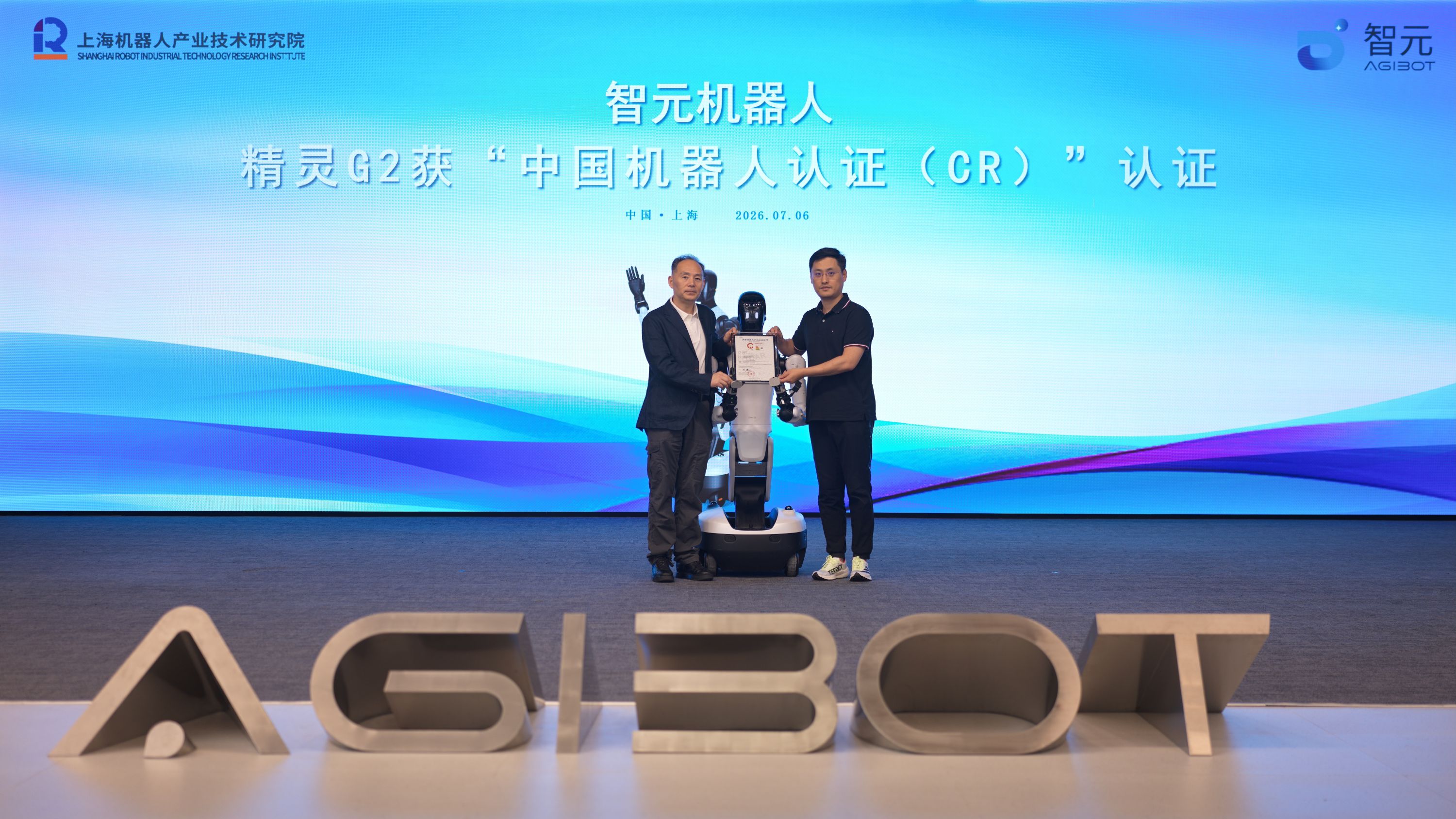
Genie G2 Achieves Key Certifications in China, EU, and USA for Global Market Access
The Genie G2, an interactive embodied robot developed by Zhiyuan, has successfully obtained multiple authoritative product certifications in China, the EU, and the USA. This achievement signifies that the Genie G2 meets top global safety and quality standards, establishing a solid compliance foundation for the brand's global commercial strategy and opening pathways for international market entry. This certification is significant as it positions Zhiyuan as the only company in the industry to have its entire product line certified to the highest international safety standards across all scenarios. The Genie G2's certifications cover essential dimensions such as electrical safety, mechanical safety, functional safety, cybersecurity, and data privacy protection, demonstrating its robust compliance capabilities and adaptability for global markets. Looking ahead, the successful certification of the Genie G2 supports its deployment in key manufacturing sectors, including 3C electronics and automotive components. The robot has undergone rigorous testing in real industrial environments, confirming its operational safety and stability. No further timeline was disclosed at the time of publication regarding future deployments or expansions in the global market.
Interactive Robots Safety Certifications Global Market Expansion Robotics Technology
SpaceX's Starmind Faces Feasibility Challenges for 1 Million Satellite Deployment
On January 30, 2026, SpaceX submitted a request to the FCC to launch up to 1 million satellites as part of its Starmind orbital compute constellation. This ambitious plan is unprecedented, as the total number of satellites ever launched globally is in the low tens of thousands. The proposal seeks a waiver from standard deployment milestones, citing reliance on the Starship's full reusability for success. The significance of this request lies in the technical and logistical challenges it presents. Experts warn that low Earth orbit may not support the proposed number of active satellites without risking a debris cascade. SpaceX's own IPO prospectus acknowledges unresolved dependencies related to Starship's launch cadence and reusability, which are critical for the orbital AI compute strategy. Looking ahead, the timeline for achieving the necessary launch cadence and manufacturing capacity remains uncertain. SpaceX's Gigasat facility in Texas aims for volume production by late 2027, but this would require unprecedented output levels. No further timeline was disclosed at the time of publication, leaving the feasibility of the Starmind project in question.

Humanoids Summit Continues Global Expansion with Seoul Edition
The Humanoids Summit, a global event series focused on humanoid robotics and Physical AI, will make its South Korean debut at the COEX Convention Center in Seoul on September 22-23, 2026. This inaugural edition follows the successful Tokyo summit earlier this year, which attracted over 2,000 attendees from 30 countries. The Summit aims to connect key players in the humanoid robotics ecosystem, including companies, researchers, investors, and policymakers, as the industry transitions from research to commercial deployment. Seoul, recognized for its advanced technology sectors in manufacturing, robotics, and artificial intelligence, provides an ideal backdrop for this gathering. The event will feature keynote presentations, technical sessions, live robot demonstrations, and networking opportunities, all designed to foster discussions on the commercialization and mass production of humanoid robotics technologies. Modar Alaoui, Founder and Chair of the Humanoids Summit, emphasized the significance of this decade for humanoid robotics, stating that the industry is entering "The Humanoid Economy." The Summit is expected to attract a diverse audience, including robotics companies, startups, and international media, further solidifying its role as a pivotal meeting point for the global humanoid robotics community. Registration and sponsorship opportunities are now available on the Summit's official website.

NVIDIA DRIVE Hyperion Becomes the Global Platform for a Robotaxi-Ready World
NVIDIA has unveiled a significant expansion of its DRIVE Hyperion™ platform, designed for robotaxi readiness, in a move that unites prominent global automakers and key partners in the autonomous vehicle software ecosystem. This announcement, made today, aims to enhance the development and deployment of autonomous ride-hailing services. By collaborating with industry leaders, NVIDIA seeks to accelerate the integration of advanced technologies into the transportation sector, addressing the growing demand for efficient and safe mobility solutions. The initiative underscores NVIDIA's commitment to shaping the future of autonomous transportation through innovation and strategic partnerships.
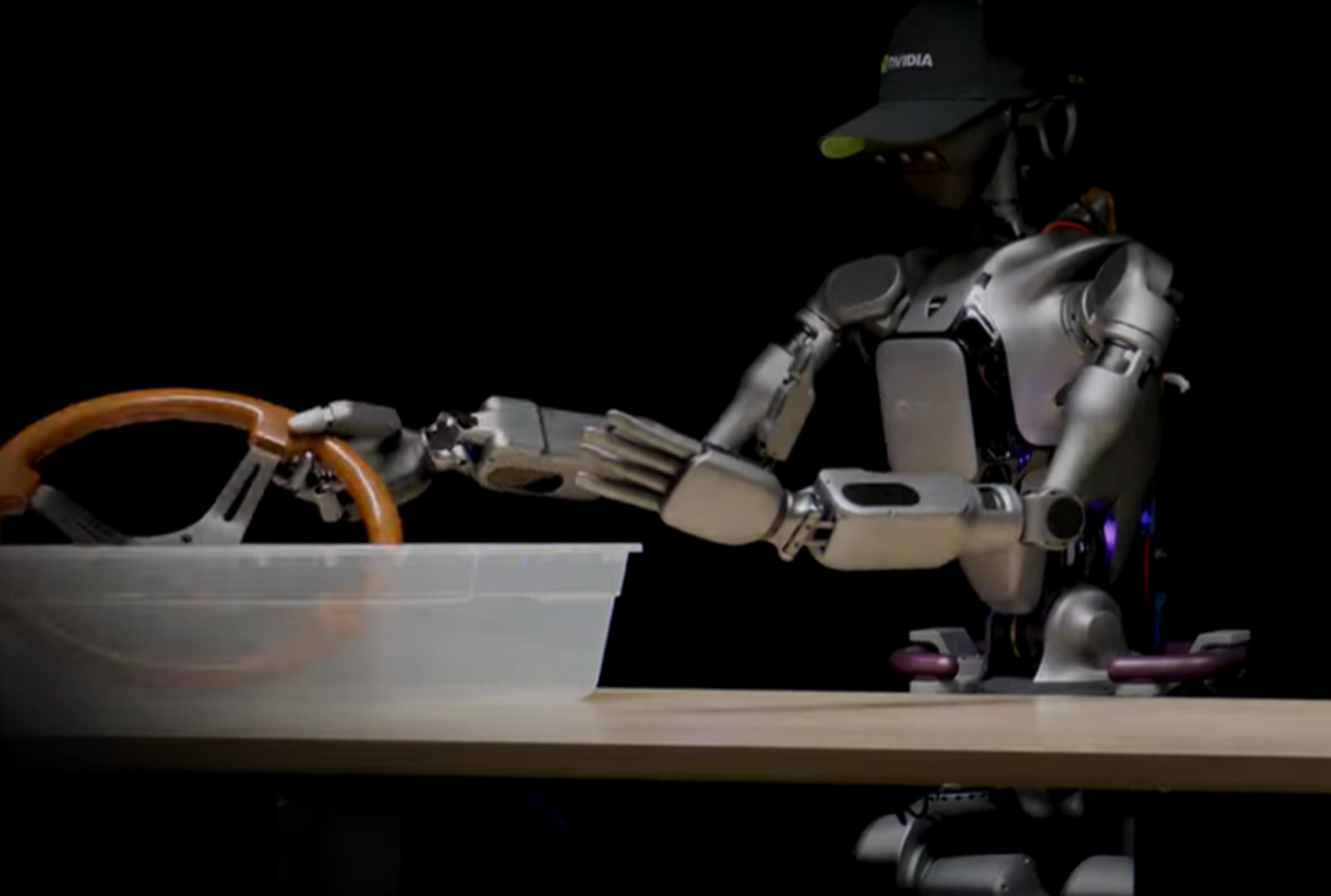
Tesla rolls out supervised Full Self-Driving in China in wider global push
Tesla has officially launched its Full Self-Driving system, known as FSD Supervised, in various countries and regions globally, including China. This rollout encompasses over a dozen markets across North America, Asia-Pacific, and Europe. The introduction of this advanced driver-assistance technology signifies Tesla's ongoing efforts to extend its reach beyond the United States, aiming to enhance driving safety and convenience for users worldwide. The deployment of FSD Supervised is part of Tesla's broader strategy to innovate and lead in the autonomous driving sector, leveraging its technology to meet the growing demand for advanced driving solutions.
News Feed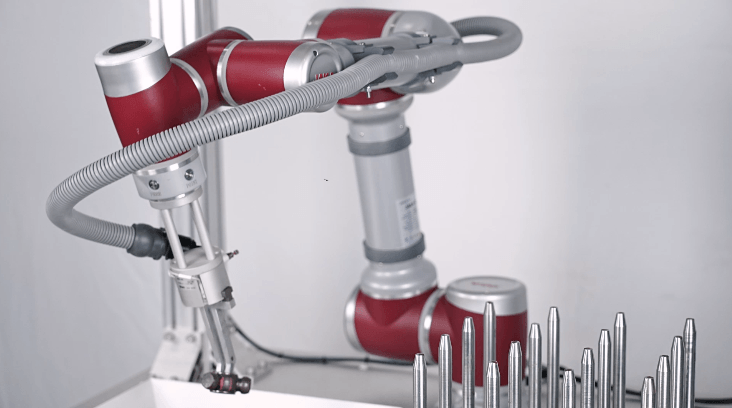
Why Global Buyers Are Increasingly Choosing Robot Arm China for Automation
The global industrial sector is experiencing a significant transformation as companies increasingly adopt flexible automation, particularly in China, which has emerged as the largest market for industrial robots. This shift is driven by a growing demand for sophisticated robotic arms that not only offer cost-effectiveness but also advanced adaptability and intelligence to seamlessly integrate into existing production lines. Historically associated with mass production, Chinese manufacturing is now recognized for its technical innovation and research and development in robotics. Local manufacturers are enhancing their technologies to meet stringent international standards, resulting in systems that excel in precision, payload capacity, and software integration. International buyers are attracted to these modern Chinese robotic solutions due to their rapid deployment capabilities and versatility, which are designed to simplify complex automation tasks for small and medium-sized enterprises. By focusing on user-friendly interfaces and modular designs, these robots lower the barriers to automation across various industries, including electronics, automotive, and food processing. Leading this collaborative revolution is JAKA, a global frontrunner in intelligent robotics. The company emphasizes a mission to enhance productivity through its innovative solutions, such as the JAKA Zu Series and S Series. These products boast impressive specifications, including high payload capacities and precise positioning accuracy, making them ideal for delicate tasks. JAKA's "plug-and-play" approach allows its collaborative robots to operate safely alongside human workers without traditional safety barriers, further enhancing their appeal. With a global service network and advanced training programs, JAKA positions itself as a comprehensive partner in automation, ensuring that its technology remains at the forefront of the industry.

Pentagon ramps AI oversight with Microsoft, Google models before public deployment
The U.S. government is intensifying regulations on advanced artificial intelligence technologies, responding to growing concerns over their potential risks and ethical implications. This initiative, announced recently, aims to establish a framework that ensures the responsible development and deployment of AI systems. The new measures are part of a broader effort to address issues such as privacy, security, and bias in AI applications. The regulations are expected to be implemented in the coming months, with the Biden administration emphasizing the need for collaboration between federal agencies, industry leaders, and academic institutions. By fostering a transparent and accountable AI ecosystem, officials hope to mitigate risks while promoting innovation. The move reflects a proactive stance in the face of rapid advancements in AI, as policymakers seek to balance technological progress with public safety and ethical standards. As the global landscape for AI continues to evolve, the U.S. aims to position itself as a leader in responsible AI governance, setting a precedent that could influence international standards and practices.

Flex and Teradyne Robotics Expand Partnership to Scale Intelligent Automation Across Global Manufacturing
Flex is enhancing its global manufacturing capabilities by incorporating Teradyne Robotics solutions, aimed at standardizing automation processes and boosting productivity. This initiative marks a significant expansion of their 20-year partnership, which has primarily focused on manufacturing Teradyne's semiconductor test equipment. The collaboration now extends into the realm of intelligent automation, allowing Flex to produce core robotics components that facilitate scalable production and enable rapid deployment of automation solutions worldwide. This strategic move underscores Flex's commitment to advancing its manufacturing footprint and meeting the growing demand for automated technologies.

The Impact of Industrial Automation and Robotics on Global Supply Chain Resilience
Global supply chains are increasingly strained due to demand fluctuations, labor shortages, and heightened delivery accuracy requirements. Experts emphasize that enhancing supply chain resilience now extends beyond logistics optimization to include bolstering manufacturing capabilities through industrial automation and robotics. By implementing structured automation strategies, manufacturers can achieve greater control over production stability, consistency in inspections, and quicker responses to external disruptions. A reliable supply chain relies on predictable production processes, and automation significantly reduces variability associated with manual operations, particularly in inspection and quality assurance. Automated systems ensure consistent inspection outcomes, regardless of workforce changes, allowing supply chain partners to plan inventory and delivery schedules with greater confidence. Innovative solutions like the JAKA Zu3 Inspection system facilitate non-destructive testing and precise measurement of complex components, integrating seamlessly with existing production lines. This adaptability enables manufacturers to adjust inspection capacities swiftly in response to changing supply chain conditions, minimizing downtime. As labor availability remains unpredictable, replacing manual inspection with automated systems enhances efficiency and quality, allowing workers to focus on higher-value tasks. This transition supports long-term resilience, ensuring that production schedules remain reliable and delivery commitments can be met even under challenging circumstances. In summary, the integration of industrial automation and robotics is crucial for strengthening supply chain resilience, enhancing manufacturing stability, and enabling flexible deployment in response to global challenges.

Roche Scales NVIDIA AI Factories Globally to Accelerate Drug Discovery, Diagnostic Solutions and Manufacturing Breakthroughs
Roche has announced the deployment of over 3,500 NVIDIA Blackwell GPUs across its global operations, significantly enhancing its research and development productivity, next-generation diagnostics, and manufacturing efficiencies. This strategic move aims to integrate advanced computing capabilities throughout the entire value chain, thereby accelerating innovation and improving operational performance. The initiative reflects Roche's commitment to leveraging cutting-edge technology to drive advancements in healthcare and streamline its processes.

AGIBOT Wins GLOMO Award at MWC 2026 and Announces New Global Collaborations
AGIBOT has been honored with the GLOMO Award for Best Private Network Solution at the Mobile World Congress (MWC) 2026, held in Barcelona. This accolade highlights the company's innovative EasyOn 5G-A-RobotNet solution, which aims to revolutionize the deployment of robotics technologies. In conjunction with this recognition, AGIBOT announced strategic global partnerships with major players such as China Mobile and Joybuy. These collaborations are designed to enhance the implementation and reach of AGIBOT's advanced robotics solutions, further solidifying its position in the industry.
Robotics Artificial Intelligence Telecommunications Technology Partnerships Mobile Networking
Pelion Survey Highlights IoT Connectivity Challenges in Global Logistics Sector
A recent survey conducted by Pelion and ABI Research reveals that 68% of logistics and transport professionals cite unstable cellular connectivity as a significant barrier to scaling IoT deployments. This survey included 165 decision-makers from logistics organizations worldwide, highlighting the critical need for reliable connectivity in real-time fleet tracking and cold-chain monitoring. The findings underscore the growing pressure on logistics companies to maintain uninterrupted data-driven operations amid complex supply chains. With over 40 billion connected IoT devices expected by 2030, the demand for robust device management and network security is becoming increasingly vital. Additionally, 27% of logistics respondents reported experiencing cellular IoT security incidents, the highest rate across all surveyed industries. Looking ahead, Pelion predicts that by 2030, nearly half of logistics IoT deployments will operate internationally, up from 29% today. As logistics organizations expand their operations across borders, the focus will shift towards simplifying operational complexities and enhancing security measures. No further timeline was disclosed at the time of publication.
IT in Logistics Transport and Distribution challenges Connectivity IoT IT
Robot Revolution Brewing: Cainiao's ZeeBot Climbing Robots Transform Global Warehousing
Cainiao, the logistics arm of Alibaba, has introduced over 100 ZeeBot climbing robots at its European fulfillment center, significantly enhancing operational efficiency. This deployment, announced recently, aims to triple floor efficiency and double labor productivity within the facility. The initiative is part of Cainiao's broader strategy to leverage advanced automation technologies to streamline logistics and meet the growing demands of e-commerce in Europe. By integrating these robots into their operations, the company seeks to optimize space utilization and improve the speed of order processing, ultimately enhancing service delivery to customers.
Technology
Doozy Robotics Announces Global Expansion with Seed Funding to Scale Physical AI Industrial Workforce
A Singapore-based humanoid startup is preparing for its Series A funding round, bolstered by support from prominent early investors. The company has established a strong pipeline of qualified leads and is currently executing live deployments across Asia and Europe. This strategic move aims to secure additional capital to enhance its operations and expand its market presence. With a focus on innovation in humanoid technology, the startup is positioning itself to capitalize on growing demand in the robotics sector. The upcoming funding round is expected to accelerate its development and deployment capabilities, further solidifying its role in the industry.

Japanese drone company eyes global defense market through Ukraine
Japanese drone manufacturer Terra Drone is advancing its presence in the defense sector with the deployment of its new fixed-wing interceptor drone, the Terra A2, in Ukraine. This move comes as low-cost attack drones increasingly transform modern warfare, and Ukraine serves as a critical testing ground for anti-drone technologies amid ongoing conflict. The operational deployment of the Terra A2 marks a significant step for the company as it seeks to enhance its capabilities in a market that is rapidly evolving due to the challenges posed by drone warfare.
News
Robotics stakeholders urge Congress to ‘act now’ to regain global leadership
Experts warned during a subcommittee hearing on Tuesday that the United States risks lagging behind China in the deployment of robotics integrated with artificial intelligence if federal support is not increased. The discussion highlighted the urgent need for government intervention to bolster the nation’s competitive edge in this rapidly advancing technological field. Without strategic investment and policy support, the U.S. may struggle to keep pace with China's advancements in AI and robotics, which are seen as critical for future economic growth and national security. The hearing underscored the importance of a coordinated federal approach to foster innovation and ensure that American industries can effectively harness these technologies.
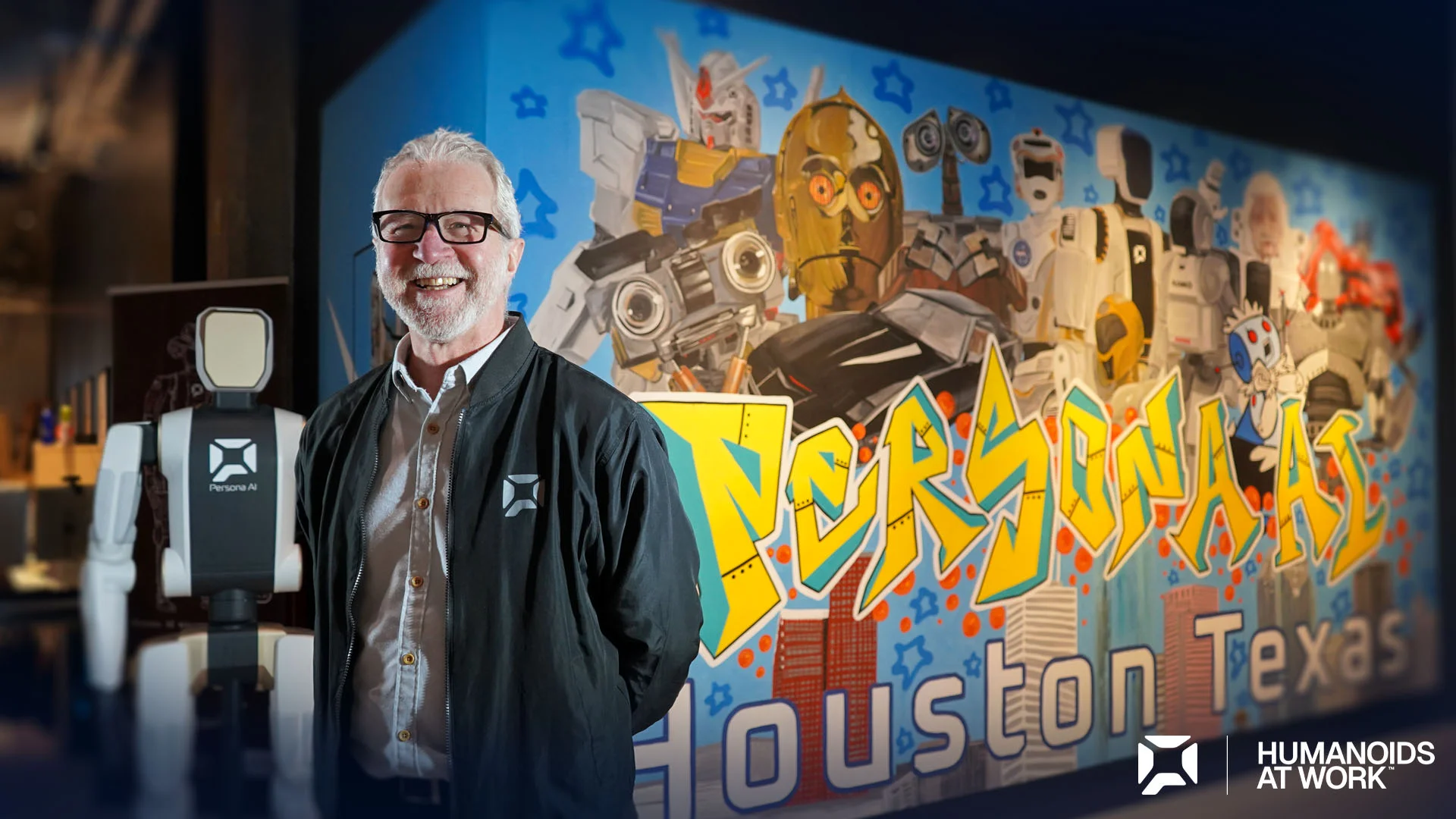
Scaling Up: Persona AI Taps Former Amazon Robotics Exec to Lead Global Manufacturing
Persona AI has announced the appointment of Brian Davis as part of its transition from developing shipyard prototypes to focusing on high-volume production for heavy industry. This strategic shift aims to enhance the company's capabilities in industrial deployment, reflecting its commitment to scaling operations and meeting increasing market demands. The move comes as Persona AI seeks to solidify its position in the competitive landscape of industrial technology. Davis's experience is expected to play a crucial role in guiding the company through this pivotal phase, ensuring efficient production processes and innovation in its offerings.
US Persona AI
2026 Robotics and Automation Predictions: Top Trends Transforming Global Industries
Industry leaders have outlined their predictions for the robotics sector in 2026, emphasizing the growing impact of AI-driven automation and the increasing deployment of robotics in warehouses. Key players in the field, including Locus Robotics, are at the forefront of these advancements, shaping the future of logistics and operational efficiency. The discussions took place during a recent industry conference, where experts gathered to explore the transformative potential of robotics technology. The motivation behind these predictions stems from the need for businesses to enhance productivity and reduce operational costs in an increasingly competitive market. By integrating advanced robotics solutions, companies aim to streamline processes and improve service delivery. As the industry evolves, the collaboration between technology developers and businesses will be crucial in driving innovation and addressing the challenges of modern supply chains.

Figure Taps Brookfield's Global Real Estate Portfolio to Scale AI Training
Figure, a humanoid robotics company, has formed a strategic partnership with asset management firm Brookfield. This collaboration will provide Figure with access to an extensive portfolio of real estate, enabling the company to develop a significant real-world training dataset for its Helix AI model. The partnership aims to expedite the commercial deployment of Figure's robotics technology. By leveraging Brookfield's diverse properties, Figure seeks to enhance the capabilities of its AI, ultimately advancing the integration of humanoid robots into various sectors.
Brett Adcock Figure brookfield helix
Kinetix AI Introduces KAI Halo to Enhance Data Infrastructure for Robotics
As the robotics industry enters a phase of large-scale development, a critical question arises: how long does it take for newly collected real-world data to translate into actionable capabilities for robots? The data journey, from collection to deployment, is complex and any delays can hinder progress. Kinetix AI is addressing this challenge by connecting every stage of data production rather than simply expanding data volume. The Kai Ego Dataset has amassed over 100,000 hours of first-person multimodal data, covering more than 2,000 atomic skills across various real-world scenarios such as homes, retail, hotels, and factories. This dataset captures the nuances of continuous tasks, allowing robots to learn complex behaviors rather than isolated actions. It integrates diverse information, including visual data, body posture, and motion semantics, providing a unified data foundation for cross-domain transfer. KAI Halo, a standardized data collection tool developed by Kinetix AI, addresses common issues encountered in real data production, such as occlusion and data quality fluctuations. By employing a four-way fisheye global shutter RGB camera and a 200Hz IMU, KAI Halo synchronizes multiple perspectives, enabling a comprehensive reconstruction of human actions and interactions with the environment. No further timeline was disclosed at the time of publication.
Embodied Intelligence Data Infrastructure Robotics AI Data Processing
Hummingbird F100 Revolutionizes Wind Turbine Blade Inspection with Wireless Technology
The Hummingbird F100, launched by Schrodinger Industrial Group, marks a significant advancement in wind turbine blade inspection. This device operates wirelessly, enabling stable connections over distances of up to 150 meters, and is designed to navigate complex internal structures of turbine blades, which are typically challenging to inspect due to their confined spaces. The global market for wind turbine blade inspection services is projected to grow from $7.74 billion in 2025 to $8.48 billion in 2026, with a compound annual growth rate of 9.6%. The Hummingbird F100 addresses the industry's need for more efficient inspection methods by automating data collection and analysis, shifting from reactive maintenance to proactive asset management. Looking ahead, the integration of AI with inspection robotics will enhance defect detection and reporting capabilities. The transition from wired to wireless operations will not only streamline deployment but also expand operational ranges and reduce on-site risks. The Hummingbird F100's modular design allows for rapid adaptation to various inspection scenarios, positioning it as a key player in the evolving wind energy sector.
Wind Turbine Inspection Robotics AI Technology Data Management Wireless Solutions
LimX Dynamics Secures Nearly $200 Million in Pre-IPO Funding, Valued at $22 Billion
LimX Dynamics, a humanoid robotics company, has successfully completed a Pre-IPO funding round, raising nearly $200 million. Investors include IDG Capital, Lens Technology, GGG Group, and several others. This funding will focus on breakthroughs in brain integration technology and the large-scale deployment of autonomous humanoid robots. The significance of this funding lies in LimX Dynamics' plans to enhance its global manufacturing and delivery capabilities, particularly in key markets such as the Middle East, Europe, and other Asian countries. The company aims to build an open ecosystem for global developers while advancing its technology stack, which includes a comprehensive system for motion generation and cognitive decision-making. Looking ahead, LimX Dynamics is poised to accelerate its product development and commercialization efforts. The company has already received thousands of orders for its robots, with over half coming from overseas. No further timeline was disclosed at the time of publication.

Factorial Energy and Tulip Tech Achieve 30% Flight Range Increase with Solid-State Batteries
Factorial Energy, based in Boston, and Tulip Tech from the Netherlands have transitioned from flight testing to the commercialization of lithium-metal UAV battery packs. Announced on July 13, 2026, their strategic partnership aims to expedite the deployment of solid-state and lithium-metal batteries for advanced drones, with initial tests showing over a 30% increase in flight range without engineering optimizations. This collaboration is significant as it addresses the growing demand for high-endurance UAVs across commercial, industrial, and defense sectors, with the global UAV market projected to exceed $160 billion by 2034. Factorial emphasizes that energy storage is a critical bottleneck affecting mission radius, payload, and fleet economics, making their advancements crucial for future drone capabilities. Looking ahead, the partnership establishes a framework for joint customer engagement and a roadmap for volume production. No further timeline was disclosed at the time of publication, but the companies are moving swiftly from testing to commercialization, indicating a strong potential for future developments in UAV battery technology.
battery technology Drone News Drone News Feeds drone parts News $160 billion UAV market
Logic Robotics Unveils Logic Pallet: A Breakthrough in Autonomous Mobile Logistics
Logic Robotics has introduced the Logic Pallet, the first mobile robot designed for multifacility logistics automation. This innovative solution aims to enhance the efficiency of logistics and material handling across various industries. The Logic Pallet is engineered to automate the movement of goods both between and within facilities, providing a comprehensive end-to-end automation solution. This advancement supports a fully autonomous, data-driven, and sustainable global supply chain, marking a significant step forward in logistics technology. As the logistics industry continues to evolve, the introduction of the Logic Pallet sets a new standard for automation. Stakeholders should monitor its deployment and impact on supply chain efficiency, as well as its potential to reshape logistics operations in the future. No further timeline was disclosed at the time of publication.
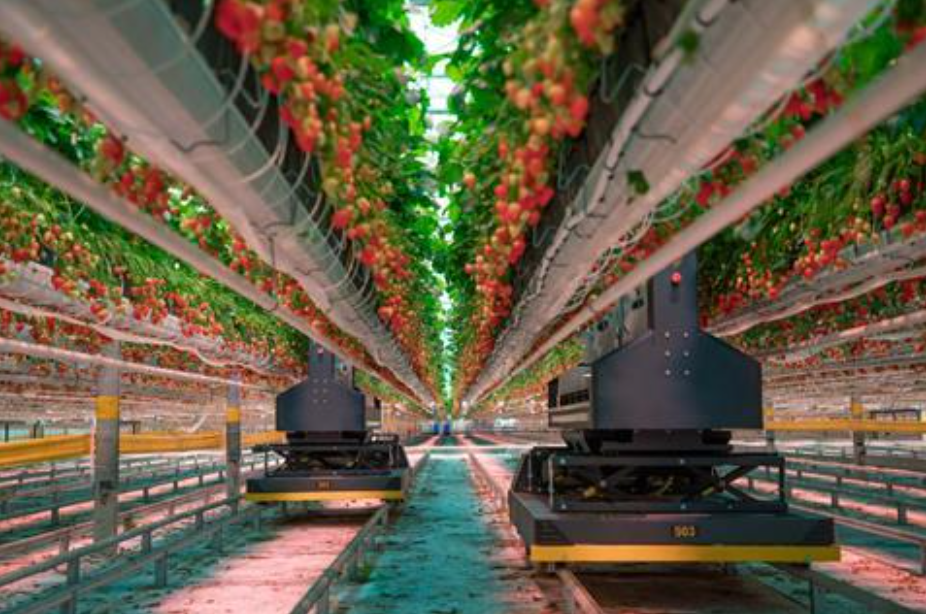
Dogtooth Technologies Secures £14 Million for AI-Powered Strawberry Harvesting
UK-based Dogtooth Technologies has successfully raised over £14 million in funding to enhance its AI-driven strawberry picking robots. The financing, provided by 24 Haymarket, EMV Capital, and ACF Investors, along with a grant from Innovate UK, aims to accelerate the deployment of these robots in both the UK and international markets. The company has already established a fleet of approximately 70 robots operating on commercial farms in the UK and Australia, harvesting tens of tons of fruit each season. The significance of this funding lies in addressing the ongoing labor shortages in agriculture, which have made robotic harvesting a necessity rather than a luxury. Dogtooth's robots utilize advanced computer vision and precision mechanical arms to autonomously navigate complex growing environments, identify ripe fruit, and perform harvesting without damage. This technology allows for continuous operation, even in cooler night conditions, thereby extending the shelf life of harvested produce. Looking ahead, Dogtooth Technologies is poised to expand its market presence, having recently delivered systems to Dyson Farming, a UK indoor berry producer. As the global horticultural industry grapples with seasonal labor shortages and rising costs, the successful deployment of these agricultural robots could signal a shift towards more widespread adoption of embodied intelligence in farming. No further timeline was disclosed at the time of publication.
Agricultural Robotics AI Technology Fruit Harvesting Embodied Intelligence
Xiaopeng begins internal testing of Robotaxi, marking a key step towards "robot cars," says He Xiaopeng.
On September 9, XPeng Motors held its first all-hands meeting for its Robotaxi division, announcing the launch of an internal testing phase for employees. CEO He Xiaopeng emphasized that over the next decade, all intelligent physical carriers will essentially become robots, positioning Robotaxi as a crucial step for XPeng in transitioning from electric vehicles to "robotic cars." This initiative is part of XPeng's broader strategy to establish a foothold in the physical AI landscape. The company plans to focus on integrating hardware and software for its vehicle platform, autonomous driving technology, and AI capabilities. By developing comprehensive solutions, XPeng aims to serve global partners and facilitate the worldwide deployment of Robotaxi services.
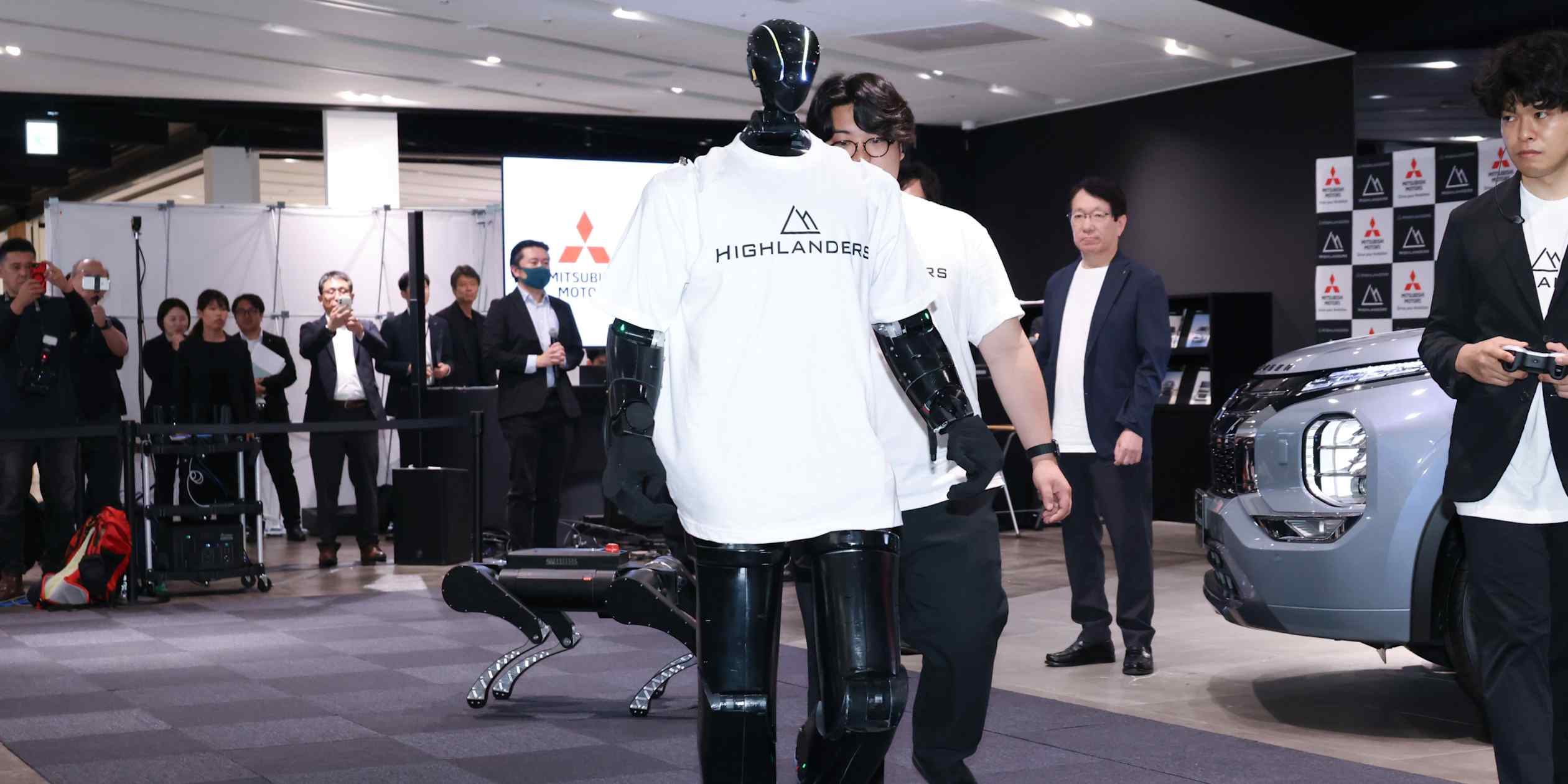
Mitsubishi Motors Partners with Highlanders for Humanoid Robot Production by 2027
Mitsubishi Motors has announced a collaboration with Tokyo-based startup Highlanders to mass-produce humanoid robots for its automotive factories. Production is set to commence as early as 2027, with the partnership aiming to enhance automation within Mitsubishi's manufacturing processes. This initiative was unveiled during a demonstration event in Tokyo on July 9, showcasing the jointly developed humanoid robot. The significance of this collaboration lies in Mitsubishi's strategic move to integrate advanced robotics into its production lines, reflecting a broader trend in the automotive industry towards automation and efficiency. By leveraging Highlanders' expertise in humanoid robotics, Mitsubishi aims to address labor shortages and improve operational productivity, aligning with global shifts towards smart manufacturing technologies. Looking ahead, industry observers will be keen to monitor the development and deployment timeline of these humanoid robots, as well as their impact on Mitsubishi's manufacturing capabilities. No further timeline was disclosed at the time of publication, but the partnership signals a commitment to innovation in the automotive sector.
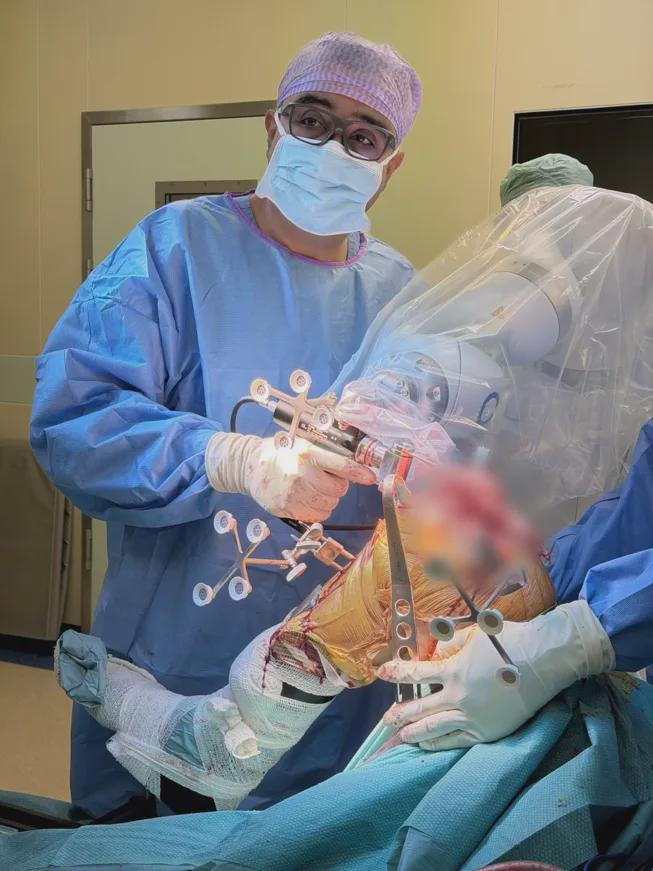
Kunlu® Orthopedic Surgery Robot Completes First Surgery in Malaysia
The Kunlu® orthopedic surgery robot successfully conducted its inaugural surgeries in Malaysia, led by Dr. Rajiv Rampal. The procedures involved complex knee replacements for two patients with severe deformities, demonstrating the robot's precision and adaptability in a clinical setting. This event marks a pivotal moment in the robot's international rollout, following its earlier success in Brazil, where it showcased compatibility with local implants. The significance of this achievement lies in the robot's advanced capabilities, which enhance surgical outcomes and improve patient care in orthopedic procedures. The successful surgeries in Malaysia indicate a growing acceptance of robotic assistance in healthcare, particularly in regions looking to adopt innovative medical technologies. The ability to perform complex surgeries with high precision positions Kunlu® as a competitive player in the global orthopedic market. Looking ahead, the next steps for Kunlu® include further international deployments and potential collaborations with local healthcare providers. No further timeline was disclosed at the time of publication, but the successful debut in Malaysia may pave the way for additional surgeries and expanded market presence in Southeast Asia.
Orthopedic Surgery Robots Medical Robotics Surgical Technology Healthcare Innovation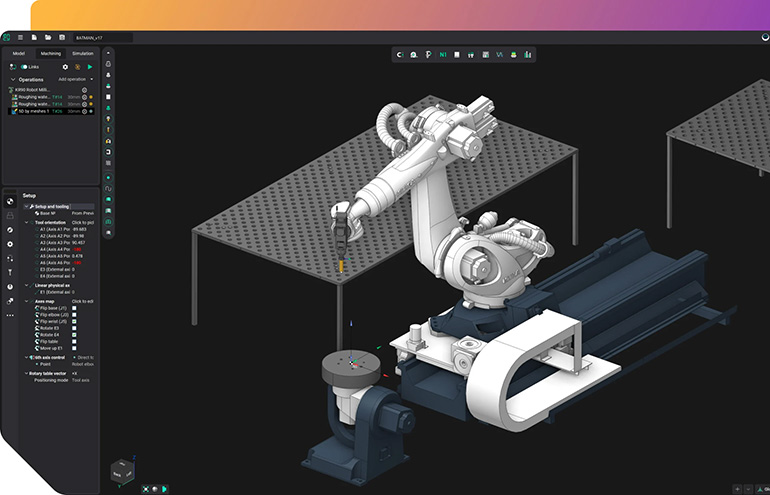
ENCY Software and Stäubli Robotics partner to simplify robot programming
ENCY Software and Stäubli Robotics have entered into a global partnership aimed at enhancing the ease and efficiency of robot programming. This collaboration seeks to make the programming process more intuitive and accessible for users, thereby accelerating the development and deployment of robotic solutions. The agreement was announced recently, highlighting both companies' commitment to innovation in the robotics industry. By leveraging their respective expertise, ENCY Software and Stäubli Robotics aim to streamline workflows and improve user experience in robotic applications, ultimately driving broader adoption of automation technologies across various sectors.
6-Axis Controllers Industrial Robots Logistics Machine Tool & Material Removal Manufacturing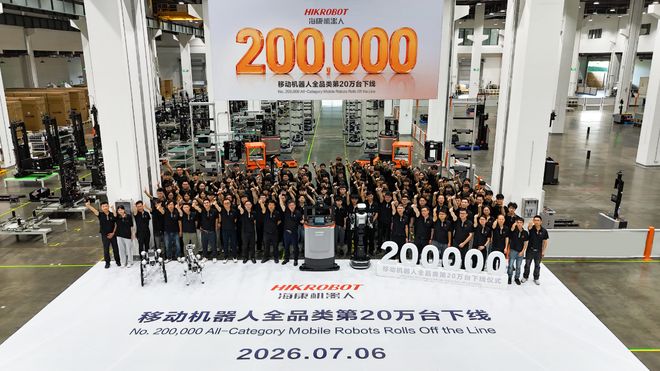
Hikvision Robotics Achieves Milestone with 200,000 Mobile Robots Produced
On July 6, 2026, Hikvision Robotics marked a significant achievement by producing its 200,000th mobile robot, a milestone reached just two years after the company celebrated its 100,000th unit. This accomplishment underscores Hikvision's dominant position in the global mobile robotics market, highlighting the swift expansion of China's mobile robotics sector. The growth is attributed to advancements in technology and the establishment of industry standards, which have facilitated the transition from experimental applications to widespread deployment.
Mobile Robots Warehouse Automation Manufacturing Technology AI Industry Standards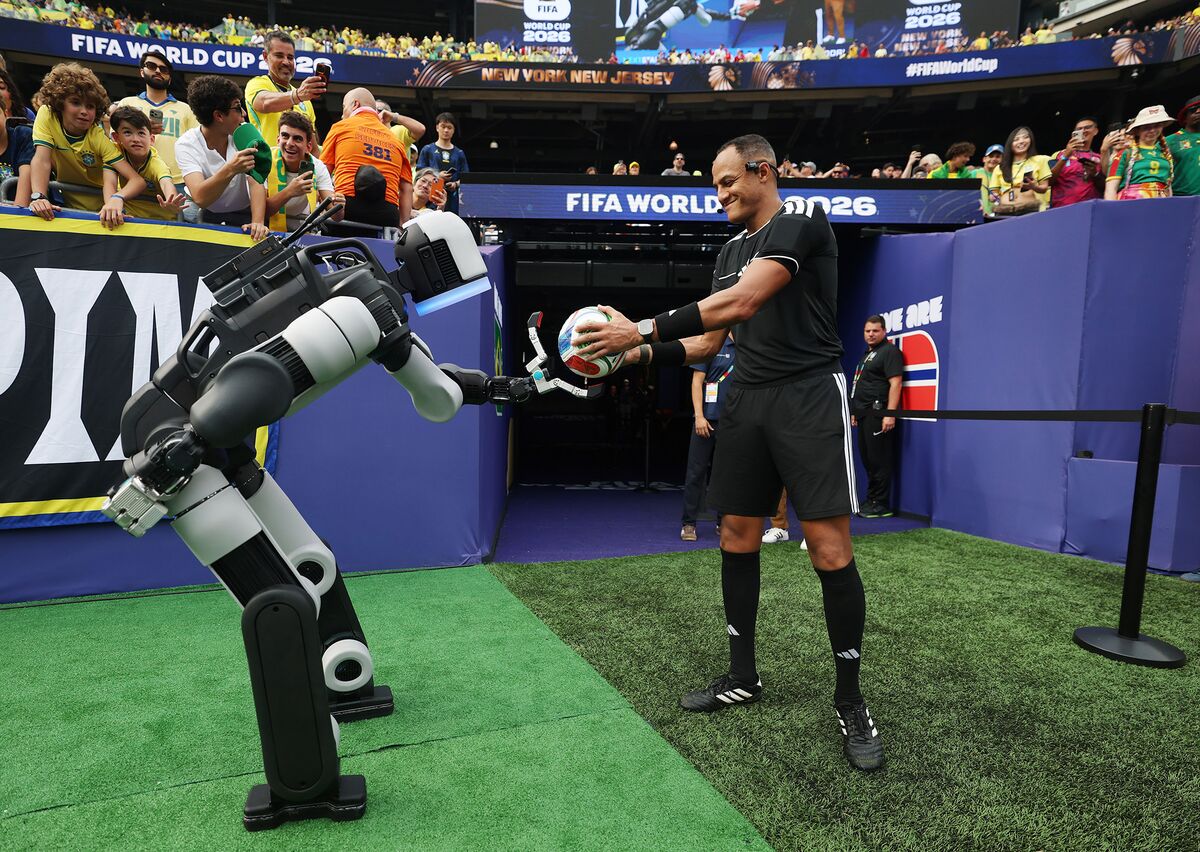
Hyundai Motor Showcases Humanoid at World Cup in Robotics Push
Hyundai Motor Co. unveiled its Atlas humanoid robot during the 2026 FIFA World Cup, marking a significant milestone in the company's technological advancements. The event served as a prominent platform for the South Korean automaker to demonstrate its innovations on a global stage. As Hyundai prepares for mass production and deployment of the robot in factories, this showcase underscores the company's commitment to integrating robotics into various sectors. The World Cup, known for its vast international audience, provided an ideal backdrop for Hyundai to highlight its progress and future aspirations in robotics technology.
KSC:005380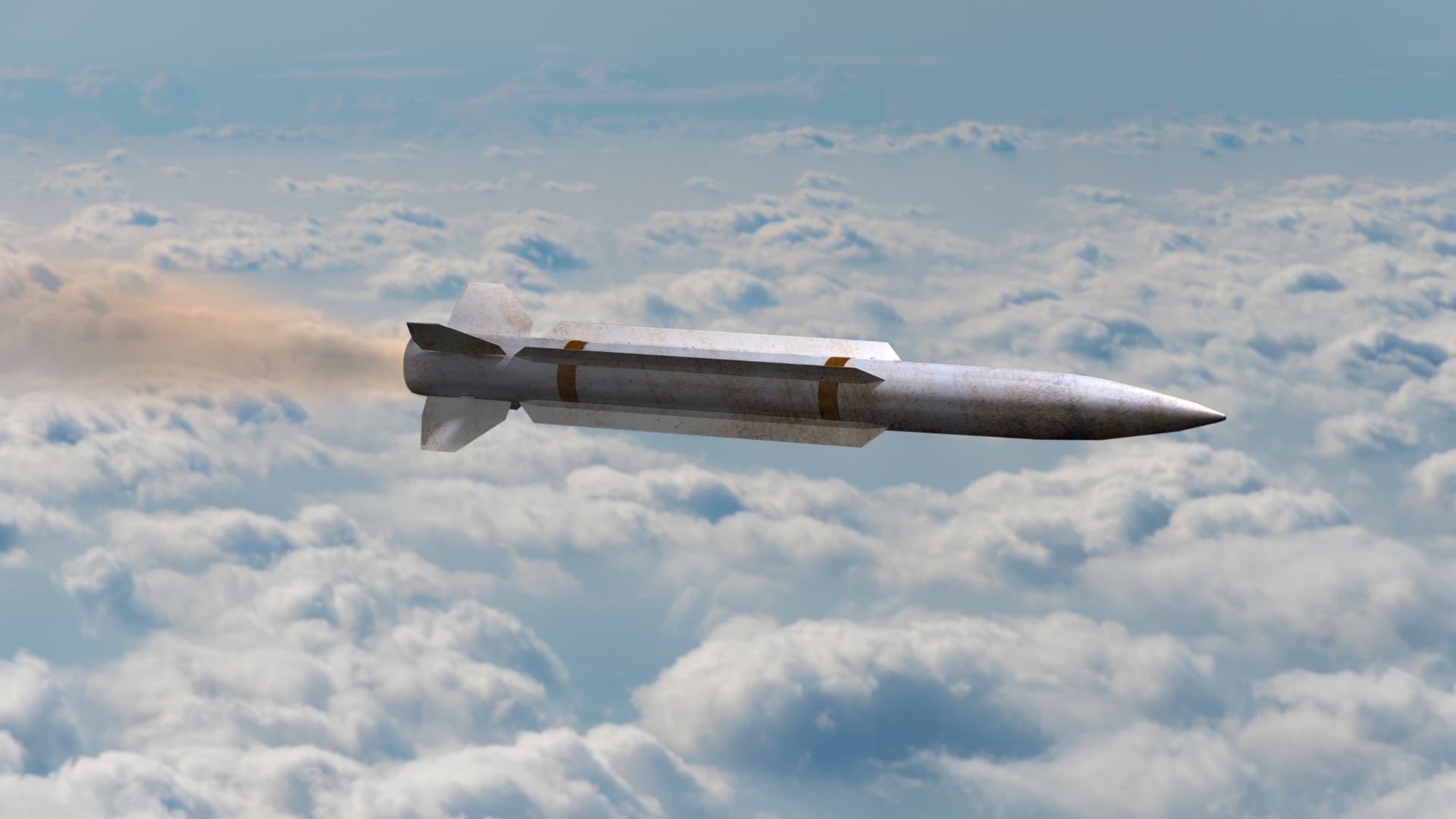
US eyes 1,150-mile missile as China expands military reach across Pacific
The US Air Force is preparing to develop a new class of missiles aimed at enhancing its strategic capabilities. This initiative comes in response to evolving global threats and aims to ensure the military remains competitive in modern warfare. The groundwork for this missile program is being established as part of broader defense strategies to address advancements in missile technology by potential adversaries. The Air Force is focusing on integrating advanced technologies and innovative designs to improve the effectiveness and reliability of these new weapons. While specific details about the missile systems remain classified, the effort underscores the military’s commitment to maintaining a robust deterrent posture. The initiative is expected to unfold over the coming years, with testing and deployment phases anticipated to begin in the near future.
Military
US robotics installations rebounded in 2025, on track for more growth: IFR
Global demand for robotics is surging, particularly driven by the automotive and electronics sectors, with significant deployments occurring primarily in China, Japan, and South Korea. Meanwhile, the United States is experiencing an increase in robotics applications, particularly in food production and supply chain services. This trend highlights the growing reliance on automation across various industries, as companies seek to enhance efficiency and productivity in response to evolving market needs.

CATL’s cell-making factory gets Galbot’s heavy-load humanoid robot as new worker
Contemporary Amperex Technology Co., Limited (CATL), the leading global manufacturer of power batteries, has introduced its first heavy-load humanoid robot, marking a significant advancement in automation technology. This innovative robot was unveiled during a recent event held at CATL's headquarters in Ningde, China. The deployment of this humanoid robot is part of CATL's ongoing efforts to enhance operational efficiency and reduce labor costs in its manufacturing processes. By integrating advanced robotics into its production lines, CATL aims to streamline workflows and improve productivity. The introduction of this technology reflects the company's commitment to innovation and its strategic focus on automation in response to the growing demand for electric vehicle batteries.
AI and Robotics
Techman Robot Empowers Manufacturers Moving to the US with Zero-Downtime AI Solutions at Automate 2026
Techman Robot unveiled its advanced AI automation solutions at the Automate 2026 exhibition, aimed at assisting global manufacturers in enhancing their operations in the United States. The event took place recently, highlighting the company's commitment to addressing the challenges faced by manufacturers. The showcased technologies emphasize rapid deployment and standardized quality control, which are crucial for businesses looking to streamline their processes. Additionally, these solutions aim to eliminate the "Hidden Cost Trap" often associated with traditional automation methods, providing manufacturers with a more efficient and cost-effective approach to automation.

Can Tesla beat Nvidia? New trademark reveals ambitious ‘megapod’ infrastructure plan
Elon Musk is expanding his vision beyond electric vehicles and humanoid robots, aiming to revolutionize multiple industries through advanced technology. At a recent event, Musk outlined his ambitious plans for the future of transportation, artificial intelligence, and sustainable energy. He emphasized the importance of innovation in addressing global challenges, such as climate change and resource scarcity. Scheduled for implementation over the next few years, Musk's initiatives will take place primarily at Tesla's headquarters in California, where the company is ramping up research and development efforts. By integrating cutting-edge AI and robotics into everyday life, Musk hopes to enhance productivity and improve living standards. The motivation behind these projects stems from Musk's belief in creating a sustainable future and reducing humanity's reliance on fossil fuels. He envisions a world where technology not only serves as a means of transportation but also contributes to a cleaner and more efficient way of living. Through strategic partnerships and investments in new technologies, Musk plans to accelerate the development and deployment of these innovations, making them accessible to a broader audience. As he continues to push the boundaries of what is possible, Musk's endeavors are set to reshape the landscape of various sectors, ultimately aiming to create a more sustainable and technologically advanced society.
AI and Robotics
Research on the Application of SSG‐RRT Path Planning Algorithm Integrated With Dynamic Obstacle Avoidance in Wheeled Picking Robot
A recent study published in the Journal of Field Robotics highlights advancements in robotic technology aimed at improving agricultural efficiency. Researchers from various institutions conducted the study to explore how autonomous robots can enhance crop management and reduce labor costs. The findings, released in early October 2023, indicate that these robots can perform tasks such as planting, monitoring, and harvesting with greater precision than traditional methods. The research was conducted in diverse agricultural settings, showcasing the robots' adaptability to different crops and terrains. By integrating advanced sensors and machine learning algorithms, the robots can analyze soil conditions and plant health, allowing for timely interventions that can lead to increased yields. This initiative is driven by the growing need for sustainable farming practices in response to global food demands and labor shortages in the agricultural sector. The study emphasizes that implementing robotic solutions could not only optimize resource use but also address environmental concerns associated with conventional farming techniques. As the agricultural industry faces mounting challenges, the deployment of these innovative robotic systems represents a significant step forward in modernizing farming practices and ensuring food security for the future.
RESEARCH ARTICLE
Australia tests backpack-sized counter-drone system deployable in under two minutes
Australia is intensifying its initiatives to safeguard frontline troops against the increasing risks posed by small drones. This move comes in response to the rising use of unmanned aerial vehicles in modern warfare, which have become a significant concern for military operations. The Australian Defence Force (ADF) is prioritizing the development and deployment of advanced counter-drone technologies to enhance the safety and effectiveness of its personnel in the field. In recent months, military officials have conducted assessments and trials to identify the most effective strategies for neutralizing drone threats. These efforts are part of a broader strategy to adapt to evolving combat scenarios, ensuring that Australian forces remain well-equipped to handle emerging challenges. The urgency of this initiative is underscored by the increasing frequency of drone-related incidents in conflict zones worldwide, prompting a reevaluation of existing defense protocols. As part of this initiative, the ADF is collaborating with technology firms and defense experts to innovate solutions that can detect, track, and neutralize hostile drones. The aim is to implement these technologies in various operational settings, thereby reinforcing the protection of troops during missions. This proactive approach reflects Australia’s commitment to maintaining a robust defense posture in the face of evolving threats in the global security landscape.
Military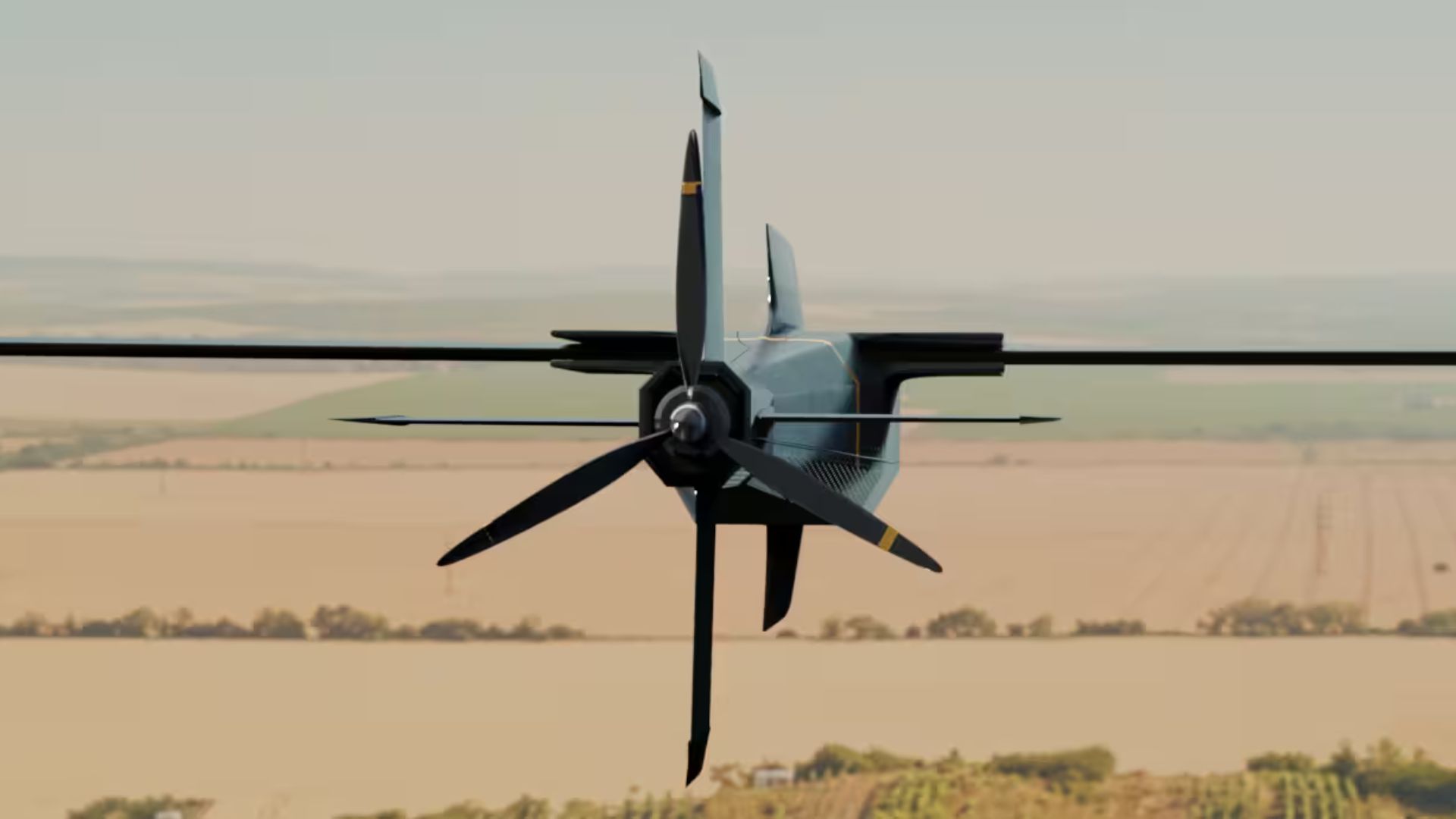
Rheinmetall’s new containerized launcher turns civilian logistics into drone strike bases
At Eurosatory 2026, Rheinmetall, a leading German defense manufacturer, unveiled its innovative Containerized Missile Launcher (CML). This advanced system is designed to enhance military capabilities by providing a mobile and flexible platform for missile deployment. The event, held in Paris, France, from June 12 to June 16, attracted global defense industry leaders and showcased cutting-edge technologies aimed at modernizing armed forces. Rheinmetall's introduction of the CML reflects a growing demand for adaptable defense solutions in response to evolving geopolitical threats. The launcher can be easily transported and deployed, allowing for rapid response in various operational scenarios. This development underscores Rheinmetall's commitment to advancing defense technology and meeting the needs of modern militaries.
Military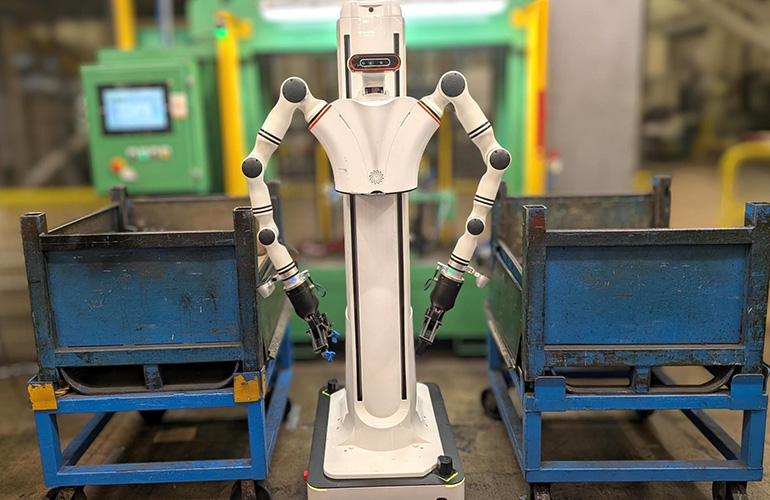
Autonomique deploys semi-humanoid robots and AI at Canadian Tier 1
Autonomique has successfully transitioned its AI-powered semi-humanoid robots from pilot testing to full production at F&P Manufacturing. This significant development marks a pivotal step in the company’s strategy to enhance automation and efficiency within the manufacturing sector. The robots are set to be deployed across F-tech's global network, indicating a broader commitment to integrating advanced robotics into various operational frameworks. This move aims to streamline processes and improve productivity, reflecting the growing trend of utilizing artificial intelligence in industrial applications. The deployment is expected to commence shortly, further solidifying Autonomique's position in the robotics industry.
Aerospace Artificial Intelligence Artificial Intelligence / Cognition Automotive Industrial Robots Manufacturing
Genesis AI and LG CNS Enter Strategic Partnership to Scale General-Purpose Robotics Across Enterprise Operations
Genesis AI and LG CNS have announced a long-term partnership aimed at assessing and implementing general-purpose robots in manufacturing and logistics sectors across the United States. This collaboration seeks to provide companies globally with a streamlined approach to adopting robotics on an enterprise scale. Zhou Xian, co-founder and CEO of Genesis AI, emphasized the significance of this partnership in facilitating the deployment of advanced robotic solutions. The initiative reflects a growing trend towards automation in various industries, driven by the need for efficiency and innovation in operational processes.
AI AI Funding & Investment AI Use Cases Robotics genseis AI industrial robotics
Mobileye to launch robotaxi business in US next year
Mobileye Global announced on June 16, 2026, that it will launch its own robotaxi service in the United States next year, marking a significant move into direct competition with its existing customers in the self-driving technology market. The Jerusalem-based company plans to deploy approximately 100 autonomous vehicles in a major U.S. city by 2027, with ambitions to expand its fleet to around 17,000 vehicles over the next five years. This initiative comes as investment in driverless technology intensifies, prompting companies to seek greater control over deployment and revenue, which is reshaping partnerships within the autonomous vehicle sector. Despite this new venture, Mobileye reassured its clients that it remains committed to its core business of providing advanced driver-assistance systems. Notably, last year, Lyft, a U.S. ride-hailing platform, announced plans to deploy fully autonomous robotaxis in Dallas by 2026, utilizing Mobileye's technology. Following the announcement, Mobileye's shares rose over 5% in premarket trading.
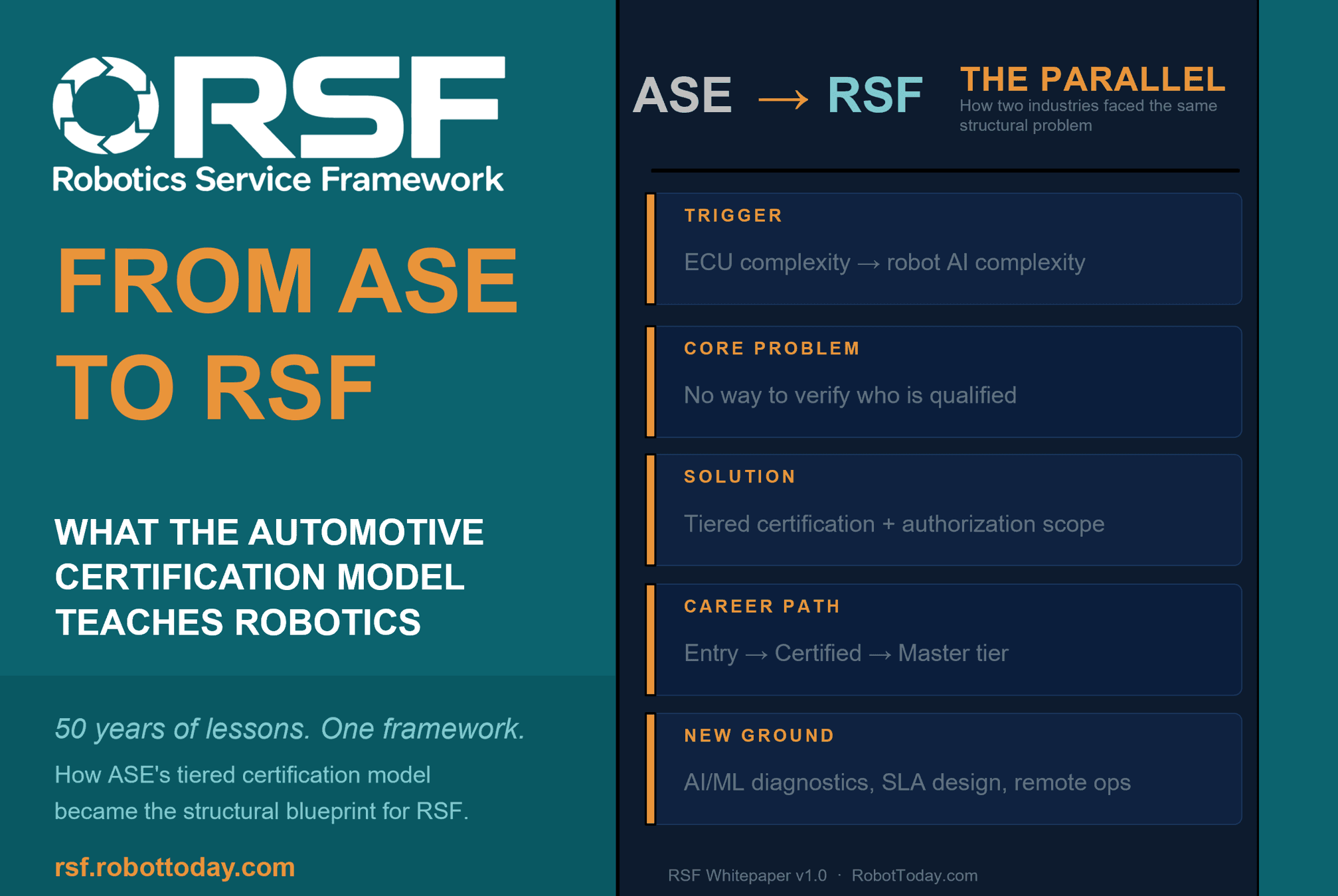
Robotics needs a service framework.
RSF defines a common language for robot service capability, lifecycle operations, certification pathways, and service-provider networks.