Top News

Industry Briefing

A single destination for timely, editor-curated robotics news from around the world.
Dobot to showcase collaborative robot use cases in automotive, food, and education at "Automate 2026."

Dobot to showcase collaborative robot use cases in automotive, food, and education at "Automate 2026."

Dobot Robotics has unveiled a promotional video showcasing its products in preparation for the upcoming Automate 2026, one of North America's largest industrial automation trade shows. The video was released on YouTube on June 16, 2026, as part of the company's efforts to highlight its innovations and engage with potential customers ahead of the event. This strategic move aims to enhance visibility and demonstrate the capabilities of Dobot's automation solutions in a competitive market.

Founder of "Daxiao Robotics," which raised hundreds of millions, reveals divisions in the embodied AI industry.

Founder of "Daxiao Robotics," which raised hundreds of millions, reveals divisions in the embodied AI industry.

In a recent interview, Wang Xiaogang, chairman of ACE Robotics and co-founder of SenseTime, discussed the rapid advancements of his company since its establishment in July 2025. Within just a year, ACE Robotics has emerged as a significant player in the field of embodied intelligence, recently launching its Kairos 3.0 model, which achieved state-of-the-art results in four global benchmarks. The company has also developed an innovative data collection strategy that expands its training dataset to over one million hours, significantly enhancing its capabilities compared to traditional methods. On June 15, 2026, ACE Robotics announced the successful completion of its angel+ funding round, raising substantial capital from various investors, including Da Chen Capital and Shanghai Science and Technology Innovation Fund. This brings the total funding raised in 2026 to several hundred million dollars, positioning ACE Robotics as one of the fastest unicorns in the industry. Wang emphasized the importance of collaboration within the long and complex supply chain of embodied intelligence, noting that many companies are hesitant to enter practical applications due to technical maturity and resource constraints. He outlined ACE's strategy of focusing on scalable business-to-business (B2B) scenarios, such as road inspections and logistics, before expanding into more complex consumer-facing applications. Despite the competitive landscape, Wang believes that ACE Robotics can leverage its unique approach to data collection and model training to establish a strong foothold in the market, ultimately aiming to enhance the efficiency and effectiveness of embodied intelligence solutions across various sectors.

SpaceX leapfrogs Amazon in market cap, briefly jumps Microsoft among top U.S. companies

SpaceX leapfrogs Amazon in market cap, briefly jumps Microsoft among top U.S. companies

In a recent statement, CEO Elon Musk indicated that Tesla could potentially achieve around $1 trillion in revenue by the year 2030. This ambitious projection reflects the company's ongoing growth and expansion plans in the electric vehicle market and beyond. Musk's comments, made on Sunday, highlight the confidence he has in Tesla's future performance as it continues to innovate and capture market share. The announcement comes as the company prepares to navigate an increasingly competitive landscape, driven by advancements in technology and a growing demand for sustainable transportation solutions.

DJI presents FCC with report finding no drone security threats

DJI presents FCC with report finding no drone security threats

DJI has escalated its efforts against the Federal Communications Commission (FCC) by presenting a formal cybersecurity assessment to the agency's leadership. This independent evaluation, conducted by experts, concluded that there is no substantial evidence to support the security concerns that have been frequently raised regarding the company’s drones. The move comes as part of DJI's ongoing campaign to challenge the restrictions imposed by the FCC, which the company argues are unfounded and detrimental to its operations. By directly engaging with the FCC, DJI aims to address and dispel the apprehensions surrounding its technology, advocating for a more favorable regulatory environment for drone usage in the United States.

News
The robot takeover of warfare is already happening and it doesn’t look like Hollywood

The robot takeover of warfare is already happening and it doesn’t look like Hollywood

The debate over the potential deployment of AI robot soldiers on the battlefield has intensified, raising concerns among military experts and ethicists alike. As nations increasingly explore the integration of artificial intelligence into their armed forces, discussions have emerged regarding the implications of autonomous weapons systems. This dialogue gained momentum in October 2023, as various military organizations and technology firms showcased advancements in robotics and AI capabilities at international defense expos. Proponents argue that AI soldiers could enhance operational efficiency and reduce human casualties in combat scenarios. However, critics warn of the ethical dilemmas posed by machines making life-and-death decisions without human oversight. The potential for misuse and the risk of escalating conflicts through automated warfare are central to these concerns. In response to these challenges, some governments are considering regulations to govern the use of AI in military applications. The ongoing discourse emphasizes the need for a balanced approach that leverages technological advancements while ensuring accountability and ethical standards in warfare. As the conversation evolves, the future of AI in military operations remains uncertain, with stakeholders advocating for careful consideration of the implications of introducing robot soldiers into combat.

Military
Self-driving tech supplier Mobileye targets U.S. robotaxi launch in 2027

Self-driving tech supplier Mobileye targets U.S. robotaxi launch in 2027

Mobileye Global, a leading supplier of self-driving technology, announced on Tuesday its plans to launch a robotaxi service. This initiative marks a significant step in the company's efforts to expand its presence in the autonomous vehicle market. The service is expected to operate in urban areas, providing a new transportation option for city dwellers. Mobileye aims to enhance mobility and reduce traffic congestion through this innovative service, leveraging its advanced technology to ensure safety and efficiency. The launch of the robotaxi service reflects the growing demand for autonomous transportation solutions and the company's commitment to leading the industry in self-driving capabilities.

Salesforce Acquires AI Customer Service Platform Fin for $3.6B  to Bolster Agentforce

Salesforce Acquires AI Customer Service Platform Fin for $3.6B to Bolster Agentforce

Salesforce has announced its decision to acquire the AI customer service platform Fin, previously known as Intercom, for $3.6 billion. The acquisition is anticipated to be finalized in early 2027. Fin specializes in providing an AI agent capable of addressing customer inquiries through various channels, including live chat, WhatsApp, SMS, phone, and Slack. By integrating Fin's technology and team into its operations, Salesforce aims to enhance its customer service offerings and streamline communication for businesses. This strategic move underscores Salesforce's commitment to leveraging advanced AI solutions to improve customer engagement and support.

AI Funding & Investment acquisition AI business capital markets Fin
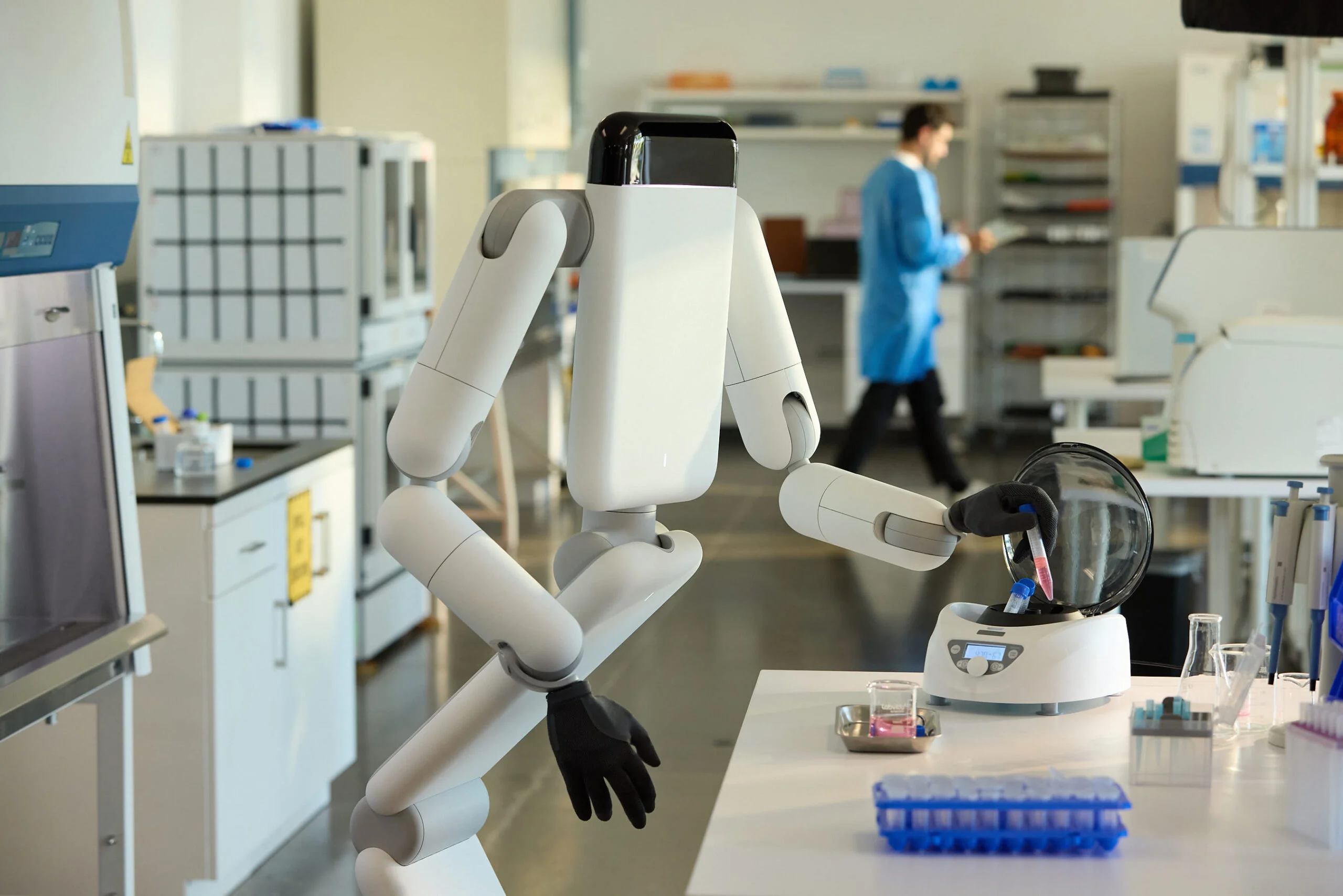
Genesis AI Launches Company’s First General-Purpose Robot ‘Eno’

Genesis AI Launches Company’s First General-Purpose Robot ‘Eno’

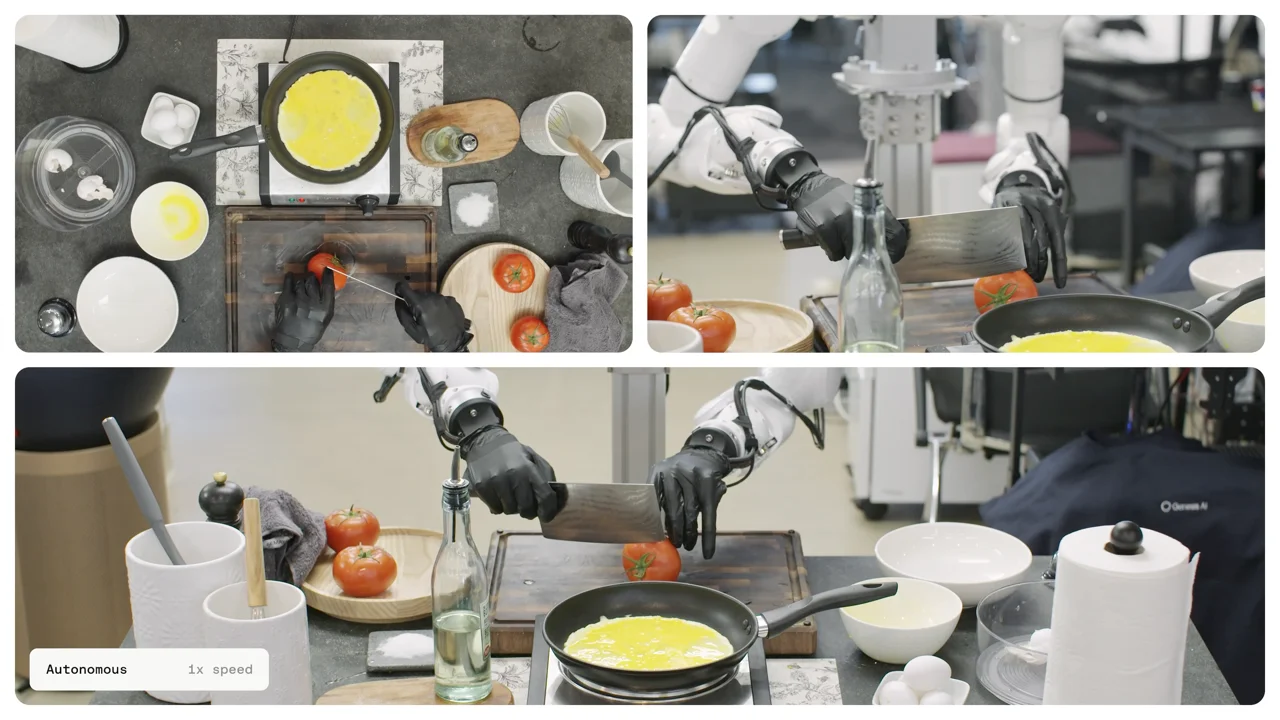
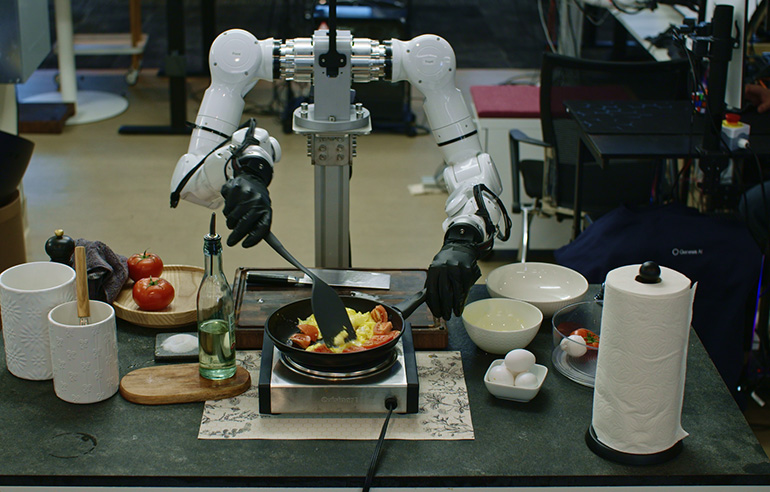
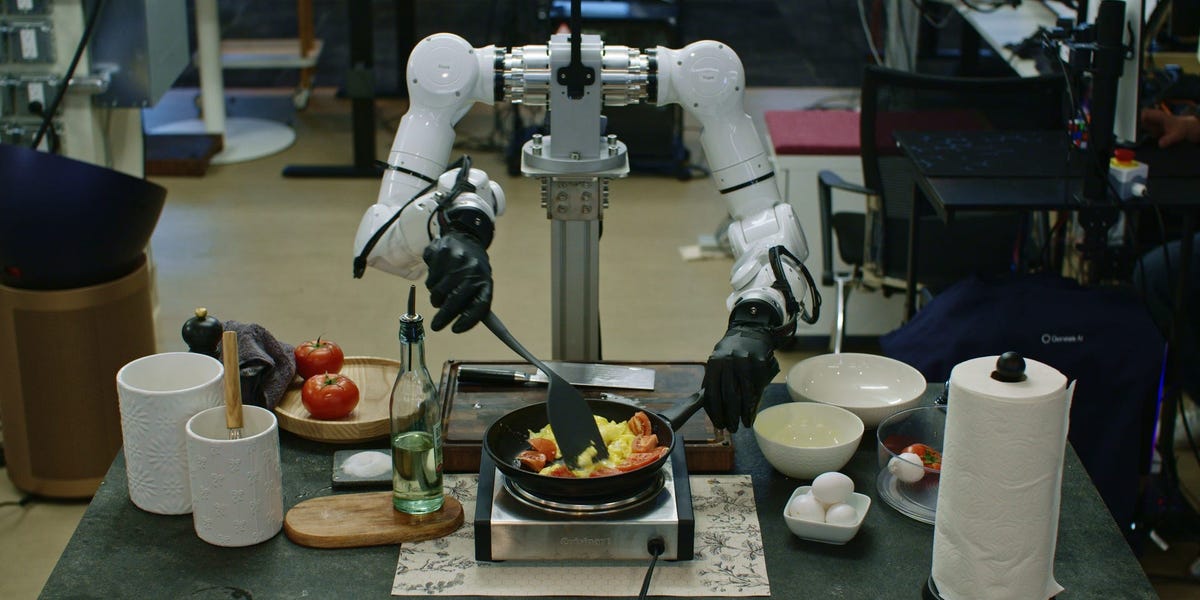
Genesis AI has introduced Eno, its inaugural general-purpose robot, which marks a significant advancement in robotics technology. The unveiling took place recently, showcasing Eno's innovative design that integrates proprietary hardware with GENE, the company's foundational robotics model. This combination enables Eno to execute a wide range of physical tasks, moving beyond the limitations of robots that are typically programmed for specific functions. Genesis AI aims to revolutionize the robotics landscape with this versatile approach, allowing for greater adaptability and efficiency in various applications.

AI AI Funding & Investment AI Use Cases Robotics Eno Gensis AI
DJI unveils new signal-boosting O4 Ground Station for drones

DJI unveils new signal-boosting O4 Ground Station for drones

DJI has introduced the DJI O4 Ground Station, a new transmission system aimed at addressing a significant challenge for drone pilots: maintaining a strong and reliable connection in challenging environments. Announced recently, this innovative system is designed to significantly enhance drone communications, particularly in areas prone to signal interference, obstacles, or long distances that can disrupt operations. By improving reliability, the O4 Ground Station seeks to empower drone users to operate more effectively in difficult conditions, ultimately enhancing their overall flying experience.

News
Genesis AI and LG CNS Enter Strategic Partnership to Scale General-Purpose Robotics Across Enterprise Operations

Genesis AI and LG CNS Enter Strategic Partnership to Scale General-Purpose Robotics Across Enterprise Operations

Genesis AI and LG CNS have announced a long-term partnership aimed at assessing and implementing general-purpose robots in manufacturing and logistics sectors across the United States. This collaboration seeks to provide companies globally with a streamlined approach to adopting robotics on an enterprise scale. Zhou Xian, co-founder and CEO of Genesis AI, emphasized the significance of this partnership in facilitating the deployment of advanced robotic solutions. The initiative reflects a growing trend towards automation in various industries, driven by the need for efficiency and innovation in operational processes.

AI AI Funding & Investment AI Use Cases Robotics genseis AI industrial robotics
Europe rearms: Battle management, counter-UAS, and real AI at the edge

Europe rearms: Battle management, counter-UAS, and real AI at the edge

In a recent initiative aimed at enhancing military capabilities, European defense experts are focusing on the integration of advanced technologies, including drones and artificial intelligence, into modern warfare. This modernization effort is particularly evident in Eastern Europe, where the deployment of drone walls has become a strategic priority. The initiative underscores the growing recognition of the need for innovative solutions to address contemporary security challenges. Taking place throughout 2023, this movement is centered in various Eastern European nations, which are increasingly investing in cutting-edge military technologies to bolster their defense systems. The motivation behind this modernization is driven by the evolving geopolitical landscape and the necessity to respond effectively to potential threats. Experts are collaborating on developing systems that incorporate AI into military vehicles, such as tanks, enhancing their operational efficiency and decision-making capabilities. This integration of technology aims to create a more agile and responsive military force, capable of adapting to rapidly changing combat environments. As Europe navigates these advancements, the emphasis on modernization reflects a broader commitment to maintaining security and stability in the region, ensuring that military forces are equipped to meet future challenges. The ongoing efforts highlight the importance of innovation in defense strategies, positioning European nations at the forefront of military technology development.

Networks & Digital Warfare Sponsored Post artificial intelligence AI Counter UAS cUAS CUAS cyber security
With new Paris office, UAE’s EDGE Group sees Europe as ‘next large market’: CEO

With new Paris office, UAE’s EDGE Group sees Europe as ‘next large market’: CEO

EDGE CEO Hamad Al Marar reported to Breaking Defense that the company is experiencing a surge in demand for its technology following its involvement in defending the United Arab Emirates against Iranian attacks. This increased interest in EDGE's offerings highlights the growing importance of advanced defense systems in the region, particularly in light of recent geopolitical tensions. Al Marar's comments underscore the company's pivotal role in enhancing national security and its commitment to providing innovative solutions to meet the evolving challenges faced by the UAE.

Air Warfare Global Land Warfare africa Air Force Army
Kawasaki Robotics to debut RL030N physical AI platform at Automate

Kawasaki Robotics to debut RL030N physical AI platform at Automate

Kawasaki Robotics is set to unveil its RL030N physical AI platform, along with its 8-DoF robot and Pulseboard inspection technology, at the upcoming Automate event. This showcase, scheduled for later this month, aims to demonstrate the company's vision for intelligent automation solutions. By integrating advanced robotics with AI capabilities, Kawasaki Robotics seeks to enhance operational efficiency and precision in various industries. The introduction of these innovative systems reflects the growing demand for automation technologies that can adapt to complex tasks and improve productivity in manufacturing and beyond.

Arms / Manipulators Artificial Intelligence Automotive Cobot Arms Controllers Events
Mobileye To Establish Robotaxi Business

Mobileye To Establish Robotaxi Business

Mobileye, a prominent player in autonomous driving technology, is set to launch its own robotaxi service in the United States by 2027. This move marks a significant shift for the company, which has primarily operated as a supplier of self-driving technology. The new venture will integrate Mobileye's proprietary Drive self-driving system with advanced mobility software and fleet management tools, allowing the company to directly manage autonomous ride-hailing fleets. This expansion into the ride-hailing market reflects Mobileye's ambition to enhance urban mobility and capitalize on the growing demand for autonomous transportation solutions.

AI Robotics autonomous driving Mobileye Moovit Robotaxi
Prosthetic hands’ data helps robots get finer control for precise manipulation

Prosthetic hands’ data helps robots get finer control for precise manipulation

ABB Robotics has announced a collaboration with California-based bionic company PSYONIC to enhance the development of more dexterous robotic systems. This partnership aims to leverage PSYONIC's expertise in bionic technology to create advanced robotic solutions that can perform intricate tasks with greater precision and adaptability. The initiative is part of ABB's ongoing commitment to innovation in robotics, seeking to address the growing demand for versatile robotic applications across various industries. The collaboration was officially unveiled in October 2023, marking a significant step forward in the integration of bionic technology into robotic systems. By combining their strengths, both companies hope to push the boundaries of what is possible in robotic dexterity, ultimately improving efficiency and productivity in sectors such as manufacturing, healthcare, and beyond.

AI and Robotics
L3Harris, Turkish firm Skydagger to establish US co-production of FPV interceptors

L3Harris, Turkish firm Skydagger to establish US co-production of FPV interceptors

L3Harris has announced a significant advancement in its counter-unmanned aerial systems (c-UAS) capabilities by integrating a small interceptor drone into its Vampire platform. This development marks the first time the Vampire system will feature this technology, enhancing its operational effectiveness against potential aerial threats. The integration aims to bolster defense measures in various environments, reflecting L3Harris's commitment to innovation in military and security applications. The deal underscores the growing need for advanced solutions in countering drone threats, as the use of unmanned aerial vehicles continues to rise globally.

Air Warfare Global Land Warfare Air Force Army Business & Industry
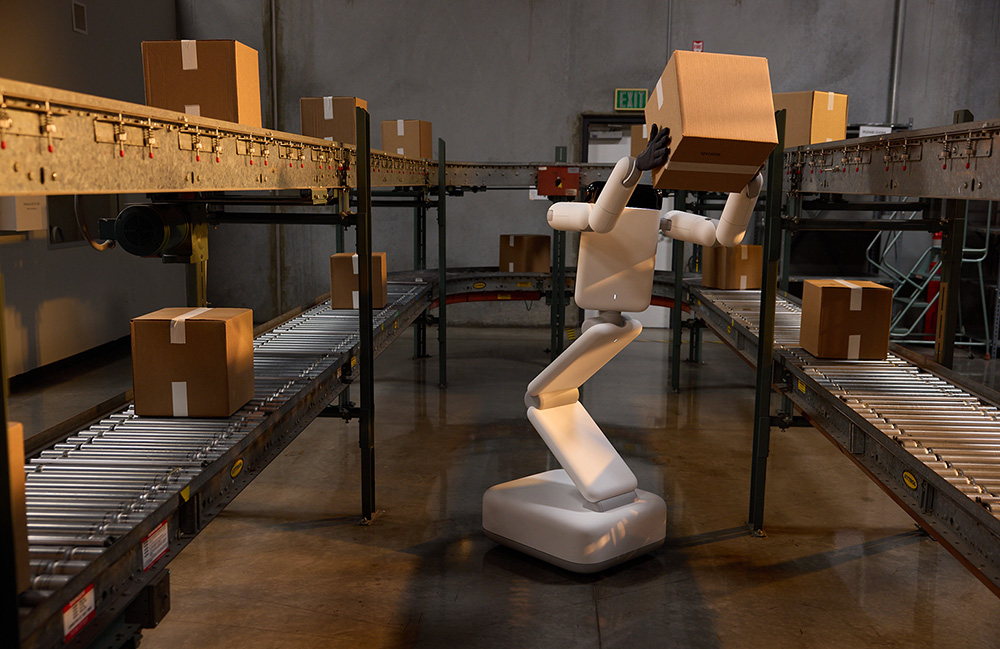
Genesis AI launches Eno general-purpose robot

Genesis AI launches Eno general-purpose robot

Genesis AI has announced plans to commence production of its general-purpose robot, Eno, by the end of 2026. The company aims to initiate targeted customer deployments at that time, with plans for home deployments to follow subsequently. This strategic move reflects Genesis AI's commitment to advancing robotics technology and expanding its market presence in the growing field of automation.

Arms / Manipulators Artificial Intelligence Artificial Intelligence / Cognition Autonomous Mobile Robots (AMRs) Design / Development Grippers

Elephant trunk skin reveals design that could reshape soft robotics

Elephant trunk skin reveals design that could reshape soft robotics

Researchers from Zurich University have conducted a study on the unique properties of an elephant's trunk, which is known for its strength and dexterity. The team, led by Lucia Beccai, examined the skin of the trunk to gain insights that could inform the development of advanced soft robotics. This investigation was made possible by the acquisition of a trunk from an adult Asian elephant, which had died of natural causes at the Zurich Zoo in 2020. The study aims to explore how the trunk's muscular and boneless structure allows for both heavy lifting and delicate movements, potentially leading to innovations in robotic design that mimic these capabilities.

Robotics
Mobileye to launch robotaxi business in US next year

Mobileye to launch robotaxi business in US next year

Mobileye Global announced on June 16, 2026, that it will launch its own robotaxi service in the United States next year, marking a significant move into direct competition with its existing customers in the self-driving technology market. The Jerusalem-based company plans to deploy approximately 100 autonomous vehicles in a major U.S. city by 2027, with ambitions to expand its fleet to around 17,000 vehicles over the next five years. This initiative comes as investment in driverless technology intensifies, prompting companies to seek greater control over deployment and revenue, which is reshaping partnerships within the autonomous vehicle sector. Despite this new venture, Mobileye reassured its clients that it remains committed to its core business of providing advanced driver-assistance systems. Notably, last year, Lyft, a U.S. ride-hailing platform, announced plans to deploy fully autonomous robotaxis in Dallas by 2026, utilizing Mobileye's technology. Following the announcement, Mobileye's shares rose over 5% in premarket trading.

Built Robotics, Penn xLAB to develop physical AI for construction

Built Robotics, Penn xLAB to develop physical AI for construction

xLAB and Built Robotics have announced a partnership aimed at enhancing construction site safety through advanced artificial intelligence. This collaboration focuses on capturing additional data to refine AI models that can better predict and mitigate risks in construction environments. The initiative comes at a time when the construction industry is increasingly prioritizing safety measures, driven by the need to reduce accidents and improve operational efficiency. By leveraging innovative technology, the two organizations aim to create a more secure working environment for construction workers. The development of this physical AI is expected to take place over the coming months, with both companies committed to integrating their expertise to achieve significant advancements in the field.

Academia / Research Artificial Intelligence Autonomous Mobile Robots (AMRs) Construction Mining News
"Fable 5 halted after three days: Satya Nadella discusses AI dependency risks amid US government intervention."

"Fable 5 halted after three days: Satya Nadella discusses AI dependency risks amid US government intervention."

Anthropic's latest AI model, Claude Fable 5, faced an abrupt halt in user access just three days after its release due to an emergency directive from the U.S. government. This swift action raises concerns regarding autonomous cyber attacks, prompting scrutiny of the model's capabilities and implications. Additionally, Microsoft has restricted the use of Claude Fable 5 internally, citing issues related to its Zero Data Retention (ZDR) policy. The timeline of events surrounding these developments highlights the growing apprehension over AI technologies and their potential risks in cybersecurity.

AI May Unlock Early Disease Clues Hidden in Routine Eye Exams

AI May Unlock Early Disease Clues Hidden in Routine Eye Exams

A recent study conducted by an interdisciplinary team of scientists at The University of Manchester has revealed that advancements in artificial intelligence could revolutionize routine eye tests by detecting early signs of heart and brain diseases. This innovative approach aims to identify potential health issues long before symptoms manifest, offering a proactive strategy for disease management. The findings underscore the potential of AI technology in enhancing diagnostic capabilities, paving the way for earlier interventions and improved patient outcomes. As the research progresses, it could significantly change how healthcare professionals monitor and address cardiovascular and neurological conditions.

Li Auto reveals evolution goals for the Mach VLA capabilities.

Li Auto reveals evolution goals for the Mach VLA capabilities.

At the recent Livis Day event hosted by Li Auto, the head of the company’s base model division, Zhan Kun, announced ambitious goals for the evolution of the Li Auto Mach VLA capabilities. The company plans to roll out a new version of the AD MAX system in the third quarter, which will enhance the Mach VLA's functionalities. Additionally, by the fourth quarter, Li Auto aims to align its capabilities with Tesla's FSD V14, signaling a competitive push in the autonomous driving sector. This strategic move reflects Li Auto's commitment to advancing its technology and staying competitive in the rapidly evolving electric vehicle market.

Eurosatory 2026: Land Cruise Missile upgrade aims to reduce Europe's reliance on TLAM.

Eurosatory 2026: Land Cruise Missile upgrade aims to reduce Europe's reliance on TLAM.

MBDA has introduced the Land Cruise Missile Mk II along with a new launcher unit, marking a significant advancement in military technology. This unveiling took place recently, with plans for the missile system to be operational by the end of the decade. The development aims to enhance the capabilities of armed forces, providing them with a more sophisticated and effective strike option. The missile and its launcher are designed to meet the evolving demands of modern warfare, reflecting MBDA's commitment to innovation in defense solutions.

News
New Magnetoelectric Antenna Helps Underwater Robots Communicate Over Long Distances

New Magnetoelectric Antenna Helps Underwater Robots Communicate Over Long Distances

BlueME has developed innovative magnetoelectric antennas designed to enhance data exchange for underwater robots, enabling communication over long distances while maintaining a low power consumption of under 10 watts. This advancement is particularly significant for operations in real-world ocean environments, where efficient data transmission is crucial for various marine applications. The technology aims to improve the capabilities of underwater robotics, facilitating better data collection and communication in challenging aquatic settings.

European manufacturers unveil new main battle tank variants at Eurosatory

European manufacturers unveil new main battle tank variants at Eurosatory

On Monday, KNDS unveiled its latest innovation, the CaPINT MBT, during a presentation aimed at modernizing France's armored vehicle capabilities. This new main battle tank is designed to serve as a replacement for the aging Leclerc fleet, which is anticipated to be phased out by 2037. The introduction of the CaPINT MBT comes in response to the need for advanced military technology that can meet contemporary defense challenges and enhance France's operational readiness. The event marks a significant step in the ongoing evolution of military equipment, as KNDS seeks to address the future demands of armored warfare.

Global Land Warfare Army Europe EUROSATORY 2026 france
People Want Robots in Warehouses and Factories, not Hospitals or Schools, Hexagon Study Finds

People Want Robots in Warehouses and Factories, not Hospitals or Schools, Hexagon Study Finds

A recent study conducted by Hexagon has revealed that both adults and children are increasingly receptive to the integration of robots in the workplace. The findings indicate a growing acceptance of robotic assistance, yet respondents emphasized the importance of establishing clear guidelines regarding the roles and environments in which these machines should operate. The study highlights a nuanced perspective on automation, reflecting a desire for collaboration between humans and robots while ensuring that ethical and practical boundaries are respected. This research, part of Hexagon's global Robot Generation initiative, underscores the evolving attitudes towards technology in professional settings as of October 2023.

Eurosatory 2026: DefSecIntel unveils DroneHive interceptor trailer

Eurosatory 2026: DefSecIntel unveils DroneHive interceptor trailer

DefSecIntel has unveiled DroneHive, an innovative automated multi-cell interceptor trailer designed to enhance aerial defense capabilities. This new system operates in conjunction with the company's advanced EIRSHIELD C2 platform, which is equipped with a variety of sensors for comprehensive situational awareness. The launch took place recently, marking a significant advancement in drone interception technology. The introduction of DroneHive aims to address the growing concerns surrounding unauthorized drone activities and potential threats to security. By automating the interception process, DefSecIntel seeks to improve response times and operational efficiency in protecting sensitive areas. The integration of the EIRSHIELD C2 platform allows for real-time data analysis and decision-making, further bolstering the effectiveness of the interceptor system. This development reflects a broader trend in the defense industry towards leveraging automation and advanced technology to counter evolving aerial threats. As drone usage continues to rise, solutions like DroneHive are becoming increasingly vital for ensuring safety and security in various environments.

News
From humanoid to quadruped robots

From humanoid to quadruped robots

Agibot, a Chinese robotics company specializing in Physical AI, showcased its entire robotics portfolio at a major event in Munich, highlighting its ambitions for the German and European markets. The presentation included a range of innovations, from humanoid robots to quadrupedal designs, demonstrating the company's commitment to advancing robotic technology in these regions.

Allgemein
Humanoid Robot Prices Crash Below 10,000 RMB as Mass Adoption Begins

Humanoid Robot Prices Crash Below 10,000 RMB as Mass Adoption Begins

The price of humanoid robots in China has fallen below 10,000 RMB for the first time, marking a significant milestone in the robotics industry. This decline is attributed to the country's advanced supply chain capabilities and a strategic pivot by manufacturers towards prioritizing data collection rather than focusing solely on industrial-grade performance. As of October 2023, this shift reflects a broader trend in the technology sector, where the emphasis is increasingly placed on harnessing data for various applications. The affordability of humanoid robots may lead to wider adoption across different sectors, potentially transforming how businesses and consumers interact with robotic technology.

Industry
UCF engineers tackle water-to-air flight instability for amphibious drones

UCF engineers tackle water-to-air flight instability for amphibious drones

Researchers at the University of Central Florida (UCF) are developing an innovative approach to enhance the efficiency of solar energy conversion. This groundbreaking work, which began in early 2023, aims to address the growing demand for sustainable energy solutions amid rising global energy consumption and climate change concerns. The team is focusing on improving the performance of solar cells by utilizing advanced materials and techniques that could significantly increase their energy output. By integrating nanotechnology and novel chemical processes, the researchers hope to create more effective solar panels that can capture and convert sunlight into electricity with greater efficiency than current models. This initiative is part of a broader effort to make renewable energy more accessible and affordable, ultimately contributing to a reduction in reliance on fossil fuels. The findings from this research could have far-reaching implications for the renewable energy sector, potentially leading to more widespread adoption of solar technology in both residential and commercial applications. As the project progresses, the researchers plan to collaborate with industry partners to bring their innovations to market, aiming for practical applications within the next few years. This work not only highlights UCF's commitment to advancing sustainable technologies but also positions the university as a leader in the quest for cleaner energy solutions.

Innovation Science
Microsoft releases June patch addressing zero-day vulnerabilities in BitLocker and Exchange.

Microsoft releases June patch addressing zero-day vulnerabilities in BitLocker and Exchange.

Microsoft has released its monthly security update for June 2026, addressing a range of products including Windows, Office, and Azure. This update specifically targets known zero-day vulnerabilities that have already been exploited. The company is urging users to apply the updates promptly to enhance their security and protect against potential threats.

From novelty to necessity: Why tulip growers are betting on robotic disease selection

From novelty to necessity: Why tulip growers are betting on robotic disease selection

The H2L Selector, a robotic system for disease selection in tulip production, has transitioned from experimental use to mainstream adoption, with 139 units sold and an average user rating of 4.1 out of 5. This advancement marks a significant step in the integration of technology within the agricultural sector. However, tulip growers emphasize that the broader acceptance of this technology hinges on enhancements in its reliability and performance. As the industry continues to evolve, the focus remains on refining these systems to meet the demands of producers.

Smart farming Brandstof (Energie) Gewasbescherming Precisielandbouw robots
ABB Robotics and PSYONIC Use Human-Generated Data to Advance Robotic Dexterity

ABB Robotics and PSYONIC Use Human-Generated Data to Advance Robotic Dexterity

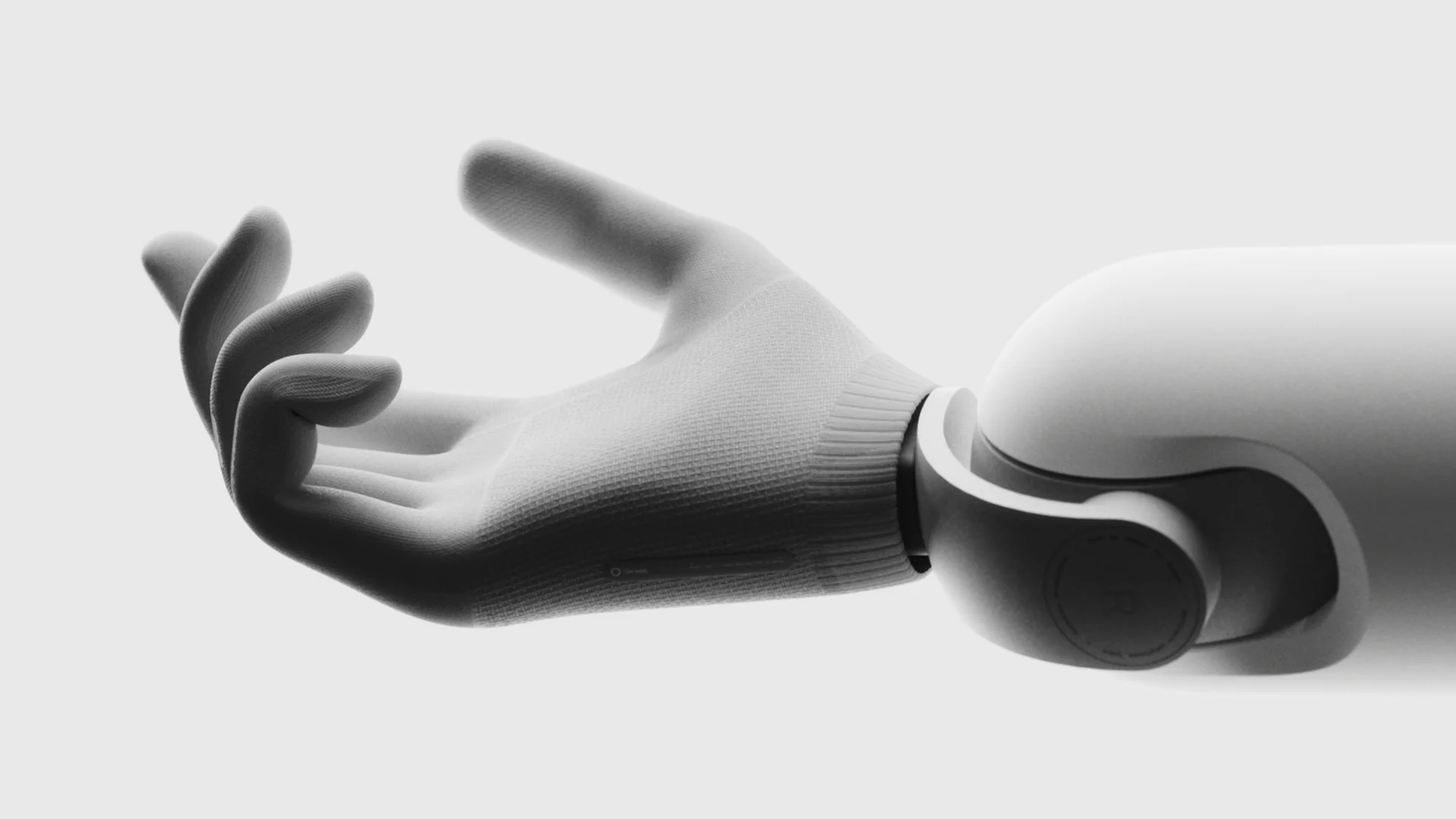
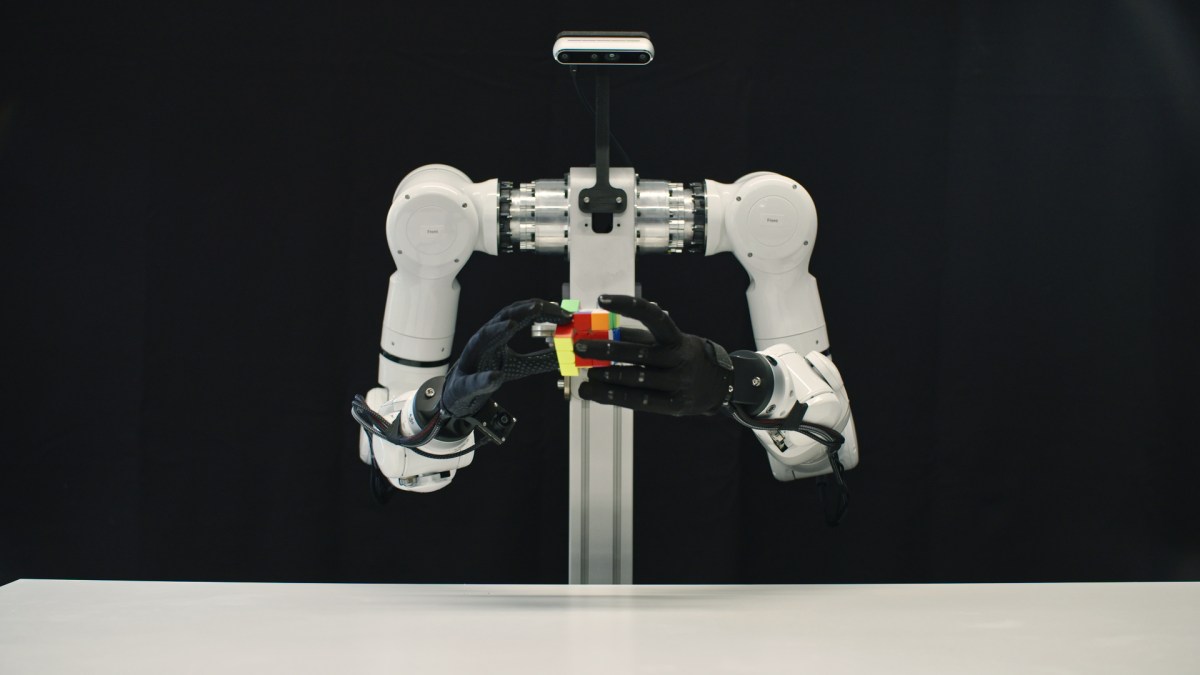
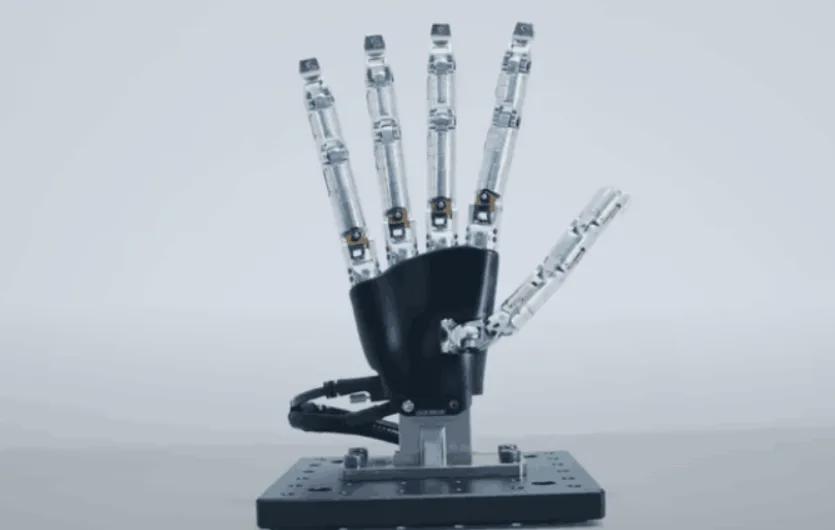
ABB Robotics has partnered with California-based bionics company PSYONIC to enhance robotic dexterity and grasping capabilities by utilizing human-generated data from prosthetic use. Announced on June 16, 2026, this collaboration aims to address the significant challenge of replicating human-like dexterity in industrial robotics, which is essential for the development of Autonomous Versatile Robotics (AVR™). By integrating the PSYONIC Ability Hand with ABB's GoFa™ collaborative robot, the two companies will explore how real-world manipulation data can train robots to perform delicate tasks that are typically difficult to automate. This initiative is expected to reduce engineering time by up to 30% and improve productivity, flexibility, and workplace safety across various industries, including automotive, aerospace, packaging, logistics, and life sciences. Marc Segura, President of ABB Robotics, emphasized the importance of bridging the gap between human and robotic dexterity to enable robots to learn and interact with their environments more intuitively. Dr. Aadeel Akhtar, Founder and CEO of PSYONIC, highlighted that the collaboration will leverage high-fidelity data on movement and grip force to enhance robotic performance in complex tasks. The GoFa™ robot will provide the precision necessary for industrial applications, ensuring consistent execution of intricate movements, which is crucial for handling fragile or irregular objects. This partnership represents a significant step towards advancing physical AI in robotics, allowing for more effective collaboration between humans and machines.

IERA Award 2026 Goes to Flying Warehouse Robots by Verity from Switzerland

IERA Award 2026 Goes to Flying Warehouse Robots by Verity from Switzerland

Verity, a leading technology company, has been acknowledged for its innovative development and successful market launch of a cutting-edge warehouse intelligence system. This recognition comes as the company aims to enhance operational efficiency and streamline logistics processes within the supply chain sector. The system, which leverages advanced data analytics and artificial intelligence, was officially unveiled in October 2023, positioning Verity at the forefront of warehouse management solutions. The initiative is part of Verity's broader strategy to address the growing demand for smarter, more efficient inventory management in an increasingly competitive market. By integrating real-time data insights, the warehouse intelligence system is designed to optimize inventory tracking, reduce operational costs, and improve overall productivity for businesses.

Leopard Imaging is set to showcase its extensive range of advanced imaging and perception technologies at this year's event, aimed at enhancing robotics, industrial automation, autonomous systems, machine vision, and edge AI applications. Scheduled for [insert date], the demonstration will take place at [insert location], where attendees can engage with live presentations. The showcased technologies will include stereo vision, RGB-D perception, long-range depth sensing, surround vision, and compact embedded camera systems. This initiative underscores Leopard Imaging's commitment to advancing the capabilities of imaging technologies in various sectors, providing visitors with firsthand experience of innovations that could transform operational efficiency and effectiveness in automation and AI-driven environments.

Astrobotic unveils Griffin-1, NASA’s Moon Base lander with 1,377-lb payload, for 2026

Astrobotic unveils Griffin-1, NASA’s Moon Base lander with 1,377-lb payload, for 2026

Astrobotic has officially introduced its Griffin-1 lunar lander, which has been chosen by NASA for future lunar missions. The unveiling took place during a recent event, showcasing the lander's advanced technology and design aimed at facilitating exploration and research on the Moon. This selection is part of NASA's broader Artemis program, which seeks to return humans to the lunar surface and establish a sustainable presence there. The Griffin-1 is expected to play a crucial role in delivering payloads to the Moon, supporting scientific experiments and technology demonstrations. Astrobotic's commitment to lunar exploration underscores the growing interest in space commercialization and international collaboration in scientific endeavors.

Space
People want robots in warehouses and factories, not hospitals or schools, Hexagon study finds

People want robots in warehouses and factories, not hospitals or schools, Hexagon study finds

A recent global study by Hexagon reveals significant attitudes toward robots among adults, highlighting a clear preference for their use in specific tasks. While 68% of respondents favor robots for heavy lifting, only 12% are comfortable with robots taking on caregiving roles. The study, which surveyed adults worldwide, indicates that acceptance of robotic assistance is conditional; for instance, 52% of participants support robots for monitoring hazards, and half would welcome them for cleaning shared spaces or information retrieval. However, a substantial 86% emphasize the necessity of establishing clear guidelines regarding the capabilities and limitations of robots. Interestingly, the research also points to a generational shift in attitudes, with children showing a greater openness to robotic integration in various settings. They are 50% more likely than adults to view robots as "full colleagues" in the workplace, suggesting a growing acceptance of technology in everyday life. This evolving perspective on robotics underscores the importance of addressing concerns and establishing frameworks to facilitate their integration into society.

Cognex CEO to Join AI and Robotics Leaders at Automate 2026 Opening Keynote on the Future of Automation

Cognex CEO to Join AI and Robotics Leaders at Automate 2026 Opening Keynote on the Future of Automation

On Monday, June 22, at 9:00 a.m. CT, industry leaders from FANUC America, Schneider Electric, and Intrinsic will gather in the Grand Ballroom at McCormick Place for a session led by Moschner. The discussion will focus on the transformative forces currently reshaping the manufacturing sector, particularly advancements in artificial intelligence, robotics, and industrial connectivity. Participants will explore the implications of these developments on the workforce, supply chains, and the overall global competitiveness of the industry. This session aims to provide insights into how these technological changes are influencing the future landscape of manufacturing.

Introducing the New Slim Hollow Shaft Encoder for Compact Robotics and Motion Control Applications

Introducing the New Slim Hollow Shaft Encoder for Compact Robotics and Motion Control Applications

The IH520 Series has been introduced as a slim incremental hollow shaft encoder, specifically engineered to deliver accurate motion feedback for compact robotics and motion control applications. This innovative device is particularly suited for environments with restricted space and the need for continuous operation. Key features include a low axial profile, flange mounting, and a hollow shaft design, all of which facilitate straightforward installation. The development of the IH520 Series addresses the growing demand for efficient and reliable motion control solutions in modern robotics.

Genesis AI and LG CNS Enter Industry-First Strategic Partnership to Scale General-Purpose Robotics Across Enterprise Operations

Genesis AI and LG CNS Enter Industry-First Strategic Partnership to Scale General-Purpose Robotics Across Enterprise Operations

Genesis has announced a strategic partnership with LG CNS to create a scalable deployment model for full-stack robotics tailored for industrial environments. This collaboration aims to enhance automation capabilities across various sectors, addressing the growing demand for efficient and flexible robotic solutions. The initiative was unveiled on October 15, 2023, and will focus on integrating advanced robotics technology into manufacturing and logistics operations. By leveraging LG CNS's expertise in IT services and Genesis's innovative robotics solutions, the partnership seeks to streamline processes and improve productivity in industrial settings. This development reflects a broader trend in the industry towards adopting sophisticated automation technologies to meet evolving operational needs.
Alibaba eyes physical world with its first suite of AI models for robots

Alibaba eyes physical world with its first suite of AI models for robots

Alibaba Group Holding has unveiled its inaugural suite of artificial intelligence models designed for robots, positioning itself in the competitive landscape of advancing AI beyond traditional chatbot applications. On Tuesday, the Hangzhou-based technology leader introduced the Qwen Robot Suite, a significant step into the realm of "embodied AI," which enables machines to perceive, reason, and engage with their physical surroundings. This innovative suite has been developed by Alibaba's AI research division, Tongyi Lab, and is currently undergoing pilot testing with select partners within the company. This move reflects Alibaba's commitment to expanding the capabilities of AI in real-world applications, aiming to enhance the interaction between machines and their environments.

Tactile Sensor Technology

Tactile Sensor Technology

Humanoid robots are poised to become a common presence in households, with advancements in technology emphasizing the importance of tactile sensation for their safe and effective operation. As homes present complex, unstructured, and dynamic environments, the development of robots equipped with a sense of touch is essential for their integration into daily life. This innovation is driven by the need to enhance the robots' ability to navigate and interact with various household tasks and obstacles, ensuring they can function effectively alongside humans. With ongoing research and development in this field, the arrival of these sophisticated humanoids is anticipated in the near future, marking a significant step forward in domestic robotics.

PSYONIC partners with ABB Robotics to apply human touch to robot dexterity

PSYONIC partners with ABB Robotics to apply human touch to robot dexterity

PSYONIC has announced a collaboration with ABB Robotics to enhance robotic dexterity by integrating its Ability Hand prosthetic with ABB's GoFa collaborative robot arm. This partnership aims to leverage data collected from prosthetic users to improve the robot's grasping capabilities, effectively mimicking human touch. The initiative underscores the growing intersection of robotics and prosthetics, with the goal of creating more intuitive and responsive robotic systems. The collaboration reflects a commitment to advancing technology that not only aids individuals with disabilities but also enhances the functionality of robotic devices in various applications.

Arms / Manipulators Artificial Intelligence Automotive Cobot Arms Collaborative Robots End Effectors / Grippers
AI’s next frontier, world models, and why China is ahead of the pack

AI’s next frontier, world models, and why China is ahead of the pack

In the rapidly evolving field of artificial intelligence, world models that simulate physical environments are gaining attention as the next frontier, surpassing traditional large language models. Recent developments indicate that China is leading the way in this area, outpacing the United States in the deployment of these advanced systems. These world models, which comprehend the physical laws governing the universe, are already being utilized to enhance AI applications, including robotics and autonomous vehicles. As of October 2023, China has integrated these technologies more extensively than its American counterparts, marking a significant advancement in the global AI landscape. This trend highlights the growing competition between the two nations in harnessing AI's potential for practical applications.

China's Tech Giants Deploy AI Across Every Front in the 618 Shopping Festival

China's Tech Giants Deploy AI Across Every Front in the 618 Shopping Festival

During China's 618 shopping festival, major tech companies Alibaba, JD.com, and ByteDance are leveraging artificial intelligence to transform the e-commerce landscape. This year's event, which takes place in June, showcases a range of innovative technologies, including AI assistants, digital hosts, and advanced smart logistics systems. The integration of these AI-driven tools aims to enhance the shopping experience for consumers and streamline operations for retailers. By focusing on AI, these companies seek to stay competitive in the rapidly evolving online marketplace and meet the growing demand for personalized and efficient shopping solutions. The festival highlights the significant role of technology in shaping consumer behavior and the future of retail in China.

Industry Gadgets
Deep Learning Based Dirt Detection and Cleanliness Evaluation in Autonomous Indian Domestic Concrete Water Tank Cleaning Robot

Deep Learning Based Dirt Detection and Cleanliness Evaluation in Autonomous Indian Domestic Concrete Water Tank Cleaning Robot

A recent study published in the Journal of Field Robotics highlights advancements in autonomous robotic navigation. Researchers from a leading robotics institute conducted experiments to enhance the efficiency of robots in complex environments. The study, released in early October 2023, focuses on the integration of advanced algorithms that allow robots to better interpret their surroundings and make real-time decisions. The research was carried out in various challenging terrains, including urban settings and natural landscapes, to test the robots' adaptability. The motivation behind this work stems from the growing demand for autonomous systems in sectors such as agriculture, search and rescue, and urban planning. By improving navigation capabilities, the researchers aim to facilitate the deployment of robots in scenarios where human intervention is limited or dangerous. Through a series of simulations and field tests, the team demonstrated that the new algorithms significantly reduced the time taken for robots to complete tasks while increasing their accuracy in obstacle avoidance. This breakthrough could lead to more reliable and efficient robotic systems, paving the way for wider applications in everyday life. The findings underscore the potential of robotics to transform various industries by enhancing operational efficiency and safety.

RESEARCH ARTICLE
Research on Orchard Navigation Path Planning Based on 3D LiDAR SLAM Considering Terrain Roughness

Research on Orchard Navigation Path Planning Based on 3D LiDAR SLAM Considering Terrain Roughness

A recent study published in the Journal of Field Robotics highlights advancements in autonomous robotic systems designed for agricultural applications. Researchers from a consortium of universities and tech companies conducted the study to address the growing need for efficient farming solutions amid rising labor costs and food demand. The research, which began in early 2023, took place across various agricultural sites in California, focusing on the integration of robotics in crop monitoring and harvesting. The team developed a prototype robot equipped with advanced sensors and machine learning algorithms, enabling it to navigate fields and collect data on crop health. This innovation aims to enhance productivity and reduce the reliance on manual labor, which has become increasingly scarce. The researchers conducted extensive field tests to evaluate the robot's performance and adaptability to different farming conditions. The findings suggest that these autonomous systems could significantly improve yield and reduce waste, addressing both economic and environmental challenges in agriculture. The study underscores the potential of robotics to transform traditional farming practices, paving the way for more sustainable and efficient food production methods in the future.

RESEARCH ARTICLE
Japan's Terra Drone buys 2 Ukrainian drone makers in global push

Japan's Terra Drone buys 2 Ukrainian drone makers in global push

Terra Drone, a Tokyo-based company, has announced its acquisition of two Ukrainian drone manufacturers, Terra Drone and Amazing Drones, as part of its strategy to expand its presence in the global unmanned aerial vehicle market. This decision, made public on June 16, 2026, aims to leverage the combat-proven technology developed by these startups, which have reportedly created interceptor drones used in the ongoing conflict with Russia. By integrating these companies as subsidiaries, Terra Drone plans to market their advanced drone systems across Japan, Europe, and the Middle East. This move is motivated by the increasing demand for effective defense technologies in various regions, highlighting the growing significance of drone capabilities in modern warfare.

RobotToday Initiative

Robotics needs a service framework.

RSF defines a common language for robot service capability, lifecycle operations, certification pathways, and service-provider networks.