Industry Briefing
A single destination for timely, editor-curated robotics news from around the world.

Google DeepMind Launches Gemini Robotics 2: A Comprehensive Robot with Advanced Capabilities
On August 2, Google DeepMind introduced Gemini Robotics 2, the latest version of its visual-language-action model. This new model enhances full-body control, advanced dexterity, and multi-robot collaboration, marking a significant advancement from its predecessor, which only managed upper-body tasks. Gemini Robotics 2 allows the Apptronik Apollo 2 humanoid robot to autonomously execute complex tasks, such as placing a watering can into a designated bucket, requiring coordinated decision-making and balance. While there is room for improvement in movement speed, this development represents a crucial step towards handling more intricate real-world tasks. The model also introduces multi-robot collaboration, enabling different robots to communicate and work together on complex workflows. With the ASIMOV-Agentic benchmark, Gemini Robotics 2 excels in safety compliance and human proximity detection, ensuring safe operation. The Gemini Robotics On-Device 2 is designed for applications requiring offline functionality, adapting to new robotic forms with minimal data and time.
Humanoid Robots Robotics Technology AI Automation
Google DeepMind Introduces Gemini Robotics 2 for Enhanced Humanoid Control
Google DeepMind recently launched Gemini Robotics 2, an advanced version of its vision-language-action model. This iteration features intelligent whole-body control, enabling robots to perform complex tasks such as walking, crouching, and object manipulation. The model can adapt to new robotic bodies quickly, enhancing its versatility. The significance of Gemini Robotics 2 lies in its ability to expand physical AI capabilities, allowing robots to execute intricate movements and collaborate with other robots. This development is crucial for achieving the finesse required for real-world applications, such as household chores and workplace tasks. Looking ahead, the focus will be on further improving movement speed and dexterity. Gemini Robotics 2 represents a pivotal advancement in robotics, as it can control sophisticated end effectors like the SharpaWave hand, enabling delicate actions. No further timeline was disclosed at the time of publication.
Artificial Intelligence Artificial Intelligence / Cognition Design / Development End Effectors / Grippers Humanoids News
Introducing Google DeepMind's Gemini Robotics 2: A Leap in Robot Adaptability
Google DeepMind has unveiled Gemini Robotics 2, marking a significant advancement in robotics. This new intelligence layer enables robots to achieve whole-body control, enhanced dexterity, and collaborative capabilities among multiple robots. The introduction of Gemini Robotics 2 is crucial as it represents a step towards creating truly adaptable robots that can perform complex tasks in dynamic environments. This technology could revolutionize various applications, from industrial automation to personal assistance. Looking ahead, the development of Gemini Robotics 2 will be closely monitored as it progresses. The potential for multi-robot collaboration and advanced dexterity opens up new possibilities in robotics, making it a key area of interest for future innovations.
Humanoid-robots Video-friday Quadruped-robots Robot-videos Drones Home-robots
Google DeepMind Unveils Gemini Robotics 2 AI Model for Humanoid Robots
On July 30, 2026, Google DeepMind announced the latest AI model for humanoid robots, Gemini Robotics 2. This model advances from upper-body control to full-body control, enabling walking, bending, and advanced dexterity, as well as collaborative tasks among multiple robots. Gemini Robotics 2 translates visual and language inputs into motion control, supporting full-body and dual-arm robot operations. It features enhanced physical reasoning capabilities with Gemini Robotics ER 2, which manages human communication and multi-step task planning, and Gemini Robotics On-Device 2, which adapts quickly to new robots with minimal data. The model demonstrated its capabilities using Apptronik's humanoid robot Apollo 2, performing tasks such as walking to a table, lifting objects, and accurately storing them. With a 22-degree-of-freedom hand, it can execute delicate tasks like tying knots. The introduction of the ASIMOV-Agentic benchmark emphasizes safety, allowing the robot to detect human presence and stop safely, marking it as the safest model to date.

Google DeepMind Launches Gemini Robotics 2 for Enhanced Autonomy in Humanoid Robots
Google DeepMind has introduced Gemini Robotics 2, a suite of AI models aimed at enhancing the autonomy of humanoid and other robots through advanced whole-body control and dexterity. This system is currently showcased on Apptronik's Apollo 2 humanoid robot, which can execute full-body autonomous movements such as walking and manipulating objects while reasoning through complex tasks in real time. The significance of this development lies in its ability to enable robots to move beyond pre-programmed tasks, adapting to dynamic environments. Gemini Robotics 2 serves as an 'intelligence layer' for robots, facilitating coordination from 'feet to fingertips' and improving dexterity with tasks like tying trash bags or unscrewing light bulbs. This advancement builds on the collaboration between Google DeepMind and Apptronik, which recently launched Robot Park to gather data for training future AI models. Looking ahead, the introduction of multi-robot collaboration capabilities allows different robot types to work together on complex workflows. Gemini Robotics On-Device 2 is designed for industrial settings with limited cloud connectivity, enabling rapid adaptation to new hardware. No further timeline was disclosed at the time of publication.
Artificial Intelligence Humanoids News Apptronik Apollo 2 embodied ai Gemini Robotics 2
Google Unveils Gemini Robotics 2 for Advanced Humanoid Robot Control and Reasoning
Google has launched Gemini Robotics 2, a sophisticated robotics model that enables humanoid robots to perform full-body movements and complex tasks. This system allows for coordination among multiple robots and adapts to various robot designs with minimal training. The new capabilities extend beyond simple manipulation to include walking, bending, and balancing. The significance of Gemini Robotics 2 lies in its ability to facilitate multi-step reasoning and adaptability in unfamiliar environments, setting it apart from traditional robots. This model can control both humanoid robots and dual-arm systems, enhancing their functionality for household and industrial applications. Demonstrations showcased its ability to manage tasks such as picking up objects and performing intricate actions with dexterous robotic hands. Looking ahead, Google is also releasing Gemini Robotics ER 2 for high-level reasoning and Gemini Robotics On-Device 2 for local operation without cloud reliance. The introduction of multi-robot collaboration capabilities allows different robots to work together efficiently, marking a notable advancement in robotic technology. No further timeline was disclosed at the time of publication.
AI and Robotics
Pudu Robotics Expands European Operations After IFA 2026, Introducing PUDU D7
Pudu Robotics is enhancing its European footprint following its participation in IFA Berlin 2026, where it unveiled its comprehensive range of service robotics. The introduction of the PUDU D7 marks a significant milestone in the company's strategy to establish a stronger presence in the European market. This expansion is crucial as Pudu Robotics aims to tap into the growing demand for commercial service robotics across various sectors, including service delivery, cleaning, and logistics. By showcasing its full portfolio at a major industry event, the company is positioning itself to meet the needs of European customers effectively. Looking ahead, Pudu Robotics' continued focus on localized growth strategies will be key to its success in Europe. No further timeline was disclosed at the time of publication.

Swarmer Signs Agreement to Acquire Ratel Robotics for Up to $224 Million
Swarmer Inc. has announced an agreement to acquire Ratel Robotics, a prominent Ukrainian manufacturer of uncrewed ground vehicles (UGVs), for up to $224 million. This acquisition aims to enhance Swarmer's capabilities in providing autonomous systems, leveraging Ratel's expertise in UGVs that have been deployed for various defense operations in Ukraine. The significance of this acquisition lies in the growing demand for cost-effective autonomous systems in defense, particularly as Ukrainian companies have demonstrated their ability to develop advanced technologies at lower costs compared to Western counterparts. Swarmer's integration of Ratel's battle-tested UGVs with its own autonomy software is expected to create versatile solutions for modern warfare. Looking ahead, Swarmer plans to combine ground and aerial capabilities with increased autonomy levels, marking a pivotal evolution in military operations. Ratel Robotics, founded in 2023, has already developed systems for battlefield logistics and reconnaissance, and its collaboration with Swarmer could lead to further advancements in unmanned systems. No further timeline was disclosed at the time of publication.
Defense / Security Drones Mergers & Acquisitions Mobility / Navigation Networking / Connectivity News
Swarmer to Acquire Ratel Robotics, Expanding into UGV Market for $224 Million
Swarmer has announced its agreement to acquire Ukrainian unmanned ground vehicle manufacturer Ratel Robotics for up to $224 million. This acquisition aims to enhance Swarmer's autonomy software business by integrating Ratel's battlefield-tested ground systems, which have secured $86 million in contracts this year and are utilized for various military applications. The significance of this acquisition lies in Swarmer's strategy to expand beyond its core software offerings into unmanned ground systems. Ratel's products accounted for approximately 37% of the Ukrainian Ministry of Defense's UGV spending earlier this year, highlighting the demand for such technologies in military operations. The combined workforce of Swarmer and Ratel is expected to reach nearly 500 employees post-acquisition. Looking ahead, the integration of Ratel's UGVs with Swarmer's autonomy software could lead to innovative solutions for military operations, including the potential for unmanned systems to take on more dangerous missions. No further timeline was disclosed at the time of publication.
AI AI Funding & Investment Robotics autonomous warfare Ratel Robotics Swarmer
Youdi Robotics Lists on Hong Kong Stock Exchange with 142% Initial Surge
On September 9, 2026, Youdi Robotics officially debuted on the Hong Kong Stock Exchange, with an opening surge of 142% from its issue price of HKD 14.45, reaching HKD 37.5 at midday, resulting in a market capitalization exceeding HKD 15.6 billion. The company, known for its delivery robots in hotel corridors and office lobbies, has become a new player in the commercial service robotics sector. Founded in 2013 by Lu Ying and a co-founding team from the autonomous driving field, Youdi Robotics launched its first indoor delivery robot, Youxiaomei, in 2016. By 2025, the company is projected to be the third-largest supplier of commercial service robots in China, holding an 8.9% market share. Despite a revenue growth from CNY 244 million in 2023 to CNY 318 million in 2025, the company has not yet achieved profitability, with losses narrowing from CNY 251 million to CNY 111 million during the same period. Investors include Alibaba and Hainan Yunfeng, indicating strong industry support, particularly from the hotel sector, which is a key deployment area for delivery robots. The IPO proceeds will primarily fund R&D, business expansion, and sales infrastructure, signaling a shift in the commercial service robotics sector towards deeper technological development. No further timeline was disclosed at the time of publication.
Delivery Robots Commercial Robotics AI Technology IPO Robotics Industry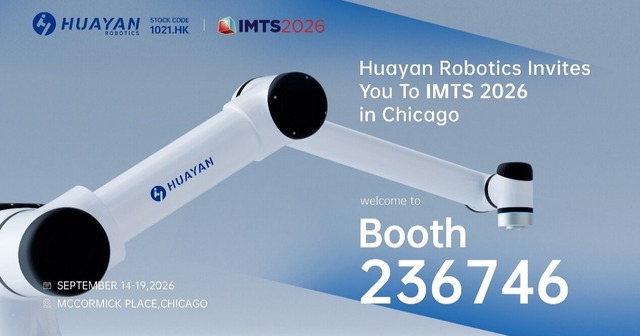
Huayan Robotics to Showcase 7-Axis Humanoid Arms at IMTS 2026 in Chicago
Chinese robotics manufacturer Huayan Robotics will exhibit at the International Manufacturing Technology Show (IMTS 2026) in Chicago from September 14 to 19, 2026. The company plans to showcase its advanced manufacturing capabilities, including welding, palletizing, CNC machine tending, vision inspection, and force control polishing. The IMTS, a historic manufacturing technology exhibition established in 1927, is expected to host over 2,000 exhibitors and attract more than 90,000 visitors in 2026. Huayan Robotics will present its collaborative robots, including the E12-Pro welding robot with a reach of 1.8 meters and a payload capacity of 60 kg, designed for large or irregular welding tasks. Additionally, Huayan Robotics will display its 7-axis humanoid robot arms, the HY 7 and Echo 5, which offer flexibility and obstacle avoidance in confined spaces. The company has over 20 years of experience in technology development and has implemented its collaborative robots across more than 60 process scenes in over 50 countries. No further timeline was disclosed at the time of publication.

Huayan Robotics to Showcase Intelligent Manufacturing Solutions at IMTS 2026
Huayan Robotics is set to present its advanced intelligent manufacturing solutions at IMTS 2026, taking place from September 14 to 19 at McCormick Place in Chicago. The company will demonstrate its capabilities in various applications, including welding, palletizing, CNC machine tending, vision inspection, and force-controlled grinding. The significance of Huayan Robotics' participation lies in the opportunity to engage with over 2,000 exhibitors and 90,000 professional visitors, showcasing the latest trends in global manufacturing technologies. This event, which has been held biennially since 1927, serves as a vital platform for industry leaders to exchange insights and innovations. As IMTS 2026 approaches, stakeholders should monitor Huayan Robotics' presentations and product demonstrations, which may influence future developments in intelligent manufacturing. No further timeline was disclosed at the time of publication.

Robotics Startups Invited to Apply for the 2026 Robotics Startup Radar Program
The Robot Report has announced the opening of submissions for the 2026 Robotics Startup Radar, aimed at identifying innovative robotics startups. Startups that are five years old or younger and offer novel full systems, enabling technologies, or unique business approaches are encouraged to apply. The deadline for submissions is Tuesday, October 6, 2026. This initiative is significant as it provides a platform for emerging robotics companies to showcase their technology and gain visibility among potential investors and industry experts. Last year, the Radar featured 100 promising startups across various sectors, including autonomous mobility and industrial automation, highlighting the diversity and potential of the robotics landscape. Looking ahead, the editorial team will evaluate all submissions, but inclusion is not guaranteed. The program, sponsored by Maxon Precision Motors and PTC, offers a valuable opportunity for young businesses to connect with influential figures in the robotics industry. No further timeline was disclosed at the time of publication.
News Startups Robotics Startup Radar
D-Robotics Showcases Sunrise™ AI Chips at IFA 2026 for Home Robots
At IFA 2026 in Berlin, D-Robotics is highlighting its Sunrise™ AI chips, which power a variety of home robots. Notable products include TCL's hey AiMe companion robot, Vbot's SuperDog quadruped, and the xLean TR1 floor washer, showcasing the versatility of D-Robotics' technology. The significance of D-Robotics' contributions lies in its role as a leading provider of robotics development infrastructure. By equipping numerous robots with its AI chips, the company is influencing the evolution of home robotics, making advanced technology accessible to various manufacturers and enhancing consumer experiences. As IFA 2026 progresses, attention will be on how D-Robotics continues to innovate within the robotics sector. The impact of its Sunrise™ AI chips on the functionality and capabilities of home robots will be closely monitored, as the industry looks to the future of intelligent automation in domestic settings. No further timeline was disclosed at the time of publication.

FANUC America to Showcase Robotics, Automation, and Physical AI Innovations at IMTS 2026
FANUC America will present its latest innovations in robotics, automation, and Physical AI at IMTS 2026, scheduled for Booth 338900. The company aims to demonstrate how its advanced technologies can enhance manufacturing productivity, flexibility, and deployment speed. The significance of FANUC's showcase lies in its commitment to integrating advanced CNC technologies with machining automation and robotics. This integration is expected to provide manufacturers with the tools needed to meet the evolving demands of the industry, ultimately leading to improved operational efficiency. As the event approaches, industry stakeholders should keep an eye on FANUC's demonstrations and product offerings. The focus on Physical AI and its applications in manufacturing could set new benchmarks for productivity and innovation in the sector. No further timeline was disclosed at the time of publication.

KUKA Achieves Security Level 2 Certification for Robotics Automation Solutions
KUKA has successfully attained Security Level 2 certification, showcasing its dedication to cybersecurity in automation solutions. This certification is crucial as manufacturers increasingly adopt connected technologies, emphasizing the need for secure robot controllers and operating systems to mitigate cybersecurity risks. As the industry evolves, KUKA's achievement highlights the importance of reliable operations in protecting critical production assets.
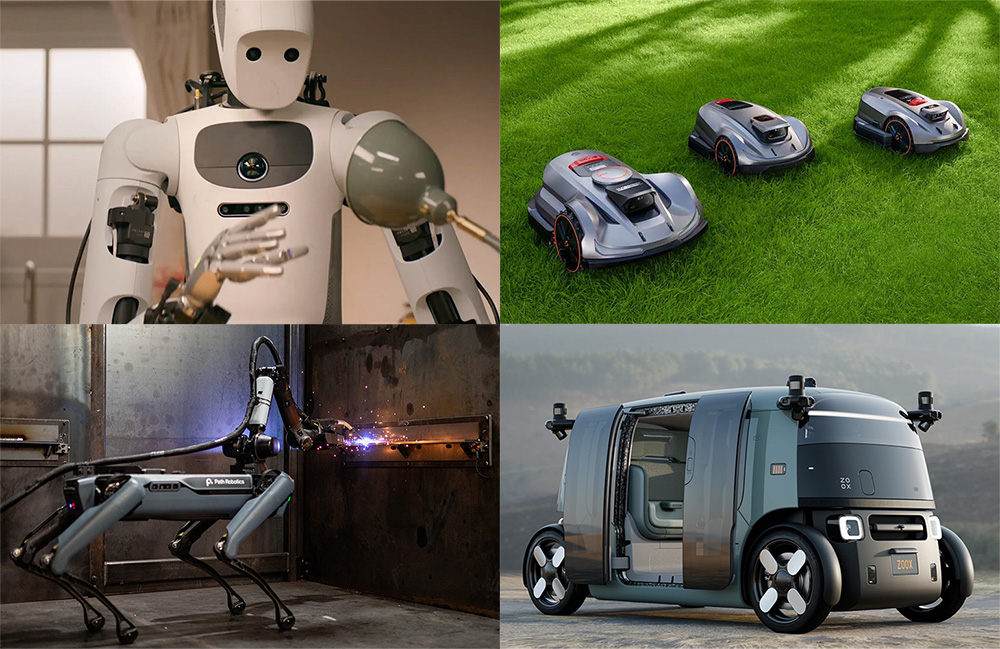
Top 10 Robotics Developments and Funding Highlights from August 2026
In August 2026, significant funding rounds and advancements in humanoid robotics captured attention across the industry. XPeng Motors' Dogotix unit raised over $900 million, achieving a post-transaction valuation exceeding $6.3 billion, marking a notable entry into humanoid robotics for the electric vehicle manufacturer. The construction sector is witnessing increased demand for automation, with SoftBank investing in Gravis Robotics' Series A round, which is touted as the largest in construction robotics history. Meanwhile, Reimagine Robotics is developing AI technology that allows robots to learn on the job, showcasing the potential for broader applications in various industries. Looking ahead, Unitree Robotics made a significant market debut, raising approximately $905 million in its IPO, while Zoox revealed its final design for a driverless robotaxi, signaling advancements in autonomous vehicle technology. No further timeline was disclosed at the time of publication.
Artificial Intelligence Artificial Intelligence / Cognition Automation Autonomous Mobile Robots (AMRs) Collaborative Robots Construction
Bonsai Robotics Innovates with AI to Transform 2D Images into 3D Farm Solutions
Bonsai Robotics, based in California, is revolutionizing agricultural robotics by developing a vision-based autonomy stack that converts 2D camera images into a comprehensive 3D understanding of farm environments. This technology allows the same system to be utilized across various crops, including orchards and vineyards, without the need for extensive code modifications, according to cofounder and CEO Tyler Niday. The significance of this advancement lies in its potential to reduce operational costs and enhance flexibility in agricultural machinery. By retrofitting existing equipment and creating new machines, such as larger versions of its Amiga platform, Bonsai aims to lower the overall expenses associated with farm operations while addressing labor shortages through automation. Looking ahead, Bonsai Robotics is poised to tackle previously challenging tasks like robotic harvesting, leveraging its unique approach to 3D modeling. No further timeline was disclosed at the time of publication.
Agtech Artificial intelligence Deeptech Precision agriculture Startups & funding US & Canada
Booster Robotics Unveils Full-Body Teleoperation Platform 'Booster T2' Demonstration Video
On August 30, 2026, Booster Robotics released a demonstration video of its full-body teleoperation platform, 'Booster T2', on YouTube. The platform is designed to reflect the operator's movements in real-time, accurately tracing human motions from fine finger movements to walking and squatting. The video showcases the robot synchronizing its movements with the operator, highlighting its ability to perform complex tasks such as opening drawers and picking up items. The significance of the Booster T2 lies in its potential applications in various fields, including warehouse sorting and hazardous environment operations. The technology enables precise replication of delicate human movements, which has been challenging for traditional robotic systems. This capability could transform labor and industrial practices, particularly in environments where human interaction is limited. Looking ahead, the full-body teleoperation demonstrated by Booster T2 is not just a technical showcase but holds promise for future practical applications. The ability to perform intricate tasks remotely could lead to advancements in logistics, manufacturing support, and more. No further timeline was disclosed at the time of publication.

U.S. Robotics Market in Packaging and Processing Expected to Nearly Double by 2031
A new report from PMMI indicates that the U.S. robotics market for packaging and processing is set to nearly double by 2031. The report highlights that mobile robots will be a significant driver of this growth as end users increasingly focus on enhancing productivity, reducing costs, and improving quality. This growth is crucial as it reflects the evolving landscape of packaging and processing operations, where robotics technology plays a pivotal role. The findings underscore the importance of adopting advanced technologies to meet the demands of modern manufacturing and supply chain efficiency. Looking ahead, the PACK EXPO International 2026 will serve as a vital platform for showcasing robotics technology in action. No further timeline was disclosed at the time of publication.

Lumos Robotics Unveils MOS2 as an AI Worker for Industrial Applications
Lumos Robotics has officially launched the Lumos MOS2, a next-generation heavy-duty mobile manipulator aimed at industrial applications. This innovative device is already deployed at Mitsubishi Electric's PLC production lines, where it performs inspection, material handling, and assembly tasks. The introduction of the Lumos MOS2 signifies a significant advancement in embodied intelligence within the robotics sector. By integrating AI capabilities into a mobile manipulator, Lumos Robotics enhances operational efficiency and productivity on the factory floor, addressing the growing demand for intelligent automation solutions. Looking ahead, the performance and adaptability of the Lumos MOS2 in real-world industrial settings will be crucial to its success. As companies increasingly seek to optimize their manufacturing processes, the effectiveness of this new technology will be closely monitored. No further timeline was disclosed at the time of publication.
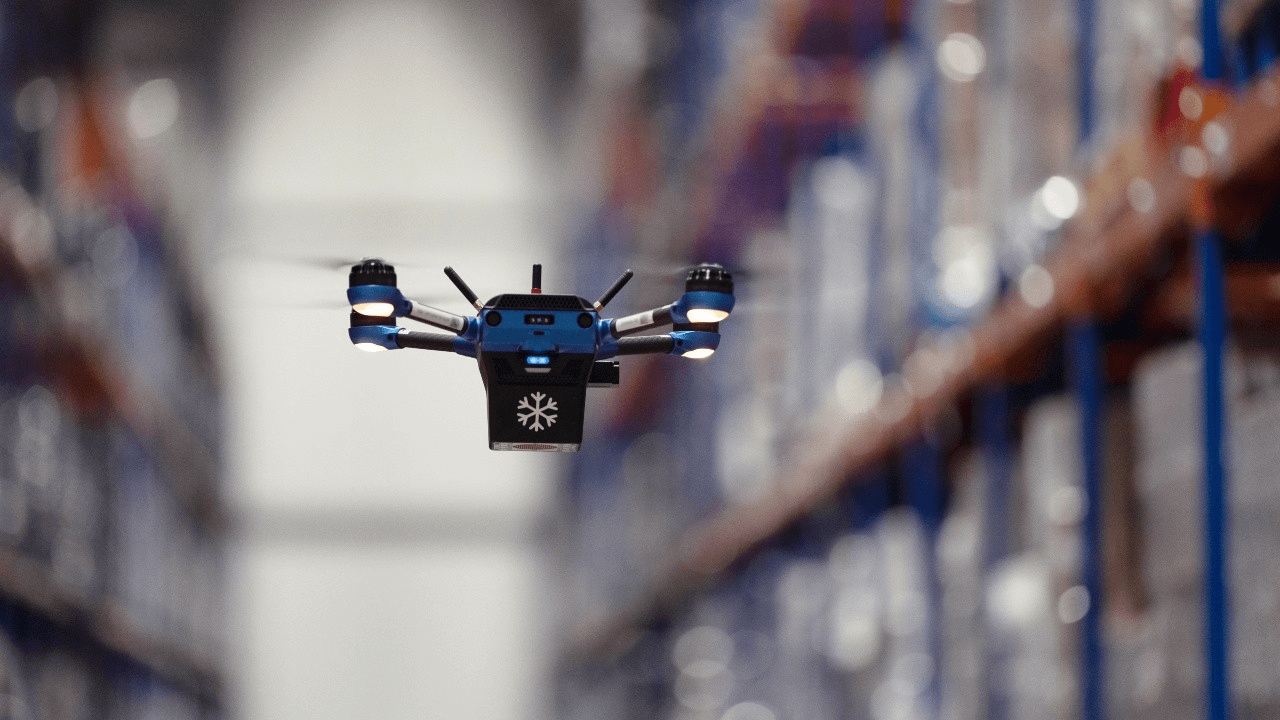
Corvus Robotics Appoints Co-Founder Mohammed Kabir as CEO and Secures $20 Million Funding
On August 25, 2026, Corvus Robotics appointed co-founder and Chief Technology Officer Mohammed Kabir as its new CEO, following Jackie Wu's transition to the board due to health reasons. Kabir has been integral to the company's technology and product development since its inception in 2017. This leadership change coincides with the most extensive product expansion in Corvus Robotics' history, including the launch of Corvus One for Cold Chain and Corvus Trident, an AI copilot for forklifts. The company has deployed over 300 warehouse inventory drones across North America, significantly enhancing operational efficiency for clients like Southern Glazer’s Wine & Spirits and Dermalogica. Looking ahead, Corvus Robotics aims to leverage its advanced drone technology to capture and analyze vast amounts of data within facilities. No further timeline was disclosed at the time of publication.
Business and Finance Drone News Drone News Feeds News aerospace news 2026 AIMS platform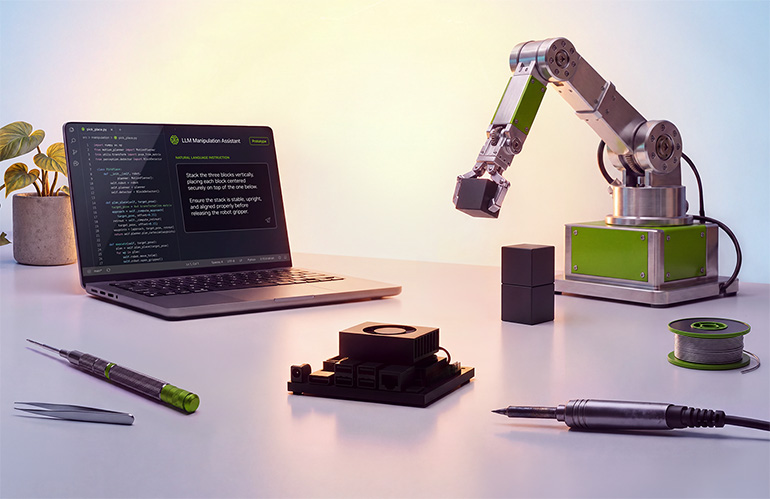
NVIDIA Launches Jetson Orin Nano 2, Enhancing Edge AI for Robotics with Improved Performance
NVIDIA Corp has unveiled the Jetson Orin Nano 2, an entry-level computer designed for edge AI applications. This new system offers doubled inference performance compared to its predecessor while consuming 40% less power in 15-watt mode. With 78 trillion operations per second of AI compute and 8GB of memory, it is tailored for real-time reasoning in smart drones, robots, and vision AI systems. The introduction of the Jetson Orin Nano 2 is significant as it allows developers to leverage advanced AI models that were previously limited to larger systems. According to Deepu Talla, NVIDIA's vice president of robotics and edge AI, the new model brings frontier-level accuracy to entry-level products, enhancing the capabilities of physical AI applications. This development is expected to accelerate the integration of AI into various autonomous devices. Looking ahead, NVIDIA's Jetson Orin Nano 2 is positioned as a key component in the company's comprehensive robotics strategy, which includes simulation and training solutions. The existing software stack is compatible with the new model, enabling developers to utilize large language models and vision language models optimized for edge inference. No further timeline was disclosed at the time of publication.
Artificial Intelligence Artificial Intelligence / Cognition Development Tools / SDKs / Libraries Microprocessors / SoC Microprocessors / SoCs News
NVIDIA Unveils Jetson Orin Nano 2 Robotics Computer for Entry-Level Edge AI
NVIDIA has introduced the Jetson Orin Nano™ 2, a robotics computer designed to enhance entry-level edge AI capabilities. This new device offers frontier-class generative AI performance, enabling developers to create autonomous systems that can understand context and act in real time. With its compact and energy-efficient design, the Jetson Orin Nano 2 is poised to revolutionize robotics applications across various sectors. The significance of the Jetson Orin Nano 2 lies in its impressive specifications, including 78 trillion operations per second of AI compute and 8GB of memory. It delivers double the inference performance of its predecessor while consuming 40% less power. This advancement allows developers to implement real-time reasoning in edge devices, making it a crucial tool for industries utilizing robotics, drones, and vision AI systems. Looking ahead, NVIDIA's Jetson Orin Nano 2 is expected to be adopted by numerous developers and companies, including Cognex, Doosan Bobcat, and Matic. These partnerships will facilitate the development of innovative edge AI applications, such as home robots and delivery drones, enhancing their performance and efficiency. No further timeline was disclosed at the time of publication.

Bionic Robotics Innovations Unveiled at the 2026 World Robotics Conference
On August 20, the parallel forum 'Bionic Empowerment: Intelligent Creation of the Future' was held at the 2026 World Robotics Conference in Beijing. Organized by the International Society of Bionic Engineering, the Changchun Trade Promotion Association, and the Jilin Province Bionic Robotics Manufacturing Innovation Center, the event attracted over 300 experts and representatives from industry and venture capital. The highlight of the forum was the presentation by Professor Ren Lei, founder of Yuequan Bionics and a national expert, who unveiled three self-developed product lines: the Y-Hand series dexterous hands, YQ Motors series motors, and YQ Muscles artificial muscle modules. These products embody a complete bionic logic, with YQ Motors offering high power density and low noise across eight series, while YQ Muscles replicate human skeletal muscle biomechanics for safe and compliant power solutions. Additionally, two significant agreements were signed during the forum, indicating Yuequan Bionics' ambitions for industrialization. The partnership with Fuwei Co., a listed company in the automotive parts sector, signals traditional industry capital's entry into the bionic intelligence field. Their collaboration aims to address automation challenges in complex environments, showcasing the practical application of bionic technology in real-world industrial settings.
Bionic Robotics Artificial Muscles Robotic Hands Industrial Automation
Galileo Robotics Introduces Next-Generation Galileo X at WRC 2026 with Innovative Mobility System
Galileo Robotics has unveiled the Galileo X at the 2026 World Robot Conference, introducing a revolutionary 'Embodied Ground Mobility System'. This launch signifies a significant advancement in product design and technology, setting a new standard for future ground robots. The introduction of the Galileo X is crucial as it redefines the existing paradigms in robotics, particularly in ground mobility. This innovation positions Galileo Robotics as a leader in the field of embodied intelligence, potentially influencing the development of next-generation robotic solutions. Looking ahead, industry stakeholders will be keen to observe how the Galileo X performs in practical applications and its impact on the robotics market. No further timeline was disclosed at the time of publication.

WRC 2026: A Sensor's Two Decades of Support for China's Robotics Sector
The 2026 World Robot Conference (WRC) commenced on August 19 in Beijing, showcasing over 300 exhibitors and more than 2,000 exhibits. Key players like Zhejiang humanoid NAVIAI WA2 and others highlighted the importance of 'embodied intelligence' through measurable physical metrics. The event emphasized the need for advanced sensors, with Yuli Instruments' new C-series six-dimensional force sensors gaining attention for their role in robotics. Yuli Instruments has established itself as a leader in sensor technology, having achieved UL certification and collaborated with ABB for over 15 years. Their products, which include over 1,000 types of sensors, are designed to withstand the demanding conditions of industrial applications. The company’s commitment to a fully autonomous production system and international testing standards has garnered trust from global clients, making it a key player in the robotics supply chain. As the industry evolves, the focus is shifting towards force perception as a critical factor for operational success in robotics. The ability to maintain stability on uneven surfaces and perform delicate tasks without damaging components is becoming essential. The increasing reliance on Yuli Instruments' sensors within the ABB ecosystem indicates a growing recognition of their importance in achieving reliable robotic performance.
Robotics Sensor Technology Industrial Automation Humanoid Robots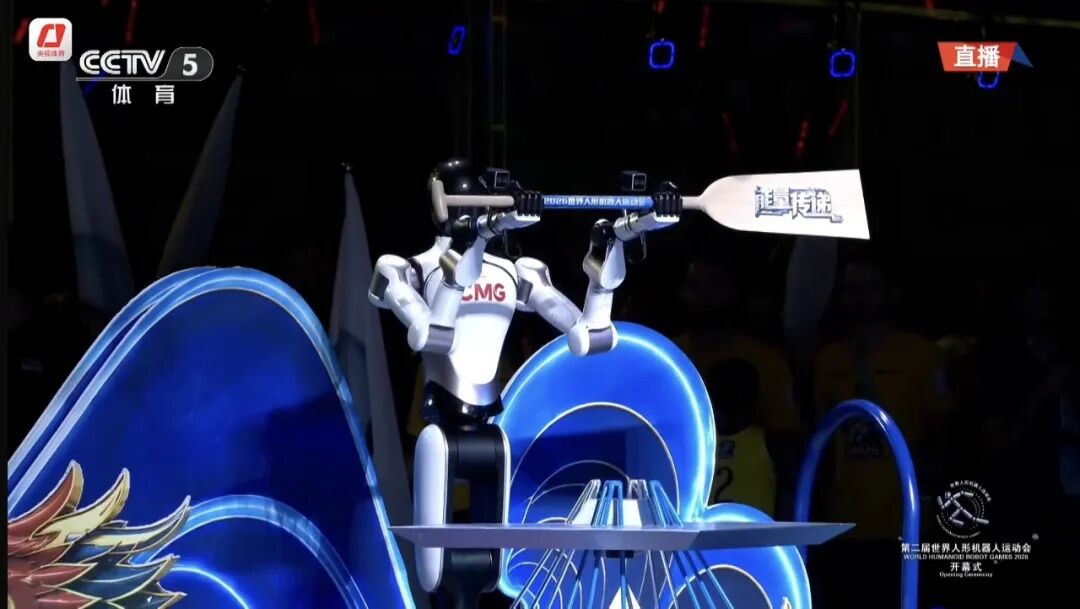
RealBOT Demonstrates Functional Robotics at the 2nd World Humanoid Robot Games Opening Ceremony
On August 22, the 2nd World Humanoid Robot Games opened at the National Speed Skating Oval, featuring 51 events and 1,301 matches with 666 teams from 16 countries and 2,056 robots. This year's competition has doubled in scale compared to the inaugural event. RealBOT, a company focused on practical robotics, showcased its capabilities during the opening ceremony, participating in the 'Smart Chip Lighting' ceremony and performing a flower arrangement act. The RealBOT S2 wheeled humanoid robot represented the Bazhong station in Sichuan, lifting the energy token 'paddle' during the lighting ceremony. RealBOT's founder and CEO, Zheng Suibing, attended the event, highlighting the company's commitment to demonstrating the practical abilities of robots. Earlier this year, the RealBOT robot acted as a 'robot chef' in Xinjiang, completing various challenging tasks in a real kitchen environment. RealBOT's robots are designed for long-term, high-intensity operations, certified for reliability with a 50,000-hour mean time between failures. The robots' precision and adaptability were showcased in the flower arrangement performance, achieving ±0.05mm positioning accuracy. RealBOT also participated in six scenario competitions, validating the robots' capabilities in emergency response, public service, retail, and industrial applications. No further timeline was disclosed at the time of publication.
Humanoid Robots Robotics Technology AI Automation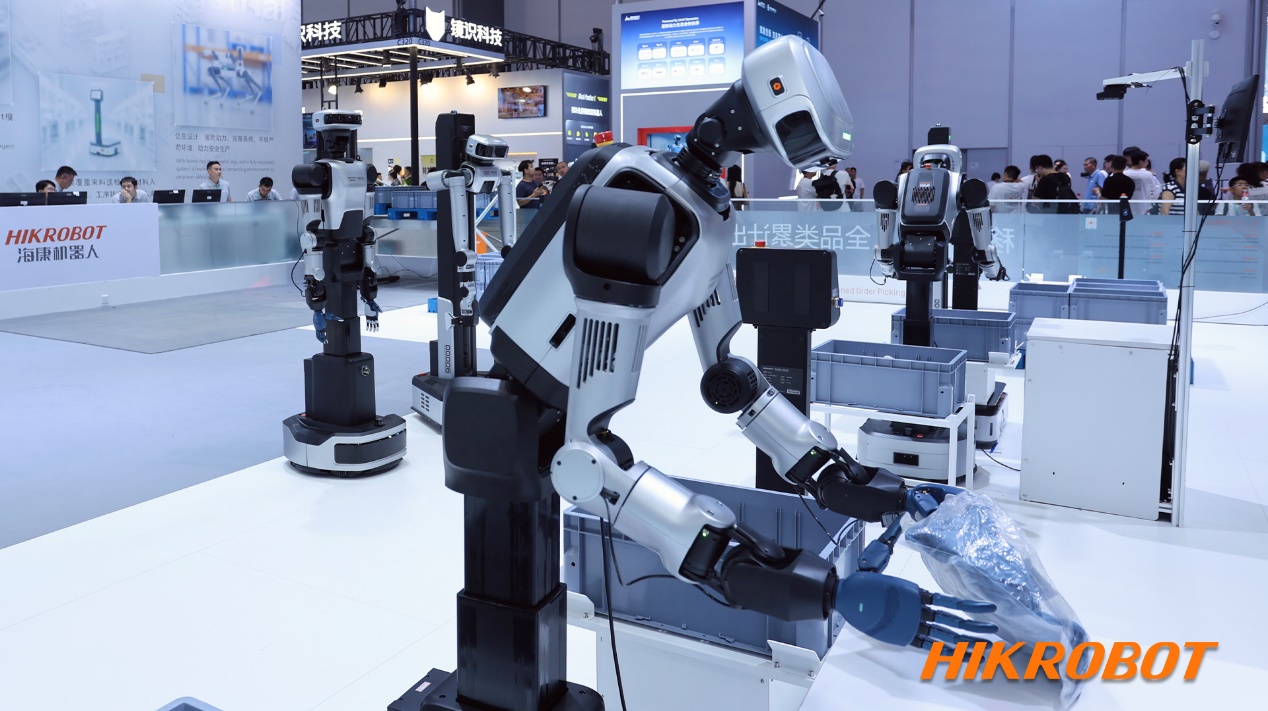
Hikvision Robotics Showcases Advanced Embodied Intelligence Solutions at WRC 2026
Hikvision Robotics has unveiled its latest advancements in embodied intelligence at the World Robot Conference 2026 in Beijing. The company presented three major scene solutions focusing on industrial logistics, commercial services, and intelligent patrolling, showcasing the integration of AI and robotics across various applications. This development is significant as Hikvision Robotics has established itself as a leader in mobile robotics, holding the top global market share with over 200,000 units produced. Their machine vision products have also seen substantial success, with over 10 million units shipped and a market share exceeding 50% in domestic industrial cameras. Looking ahead, Hikvision Robotics continues to emphasize the dual approach of deep technological development and practical application. No further timeline was disclosed at the time of publication.
Mobile Robots Industrial IoT Smart Logistics AI Machine Vision
Global Nanorobotics Market Expected to Reach $31.44 Billion by 2034
The global nanorobotics market is projected to grow to $31.44 billion by 2034, driven by advancements in targeted drug delivery and regenerative medicine, as reported by Polaris Market Research. The market is estimated at around $9 billion in 2025, with a compound annual growth rate of 14.9 percent anticipated through 2034. Drug delivery remains the largest application, with significant research focused on nanoscale systems that target specific cells while minimizing effects on healthy tissue. Recent research highlights the potential of nanorobotics, including a DNA-based nanorobot from Sweden’s Karolinska Institute that reduced tumor growth by 70 percent in preclinical models. Additionally, autonomous therapeutic nanorobots from the Institute for Bioengineering of Catalonia demonstrated up to 90 percent reduction in bladder tumors, while a modular nanorobot from the University of Basel decreased cancer cell viability to 16 percent. The fastest-growing category is cell-repair nanorobots, with regenerative medicine applications expected to drive demand further. North America currently holds about 41 percent of the market, bolstered by research funding and healthcare infrastructure, while Asia Pacific is set for the fastest growth at nearly 19 percent annually. This growth is attributed to increased investments in biotechnology and precision medicine across China, Japan, South Korea, and India. Collaborative research initiatives in Europe, like the EU-backed i-NANOSWARMS project, are also contributing to the sector's expansion.
News Research biotechnology cancer treatment cell repair drug delivery
Yushu Technology Debuts on Stock Market, Lei Jun Gains 15.2 Billion in Humanoid Robotics
On August 19, Yushu Technology, recognized as the first publicly traded humanoid robotics company in China, officially listed on the STAR Market. The stock opened at 1,100 CNY per share, surging 629% from its issue price, with a market capitalization briefly exceeding 444.9 billion CNY before closing at 341.8 billion CNY, marking a 460% increase. This significant rise has resulted in a floating profit of over 15.2 billion CNY for Lei Jun, who invested early through Shunwei Capital. Yushu Technology has achieved a remarkable 90% self-research rate for core components within less than a decade and is projected to deliver 5,500 humanoid robots by 2025 with a gross margin of 63.2%. Unlike many competitors relying on financing, Yushu has already turned a profit through robot sales. As Yushu's stock debut revitalizes the humanoid robotics sector, it also highlights the risks involved. The company's valuation is largely supported by its status as the first publicly listed humanoid robotics firm. The next two to three years will be critical for validating performance, as a mismatch between growth and valuation could lead to inevitable corrections. Yushu's projected revenue for 2025 is 1.699 billion CNY, with a net profit of 278 million CNY, resulting in a price-to-sales ratio exceeding 200 times at closing price.
Humanoid Robots Investment Robotics Industry AI Technology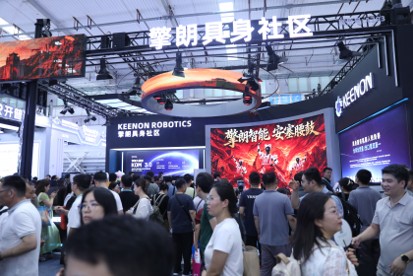
Keenon Robotics Unveils KOM 3.0 Model at 2026 World Robot Conference in Beijing
From August 19 to 23, 2026, the World Robot Conference (WRC) took place at the Yichuang International Exhibition Center in Beijing. The event, themed 'Human-Machine Symbiosis, Integration of Production and Demand,' featured over 300 exhibitors and more than 2,000 exhibits. Keenon Robotics showcased its XMAN series humanoid robots alongside specialized robots for delivery and cleaning, creating an 'embodied community' that demonstrated the capabilities of the KOM 3.0 model. The KOM 3.0 model represents a significant advancement in intelligent robotics, enabling robots to autonomously execute long-range tasks with a closed-loop system. This model integrates a latent space world model within its service industry VLA architecture, allowing robots to not only perceive and understand their environment but also to predict and make decisions before taking action. This leap towards a 'predict-decision-execute' framework enhances the robots' operational efficiency and reliability. Looking ahead, Keenon Robotics aims to further commercialize humanoid robots, emphasizing the importance of real-world application over mere demonstrations. The company has established itself as a leader in the service robotics sector, with over 100,000 units shipped globally. No further timeline was disclosed at the time of publication.
Service Robots AI Robotics Automation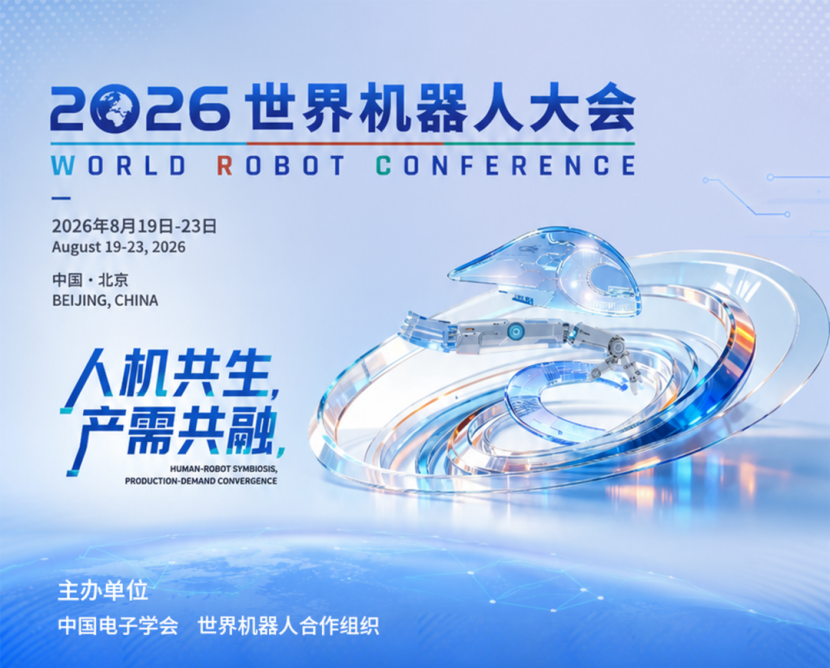
2026 World Robot Conference Competition Schedule Highlights Global Robotics Innovations
The 2026 World Robot Conference will feature competitions focused on technological innovation, industrial applications, and scientific outreach, attracting participants of all ages from over 20 countries. This event aims to cultivate innovative talent in the robotics industry, showcasing significant research outcomes in key areas such as human-robot interaction and embodied intelligence. The competition will include various technical challenges, including a collaborative search and rescue event utilizing aerial and ground robots. Teams will demonstrate their capabilities in reconnaissance, information sharing, and autonomous operations, emphasizing cross-platform collaboration and dynamic decision-making skills. With over 2000 participants from more than 150 universities and research institutions, the conference will also host a youth robotics design competition aimed at fostering teamwork and innovation among students. The event is expected to play a crucial role in addressing challenges in the robotics sector and promoting the development of brain-computer interface technologies.
Robotics Competition AI Technology Brain-Computer Interface Youth Robotics Industrial Applications
A Scholar's 25-Year Journey in Robotics and Focus on Companion Technology
In 1998, Zhang Fumin attended an international robotics conference in the U.S. with fewer than 400 attendees. Recently, he participated in the same conference in Vienna, which attracted 10,000 participants. Over 25 years, he has witnessed the evolution of the robotics industry but claims to have 'perfectly missed all opportunities for wealth.' Initially focused on model-based control during his PhD, he shifted to entrepreneurship when the industry moved towards data-driven approaches, choosing to develop companion technology rather than humanoid robots. Zhang emphasizes the principle of 'bounded companionship,' advocating for products that do not encourage addiction among minors or serve as substitutes for human interaction. Instead, his aim is to foster connections between people. He illustrates this with a story from Jin Yong's novel, where a character becomes so absorbed in a statue that he neglects real relationships. Zhang believes that while no product can eliminate loneliness, it can help alleviate it, promoting a balance between carbon-based and silicon-based intelligences. In 2023, Zhang returned to China as the director of the Robotics Institute at Hong Kong University of Science and Technology, fully committing to the entrepreneurial path in companion technology. His students have successfully secured funding in underwater embodied intelligence, and he has also achieved funding in the companion technology sector. 'This year is a magic year,' he states, reflecting on the journey ahead.
Companion Robots Robotics Research Human-Robot Interaction AI Technology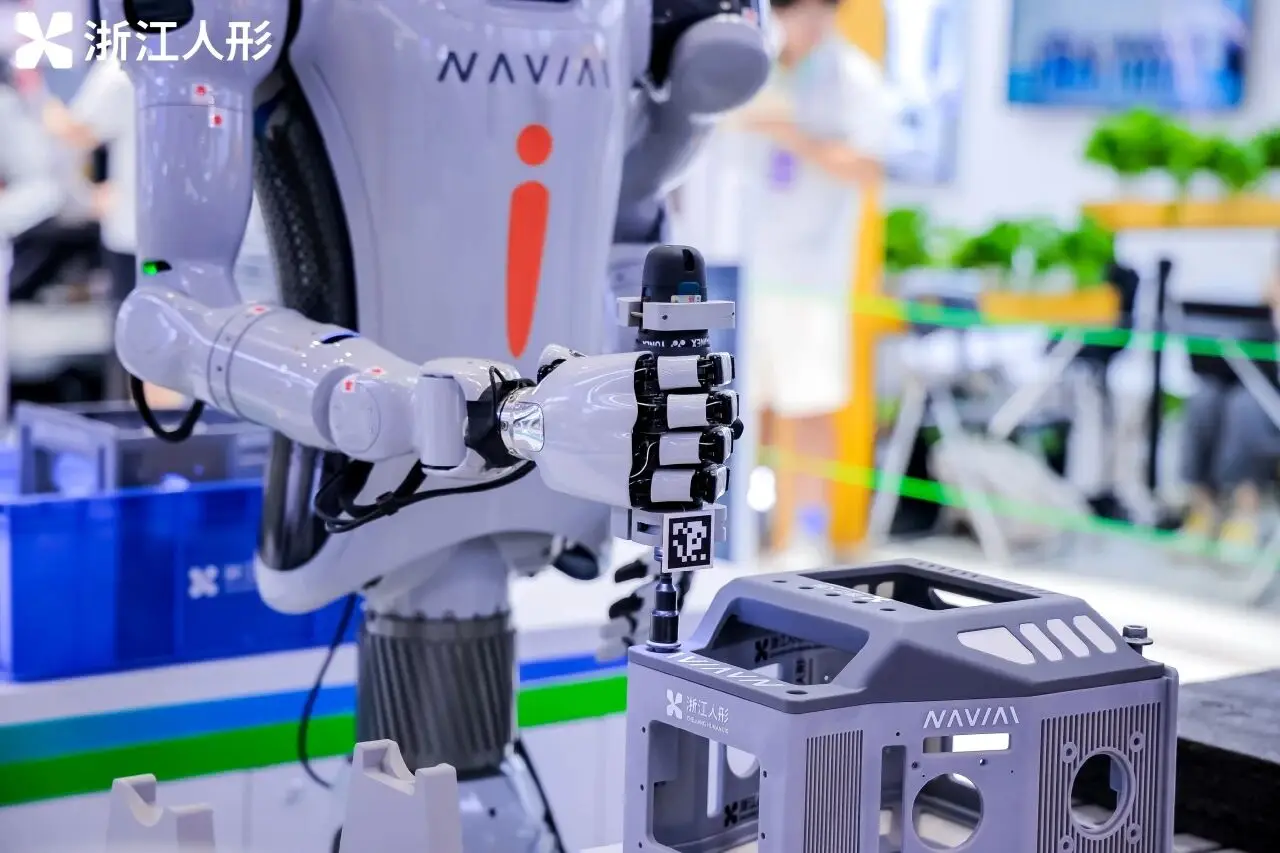
Zhejiang Humanoid Robotics Unveils NAVIAI at the 2026 World Robot Conference
The 2026 World Robot Conference (WRC) commenced on August 19 at the Yichuang International Exhibition Center in Beijing, marking a significant evolution from previous events. Zhejiang Humanoid Robotics Innovation Center Co., Ltd. showcased its NAVIAI core robot matrix at booth C-105, highlighting a product system based on a unified technology platform and demonstrating practical applications across various scenarios. This event is crucial as it reflects the integration of the SPIRE technology system, which combines world models for environmental cognition and embodied models for dynamic adaptation. This synergy enables robots to transition from understanding semantics to executing precise actions, showcasing the potential of humanoid robots in industrial, commercial, and domestic settings. Looking ahead, the focus will be on the continued development of humanoid robots like NAVIAI in diverse applications. No further timeline was disclosed at the time of publication, but the advancements in operational capabilities and the ability to adapt to various environments suggest a promising future for humanoid robotics in both commercial and domestic markets.
Humanoid Robots Industrial Automation Robotics Technology AI Smart Home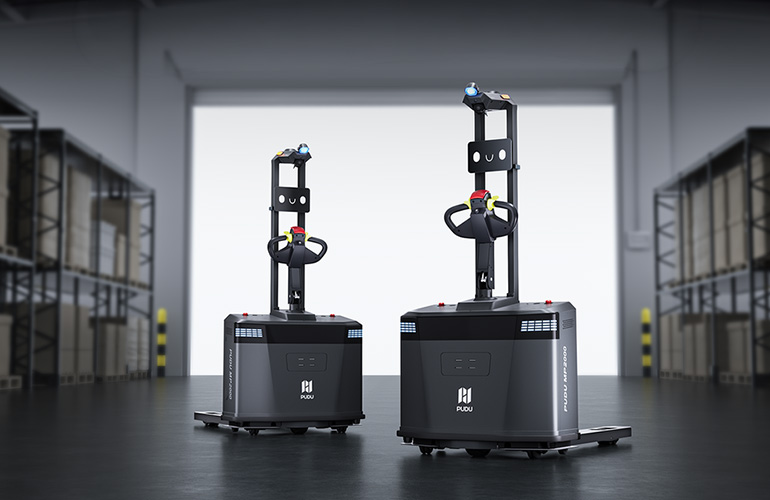
Pudu Robotics Introduces MP2000 Autonomous Forklift for Efficient Material Transport
Pudu Robotics has launched the MP2000, an AI-powered autonomous forklift designed for efficient floor-to-floor material transport in warehouses and factories. This new model features pallet pickup cycles as quick as 20 seconds, enhancing the company's portfolio of autonomous mobile robots (AMRs) for high-frequency, heavy-payload transport in busy logistics environments. The MP2000 is equipped with advanced 3D lidar and depth cameras, allowing it to identify pallet locations and adjust its approach in real time. This capability ensures safe navigation through facilities, avoiding obstacles while validating pallet sizes and configurations. The MP2000 supports various pallet formats and adapts to non-standard load carriers, making it versatile for different operational needs. As part of a distributed fleet, the MP2000 can coordinate with other Pudu Robotics AMRs, enhancing overall efficiency. It also features a manual operator override for use as a powered manual forklift. The vehicle's ability to communicate with peripheral equipment like doors and elevators further streamlines access to controlled areas within facilities. No further timeline was disclosed at the time of publication.
Automated Warehouse Autonomous Mobile Robots (AMRs) Logistics Manufacturing News Pudu Robotics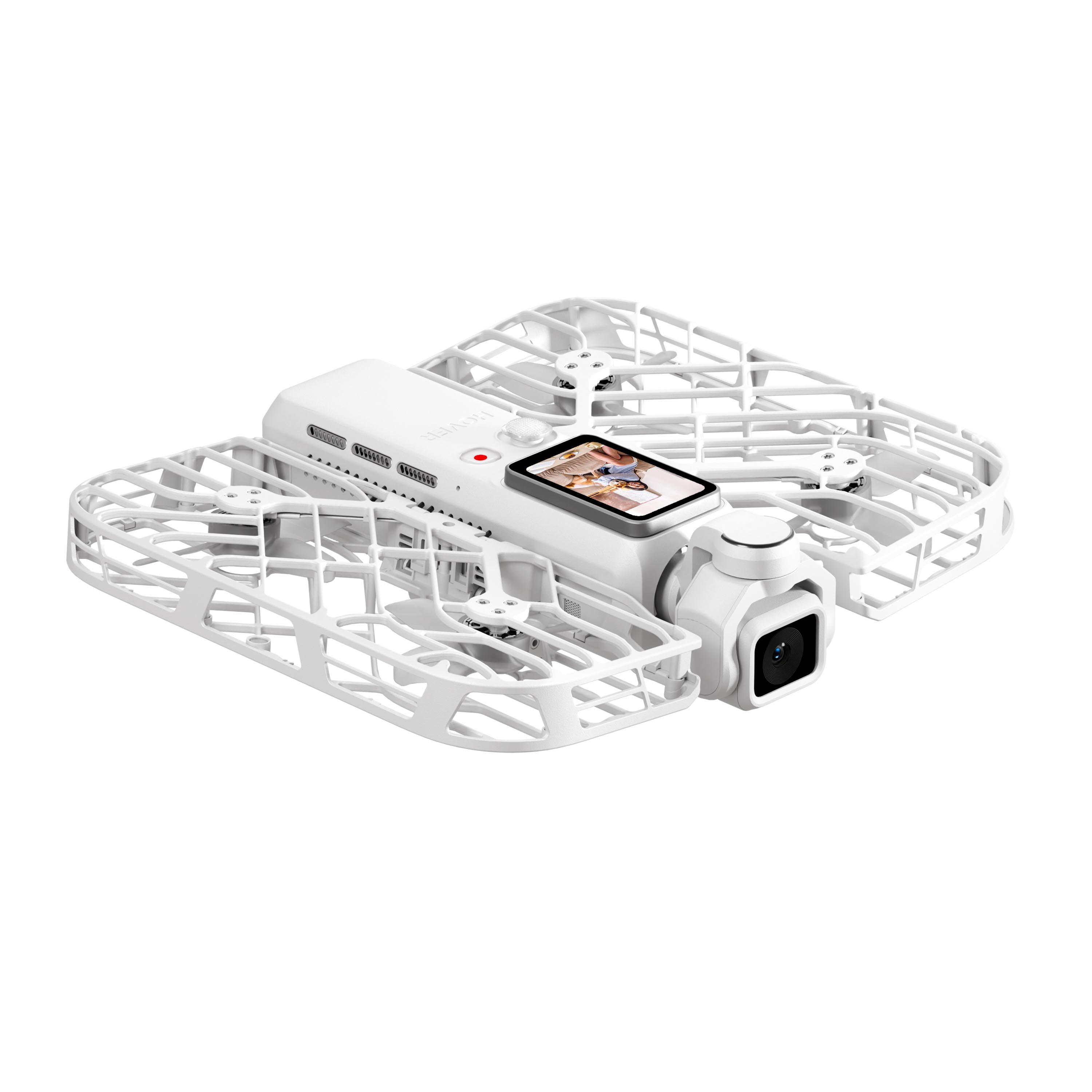
ZERO ZERO ROBOTICS Unveils HOVERAir VERSA, a 2-in-1 Gimbal Camera for Aerial Photography
On August 19, ZERO ZERO ROBOTICS announced the HOVERAir VERSA, a versatile gimbal camera that can also function as an aerial drone. The product is set for early sales in Japan starting mid-September, with further details to be disclosed later. The HOVERAir VERSA features a 2-in-1 design, allowing users to switch between handheld shooting and drone operation. It is equipped with a 3-axis mechanical gimbal for stable handheld photography and can transform into a small drone for autonomous flight when the included 'Flight Wing' is attached. The camera supports 4K recording at 60fps and includes AI capabilities for subject tracking and auto-framing. As the demand for versatile imaging solutions grows, the HOVERAir VERSA is positioned to attract both amateur and professional photographers. No further timeline was disclosed at the time of publication.
Unitree Robotics Achieves $66 Billion Valuation with 629% Surge in Shanghai IPO
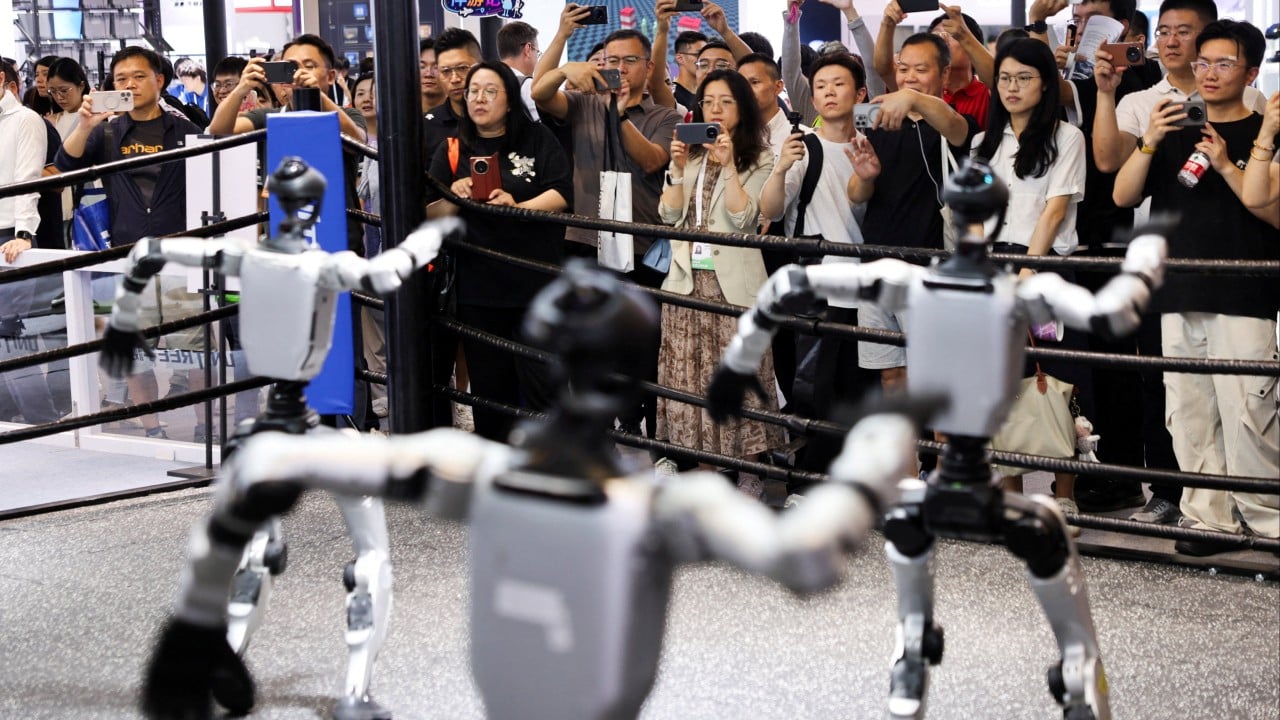
Unitree Robotics experienced a remarkable 629% surge in its valuation, reaching $66 billion during its debut on the Shanghai stock exchange. The IPO attracted significant attention, with 9.8 million retail investment accounts vying for just 9.7 million shares, leading to a final allocation rate of only 0.018%. This listing marks a significant milestone as it is the first IPO of a humanoid robot manufacturer on a mainland exchange, coinciding with the World Robot Conference in Beijing. The event showcases the growing interest and investment in robotics, highlighting the potential for innovation and development in this sector. Investors and industry watchers should keep an eye on Unitree's stock performance following its initial surge, as the stock experienced a pullback, dropping below 900 yuan per share in early trading. No further timeline was disclosed at the time of publication.
Runke Robotics Unveils Embodied Intelligence 2.0 at the 2026 World Robot Conference
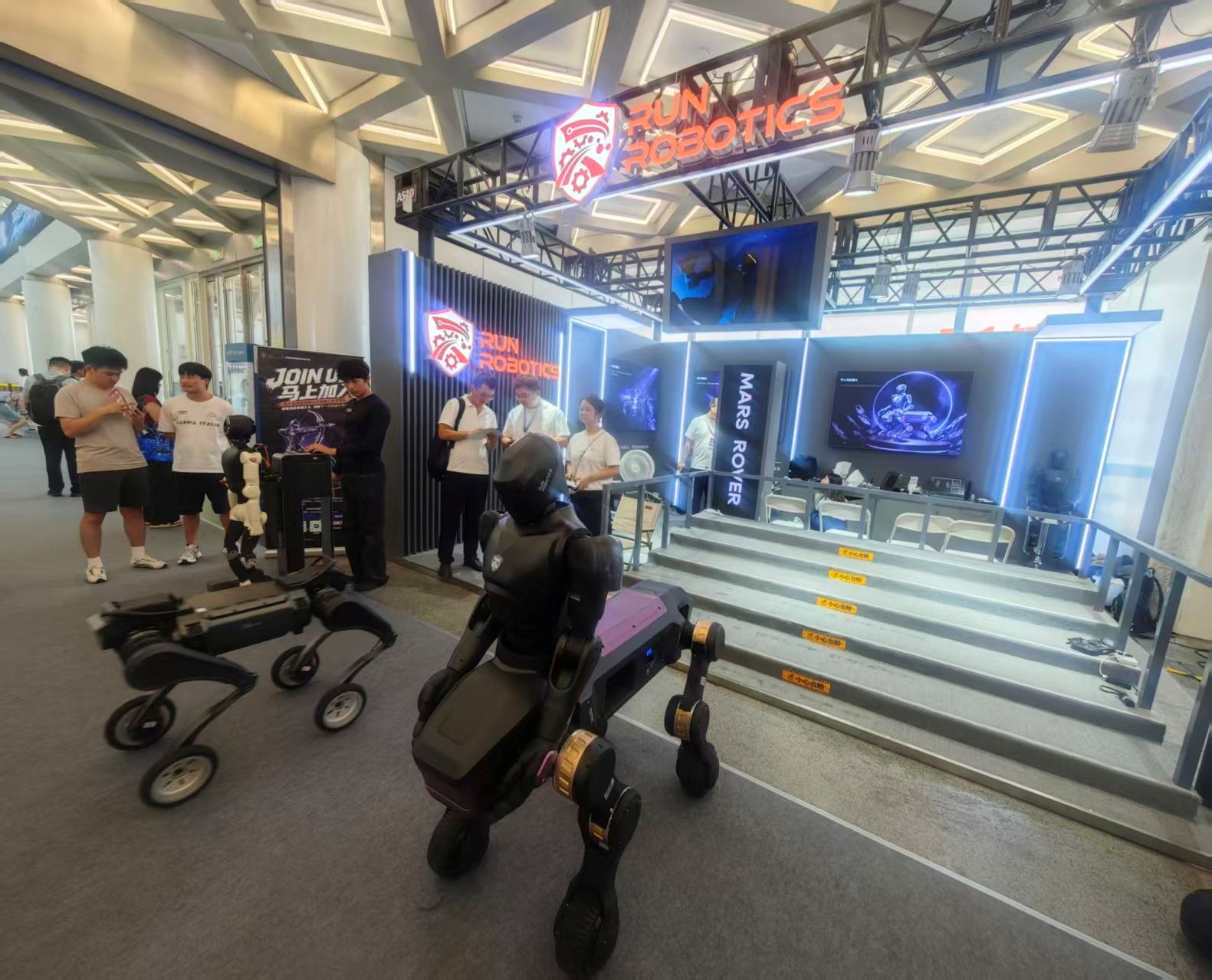
The 2026 World Robot Conference (WRC) took place from August 19 to 23 at the Beijing Yichuang International Exhibition Center. Runke Robotics showcased its full range of embodied intelligence hardware, with CEO Zhou Bin delivering a keynote speech on the core concept of 'Embodied Intelligence 2.0.' The event featured live demonstrations of multiple robot models, including the debut of new robotic products and self-developed tactile perception hardware, highlighting the integrated technology system built around specialized robotic forms, spatial intelligence, and multimodal touch. This exhibition marked a departure from traditional single-unit displays, as Runke Robotics deployed multiple centaur and Mars rover robots for collaborative operation demonstrations. The centaur robot showcased its enhanced capabilities, able to climb obstacles up to 60 cm and carry loads of up to 150 kg, while the Mars rover demonstrated its adaptability to complex terrains. Both models utilize motion control algorithms based on reinforcement learning, allowing for stable operation even with shifting center of gravity. Looking ahead, the centaur robot is positioned for high-risk applications such as underground inspections and disaster rescue, while the Mars rover serves as a versatile mobile platform. Both models have undergone extensive field training and proof-of-concept validation. Runke Robotics also introduced two core new products: a dual-arm robot and self-developed electronic skin tactile gloves, further enhancing the embodied intelligence 2.0 framework. No further timeline was disclosed at the time of publication.
Embodied Intelligence Robotics AI Tactile Sensing Industrial Automation
2026 World Robot Conference Features Innovative Robotics from Unbounded Dynamics
On August 19, the 2026 World Robot Conference (WRC) commenced in Beijing, showcasing a range of core innovations from Unbounded Dynamics, including the MWA™ embodied general brain, K15 robot body, AnySense Ego multimodal terminal, Anyverse ADA humanoid arm, and Anyverse ASC central computing platform. This event is significant as it emphasizes the theme of 'human-robot symbiosis and integration of production and demand.' Unbounded Dynamics collaborated with the renowned South Korean coffee chain HOLLYS to create an immersive robot coffee space, demonstrating the capabilities of their advanced robotics in a dynamic commercial environment. Looking ahead, the conference highlighted the potential for further advancements in embodied intelligence and its application in real-world scenarios. No further timeline was disclosed at the time of publication.
Robotics Artificial Intelligence Human-Robot Interaction Automation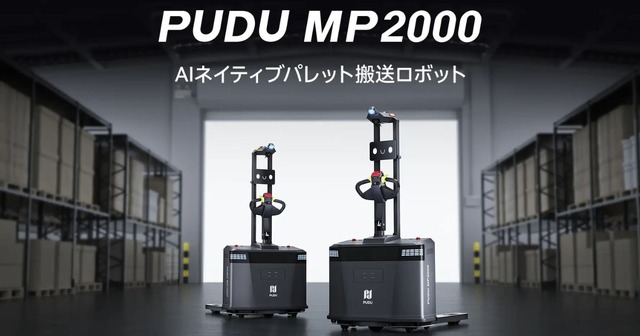
Pudu Robotics Unveils AI-Native PUDU MP2000 Pallet Transport Robot with 2,000kg Capacity
On August 18, 2026, Pudu Robotics, a global leader in service robots, announced the launch of the AI-native pallet transport robot, PUDU MP2000. Designed for autonomous cargo transport between floors in warehouses, logistics facilities, and manufacturing sites, it boasts a maximum load capacity of 2,000kg. The introduction of the PUDU MP2000 addresses challenges in large-scale autonomous pallet transport, which has faced obstacles due to the need for extensive on-site adjustments and complex system integrations. By utilizing multi-sensor navigation and edge intelligence, the robot can map work environments and set workflows without requiring specialized infrastructure or complex platform integrations, allowing for rapid deployment. The PUDU MP2000 is adaptable to various pallet types, including standard and customized non-standard loads. With real-time recognition of storage locations and cargo positioning, it can navigate tight spaces with high precision. Pudu Robotics aims to expand its portfolio to cover core workflows across loading areas, warehouses, and production workshops, reinforcing its position as a leader in the commercial service robot market.
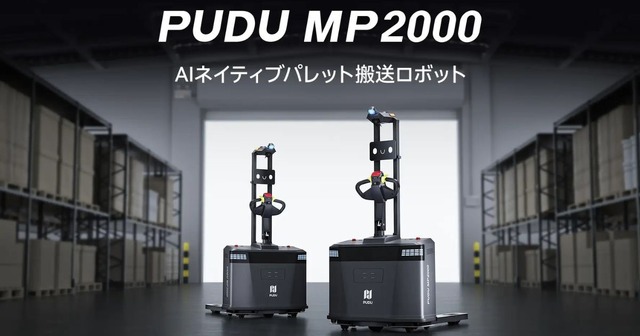
Pudu Robotics Unveils AI-Native PUDU MP2000 Pallet Transport Robot with 2000kg Capacity
On August 18, 2026, Pudu Robotics, a global leader in service robots, announced the launch of the AI-native pallet transport robot, PUDU MP2000. Designed for autonomous cargo transport between floors in warehouses, logistics facilities, and manufacturing sites, it boasts a maximum load capacity of 2,000kg. The significance of the PUDU MP2000 lies in its ability to simplify the automation of pallet transport, addressing challenges in large-scale autonomous pallet transport implementation. Traditional solutions often require extensive on-site adjustments and complex system integrations, limiting flexibility due to varying pallet standards and work environments. Looking ahead, the PUDU MP2000 is expected to enhance operational efficiency with its multi-sensor navigation and AI-native intelligence, allowing for rapid deployment without the need for extensive infrastructure changes. No further timeline was disclosed at the time of publication.
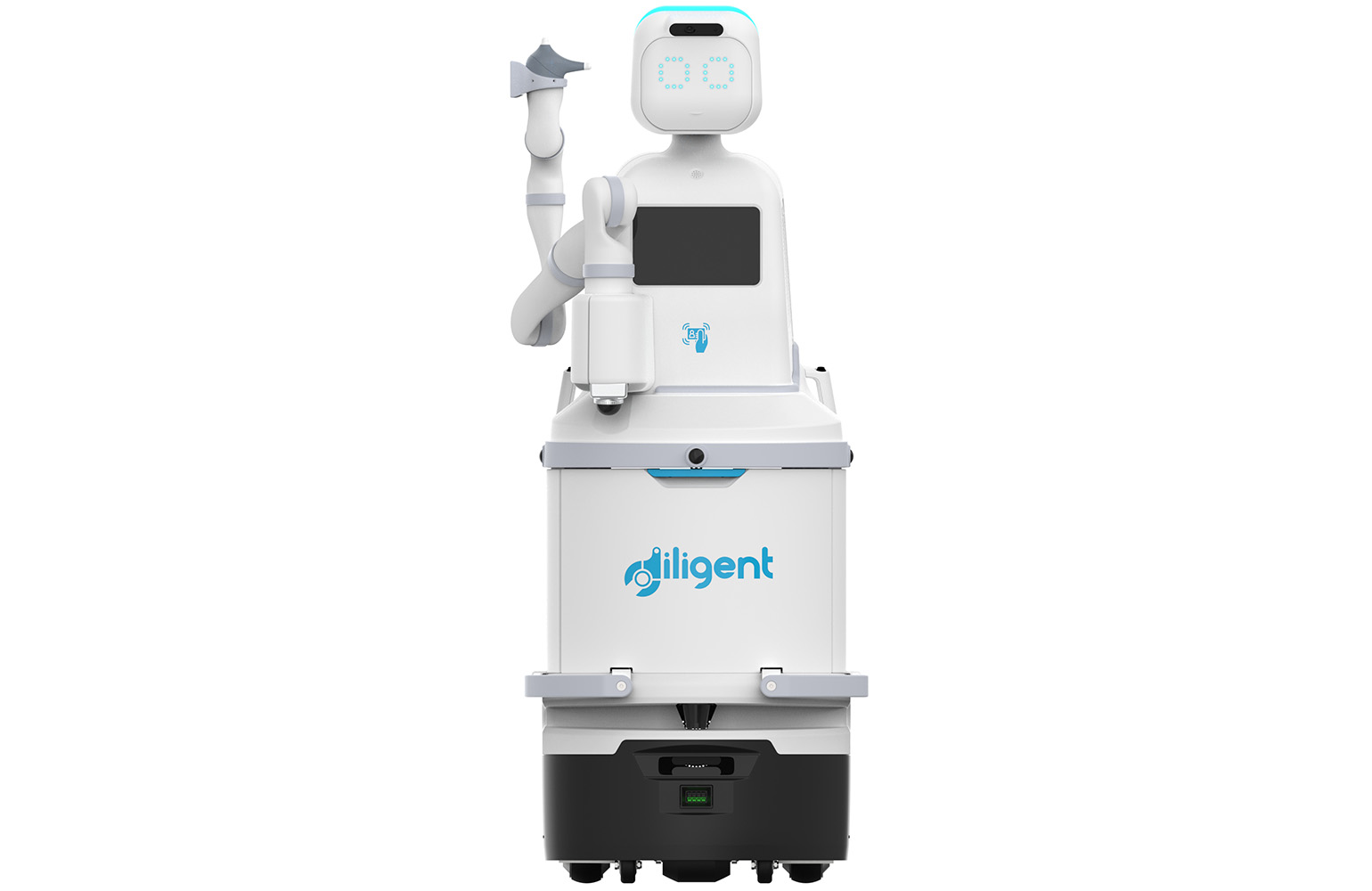
Diligent Robotics Begins Rollout of Moxi 2.0 to U.S. Health Systems
Diligent Robotics has commenced the rollout of Moxi 2.0 to health system customers across the United States. This next-generation platform has been shaped by five years of operation in over 25 hospitals, enhancing its capabilities for dynamic hospital environments. Moxi 2.0 features a proprietary learning flywheel that continuously improves the robot's performance based on deployment experiences. The significance of Moxi 2.0 lies in its advanced physical AI platform, designed to navigate the complexities of hospital hallways with greater confidence and safety. According to Andrea Thomaz, founder and CEO of Diligent Robotics, the new robot is equipped with enhanced compute, sensors, and models that allow it to operate more effectively in tight spaces filled with fast-moving people and equipment. The rollout includes partnerships with health systems such as Endeavor Health Edward Hospital and Providence Saint John’s Health Center. Looking ahead, Diligent Robotics is actively taking orders from health systems eager to implement Moxi 2.0, which can be integrated without altering existing infrastructure. The company, recently acquired by Serve Robotics for $29 million, is leveraging shared investments in physical AI research to accelerate innovation in its hospital deployments. No further timeline was disclosed at the time of publication.
Artificial Intelligence Artificial Intelligence / Cognition Autonomous Mobile Robots (AMRs) Design / Development Healthcare Robotics Markets / Industries
Gravis Robotics Secures $200 Million to Expand Autonomous Heavy Machinery in Construction
Gravis Robotics has successfully raised $200 million in a Series A funding round led by SoftBank to enhance its autonomous heavy machinery technology for construction sites worldwide. This investment comes at a crucial time as the construction industry faces increasing demands for energy networks, housing, and climate-resilient infrastructure, compounded by labor shortages and low automation levels in heavy construction. Looking ahead, Gravis Robotics aims to leverage its AI-driven technology to address the unique challenges of heavy machinery operation in dynamic environments. No further timeline was disclosed at the time of publication.
Construction News artificial intelligence autonomous construction autonomous excavators construction automation
SoftBank Group Corp. Invests $200 Million in Swiss Startup Gravis Robotics
SoftBank Group Corp. has made a significant investment of $200 million in Gravis Robotics, a Swiss startup specializing in autonomous software for construction machinery. This investment highlights the growing interest in automation technologies within the construction sector, as companies seek to enhance efficiency and reduce labor costs through innovative solutions. Looking ahead, industry stakeholders will be keen to observe how Gravis Robotics leverages this funding to advance its technology and expand its market presence. No further timeline was disclosed at the time of publication.

Gravis Robotics Secures $200 Million from SoftBank for Autonomous Construction Innovation
Gravis Robotics has announced a significant investment of $200 million from SoftBank in its Series A funding round, marking a historic milestone in construction robotics. This funding aims to enhance the company's autonomous construction capabilities, addressing the industry's slow automation pace amid rising demands for infrastructure repairs and AI data center developments. The investment is crucial as Gravis Robotics seeks to revolutionize the construction sector, which has traditionally relied on mechanical hardware. With its Gravis Rack autonomous control kit, the Zurich-based company retrofits existing construction equipment, enabling it to operate in unpredictable jobsite conditions, thereby overcoming the challenges of traditional automation. Looking ahead, Gravis Robotics plans to leverage this funding to expand its workforce and deploy its technology across major job sites. The company emphasizes the importance of bridging the sim-to-real gap in construction, aiming to bring factory-floor precision to civil engineering tasks. No further timeline was disclosed at the time of publication.
Artificial Intelligence / Cognition Autonomous Mobile Robots (AMRs) Construction Controllers Investments News
Gravis Robotics Secures $200M to Advance Construction Autonomy Amid Infrastructure Expansion
Gravis Robotics has successfully raised $200 million to enhance construction autonomy, responding to the urgent demand for infrastructure expansion. This funding comes at a time when global infrastructure is experiencing significant growth, driven by the need for energy networks and climate-resilient facilities. The urgency for housing, transit, and resilient infrastructure is being amplified by the AI economy, which is creating unprecedented demand for data centers and energy systems. Gravis Robotics aims to leverage this funding to innovate and streamline construction processes, addressing the challenges posed by this rapid expansion. As the construction sector evolves, stakeholders should monitor Gravis Robotics' developments closely. The company's advancements in construction autonomy could play a crucial role in meeting the increasing infrastructure demands. No further timeline was disclosed at the time of publication.

Diligent Robotics Launches Moxi 2.0 to Enhance Hospital Logistics Across the U.S.
Diligent Robotics, a subsidiary of Serve Robotics, has commenced the rollout of Moxi 2.0 to healthcare systems throughout the United States. This next-generation platform is designed to improve hospital logistics, leveraging insights gained from five years of operational experience across more than 25 hospitals. The introduction of Moxi 2.0 is significant as it incorporates advanced hardware and AI capabilities, promising faster and more reliable service in hospital environments. This development is part of Diligent Robotics' ongoing commitment to enhance the efficiency of care teams by integrating robotic assistance into their workflows. Looking ahead, the deployment of Moxi 2.0 will be closely monitored to assess its impact on hospital operations and patient care. No further timeline was disclosed at the time of publication.

Beijing Humanoid Robotics to Showcase Innovative Products at WRC2026 Event
Beijing Humanoid Robotics is preparing to unveil its latest innovative products at the WRC2026 event. This showcase will emphasize advancements in humanoid robotics technology, which are expected to enhance applications across various industries. The significance of this presentation lies in its potential to demonstrate how new technologies can improve efficiency and functionality in different sectors. By focusing on humanoid robotics, Beijing Humanoid Robotics aims to position itself as a leader in this rapidly evolving field. Industry stakeholders should keep an eye on the developments presented at WRC2026, as they may indicate future trends and applications of humanoid robotics technology. No further timeline was disclosed at the time of publication.
Humanoid Robots Robotics Innovation Technology Showcase
DEEP Robotics' DR02 Humanoid Robot Successfully Climbs Outdoor Stairs
DEEP Robotics has released an 18-second video showcasing its humanoid robot, DR02, successfully ascending outdoor stairs. The video highlights the robot's ability to maintain balance and control while navigating the stairs, demonstrating its advanced walking capabilities. This achievement is significant as it lays the groundwork for robots to operate in environments where humans typically move, such as outdoor and indoor settings. The ability of DR02 to ascend stairs without relying on handrails illustrates its sophisticated balance control, which is crucial for practical applications in various environments. The video captures the robot's steady progress, emphasizing that each stable step contributes to the overall advancement of humanoid robotics technology. This progress is essential for the future deployment of robots in everyday scenarios. Looking ahead, the development of humanoid robots like DR02 is expected to play a vital role in the growing field of AI robotics. No further timeline was disclosed at the time of publication, but the ongoing advancements in walking technology will be critical for the practical implementation of robots in society.
Robotics needs a service framework.
RSF defines a common language for robot service capability, lifecycle operations, certification pathways, and service-provider networks.
Join the RobotToday community on LinkedIn
Daily robotics news, in-depth analysis, conference highlights, and discussions with professionals worldwide.