Industry Briefing
A single destination for timely, editor-curated robotics news from around the world.
Galbot Introduces RoboGesture for Enhanced Natural Movement in Humanoid Robots
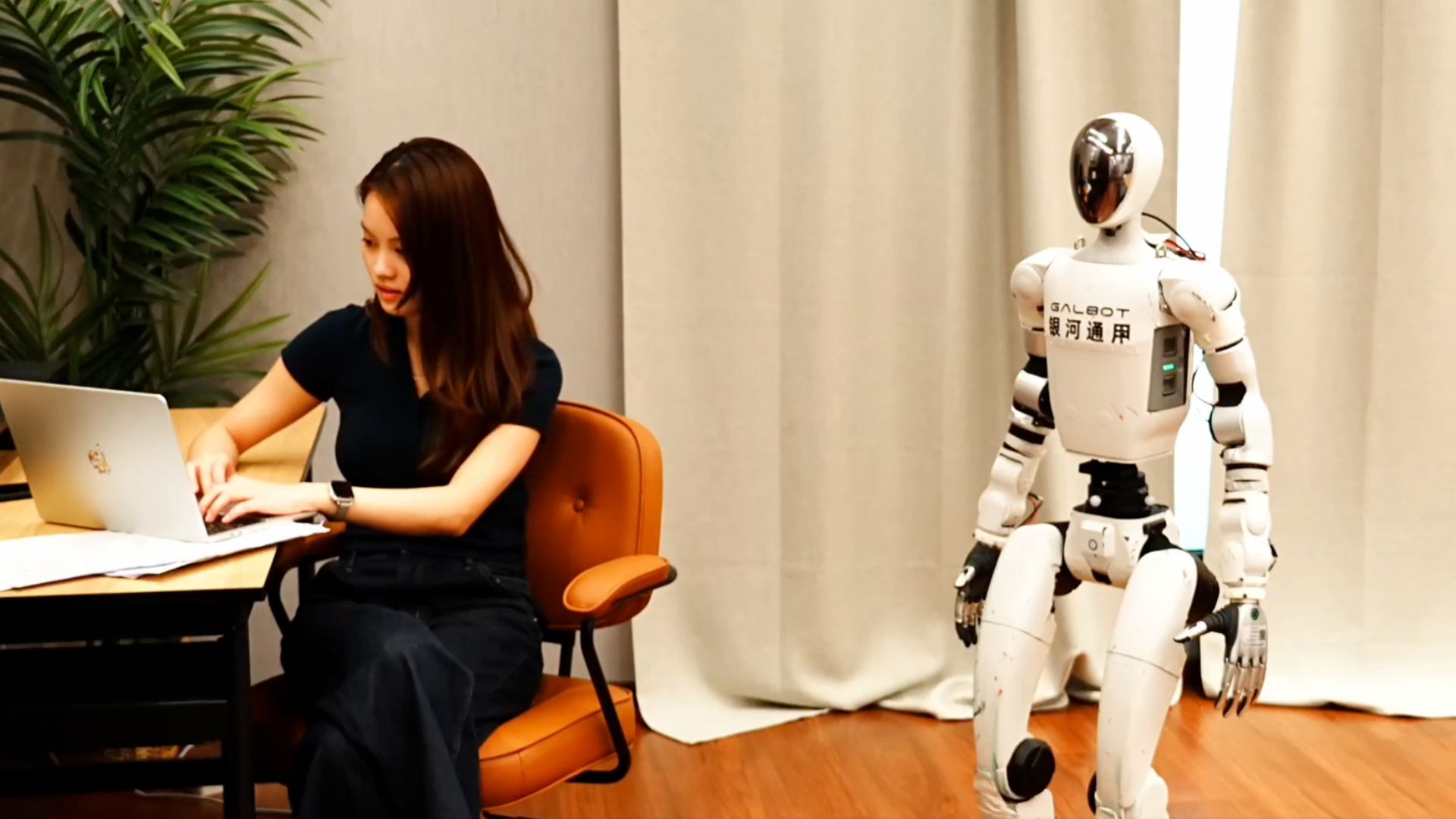
Chinese robotics company Galbot has launched RoboGesture, a new framework designed to enhance nonverbal communication in humanoid robots. This system generates real-time gestures that correspond with spoken language, aiming to make robot interactions more natural and engaging during conversations. The significance of RoboGesture lies in its ability to address common limitations in humanoid robotics, such as mechanical and repetitive movements that detract from effective communication. Scheduled for presentation at the European Conference on Computer Vision (ECCV) 2026, this technology could revolutionize how humanoid robots engage in social settings by allowing them to respond with gestures that reflect the meaning and tone of speech. Looking ahead, the research team, which includes experts from Galbot and several prestigious universities, is focused on overcoming challenges in robot communication, including limited training data and safety concerns. No further timeline was disclosed at the time of publication.
AI and Robotics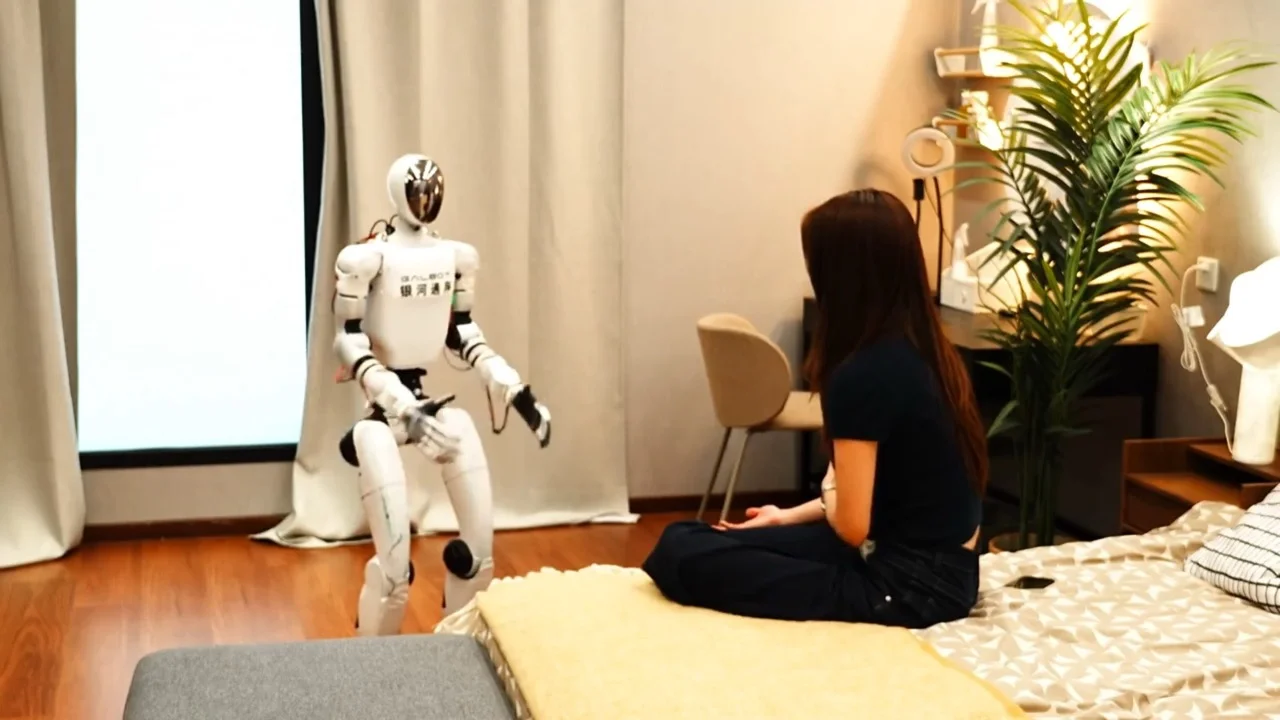
Galbot Introduces RoboGesture for Enhanced Nonverbal Communication in Humanoid Robots
Beijing-based robotics firm Galbot has unveiled RoboGesture, a project aimed at improving real-time nonverbal communication in humanoid robots. Set to be presented at ECCV 2026 on September 10, RoboGesture offers an end-to-end framework that synthesizes natural co-speech gestures, addressing the disconnect often seen in humanoid interactions. This development is significant as it marks a shift from traditional gesture generation methods that often lead to awkward movements and self-collisions. Galbot's approach, which learns directly within the robot's kinematic action space, aims to enhance the social interaction capabilities of humanoids, particularly in applications like hospitality and live performances. Looking ahead, Galbot's RoboGesture could redefine how humanoid robots engage in social settings, potentially leading to more fluid and natural interactions. The company has also opened pre-orders for its bipedal ET1 humanoid, emphasizing the importance of real-time gesturing in various use cases. No further timeline was disclosed at the time of publication.
Galbot Research China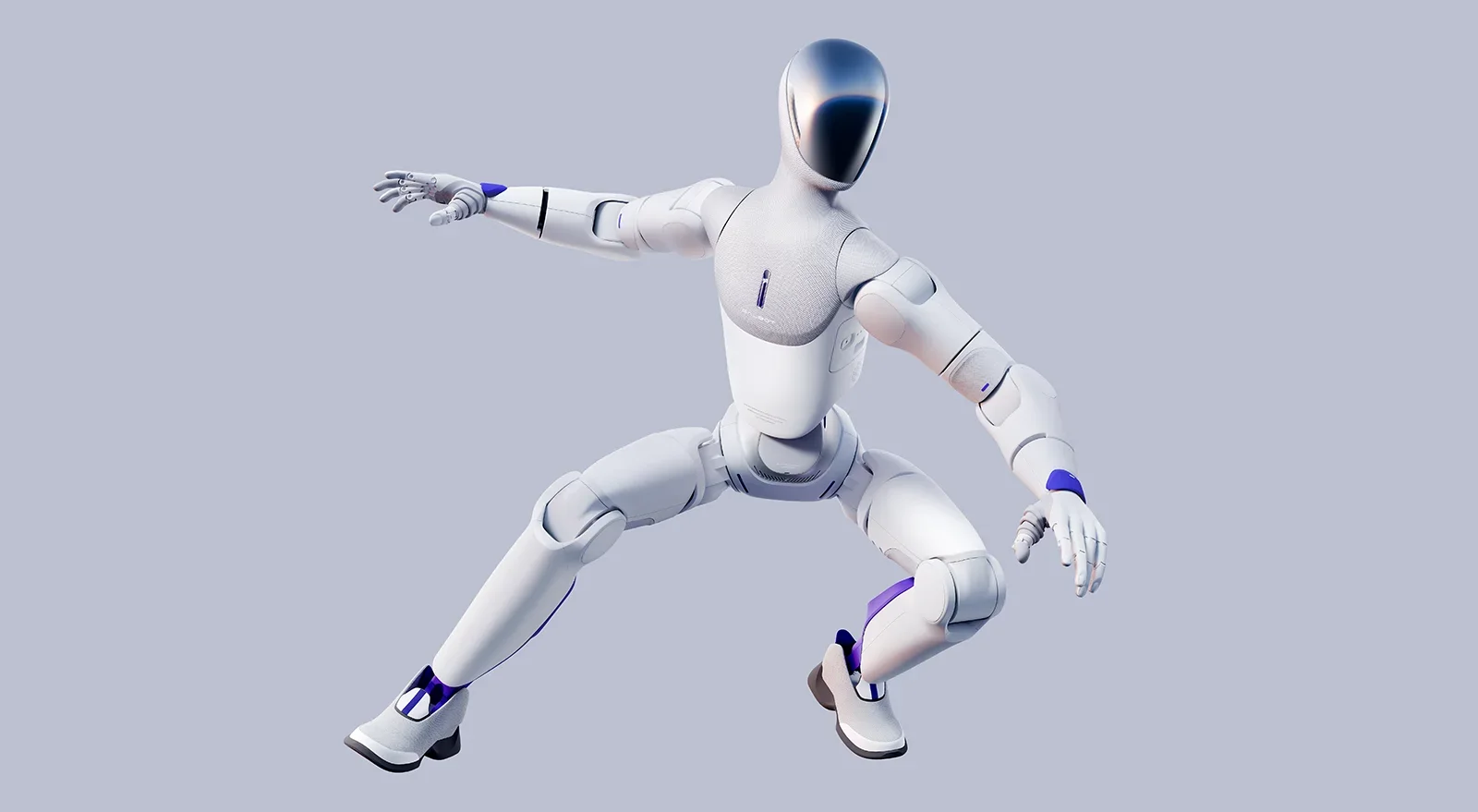
Galbot Launches Pre-Orders for ET1 Bipedal Humanoid Robot Targeting Entertainment Sector
Beijing-based robotics company Galbot has officially opened pre-orders for its first dedicated bipedal humanoid robot, the ET1, also known as 'Yinhe Xingzai' in China. This move marks a significant commercial diversification for Galbot, which has previously focused on wheeled logistics platforms. The pre-orders follow a successful teaser campaign and a notable exhibition at the World Humanoid Robot Games, showcasing the robot's capabilities. The ET1 has already garnered over 200 pre-orders within the first 24 hours, indicating strong interest from commercial venues and event producers. Pre-orders are available through Galbot's website and JD.com, although retail pricing for the different model tiers has not yet been disclosed. The ET1 stands at 1,250 mm tall and weighs 32 kg, placing it in the mid-sized biped category, which is increasingly competitive. Galbot has segmented the ET1 into three configurations: Standard, Pro, and Flagship, each featuring a multi-processor architecture. The Flagship tier boasts AI acceleration capabilities, achieving up to 100 TOPS for real-time processing. The ET1 utilizes Galbot's AstraBrain software for motion control, allowing it to learn new movements through physical demonstrations without the need for external equipment. No further timeline was disclosed at the time of publication.
ET1 Galbot Market China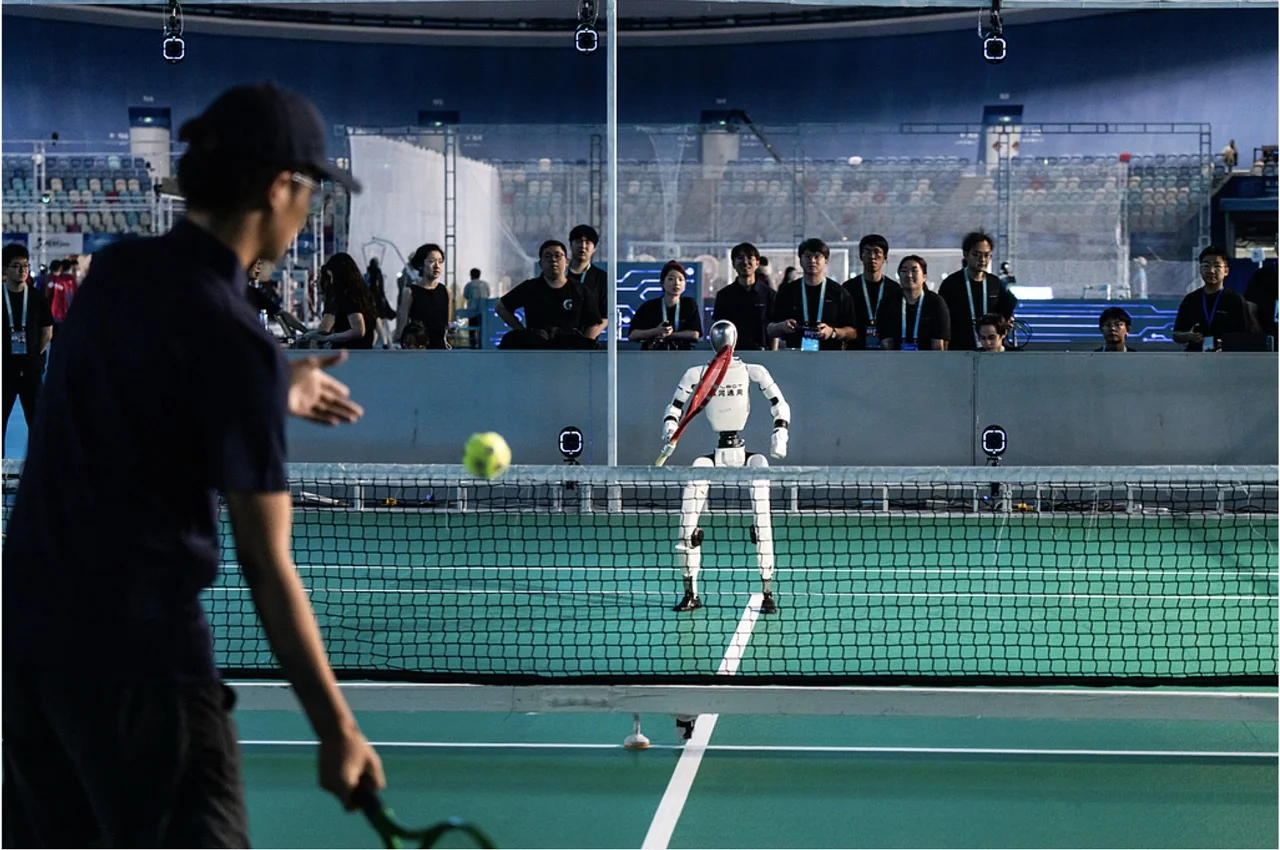
Galbot's Humanoids Achieve Milestone with 100+ Rallies in Live Tennis Match
Galbot, a Beijing-based robotics firm, staged the world's first live autonomous humanoid tennis match during the opening ceremony of the second World Humanoid Robot Games. Their humanoid machines completed over 100 consecutive rallies, showcasing advanced reactive physical intelligence and high-speed robotic locomotion. This achievement is significant as racket sports demand continuous real-time perception and dynamic balance recovery, which are critical benchmarks for physical AI. The event, named 'AstraTennis,' demonstrated the robots' capabilities in serves, returns, and defensive shots, highlighting their ability to adjust tactics in real time while competing alongside human players. Looking ahead, Galbot's performance reflects the scaling of their research efforts, particularly with the introduction of the LATENT framework for training robots. As the company prepares for a potential $4 billion IPO, the demonstration underscores the importance of agile locomotion and robust technology in the competitive landscape of humanoid robotics in China. No further timeline was disclosed at the time of publication.
Galbot China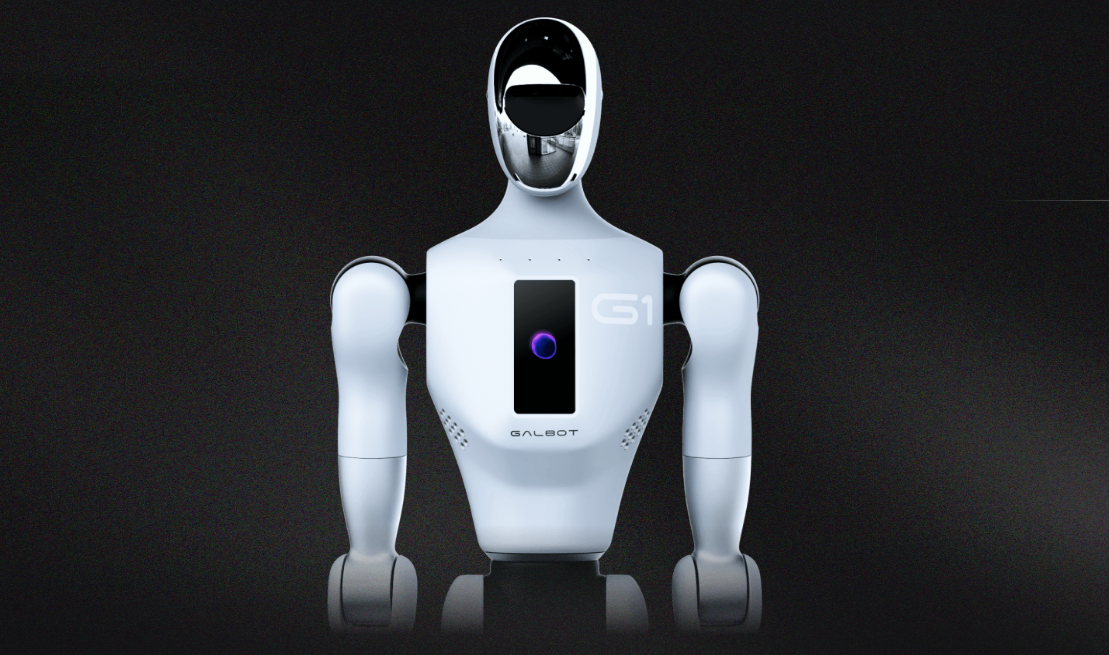
Galbot's Journey Towards Integrating Embodied AI Robots in Industrial Production Lines
Galbot, a Chinese embodied AI robotics company, is advancing the integration of robots into industrial production environments. Founded in May 2023, the company has raised over RMB 2.4 billion ($360 million) in funding, with a valuation exceeding RMB 22 billion ($3.27 billion). Galbot's G1 robot features a mobile platform and dual-arm manipulation system, enabling it to adapt to various tasks in flexible manufacturing scenarios. The demand for robots that can perform complex tasks in dynamic environments is growing as manufacturing shifts towards greater flexibility and intelligence. Traditional industrial robots, which are typically fixed and perform repetitive tasks, are being challenged by the need for more adaptable solutions. Galbot's innovations, including the G1 and S1 robots, aim to address these challenges by providing greater mobility and efficiency in manufacturing processes. As the embodied AI sector gains momentum, Galbot's focus on industrial applications positions it well for future growth. The company is set to play a significant role in transforming production methods, allowing robots to take on hazardous and repetitive tasks while collaborating with human workers to enhance productivity and safety. No further timeline was disclosed at the time of publication.
Up and Comers AI Highlight News Robotics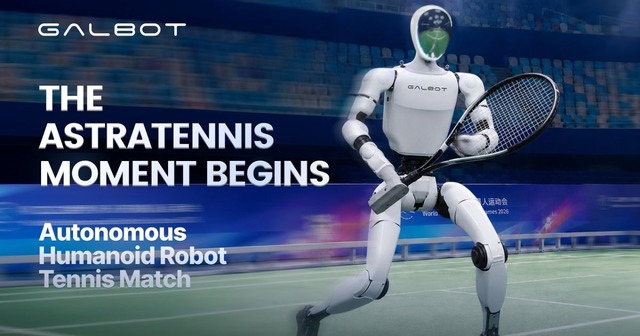
Galbot Showcases Autonomous Humanoid Tennis Match at World Humanoid Robot Games 2026
On August 23, 2026, Chinese robotics company Galbot released footage of a humanoid robot participating in a tennis match during the World Humanoid Robot Games 2026. This event marks a significant step in AI's evolution from digital to physical realms, showcasing the robot's ability to recognize the ball, make judgments, and compete against human players. The demonstration is notable as it features the robot executing various tennis techniques, including serves, forehands, backhands, and rallies, without a pre-scripted sequence. The footage highlights the robot's capability to engage in sustained rallies, achieving over 100 consecutive exchanges, which emphasizes its advanced physical control and cognitive decision-making in a real-world environment. This development illustrates AI's growing presence in physical activities, moving from board games to sports. Observers are keen to see how autonomous AI will continue to evolve and what future applications may arise from this technological advancement in robotics.
Galbot's Humanoid Robots Achieve Over 100 Rallies in Autonomous Tennis Match
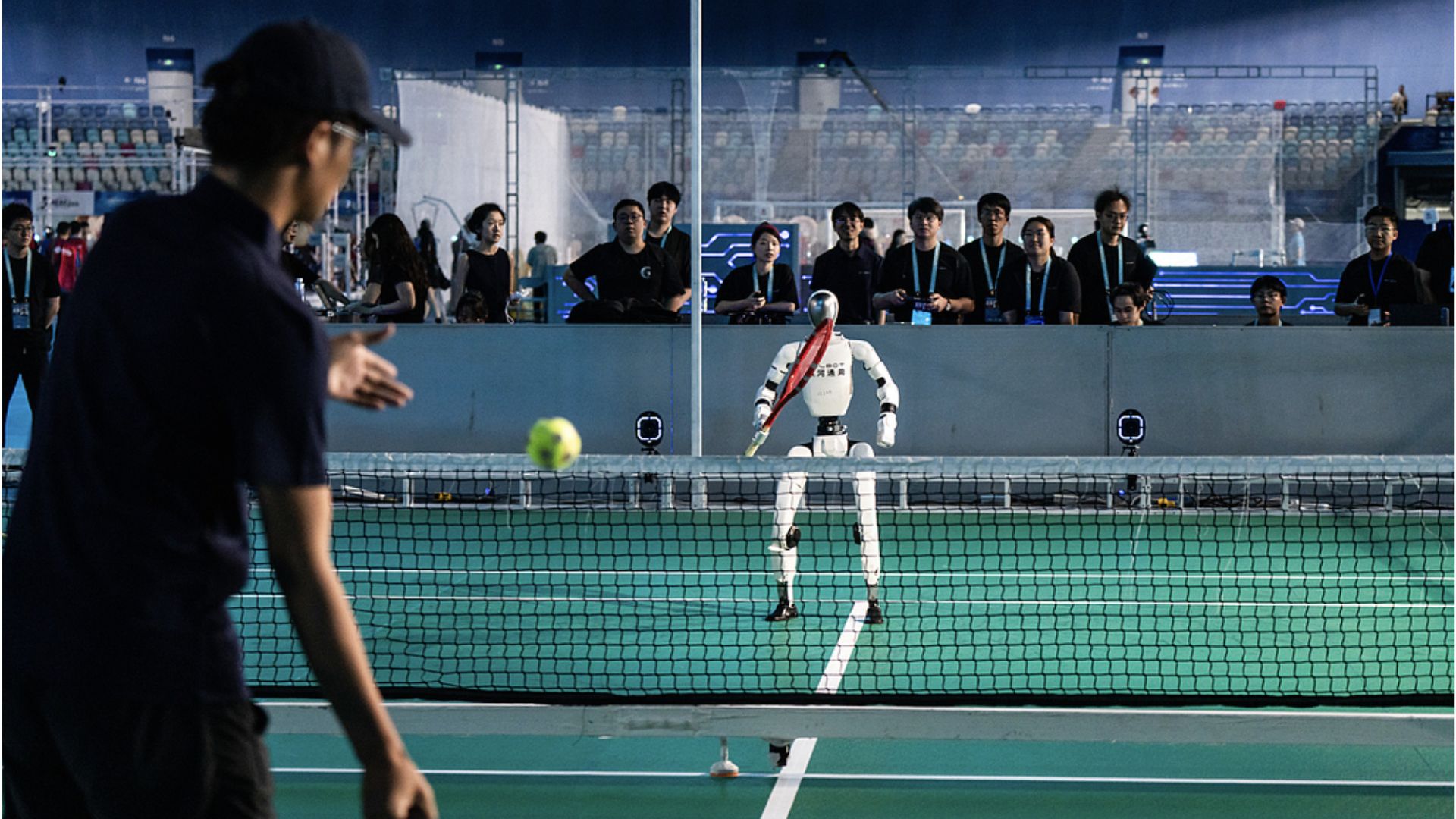
Galbot's humanoid robots have successfully completed more than 100 consecutive rallies in what is being hailed as the world's first live autonomous humanoid robot tennis match. This event took place during the opening ceremony of the Second World Humanoid Robot Games (WHRG) in Beijing, showcasing the robots' capabilities in real-time decision-making and independent movement on the court. The significance of this achievement lies in the demonstration of advanced robotics in dynamic environments, moving beyond traditional laboratory settings. The Galbot robots autonomously tracked fast-moving tennis balls and executed various tennis strokes, adapting their movements as the rallies progressed. This performance reflects the evolving challenges faced by humanoid robots, particularly in competitive scenarios against human athletes. Looking ahead, the WHRG will continue to test humanoid robots in diverse and complex environments, pushing the boundaries of their capabilities. The technology behind this event, known as LATENT, enables robots to learn tennis skills from imperfect human motion data, indicating a shift towards more sophisticated training methods. No further timeline was disclosed at the time of publication.
AI and Robotics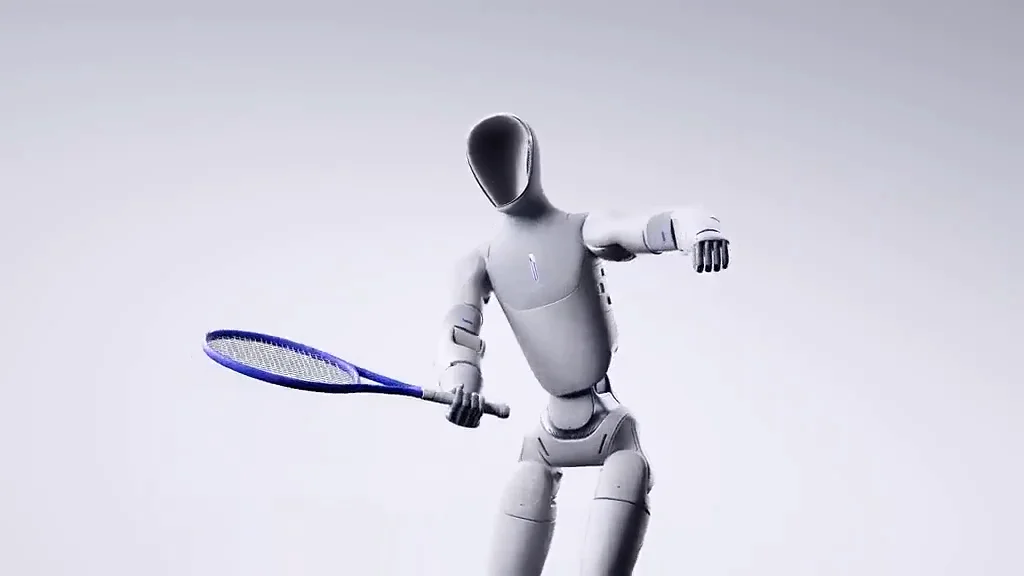
Galbot Unveils ET1 Bipedal Humanoid Ahead of WRC 2026 Launch
Beijing-based robotics startup Galbot has introduced its new bipedal humanoid platform, the ET1, ahead of the World Robot Conference (WRC 2026) starting August 19. This marks a significant shift for Galbot, which has primarily focused on wheeled dual-arm platforms, as the ET1 represents its first fully bipedal machine. The development of the ET1 is crucial as it reflects the growing competitive pressure in the humanoid robotics sector. Galbot's expansion into bipedal locomotion comes as domestic competitors are launching high-volume bipeds for various applications, making it essential for market leaders to innovate in this area. The company has already secured around 900 commercial shipments of its Galbot G1 platform in the first half of 2026. Galbot will showcase the ET1 at WRC 2026, where attendees will be eager to see if the platform's performance aligns with the impressive capabilities highlighted in its promotional video. The ET1's design and athletic focus, including its ability to perform high-velocity tennis strokes, suggest a strong emphasis on advanced locomotion and manipulation skills.
ET1 Galbot China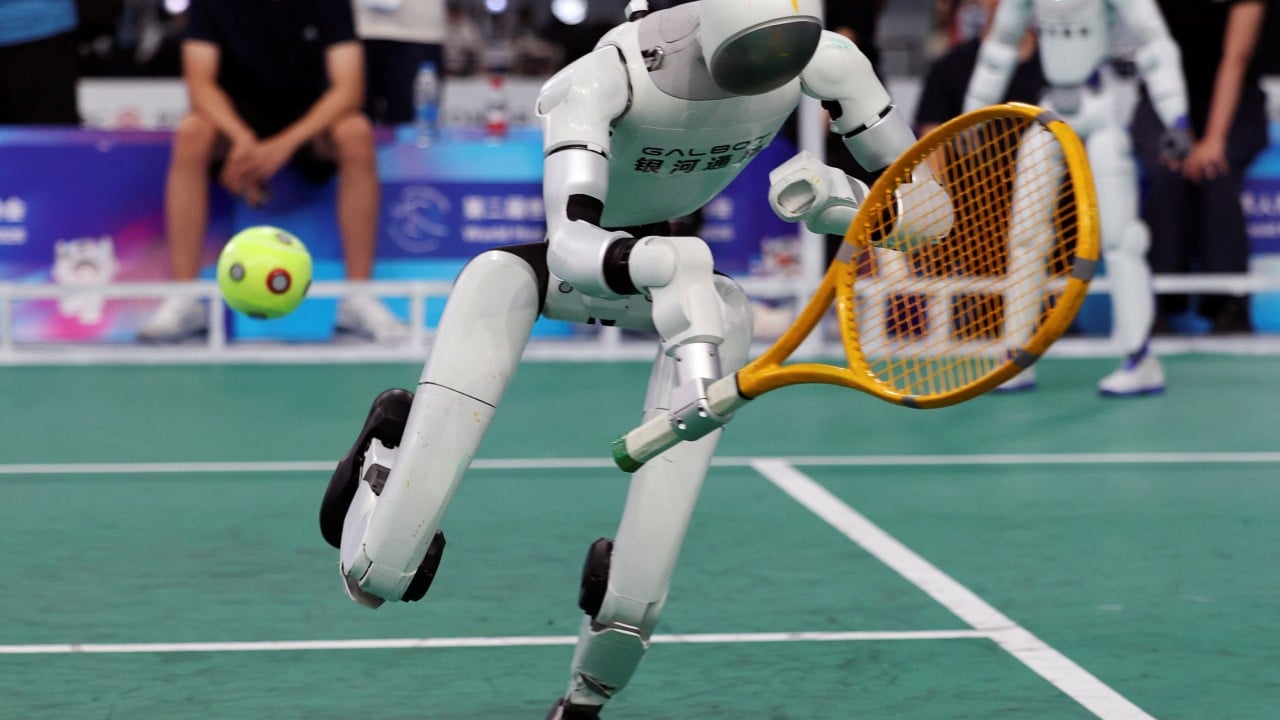
Galbot's Humanoid Robot Excels in Tennis at World Humanoid Robot Games
At the second World Humanoid Robot Games in Beijing, Galbot's humanoid robot showcased its skills in a tennis match against human players. The event highlighted the robot's ability to perform quick movements and return shots, although it faced challenges such as balance issues, which led to a moment of falling during play. This demonstration is significant as it marks what Galbot claims to be the world's first human-robot tennis match, emphasizing the advancements and limitations of humanoid robots in sports. The event featured over 600 teams and 2,056 robots competing in various sports, illustrating the growing interest and development in humanoid robotics. Looking ahead, the games included new competitions like table tennis and kickboxing, alongside expanded scenario-based events. Observers should note the ongoing challenges in robot autonomy and balance, as these factors will influence future developments in humanoid robotics and their applications in various sectors.
Unitree Achieves 18,000 Bipedal Humanoids, Leading China's Robotics Market
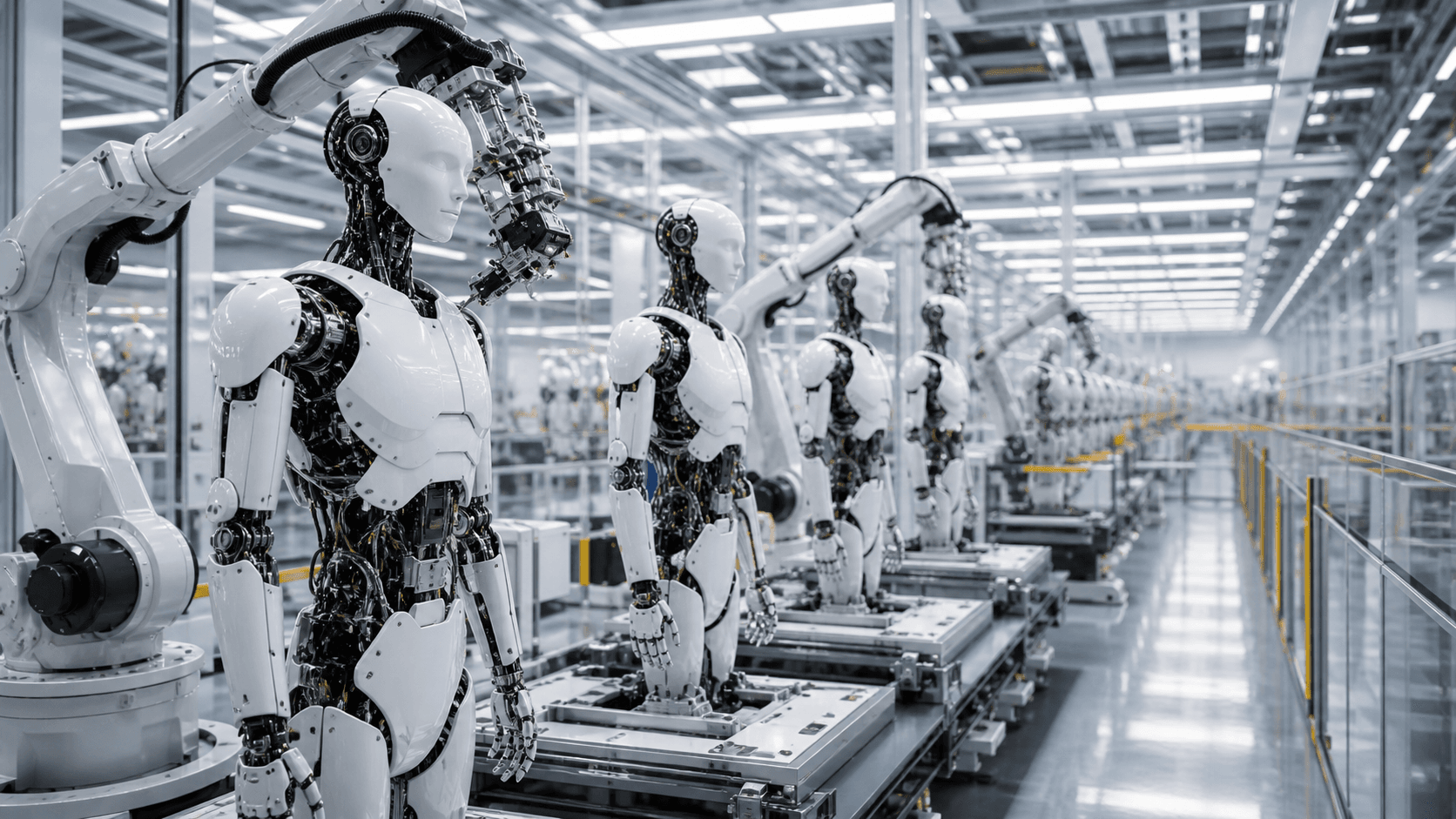
Unitree has announced that it has reached a cumulative production of 18,000 bipedal humanoid robots as of July 2026, establishing itself as the leader in the pure bipedal robotics sector. This significant milestone highlights the company's dominance over competitors, with AgiBot producing 7,000 pure bipedal humanoids out of a total of 15,000 all-category humanoids, while UBTECH and Galbot lag behind with approximately 3,000 and 1,000 units, respectively. The achievement underscores Unitree's strong position in the rapidly evolving robotics market in China, where the demand for advanced humanoid robots is growing. The clear production gap between Unitree and its competitors indicates not only the company's technological advancements but also its effective market strategies that have allowed it to capture a significant share of the bipedal robot segment. Looking ahead, the robotics industry will be keen to observe how Unitree maintains its lead and whether AgiBot, UBTECH, and Galbot can close the gap. No further timeline was disclosed at the time of publication.

CATL’s cell-making factory gets Galbot’s heavy-load humanoid robot as new worker
Contemporary Amperex Technology Co., Limited (CATL), the leading global manufacturer of power batteries, has introduced its first heavy-load humanoid robot, marking a significant advancement in automation technology. This innovative robot was unveiled during a recent event held at CATL's headquarters in Ningde, China. The deployment of this humanoid robot is part of CATL's ongoing efforts to enhance operational efficiency and reduce labor costs in its manufacturing processes. By integrating advanced robotics into its production lines, CATL aims to streamline workflows and improve productivity. The introduction of this technology reflects the company's commitment to innovation and its strategic focus on automation in response to the growing demand for electric vehicle batteries.
AI and Robotics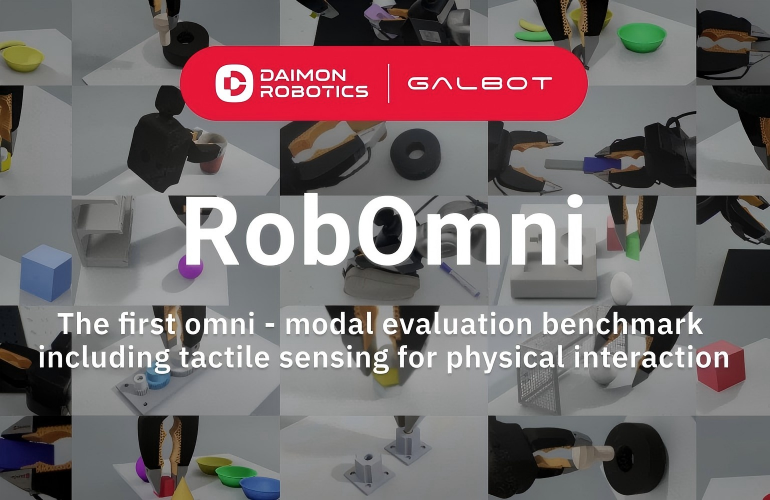
Daimon Robotics and Galbot jointly launches RobOmni for benchmarking tactile perception and dexterous manipulation
Daimon Robotics and Galbot have announced the launch of RobOmni, a new platform designed to benchmark tactile perception and dexterous manipulation in the field of embodied AI. This development marks a significant shift from traditional vision-centric approaches to a more comprehensive understanding of physical interactions. The collaboration aims to enhance the capabilities of robots in performing complex tasks that require fine motor skills and sensitivity to touch. The launch event took place recently, highlighting the growing importance of tactile feedback in robotics and its applications across various industries. By integrating advanced tactile sensing technologies, RobOmni is set to provide researchers and developers with the tools needed to push the boundaries of robotic dexterity and perception.
Sponsored Content
Galbot Launches LDA-1B World-Action Model, Open-Sources Framework
Galbot, China's leading unlisted embodied AI company valued at over RMB 20 billion (approximately $2.8 billion), has unveiled its latest innovation, the LDA-1B. This advanced model, featuring 1.6 billion parameters, integrates world and action learning, showcasing its ability to scale effectively with diverse data sets. The LDA-1B has been open-sourced and is set to be presented at the upcoming Robotics: Science and Systems (RSS) conference in 2026. This release marks a significant step in the field of AI, reflecting Galbot's commitment to advancing technology and contributing to the global AI community.
News
Humanoid robot maker Galbot raises RMB 2.5 billion
Galbot, a developer of humanoid robots specializing in embodied AI models based in China, has successfully raised RMB 2.5 billion (approximately $350 million) in a recent funding round. This investment attracted notable backers, including the China Integrated Circuit Industry Investment Fund, Sinopec, and CITIC-affiliated investment entities, alongside contributions from existing shareholders. The company plans to utilize the funds to advance its technology and expand its operations in the rapidly evolving robotics sector.
News Feed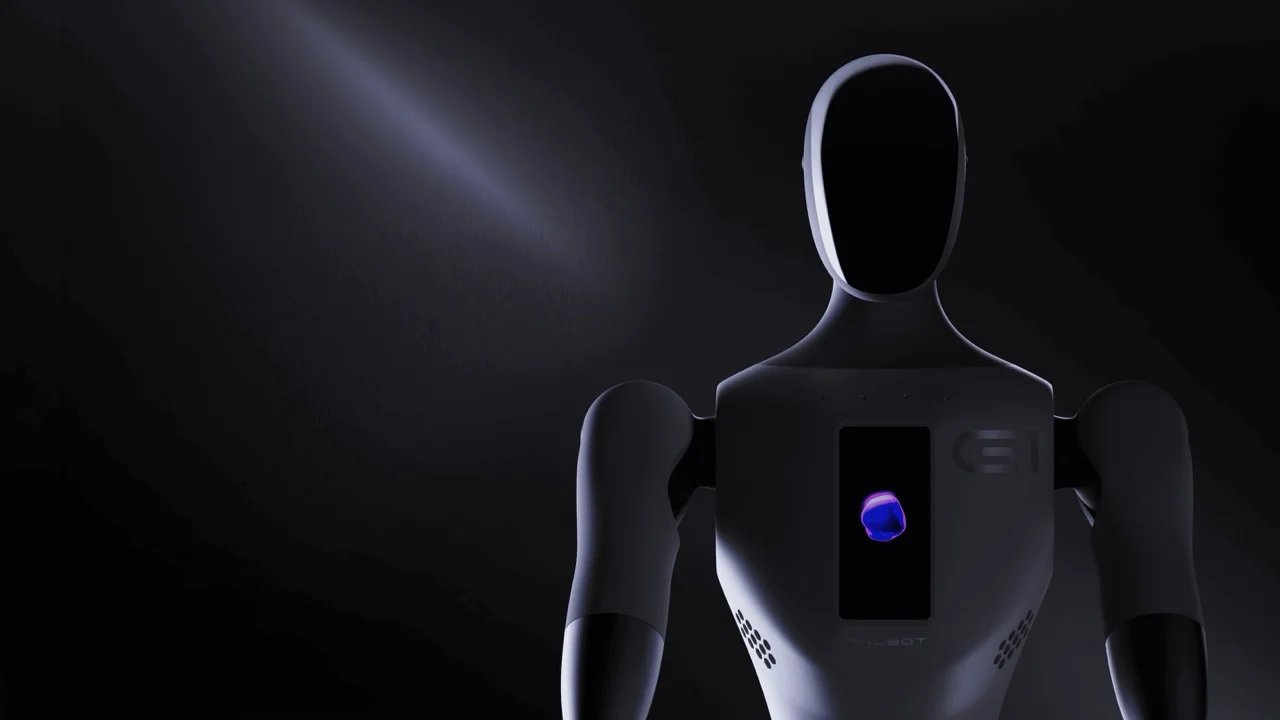
Galbot Reportedly Eyes $4 Billion Hong Kong IPO, Joining China’s Humanoid Rush
A Beijing-based startup, supported by battery manufacturer CATL, is reportedly collaborating with UBS and Citic Securities to prepare for a public listing in 2026. Despite these plans, the company asserts that its ongoing restructuring efforts are solely aimed at securing private financing. This strategic move reflects the startup's ambitions in the competitive battery market, as it seeks to enhance its financial standing and operational capabilities ahead of a potential IPO.
galbot Business China
CATL backs humanoid robotics startup Galbot in $153 million funding
China’s Contemporary Amperex Technology Co., Ltd. (CATL), the largest battery manufacturer globally, has made a significant move into the humanoid robotics sector by leading a funding round of RMB 1.1 billion (approximately $153 million) for Galbot, a startup based in Beijing. This investment has elevated Galbot to unicorn status, with its valuation surpassing $1 billion, as reported by financial media outlet Caixin. The funding round also saw participation from the growth investment arm of the China Development Bank, among other investors. This strategic investment reflects CATL's ambition to diversify its portfolio and capitalize on the growing demand for advanced robotics technology.
News FeedRobotics needs a service framework.
RSF defines a common language for robot service capability, lifecycle operations, certification pathways, and service-provider networks.
Join the RobotToday community on LinkedIn
Daily robotics news, in-depth analysis, conference highlights, and discussions with professionals worldwide.