Industry Briefing
A single destination for timely, editor-curated robotics news from around the world.
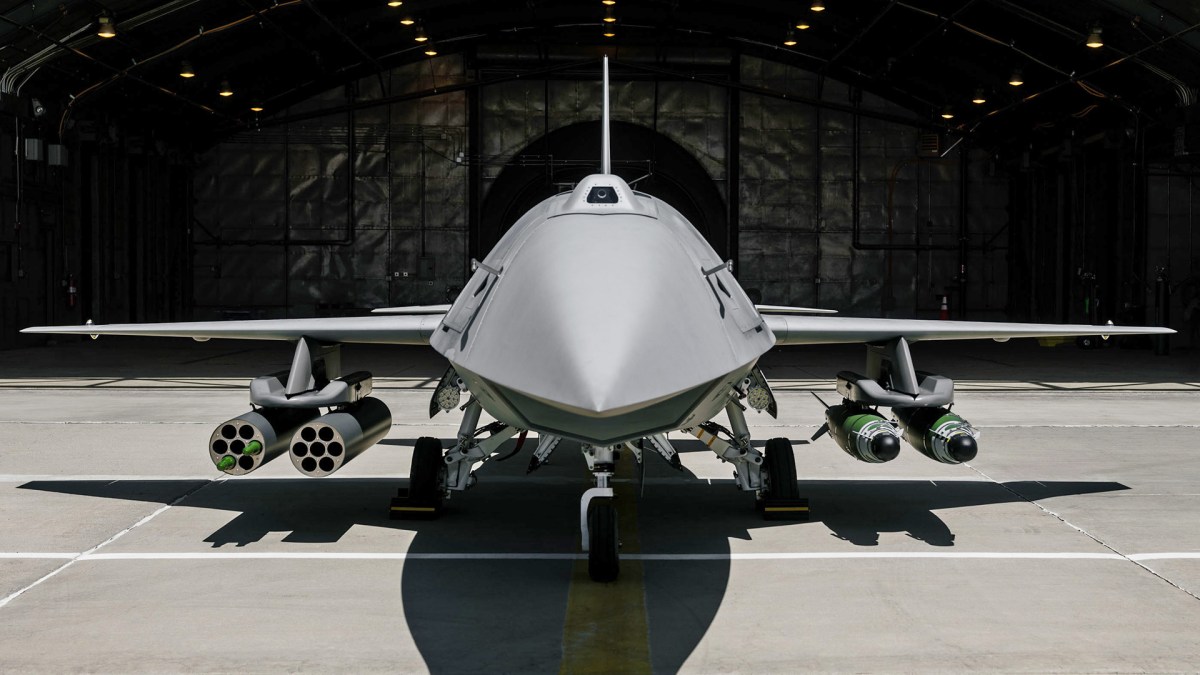
Anduril's YFQ-44A Fury Completes Fit Checks for Air-to-Ground Munitions
Anduril has shared new imagery of its YFQ-44A Fury Collaborative Combat Aircraft (CCA) equipped with air-to-ground munitions, indicating a potential shift in its operational role. The company has initiated integration and fit checks for various air-to-ground weapons, although flight testing has not yet occurred. The YFQ-44A, selected for the Air Force's CCA Increment 1 program, currently focuses on air dominance but is being adapted for broader mission capabilities. This development is significant as it expands the operational versatility of the YFQ-44A, allowing it to undertake air-to-ground missions alongside its primary air-to-air focus. The integration of weapons such as 500-pound Joint Direct Attack Munitions and 250-pound Small Diameter Bombs enhances its potential as a multi-role platform. Anduril's approach to diversify the weaponry could enable the Fury to serve in various roles, including counter-UAS and air-to-surface strike missions, thereby increasing its value to the Air Force. Looking ahead, Anduril plans to continue testing the Fury with additional air-to-air weapons and targeting pods. The flexibility of the YFQ-44A to adapt to different mission profiles by changing external stores and sensors will be crucial as the Air Force evaluates the integration of CCAs with crewed fighters. No further timeline was disclosed at the time of publication.
Air Air Forces Collaborative Combat Aircraft Drones News & Features U.S. Air Force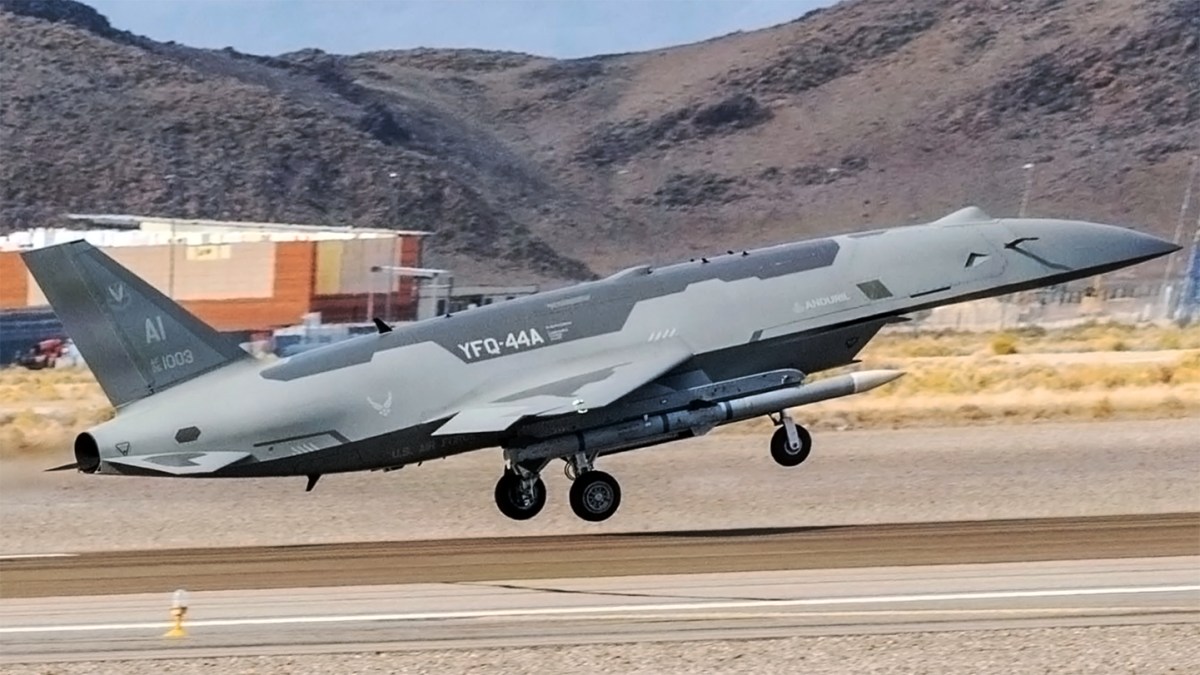
Anduril's YFQ-44A Fury CCA Completes Formation Flights with F-35 Fighters
Anduril's YFQ-44A Fury Collaborative Combat Aircraft (CCA) has successfully flown in formation with F-35 fighters during U.S. Air Force testing. This significant development was revealed by Anduril executives Jason Levin and Aaron Simpson at the Air & Space Forces Air, Space and Cyber Symposium. The flights took place in July at Creech Air Force Base, Nevada, as part of an exercise with the Air Force’s Experimental Operations Unit. This testing marks a crucial advancement in the Air Force's Collaborative Combat Aircraft program, which aims to integrate low-cost autonomous aircraft with crewed fighters in contested airspace. Although the F-35 did not control the Fury during these flights, the testing involved the Fury operating under its Mission Autonomy system, demonstrating the potential for future manned-unmanned teaming. Looking ahead, Anduril is progressing towards what it calls “quarterback integration,” allowing crewed aircraft to direct autonomous ones. Executives indicated that significant developments in this area are expected in the coming weeks or months, with live flying anticipated as part of the integration process. The specifics of how an F-35 will control the Fury are still under development, focusing on human-machine interface integration.
Air Collaborative Combat Aircraft Drones Loyal Wingman News & Features Unmanned
Anduril's YFQ-44A Fury Drone Successfully Fires AIM-120 Missile in First Test
Anduril's YFQ-44A Fury Collaborative Combat Aircraft has successfully conducted its first live-fire test, launching an AIM-120 AMRAAM missile at a simulated target from Edwards Air Force Base in California. This marks a significant milestone for both the Fury drone and the U.S. Air Force's Collaborative Combat Aircraft (CCA) program. The successful launch demonstrates the operational capabilities of the YFQ-44A, which is part of the initial phase of the CCA program alongside General Atomics' YFQ-42A Dark Merlin. The test involved a coordinated effort with the 412th Test Wing's Air Dominance Combined Test Force, ensuring the safe execution of the live-fire event. Looking ahead, the Air Force has indicated that the YFQ-42A is also on track for a live-fire test later this year. This progression from inert carriage to live-fire capabilities reflects the maturity of the CCA program and its potential to enhance operational effectiveness for the U.S. military.
Air Air Forces Collaborative Combat Aircraft Drones News & Features U.S. Air Force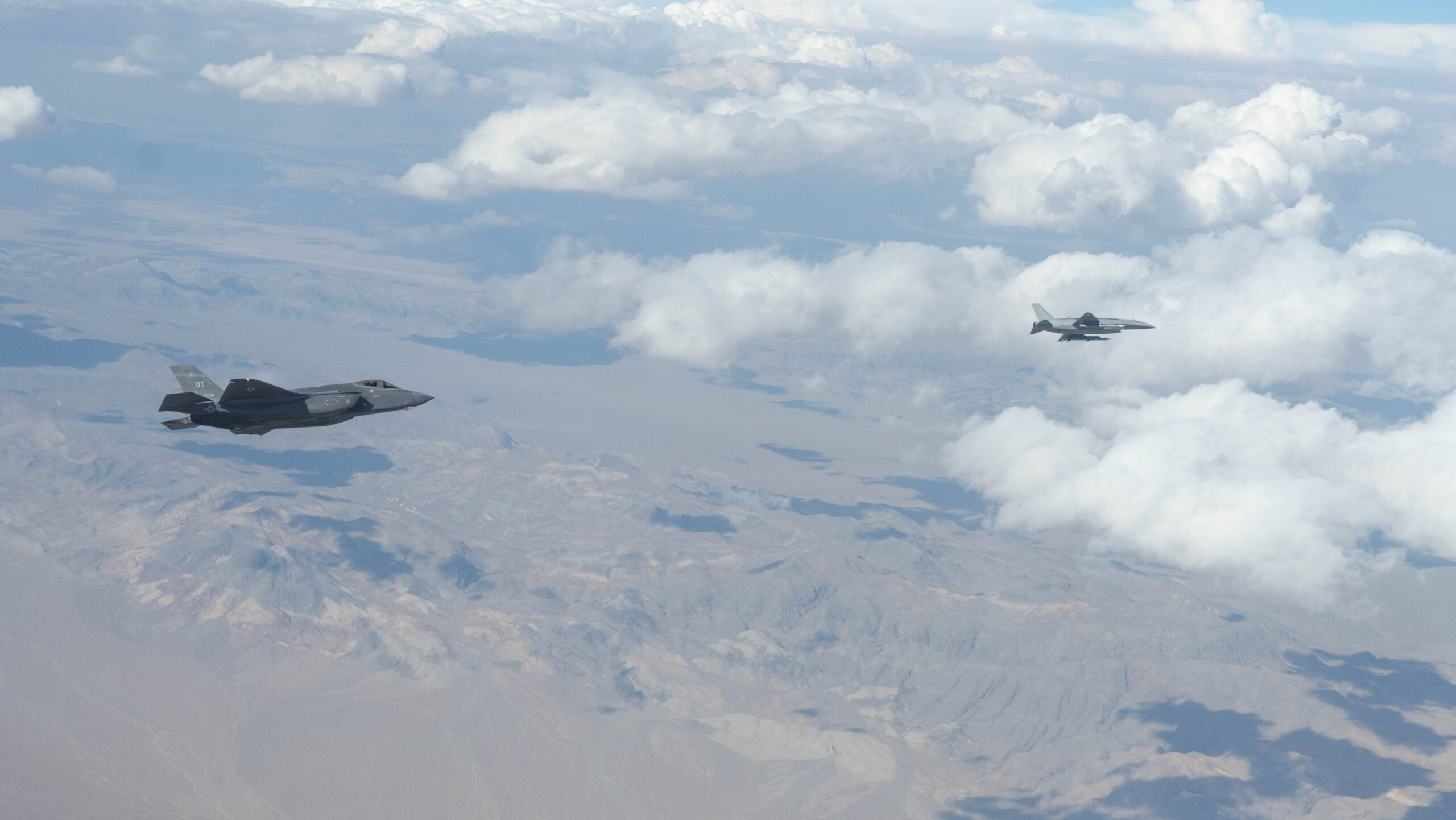
Anduril Warns Production of FQ-44 Fury Drones Delayed Without FY27 Budget Approval
Anduril officials have stated that production of the FQ-44 Fury drones cannot begin until the fiscal year 2027 budget is approved by Congress. The Air Force awarded production contracts to Anduril and General Atomics in June for Collaborative Combat Aircraft, but funding is crucial for Anduril to start work. The urgency of the situation is underscored by the recent passing of a continuing resolution that maintains government spending at FY26 levels, restricting new program work. Erin Simpson, Anduril’s vice president for strategy execution, emphasized that while the company has invested in a new production facility and is preparing for production, they cannot proceed without the necessary procurement dollars. Looking ahead, Air Force Secretary Troy Meink announced expectations for 500 CCA drones by 2032, although details on the initial production numbers remain undisclosed. Anduril is currently developing Fury prototypes at its Arsenal-1 facility, which has the capacity to produce 150 aircraft annually, but current orders do not meet that threshold. No further timeline was disclosed at the time of publication.
Air Warfare Congress 2027 defense appropriations AFA 2026 Air Force Anduril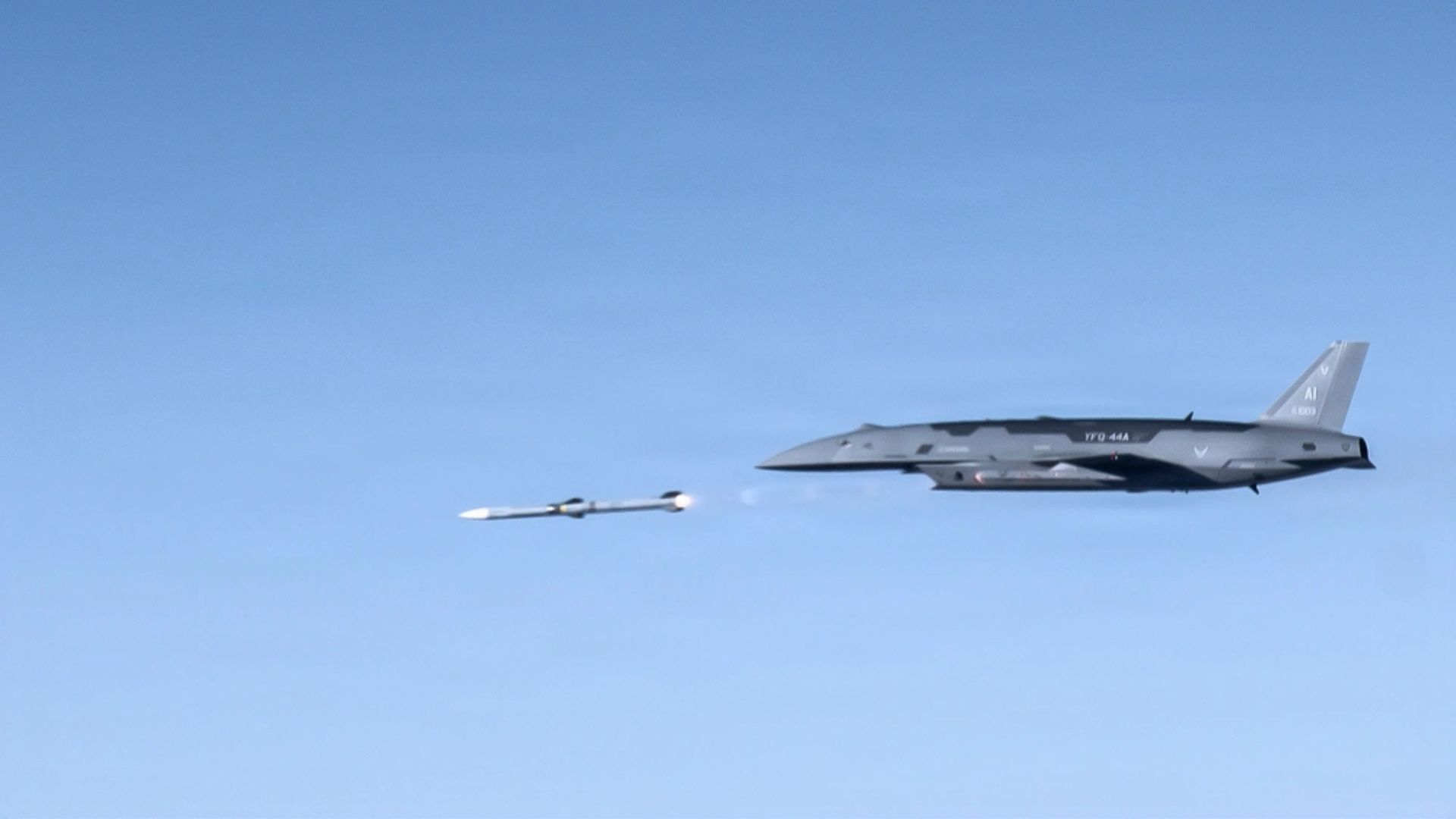
U.S. Air Force Conducts First Missile Launch from Anduril's YFQ-44A Drone
The U.S. Air Force successfully executed its inaugural missile launch from a Collaborative Combat Aircraft (CCA) on June 15, 2026. The Anduril-developed YFQ-44A drone fired an AIM-120 medium-range air-to-air missile at a digital target in California’s Mojave Desert, marking a significant advancement in the development of semi-autonomous drones capable of operating alongside piloted fighter jets. This milestone is crucial as it demonstrates the Air Force's commitment to enhancing its combat capabilities through the use of Collaborative Combat Aircraft. The YFQ-44A autonomously managed most mission steps, with a human operator providing the final launch approval, adhering to U.S. policy on lethal weapon control. This test signifies a shift from previous trials, where operators controlled the drone's flight, showcasing the aircraft's ability to execute complex tasks independently. Looking ahead, the Air Force aims to further develop and test these semi-autonomous aircraft, ultimately enhancing U.S. airpower. The CCA program seeks to deliver combat-ready drones that can operate effectively in challenging environments, with the potential for real mission deployment on the horizon. No further timeline was disclosed at the time of publication.
Military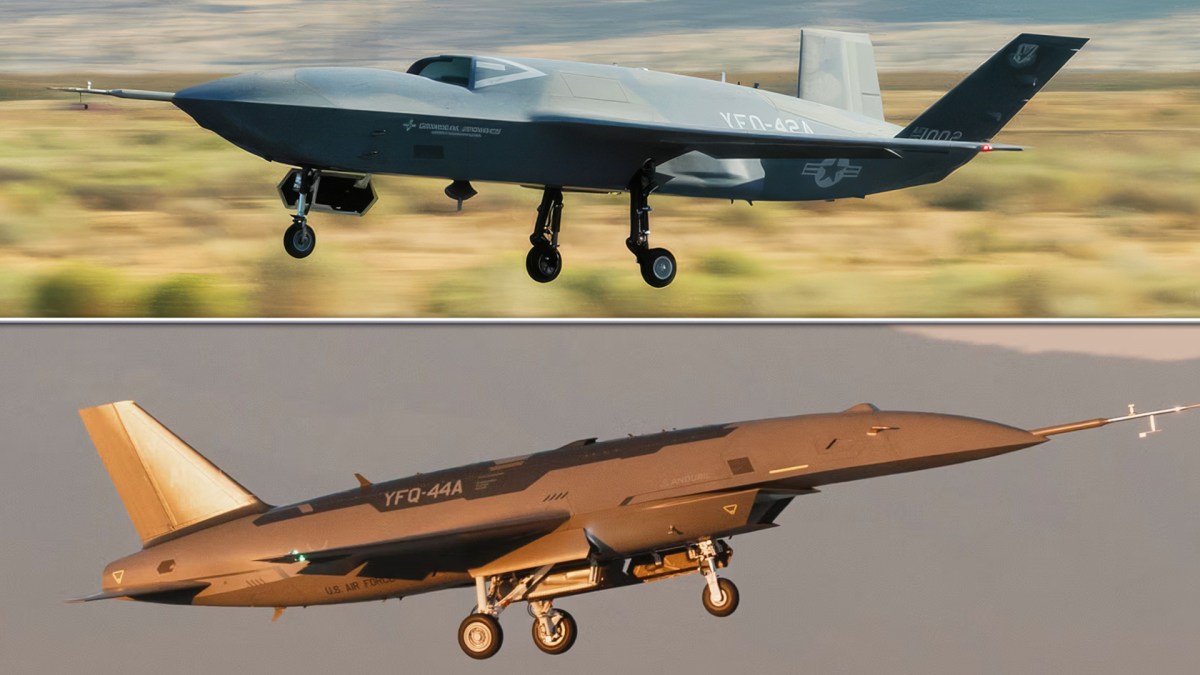
USAF Orders Both General Atomics’ FQ-42 And Anduril’s FQ-44 Into Production
The United States Air Force (USAF) has made a significant decision to order both the FQ-42 and FQ-44 Collaborative Combat Aircraft designs from General Atomics and Anduril, respectively. This move, announced recently, aims to mitigate risks associated with the high-stakes program by leveraging the advantages of both aircraft designs. By opting for dual production, the USAF seeks to enhance its operational capabilities and ensure a more robust defense strategy. The decision underscores the importance of innovation and adaptability in military aviation, as the USAF navigates the complexities of modern warfare.
Air Air Forces Collaborative Combat Aircraft Drones News & Features U.S. Air ForceRobotics needs a service framework.
RSF defines a common language for robot service capability, lifecycle operations, certification pathways, and service-provider networks.
Join the RobotToday community on LinkedIn
Daily robotics news, in-depth analysis, conference highlights, and discussions with professionals worldwide.