Industry Briefing
A single destination for timely, editor-curated robotics news from around the world.

ANSCER Robotics Receives FCC Conditional Approval for AR250, AR650, and AR1250 Robots
ANSCER Robotics Inc. has announced that its AR250, AR650, and AR1250 autonomous mobile robots have received Conditional Approval from the U.S. Federal Communications Commission (FCC) as of September 18, 2026. This approval is part of the FCC's Robotic Devices Conditional Approvals under the Covered List program. This significant milestone allows ANSCER Robotics to continue the import and deployment of its robotic platforms in the U.S. market. The FCC's approval is crucial for manufacturers in the robotics sector, as it ensures compliance with regulatory standards and facilitates market entry. Looking ahead, the approval positions ANSCER Robotics favorably within the competitive landscape of autonomous mobile robots. Stakeholders should monitor the company's next steps in deployment and market expansion following this regulatory achievement. No further timeline was disclosed at the time of publication.

Husqvarna Receives FCC Conditional Approval for Robotic Lawn Mowers in the U.S.
Husqvarna Group has secured conditional approval from the FCC for four robotic lawn mower models intended for the U.S. market. The approved models include the Automower 305V iQ, 310V iQ, 420V iQ, and 440V iQ, which are set to launch in 2027 and are exempt from the FCC Covered List. This approval is significant as it marks Husqvarna as the first robotics company to receive such conditional approval for foreign-manufactured advanced robotic devices. The U.S. market accounted for 24% of Husqvarna's total net sales in 2025, indicating the importance of this market for the company's growth strategy. Looking ahead, Husqvarna aims to capitalize on the U.S. market's growth potential, particularly in residential robotic lawn mowing, where penetration remains limited. The company currently serves over 500 golf courses with its professional mowing solutions, highlighting its established presence in the sector.
AI AI Funding & Investment AI Policy & Regulation Robotics Covered List FCC
FCC Grants Conditional Approval to Two More Drones, Expanding Foreign Drone Exemptions
The Federal Communications Commission (FCC) has granted Conditional Approval to two additional drone systems: Exedy Globalparts Corporation’s Ayre CX and Parallel Flight Technologies’ Firefly. This decision increases the total number of drone companies receiving individual exemptions to 17, indicating a shift in the agency's foreign drone policy despite existing restrictions. This development is significant as it highlights the FCC's evolving approach to foreign-produced drones, which were largely restricted under the national security 'Covered List' established in December 2025. While the overall restrictions remain intact, the growing list of drones allowed to bypass these regulations suggests a more flexible policy framework. Looking ahead, the FCC's recent decision to allow Conditional Approvals to remain valid indefinitely, provided manufacturers adhere to onshoring plans and pass government vetting, offers greater certainty for companies navigating the approval process. No further timeline was disclosed at the time of publication.
News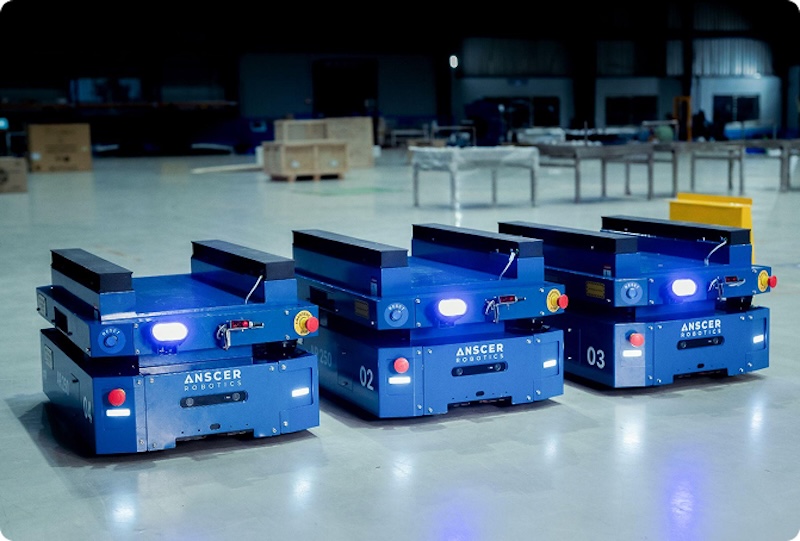
Anscer Robotics Receives FCC Conditional Approval for AR-Series Autonomous Mobile Robots
Anscer Robotics has announced that its AR250, AR650, and AR1250 robotic platforms have received Conditional Approval from the US Federal Communications Commission (FCC), effective September 18, 2026. This approval is part of the FCC’s Covered List program, which aims to enhance communications supply-chain security by allowing foreign-produced advanced robotic devices to be authorized for the US market. The significance of this approval lies in its role in ensuring that Anscer’s AMRs can be imported and sold in the United States while supporting the expansion of US manufacturing and supply-chain transparency. Anscer Robotics is now among the first companies, alongside Husqvarna, to be listed in the FCC’s robotic-device conditional approvals, reflecting its commitment to compliance with US security standards. Looking ahead, the Conditional Approval serves as a transitional authorization that emphasizes ongoing US-manufacturing and reporting commitments. Anscer Robotics, headquartered in Plano, Texas, continues to focus on providing automated material transport solutions in warehousing, manufacturing, and intralogistics operations. No further timeline was disclosed at the time of publication.
FCC Approves Ascento Guard Dori USA v1 UAS with Conditional Exemption
The Federal Communications Commission (FCC) has granted Conditional Approval for Ascento Inc.'s Ascento Guard Dori USA v1 Uncrewed Aircraft System, exempting it from the Covered List. This decision follows a similar exemption for Wi-Fi routers from WNC Corporation and reflects the FCC's ongoing updates to its regulations regarding UAS. This approval is significant as it demonstrates the FCC's willingness to adapt its policies in response to national security assessments by the Department of War (DoW) and the Department of Homeland Security. The exemption allows Ascento's UAS to operate without the restrictions of the Covered List, provided that the company adheres to its onshoring plan and passes necessary vetting. Looking ahead, the FCC's evolving list of Conditional Approvals for UAS indicates a growing acceptance of foreign-produced systems, which could lead to increased opportunities for companies like Ascento. No further timeline was disclosed at the time of publication.
defense News US Government Ascento Conditional Approval Covered List
FCC Revokes Drone Authorizations for Odyssey Robot LLC Over False Claims
The Federal Communications Commission (FCC) has revoked equipment authorizations for a drone and remote controller from Odyssey Robot LLC due to false statements regarding production and compliance with FCC Covered List rules. The revocation, effective immediately, applies to an uncrewed aircraft system and its remote controller, identified by FCC IDs 2BSYT-FMAWZOD and 2BSYT-YMAWZOD, respectively. This decision highlights the FCC's stringent enforcement of regulations concerning foreign-produced drones and critical components, which were added to the Covered List on December 22, 2025. Odyssey had previously received FCC certifications for its products on April 20, 2026, claiming they were not covered equipment. However, allegations surfaced regarding the accuracy of these claims, prompting an investigation by the FCC. Moving forward, the FCC's actions may signal increased scrutiny on drone manufacturers and their compliance with federal regulations. As the agency continues to enforce its rules, companies in the drone industry should be prepared for potential audits and ensure that their claims regarding equipment production and assembly are fully substantiated. No further timeline was disclosed at the time of publication.
Drone News Drone News Feeds Drones in the News Feature 1 News US Government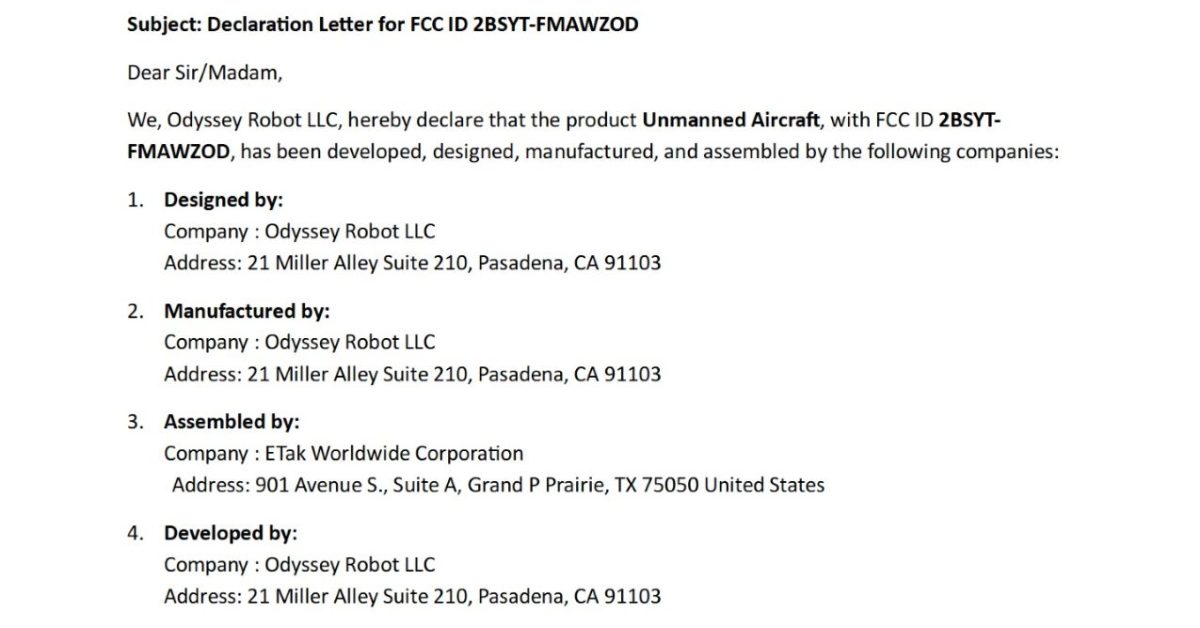
FCC Initiates Revocation of Equipment Approvals for Odyssey Robot Amid DJI Allegations
The Federal Communications Commission (FCC) has initiated its first effort to revoke equipment approvals for Odyssey Robot, a drone company accused of falsely claiming its products were manufactured in the United States. This action follows allegations from independent security researcher Konrad Iturbe, who suggested that Odyssey is a front for DJI, aiming to evade national security restrictions on foreign-made drones. This case is significant as it represents the FCC's first potential revocation of drone equipment authorizations under its enhanced national security regulations. The investigation began in June after Iturbe's research raised questions about Odyssey's claims of being an American manufacturer and its attempts to bypass restrictions on foreign drones. The FCC's Enforcement Bureau has sought documentation from Odyssey, which has not responded to inquiries. Looking ahead, the outcome of this investigation could set a precedent for how the FCC handles similar cases involving foreign-made drones. The agency's findings regarding Odyssey's claims about its manufacturing processes and partnerships will be closely monitored, particularly in light of the implications for national security and regulatory compliance in the drone industry. No further timeline was disclosed at the time of publication.
News
FCC Approves Exemption for Dronus K500L Drone System from Covered List
The Federal Communications Commission (FCC) has granted an exemption from its Covered List for Dronus S.p.A.'s K500L Uncrewed Aircraft System and Nest V2 docking station. This decision, announced on October 2, 2026, highlights the effectiveness of the FCC's Conditional Approval process for UAS manufacturers, allowing foreign-made products to be exempted under specific conditions. This exemption is significant as it demonstrates the FCC's willingness to adapt its regulations to support the drone industry while addressing national security concerns. The Department of War's Conditional Approval indicates that these products do not pose an unacceptable risk, allowing Dronus to continue operations without being listed on the Covered List, which was expanded to include foreign-produced UAS in December 2025. Looking ahead, Dronus must adhere to its onshoring plan and comply with updated product vetting to maintain its exemption. The FCC's evolving framework for Conditional Approvals provides a pathway for foreign drone manufacturers to navigate new supply-chain rules, emphasizing the importance of meeting federal security requirements while pursuing production onshore.
Drone Manufacturing Drone News Drone News Feeds Dual Use News Products
ANSCER Robotics Achieves Conditional U.S. Approval for Autonomous Mobile Robot Platforms
ANSCER Robotics has announced that it has received conditional approval for its autonomous mobile robot platforms in the U.S. This approval is significant as it allows U.S. customers, manufacturers, and warehouses to evaluate these platforms for industrial material-handling projects without facing restrictions from the Federal Communications Commission (FCC). The conditional approval addresses a national-security eligibility requirement for FCC equipment authorization, which is crucial for the deployment of advanced robotic devices. ANSCER's modular AR platform is designed to support various applications, including lifting, tunneling, and tugging, across manufacturing and warehousing operations. Looking ahead, ANSCER Robotics aims to assist customers in identifying suitable material-movement applications and navigating the regulatory landscape. No further timeline was disclosed at the time of publication.
Factory / Robotics
FCC Approves Nationwide Testing of Cellular Networks for Drone Connectivity
The Federal Communications Commission (FCC) has granted a temporary waiver to support the US Department of Transportation's Mobile Network Aviation Assessment Program (MNAAP). This initiative aims to test the viability of using commercial wireless networks to enhance aviation safety and security for drones operating in US airspace. This testing is significant as it addresses one of the major challenges in expanding commercial drone operations: reliable connectivity. Drones flying beyond visual line of sight (BVLOS) require dependable communication methods, which are crucial for future applications like drone delivery and automated inspections. The MNAAP will conduct tests across the contiguous United States, involving up to 2,000 authorized pilots and 200 non-federal drone operators. The FCC's waiver is set to last until October 1, 2029, allowing ample time to gather data that could inform the future integration of cellular networks into the drone ecosystem.
News
Drone Solutions Secures BVLOS Approval for Medical Drone Deliveries in Zimbabwe
Drone Solutions International has obtained approval for beyond visual line of sight (BVLOS) drone deliveries in Zimbabwe, focusing initially on medical and pathology logistics. This development will facilitate connections between regional health facilities and central laboratories, marking a significant step in drone delivery operations in the country. The approval from the Civil Aviation Authority of Zimbabwe (CAAZ) allows Drone Solutions to transition from training and demonstrations to regular delivery operations. The review process, which lasted six months, involved thorough examinations of the aircraft, operating manuals, and risk assessments, ensuring compliance with airspace integration procedures. Looking ahead, Drone Solutions is set to enhance its operations by incorporating routine medical transport, utilizing its KITE uncrewed aircraft system and the AXIOM drone operations management platform. No further timeline was disclosed at the time of publication.
Applications Delivery Drone News Drone News Feeds News autonomous drone delivery
FCC Approves Nationwide Testing of Cellular Networks for Drone Safety Applications
The Federal Communications Commission (FCC) has eliminated a regulatory barrier to facilitate nationwide testing of commercial wireless networks on drones and general aviation aircraft. This order, effective September 11, supports the Department of Transportation's Mobile Network Aviation Assessment Program (MNAAP), which aims to evaluate wireless signal quality across various locations and altitudes in the contiguous United States. This initiative is significant as it seeks to determine the capability of commercial networks to support safety-related aviation services, including UAS command and control, autonomous detect and avoid systems, and counter-UAS detection. The waiver creates a controlled testing environment for participants approved by the Department of Transportation, allowing for the collection of crucial data on mobile broadband service performance. Looking ahead, the MNAAP may authorize up to 2,000 general aviation pilots to utilize a dedicated app on standard devices to report findings to a centralized database. Additionally, dedicated modules may be deployed on up to 200 UAS for targeted testing. This program could enhance understanding of airborne network performance, although the effectiveness of ground-based cellular infrastructure in aerial operations remains to be fully assessed.
Drone News Drone News Feeds News US Government BVLOS cellular connected drones
FCC's Proposed Drone Regulations Threaten U.S. Drone Light Show Industry
The Federal Communications Commission (FCC) is considering regulations that could impact the U.S. drone light show industry, particularly affecting Skyworx Drone Shows. The proposed definition of 'military-grade' unmanned aircraft may inadvertently include specialized drones used for aerial entertainment, despite their distinct differences from military drones. Skyworx, a major operator producing hundreds of shows annually, has urged the FCC to exclude its purpose-built drones from these restrictions. The company emphasizes that its drones, which weigh no more than 3 pounds, are designed solely for choreographed light displays and lack military capabilities such as autonomy or weaponry. As the FCC's proposal aims to limit the importation and marketing of certain foreign-made drones, the drone light show industry is concerned about the implications for their operations. Skyworx highlights the importance of regulatory clarity to ensure the continued viability of drone light shows in the U.S. No further timeline was disclosed at the time of publication.
News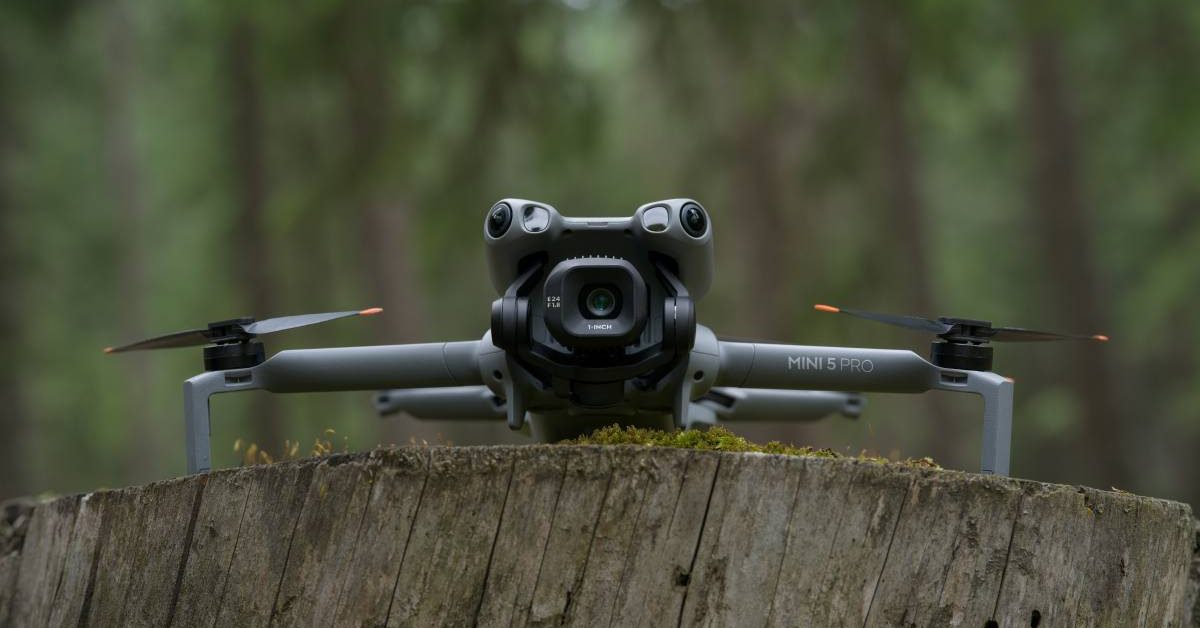
DJI Challenges FCC's Proposed Drone Ban Over Military-Grade Classification Concerns
DJI has voiced strong opposition to the FCC's proposed ban on certain drone imports, which could impact popular models like the Mini 5 Pro and Air 3S. The proposal aims to restrict foreign-made drones classified as 'military-grade,' raising concerns about the classification of technologies commonly used in civilian applications. The significance of this proposal lies in its broad definition of military-grade capabilities, which includes technologies such as thermal cameras and LiDAR sensors. DJI argues that these technologies are integral to many commercial drones and should not be categorized as military hardware. The company asserts that the FCC's classification lacks a legal foundation, as it was not established in the original National Security Determination. Moving forward, the outcome of this proposal could reshape the drone market in the U.S. DJI's filing raises critical questions about the FCC's authority to impose such restrictions. As the situation develops, stakeholders in the drone industry will be closely monitoring the implications for both manufacturers and consumers alike. No further timeline was disclosed at the time of publication.
News
Public Opposition Surges Against FCC's Military-Grade Drone Proposal
The Federal Communications Commission (FCC) has concluded the comment period for its proposal that may limit the import and sale of specific foreign-produced drones. An analysis by Pilot Institute revealed that out of 3,824 public comments, 3,770, or approximately 98.6%, opposed the proposal, highlighting significant dissent among stakeholders. This overwhelming opposition is crucial as it reflects the concerns of individuals and organizations directly affected by the proposed regulations. The FCC's initial assessment suggested that the economic and supply-chain impacts would be minimal, but Pilot Institute's findings challenge this notion, indicating potential adverse effects on small businesses and public safety operations. Looking ahead, the FCC must consider these public comments as it deliberates its next steps. The analysis underscores the importance of stakeholder input in shaping regulations that could significantly impact various sectors, including agriculture and public safety. No further timeline was disclosed at the time of publication.
DJI Drone News Drone News Feeds Drones in the News LiDAR News
FCC Maintains September 2 Deadline for Comments on Proposed Drone Restrictions
The Federal Communications Commission (FCC) has rejected requests to extend the comment period for a proposal that may limit the importation and marketing of specific foreign-produced drones and components. Comments are due by September 2, 2026, regarding a proposal from July 21 that addresses foreign-produced UAS and critical components on the FCC’s Covered List, which meet the proposed 'military-grade' definition. This proposal is significant as it could impact technologies commonly used in commercial drone operations, raising concerns within the broader drone industry. The FCC's definition of 'military-grade' includes technologies that are not exclusively for defense, such as those used in agricultural UAS. The Commission is seeking feedback on whether the proposed categories accurately reflect military-grade classifications, particularly in relation to multi-UAS applications like light shows. No further timeline was disclosed at the time of publication. The proposed restrictions will not affect domestically produced or non-military-grade UAS and components, nor will they hinder the use of equipment already purchased under existing authorizations. Exemptions include items on the Blue UAS Cleared List and those granted Conditional Approval by relevant federal departments.
Drone News Drone News Feeds Feature 1 News US Government Commercial Drone Alliance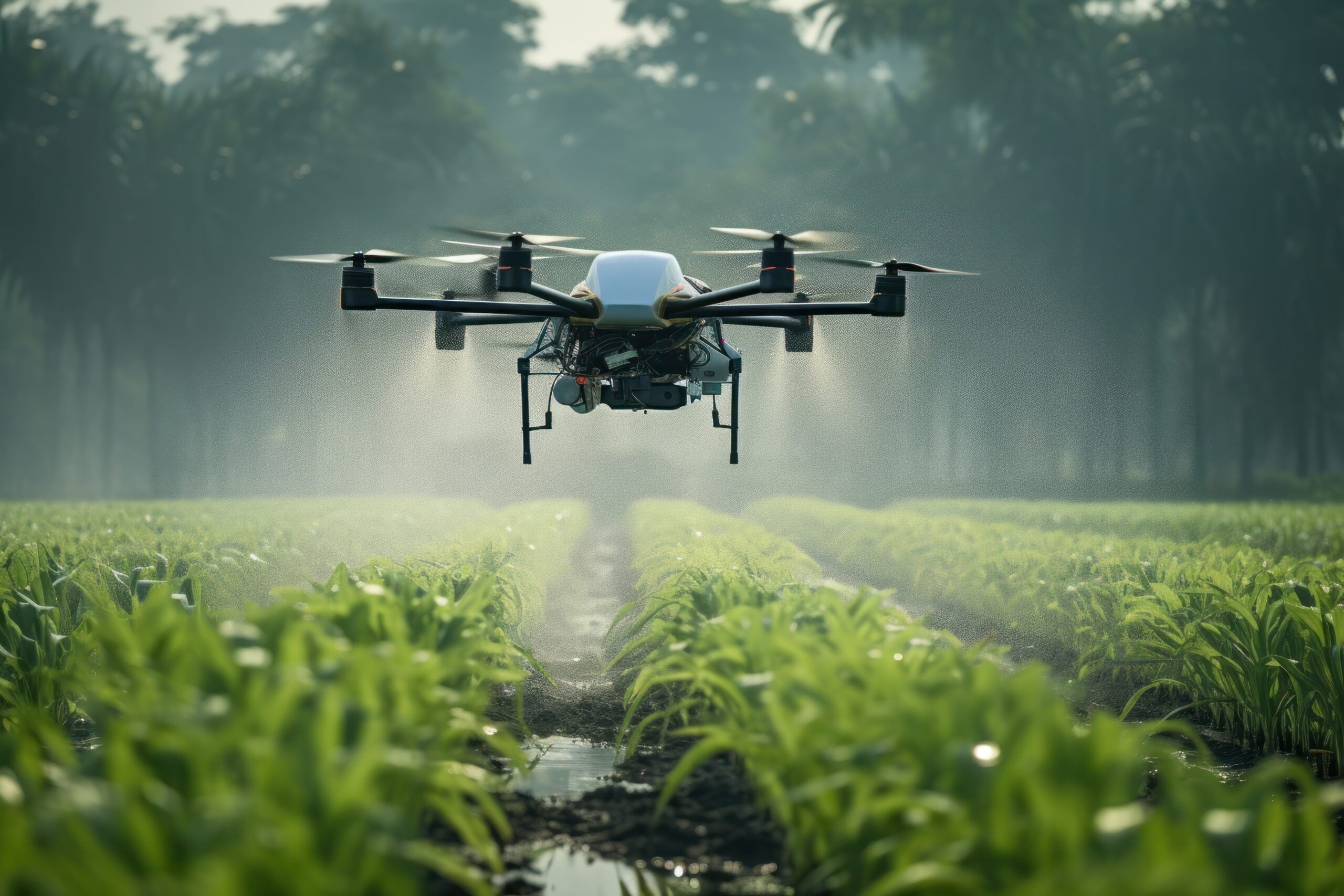
FCC Proposes New Rules for Drone Manufacturers on Software and Hardware Disclosure
The Federal Communications Commission (FCC) has initiated a rulemaking process that may require drone manufacturers to disclose comprehensive details about their hardware and software. This proposal, published on August 7, is part of the FCC's Third Further Notice of Proposed Rulemaking and aims to enhance transparency in the commercial drone industry. This rulemaking is significant as it could reshape the regulatory landscape for drone manufacturers, particularly through the proposed Hardware Bill of Materials (HBOM) and Software Bill of Materials (SBOM). Will Dawson from the Agricultural Drone Initiative emphasized that these requirements could be pivotal, as they would mandate certification applicants to provide detailed information about each component's producer and production location, potentially impacting supply chains and security protocols. As the FCC seeks public comment on these proposals, the industry should monitor the developments closely. The implications of the HBOM and SBOM requirements could lead to stricter certification processes and influence how drone manufacturers manage their supply chains. No further timeline was disclosed at the time of publication.
Agriculture Applications Drone News Drone News Feeds Feature 1 News
HoverAir Versa Explores Loophole in FCC's Drone Ban with New Design
HoverAir has introduced the Versa, a device that claims to circumvent the FCC's drone ban by presenting itself as a mini steadycam with detachable propellers. This innovative approach comes after the U.S. government imposed a ban on foreign drones in December 2025, impacting HoverAir's previous models. The significance of this development lies in the potential regulatory implications for foreign drone manufacturers. HoverAir's strategy hinges on the assertion that the Versa is not a drone but an accessory, which has led to FCC approval for its camera component. However, the underlying complexities of the FCC's regulations raise questions about the long-term viability of this loophole. As HoverAir launches the Versa on Indiegogo, industry observers will be watching closely to see if the FCC challenges this classification. The outcome could set a precedent for how similar devices are treated under current regulations, particularly regarding the definition of critical components in UAS technology.
Analysis Cameras Drones Gadgets Report Tech
FCC Considers Ban on DJI Drones Already Approved for Sale in the U.S.
The Federal Communications Commission (FCC) is contemplating restrictions on foreign-made drones, including popular models like the DJI Mini 5 Pro and Air 3S. This proposal could lead to the removal of these consumer drones from U.S. shelves due to their inclusion of technologies deemed 'military-grade' by the FCC. This move is significant as it affects not only future drone imports but also those already authorized for sale in the U.S. market. The FCC's proposal, published on August 3, seeks public comments until September 2, indicating a potential shift in the regulatory landscape for consumer drones that utilize technologies such as LiDAR and thermal imaging. As the FCC considers these restrictions, stakeholders in the drone industry and consumers should monitor developments closely. The implications of this proposal could reshape the availability of popular drone models and impact various sectors that rely on these technologies for applications beyond military use.
News
DJI Raises Concerns Over FCC Proposal Impacting Commercial Drone Operations
DJI has issued a warning to U.S. drone operators regarding a Federal Communications Commission (FCC) proposal that could have far-reaching implications for commercial drones. The proposal, which targets certain foreign-made 'military-grade' drones, may inadvertently encompass a range of commercial products, including those with thermal imaging and LiDAR capabilities, agricultural spraying drones, and docking stations. This situation is significant as it highlights the potential for regulatory definitions to impact widely used technologies in various sectors, including agriculture, public safety, and small business operations. DJI emphasizes that many of the technologies under scrutiny are not inherently military and are essential for civilian applications, thus raising concerns about the classification of drones based on their capabilities rather than their intended use. Looking ahead, the ongoing discussion around the FCC's proposal will be crucial for the future of drone regulations in the U.S. No further timeline was disclosed at the time of publication, but DJI's response underscores the importance of distinguishing between military and civilian applications in regulatory frameworks, which could shape the landscape for drone operators and manufacturers alike.
Agriculture Applications Delivery DJI Drone News Drone News Feeds
DJI Warns FCC Proposal Could Retroactively Ban Agricultural Spray Drones
The US Federal Communications Commission (FCC) has proposed new regulations that could effectively ban the sale of foreign-made agricultural spray drones, according to DJI. This move follows a December 2025 ruling that blocks new foreign models and components, significantly impacting the agricultural drone market dominated by overseas manufacturers. DJI argues that the FCC's definition of 'military-grade' drones includes many civilian models used for crop spraying, which could lead to increased costs and limited availability for American farmers. The proposal, open for public comment until September 2, targets drones with specific capabilities, potentially crippling agricultural operations that rely on these technologies to enhance efficiency and reduce costs. As the situation develops, stakeholders in the agricultural sector should monitor the FCC's actions closely. The implications of this proposal could reshape the market for agricultural drones, affecting both current users and future sales of essential farming technologies. No further timeline was disclosed at the time of publication.
Agtech Policy & regulation Precision agriculture US & Canada drones
China Responds to US FCC Bans with Sanctions and Drone Restrictions
On August 5, 2026, China announced retaliatory measures against the United States, including sanctions on a testing laboratory. This move signifies a new escalation in trade tensions between the two nations, occurring just ahead of a highly anticipated meeting between their top leaders next month. The significance of these actions lies in the ongoing trade disputes and technological competition between the US and China. The sanctions reflect China's strategy to counter US restrictions, particularly those imposed by the Federal Communications Commission (FCC) on Chinese technology firms. This development is crucial as it may influence future negotiations and the overall relationship between the two countries. Looking ahead, stakeholders should monitor the outcomes of the upcoming meeting between US President Donald Trump and Chinese President Xi Jinping. The discussions may address these escalating tensions and could lead to further developments in trade policies and international relations. No further timeline was disclosed at the time of publication.

PDW and DOD Secure $820M Conditional Loan to Enhance Domestic Drone Component Production
The Department of Defense (DOD) has awarded an $820 million conditional loan through its Office of Strategic Capital to PDW. This funding aims to establish the production of drone and robotic components in the United States, including propulsion, power and control systems, and vision technologies that enhance drone performance. This initiative is significant as it supports the manufacturing of components for Group 1 and Group 2 unmanned aircraft systems, which weigh up to 55 pounds and can reach altitudes of 3,500 feet with speeds of approximately 288 miles per hour. The move is part of a broader strategy to reduce reliance on Chinese drone technology amid national security concerns, especially as China currently holds a dominant position in the global drone market. Looking ahead, the DOD's actions, including the National Defense Authorization Act for fiscal year 2026, will further restrict procurement from foreign entities of concern. As the industry adapts to these changes, companies are expected to expand their production capacities domestically. No further timeline was disclosed at the time of publication.

FCC Proposes New Drone Categories That Impact Military and Agricultural Sectors
On July 21, the Federal Communications Commission (FCC) announced it is seeking public comment on potential restrictions regarding the importation and sale of foreign-produced 'military-grade' drones. Among the proposed categories is one that could significantly affect agriculture: aerosol drones capable of dispensing pesticides, referred to as 'economic poison' under FAA regulations. This inclusion raises concerns for agricultural spraying drones, particularly those from foreign manufacturers. The implications of this proposal are noteworthy for the agriculture sector, as precision spraying has emerged as a rapidly growing application for commercial drones. The FCC's actions suggest a dual approach: while it aims to limit certain foreign drone categories, it is also working to facilitate trusted agricultural drone suppliers, as evidenced by recent conditional approvals granted to manufacturers like Ceres Air. As the FCC moves forward with this rulemaking, the agriculture industry should closely monitor developments. The final decision on whether to adopt, modify, or exempt certain categories of drones will likely hinge on public feedback received during the comment period, which could shape the future landscape of agricultural drone use.
Agriculture Applications Drone Manufacturing Drone News Featured - Agriculture News
FCC Updates Drone Policy with New Exemptions and Compliance Framework
The Federal Communications Commission (FCC) has added Exedy Globalparts Corporation’s Ayre CX and Parallel Flight Technologies’ Firefly UAS to its list of exempt uncrewed aircraft systems (UAS). This update, released on July 24, introduces new policy language that indicates a shift in how the U.S. government will manage trusted drone manufacturers moving forward. This change is significant as it removes fixed expiration dates for Conditional Approvals, allowing exemptions to remain valid as long as companies comply with their approved onshoring plans. Previously, approvals were set to expire on December 31, 2026, but the new policy emphasizes ongoing compliance with U.S. national security requirements, reflecting a more permanent approach to drone approvals. Looking ahead, the FCC's evolving Conditional Approval program suggests a transition towards a framework that prioritizes trusted supply chains and domestic manufacturing commitments. No further timeline was disclosed at the time of publication.
communications Drone News Drone News Feeds Drones in the News News US Government
FCC Proposes Stricter Restrictions on Foreign Drone Sales to Enhance National Security
The Federal Communications Commission (FCC) is proposing its most extensive restrictions on foreign drone sales to date, which includes a potential ban on the commercial import and sale of specific foreign-made drones. This initiative aims to strengthen the US drone supply chain by extending exemptions for drones that have passed government security reviews. This move is significant as it builds on the FCC's previous actions to address national security risks associated with foreign-produced drones. The agency has already blocked new equipment authorizations for certain drones deemed a threat, while also providing exceptions for trusted manufacturers, which could lead to increased domestic investment in drone manufacturing. Looking ahead, the FCC is seeking public input on whether to prohibit the import and sale of certain military-grade foreign drones, which could have a substantial impact on the drone industry. No further timeline was disclosed at the time of publication.
News
FCC Proposes Ban on Sales of Certain Military-Grade Foreign Drones to Reshape U.S. Market
The Federal Communications Commission (FCC) is advancing its initiative to reform the U.S. drone market by seeking public input on a proposed ban on the import, marketing, or sale of specific categories of foreign-produced military-grade drones listed on its Covered List. This move follows a previous decision to restrict certain foreign uncrewed aircraft systems due to national security concerns. This proposal is significant as it reflects the FCC's evolving strategy, which now includes establishing regulatory pathways for domestic manufacturers that comply with U.S. security standards. The FCC aims to provide greater certainty for companies investing in U.S.-based production while addressing potential national security risks associated with foreign drones. Comments on the proposed restrictions are due 30 days after the notice is published in the Federal Register. The FCC is also extending exemptions for trusted manufacturers until January 1, 2028, and has permanently removed expiration dates for certain approved drones and components, ensuring stability in the supply chain for compliant products.
Applications defense Defense Drone News Drone News Feeds Drone Swarms
FCC Proposes $25,000 Fines Against Eight Drone Companies for National Security Inquiry Non-Response
The Federal Communications Commission (FCC) has proposed fines of $25,000 against eight drone companies for allegedly failing to respond to inquiries regarding national security. The companies, including Cogito Tech Company Limited and Fikaxo Technology Inc., are under scrutiny for potentially marketing equipment that falls under U.S. national security restrictions. This action is significant as it underscores the FCC's commitment to enforcing compliance with national security regulations. The proposed fines stem from the companies' lack of response to Letters of Inquiry (LOIs) related to the marketing of radiofrequency equipment added to the FCC Covered List in December 2025. The FCC emphasizes that these actions are based on non-compliance with investigative requests rather than any confirmed violations of the Covered List. Moving forward, it will be crucial to monitor how these companies respond to the FCC's inquiries and whether they will face further enforcement actions. The investigation highlights the importance of regulatory compliance in the drone industry, particularly concerning national security implications. No further timeline was disclosed at the time of publication.
DJI Drone Manufacturing Drone News Drone News Feeds Feature 1 News
DJI Simplifies BVLOS Drone Approval Process for European Operators
DJI has completed a SAIL III declaration of compliance package for its DJI Dock 3 and Matrice 4D drone series, facilitating regulatory approvals for drone operators in Europe. This package provides manufacturer-backed technical evidence that can be included in Specific Operations Risk Assessment (SORA) applications, potentially easing the approval process for advanced drone operations. The significance of this development lies in its potential to streamline the regulatory landscape for commercial drone operators in Europe. SAIL III, categorized as medium-risk under EASA’s SORA framework, encompasses various commercial drone missions that extend beyond standard operations, such as automated BVLOS inspections and perimeter security. By offering a compliance package, DJI alleviates the burden on operators to generate extensive technical documentation for each safety objective. Looking ahead, operators can leverage DJI's completed engineering work to enhance their SORA applications, focusing on operational aspects rather than technical arguments about aircraft design. This initiative marks a pivotal step in making BVLOS operations more accessible, although it does not guarantee approval from aviation authorities. No further timeline was disclosed at the time of publication.
News
FCC Proposes New Rules for Drone Sales to Enhance Transparency and Security
The Federal Communications Commission (FCC) has proposed new regulations aimed at increasing transparency in online drone sales. The rules would require e-commerce platforms to display FCC certification IDs for wireless devices, including drones and their components, addressing a loophole that has allowed restricted electronic components to enter the U.S. market. This initiative is significant for various stakeholders, including drone manufacturers like DJI, online retailers such as Amazon, and consumers. By mandating the display of FCC IDs, the FCC aims to help buyers verify the authorization status of wireless devices, thereby enhancing consumer protection and regulatory oversight. Looking ahead, the FCC's proposal also seeks to close a loophole concerning the use of restricted components in devices. The agency plans to extend restrictions to nearly all logic-bearing hardware components, which could impact the manufacturing and sale of drones and related technology. No further timeline was disclosed at the time of publication.
News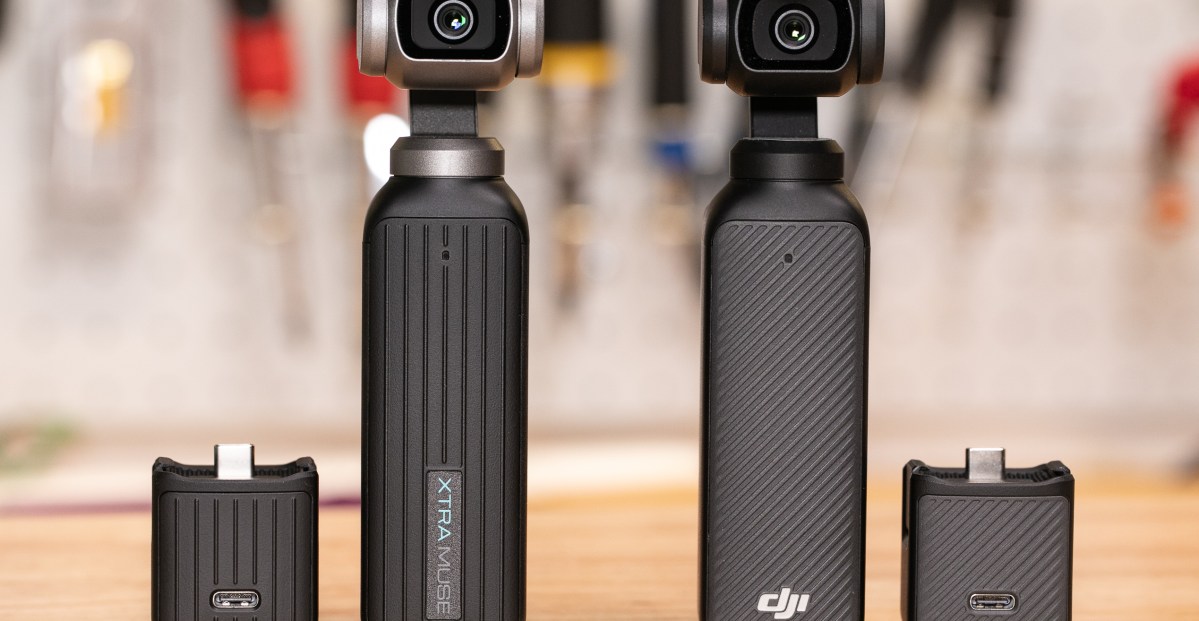
FCC Fines Eight Companies for Alleged DJI Drone Bypass in the US Market
The Federal Communications Commission (FCC) has initiated a crackdown on eight companies suspected of facilitating DJI's circumvention of the US foreign drone ban. Each company, including Cogito Tech and Xtra Technology, has been fined $25,000 for failing to respond to FCC inquiries regarding their marketing of radio equipment in the US. The deadline for these companies to respond is set for July 20th, 2023. This action is significant as it highlights the FCC's enforcement of its Covered List, which prohibits foreign drone companies from receiving authorizations due to national security concerns. The FCC's authority extends to banning products that contain components from banned companies, which could impact a wide range of devices beyond drones. The investigation follows reports of DJI's alleged use of front companies to market its products in the US, raising concerns about compliance and safety. Looking ahead, the FCC's next steps will depend on the responses from the fined companies. The agency's ability to retroactively ban products could lead to further restrictions on DJI's offerings in the US market. No further timeline was disclosed at the time of publication, but the situation remains fluid as the FCC continues its investigation into these companies and their ties to DJI.
Policy Tech
FCC Proposes New Rules for Drone Sales Transparency and Component Restrictions
The Federal Communications Commission (FCC) has proposed new regulations aimed at enhancing transparency in online drone sales. Under the proposed rules, e-commerce platforms like Amazon would be required to display FCC certification IDs for wireless devices, including drones and their components. This initiative is part of a broader effort to ensure that consumers can verify the authorization status of electronic devices before purchase, addressing a significant loophole in current regulations. The significance of this proposal lies in its potential impact on the drone market and consumer safety. By mandating the display of FCC IDs, the FCC aims to prevent unauthorized electronic equipment from entering the U.S. market, thereby protecting consumers and ensuring compliance with national security standards. The proposal also seeks to close a loophole that allows products containing restricted components to be sold if they are integrated into devices by other manufacturers, which could compromise device integrity. Looking ahead, the FCC's proposal marks a critical step in regulating the drone industry and enhancing consumer protection. The agency has been working on this initiative since 2021, with the latest proposal expanding restrictions to nearly all logic-bearing hardware components. No further timeline was disclosed at the time of publication for when these rules might take effect or how they will be implemented across online marketplaces.
News
FCC Expands Conditional Approvals for Foreign-Made Drone Systems
The Federal Communications Commission (FCC) has expanded its list of conditionally approved drone systems, recently granting exemptions to additional uncrewed aircraft systems (UAS) and related components. This decision includes the addition of Blueflite, Verity, and Air VEV to the agency's Covered List framework, which has faced scrutiny and controversy. The announcement was made in a Public Notice, highlighting the FCC's ongoing efforts to regulate foreign-made drone technologies while addressing concerns over security and compliance. This expansion reflects the agency's commitment to fostering innovation in the drone industry while ensuring that safety and regulatory standards are met.
Drone News Drone News Feeds Drones in the News Feature 1 Legal News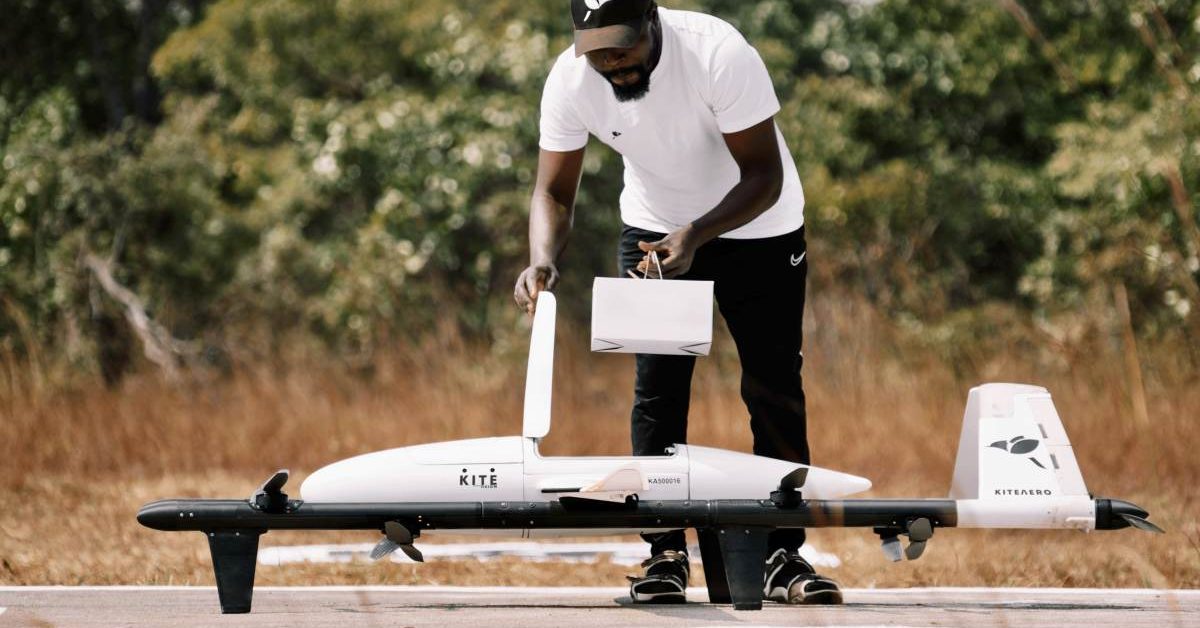
Drone Solutions International Secures BVLOS Approval for KITE Deliveries in Zimbabwe
Drone Solutions International has received regulatory approval from the Civil Aviation Authority of Zimbabwe (CAAZ) to conduct beyond visual line of sight (BVLOS) deliveries using Kite Aero’s KITE uncrewed aircraft system. This marks a significant step forward for commercial drone logistics in Zimbabwe, allowing the operator to integrate BVLOS delivery operations into its services. The approval process took six months, involving collaboration with CAAZ and Air Traffic Services to ensure compliance with safety and operational standards. Kite Aero supported the application with substantial operational data from its AXIOM drone operations management system, which has recorded over 41,000 autonomous flights and 20,000 flight hours. This data provided regulators with a solid operational record, enhancing the credibility of the KITE system. Drone Solutions plans to utilize KITE for medical and pathology logistics, facilitating air transport of critical supplies between health facilities and laboratories. This application is particularly beneficial in Zimbabwe, where transportation infrastructure can pose challenges. No further timeline was disclosed at the time of publication.
News
U.S. Drone Manufacturing Boosted by $820 Million Conditional Loan to Performance Drone Works
The United States is set to enhance its domestic drone manufacturing capabilities following a conditional loan commitment of up to $820 million to Performance Drone Works (PDW) from the Department of War’s Office of Strategic Capital. This funding aims to reduce reliance on foreign supply chains for critical drone components, addressing a significant vulnerability in the industry. The proposed financing is intended to bolster U.S. production capacity for essential technologies such as propulsion systems, power electronics, and flight-control hardware. By manufacturing these components domestically, PDW aims to support not only military applications but also future public safety and commercial uses, reflecting a broader effort to strengthen the U.S. defense industrial base amid rising demand for unmanned systems. As the proposed financing remains conditional and subject to further requirements, the initiative underscores the strategic importance of drone manufacturing for national security. The U.S. aims to build secure domestic supply chains to maintain technological competitiveness as militaries increasingly depend on autonomous systems across various domains. No further timeline was disclosed at the time of publication.
Innovation Military
DoorDash Gains Approval for Commercial Operation of Its Delivery Drones
DoorDash Inc. has received the necessary approvals to operate its own delivery drones commercially. This move is part of the company's strategy to delegate more orders to robotic systems, aiming to reduce delivery times for customers. The approval for DoorDash's delivery drones is significant as it reflects the growing trend of integrating automation into last-mile delivery services. By utilizing drones, DoorDash seeks to enhance efficiency and speed in fulfilling customer orders, addressing the increasing demand for rapid delivery solutions. Looking ahead, it will be important to monitor how DoorDash implements its drone delivery system and the impact it has on operational efficiency and customer satisfaction. No further timeline was disclosed at the time of publication.
FCC Intensifies Efforts Against Alleged DJI Intermediaries in Drone Market
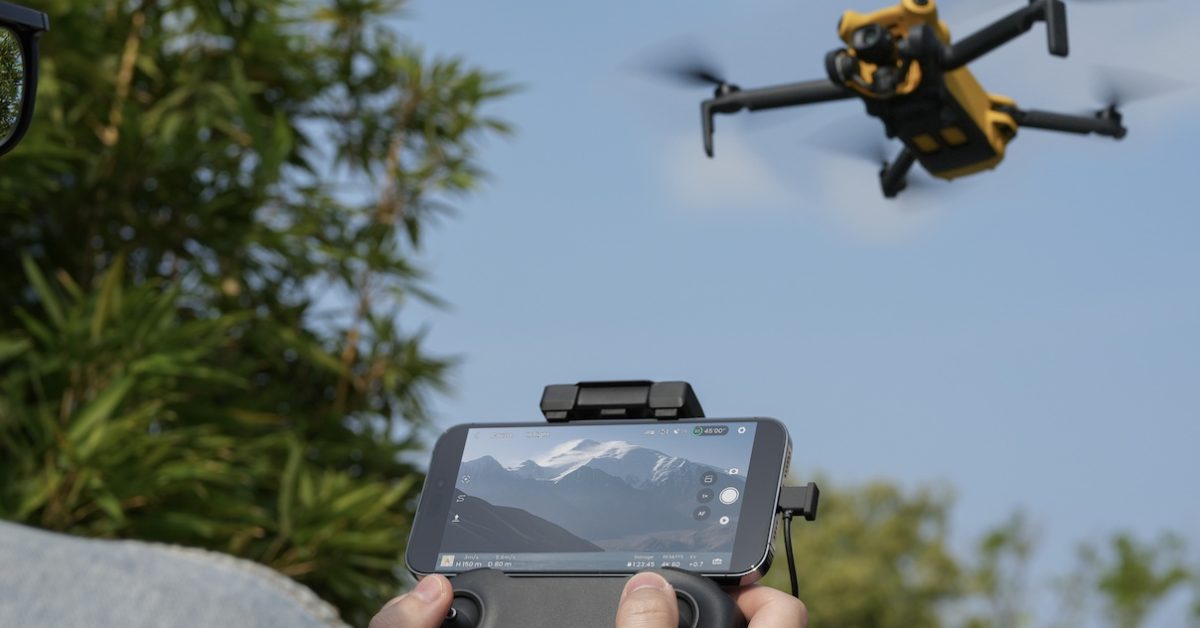
The Federal Communications Commission (FCC) has announced a Notice of Proposed Rulemaking aimed at prohibiting the importation and marketing of products from nine companies linked to restricted drone manufacturers. This move is part of the FCC's ongoing efforts to prevent foreign drone products from entering the U.S. market under different company names. This initiative is significant as it represents the FCC's most substantial escalation in addressing national security concerns related to drone imports. The agency previously proposed fines against several of these companies for failing to respond to inquiries about their marketing practices. The FCC asserts that these firms have continued to import products associated with manufacturers deemed a risk to U.S. national security. Looking ahead, if the proposal is finalized, it could significantly impact how these companies operate in the U.S. market. However, it does not impose a ban on DJI products themselves, meaning existing DJI drones remain legal to own and purchase. The focus is on closing loopholes that allow restricted manufacturers to circumvent regulations through affiliates and subsidiaries.
News
FAA Grants Approval for Drone Amplified's MONTIS Avalanche Control System
The Federal Aviation Administration (FAA) has approved Drone Amplified's MONTIS drone system for avalanche control, paving the way for its use by transportation agencies and ski resorts. This approval allows operators to deploy explosive charges remotely, enhancing safety by keeping personnel away from hazardous areas while still effectively managing avalanche risks. The significance of this approval lies in its potential to improve avalanche mitigation strategies. The MONTIS system offers an alternative to traditional methods such as helicopters and ground teams, providing flexibility in operations, especially in challenging weather conditions. This innovation aims to protect communities and maintain critical transportation routes during winter. Looking ahead, the integration of the MONTIS system into existing avalanche control programs could lead to safer operations in mountain communities and ski areas. While it will not replace traditional methods, it offers a valuable tool for agencies to enhance their response to avalanche threats. No further timeline was disclosed at the time of publication.
News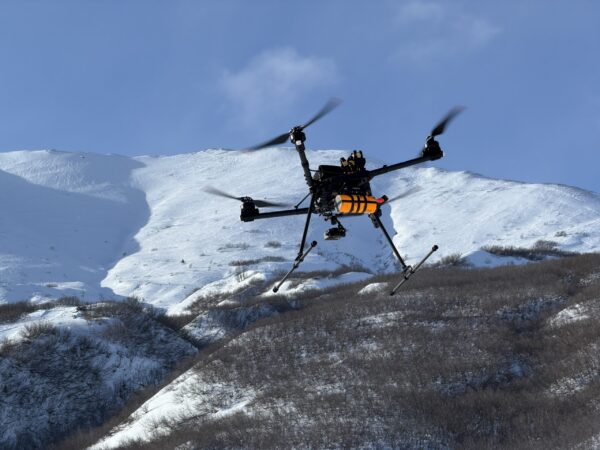
Drone Amplified Receives FAA Approval for MONTIS Avalanche Control Drone Operations
Drone Amplified, a Nebraska-based company, announced on July 8, 2026, that it has received regulatory approval from the Federal Aviation Administration (FAA) for its MONTIS drone, designed for avalanche control operations. This approval establishes a legal framework for the commercial deployment of the remote avalanche mitigation system across the United States, enhancing safety measures in avalanche-prone areas. The FAA's endorsement is significant as it allows Drone Amplified to offer its innovative technology to U.S. customers, potentially transforming avalanche management practices. The MONTIS drone is expected to improve response times and operational efficiency in avalanche control, addressing a critical need in mountainous regions where avalanches pose serious risks to safety and infrastructure. Looking ahead, the company aims to expand its market presence and operational capabilities following this regulatory milestone. No further timeline was disclosed at the time of publication, but stakeholders will be keen to see how quickly Drone Amplified can roll out its services and establish partnerships in the avalanche control sector.
Disaster Response dispatch Drone News Drone News Feeds Drones in the News Environmental Research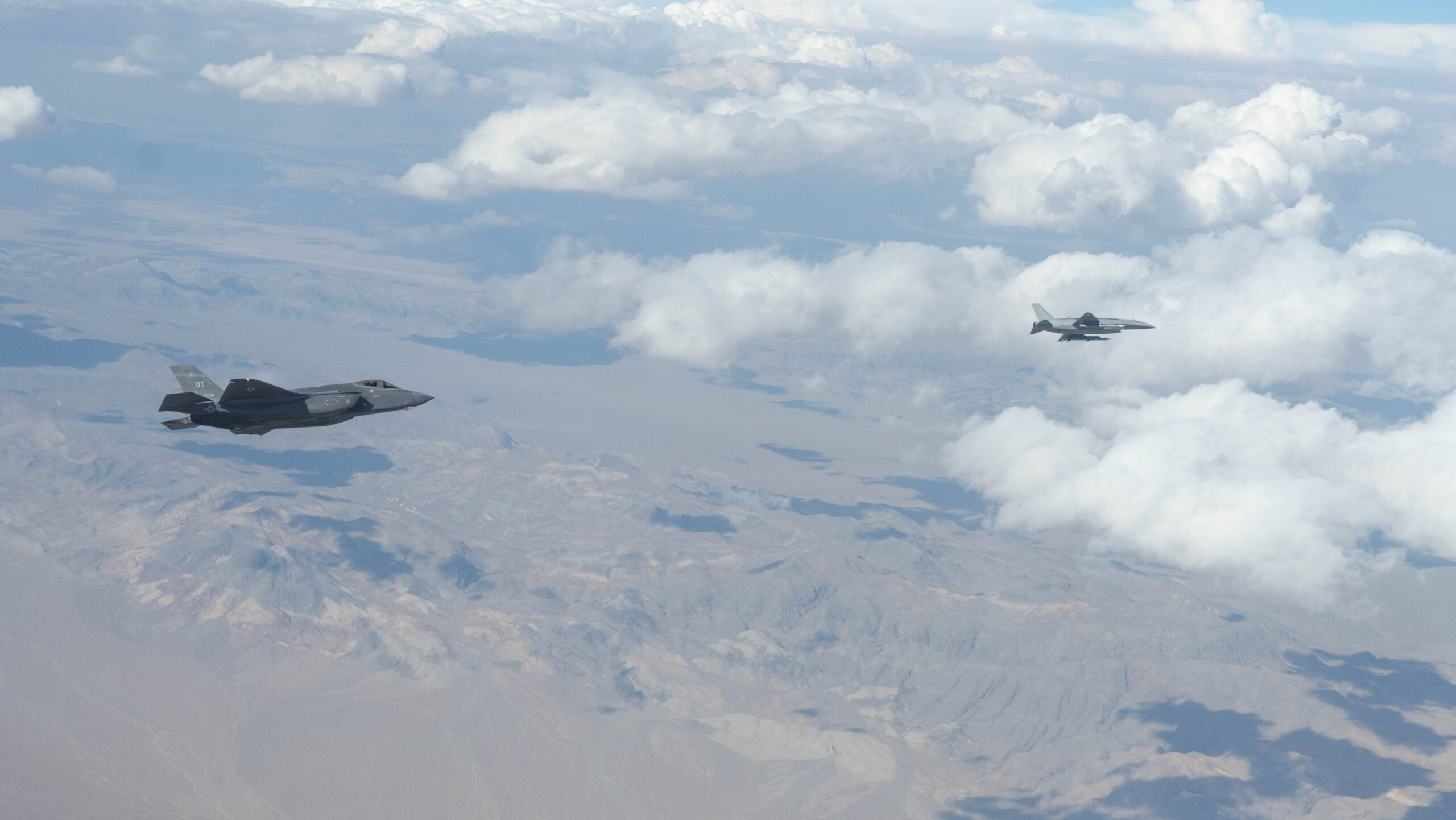
Anduril Warns Production of FQ-44 Fury Drones Delayed Without FY27 Budget Approval
Anduril officials have stated that production of the FQ-44 Fury drones cannot begin until the fiscal year 2027 budget is approved by Congress. The Air Force awarded production contracts to Anduril and General Atomics in June for Collaborative Combat Aircraft, but funding is crucial for Anduril to start work. The urgency of the situation is underscored by the recent passing of a continuing resolution that maintains government spending at FY26 levels, restricting new program work. Erin Simpson, Anduril’s vice president for strategy execution, emphasized that while the company has invested in a new production facility and is preparing for production, they cannot proceed without the necessary procurement dollars. Looking ahead, Air Force Secretary Troy Meink announced expectations for 500 CCA drones by 2032, although details on the initial production numbers remain undisclosed. Anduril is currently developing Fury prototypes at its Arsenal-1 facility, which has the capacity to produce 150 aircraft annually, but current orders do not meet that threshold. No further timeline was disclosed at the time of publication.
Air Warfare Congress 2027 defense appropriations AFA 2026 Air Force Anduril
SpaceX's Starmind Plans 1 Million AI Satellites Amid Collision Risks
SpaceX has announced its ambitious Starmind project, which aims to deploy 1 million AI satellites in orbits between 500 and 2,000 km. This initiative, confirmed by Elon Musk on June 23, 2026, follows a merger with xAI, valuing the combined entity at $1.25 trillion. The satellites will function as orbital data centers, processing AI workloads powered by solar arrays and linked by optical lasers. The significance of Starmind lies in its potential to add 100 gigawatts of AI compute capacity annually, contingent on the successful operation of the Starship launch system. However, the project raises concerns regarding space debris, as the current orbital environment is already congested, with a 20% increase in collision risk reported since 2024. The European Space Agency has highlighted that the density of debris in low Earth orbit is now comparable to that of active satellites, complicating the operational landscape for new entrants like Starmind. Looking ahead, the first operational orbital AI deployments are targeted for 2028, with test launches expected in early 2027. However, the project faces scrutiny regarding its impact on space debris, as even a 1% failure rate could significantly increase the number of uncontrollable objects in orbit, exacerbating existing risks. No further timeline was disclosed at the time of publication.

FCC Drone Exemption List Offers Clues to Trusted Supplier Requirements
The Federal Communications Commission (FCC) has recently granted conditional approval to two more drone platforms, marking a continued expansion of exemptions from its Covered List restrictions on foreign-produced uncrewed aircraft systems (UAS). This decision comes six months after the agency began issuing conditional approvals, which have revealed a diverse array of accepted drone applications. However, the specifics of the review process remain largely undisclosed, leaving questions about the criteria for trusted supplier requirements. The FCC's actions reflect an ongoing effort to adapt regulatory frameworks to accommodate advancements in drone technology and its applications across various sectors.
Drone Manufacturing Drone News Drone News Feeds drone technology News agricultural drones
FCC says some Chinese drones are suddenly safe again
The Federal Communications Commission (FCC) has broadened the scope of its exemptions regarding foreign-drone import restrictions, allowing more aircraft to bypass these regulations. This decision reflects the agency's willingness to make specific exceptions amid ongoing efforts to tighten controls on foreign drone imports. The move aims to balance regulatory oversight with the need for flexibility in the aviation sector, particularly as the demand for drone technology continues to grow. The FCC's updated list of exempted aircraft signifies a strategic approach to address both security concerns and the evolving needs of the industry.
News
FCC Creates New Toy Drone Exemption While Defining a Low-Risk UAS Category
The Federal Communications Commission (FCC) has revised its Covered List by removing a specific category of foreign-manufactured toy drones and those containing foreign components. This decision, announced following a National Telecommunications and Information Administration (NTIA) report, aims to clarify the characteristics that federal officials deem low risk. The update reflects the FCC's efforts to streamline regulations and promote innovation in the drone industry while ensuring safety standards are maintained.
Applications Drone News Drone News Feeds News Recreation US Government
DJI presents FCC with report finding no drone security threats
DJI has escalated its efforts against the Federal Communications Commission (FCC) by presenting a formal cybersecurity assessment to the agency's leadership. This independent evaluation, conducted by experts, concluded that there is no substantial evidence to support the security concerns that have been frequently raised regarding the company’s drones. The move comes as part of DJI's ongoing campaign to challenge the restrictions imposed by the FCC, which the company argues are unfounded and detrimental to its operations. By directly engaging with the FCC, DJI aims to address and dispel the apprehensions surrounding its technology, advocating for a more favorable regulatory environment for drone usage in the United States.
News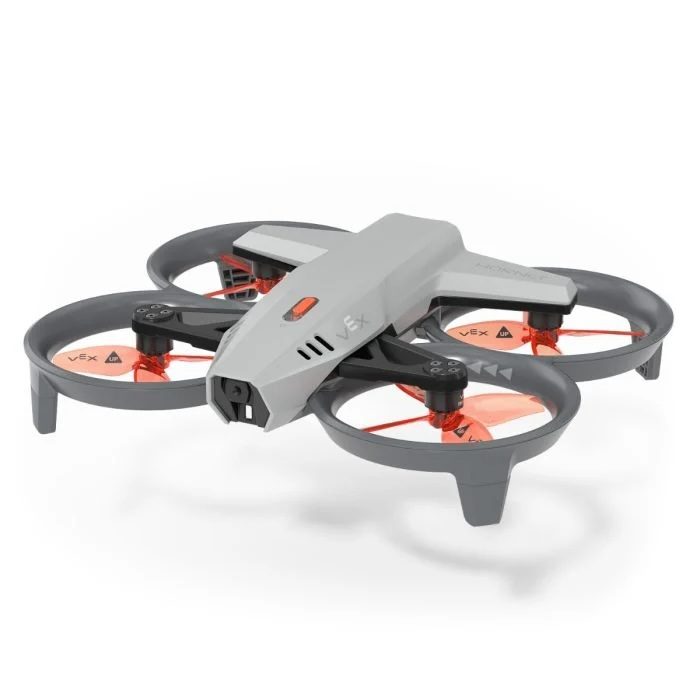
FCC Expands Drone Exemptions as Product-by-Product Security Review Takes Shape
The Federal Communications Commission (FCC) has granted conditional approval for the VEX AIR uncrewed aircraft system (UAS) through December 2026, marking a significant step in the ongoing evaluation of individual drone products outside the broader Covered List restrictions. This decision reflects the FCC's commitment to a more nuanced security review process, allowing for the addition of specific drone models that have undergone thorough scrutiny. As federal agencies continue to assess various UAS, VEX AIR joins a growing list of exempted products, highlighting the evolving landscape of drone regulation and the emphasis on safety and compliance in the industry.
Applications Blue UAS Drone News Drone News Feeds Education News
The FCC’s ‘safe’ drone list just got longer
The Federal Communications Commission (FCC) has recently categorized nearly all foreign-produced drones as part of its national security “Covered List,” raising concerns among drone pilots about the future of the industry. However, contrary to initial fears, new developments suggest that the situation may not be as dire as anticipated. As the drone market adapts to these regulatory changes, industry stakeholders are exploring innovative solutions to navigate the restrictions and continue operating effectively. This evolving landscape highlights the resilience of the drone sector and its ability to respond to regulatory challenges while seeking opportunities for growth and collaboration.
News
AI agents enhance autonomous inspections, revamping manual approval processes for drones and ground robots by DataRobot, Chevron, and NVIDIA.
DataRobot has announced a collaboration with Chevron U.S.A. Inc., a subsidiary of Chevron Corporation, to implement agent-based AI in edge environments. This partnership aims to enhance autonomous patrol and inspection operations at Chevron facilities. By leveraging advanced AI technology, the initiative seeks to improve operational efficiency and safety in the company's infrastructure.

‘Please reverse this decision!’ DJI users urge FCC to rethink foreign drone ban
DJI users are advocating for a reconsideration of the Federal Communications Commission's (FCC) recent decision to ban foreign-made drones, emphasizing the need for a transition strategy that safeguards national interests while also supporting American small businesses. This call to action comes amid growing concerns over the implications of the ban for both consumers and the drone industry. Users are urging the FCC to reverse its stance, highlighting the importance of balancing security measures with the economic impact on local enterprises. The discussion reflects a broader debate on how to navigate the complexities of national security and market dynamics in the rapidly evolving drone technology sector.
Agtech Precision agriculture US & Canada drones
FCC swamped with angry pleas over DJI, Autel drone ban
The ongoing debate in Washington regarding Chinese drones has evolved beyond a national security issue confined to congressional hearings, now affecting the lives of thousands of Americans. This controversy touches various sectors, including employment, emergency response, agricultural operations, photography, and search-and-rescue missions. As concerns about the implications of these drones grow, individuals and businesses are increasingly voicing their opinions, highlighting the personal stakes involved in the broader discussion. The intersection of national security and local livelihoods underscores the complexity of the situation, prompting a reevaluation of policies that could impact both safety and economic stability across the country.
NewsRobotics needs a service framework.
RSF defines a common language for robot service capability, lifecycle operations, certification pathways, and service-provider networks.
Join the RobotToday community on LinkedIn
Daily robotics news, in-depth analysis, conference highlights, and discussions with professionals worldwide.