Industry Briefing
A single destination for timely, editor-curated robotics news from around the world.

7 animal-inspired robots solving real-world engineering challenges
Engineers are increasingly looking to nature for inspiration in developing innovative solutions for movement, efficiency, and survival. This trend reflects a growing recognition of the intricate designs and systems that have evolved over millions of years. By studying various organisms and their adaptations, researchers aim to apply these natural principles to create advanced technologies in fields such as robotics, transportation, and energy efficiency. This biomimicry approach not only enhances performance but also promotes sustainability by utilizing nature's time-tested strategies. As this movement gains momentum, it is expected to lead to groundbreaking advancements that could significantly impact various industries and improve human life.
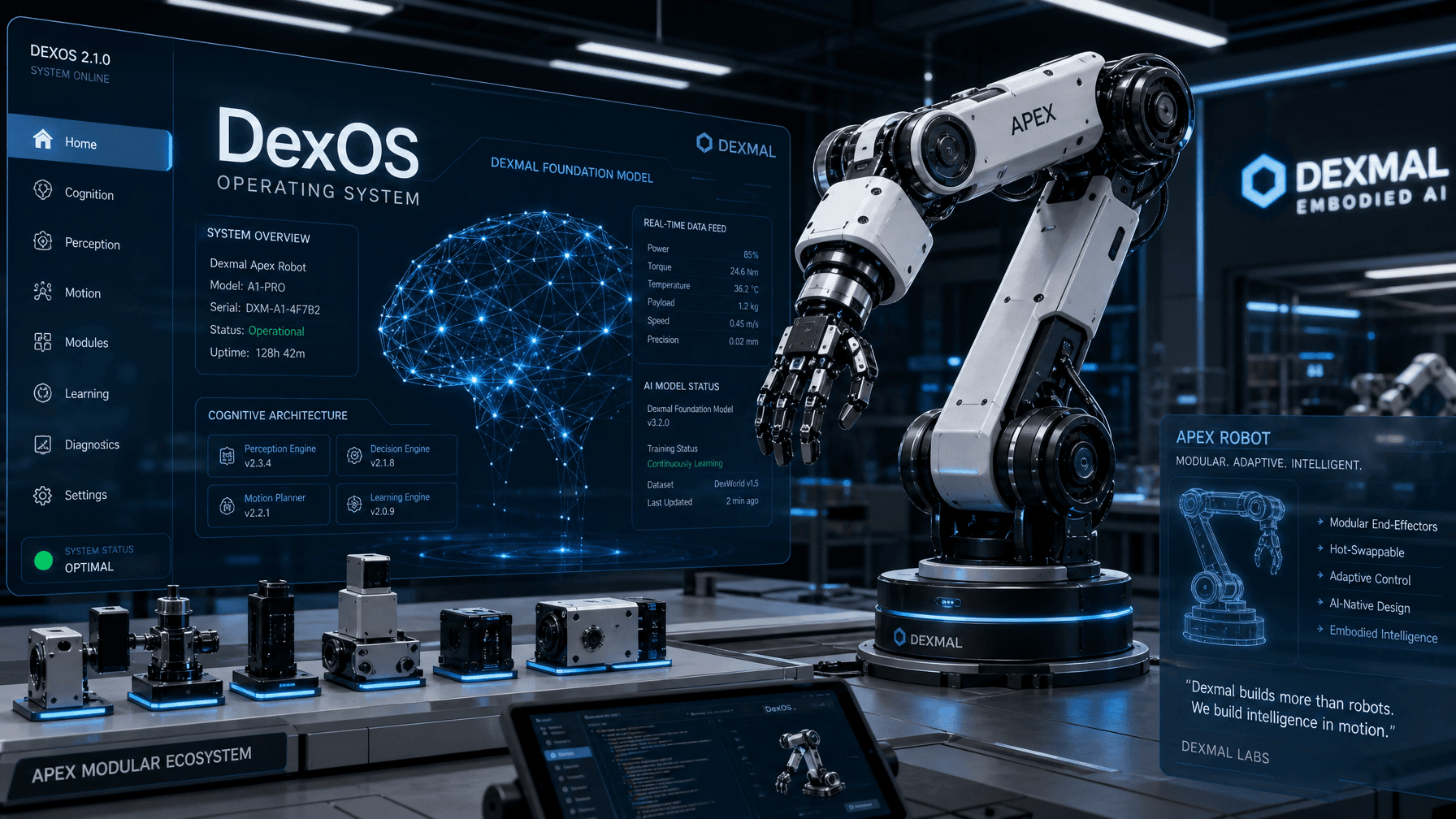
Dexmal Launches DM0.5 Model and DexOS to Enhance Embodied AI Productivity
Dexmal has introduced its DM0.5 foundation model, Apex universal robot, DexOS operating system, and MaaS platform, aiming to bridge the engineering gap between embodied AI models and practical productivity. This launch marks a significant step in the company's strategy to enhance the application of AI in real-world scenarios, with a focus on improving operational efficiency. The introduction of these products is crucial as they represent a comprehensive approach to integrating AI into various sectors. By addressing the final engineering challenges, Dexmal seeks to enable more seamless interactions between AI systems and physical environments, potentially transforming workflows across industries. The DM0.5 model is designed to optimize performance, while DexOS provides a robust operating framework for managing AI tasks. Looking ahead, Dexmal's three-stage strategy will be pivotal in determining the success of these innovations. The company has not disclosed specific timelines for the rollout of these products, but the focus on enhancing productivity through embodied AI suggests a proactive approach to market demands and technological advancements.
Technology
SpaceX Launches Starmind Project for 1 Million AI Satellites by 2028
SpaceX has officially named its orbital AI infrastructure project 'Starmind,' which aims to deploy a constellation of up to 1 million satellites. This initiative, confirmed by Elon Musk on June 22, 2026, will enable AI inference directly in space, utilizing solar energy rather than terrestrial power sources. The first satellite, designated AI1, was unveiled on June 8, 2026, and is designed to operate in sun-synchronous orbits. The significance of Starmind lies in its potential to overcome the limitations faced by ground-based data centers, such as land, power, and water constraints. By running AI computations in orbit, Starmind can provide a more efficient solution to the growing demand for AI computing power. The project leverages the existing Starlink infrastructure for data transmission, distinguishing its function from Starlink's internet relay capabilities. Looking ahead, SpaceX plans to begin hardware deployment with the AI1 satellite, while full-scale production and deployment of the satellite constellation are targeted for 2028. As of now, no Starmind satellites have been launched, and further engineering challenges remain to be addressed, particularly regarding the scalability of the satellite design.

How to Build Better Robotics with Integrated Actuators
Reese Abouelnasr, a Mechatronics Engineer at Harmonic Drive, recently discussed advancements in actuator technology and the engineering challenges these devices address in the field of robotics. In an interview, Abouelnasr highlighted the significance of actuators in enhancing the precision and efficiency of robotic systems. He elaborated on how recent innovations are enabling engineers to overcome obstacles related to motion control and energy consumption. The conversation took place in October 2023, reflecting the ongoing evolution of robotics and the critical role that actuator design plays in the industry. Abouelnasr emphasized that these developments not only improve performance but also expand the potential applications of robotics across various sectors.

Scientists want to send a roly-poly robot filled with 'dandelion drones' to investigate hidden tunnels on Mars
Engineers are exploring the innovative approach of biomimicry to design the next generation of robots intended for Mars exploration. This trend, gaining momentum in recent months, aims to enhance the efficiency and adaptability of robotic systems in the challenging Martian environment. By studying and emulating the survival strategies of various organisms on Earth, researchers believe they can develop robots that are better equipped to navigate the planet's rugged terrain and extreme conditions. The initiative reflects a growing recognition of nature's solutions as a source of inspiration for engineering challenges in space exploration. As the timeline for future Mars missions approaches, the integration of biomimetic principles could play a crucial role in advancing robotic technology, ultimately aiding in the quest for knowledge about the red planet.
Mars Astronomy Solar System
Startup Wants to Run AI Inference From Space
The rapid growth of large language models is driving a global surge in energy demand for data centers, prompting operators to seek alternative power sources. Among them is Orbital Inc., a Los Angeles-based startup that recently emerged from stealth mode to announce plans for space-based data centers. Backed by venture capital firm Andreessen Horowitz, Orbital aims to utilize solar energy from a constellation of small satellites in low Earth orbit to power AI inference workloads, such as chatbots. Orbital's founder and CEO, Euwyn Poon, emphasizes the limitations of terrestrial energy sources, stating, “There simply isn’t enough capacity here [on Earth], and the only way is up.” The company envisions a network of up to 10,000 satellites, each equipped with GPU server racks powered by solar panels. The first test of this concept is scheduled for 2027, with a prototype satellite launch aboard a SpaceX Falcon 9 rocket. While Orbital's approach aims to reduce launch costs and improve efficiency, it faces significant engineering challenges, including radiation effects on GPUs, thermal management in space, and maintenance difficulties. Experts like Dr. Amit Verma from Texas A&M University caution that the operational feasibility of such systems will depend on the specific applications they support. Despite these hurdles, Orbital plans to finalize its satellite designs by 2026 and establish a manufacturing facility by 2028, with the goal of tapping into major AI firms as customers. Poon remains optimistic about overcoming technical challenges, asserting that their engineering efforts will pave the way for the future of space-based data processing.
Data-center Space Ai Inferencing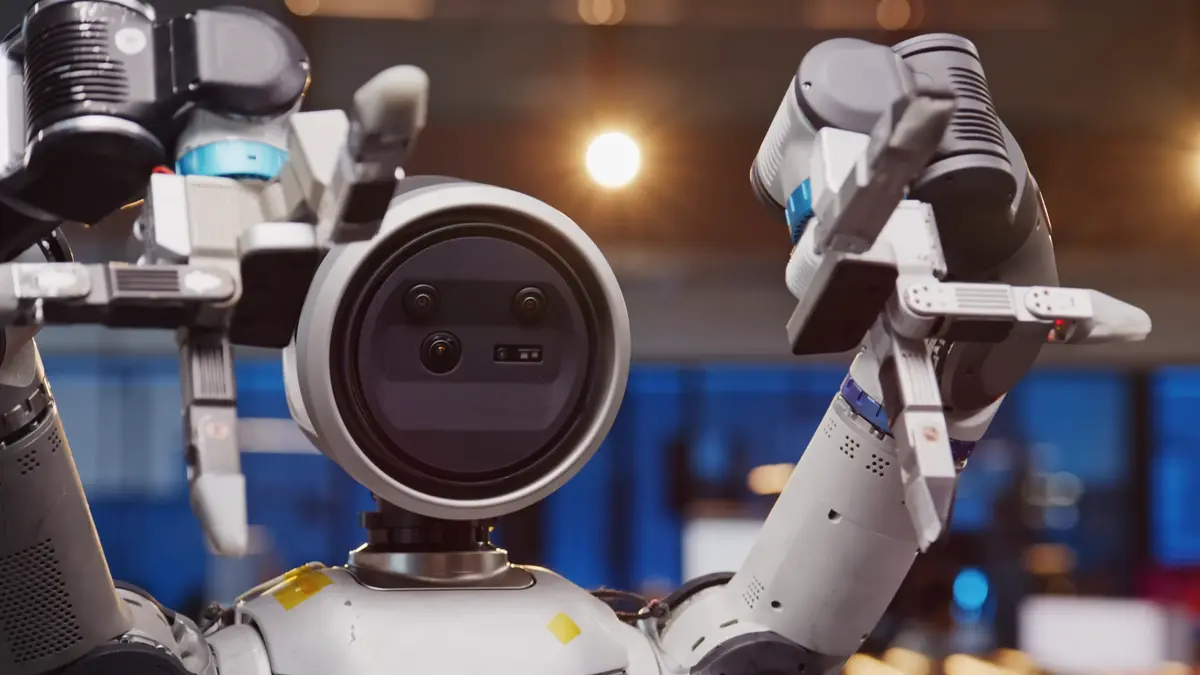
Boston Dynamics Details its 'Good Enough' Approach to Humanoid Hands
Boston Dynamics engineers have released a new video detailing the design philosophy behind the electric Atlas robot's innovative three-fingered grippers. The engineers highlight their approach, which focuses on achieving a practical balance between dexterity, reliability, and simplified complexity to enhance the robot's ability to manipulate objects in real-world scenarios. This development reflects the company's ongoing commitment to advancing robotic technology for practical applications. The video aims to provide insights into the engineering challenges and solutions that shape the Atlas's functionality, showcasing how these grippers are designed to perform effectively in diverse environments.
hand Atlas hands grippers Boston Dynamics
May 14 Live Broadcast Preview | The Boundaries of Unmanned Systems: Challenges in Cluster Coordination and Engineering in Complex Environments
A live broadcast is set to take place, showcasing the latest advancements in unmanned systems, with a particular emphasis on cluster coordination in complex environments. Scheduled for an upcoming date, this event will feature a panel of experts who will delve into the evolving challenges faced in the field and explore the significant impact of artificial intelligence on research methodologies. The session aims to foster audience interaction, allowing participants to engage directly with the experts and share valuable academic resources. This initiative highlights the growing importance of unmanned systems and AI in addressing contemporary challenges in various sectors.
Unmanned Systems Cluster Coordination AI in Research Engineering Challenges
SpaceX's Starmind Faces Feasibility Challenges for 1 Million Satellite Deployment
On January 30, 2026, SpaceX submitted a request to the FCC to launch up to 1 million satellites as part of its Starmind orbital compute constellation. This ambitious plan is unprecedented, as the total number of satellites ever launched globally is in the low tens of thousands. The proposal seeks a waiver from standard deployment milestones, citing reliance on the Starship's full reusability for success. The significance of this request lies in the technical and logistical challenges it presents. Experts warn that low Earth orbit may not support the proposed number of active satellites without risking a debris cascade. SpaceX's own IPO prospectus acknowledges unresolved dependencies related to Starship's launch cadence and reusability, which are critical for the orbital AI compute strategy. Looking ahead, the timeline for achieving the necessary launch cadence and manufacturing capacity remains uncertain. SpaceX's Gigasat facility in Texas aims for volume production by late 2027, but this would require unprecedented output levels. No further timeline was disclosed at the time of publication, leaving the feasibility of the Starmind project in question.

Solving Today’s Toughest Test Challenges: A New Era of Engineering Productivity
Test engineers in the semiconductor industry are currently grappling with significant challenges due to the increasing complexity of chip designs and the rapid pace of product development. As of today, these professionals are adapting to advancements in technology such as advanced packaging and chiplet architectures, which are reshaping the landscape of semiconductor manufacturing. The integration of AI accelerators is further complicating the testing process, necessitating innovative approaches to ensure quality and performance. The industry's evolution demands that engineers not only enhance their technical skills but also adopt new methodologies to keep up with the fast-changing environment. This shift is crucial for maintaining competitiveness in a market that is continuously pushing the boundaries of what is possible in semiconductor technology.

SpaceX Unveils AI1 Satellite Specs for Starmind Constellation with Key Thermal Challenges
SpaceX has introduced the AI1 satellite, the inaugural component of its Starmind constellation, which stands 20 meters tall and has a wingspan of 70 meters. This orbital compute node is designed to deliver computing power equivalent to one NVIDIA GB300 server rack, utilizing a unique cooling system with deployable liquid radiators. The satellite's specifications were revealed during a presentation on June 8, 2026, ahead of SpaceX's IPO. The significance of the AI1 satellite lies in its role as a compute platform rather than a traditional satellite, focusing on running AI inference workloads. The satellite's cooling system, which is critical for its operation in the vacuum of space, is designed to reject heat through infrared radiation. However, independent engineers have raised concerns about the feasibility of the thermal and mass claims made by SpaceX, suggesting that the cooling requirements may exceed practical limits. Looking ahead, SpaceX plans to launch two AI1 prototypes in early 2027, with full-scale production expected to commence later that year at its Gigasat facility in Bastrop, Texas. The ongoing debate regarding the satellite's thermal management capabilities will be crucial to monitor as the project progresses, with no further timeline disclosed at the time of publication.
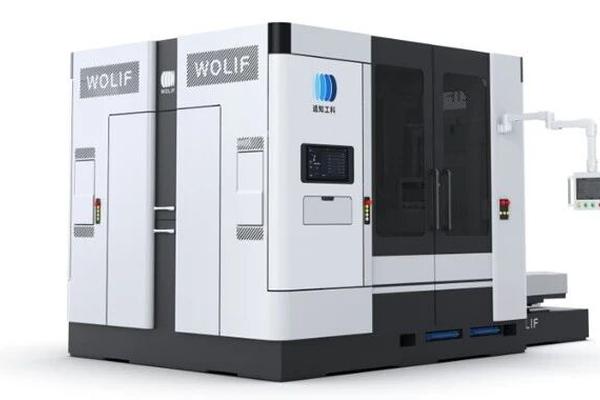
Zhuizhi Engineering Technology Secures Seed Funding for Industrial AI Development
Zhuizhi Engineering Technology Co., Ltd. has successfully completed a seed funding round, raising several million yuan from investors including L2F Light Source Entrepreneur Fund, Shangrong Capital, and Yicun Capital. The funding will primarily support core product development, team building, and market expansion. Founded in February 2024, Zhuizhi focuses on industrial intelligent agents, aiming to enhance automation and intelligence in complex manufacturing processes. The company, which is affiliated with Shanghai Jiao Tong University and the Shanghai Artificial Intelligence Research Institute, seeks to address challenges such as flexible production and skilled labor shortages in the manufacturing sector. The company has introduced the WOLIF Industrial Agentic Robot, which utilizes a proprietary industrial brain for real-time closed-loop control, distinguishing itself from traditional automation methods. Zhuizhi has already secured its first commercial contract with a publicly listed company and received significant orders in the aerospace manufacturing sector, indicating a promising trajectory for its innovative AI solutions.

Anker Innovations' Robotics Ambitions: Challenges Ahead
Anker Innovations has announced its ambitious plans to develop a series of robots as part of its roadmap for embodied intelligence. The unveiling comes amid concerns regarding the company's high turnover rate within its engineering team and significant challenges in bringing these products to market. Known primarily for its charging solutions, Anker now faces intense competition in the robotics sector, raising questions about its capacity to maintain growth in this new endeavor. The company's ability to navigate these obstacles will be crucial in determining the success of its foray into robotics.
Robotics Embodied Intelligence AI Consumer Electronics
Allient Inc. to Present at Upcoming Webinar on Engineering Thermally-Optimized Joints for Humanoids
A webinar is set to address the significant challenges associated with humanoid joint design, emphasizing the importance of interpreting motor data within a system-level context rather than adhering strictly to standard specifications. Scheduled for an upcoming date, this event will take place online, allowing participants from various locations to engage in discussions. The session aims to provide insights into practical engineering strategies for selecting motors and optimizing performance specifically for humanoid and advanced robotics applications. The focus will be on achieving reliable and thermally efficient performance, which is crucial for the advancement of robotics technology.
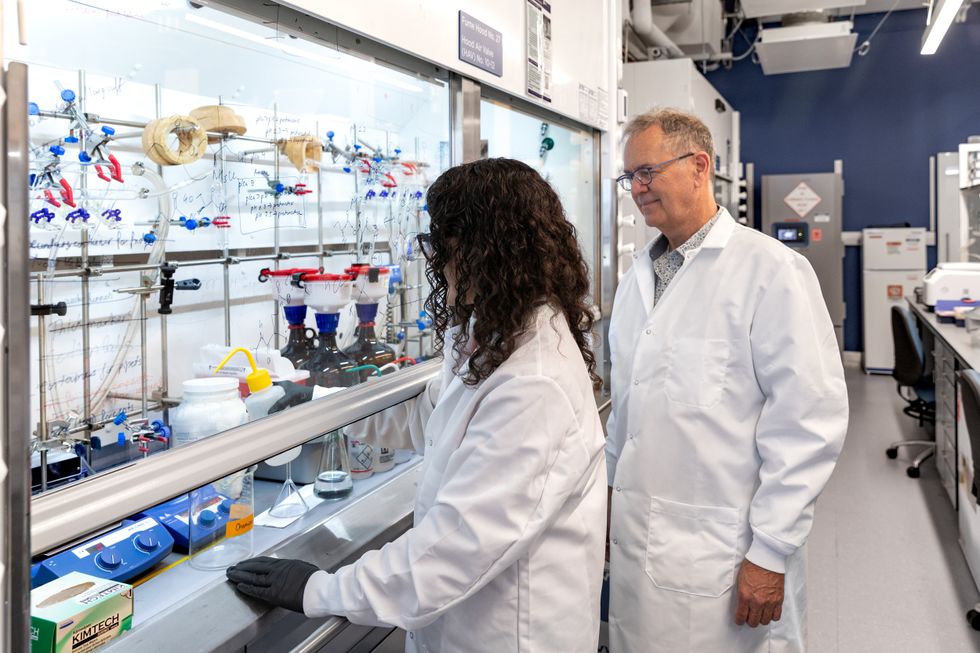
Engineering Collisions: How NYU Is Remaking Health Research
New York University (NYU) is revolutionizing academic research through its newly established Institute for Engineering Health, which focuses on addressing disease states rather than adhering to traditional academic disciplines. This innovative approach encourages collaboration among experts in various fields, including immunology, engineering, and artificial intelligence, to tackle specific health challenges, such as allergic asthma. Under the leadership of Jeffrey Hubbell, NYU's vice president for bioengineering strategy, the institute has already seen promising outcomes, such as the development of a startup that creates devices for detecting airborne pathogens and navigation technology for visually impaired subway riders. Hubbell advocates for a shift from a conventional drug-inhibition model to one that promotes beneficial biological pathways, necessitating a new breed of researchers who possess interdisciplinary skills. To foster this environment, NYU is constructing a science and technology hub in Manhattan, designed to facilitate collaboration among diverse disciplines. This initiative aligns with the university's strategy of organizing around "grand challenges" rather than traditional academic silos, as emphasized by Juan de Pablo, the executive dean of the Tandon School of Engineering. The institute also emphasizes a proactive approach to translating research into practical applications, conducting "translational exercises" to map potential pathways from discovery to deployment. This comprehensive strategy aims to accelerate innovation in science and technology, positioning NYU as a leader in addressing complex health issues through collaborative, cross-disciplinary research.
Type-sponsored Nyu-tandon Health Clinical-trials Data-science Nyu
As AI Reshapes Global Energy Systems, Melbourne Leads Through Engineering Collaboration
As artificial intelligence (AI) rapidly expands, it is driving a significant increase in global electricity demand, presenting urgent challenges for energy systems. Melbourne, Australia, is positioning itself as a leader in addressing these issues, with a focus on the infrastructure necessary to support AI's growth. By 2035, data centers in Australia are expected to consume up to 11 percent of the nation's electricity, raising concerns about generation and system reliability. The University of Melbourne is at the forefront of this initiative, with interdisciplinary research aimed at developing energy systems that can meet the demands of AI. The Melbourne Energy Institute is exploring how various energy technologies interact, while facilities like the Smart Grid Lab allow for real-time simulations of power systems. This integrated approach is essential for designing resilient and efficient energy systems that can adapt to new patterns of demand. Victoria's advanced energy ecosystem, which includes renewable generation and battery storage, is crucial for balancing digital growth with sustainability. The collaboration between researchers, industry, and policymakers is vital for creating future energy systems that are affordable and resilient. Looking ahead, Melbourne will host the IEEE PES Generation Transmission and Distribution Asia 2027 Conference, bringing together global experts to address the evolving challenges in power systems. This event underscores Melbourne's commitment to fostering international collaboration and innovation in energy solutions, reinforcing its role as a key player in the global energy transition.
Artificial-intelligence Australia Energy-systems University-of-melbourne Ai-data-centers Power-grid
7 Key Engineering Hurdles in Building High Precision Gantry Systems for Automation
Multi-axis gantry platforms play a crucial role in enhancing automation across various industries, including semiconductor inspection, laser processing, and advanced metrology. Despite their significance, the challenges associated with achieving precision, reliability, and readiness for production are frequently overlooked. As industries increasingly rely on these platforms to improve efficiency and throughput, addressing these technical hurdles has become essential for advancing automation technologies. The ongoing development and refinement of these systems are vital for meeting the growing demands of high-tech manufacturing processes.

Overcoming Core Engineering Barriers in Humanoid Robotics Development
Engineers in the humanoid robotics field are set to address critical challenges related to sensing, motion control, power, and thermal management during an upcoming technical examination. This event will delve into the complexities of motion control, which remains one of the most significant hurdles in achieving stable bipedal locomotion in dynamic environments. Attendees will explore the intricacies of modeling, real-time feedback, and sensor fusion essential for maintaining balance and stability. Additionally, the session will highlight the importance of advanced sensing architectures, including inertial measurement units and tactile sensors, which play a crucial role in enhancing human-robot interaction and ensuring safety through effective collision avoidance. Participants will also examine the implications of power and thermal constraints on system design, focusing on the trade-offs involved in battery chemistry choices and thermal protection strategies that influence operational endurance. As the industry transitions from prototype development to mass production, the event will provide insights into the shift towards modular architectures and cost-effective component selection, with a keen eye on supply chain readiness anticipated for the late 2020s. This comprehensive examination aims to equip engineers with the knowledge necessary for real-world deployment of humanoid robotics, addressing both current challenges and future advancements.
Sensor-fusion Type-whitepaper Motion-control Humanoid-robots
What It Takes to Make Humanoid Robots Move Like Humans: The Engineering Behind Joints, Hands, and Precision Control
Recent advancements in humanoid robotics have highlighted a significant shift in design and manufacturing practices. Engineers and researchers are increasingly moving away from traditional discrete component assembly methods, opting instead for integrated joint modules. These innovative units combine motors, gearboxes, sensors, and drive electronics into compact systems, streamlining the production process and enhancing the functionality of humanoid robots. This transition is driven by the need for more efficient and versatile robotic systems capable of performing complex tasks in various environments. As this trend continues to evolve, it is expected to accelerate the development of more sophisticated humanoid robots, paving the way for broader applications in industries such as healthcare, manufacturing, and service sectors. The integration of these components not only simplifies assembly but also improves the overall performance and reliability of robotic systems, making them more adaptable to real-world challenges.
A Novel Global Path Planning Algorithm for Underwater Vehicle Engineering Applications
A recent study published in the Journal of Field Robotics has unveiled significant advancements in robotic technology aimed at enhancing agricultural practices. Researchers from various institutions collaborated to develop a new robotic system designed to improve crop monitoring and management. Conducted over the summer of 2023, the project took place in various agricultural settings across the Midwest, where the team tested the system's capabilities in real-world conditions. The motivation behind this initiative stems from the increasing need for efficient farming solutions that can address labor shortages and optimize resource use. By integrating advanced sensors and artificial intelligence, the robotic system is capable of analyzing soil health, monitoring plant growth, and identifying pest infestations more effectively than traditional methods. The research team employed a series of field tests to evaluate the robot's performance, collecting data on its accuracy and efficiency in various agricultural tasks. The results indicate that the robotic system not only enhances productivity but also reduces the environmental impact of farming practices. This innovative approach represents a significant step forward in the field of agricultural robotics, promising to support farmers in meeting the challenges of modern agriculture while promoting sustainable practices. The findings are expected to influence future developments in the sector, paving the way for broader adoption of robotic technologies in farming.
RESEARCH ARTICLE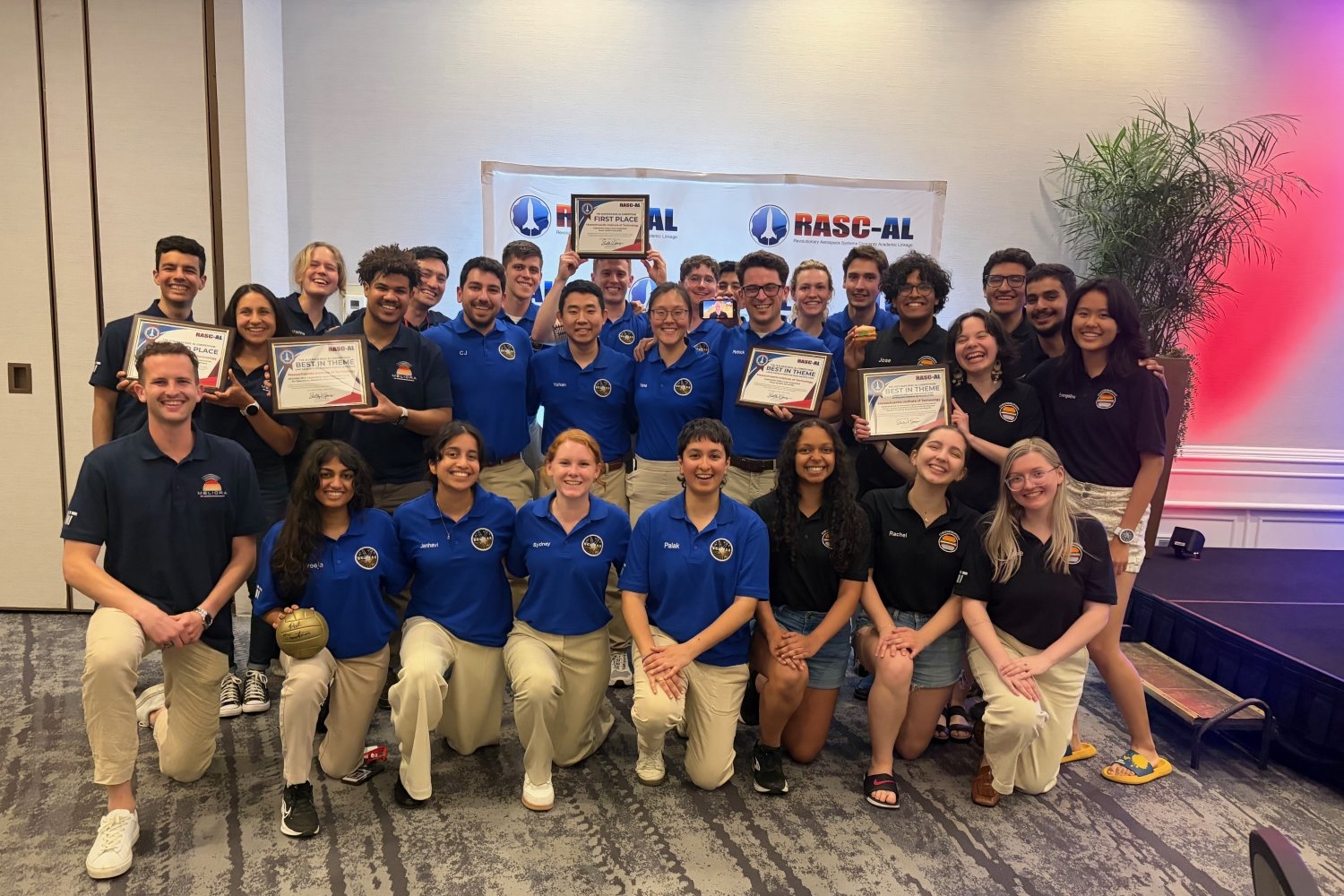
MIT student teams win top honors in NASA competition
Three teams from the Massachusetts Institute of Technology (MIT) achieved remarkable success in the 2026 NASA RASC-AL Competition, securing five prestigious awards for their innovative designs aimed at supporting lunar bases and future Mars missions. This competition, which focuses on developing critical technologies for space exploration, highlights the importance of advanced engineering and creative problem-solving in addressing the challenges of extraterrestrial habitats. The event took place recently, showcasing the efforts of students and faculty who are dedicated to pushing the boundaries of space science and exploration. The recognition of these teams underscores MIT's commitment to fostering cutting-edge research and development in aerospace technology, paving the way for future missions that could expand human presence beyond Earth.
School of Engineering MIT Sloan School of Management Aeronautical and astronautical engineering EAPS Electrical engineering and computer science (EECS) Nuclear science and engineering
Empowering STEM Education and Research in the Americas: Elephant Robotics Introduces Integrated Educational Robotics Solutions
In recent years, STEM education has seen significant growth, fueled by a rising demand for practical engineering skills, artificial intelligence literacy, and interdisciplinary innovation. Despite this progress, schools, universities, and research laboratories continue to face challenges in creating effective robotics environments. Educators often struggle to integrate various components such as robotic arms, mobile platforms, sensors, and open-source software from multiple sources, complicating the development of comprehensive robotics programs. This ongoing issue highlights the need for streamlined solutions that can enhance the teaching and learning of robotics in educational settings.
Design Research Robotics AI education americas automation news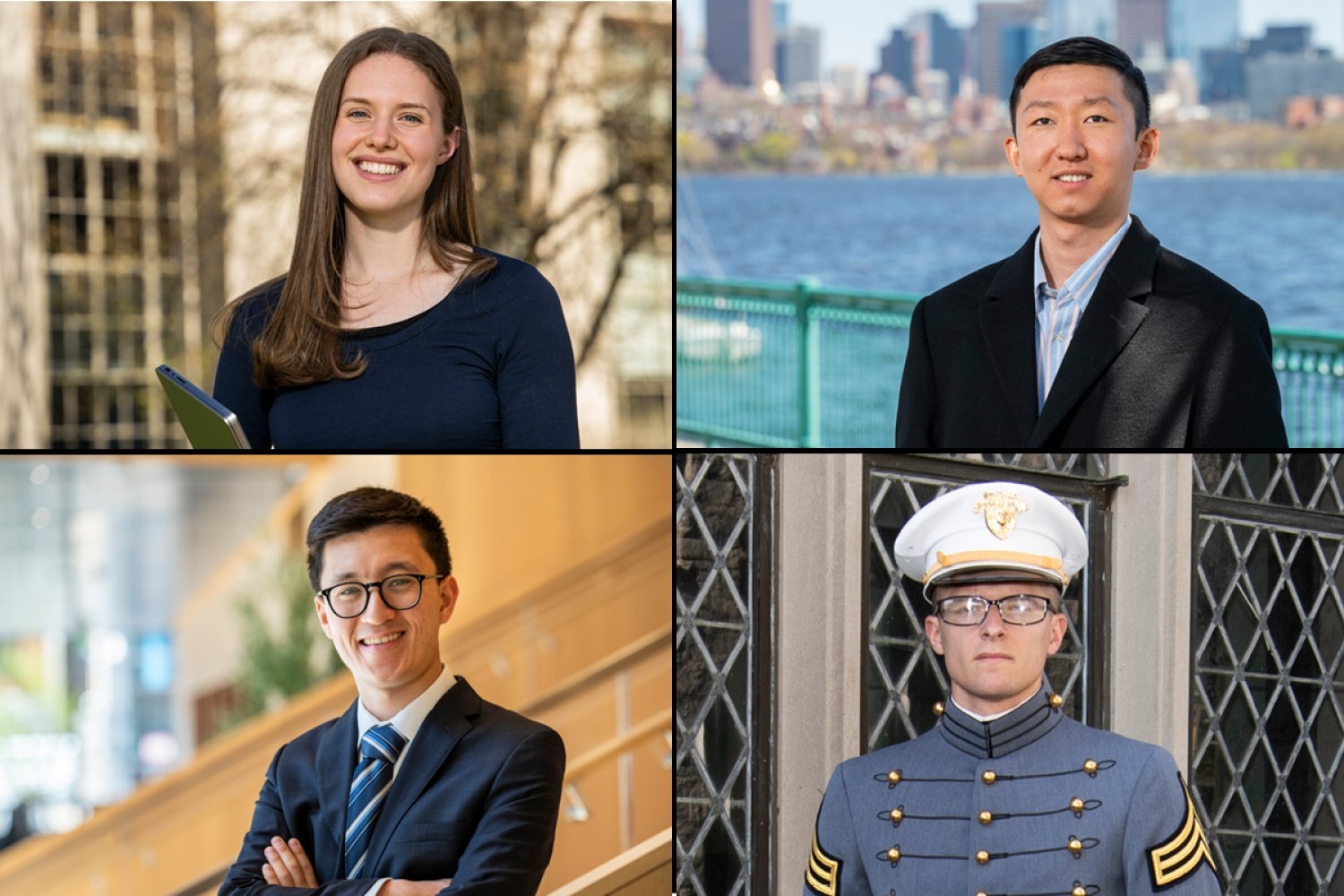
MIT affiliates win 2026 Hertz Foundation Fellowships
A new fellowship program has been launched to support doctoral students in applied sciences, engineering, and mathematics who are dedicated to addressing critical challenges in science and technology. This initiative aims to recognize and empower emerging researchers who are developing innovative solutions to pressing issues. The program is designed to enhance the educational and research opportunities for these students, providing them with the resources necessary to advance their work. By fostering a new generation of scientists and engineers, the fellowship seeks to contribute to the advancement of knowledge and technology, ultimately benefiting society as a whole. The initiative is expected to play a significant role in shaping the future of scientific research and technological development.
Awards, honors and fellowships Students Graduate, postdoctoral Alumni/ae Chemistry Mechanical engineering
Re:Build Manufacturing Launches US-Made Lithium-Ion Battery Packs for UAVs
Re:Build Manufacturing has initiated direct commercial sales of its new lithium-ion battery packs designed for unmanned aerial vehicles (UAVs). This product line includes the Core, Power, and Performance series, which cater to various energy configuration needs. The launch is part of a broader manufacturing expansion at the company's Pennsylvania facility, aimed at producing Group 1, Group 2, and Group 3 unmanned aircraft systems (UAS). The introduction of these battery packs is significant as it addresses supply chain vulnerabilities in domestic aerospace hardware. UAV developers, particularly in dual-use, public safety, and military sectors, face stringent procurement regulations regarding component origins. Re:Build's assembly protocol utilizes non-FEOC battery cells to ensure compliance with National Defense Authorization Act (NDAA) procurement frameworks, thus enhancing the reliability of UAV operations. Looking ahead, Re:Build Manufacturing is set to provide dedicated engineering support for custom energy storage solutions, including Battery Management System (BMS) development. The company's advanced manufacturing facility in New Kensington, spanning 175,000 square feet, is designed to facilitate the transition from UAV prototyping to mass production, addressing common scaling challenges in the industry. No further timeline was disclosed at the time of publication.
Military
Tech Professionals Leverage Connectivity Tools for Global Collaboration
Tech professionals are increasingly distributed across various countries and time zones, with companies employing cybersecurity experts in one location and software developers in another. This trend is facilitated by the internet, which 74% of the global population utilizes, enabling borderless work and collaboration. The rise of remote work and digital collaboration tools has transformed the tech industry, allowing professionals to work from anywhere. Reliable mobile connectivity is essential for these workers, with solutions like the Holafly eSIM providing seamless coverage before arrival in a new country. The eSIM's Always On feature ensures uninterrupted connectivity, crucial for remote presentations and system check-ins. As the demand for specialized talent grows, companies are increasingly hiring based on skills rather than location. This shift has led to a rise in global mobile engineering roles, presenting new opportunities and unique cybersecurity challenges for tech workers operating across borders. No further timeline was disclosed at the time of publication.
Internet Technology cloud computing cloud infrastructure cybersecurity digital nomads
Stardust AI Launches Lumo-2: Innovative Robot Action Model for Home Automation
On July 15, Stardust AI introduced its second-generation embodied base model, Lumo-2, which is the industry's first household latent world-action model. This launch includes the physical AI symbiotic agent, Agent Philia, enhancing their full-stack architecture of AI models, embodied operating systems, and rope-driven entities. The company will showcase its 'trinity' multi-scenario implementation solutions at the World Artificial Intelligence Conference in Shanghai from July 17 to 20. Lumo-2 autonomously performs 22 complex household tasks, demonstrating industry-leading capabilities in task range and complexity. This model addresses the challenges faced by robots in open environments, such as the inability to explain actions and the high costs of training complex skills. By predicting future scenarios before generating actions, Lumo-2 aims to overcome these bottlenecks and improve the practical execution of robotic tasks. Looking ahead, Stardust AI plans to enhance the scalability of Lumo-2 by expanding training data diversity and exploring efficient data engineering paradigms. The team is also focused on advancing real-world interactive learning to enable robots to adapt and evolve autonomously in dynamic environments. No further timeline was disclosed at the time of publication.
Household Robotics Physical AI AI Models Robotic Automation
J.P. Morgan Sees Strategic Merger Potential Between SpaceX and Tesla
J.P. Morgan analysts have described a potential merger between Space Exploration Technologies (SpaceX) and Tesla as 'strategically coherent on paper.' This statement has reignited investor interest in the possibility of uniting Elon Musk's companies, which share engineering talent and AI ambitions under his leadership. The significance of this analysis lies in the potential for Musk to integrate his vision across multiple sectors, including automotive, robotics, energy, and space. Additionally, SpaceX's recent public debut provides Musk with valuable stock for potential deals, while his increasing control at Tesla positions him favorably for negotiations. However, J.P. Morgan also highlighted significant challenges, including regulatory hurdles, the disparity in Musk's control over both companies, and the perception that any merger would favor SpaceX over Tesla. No further timeline was disclosed at the time of publication.
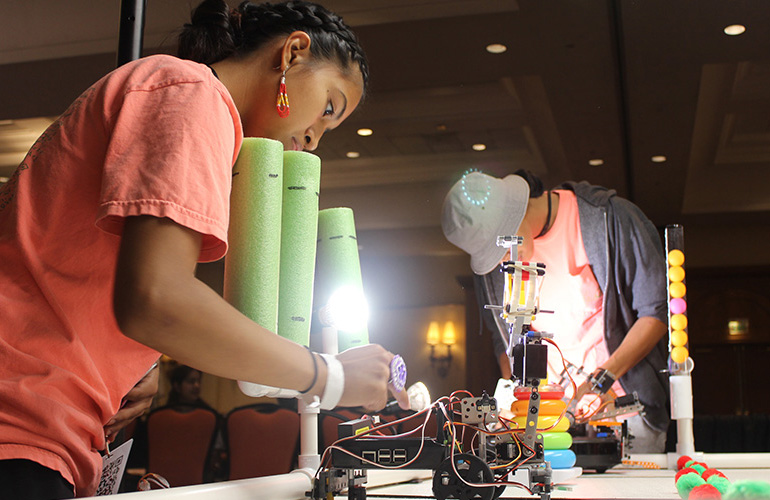
KISS Institute Launches BotBall to Enhance STEM Education with Student-Led Robotics
The KISS Institute for Practical Robotics (KIPR) has introduced BotBall, a robotics program designed to foster creativity and critical thinking among students. This initiative emphasizes student-led engineering, allowing participants from elementary to high school to engage in hands-on learning using a standardized kit. The program ensures a level playing field by providing all teams with the same materials, promoting accountability and project management skills without adult intervention during competitions. BotBall challenges traditional educational models by integrating real programming languages like C and Python into its curriculum, demonstrating that students can handle complex coding at an early age. The Junior Botball Challenge (JBC) further innovates by allowing up to five students to collaborate on a single robot, shifting the focus from competition to inquiry-driven problem solving. This approach encourages teamwork and a deeper understanding of both mechanics and software among participants. As the school year approaches, KIPR is expected to release more details about the upcoming competition schedule. The BotBall program represents a significant shift in STEM education, moving away from conventional roles and fostering a new generation of students who are well-versed in both engineering and programming disciplines. No further timeline was disclosed at the time of publication.
Autonomous Mobile Robots (AMRs) Educational News competition education workforce
Inside Momenta: Elon Musk-style CEO, AI obsession, and mass production machines.
Momenta, a Chinese autonomous driving company, has made significant strides in the industry, achieving a market capitalization of HKD 70 billion on its IPO debut on July 8. Founded by Cao Xudong, who frequently travels to the U.S. to experience Tesla's Full Self-Driving (FSD) technology, the company boasts over 50% market share in designated vehicle models and over 60% in mass-produced vehicles. Cao's strategic decision to focus on L2-level mass production, rather than the more commonly pursued L4 direction, has been pivotal in establishing Momenta's competitive edge. Despite initial skepticism and funding challenges, his commitment to engineering efficiency has driven the company to achieve a gross margin increase from 17.5% to 71.6% over three years, alongside a doubling of revenue and narrowing losses. As the market for L2 technology becomes increasingly crowded with competitors like Huawei and Horizon Robotics, Momenta faces mounting pressure. The company is also navigating rapid advancements in AI technology, with a focus on world models and robotics as future growth areas. Cao's vision includes integrating hardware and software to enhance cost-effectiveness and maintain a competitive advantage. Despite the challenges, Cao remains optimistic about Momenta's potential, emphasizing the importance of a passionate team dedicated to AI innovation. As the industry evolves, the company's past successes may serve as a foundation for navigating future uncertainties.
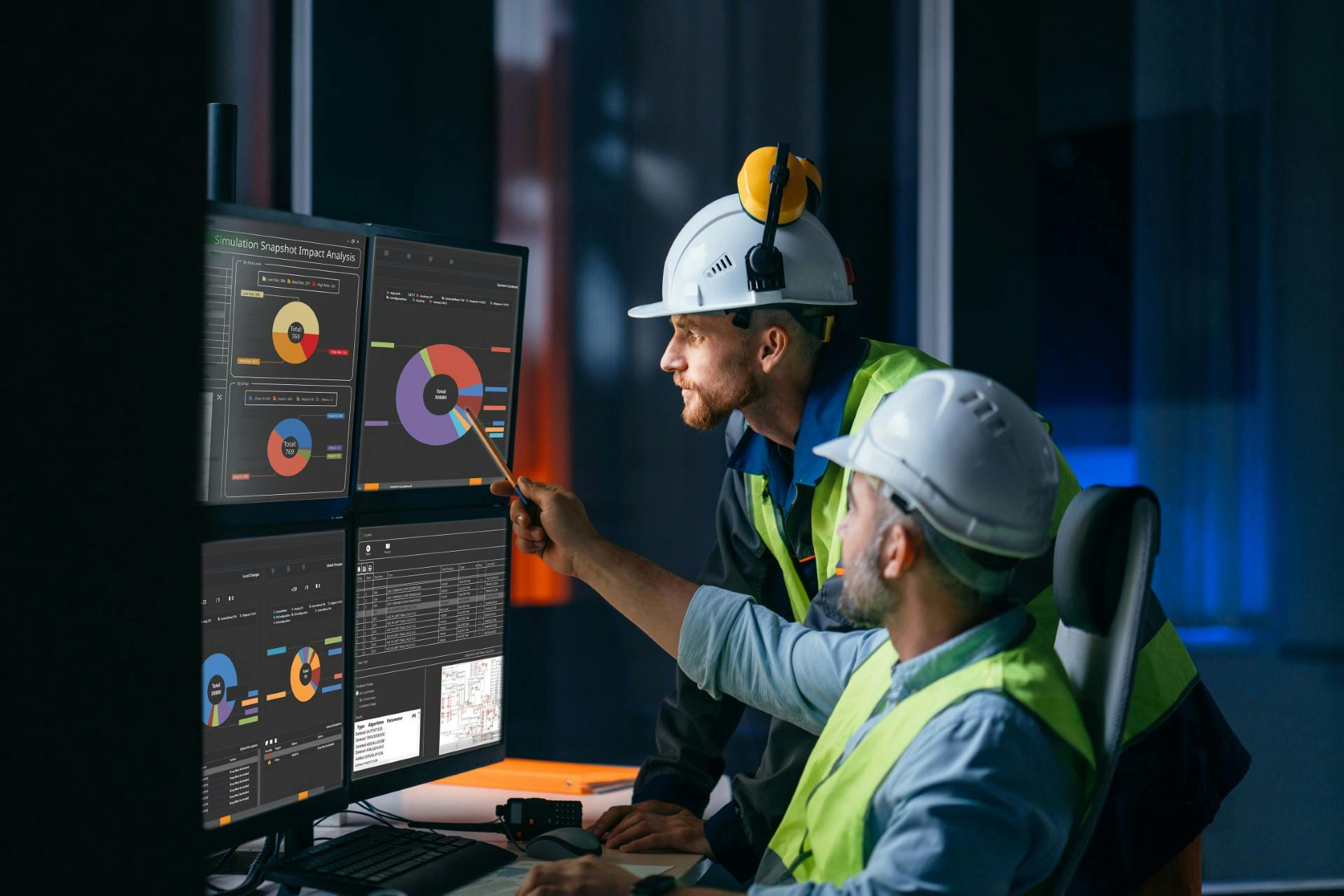
Emerson Introduces Ovation Curation Tool for Enhanced Control Systems Management
Emerson has launched the Ovation Curation Tool, a synchronization software designed for power and water control systems. This tool aims to maintain version control and change history across multiple Ovation systems and simulators, automating the management of changes between production systems and their digital twins. The introduction of the Ovation Curation Tool is significant as it addresses the challenges of keeping digital twins synchronized with live systems, especially amid workforce shortages. By improving testing and training accuracy, the tool is expected to save engineering time and facilitate faster troubleshooting, enhancing overall operational efficiency. Looking ahead, the software's ability to automatically track changes and provide an intuitive dashboard for users will be crucial for organizations seeking to optimize their control systems. No further timeline was disclosed at the time of publication.
Factory / Digital Transformation
Palladyne AI Executes $4.2 Million U.S. Air Force Contract to Advance Swarming Capabilities for Integrated Cross-Domain Operations
Palladyne AI Executes $4.2 Million U.S. Air Force Contract to Advance Swarming Capabilities for Integrated Cross-Domain Operations Visit http://www.palladyneai.com for further information Palladyne AI’s SwarmOS™ platform to support satellite integration, marking a major expansion of its multi-domain autonomy and ISR capabilities across space, air, maritime, and land 07/07/26, 06:15 AM | Mobile Robots, Other Topics | Palladyne AI Corp. Palladyne AI Corp. (NASDAQ: PDYN and PDYNW) ("Palladyne AI"), a developer of artificial intelligence software for robotic platforms in the defense and commercial sectors, today announced that it has executed the previously announced contract awarded by the Air Force Research Laboratory (AFRL) to solve one of the most persistent challenges in modern defense operations—how to make different autonomous systems work together as one coordinated team. The "Hierarchical Adaptive Networked Game-Theoretic Integration of Multiple Echelons (HANGTIME)" contract will address this need. More Headlines A3's Automate 2026 Breaks Records as Demand for Robotics, AI and Automation Grows NVIDIA and Hugging Face Bring New Models and Frameworks to LeRobot for the Open Robotics Community ABB Robotics completes its AI-powered Visual SLAM AMR portfolio with new autonomous forklift UMA Unveils Its Vision for the Next Generation of Humanoid Robots Robbyant Unveils LingBot-Depth 2.0 and LingBot-Vision to Redefine Robotic Spatial Perception Articles Unleash AI Innovation: The Power of NVIDIA RTX PRO 6000 Blackwell Workstation Edition Fueled by PNY-Supplied GPUs Automate 2026 Q&A with DESTACO Automate 2026 Q&A with Roboteon Advances in Robots to See & Interpret within Warehouse Environments Building Resilient Fulfillment Networks with Robotics and Real-Time Logistics Data Today, drones, ships, and satellites often operate largely independently, limiting how quickly warfighters can see and respond to threats. HANGTIME will utilize Palladyne AI's patented SwarmOS™ software platform—the defense variant of the Palladyne™ Pilot embodied AI software—as the baseline technology to bridge that gap, connecting disparate systems so they can share intelligence, adapt to changing conditions, and act in sync across domains, including space, air, maritime, and land. By integrating satellites for the first time, this project also extends Palladyne AI's technology from the ground to orbit, enabling faster, more informed decision-making and coordinated mission execution, turning tactical commanders into strategic commanders by giving them more cross-domain intelligence, surveillance, and reconnaissance (ISR) capabilities than ever before. "Our collaboration with AFRL showcases what's next for autonomous operations," said Ben Wolff, President and CEO, Palladyne AI. "This isn't about replacing humans—it's about giving them sharper, faster insight. By connecting satellite, aerial, and ground systems using the patented SwarmOS embodied AI platform as a foundational technology, we're helping the warfighter make better decisions in real time and stay one step ahead on the battlefield." "The HANGTIME project is a breakthrough that unites high-altitude assets and situational unmanned systems into one coordinated sensor network—delivering a major advantage for the defense industry," said Dr. Denis Garagic, Chief Technology Officer, Palladyne AI. "For the first time, a single AI framework can coordinate assets across multiple domains, including satellites. That means these systems can now think and act together as a team, sharing what they see and learning as conditions change." "The HANGTIME effort represents a critical step in multi-domain autonomy for coordinated execution in challenging environments," said Caleb Williams, Program Manager, AFRL/RIEA. For more information on Palladyne AI and its patented collaborative autonomy software, including SwarmOS, please visit www.palladyneai.com. For more information about AFRL, please visit www.afrl.af.mil. About Palladyne AI Palladyne AI is a U.S.-based technology company developing patented embodied artificial intelligence, collaborative autonomy solutions, advanced avionics, autonomous systems, advanced UAV engineering services, and precision-manufactured components for defense and industrial markets. Palladyne AI delivers secure, American-developed and operated platforms designed to meet the stringent requirements of U.S. government and public-sector customers, including data sovereignty, security, and compliance. Palladyne AI's embodied AI is designed to operate in complex, contested, and high-risk environments, enabling distributed tasking, human-on-the-loop decision-making, degraded-communications resilience, and multi-domain coordination. Its platform-agnostic autonomy stack combines real-time sensor fusion, adaptive AI models, and edge-native orchestration—without vendor lock-in—to support autonomous and collaborative systems across air, ground, maritime, and industrial domains w
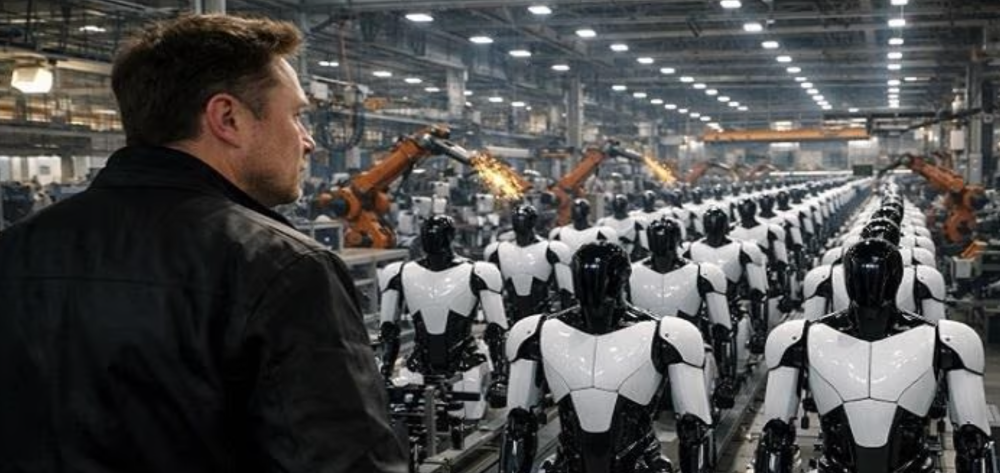
Elon Musk Warns of Slow Initial Production for Tesla's Optimus Robot
Elon Musk has issued a warning regarding the early production capabilities of Tesla's humanoid robot, Optimus, emphasizing the significant challenges associated with the new technology. During a recent discussion, Musk pointed out that the robot's intricate design comprises approximately 10,000 components, complicating the manufacturing process. He indicated that initial production rates will be slow as Tesla focuses on developing innovative engineering solutions and establishing reliable supply chains. Musk's cautious approach reflects the company's commitment to scaling up manufacturing responsibly over the next few years, acknowledging the complexities involved in bringing such advanced robotics to market.
Humanoid Robots AI Automation Robotics Manufacturing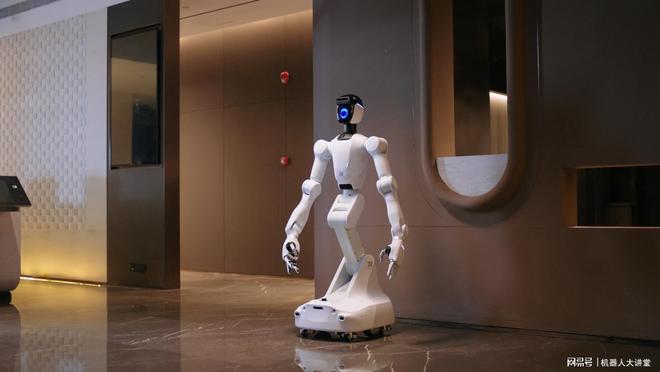
Transforming Smart Models into Productive Robots: The Journey of Self-Variables
Self-Variables has made significant strides in robotics by evolving from advanced models to practical applications, showcasing their self-developed technologies and engineering expertise. This transition, achieved through overcoming challenges in training, hardware development, and real-world implementation, has enabled the company to demonstrate its capabilities across various sectors, including home cleaning and logistics. The successful application of their robots has garnered substantial investment from industry leaders, highlighting the growing interest in their innovative solutions.
Robotics AI Automation Machine Learning
BofA Highlights Pony AI (PONY) Robotaxi Expansion
Pony AI Inc. (NASDAQ:PONY), a key player in the autonomous mobility sector, is poised for significant growth as highlighted by BofA Securities, which reaffirmed its Buy rating and set a target price of $19 for the company. The announcement came on July 1, 2026, as Pony AI expands its robotaxi operations into challenging urban environments, including Tianhe, Huangpu, and Panyu Chimelong, where dense office buildings and heavy traffic present unique operational hurdles. Analyst Ming Hsun Lee noted that these new zones introduce complex challenges, but Pony AI is leveraging its proprietary PonyWorld and Virtual Driver systems to navigate these conditions. The company aims to enhance profitability through economies of scale and plans to increase its fleet to over 3,500 robotaxis across more than 20 cities by the end of 2026, with Singapore's Punggol district serving as a central hub following the recent public launch of its autonomous mobility service via the Zig app. While BofA acknowledges the potential of Pony AI as an investment, it suggests that other AI stocks may offer greater upside with less risk. The company continues to diversify its offerings, including software deployment, vehicle engineering, and logistics services, positioning itself as a significant player in the evolving autonomous vehicle landscape.

Why Every Robot Teleoperation Team Eventually Outgrows WebRTC
WebRTC is proving to be a vital tool for robotics teams, enabling them to quickly demonstrate their innovations. However, challenges arise once the robots transition from laboratory settings to real-world applications. As organizations utilize WebRTC, they face the inevitable question of when they will outgrow the platform and what engineering efforts will be necessary in the upcoming months to adapt and enhance their capabilities. This evolution is crucial for teams aiming to stay competitive in the rapidly advancing field of robotics.
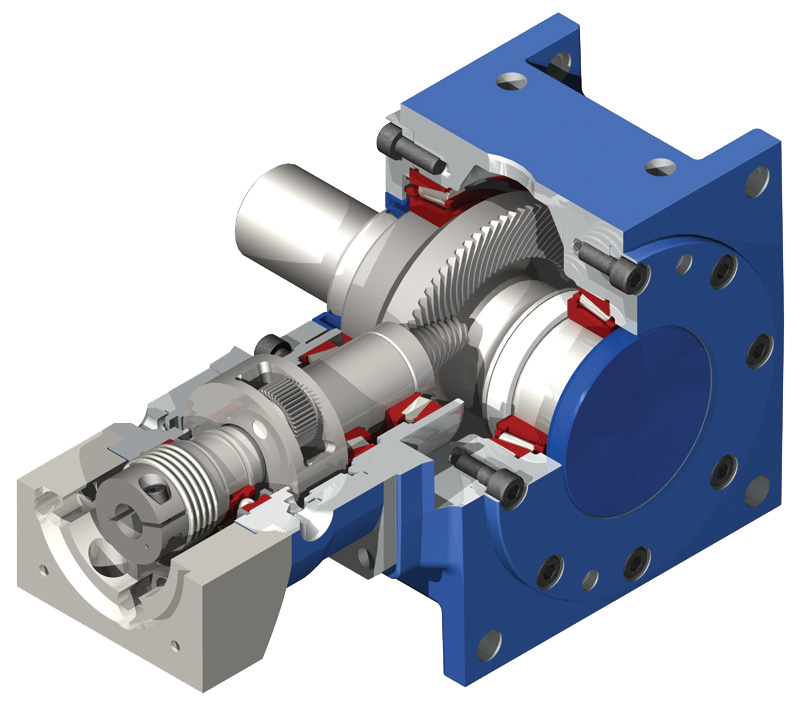
Advantages of hypoid gearing over worm, bevel and bevel-planetary
Engineers in the field of mechanical design often face challenges in achieving an optimal balance between torque capacity and mechanical efficiency when utilizing right-angle gearing. A recent analysis highlights hypoid gearing as a superior alternative, providing a more favorable combination of mechanical efficiency, load-carrying capability, and a versatile single-stage ratio range. This insight into hypoid gearing's advantages over traditional options such as worm, bevel, and bevel-planetary gears was published on The Robot Report, underscoring its potential to enhance performance in various engineering applications.
Sponsored Content GAM sponsored
How Ruiyan Intelligent Control Became a Leading Supplier of Dexterous Hands in Robotics
Shenzhen-based Ruiyan Intelligent Control has swiftly established itself as a prominent supplier of dexterous hands for leading embodied AI companies in China. The firm has gained significant market traction by prioritizing reliability and innovative engineering, effectively addressing critical challenges within the industry. Notably, Ruiyan has achieved this success without relying on traditional marketing strategies. Their dedication to quality and performance has resulted in impressive customer retention rates, solidifying their growing influence in the robotics sector.
Dexterous Hands Robotics Embodied Intelligence Engineering Reliability
Swarm Robots Inspired by Bees and Ants Could Transform the Future of Mining
Researchers at Adelaide University have unveiled an innovative robotic system modeled after the behaviors of bees and ants, aiming to enhance safety, efficiency, and sustainability in the mining industry. This development comes as part of ongoing efforts to address the challenges faced in mining operations, where traditional methods often pose risks to workers and the environment. By mimicking the collective intelligence and collaborative strategies of these insects, the new robotic system is designed to optimize resource extraction processes while minimizing ecological impact. The research team believes that this approach could revolutionize mining practices, making them more adaptable and less hazardous. The project highlights the potential of biomimicry in engineering solutions that align with environmental sustainability goals.

Embodied AI: Industrial Manufacturing’s Answer to the Great Margin Squeeze
Companies are increasingly turning to embodied AI-enabled robotics to combat the challenges of the “great margin squeeze” in manufacturing. This innovative technology allows for a transition to high-mix manufacturing, enabling faster changeovers and minimizing disruptions that can halt production lines. By integrating these advanced robotic systems, businesses can enhance operational efficiency without the need to expand their engineering resources. This shift is particularly crucial as manufacturers seek to adapt to changing market demands while maintaining profitability. The adoption of AI-driven robotics is seen as a strategic move to streamline processes and improve overall productivity in a competitive landscape.
A high-endurance DNA origami snap-through switch for functional nanoscale control
In June 2026, a groundbreaking study published in Science Robotics highlights advancements in robotic technology that could revolutionize various industries. Researchers from leading universities and tech companies collaborated to develop a new generation of robots capable of performing complex tasks with unprecedented efficiency and precision. This innovation aims to address the growing demand for automation in sectors such as manufacturing, healthcare, and logistics. The study showcases robots equipped with advanced artificial intelligence and machine learning algorithms, enabling them to adapt to dynamic environments and learn from their experiences. By enhancing their operational capabilities, these robots can significantly reduce labor costs and improve productivity, ultimately benefiting businesses and consumers alike. The research team conducted extensive experiments in controlled environments to test the robots' performance, demonstrating their ability to execute intricate tasks that were previously thought to require human intervention. This development comes in response to the increasing pressure on industries to streamline operations and meet the challenges posed by a rapidly changing economic landscape. As companies seek to integrate these advanced robotic systems into their workflows, the implications for the workforce and future job markets are profound. The study underscores the potential for robots to not only augment human labor but also create new opportunities in technology and engineering fields. The findings are expected to spark further research and investment in robotics, paving the way for a more automated future.
Research Article
Unitree Robotics: Cost Dominance Meets AI Challenge in Humanoid Robot Race
Unitree, a robotics company, has recently reported achieving profitability, largely attributed to its aggressive cost engineering strategies. However, as competition in the robotics industry intensifies, the company is confronted with significant gaps in its artificial intelligence capabilities. This challenge could hinder its ability to maintain its market position and innovate effectively. The announcement comes amid a rapidly evolving technological landscape, where advancements in AI are becoming increasingly crucial for success. As Unitree navigates these challenges, its future growth will depend on how effectively it can enhance its AI offerings while sustaining its financial gains.
HumanoidRobotics
Dan Ives Predicts a Tesla-SpaceX Megamerger. Here’s What Investors Need to Know.
Wedbush analyst Dan Ives has predicted an 80% likelihood of a merger between SpaceX and Tesla within the next year, following SpaceX's recent IPO, which raised $75 billion and achieved a valuation of $1.7 trillion. If the merger occurs, it would unite Elon Musk's two publicly traded companies, creating a combined entity valued at approximately $3.6 trillion, positioning it as the fourth-largest company globally, behind Nvidia, Alphabet, and Apple. Ives suggests that the merger aligns with Musk's broader strategy, particularly in artificial intelligence, as both companies could leverage shared resources and expertise. SpaceX, known for its reusable rockets and Starlink satellite internet service, has seen its stock soar, closing at $169.36 on its first trading day, while Tesla, valued at $1.5 trillion, continues to innovate in electric vehicles and robotics. However, the merger poses challenges due to the differing markets of the two companies. Tesla is focused on the competitive electric vehicle sector, where investors closely monitor performance metrics, while SpaceX primarily operates as a government contractor in the aerospace industry. Despite these hurdles, the potential for collaboration in AI and engineering could make the merger appealing to investors.

Video: Ceiling-mounted DIY robot picks up toys, clothes, and household clutter
An engineer has created an innovative open-source robotic claw that mounts on ceilings, aimed at addressing challenges in various industries. This development, which was unveiled recently, is designed to assist in tasks such as inventory management and warehouse automation. The engineer, motivated by the need for cost-effective and versatile solutions in the automation sector, has made the design freely available to encourage collaboration and further enhancements from the global engineering community. By utilizing readily available materials and components, the project promotes sustainability and accessibility in robotics. The claw's operation involves a series of precise movements controlled by a user-friendly interface, allowing for efficient handling of objects in hard-to-reach spaces. This initiative not only showcases advancements in robotics but also highlights the potential for open-source technology to drive innovation and improve operational efficiency across various fields.
AI and Robotics
US scientists’ new electron microscopy tech delivers 10,000x magnification compared to light microscopy
A team of researchers in the United States has developed a groundbreaking technology aimed at enhancing the performance of electron devices. This innovation, unveiled recently, promises to significantly improve the efficiency and capabilities of various electronic components. The research, conducted at a prominent university, addresses the growing demand for faster and more efficient electronic systems in an increasingly digital world. By leveraging advanced materials and innovative engineering techniques, the team has successfully created a method that optimizes electron flow, potentially revolutionizing the electronics industry. This development comes at a crucial time as industries seek to meet the challenges posed by modern technological demands, including the need for better energy efficiency and higher processing speeds. The researchers are now looking to collaborate with industry partners to further refine the technology and explore its applications in commercial products.
Innovation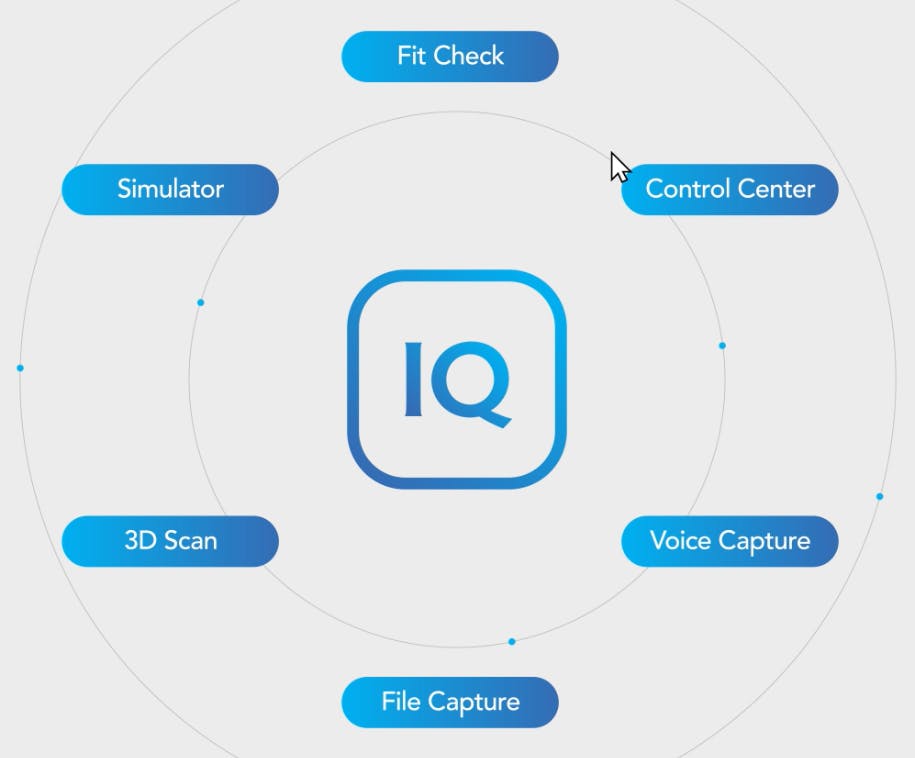
Robotiq Announced AI-Enabled Platform for Workcell Integration
A new platform has been launched to enhance collaboration among engineering teams by streamlining workflows through effective data capturing and design coordination. This innovative tool is designed to improve efficiency and communication within engineering projects, addressing common challenges faced by professionals in the field. The platform is expected to be particularly beneficial for companies looking to optimize their engineering processes and ensure seamless integration of design and data management. By providing a centralized space for teams to work together, the platform aims to foster better decision-making and project outcomes.
Factory / Analytics
Struggling German auto supplier Bosch pivots to robots
Bosch, the German industrial powerhouse, announced on Wednesday its intention to intensify its focus on humanoid robotics as it faces mounting challenges in its traditional auto parts sector. This strategic shift comes in response to the evolving market dynamics and the need to diversify its business portfolio. By investing in advanced robotics, Bosch aims to innovate and remain competitive in a rapidly changing technological landscape. The company's commitment to this new direction underscores its recognition of the growing importance of robotics in various industries, as it seeks to leverage its expertise in engineering and automation to meet future demands.
Robotics
OnLogic to Showcase Practical Physical AI and Full-Facility Workload Consolidation at Automate 2026
OnLogic, a leader in industrial computing, is set to showcase its innovative edge solutions at the Automate 2026 show, taking place from June 22-25 at McCormick Place in Chicago, Illinois. Positioned at Booth 867, the company aims to highlight practical applications of Physical AI and advanced workload consolidation, moving beyond the prevalent cloud AI hype. As industries increasingly seek to implement artificial intelligence, many face challenges such as cloud latency and high bandwidth costs. OnLogic's VP of Product Engineering, Sheldon Sun, emphasizes the need for reliable edge computing to enable real-time operations in demanding environments. The company will demonstrate how its robust hardware can effectively bridge the gap between sophisticated software and the realities of modern industrial settings. Attendees can expect live demonstrations, including a forklift near-miss detection system powered by edge computing and an automated quality control inspection using advanced machine vision. OnLogic will also present a range of industrial and edge computing solutions, including the Helix 520 Series and the ultra-compact CL260 fanless computer, designed for various applications within the industrial sector. For more information on OnLogic's offerings and to engage with their team during the event, visitors are encouraged to stop by Booth 867 or visit their website.
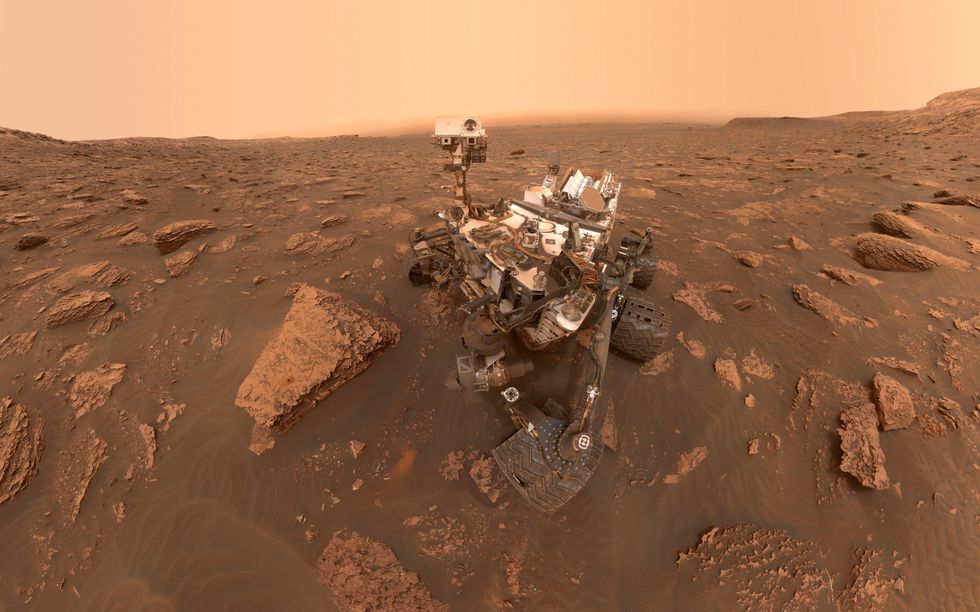
How JPL Keeps the 13-Year-Old Curiosity Rover Doing Science
The Curiosity rover, which has been exploring Mars for 13 years, continues to operate effectively despite the challenges of its hostile environment. Since its successful landing in August 2012 at the Jet Propulsion Laboratory (JPL) in Pasadena, California, Curiosity has traveled nearly 37 kilometers, drilled into 42 rocks, and captured approximately 763,000 images. JPL engineers, including assistant team chief Alexandra Holloway, have implemented ongoing software updates and innovative solutions to keep the rover functional, even as it faces wear and diminishing power. Holloway highlighted the rover's longevity, attributing it to robust engineering and continuous maintenance efforts. While Curiosity and the younger Perseverance rover share similar hardware, Perseverance features additional capabilities for autonomous navigation, reflecting their distinct mission objectives. Curiosity's operational challenges include wheel wear from sharp rocks and power consumption from its nuclear source, which decreases over time. Engineers have developed strategies to optimize power usage, such as reducing computer activation time and parallel processing tasks. Looking ahead, Holloway noted that while Curiosity's arm may eventually fail, the rover still possesses valuable remote sensing instruments that will contribute to future Mars exploration. With its power source expected to remain viable through at least 2035, Curiosity's mission continues to yield significant scientific insights, paving the way for future missions.
Curiosity-rover Mars Jpl
US engineers make ‘artificial eyes’ to improve vision in robots, self-driving cars
Researchers at Penn State University have developed an innovative device inspired by the human eye, aimed at enhancing the vision capabilities of self-driving cars. This groundbreaking technology was unveiled recently as part of ongoing efforts to improve the safety and reliability of autonomous vehicles. The device mimics the eye's ability to adapt to varying light conditions, which is crucial for navigating complex environments. The motivation behind this advancement stems from the challenges faced by self-driving cars in low-light situations, where traditional sensors often struggle to provide accurate data. By integrating this eye-inspired technology, the researchers hope to significantly reduce the risk of accidents and improve the overall performance of autonomous systems. This development is part of a broader initiative to advance automotive technology and ensure that self-driving cars can operate effectively in diverse conditions. The research team utilized a combination of advanced materials and optical engineering to create a device that can dynamically adjust its sensitivity, much like the human eye does when transitioning from bright to dim environments. As the automotive industry continues to push towards fully autonomous vehicles, innovations like this are essential for addressing safety concerns and building public trust in self-driving technology. The research findings are expected to contribute to future advancements in vehicle design and functionality, paving the way for safer roads.

GS E&C, Daedong Robotics team up on AI construction robots
GS Engineering & Construction (GS E&C) announced on Monday that it has entered into a partnership with Daedong Robotics to develop artificial intelligence-powered autonomous robots specifically designed for construction sites. This collaboration, formalized on June 5 at GS E&C's R&D Center in Seoul, aims to enhance safety and productivity in the construction industry, which is increasingly turning to automation. The partnership will involve field trials of Daedong Robotics' existing autonomous robots and the joint development of new models tailored to meet the unique challenges of construction environments. Established in 2024, Daedong Robotics is expanding its focus beyond agricultural applications to address the growing demands of the construction sector.
All NewsRobotics needs a service framework.
RSF defines a common language for robot service capability, lifecycle operations, certification pathways, and service-provider networks.