Industry Briefing
A single destination for timely, editor-curated robotics news from around the world.
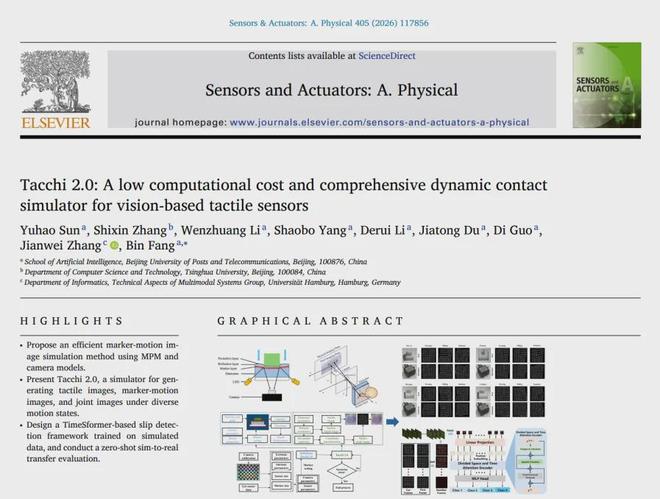
Tacchi 2.0: A Low Computational Cost Dynamic Contact Simulator for Vision-Based Tactile Sensors
A groundbreaking advancement in robotics has emerged with the introduction of Tacchi 2.0, a dynamic contact simulator designed to significantly improve the generation of high-quality tactile data. This innovative tool utilizes a combination of the Material Point Method and pinhole camera models to create highly realistic simulations of object interactions. The result is a remarkable level of accuracy that benefits both simulated environments and real-world applications. Tacchi 2.0 is poised to enhance the capabilities of robots, enabling them to better understand and interact with their surroundings. This development marks a significant step forward in the field of robotics, promising to improve the efficiency and effectiveness of robotic systems in various industries.
Tactile Sensors Robotics Simulation Machine Learning AI Dynamic Contact Modeling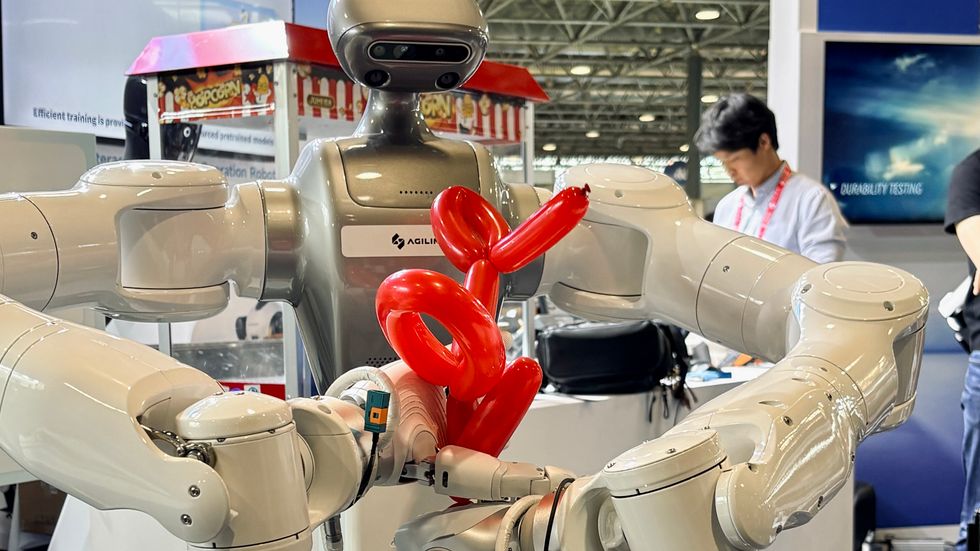
Beyond Dexterity: Why Contact May Define the Next Era of Robotics
At the 2026 IEEE International Conference on Robotics (ICRA) in Vienna, AGILINK showcased a captivating demonstration of robotic dexterity by creating a balloon dog, which drew significant attention from attendees. This seemingly playful task is recognized in the robotics community as a complex manipulation challenge due to the balloon's lightweight and highly deformable nature. The demonstration highlighted the intricate balance between motion and contact intelligence, essential for successful robotic manipulation. AGILINK's approach involved mapping the actions of professional balloon artists to robotic hands, allowing the robot to learn both successful manipulation sequences and recovery strategies during failures. This dual focus on motion and contact intelligence is crucial, as maintaining stable interaction with the balloon is as important as executing the correct sequence of actions. In conjunction with the balloon dog demonstration, AGILINK introduced the OmniHand 3 Ultra-M, a dexterous robotic hand designed to enhance contact intelligence through advanced sensing and faster response capabilities. The hand features 20 active degrees of freedom and a direct-drive architecture, enabling precise force regulation and tactile sensing across its surface. The significance of these advancements extends beyond balloon animals, addressing broader challenges in robotics related to unstable and deformable interactions, such as delicate assembly and household tasks. As robotics research increasingly prioritizes interaction dynamics, AGILINK's innovations may pave the way for more effective manipulation in unpredictable real-world environments.
Humanoid-robots Physical-ai Dexterous-hands Direct-drive-actuation Robotic-manipulation Reinforcement-learning
Modeling and Simulation Approaches for Modern Power System Studies
A free webinar focused on power system modeling and simulation will take place soon, offering insights into various analytical techniques for energy professionals. Participants will learn to construct power system networks programmatically using standard data formats and configure models for specific engineering objectives. The session will cover workflows for quasi-static 8760-hour simulations on an IEEE 123-node distribution feeder, as well as electromagnetic transient (EMT) simulations on transmission system benchmarks, including generator trip dynamics. Attendees will also gain an understanding of comprehensive fault studies, learning how to systematically inject faults into a distribution system and utilize the resulting data to train machine-learning algorithms for automated fault detection and classification. Additionally, the webinar will address the integration of inverter-based resources (IBRs) into the grid, including techniques for frequency scanning and compliance testing for grid-forming converters against established interconnection standards. This event aims to equip energy professionals with the necessary skills and knowledge to enhance their modeling and simulation capabilities in the evolving landscape of power systems. Interested individuals are encouraged to register for the webinar to secure their participation.
Type-webinar Energy Power-system Emt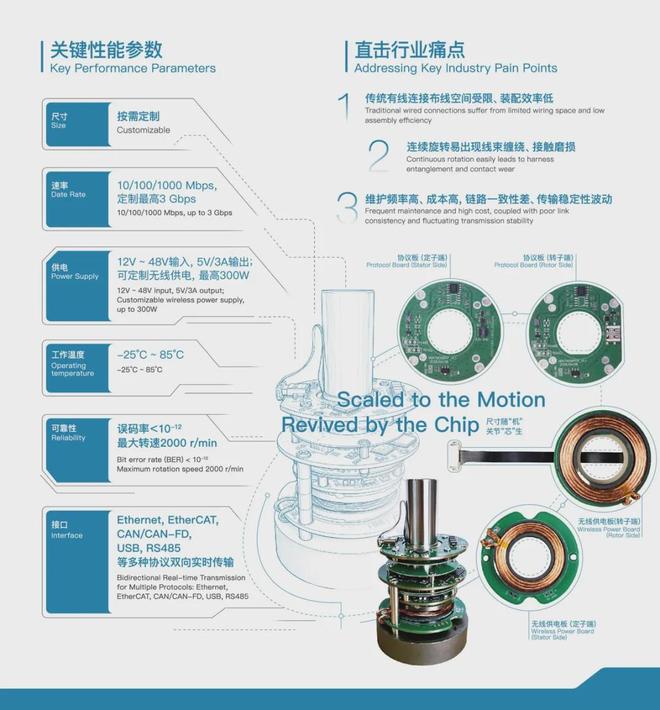
Enhancing Robot Durability: Decosemi's Non-Contact Millimeter-Wave Interconnect Chip Solution Unveiled at FAIR plus
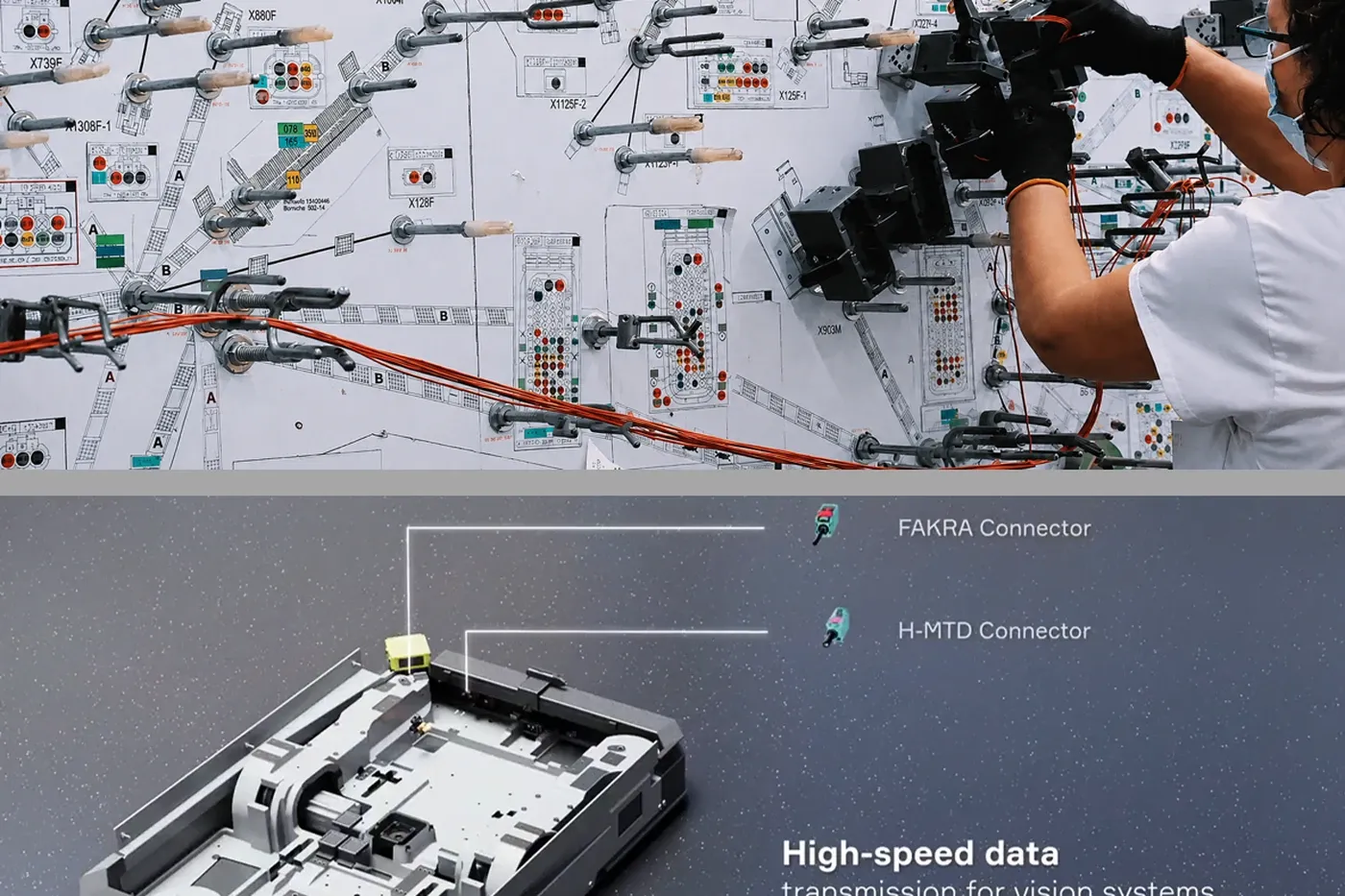
At the FAIR plus robotics event held in Shenzhen, Decosemi unveiled its cutting-edge non-contact millimeter-wave interconnect chip solutions tailored for robotic joints. This innovative technology seeks to enhance connection stability and integration efficiency, effectively tackling the limitations posed by traditional wired connections in dynamic robotic applications. By providing a more reliable and efficient means of connectivity, Decosemi aims to advance the capabilities of robotics in various industries.
Millimeter-Wave Technology Robotics Non-Contact Communication Dynamic Connectivity
Image‐Based Modeling and Prediction of Banana Decay Under Blue Light Irradiation
In a recent study published in the Journal of Field Robotics, researchers have explored advancements in robotic navigation systems, focusing on improving the efficiency and accuracy of autonomous vehicles. Conducted in May 2026, the research aimed to address challenges faced by robots in dynamic environments, such as urban areas and disaster zones. The team, comprising experts in robotics and artificial intelligence, utilized a combination of machine learning algorithms and real-time data processing to enhance the decision-making capabilities of these vehicles. By integrating sensor data and environmental feedback, the robots demonstrated a significant increase in their ability to navigate complex terrains while avoiding obstacles. This research is particularly relevant as the demand for autonomous systems continues to rise in various sectors, including transportation, logistics, and emergency response. The findings highlight the potential for these technologies to improve safety and operational efficiency in real-world applications. As cities become more congested and the need for rapid response in emergencies grows, the advancements in robotic navigation could play a crucial role in shaping the future of autonomous mobility.
RESEARCH ARTICLE
SoftServe Introduces Virtual Gyms for Enhanced Robotics Training and Deployment
SoftServe has highlighted the importance of 'virtual gyms' for robotics teams, emphasizing their role in preparing robots for dynamic environments. These high-fidelity simulation environments allow robots to train, fail, and recover safely before real-world deployment, addressing the challenges posed by unpredictable operational conditions. The global robotics market is projected to grow at a 19.6% CAGR from 2026 to 2036, underscoring the need for effective training solutions like virtual gyms to enhance robotic autonomy and performance. The shift from programmed automation to physical AI necessitates that robots adapt to constantly changing environments, which traditional training methods struggle to accommodate. Virtual gyms integrate technologies such as digital twins, reinforcement learning, and sensor modeling to provide a comprehensive training platform. This approach mitigates the risks and costs associated with real-world trials, enabling teams to generate valuable training data in a controlled setting, thus improving deployment success rates. Looking ahead, the adoption of virtual gyms is expected to become a standard practice in robotics development, as they offer a solution to the simulation-to-reality gap. No further timeline was disclosed at the time of publication, but the increasing complexity of robotic tasks suggests that the demand for such training environments will continue to rise as the industry evolves.
Artificial Intelligence Artificial Intelligence / Cognition Autonomous Mobile Robots (AMRs) Development Tools / SDKs / Libraries Industrial Robots Logistics
US team combines digital twins, VR to boost lunar robot performance for future missions
Researchers at the University of Colorado Boulder are pioneering the use of digital twin technology to enhance environmental monitoring and management. This innovative approach involves creating virtual replicas of physical systems, allowing scientists to simulate and analyze real-world conditions in real time. The project, which commenced in late 2023, aims to address pressing environmental challenges by providing more accurate data and predictive insights. Located in Boulder, Colorado, the initiative seeks to improve understanding of climate change impacts and resource management by integrating advanced modeling techniques with real-time data collection. The motivation behind this research stems from the urgent need to develop effective strategies for sustainability and resilience in the face of environmental degradation. By employing sensors and data analytics, the researchers are able to create dynamic models that reflect current environmental conditions, enabling stakeholders to make informed decisions. This method not only enhances the accuracy of environmental assessments but also facilitates proactive responses to potential ecological threats. The team at CU Boulder is collaborating with various stakeholders, including government agencies and conservation organizations, to ensure that the findings are applicable and beneficial for real-world applications.

DobotWAM Achieves Top Ranking in Embodied Intelligence with 99.25% Success Rate
Yuejiang Technology has announced that its DobotWAM model has achieved an impressive 99.25% success rate in the LIBERO benchmark for embodied intelligence, outpacing competing models. This achievement marks a significant transition in the field from traditional collaborative robotics to advanced embodied intelligence technology, emphasizing its applicability in real-world scenarios and precision tasks. The model's superior performance is attributed to significant advancements in spatial understanding and dynamic motion modeling, establishing DobotWAM as a leader in the robotics industry.
Embodied Intelligence Robotics AI Automation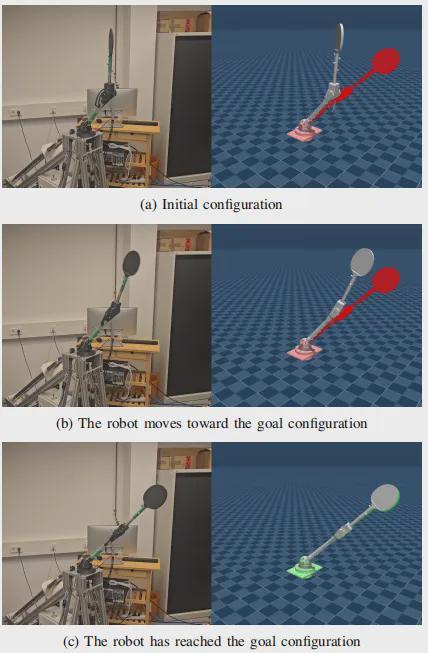
World's First Muscle-Driven Robot Successfully Completes Sim-to-Real Transfer!
A research team has made significant strides in the field of muscle-driven robotics by successfully transitioning a four-degree-of-freedom pneumatic artificial muscle robot from a simulated environment to real-world application. This achievement, announced recently, marks a pivotal moment in overcoming longstanding challenges associated with modeling complex dynamics in robotic systems. The development aims to enhance the safety and efficiency of robotics, potentially revolutionizing applications across various industries. By addressing these intricate dynamics, the team hopes to pave the way for more advanced and reliable robotic technologies in the future.
Muscle-Driven Robots Robotics Technology Sim-to-Real Transfer Artificial Muscles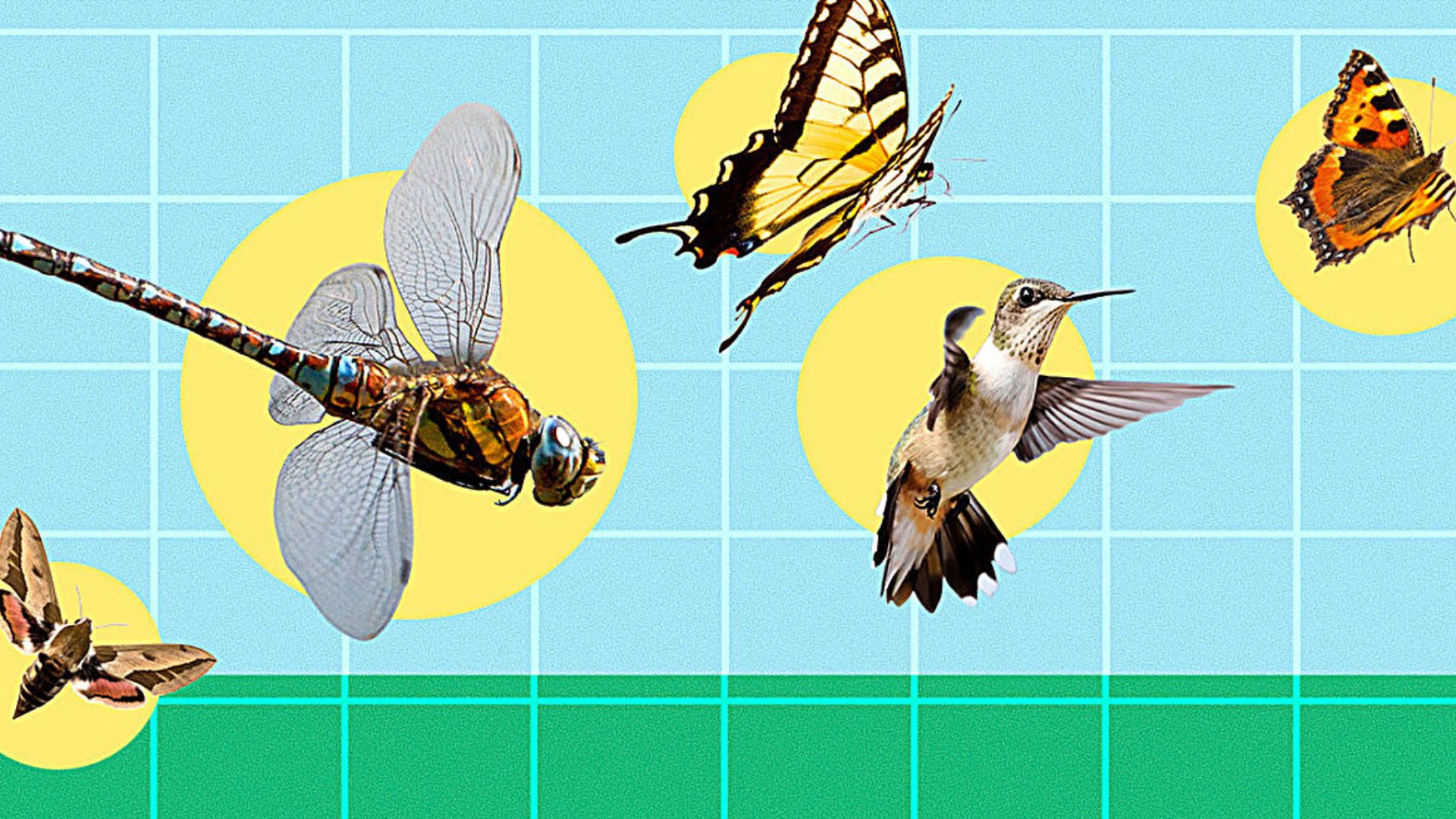
Cornell’s insect-inspired 3D model could allow flapping-wing robots to fly stably
Researchers at Cornell University have unveiled a groundbreaking 3D computational model designed to decode complex physical phenomena. This innovative model, which was developed over the past year, aims to enhance our understanding of various scientific processes by simulating intricate interactions within physical systems. The research team, led by a group of physicists and engineers, conducted extensive experiments and simulations to refine the model's accuracy and applicability. The development of this model is particularly significant as it addresses longstanding challenges in the field of physics, providing a tool that can potentially revolutionize how scientists approach problem-solving in areas such as material science, fluid dynamics, and even climate modeling. By leveraging advanced algorithms and high-performance computing, the researchers were able to create a more precise representation of physical interactions, which could lead to new discoveries and innovations. This work not only showcases the capabilities of modern computational techniques but also underscores the importance of interdisciplinary collaboration in advancing scientific knowledge. The findings of this research are expected to be published in a leading scientific journal, contributing to ongoing discussions and developments in the field.

Claude Mythos Preview Requires New Ways to Keep Code Secure
Malicious actors are increasingly leveraging generative AI to conduct cyberattacks, employing AI-generated deepfakes for scams, AI-assisted malware, and chatbots for phishing campaigns. In early April, Anthropic’s Frontier Red Team revealed that its Claude Mythos Preview model identified thousands of critical vulnerabilities across major operating systems and web browsers, despite not being specifically trained for this purpose. This prompted the launch of Project Glasswing, a collaborative initiative with tech giants like Amazon Web Services, Apple, Google, Microsoft, and Nvidia, aimed at using Mythos Preview to enhance software security. While generative AI demonstrates remarkable capabilities in identifying code vulnerabilities, experts warn that these same abilities can be exploited by cybercriminals. Jeremy Katz, vice president of code security at Sonar, noted that AI can effectively pinpoint security flaws within extensive codebases. However, the technology is not without its challenges, including the potential for false positives, which complicates the process for open-source maintainers. To mitigate these issues, cybersecurity professionals advocate for a balanced approach that incorporates human oversight in the verification of AI findings. Techniques such as adversarial self-review and dynamic threat modeling are suggested to enhance the reliability of AI tools. Experts emphasize the importance of integrating security measures earlier in the software development lifecycle and providing ongoing training for developers to preemptively address vulnerabilities. As AI continues to evolve in its ability to detect and classify security weaknesses, the focus will shift towards effectively remediating these vulnerabilities at scale.
Anthropic Coding Artificial-intelligence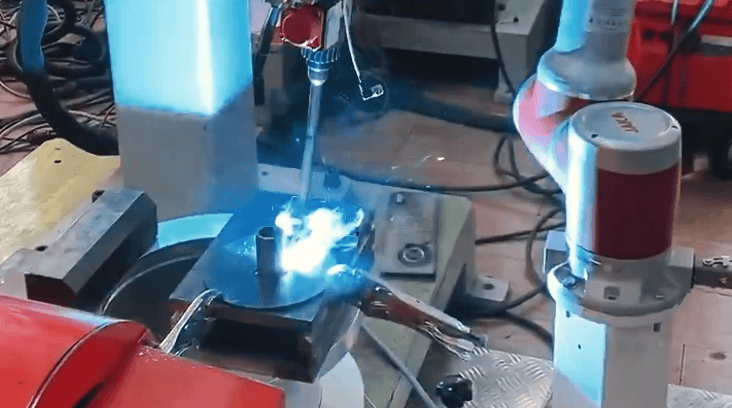
Essential Safety Tips for Operating Collaborative Welding Robots (Arc Flash & Collision)
In modern manufacturing, ensuring the safety of collaborative welding robots is paramount. A company specializing in this field emphasizes the importance of understanding potential hazards, such as arc flash and collision risks, to protect both operators and management. By implementing structured safety protocols, they aim to maintain high productivity while safeguarding their workforce. To mitigate arc flash incidents, which can lead to severe injuries, the company stresses the use of proper personal protective equipment (PPE) like flame-resistant clothing and face shields. Safety zones around the JAKA Zu30 robot are clearly marked to prevent accidental exposure to high-voltage arcs, and regular inspections of electrical systems and welding cables are conducted to ensure reliable operation. Collisions in dynamic production environments present another significant risk. The company designs workspace layouts to minimize interference between robots and human operators. The JAKA Zu30 system facilitates quick loading and unloading, reducing congestion on the production line. Additionally, the robot’s programming capabilities allow for precise movement paths, enhancing safety while optimizing workflow. Collision detection features and predefined safe zones further ensure efficient operation without unintended contact. Best practices for operational safety include training all operators on proper startup and shutdown procedures, emphasizing emergency stops and maintenance schedules. Monitoring environmental factors like ventilation and lighting also helps reduce welding arc hazards. The flexible design of the JAKA Zu30 enables quick adaptations to production lines, ensuring high-quality machine tending while upholding safety standards. By integrating safety measures, thoughtful workspace design, and comprehensive training, the company demonstrates that safety and productivity can coexist in modern industrial environments, enhancing both efficiency and workforce well-being.
Training Driving AI at 50,000× Real Time
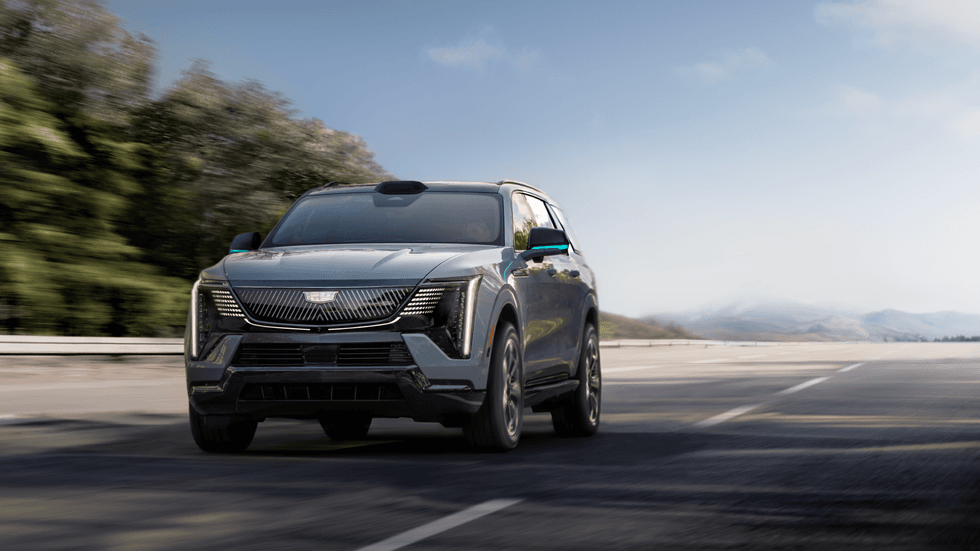
General Motors (GM) is advancing its autonomous driving technology by addressing the complex challenges associated with unpredictable road scenarios, known as the "long tail." This initiative is crucial as GM aims to achieve fully autonomous vehicles capable of navigating diverse environments safely. The company employs a combination of large-scale simulations, reinforcement learning, and advanced AI models, such as Vision Language Action (VLA), to enhance the decision-making capabilities of its autonomous systems. To prepare for rare and unexpected driving situations, GM conducts millions of high-fidelity simulations that replicate real-world conditions. These simulations allow engineers to test the vehicles against hazardous scenarios that would be difficult to encounter safely in reality. Additionally, GM utilizes innovative techniques like “Seed-to-Seed Translation” to generate synthetic training data, enabling the modeling of extreme weather conditions and traffic scenarios. The development process also incorporates a unique dual-frequency model that balances high-level decision-making with immediate vehicle control, ensuring quick responses to dynamic road conditions. Furthermore, GM's approach includes adversarial testing to identify potential safety risks by challenging the AI's perception capabilities. As GM continues to refine its autonomous driving technology, the company is focused on creating an ecosystem that integrates various learning methods and addresses the critical edge cases that will determine the readiness of autonomous vehicles for widespread deployment. This comprehensive strategy aims to enhance safety and reliability, paving the way for a future where autonomous driving can operate without human intervention.
Autonomous-vehicles Self-driving-cars Gm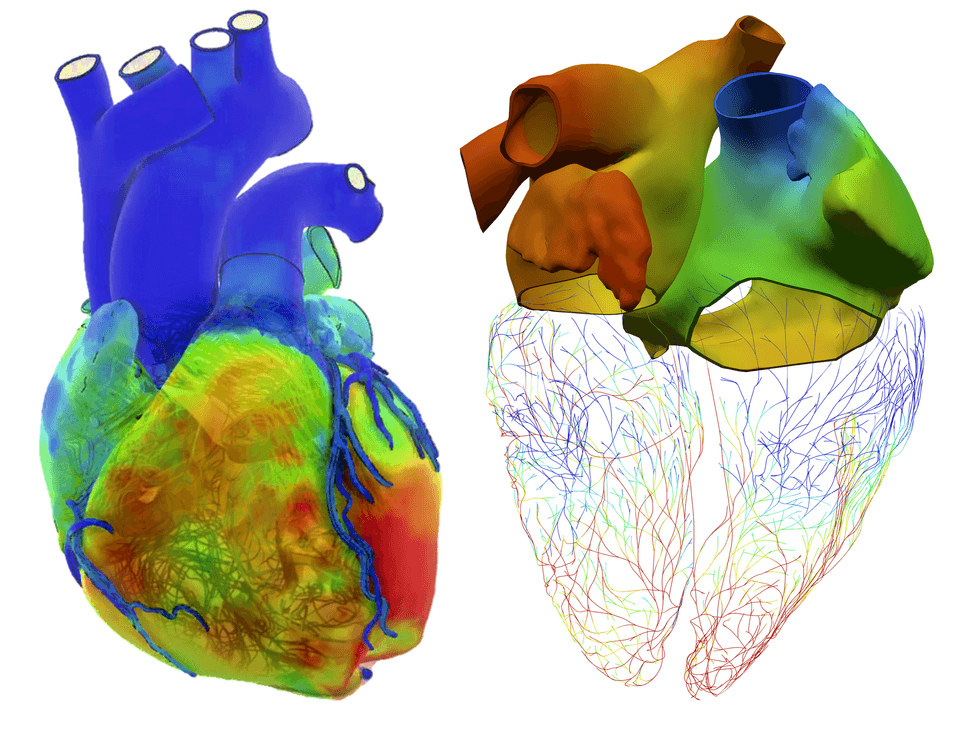
How Your Virtual Twin Could One Day Save Your Life
In May 2019, a cardiac surgeon at Boston Children’s Hospital successfully performed a complex heart surgery on a child with a severe congenital defect, utilizing advanced virtual twin technology. This innovative approach involved creating a detailed 3D model of the child's heart and vascular system from MRI and CT scans, allowing the surgical team to simulate various strategies and predict outcomes before the operation. The procedure was critical due to the unique nature of the child's heart condition, which had no established surgical manual. The Living Heart Project, initiated in 2014, has since guided nearly 2,000 surgeries by employing virtual twin modeling, which combines engineering principles with medical expertise to enhance surgical precision and patient outcomes. This project, now involving over 150 organizations globally, aims to revolutionize medical treatment by providing a dynamic, predictive tool that can simulate the human body's responses. The technology not only aids in surgical planning but also has the potential to streamline clinical trials. By creating virtual patient cohorts, researchers can test treatments more efficiently, reducing the time and costs associated with traditional trials. The FDA has recognized the significance of this approach, collaborating with the project to establish guidelines for in silico clinical trials, marking a significant shift in how medical innovations are developed and validated. As virtual twins expand beyond cardiac applications to other organs, they promise to transform healthcare by enabling personalized medicine and fostering a deeper understanding of patient physiology, ultimately improving treatment outcomes and patient engagement in their health management.
Cardiology Digital-twins Personalized-medicine Virtual-heart Generative-ai
Overcoming Core Engineering Barriers in Humanoid Robotics Development
Engineers in the humanoid robotics field are set to address critical challenges related to sensing, motion control, power, and thermal management during an upcoming technical examination. This event will delve into the complexities of motion control, which remains one of the most significant hurdles in achieving stable bipedal locomotion in dynamic environments. Attendees will explore the intricacies of modeling, real-time feedback, and sensor fusion essential for maintaining balance and stability. Additionally, the session will highlight the importance of advanced sensing architectures, including inertial measurement units and tactile sensors, which play a crucial role in enhancing human-robot interaction and ensuring safety through effective collision avoidance. Participants will also examine the implications of power and thermal constraints on system design, focusing on the trade-offs involved in battery chemistry choices and thermal protection strategies that influence operational endurance. As the industry transitions from prototype development to mass production, the event will provide insights into the shift towards modular architectures and cost-effective component selection, with a keen eye on supply chain readiness anticipated for the late 2020s. This comprehensive examination aims to equip engineers with the knowledge necessary for real-world deployment of humanoid robotics, addressing both current challenges and future advancements.
Sensor-fusion Type-whitepaper Motion-control Humanoid-robots
Three Essential Features of a High-Performance Robotic Arm Component
In the evolving landscape of modern manufacturing, JAKA is redefining the criteria for selecting industrial robot arms, emphasizing the importance of precision, flexibility, and safety over mere automation speed. The company focuses on developing robotic systems that ensure engineering reliability and practical usability, which are crucial for meeting the dynamic demands of production environments. Key features of high-performance robotic arms include the ability to maintain stable processing precision, which directly impacts product quality and defect control. JAKA’s design prioritizes controlled motion, allowing manufacturers to achieve consistent results and reduce defect rates, thereby enhancing overall process reliability with minimal manual intervention. Additionally, the adaptability of robotic arms is vital for responding to changing production needs. JAKA’s Pro5 model offers reprogrammable functions that enable quick adjustments to workflows, facilitating efficient product modifications without the need for extensive equipment investment. This flexibility is particularly beneficial in mixed-production settings where rapid changes are commonplace. Safety is another critical aspect of JAKA’s robotic arm components. By automating hazardous or repetitive tasks, these systems minimize direct operator contact with potentially dangerous equipment, thereby reducing the risk of accidents on the production floor. By integrating these essential features—precision, reprogrammability, and safety—JAKA aims to support manufacturers in achieving reliable production outcomes and fostering safer, more adaptable manufacturing processes. This approach not only enhances quality control but also enables companies to respond effectively to market changes over time.
The Science Behind Cobot Force Sensing and Collision Detection
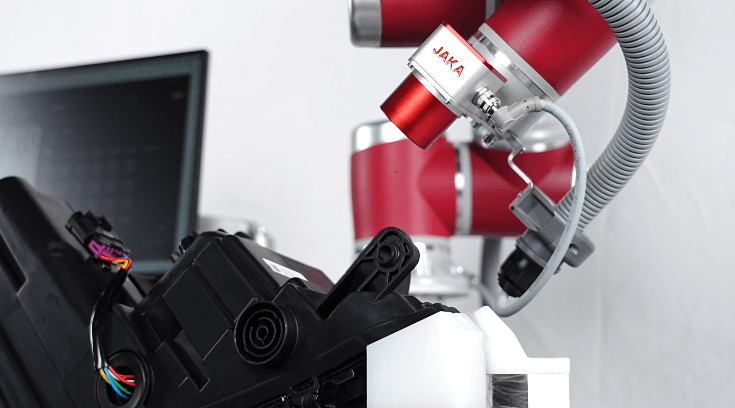
JAKA, a leader in collaborative robotics, is advancing the integration of force sensing and collision detection technologies to enhance safety and efficiency on production floors. As the demand for collaborative robots grows, understanding these systems becomes crucial for their effective deployment. Force sensing enables robots to perceive real-time physical interactions by continuously monitoring joint-level data such as torque and motion. This capability allows robots to differentiate between normal operational loads and unexpected contact, facilitating smoother transitions and reducing stress on both machinery and operators during tasks like assembly and inspection. Complementing this, collision detection translates abnormal force patterns into immediate responses, allowing robots to adjust their speed or halt operations when necessary. This continuous feedback loop fosters safe interactions between robots and human workers without the need for physical barriers, accommodating dynamic work environments. JAKA's compact cobot design, exemplified by the JAKA Zu3, integrates these technologies into a lightweight system suitable for precision tasks in confined spaces. With a payload capacity of 3 kg and a reach of 626 mm, the Zu3 is engineered for seamless human-robot collaboration, ensuring that existing workflows remain undisturbed. By embedding advanced sensing and control mechanisms into their robotics framework, JAKA aims to promote reliable collaboration in real-world production settings, where safety, precision, and adaptability are paramount.
Three Tips to Optimize Robotic Deburring Efficiency Using Adaptive Path Planning
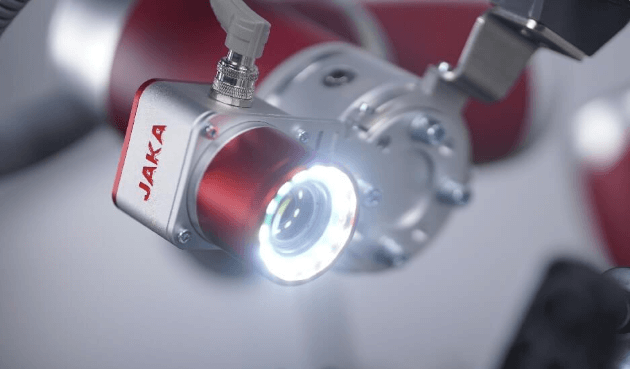
In the realm of modern manufacturing, JAKA is addressing a common challenge in the deburring process, which often serves as a bottleneck due to its repetitive nature and the need for high precision. The company advocates for the use of robotic deburring systems, particularly emphasizing the advantages of their flexible robot arms. By integrating sophisticated software strategies, such as adaptive path planning, JAKA enhances the efficiency of these robotic systems. The flexible design of JAKA's robot arms allows them to adjust their approach to maintain optimal tool contact, accommodating variations in part tolerances without manual reprogramming. This capability ensures a consistent finish across different components, significantly reducing rework rates. Additionally, the integration of real-time force feedback enables the robotic system to maintain consistent pressure during material removal, adapting its speed and position based on the interaction with the workpiece. To further streamline operations, JAKA employs parametric models that allow for quick setup of new deburring paths based on 3D CAD models. This method reduces the time required for programming and enhances the adaptability of the robotic system in high-mix production environments. By focusing on dynamic path planning, real-time force control, and model-based programming, JAKA is revolutionizing the robotic deburring process, making it faster, more reliable, and easier to manage amidst varying production demands.
Flexible Robot Path Planning: How to Adapt to Changing Workpiece Geometry
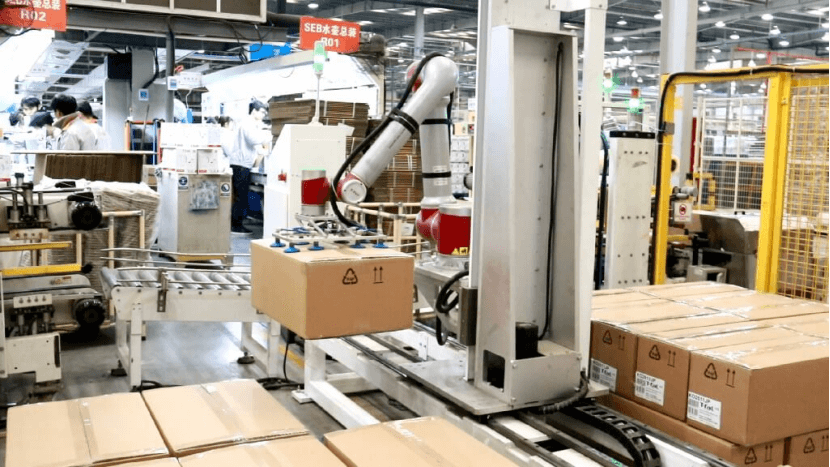
JAKA, a leader in robotics technology, is addressing the challenges of automated finishing processes, particularly in polishing applications where workpiece dimensions can vary. Traditional robots, which rely on fixed programming, often struggle to maintain quality when faced with different part geometries. To overcome this limitation, JAKA has developed a flexible robotic system that intelligently adapts its polishing path in real time, ensuring consistent quality across diverse production batches. This innovative approach integrates advanced sensory technology, such as vision systems and laser scanners, which capture the actual geometry of each workpiece. The robot's control system then compares this data to the ideal CAD model, allowing for dynamic adjustments in its trajectory. JAKA's proprietary force control technology further enhances this adaptability by maintaining optimal contact pressure, compensating for minor deviations in part shape. To simplify the user experience, JAKA's systems feature intuitive graphical off-line programming software that enables operators to easily import new CAD models and generate tool paths with minimal reprogramming. The compact and lightweight design of JAKA's robotic arms facilitates quick repositioning for different production lines, while standardized communication protocols allow for swift integration of various sensors, reducing downtime. By combining mechanical dexterity, integrated perception, and intelligent control algorithms, JAKA is transforming polishing robots from rigid tools into adaptive partners. This advancement ensures high-quality finishing standards, even as product designs evolve, ultimately benefiting manufacturers in high-mix production environments.

Robot Talk Episode 140 – Robot balance and agility, with Amir Patel
Amir Patel, an Associate Professor of Robotics and AI at University College London, discussed his innovative research focused on developing robots that mimic the agility and maneuverability of cheetahs. During a recent conversation, Patel explained how his work integrates advanced robotics techniques, including sensor fusion, computer vision, mechanical modeling, and optimal control. This research aims to enhance robotic performance in dynamic environments, potentially revolutionizing applications in various fields such as search and rescue, exploration, and surveillance. By studying the natural movements of cheetahs, Patel and his team are striving to create robots that can navigate complex terrains with unprecedented efficiency and speed.
What Are Industrial Cobots and How Does Their Safe Collaboration Work?
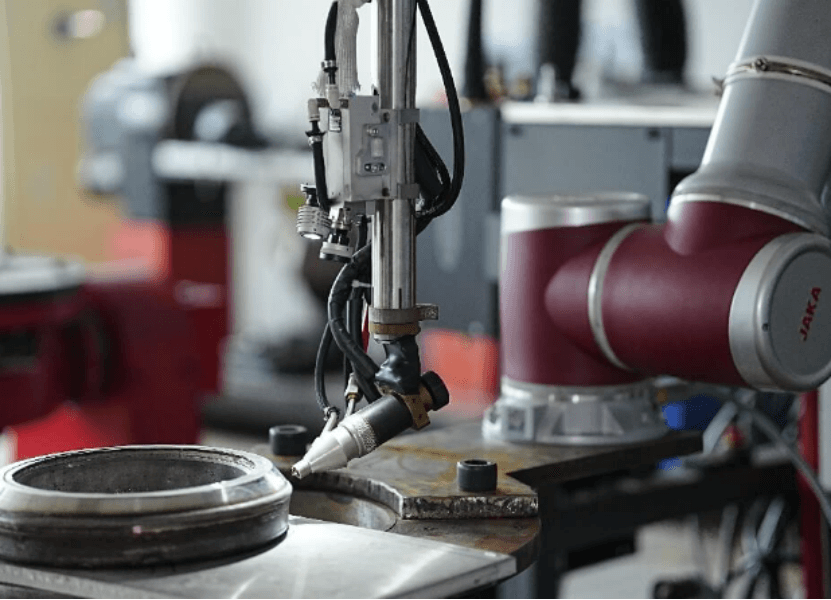
In response to the growing demand for flexible automation in manufacturing, JAKA is advancing the development of industrial collaborative robots, or cobots, designed to work safely alongside human workers. Unlike traditional robots that require safety cages, these cobots feature a lightweight design with rounded edges and force-limited joints, enabling them to perform tasks such as assembly and material handling in close proximity to personnel. The safety of these collaborative robots is ensured through a combination of specialized hardware and advanced software. Equipped with sensors that monitor torque and velocity, the cobots can immediately halt motion upon detecting unexpected resistance, such as contact with a person. Additional safety features, including monitored stops and speed monitoring, create a dynamic safety system that adapts to the presence of human coworkers. JAKA's approach extends beyond the robots themselves, integrating certified safety interfaces with external devices like laser scanners to establish protected zones. The company also offers programming tools that allow engineers to configure safety boundaries and speed limits, ensuring that cobots operate efficiently while maintaining high safety standards. This innovative design not only enhances productivity in manufacturing environments but also fosters a collaborative model where human skills and robotic efficiency complement each other. By prioritizing safety and adaptability, JAKA aims to revolutionize manufacturing operations, making them more efficient and responsive to varying tasks.
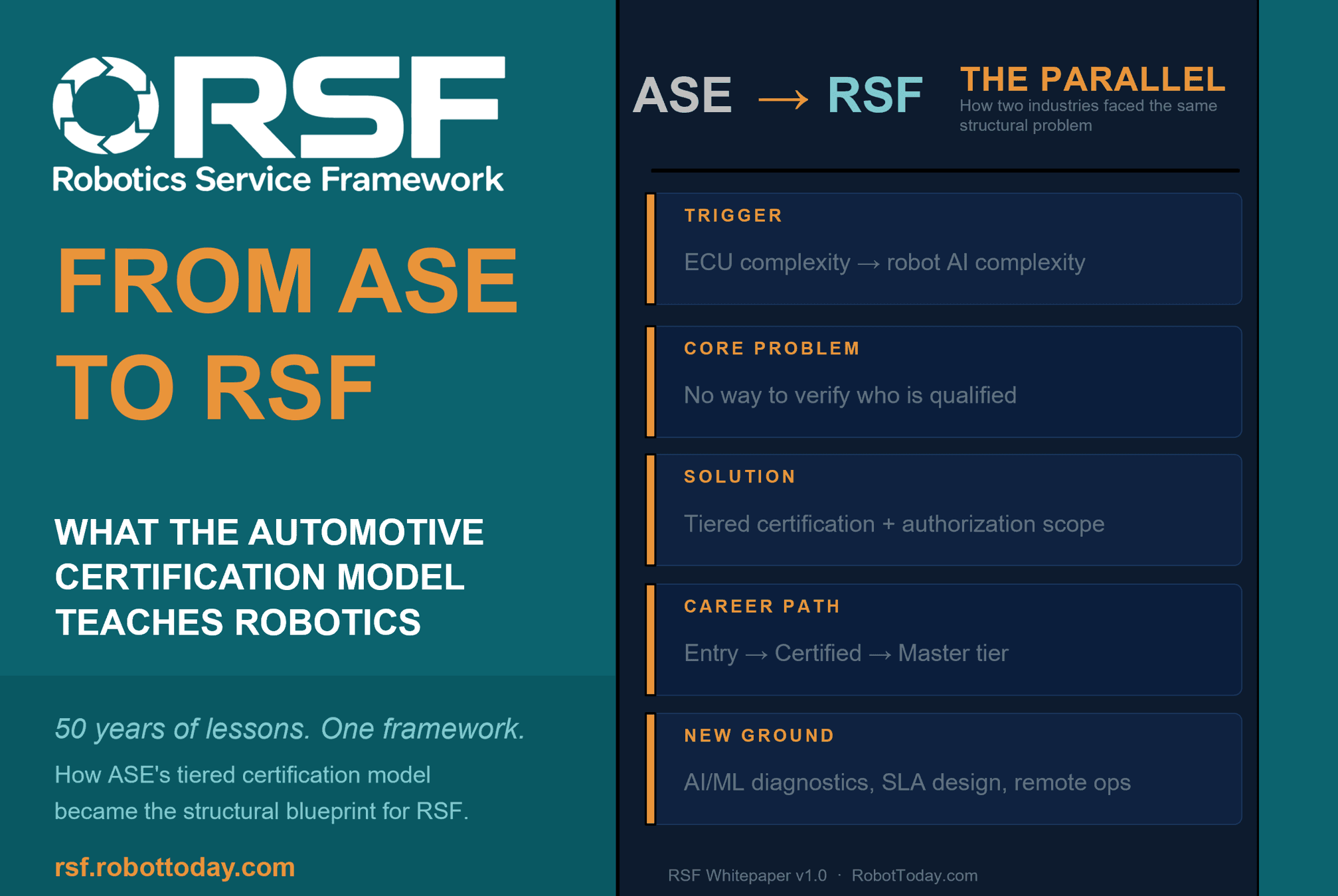
Robotics needs a service framework.
RSF defines a common language for robot service capability, lifecycle operations, certification pathways, and service-provider networks.