

Industry Briefing
A single destination for timely, editor-curated robotics news from around the world.

Global Efforts to Address Human Factors in Drone Operations and Safety Standards
As commercial drone operations evolve, regulators worldwide are increasingly focusing on human factors affecting safety. Experts Aloha Ley and Giovanni Carnaroli highlight how aviation authorities in the U.S., Europe, the U.K., Australia, Japan, and ICAO are addressing these challenges. The FAA's approach remains tied to general airman fitness standards, while EASA is integrating human factors into risk frameworks. The UK promotes the IMSAFE checklist for operator self-assessment, and Australia and New Zealand provide fatigue guidelines for drone operators. The emphasis on human factors is crucial as the regulatory landscape for UAS continues to develop. The FAA's research programs aim to enhance understanding of operator behavior and workload impacts on safety, particularly in BVLOS operations. EASA's SORA methodology requires structured risk assessments that consider operator competency, while the UK’s IMSAFE checklist serves as a practical tool for promoting safety culture among drone operators. Looking ahead, the challenge remains in standardizing and enforcing human factors requirements across jurisdictions. As the Asia-Pacific region expands its drone ecosystem, the lack of uniform guidelines poses a safety risk. Future developments in human factors regulations will be essential for ensuring safe and efficient drone operations globally. No further timeline was disclosed at the time of publication.
DL Exclusive Drone News Drone News Feeds Drones in the News FAA Feature 1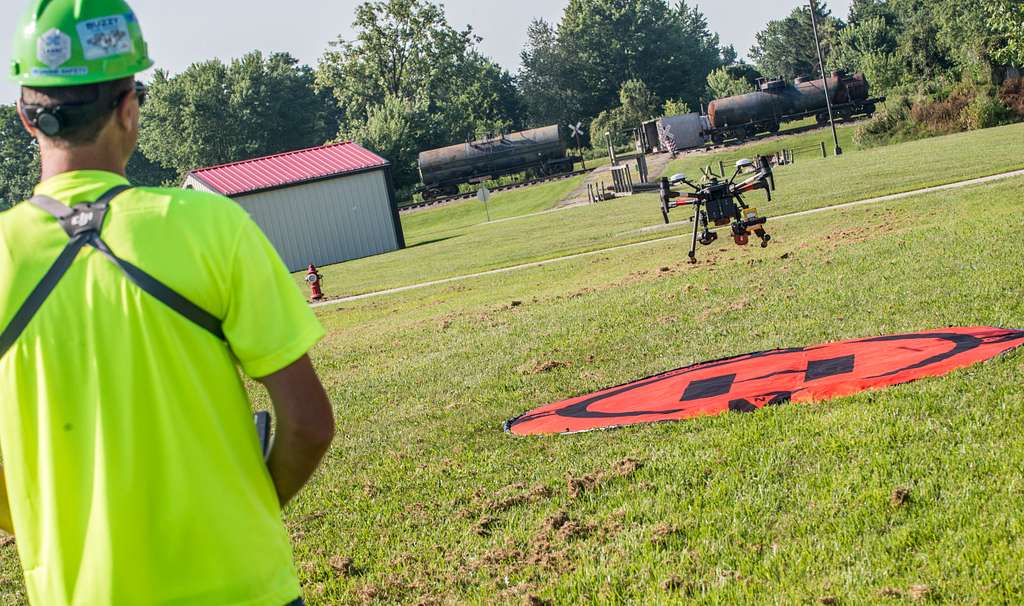
Cognitive Load and Pilot Fatigue Impacting Drone Flight Safety: Insights from Experts
In a recent three-part series, experts Aloha Ley and Giovanni Carnaroli explore the human factors affecting drone operations, focusing on cognitive workload and pilot fatigue. They highlight that human factors are significant contributors to drone incidents, as evidenced by nearly 700 UAS-related reports processed by NASA's Aviation Safety Reporting System by 2025. The series emphasizes the need for evolving cognitive science, regulatory frameworks, and operational design to enhance safety in increasingly complex commercial UAS missions. A scenario illustrates how cognitive overload can lead to critical errors, such as a drone colliding with a power line due to the pilot's diminished situational awareness after processing multiple tasks simultaneously. Future installments will address how global regulators are tackling these challenges and suggest strategies for enterprise operators to develop safer drone programs. No further timeline was disclosed at the time of publication.
Applications DL Exclusive Drone News Drone News Feeds drone technology Drones in the NewsRobotics needs a service framework.
RSF defines a common language for robot service capability, lifecycle operations, certification pathways, and service-provider networks.
Join the RobotToday community on LinkedIn
Daily robotics news, in-depth analysis, conference highlights, and discussions with professionals worldwide.







