Industry Briefing
A single destination for timely, editor-curated robotics news from around the world.

AI Is Insatiable
A recent analysis by Senior Editor Samuel K. Moore highlights the ongoing DRAM shortage, primarily driven by the increasing demand for high bandwidth memory (HBM) from AI hyperscalers like Google, Microsoft, OpenAI, and Anthropic. This shortage is significantly impacting the performance of large language models, as these companies invest heavily in building expansive data centers to support their AI operations. The report, published on February 10, has been updated to reflect the current state of the memory market, which is also affecting the prices of low-cost computers, such as the Raspberry Pi. The demand for memory is exacerbated by the energy consumption of AI technologies, which could account for up to 12 percent of all U.S. power by 2028. As companies like Nvidia and AMD require more memory for their processors, the pressure on supply chains continues to mount. Moore notes that any adjustments in production schedules from major HBM manufacturers—Micron, Samsung, and SK Hynix—could signal a potential easing of the shortage. Additionally, tech companies may need to adapt by opting for hardware that requires less memory or redesigning products to mitigate the impact of the constraints. The analysis emphasizes the importance of monitoring these developments as the tech industry navigates the challenges posed by the memory shortage. To stay informed on this evolving situation and broader technology trends, readers are encouraged to subscribe to the weekly newsletter, Tech Alert.
Semiconductors Dram Memory Chips Ai Data-centers
Tesla Supplier New Sword Seeks 2.822 Billion Yuan in IPO for Robotics Expansion
Hangzhou New Sword Electromechanical Transmission Co., Ltd. has submitted its IPO application to the Shenzhen Stock Exchange, aiming to raise 2.822 billion yuan by issuing up to 27.99 million shares. Established in 1999, the Zhejiang-based company is recognized as one of the three major players in Tesla's humanoid robot supply chain, primarily supplying planetary roller screws for the Tesla Optimus robot. The significance of this IPO lies in New Sword's projected revenue growth, which is expected to rise from 263 million yuan in 2023 to 383 million yuan by 2025. The company anticipates a dramatic increase in revenue from the embodied intelligent robotics sector, with projections of 31.11 million yuan by 2025, marking a 346% year-on-year growth. The funds raised will primarily support the industrialization project for producing 1 million humanoid robots and automotive planetary roller screws, with a total planned investment of 2.6 billion yuan. Looking ahead, New Sword's business model is shifting as it evolves from a single screw supplier to a comprehensive assembly supplier, including sensors and motors, for Tesla. The company aims to capitalize on the anticipated demand for Tesla's Optimus robots, with CEO Elon Musk indicating a target of 1 million units annually by the end of 2026. However, the timeline for mass production has faced multiple adjustments since the project's announcement in 2021, leaving uncertainty in the market.
Humanoid Robots IPO Supply Chain Electromechanical Components
Intel reveals new XBM memory architecture patent to reduce AI memory costs by bypassing HBM silicon interposer.
On July 8, Intel revealed a recently filed patent application for a new high-bandwidth memory architecture called Cross-Batch Memory (XBM). This innovative design aims to reduce advanced packaging costs and alleviate the "memory wall" bottleneck faced by AI chips. By eliminating the silicon interposer required for High Bandwidth Memory (HBM) and utilizing UCIe interconnect technology along with an integrated redundancy repair mechanism, XBM enhances efficiency. The patent outlines a back-end transistor (BEOL) DRAM stacking design that maintains packaging dimensions similar to HBM4 while improving scalability and supporting defect repair to boost yield.

Robbyant Upgrades and Open-Sources LingBot-VLA 2.0 as a Next-Generation Universal Brain for Embodied AI
While the embodied AI industry is witnessing rapid advancements in hardware and control systems, the lack of a truly universal brain remains a primary bottleneck for industrial-scale deployment. LingBot-VLA 2.0 addresses this critical gap by dramatically expanding its pre-training data and architectural capabilities.

Boston Dynamics' Atlas Welcomes a "Weight Reduction" Revolution: Components Reduced by Nearly an Order of Magnitude, Costs Expected to Drop Significantly
Boston Dynamics has announced a significant advancement in its Atlas robot, achieving a dramatic reduction in component weight by nearly an order of magnitude. This breakthrough, revealed in October 2023, is expected to lead to substantial cost savings for the company. The weight reduction is part of Boston Dynamics' ongoing efforts to enhance the robot's performance and efficiency, making it more accessible for various applications. By utilizing innovative materials and design techniques, the company aims to improve the robot's agility and functionality while lowering production expenses. This development marks a pivotal moment in robotics, as lighter robots can operate more effectively in diverse environments, potentially transforming industries that rely on automation and advanced robotics.
Robotics Automation AI
AI’s Volatile Power Use Quietly Tests Grid Limits
The rapid growth of artificial intelligence infrastructure is reshaping electricity demand dynamics, posing new challenges for grid operators. As data centers are projected to consume 3 to 4 percent of global electricity by the end of the decade, their energy consumption patterns are becoming increasingly unpredictable. Unlike traditional industrial loads, AI workloads can fluctuate dramatically within milliseconds, driven by synchronized computational tasks and varying user demands. This unpredictability complicates grid management, as it creates abrupt demand spikes that can stress local infrastructure, particularly in regions like Northern Virginia, known as "Data Center Alley," where data centers are concentrated. Utilities, including Dominion Energy, are adjusting their forecasts to account for this rapid growth, but existing regulatory frameworks often fail to address the complexities introduced by high-density compute clusters. These facilities not only require significant power but also generate unique challenges related to thermal management and power quality. As a result, grid operators are exploring new demand response mechanisms and flexible scheduling to mitigate the impact of these fluctuating loads. The Electric Reliability Council of Texas (ERCOT) has acknowledged the implications of large flexible loads for grid stability and planning. As AI infrastructure continues to expand, it is crucial for regulatory and operational frameworks to adapt, focusing not just on total energy consumption but also on the volatility and geographic concentration of demand. Understanding these new consumption patterns will be essential for maintaining grid resilience in the face of evolving energy needs.
Data-centers Artificial-intelligence Electrical-grid Demand-response
Bentley prices drop to 270,000; second-hand luxury fuel car prices plummet; Cambrian loses 70 billion in market value in a
OpenAI has reportedly achieved a significant technological breakthrough, successfully reducing the operational costs of its AI model inference by over 50% through a series of system optimizations. This development was disclosed by engineers within the company on June 30. Meanwhile, in the automotive sector, the price of second-hand luxury fuel vehicles has seen a dramatic decline, with a Bentley listed at approximately 26,800 yuan and a Porsche Macan at around 15,000 yuan as of July 1 in Qingdao. This drop is attributed to a notable increase in depreciation rates, which reached 30% in May alone, a stark contrast to the previous annual average of 30%. In the realm of artificial intelligence, Anthropic announced that its Claude model is now fully available on Microsoft Foundry, allowing enterprise users to deploy the model within the Azure environment. Additionally, Amazon Web Services revealed plans to invest $1 billion to establish a new AI department aimed at assisting clients in building AI systems. In financial news, Warren Buffett has paused his annual donations to the Bill and Melinda Gates Foundation, pending the outcome of an investigation related to the late Jeffrey Epstein. Furthermore, the U.S. Federal Reserve Chairman emphasized the ongoing challenge of high inflation levels in the country, indicating a commitment to maintaining price stability. As for the tech industry, Meta is reportedly planning to sell excess AI computing resources to external clients, intensifying competition with major cloud service providers.

Robotics Then And Now: 2000 To 2026 By The Numbers
The landscape of robotics has dramatically evolved over the past two decades, transforming from simple, stationary arms used in manufacturing to advanced machines capable of navigating environments, assisting in surgeries, and even driving passengers. In 2000, robots were limited to repetitive tasks within confined spaces, but by 2024, the industry is projected to see approximately 4.66 million industrial robots in operation, with an additional 575,000 expected to be installed in 2025. This growth includes the rise of collaborative robots, surgical systems, robotaxis, and humanoid robots, reflecting a significant shift in commercial applications. The ROBO index, which tracks the performance of the robotics sector, comprises 76 constituents, with major players like FANUC and Yaskawa among its largest holdings. This evolution in robotics is driven by advancements in technology, enabling machines to perform complex tasks alongside humans, thereby reshaping industries and enhancing productivity.
TER ISRG FANUY YASKY CGNX AMZN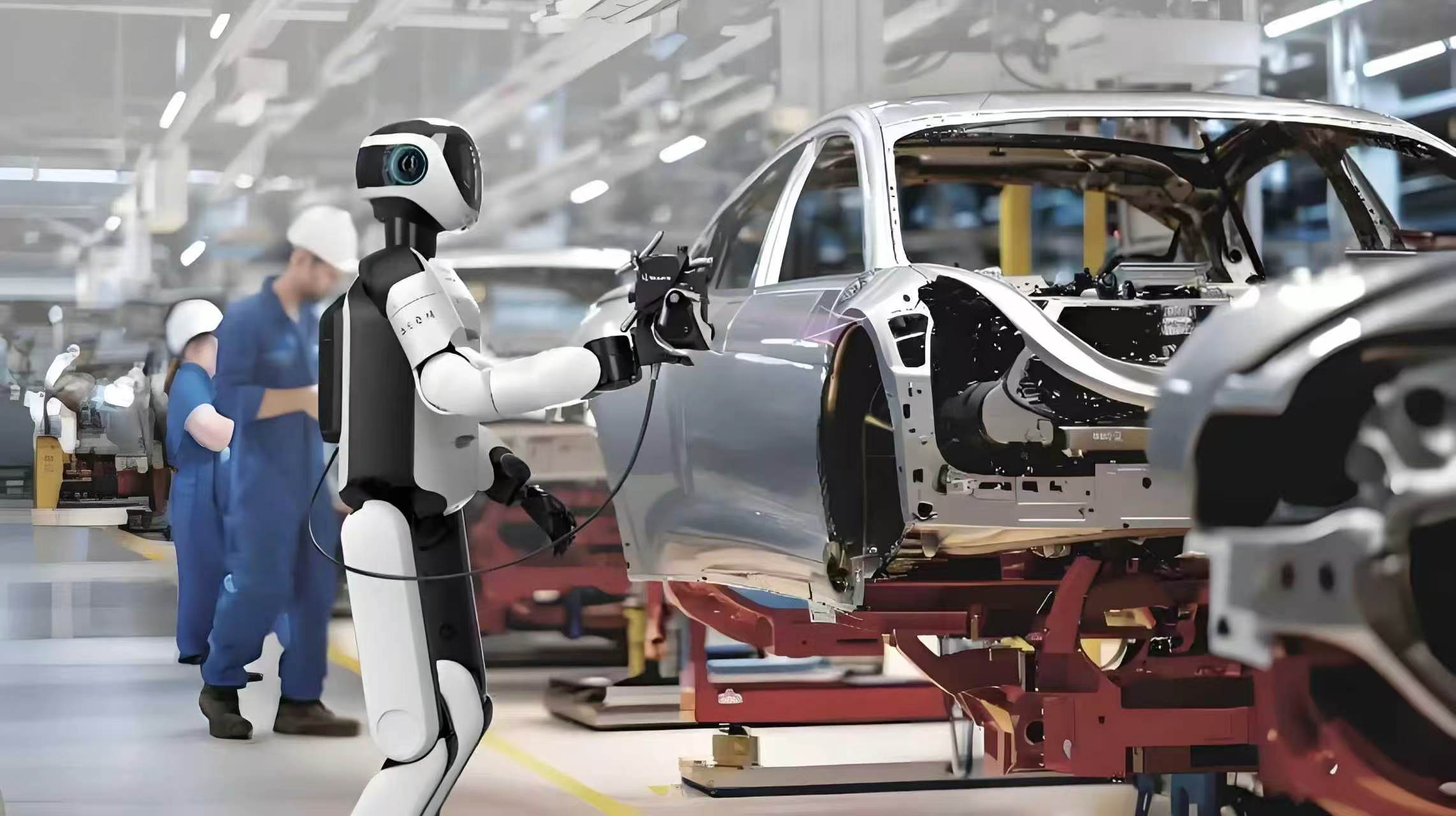
Micron: Humanoid Robots' Storage Capacity Surpasses L2+ Cars by Tenfold, Potentially Triggering a Super Cycle
Micron Technology has announced record revenues, underscoring the growing storage requirements of humanoid robots, which are anticipated to require ten times more storage than Level 2+ autonomous vehicles. This dramatic increase in demand is expected to initiate a long-term super cycle in memory demand, fundamentally altering the view of storage chips as essential components within artificial intelligence infrastructure. The company's insights reflect a broader trend in the tech industry, where advancements in robotics and AI are driving the need for enhanced data storage solutions.
Memory Chips AI Infrastructure Humanoid Robots Autonomous Vehicles Data Storage
Qualcomm vs. Nvidia and drones vs. dogs
Qualcomm has made significant strides in the semiconductor industry, unveiling its ambitious data center chip roadmap during its annual investor day in New York on June 25, 2026. CEO Cristiano Amon highlighted the company's new AI accelerator platform and innovative chip architecture known as high-bandwidth compute (HBC), which aims to enhance AI processing by reducing data travel distances and energy consumption. This announcement comes amid a busy day for the tech sector, where Nvidia's CEO Jensen Huang reaffirmed the long-term demand for AI infrastructure, and Micron reported strong earnings, alleviating investor concerns about a potential "AI bubble." Qualcomm's focus on the China market is particularly noteworthy, as the country accounted for 46% of its revenue in 2025. Amon indicated that the company is designing chips tailored for Chinese customers while adhering to U.S. export controls. This strategic move aims to leverage Qualcomm's existing relationships with Chinese smartphone manufacturers to expand its data center business. Meanwhile, Nvidia's AI chips have seen a dramatic price increase in China's black market, driven by strong demand and U.S. export restrictions. The price of Nvidia's flagship DGX B300 server has surged to over 8 million yuan ($1.1 million), reflecting the ongoing challenges in accessing these sought-after technologies. In a separate development, Australian farmers are increasingly turning to drones and AI technologies for livestock management, potentially replacing traditional herding dogs. This shift highlights the evolving landscape of agricultural practices as new generations of farmers adopt innovative solutions to enhance efficiency in managing livestock.

The memory chip crunch is paying off for this US company
In a remarkable financial turnaround, a leading company reported a fourfold increase in revenue, reaching $41.45 billion compared to the same quarter last year. This surge in earnings was accompanied by a significant rise in profit, which soared from $1.88 billion to an impressive $28.2 billion year-over-year. The dramatic growth can be attributed to a combination of strategic initiatives, increased market demand, and effective cost management. These results highlight the company's robust performance and resilience in a competitive landscape, showcasing its ability to capitalize on emerging opportunities and drive substantial financial gains.
AI Hardware earnings In Brief memory chip shortage Micron
XianGong AI's rollercoaster: 7% drop in dark market, 38% surge on debut day.
On June 24, XianGong Intelligent (06106.HK) made its debut on the Hong Kong Stock Exchange, opening at HKD 101.6 and experiencing significant volatility throughout the day. The stock surged by as much as 38.3% to reach a peak of HKD 140.50 before settling at HKD 115.70, marking a 13.88% increase. The trading session saw a total turnover of HKD 533 million, resulting in a market capitalization of HKD 12.78 billion. Despite the initial excitement, the stock's performance raised concerns about its high valuation, with a price-to-sales ratio of approximately 25 times based on last year's revenue of HKD 442 million. This valuation positions XianGong as one of the most expensive robotics IPOs in Hong Kong, especially when compared to competitors like Geek+ and Estun, which have significantly lower ratios. The trading day was marked by dramatic fluctuations, with the stock initially trading at HKD 105 in the dark market before plummeting to a low of HKD 80, reflecting a 21.3% drop. The limited availability of shares, with only 9.5% publicly issued and 4.12% locked by cornerstone investors, contributed to the sharp price movements. XianGong holds a leading 24.8% share in the global robotics controller market, but its overall revenue ranking is lower, placing seventh globally in industrial intelligent robotics. Analysts suggest that the company's reliance on controller sales may not be sustainable, as major manufacturers typically produce their own controllers, limiting XianGong's potential customer base. The company's future performance will depend on its ability to maintain market share and improve profitability, with investors closely monitoring upcoming financial reports for insights.

Our sun is destined to 'kick and spit' its way across the solar system when it dies
Recent research has revealed that dying stars, specifically red giants, exhibit dramatic behavior as they approach the end of their life cycle. These stars eject blobs of plasma into space, a phenomenon that is accompanied by a notable reaction known as a "kick." This discovery sheds light on the complex processes that occur during stellar death, highlighting the dynamic interactions between a star's outer layers and its core. The findings contribute to a deeper understanding of stellar evolution and the life cycles of celestial bodies. The study was conducted by a team of scientists and was published in a leading astronomical journal, emphasizing the significance of these observations in the field of astrophysics.
Stars Astronomy
What is a US Residential Proxy and Why Businesses Need One in 2026
By 2026, the internet landscape has become increasingly fragmented, leading to significant disparities in user experience based on geographic location. Users in different regions, such as New York or Chicago, encounter varying versions of the same website, with changes in pricing, search results, and even accessibility to certain content. This uneven digital environment raises concerns for individuals and businesses relying on automated research or data analysis, as the information they access may differ dramatically based on their IP address. The evolving nature of the internet reflects broader issues of digital inequality and raises questions about the implications for users and content providers alike.
Computing Internet ad verification automation news cybersecurity data collection
A classic brain test exposed AI's biggest weakness
A recent study conducted by researchers has revealed significant shortcomings in leading artificial intelligence models when subjected to a classic psychological attention test. The investigation found that while these AI systems performed well in identifying colors within short lists, their accuracy plummeted dramatically as the complexity and length of the tasks increased. In some cases, the models' performance dropped from over 90% accuracy to nearly complete failure. This research highlights critical limitations in the current capabilities of AI, raising questions about their reliability in processing more intricate information. The findings, which underscore the need for improvements in AI design, were published in October 2023.

Humanoid Robot Prices Plummet: A New Beginning, Not an End
In June 2026, the price of humanoid robots saw a dramatic decrease, with units being sold for as low as 9,418 yuan, a stark contrast to previous prices ranging from 300,000 to 800,000 yuan. This significant price drop indicates a shift in the market dynamics, raising concerns about the profitability of manufacturers and the sustainability of smaller companies that may struggle to achieve vertical integration in their supply chains. As these robots become more accessible to consumers, the landscape of the robotics industry is poised for transformation, potentially leading to increased competition and innovation.
Humanoid Robots Supply Chain Integration Robotics Market Cost Reduction Manufacturing Technology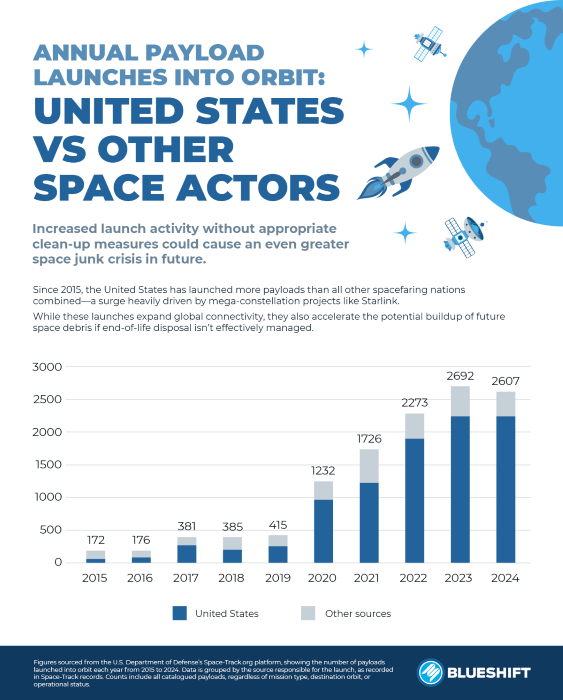
Billionaire Space Race Fuels 5,000% Surge in Launches – Who Clears Up the Debris?
Recent research indicates that the number of objects launched from the United States has skyrocketed by over 5,000% compared to a decade ago. This dramatic increase is primarily attributed to the rise of private spaceflight companies, which have significantly expanded their operations and capabilities in recent years. The findings highlight a transformative shift in the space industry, showcasing how private ventures are reshaping the landscape of space exploration and satellite deployment. This surge in launches reflects a growing trend towards commercialization in space, as private entities take on roles traditionally held by government agencies. The study underscores the evolving dynamics of the space sector and raises questions about the implications for regulation, sustainability, and international cooperation in outer space activities.

New Server Hopes to Break Through AI’s “Memory Wall”
Majestic Labs, an AI hardware startup, is addressing the memory limitations of large language models (LLMs) with its upcoming server, Prometheus, set to launch in 2027. This innovative server will feature up to 128 terabytes of memory, significantly surpassing the capabilities of Nvidia’s current offerings. Co-founder Sha Rabii emphasizes that this substantial memory increase will enhance performance and efficiency, particularly as models grow larger. Prometheus employs a unique DRAM-centric architecture, utilizing LPDDR6 memory and a proprietary memory interface with miniature copper cables that allow for greater memory placement flexibility. This design aims to overcome the “memory wall” that hampers LLM performance, providing a memory bandwidth of up to 25.6 terabytes per second. To complement its memory capabilities, Prometheus will incorporate the Ignite AI processing unit, which combines ARM application cores with RISC-V vector and tensor cores on a single chip. This integration allows for seamless handling of LLM inference tasks without the need for processor handoffs. Majestic Labs is also focused on ensuring compatibility with existing AI frameworks like PyTorch and OpenAI’s Triton, allowing customers to run their models without modifications. The server, designed in compliance with the Open Compute Project, will be modular, enabling future memory upgrades. Despite the advanced technology, Majestic Labs aims to offer competitive pricing by leveraging DRAM instead of more expensive high-bandwidth memory. Rabii claims that this approach could reduce customer capital expenditures and power consumption significantly, potentially by 10 to 50 times, depending on the workload.
Memory Server Ai-accelerators Performance
Arbe Robotics: Impressive Technology, Challenging Financials (Rating Downgraded to Hold)
Arbe Robotics is shifting its focus from sluggish automotive sales to exploring new business verticals, although its revenue remains minimal. The company’s primary automotive contract is with a Chinese Tier-1 supplier for a state-owned OEM, likely linked to FAW's Hongqi Tiangong, with production expected to ramp up by late 2026. However, management has withdrawn guidance on securing additional automotive contracts and is now projecting revenues between $4 million and $6 million for 2026. Despite possessing robust technology and a significant potential market, Arbe's pathway to profitability remains uncertain, and further capital raises may be necessary unless substantial contracts are secured. The company's stock has seen a dramatic decline, plummeting 85% from a strong buy rating of $18 in January 2022 to $1.26. Stephen Tobin, an experienced investor and analyst, has been closely monitoring Arbe Robotics and leads the Strategic Wave Investments group, which focuses on emerging technology investments. He emphasizes a disciplined investment strategy aimed at identifying successful companies while minimizing losses. Despite the challenges facing Arbe, Tobin's firm continues to provide transparency and strategic insights to its members in navigating the evolving landscape of disruptive technologies.
ARBE Stephen Tobin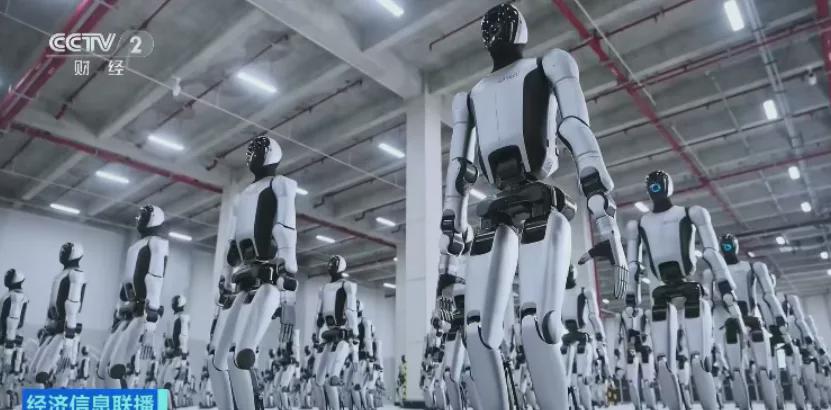
Surge in Embodied Intelligence Jobs: Salaries Soar as Industry Battles for Talent
The demand for researchers specializing in embodied intelligence in China has surged dramatically, with job postings increasing by 15 times in recent months. This trend highlights a growing competition among companies eager to attract top talent in a field that remains in its nascent stages. As a result, average monthly salaries for these positions have reached 62,000 RMB, with some key roles offering annual compensation exceeding 600,000 RMB. The escalating interest in embodied intelligence reflects the technology's potential and the urgency for firms to secure skilled professionals to advance their capabilities in this emerging sector.
Embodied Intelligence AI Talent Acquisition Robotics Job Market Trends
China’s new 800-cycle lithium-sulfur battery could nearly double drone flight time
Chinese researchers have unveiled a groundbreaking lithium-sulfur battery design that has the potential to dramatically enhance drone flight durations. This innovative development, announced in October 2023, aims to address the limitations of current battery technologies, which often restrict the operational time of drones. By utilizing lithium-sulfur chemistry, the researchers believe they can achieve higher energy densities compared to traditional lithium-ion batteries, making it possible for drones to fly longer distances without the need for frequent recharging. The research was conducted at a leading university in China, where scientists focused on optimizing the battery's performance and stability. This advancement not only promises to improve commercial drone applications but could also have significant implications for various industries, including logistics, agriculture, and surveillance, where extended flight times are crucial. The researchers are now looking to further refine the technology and explore its practical applications in real-world scenarios.
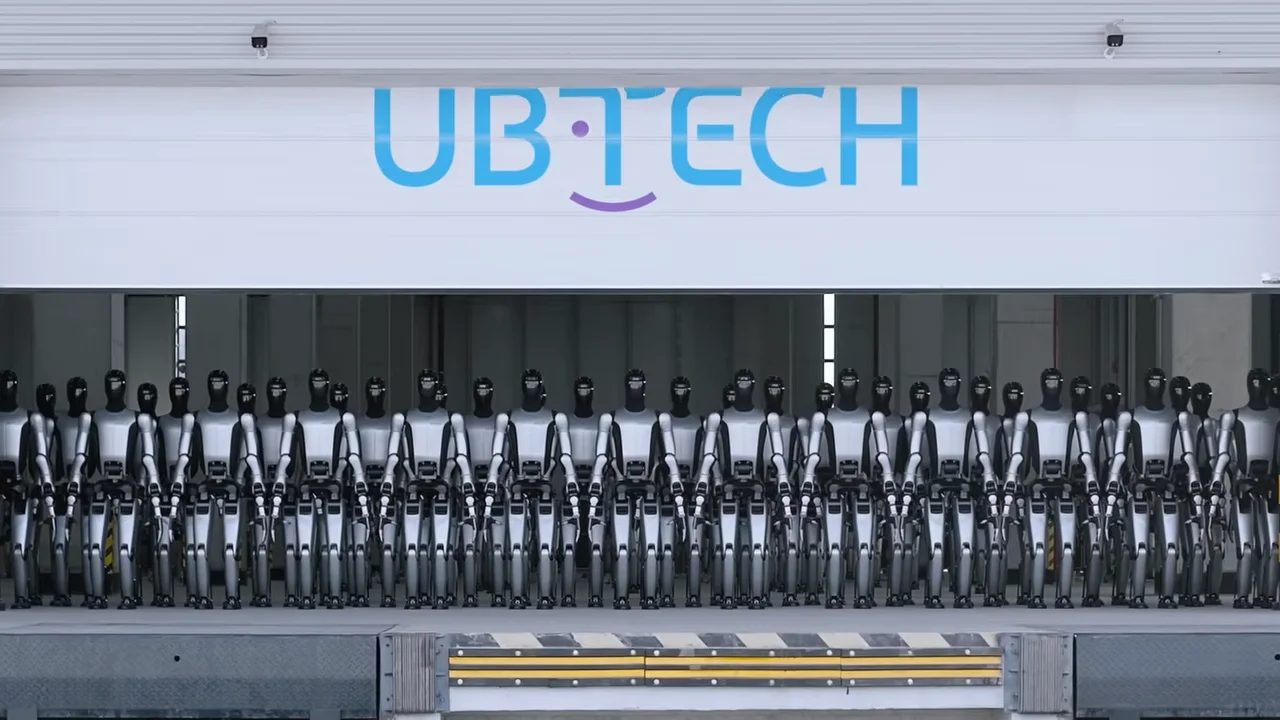
UBTECH’s 2025 Financials: Humanoids Leap to Center Stage as Losses Narrow
UBTECH Robotics has announced a remarkable 2,203% surge in revenue from its humanoid robotics division for the year 2025, indicating a significant transition from initial pilot programs to widespread industrial implementation. This dramatic growth reflects the increasing demand for advanced robotics solutions in various sectors, as companies seek to enhance efficiency and productivity through automation. The announcement comes as the industry witnesses a growing acceptance of humanoid robots in workplaces, driven by technological advancements and the need for innovative solutions in a competitive market. The company's strategic focus on scaling operations and expanding its product offerings has positioned it at the forefront of the robotics revolution, paving the way for broader adoption across industries.
Market China UBTECH Robotics Walker S2
Import AI 450: China's electronic warfare model; traumatized LLMs; and a scaling law for cyberattacks
In a thought-provoking discussion, experts in psychology and philosophy gathered to explore the concept of time and its valuation by individuals across different ages. This event took place on October 15, 2023, at the University of Philosophy and Psychology in New York City. The panel aimed to address how perceptions of time evolve as people age and the implications this has for decision-making and life satisfaction. The motivation behind the discussion stemmed from a growing interest in understanding how various life experiences shape our relationship with time. As individuals transition through different life stages, their priorities and the significance they place on time can shift dramatically. The panelists emphasized that younger individuals often view time as an abundant resource, while older adults may perceive it as limited, leading to differing approaches to life choices. Through a series of presentations and interactive discussions, the experts shared insights on how cultural, social, and personal factors influence the way time is valued. Attendees were encouraged to reflect on their own experiences and consider how their understanding of time might change as they age. The event concluded with a call for further research into the psychological aspects of time perception, aiming to foster a deeper understanding of how individuals can make more meaningful choices throughout their lives.

Import AI 442: Winners and losers in the AI economy; math proof automation; and industrialization of cyber espionage
A recent debate among AI researchers has emerged regarding the nature of superintelligence, with experts divided on whether it represents a sudden phase change or a gradual evolution in artificial intelligence capabilities. This discussion gained momentum during a conference held in San Francisco in early October 2023, where leading figures in the field gathered to share insights and predictions about the future of AI. Proponents of the phase change theory argue that superintelligence will manifest abruptly, resulting from a breakthrough in AI development that could dramatically surpass human cognitive abilities. They warn that such a sudden leap could pose significant risks if not properly managed. Conversely, those advocating for the gradual shift perspective believe that advancements in AI will unfold incrementally, allowing society to adapt and implement necessary safeguards over time. The motivation behind this debate stems from the increasing integration of AI technologies into various sectors, raising concerns about ethical implications, safety, and the potential for unintended consequences. As AI systems become more sophisticated, understanding the trajectory of their development is crucial for policymakers, researchers, and the public. This ongoing discourse highlights the need for comprehensive strategies to address the challenges posed by advanced AI, regardless of whether its evolution is abrupt or gradual. As the conversation continues, experts emphasize the importance of collaboration across disciplines to ensure that the benefits of superintelligence can be harnessed while minimizing risks.
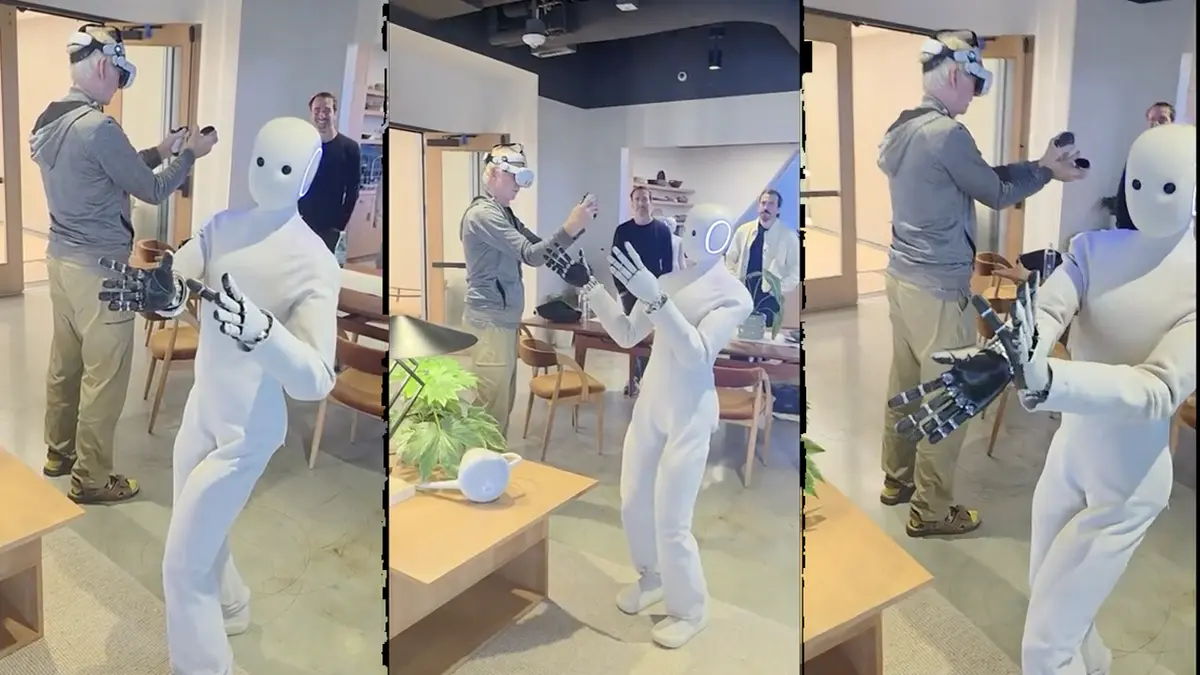
Investor Chris Camillo Shifts from Skeptic to Believer After 1X Visit
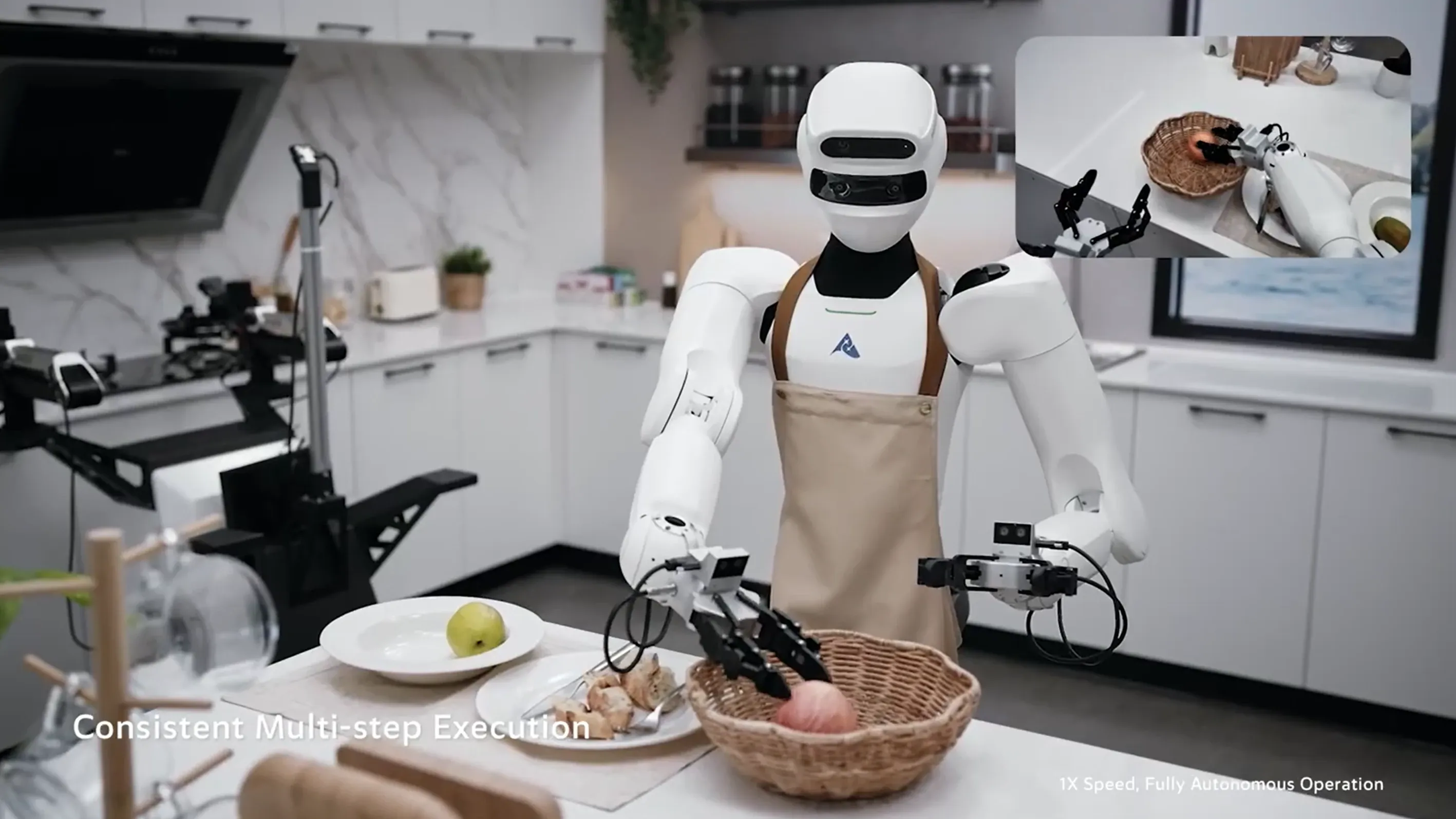
Investor Chris Camillo's perspective on 1X's tendon-driven robots shifted dramatically following a visit to the company's headquarters. During the visit, which took place recently, Camillo recognized the potential of these robots as frontrunners for in-home deployment. Accompanying him was robotics expert Scott Walter, who also expressed significant admiration for the technology. This newfound enthusiasm highlights the growing interest in robotics solutions for everyday use, as industry leaders begin to see the practical applications of such innovations in domestic settings.
1X-technologies Scott Walter Chris Camillo NEO
Figure Teases Imminent Reveal of Next-Gen Humanoid: 'This Week, Everything Changes'
Humanoid robotics company Figure is set to unveil its next-generation robot this week, following a series of enigmatic teaser videos and dramatic tweets from CEO Brett Adcock. The promotional campaign has generated significant speculation among industry observers, building on months of anticipation regarding a more advanced successor to the Figure 02 model. The announcement is expected to showcase the company's latest advancements in robotics technology, potentially reshaping the landscape of humanoid robots.
Brett Adcock Figure humanoid robotics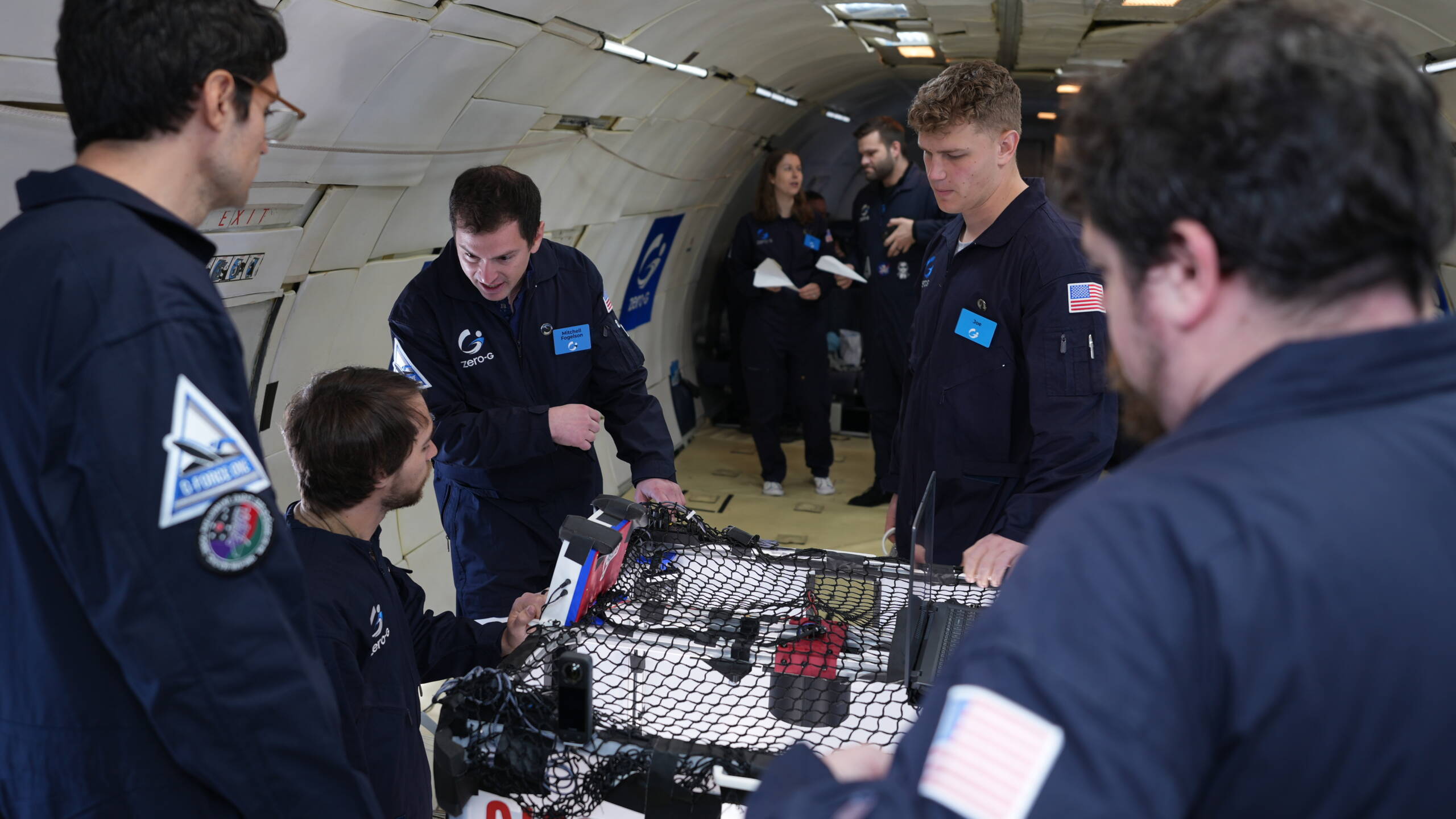
In Flight With NASA: CMU Tests Space Tech in Microgravity
Faculty and students from Carnegie Mellon University (CMU) recently had the rare opportunity to experience weightlessness while conducting critical research aboard a specially designed aircraft. This plane, which follows a unique flight path of steep climbs and dramatic dives, allowed members of the Robotics Exploration Lab within CMU's Robotics Institute to test their space technology in a microgravity environment. The tests were conducted during parabolic arcs, where the aircraft creates brief periods of weightlessness, simulating conditions that researchers might encounter in space. This initiative underscores CMU's commitment to advancing robotics and space exploration technologies.
Research
Estun Robotics: “Invisible Craftsmen” for Cell Phone Glass Cover Manufacturing
As smartphone users engage with dramas, short videos, and AI virtual idols, many may not realize the intricate manufacturing processes that contribute to the devices they rely on. A recent report highlights the precision engineering involved in creating a curved glass screen, which measures less than one millimeter in thickness. This delicate component undergoes more than 20 meticulous production steps to ensure its quality and functionality. The advancements in manufacturing technology not only enhance user experience but also reflect the growing demand for high-performance mobile devices in today's digital landscape. As the industry continues to evolve, the importance of such precision manufacturing processes becomes increasingly evident, underscoring the complexity behind seemingly simple smartphone features.
ESTUN AUTOMATION ROBOTICS SERVO SYSTEMS
TuSimple to produce animation and game based on Three-Body Problem, its first major project since delisting
TuSimple, a provider of self-driving truck technology, announced on Thursday its plans to produce the first animated feature-length film and video game inspired by the acclaimed novel "The Three-Body Problem." This project follows the novel's previous adaptations for drama by Netflix and Tencent Video. The collaboration marks a significant expansion for TuSimple, which recently delisted from the Nasdaq in February, reflecting its strategic shift in focus. The initiative aims to leverage the novel's popularity and complex themes to engage a broader audience through innovative storytelling in both film and gaming formats.
News FeedRobotics needs a service framework.
RSF defines a common language for robot service capability, lifecycle operations, certification pathways, and service-provider networks.