Industry Briefing
A single destination for timely, editor-curated robotics news from around the world.
Home Robot Safety Is All About Relationships
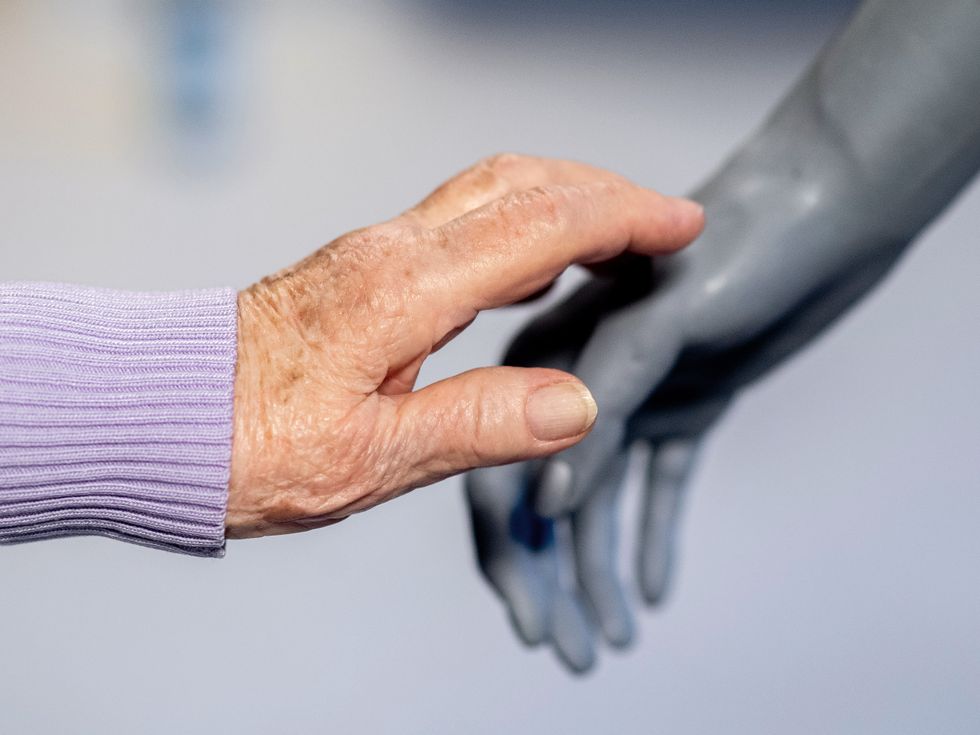
The International Standards Organization (ISO) is in the process of updating its safety requirements for personal care robots, a revision that has not occurred in 12 years. This update comes at a crucial time as manufacturers transition from laboratory prototypes to products designed for real-world domestic environments. The proposed changes focus on hazard identification and risk assessment but lack binding compliance criteria and testing methods to address the complexities of human-robot interactions. Jae-Seong Lee, a technology policy researcher from South Korea's Electronics and Telecommunications Research Institute, emphasizes that safety in domestic settings is not merely about avoiding collisions; it involves understanding the dynamic relationship between humans and robots. Current standards, such as ISO 13482, acknowledge various hazards but do not fully translate this knowledge into enforceable rules. The challenge lies in ensuring that robots can operate safely in unpredictable home environments, which differ significantly from controlled industrial settings. Moreover, the standards process has been criticized for not adequately representing the perspectives of older adults, who are often the primary users of these robots. Lee warns that if safety assumptions are embedded in products without thorough scrutiny, it could lead to significant risks, including potential injuries. He advocates for a shift in focus from machine-centric safety measurements to a more holistic approach that considers the interactions between humans and robots. This revision aims to address these pressing concerns, although many unresolved issues remain in advisory language rather than binding regulations.
Home-robots Domestic-robots Standards Iso Robot-safety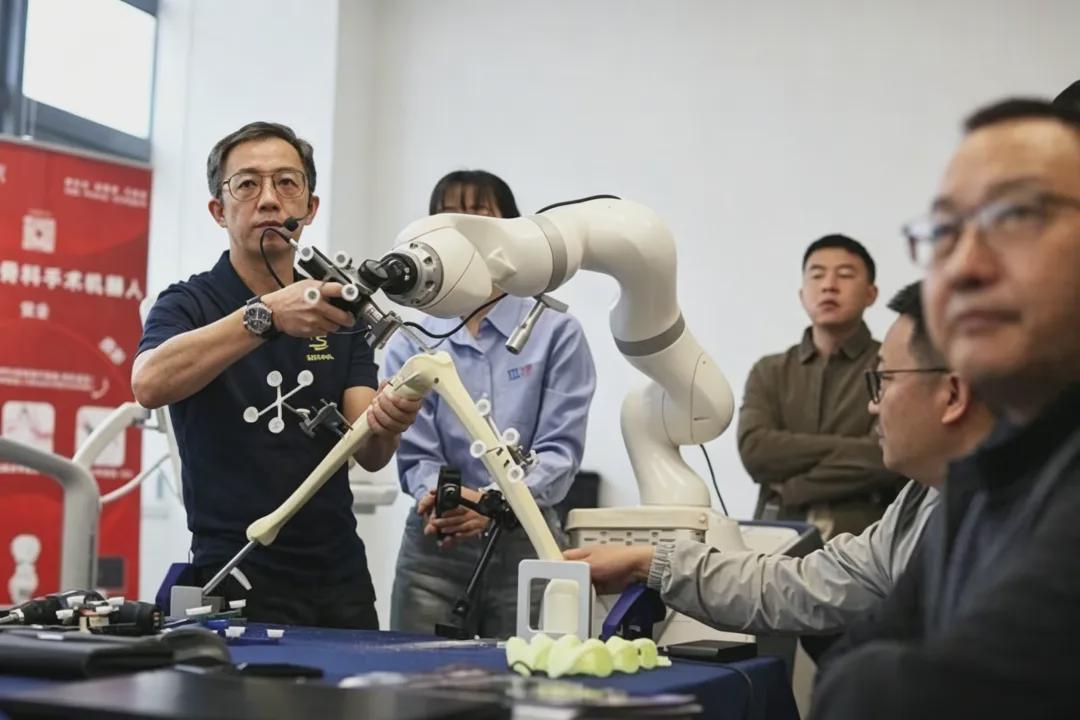
Domestic Orthopedic Robots Enhance Healthcare Access for Remote Patients
On National Science Workers Day, China's orthopedic and sports medicine center showcased the transformative role of domestic surgical robots in enhancing healthcare access in remote areas. The Kunlun® orthopedic surgical robot, developed by Yuanhua Intelligent Technology, is at the forefront of this innovation, enabling high-precision surgeries that are crucial for patients in underserved regions. This advancement not only improves recovery times but also elevates the overall medical experience for those who previously faced significant barriers to quality surgical care.
Orthopedic Robots Healthcare Technology Surgical Innovation Telemedicine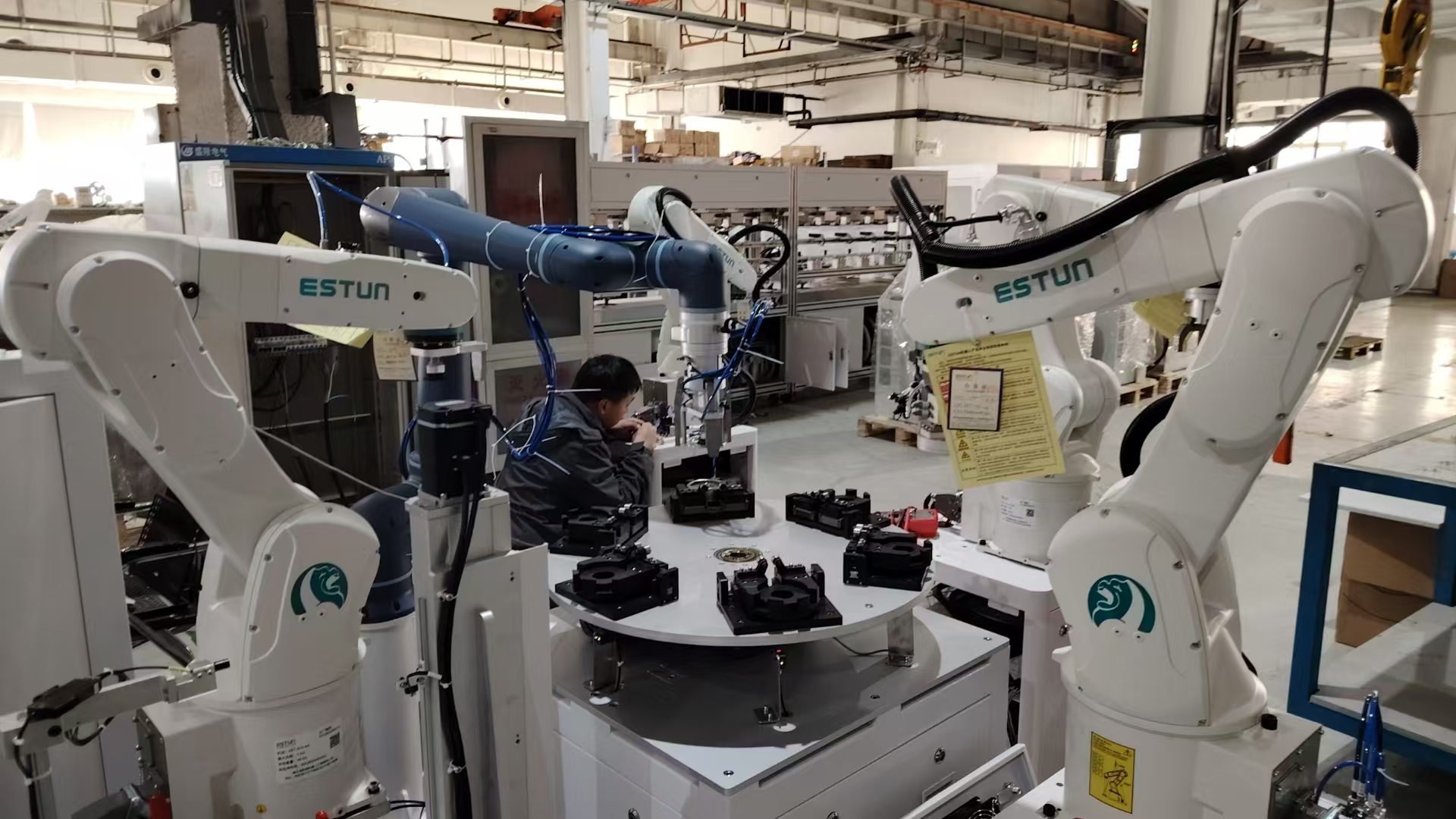
From Testing and Verification to Batch Trust: Estun and Partners Jointly Expand the Application Path of Domestic Robots
A partner company in Tianjin, recognized for its extensive technical expertise and industry experience in instrument and meter automated assembly, is reflecting on its successful collaboration in the field. Initially, when the partnership began, the integration of robots in domestic automated production lines was minimal. However, over the years, advancements in technology and increased awareness of automation's benefits have significantly boosted the adoption rate of robotic systems in manufacturing processes. This shift is attributed to the growing demand for efficiency and precision in production, prompting many industries to embrace automation solutions. The Tianjin partner has played a crucial role in this transformation, providing innovative assembly solutions that enhance productivity and reduce operational costs. As the industry continues to evolve, the company remains committed to leading advancements in automated assembly technology, ensuring that its clients stay competitive in a rapidly changing market.
ESTUN AUTOMATION ROBOTICS SERVO SYSTEMS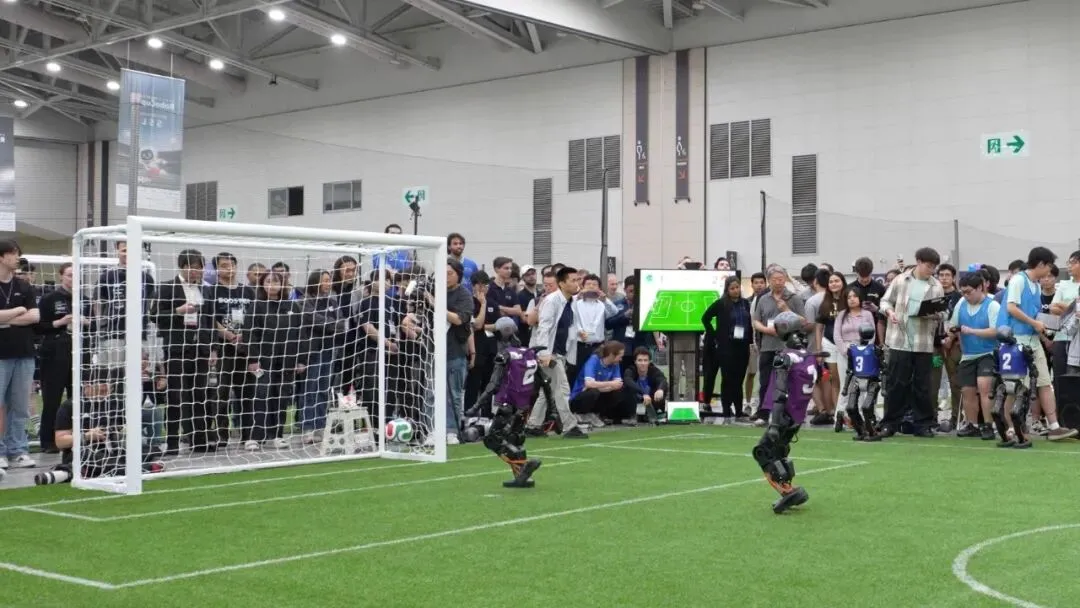
Chinese Team Wins RoboCup World Championship with Domestic Robots
The Fire God team from Tsinghua University in China secured the championship title at the 2026 RoboCup, held in Incheon, South Korea. This victory underscores a notable advancement in robot soccer, as the competition featured 38 teams utilizing the same Chinese robot platform, known as Booster. The event marked a pivotal shift in the field, emphasizing the enhancement of robots' intelligence and performance in dynamic environments rather than merely focusing on their construction.
Robot Soccer RoboCup Robot Technology Artificial Intelligence Robotics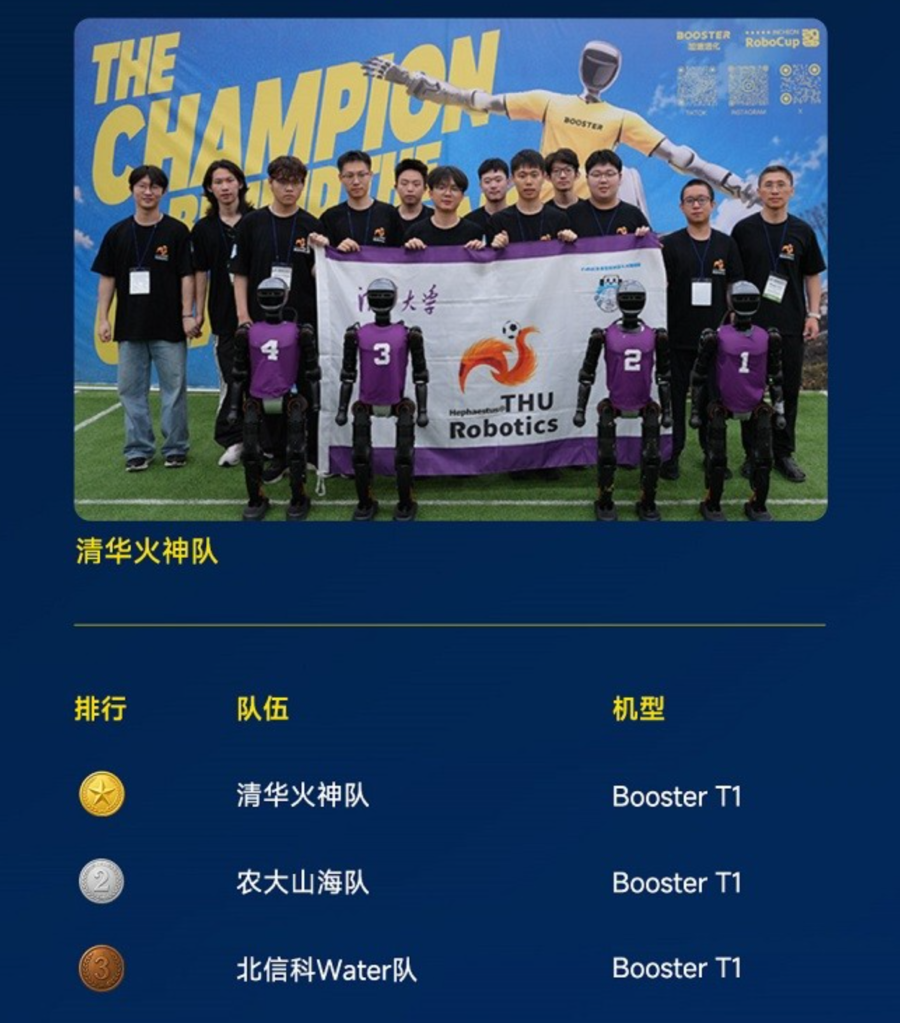
Chinese Robots Triumph at RoboCup: Tsinghua Fire God Team Defends Title with Domestic Technology
The 2026 RoboCup wrapped up in Incheon, South Korea, where the Tsinghua Fire God Team from China claimed victory in the humanoid robot category with their Booster T1 robot. This year's competition featured 38 teams employing the same Chinese platform, highlighting a notable trend in robotics development and underscoring the increasing impact of domestic technology in the field. The event not only showcased advancements in robotic capabilities but also reflected a shift towards greater collaboration and standardization among competitors in the industry.
Humanoid Robots RoboCup Robot Development AI Robotics Technology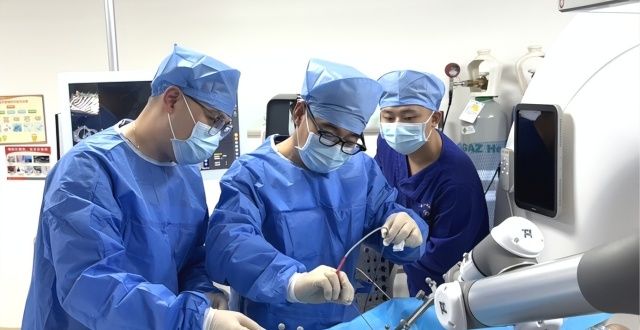
Chinese Surgical Robots Surpass Da Vinci in Domestic Market Share, Expanding into Global Remote Surgery
China's surgical robot industry has achieved a significant milestone, with the MicroPort MedBot Toumai surpassing the Da Vinci system in domestic market share from January to May 2026. This development marks a pivotal moment for the country's medical technology sector, showcasing its rapid advancements and growing competitiveness in the global market. Additionally, the MicroPort MedBot Toumai is leading the way in remote surgery, expanding its reach across multiple countries. This progress reflects China's commitment to innovation in healthcare technology and its ambition to establish a strong presence in the international surgical robotics arena.
News
Estun Leads Domestic Industrial Robots, Four Breakthroughs Create New Industry Benchmarks
In 2024, domestic industrial robot manufacturers in China achieved a significant milestone, capturing over 52.3% of the market share, as reported by MIR DATABANK. Estun, a prominent player in the industry, maintained its position as the leading manufacturer, consistently ranking first in annual shipments. The company's impressive year-on-year growth reflects its strong performance and innovation in the robotics sector, contributing to the overall expansion of the domestic market. This surge in market share underscores the increasing competitiveness of Chinese robotics manufacturers on a global scale, driven by advancements in technology and rising demand for automation solutions across various industries.
ESTUN AUTOMATION ROBOTICS SERVO SYSTEMS
Japan Pioneered Humanoid Robots—Can It Now Catch China?
“In the future, the relationship between humans and robots will deepen, and the distinction between them will probably disappear.” This prediction, from one of the attendees at the recent Humanoids Summit in Tokyo, might have been unremarkable had it not come directly from an android that was first introduced to the world 20 years ago. Geminoid HI-6 is the sixth-generation of a robot originally designed in 2006. The mechanical twin of Osaka University professor Hiroshi Ishiguro, Geminoid HI-6 is now equipped with a large language model trained on Ishiguro’s own writings and interviews. It has advanced conversational skills and can even have a chat with its creator, an eerie spectacle. But at the Humanoids Summit, Geminoid was one of the few humanoid robots from Japan, the country that pioneered the form factor.While the event in Tokyo only had about 40 robots on display, Chinese systems outnumbered Japanese by roughly three to one. Some Japanese robotics firms were even using Chinese robots in their own technology demonstrations, something that would have been unthinkable in the recent past—one Japanese engineer described the situation as “sad.” The conference was a stark reminder of how Japan has ceded its early lead in humanoid robot development to overseas competitors, and the challenge it now faces to secure a place in an ecosystem increasingly dominated by general-purpose robots powered by AI. Twenty-five years ago, Japan was turning out groundbreaking humanoids that were showstopping in their abilities, but they were not commercialized as practical machines in any meaningful way. Heavily influenced by science fiction and lacking practical applications, they were mostly expensive technology demonstrations that were eventually mothballed. What Japan retains, however, is robotics design and know-how, which it must leverage to be a key player in the rapidly evolving humanoid ecosystem. Learning to Walk—Then Standing StillTo anyone who has seen recent videos of Chinese humanoids doing kung-fu and synchronized acrobatics, as well as half-marathon races, China’s remarkable progress in the field is nothing new. At the Humanoids Summit, Toyota showed a video of its latest basketball-playing robot, and Honda exhibited its latest robot hand, but the full-scale humanoids on the floor were mostly Chinese–the kid-size K1 machines from Booster Robotics of Beijing were dancing to Michael Jackson tunes. The full-scale G1 humanoid from Unitree Robotics of Hangzhou was also doing demos. “You cannot sell these bipedal systems in Japan for safety and compliance reasons,” says Shuichi Nagao, a frequent visitor to China as CTO of Omakase Robotics, a division of Zeals, a Japanese humanoid robot developer. Omakase was exhibiting a G1 modified with an external PC controller, a dextrous hand, a suction-cup manipulator and a sensor “hat” with an extra speaker, mic and camera. “In China, the government is pushing humanoid development. They didn’t have an industry 20 years ago. The people pushing it are young, in their 20s and 30s. It’s a really different mentality out there,” says Nagao. “Big players in Japan are still looking for use cases for humanoids. In China, they’re already doing mass production and reducing the cost, so other countries can’t compete with them anymore.”Another Japanese company showing off G1 bots was summit sponsor GMO AI & Robotics, a subsidiary of Japanese internet company GMO. It’s using the robots in partnership with Japan Airlines to load and unload cargo containers at Tokyo’s Haneda airport. The cargo project is a trial—like many other humanoid experiments—but the fact that Chinese machines have penetrated so far into Japan’s ecosystem upends a long history. In 1973, scientists at Waseda University in Tokyo built WABOT-1, considered the first full-scale humanoid robot and capable of slow bipedal locomotion, grasping objects and simple communication. It inspired Honda’s groundbreaking Asimo humanoid, but it was never commercialized. Asimo was eventually retired in 2022, the year ChatGPT was released. Two years later, Unitree’s G1 went on sale for US $16,000. China’s High Torque Technology Co. showed off its Mini Pi biped, customized with an anime-inspired head, at Humanoids Summit in Tokyo. The regular version is priced at $3,500. Tim HornyakSupply and DemandJapan’s development of humanoids happened before practical applications or widespread demand were in place, but bad timing is only part of the story—Japan also has a history of developing technologies that might appeal to domestic consumers but not necessarily those overseas. For example, decades after they first appeared, its highly engineered, multifunction toilets have only recently found a following abroad. Japan’s humanoid prowess was partly built on the back of its legendary industrial automation, yet even that stronghold has eroded. Ani Kelkar, a partner from McKinsey & Company in Boston who produces analytical reports about the robotics industry, told the summit audience that while Japan occupied the top spot in the world in manufacturing robot density (the number of multipurpose industrial robots in operation per 10,000 employees) from at least 1994 to 2009, it then slipped to second in 2014, third in 2019 and fifth in 2024. In that year, South Korea was at the top of the leaderboard with a robot density of 1,220 compared to Japan’s 446. The International Federation of Robotics estimates China now has the most operational industrial robots in the world, with around 2 million total units, approximately 4.5 times more than Japan. “The annual installation numbers are impressive too: 54 percent of all robots installed worldwide in 2024 were deployed in China,” the IFR said in a release in April 2026. “I think the loss of Japanese leadership is more to do with the rise of China as a manufacturing powerhouse including for sectors that Japan had high export levels,” Kelkar said in an email interview. “The recovery has not yet happened as Japan ‘missed’ the rapid acceleration in AI for robotics and is now playing catchup.”How Japan Can Adapt Kelkar believes Japan has a US $100 billion opportunity in general-purpose robotics, which are machines that can perform a wide variety of tasks, and it cannot rely on the slower-growing industrial robot market, which is centered on factory machines that do one simple and predictable task like welding car parts. He points to a McKinsey white paper suggesting that while Japan has much of the hardware and technology experience needed to support general purpose robot development, it must change its strategy to capture more share in AI, software, data collection and robotics platforms.Tetsuya Ogata is a professor of engineering and director of the Institute for AI and Robotics at Waseda University, the birthplace of humanoids in Japan. He briefed the summit on how a nonprofit he chairs, the AI Robot Association (AIRoA), is working with Toyota and other members to develop foundational technologies for collaborative use. For instance, AIRoA has collected some 80,000 hours of data on remote operation of mobile manipulators, and Ogata believes it’s the largest dataset of its kind. Using the data, it built and verified Vision-Language-Action (VLA) models, and it has also started data collection for dual-arm mobile manipulation. In an interview, Ogata acknowledged Japan’s struggle to find its place in the changing landscape. “The world of AI is inherently a game of scale,” says Ogata. “Therefore, Japan’s absolute prerequisite is to secure a competitive baseline of scale—in data, computing resources, and talent. Beyond that, what I consider most critical is a mindset shift: rather than trying to hoard scale within a single nation or company, we must grow stronger by collaborating with a diverse ecosystem of domestic and international players.” Specifically, this means creating a ‘collaborative domain’ to address data—the single biggest bottleneck—through industry-wide cooperation rather than data-siloing. By collectively nurturing a pre-competitive, shared data infrastructure and foundation model, individual companies can then compete on top of it with their own applications. “By offering this open ‘data ecosystem’ to the world, we can engage global players and establish a ‘third pole’ alongside the US and China,” says Ogata. “I believe this is how Japan can reclaim its global presence.”In 1999, Japan introduced the world’s first mobile internet services platform. But being first didn’t turn Japan into a smartphone manufacturing or design center—it’s now merely a supplier of parts to other countries who are leading the smartphone industry. If Japan can avoid a repeat of that experience and successfully deregulate, diversity, and commercialize its original humanoid dreams, it stands a better chance of influencing the direction of the industry and reaping billions in value. As automobiles and electronics were pillars of Japan’s industrial strategy in the last century, Japan could make humanoid robots one of its key value generators in the 21st century, an approach that would not only deliver economic benefits but give Japan greater clout in how the industry will evolve. Just like Japanese cars, electronics, and even toilets, Japanese humanoids could stand for craftsmanship and reliability. It’s a legacy that Japan can’t afford to give up.
Japan Robotics Humanoids Humanoid-robots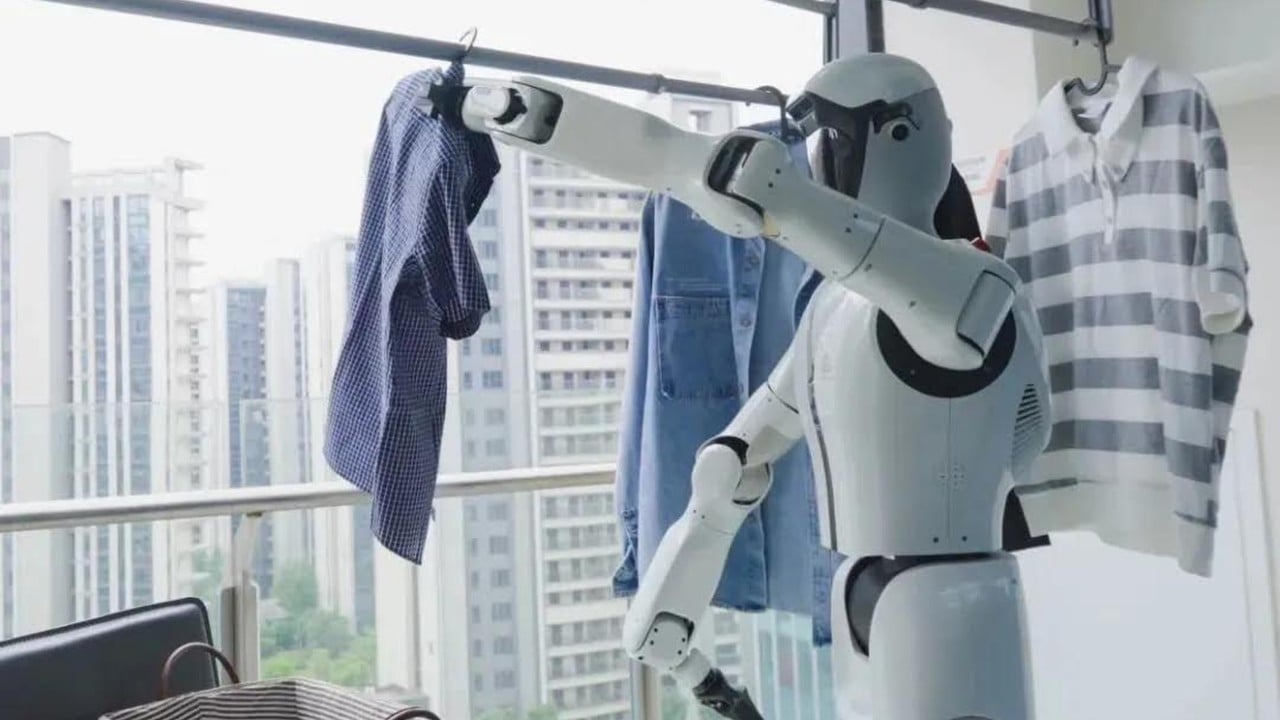
Commercial humanoid robots in China may soon do laundry, make beds, care for elders
China's robotics industry is making significant strides as GigaAI, in collaboration with the Hubei Humanoid Robot Innovation Centre and the Hubei Humanoid Robotics Industry Alliance, introduced the SeeLight S1, the country's first general-purpose household humanoid robot. This unveiling took place on Wednesday in Wuhan, the capital of Hubei province. The initiative aims to explore the potential of robots in managing domestic chores, venturing beyond traditional factory settings into the complexities of home environments. To encourage public engagement and gather feedback, GigaAI plans to provide the SeeLight S1 to families in Wuhan for free testing. This move reflects a growing interest in integrating advanced robotics into everyday life, addressing the increasing demand for automation in household tasks.
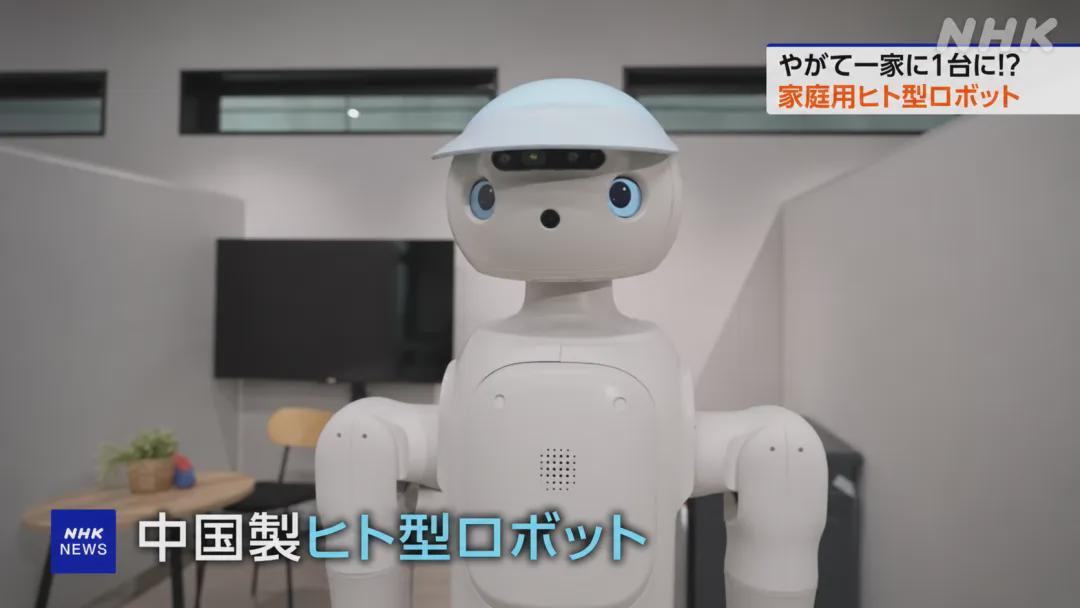
Is a Chinese Version of Figure Coming? Woan Robotics Brings Household Robots to Real-World Overseas Scenarios
Woan Robotics is advancing its international efforts to commercialize household robots, recently demonstrating the capabilities of its onero H1 model in real family settings. This initiative comes in response to the increasing demand for domestic automation solutions in developed markets, particularly due to aging populations and a shortage of available labor. The company's focus on practical applications for their technology reflects a broader trend in the robotics industry, where the integration of robots into everyday life is becoming more prevalent.
Household Robots AI Robotics Global Market Expansion Smart Home Technology
Figure AI's robots can make a bed faster than you
Figure AI has unveiled a video showcasing two humanoid robots collaborating to make a bed, a task that challenges their coordination, vision, and dexterity. This demonstration highlights the advancements in robotics technology, particularly in the realm of complex, everyday activities. The video was released recently, emphasizing the capabilities of these robots in performing tasks that require a high level of precision and teamwork. As the field of artificial intelligence continues to evolve, such innovations aim to enhance the functionality of robots in domestic settings, potentially transforming how household chores are approached in the future.
AI Tech Startups robotics figure humanoid-robots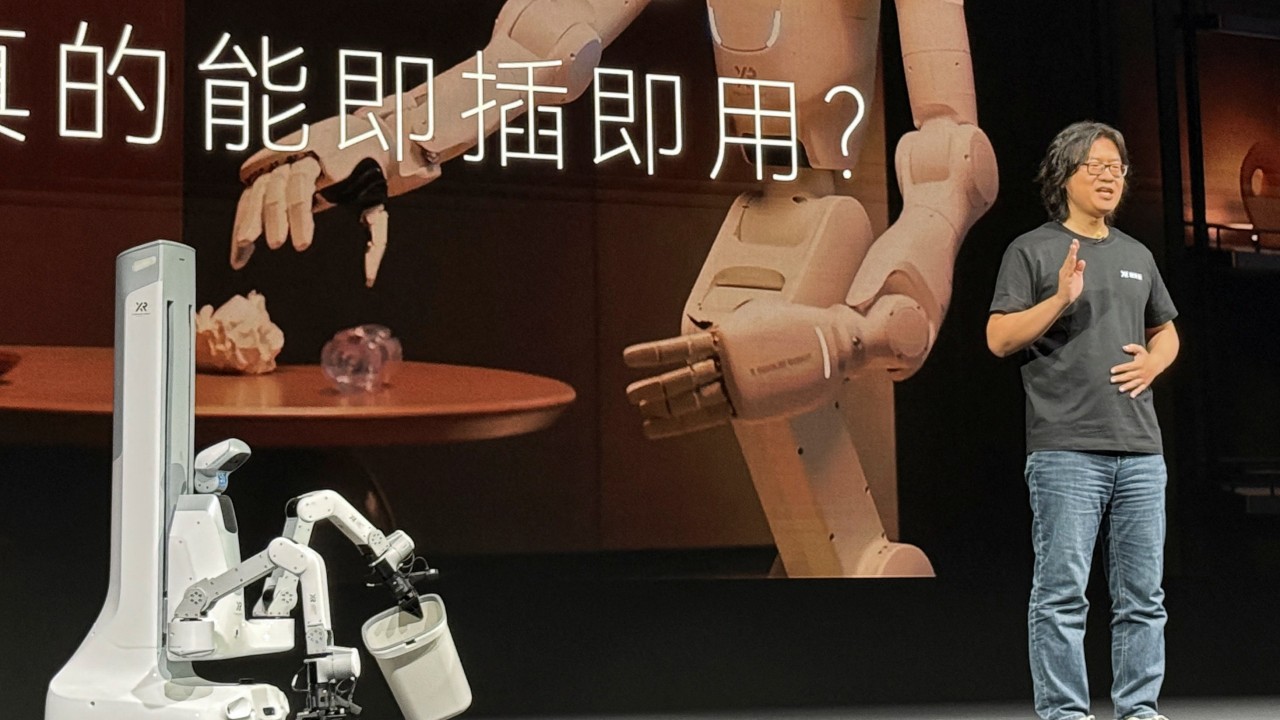
China’s robots step into real-world roles, from cleaning to directing traffic
In China, the integration of embodied artificial intelligence is transforming daily life as robots take on various roles, from household cleaning to traffic management and equipment repair in dangerous industrial environments. This shift is part of the country's broader initiative to enhance the use of AI in practical applications. A notable example is a cleaning service that debuted in March on 58.com, a popular Chinese classifieds platform, which combines human cleaners with robotic assistance to improve efficiency and effectiveness in domestic chores. As these technologies evolve, they are expected to play an increasingly significant role in both residential and industrial settings, reflecting China's commitment to advancing AI capabilities and enhancing productivity across multiple sectors.

X Square Robot Unveils New Embodied AI Model, Says Robots Will Arrive in Homes in 35 Days
X Square Robot has announced the launch of its next-generation embodied AI foundation model for home robots, with significant backing from major tech companies including Alibaba, ByteDance, Xiaomi, and Meituan. The company revealed that it plans to begin deploying these advanced home robots in everyday households within the next 35 days. This initiative aims to enhance domestic automation and improve the efficiency of household tasks, reflecting a growing trend in the integration of AI technology into daily life. The collaboration with prominent industry players underscores the potential impact and innovation of X Square Robot's offerings in the rapidly evolving robotics market.
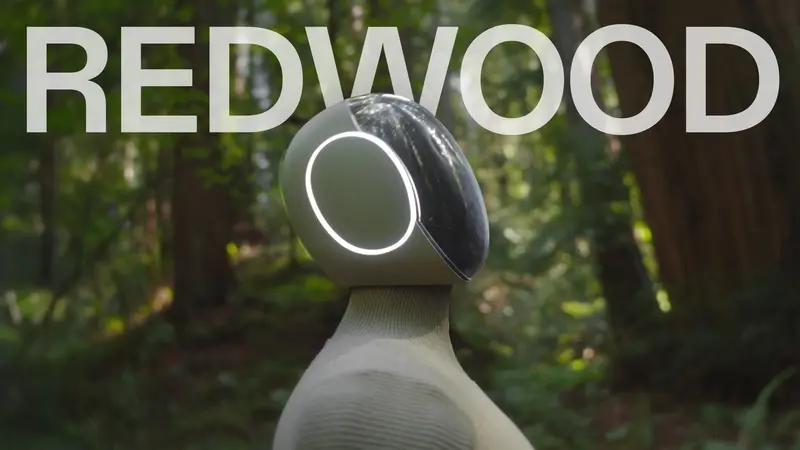
1X Unveils Redwood AI: A Unified, Onboard Brain for Its NEO Humanoid Robots
Robotics firm 1X has officially unveiled its latest advancement, the Redwood AI model, specifically designed for its NEO humanoid robots. This announcement comes after days of anticipation and speculation within the tech community. The Redwood system operates entirely onboard the robots, allowing for seamless integration of locomotion and manipulation into a unified network. Its innovative design enables the robots to learn from both successful and unsuccessful tasks encountered in real-world home environments. This development aims to enhance the functionality and adaptability of humanoid robots, positioning 1X at the forefront of robotic technology as it seeks to improve everyday interactions in domestic settings.
1X-technologies Redwood humanoid-robots embodied-ai robotics-ai NEO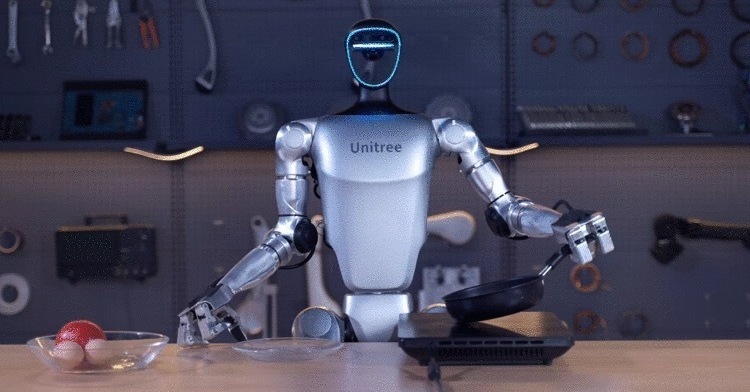
GMO subsidiary to sell acrobatic humanoid robots "H1" and "G1" in Japan under Unitree partnership.
On June 19, GMO AI & Robotics Trading announced a partnership with Chinese humanoid robot manufacturer Unitree Robotics, establishing a domestic agency agreement. This collaboration marks the beginning of sales for several robotic models, including the humanoid robots "G1" and "H1," as well as the quadrupedal robots "Go2" and "B2." The move aims to enhance the availability of advanced robotics technology in the domestic market, reflecting a growing interest in automation and robotics solutions.

Interview with Luo Jianlan: The true scaling law of robots occurs in real deployment loops.
In the past six months, the focus of the domestic embodied intelligence sector has shifted from hardware competition to the deeper challenges that define the intelligence limits of robots. Luo Jianlan, an associate professor at Shanghai Chuangzhi Academy and chief scientist at Zhiyuan Robotics, argues against the prevailing notion that robots can replicate large language models through sheer data accumulation. He emphasizes that the core issue in embodied intelligence is not about breakthroughs in isolated components but rather the ability to create a closed-loop system in real-world deployments. Luo, who has a background in both academia and industry, including roles at Google X and DeepMind, believes that many teams in the sector are not genuinely pre-training models but are instead engaged in mid-training or fine-tuning due to the scarcity of high-quality interaction data. He asserts that true embodied intelligence requires a scalable closed-loop system, where deployment leads to data collection, which in turn enhances model capabilities. His current focus includes developing scalable online post-training infrastructure, enabling robots to learn continuously in real-world environments, and creating a world model that predicts the consequences of actions rather than merely generating video. Luo suggests that the future of embodied intelligence hinges on successfully integrating these elements into a cohesive system, with significant advancements expected in the next 12 to 18 months. He believes that the first team to effectively implement a "deployment-data-iteration" cycle in semi-structured environments like convenience stores will gain a substantial competitive edge.

Chinese firm to deploy 100 humanoid robots to households for daily chores
A Chinese robotics company has initiated the deployment of its humanoid robots in private residences, signaling a significant advancement in domestic automation. This initiative commenced recently as part of the company's broader strategy to integrate advanced robotics into everyday life. The robots are designed to assist with various household tasks, enhancing convenience and efficiency for homeowners. By introducing these humanoid robots into real homes, the company aims to showcase their capabilities and gather user feedback to refine their technology further. This move reflects the growing trend of incorporating artificial intelligence and robotics into personal living spaces, driven by the increasing demand for smart home solutions. The deployment is expected to pave the way for more widespread acceptance and utilization of humanoid robots in domestic settings.
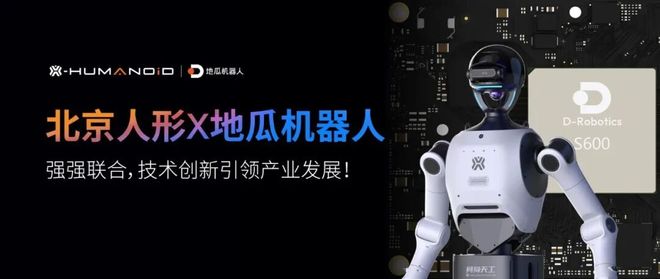
Beijing Humanoid Robots and Digua Robotics Announce Mass Production Partnership
Beijing Humanoid Robot Innovation Center has joined forces with Digua Robotics to embark on a major initiative to mass-produce the Tian Gong 3.0 humanoid robot, with plans to launch by mid-2026. This partnership seeks to harness advanced artificial intelligence technology while optimizing production costs, making sophisticated robotics more accessible across multiple industries. The collaboration aims to expedite the commercialization of domestically developed humanoid robots, reflecting a growing trend towards integrating robotics into various sectors.
Humanoid Robots AI Technology Robotics Collaboration Industrial Automation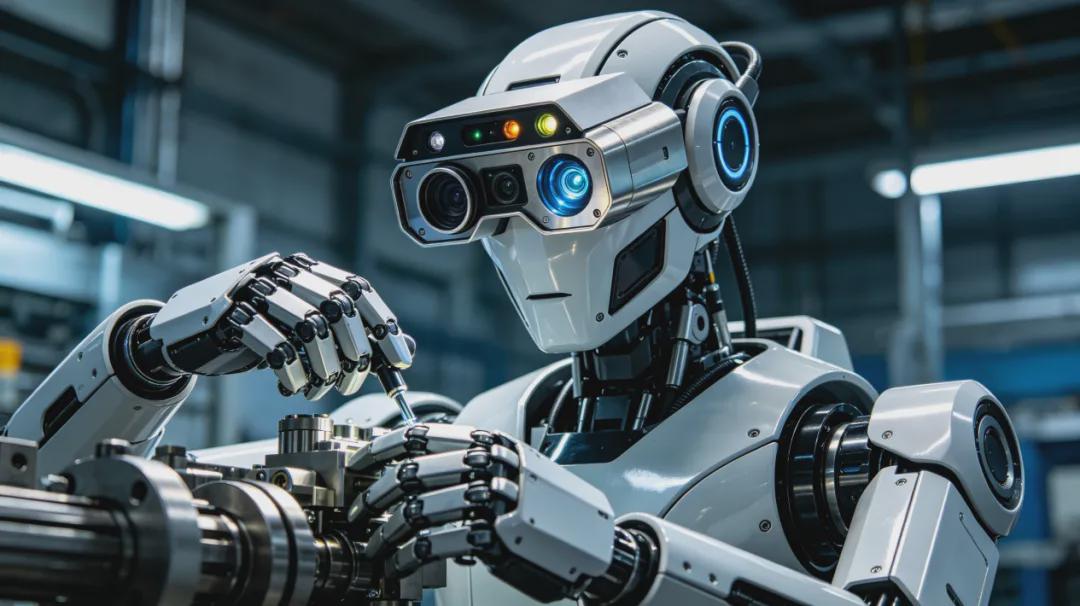
Advancements in Domestic ASIC Brain Chips Enhance Intelligent Robotics
ZK Wireless Semiconductor, a domestic leader in semiconductor technology, is transforming the robotics industry with its innovative ASIC brain chips. These advanced chips empower robots to evolve from mere passive instruction receivers to autonomous decision-makers. By leveraging cutting-edge materials such as Gallium Nitride (GaN) and Gallium Antimonide (GaSb), the chips facilitate nanosecond-level multimodal data alignment. This significant advancement addresses key challenges in cognitive intelligence for robots, thereby enhancing their functionality and efficiency. The development is expected to accelerate the adoption of robotic technologies across various sectors, marking a pivotal shift in how robots interact with their environments and perform tasks.
ASIC Chips Cognitive Robotics Multimodal Data Semiconductor Technology
Hyperscale Data's Subsidiary Omnipresent Robotics Enters into an Agreement Providing for the Acquisition of Robots from AGIBOT and Related Developments
Omnipresent Robotics is set to launch the initial deployment of up to 143 AGIBOT intelligent robots in Michigan. This initiative aims to enhance domestic teleoperation capabilities, facilitate VLA data processing, and support embodied AI training. The deployment is also expected to contribute to the expansion of the local workforce. The rollout marks a significant step in integrating advanced robotics into various sectors, reflecting the company's commitment to innovation and workforce development in the region.
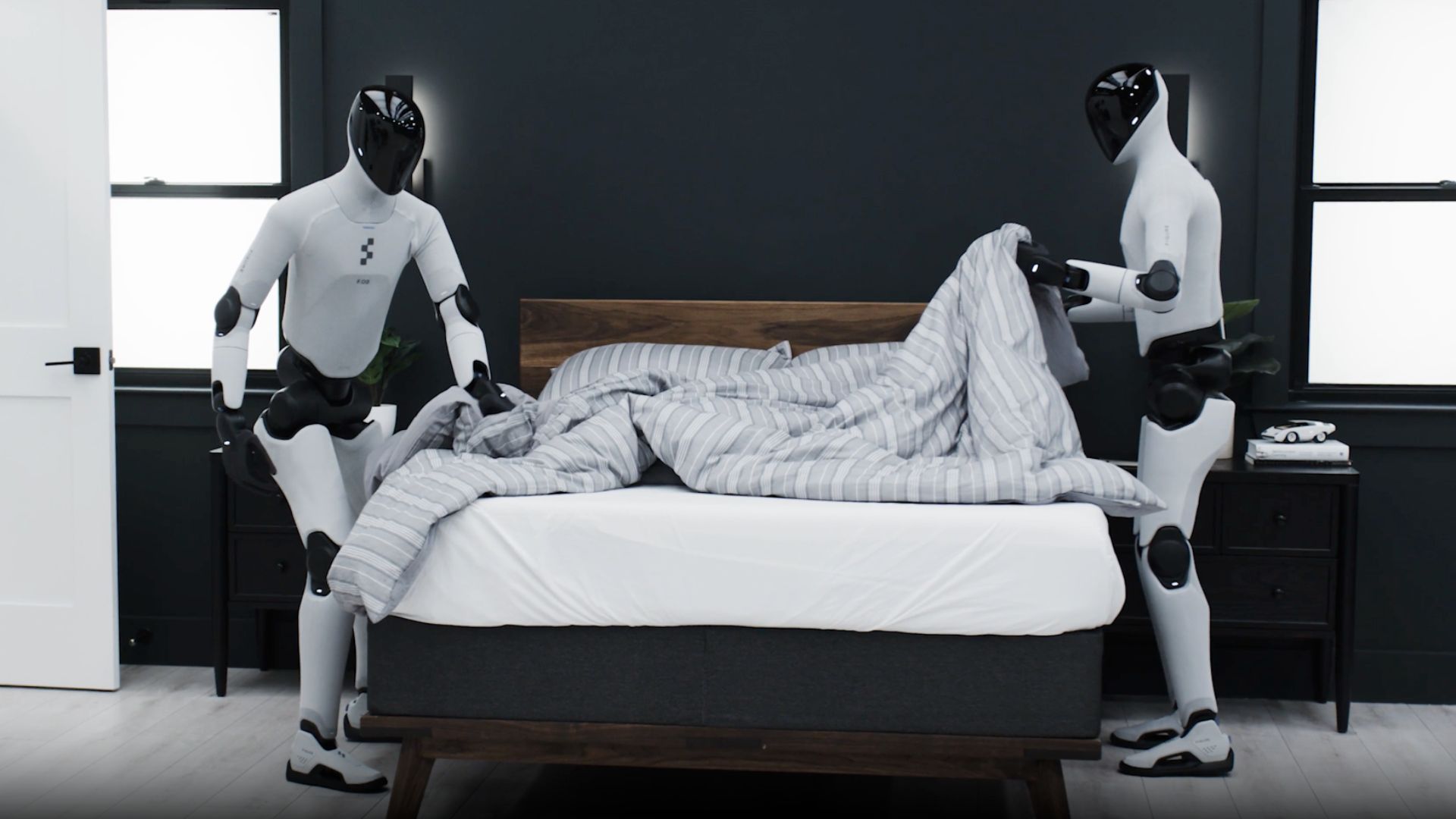
Video: Figure’s humanoid robots organize room, hang clothes, and make bed without humans
US robotics firm Figure recently demonstrated its humanoid robots executing various household tasks in a synchronized manner. This event took place during a technology showcase aimed at highlighting advancements in robotics and automation. The demonstration aimed to illustrate the potential of humanoid robots to assist with everyday chores, reflecting the company's commitment to enhancing domestic efficiency through innovative technology. By showcasing the robots' capabilities, Figure seeks to capture the interest of investors and consumers alike, emphasizing the growing role of robotics in daily life. The coordinated performance of the robots was designed to highlight their adaptability and precision in handling tasks typically performed by humans, signaling a significant step forward in the integration of robotics into home environments.
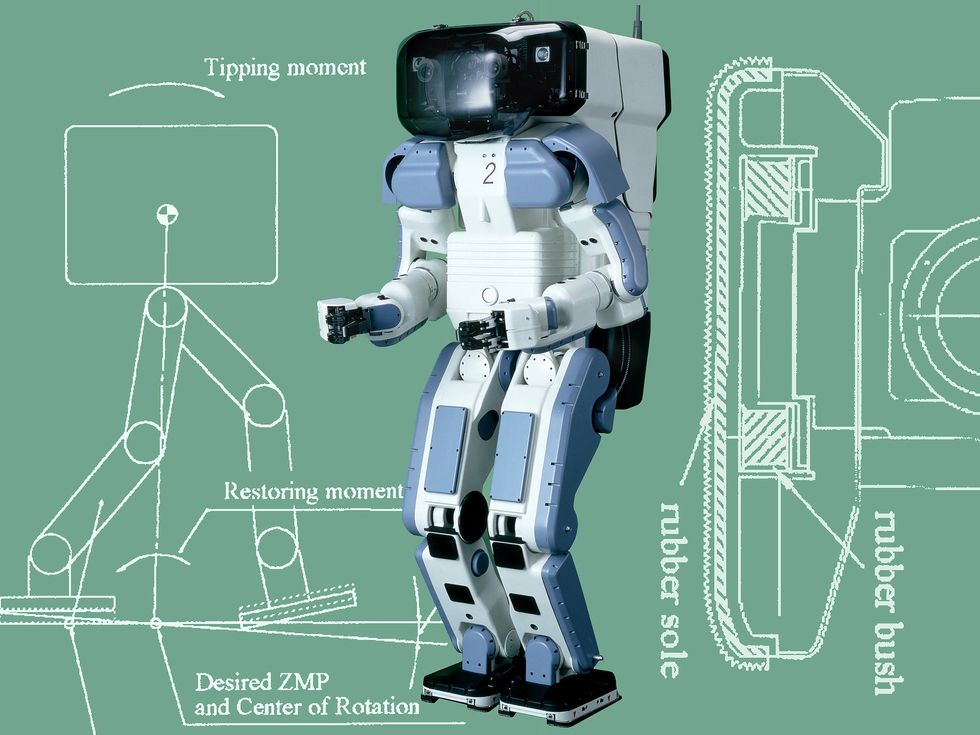
30 Years Ago, Robots Learned to Walk Without Falling
Honda's Prototype 2 (P2), a groundbreaking autonomous humanoid robot, will be honored as an IEEE Milestone during a dedication ceremony on April 28 at the Honda Collection Hall in Japan. Developed in 1996, P2 was the first robot capable of walking without falling, marking a significant advancement in robotics. The IEEE Nagoya Section highlighted that P2 demonstrated the feasibility of humanlike locomotion, setting new standards in the field. The journey to create P2 began in 1986 when Honda researchers aimed to develop a "domestic robot" that could assist with household tasks. Through extensive analysis of human movement and numerous prototypes, the team successfully engineered P2 to walk, climb stairs, and perform various tasks autonomously. This innovation shifted the focus of robotics from industrial applications to designs centered on human interaction. P2's influence extends beyond its initial release, inspiring advancements in humanoid robots and contributing to research in biomechanics and artificial intelligence. The recognition as an IEEE Milestone underscores P2's role in propelling the field of humanoid robotics forward, demonstrating the potential for robots to assist humans in meaningful ways. The plaque commemorating this achievement will be installed at the Honda Collection Hall, celebrating the technical benchmarks set by P2 in mobility, autonomy, and human-robot interaction.
Ieee-history Ieee-milestone Honda Robotics Asimo Type-ti
The Path to AI Robots in the Home is Being Shaped in the Warehouse
Recent advancements in warehouse robotics are significantly propelling the development of artificial intelligence (AI) robots for home use. As companies invest in enhancing robotic technology, they are overcoming critical challenges related to safety, perception, and autonomy that have previously hindered the integration of robots into domestic environments. This acceleration in innovation is occurring against the backdrop of increasing consumer demand for smart home solutions, prompting researchers and engineers to focus on creating robots that can effectively navigate and operate within the complexities of everyday home life. By leveraging breakthroughs in machine learning and sensor technology, developers are working to ensure that these robots can perform tasks safely and efficiently, ultimately aiming to enhance the quality of life for users. The ongoing evolution in this field suggests that AI robots may soon become a common feature in households, transforming how people interact with technology in their daily routines.
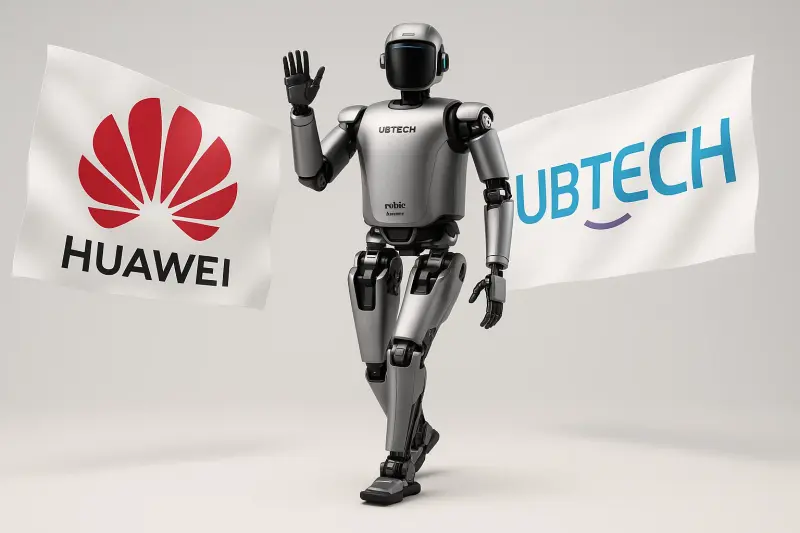
Huawei and UBTech Join Forces to Bring Humanoid Robots to Factories and Homes
Huawei and UBTech Robotics have announced a strategic partnership aimed at advancing the development and deployment of humanoid robots for industrial and domestic use. This collaboration, which was unveiled recently, will utilize Huawei's advanced AI processors, cloud technology, and extensive models to enhance the capabilities of robots designed for smart factories and household services. Central to this initiative is the establishment of a joint innovation center dedicated to embodied intelligence, which will serve as a hub for research and development in this cutting-edge field. The partnership reflects a growing trend towards integrating artificial intelligence into robotics, driven by the increasing demand for automation in various sectors.
UBTECH Robotics
Unitrees Strategic Focus on Industrial Robots Amid Household Safety Concerns
Unitree, a Chinese robotics company, is shifting its focus from household robots to industrial applications, citing safety concerns as a primary reason for this strategic change. The company aims to enhance the safety features of its humanoid robots, with the intention of making them suitable for domestic environments in the future. This decision reflects a growing emphasis on ensuring that robotic technology can be safely integrated into everyday life, while still addressing the demands of industrial sectors. By refining its designs and functionalities, Unitree is positioning itself to meet both current market needs and future consumer expectations.
G1 Unitree Robotics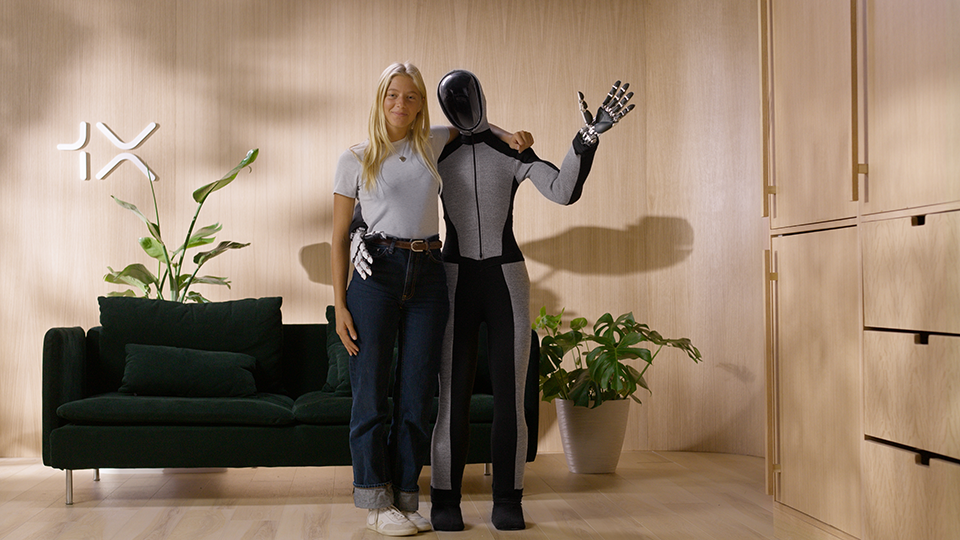
1X Technologies to Pilot Humanoid Robots in Homes by 2025
1X Technologies, a prominent player in the field of humanoid robotics, has unveiled its plans to introduce NEO Beta, its latest robot model, into select households for pilot testing in 2025. This initiative represents a crucial advancement in the effort to incorporate humanoid robots into everyday domestic environments, aiming to enhance the convenience and efficiency of household tasks. The deployment of NEO Beta is expected to provide valuable insights into user interactions and the practical applications of robotics in home settings, paving the way for future innovations in the industry.
1X-technologies AI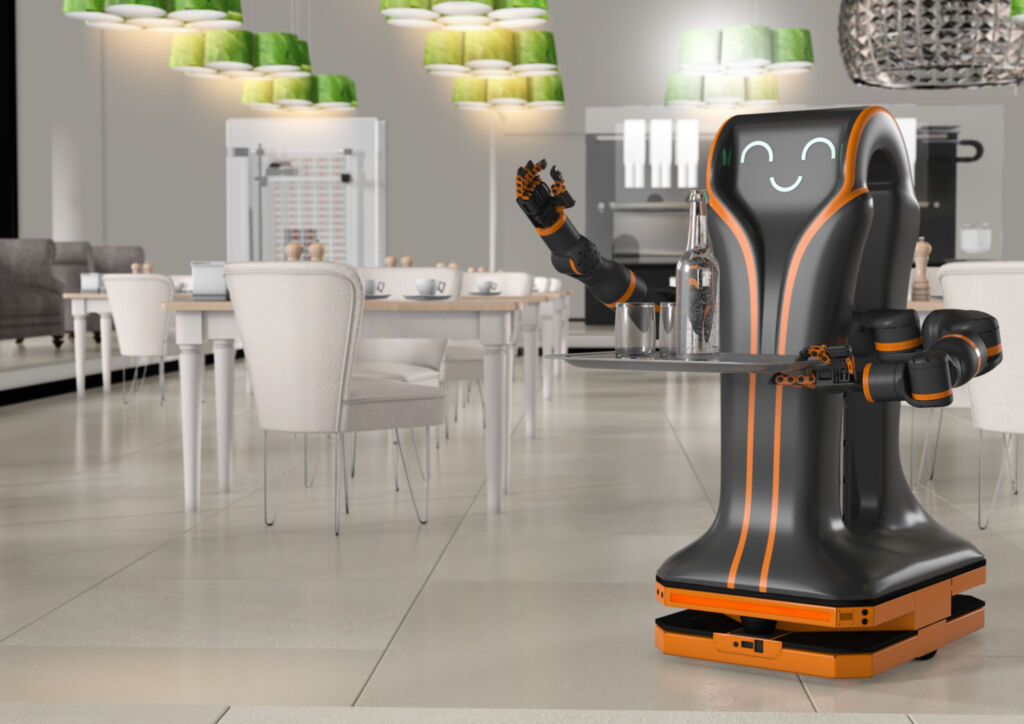
Humanoid service robots for household use
Igus has expanded its product lineup with the introduction of the Iggy Rob Home, a new humanoid service robot designed for household use. This latest addition aims to enhance domestic life by providing assistance in various tasks, reflecting the company's commitment to innovation in robotics. The announcement was made recently, highlighting Igus's ongoing efforts to integrate advanced technology into everyday environments. The Iggy Rob Home is expected to cater to the growing demand for smart home solutions, offering users a convenient and efficient way to manage household chores.
Allgemein Humanoide Robotik Robotik Servicerobotik
Humanoid home robots are on the market – but do we really want them?
Norwegian-US tech company 1X has unveiled its latest innovation, the Neo humanoid robot, which is being marketed as the world's first consumer-ready robot designed to enhance home life. Standing at 168 centimeters and weighing 30 kilograms, the Neo is priced at $20,000 and aims to automate everyday household tasks, including laundry and cleaning. This announcement, made last year, reflects the growing trend of integrating advanced robotics into domestic settings, driven by the desire for increased convenience and efficiency in home management. The Neo robot is positioned to revolutionize how individuals manage their daily chores, potentially changing the landscape of household assistance.

UBTech’s lifelike humanoid robots built for companionship arriving in homes across China
UBTech Robotics, recognized as the world's first publicly traded humanoid robot manufacturer, has introduced a new consumer humanoid robot aimed at personal companionship. The U1 model, unveiled on Tuesday in Shenzhen, features lifelike silicone skin and advanced emotional artificial intelligence, reflecting a growing trend among Chinese tech companies to shift robotic applications from industrial settings to domestic environments. Available in both male and female versions, the U1 stands at 183 cm and 168 cm tall, respectively, and comes in three variants: Lite, Pro, and Ultra. This launch signifies a notable advancement in the integration of robotics into everyday life, as UBTech seeks to enhance human-robot interaction in personal spaces.
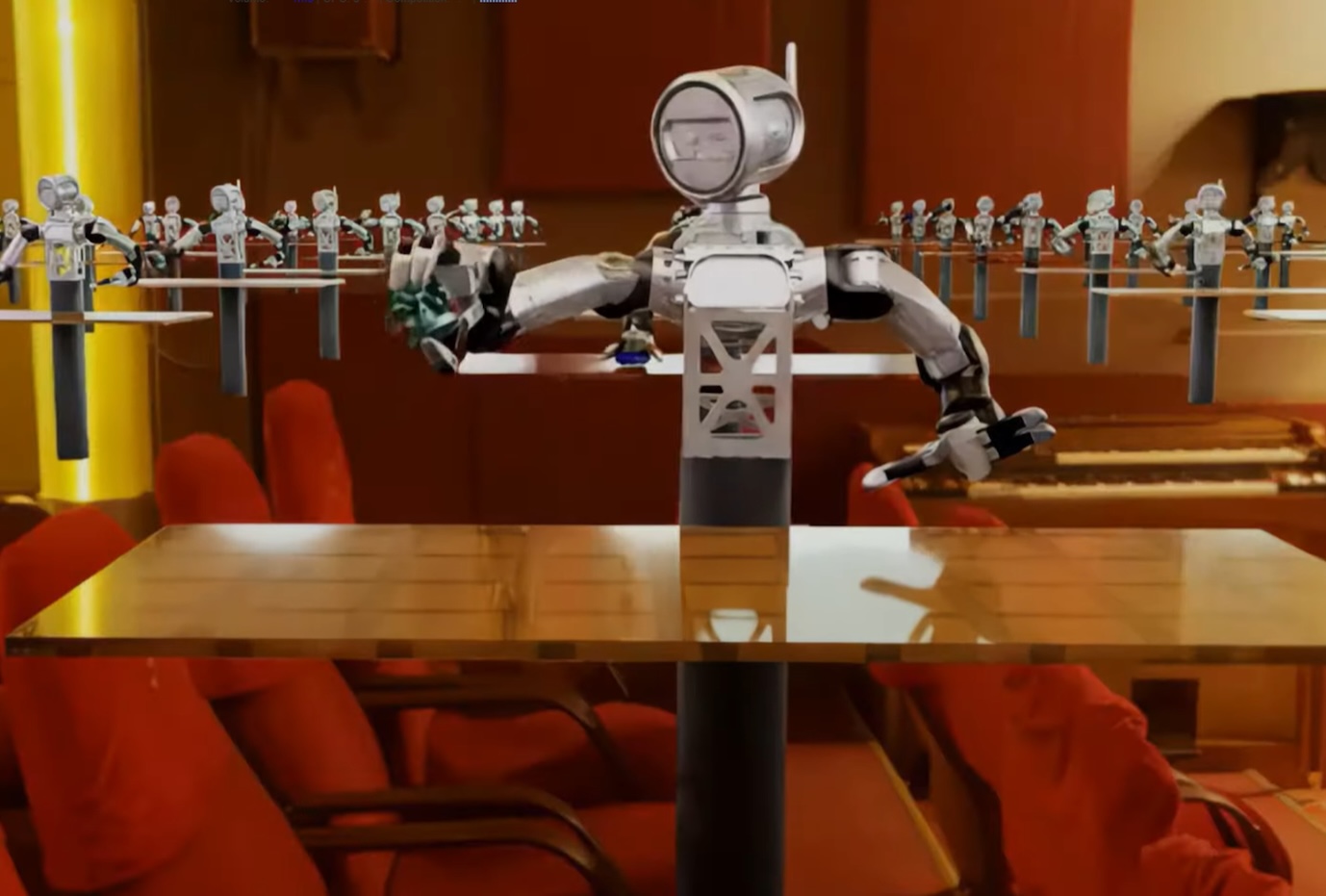
Deep Learning Based Dirt Detection and Cleanliness Evaluation in Autonomous Indian Domestic Concrete Water Tank Cleaning Robot
A recent study published in the Journal of Field Robotics highlights advancements in autonomous robotic navigation. Researchers from a leading robotics institute conducted experiments to enhance the efficiency of robots in complex environments. The study, released in early October 2023, focuses on the integration of advanced algorithms that allow robots to better interpret their surroundings and make real-time decisions. The research was carried out in various challenging terrains, including urban settings and natural landscapes, to test the robots' adaptability. The motivation behind this work stems from the growing demand for autonomous systems in sectors such as agriculture, search and rescue, and urban planning. By improving navigation capabilities, the researchers aim to facilitate the deployment of robots in scenarios where human intervention is limited or dangerous. Through a series of simulations and field tests, the team demonstrated that the new algorithms significantly reduced the time taken for robots to complete tasks while increasing their accuracy in obstacle avoidance. This breakthrough could lead to more reliable and efficient robotic systems, paving the way for wider applications in everyday life. The findings underscore the potential of robotics to transform various industries by enhancing operational efficiency and safety.
RESEARCH ARTICLE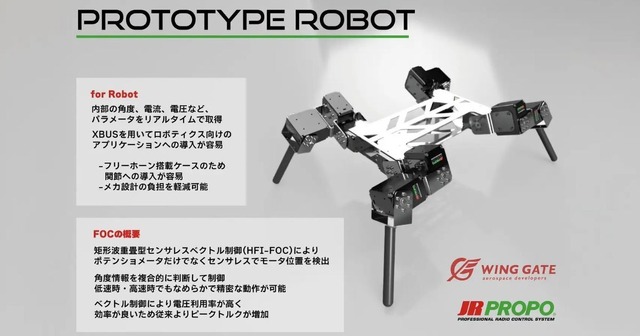
WINGGATE and Konishi Model launch joint project for domestic drone control development.
WINGGATE Co., Ltd. and Konishi Model Co., Ltd. have entered into a joint development agreement to create control systems for unmanned aerial vehicles (UAVs) and robots. The collaboration marks the beginning of a new development project aimed at advancing technology in the UAV and robotics sectors. This partnership is expected to leverage the expertise of both companies to enhance the capabilities and efficiency of their respective products, responding to the growing demand for innovative solutions in these fields.
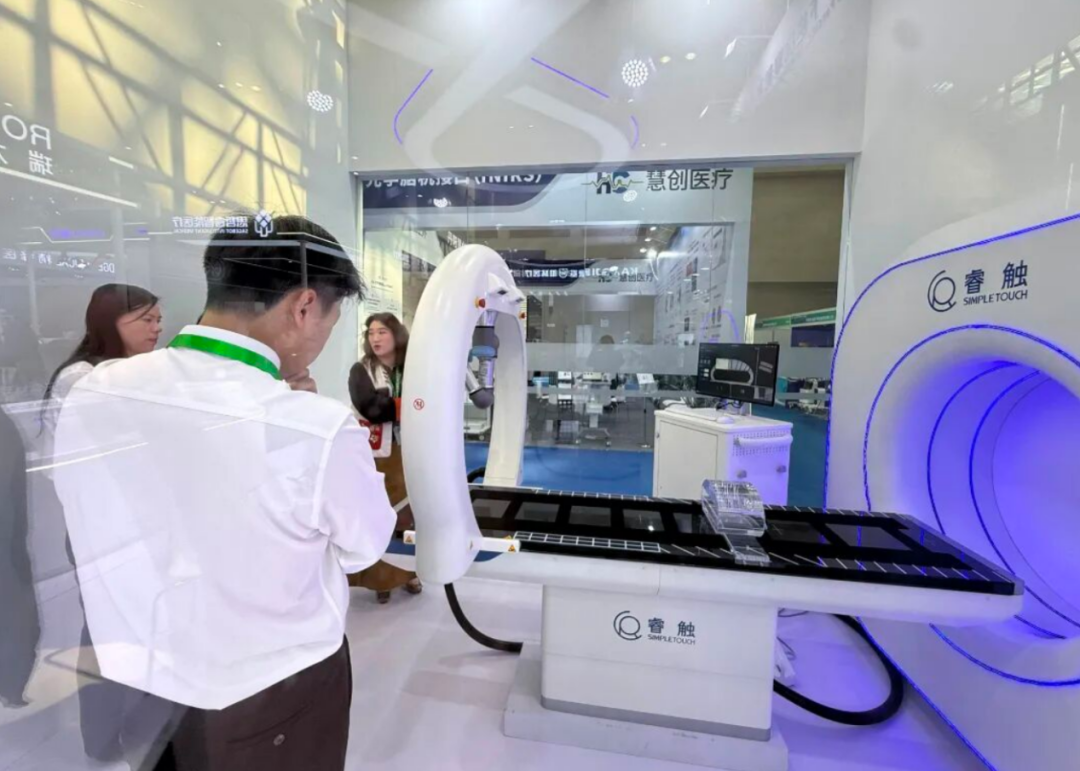
Domestic Surgical Robot RuiTouch Files for IPO on Hong Kong Stock Exchange
Shanghai RuiTouch Robotics has taken a significant step towards becoming a publicly traded entity by submitting its initial public offering (IPO) application to the Hong Kong Stock Exchange. The company aspires to be the first in the market to offer percutaneous surgical robots, leveraging its advanced CT imaging and intelligent sensing technologies. However, the IPO comes amid concerns regarding the company’s financial health, as it currently reports no revenue and has incurred substantial financial losses. The move is seen as a pivotal moment for the company, which aims to capitalize on the growing demand for innovative surgical solutions while navigating the challenges posed by its financial status.
Surgical Robots Medical Technology Healthcare Innovation IPO Robotics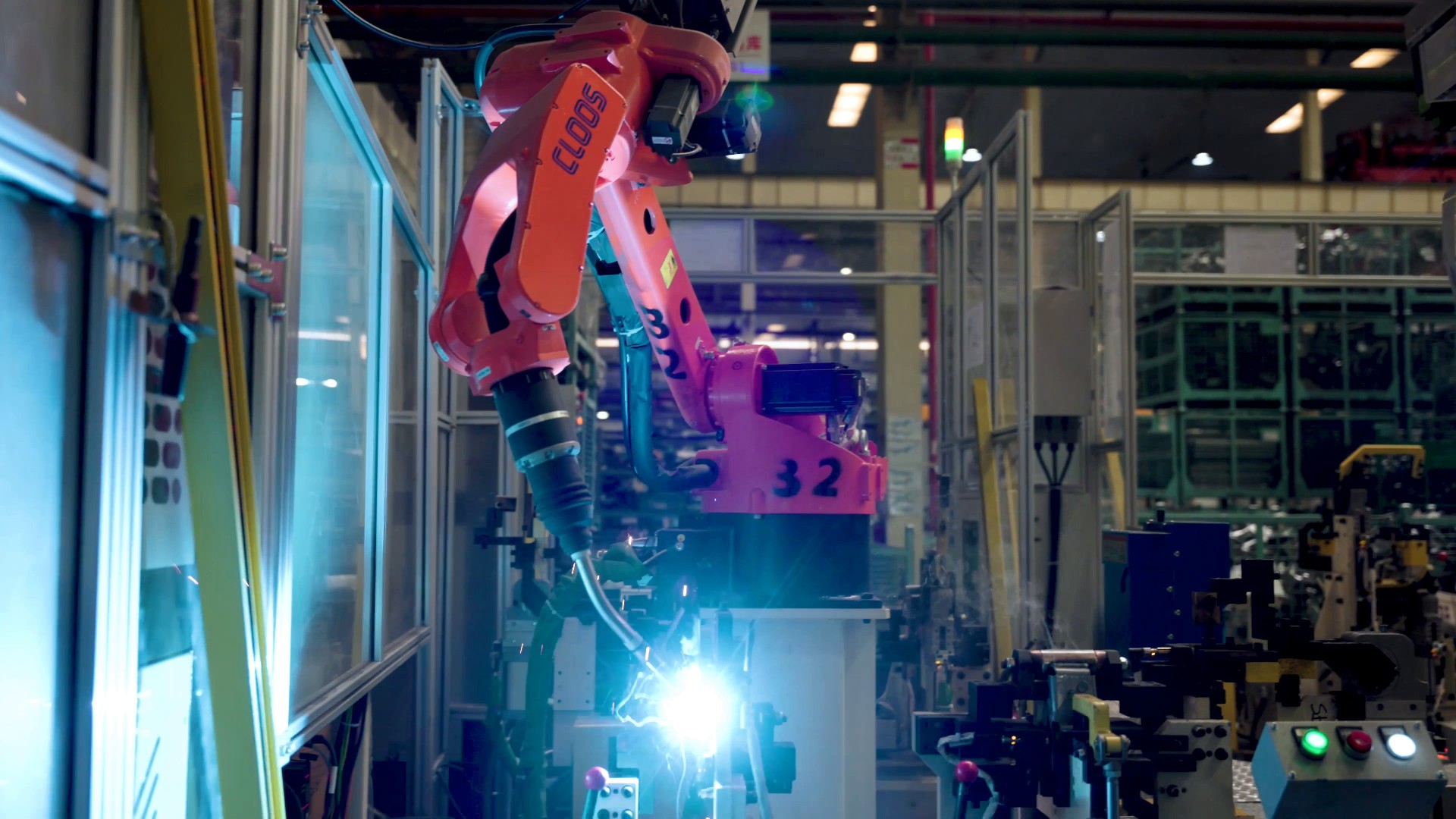
Over 200 Estun Robots Deployed on a Single Production Line: Fully Autonomous Robotic Automotive Parts Welding Line Officially Launched at Scale
In 2025, China solidified its position as a global leader in the new energy vehicle (NEV) industry by producing 16.626 million NEVs, which represented around 74.5% of the world's total NEV output. This remarkable achievement was fueled by advancements in indigenous technologies, exceptional manufacturing efficiency, and a robust automotive equipment sector. The surge in NEV production underscores China's commitment to transitioning towards sustainable transportation solutions and reducing carbon emissions, aligning with global efforts to combat climate change. The country's strategic investments and innovations in the automotive sector have not only bolstered its domestic market but also positioned it as a key player in the international NEV landscape.
ESTUN AUTOMATION ROBOTICS SERVO SYSTEMS
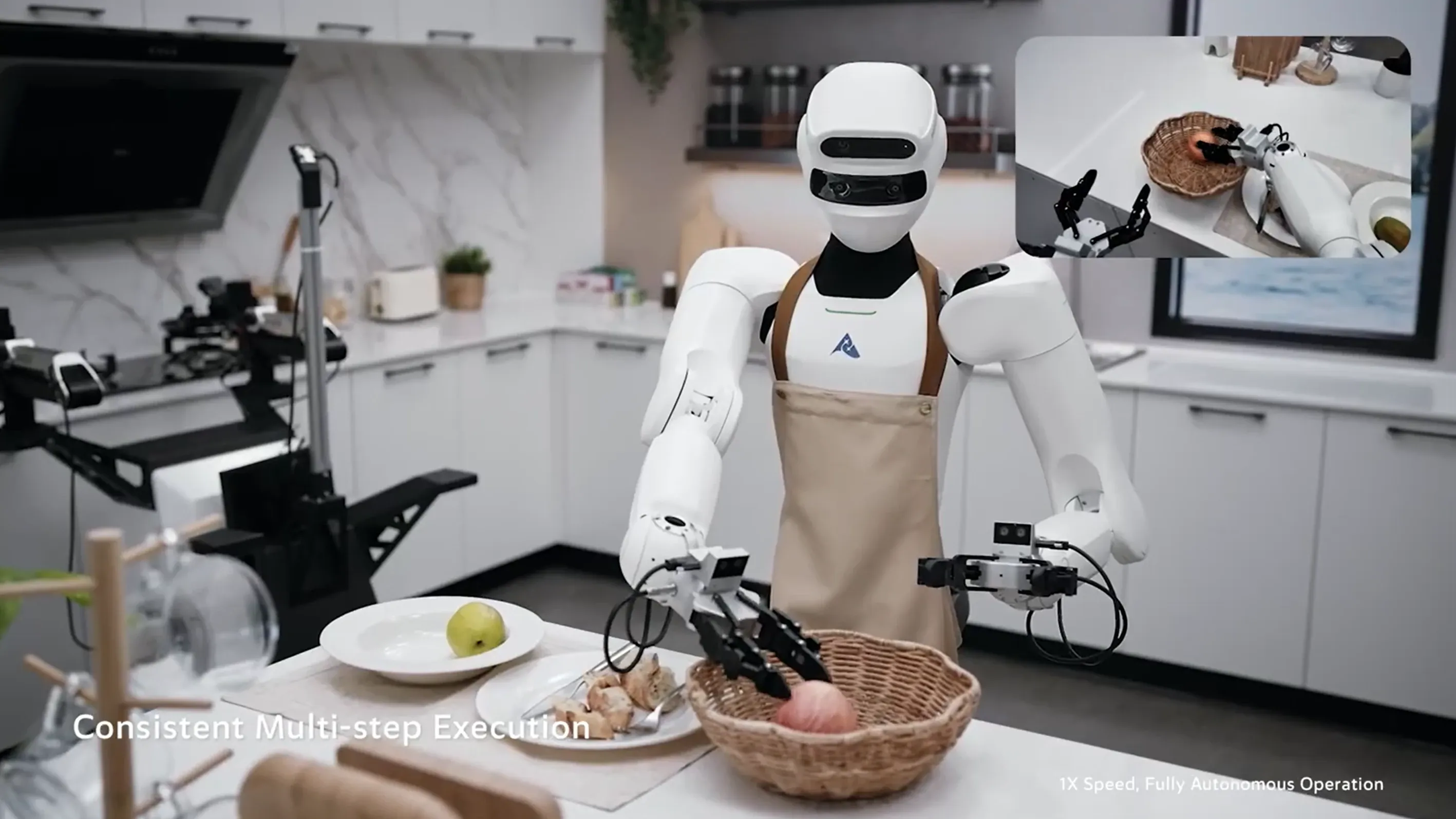
Sunday Unveils "Memo": A Wheeled, Domestic Robot That Learns From $200 Gloves
Sunday Robotics has announced the development of "Memo," a wheeled home robot designed to operate autonomously through the innovative use of the "ACT-1" foundation model. Unlike conventional teleoperated robots, Memo's artificial intelligence is being trained with human data collected through low-cost gloves, enhancing its ability to interact and perform tasks in a home environment. The company aims to launch a beta version of Memo in 2026, marking a significant step forward in the integration of AI technology into everyday life.
Sunday Robotics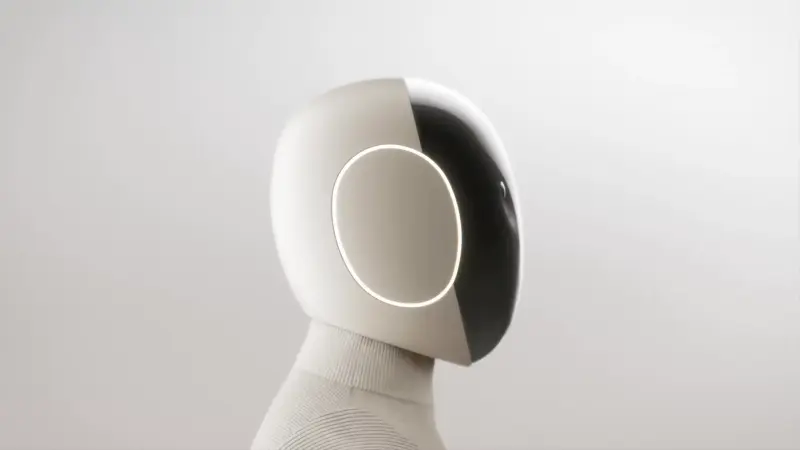
1X Technologies Details Humanoid Robot NEO's Path to Domestic Life, Emphasizing Real-World Learning and Safety
In a recent episode of the NVIDIA AI Podcast, Bernt Børnich, CEO of 1X Technologies, unveiled insights about the company's humanoid robot, NEO. Designed to learn and operate safely in human environments, NEO aims to assist with household chores and facilitate collaborative development with early adopters. The consumer launch is scheduled for 2025, following earlier announcements regarding home pilot programs. Børnich emphasized his broader vision for integrating humanoid assistance into daily life, highlighting the potential for these robots to enhance productivity and support human activities.
NVIDIA 1X-technologies machine learning AI NEO
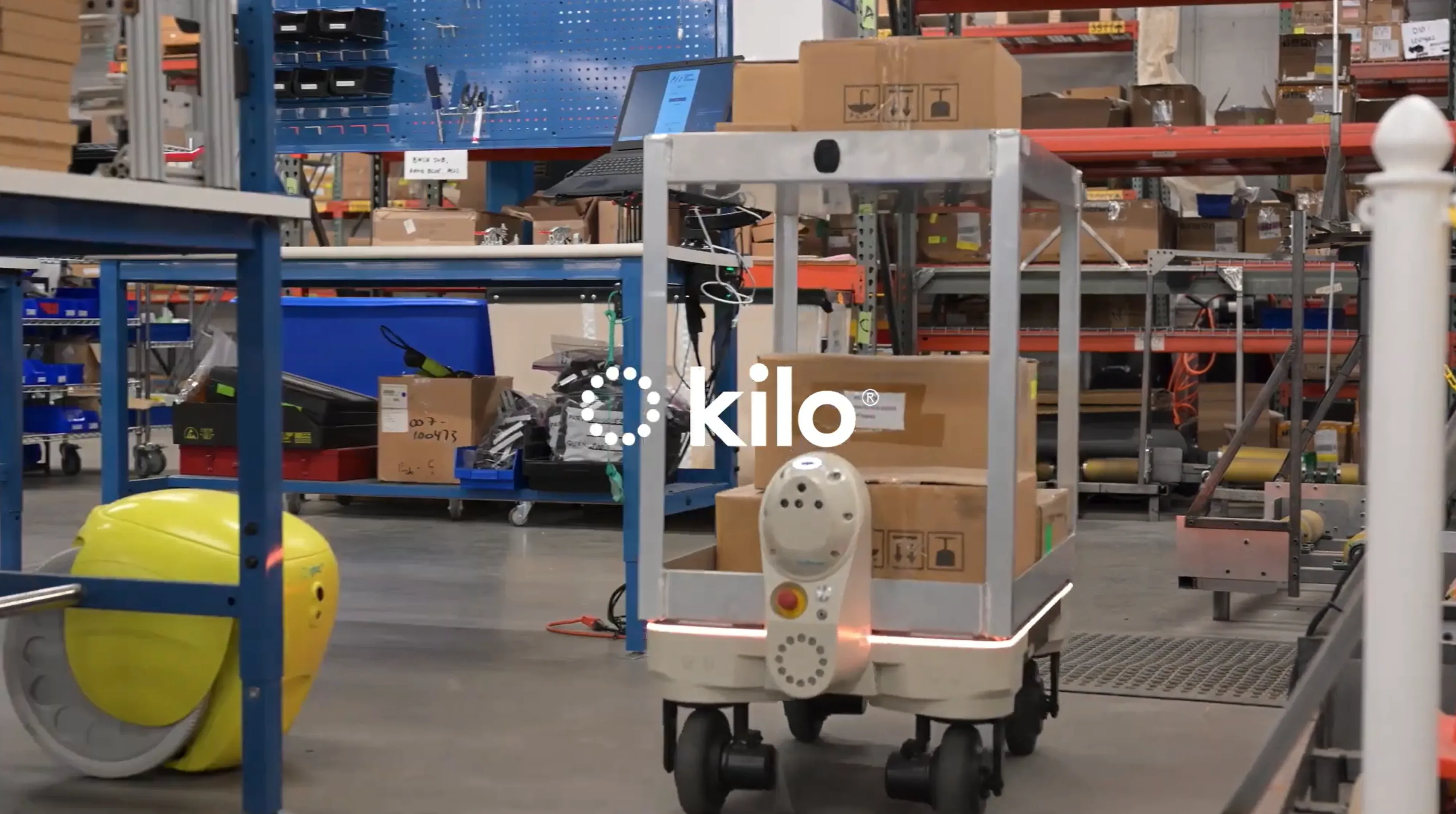
Top 20 Chinese warehouse robotics companies: Geekplus turns its attention to domestic competitors
In a rapidly evolving landscape of logistics and automation, companies like Locus Robotics are solidifying their positions as significant players on the global stage. As the demand for efficient warehouse solutions continues to rise, these firms are innovating to meet the challenges posed by e-commerce and supply chain complexities. The competition is intensifying, with various enterprises striving to enhance their operational capabilities through advanced robotics and automation technologies. This surge in innovation is driven by the need for increased efficiency and cost-effectiveness in the logistics sector, particularly in response to growing consumer expectations for faster delivery times. As industry leaders showcase their latest advancements, the focus remains on how these technologies can transform traditional warehousing practices and improve overall productivity.
Video Friday: An Earthbound Mars Rover for the Moon
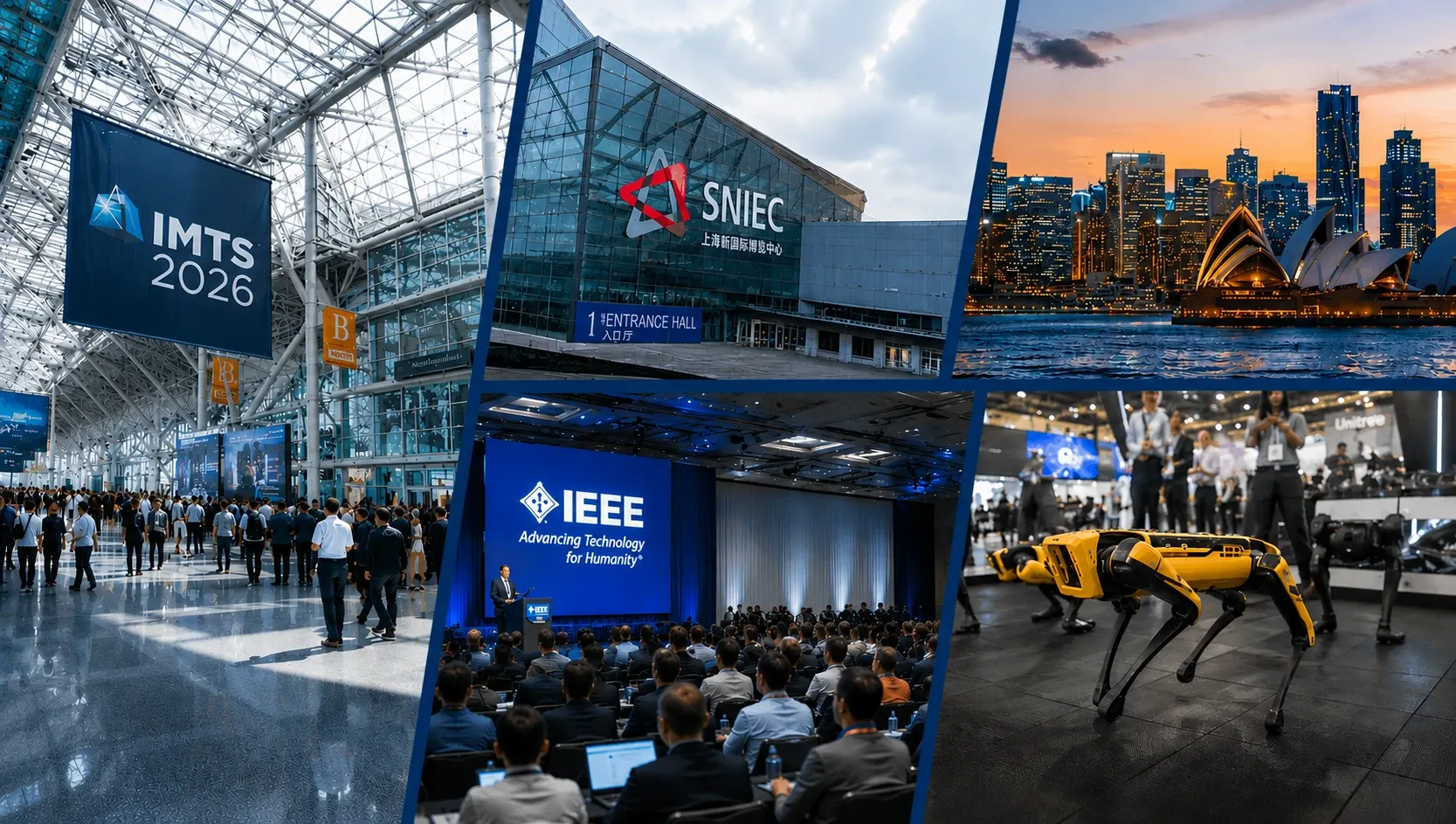
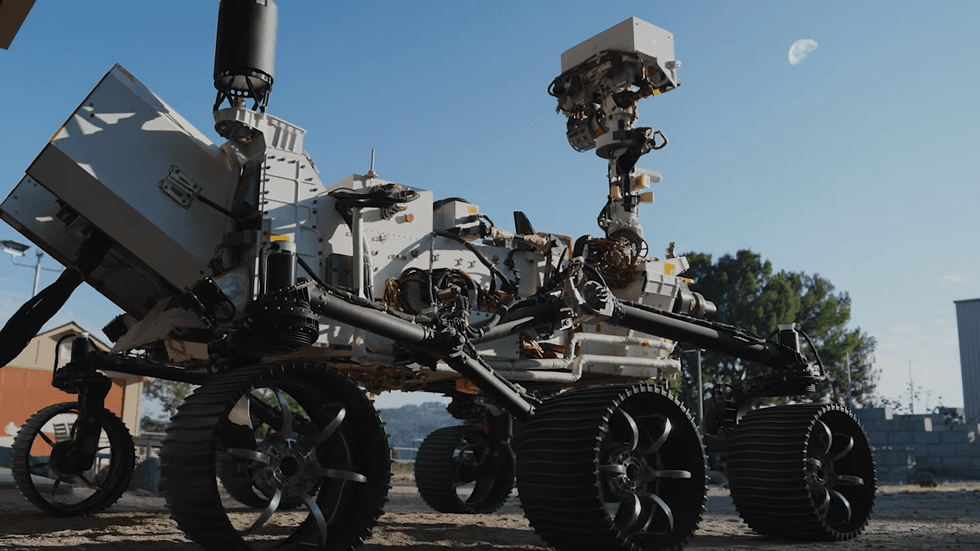
IEEE Spectrum robotics has released its latest edition of Video Friday, showcasing a variety of innovative robotics videos and announcing upcoming events in the field. Notable events include the RSS 2026 conference in Sydney from July 13-17, the Summer School on Multi-Robot Systems in Prague from July 29 to August 4, and IROS 2026 in Pittsburgh from September 27 to October 1. Among the featured projects is NASA's proposed PROMISE mission, which aims to send an advanced, nuclear-powered rover to the Moon's South Pole as part of its Moon Base initiative. This mission will utilize technology from the Curiosity and Perseverance Mars rovers, showcasing the adaptability of existing space exploration technology. In other developments, Weave Robotics is set to launch its home robot, Isaac 1, this fall, offering basic task autonomy for $500 per month. Meanwhile, UBTech Robotics has introduced a humanoid robot with lifelike features and emotional AI, reflecting a growing trend of integrating robots into domestic settings. Additionally, Carnegie Mellon’s Dr. Sebastian Scherer emphasizes the importance of developing robots capable of performing tasks in unpredictable environments, aiming to make them more functional and tool-like. The ongoing advancements in robotics, including soft, floating robots designed for social interaction and innovative applications like spatial audio technology from Georgia Tech, highlight the industry's commitment to enhancing human-robot collaboration and everyday life.
Video-friday Home-robots Rovers Humanoids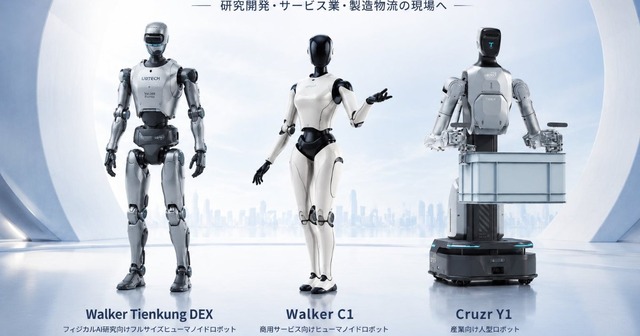
GA Robotics launches three models of UBTECH humanoids for research, commercial, and industrial use in Japan.
GA Robotics, the official distributor of UBTECH humanoid robots in Japan, announced the launch of three new models set to be available domestically starting June 30, 2026. The models include the "Walker Tienkung DEX" designed for research and development, the "Walker C1" tailored for commercial services, and the "Cruzr Y1" intended for industrial applications. This initiative aims to enhance technological innovation and support various sectors in Japan by providing advanced robotic solutions.
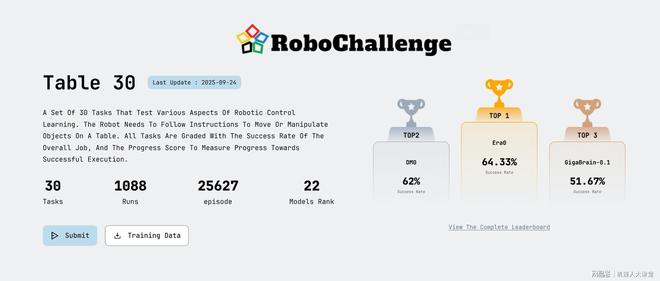
"Star Motion Era Wins RoboChallenge Championship! First Place in 17 Household Chores"
Star Motion Era has emerged victorious at the RoboChallenge Championship, clinching first place in a competitive field by excelling in 17 different household chores. The event took place recently, showcasing innovative robotic technologies designed to assist with everyday tasks. This achievement highlights the advancements in automation and artificial intelligence, demonstrating how robots can effectively perform various chores, thereby enhancing convenience in domestic settings. The team's success reflects their commitment to pushing the boundaries of robotics and their potential impact on daily life.
Robotics Automation AI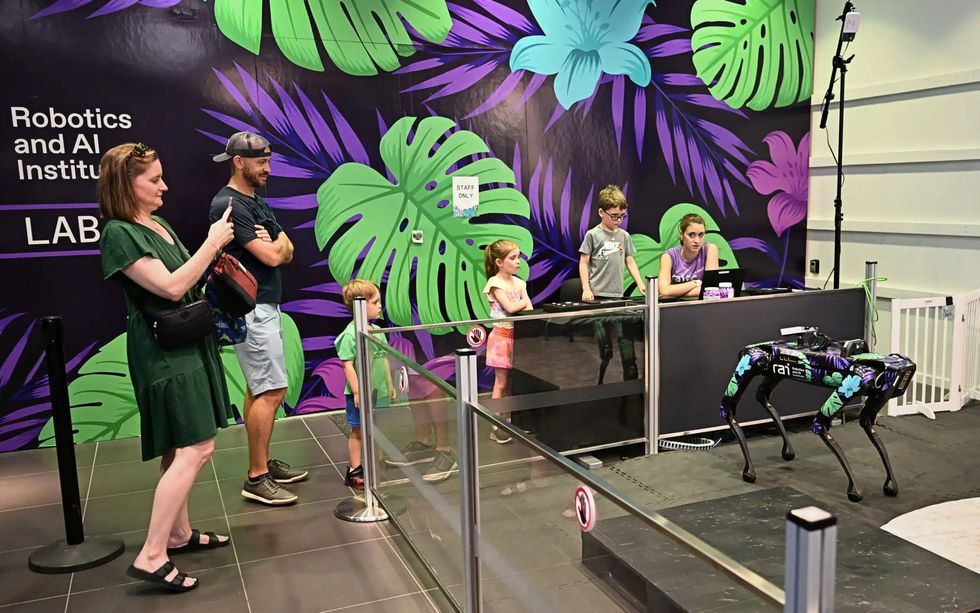
What Happened When We Set Up a Robotics Lab in a Mall
In summer 2025, the RAI Institute launched a free pop-up robot experience at the CambridgeSide mall, aimed at enhancing public understanding and comfort with robotics. This initiative came in response to a growing divide between sensational media portrayals of robots and the public's lack of direct experience with them. The event featured a museum showcasing historical and modern robots, alongside an interactive driving arena where visitors could control the Spot quadruped robot using a specially designed adaptive controller. Over approximately 10,000 visitors, 10 percent participated in surveys before and after their driving experience. Results indicated a significant increase in comfort levels across various contexts, particularly in outdoor and domestic scenarios, where initial skepticism was highest. Many participants reported feelings of excitement and happiness after interacting with the robot, with a notable shift in their perceptions of robots as potential companions rather than mere labor replacements. The findings suggest that hands-on experiences can effectively alter public attitudes towards robots, fostering acceptance in environments where ambivalence is prevalent. The RAI Institute plans to continue exploring these interactions to further understand their impact on societal attitudes towards robotics. This research was presented at the 2026 ACM/IEEE International Conference on Human-Robot Interaction in Edinburgh, Scotland.
Boston-dynamics Legged-robots Spot-robot
Figure AI Secures Over $1B to Accelerate Humanoid Robot Rollout
Figure, a humanoid robotics startup, has successfully secured over $1 billion in a Series C funding round, with Parkway Venture Capital leading the investment. This significant financial backing reflects strong investor confidence in Figure's ambitious plans to introduce general-purpose robots for use in commercial environments, and eventually in domestic settings. The funding will enable the company to accelerate its development and deployment strategies, positioning it at the forefront of the rapidly evolving robotics industry.
Brett Adcock US Figure BotQ fundraising
Unitree robotics opens official store on AliExpress
Unitree Robotics, a Chinese company known for its high-performance quadruped and humanoid robots, has officially launched a store on Alibaba’s AliExpress platform. This initiative, announced recently, is part of a broader strategy to enhance the company's global presence through cross-border e-commerce. The store features a range of products under the “Big Save” discount campaign, aimed at attracting international customers. Founded in 2016, Unitree continues to innovate in the robotics field, including the development of advanced robotic arms. This expansion into the online marketplace signifies a significant step in Unitree's efforts to reach a wider audience and increase sales beyond its domestic market.
News Feed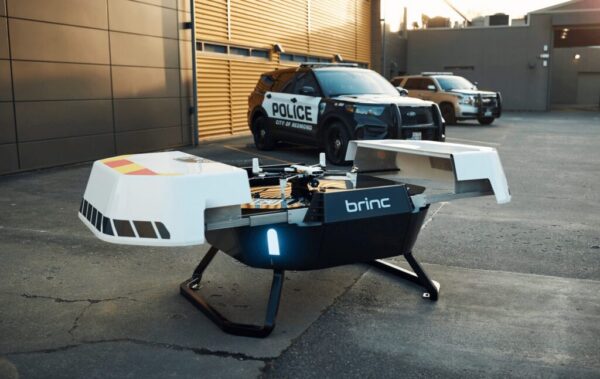
BRINC Secures $125 Million Funding Round Led by Motorola Solutions for Public Safety Drones
BRINC, a Seattle-based public safety drone manufacturer, announced on July 14, 2026, that it has secured a $125 million financing round led by Motorola Solutions. This investment raises BRINC's total capital to over a quarter billion dollars and aims to deploy a BRINC 911 response drone at every police and fire station across the U.S., targeting 80,000 facilities. The funding will enable BRINC to expand its domestic manufacturing, launch new products, and scale its go-to-market operations. The company plans to move into a facility three times the size of its current factory by the end of 2026 to meet the increasing demand from public safety agencies. In 2025, BRINC tripled its revenue and quintupled its monthly production capacity, signing nearly four times as many contracts for 911 response drones in 2026 compared to the previous year. Looking ahead, BRINC's founder Blake Resnick emphasized the importance of situational awareness in emergencies, stating that their drones provide critical information before first responders arrive. The company is also collaborating with the National League of Cities for a nationwide rollout of drone first response (DFR) initiatives. No further timeline was disclosed at the time of publication.
DFR Drone News Drone News Feeds News Public Safety 80000 stations
Investment of 5.08 Billion Yuan in Wuxi Binhu by Xinjie Electric and Longsheng Weir
On July 10, Xinjie Electric signed an agreement to invest 5.08 billion yuan in Wuxi Binhu for a project focused on core components for intelligent and high-end equipment. This project aims to mass-produce upstream core components, including servo systems, frameless torque motors, and high-precision encoders, addressing critical gaps in the domestic humanoid robot industry chain. The significance of this investment lies in the fact that core components account for over 70% of the hardware cost structure in humanoid robots, with domestic supply heavily reliant on overseas manufacturers. Xinjie Electric's project will enhance local production capabilities, reduce reliance on imports, and stabilize the supply chain, which is crucial for the downstream assembly manufacturers. Looking ahead, Xinjie Electric plans to advance the project in two phases, with the first phase focusing on expanding production capacity for servo systems and controllers. No further timeline was disclosed at the time of publication, but the company’s established expertise in motion control positions it well for success in the humanoid robot components market.
Humanoid Robots Core Components Industrial Automation AI Robotics Innovation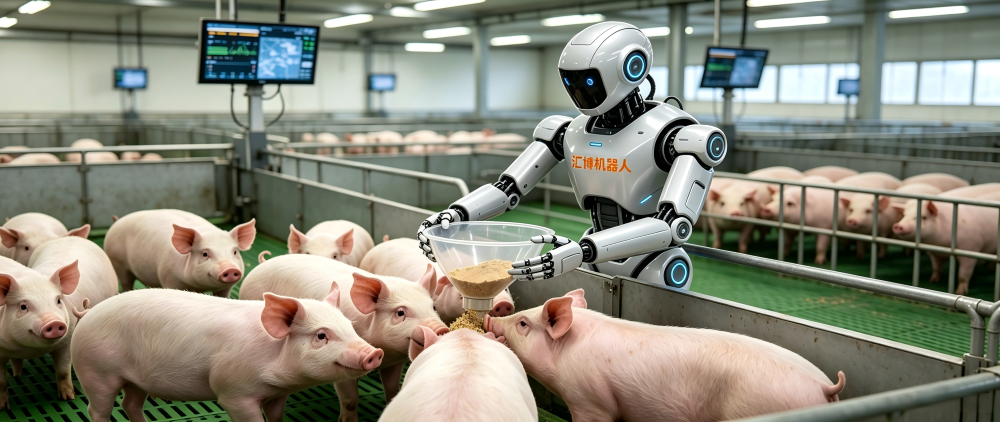
Jinke Smart Agriculture Reduces Robotics Investment from 650 Million to 60 Million Amid Market Challenges
On July 10, Jinke Smart Agriculture's stock surged, prompting speculation about its acquisition of Jiangsu Huibo Robotics. Initially, Jinke planned to invest 650 million yuan to gain control over Huibo, which specializes in humanoid robotics for pig farming. However, by late June, the investment was drastically reduced to 60 million yuan, raising concerns about the viability of the acquisition. This significant cut in investment reflects the broader challenges faced by Jinke, as its revenue is projected to decline by 18.26% in 2025, with a net profit drop of 78.59%. The domestic pig market struggles with prices below 12 yuan per kilogram, while production costs remain high. The shift towards robotics is seen as a potential solution to reduce labor costs and improve efficiency in pig farming. Looking ahead, the feasibility of the investment hinges on whether the robotics can operate effectively in the harsh conditions of pig farming. The debate continues on whether humanoid robots are necessary for the tasks at hand, as their design may offer advantages in precision and flexibility compared to traditional robotic forms. No further timeline was disclosed at the time of publication.
Humanoid Robots Agricultural Robotics Pig Farming AI Technology
WAIC 2026 Preview: Highlights of Embodied Intelligence and Robotics
The WAIC 2026 is set to commence on July 17, featuring embodied intelligence and intelligent computing as its two main themes. Embodied intelligence has emerged as a focal point of the event, attracting significant attention from government, capital, industry, and the public. Over 200 companies are expected to showcase their innovations in this field. This year's exhibition marks a shift from demonstration effects to practical application capabilities, indicating a notable maturity in the industry chain. Attendees can expect to see an increase in complete machine categories, active large model solutions, and accelerated domestic component replacements. The H3 pavilion will highlight key exhibitors and trends, providing insights into the practical applications of embodied intelligence in various sectors. Notable companies such as Zhiyuan and UBTECH will present their latest humanoid robots and technologies, emphasizing production delivery capabilities over technical demonstrations. The event will also feature a demonstration of a robot factory and various innovative robotic solutions, showcasing the potential of embodied intelligence in real-world applications. No further timeline was disclosed at the time of publication.
Embodied Intelligence Humanoid Robots Robotics AI Industrial Automation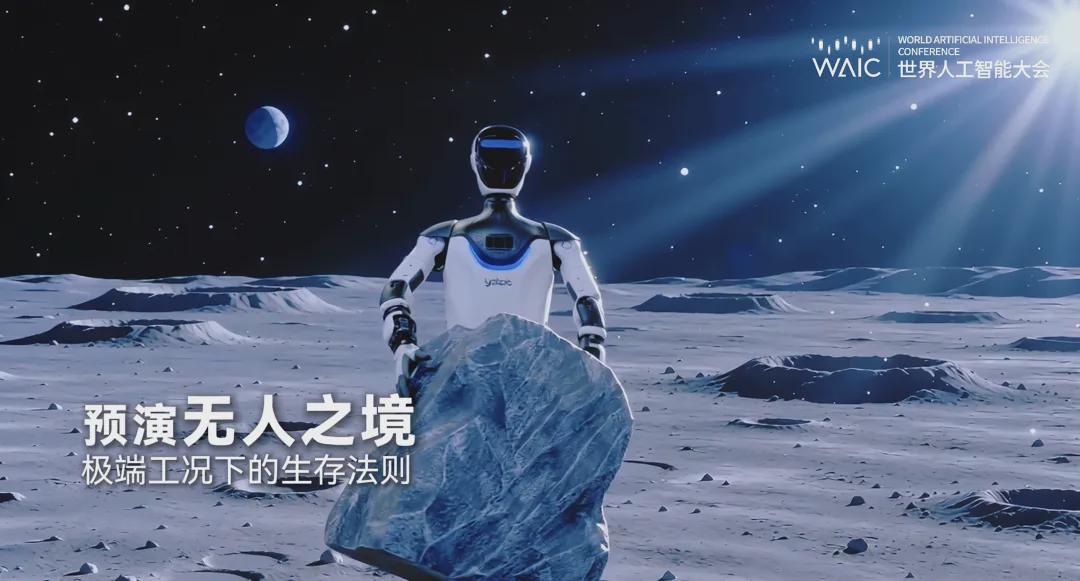
Efort to Showcase Universal Base Technology at WAIC 2026 for Robotics Advancement
Efort's QiZhi will present its Universal Base technology at the WAIC 2026, aiming to enhance the capabilities of robots. The technology focuses on providing a foundational infrastructure that allows robots to learn and perform tasks across various scenarios, addressing the industry's need for a generalized capability rather than just hardware improvements. This initiative is crucial as the robotics sector has seen a significant influx of capital, with funding in the domestic embodied intelligence sector surpassing 93.5 billion yuan in the first half of 2026. However, the industry consensus highlights a gap in data availability and the need for a robust framework to enable effective learning and task execution by robots. Looking ahead, Efort's approach could redefine the landscape of robotics by shifting the focus from hardware specifications to a comprehensive technological foundation. As the industry transitions from demonstration to practical applications, the success of this Universal Base technology will be pivotal in overcoming existing challenges and enhancing the deployment of robots in real-world scenarios. No further timeline was disclosed at the time of publication.
Robotics AI Industrial Automation Machine Learning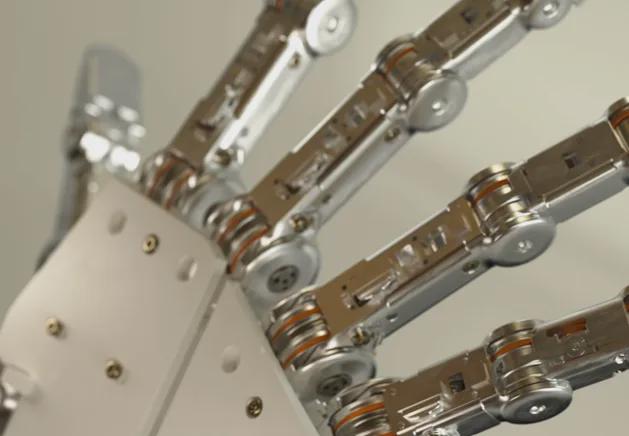
1X Launches Neo Robotic Hand Featuring 25 Degrees of Freedom and Force Transparency
On July 9, 2026, 1X, a unicorn supported by OpenAI, unveiled the Neo robotic hand designed for humanoid robots. This advanced hand boasts 25 degrees of freedom, enabling it to perform a wide range of human-like tasks, such as delicately picking grapes without crushing them and lifting weights up to 20 pounds. The innovative design incorporates a tendon-driven system that enhances dexterity and responsiveness. The significance of the Neo robotic hand lies in its unique 'Force Transparency' technology, which allows for bidirectional communication between the hand and its environment. Unlike traditional robotic hands that operate with high gear ratios, the Neo hand utilizes a low gear ratio of approximately 5:1 to 15:1, enabling it to provide real-time feedback on applied forces. This design not only enhances the hand's functionality but also improves the training of AI models by providing rich physical interaction data. Looking ahead, while the Neo hand addresses fundamental perception challenges, real-world complexities remain a concern. The hand must operate effectively in various domestic environments, where it may encounter grease, sauces, or dust. Ensuring safety during interactions with children and maintaining functionality in challenging conditions will be critical for the widespread adoption of this technology. No further timeline was disclosed at the time of publication.
Robotic Hands Humanoid Robots AI Tactile Sensors Robotics Technology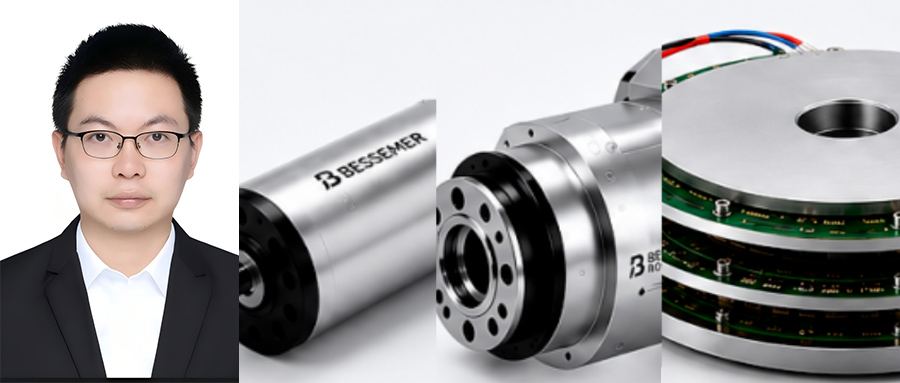
Bessemer Technology Secures Angel Funding for Motor Innovations in Robotics
Bessemer (Shanghai) Technology, founded by Assistant Professor Zhu Wenjun from Xi'an Jiaotong-Liverpool University, has successfully raised millions in angel funding from the Pudong AI Seed Fund. Established in 2025 with a registered capital of 2 million yuan, the company holds two patents and aims to optimize motor technology and establish mass production lines with the new funding. This funding is significant as it marks a shift in investment focus towards core components like joint motors, which have been underdeveloped in China. While many domestic motor technologies remain in the experimental phase, Bessemer is building a complete chain from electromagnetic simulation to standardized hardware, addressing the gap between laboratory innovations and industrial production. Looking ahead, Bessemer's product line includes the E series and S series motors, designed for humanoid robots and medical devices, which could disrupt the market by offering lighter, more efficient alternatives to traditional motors. No further timeline was disclosed at the time of publication for upcoming product launches or additional funding rounds.
Motor Technology Robotics Angel Investment High-Tech Startups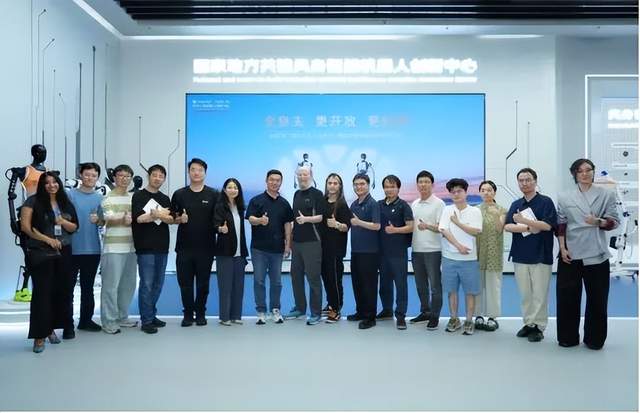
Turing Award Winner Richard Sutton Visits Beijing Humanoid Robot Innovation Center
Richard Sutton, a prominent figure in artificial intelligence and recognized as the 'Father of Reinforcement Learning', visited the Beijing Humanoid Robot Innovation Center to explore the latest developments in embodied intelligence technologies. During his visit, which highlighted the center's innovative work, Sutton participated in discussions and observed demonstrations of sophisticated humanoid robots designed for logistics and domestic tasks. He underscored the significance of merging reinforcement learning with embodied intelligence, suggesting that this integration is crucial for the future evolution of AI.
Reinforcement Learning Humanoid Robots Embodied Intelligence AI ResearchRobotics needs a service framework.
RSF defines a common language for robot service capability, lifecycle operations, certification pathways, and service-provider networks.