A single destination for timely, editor-curated robotics news from around the world.

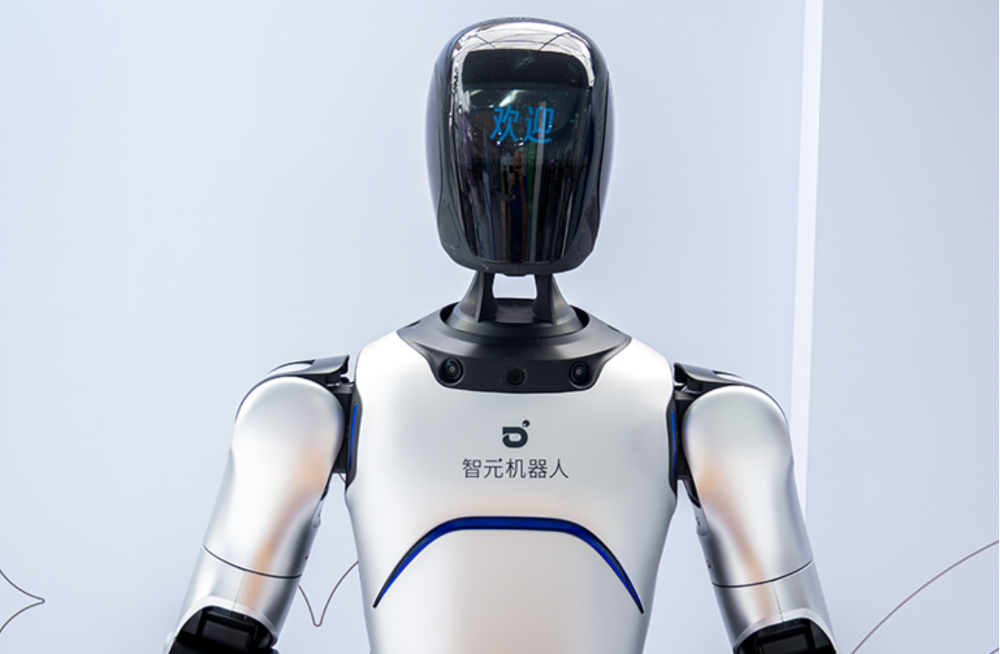
As Chinese robotics companies ramp up production, domestic chips are increasingly replacing Nvidia's offerings due to cost pressures. On July 22, Wang Chuang, Senior Vice President of AgiBot, revealed that the company has begun integrating domestic chips into its robots, including the 'cerebellum' for joint motion control and communication chips, collaborating with various chip manufacturers. This shift is significant as it reflects a broader trend in the industry where high costs of foreign chips, which can account for one-third of hardware procurement costs, are driving companies like AgiBot and UBTECH to seek local alternatives. UBTECH has even formed a joint venture with domestic chip maker MetaX to focus on the research and mass production of intelligent chips. Looking ahead, the transition to domestic chips is expected to reshape not only supply chains but also the entire cost structure and competitive landscape of the robotics industry. By 2025, Chinese companies are projected to dominate the global humanoid robot market, with AgiBot leading the way with approximately 5,168 units shipped.
leaderobot.com By Leaderobot 3 hours ago Humanoid Robots Domestic Chips Robotics Industry AI Cost Efficiency
The World AI Conference 2026 (WAIC 2026) showcased six significant trends in artificial intelligence, emphasizing a shift from model competition to system efficiency. Notably, the integration of robots into real factory environments marks a pivotal moment for industrial automation, indicating a growing reliance on intelligent systems. This transition is crucial as it reflects the industry's evolution towards more efficient and effective AI systems, moving beyond traditional model-centric approaches. The emergence of domestic chips reaching a tipping point further underscores the importance of localized technology development in enhancing AI capabilities. Looking ahead, stakeholders should monitor how these trends will influence the deployment of AI systems in various sectors. The increasing presence of robots in factories and advancements in chip technology could reshape operational strategies and drive innovation in the coming years. No further timeline was disclosed at the time of publication.
PanDaily.com By [email protected] (Pandaily) Jul 18, 2026 News
Japan is set to purchase 27,500 next-generation Rubin chips from Nvidia Corp. to develop a foundational AI model tailored for robotics. This initiative aims to enhance Japan's capabilities in creating sovereign AI systems that can be integrated into various robotic applications. The acquisition of these chips is significant as it represents Japan's commitment to advancing its technological independence in the field of artificial intelligence. By building a homegrown AI model, Japan seeks to strengthen its position in the global robotics market and reduce reliance on foreign technologies. Looking ahead, the focus will be on how effectively Japan can leverage these Rubin chips to create a robust AI framework for robots. No further timeline was disclosed at the time of publication.
BloombergTechnology By Min Jeong Lee Jul 16, 2026
On July 16, the Japanese government announced a plan to purchase 27,500 next-generation Rubin architecture AI chips from NVIDIA, totaling approximately $2.4 billion. This initiative aims to build a national AI data center and develop domestic robotics foundational models, marking one of the largest national GPU procurements globally. The project is coordinated by Noetra Corp., a policy-driven AI company set to launch in January 2026, with participation from major Japanese firms like Sony, SoftBank, NEC, and Honda. The Rubin chips will be deployed in a large data center in Sakai City, Osaka, with operations expected to begin in June 2028. Noetra aims to release its first general AI model by March 2027, followed by specialized AI models for robotics applications. Japan's investment reflects its response to ongoing demographic challenges and labor shortages. NVIDIA's CEO emphasized the potential for automation and AI to revitalize the economy. The Japanese government has set a goal to capture over 30% of the global robotics market by 2040, with the Rubin order being part of a broader strategy to reduce reliance on foreign technology and enhance national security.
leaderobot.com By Leaderobot Jul 17, 2026 AI Chips Robotics National AI Strategy Data Centers
ZK Wireless Semiconductor, a domestic leader in semiconductor technology, is transforming the robotics industry with its innovative ASIC brain chips. These advanced chips empower robots to evolve from mere passive instruction receivers to autonomous decision-makers. By leveraging cutting-edge materials such as Gallium Nitride (GaN) and Gallium Antimonide (GaSb), the chips facilitate nanosecond-level multimodal data alignment. This significant advancement addresses key challenges in cognitive intelligence for robots, thereby enhancing their functionality and efficiency. The development is expected to accelerate the adoption of robotic technologies across various sectors, marking a pivotal shift in how robots interact with their environments and perform tasks.
leaderobot.com By Leaderobot Jun 05, 2026 ASIC Chips Cognitive Robotics Multimodal Data Semiconductor Technology
On June 11, UBTECH and Muxi formalized a strategic partnership in Nanjing, launching a joint venture dedicated to the development and production of intelligent edge chips specifically for robotics. This collaboration is designed to bolster China's core chip technology capabilities, which is essential for the progression of humanoid robots. By focusing on creating a secure and reliable domestic chip supply chain, the partnership aims to enhance the nation's technological independence and innovation in the robotics sector.
leaderobot.com By Leaderobot Jun 12, 2026 Intelligent Robotics Edge Computing Chip Development AI Technology
A significant advancement in embodied intelligence has emerged from a collaboration between Moore Threads and the Beijing Zhiyuan AI Research Institute. The two organizations have successfully trained the RoboBrain2.5 model, a development that highlights the growing capabilities of domestic computing power in this innovative sector. As traditional computing chips face challenges of obsolescence, this milestone represents a pivotal moment for the future of computing. The partnership aims to enhance the efficiency and effectiveness of AI applications, positioning itself at the forefront of technological evolution.
leaderobot.com By Leaderobot May 19, 2026 Embodied Intelligence AI Computing Chip Technology Simulation Data Robotics
Coherent Corp. has announced plans to expand its indium phosphide semiconductor manufacturing facility in Texas. This decision follows the signing of a significant agreement aimed at enhancing production capabilities to meet the growing demand for advanced semiconductor technologies. The expansion is expected to bolster the company’s position in the semiconductor market, particularly in sectors such as telecommunications and data centers, where indium phosphide is increasingly utilized for its superior performance. The project is set to commence in the coming months, reflecting Coherent's commitment to investing in domestic manufacturing and innovation. This move not only aims to increase output but also to create job opportunities in the region, contributing to the local economy.
InterestingEngineering.com By Neetika Walter Jun 22, 2026 AI and Robotics
Wistron has inaugurated its first U.S. manufacturing facility in Fort Worth, Texas, covering 324,000 square feet. This plant will produce superchips integral to advanced AI systems, including the NVIDIA GB300 Grace Blackwell Ultra Superchip and the upcoming NVIDIA Vera Rubin Superchip. The opening ceremony featured NVIDIA CEO Jensen Huang and Wistron Chairman Simon Lin, emphasizing the importance of manufacturing in the AI era. The establishment of the Fort Worth plant represents a significant $700 million investment in U.S. advanced manufacturing, creating over 500 jobs with plans to expand to 1,000 by year-end. Huang highlighted the diverse job opportunities generated in various sectors, including plumbing, construction, and manufacturing. This facility aims to support the growing demand for AI infrastructure and enhance the domestic manufacturing base. Looking ahead, Wistron’s D1 facility is set to scale production to tens of thousands of boards per month, reinforcing the U.S. commitment to reindustrialization. NVIDIA's pledge to manufacture up to $500 billion in advanced AI platforms underscores the strategic importance of this facility in the broader AI landscape. No further timeline was disclosed at the time of publication.
NvidiaNews By NVIDIA Jul 21, 2026
At the 2026 World Artificial Intelligence Conference (WAIC), a striking 3-meter tall, 500-kilogram red transforming mech, showcased by Yushu Technology, captured attendees' attention. This GD01 model, designed for high-risk environments, can switch between bipedal and quadrupedal forms in seconds and starts at a price of 3.9 million yuan. The Huawei Atlas 950 SuperPoD, displayed prominently at the event, represents a significant leap in AI computing capabilities with 8192 Ascend 950DT chips, achieving 8 EFLOPS of FP8 computing power. This super node, expected to launch in Q4 2026, marks a shift in domestic computing from chip-centric to system-centric approaches, emphasizing the importance of integrated performance across multiple units. The WAIC 2026 featured over 1,100 exhibitors and 4,500 products, with more than 350 global debuts. President Xi Jinping announced the establishment of international AI application cooperation centers, signaling China's transition from merely using AI to defining its foundational infrastructure.
leaderobot.com By Leaderobot Jul 20, 2026 Transforming Robots AI Computing Huawei Atlas Robotics Technology
The World AI Conference (WAIC) in Shanghai is set to showcase China's ambition to compete in the AI sector, particularly in models, chips, and robotics. This event occurs against the backdrop of increasing technological rivalry with the US, which has imposed restrictions limiting China's access to advanced computing chips. China's government has prioritized technological self-reliance, accelerating the development of domestic alternatives in both hardware and software. Foreign ministry spokesman Lin Jian emphasized that China opposes ideological divisions and technological blockades, aiming to use WAIC to foster exchanges and consensus while promoting AI benefits to developing countries. This year's WAIC will serve as a critical indicator of China's progress in transforming AI model advancements into a comprehensive industrial ecosystem. Observers should pay attention to how China plans to influence global AI governance, safety standards, and international collaboration as AI technology increasingly integrates into the physical world.
SCMPTech By Wency Chen,Howard Liu Jul 17, 2026
Xiaopeng Motors has announced plans to launch its IRON humanoid robot globally by 2027, aiming to ramp up production to over 1,000 units per month by the end of this year. The robot will initially serve as a sales assistant in domestic stores, with expansion to international locations later in the year. This initiative is significant as Xiaopeng's President, He Xiaopeng, believes that the robotics business could surpass the automotive sector in the next 10 to 20 years. The IRON robot, which made its debut in November 2025, features advanced capabilities including 62 to 82 degrees of freedom and is powered by three Turing AI chips, achieving a total computing power of 2250 TOPS. Looking ahead, Xiaopeng's strategy focuses on leveraging the humanoid robot in controlled retail environments to gather interaction data and create immediate commercial value. No further timeline was disclosed at the time of publication.
leaderobot.com By Leaderobot Jul 16, 2026 Humanoid Robots Robotics AI Automation
Bosch has commenced sample production of silicon carbide (SiC) semiconductor chips at its facility in Roseville, California. This marks a significant advancement in the effort to revitalize power chip manufacturing within the United States. The company has also secured up to $225 million in funding from the U.S. Department of Commerce’s CHIPS Program Office to support its investment of up to $2 billion at the site. The Roseville plant is set to begin commercial production in 2026, making it Bosch's first semiconductor manufacturing site in the U.S. The facility will produce third-generation SiC chips on 200-millimeter wafers, aligning with the U.S. government's initiative to bolster domestic semiconductor manufacturing. Silicon carbide chips are increasingly vital for applications in electric vehicles, industrial equipment, and energy systems. Looking ahead, Bosch plans to invest up to $7.5 billion across its U.S. operations by 2031, enhancing manufacturing capacity and expanding its North American business. The Roseville site currently employs over 300 individuals and is committed to workforce development through local education partnerships, with plans to contribute more than $100,000 annually to community STEM programs starting in 2026.
InterestingEngineering.com By Neetika Walter Jul 14, 2026 Innovation
Changxin Technology, known as the 'first domestic storage stock,' has revealed its underwriting team ahead of its IPO scheduled for July 16. The underwriting group includes major firms such as CICC and CITIC Securities, totaling six brokers. This IPO is significant as several underwriters are also shareholders, indicating potential for substantial returns beyond underwriting fees. The IPO is crucial for Changxin Technology as it aims to strengthen its position in the semiconductor market, particularly in storage solutions. The involvement of top investment banks suggests confidence in the company's growth prospects, especially as the demand for memory chips continues to rise in various sectors, including artificial intelligence and data centers. In related news, SK Hynix made a successful debut on the Nasdaq on July 10, with shares rising nearly 13% on the first day. This event highlights the increasing interest in semiconductor companies and their potential for growth. No further timeline was disclosed regarding Changxin Technology's IPO progress at the time of publication.
36kr.com Jul 11, 2026
Atlas Core of Engineers, an industrial-controls firm, is collaborating with semiconductor companies to improve operational resiliency through advanced automation. By retrofitting existing facilities and establishing new ones, Atlas aims to minimize downtime in a sector where interruptions are intolerable. Ahmad Jodeh, the firm's owner, emphasizes the importance of PROFINET technology in overcoming the limitations of traditional PROFIBUS systems, particularly in terms of bandwidth and troubleshooting. The semiconductor industry is undergoing significant changes, driven by global competition and technological advancements. U.S. manufacturers are investing heavily in domestic chip production, spurred by incentives from the CHIPS and Science Act. This shift is prompting companies to enhance their automation capabilities to maintain competitiveness, with PROFINET playing a crucial role in achieving higher efficiency and reliability in operations. As semiconductor firms transition to PROFINET, they are leveraging its network redundancy features to ensure continuous operation. This capability allows for the establishment of multiple communication routes, which is vital in preventing downtime. The ongoing evolution in the semiconductor landscape highlights the need for innovative solutions that can adapt to rapid changes while ensuring operational integrity.
AutomationWorld.com By [email protected] (Sarah Mattalian) Jul 10, 2026 Factory / Digital TransformationRSF defines a common language for robot service capability, lifecycle operations, certification pathways, and service-provider networks.