Industry Briefing
A single destination for timely, editor-curated robotics news from around the world.
Bennett Technology Showcases Direct Drive and Complete Machines at 2026 World Robot Conference
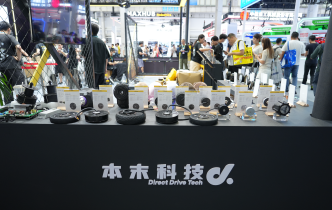
From August 19 to 23, the 2026 World Robot Conference took place at the Beijing Etrong International Exhibition and Convention Center, featuring over 774 exhibitors and more than 300,000 attendees. This event marked a significant collective showcase for the global robotics industry. The conference highlighted the rapid growth in the domestic humanoid robot sector, with a projected production of over 100,000 units by 2026, reflecting a 594% increase. However, the challenge remains in the commercialization of these technologies, as the industry shifts focus from production capabilities to market viability. Bennett Technology's core component division presented its direct drive modules alongside humanoid joint modules, emphasizing their integrated power solutions. The launch of the HMD-P series robotic joint modules showcased advancements in torque density and dynamic response, catering to diverse robotic applications. The company's ability to serve multiple sectors, from consumer cleaning robots to humanoid robots, positions it uniquely in the market.
Humanoid Robots Direct Drive Modules Robot Components Industrial Automation
Chinese Company Pioneers Direct-Drive Tendon Technology for Humanoid Robotics
In recent years, the global robotics research landscape has shifted focus back to the physical structure of robots, particularly in dexterous manipulation. According to IEEE Robotics and Automation Society, the number of papers on haptic perception, soft robotics, tendon-driven systems, and visuotactile learning is expected to rise significantly by 2025-2026, marking these areas as key research directions at major robotics conferences. This trend is mirrored in the industry, where a report identified that core components accounted for 21.8% of 311 robot financing events in the first half of the year, surpassing other categories. The investment landscape is increasingly gravitating towards manufacturers and component companies, particularly in the dexterous hand sector, which is seen as crucial for overcoming the final barriers to practical robot applications. Suzhou Zhixing Tendon Robotics Technology Co., Ltd. is at the forefront of this innovation, having developed a complete technological pathway from electroactive composites to modular applications. Their direct-drive tendon technology aims to redefine robotic movement by integrating materials into the power system, with products set to be showcased at the World Robot Conference on August 19.
Humanoid Robots Dexterous Manipulation Soft Robotics Tendon-driven Technology AI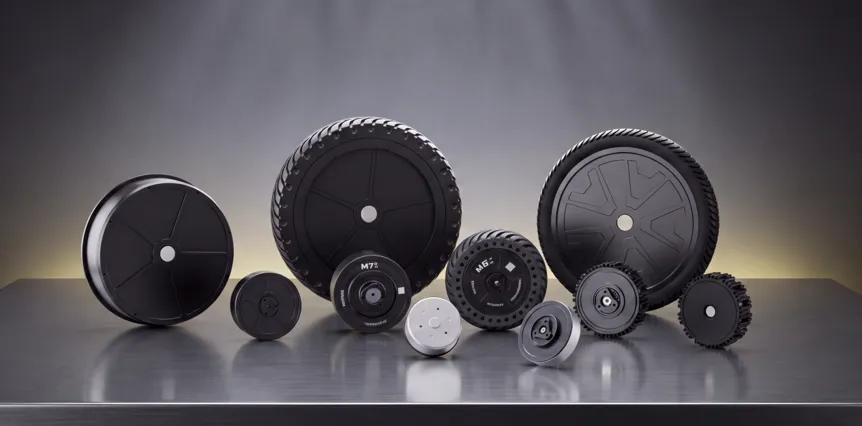
First Direct Drive Stock IPO Approaches as Young Team Transitions from Gearbox Technology
A young Chinese team, Benmo Technology, is set to revolutionize the power system paradigm with their direct drive technology, moving away from traditional gearboxes. This shift is crucial as AI demands more flexible, precise, and reliable power outputs, highlighting the limitations of gear-driven systems. The direct drive technology allows for direct coupling of motors to loads, eliminating intermediary components like gearboxes, thus reducing structural redundancy and maintenance costs. The market for direct drive modules in China is rapidly expanding, with a current penetration rate of only 3.9%, indicating significant potential for growth as the industry transitions to this new paradigm. Looking ahead, Benmo Technology has already achieved substantial sales, with over 8.5 million direct drive modules shipped by 2025, empowering more than 5 million robots globally. As the demand for precision and efficiency in robotics increases, the company is well-positioned to define the next generation of power systems, with expectations for continued growth in the direct drive market through 2030.
Direct Drive Technology Robotics Automation AI Power Systems
Direct Drive's Modular D1 Robots Self-Recognize Configurations After Assembly
Direct Drive has introduced a modular approach with its D1 robots, allowing multiple units to physically connect. This innovative design enables the robots to automatically recognize their new configurations, adjusting their dynamics models accordingly to accommodate different loads and terrains. This advancement is significant as it enhances the adaptability and versatility of robotic systems in various environments. By enabling self-recognition of configurations, Direct Drive's D1 robots can optimize their performance based on the specific requirements of the task at hand, which is crucial for applications in dynamic settings. Looking ahead, the focus will be on how this technology can be further developed and integrated into broader robotic applications. No further timeline was disclosed at the time of publication.

Direct Drive Proposes Wheel-Legged Robots to Overcome Physical Access Challenges in Embodied AI
Chinese startup Direct Drive claims that the primary challenge for embodied robots is not the intelligence of their systems but rather their ability to physically access various environments. By integrating direct-drive actuators with innovative wheel-legged designs, these robots are engineered to navigate obstacles such as curbs, slopes, and mixed indoor-outdoor spaces. This approach is significant as it addresses a critical limitation in the deployment of embodied AI technologies. The ability to traverse diverse terrains enhances the functionality and applicability of robots in real-world scenarios, potentially expanding their use in sectors such as logistics, healthcare, and home assistance. Looking ahead, the focus will be on the practical implementation of these wheel-legged robots in various environments. No further timeline was disclosed at the time of publication.
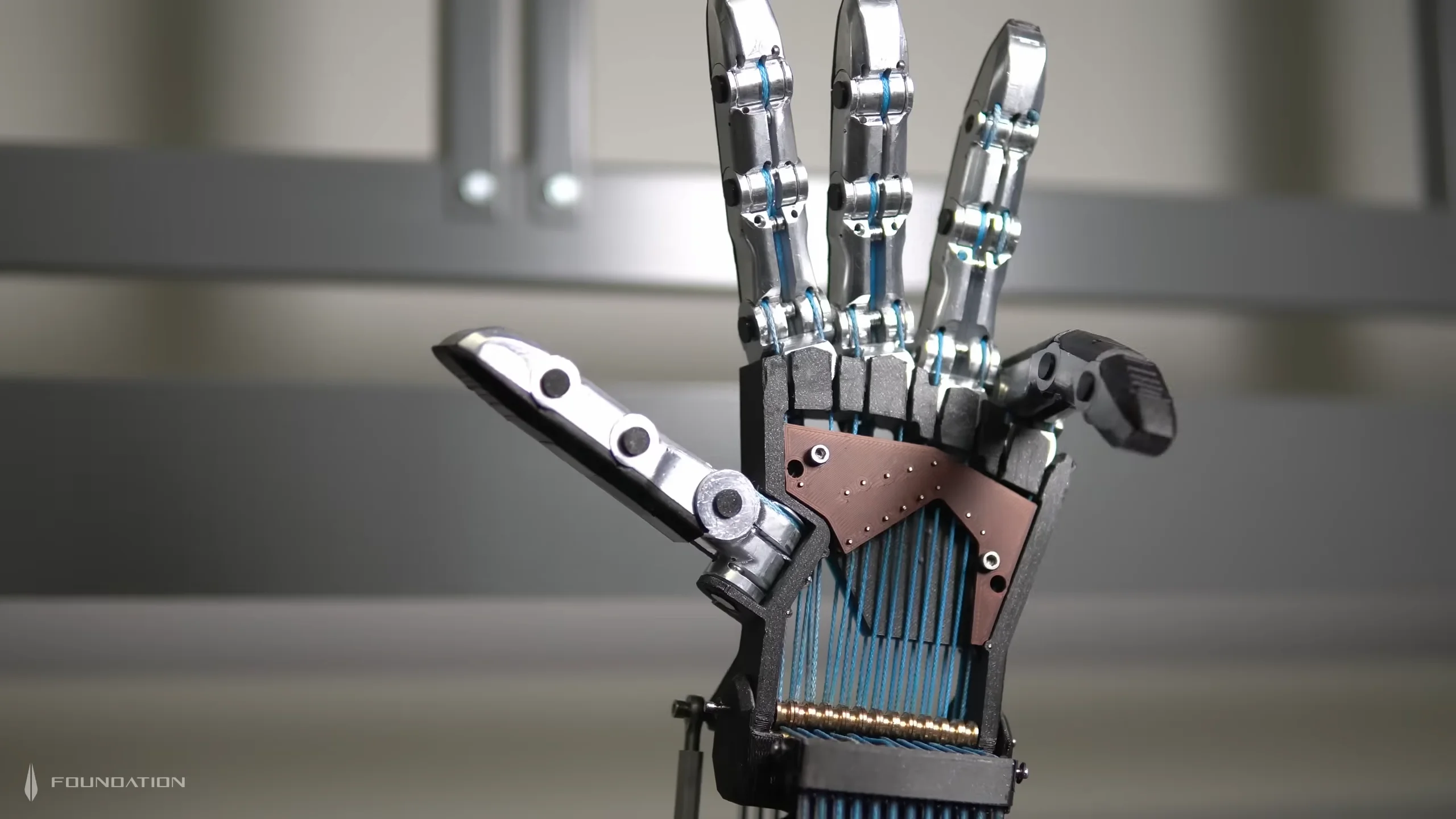
The Ongoing Debate: Tendon vs. Direct-Drive Hands in Humanoid Robotics
The race to develop a general-purpose humanoid robot has reached a critical point centered on hand design. Recently, Figure CEO Brett Adcock criticized the company's earlier tendon-based hand for its engineering flaws, stating it was a poor decision. Figure is now pursuing a 7th-generation hand that aims for human-like dexterity with enhanced finger movement capabilities. This debate is significant as it highlights the contrasting philosophies in robotics design: biological mimicry versus mechanical precision. While Figure shifts focus, Foundation's Andrea Esposito argues that the issues with tendon-driven hands stem from execution rather than the architecture itself. He emphasizes the need for optimization rather than abandonment of the tendon approach, showcasing the ongoing tension in the industry. As the competition intensifies, major players like AGILINK are adopting a dual approach by developing both direct-drive and tendon-driven hands. Their OmniHand 3 Ultra-M aims to address complex manipulation challenges, while the Ultra-T model showcases the potential of tendon systems. The industry is watching closely as these developments unfold.
Brett Adcock Figure hand hands Foundation
PIA Automation Develops BMW E-Drive Assembly Line Featuring 46 Robots and Digital Twin Technology
PIA Automation is constructing a highly automated assembly line for E-Drive units at the BMW Group facility in Steyr, Austria. This project includes 78 processing stations, 27 robotic cells, and 46 industrial robots spread over 5,600 square meters across two levels, marking one of PIA Automation's largest undertakings to date. The significance of this assembly line lies in its role in the transition to electric mobility, which necessitates advanced automation, robotics, and quality monitoring systems. Although electric drivetrains have fewer mechanical components than traditional combustion engines, their assembly is complex and requires precise coordination, making automation essential for efficiency and accuracy. Looking ahead, the commissioning of the final sections of the production line is scheduled for 2027. PIA Automation's use of digital twin technology and Virtual Commissioning aims to streamline the development process by identifying potential issues early, thereby reducing costly modifications during physical commissioning and enhancing overall project reliability.
Automation Engineering Manufacturing News austria automotive manufacturing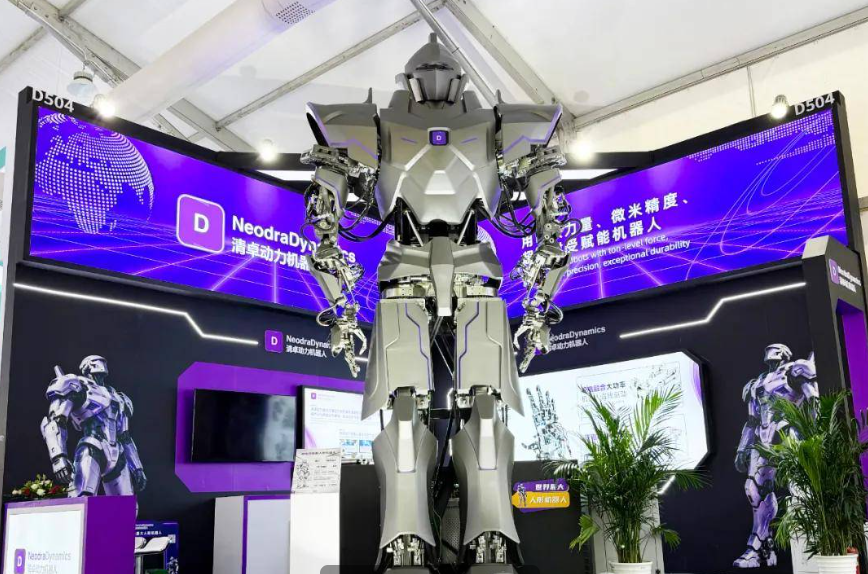
Qingzhuo Power Introduces 4-Meter Heavy-Duty Humanoid Robot with Hybrid Drive Technology
On August 19, 2026, Qingzhuo Power Robotics Technology (Beijing) Co., Ltd. unveiled its 4-meter humanoid robot at the 11th World Robot Conference in Beijing. This robot features a hybrid drive system, with 39 of its 41 active degrees of freedom powered by digital hydraulic actuators, while the remaining two joints utilize electric drives. This innovative approach aims to address the limitations of traditional hydraulic systems, such as maintenance costs and leakage issues. The significance of Qingzhuo Power's hybrid drive robot lies in its potential to meet industrial demands that electric-driven robots cannot fulfill. Applications in challenging environments, such as nuclear island maintenance and deep-sea equipment servicing, highlight the need for robots capable of handling heavy loads and high-impact tasks. By integrating digital hydraulics, Qingzhuo Power seeks to redefine the capabilities of humanoid robots in these demanding scenarios. Looking ahead, Qingzhuo Power plans to open its core components, including micro actuators and heavy-duty joint modules, to the industry. This move could lead to the emergence of a new market for heavy-load actuator suppliers, as companies may focus on module output and control protocols rather than manufacturing entire robots. No further timeline was disclosed at the time of publication.
Humanoid Robots Hybrid Drive Technology Industrial Automation Robotics Innovation
COOWAM Technology Advances Scalable Robotics with New Chief Scientist Appointment
COOWAM Technology is pushing the boundaries of embodied intelligence towards scalable applications in real urban environments. The company operates thousands of robots across over 50 cities globally, accumulating approximately 50PB of physical world data. This data is categorized into dynamic scene data, physical interaction data, and real machine calibration data, which are crucial for enhancing model capabilities. The company emphasizes that the synergy of algorithms, hardware, and scenarios determines operational success, with real data acquisition and efficient transformation directly impacting model iteration speed. COOWAM's proprietary model integrates 'fast and slow thinking' to optimize decision-making and physical interaction, ensuring that robots perform commercially valuable tasks. Dr. Yang Xue, the newly appointed Chief Scientist, aims to drive a systematic evolution of COOWAM, enhancing its capabilities in multimodal design and complex perception. The future evolution will focus on diverse robotic forms and efficient data processing, with a business model that emphasizes real-world impact and customer value. No further timeline was disclosed at the time of publication.
Robotics Embodied Intelligence AI Data Engineering
Yushu Technology's IPO Countdown Drives Robot ETF and Stock Market Surge
On July 31, the Robot ETF (560770) opened with a 5.23% increase. Key stocks such as Han's Laser rose over 8%, while Gree Harmonic and Haoshi Motor surged over 15%. According to Choice data, the ETF saw a net subscription of 261 million yuan in July. The countdown to Yushu Technology's IPO, announced on July 30, is significant for the sector. The initial inquiry date is set for August 5, with subscription days on August 10. Analysts suggest that Yushu's IPO will provide a new pricing anchor for the sector, potentially reshaping the valuation benchmarks for core component manufacturers. Market data indicates that the CSI Robot Index fell by 19.92% in July, with a latest PE-TTM of 53.81, below the median of the past three years. Institutions predict that 2026 will be a crucial year for humanoid robots, with potential breakthroughs in shipments and orders in the second half of the year. Analysts believe that the sector has absorbed previous bubbles and may see renewed momentum with Yushu's listing and Tesla's production ramp-up.
Robot ETF IPO Stock Market Robotics Industry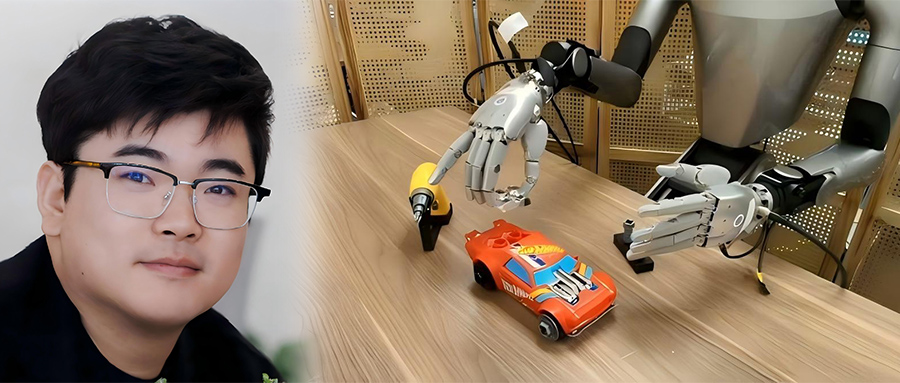
Harbin Institute of Technology Professor Establishes PHANES AI to Advance Tactile Robotics
Professor Yang Shuo from Harbin Institute of Technology (Shenzhen) has founded PHANES AI, focusing on human data, tactile perception, and world model research. The startup aims to enable humanoid robots to perform agile full-body movements. A key challenge identified is the gap in current training data, where visual cues do not capture the tactile feedback necessary for successful robotic operations. This initiative is significant as it addresses the limitations of existing robotic training methodologies, which rely heavily on visual data without incorporating tactile information. Recent studies, including NVIDIA's EgoScale, highlight the importance of first-person human operation data in training robots for complex tasks. By leveraging large amounts of human data combined with minimal real-world data, PHANES AI seeks to enhance the success rate of robots in intricate operations. Looking ahead, PHANES AI plans to develop innovative methods for collecting and scaling tactile data through its EgoTouch system, which integrates visual and tactile information. The startup's approach aims to bridge the gap between visual perception and physical interaction, ultimately improving the capabilities of humanoid robots in real-world applications. No further timeline was disclosed at the time of publication.
Humanoid Robots Tactile Perception Robotics AI Data-Centric AI
Starmind's Satellite Technology Achieves 880 Billion Liters in Annual Water Savings
Starmind has announced that its satellite technology can save approximately 880 billion liters of cooling water annually at full scale. This figure is equivalent to the annual household water use of around 6.5 million Americans. The technology operates by utilizing a closed-loop liquid cooling system that eliminates the need for water during its operational life, contrasting sharply with traditional ground data centers that consume vast amounts of water for cooling. The significance of this achievement lies in the growing water consumption crisis faced by data centers, particularly as AI expansion drives demand. In 2025, U.S. data centers consumed nearly one trillion liters of water, highlighting the urgent need for sustainable solutions. Starmind's approach not only addresses direct water usage but also avoids indirect water consumption associated with electricity generation, marking a substantial shift in how computing can be conducted in a resource-efficient manner. Looking ahead, Starmind's deployment strategy includes a projected buildout of 100 GW of orbital compute per year, which could displace an additional 735 billion liters of ground water demand annually. The first tranche of 10,000 satellites is already operational, offsetting approximately 8.8 billion liters of water per year. No further timeline was disclosed at the time of publication.

SpaceX's $1.75 Trillion Valuation Driven by Starmind's Future Potential
Starmind is a pivotal element in SpaceX's estimated $1.75 trillion IPO valuation, despite currently generating no confirmed revenue. The stock price reflects optimistic projections regarding AI infrastructure growth, which Starmind has yet to substantiate. As of early July 2026, SpaceX's stock has decreased from its 52-week high of $225.64 to around $150, indicating market skepticism about future execution. The significance of Starmind lies in its potential to transform SpaceX's revenue model beyond traditional launch services. Goldman Sachs has shifted its focus from Starlink subscriber growth to the prospects of AI revenue, including orbital computing, as a cornerstone of SpaceX's long-term valuation. This marks a substantial change in how analysts view the company's growth trajectory, necessitating rates exceeding its historical 33% growth. Looking ahead, the credibility of Starmind as a growth narrative will be crucial for maintaining investor confidence. Analysts have noted a considerable divergence in price targets, reflecting uncertainty about the value of the Starmind and xAI initiatives. No further timeline was disclosed at the time of publication regarding specific milestones for these projects.

SpaceX IPO Provides Indirect Investment Opportunity in Starmind Project
Starmind does not have a standalone stock or ticker; investors can gain exposure through SpaceX (ticker: SPCX), which began trading on Nasdaq after its IPO on June 12, 2026. Starmind is integrated within SpaceX, contributing to the company's AI and space initiatives, and its performance directly influences SPCX shares. The significance of Starmind lies in its role as a division of SpaceX, which encompasses other projects like Starlink and Starship. As of early July 2026, SPCX shares are trading between $149 and $150, significantly lower than their 52-week high of $225.64. The project’s milestones, such as AI1 prototype updates, can impact SpaceX's stock performance, making it essential for investors to monitor these developments closely. Looking ahead, the early 2027 launch of AI1 prototype satellites is a critical milestone that could provide verifiable data affecting Starmind's valuation and, consequently, SPCX stock. No further timeline was disclosed at the time of publication, but the upcoming events will be pivotal for investors tracking the relationship between Starmind and SpaceX's stock performance.

PI Expands Direct-Drive Vertical Translation Stages Portfolio with V-571.Z Family
PI (Physik Instrumente) has announced the expansion of its direct-drive vertical translation stages with the introduction of the V-571.Z family. This new product line combines dynamic performance with nanometer precision, catering to the growing demand for high-precision motion control solutions. The significance of the V-571.Z family lies in its ability to meet the stringent requirements of various applications, including those in research and industrial settings. By integrating advanced magnetic counterbalance technology, these stages offer enhanced stability and accuracy, which are critical for precision tasks. Looking ahead, industry professionals should monitor the adoption of the V-571.Z family in sectors requiring high-precision motion control. No further timeline was disclosed at the time of publication.
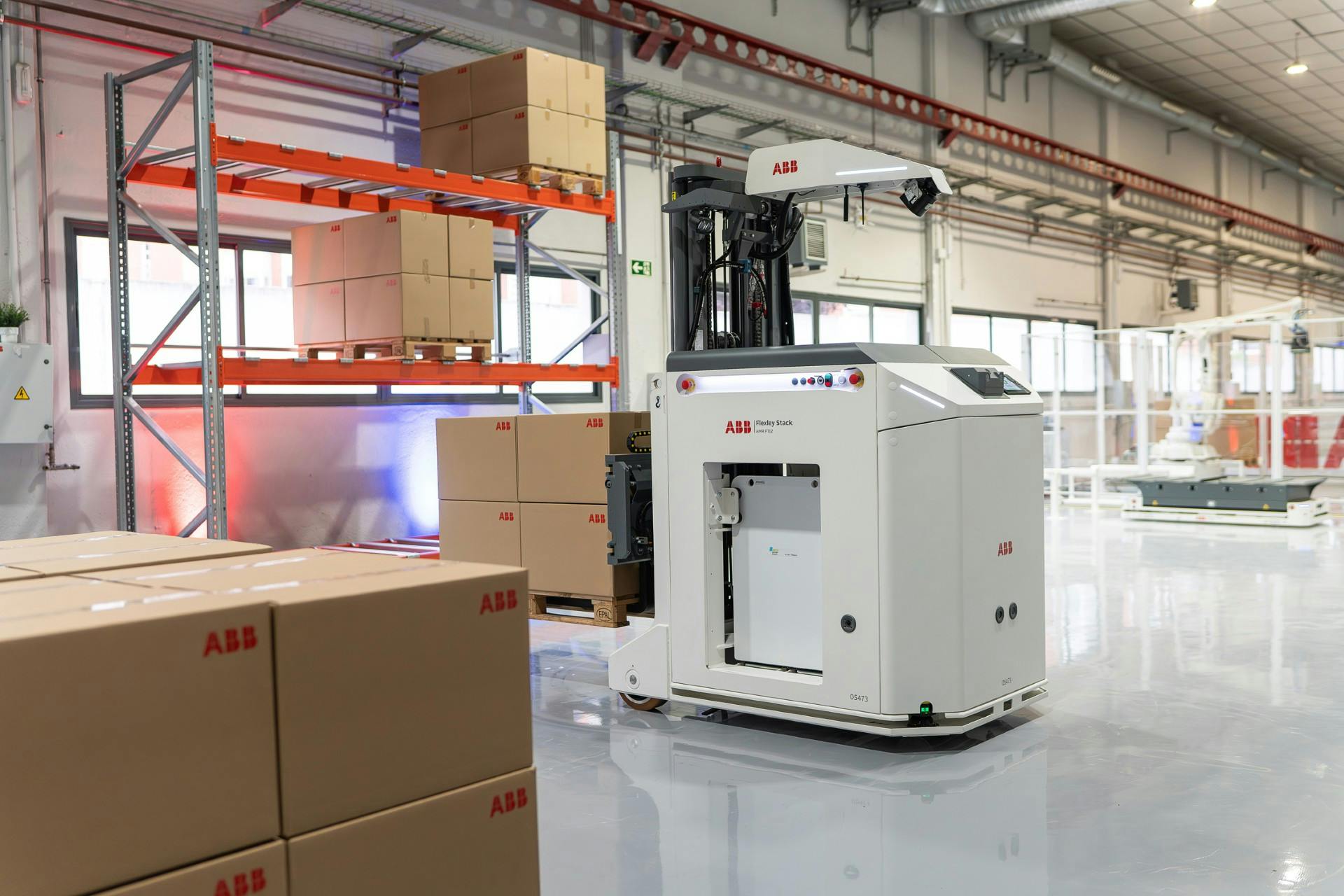
ABB Robotics Introduces Flexley Stack F712 Platform for AI-Driven Autonomous Forklifts
ABB Robotics has launched the Flexley Stack F712 platform, enhancing its AMR portfolio with AI-powered visual technology for autonomous forklifts. This innovation facilitates pallet transport and high-density storage, creating a cohesive ecosystem among ABB’s Visual SLAM AMR types, aimed at improving efficiency in material handling and warehouse operations across various industries, including automotive manufacturing. The introduction of the F712 is significant as it addresses the growing demand for faster and more flexible goods movement in intralogistics, particularly under constraints of limited labor availability. Marc Segura, president of ABB Robotics, emphasized the need for businesses to adapt to increased processing demands while leveraging advanced vision, mobility, and intelligence in their operations. Looking ahead, the Flexley Stack F712 can manage diverse load types and sizes, allowing customers to implement mixed fleets of Visual SLAM-powered vehicles on a unified navigation and fleet management platform. No further timeline was disclosed at the time of publication.
Factory / Analytics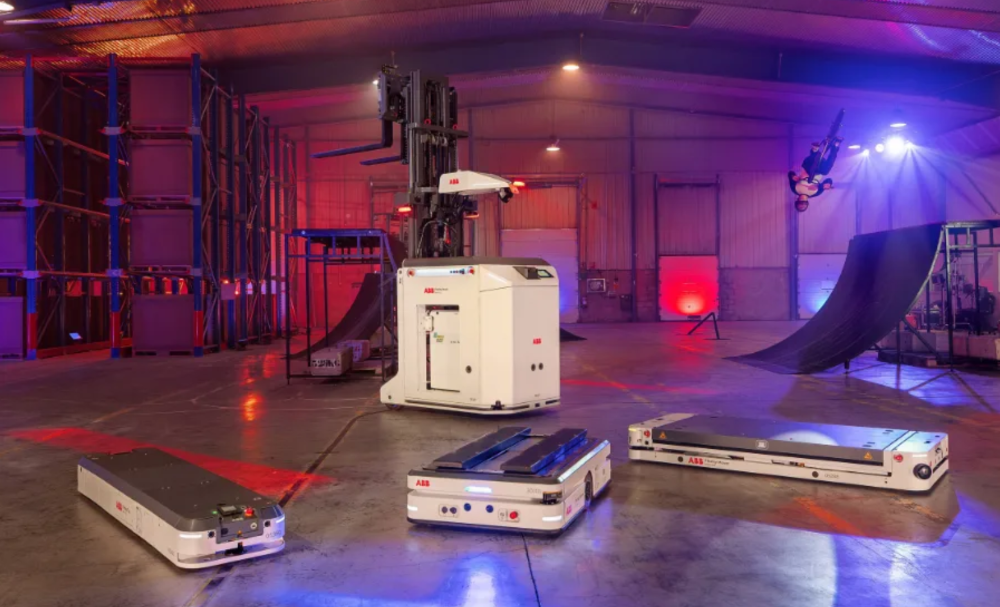
ABB Introduces Flexley Stack F712 AI-Powered Forklift with Visual SLAM Technology
On July 8, ABB Robotics launched the Flexley Stack F712, an AI-driven autonomous forklift utilizing visual SLAM technology. This product completes ABB's lineup of autonomous mobile robots (AMRs), which now includes forklifts, tuggers, and transport vehicles. The F712 can handle various load types, with a maximum capacity of 2000 kg and a lifting height of 8.5 meters, achieving a top speed of 1.7 meters per second under full load. The significance of the F712 lies in its advanced navigation capabilities, which eliminate the need for traditional infrastructure like reflective markers or magnetic strips. With a positioning accuracy of ±10 mm, the F712 can autonomously navigate complex warehouse environments. It integrates seamlessly with the AMR Studio software, allowing for rapid deployment and fleet coordination, reducing debugging time by 20% compared to traditional systems. Looking ahead, the F712 is designed to support various internal logistics tasks, including warehousing and production line operations, and is compliant with the latest ISO and ANSI safety standards. No further timeline was disclosed at the time of publication, but the F712 represents a significant step towards more autonomous and capable robotic solutions in smart manufacturing environments.
Autonomous Forklifts AI Robotics Warehouse Automation Visual SLAM Logistics Technology
SpaceX's Starmind Targets AI Labs with $6.3 Billion Compute Contracts
SpaceX's Starmind is designed to provide wholesale AI compute services to businesses, particularly AI labs and cloud customers, rather than individual consumers. The service operates similarly to AWS, where users benefit from applications running on Starmind without direct subscriptions. The compute capacity of a single AI1 satellite is comparable to one NVIDIA GB300 rack, emphasizing its enterprise-grade capabilities. The significance of Starmind lies in its positioning as a potential fourth hyperscaler, joining the ranks of AWS, Microsoft Azure, and Google Cloud. The Reflection AI contract, valued at $150 million per month, exemplifies the enterprise-focused model, with total payments potentially reaching $6.3 billion through 2029. This contract highlights the growing demand for AI compute resources, particularly from AI-native startups and labs. Looking ahead, the focus will remain on securing additional enterprise contracts as Starmind expands its offerings. No consumer-facing products or subscriptions have been announced, and the current strategy is to cater to businesses with substantial AI workloads. No further timeline was disclosed at the time of publication.

Starmind's Orbital Compute vs. Terrestrial Data Centers: Analyzing Resource Advantages
Starmind's orbital compute technology presents a significant advantage over traditional ground-based data centers by eliminating constraints related to land, water, and grid permitting. While terrestrial data centers are currently cheaper and faster to construct, with U.S. data center spending reaching $85.3 billion in 2026, Starmind's approach focuses on addressing the growing resource limitations faced by hyperscale facilities. The significance of Starmind's technology lies in its ability to sidestep the increasing challenges of land and water usage. For instance, a 100 MW data center can consume approximately 530,000 gallons of water daily for cooling, while Starmind's AI1 utilizes deployable liquid radiators that require no water. This structural advantage could resonate with investors as the demand for AI computing continues to escalate, potentially leading to annual water withdrawals of up to 1.7 trillion gallons by 2027. Looking ahead, Starmind's next milestones include the launch of AI1 prototypes scheduled for early 2027. However, the technology's claims regarding cooling efficiency and operational reliability remain unverified until real flight data is available. As the industry evolves, the competition between orbital and terrestrial solutions will become increasingly relevant, particularly in the context of resource management and sustainability.
SpaceX Launches Starmind Project for 1 Million AI Satellites by 2028
SpaceX has officially named its orbital AI infrastructure project 'Starmind,' which aims to deploy a constellation of up to 1 million satellites. This initiative, confirmed by Elon Musk on June 22, 2026, will enable AI inference directly in space, utilizing solar energy rather than terrestrial power sources. The first satellite, designated AI1, was unveiled on June 8, 2026, and is designed to operate in sun-synchronous orbits. The significance of Starmind lies in its potential to overcome the limitations faced by ground-based data centers, such as land, power, and water constraints. By running AI computations in orbit, Starmind can provide a more efficient solution to the growing demand for AI computing power. The project leverages the existing Starlink infrastructure for data transmission, distinguishing its function from Starlink's internet relay capabilities. Looking ahead, SpaceX plans to begin hardware deployment with the AI1 satellite, while full-scale production and deployment of the satellite constellation are targeted for 2028. As of now, no Starmind satellites have been launched, and further engineering challenges remain to be addressed, particularly regarding the scalability of the satellite design.
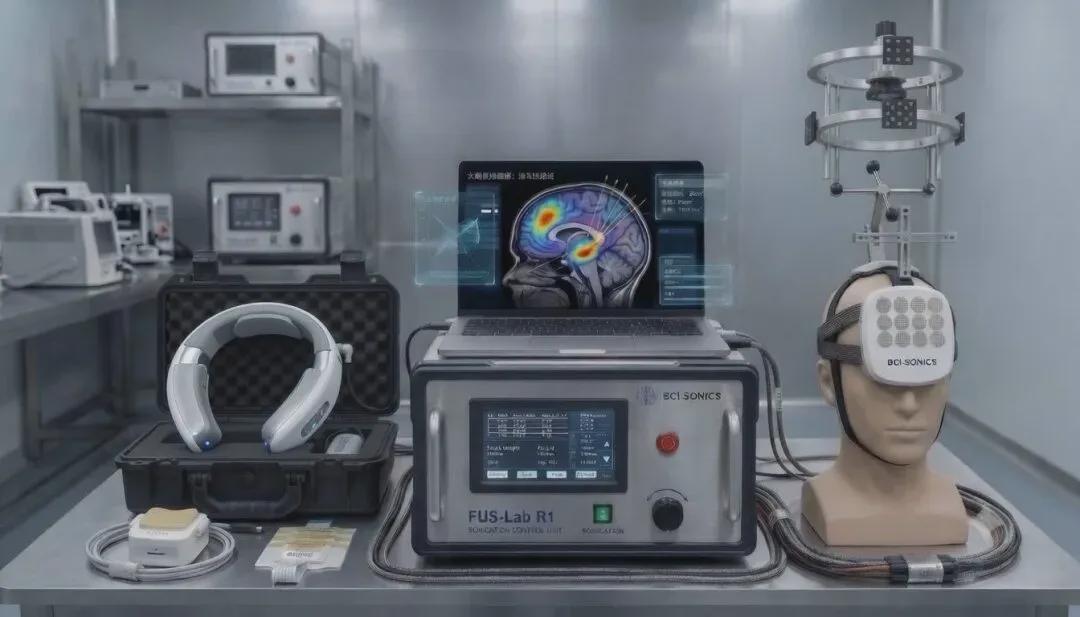
AI-Driven Ultrasound Technology Enables Non-Invasive Brain Access: BCI-Sonics Secures $14 Million in Seed Funding
BCI-Sonics, a startup focused on artificial intelligence and ultrasound brain-machine interfaces, has successfully secured around $14 million in seed funding to enhance its groundbreaking technology. The funding will support the development of a non-invasive technique that utilizes low-intensity focused ultrasound to access deep brain regions, potentially revolutionizing clinical applications in neurology. With a robust engineering team dedicated to precision and efficiency, BCI-Sonics is set to make significant strides in the field of brain stimulation therapies.
Brain-Machine Interfaces Ultrasound Technology Neuroscience Medical Devices AI
Tsinghua PhD Team Secures Nearly $15 Million Seed Funding with Innovative Instinct-Driven Technology
Oak Fruit Robotics, a startup founded by a team of nine PhD graduates from Tsinghua University, has successfully secured nearly $15 million in seed funding. This funding will support the company's innovative approach to robotics, which they describe as 'instinct-driven' technology that seeks to challenge conventional visual-linguistic attention (VLA) methods. The company aims to enhance robotic capabilities specifically in flexible manufacturing environments by emphasizing the difference between operational and linguistic intelligence. This new funding round marks a significant step in their mission to revolutionize the industry.
Embodied Intelligence Robotics Flexible Manufacturing AI Technology
KEENON Robotics drives intelligent transformation of service robot technology
KEENON Robotics, a Shanghai-based technology company founded in 2010, has transformed from a research-focused entity into a leading player in the service robotics sector over the past 15 years. The firm has successfully navigated significant technological challenges, enabling it to develop and implement its robotic solutions across multiple industries, particularly in dining and hospitality. This evolution reflects the company's commitment to innovation and its adaptability in a rapidly changing market. As KEENON continues to expand its product applications, it aims to enhance efficiency and service quality in various sectors, positioning itself as a key contributor to the future of automation.
Up and Comers Content and entertainment E-commerce and New Retail Highlight News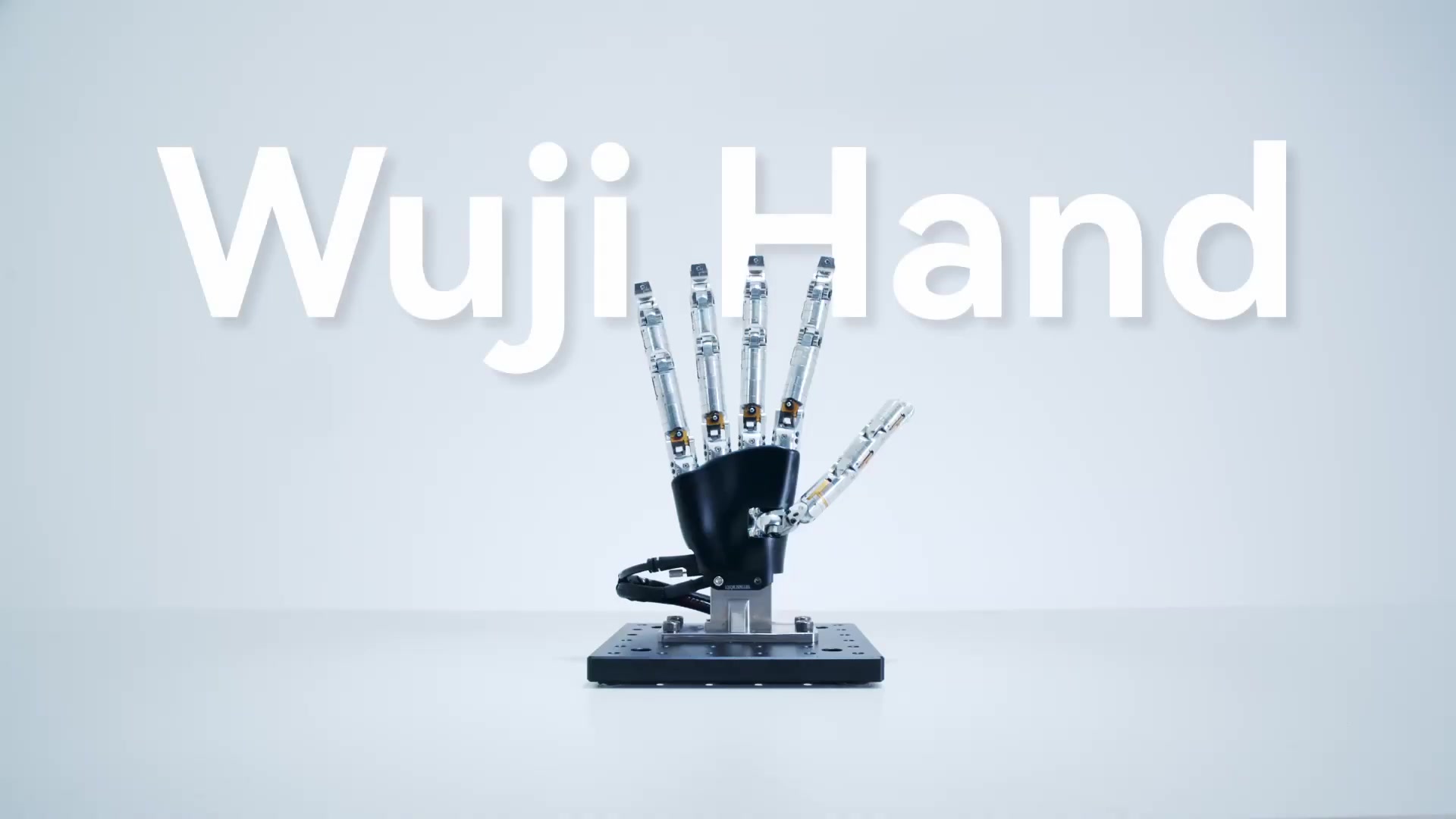
Experts Weigh In on Wuji Tech’s Robotic Hand: A “Remarkably Robust” Direct-Drive Contender
Humanoid robotics expert Scott Walter and hand surgeon Gustav Andersson have commended the innovative 20-degree-of-freedom (20-DOF) robotic hand developed by China's Wuji Tech. Their analysis highlights the device's direct-drive actuation, which represents a significant advancement over traditional tendon-based systems. This breakthrough is seen as a critical step in bridging the gap between simulated environments and real-world applications in robotics. The evaluation underscores the potential of this technology to enhance the functionality and dexterity of robotic hands, paving the way for more effective integration into various fields, including medical applications and rehabilitation.
actuation Dexterity humanoid robotics robotic hand Wuji Tech
Doosan Robotics Declares AI-Driven Innovation: Launches Intelligent Robot Solutions and Accelerates Humanoid Technology Development
Doosan Robotics has announced a transformative strategy centered on AI innovation, marking 2025 as a key year for the company. During a town hall meeting on April 14 at its Bundang headquarters, CEO Kevin Kim revealed plans to shift from a hardware-focused model to one that emphasizes "intelligent robot solutions." This new approach integrates collaborative robot (cobot) hardware, software, and artificial intelligence into a user-friendly system designed to optimize operational efficiency in various sectors, including logistics and manufacturing. The company aims to launch its intelligent robot solutions for manufacturing automation later this year, with plans to expand into other areas gradually. To support this initiative, Doosan Robotics will kick off a large-scale recruitment campaign on April 21, seeking experienced professionals in robotics, AI, and software development. Additionally, dedicated R&D teams for AI and humanoid technologies will be established by the second half of 2025, alongside the construction of a state-of-the-art Research and Development Center. Doosan Robotics is also committed to advancing "practical humanoids," which are designed to perform complex tasks efficiently. The company is developing key technologies, including multi-arm control and collision avoidance systems, to enhance its robot solutions. With the AI-based robotics market projected to grow significantly, Doosan Robotics is adopting a Blitzscaling strategy to accelerate its market presence and foster a culture of rapid innovation. CEO Kim emphasized the need for technological breakthroughs to differentiate products and deliver greater customer value, while also participating in the K-Humanoid Alliance to strengthen Korea's robotics ecosystem.
Robotics needs a service framework.
RSF defines a common language for robot service capability, lifecycle operations, certification pathways, and service-provider networks.
Join the RobotToday community on LinkedIn
Daily robotics news, in-depth analysis, conference highlights, and discussions with professionals worldwide.