Industry Briefing
A single destination for timely, editor-curated robotics news from around the world.
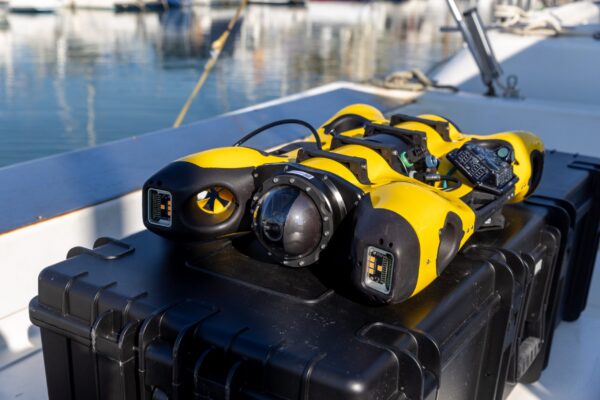
MFE Offshore Partners with Hydromea to Distribute EXRAY Underwater Inspection ROV
MFE Offshore, based in Houston, has announced its partnership with Swiss robotics developer Hydromea to distribute the Hydromea EXRAY underwater inspection ROV. This agreement, made public on July 9, 2026, enhances MFE Offshore's subsea portfolio, which was launched earlier this year. The EXRAY offers a tetherless alternative for underwater inspections, reducing costs and risks associated with traditional methods. The significance of this partnership lies in the EXRAY's ability to provide efficient and safe data collection in challenging underwater environments. As stated by Wendy Post, general manager of MFE Offshore, the demand for advanced inspection technologies is increasing as operators face more complex underwater challenges. The EXRAY's capabilities, including real-time control and live HD video transmission, position it as a valuable tool for energy operators. Looking ahead, MFE Offshore will showcase the EXRAY during a Demo Day on July 16 at its Houston facility, allowing potential customers to see the ROV in action. This event highlights MFE Offshore's commitment to bringing innovative inspection solutions to the energy sector, with no further timeline disclosed at the time of publication.
Drone News Drone News Feeds Inspection News seadrones underwater drones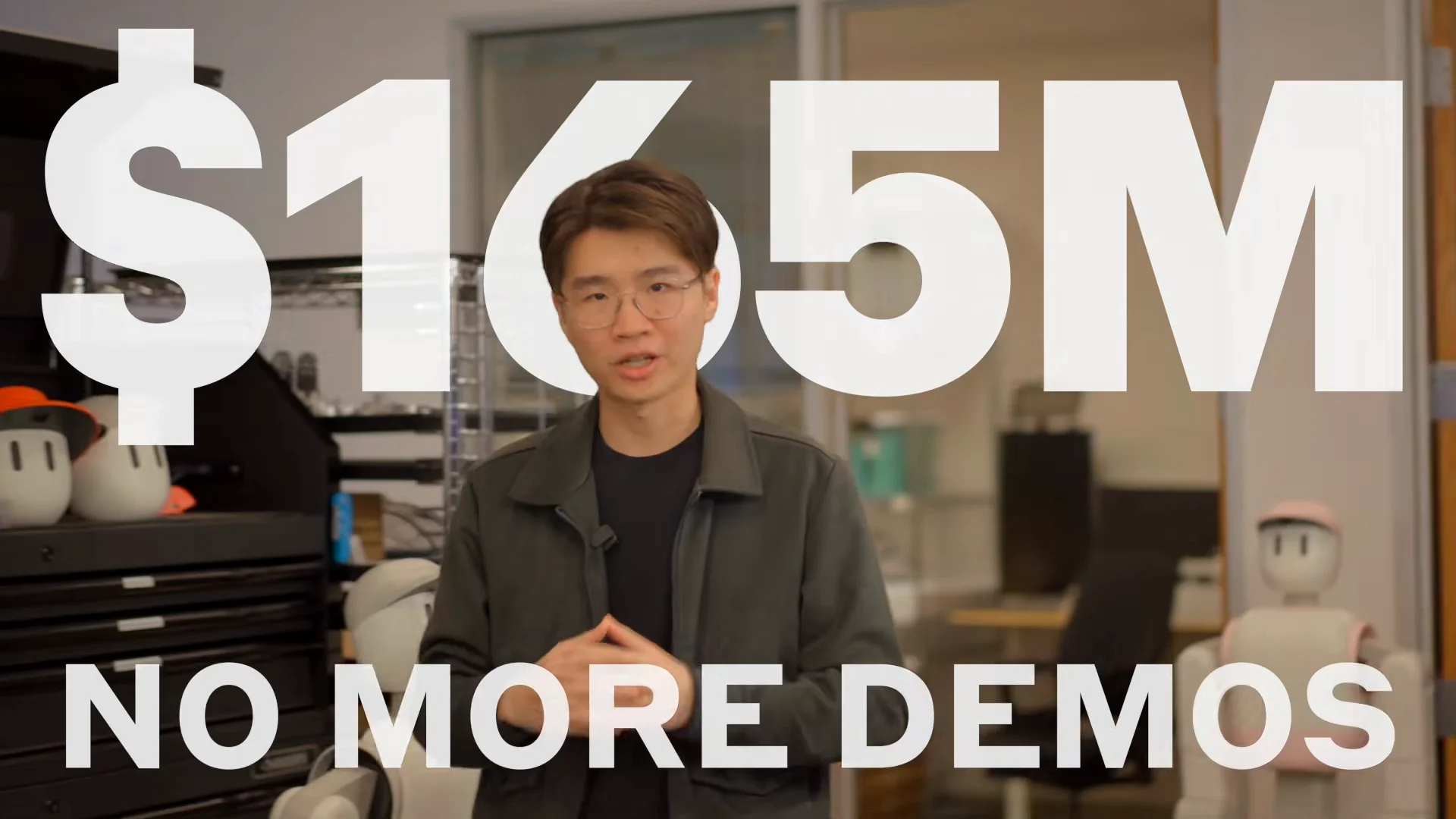
Sunday Robotics Raises $165M to Transition from Demos to Real-World Deployment
Sunday Robotics, now valued at $1.15 billion, is intensifying its commitment to a "data-first" approach as it prepares to deliver its Memo robot to consumers by Thanksgiving. The company aims to leverage advanced data analytics to enhance the functionality and user experience of its robotic technology. This strategic move reflects Sunday Robotics' ambition to establish a strong presence in the home automation market, catering to the growing demand for innovative household solutions. With the anticipated rollout, the company is poised to make a significant impact in the industry, capitalizing on the increasing interest in smart home devices.
Sunday Robotics US fundraising Memo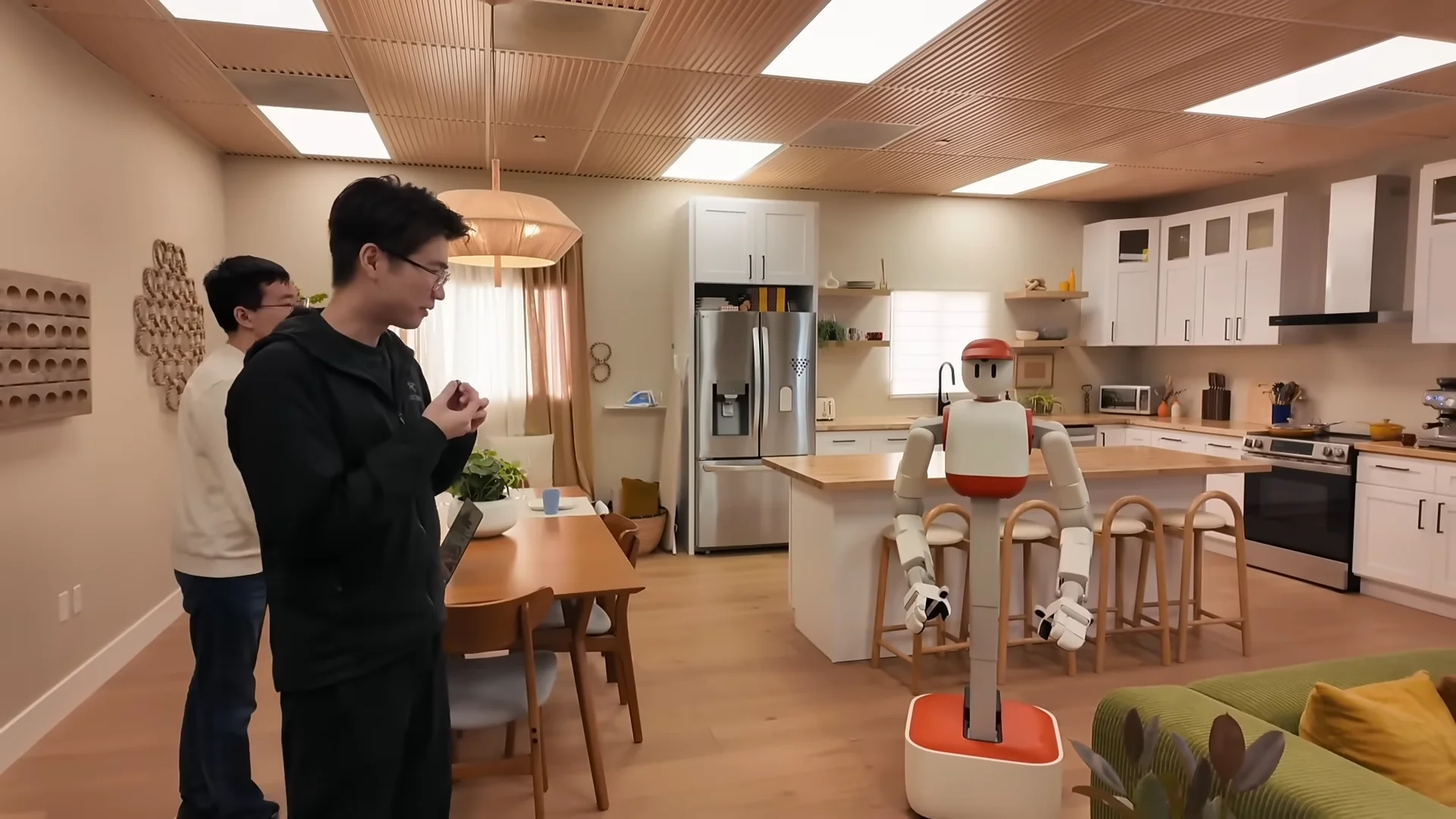
Watch: Inside Sunday Robotics’ Mission to Move Beyond the "Viral Demo"
Sunday Robotics has unveiled its lab following a successful $165 million Series B funding round, showcasing the development of its innovative "Memo" robot. The event highlighted the company's journey from initial 3D-printed prototypes to refined design concepts, referred to as "cutemaxxing." The unveiling comes as the company prepares for a significant beta testing phase, with an impressive waitlist of 3,000 individuals eager to experience the technology. This initiative reflects Sunday Robotics' commitment to advancing robotics and engaging potential users in the early stages of product development.
Sunday Robotics US Memo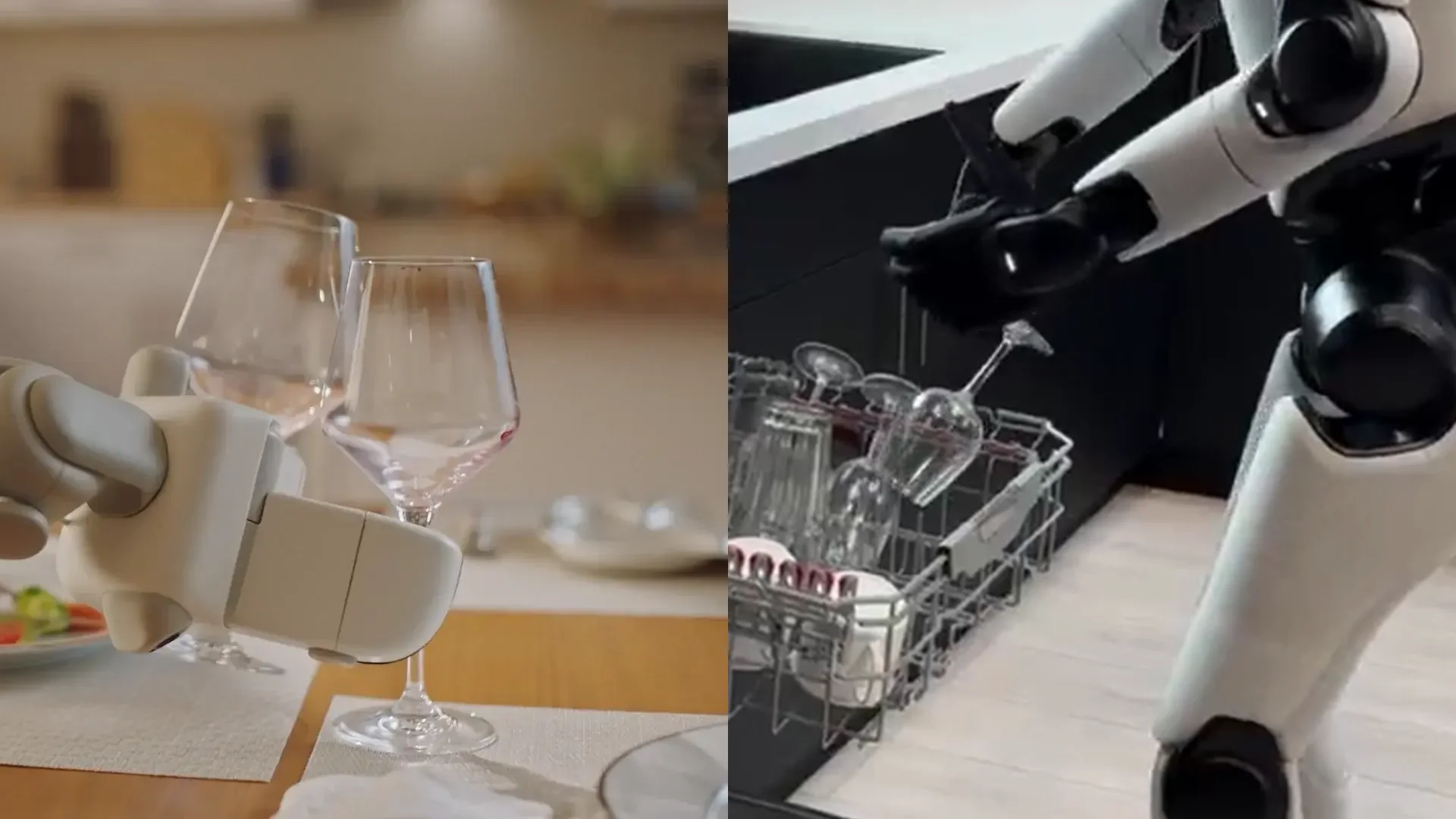
The Dishwasher Wars: Figure Fires Back at Sunday Robotics with Glassware Demo
In a recent exchange between tech leaders, Figure CEO Brett Adcock released a new video showcasing the capabilities of the Figure 03 robot handling delicate glassware. This response came after Tony Zhao, CEO of Sunday Robotics, criticized Figure's previous demonstration, which featured the robot only managing plastic items. The incident highlights the competitive landscape in robotics, particularly in the development of household automation technologies. Adcock's timely video aims to address concerns raised by Zhao and demonstrate the versatility and precision of the Figure 03, potentially enhancing its appeal to consumers and investors alike.
Brett Adcock Sunday Robotics Figure helix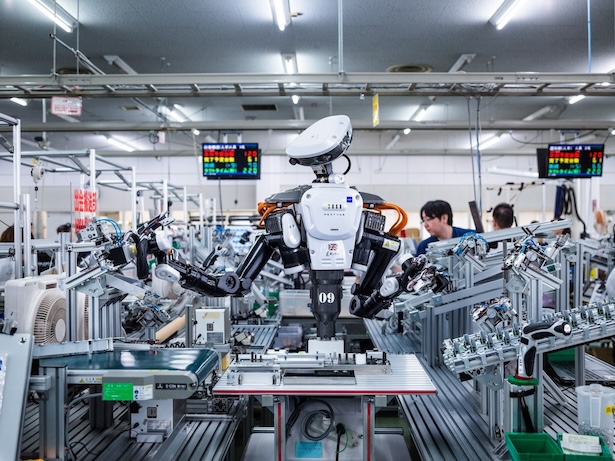
SpaceX's Starship V3 Plans for 1 Million Starmind Satellites by 2030
SpaceX's Starship V3 is set to revolutionize satellite deployment, aiming to launch 1 million Starmind satellites by 2030. The spacecraft can carry over 100 tonnes to low Earth orbit (LEO), significantly more than the Falcon 9's capacity. As of May 2026, Starship has completed 12 flights, with the next mission scheduled for late July 2026, focusing on operational payloads including AI1 prototypes in early 2027. This ambitious plan is crucial for expanding orbital compute capacity, targeting an annual addition of 100 GW through a million tonnes of satellite hardware. SpaceX's strategy hinges on achieving a launch cadence of approximately 12,000 flights, equating to about three launches per day. The company has invested over $15 billion in the Starship program, with expectations to begin payload deliveries in the second half of 2026, starting with Starlink V3 satellites. Looking ahead, the successful deployment of the Starmind constellation will depend on Starship's ability to meet its cost targets of $10–20 million per flight. If achieved, this would make launching satellites more economical than building ground data centers. The next significant milestone will be the launch of AI1 prototypes in early 2027, with full-scale deployments commencing in 2028 from the new Gigasat factory in Texas.
China: Agibot robots hit 99 percent success during six-day live factory demo
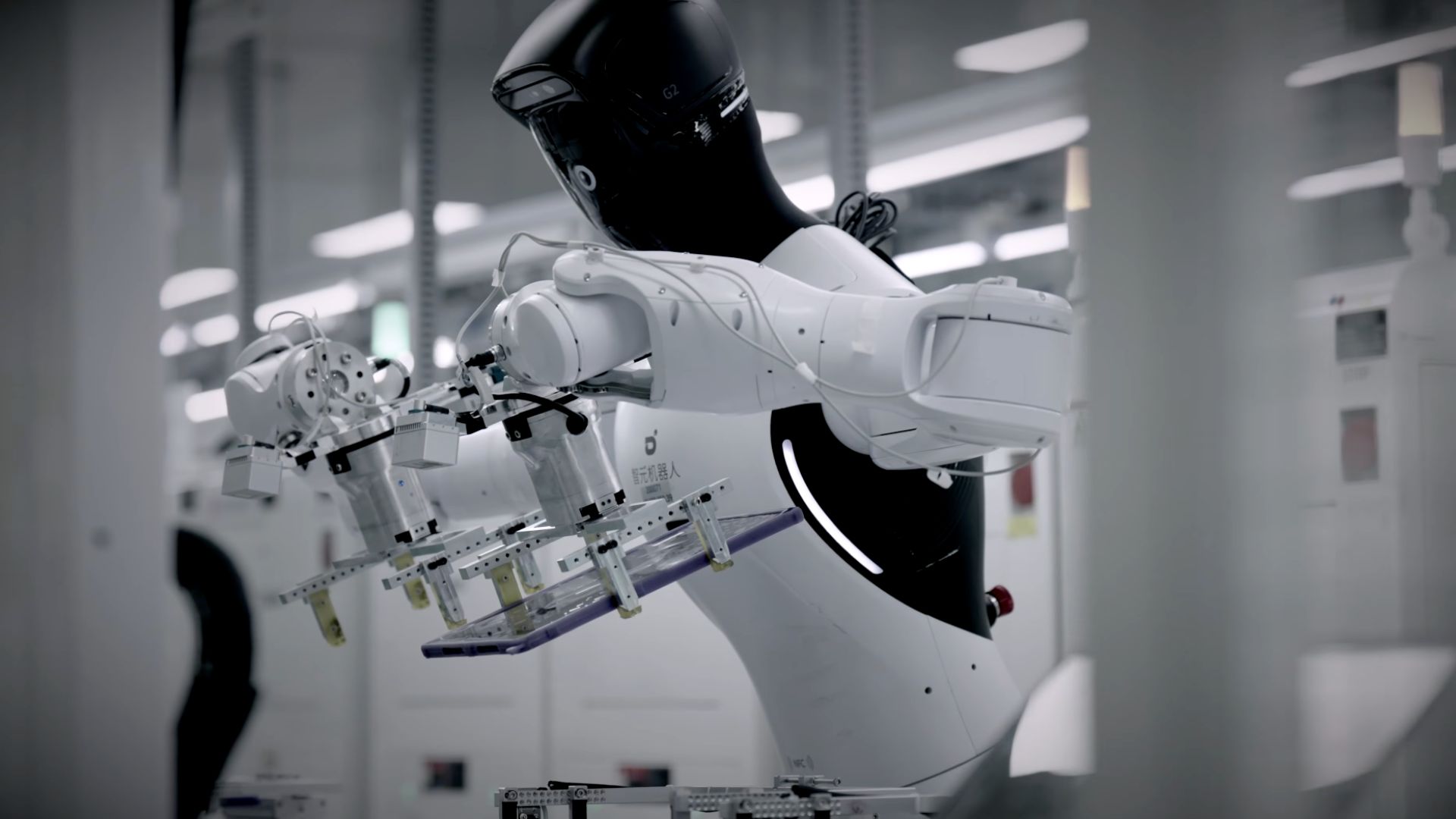
AGIBOT, a Chinese robotics company, has successfully conducted a global livestream showcasing its G2 humanoid robots performing a series of autonomous tasks. This event took place recently, highlighting the advancements in robotics technology. The livestream aimed to demonstrate the capabilities of the G2 robots, which are designed to operate independently in various environments. By showcasing their performance to an international audience, AGIBOT seeks to position itself as a leader in the robotics industry and attract potential investors and partners. The event utilized advanced streaming technology to reach viewers worldwide, emphasizing the company's commitment to innovation and global outreach in the field of robotics.
AI and Robotics
Video Friday: Give Robots a Hand
IEEE Spectrum robotics has released its latest edition of "Video Friday," showcasing a collection of innovative robotics videos along with a calendar of upcoming robotics events scheduled for 2026. The events include the RSS conference in Sydney from July 13-17, the Summer School on Multi-Robot Systems in Prague from July 29 to August 4, Actuate in San Francisco on August 18-19, and IROS in Pittsburgh from September 27 to October 1. Among the featured videos, Pulkit Agrawal from MIT CSAIL discusses his "SoftMimic" approach to enhancing robot safety around humans. The DARPA Lift Challenge, taking place from August 6-9 at the National Museum of the US Air Force, invites public participation. Notable demonstrations include Agility Robotics' Digit, which showcases advanced footstep planning to navigate obstacles, and DEEP Robotics' aggressive firefighting robot. Additionally, the potential for AI-driven robots to understand whale behavior and communication is explored by Harvard SEAS Professor Stephanie Gil. The edition also highlights discussions with Rodney Brooks, the creator of the Roomba, about the future of robotics. The content aims to engage the robotics community and stimulate interest in technological advancements and their applications.
Humanoid-robots Video-friday Robot-hands Quadruped-robots Robot-videos Firefighting-robots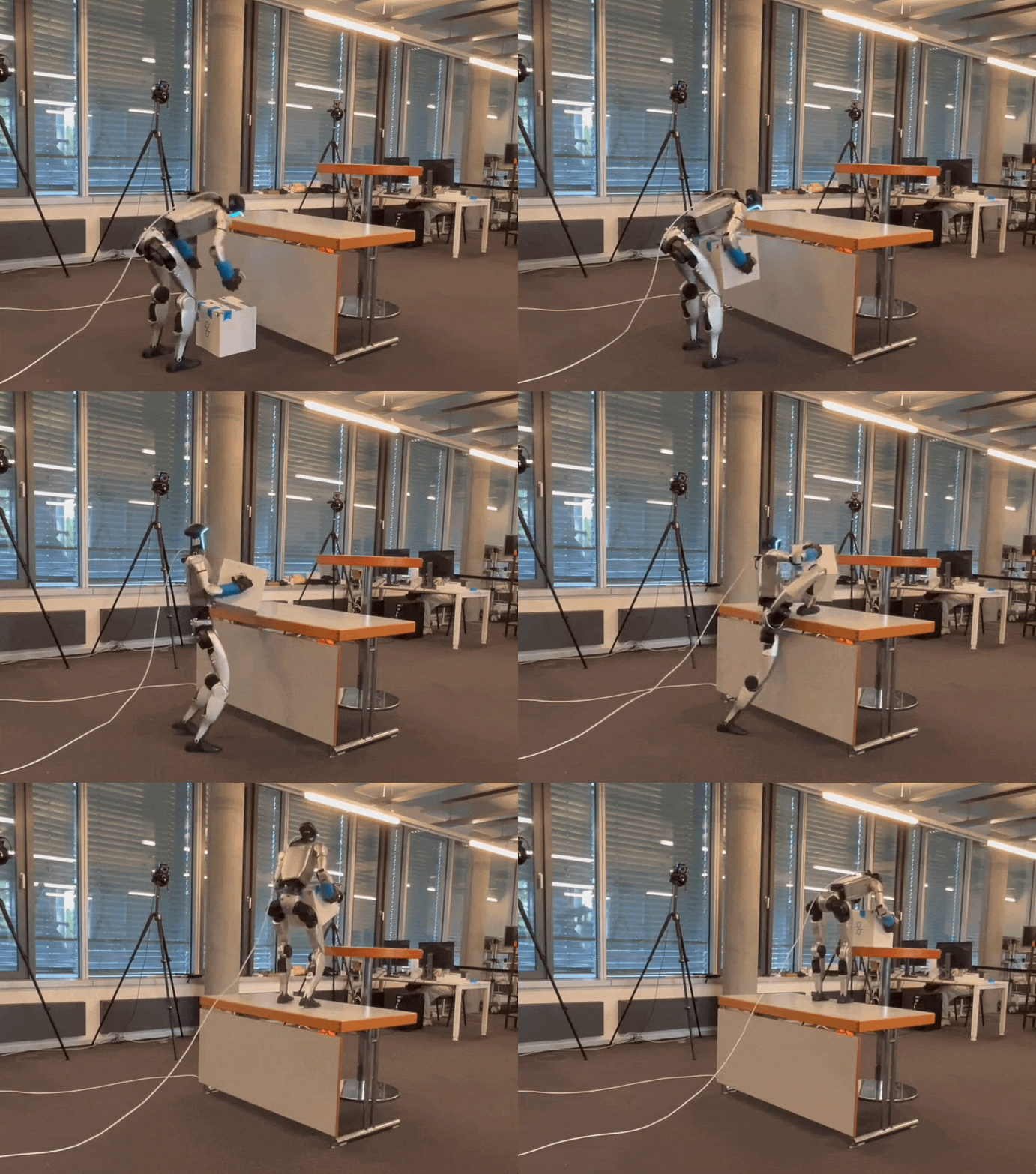
Video Friday: Robotic Motion Discovery Reveals Unusual Behaviors
IEEE Spectrum robotics has released its latest edition of Video Friday, showcasing an array of innovative robotics videos and announcing upcoming events in the field. Notable events include RSS 2026 in Sydney from July 13-17, the Summer School on Multi-Robot Systems in Prague from July 29 to August 4, and Actuate 2026 in San Francisco on August 18-19. Among the featured videos is MotionDisco, a framework that autonomously discovers complex humanoid loco-manipulation motions, highlighting the challenges of coordinating fluid movements across multiple joints. Additionally, the Human Support Robot (HSR) from Toyota is demonstrated in real home environments, assisting residents with daily tasks, showcasing the potential for robots to become long-term companions. Other highlights include the MIDAS Hand, an open-source robotic hand designed for manipulation and research, and a novel flight maneuver by a bipedal robot that showcases advanced aerial control. The European Space Agency shares a timelapse of Dextre, a robotic handyman, efficiently unloading equipment in space, while ROBOTIS introduces AI Sapiens, which learns humanoid motions using just a smartphone camera. In a collaborative effort, LUMOS Robotics has launched Project EDGE, inviting global innovators to explore humanoid robotics, while Sphero emphasizes its educational products designed to nurture computational thinking from early childhood through high school. These developments illustrate the rapid advancements and collaborative spirit within the robotics community.
Humanoid-robots Video-friday Quadruped-robots Robot-videos Home-robots Dexterity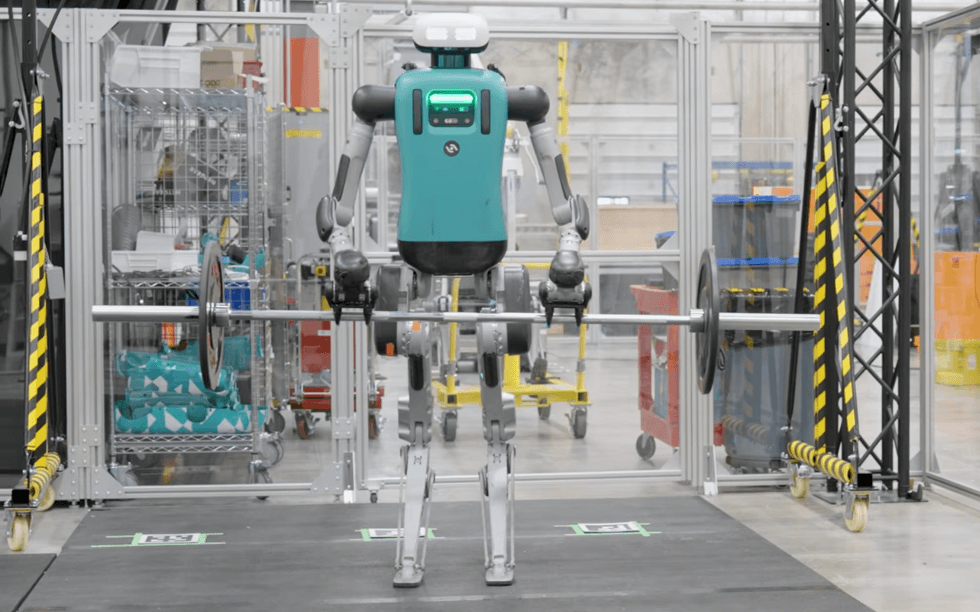
Video Friday: Digit Learns to Deadlift
IEEE Spectrum robotics has released its latest edition of "Video Friday," showcasing a selection of innovative robotics videos and announcing upcoming events in the field. The events include the International Conference on Robotics and Automation (ICRA) scheduled for June 1-5, 2026, in Vienna, the Robotics Science and Systems (RSS) conference from July 13-17, 2026, and a Summer School on Multi-Robot Systems taking place from July 29 to August 4, 2026, in Prague. Among the featured videos, researchers are training the robot Digit to perform a deadlift with a 65-pound object, emphasizing the importance of whole-body coordination and resilience in its actuators. This training allows for the development of a policy that enables Digit to execute a dynamically balanced lift in real-world scenarios. Additionally, Gatlin Robotics has introduced its first commercial showcasing robots in action as part of its Robot-as-a-Service (RaaS) contract. Dexterity highlights the expressive potential of motion intelligence in robotics, while Harvard researchers present a swarm of simple antlike robots capable of constructing and dismantling structures through adaptive group behavior. Lastly, a project from Michigan Robotics demonstrates a microcombustion actuator that rapidly inflates to launch colorful water droplets, challenging conventional notions about the capabilities of soft actuators. These advancements reflect the ongoing evolution and application of robotics technology across various domains.
Industrial-robots Humanoid-robots Video-friday Swarm-robotics Dancing-robot Bipedal-robots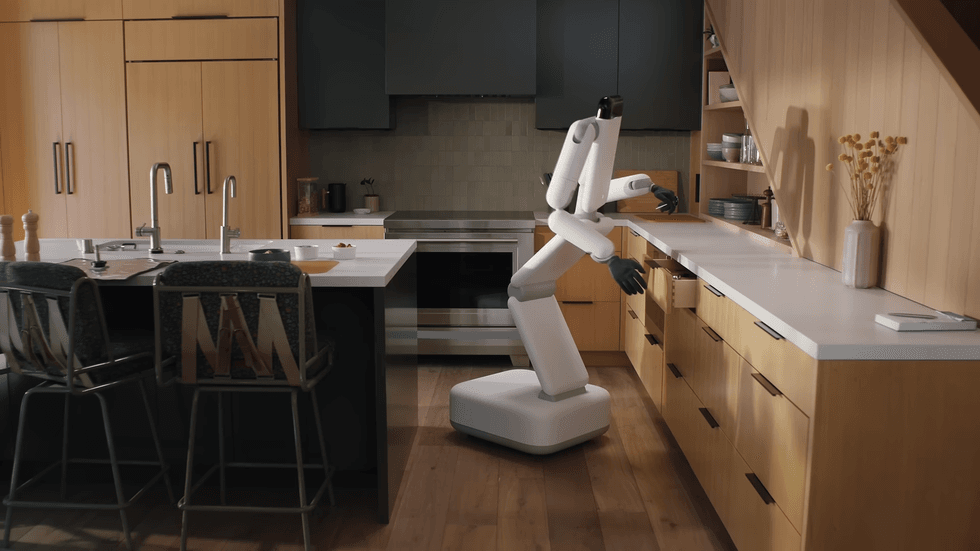
Video Friday: Do Robots Even Need Legs?
In the latest edition of Video Friday, IEEE Spectrum robotics showcases a variety of innovative robotics videos and announces upcoming events in the field. Notable events include RSS 2026 scheduled for July 13-17 in Sydney, the Summer School on Multi-Robot Systems from July 29 to August 4 in Prague, Actuate 2026 on August 18-19 in San Francisco, and IROS 2026 from September 27 to October 1 in Pittsburgh. Among the featured projects, Eno, an advanced AI and general-purpose robot developed by Genesis, exemplifies a new generation of robots designed to enhance human capabilities. Meanwhile, NASA's Jet Propulsion Laboratory is testing the ERNEST rover in California's Colorado Desert, which is being developed for future lunar missions and can operate autonomously over challenging terrain. Sony AI's Ace project demonstrates a robotic system capable of adapting to unpredictable scenarios in table tennis, while ANYbotics highlights the economic benefits of their quadruped robots in industrial inspections, preventing significant production losses. GITAI is preparing for a robotic satellite servicing demo, and Bi-AQUA is exploring underwater photography challenges for robots. Sanctuary AI has achieved impressive results in wire plugging tasks for a major automotive supplier, showcasing a success rate exceeding 99.5%. Additionally, various other robotics projects are highlighted, including a bipedal robot named GrowBot, which operates on a low-cost Raspberry Pi and aims to make physical AI accessible to a broader audience.
Video-friday Robot-videos Lunar-rover Inspection-robots Robot-hands Robot-ai
Video Friday: Watch This Running Robot Not Fall Down Stairs
IEEE Spectrum robotics has released its latest edition of "Video Friday," showcasing a selection of impressive robotics videos and announcing upcoming robotics events scheduled for 2026. Notable events include RSS 2026 in Sydney from July 13-17, the Summer School on Multi-Robot Systems in Prague from July 29 to August 4, and Actuate 2026 in San Francisco on August 18-19. Among the featured videos, a humanoid robot from DEEP Robotics demonstrated remarkable recovery skills, raising questions about the role of luck in robotics. The DARoS Lab shared insights on their MPC-based balance controller, while Generative Bionics revealed their new robot, GENE01, designed and produced in just three months. A significant milestone was achieved by IHMC Robotics with their humanoid robot, Alex, which successfully took its first steps outdoors in preparation for a demonstration in Maryland. Flexiv Robotics introduced the Flexiv MICO, a compact dual-arm system designed for safe collaboration in various workspaces. Additionally, ICRA 2026 showcased CCRobot-S, a team of cable-climbing robots capable of collaboratively inspecting and maintaining bridge cables. Boston Dynamics provided a behind-the-scenes look at how their Atlas robot learned to play football, exploring the possibilities of robotics in sports without biological constraints. These developments highlight the rapid advancements in robotics technology and the ongoing exploration of their capabilities across diverse applications.
Humanoid-robots Video-friday Robot-arms Robot-videos Bipedal-robots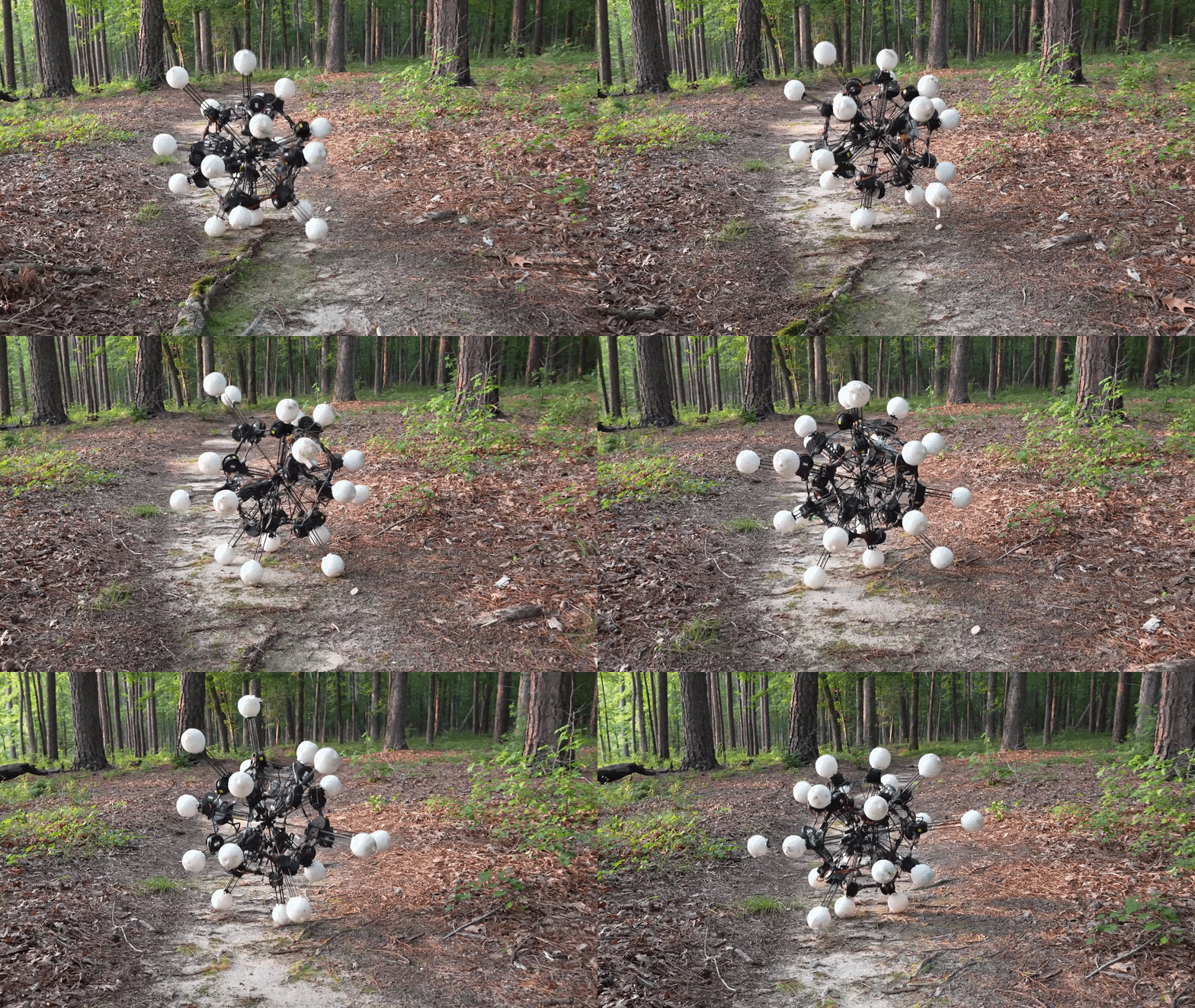
Video Friday: Extreme Omnidirectional Robot
IEEE Spectrum robotics has released its latest edition of "Video Friday," showcasing a variety of innovative robotics videos that highlight the growing integration of robots into daily life. The weekly roundup includes a calendar of upcoming robotics events, such as the International Conference on Robotics and Automation (ICRA) scheduled for June 1-5, 2026, in Vienna, and the Robotics Summer School on Multi-Robot Systems from July 29 to August 4, 2026, in Prague. Among the featured videos, one introduces the Eco-Score for Robots, a new framework aimed at assessing the environmental impact of robotic systems, akin to eco-labels in other industries. Another video demonstrates advancements in robotic manipulation, showcasing AthenaZero's ability to juggle using multi-fingered hands, while a collaboration between the University of Texas and Sony Group Corporation presents the ARISTO hand, designed for delicate object manipulation. Additionally, the segment includes insights from Kacper Nowicki, CEO of Nomagic, who discussed the ongoing debate between humanoid and purpose-built robots at the Web Summit in Vancouver. As robots continue to evolve, these developments raise important questions about their performance, cost, and sustainability in various applications.
Video-friday Robot-videos Humanoid-robots Omnidirectional Quadruped-robots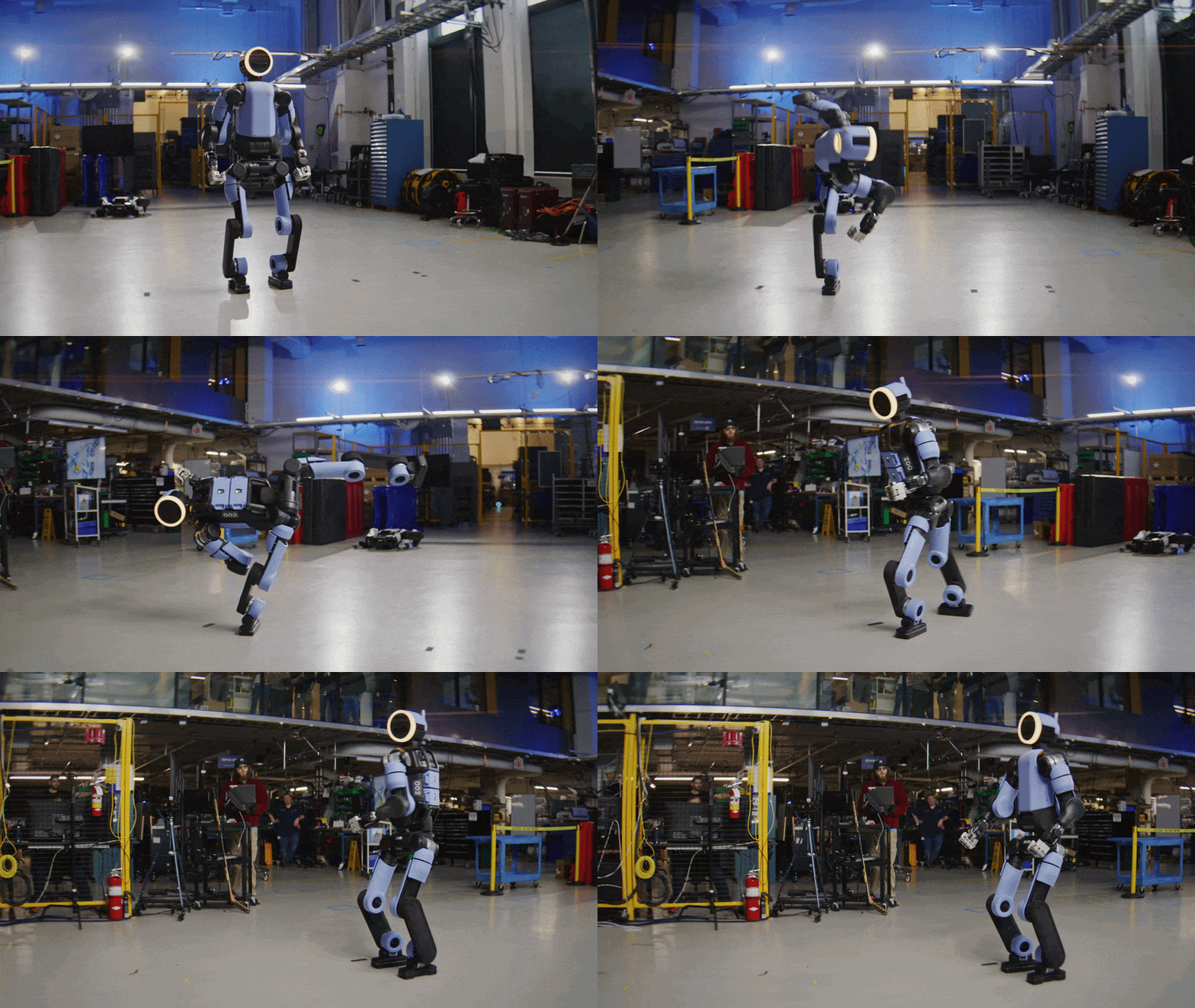
Video Friday: Atlas Versus a Fridge
IEEE Spectrum robotics has released its latest edition of "Video Friday," showcasing a variety of innovative robotics videos and announcing upcoming robotics events scheduled for 2026. Notable events include ICRA 2026 in Vienna from June 1-5, and the Summer School on Multi-Robot Systems in Prague from July 29 to August 4. Among the highlights, Boston Dynamics' Atlas robot demonstrates significant advancements in strength and adaptability, showcasing its ability to lift heavy objects and navigate complex environments using advanced reinforcement learning and control systems. This marks a pivotal moment for humanoid robots as they transition from laboratory settings to dynamic industrial applications. Additionally, the SpikerBot, a robot designed to be programmed by wiring neurons instead of traditional coding, has successfully reached its funding goal on Kickstarter. Other innovations include wheeled-legged robots that enhance mobility and a biomimetic robotic hummingbird developed at the Advanced Vertical Flight Laboratory, which mimics natural flight dynamics. The release also features advancements in construction technology, with Dusty Robotics introducing the FieldPrinter 2, a more efficient and intelligent version of its predecessor, and Noble Machines showcasing their autonomous robots designed for hazardous industrial tasks at NVIDIA GTC 2026. These developments reflect a broader trend in robotics, where technology is increasingly integrated into real-world applications, enhancing efficiency and safety across various industries.
Humanoid-robots Video-friday Robot-videos Educational-robots Biomimetics Quadruped-robots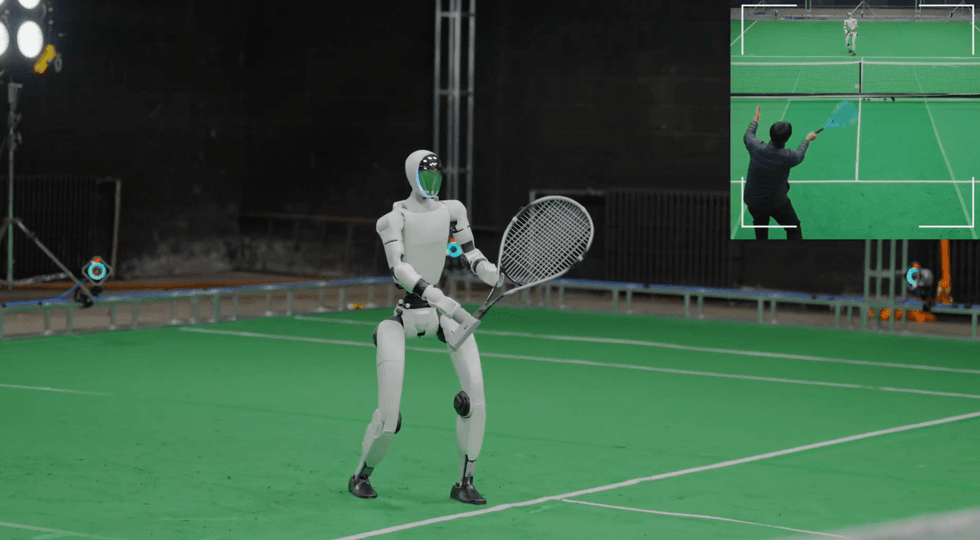
Video Friday: Humanoid Learns Tennis Skills Playing Humans
IEEE Spectrum robotics has released its latest edition of Video Friday, showcasing a variety of innovative robotics videos and announcing upcoming events in the field. Notable events include the International Conference on Robotics and Automation (ICRA) scheduled for June 1-5, 2026, in Vienna, and a Summer School on Multi-Robot Systems from July 29 to August 4, 2026, in Prague. Among the featured advancements, researchers have developed LATENT, a system designed to teach humanoid robots tennis skills by learning from imperfect human motion data. This innovation addresses the challenges of replicating human-like athleticism in robotics. Additionally, a breakthrough has been achieved in robotic manipulation, with a robot successfully peeling an apple using dual dexterous hands, showcasing significant progress in bimanual tasks. The development of MoDE-VLA, a control system that integrates vision, language, force, and touch data, further enhances the robot's ability to perform complex tasks with stability and precision. This shared-autonomy approach allows human operators to guide robots in executing intricate movements. In other highlights, collaborations between Tesollo and Hanyang University have led to advancements in robotic hand technology, while the Fluent Robotics Lab at the University of Michigan is set to present a paper on operational PR2 robots. The KAIST DRCD Lab has also demonstrated the capabilities of its humanoid robot, trained through deep reinforcement learning. As robotics continues to evolve, these innovations reflect the ongoing efforts to bridge the gap between human-like dexterity and robotic functionality.
Humanoid-robots Video-friday Robot-locomotion Nvidia Robot-manipulation Quadruped-robots
SpaceX's Starmind Targets AI Labs with $6.3 Billion Compute Contracts
SpaceX's Starmind is designed to provide wholesale AI compute services to businesses, particularly AI labs and cloud customers, rather than individual consumers. The service operates similarly to AWS, where users benefit from applications running on Starmind without direct subscriptions. The compute capacity of a single AI1 satellite is comparable to one NVIDIA GB300 rack, emphasizing its enterprise-grade capabilities. The significance of Starmind lies in its positioning as a potential fourth hyperscaler, joining the ranks of AWS, Microsoft Azure, and Google Cloud. The Reflection AI contract, valued at $150 million per month, exemplifies the enterprise-focused model, with total payments potentially reaching $6.3 billion through 2029. This contract highlights the growing demand for AI compute resources, particularly from AI-native startups and labs. Looking ahead, the focus will remain on securing additional enterprise contracts as Starmind expands its offerings. No consumer-facing products or subscriptions have been announced, and the current strategy is to cater to businesses with substantial AI workloads. No further timeline was disclosed at the time of publication.

Tesla's Optimus Robots to Support Starmind Satellite Production, Not Maintenance
Tesla's Optimus robots will not be used to repair Starmind satellites in orbit, as confirmed by recent statements from Elon Musk. Instead, these robots are intended to assist in the construction and operation of the Terafab chip manufacturing facility in Texas. The AI1 satellites, designed to disintegrate upon reentry, highlight the company's swap-and-replace strategy rather than traditional maintenance practices. This approach is significant as it reflects a broader trend in satellite management, where mass-produced satellites are replaced rather than repaired. The economics of servicing missions are prohibitive, with the cost of launching a replacement satellite being significantly lower than conducting a repair mission. This model aligns with SpaceX's operational history, where rapid replacement of satellites is more efficient than attempting to maintain them in orbit. Looking ahead, the focus will remain on the production capabilities of the Gigasat factory, which is expected to support the continuous replacement of satellites. No further timeline was disclosed at the time of publication, but the demand for rapid satellite turnover suggests a robust future for Optimus robots in terrestrial manufacturing rather than in-space servicing.
SpaceX's Starmind Plans 1 Million AI Satellites Amid Collision Risks
SpaceX has announced its ambitious Starmind project, which aims to deploy 1 million AI satellites in orbits between 500 and 2,000 km. This initiative, confirmed by Elon Musk on June 23, 2026, follows a merger with xAI, valuing the combined entity at $1.25 trillion. The satellites will function as orbital data centers, processing AI workloads powered by solar arrays and linked by optical lasers. The significance of Starmind lies in its potential to add 100 gigawatts of AI compute capacity annually, contingent on the successful operation of the Starship launch system. However, the project raises concerns regarding space debris, as the current orbital environment is already congested, with a 20% increase in collision risk reported since 2024. The European Space Agency has highlighted that the density of debris in low Earth orbit is now comparable to that of active satellites, complicating the operational landscape for new entrants like Starmind. Looking ahead, the first operational orbital AI deployments are targeted for 2028, with test launches expected in early 2027. However, the project faces scrutiny regarding its impact on space debris, as even a 1% failure rate could significantly increase the number of uncontrollable objects in orbit, exacerbating existing risks. No further timeline was disclosed at the time of publication.

SpaceX's Starmind Project: Supplier Strategy and Chip Manufacturing Plans for 2026
SpaceX's Starmind project, aimed at deploying up to 1 million AI satellites, was filed with the FCC on January 30, 2026. The initiative is designed to minimize reliance on external suppliers, with CEO Elon Musk stating that current chip production capabilities only meet 2% of the projected needs. The first satellite, AI1, is set for prototype launches in early 2027, featuring a 70-meter wingspan and a modular payload system that allows for interchangeable chips from various suppliers. The significance of Starmind lies in its ambitious supply chain strategy, which seeks to transition from external hardware suppliers to a fully integrated Musk-owned facility by 2028. The Gigasat manufacturing site in Bastrop, Texas, is expected to be operational by the end of 2027, with plans for high-volume production of the D3 chip, specifically designed for space applications. This approach aims to consolidate chip manufacturing processes under the Terafab joint venture, which has an estimated initial investment of $55 billion. Looking ahead, the next milestone for Starmind is the launch of AI1 prototypes in early 2027, while the full-scale chip production at Terafab is projected to ramp up significantly thereafter. However, analysts express skepticism regarding the feasibility of achieving Musk's ambitious compute goals, which may require substantial investment and time to establish the necessary manufacturing capabilities.

Starmind's Satellite Technology Achieves 880 Billion Liters in Annual Water Savings
Starmind has announced that its satellite technology can save approximately 880 billion liters of cooling water annually at full scale. This figure is equivalent to the annual household water use of around 6.5 million Americans. The technology operates by utilizing a closed-loop liquid cooling system that eliminates the need for water during its operational life, contrasting sharply with traditional ground data centers that consume vast amounts of water for cooling. The significance of this achievement lies in the growing water consumption crisis faced by data centers, particularly as AI expansion drives demand. In 2025, U.S. data centers consumed nearly one trillion liters of water, highlighting the urgent need for sustainable solutions. Starmind's approach not only addresses direct water usage but also avoids indirect water consumption associated with electricity generation, marking a substantial shift in how computing can be conducted in a resource-efficient manner. Looking ahead, Starmind's deployment strategy includes a projected buildout of 100 GW of orbital compute per year, which could displace an additional 735 billion liters of ground water demand annually. The first tranche of 10,000 satellites is already operational, offsetting approximately 8.8 billion liters of water per year. No further timeline was disclosed at the time of publication.
SpaceX Proposes 1 Million AI Satellites to Address Ground Data Center Constraints
On January 30, 2026, SpaceX filed with the FCC to launch up to 1 million AI compute satellites, positioning orbital data centers as a solution to the increasing demand for AI computing power. Ground data centers are facing significant challenges, with energy consumption projected to reach approximately 1,050 TWh in 2026, making them the fifth-largest electricity consumer globally. The demand for new data center capacity is outpacing the growth of power generation infrastructure, leading to a critical bottleneck in the grid system. The significance of this initiative lies in the structural constraints faced by ground data centers, including power delivery limitations, high water consumption, and local opposition to new projects. The Uptime Institute's 2026 outlook identifies power as the primary constraint on data center growth, with capacity clearing prices in the PJM grid skyrocketing to $329.17/MW, driven by data center expansion. Additionally, cooling requirements are becoming increasingly unsustainable, with facilities consuming vast amounts of water, further complicating their operational viability. Looking ahead, SpaceX's orbital AI compute initiative aims to circumvent these challenges by leveraging the advantages of space, such as continuous solar power and minimal local opposition. The first AI prototypes are expected to launch in early 2027, with operational deployments planned for 2028. No further timeline was disclosed at the time of publication.

Starmind's Orbital Compute vs. Terrestrial Data Centers: Analyzing Resource Advantages
Starmind's orbital compute technology presents a significant advantage over traditional ground-based data centers by eliminating constraints related to land, water, and grid permitting. While terrestrial data centers are currently cheaper and faster to construct, with U.S. data center spending reaching $85.3 billion in 2026, Starmind's approach focuses on addressing the growing resource limitations faced by hyperscale facilities. The significance of Starmind's technology lies in its ability to sidestep the increasing challenges of land and water usage. For instance, a 100 MW data center can consume approximately 530,000 gallons of water daily for cooling, while Starmind's AI1 utilizes deployable liquid radiators that require no water. This structural advantage could resonate with investors as the demand for AI computing continues to escalate, potentially leading to annual water withdrawals of up to 1.7 trillion gallons by 2027. Looking ahead, Starmind's next milestones include the launch of AI1 prototypes scheduled for early 2027. However, the technology's claims regarding cooling efficiency and operational reliability remain unverified until real flight data is available. As the industry evolves, the competition between orbital and terrestrial solutions will become increasingly relevant, particularly in the context of resource management and sustainability.
SpaceX Launches Starmind Project for 1 Million AI Satellites by 2028
SpaceX has officially named its orbital AI infrastructure project 'Starmind,' which aims to deploy a constellation of up to 1 million satellites. This initiative, confirmed by Elon Musk on June 22, 2026, will enable AI inference directly in space, utilizing solar energy rather than terrestrial power sources. The first satellite, designated AI1, was unveiled on June 8, 2026, and is designed to operate in sun-synchronous orbits. The significance of Starmind lies in its potential to overcome the limitations faced by ground-based data centers, such as land, power, and water constraints. By running AI computations in orbit, Starmind can provide a more efficient solution to the growing demand for AI computing power. The project leverages the existing Starlink infrastructure for data transmission, distinguishing its function from Starlink's internet relay capabilities. Looking ahead, SpaceX plans to begin hardware deployment with the AI1 satellite, while full-scale production and deployment of the satellite constellation are targeted for 2028. As of now, no Starmind satellites have been launched, and further engineering challenges remain to be addressed, particularly regarding the scalability of the satellite design.

Maritime Security Summit: Washington DC, USA - July 15-16, 2026
The 2nd Annual Maritime Security Summit, organized by DSI, is set to convene key stakeholders including members of the Department of the Navy (DoN), the U.S. Coast Guard (USCG), port security executives, and marine technical solutions providers. Scheduled to take place in October 2023, this prominent event will focus on the integration of emerging capabilities, tools, and technologies aimed at enhancing maritime dominance and ensuring sustained readiness. Participants will engage in discussions emphasizing the critical role of alliances and partnerships in bolstering Maritime Domain Awareness (MDA) across the nation’s coastlines, ports, and vessels. By fostering collaboration among various sectors, the summit aims to address current challenges and explore innovative solutions to improve maritime security and operational effectiveness.
maritime security summit event defense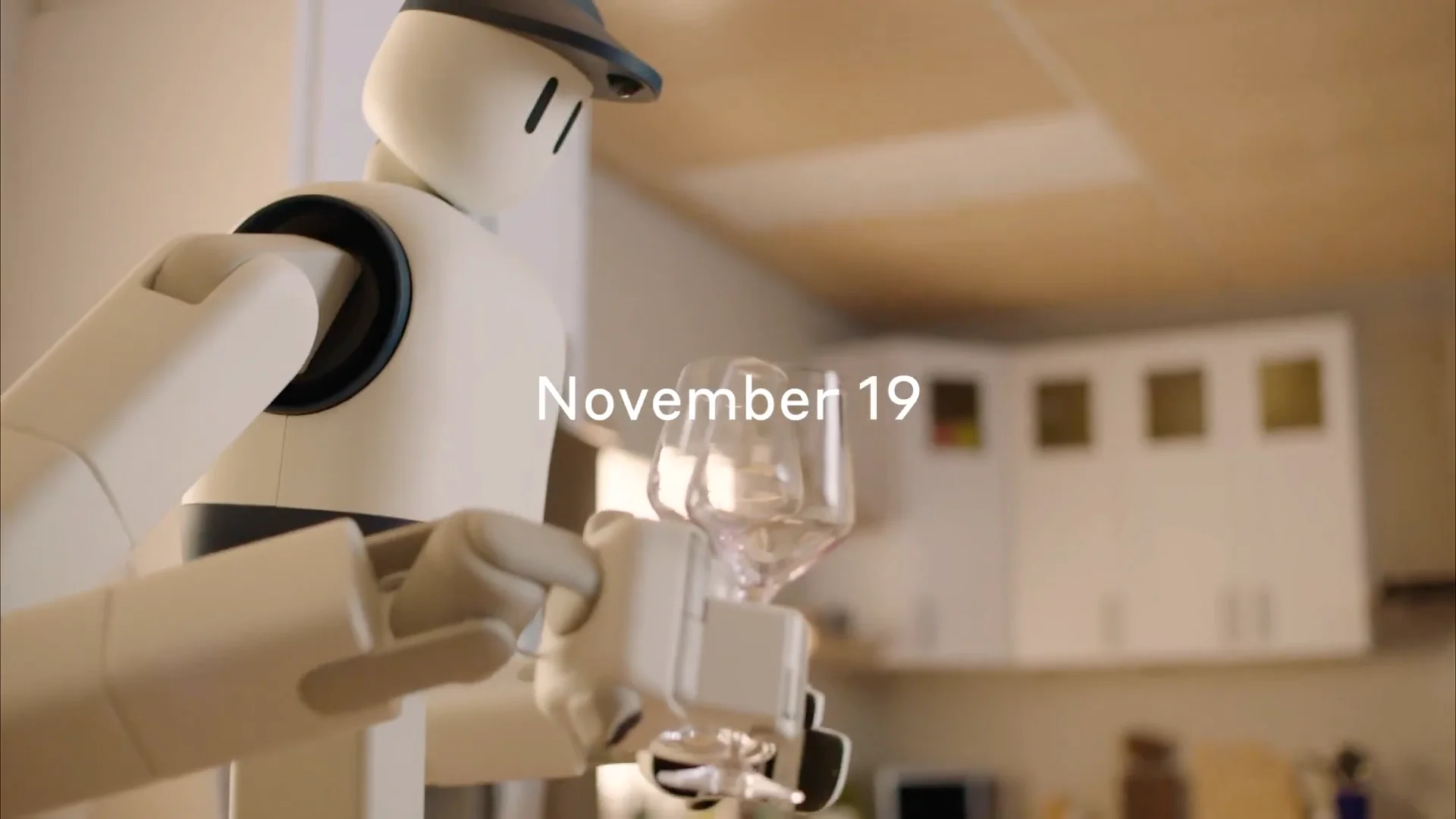
Sunday Robotics' Third Teaser Reveals "In-House" Dual-Gripper and a Wheeled, Non-Humanoid Body
Sunday Robotics unveiled its latest innovation in a groundbreaking video, showcasing a wheeled robot equipped with a vertical lift. This robot features a custom-designed dual-gripper end-effector, which was developed entirely in-house. The demonstration highlights the robot's ability to execute a complex two-glass pickup, emphasizing a "utility-first" approach that marks a significant shift away from traditional humanoid robotics. This reveal represents a pivotal moment for the company, as it seeks to redefine the capabilities and applications of robotic technology.
Sunday Robotics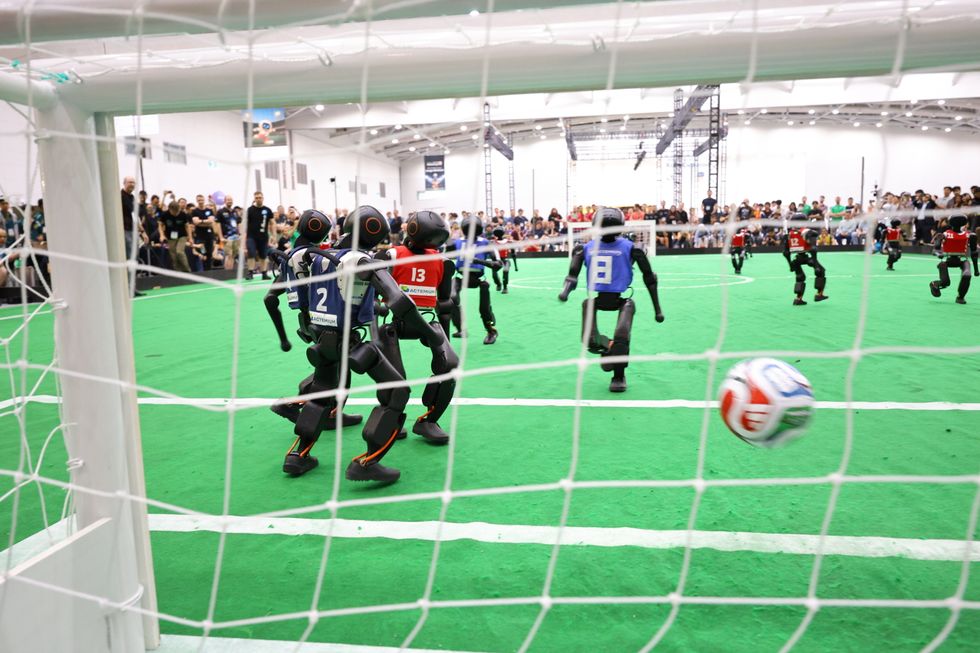
MIT and EPFL Develop Aerial-Aquatic Robot for Enhanced Environmental Studies
In a groundbreaking demonstration, two full teams of humanoid robots engaged in an 11-vs-11 soccer match at RoboCup 2026 in Incheon, South Korea, marking a significant milestone in robotic sports. This event showcased the advancements in humanoid robotics, with Tech United competing against IRIS, bringing the vision of robot soccer closer to reality. The significance of this event lies in its potential to drive interest and investment in humanoid robotics and AI technologies. As robots like Boston Dynamics' Atlas perform in front of large audiences, the market for humanoid robots in entertainment and practical applications is expected to grow. Additionally, the introduction of advanced robotic hands by 1X, featuring 25 degrees of freedom, highlights the ongoing evolution in dexterity and manipulation capabilities. Looking ahead, the next major robotics events include the Summer School on Multi-Robot Systems in Prague from July 29 to August 4, 2026, and IROS 2026 in Pittsburgh from September 27 to October 1, 2026. These gatherings will likely showcase further advancements in robotics and provide a platform for collaboration and innovation in the field. No further timeline was disclosed at the time of publication.
Video-friday Humanoids Robotics World-cup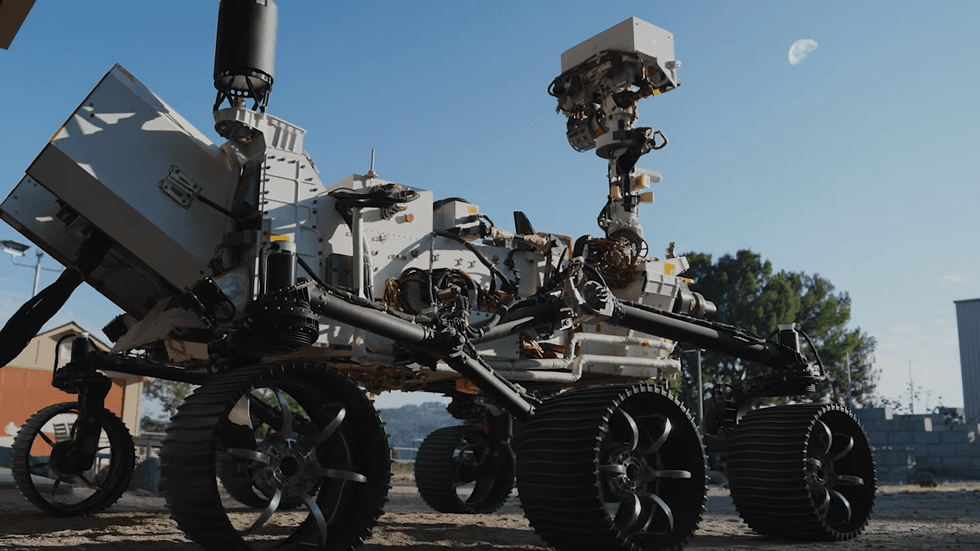
Video Friday: An Earthbound Mars Rover for the Moon
IEEE Spectrum robotics has released its latest edition of Video Friday, showcasing a variety of innovative robotics videos and announcing upcoming events in the field. Notable events include the RSS 2026 conference in Sydney from July 13-17, the Summer School on Multi-Robot Systems in Prague from July 29 to August 4, and IROS 2026 in Pittsburgh from September 27 to October 1. Among the featured projects is NASA's proposed PROMISE mission, which aims to send an advanced, nuclear-powered rover to the Moon's South Pole as part of its Moon Base initiative. This mission will utilize technology from the Curiosity and Perseverance Mars rovers, showcasing the adaptability of existing space exploration technology. In other developments, Weave Robotics is set to launch its home robot, Isaac 1, this fall, offering basic task autonomy for $500 per month. Meanwhile, UBTech Robotics has introduced a humanoid robot with lifelike features and emotional AI, reflecting a growing trend of integrating robots into domestic settings. Additionally, Carnegie Mellon’s Dr. Sebastian Scherer emphasizes the importance of developing robots capable of performing tasks in unpredictable environments, aiming to make them more functional and tool-like. The ongoing advancements in robotics, including soft, floating robots designed for social interaction and innovative applications like spatial audio technology from Georgia Tech, highlight the industry's commitment to enhancing human-robot collaboration and everyday life.
Video-friday Home-robots Rovers Humanoids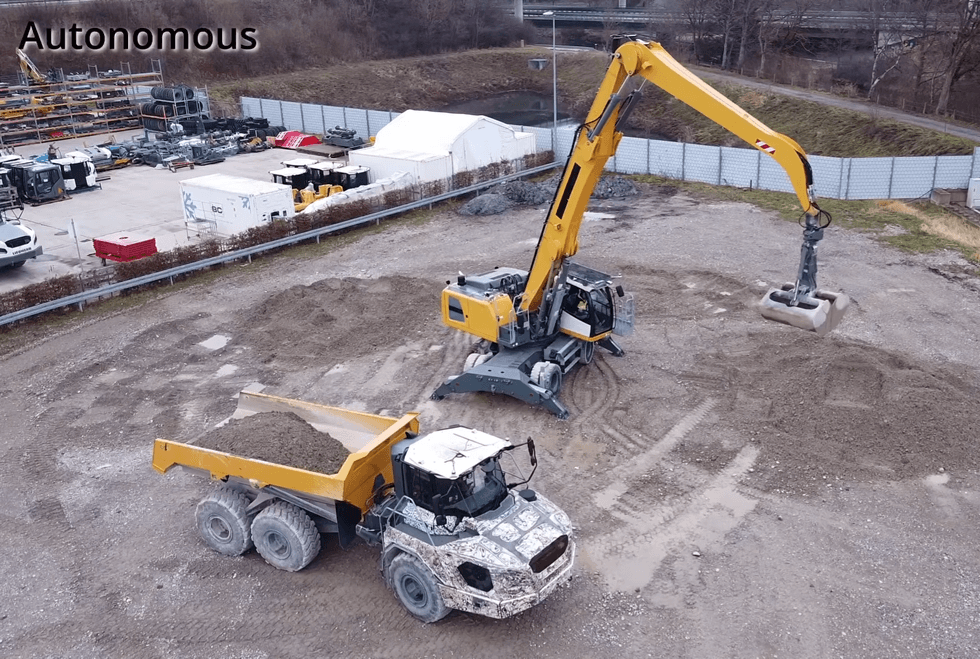
Video Friday: Heavy Robotic Machinery Operates Itself
IEEE Spectrum robotics has released its latest edition of "Video Friday," showcasing a variety of innovative robotics videos and announcing upcoming robotics events. Notable conferences include ICRA 2026 in Vienna from June 1-5, and the Summer School on Multi-Robot Systems in Prague from July 29 to August 4, 2026. Among the featured content is a groundbreaking autonomous material-handling solution developed by ETH Zurich, capable of operating a 40-ton material handler, traditionally a labor-intensive task. Other highlights include the introduction of the world's first production-ready manned mecha by Unitree, and the launch of NIX, an embodied AI exploring dance and movement, which will be made available for free to select partners. NTNU has unveiled the Unified Autonomy Stack, a robust system designed for aerial and ground robots, enhancing their autonomy through advanced perception and navigation capabilities. This system has been validated in challenging environments, showcasing its effectiveness in exploration and object discovery. Robotics expert Rodney Brooks, cofounder of Robust AI, shared insights on the challenges of innovation in robotics and the implications of the current AI surge during a Q&A session ahead of his panel at the Forbes America Innovates event in San Francisco. As the field continues to evolve, the integration of data collection methods remains a significant challenge, with the Koala platform exemplifying innovative approaches to enhance robotic manipulation tasks.
Home-robots Humanoid-robots Video-friday Material-handling-technology Robot-videos Robot-grippers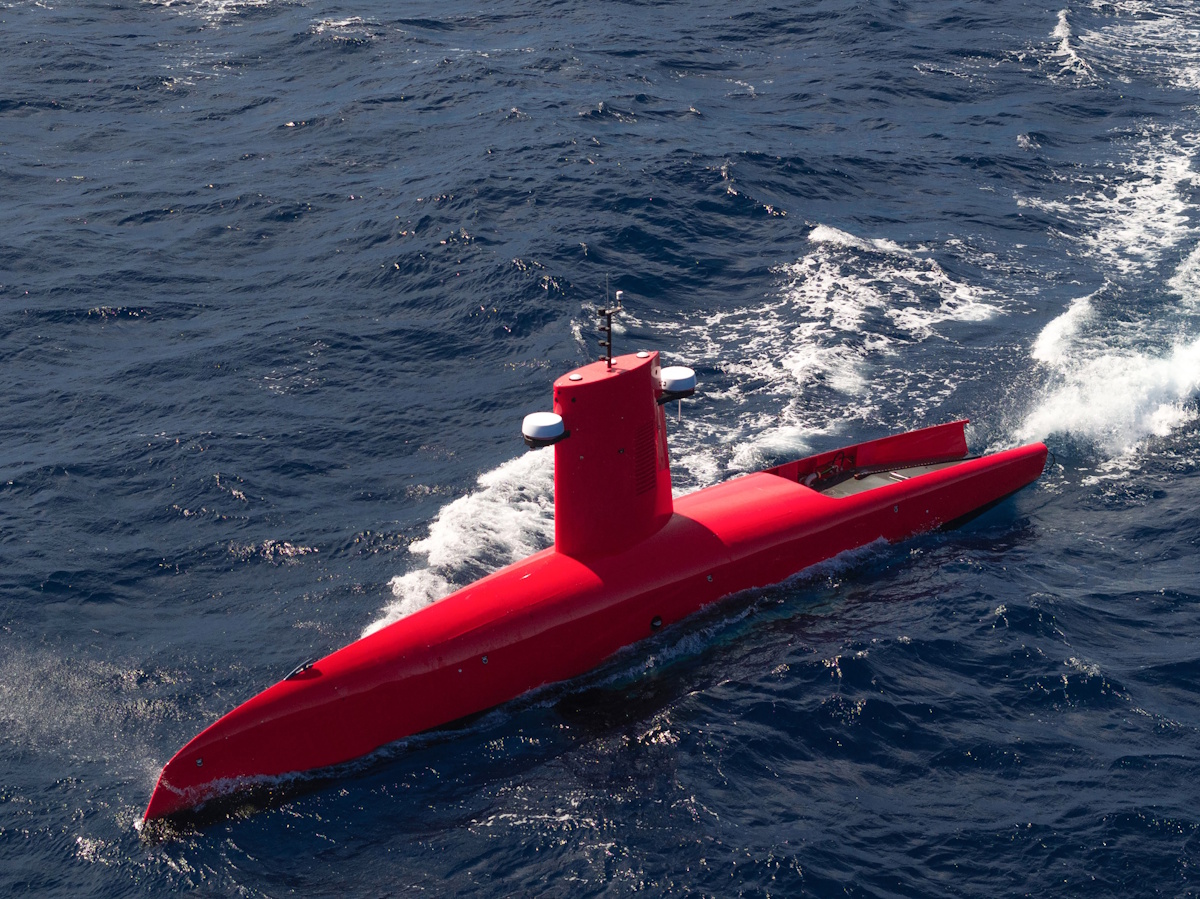
OMS Group to Deploy Exail’s DriX O-16 to Support Global Subsea Cable Installation
OMS Group and Exail have announced the acquisition of a second Exail DriX O-16 Uncrewed Surface Vessel (USV), a move aimed at enhancing OMS Group's autonomous survey capabilities. This acquisition comes in response to the increasing global demand for subsea cable infrastructure. The announcement was made today, marking a significant step in OMS Group's efforts to expand its technological resources and meet the evolving needs of the subsea industry. By integrating advanced USV technology into their operations, OMS Group aims to improve efficiency and effectiveness in survey operations, ultimately supporting the growth of subsea projects worldwide.
oms group exail drix o-16 subsea cable installation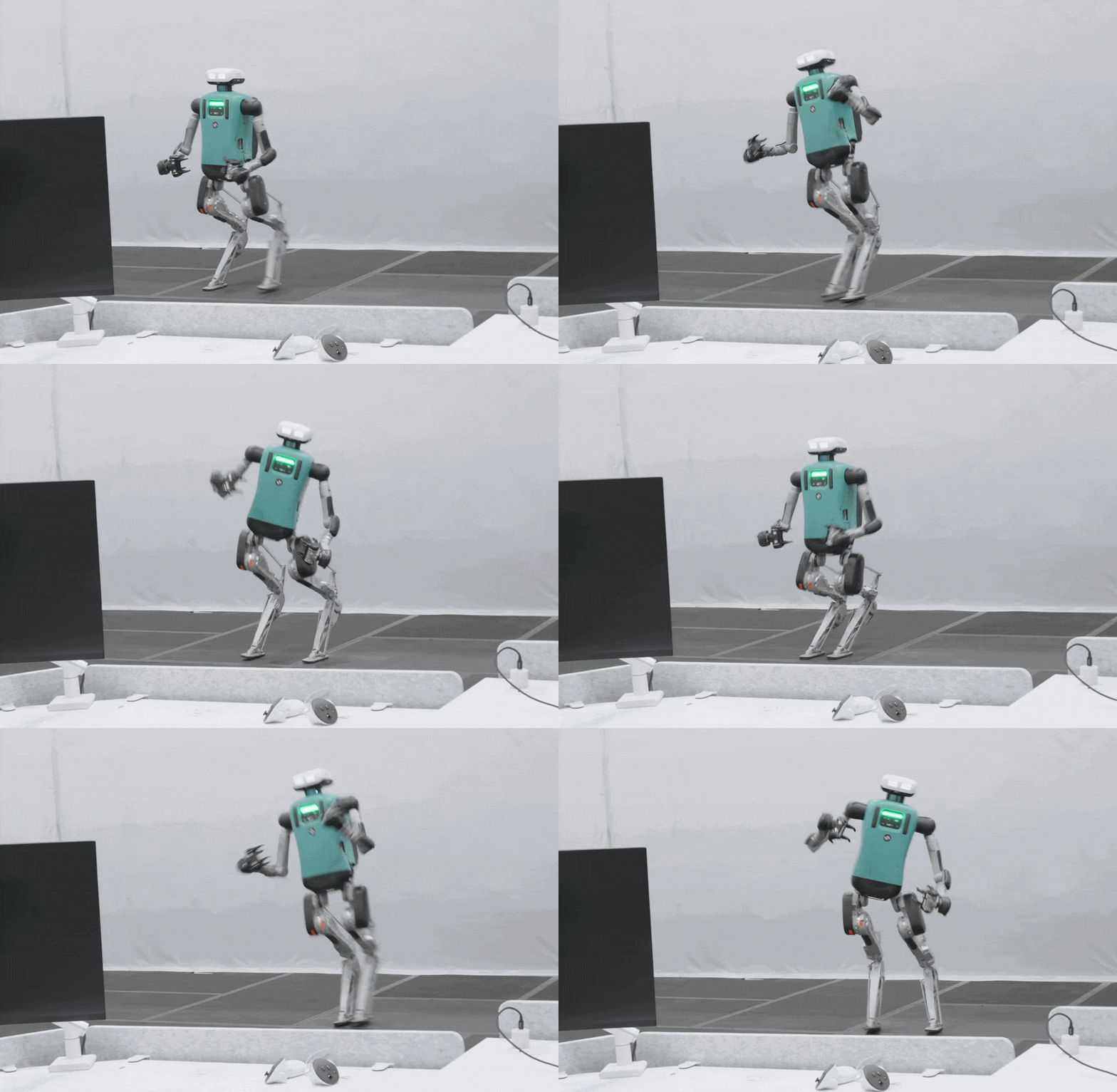
Video Friday: Digit Learns to Dance—Virtually Overnight
In a recent roundup of advancements in robotics, IEEE Spectrum highlighted several notable developments and upcoming events in the field. Among the key innovations is Digit, a humanoid robot that can learn new whole-body control capabilities overnight through sim-to-real reinforcement training, enhancing its performance in various tasks. Additionally, the introduction of GEN-1 marks a significant milestone in robot learning, achieving a 99% success rate in simple physical tasks and drastically reducing task completion time. Unitree has made strides by open-sourcing the UnifoLM-WBT-Dataset, a comprehensive dataset for humanoid robot teleoperation, which has been available since March 5, 2026. Meanwhile, researchers presented MRReP, a Mixed Reality interface that allows users to guide autonomous mobile robots in human-shared environments through hand gestures. In other developments, Sanctuary AI showcased its advanced hydraulic hands capable of dexterous manipulation, while China’s Yuxing 3-06 satellite successfully completed an in-orbit refueling test, paving the way for future satellite servicing. Furthermore, Japan Railway West collaborated with Serendix to utilize 3D printing technology for rapid construction at Hatsushima station, demonstrating innovative solutions to infrastructure challenges. Upcoming robotics events include ICRA 2026 in Vienna from June 1-5, and the Summer School on Multi-Robot Systems in Prague from July 29 to August 4, 2026, providing platforms for further exploration and collaboration in the robotics sector.
Humanoid-robots Video-friday Robot-ai Human-robot-interaction Teleoperation Industrial-robots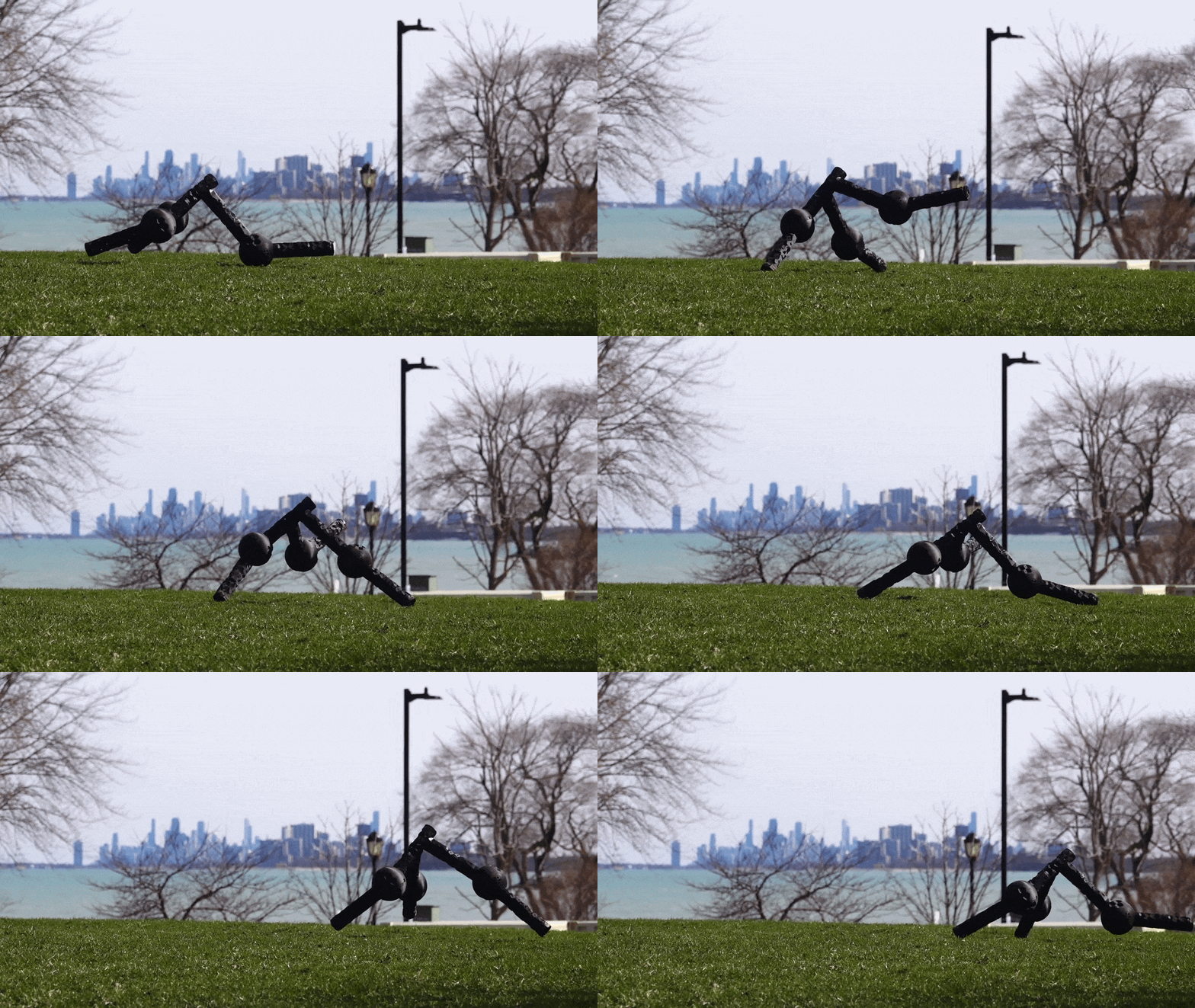
Video Friday: These Robots Were Born to Run
IEEE Spectrum's weekly feature, Video Friday, showcases a collection of innovative robotics videos and highlights upcoming robotics events, including the International Conference on Robotics and Automation (ICRA) scheduled for June 1-5, 2026, in Vienna. This week’s videos introduce advanced modular building blocks that allow for the automatic design and rapid assembly of agile robots capable of navigating unstructured outdoor environments, a significant advancement from traditional legged robots that rely on predefined designs. Additionally, the RIVR project presents a concept for an ideal urban delivery robot, while KIMLAB introduces TRIP-Bag, a portable teleoperation system designed for high-fidelity data collection in various settings. TUM has developed an open-vocabulary semantic exploration system that enhances robots' ability to map and locate objects in dynamic environments. In a practical demonstration, a reconfigurable robot assists a team responding to a simulated radiation leak at a nuclear facility, showcasing its adaptability in challenging conditions. Meanwhile, Carnegie Mellon University's Robomechanics Lab reflects on a devastating flood that destroyed many of its robots, honoring them with a tribute video. Lastly, the 2025 Silicon Valley Humanoids Summit features a keynote by Disney Research's Moritz Baecher, discussing insights into robotic character development.
Robotics Humanoid-robots Video-friday Modular-robots Robot-videos Quadruped-robots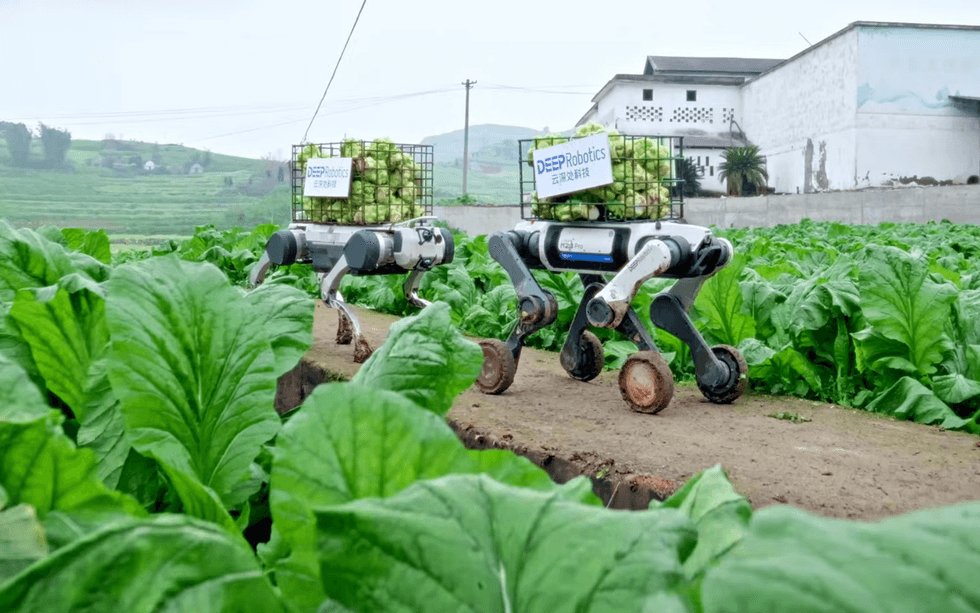
Video Friday: Robot Dogs Haul Produce From the Field
IEEE Spectrum's weekly feature, Video Friday, showcases a variety of innovative robotics videos and highlights upcoming robotics events, including the International Conference on Robotics and Automation (ICRA) scheduled for June 1-5, 2026, in Vienna. This week’s selection includes demonstrations of the Lynx M20 robots, which are designed to address the logistical challenges of transporting harvested crops in mountainous regions. Research from a collaboration between the Max Planck Institute for Intelligent Systems, the University of Michigan, and Cornell University reveals that magnetic microrobot swarms can manipulate larger objects without direct contact, showcasing their potential for complex tasks such as assembly and movement of small items. Meanwhile, Georgia Tech is investigating how bipedal robots can recover from balance loss in unpredictable environments, aiming to enhance their functionality in real-world applications. In a separate initiative, Carnegie Mellon University's TartanAUV team is refining their autonomous underwater vehicle, Osprey, in preparation for the annual RoboSub competition. Additionally, advancements in tilt-rotor aerial robots are being explored to improve control and maneuverability through reinforcement learning techniques. The feature also includes educational tools like the Astorino robot, designed for teaching robotics in schools, and discussions on the need for more realistic datasets for autonomous driving. Overall, the content reflects the ongoing evolution and application of robotics across various fields, emphasizing both technical advancements and educational initiatives.
Humanoid-robots Video-friday Swarm-robotics Quadruped-robots Farm-robots Bipedal-robots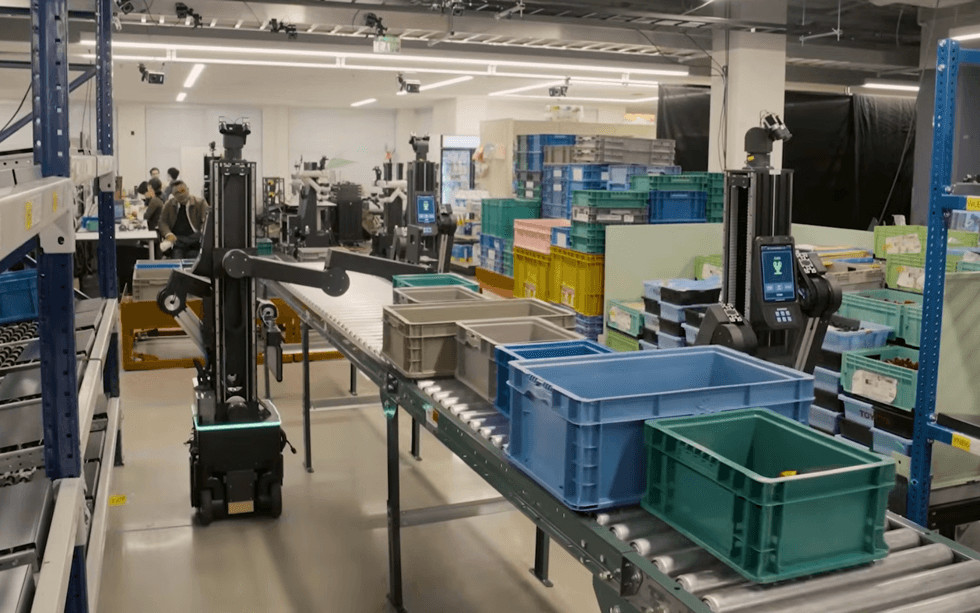
Video Friday: Autonomous Robots Learn By Doing in This Factory
In a recent edition of Video Friday, IEEE Spectrum robotics showcased a variety of innovative robotics projects and developments. Notably, scientists at the Toyota Research Institute are collaborating with Toyota Manufacturing to implement autonomous robots on factory floors, enhancing production efficiency. Zipline shared insights into their drone delivery system, detailing the challenges faced and lessons learned in its development. Humanoid introduced KinetIQ, an AI framework designed for the orchestration of humanoid robot fleets, which integrates task allocation and execution through advanced cognitive layers. Meanwhile, researchers at VISTEC unveiled a decentralized adaptive resilient neural control system (DARCON) that enables legged robots to autonomously adapt to limb loss, ensuring mission success despite mechanical failures. NASA's Jet Propulsion Lab presented an animation of the Perseverance rover's drive along the Jezero Crater, captured on December 10, 2025, showcasing the rover's navigation capabilities. Additionally, Unitree's humanoid robot G1 made its mark on the snowfields of Altay, demonstrating its adaptability in extreme conditions. The Norwegian University of Science & Technology introduced a hierarchical 3D scene graph to enhance autonomous agents' understanding of their environments. Other highlights included the HoLoArm quadrotor, which features compliant arms for improved stability, and SkyDreamer, a pioneering vision-based autonomous-drone racing policy. The event also featured demonstrations of dexterous object manipulation by the AI Worker robot and advancements in swarm robotics for architectural applications.
Video-friday Autonomous-robots Humanoid-robots Industrial-robots Robot-ai Perseverance-rover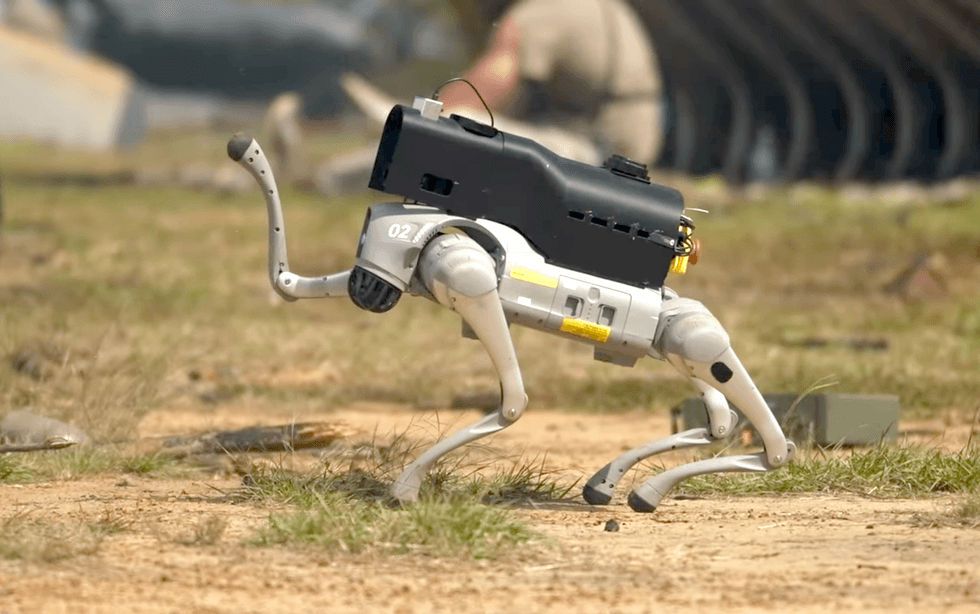
Video Friday: Humans and Robots Team Up in Battlefield Triage
IEEE Spectrum robotics has released its latest edition of "Video Friday," showcasing a collection of innovative robotics videos and a calendar of upcoming robotics events. Among the featured highlights is the Lynx M20 quadruped robot, which successfully completed a field test in extreme cold conditions in Yakeshi, Hulunbuir, demonstrating its reliability in temperatures as low as -30°C. Additionally, a teaser video from KIMLAB presents a new teleoperation robot, set against the backdrop of the University of Illinois at Urbana-Champaign's Main Quad, where students enjoy the serene environment. The publication also includes commentary on the practicalities of using humanoid robots for specific tasks, emphasizing that just because a humanoid can perform a task, it does not necessarily mean it should. Other notable mentions include an autonomous urban delivery robot and the development of CLIO, an embodied tour-guide robot created by an undergraduate team at the University of Hong Kong, which utilizes advanced technologies such as large language models and computer vision to enhance visitor experiences. This weekly roundup not only highlights the advancements in robotics but also encourages collaboration and engagement between researchers and the public, reflecting the ongoing evolution of the field.
Robotics Video-friday Darpa Human-robot-interaction Quadruped-robots Humanoid-robots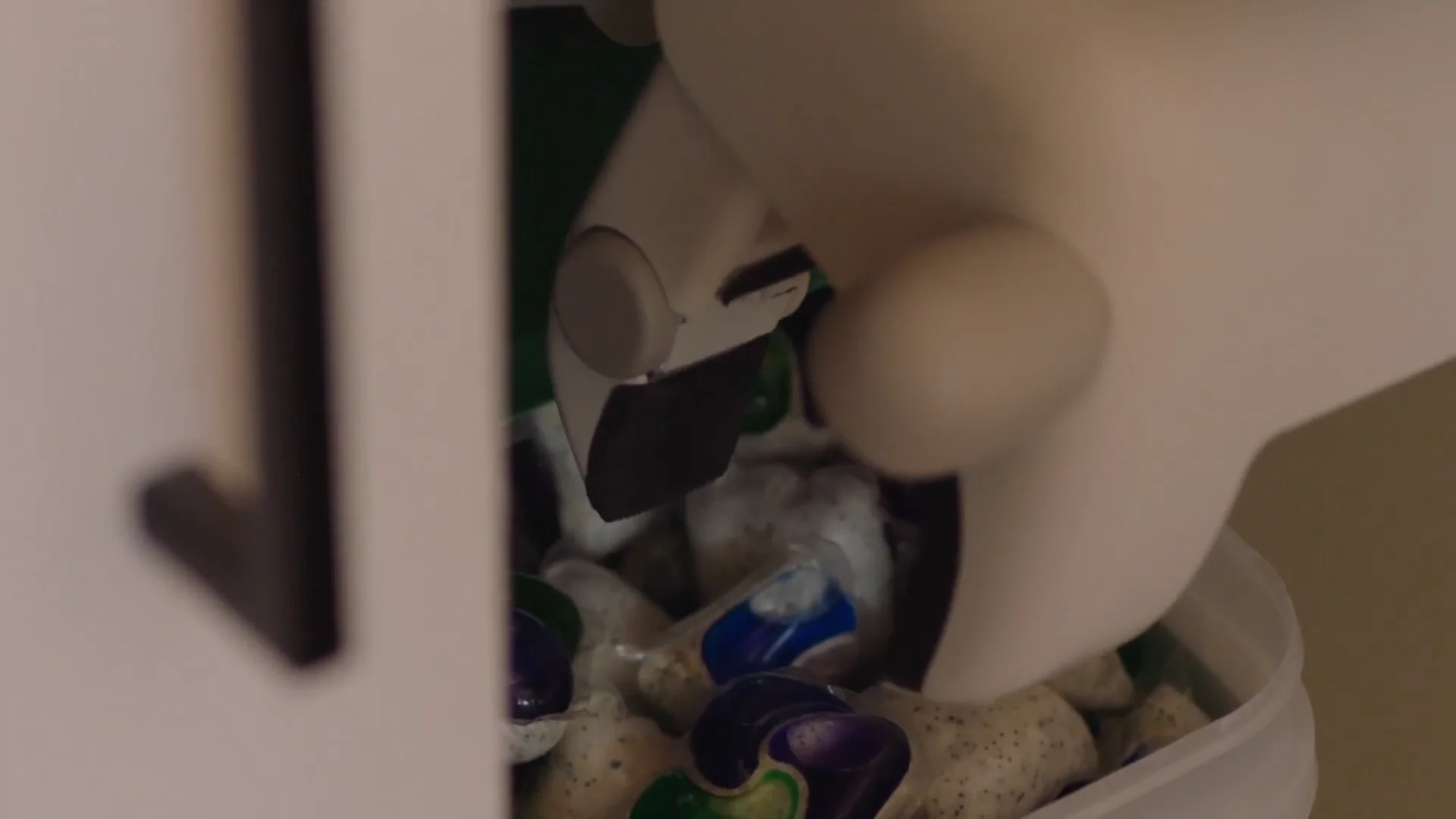
Sunday Robotics' Second Teaser Reveals a Key Bet: A Simple Gripper Powered by a 'Full Stack' Brain
Sunday Robotics has unveiled a new daily video demonstrating a two-fingered claw capable of precisely handling a dishwasher tablet. The company emphasizes that the impressive "millimeter level precision" of the device is attributed to advanced software rather than intricate hardware design. This innovation highlights the potential for software-driven robotics to achieve high levels of accuracy in simple tasks, showcasing the evolving capabilities of robotic technology. The video serves as a testament to the company's commitment to enhancing robotic functionality through software advancements, marking a significant step in the field of automation.
Sunday Robotics
Metron and Cellula Robotics Complete Multi-Mission Open-Water UUV Demonstration of ANCC-Guardian
Metron Inc., a leader in autonomous software for defense and commercial sectors, and Cellula Robotics Ltd., known for its robotic undersea platforms, successfully completed a multi-mission open-water demonstration off the coast of Vancouver, Canada. This sea trial, held recently, highlighted the effective integration of Metron's Autonomous Navigation Command and Control (ANCC) software with Cellula's Guardian Unmanned Underwater Vehicle (UUV). The Guardian is designed for long-duration missions and can carry multiple payloads, enhancing mission success in challenging environments. Equipped with advanced hydrogen fuel cell technology, the Guardian boasts operational ranges of up to 5,000 kilometers and endurance of 45 to 60 days, significantly outperforming similar battery-powered systems. This demonstration represents the culmination of a yearlong collaboration involving UUV operations that combined Cellula's platforms with Metron's innovative software solutions.
metron cellula robotics multi-mission open-water uuv demonstration ancc-guardian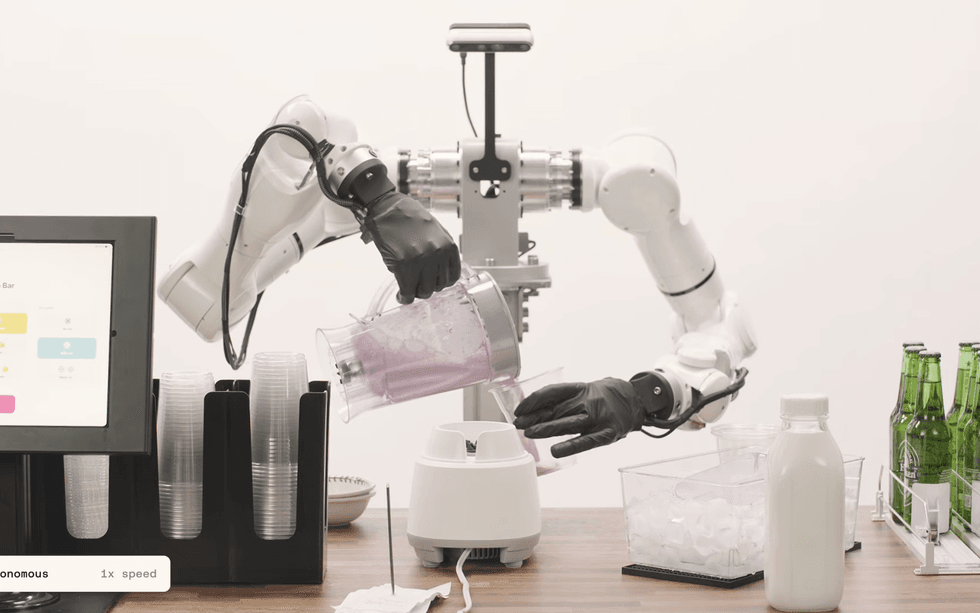
Video Friday: AI Gives Robot Hands Human-Like Dexterity
IEEE Spectrum robotics has released its weekly roundup of notable robotics videos, along with a calendar of upcoming robotics events scheduled for 2026. Key events include ICRA 2026 in Vienna from June 1-5, and the Summer School on Multi-Robot Systems in Prague from July 29 to August 4. Among the highlights is the introduction of GENE-26.5, an AI brain that enables robots to perform complex tasks such as cooking, conducting lab experiments, and playing the piano, showcasing significant advancements in robotic capabilities. Another featured robot, Labububot, is a unique creation that critiques social robots through its design, merging various pop culture elements into a single entity. In other developments, NASA's Jet Propulsion Laboratory is testing next-generation helicopter rotor blades on Mars, achieving speeds that exceed Mach 1 in a simulated Martian atmosphere. Additionally, Boston Dynamics is balancing commercial interests with robotics research through its Atlas robot, while the Robomechanics Lab has introduced Sally, a magnetic-wheeled robot designed for inspecting steel structures, capable of navigating challenging interior corners. These innovations reflect the ongoing evolution in robotics, driven by advancements in AI and engineering, as the field continues to explore new applications and capabilities.
Humanoid-robots Video-friday Manipulation Robot-videos Autonomous-robots Quadruped-robots
Video Friday: This Floor Lamp Will Do Your Chores
IEEE Spectrum robotics has released its weekly roundup of notable robotics videos, along with a calendar of upcoming events in the field. Key events include the International Conference on Robotics and Automation (ICRA) scheduled for June 1-5, 2026, in Vienna, and the Robotics Science and Systems (RSS) conference from July 13-17, 2026, in Sydney. Among the highlights is Lume, a sculptural floor lamp that reportedly can perform household chores such as making beds and folding laundry, though skepticism surrounds its capabilities due to the presentation of its functionality in promotional materials. Additionally, researchers from MIT Media Lab and Politecnico di Bari have introduced Electrofluidic Fiber Muscles, a new type of artificial muscle that is soft and flexible, utilizing electric fields to operate silently without external pumps. Another innovation is GEN-1, a general-purpose AI model that significantly improves success rates in physical tasks and enhances speed, marking a step towards achieving generalist intelligence in robotics. The report also discusses advancements in legged manipulators, which face challenges in interacting with diverse articulated objects, and highlights the development of Tether, a system for autonomous interactive play that enhances policy learning through efficient data generation. As the robotics community continues to innovate, these developments signal exciting possibilities for the future of robotics applications.
Home-robots Video-friday Artificial-muscle Agricultural-robots Robot-ai Quadruped-robots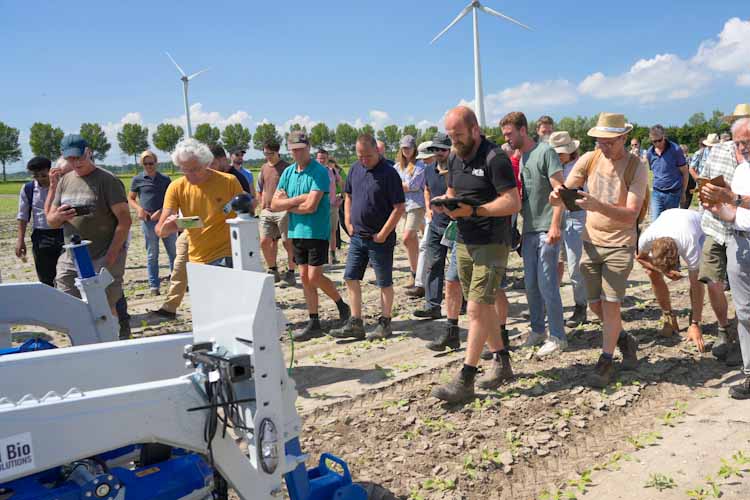
Inside the Dutch organic field day where weeding robots stole the show
Mechanical weeding has entered a new era. At the Dutch Organic FieldDay, visitors no longer questioned whether robots work, but compared how accurately they remove weeds within the crop row. Future Farming visited the demonstrations, where AI-guided hoes, laser weeders and a new hot-water robot highlighted how automation is reshaping organic crop production. Visitors soon […]
Uncategorized
AI Hacking Threats Extend to Humanoid Robots: Seoul Hosts 'Judgment Day' Challenge
The 2026 Seoul AI Security Forum has underscored the critical importance of physical security for artificial intelligence systems, particularly as hackers increasingly target humanoid robots. The event featured a live red team challenge known as "Judgment Day," which focused on testing the vulnerabilities of a U-Tree G1 robot. This demonstration highlighted the necessity for proactive security measures in response to the rapidly evolving landscape of AI technology. The forum serves as a vital platform for addressing the challenges posed by cyber threats to advanced robotics, emphasizing the need for robust defenses to protect these innovative systems.
AI Security Humanoid Robots Red Teaming Robustness Testing
Where to watch drone shows this Independence Day weekend
This Fourth of July, Americans can expect an expanded array of options for celebrating Independence Day, particularly in the realm of nighttime entertainment. While traditional fireworks continue to be a staple of the holiday, many communities across the United States are increasingly incorporating drone light shows into their festivities. These innovative displays often feature hundreds of synchronized drones that create vibrant aerial animations, including patriotic symbols such as American flags, eagles, and stars, as well as local landmarks. In some areas, these drone shows are designed to complement fireworks, culminating in a spectacular finale, while in others, they take center stage as the main attraction. This shift reflects a growing trend towards modernizing holiday celebrations and enhancing the overall experience for attendees.
News
Pudu Robotics Brings Physical AI into Everyday Life at Davos Tech Summit's Robot City
Pudu Robotics is showcasing the practical applications of commercial service robots in various sectors, including retail, hospitality, and public spaces. The company has deployed its robots to enhance operational efficiency and customer service in these environments. By integrating advanced technology, Pudu Robotics aims to address the growing demand for automation and improve the overall experience for both businesses and consumers. This initiative highlights the increasing role of robotics in everyday operations, demonstrating their potential to create significant value in real-world scenarios.
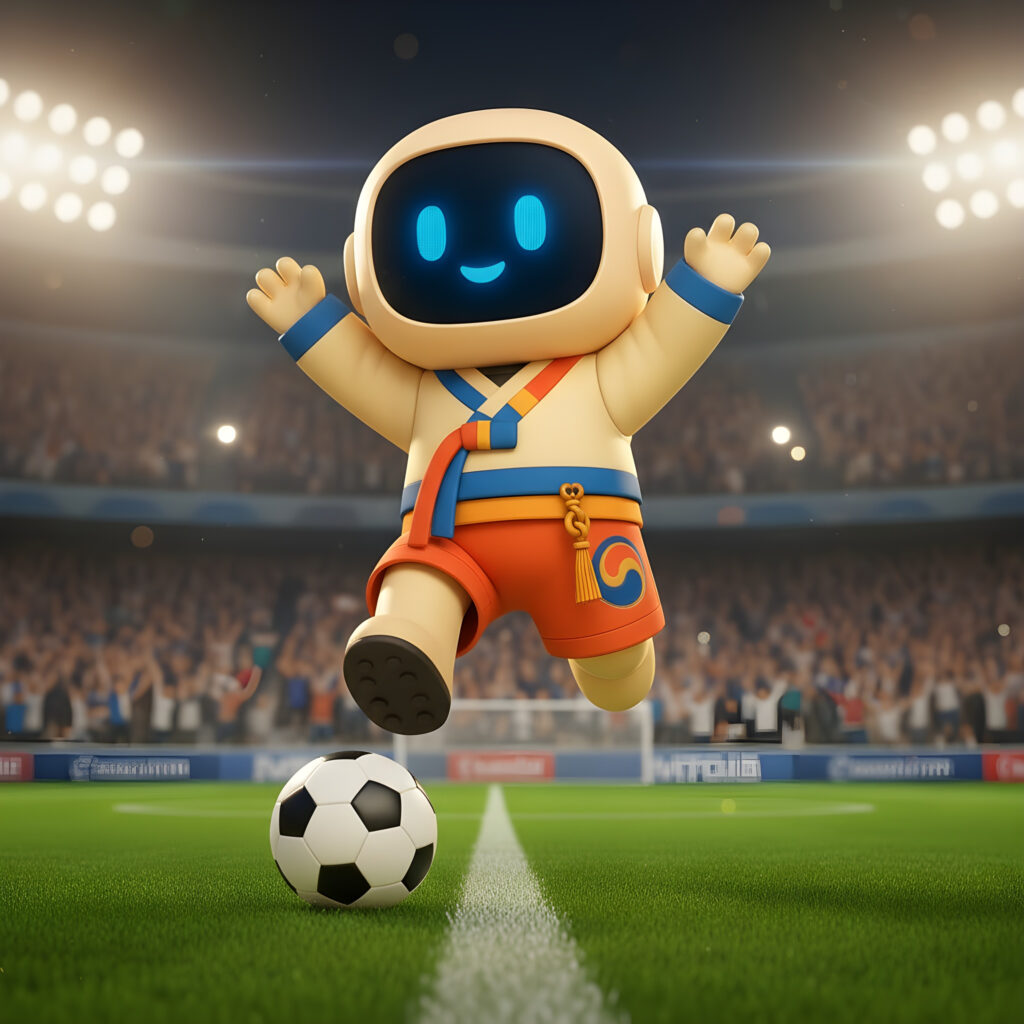
#RoboCup2026 – humanoid league day 1
RoboCup 2026 commenced today in Incheon, South Korea, featuring league competitions that will continue until July 5. This year's event marks a significant evolution for RoboCup, particularly with updates to the leagues and competition formats. A notable change is the emphasis on humanoid robots in the soccer leagues, highlighting advancements in robotics and artificial intelligence. Participants from around the world are set to showcase their innovations and compete in various challenges, aiming to promote research and development in robotics while fostering international collaboration.

Sun unleashes powerful X-class solar flare and Earth-bound CME that could spark northern lights for July 4 weekend
A recent X1.1 solar eruption has caused a temporary disruption in radio communications across the daylight side of Earth. This event, which occurred on July 1, has raised concerns among scientists and communication experts. Forecasters are now predicting that the associated coronal mass ejection (CME) will reach Earth on July 3, potentially leading to further impacts on technology and communications. The eruption highlights the ongoing influence of solar activity on our planet, emphasizing the need for monitoring and preparedness in the face of such natural phenomena.
Stargazing
Innovation Day for Advanced Packaging Automation
Over 160 participants from 87 companies across 30 countries convened at CMC Packaging Automation's headquarters for the annual CID26 – CMC Innovation Day 2026. This year's event, themed ‘Ecosystem,’ focused on advancements in fulfillment automation, systems integration, and right-sized packaging. Attendees included customers, technology partners, policymakers, and industry experts, all united to explore innovative solutions and foster collaboration within the packaging sector. The gathering aimed to address the evolving needs of the industry and promote sustainable practices, highlighting CMC's commitment to driving progress in packaging automation.
Automated Packaging eFulfilment Label and Print Packaging and Ecommerce CMC Fulfilment Automation
Tesla Reports Q2 Deliveries in a Matter of Days. Here's the Number That Matters.
Tesla is poised to announce its second-quarter vehicle deliveries in early July, a crucial update that will provide insights into the company's recovery from a challenging 2025. The report will focus on the year-over-year growth rate in deliveries, which is essential for assessing whether demand for Tesla's vehicles is rebounding. In 2025, the company delivered 1,636,129 vehicles, an 8.6% decline from the previous year, but saw a 6.3% increase in the first quarter of 2026, delivering 358,023 vehicles. Analysts expect Tesla to report around 406,000 deliveries for the second quarter, with more optimistic forecasts reaching 420,000. Achieving these numbers would indicate a significant recovery, surpassing the 384,122 vehicles delivered in the same quarter last year. The performance will be influenced by regional markets, particularly Europe, which has shown growth, and China, where demand remains strong. However, the U.S. market has faced challenges due to a decline in registrations following the expiration of tax credits. Investors are closely monitoring this delivery figure, as it reflects the health of Tesla's automotive business, which remains the primary source of revenue despite the company's broader ambitions in self-driving technology and robotics. With Tesla shares down 16% in 2026, positive delivery news could help restore investor confidence ahead of the more comprehensive financial results expected later in July.
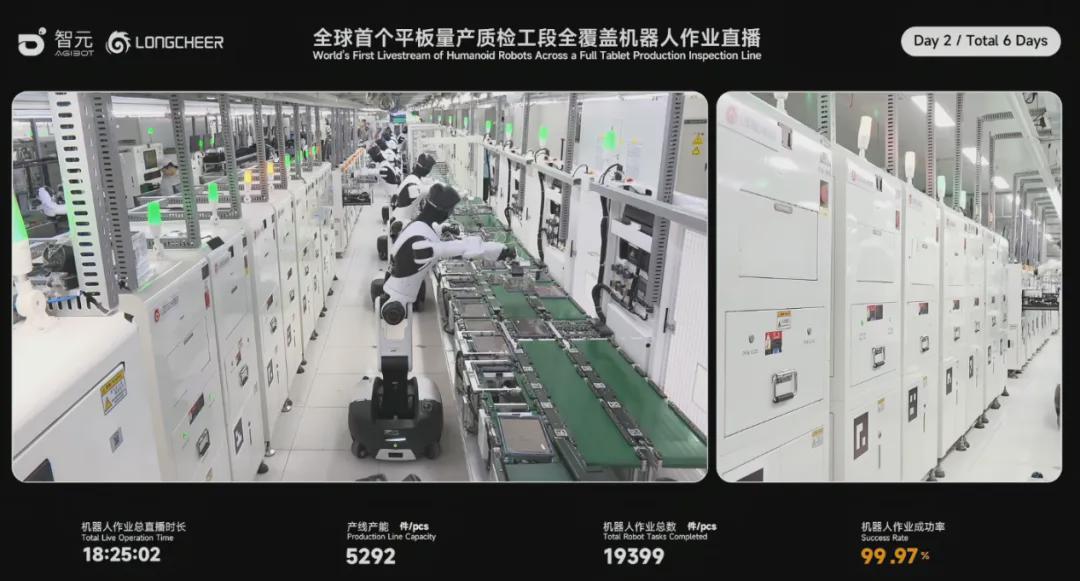
Robots Transition to 'Deployment Mode': Insights from Zhiyuan's 6-Day Live Stream
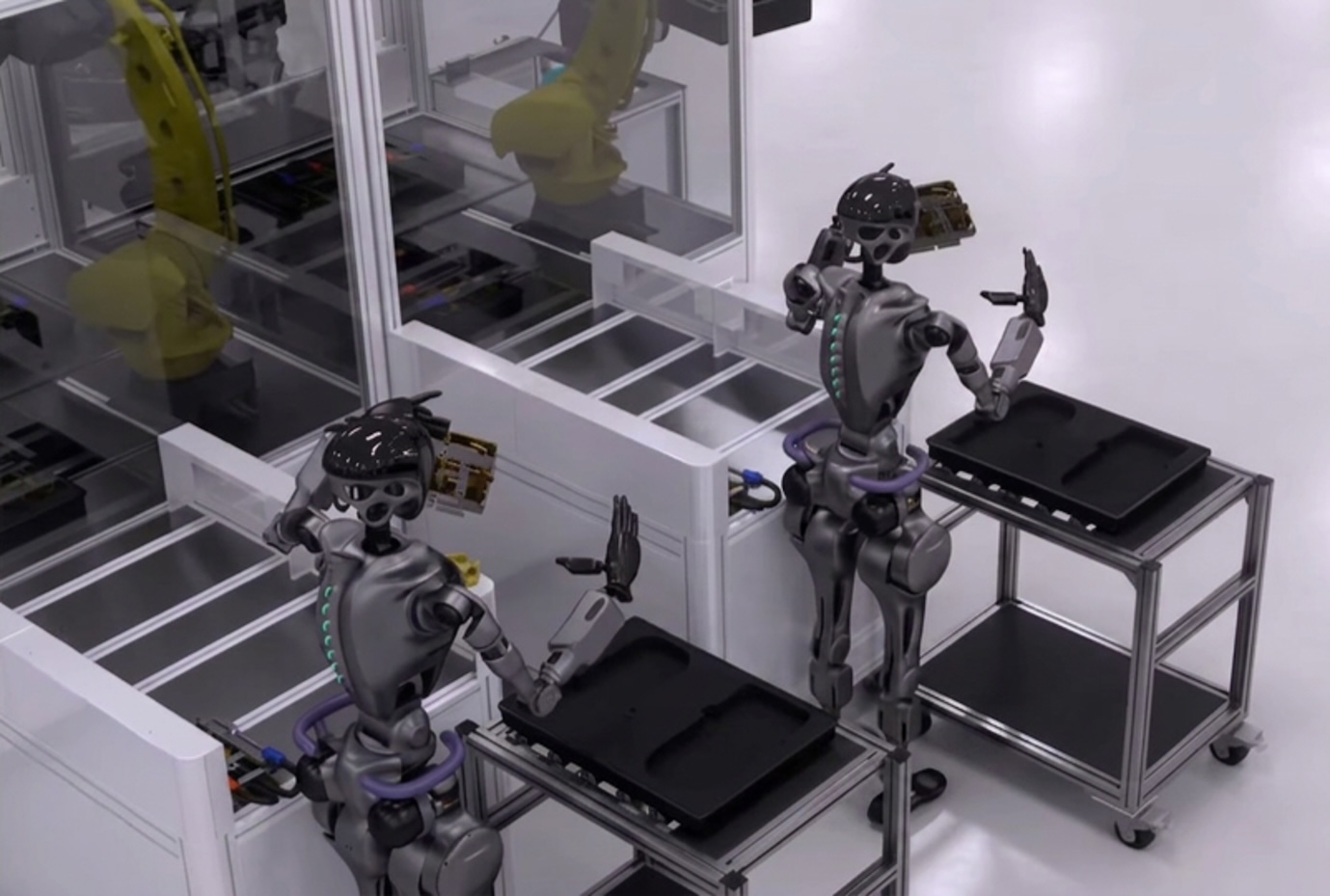
Longqi Technology's Nanchang factory hosted a six-day live stream event from June 23 to 28, showcasing the capabilities of its Zhiyuan G2 humanoid robot cluster as it conducted quality inspections on tablet computers. This demonstration represented a pivotal transition from traditional single-task operations to a more integrated approach to workflow management, underscoring the growing demand for flexible automation solutions within the 3C manufacturing industry. The event highlighted the G2 robots' effectiveness in real production settings, illustrating their potential to enhance efficiency and adaptability in manufacturing processes.
Humanoid Robots Quality Inspection Flexible Automation 3C Manufacturing Industrial Robotics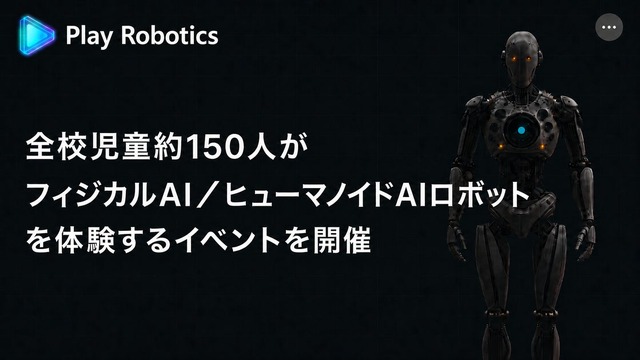
First educational event in Japan featuring humanoid demonstrations and physical AI experiences at elementary schools on June 26.
Play Robotics, a company specializing in safety evaluation and support for the integration of humanoid robots, is set to host a Physical AI Experience event on June 26, 2026. The event will take place at Shiroyama Elementary School in Inagi City. This initiative aims to provide participants with hands-on experiences to explore the capabilities and safety of humanoid robots, promoting awareness and understanding of AI technologies in educational environments. Through interactive demonstrations and activities, attendees will gain insights into the practical applications of robotics and artificial intelligence in everyday life.

Upsampling method sharpens AI vision with up to 16 times less GPU memory
A collaborative research team from KAIST and various international institutions has made significant advancements in computer vision technology, enhancing artificial intelligence's ability to perceive its surroundings. This new technology improves GPU memory efficiency by up to 16 times, allowing AI systems to operate with minimal memory usage. The breakthrough, announced recently, is expected to play a crucial role in advancing the development of humanoid robots and on-device AI, potentially transforming how these technologies are integrated into everyday life. The innovation underscores the growing importance of efficient AI systems in various applications, from smartphones to robotics.
Robotics
Tech stocks today: SpaceX becomes more valuable than Tesla
Tech stocks experienced a notable surge on Monday, following a ceasefire agreement between the US and Iran, which raised hopes for an end to the four-month-long conflict that has negatively impacted the global economy. Among the highlights was SpaceX's record-breaking initial public offering (IPO) on Friday, which saw its shares close at $160.95, a 19% increase from the IPO price of $135. This valuation catapulted SpaceX to a market capitalization of $2.1 trillion, surpassing Tesla's $1.52 trillion and making Elon Musk the world's first trillionaire. As a result of this IPO, SpaceX has now become the seventh-largest public company globally and the sixth-largest in the US, trailing only behind tech giants like Nvidia, Alphabet, Apple, Microsoft, Amazon, and Taiwan Semiconductor. Analysts suggest that discussions of a potential merger between SpaceX and Tesla are underway, with the possibility of integrating their technologies in the future. The enthusiasm surrounding SpaceX's IPO reflects broader optimism in the market, particularly regarding the potential for upcoming IPOs from AI startups OpenAI and Anthropic, both of which have filed for public offerings. Retail investors played a significant role in the IPO's success, driven by their support for Musk's vision. Experts believe that the current market can absorb new share issuances, indicating a robust environment for tech stocks moving forward.

Tech stocks today: SpaceX to buy Cursor, as it surpasses Tesla's market cap
SpaceX has announced its intention to acquire AI coding service Cursor for $60 billion, following a successful public debut that saw its market capitalization exceed that of Tesla. The announcement was made on Tuesday, June 16, 2026, and comes after SpaceX's record-setting IPO, which made it the largest in history and elevated Elon Musk to the status of the world's first trillionaire. The acquisition deal, which is expected to close in the third quarter pending regulatory approvals, is an all-stock transaction that follows an option SpaceX secured in April to either partner with Cursor or acquire it outright. Cursor, founded in 2022, has rapidly scaled its business, reporting annualized revenues of approximately $2.6 billion. The acquisition is part of a broader trend in the tech industry, as investors are keenly watching SpaceX's stock performance this week, which has already seen significant gains since its IPO. Additionally, the news sets the stage for potential IPOs from leading AI startups OpenAI and Anthropic, both of which have filed for public offerings this year.
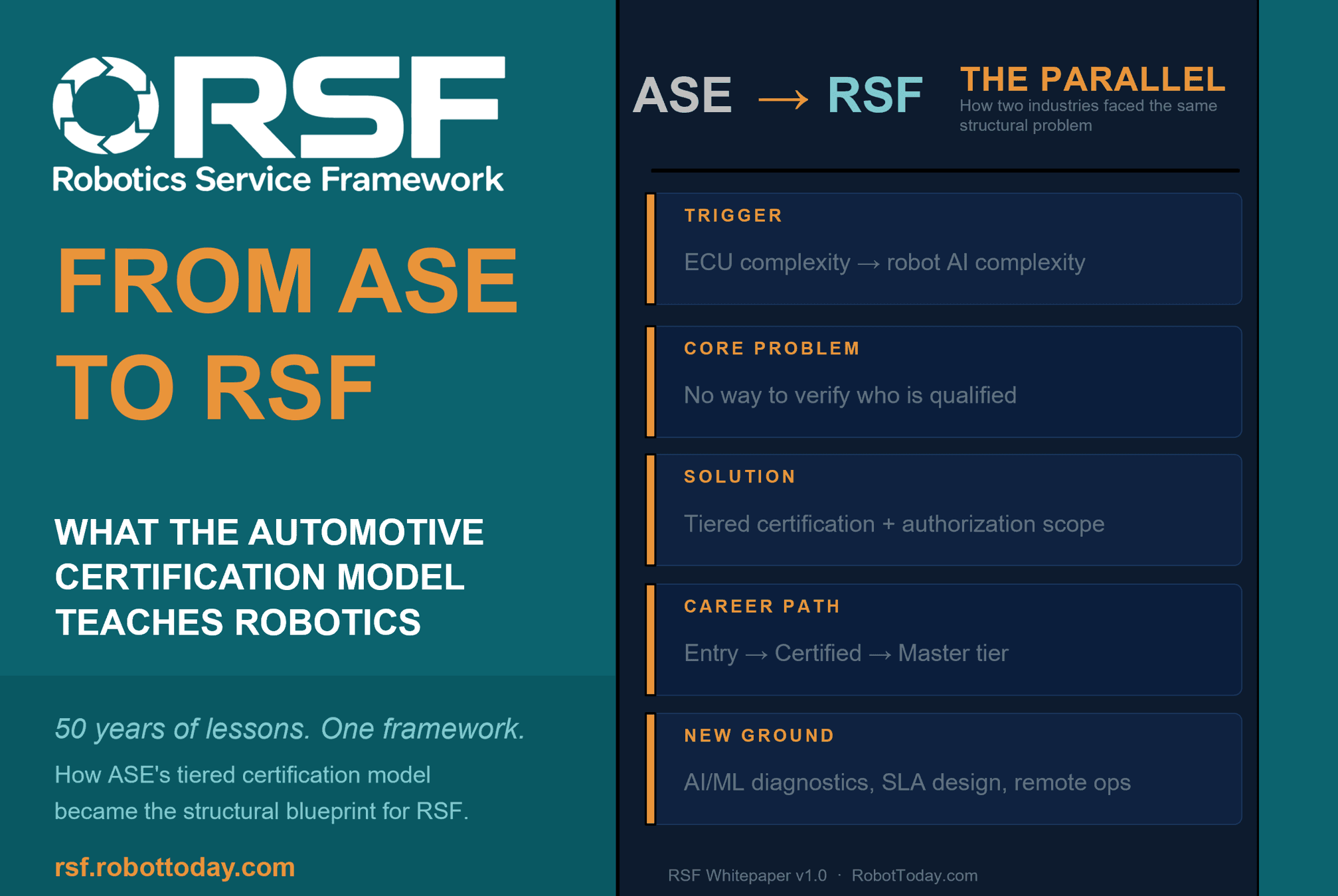
Robotics needs a service framework.
RSF defines a common language for robot service capability, lifecycle operations, certification pathways, and service-provider networks.