Industry Briefing
A single destination for timely, editor-curated robotics news from around the world.
Drones, fighters, armored vehicles: Highlights from the UK’s Defence Investment Plan
The UK government has announced a significant investment of £5 billion aimed at advancing autonomous systems as part of its defense strategy. This initiative, outlined in the latest Defense Investment Plan (DIP), emphasizes the development of a “hybrid navy” that integrates cutting-edge technology into naval operations. The funding is intended to enhance the capabilities of the armed forces, reflecting a broader trend towards modernization and innovation in military operations. The push for these autonomous systems is driven by the need to adapt to evolving security challenges and to maintain a competitive edge in defense capabilities. The plan is set to reshape the future of the UK’s naval forces, ensuring they are equipped to address contemporary threats effectively.
Global Land Warfare Naval Warfare AH-64E Apache Army Challenger 3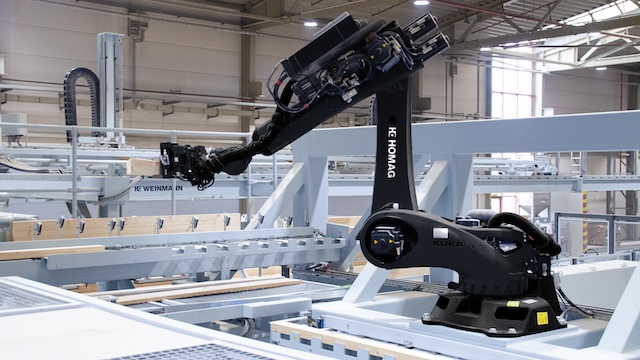
In Defence Investment Plan preview, Britain bets big on drones, ‘hybrid’ navy
The Ministry of Defence has announced an initiative to develop at least six hybrid warships that will integrate with unmanned systems both in the air and at sea. This strategic move aims to enhance naval capabilities and modernize the fleet, reflecting a growing emphasis on advanced technology in military operations. The initiative underscores the Ministry's commitment to maintaining a competitive edge in maritime defense, particularly in an era where unmanned systems are becoming increasingly vital for operational effectiveness. The timeline for the project has not been specified, but it represents a significant step towards modernizing naval warfare and adapting to evolving threats.
Air Warfare Global Land Warfare Naval Warfare Air Force Ajax
UK unveils long-delayed defence plan with £5bn drone investment
The UK Government is set to unveil its long-awaited Defence Investment Plan (DIP), which includes a significant commitment of £5 billion aimed at enhancing the integration of drones and autonomous systems within the armed forces. This investment will be implemented over the next four years, reflecting the government's strategic focus on modernizing military capabilities. The announcement comes as part of broader efforts to strengthen national defense in response to evolving global security challenges. By prioritizing advanced technology, the UK aims to ensure its armed forces remain competitive and effective in contemporary warfare.
News
SpaceX's Starmind Project: Supplier Strategy and Chip Manufacturing Plans for 2026
SpaceX's Starmind project, aimed at deploying up to 1 million AI satellites, was filed with the FCC on January 30, 2026. The initiative is designed to minimize reliance on external suppliers, with CEO Elon Musk stating that current chip production capabilities only meet 2% of the projected needs. The first satellite, AI1, is set for prototype launches in early 2027, featuring a 70-meter wingspan and a modular payload system that allows for interchangeable chips from various suppliers. The significance of Starmind lies in its ambitious supply chain strategy, which seeks to transition from external hardware suppliers to a fully integrated Musk-owned facility by 2028. The Gigasat manufacturing site in Bastrop, Texas, is expected to be operational by the end of 2027, with plans for high-volume production of the D3 chip, specifically designed for space applications. This approach aims to consolidate chip manufacturing processes under the Terafab joint venture, which has an estimated initial investment of $55 billion. Looking ahead, the next milestone for Starmind is the launch of AI1 prototypes in early 2027, while the full-scale chip production at Terafab is projected to ramp up significantly thereafter. However, analysts express skepticism regarding the feasibility of achieving Musk's ambitious compute goals, which may require substantial investment and time to establish the necessary manufacturing capabilities.
Fieldwork Robotics Receives £2.5 Million Investment for Berry Harvesting Automation
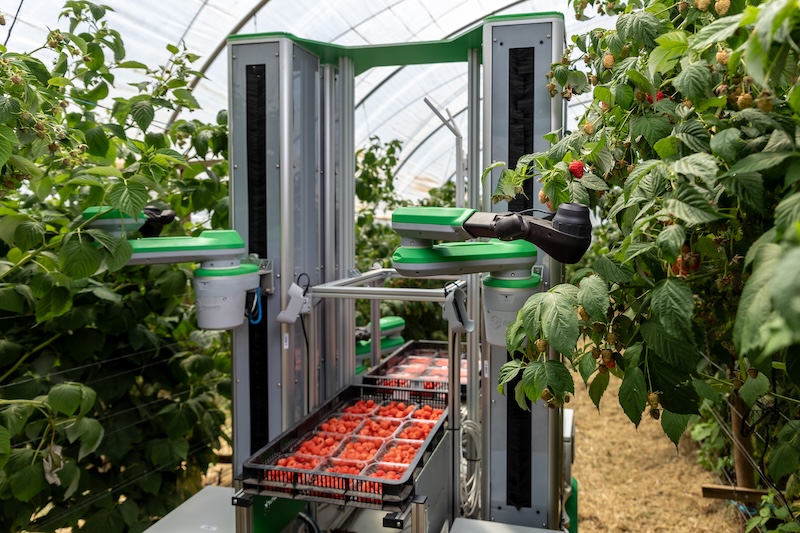
Fieldwork Robotics has secured a £2.5 million investment from SEED Innovations to enhance its selective and modular berry harvesting robots. This funding is part of a Seed+ fundraising initiative announced in April 2026, aimed at addressing labor shortages and rising costs in berry production. The investment will facilitate the transition from technology validation to commercial trials, with production robots already deployed in a two-year program in Norfolk and Stafford. The significance of this investment lies in its potential to alleviate pressing challenges faced by berry growers, including labor shortages and increased harvesting costs. By utilizing autonomous harvesting robots, Fieldwork aims to boost productivity and reduce reliance on seasonal labor, thereby minimizing food waste and stabilizing consumer prices. Jim Mellon, chairman of SEED Innovations, emphasizes the opportunity for robotics and AI to tackle real-world agricultural issues, aligning with Fieldwork's mission to enhance farm efficiency. Looking ahead, Fieldwork Robotics anticipates operating multi-robot fleets on farms by 2027, contingent on the success of ongoing trials. Additionally, the company plans to expand its operations internationally, with trials set to take place in Australia as part of its global growth strategy. No further timeline was disclosed at the time of publication.
Agriculture Financials & Investments agri robotics agricultural robotics agriculture automation
Investment of 5.08 Billion Yuan in Wuxi Binhu by Xinjie Electric and Longsheng Weir
On July 10, Xinjie Electric signed an agreement to invest 5.08 billion yuan in Wuxi Binhu for a project focused on core components for intelligent and high-end equipment. This project aims to mass-produce upstream core components, including servo systems, frameless torque motors, and high-precision encoders, addressing critical gaps in the domestic humanoid robot industry chain. The significance of this investment lies in the fact that core components account for over 70% of the hardware cost structure in humanoid robots, with domestic supply heavily reliant on overseas manufacturers. Xinjie Electric's project will enhance local production capabilities, reduce reliance on imports, and stabilize the supply chain, which is crucial for the downstream assembly manufacturers. Looking ahead, Xinjie Electric plans to advance the project in two phases, with the first phase focusing on expanding production capacity for servo systems and controllers. No further timeline was disclosed at the time of publication, but the company’s established expertise in motion control positions it well for success in the humanoid robot components market.
Humanoid Robots Core Components Industrial Automation AI Robotics Innovation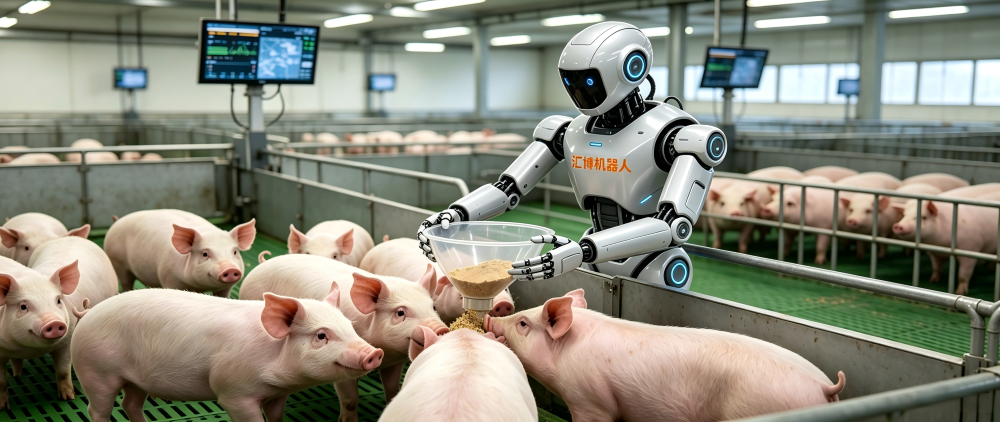
Jinke Smart Agriculture Reduces Robotics Investment from 650 Million to 60 Million Amid Market Challenges
On July 10, Jinke Smart Agriculture's stock surged, prompting speculation about its acquisition of Jiangsu Huibo Robotics. Initially, Jinke planned to invest 650 million yuan to gain control over Huibo, which specializes in humanoid robotics for pig farming. However, by late June, the investment was drastically reduced to 60 million yuan, raising concerns about the viability of the acquisition. This significant cut in investment reflects the broader challenges faced by Jinke, as its revenue is projected to decline by 18.26% in 2025, with a net profit drop of 78.59%. The domestic pig market struggles with prices below 12 yuan per kilogram, while production costs remain high. The shift towards robotics is seen as a potential solution to reduce labor costs and improve efficiency in pig farming. Looking ahead, the feasibility of the investment hinges on whether the robotics can operate effectively in the harsh conditions of pig farming. The debate continues on whether humanoid robots are necessary for the tasks at hand, as their design may offer advantages in precision and flexibility compared to traditional robotic forms. No further timeline was disclosed at the time of publication.
Humanoid Robots Agricultural Robotics Pig Farming AI Technology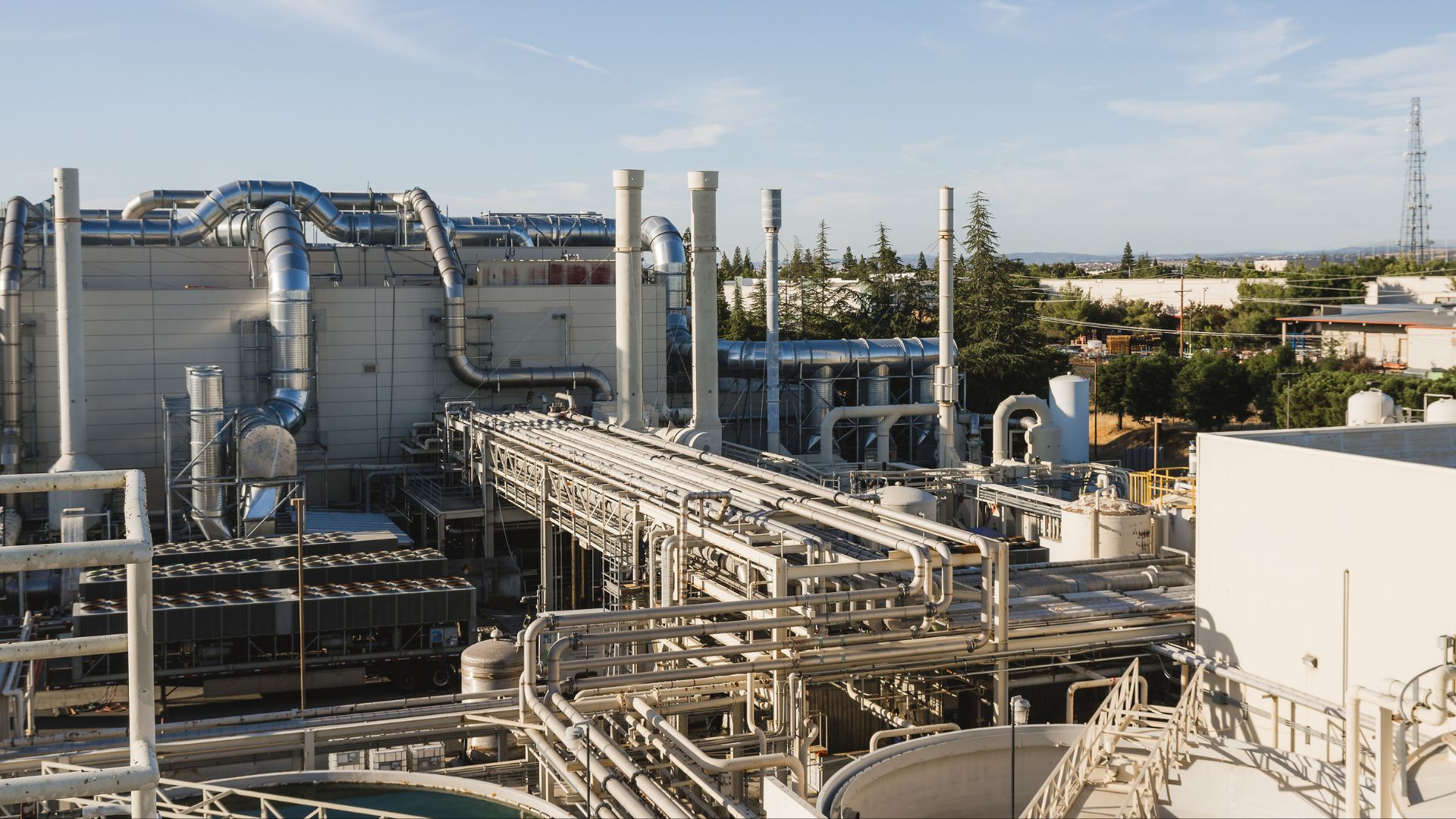
Bosch Initiates 200 mm Silicon Carbide Chip Production at California Semiconductor Plant
Bosch has commenced sample production of silicon carbide (SiC) semiconductor chips at its facility in Roseville, California. This marks a significant advancement in the effort to revitalize power chip manufacturing within the United States. The company has also secured up to $225 million in funding from the U.S. Department of Commerce’s CHIPS Program Office to support its investment of up to $2 billion at the site. The Roseville plant is set to begin commercial production in 2026, making it Bosch's first semiconductor manufacturing site in the U.S. The facility will produce third-generation SiC chips on 200-millimeter wafers, aligning with the U.S. government's initiative to bolster domestic semiconductor manufacturing. Silicon carbide chips are increasingly vital for applications in electric vehicles, industrial equipment, and energy systems. Looking ahead, Bosch plans to invest up to $7.5 billion across its U.S. operations by 2031, enhancing manufacturing capacity and expanding its North American business. The Roseville site currently employs over 300 individuals and is committed to workforce development through local education partnerships, with plans to contribute more than $100,000 annually to community STEM programs starting in 2026.
Innovation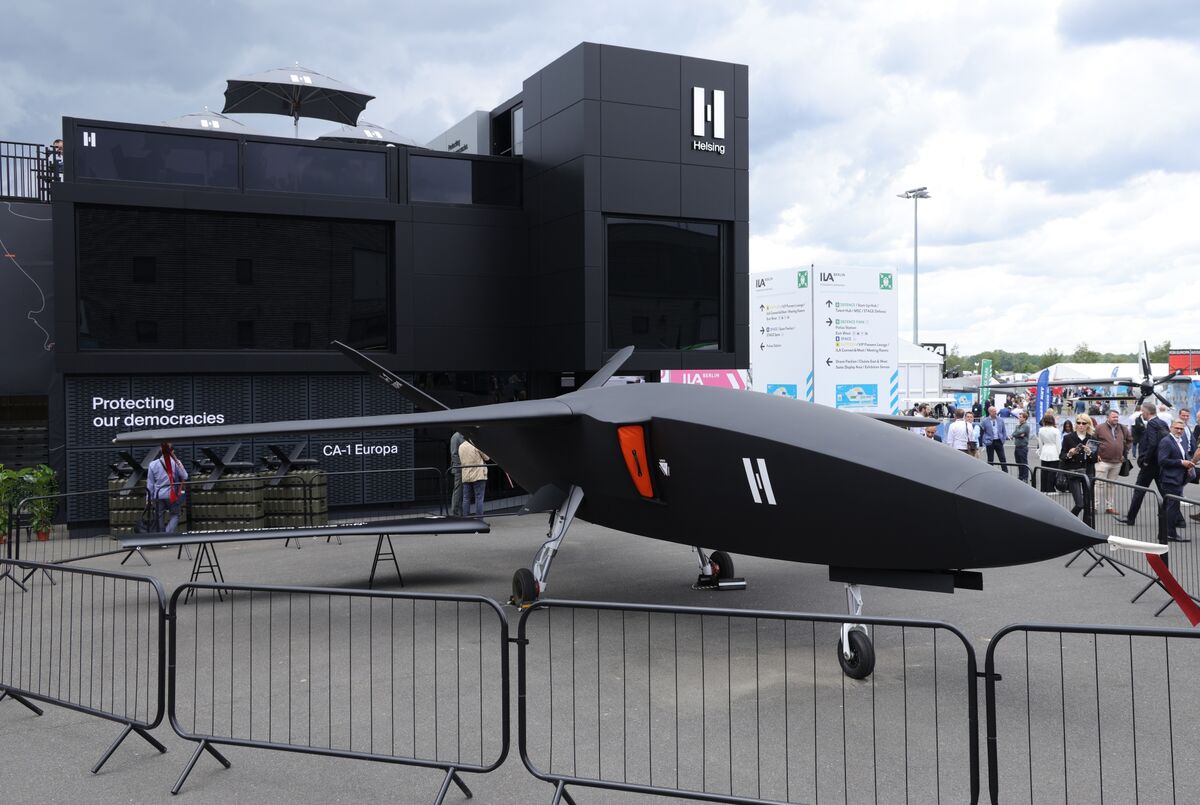
Helsing Revamps Employee Stock Plan Ahead of Major Funding Round
European defense startup Helsing has made significant changes to its internal share program, impacting employee morale as it prepares for its largest funding round to date. The company is currently finalizing this round, which is expected to enhance its financial position and support its growth in the defense sector. This restructuring of the stock plan is crucial as it reflects Helsing's strategic focus on attracting investment while managing employee expectations. The adjustments may influence staff retention and motivation, which are vital for the company's operational success in a competitive market. Looking ahead, Helsing's funding round is anticipated to provide the necessary capital for further development and expansion. No further timeline was disclosed at the time of publication, but the outcome of this funding could significantly shape the company's trajectory in the defense technology landscape.
Hanwha, Hyundai unveil W97tr investment plan for southeastern Korea
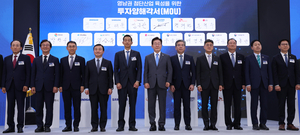
On Friday, major South Korean conglomerates revealed ambitious investment plans totaling 312 trillion won (approximately $204 billion) aimed at developing the Yeongnam region in southeastern Korea. This initiative is part of the country's broader strategy to establish regional hubs for AI-driven industries. Among the key players, Hanwha Group and Hyundai Motor Group committed to investing a combined 97 trillion won over the next decade, focusing on sectors such as aerospace, defense, future mobility, and advanced manufacturing. Additionally, Samsung Group announced a significant 60 trillion won investment plan dedicated to AI transformation, robotics, batteries, and shipbuilding. This concerted effort reflects the conglomerates' commitment to enhancing technological capabilities and fostering economic growth in the region.
All News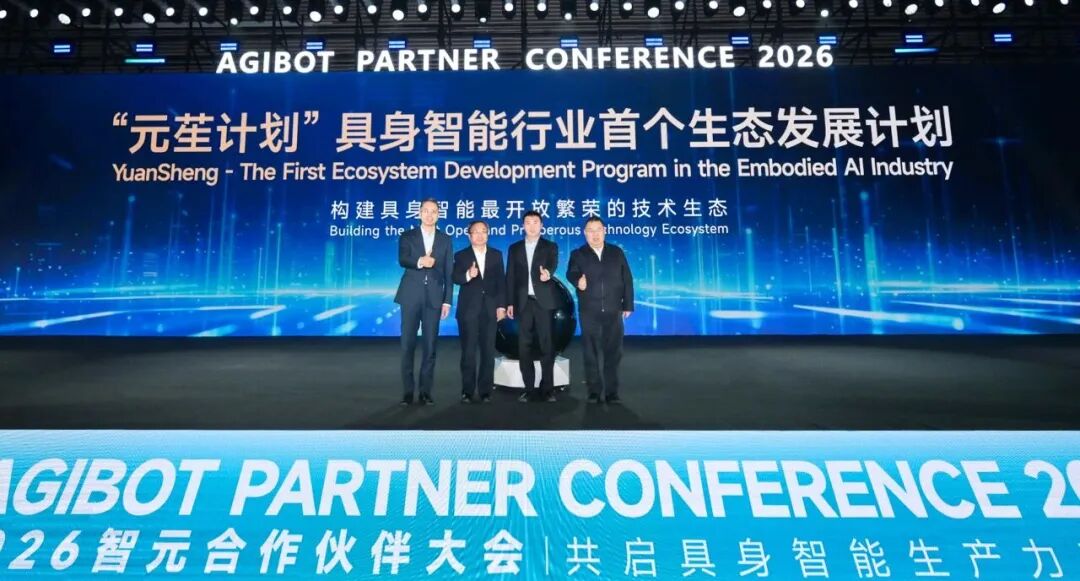
AGIBOT Launches 'Yuansheng' Ecosystem Development Plan with $2 Billion Investment Over 5 Years
AGIBOT has unveiled plans for a substantial investment of 2 billion yuan over the next five years, aimed at advancing its 'Yuansheng' ecosystem development initiative. This ambitious project is designed to lay a strong foundation for embodied intelligence across diverse industries. Central to this initiative is the AIMA technology system, which encompasses an open-source operating system and various development platforms. By inviting developers to participate, AGIBOT seeks to foster collaboration and innovation, ultimately shaping a new era of intelligent productivity.
Embodied Intelligence AI Technology Robotics Development Open Source Platforms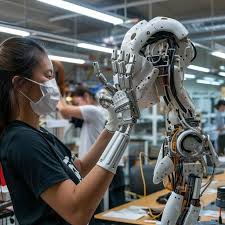
Royal Air Force Launches Storm Chrome and Storm Fire Drone Programs
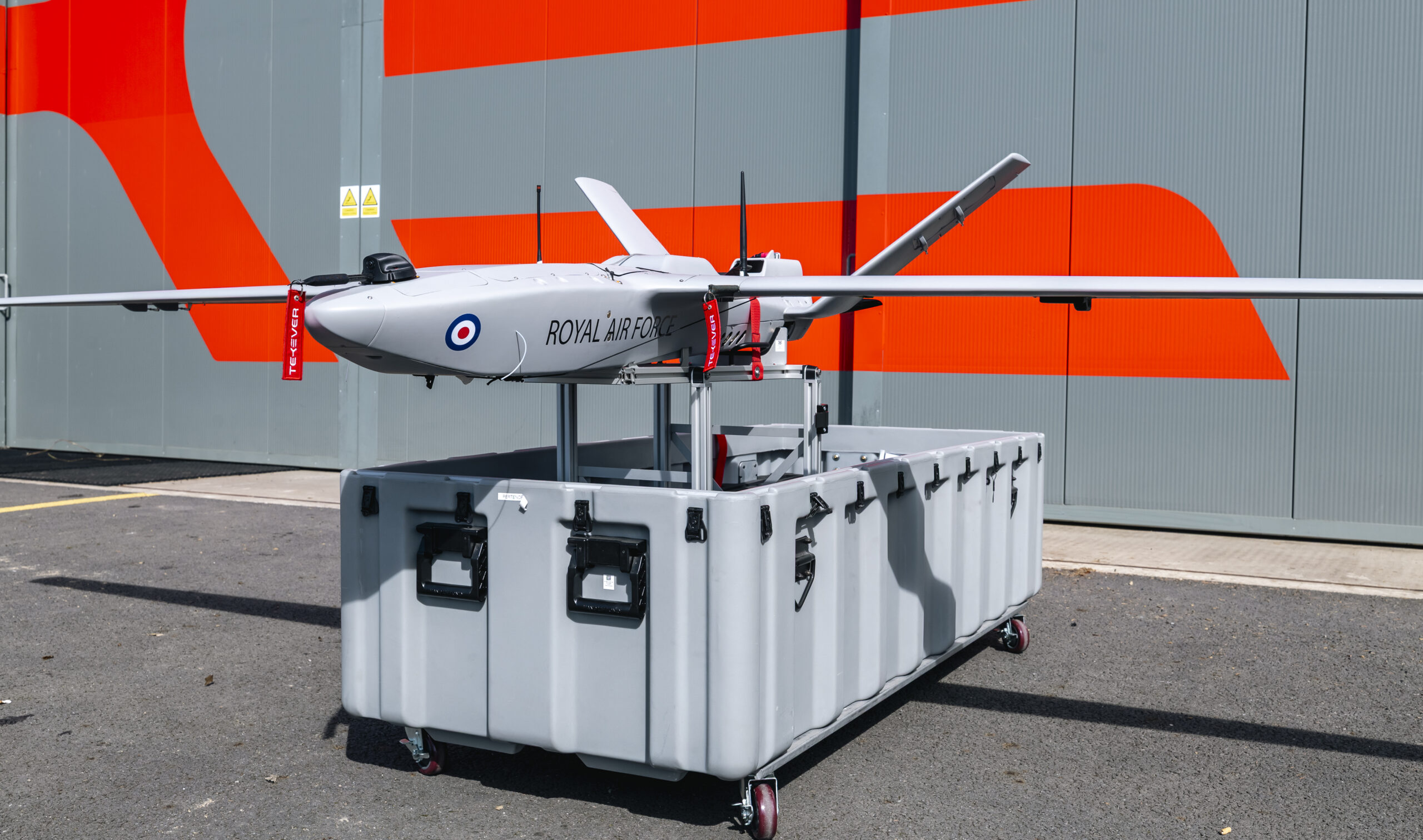
The Royal Air Force has announced plans to develop two new drones: Storm Chrome, an electronic warfare drone, and Storm Fire, a long-range, one-way attack drone. This initiative was revealed by Air Chief Marshal Harv Smyth, highlighting the RAF's commitment to advancing its drone capabilities. The introduction of Storm Chrome and Storm Fire is significant as it reflects the increasing importance of drone technology in modern warfare. These developments aim to enhance the RAF's operational effectiveness and adaptability in electronic warfare and attack scenarios, ensuring that the UK remains at the forefront of military innovation. Looking ahead, the Royal Air Force's focus on these drone programs indicates a strategic shift towards integrating advanced unmanned systems into their operations. No further timeline was disclosed at the time of publication.
Air Warfare Air Force collaborative combat aircraft Defence Investment Plan Drones Europe
Boeing plans $1B investment in Kansas facilities
Boeing is enhancing its operations at the Spirit AeroSystems fuselage plants in Wichita as part of its strategy to increase monthly production of the 737 Max from 42 to 47 aircraft this summer. This integration effort aims to streamline manufacturing processes and meet rising demand for the popular aircraft model. The move comes as the aviation industry continues to recover from the impacts of the pandemic, prompting manufacturers to boost output to satisfy customer orders. Boeing's focus on improving efficiency and production capabilities at its Wichita facilities reflects its commitment to scaling operations in response to market needs.

Unique Group Expands Global Subsea Mechanical Division with Multi-Million Dollar Investment
Unique Group, a global leader in subsea technologies and engineering, has unveiled plans for a significant multi-million-dollar investment aimed at expanding its Subsea Mechanical division. This strategic move, announced recently, is set to enhance the company’s capabilities in subsea decommissioning, installation, and construction projects. The investment reflects Unique Group's commitment to strengthening its global presence and meeting the growing demand for advanced subsea solutions. By bolstering its resources and expertise, the company aims to better serve clients and address the complexities of modern subsea operations.
unique group global subsea mechanical division investment
Eelume Awarded a 3-year Contract by the Norwegian Ministry of Defence
The Norwegian Ministry of Defence has awarded a three-year contract to Eelume AS for the development of the All-Terrain Autonomous Underwater Vehicle, known as the Eelume S. This contract aims to enhance Norway's underwater capabilities, reflecting the country's commitment to advancing its defense technology. The partnership is expected to leverage Eelume's expertise in autonomous systems to create a versatile underwater vehicle capable of operating in various environments. The contract signifies a strategic investment in innovative defense solutions, ensuring that Norway remains at the forefront of maritime security.
eelume contract award norwegian ministry of defence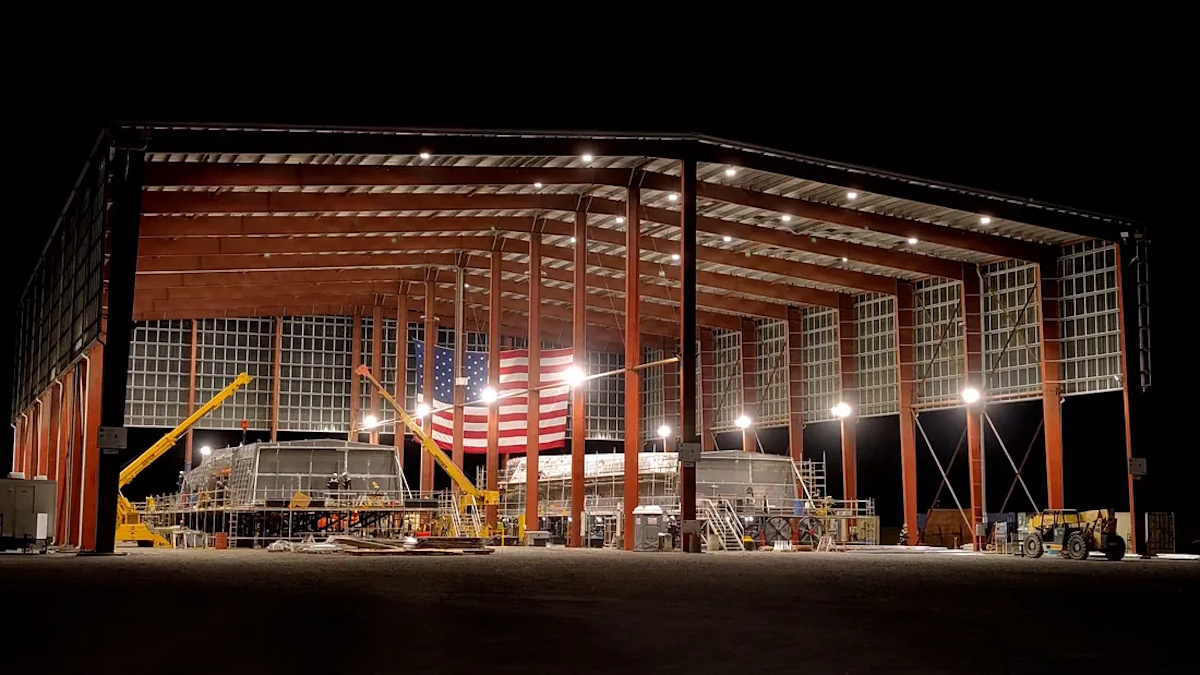
Saronic Expands its Louisiana Shipyard with $300 Million Investment to Accelerate Autonomous Ship Production
Saronic has unveiled plans for a $300 million investment aimed at expanding its shipyard in Franklin, Louisiana, marking a significant step in the company's growth as a leader in autonomous shipbuilding. This expansion is set to enhance production capacity for Saronic's fleet of Autonomous Surface Vessels (ASVs) and is expected to create 1,500 skilled jobs in the region. The investment underscores the Gulf Coast's pivotal role in advancing American maritime innovation and reflects Saronic's commitment to leading the industry into the future.
saronic expansion louisiana shipyard investment autonomous ship production
EVENT: Undersea Defence Technology (UDT) - Oslo, Norway - 25-27 March, 2025
The Undersea Defence Technology (UDT) exhibition and conference, recognized as the largest event of its kind, is set to convene industry stakeholders from around the globe. Scheduled to take place in 2024, this significant gathering will highlight the growing international interest and investment in undersea security and defence solutions. The event aims to foster collaboration and innovation among participants, showcasing advancements in technology and strategies to address emerging challenges in undersea defence. By bringing together key players in the field, UDT serves as a vital platform for discussing the future of undersea operations and enhancing global security measures.
events undersea defence technology (udt)
Saronic Plans $3.2 Billion Shipyard Construction in South Texas
Saronic, an Austin-based technology startup, has announced plans to construct a new shipyard in South Texas, with an estimated investment of $3.2 billion. This development comes shortly after the company's maritime drones were utilized by the US military in combat for the first time this week. The establishment of the shipyard is significant as it highlights the growing demand for advanced maritime technology and the strategic importance of Saronic's innovations in defense applications. The investment reflects confidence in the future of maritime drone technology and its potential impact on military operations. Looking ahead, industry observers will be keen to see how the shipyard's construction progresses and its implications for local employment and economic growth. No further timeline was disclosed at the time of publication.
UK Ministry of Defence Awards £3.16m Contracts for Low-Cost Drone Interceptors
The UK Ministry of Defence has allocated £3.16 million in contracts to three British SMEs for the development and testing of new low-cost drone interceptors. This initiative aims to enhance the UK's capabilities in countering drone threats effectively and affordably. The significance of this funding lies in its potential to bolster national security by enabling rapid development of innovative solutions to address emerging aerial threats. By engaging SMEs, the MoD is fostering a competitive environment that encourages technological advancements in drone interception. Looking ahead, the success of these trials could lead to further investments in drone defense technologies. No further timeline was disclosed at the time of publication.
News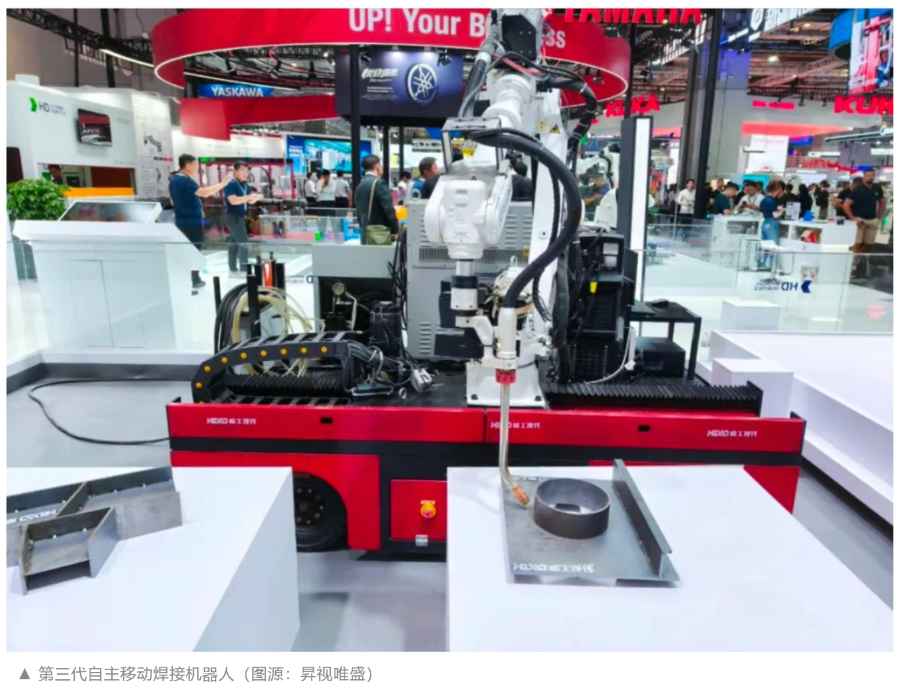
3Srobotics Secures Hundreds of Millions in Series B Funding for Smart Welding Solutions
3Srobotics, a company specializing in embodied intelligent robotics for industrial manufacturing, announced the completion of a Series B funding round on July 9, raising hundreds of millions. The round was led by Shanghai Semiconductor Investment and Jinqiao Fund, with participation from several venture capital firms. The funding aims to enhance their smart welding robotics capabilities and expand production capacity. The significance of this investment lies in addressing the critical shortage of skilled welders in China, where the average age of registered welders exceeds 45. With an estimated shortfall of millions of welding engineers by 2025, 3Srobotics' technology aims to improve welding quality, efficiency, and stability. The smart welding robot market is projected to reach hundreds of billions in the next decade, highlighting the urgent need for automation in this sector. Looking ahead, 3Srobotics plans to leverage its smart welding robots to introduce a range of industrial automation products, including grinding, cutting, assembly, and handling robots. The company aims to penetrate the entire manufacturing process, with a revenue target of several hundred million by 2026. No further timeline was disclosed at the time of publication.
Smart Welding Robots Industrial Automation AI Robotics Manufacturing Technology
South Korea Unveils Plan to Sustain Lead in AI
South Korea has announced a comprehensive strategy to enhance its position as a global technology leader, with major investments in memory chips, data centers, and robotics spearheaded by industry giants Samsung Electronics Co. and SK Hynix Inc. During a briefing attended by President Lee Jae Myung, executives from both companies outlined their commitment to significant future investments that aim to bolster the nation’s technological infrastructure. The announcement, made in Seoul, underscores the government's push to foster innovation and economic growth in the tech sector, reflecting a broader ambition to secure South Korea's competitive edge in the global market. Further details on the investment plans are anticipated as the companies prepare to elaborate on their strategies.
KSC:000660 KSC:005930
Smart Hand valued at $1 billion after 5 months, achieves profit in first quarter; DeepSeek plans to double all departments.
On June 26, 2026, Wuliangye announced the removal of Zeng Zongqin from his position as chairman due to his inability to fulfill his duties. The decision was made during the company's annual shareholder meeting, where a proposal to appoint Deng Min as the new chairman was approved. Zeng's departure, effective immediately, will not affect the company's operations, as he held no shares and had no outstanding commitments. In Yantai, JD Pharmacy has established a new company, JD Pharmacy (Yantai) Co., Ltd., with a registered capital of 100,000 RMB. The company, fully owned by JD Pharmacy (Qingdao) Chain Co., Ltd., will engage in retailing pharmaceuticals and providing medical device services. SpaceX, led by Elon Musk, plans to launch a new Starlink mobile service in the U.S. and develop its own ground mobile network, aiming to compete with major carriers like Verizon, AT&T, and T-Mobile. He Xiaopeng announced on June 25 that XPeng Motors is set to expand globally, with the second-generation VLA model expected to enter international markets by 2027, coinciding with new EU regulations on autonomous driving. Meanwhile, Lingqiao Shou, a company spun off from Zhiyuan Robotics, has achieved a valuation of $1 billion within just five months of its establishment, following significant funding rounds. Beijing Tongrentang Medical and Health Investment Co. plans to raise up to HKD 671.6 million through an IPO in Hong Kong, with shares priced between HKD 5.48 and HKD 6.21, expected to begin trading on July 7. Lastly, DeepSeek announced plans to double its workforce across all departments, while Apple reported a surge in memory demand due to the rapid expansion of AI data centers, presenting challenges for the electronics industry.

Can Tesla beat Nvidia? New trademark reveals ambitious ‘megapod’ infrastructure plan
Elon Musk is expanding his vision beyond electric vehicles and humanoid robots, aiming to revolutionize multiple industries through advanced technology. At a recent event, Musk outlined his ambitious plans for the future of transportation, artificial intelligence, and sustainable energy. He emphasized the importance of innovation in addressing global challenges, such as climate change and resource scarcity. Scheduled for implementation over the next few years, Musk's initiatives will take place primarily at Tesla's headquarters in California, where the company is ramping up research and development efforts. By integrating cutting-edge AI and robotics into everyday life, Musk hopes to enhance productivity and improve living standards. The motivation behind these projects stems from Musk's belief in creating a sustainable future and reducing humanity's reliance on fossil fuels. He envisions a world where technology not only serves as a means of transportation but also contributes to a cleaner and more efficient way of living. Through strategic partnerships and investments in new technologies, Musk plans to accelerate the development and deployment of these innovations, making them accessible to a broader audience. As he continues to push the boundaries of what is possible, Musk's endeavors are set to reshape the landscape of various sectors, ultimately aiming to create a more sustainable and technologically advanced society.
AI and Robotics
Japan targets $65bn in public-private physical AI investment by 2040
Japan is set to invest a total of 10.5 trillion yen (approximately $65.1 billion) in physical artificial intelligence by fiscal 2040, as part of a strategic growth plan announced by Prime Minister Sanae Takaichi's government. This initiative, revealed on June 20, 2026, focuses on 17 key sectors deemed vital for the country's economic advancement. The government aims to foster collaboration between public and private sectors to enhance Japan's technological capabilities and competitiveness in the global market. This ambitious investment strategy includes broadening subsidies for domestic semiconductor production, sending 30,000 young scientists abroad for research in AI and quantum technologies, and supporting the growth of dual-use tech startups. The overarching goal is to position Japan as a leader in AI and related fields, addressing the increasing demand for advanced technologies in various industries.

Investment Surge in Embodied Intelligence Data Providers Amid Robotics Financing Boom
Hexinju Technology, a company based in Suzhou, has successfully raised millions in Series A funding to enhance data infrastructure aimed at training robots. This investment comes at a time when the robotics industry is experiencing significant growth, highlighting the increasing demand for high-quality, multimodal data derived from real-world interactions. In response to this critical challenge, Hexinju plans to develop a comprehensive platform designed for data collection, processing, and evaluation. By doing so, the company seeks to establish itself as a pivotal player in the rapidly expanding field of embodied intelligence.
Embodied Intelligence Data Infrastructure Robotics AI Training Data Services
China establishes a venture capital fund in Hangzhou with 1 billion yuan; Tianjin opens AI sensor industrial park; Zhejiang plans
ZTO Express has established a new logistics company, Guangzhou Zhongjing Logistics Co., Ltd., in Guangzhou with a registered capital of 500 million RMB. The company, wholly owned by ZTO Express, will engage in domestic freight transportation, equipment leasing, and computer system services. OpenAI has announced its entry into the robotics sector, focusing on developing assistive robots. CEO Sam Altman stated the company is looking for engineers to create robots that can aid in building future infrastructure. The initiative, which has evolved from a world simulation research project, aims to integrate hardware and machine learning for practical applications. Nan Er, Vice President of Zhejiang Chint Electric, has been recognized as a "2026 Zhejiang Youth Technology Entrepreneur" as part of a program to support technology entrepreneurs in the region. Foxconn and French company Bull will collaborate to manufacture AI and cloud infrastructure, with an initial investment of over 120 million euros. The project will utilize facilities in both France and the Czech Republic. On June 1, new regulations for online food delivery were implemented, with Taobao Flash collaborating with various local regulatory bodies to label the first batch of "no dine-in" merchants, enhancing compliance among 60,000 restaurants this year. Muyu Group has partnered with Alibaba Cloud to develop an AI model for the livestock industry, significantly improving the efficiency of health checks for pigs. In investment news, a new venture capital fund, Guoxin Qianjiang, has been established in Hangzhou with a capital of 1 billion RMB, while Zhi Mi has opened a financing window with a pre-IPO valuation of approximately 70 billion RMB. In product developments, a new automotive brand resulting from a collaboration between Sairus and ByteDance is set to launch a hybrid vehicle this year, while Sharpa has introduced a humanoid robot equipped with advanced tactile capabilities in partnership with NVIDIA. Lastly, the Tianjin AI Sensor Industrial Park has officially opened, with ten companies signing contracts, and Shanghai is focusing on advancing core software technologies as part of its development plan. Zhejiang Province is also seeking to implement the "Spark Plan" to accelerate the application of quantum technology products.

Stellantis unveils $70 billion turnaround plan, targets positive cash flow by 2028
Stellantis CEO Antonio Filosa announced a comprehensive five-year strategic plan on Thursday, aimed at transforming the automotive giant with an investment of 60 billion euros (approximately US$69.7 billion). This ambitious initiative, revealed during a press conference, is designed to enhance the company's competitiveness in the rapidly evolving automotive market. Filosa emphasized the importance of innovation and sustainability as key drivers of the plan, which seeks to address the growing demand for electric vehicles and advanced technology integration. The strategic roadmap outlines specific goals and initiatives that Stellantis intends to implement over the next five years, positioning the company to adapt to changing consumer preferences and regulatory landscapes.
Over 2 Billion Investment in Embodied AI Models! Yushu Technology's IPO Highlights Commitment to Capturing the 'Brain' Frontier
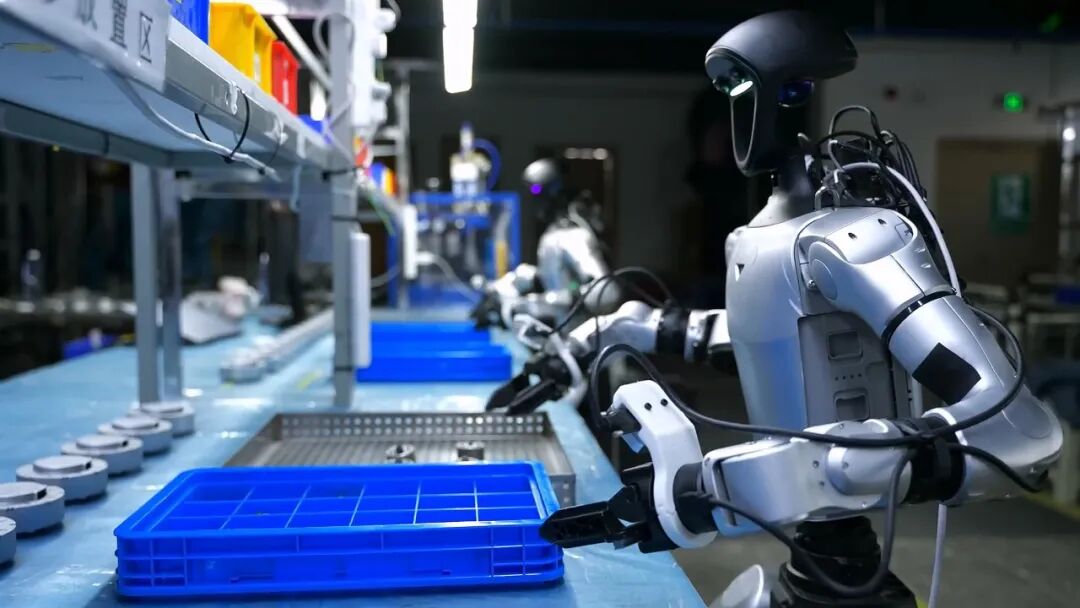
Yushu Technology has taken a significant step towards becoming a public entity by submitting its initial public offering (IPO) materials to the Sci-Tech Innovation Board. This move positions the company to potentially become the first publicly listed firm in the fields of embodied intelligence and humanoid robotics within the A-share market. The submission comes as Yushu Technology outlines an ambitious plan to invest over 20 billion yuan in research and development, aimed at bolstering its core technologies and production capabilities. This strategic investment underscores the company's commitment to advancing innovation in the rapidly evolving tech landscape.
Embodied Intelligence Humanoid Robots AI Models Robotics Technology
Kia CEO outlines plan to deploy humanoid robot Atlas at U.S. factories in 2029
Kia Corp. CEO Song Ho-sung announced plans to introduce the humanoid robot Atlas, developed by Boston Dynamics, at the company’s U.S. factories by 2029. During recent overseas roadshows, as reported by Korea Investment & Securities, Song detailed the strategy for deploying Atlas first at Hyundai Motor Group’s manufacturing facility in the U.S., before it reaches Kia’s plant in Georgia. This initiative aims to enhance automation and efficiency in production processes, reflecting the automaker's commitment to integrating advanced technology into its operations.
All News
US plans to deploy more than 80 unmanned robotic warships to counter China’s naval dominance
The US Navy has announced the integration of unmanned surface and underwater vessels into its long-term shipbuilding strategy, which spans the next 30 years. This decision, made public in October 2023, reflects the Navy's commitment to modernizing its fleet and enhancing operational capabilities in response to evolving maritime threats. By incorporating advanced technologies, the Navy aims to improve surveillance, reconnaissance, and combat operations while reducing risks to personnel. The move is part of a broader initiative to adapt to the changing landscape of naval warfare and ensure the United States maintains its strategic advantage at sea. The plan outlines investments in research and development, as well as the construction of new vessels designed to operate autonomously, thereby increasing the Navy's efficiency and effectiveness in various mission scenarios.
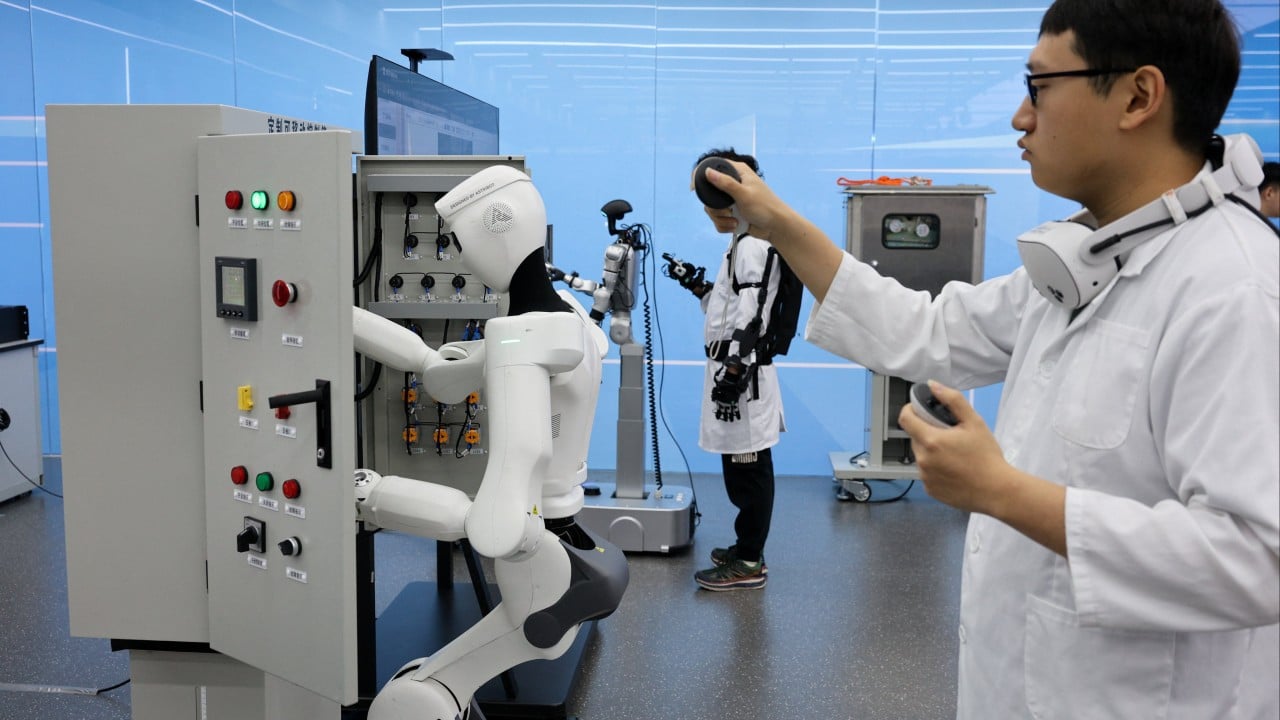
China plans to invest billions on a robot army to run its power grid
China's State Grid Corporation, the country's primary grid operator, is set to enhance its infrastructure operations through the deployment of thousands of AI-powered robots. This ambitious initiative, which involves an investment of 6.8 billion yuan (approximately US$1 billion), aims to utilize these robots for various tasks, including the inspection of remote substations and maintenance of ultra-high-voltage power lines. The move comes as part of a broader strategy to integrate advanced technology into critical infrastructure management, reflecting China's commitment to modernizing its energy sector and improving operational efficiency. The plan underscores the growing trend of leveraging artificial intelligence in industrial applications, positioning China at the forefront of technological innovation in energy management.

Nested Actors and Critics With Uncertainty Parameter in Robot Path Planning
A recent study published in the Journal of Field Robotics highlights advancements in robotic technology aimed at enhancing agricultural efficiency. Researchers from various institutions have developed innovative robotic systems designed to optimize crop monitoring and management. The study, released in early October 2023, emphasizes the growing need for sustainable agricultural practices in response to increasing global food demands and environmental concerns. The research team conducted extensive field tests across multiple agricultural settings to evaluate the performance of these robotic systems. By integrating advanced sensors and artificial intelligence, the robots can analyze soil conditions, monitor plant health, and automate tasks such as planting and harvesting. This approach not only aims to reduce labor costs but also seeks to minimize the environmental impact of farming. The motivation behind this initiative stems from the urgent need to address food security challenges while promoting sustainable practices. As climate change continues to affect agricultural productivity, the deployment of such technologies is seen as a critical step towards ensuring a resilient food supply chain. The findings suggest that these robotic systems could significantly improve efficiency and productivity in agriculture, paving the way for a new era of smart farming. The researchers advocate for further investment and development in this field to fully realize the potential benefits of robotics in agriculture.
RESEARCH ARTICLE
Hyundai Motor Group Details Massive KRW 125.2 Trillion Investment, Targeting Robotics and ''Physical AI'' Infrastructure
Hyundai Motor Group has announced a substantial investment of KRW 50.5 trillion aimed at advancing future technologies. This ambitious plan includes the establishment of a new artificial intelligence data center, a "Physical AI Application Center," and a specialized facility for robotics manufacturing and foundry operations. The initiative reflects Hyundai's commitment to innovation and positions the company to enhance its capabilities in AI and robotics, crucial areas for the automotive industry’s evolution. The investment is part of a broader strategy to secure a competitive edge in the rapidly changing technological landscape.
hyundai Boston Dynamics
Film-Ocean Expands Fleet with Major ROV Investment
Film-Ocean Ltd, in collaboration with its parent company Stapem, has revealed plans to invest in three new Work-Class Remotely Operated Vehicles (ROVs) from SMD. This significant acquisition is part of the company's strategy to bolster its capabilities in response to the rising demand for subsea services. The investment underscores Film-Ocean's commitment to expanding its operational capacity and enhancing service offerings in the subsea sector.
film-ocean smd rov expansion
Syensqo Expands Havre de Grace Facility to Boost Aerospace Material Production by 30%
Syensqo, a global aerospace company, is expanding its Havre de Grace facility to enhance its manufacturing capabilities by over 30%. This multi-million-dollar investment aims to strengthen the company's U.S. manufacturing footprint and support the growing demand for advanced material solutions in aerospace, defense, and automotive sectors. The expansion focuses on producing high-performance structural adhesives and surfacing products, crucial for commercial aerospace and space exploration applications. The significance of this expansion lies in Syensqo's commitment to supplying high-performance materials that contribute to safer and more sustainable products across various industries. By reinforcing its global manufacturing network, the company aims to improve supply reliability and efficiency, addressing the increasing customer demand for adhesive and bonding materials. This move is part of Syensqo's broader strategy to lead in advanced materials and sustainable specialty chemicals, particularly in the aerospace sector, which is its largest market. Looking ahead, Syensqo's expansion at the Havre de Grace site marks a pivotal milestone in its growth trajectory. The company is expected to accelerate its efforts in supporting customers as they scale production, particularly in high-performance materials. No further timeline was disclosed at the time of publication, but the investment aligns with Syensqo's ongoing initiatives in electric vehicle batteries and clean energy technologies.
Science
SK Hynix Plans $1.4 Billion IPO in the US with Major Underwriters
SK Hynix, a South Korean semiconductor giant valued over $1 trillion, is set to launch its IPO on the Nasdaq, with expectations to be among the largest in history. Investment banks involved, including Goldman Sachs and Citigroup, anticipate a total commission pool exceeding $140 million, derived from a base underwriting fee and performance bonuses. This IPO is significant as it reflects the growing demand for semiconductor technology amidst a global supply chain recovery. The substantial commission indicates strong interest from investment banks, highlighting the competitive landscape in the semiconductor sector, which is crucial for various industries including automotive and consumer electronics. Looking ahead, the IPO is expected to attract considerable attention from investors, with no further timeline disclosed at the time of publication. The success of this offering could set a precedent for future tech IPOs and influence market dynamics in the semiconductor industry.
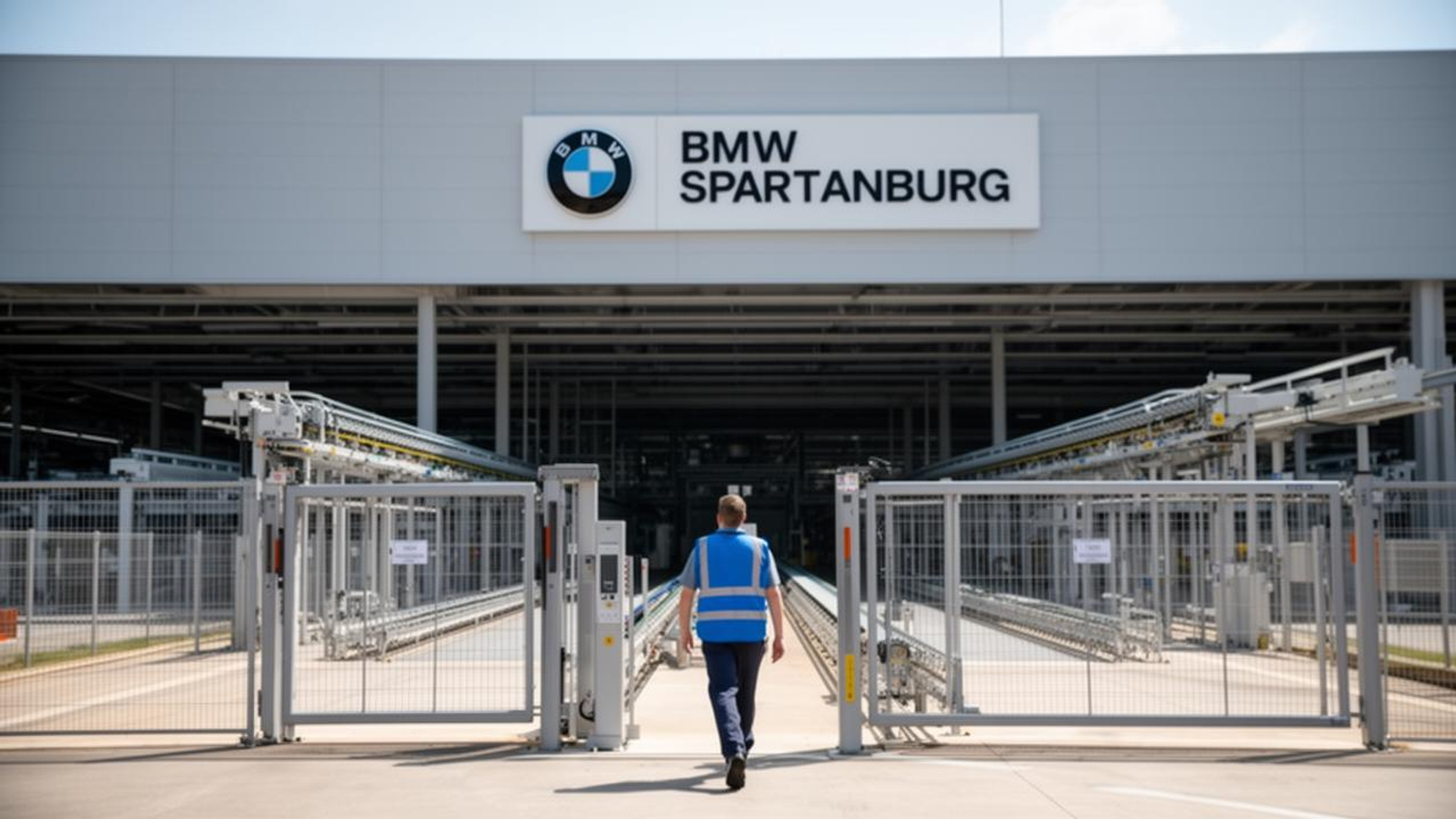
Figure 03 Launches at BMW Plant: Physical AI Moves to Mass Production
BMW has introduced the Figure 03 humanoid robot at its Spartanburg factory, a move that signifies a notable advancement in the integration of physical AI within the automotive sector. This state-of-the-art robot is designed to improve assembly line efficiency by handling repetitive tasks, thereby enabling human employees to concentrate on more complex and valuable processes. The deployment of the Figure 03 is part of BMW's broader strategy, which includes a $1.7 billion investment aimed at expanding electric vehicle production by 2026. This initiative underscores the company's commitment to innovation and efficiency in response to the evolving demands of the automotive market.
Humanoid Robots Automotive Manufacturing AI Warehouse Automation
Forecasts: France defence market (2026–2035)
The French Armed Forces are set to see a significant increase in acquisition budgets, reflecting a strategic enhancement across all military domains. This budget growth comes in response to evolving defense needs and is particularly notable in sectors such as munitions, which are expected to experience substantial investment. The decision to bolster funding aligns with France's commitment to strengthening its military capabilities amid shifting geopolitical landscapes. The increased financial resources will enable the armed forces to modernize equipment and improve operational readiness, ensuring that they remain effective in addressing contemporary security challenges. This development is part of a broader trend observed in defense spending across Europe, as nations prioritize military preparedness in light of recent global tensions.
Features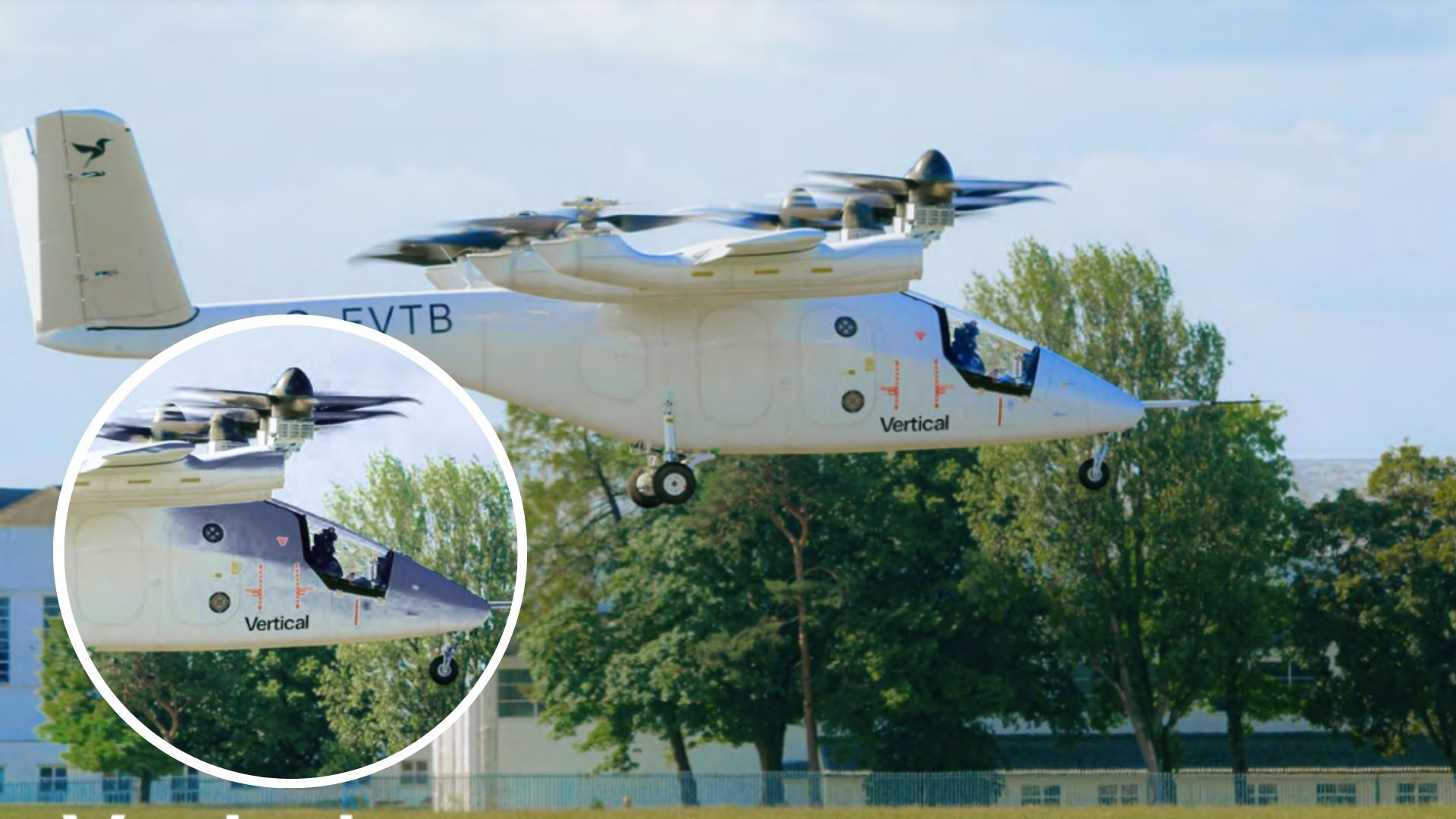
New plane prototype conducts maiden piloted flight, can transform hybrid-electric aircraft future
An aerospace and technology company has successfully completed the maiden piloted flight of its full-scale prototype, marking a significant milestone in its development efforts. The flight took place recently at the company's testing facility, showcasing advancements in aerospace technology and design. This achievement is part of the company's broader mission to innovate and enhance capabilities in the aerospace sector, driven by the growing demand for advanced aircraft solutions. The prototype's successful flight demonstrates the effectiveness of the engineering and design processes employed, paving the way for future developments and potential commercial applications. The company aims to leverage this success to attract investment and partnerships, furthering its goals in the competitive aerospace market.
Transportation
Robots Rule LG's Clarksville Plant
LG has opened the doors to its state-of-the-art washer and dryer factory in Clarksville, Tennessee, showcasing the advanced automation technology that powers its production line. This facility, which began operations recently, is part of LG's strategy to enhance manufacturing efficiency and meet the growing demand for home appliances in the U.S. market. The factory employs cutting-edge robotics and AI-driven systems to streamline the assembly process, significantly reducing production time while maintaining high-quality standards. By investing in automation, LG aims to bolster its competitive edge and respond swiftly to consumer needs. The facility not only represents a significant investment in local manufacturing but also highlights LG's commitment to innovation in the appliance sector. As the demand for smart home technology continues to rise, LG's Clarksville factory is positioned to play a crucial role in the company's efforts to deliver advanced, reliable products to American consumers. The opening of this facility underscores LG's dedication to enhancing its operational capabilities and supporting the local economy through job creation and technological advancement.
Technology and IIoT / Robotics
Dynamic Environment Adaptive Path Planning for Mobile Robots: A Hybrid Enhanced Path‐Planning Approach
The Journal of Field Robotics has published a new study highlighting advancements in autonomous robotic systems. Researchers from various institutions collaborated on this project, aiming to enhance the efficiency and safety of robots used in field applications. The study, released in early October 2023, focuses on innovative algorithms that improve navigation and obstacle avoidance in complex environments. Conducted in diverse outdoor settings, the research demonstrates how these advancements can significantly reduce operational risks and increase productivity in sectors such as agriculture, search and rescue, and environmental monitoring. By integrating cutting-edge machine learning techniques, the team was able to develop robots that adapt to changing conditions in real-time, showcasing their potential for practical deployment. This research is particularly timely as industries increasingly seek automation solutions to address labor shortages and improve operational efficiency. The findings underscore the importance of continued investment in robotic technologies, which are poised to transform various sectors by enhancing capabilities and ensuring safer working conditions. The study serves as a pivotal step toward realizing the full potential of autonomous systems in real-world applications.
RESEARCH ARTICLE
Microsoft’s carbon-removal plans aren’t dead after all
Microsoft, a dominant player in the carbon-removal market, which accounts for over 90% of the sector, has recently announced a new deal to alleviate concerns among carbon dioxide removal (CDR) startups regarding its purchasing strategy. Reports had indicated that the tech giant was considering pausing its carbon removal purchases entirely, raising alarm within the industry. This new agreement, unveiled in October 2023, aims to stabilize the market and provide reassurance to emerging companies focused on carbon removal technologies. By continuing its investment in this area, Microsoft is not only reinforcing its commitment to sustainability but also fostering innovation and growth within the CDR sector.
Climate biogas carbon credits carbon removal Exclusive Microsoft
A Critical Review of Reinforcement Learning Algorithms for Mobile Robot Path Planning
The Journal of Field Robotics has published an early view article highlighting recent advancements in robotic technology. Researchers from various institutions have collaborated to explore innovative applications of robotics in diverse fields, including agriculture, healthcare, and disaster response. The findings, released in October 2023, underscore the growing importance of robotics in enhancing efficiency and safety across these sectors. The study emphasizes the integration of artificial intelligence and machine learning to improve the functionality and adaptability of robotic systems. By leveraging these technologies, the researchers aim to address complex challenges faced in real-world scenarios, such as precision farming and emergency management. This publication is part of an ongoing effort to disseminate cutting-edge research that can inform future developments in robotics. The collaborative nature of the research showcases a commitment to interdisciplinary approaches, fostering innovation that can lead to significant societal benefits. As the field continues to evolve, the implications of these advancements are expected to resonate across various industries, driving further investment and interest in robotic solutions.
SURVEY ARTICLE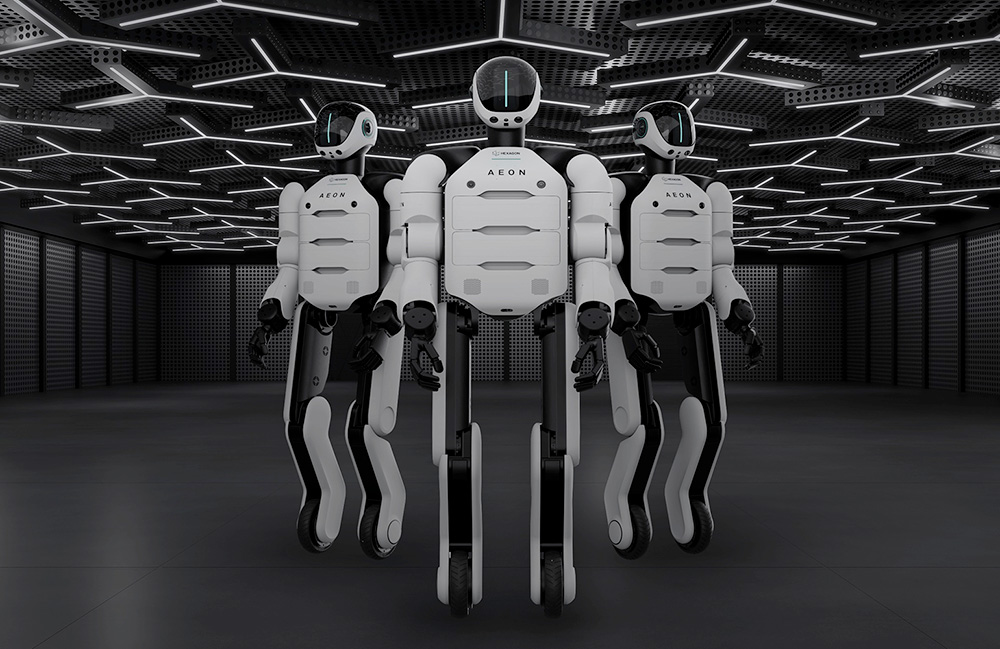
Schaeffler plans to deploy 1,000 Hexagon humanoids by 2032
Schaeffler is significantly expanding its investment in humanoid robots for production by forming strategic partnerships with Hexagon and VinDynamics. The company aims to deploy 1,000 humanoid robots developed by Hexagon by the year 2032. This initiative reflects Schaeffler's commitment to enhancing automation and efficiency in its manufacturing processes, leveraging advanced robotics technology to meet growing production demands. The collaboration with Hexagon and VinDynamics is expected to facilitate the integration of these humanoid robots into Schaeffler's operations, marking a notable step forward in the company's technological advancements.
Artificial Intelligence Artificial Intelligence / Cognition Design / Development Humanoids Manufacturing Markets / Industries
Tariff agreement: KUKA strengthens Augsburg location with investments and excludes lay-offs for operational reasons
KUKA, a leading automation specialist, has reached a significant agreement with IG Metall and the works council at its Augsburg headquarters, outlining a comprehensive plan for the future of the facility. This collaboration highlights the effectiveness of constructive social partnerships in navigating economically challenging circumstances. The agreement aims to ensure the sustainability and growth of KUKA's long-established operations in Augsburg, demonstrating a commitment to both the workforce and the company's long-term viability.
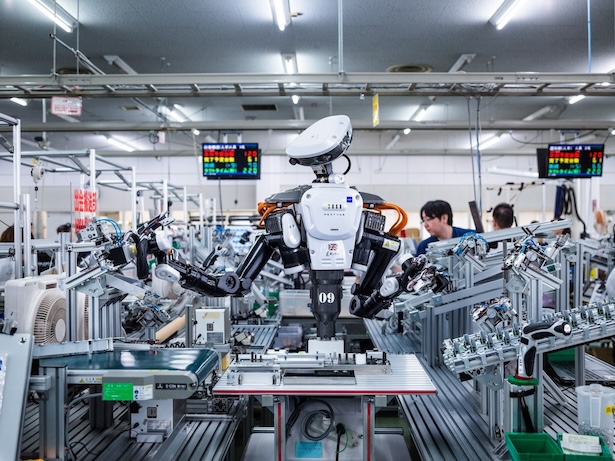
UBTECH plans Middle East mega factory after $1 billion Infini Capital deal
Chinese technology company UBTECH Robotics has secured a significant $1 billion strategic financing agreement with global investment firm Infini Capital, announced on Monday. This partnership will enable UBTECH to access rapid financing through the subscription of newly issued shares and convertible bonds, along with cash withdrawal rights provided by Infini Capital’s high-tech fund. The collaboration aims to bolster UBTECH's financial resources, facilitating its growth and innovation in the robotics sector.
News Feed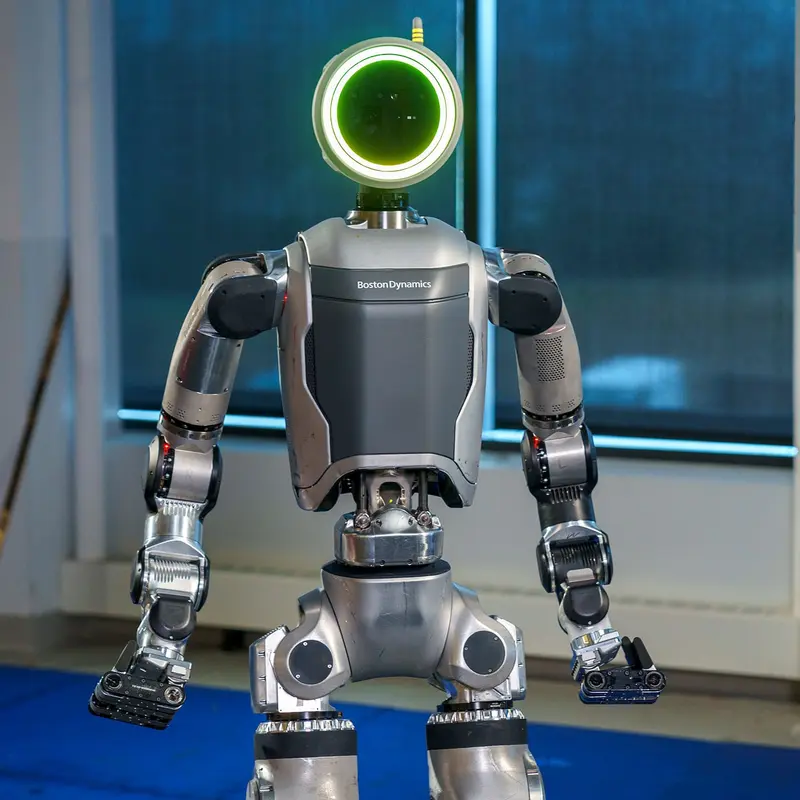
Hyundai Deepens Ties with Boston Dynamics, Plans Large-Scale Robot Deployments Including Atlas Humanoid
Hyundai Motor Group is set to enhance its robotics initiatives by acquiring tens of thousands of robots from its subsidiary, Boston Dynamics. This substantial investment includes the Atlas humanoid, Spot quadruped, and Stretch logistics robot. The acquisition aims to integrate these advanced robotic systems into Hyundai's operations, utilizing the company's manufacturing capabilities to boost Boston Dynamics' production scale. This strategic move positions the Atlas humanoid robot in direct competition with similar offerings from companies such as Agility Robotics, Figure AI, and Apptronik, all vying to implement humanoid robots in industrial environments.
hyundai Boston Dynamics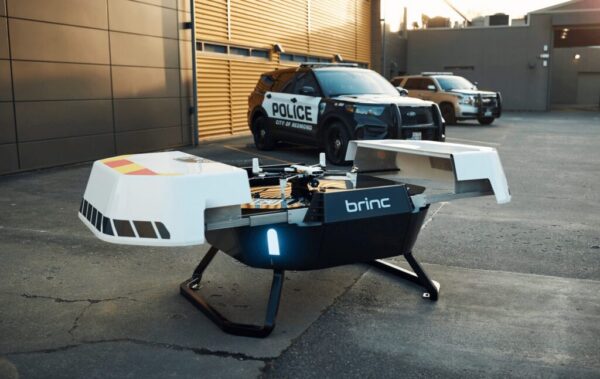
BRINC Secures $125 Million Funding Round Led by Motorola Solutions for Public Safety Drones
BRINC, a Seattle-based public safety drone manufacturer, announced on July 14, 2026, that it has secured a $125 million financing round led by Motorola Solutions. This investment raises BRINC's total capital to over a quarter billion dollars and aims to deploy a BRINC 911 response drone at every police and fire station across the U.S., targeting 80,000 facilities. The funding will enable BRINC to expand its domestic manufacturing, launch new products, and scale its go-to-market operations. The company plans to move into a facility three times the size of its current factory by the end of 2026 to meet the increasing demand from public safety agencies. In 2025, BRINC tripled its revenue and quintupled its monthly production capacity, signing nearly four times as many contracts for 911 response drones in 2026 compared to the previous year. Looking ahead, BRINC's founder Blake Resnick emphasized the importance of situational awareness in emergencies, stating that their drones provide critical information before first responders arrive. The company is also collaborating with the National League of Cities for a nationwide rollout of drone first response (DFR) initiatives. No further timeline was disclosed at the time of publication.
DFR Drone News Drone News Feeds News Public Safety 80000 stations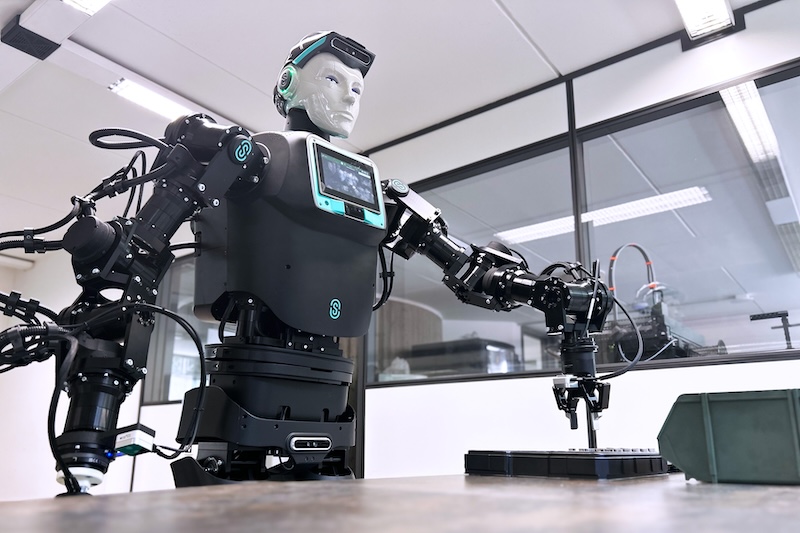
STMicroelectronics Invests in Oversonic Robotics to Enhance Humanoid Robot Development
Oversonic Robotics, an Italian cognitive robotics firm known for RoBee, has announced a strategic investment from STMicroelectronics, Fondazione ENEA Tech Biomedical, and SpotInvest. This investment aims to accelerate Oversonic's industrial, technological, and international growth, particularly in the cognitive humanoid robotics sector. The involvement of STMicroelectronics, a leader in semiconductors, is expected to bolster Oversonic's technological advancements and support its expansion into the U.S. market. The partnership will enhance the development of RoBee, the first certified cognitive humanoid robot designed for complex environments, and facilitate applications in manufacturing and healthcare. Looking ahead, Oversonic plans to focus on expanding its technological platform and applications while strengthening its team and industrial capacity. The company views the U.S. as a key market for its cognitive humanoid robotics, aiming for significant growth in both commercial and industrial sectors. No further timeline was disclosed at the time of publication.
Humanoids News artificial intelligence automation cognitive robotics deep tech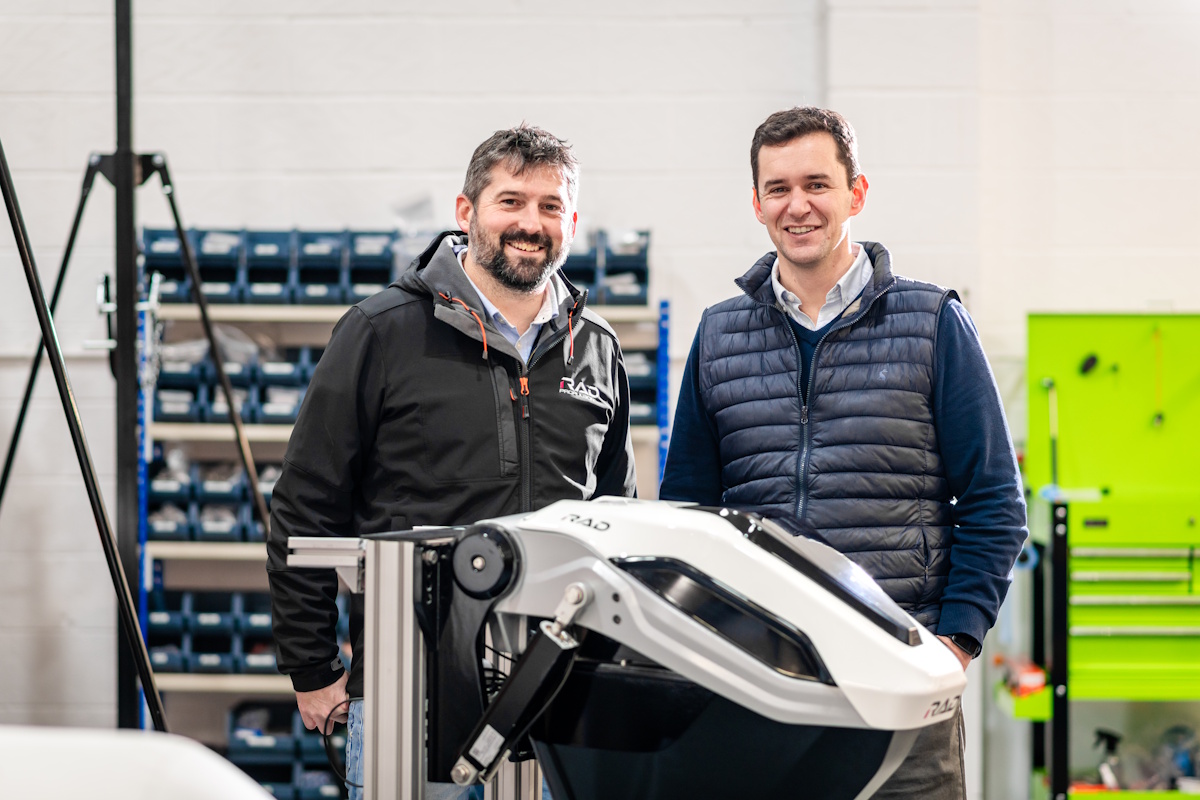
RAD Secures £4.4 Million Funding to Enhance Autonomous Marine Technology and Electric Propulsion Systems
RAD, a marine technology firm, has successfully raised £4.4 million in funding to accelerate the commercialization of its autonomous vessel technologies and expand its electric propulsion systems. This funding round, led by Mercia Ventures, comes after a year of significant product development and customer engagement, including the launch of the Axon open systems architecture for uncrewed vessels at the Combined Naval Event in May 2026. The funding is crucial as RAD aims to capitalize on the growing demand for flexible and scalable marine solutions in both defense and commercial sectors. The Axon architecture allows for rapid development and integration of uncrewed vessel capabilities, which is expected to enhance operational efficiency and reduce vendor lock-in for operators. With this investment, RAD is positioned to lead the electrification shift in marine technology, similar to trends seen in road transport. Looking ahead, RAD plans to utilize the funds for international expansion, including establishing a presence in the U.S. market, and further developing its electric propulsion systems and energy management technologies. The company is also focused on enhancing its engineering capabilities to meet the increasing demand from its diverse customer base. No further timeline was disclosed at the time of publication.
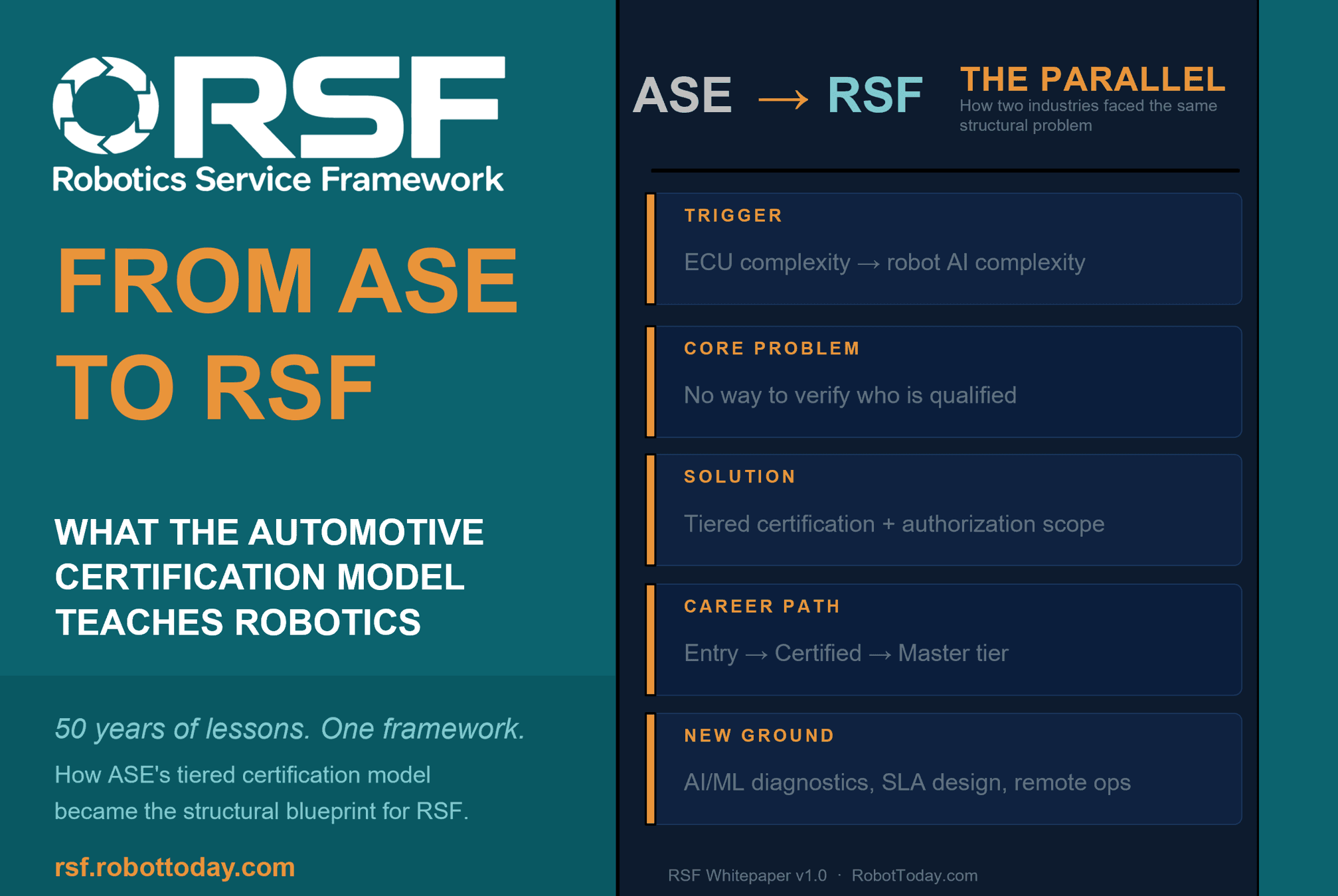
rad raise investment commercialisation autonomous marine technology propulsion systemsRobotics needs a service framework.
RSF defines a common language for robot service capability, lifecycle operations, certification pathways, and service-provider networks.