Industry Briefing
A single destination for timely, editor-curated robotics news from around the world.
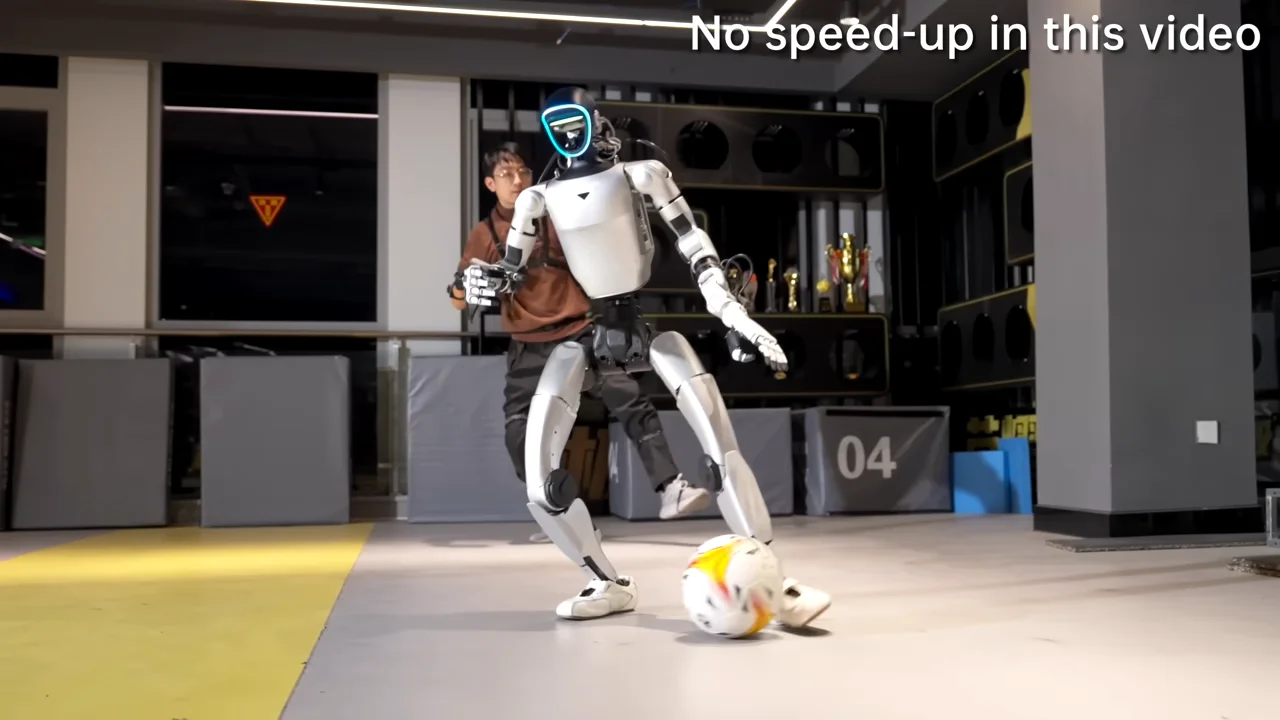
Unitree's New ''Embodied Avatar'' Is More Than a ''Real Steel'' Toy—It's a Data Engine
Unitree has introduced an innovative full-body teleoperation platform designed for its G1 humanoid robot. This unveiling comes alongside the release of new videos demonstrating the robot's capabilities in low-latency boxing and soccer. However, the primary objective of this advanced system appears to be its function as a "data acquisition platform," aimed at addressing the existing physical AI bottleneck within the industry. By enhancing data collection and interaction, Unitree seeks to propel advancements in artificial intelligence and robotics.
G1 Unitree Robotics
DaxAI Robot Secures Major Funding and Unveils Innovations at WAIC 2026
In 2025, Zhu Xiaohu, a prominent partner at Jinsha River Venture Capital, announced a significant exit from humanoid robot companies, causing a stir in the investment community. However, he has now led a new funding round for DaxAI Robot, which has quickly raised hundreds of millions in just one year. This resurgence highlights a renewed confidence in the robotics sector. DaxAI Robot showcased its advancements at WAIC 2026, presenting four major achievements including the DaxBrain-WM (Dualis) world model and a range of all-terrain robotic products. The company emphasizes a holistic approach to embodied intelligence, integrating both cognitive and operational capabilities to enhance robotic performance in real-world applications. Looking ahead, DaxAI Robot's innovative technologies and strategic data engineering practices position it for significant growth in the robotics market. The company's ability to adapt across various environments and its focus on practical applications will be crucial as it navigates future challenges and opportunities in the industry. No further timeline was disclosed at the time of publication.
Robotics AI Embodied Intelligence Consumer Technology
Boden Intelligence Secures Hundreds of Millions in Funding to Enhance Physical AI Infrastructure
Boden Intelligence, a prominent player in the Physical AI infrastructure sector, has secured hundreds of millions in funding through a series of successful investment rounds. This financial boost will support the company's mission to create a comprehensive ecosystem for the training and validation of real-world AI applications. By shifting the focus from traditional model-based competition to enhancing real-world capabilities, Boden aims to position itself as a significant contributor to the rapidly evolving AI landscape. The company plans to leverage innovative centers and automated data engines to achieve its goals, marking a pivotal step in the advancement of AI technologies.
Physical AI Data Infrastructure AI Training Robotics Automation
Bodeng Intelligent announces completion of hundreds of millions in Series A+ and A++ funding.
Bodeng Intelligent has announced the successful completion of several hundred million yuan in Series A+ and A++ financing, with participation from prominent investors including Dinghui Baifu, Qingxin Capital, Luxin Venture Capital, and Deep Industry Investment. This funding comes as the company positions itself as a key player in the Physical AI era, focusing on core areas such as embodied intelligence, large models, and autonomous driving. Bodeng Intelligent aims to develop a robust ecosystem comprising a real-world scenario network, an automated data engine, and a reality validation system. The latest financing round will facilitate upgrades to its core technology platform, the establishment of a global real-world training network, and the recruitment of top talent, thereby accelerating the implementation of its strategy to "Train at Scale, Validate in Reality."

Stardust AI Launches Lumo-2: Innovative Robot Action Model for Home Automation
On July 15, Stardust AI introduced its second-generation embodied base model, Lumo-2, which is the industry's first household latent world-action model. This launch includes the physical AI symbiotic agent, Agent Philia, enhancing their full-stack architecture of AI models, embodied operating systems, and rope-driven entities. The company will showcase its 'trinity' multi-scenario implementation solutions at the World Artificial Intelligence Conference in Shanghai from July 17 to 20. Lumo-2 autonomously performs 22 complex household tasks, demonstrating industry-leading capabilities in task range and complexity. This model addresses the challenges faced by robots in open environments, such as the inability to explain actions and the high costs of training complex skills. By predicting future scenarios before generating actions, Lumo-2 aims to overcome these bottlenecks and improve the practical execution of robotic tasks. Looking ahead, Stardust AI plans to enhance the scalability of Lumo-2 by expanding training data diversity and exploring efficient data engineering paradigms. The team is also focused on advancing real-world interactive learning to enable robots to adapt and evolve autonomously in dynamic environments. No further timeline was disclosed at the time of publication.
Household Robotics Physical AI AI Models Robotic Automation
Astribot and Bodon Intelligence Forge Strategic Partnership for AI Robot Deployment
On June 10, Astribot and Bodon Intelligence revealed a strategic partnership focused on a significant order of AI robots. This collaboration is set to create a 'real-world data engine' by 2026, which aims to improve the deployment and operational efficiency of embodied intelligence. The initiative will leverage innovative data collection and model training techniques to enhance the capabilities of AI systems in practical applications.
AI Robotics Data Infrastructure Embodied Intelligence Automation Machine Learning
Chinese Company Kuawei Intelligence Tops WorldArena Global Benchmark in Embodied World Models
Kuawei Intelligence, a leading Chinese company in embodied artificial intelligence, has secured the top position in the WorldArena Track 2 (Data Engine) global benchmark for May 2026. This accomplishment places Kuawei ahead of notable international competitors such as WoW and BLM. The ranking not only highlights Kuawei's advancements in embodied AI but also signifies a pivotal moment for China's presence in the realm of world model research, reflecting the nation's increasing competitiveness in this cutting-edge technology sector.
EmbodiedAI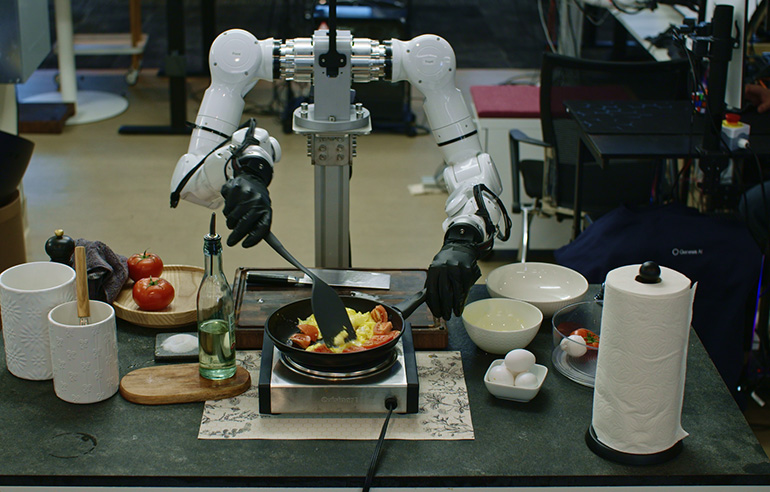
Genesis AI introduces GENE-26.5 model for more dexterous robot manipulation
Genesis AI has unveiled its latest innovation, the GENE-26.5 foundation model, which incorporates an advanced data engine alongside a proprietary robotic hand designed to enhance dexterity in robotic manipulation. This development aims to push the boundaries of robotic capabilities, enabling more precise and versatile movements. The introduction of the GENE-26.5 model marks a significant advancement in the field of robotics, reflecting the company's commitment to leveraging cutting-edge technology to improve robotic functionality. The announcement was made recently, highlighting the potential applications of this model in various industries where enhanced manipulation is crucial.
Arms / Manipulators Artificial Intelligence Artificial Intelligence / Cognition End Effectors / Grippers Grippers Humanoids
Genesis AI Unveils GENE-26.5, the First AI Brain to Enable Robots with Human-Level Physical Manipulation Capabilities
Genesis AI has unveiled a groundbreaking robotic foundation model that integrates an advanced data engine with a proprietary dexterous robotic hand, marking a significant advancement in robotics. The company showcased this innovation through a video released today, highlighting unprecedented complexity in robotic tasks. This development aims to enhance the capabilities of robots, positioning them as the most sophisticated machines ever created. By leveraging cutting-edge technology, Genesis AI seeks to revolutionize the field of robotics and expand the potential applications of these advanced systems.

Chinese Internet Association Launches AI Agent Data Protection Pact with Major Firms
The China Internet Association has introduced a self-regulatory agreement focused on personal information protection for AI agents during a forum in Beijing. Major companies including Baidu, Tencent, Alibaba, and Volcengine are among the initial signatories of this pact, which aims to establish standards for the collection, processing, and usage of personal data by AI agents as their services proliferate across various internet platforms. This initiative is significant as it seeks to address growing concerns regarding data privacy and security in the rapidly evolving landscape of AI technologies. By standardizing practices, the pact aims to enhance consumer trust and ensure responsible handling of personal information, which is crucial as AI agents become increasingly integrated into daily online interactions. Looking ahead, the China Internet Association also unveiled a separate self-regulatory pact for mini-program ecosystems, signed by Tencent, Ant Group, and Baidu, among others. This indicates a broader commitment to data protection across different digital services. No further timeline was disclosed at the time of publication.
News Feed
Yao Maoqing Discusses the Evolution of Physical AI Through Model and Data Integration
On July 19, during the 2026 World Artificial Intelligence Conference, Yao Maoqing, Senior Vice President and President of the Embodied Business Division at Zhiyuan, shared insights on the technological pathways for scaling physical AI. Zhiyuan has developed a three-phase training architecture of 'pre-training, post-training, and continuous learning' to advance its VLA and WAM technology routes towards the unified World Reasoning Action Model (WRAM). The integration of data is facilitated by Mifeng Technology, which utilizes the MEgo series of collection terminals and the MEgo Engine governance platform to create a comprehensive physical AI data infrastructure. This infrastructure supports data collection, governance, training, and deployment feedback, ensuring that real-world data continuously enhances model evolution. The collaborative model and data iteration system has already been validated in real industrial scenarios. Yao emphasized that 'models determine the starting point, while data defines the outcome.' He expressed the ambition of Zhiyuan and Mifeng to collaborate with the global academic community, industry, and developer ecosystem to accelerate the evolution of physical AI in real-world applications. No further timeline was disclosed at the time of publication.
Physical AI Data Infrastructure Machine Learning AI Development
Manufacturers Must Prioritize Industrial Data Governance Before AI and Analytics
Manufacturers are generating unprecedented amounts of data through automation systems, capturing everything from process values to production metrics. However, many plants face challenges in quickly answering fundamental operational questions, such as equipment status during issues or alarm sequences. The root cause often lies in a lack of structured, contextualized data governance rather than insufficient data itself. As manufacturers increasingly invest in analytics and AI, the importance of a solid data foundation becomes critical. Structured data not only aids in generating meaningful reports but also enhances AI insights. Poorly designed automation systems can lead to disorganized data, resulting in confusion and inefficiencies that erode trust among operators and complicate reporting for engineers and maintenance teams. To address these challenges, manufacturers must focus on establishing effective data governance from the outset of automation system design. Collecting more data does not inherently create value; instead, organizing data around relevant categories is essential for it to be actionable. No further timeline was disclosed at the time of publication.
Factory / Analytics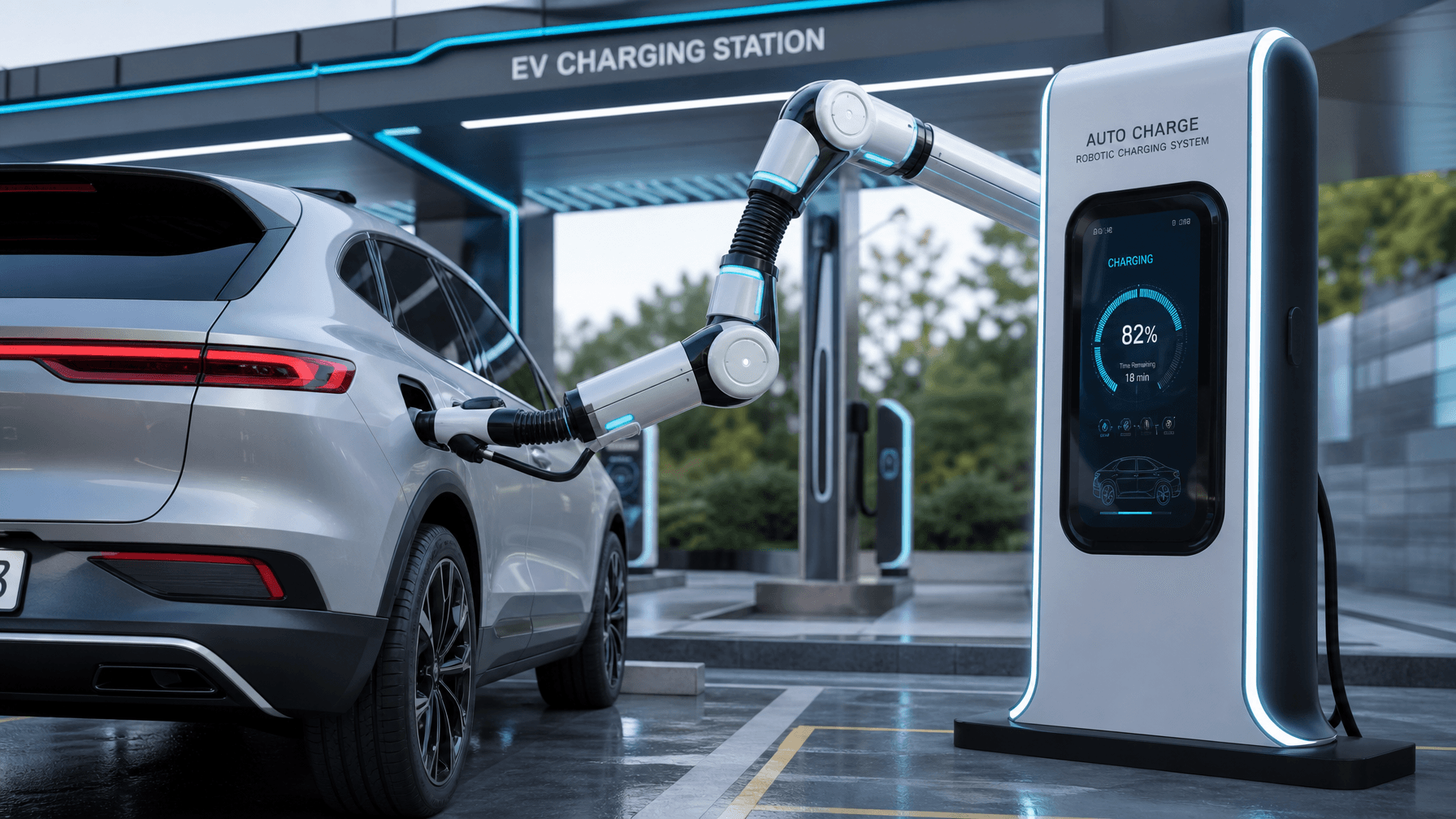
Wisson Launches Flexible Charge Engine for Adaptive EV Charging Across 130+ Models
Wisson has launched the Flexible Charge automatic charging service engine, which features zero-second adaptive tolerance. This innovative solution is designed to support public, dedicated, and home electric vehicle (EV) charging, accommodating over 130 different vehicle models. The introduction of this technology marks a significant advancement in EV charging capabilities. The significance of the Flexible Charge engine lies in its ability to provide seamless and efficient charging solutions for a wide range of electric vehicles. By offering zero-lag adaptive charging, Wisson aims to enhance user experience and convenience, addressing a critical need in the growing EV market. This development is expected to contribute to the broader adoption of electric vehicles by reducing charging downtime. Looking ahead, Wisson's next steps in the rollout of the Flexible Charge engine remain to be seen. No further timeline was disclosed at the time of publication, but the company is likely to focus on expanding its market presence and partnerships to maximize the deployment of this technology across various charging infrastructures.
Technology
SpaceX Unveils AI1 Satellite Specs for Starmind Constellation with Key Thermal Challenges
SpaceX has introduced the AI1 satellite, the inaugural component of its Starmind constellation, which stands 20 meters tall and has a wingspan of 70 meters. This orbital compute node is designed to deliver computing power equivalent to one NVIDIA GB300 server rack, utilizing a unique cooling system with deployable liquid radiators. The satellite's specifications were revealed during a presentation on June 8, 2026, ahead of SpaceX's IPO. The significance of the AI1 satellite lies in its role as a compute platform rather than a traditional satellite, focusing on running AI inference workloads. The satellite's cooling system, which is critical for its operation in the vacuum of space, is designed to reject heat through infrared radiation. However, independent engineers have raised concerns about the feasibility of the thermal and mass claims made by SpaceX, suggesting that the cooling requirements may exceed practical limits. Looking ahead, SpaceX plans to launch two AI1 prototypes in early 2027, with full-scale production expected to commence later that year at its Gigasat facility in Bastrop, Texas. The ongoing debate regarding the satellite's thermal management capabilities will be crucial to monitor as the project progresses, with no further timeline disclosed at the time of publication.

Amazon engineers in Seattle slam employer for building AI data centers while laying off 30,000 staffers
Amazon engineers have expressed their concerns regarding the company's decision to implement mass layoffs, despite its commitment to invest $200 billion in artificial intelligence infrastructure this year. The layoffs have sparked criticism among employees who question the prioritization of AI spending over job security. This situation highlights a growing tension within the tech giant as it navigates its workforce reductions while simultaneously pursuing significant advancements in AI technology. The engineers' outcry reflects a broader sentiment within the industry about the balance between innovation and employee welfare.
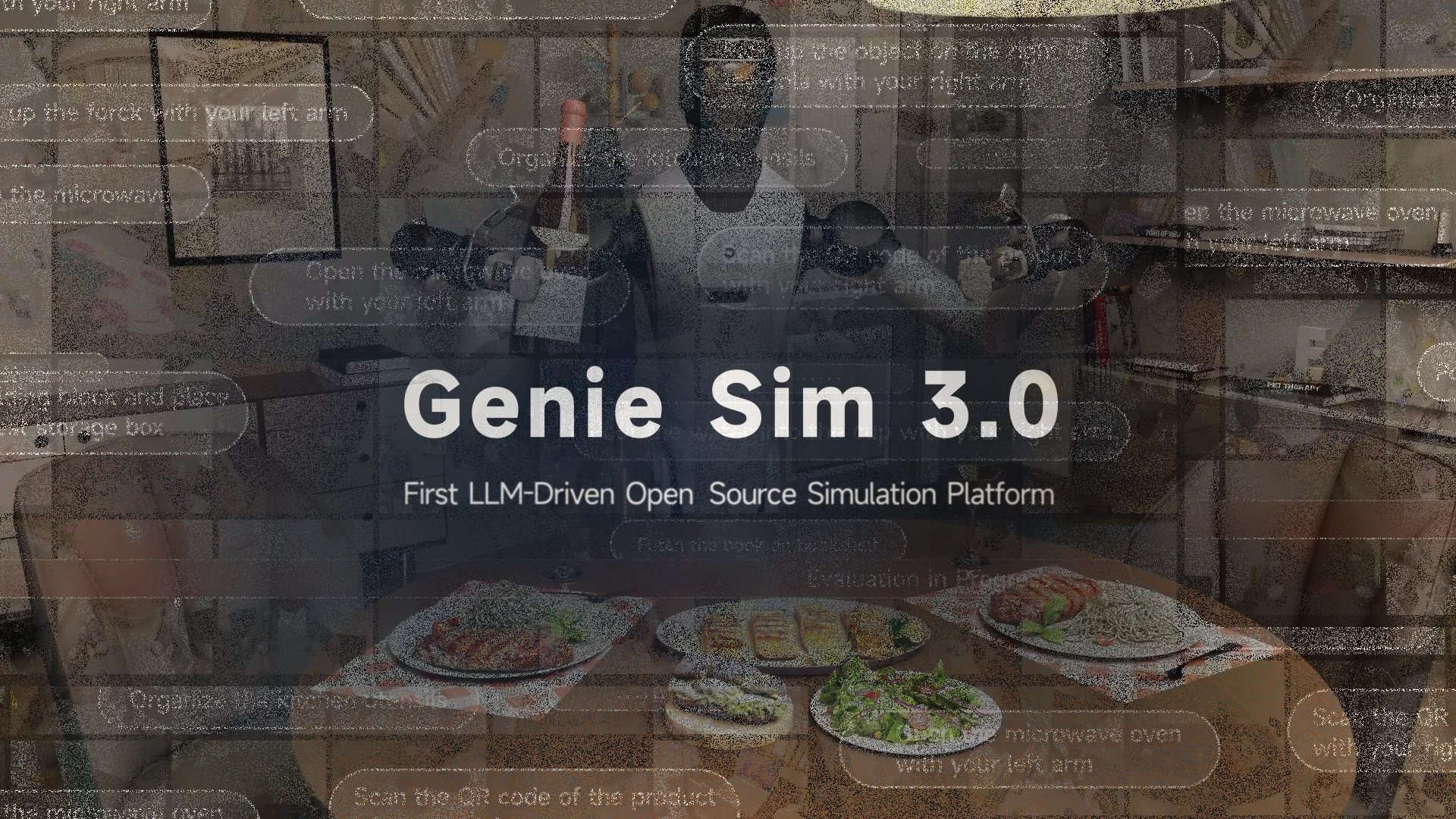
The Synthetic Engine: How AGIBOT Genie Sim 3.0 Resolves the Embodied AI Data Bottleneck
AGIBOT has introduced a groundbreaking unified simulation infrastructure designed to enhance the transition from digital training to real-world application. This innovative system leverages large language model (LLM)-driven spatial world models alongside massively parallel reinforcement learning techniques. By integrating these advanced technologies, AGIBOT aims to significantly accelerate the development and deployment of robotic systems. The announcement, made recently, highlights the company's commitment to advancing artificial intelligence and robotics, providing a robust framework that could revolutionize how machines are trained and utilized in various industries. The infrastructure is expected to streamline processes, improve efficiency, and ultimately lead to more effective physical deployments of AI-driven solutions.
AI Week open-source China AGIBOT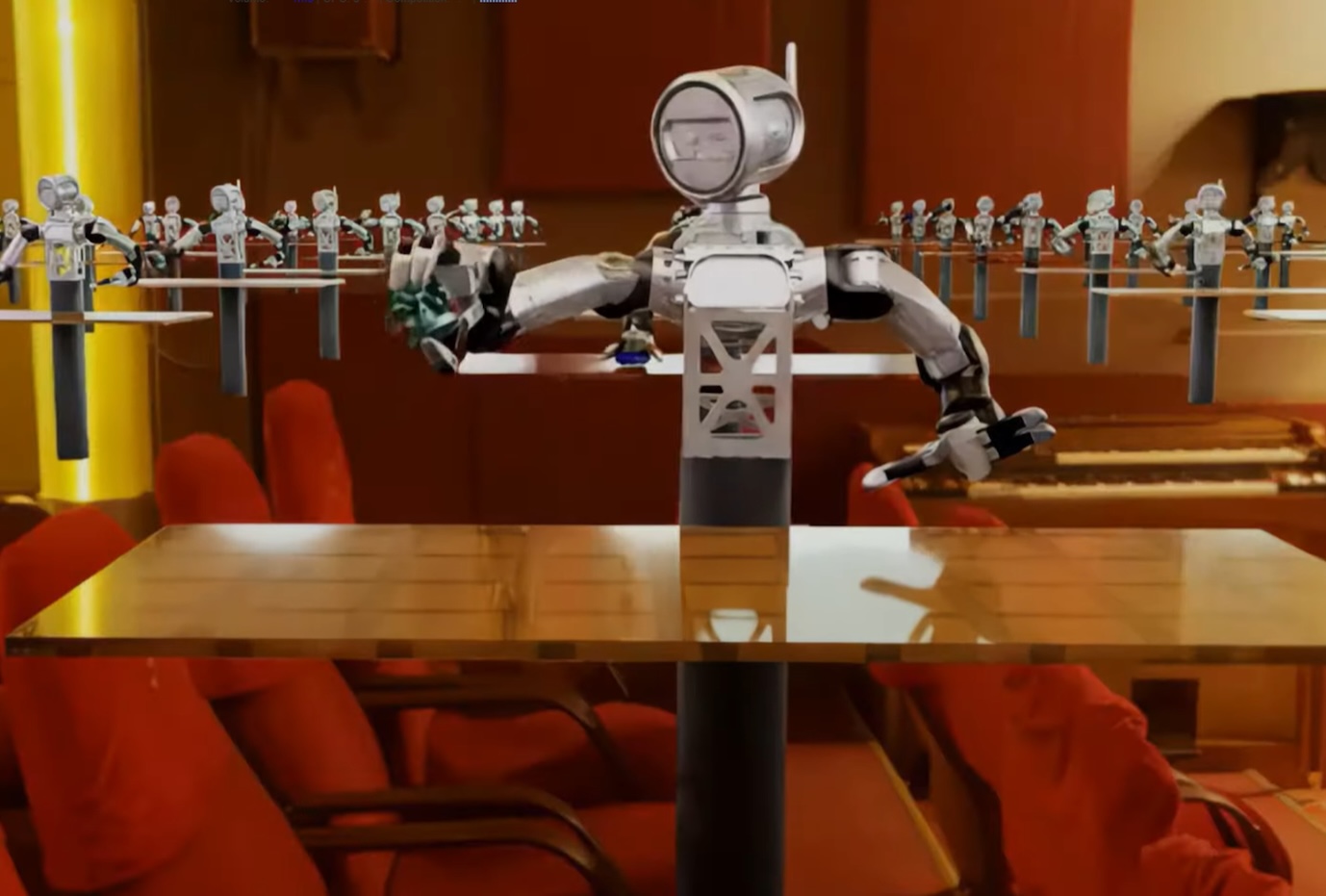
SpaceX's Starmind Faces Feasibility Challenges for 1 Million Satellite Deployment
On January 30, 2026, SpaceX submitted a request to the FCC to launch up to 1 million satellites as part of its Starmind orbital compute constellation. This ambitious plan is unprecedented, as the total number of satellites ever launched globally is in the low tens of thousands. The proposal seeks a waiver from standard deployment milestones, citing reliance on the Starship's full reusability for success. The significance of this request lies in the technical and logistical challenges it presents. Experts warn that low Earth orbit may not support the proposed number of active satellites without risking a debris cascade. SpaceX's own IPO prospectus acknowledges unresolved dependencies related to Starship's launch cadence and reusability, which are critical for the orbital AI compute strategy. Looking ahead, the timeline for achieving the necessary launch cadence and manufacturing capacity remains uncertain. SpaceX's Gigasat facility in Texas aims for volume production by late 2027, but this would require unprecedented output levels. No further timeline was disclosed at the time of publication, leaving the feasibility of the Starmind project in question.
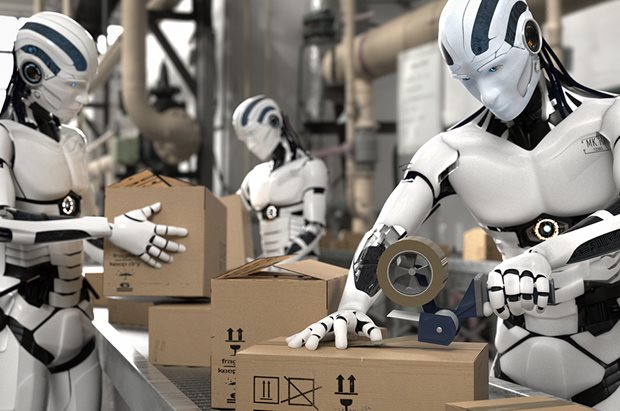
Air Force could spend $1.5B, get ‘Doomsday Plane’ data in T-7 engine ‘horse trade’
A source has expressed skepticism regarding a potential deal involving the Air Force, suggesting that while there may be positive aspects, taxpayers might not benefit significantly. The source emphasized the importance of the Air Force accurately defining its requirements to ensure the deal's success. This commentary comes amid ongoing discussions about military procurement strategies, highlighting the need for careful consideration of taxpayer interests in defense spending. The outcome of this deal remains contingent on the Air Force's ability to align its needs with the expectations of stakeholders.
Air Warfare AETC Air Force Boeing Business & Industry Hidden Challenges of the T-7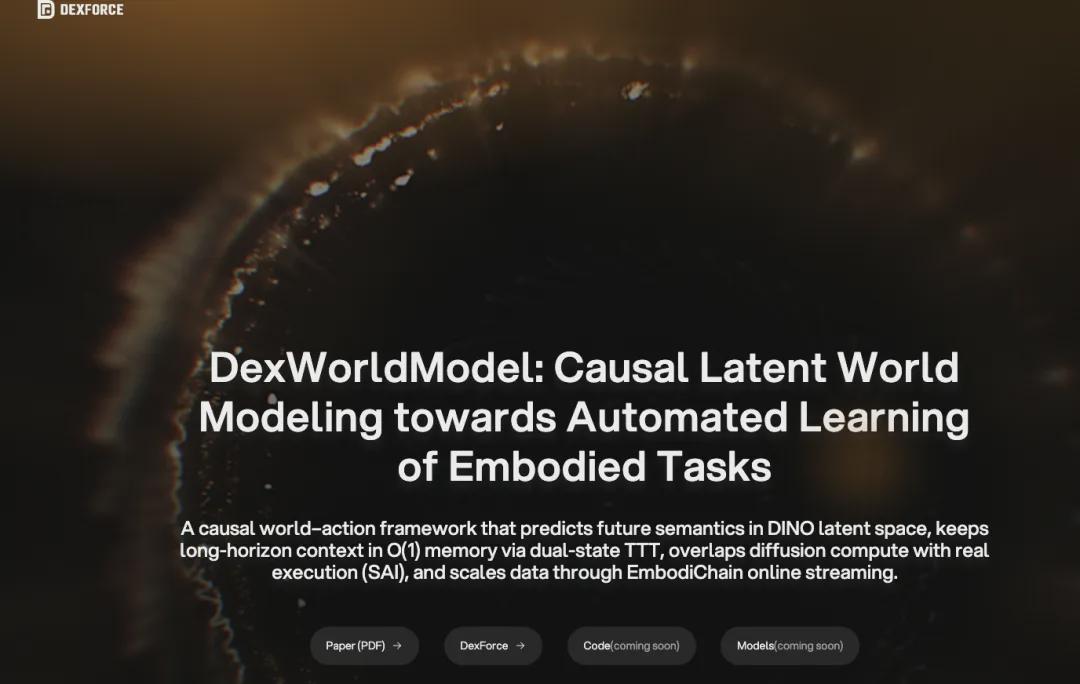
Chinese Company Tops Global Rankings in World Model Competition
In May 2026, the WorldArena announced its latest rankings, recognizing China's Kuawei Intelligent as the top performer in Track 2 for its innovative DSCFuncWorld model. This achievement underscores Kuawei's leadership in advanced technology related to embodied world models, outpacing international rivals and showcasing its robust capabilities in practical robotic applications. The recognition reflects the company's commitment to pushing the boundaries of robotics and artificial intelligence, positioning it as a significant player in the global market.
Embodied AI World Models Robotics Data Engine Artificial Intelligence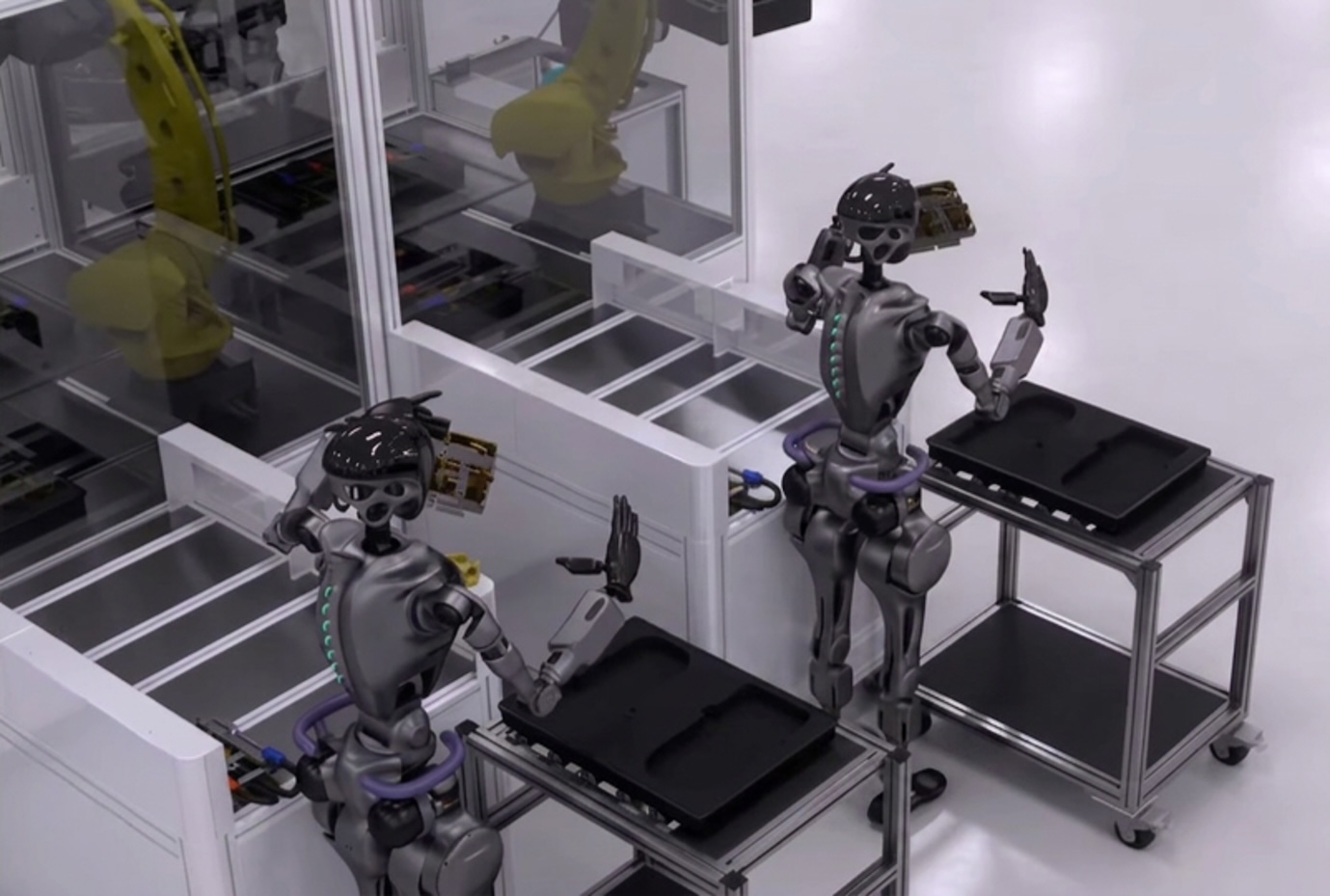
SpaceX Launches Starmind Project for 1 Million AI Satellites by 2028
SpaceX has officially named its orbital AI infrastructure project 'Starmind,' which aims to deploy a constellation of up to 1 million satellites. This initiative, confirmed by Elon Musk on June 22, 2026, will enable AI inference directly in space, utilizing solar energy rather than terrestrial power sources. The first satellite, designated AI1, was unveiled on June 8, 2026, and is designed to operate in sun-synchronous orbits. The significance of Starmind lies in its potential to overcome the limitations faced by ground-based data centers, such as land, power, and water constraints. By running AI computations in orbit, Starmind can provide a more efficient solution to the growing demand for AI computing power. The project leverages the existing Starlink infrastructure for data transmission, distinguishing its function from Starlink's internet relay capabilities. Looking ahead, SpaceX plans to begin hardware deployment with the AI1 satellite, while full-scale production and deployment of the satellite constellation are targeted for 2028. As of now, no Starmind satellites have been launched, and further engineering challenges remain to be addressed, particularly regarding the scalability of the satellite design.

How Melbourne’s AI and Data Center Flywheel Is Accelerating Research Innovation
Melbourne is solidifying its status as a global hub for artificial intelligence (AI) research and advanced engineering, driven by significant investments in infrastructure and a growing concentration of talent. The city, renowned for hosting major events like the Australian Open and Formula 1 Grand Prix, is now leveraging its organizational capabilities to support large-scale compute and data-intensive research. In February 2026, Monash University unveiled MAVERIC, Australia's largest university-based AI supercomputer, developed in collaboration with NVIDIA and Dell Technologies. This state-of-the-art facility is designed to enhance medical research, enabling Australian scientists to work with sensitive datasets securely. The supercomputer exemplifies Melbourne's commitment to fostering cross-disciplinary collaborations and advancing research in fields such as cancer detection and drug discovery. Melbourne's infrastructure is further bolstered by the expansion of data centers, including CDC Data Centres' new campus, which will provide over 800 megawatts of digital capacity essential for AI workloads. The city's strategic investments, including a AUD $2 billion AI infrastructure hub in Fishermans Bend, are positioning it as a national leader in high-performance AI. Moreover, Melbourne's selection to host international technology conferences, such as Data Center World Australia and The AI Summit Australia in September 2026, underscores its growing influence in the global AI landscape. These events facilitate knowledge transfer and collaboration among researchers, reinforcing Melbourne's role as a key player in the future of AI and data-driven research.
Australia Artificial-intelligence Research-centers Applied-ai Conferences
Oceaneering Expands Vision™ Platform with Subsea Module for Engineering‑Grade Integrity Visualization
Oceaneering International, Inc. has unveiled Vision™ Subsea, a new module integrated into its cloud-based Vision™ 3D data visualization software platform, developed by its subsidiary GDi. Announced today, this innovative module provides engineers with access to engineering-grade point cloud data collected during remotely operated vehicle (ROV) operations. By offering a measurable and contextual view of subsea asset integrity, Vision™ Subsea enhances the ability to identify anomalies, conduct dimensional checks, and plan interventions effectively. This advancement aims to improve the safety and efficiency of subsea operations, addressing the growing need for precise monitoring and maintenance of underwater infrastructure.
oceaneering gdi vision™ platform subsea module integrity visualization
Application engineering for assembly systems is quietly becoming manufacturing’s biggest competitive edge
In a significant shift within the manufacturing sector, companies are increasingly focusing on application engineering to enhance assembly systems. This evolution is driven by the need for higher productivity and reduced error rates on the factory floor. Leading the charge is Atlas Copco, a prominent player in the industry, which is fully embracing this transformation. The emphasis is now on not just the machines themselves, but also on the engineering that connects and adjusts these machines in real-time to align with operational demands. As factories strive to optimize their processes, the integration of advanced engineering techniques is becoming essential for success in a competitive landscape.
Engineering Manufacturing application engineering assembly line automation assembly systems atlas copco
MIT Develops GIFT Framework to Enhance CAD Design Accuracy Using AI Failures
Researchers from MIT, IBM, and Red Hat have introduced the Geometric Inference Feedback Tuning (GIFT) framework, which enhances AI's ability to convert 2D images into functional CAD programs. This innovation significantly improves design accuracy while reducing inference computation by approximately 80%. The GIFT framework addresses the challenge of limited high-quality CAD training data by utilizing the AI's own mistakes as a learning tool. The importance of this development lies in its potential to streamline the CAD design process, which is often hindered by the need for extensive datasets linking images to CAD programs. By focusing on 'near-misses'—outputs that are close to correct—the GIFT framework provides valuable insights into the AI's understanding, ultimately leading to better training examples and more reliable designs. Looking ahead, the GIFT framework's dual techniques, including GIFT-REJECT, promise to further refine AI-generated CAD outputs. As the research progresses, the effectiveness of GIFT in real-world applications will be closely monitored, particularly in industries reliant on precise CAD designs, such as aerospace and automotive engineering. No further timeline was disclosed at the time of publication.
AI and Robotics
Logic Robotics Unveils Logic Pallet: A Breakthrough in Autonomous Mobile Logistics
Logic Robotics has introduced the Logic Pallet, the first mobile robot designed for multifacility logistics automation. This innovative solution aims to enhance the efficiency of logistics and material handling across various industries. The Logic Pallet is engineered to automate the movement of goods both between and within facilities, providing a comprehensive end-to-end automation solution. This advancement supports a fully autonomous, data-driven, and sustainable global supply chain, marking a significant step forward in logistics technology. As the logistics industry continues to evolve, the introduction of the Logic Pallet sets a new standard for automation. Stakeholders should monitor its deployment and impact on supply chain efficiency, as well as its potential to reshape logistics operations in the future. No further timeline was disclosed at the time of publication.
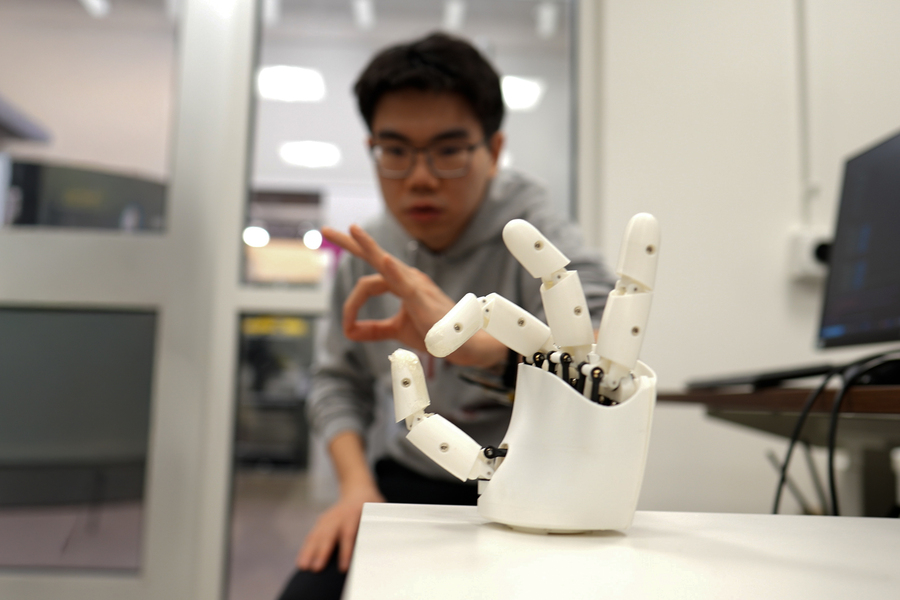
MIT Engineers Develop Ultrasound Wristband for Real-Time Robotic Hand Control
MIT engineers have created an innovative ultrasound wristband that allows wearers to control a robotic hand through their own movements. This wristband captures real-time images of the wrist's muscles and tendons, translating them into the positions of the fingers and palm using an AI algorithm. Demonstrations have shown that users can wirelessly manipulate a robotic hand to perform tasks like playing the piano or shooting a basketball. This technology is significant as it offers a new method for hand tracking in robotics and virtual reality, potentially replacing traditional techniques that rely on cameras or sensor-laden gloves. The wristband's ability to gather diverse hand motion data could lead to advancements in training humanoid robots for dexterous tasks, including surgical procedures. Xuanhe Zhao, a professor at MIT, emphasizes the immediate impact this work could have on both virtual environments and robotic dexterity. Looking ahead, the research team aims to expand their dataset of hand motions by collecting data from users with varying hand sizes and gestures. This could enhance the capabilities of humanoid robots and improve interactions in virtual settings. No further timeline was disclosed at the time of publication.
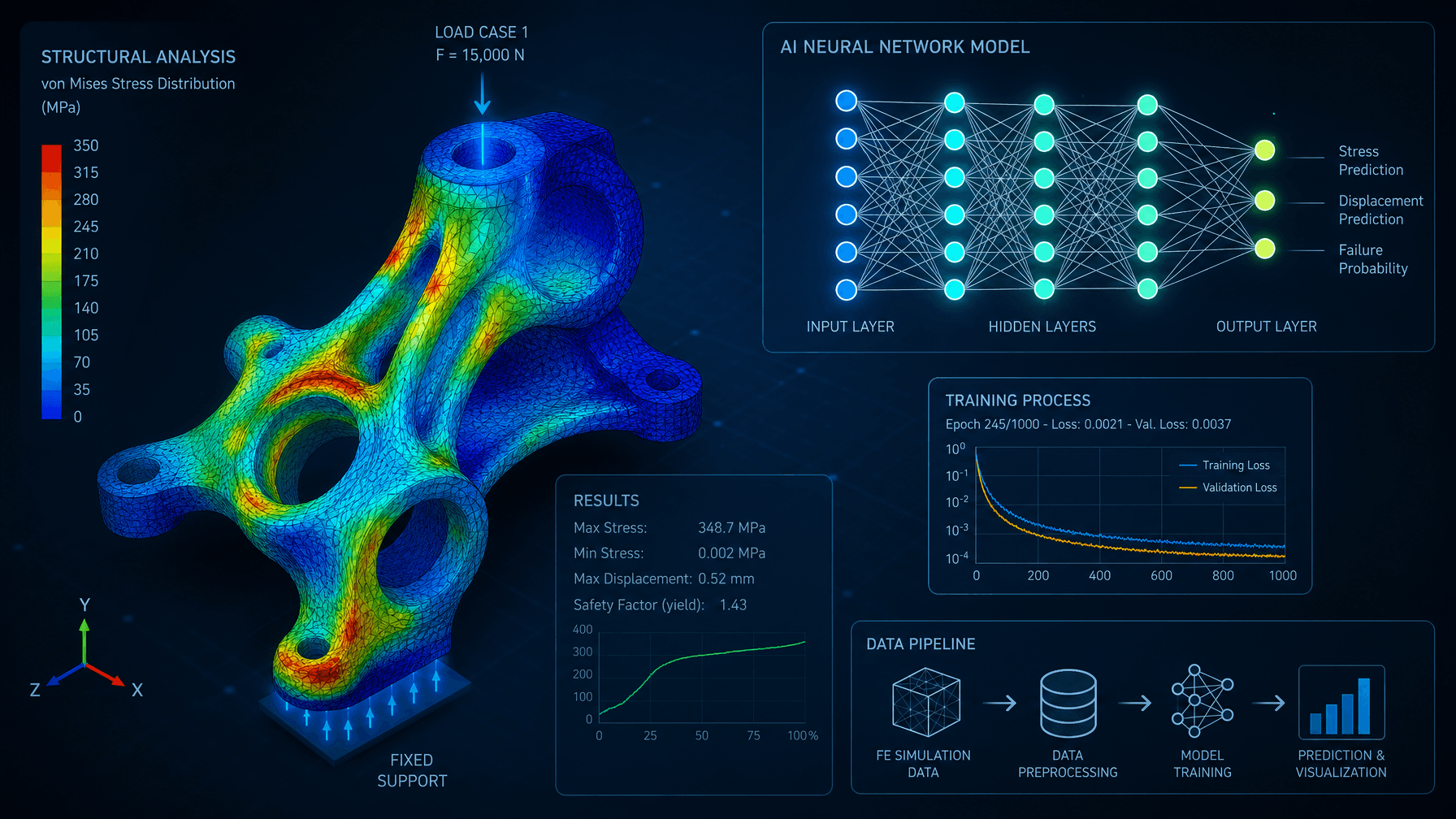
Jiying Technology Launches First Zero-Shot Generalizable Physics Model for Engineering Simulations
Jiying Technology has unveiled its Jiying 2.0 physics foundation model, which is capable of zero-shot generalization across various geometries, materials, and boundary conditions. This model represents a significant advancement in physics AI, particularly for engineering simulations, and was announced in October 2023. The introduction of the Jiying 2.0 model is crucial as it allows engineers to simulate complex physical scenarios without the need for extensive retraining on specific datasets. This capability can enhance efficiency and reduce the time required for simulations, making it a valuable tool in engineering design and analysis. Looking ahead, industry professionals will be keen to observe how the adoption of the Jiying 2.0 model influences engineering practices and simulation accuracy. No further timeline was disclosed at the time of publication regarding additional features or updates to the model.
Technology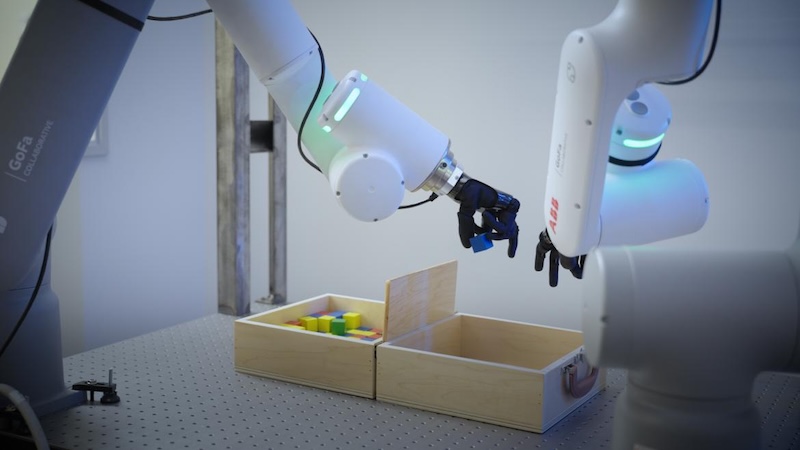
ABB Robotics and Psyonic use human-generated data to advance robotic dexterity
ABB Robotics is partnering with California-based bionics firm Psyonic to enhance robotic gripping and dexterity, addressing a significant challenge in the industry. This collaboration aims to leverage real-world manipulation data derived from human prosthetic use, which could lead to a reduction in engineering time by as much as 30%. The initiative involves integrating the Psyonic Ability Hand with ABB's GoFa robotic arm, creating a more efficient and adaptable solution for various applications. This innovative approach seeks to improve the functionality of robotic systems, making them more effective in handling tasks that require precision and flexibility.
Components Design Engineering abb robotics ai robotics automation news
Liquid AI's smallest model yet LFM2.5-230M beats models 4X its size at data extraction, can run 'anywhere'
Liquid AI, a company founded by former MIT computer scientists, has unveiled its latest AI language model, LFM2.5-230M, which is designed for efficient data extraction and local deployment on devices such as smartphones and laptops. Released today, this 230-million-parameter model is noted for its ability to run on various hardware platforms, outperforming larger models like Alibaba's Qwen3.5 and Google's Gemma 3 in specific benchmarks. Targeting developers and engineers, LFM2.5-230M operates under a dual-use commercial license, allowing free access for individuals and companies with annual revenues below $10 million, while larger enterprises must secure a paid agreement. The model distinguishes itself by utilizing the LFM2 architecture, enabling high inference speeds with a minimal memory footprint, making it suitable for edge computing. Liquid AI's launch reflects a broader industry shift towards architectural efficiency rather than sheer parameter counts, as major AI firms focus on models with hundreds of billions of parameters. The LFM2.5-230M is specifically tailored for lightweight data extraction tasks, allowing businesses to automate processes without relying on costly cloud services. In practical applications, the model has been successfully deployed in a humanoid robot, demonstrating its capability to process complex commands efficiently. Available immediately on platforms like Hugging Face, LFM2.5-230M aims to revolutionize how enterprises manage data extraction, moving away from traditional, rigid systems to more adaptable AI-driven solutions.
Technology
ABB Robotics and PSYONIC Use Human-Generated Data to Advance Robotic Dexterity
ABB Robotics has partnered with California-based bionics company PSYONIC to enhance robotic dexterity and grasping capabilities by utilizing human-generated data from prosthetic use. Announced on June 16, 2026, this collaboration aims to address the significant challenge of replicating human-like dexterity in industrial robotics, which is essential for the development of Autonomous Versatile Robotics (AVR™). By integrating the PSYONIC Ability Hand with ABB's GoFa™ collaborative robot, the two companies will explore how real-world manipulation data can train robots to perform delicate tasks that are typically difficult to automate. This initiative is expected to reduce engineering time by up to 30% and improve productivity, flexibility, and workplace safety across various industries, including automotive, aerospace, packaging, logistics, and life sciences. Marc Segura, President of ABB Robotics, emphasized the importance of bridging the gap between human and robotic dexterity to enable robots to learn and interact with their environments more intuitively. Dr. Aadeel Akhtar, Founder and CEO of PSYONIC, highlighted that the collaboration will leverage high-fidelity data on movement and grip force to enhance robotic performance in complex tasks. The GoFa™ robot will provide the precision necessary for industrial applications, ensuring consistent execution of intricate movements, which is crucial for handling fragile or irregular objects. This partnership represents a significant step towards advancing physical AI in robotics, allowing for more effective collaboration between humans and machines.
US engineers make ‘artificial eyes’ to improve vision in robots, self-driving cars
Researchers at Penn State University have developed an innovative device inspired by the human eye, aimed at enhancing the vision capabilities of self-driving cars. This groundbreaking technology was unveiled recently as part of ongoing efforts to improve the safety and reliability of autonomous vehicles. The device mimics the eye's ability to adapt to varying light conditions, which is crucial for navigating complex environments. The motivation behind this advancement stems from the challenges faced by self-driving cars in low-light situations, where traditional sensors often struggle to provide accurate data. By integrating this eye-inspired technology, the researchers hope to significantly reduce the risk of accidents and improve the overall performance of autonomous systems. This development is part of a broader initiative to advance automotive technology and ensure that self-driving cars can operate effectively in diverse conditions. The research team utilized a combination of advanced materials and optical engineering to create a device that can dynamically adjust its sensitivity, much like the human eye does when transitioning from bright to dim environments. As the automotive industry continues to push towards fully autonomous vehicles, innovations like this are essential for addressing safety concerns and building public trust in self-driving technology. The research findings are expected to contribute to future advancements in vehicle design and functionality, paving the way for safer roads.

7 Ways New Engineers Can Flourish in the Age of AI
As new graduates enter the workforce, they are navigating a landscape where artificial intelligence (AI) is essential rather than optional. Successful engineers are learning to leverage AI as a tool rather than viewing it as competition. To remain competitive in this rapidly evolving field, experts recommend several strategies for young professionals. First, mastering fundamental skills in data structures, algorithms, and core programming languages like C++, Java, and Python is crucial. Understanding these basics enables engineers to effectively debug and optimize their work, even when using AI tools. Additionally, engineers should learn to collaborate with AI by crafting clear prompts, reviewing AI-generated code, and using AI to enhance productivity while exercising critical judgment. Building projects that demonstrate comprehensive system design is increasingly important, as employers seek candidates who can define requirements and deliver scalable, maintainable products. Early development of system design skills is also vital, as even junior engineers are expected to discuss responsible AI integration and system reliability. Strong communication skills are essential, as engineers must articulate design choices and collaborate within teams—an area where AI cannot replace human input. Continuous learning and curiosity about industry developments, new tools, and community engagement are also emphasized as key to staying relevant. Finally, engineers are encouraged to think beyond coding, focusing on problem-framing, architectural judgment, and ethical considerations in AI use. For ongoing career insights, professionals can subscribe to the IEEE Spectrum Career Alert Newsletter, which offers biweekly updates on jobs, education, and the engineering workplace.
Ieee-member-news Career-advice Ai Young-professionals Type-ti
Allient Inc. to Present at Upcoming Webinar on Engineering Thermally-Optimized Joints for Humanoids
A webinar is set to address the significant challenges associated with humanoid joint design, emphasizing the importance of interpreting motor data within a system-level context rather than adhering strictly to standard specifications. Scheduled for an upcoming date, this event will take place online, allowing participants from various locations to engage in discussions. The session aims to provide insights into practical engineering strategies for selecting motors and optimizing performance specifically for humanoid and advanced robotics applications. The focus will be on achieving reliable and thermally efficient performance, which is crucial for the advancement of robotics technology.

BANNER ENGINEERING - Available now at Mouser: vibration monitoring sensors
Banner Engineering has introduced its Q45x sensors, designed to enhance predictive maintenance for industrial equipment by providing high-resolution, three-axis vibration data. These innovative sensors, which are battery-powered and capable of operating for several years without the need for wiring, facilitate easy installation and scalability across various assets. The Q45x sensors utilize integrated high-frequency enveloping (HFE) technology to detect early-stage faults, such as bearing wear and lubrication issues, thereby improving diagnostic accuracy even in noisy environments. With IP67-rated enclosures and wireless connectivity through Sure Cross networks, these sensors ensure reliable condition monitoring in challenging industrial settings while minimizing downtime and simplifying maintenance processes.
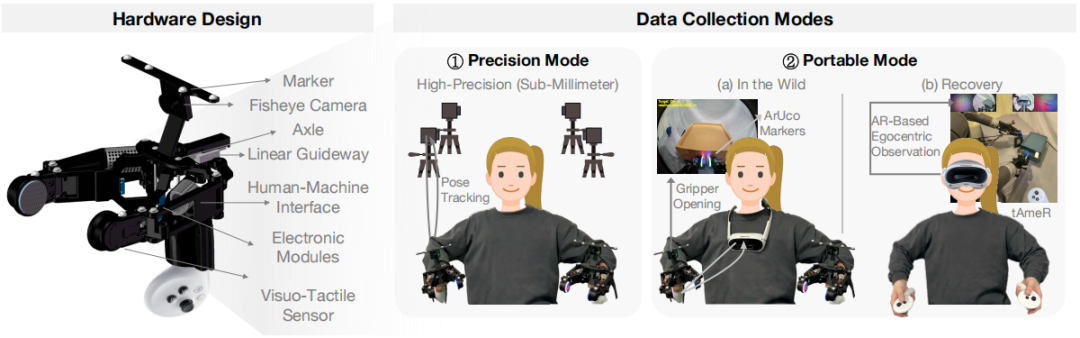
Sub-Millimeter Tactile Control and 100% Reproduction! HKU and Fudan University Launch TAMEn to Solve Data Collection Challenges for Dual-Handed Robots
Researchers from the University of Hong Kong (HKU), in collaboration with Fudan University and other institutions, have unveiled the TAMEn tactile perception manipulation engine. This innovative technology is designed to tackle significant challenges associated with dual-handed robotic tasks. By seamlessly integrating visual and tactile data collection, the TAMEn engine enhances the precision and adaptability of robots, enabling them to perform complex manipulation tasks more effectively. The development of this engine marks a significant advancement in robotics, potentially transforming how robots interact with their environment and improving their functionality in various applications.
Tactile Robotics Dual-Handed Manipulation Data Collection Technology Robotics Research
US Army Corps of Engineers Awards Fugro Five‑year Contract for Critical Infrastructure Mapping
Fugro has been awarded a five-year indefinite-delivery, indefinite-quantity (IDIQ) contract by the US Army Corps of Engineers (USACE) to deliver surveying and mapping services. This contract, which supports both civil works and military infrastructure programs, will be effective immediately and will cover projects across the United States and internationally. The initiative aims to enhance USACE’s management of essential waterways, flood-risk systems, and military facilities. By providing timely and high-quality geospatial data, Fugro will play a crucial role in informing infrastructure planning, risk management, and operational readiness in various complex and demanding environments.
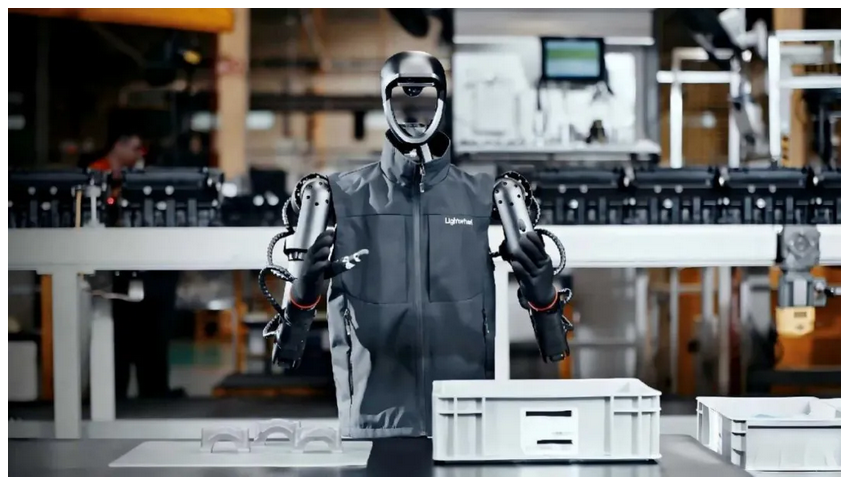
Funding of 1 Billion Yuan! Former NVIDIA Simulation Head Launches Startup, Creating the World's First Embodied Data Unicorn
Guanglun Intelligent Technology has achieved a significant milestone by securing 1 billion yuan in funding, marking its status as the first unicorn in the embodied data sector. This funding will support the company's efforts in advancing its innovative physical simulation engine and comprehensive model evaluation system. These technologies are designed to enhance the capabilities of humanoid robots, pushing the boundaries of what is possible in robotics through sophisticated data analysis and simulation techniques. The investment underscores the growing interest and potential in the field of embodied data, positioning Guanglun at the forefront of this emerging industry.
Embodied Intelligence Physical Simulation AI Data Infrastructure Robot Development
Design Around the Data: Sunday Robotics Reveals Why They Built 100 Gloves Before One Robot
In an exclusive interview, Scott Walter, a leader at Sunday Robotics, discussed the company's innovative approach to robotics engineering, emphasizing their "data-first" philosophy that guided the development of their latest robot, Memo. This design strategy prioritizes the training pipeline, ensuring that the robot's capabilities are built around the data it processes rather than adapting the data to fit a pre-existing framework. The insights shared during the interview highlight Sunday Robotics' commitment to leveraging data effectively to enhance robotic functionality and performance. This approach marks a significant shift in how robotics can be developed, aiming to create more efficient and intelligent machines.
Scott Walter Sunday Robotics Memo
As AI Reshapes Global Energy Systems, Melbourne Leads Through Engineering Collaboration
As artificial intelligence (AI) rapidly expands, it is driving a significant increase in global electricity demand, presenting urgent challenges for energy systems. Melbourne, Australia, is positioning itself as a leader in addressing these issues, with a focus on the infrastructure necessary to support AI's growth. By 2035, data centers in Australia are expected to consume up to 11 percent of the nation's electricity, raising concerns about generation and system reliability. The University of Melbourne is at the forefront of this initiative, with interdisciplinary research aimed at developing energy systems that can meet the demands of AI. The Melbourne Energy Institute is exploring how various energy technologies interact, while facilities like the Smart Grid Lab allow for real-time simulations of power systems. This integrated approach is essential for designing resilient and efficient energy systems that can adapt to new patterns of demand. Victoria's advanced energy ecosystem, which includes renewable generation and battery storage, is crucial for balancing digital growth with sustainability. The collaboration between researchers, industry, and policymakers is vital for creating future energy systems that are affordable and resilient. Looking ahead, Melbourne will host the IEEE PES Generation Transmission and Distribution Asia 2027 Conference, bringing together global experts to address the evolving challenges in power systems. This event underscores Melbourne's commitment to fostering international collaboration and innovation in energy solutions, reinforcing its role as a key player in the global energy transition.
Artificial-intelligence Australia Energy-systems University-of-melbourne Ai-data-centers Power-grid
Smooth Motor Advances Across Robotics and Intelligent Automation Industries Through 30 Years of Rapid Engineering Response
As product development cycles shorten and system complexity increases, the industry faces growing demands for efficient validation, long-term reliability, and cost control. This trend has emerged as companies strive to meet the evolving expectations of consumers and stakeholders. The pressure to innovate rapidly while ensuring quality and affordability has prompted organizations to adopt new strategies and technologies. By leveraging advanced data analytics and streamlined processes, businesses aim to enhance their product offerings and maintain competitiveness in a fast-paced market. The ongoing shift underscores the necessity for adaptability and efficiency in an environment where both time and resources are limited.
Tencent hires multiple core engineers from ByteDance’s Seed AI team
Tencent has intensified its recruitment efforts by hiring senior personnel from ByteDance's Seed AI team, focusing on expertise in visual AI platforms, infrastructure engineering, training infrastructure, and reinforcement learning algorithms. This strategic move aligns with Tencent's initiative to expedite the development of its large language models, as the company prepares for the anticipated launch of its next-generation Hunyuan 3.0 system in the second half of the year. The hiring spree reflects Tencent's commitment to enhancing its AI capabilities amid increasing competition in the tech industry.
News Feed
Into the Omniverse: How Industrial AI and Digital Twins Accelerate Design, Engineering and Manufacturing Across Industries
Companies across various industries are increasingly leveraging industrial AI, digital twins, AI physics, and accelerated AI infrastructure to enhance their design, simulation, and optimization processes. This technological shift allows organizations to refine products, processes, and facilities in a virtual environment before actual construction begins. By adopting these advanced tools, businesses aim to improve efficiency, reduce costs, and accelerate time-to-market for new innovations. The integration of these technologies is seen as a crucial step in staying competitive in a rapidly evolving market, enabling firms to make data-driven decisions and optimize their operations effectively.
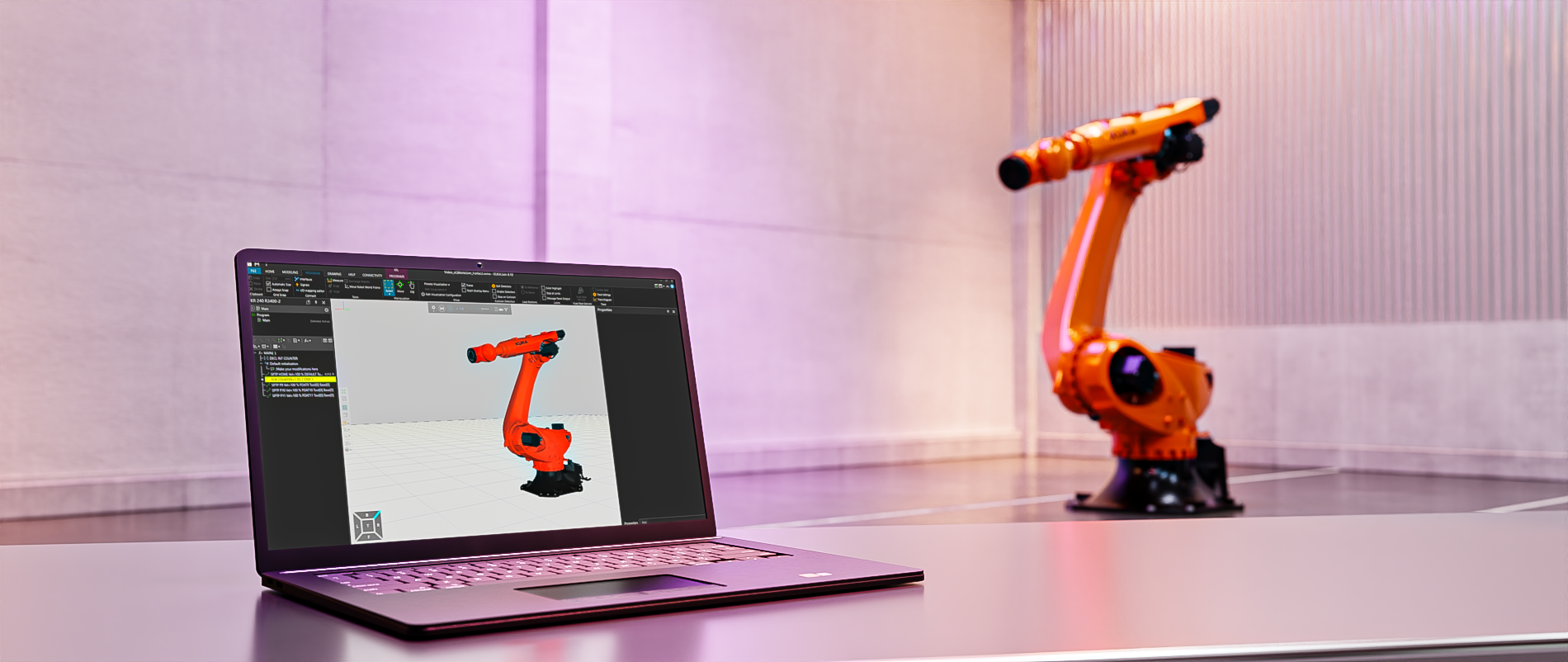
All-in-one Engineering Suite for next-level digital manufacturing
The iiQWorks software platform has emerged as a pivotal tool in the automation sector, facilitating comprehensive support for the entire automation process and ensuring efficient data exchange throughout all phases of planning and production. By leveraging digital twin technology, the platform enhances the ease and speed of robot operations. This innovative approach includes features such as offline programming and virtual commissioning, which are designed to align with the principles of Industry 4.0. As industries increasingly adopt these advanced automation solutions, iiQWorks is positioned to play a crucial role in transforming manufacturing processes and improving operational efficiency.
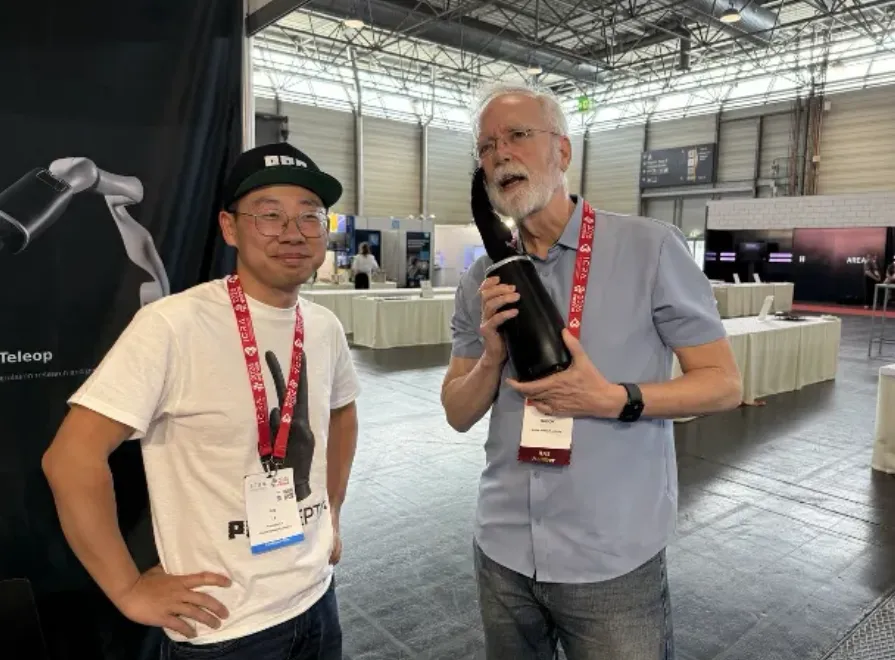
Former Tesla Engineer's Startup Develops Advanced Robotic Hand Amid Legal Battle
Jay Li, the former leader of Tesla's Optimus project, is currently embroiled in a legal battle with his former employer, which has accused him of stealing trade secrets. Despite these allegations, Li has made significant strides with his new venture, Proception, which has successfully created a cutting-edge robotic hand within a mere five months. This rapid development has attracted considerable attention, culminating in Proception securing $11 million in seed funding. Li's unique methods for data collection and training have set his startup apart in the increasingly competitive robotics industry, showcasing his resilience and innovation amid ongoing legal challenges.
Robotic Hands Startup Funding Trade Secrets Robotics Technology
Tactile learning loop: How human touch data teaches robots to handle eggs
Engineers have observed significant advancements in industrial robotics, particularly in the areas of automated welding and pallet stacking. Over the years, these machines have demonstrated remarkable precision and efficiency, transforming manufacturing processes. The ongoing development in robotics technology has been driven by the need for increased productivity and cost-effectiveness in various industries. As companies seek to enhance their operational capabilities, the integration of sophisticated robotic systems has become essential. This evolution in automation is not only streamlining production lines but also addressing labor shortages and improving workplace safety. The continuous innovation in this field suggests a promising future for industrial robots, as they become increasingly capable of handling complex tasks with minimal human intervention.
AI and Robotics
A Novel Global Path Planning Algorithm for Underwater Vehicle Engineering Applications
A recent study published in the Journal of Field Robotics has unveiled significant advancements in robotic technology aimed at enhancing agricultural practices. Researchers from various institutions collaborated to develop a new robotic system designed to improve crop monitoring and management. Conducted over the summer of 2023, the project took place in various agricultural settings across the Midwest, where the team tested the system's capabilities in real-world conditions. The motivation behind this initiative stems from the increasing need for efficient farming solutions that can address labor shortages and optimize resource use. By integrating advanced sensors and artificial intelligence, the robotic system is capable of analyzing soil health, monitoring plant growth, and identifying pest infestations more effectively than traditional methods. The research team employed a series of field tests to evaluate the robot's performance, collecting data on its accuracy and efficiency in various agricultural tasks. The results indicate that the robotic system not only enhances productivity but also reduces the environmental impact of farming practices. This innovative approach represents a significant step forward in the field of agricultural robotics, promising to support farmers in meeting the challenges of modern agriculture while promoting sustainable practices. The findings are expected to influence future developments in the sector, paving the way for broader adoption of robotic technologies in farming.
RESEARCH ARTICLE
MIT and Toyota Develop SceneSmith to Enhance Robot Training with AI-Generated Environments
MIT and the Toyota Research Institute have introduced SceneSmith, a system that utilizes AI agents to create realistic 3D environments for robot training. This innovation addresses the significant challenge of generating diverse simulation content, which is crucial for teaching robots various tasks in a cost-effective manner. The SceneSmith system employs three AI agents, leveraging the advanced vision-language model GPT-5.2, to design intricate indoor scenes. These environments, featuring up to six times more objects than previous methods, allow robots to practice skills in a rich virtual playground, ultimately reducing the need for extensive real-world testing. As the research progresses, the effectiveness of these AI-generated environments will be closely monitored. The team has already demonstrated that robots can successfully navigate and perform tasks in these virtual settings, indicating a promising future for robotic training methodologies. No further timeline was disclosed at the time of publication.
Research Robotics Artificial intelligence Simulation Computer science and technology Machine learning
UCF engineers tackle water-to-air flight instability for amphibious drones
Researchers at the University of Central Florida (UCF) are developing an innovative approach to enhance the efficiency of solar energy conversion. This groundbreaking work, which began in early 2023, aims to address the growing demand for sustainable energy solutions amid rising global energy consumption and climate change concerns. The team is focusing on improving the performance of solar cells by utilizing advanced materials and techniques that could significantly increase their energy output. By integrating nanotechnology and novel chemical processes, the researchers hope to create more effective solar panels that can capture and convert sunlight into electricity with greater efficiency than current models. This initiative is part of a broader effort to make renewable energy more accessible and affordable, ultimately contributing to a reduction in reliance on fossil fuels. The findings from this research could have far-reaching implications for the renewable energy sector, potentially leading to more widespread adoption of solar technology in both residential and commercial applications. As the project progresses, the researchers plan to collaborate with industry partners to bring their innovations to market, aiming for practical applications within the next few years. This work not only highlights UCF's commitment to advancing sustainable technologies but also positions the university as a leader in the quest for cleaner energy solutions.
Innovation Science
Alibaba chairman points to AI as core growth engine for e-commerce and cloud businesses
During an internal event on May 10, Alibaba Group Chairman Joe Tsai presented the company's strategic roadmap for the next three to five years, focusing on e-commerce and the integration of "Cloud + AI" as the key drivers of future growth. Tsai underscored his belief that artificial intelligence will play a pivotal role across all business segments, positioning it as a core component of Alibaba's strategy moving forward. This initiative aims to enhance the company's competitive edge and adapt to the evolving digital landscape.
News Feed
How Kodiak uses AI and probabilistic risk assessment to measure autonomous trucking safety
Recent advancements in artificial intelligence are significantly accelerating the development of autonomous driving technology, allowing engineers to innovate at an unprecedented pace. However, the critical challenge remains ensuring that these advancements are paired with robust safety measures. Industry experts emphasize that achieving depth and rigor in safety protocols does not necessarily depend on having the largest budgets or the most extensive vehicle fleets. Instead, the focus is shifting towards extracting precise insights from data to enhance safety standards. As the industry moves forward, the integration of rigorous safety assessments with cutting-edge technology will be essential for the successful deployment of autonomous vehicles on public roads.
Autonomous Vehicles Computing Features Software ai safety automation newsRobotics needs a service framework.
RSF defines a common language for robot service capability, lifecycle operations, certification pathways, and service-provider networks.