

Industry Briefing
A single destination for timely, editor-curated robotics news from around the world.
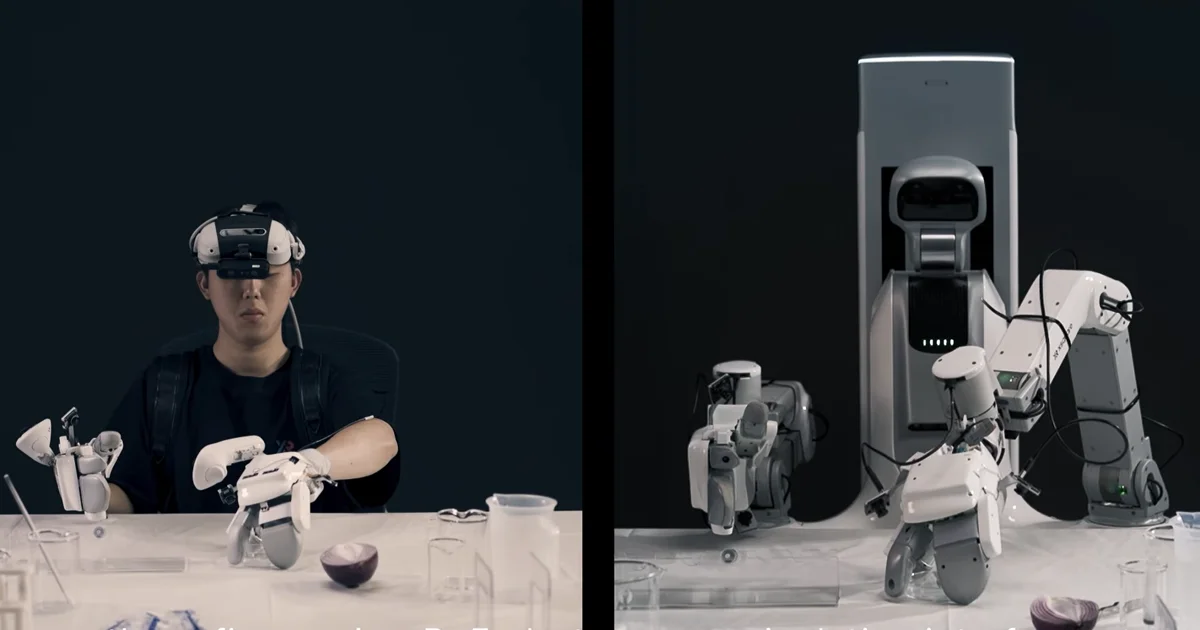
X Square Launches TwinDEX to Address Data Challenges in Embodied AI Robotics
X Square Robot, based in Shenzhen, has unveiled TwinDEX, a new manipulation platform designed to bridge the data gap in embodied artificial intelligence. This innovative system connects a wearable exoskeleton to a robotic end effector, ensuring identical geometry and functionality, which enhances data fidelity and collection efficiency. The introduction of TwinDEX is significant as it addresses the limitations of traditional data collection methods, which often struggle with the embodiment gap. By utilizing a three-finger, nine-degree-of-freedom architecture, TwinDEX allows for versatile manipulation capabilities while maintaining mechanical reliability and cost-effectiveness. Looking ahead, X Square's approach could redefine how data is gathered for robotic applications, particularly in complex tasks requiring precision. The company has demonstrated TwinDEX's capabilities through a continuous chemistry experiment, showcasing its potential to operate effectively without relying on conventional teleoperation data. No further timeline was disclosed at the time of publication.
Data Collection China XSquare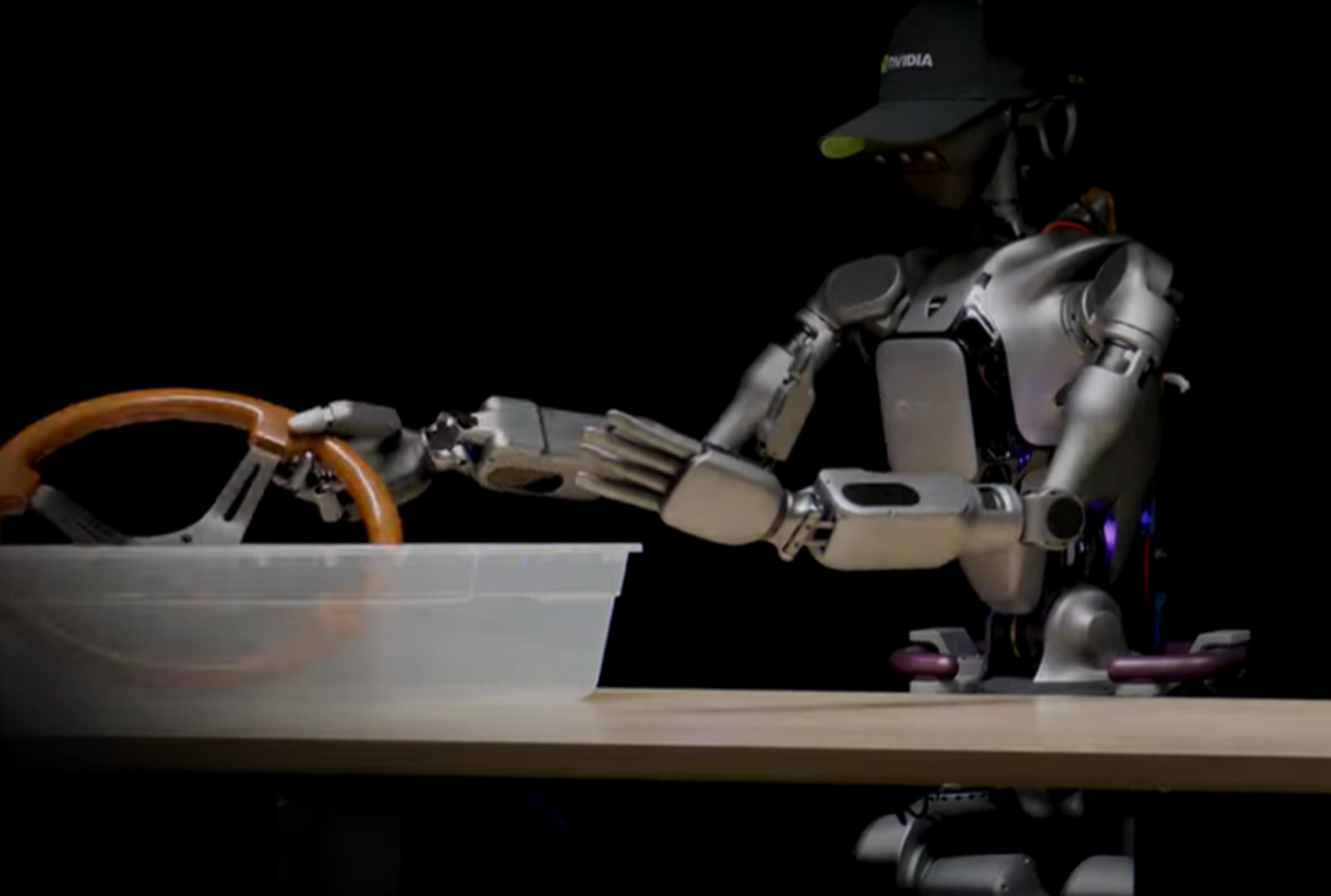
Data Collection Challenges in Robotics: Addressing Physical Limitations and Gaps
Since the beginning of the year, major companies and startups have significantly increased their investment in data collection. Companies like Qianxun Intelligent, Lingqiao Intelligent, and Lingchu Intelligent have announced ambitious targets for collecting millions of hours of data. Meanwhile, Guanglun Intelligent has completed a financing round of 1 billion yuan, becoming the world's first embodied data unicorn. JD.com has unveiled a comprehensive infrastructure for embodied intelligent data collection, planning to mobilize 600,000 people for crowdsourced data gathering across 64 training sites in 27 cities. This surge in data collection efforts highlights the industry's focus on building data sets, annotation teams, and simulation environments. However, a critical physical limitation is being overlooked: most teams simplify data collection to perception-level image and point cloud gathering, neglecting the essential motion data from the interaction between robots and physical environments. According to the Guizhou Provincial Big Data Bureau, only 500,000 hours of compliant data from real physical interactions currently exist in China, while the China Electromechanical Integration Technology Application Association estimates that commercializing robotics requires at least tens of millions of hours of data support, indicating a gap exceeding 99% based on a conservative estimate of 10 million hours. The current challenges in real-world data collection stem from structural constraints that create a physical ceiling. While virtual environments can generate training data at low cost, the gap between simulation and reality is widening as model complexity increases. The AI Index Report 2026 from Stanford HAI reveals that robot manipulation success rates drop from 89.4% in simulated environments to just 12% in real home settings. This discrepancy underscores the need for real physical interaction data, as many robots struggle in unstructured environments like stairs and uneven surfaces, which are crucial for embodied intelligence applications. Continuous data collection is necessary for iterative algorithm development, yet many data collection vehicles are designed for specific scenarios, leading to high costs and inefficiencies in cross-environment deployments.
Data Collection Embodied Intelligence Robotics Simulation Physical Interaction
Data Challenges Impeding Progress in Visual and Physical AI Development
Recent findings reveal that the shift in AI focus from text to physical world data is causing significant challenges. A 2026 survey of over 700 professionals indicates that data-related issues are the primary cause of model failures in physical AI systems. The report emphasizes the importance of data curation over merely expanding model architectures, highlighting that inefficient annotation processes lead to wasted resources as teams often discard labeled data before production. Understanding these data bottlenecks is crucial for organizations aiming to advance their physical AI capabilities. The report illustrates that effective data management is what distinguishes successful teams from those that struggle to deliver functional models. As the demand for systems that can perceive and act in physical environments grows, addressing these data challenges becomes increasingly important for innovation in the field. Looking ahead, organizations must prioritize refining their data curation processes to enhance the performance of physical AI systems. No further timeline was disclosed at the time of publication.
Type-whitepaper Artificial-intelligence Computer-models Data-bottleneck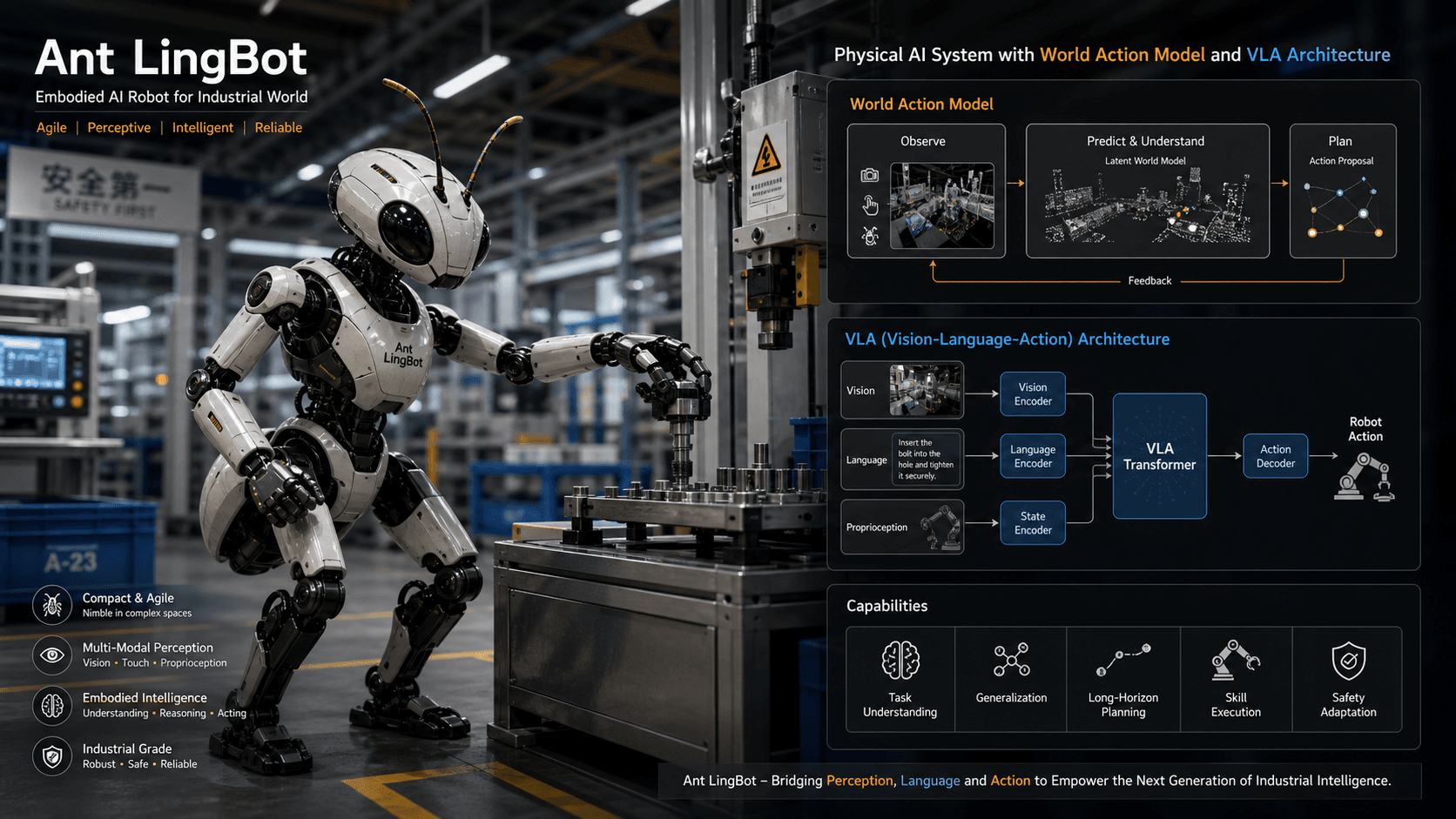
Ant LingBot Unveils Six Open-Source AI Models Amid Data Challenges
Ant LingBot, a subsidiary of Ant Group, has launched six open-source embodied AI models as part of its dual-track strategy focusing on Visual Language Agents (VLA) and world models. This initiative aims to enhance AI capabilities while addressing the growing demand for advanced AI solutions. The significance of this release lies in Ant LingBot's commitment to fostering an open-source ecosystem, which is crucial for collaboration and innovation in the AI field. However, the company is contending with challenges related to data scarcity and competition within the ecosystem, which could impact its development and deployment efforts. Looking ahead, it will be important to monitor how Ant LingBot navigates these challenges and whether it can successfully leverage its dual-track strategy to establish a strong presence in the AI landscape. No further timeline was disclosed at the time of publication.
Technology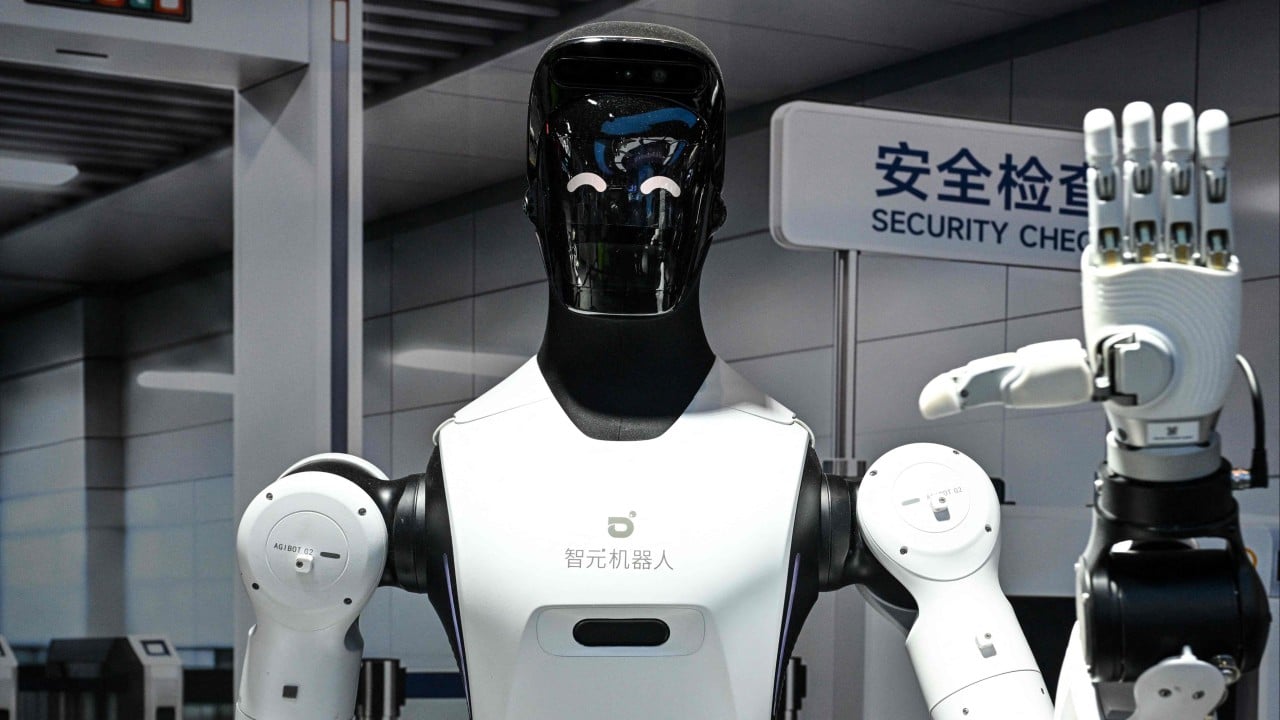
Chinese Robotics Companies Face Challenges with Data and AI Development
At the World Artificial Intelligence Conference (WAIC) in Shanghai, experts highlighted the challenges faced by Chinese robotics companies in enhancing their robots' real-world interactions. Industry insiders noted that a lack of sufficient data and advanced AI capabilities, referred to as a better 'brain', hinder the development of embodied AI systems. Wang Xiaogang, co-founder of SenseTime and chairman of Ace Robotics, emphasized the need for a closed-loop iterative system that integrates hardware, data, models, and real-world scenarios. He pointed out that while training data is collected from human demonstrations, the optimization of hardware design and data-collection methods is essential for improving embodied AI performance. Yao Maoqing from AgiBot also mentioned that the available multi-modal data about the physical world is inadequate compared to that used in large language models. This shortfall presents a significant bottleneck in training world models, which are crucial for the next generation of humanoid robots to effectively navigate their environments. No further timeline was disclosed at the time of publication.

Challenges in Implementing Predictive Maintenance for Robot Fleets
Many predictive maintenance initiatives in robotics face a common hurdle: after installing sensors and training models, progress often halts. The anomaly score generated by these systems does not equate to actionable decisions, leading to a gap in the maintenance process. Without a technician assigned, confirmation of spare parts availability, and scheduling for repairs, the potential benefits of predictive maintenance remain unrealized. This issue is significant as it highlights the limitations of current predictive maintenance strategies in robotics. The inability to transition from data insights to actionable work orders can lead to increased downtime and inefficiencies in robot fleet management. Organizations investing in predictive maintenance technologies must address these operational challenges to fully leverage their investments and enhance productivity. Looking ahead, it will be crucial for companies to develop streamlined processes that connect predictive maintenance insights with practical maintenance actions. No further timeline was disclosed at the time of publication, but advancements in this area could lead to more effective management of robotic systems and improved operational efficiency.
Artificial Intelligence Computing Factories Internet asset management condition monitoring
Emerging Challenges in Embodied Intelligence: Data Quality vs. Quantity for Robots
At the WRC, insights revealed that the next phase of embodied intelligence is facing a paradox: the scarcity lies not in data volume but in the physical world representation within that data. Over the past year, numerous training centers have emerged across China, with over 90 expected to be operational by mid-2026, generating millions of data points. However, only a fraction of this data is applicable to real-world tasks, indicating a potential issue as the industry approaches commercialization. This situation is critical because, unlike language models, robots cannot rely on the internet for training; they must navigate real-world complexities such as friction and collisions. The founder of Orbbec, Dr. Huang Yuanhao, emphasized that while digital intelligence thrives on vast amounts of text data, embodied intelligence requires experiential learning from human operators, which is currently lacking. Recent research indicates a shift in focus from merely increasing demonstration data to enhancing 3D spatial understanding for foundational robot training. Innovations like FreeTacMan's wearable devices are also emerging, allowing humans to gather rich interaction data directly. As the industry explores these new avenues, the question remains whether the bottleneck in robot training is due to insufficient data or the high costs and limitations of current data production methods.
Embodied Intelligence Data Collection Robotics Training AI Integration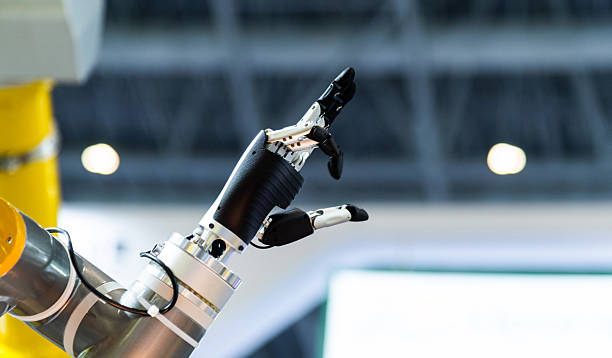
South Korea's Unmanned Ground Vehicle Deployment Addresses Military Recruitment Challenges
South Korea has initiated a large-scale deployment of unmanned ground vehicles (UGVs) as a strategic response to declining military recruitment numbers. This move highlights the nation's commitment to enhancing its defense capabilities while addressing personnel shortages. The significance of this deployment lies in its potential to modernize South Korea's military operations and maintain national security. By integrating UGVs into their defense strategy, South Korea aims to mitigate the impact of reduced manpower on military effectiveness. Looking ahead, it will be important to monitor how this deployment evolves and whether it successfully addresses the recruitment challenges faced by the South Korean military. No further timeline was disclosed at the time of publication.
News
Three Key Challenges Hindering the Development of Advanced Humanoid Robots
The development of humanoid robots, akin to C-3PO, faces significant challenges in reliability, dexterity, and data management. While advancements in AI have improved reasoning capabilities, the physical aspects of robotics remain problematic. Current robots excel in specific tasks but struggle with complex manipulations that require high precision and reliability. These challenges are critical as they impact the deployment of robots in various sectors, including healthcare and manufacturing. For instance, surgical robots like the da Vinci system demonstrate the gap between theoretical intelligence and practical application, where reliability is paramount. The need for robots to perform consistently across millions of cycles is essential for their acceptance in sensitive environments. Looking ahead, the industry must focus on overcoming these bottlenecks to enable broader adoption of humanoid robots. The reliance on a combination of real and synthetic data for training highlights the ongoing need for innovative solutions. No further timeline was disclosed at the time of publication.
Factory / Robotics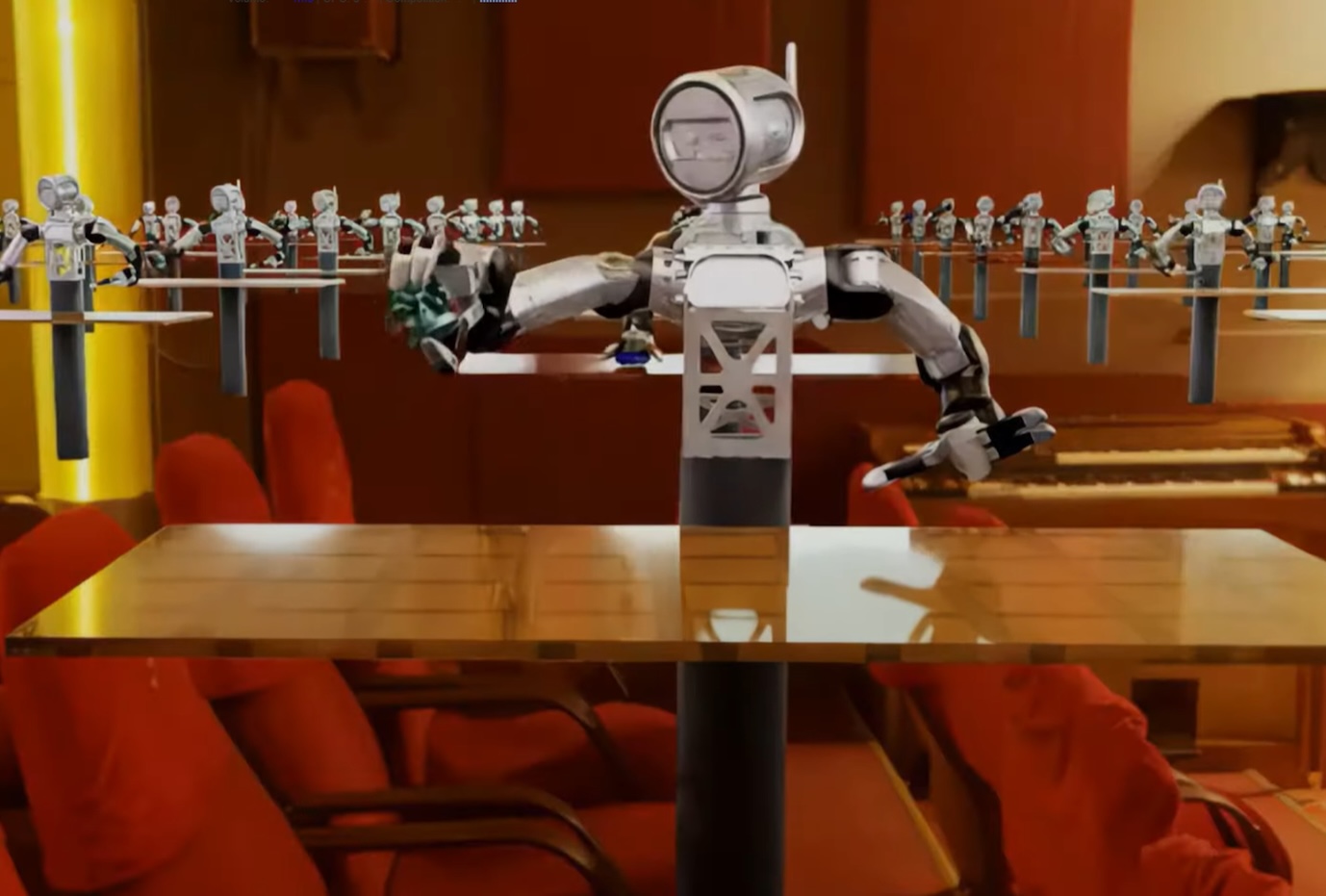
SpaceX's Starmind Faces Feasibility Challenges for 1 Million Satellite Deployment
On January 30, 2026, SpaceX submitted a request to the FCC to launch up to 1 million satellites as part of its Starmind orbital compute constellation. This ambitious plan is unprecedented, as the total number of satellites ever launched globally is in the low tens of thousands. The proposal seeks a waiver from standard deployment milestones, citing reliance on the Starship's full reusability for success. The significance of this request lies in the technical and logistical challenges it presents. Experts warn that low Earth orbit may not support the proposed number of active satellites without risking a debris cascade. SpaceX's own IPO prospectus acknowledges unresolved dependencies related to Starship's launch cadence and reusability, which are critical for the orbital AI compute strategy. Looking ahead, the timeline for achieving the necessary launch cadence and manufacturing capacity remains uncertain. SpaceX's Gigasat facility in Texas aims for volume production by late 2027, but this would require unprecedented output levels. No further timeline was disclosed at the time of publication, leaving the feasibility of the Starmind project in question.

SpaceX Unveils AI1 Satellite Specs for Starmind Constellation with Key Thermal Challenges
SpaceX has introduced the AI1 satellite, the inaugural component of its Starmind constellation, which stands 20 meters tall and has a wingspan of 70 meters. This orbital compute node is designed to deliver computing power equivalent to one NVIDIA GB300 server rack, utilizing a unique cooling system with deployable liquid radiators. The satellite's specifications were revealed during a presentation on June 8, 2026, ahead of SpaceX's IPO. The significance of the AI1 satellite lies in its role as a compute platform rather than a traditional satellite, focusing on running AI inference workloads. The satellite's cooling system, which is critical for its operation in the vacuum of space, is designed to reject heat through infrared radiation. However, independent engineers have raised concerns about the feasibility of the thermal and mass claims made by SpaceX, suggesting that the cooling requirements may exceed practical limits. Looking ahead, SpaceX plans to launch two AI1 prototypes in early 2027, with full-scale production expected to commence later that year at its Gigasat facility in Bastrop, Texas. The ongoing debate regarding the satellite's thermal management capabilities will be crucial to monitor as the project progresses, with no further timeline disclosed at the time of publication.
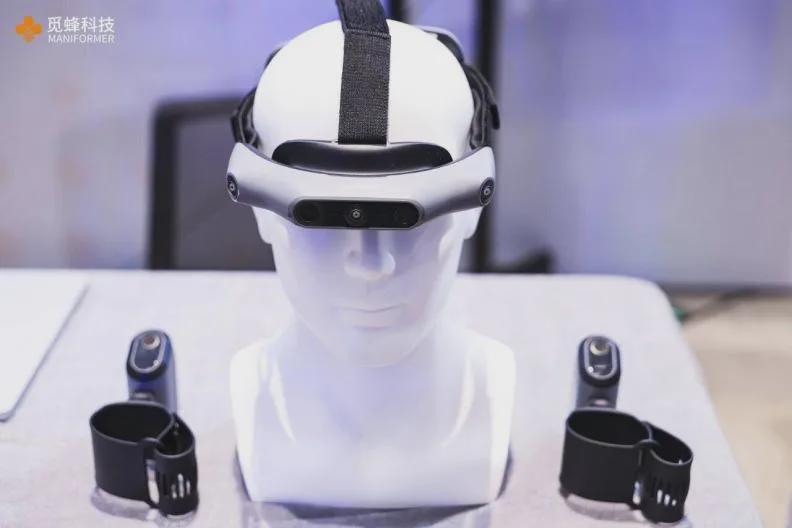
Bee Technology Aims to Solve Robotics Data Challenges Starting with a Cup
Bee Technology is making strides in the robotics sector by tackling the challenges of teaching robots to execute physical tasks, such as picking up objects. The company has recently obtained substantial funding to advance its MEgo series, which encompasses both hardware and data processing technologies. This initiative aims to establish a robust data supply chain essential for developing embodied intelligence in robots. By prioritizing high-quality physical AI data, Bee Technology is positioning itself as a key player in the industry, targeting businesses that depend on reliable data for training and optimizing their robotic models.
Embodied Intelligence Robotics Data Infrastructure AI Data Collection MEgo Hardware Data Processing Technology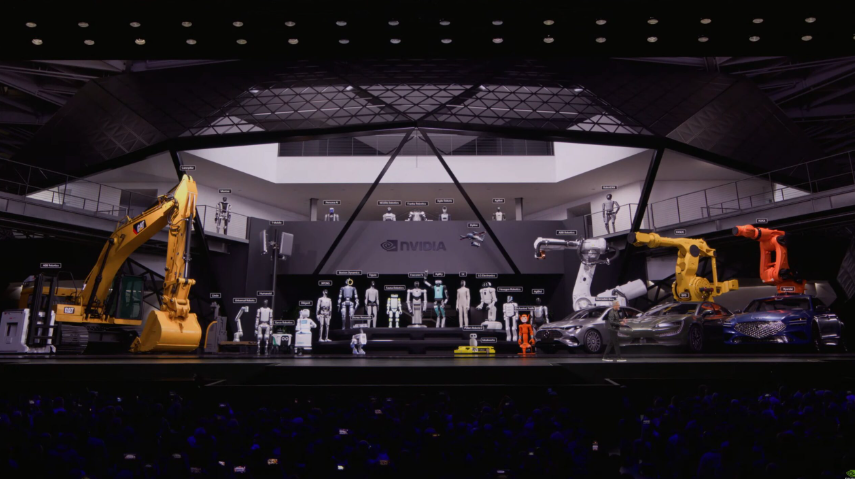
GTC 2026: NVIDIA Aims to Transform Robotics Data Challenges into Computational Solutions
At the GTC 2026 conference, NVIDIA unveiled its latest innovation in robotics, the Olaf robot, highlighting its commitment to 'Physical AI'. This initiative seeks to revolutionize the way data is collected for robotic development by shifting from costly real-world data acquisition to the use of simulation and synthetic data generation. By leveraging these advanced techniques, NVIDIA aims to enhance the creation of intelligent robots that can be applied across multiple industries, thereby streamlining processes and reducing expenses associated with traditional data collection methods.
Robotics Artificial Intelligence Simulation Technology Industrial Automation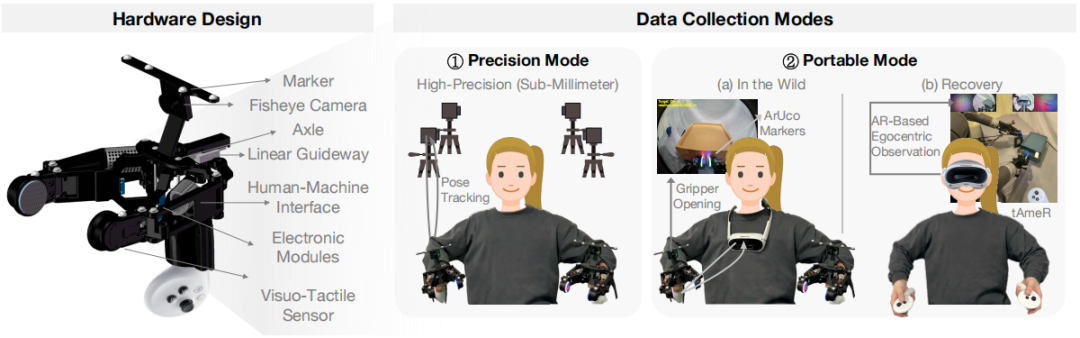
Sub-Millimeter Tactile Control and 100% Reproduction! HKU and Fudan University Launch TAMEn to Solve Data Collection Challenges for Dual-Handed Robots
Researchers from the University of Hong Kong (HKU), in collaboration with Fudan University and other institutions, have unveiled the TAMEn tactile perception manipulation engine. This innovative technology is designed to tackle significant challenges associated with dual-handed robotic tasks. By seamlessly integrating visual and tactile data collection, the TAMEn engine enhances the precision and adaptability of robots, enabling them to perform complex manipulation tasks more effectively. The development of this engine marks a significant advancement in robotics, potentially transforming how robots interact with their environment and improving their functionality in various applications.
Tactile Robotics Dual-Handed Manipulation Data Collection Technology Robotics Research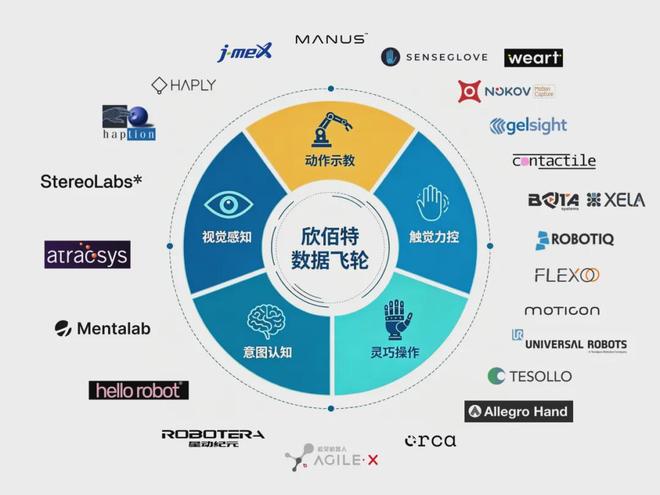
Say Goodbye to Data Scarcity and Selection Challenges! Xinbai Te Unveils Comprehensive Data Collection Solutions for Embodied Intelligence
The 3rd China Embodied Intelligence and Humanoid Robotics Industry Conference is set to take place on April 18, where Xinbai Te Technology will unveil its partnership with UR Robotics. This collaboration aims to present a comprehensive robotic data collection solution, highlighting advancements in visual perception, motion teaching, and tactile control. The event promises to showcase the latest innovations in the field, reflecting the growing interest and investment in robotics and artificial intelligence technologies.
Robotic Data Collection Embodied Intelligence Collaborative Robots AI Technology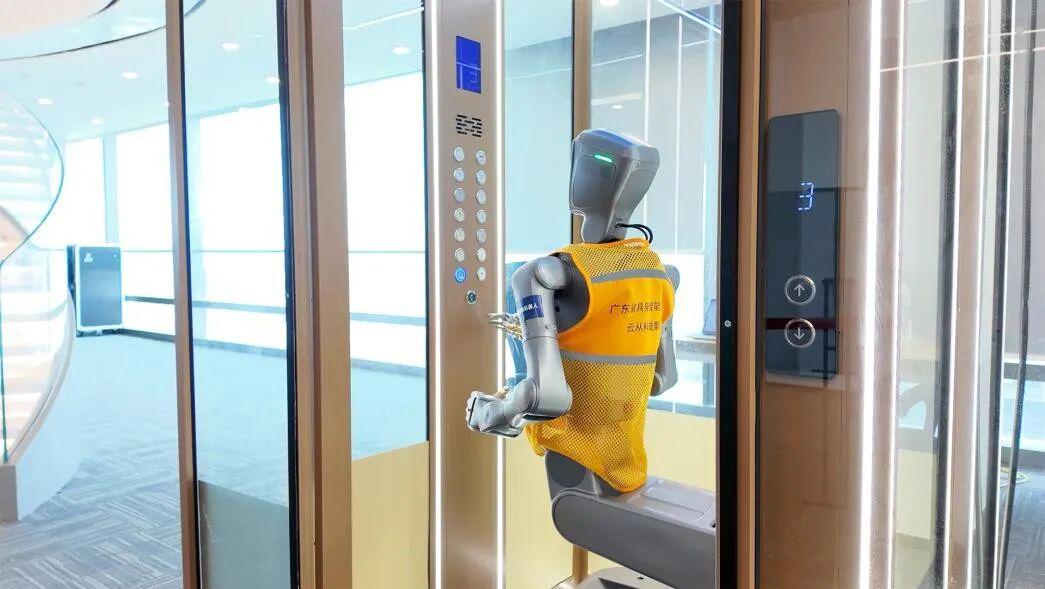
Investment of 30 Million! Yuejiang Leads the Creation of a Robot 'Huangpu Military Academy' to Solve Embodied Data Challenges?
Yuejiang Robotics is launching a specialized training platform in Guangzhou aimed at advancing robotics technology for practical applications in sectors such as retail, industrial operations, and maintenance. Set to enhance embodied intelligence, this initiative seeks to tackle existing data shortages by standardizing data collection processes and promoting collaboration across the industry. The project reflects a growing commitment to improving the capabilities of robots in real-world scenarios, ensuring they are better equipped to meet the demands of various sectors.
Robotics Training Embodied Intelligence Data Standardization Industrial Automation
Semiconductor Digest: Co-Packaged Optics: Test Challenges for Data Center Technology of the Future
AI-driven data centers are pushing the boundaries of speed and efficiency, prompting a growing demand for technologies that can provide higher bandwidth while consuming less power. In response to this need, researchers are increasingly turning to silicon photonics (SiPh), a technology that utilizes light to transmit data, significantly enhancing data transfer rates and reducing energy consumption. As data centers continue to expand and evolve, the integration of SiPh is seen as a crucial step towards achieving sustainable and high-performance computing solutions. This shift is expected to play a vital role in meeting the escalating demands of AI applications and cloud services, which require rapid data processing and transmission capabilities. The advancements in silicon photonics are anticipated to revolutionize the infrastructure of data centers, making them more efficient and environmentally friendly.
Robotics needs a service framework.
RSF defines a common language for robot service capability, lifecycle operations, certification pathways, and service-provider networks.
Join the RobotToday community on LinkedIn
Daily robotics news, in-depth analysis, conference highlights, and discussions with professionals worldwide.







