

Industry Briefing
A single destination for timely, editor-curated robotics news from around the world.
Robots Face Data Shortage Despite Establishment of Hundreds of Training Centers
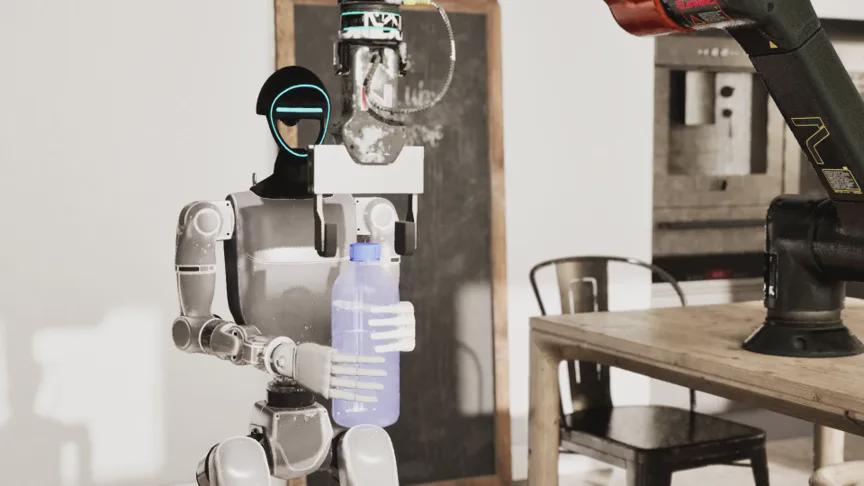
The rapid increase in robot model parameters has not been matched by the availability of high-quality physical interaction data. Current compliant data in China stands at only 500,000 hours, while commercial deployment requires tens of millions of hours, resulting in a gap exceeding 99%. The China Academy of Information and Communications Technology indicates that embodied intelligence models need at least tens of millions of hours of data to reach a 'ChatGPT moment', yet globally available high-quality data is still far from sufficient. The scarcity of data is not due to a lack of collection efforts; approximately 100 embodied intelligence data collection centers have emerged in China over the past two years. However, the data collected is often of poor quality, incompatible formats, and not reusable across different projects. The high cost of collecting real machine data, estimated at around 275 yuan per hour for effective data, exacerbates the issue, making it a rare and expensive resource. As over 70 training centers are operational and more than 40 are under construction, concerns about the quality of data collected persist. Some reports describe the business model of these centers as 'circular financing', where robot companies sell machines to government-built data centers and then funnel money back under the guise of data procurement. No further timeline was disclosed at the time of publication.
Embodied Intelligence Data Collection Robotics Training AI Standards
TachinGlove Snap Revolutionizes Haptic Data Collection with Quick-Detach Feature
Tujian Technology has introduced the TachinGlove Snap, a flexible electronic skin haptic data collection glove featuring a quick-detach module. This innovation allows users to easily swap the data collection module without interrupting the workflow, enhancing efficiency in high-frequency testing and multi-user scenarios. The development of haptic data collection is crucial as the industry shifts focus from merely capturing data to optimizing the efficiency of data acquisition. As companies increasingly invest in haptic data collection devices and models, the need for efficient equipment turnover and long-term cost management becomes paramount. Looking ahead, the emphasis on maximizing data output and minimizing downtime will shape the future of haptic data collection. The TachinGlove Snap exemplifies this trend, addressing the challenges of traditional data collection methods and paving the way for more effective haptic data acquisition in various applications.
Haptic Technology Data Collection Wearable Devices Robotics
Chen Pu of Yuan Ke Vision Discusses Transitioning Robot Training Data from 2D to 4D with High Precision
On September 23, Chen Pu, Vice President of Product Development at Yuan Ke Vision, highlighted the importance of high-quality real data for robot training during a seminar in Beijing. He emphasized the need to elevate data from 2D to 4D and improve precision from centimeter to sub-millimeter levels to build a robust 4D data foundation for robotics. This transition is crucial as the industry faces challenges such as weak model generalization and inadequate scene adaptability. Chen noted that current training methods often rely on limited 2D video data, which fails to capture the complexities of three-dimensional space and temporal changes, hindering robots' ability to understand and interact with their environments effectively. Looking ahead, Yuan Ke Vision aims to address these challenges by developing new data collection and training paradigms that enhance dimensionality, enrich modalities, and improve precision. Chen pointed out that while video data serves as a foundation, it is often too simplistic, and the lack of tactile data remains a significant gap in the industry. No further timeline was disclosed at the time of publication.
Robot Training Data 4D Data Collection Industrial Robotics Embodied Intelligence Precision Robotics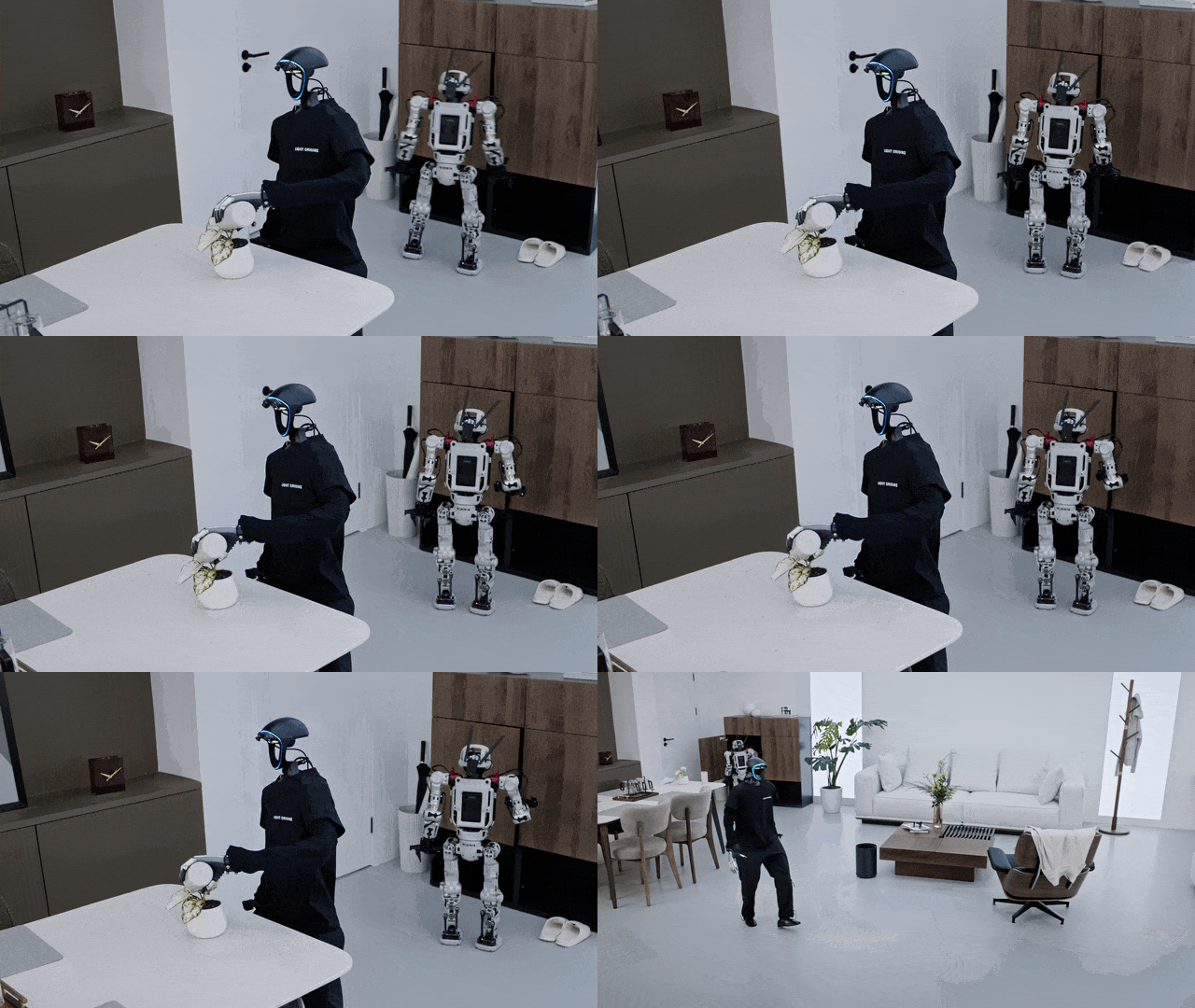
Three Companies Shift Focus Away from Collecting Real Machine Data
Three companies have decided to stop collecting real machine data, indicating a significant shift in their operational strategies. This change reflects a broader trend in the industry, where organizations are exploring alternative methods for data utilization and management. The implications of this decision could reshape how machine data is perceived and leveraged in various applications. The move is noteworthy as it highlights the evolving landscape of data collection and usage in technology sectors. By stepping away from traditional data collection methods, these companies may be seeking to innovate or streamline their processes, potentially leading to new business models. This shift could also influence how other firms approach data strategies in the future. Looking ahead, it will be important to monitor how these companies adapt to their new strategies and what impact this will have on their market positions. No further timeline was disclosed at the time of publication.
Robotics Automation AI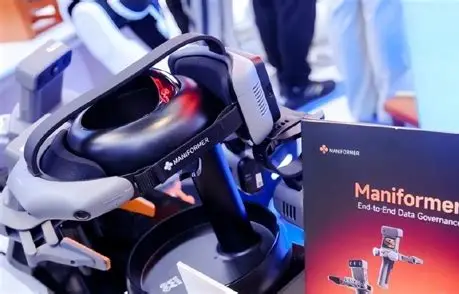
Mifengpai Unveils Data Crowdsourcing Initiative for Robot Training Through Daily Activities
On September 23, Mifengpai launched a global initiative to crowdsource data for robot training, showcasing over 50,000 real environments and 5,000 tasks. The event highlighted the need for extensive data on everyday actions, which are crucial for training robots but have not been systematically recorded. Mifengpai's approach combines hardware, an app, and a data engine to facilitate this data collection. This initiative is significant as it addresses the challenge of gathering large-scale data necessary for developing embodied artificial general intelligence (AGI). Mifengpai's infrastructure, including the MEgo collection devices and a user-friendly app, aims to democratize data collection by allowing ordinary users to contribute through standardized tasks. The company has already seen substantial engagement, with 20,000 registered users and over 13,000 data collection tasks submitted in just one month. Looking ahead, Mifengpai has introduced a subsidy plan worth 100 million yuan to support task and equipment subsidies, along with a scene data alliance involving over 50 companies across various sectors. This collaborative effort is expected to enhance the quality and quantity of data available for robot training, ultimately improving robotic capabilities in everyday tasks.
Data Crowdsourcing Robot Training AI Technology Human-Robot Interaction
Research Reveals Manufacturers Struggle with Data Connectivity Across Systems
Recent research indicates that fewer than half of manufacturers have fully integrated data across their design, production, quality, and business systems. Despite 77% of manufacturers claiming their operations are connected, only 40% have achieved full data connectivity, as reported in Hexagon’s 2026 America's State of Manufacturing Report. This disconnect highlights a significant gap between operational perceptions and the actual state of data integration on the production floor. Furthermore, 39% of manufacturers experience limited feedback among design, manufacturing, and quality teams, while 67% lack a unified data view from their systems. These findings underscore the challenges faced by manufacturers in adapting to new technologies and maintaining effective communication across departments. Looking ahead, it will be crucial for manufacturers to address these connectivity issues to enhance operational efficiency and quality control. No further timeline was disclosed at the time of publication.
Factory / Digital Transformation
Brett Adcock Predicts Humanoids Will Require More Data and Compute Than LLMs
Figure CEO Brett Adcock has stated that scaling humanoid robots will necessitate hundreds of billions of dollars in investment and more data and computational power than large language models (LLMs). In a recent interview, he outlined a four-stage development process for humanoids, emphasizing the need for capable hardware and advanced AI control architecture. Adcock's insights highlight the significant engineering challenges involved in expanding humanoid intelligence and production capabilities. He argues that simply providing a large budget to an inexperienced team will not guarantee success, drawing parallels to the complexities of developing orbital rockets. The focus is on ensuring that the robot's architecture functions effectively before investing in training data and compute resources. Looking ahead, Adcock predicts that the requirements for training data and computation in humanoids will exceed those of LLMs, although he did not provide specific quantitative comparisons. Figure's response to the data challenge includes its Index project, aimed at collecting high-quality recordings of physical tasks, which was initiated after finding external data sources inadequate.
Figure AI manufacturing
Apple Introduces Motion Data Restriction Feature in iOS 27.2 Beta for China
Apple has released the second beta of iOS 27.2, which includes a new feature called 'Restrict Motion Data.' This control, found under Settings > Privacy & Security > Motion & Fitness, allows users to block specific apps from accessing motion sensors like the accelerometer and gyroscope. This feature is significant as it addresses a common complaint among Chinese users regarding apps that trigger 'shake-to-open' ad redirects. The option is reportedly available only for devices signed in with a mainland China App Store account, highlighting Apple's focus on local user preferences and privacy concerns. As the feature is still in beta, it may undergo changes before the final release. Observers will be keen to see how Apple balances user privacy with app functionality, particularly in the context of advertising practices in China. No further timeline was disclosed at the time of publication.
News Feed
Paxini Begins A-Share Listing Process with Innovative Sensor-Equipped Gloves for Data Collection
Paxini Artificial Intelligence Technology Co., Ltd. has initiated the A-share listing process by submitting a report to the Beijing Regulatory Bureau of the China Securities Regulatory Commission. On September 15, Paxini signed a counseling agreement with Guotai Junan Securities. The company, based in Haidian District, Beijing, has a registered capital of 14.233 million yuan. Paxini differentiates itself in the data collection field by utilizing sensor-equipped gloves worn by humans, as opposed to the conventional method of using remote-controlled robots. This approach allows for the collection of authentic human operation data, capturing the nuanced control of human hand movements, which is more efficient for training robots in dexterous tasks. The gloves are filled with tactile sensors that record touch information during operations, which can enhance robotic manipulation capabilities. Founded in 2021 in Shenzhen, Paxini focuses on developing various tactile sensors. With over 4 billion yuan in cumulative financing and a valuation exceeding 10 billion yuan, the company is positioned to meet IPO scrutiny requirements due to its innovative product offerings and ongoing revenue generation. No further timeline was disclosed at the time of publication.
Tactile Sensors Robotics Data Collection AI Technology
China Launches Components for Orbital Datacenter: AI Compute, Cloud Software, and Laser Links
On September 23, it was reported that China has successfully launched key components for an orbital datacenter. These components include on-board AI computing capabilities, cloud-native satellite software, and advanced 100 Gbps-class laser communication links, developed through multiple concurrent programs. This development is significant as it represents a major step forward in China's capabilities in space technology and satellite communications. The integration of AI and cloud-native software into satellite systems could enhance data processing and transmission efficiency, positioning China as a competitive player in the global space industry. Looking ahead, industry observers will be keen to monitor the progress of these programs and their potential applications in various sectors. No further timeline was disclosed at the time of publication.

MEgo Data Collection Device Launches with Household Chores Earning Potential
On September 23, Bee Technology will officially launch the MEgo data collection device, part of the first comprehensive high-quality physical AI data crowdsourcing platform, aiming to create the largest embodied intelligence data collection network globally. The MEgo device, along with the Bee App and MEgo Engine, allows users to become data collection nodes, covering over 99% of real work scenarios while recruiting a million robot trainers. The MEgo View device, which resembles a lightweight sports camera with five cameras, captures over 300 degrees of first-person perspective action data. Users can easily set it up without wires or a base station. After downloading the Bee App, users can select tasks from a task hall, such as setting tables and cleaning, and the device records their actions automatically. In a five-hour session, one user earned 78 yuan while completing various household chores. During a month-long beta test, the Bee App registered 20,000 users who submitted 13,000 data collection tasks, transforming everyday labor into robot training data. The success of the MEgo device highlights the need for robots to learn through visual data, as they require specific information on human actions to perform tasks effectively.
Data Collection AI Training Household Tasks Robotics Crowdsourcing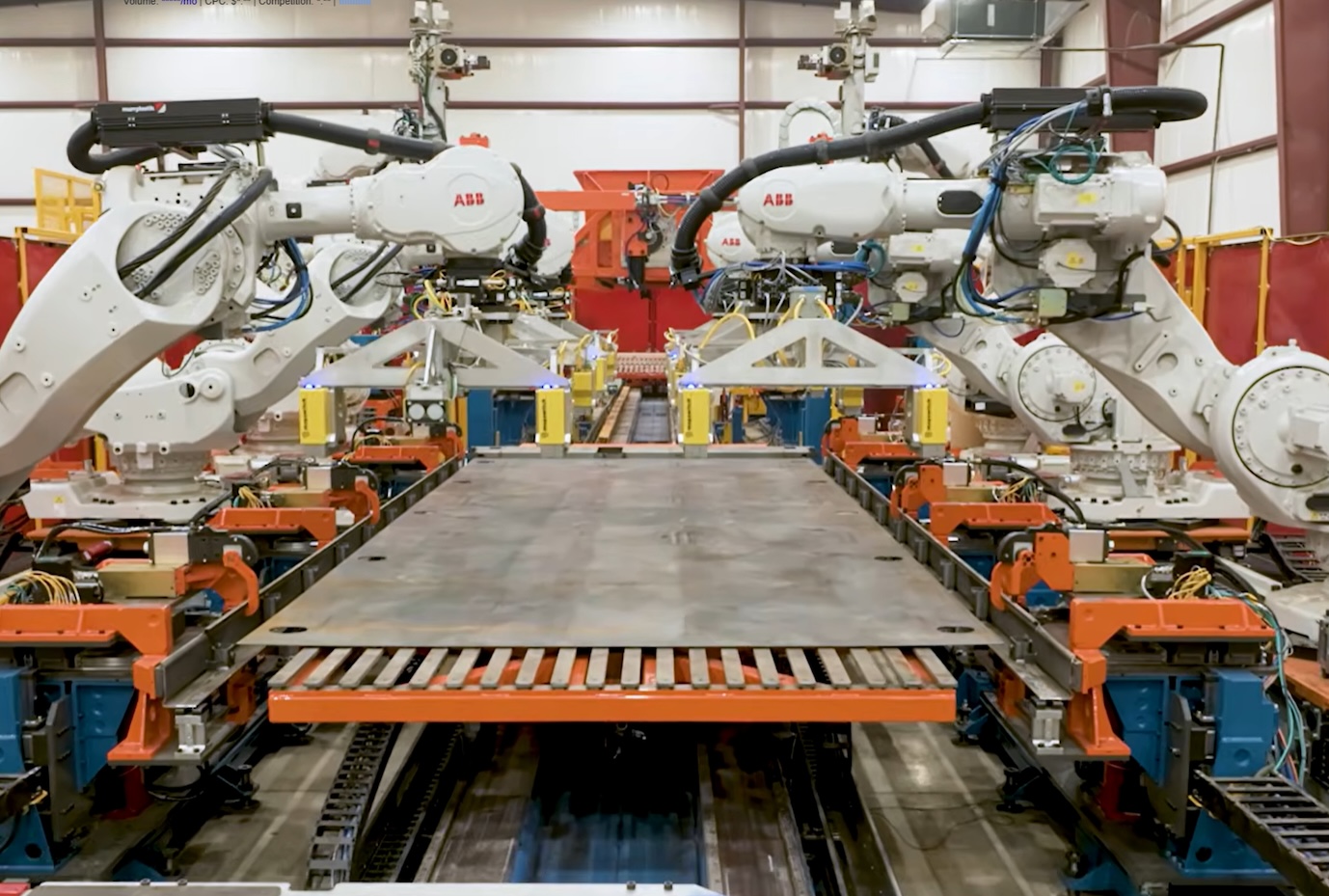
ABB Motion President Discusses New Data Center Racks for AI Infrastructure
Brandon Spencer, President of ABB Motion, recently highlighted the company's new portfolio of data center racks aimed at addressing the increasing power and computing demands of AI infrastructure. He noted that the power requirements at the rack level are surging, with deployments expected to reach approximately one megawatt per rack, representing a five to six-fold increase from current levels. This development is significant as it reflects the broader trend of escalating energy needs driven by advancements in AI technologies. The ability to support such high power demands is crucial for data centers to remain competitive and efficient in an era where AI applications are becoming more prevalent. Looking ahead, industry stakeholders should monitor how ABB's innovations will influence data center design and energy consumption practices. No further timeline was disclosed at the time of publication.

Geographic Information Data Enhances Smart Driving and Embodied Intelligence Development
On September 22, the State Council Information Office held a press conference to discuss the promotion of sustainable utilization of natural resources. Officials highlighted the geographic information industry as a strategic emerging sector, with 270,000 companies involved. During the 14th Five-Year Plan period, efforts will focus on advancing real-world 3D applications and spatiotemporal intelligence technology to enhance public data resources like satellite navigation and Tianmap, supporting smart driving and embodied intelligence. The development of real-world 3D China and spatiotemporal intelligence is crucial for smart driving and embodied intelligence, serving as foundational infrastructure. High-precision maps and real-time positioning are essential for smart driving, while embodied intelligence requires robots to understand their physical environment. The satellite navigation network offers centimeter-level positioning accuracy, facilitating easier access to geographic information data for businesses, reducing costs and compliance hurdles. The press conference emphasized the need to unlock the value of geographic information data, which has been fragmented across government entities. By authorizing public data resources, a mechanism will be established to ensure compliant market access for smart driving and embodied intelligence companies. This unified spatial foundation will significantly aid companies in spatial intelligence, eliminating the need for individual data collection and modeling.
Geographic Information Systems Smart Driving Embodied Intelligence Data Accessibility Satellite Navigation
Landscape Architecture Graduate Transitions to Robot Data Collector Role at Intelligent Company
On September 13, Zhao Yingwei's phone was flooded with messages from classmates and teachers after he was featured in a CCTV interview. Recently hired at an intelligent robotics company, Zhao shared his background in landscape architecture, prompting inquiries on how to enter the robotics field with such a degree. At 25 years old, Zhao's educational journey included a vocational college and a bachelor's degree in landscape architecture. Despite initial enthusiasm, he discovered a bleak job outlook in his field, leading him to seek opportunities in robotics. After applying to several companies, he secured a position as a data collector, where he captures essential data for training robots. Zhao's role involves using a camera-equipped headset and gripper to document everyday tasks, contributing to the development of robotics. He aims to advance within the field by self-learning Linux and Python programming, believing that with determination and available resources, anyone can succeed in this evolving industry. No further timeline was disclosed at the time of publication.
Robotics Data Collection AI Career Transition
Community-Based Data Collection Jobs Enable Earning Through Household Tasks
In Tai'an, Shandong Province, a unique community training program for data collectors is underway, organized by Shandong Shucai Valley and local employment departments. Since June, over ten communities have hosted training sessions, allowing residents to learn how to operate data collection devices. One participant, 46-year-old Chen Junxi, became a home data collector, recording daily household activities to create training videos for AI companies. This initiative is significant as it provides flexible job opportunities for individuals unable to work outside the home, such as caregivers. Currently, over 200 residents in Tai'an are engaged in this work, which requires no fixed hours or professional background. The training ensures quality data collection, meeting the demands of AI companies for real-world data, which is crucial for effective machine learning. Looking ahead, Shandong Shucai Valley plans to expand its data collection efforts, including the addition of 2,000 devices, potentially creating new job opportunities in the community. The sustainability of this model will depend on the ongoing demand for real-world data from AI companies, particularly in home, retail, and traditional craft settings.
Data Collection AI Training Community Employment Remote Work
Hygon Information Technology Expands AI Chip Focus from Data Centers to Robotics Applications
Hygon Information Technology is preparing to launch a new chip aimed at physical-world applications, including robotics. This marks a significant shift from the company's current focus on data centers, as reported by Chinese media. The new chip, an iteration of the CPU1000 series, is designed to fulfill low-power, embedded, and edge computing needs. It targets various physical AI applications, particularly in robotics, machine vision, and intelligent manufacturing, highlighting the growing demand for AI solutions in these sectors. The launch event is scheduled to take place in Shenzhen, where Hygon will promote its vision of integrating computing power into the physical world. No further timeline was disclosed at the time of publication.

Japan Collaborates with Machinery Makers to Collect Data for Physical AI Development
The Japanese government is partnering with major machinery manufacturers to gather data for machine learning applications focused on physical AI, including autonomous robots. This initiative involves assigning unique IDs to individual factory equipment to facilitate data collection across various producers. This collaboration is significant as it aims to enhance Japan's capabilities in physical AI, positioning industrial robot manufacturers like Yaskawa Electric to benefit from the increased data availability. The initiative reflects a broader trend in the industry towards leveraging data for advanced AI applications. Looking ahead, the effectiveness of this data collection strategy will be crucial for the development of autonomous robots and other physical AI technologies. No further timeline was disclosed at the time of publication.

HandEdit Dataset Released: Collaboration with Universities to Advance Robotic Manipulation
Recently, InTime Robotics, in collaboration with Fudan University and Shanghai Jiao Tong University, has officially open-sourced the HandEdit dataset and evaluation benchmark. This initiative focuses on first-person human-to-robot dexterous hand image editing, providing scalable data resources and standardized evaluation criteria for dexterous manipulation learning. The significance of this development lies in addressing the gap between rapid hardware advancements and the insufficient accumulation of robotic operation data. Traditional data collection methods are often costly and time-consuming, limited by the physical structure of different robotic hands. HandEdit aims to convert abundant human operation videos into learnable data for robotic hands, tackling the challenge of structural and functional differences between human and robotic hands. Currently, HandEdit has built over 200 million image editing samples covering 26 URDF configurations, including 13 independent dexterous hands and 13 integrated arm structures. This extensive dataset, along with a unified evaluation system, provides a robust foundation for robotic operation learning and offers a new technical pathway for transforming human operation data into robotic operation data. No further timeline was disclosed at the time of publication.
Robotic Manipulation Data Science Machine Learning AI Robotics
Watney Secures $80 Million to Develop Robots for Data Center Operations
Watney has successfully raised $80 million to enhance its robotic solutions for data centers, focusing on the physical tasks necessary for increasing compute capacity. The funding round, announced on September 17, includes co-leads Valor Atreides AI Fund and Hummingbird Ventures, alongside returning investors such as Conviction, Abstract, A*, and Grant Gordon, bringing total funding to over $100 million. This investment is significant as it addresses labor shortages and operational complexities in critical infrastructure, particularly in AI data centers. Watney's approach emphasizes concrete tasks like last-mile cabling, which allows customers to evaluate performance based on speed, accuracy, and deployment costs. The company aims to provide a pilot program to prospective clients, positioning itself as a deployment-focused business rather than merely a research platform. Looking ahead, Watney's commitment to reliability is noteworthy, claiming over 99.99% reliability and operating the largest fleet of dexterous robots in the U.S. However, the announcement lacks specific metrics on fleet size and task success rates. Future updates will be crucial to understanding how effectively Watney's robots can accelerate data center expansion and improve economic efficiency.
Industrial Automation fundraising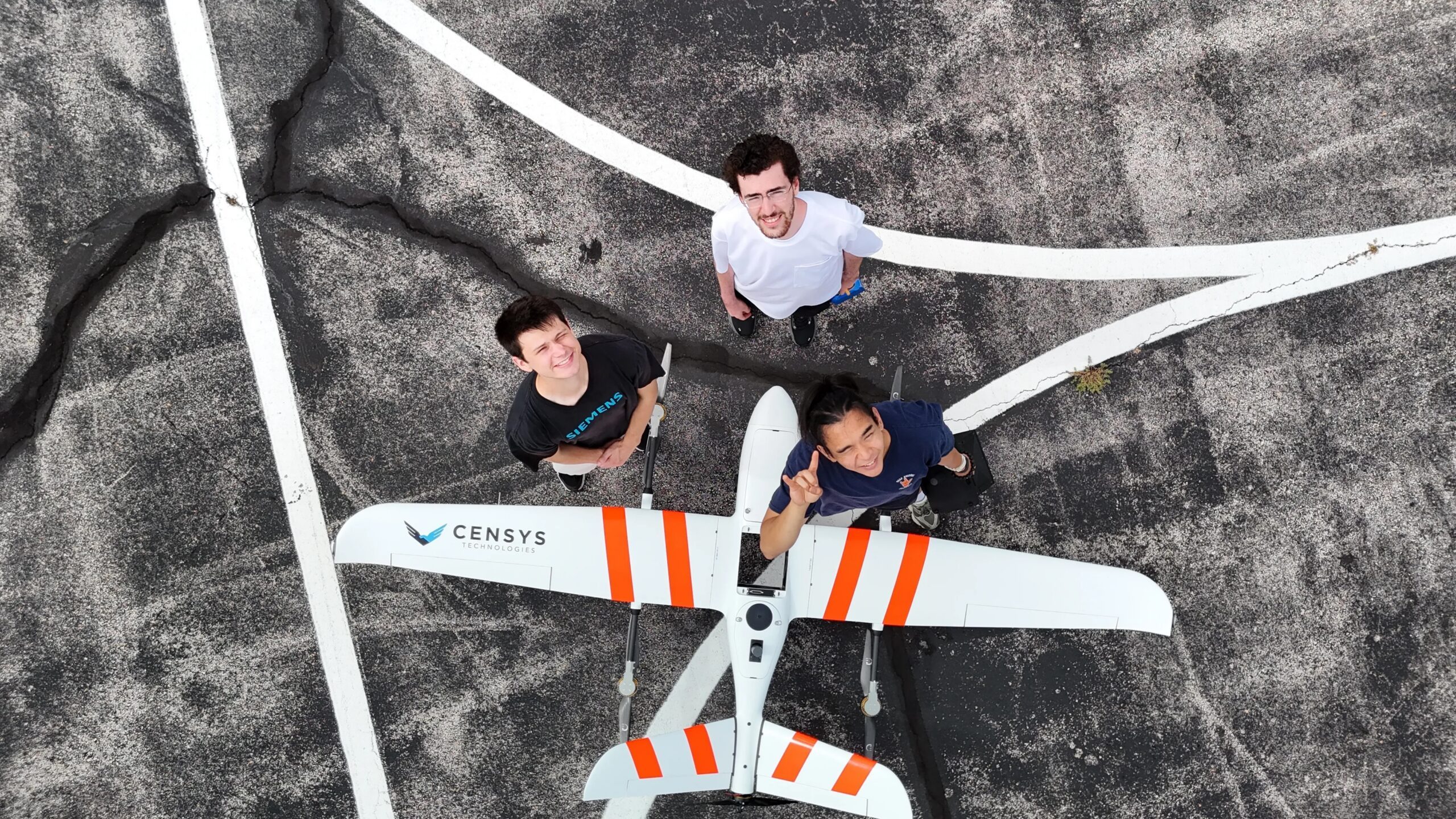
AIVE AI Systems Enhances Geospatial Data Access with Innovative Mapping Solutions
At the upcoming 2026 INTERGEO event in Munich, AIVE Systems will showcase its AI-driven software that simplifies the creation of georeferenced 2D maps from drone imagery. This innovation targets users who require geographic context without needing intricate 3D models, expanding its applications beyond wildfire detection. AIVE's technology stems from the FLARE-X project, a collaboration led by The University of Texas at Austin, which focused on autonomous wildfire risk mapping and detection. The software developed by AIVE aims to support various sectors, including infrastructure inspection, public safety, agriculture, and border patrol, by providing essential environmental insights. The company's initial offerings, Atlas GEO Cloud and Atlas GEO QGIS, utilize fewer images to generate maps, differentiating from traditional methods that rely on precise positioning tools. AIVE's approach automates the mapping process, making it accessible for users without extensive expertise. No further timeline was disclosed at the time of publication.
DL Exclusive Drone News Drone News Feeds Education Mapping News
Rui Erman Establishes Data Training Facility in Changzhou with 150 Robots Generating 2GB Data Per Minute
Rui Erman has launched a data training facility in Changzhou, equipped with 150 robots capable of generating 2GB of raw data per minute. This facility features two main areas: a basic motion training zone for fundamental robotic actions and a scenario application area designed for diverse operational contexts such as home, industrial, and retail environments. The significance of this initiative lies in addressing critical challenges in the robotics industry, including the scarcity of high-quality real-world data and the high costs associated with data collection. Rui Erman is actively involved in developing standards for data collection, ensuring compliance with the MCAP standard, which emphasizes data accuracy and synchronization. Looking ahead, Rui Erman aims to transition robots from controlled environments to real-world applications, enhancing data collection efficiency. The company is focused on achieving a significant reduction in robot costs to facilitate widespread adoption in households and factories. No further timeline was disclosed at the time of publication.
Data Collection Robotics Machine Learning AI Standards
Emerald AI, Google, and NVIDIA Form Alliance to Enhance AI Data Center Flexibility
Emerald AI, Google, and NVIDIA have announced the formation of the AI Energy Management Alliance (AEMA), aimed at advancing data centers that can dynamically manage electricity usage based on grid conditions. This initiative seeks to enhance AI infrastructure by enabling more efficient energy use, ultimately supporting community energy systems and reducing environmental impacts. The significance of this alliance lies in its potential to address the power constraints currently limiting the expansion of AI infrastructure in the U.S. Traditional data center interconnection processes are not designed for the flexible demands of modern computing. By allowing data centers to adjust their electricity consumption intelligently, the AEMA aims to optimize existing grid capacity and facilitate quicker connections for AI facilities. Looking ahead, the AEMA's technology-neutral approach focuses on measurable performance metrics, ensuring reliability while reducing uncertainty for developers. The alliance will bring together a diverse range of stakeholders, including AI platforms, data center operators, and utilities, to collaborate on creating a more responsive and efficient energy ecosystem for AI technologies. No further timeline was disclosed at the time of publication.
Shangpin Home Introduces Open-source WorldSimReady-Home Dataset for Robotics Training
Shangpin Home, in collaboration with Tangyuan Technology, has launched the WorldSimReady-Home simulation dataset aimed at addressing the challenges of robotic training in complex home environments. This open-source dataset includes 100,000 square meters of high-fidelity home scenes, 10,000 interactive assets, and 1,000 standardized robotic simulation task examples, allowing for extensive training and testing of various robotic forms. The significance of this initiative lies in its potential to bridge the Sim2Real gap, where robots struggle to perform in real homes despite successful laboratory tests. By providing a diverse range of simulated environments, the dataset enables developers to train robots for navigation, object manipulation, and complex household tasks without the risks associated with real-world trials. Looking ahead, the WorldSimReady-Home dataset represents a foundational step in Shangpin Home's strategy for embodied intelligence. As more teams engage with this open-source initiative, the development of additional datasets for industrial, commercial, and specialized scenarios is anticipated. The effectiveness of this approach will depend on the practical application of the dataset and the successful transfer of learned strategies to real-world settings.
Robotics Training Simulation Data Home Automation AI Digital Twins
The Rise of Data Collection in Robotics: UMI and Its Impact on Manipulation Techniques
A new trend in robotics focuses on data collection for manipulation tasks, exemplified by projects like Sunday Robotics' Skill Capture Glove and X Square Robot's TwinDEX. These innovations aim to gather useful manipulation data without needing a complete robot for each demonstration, highlighting the significance of the Universal Manipulation Interface (UMI) introduced in 2024. The UMI's handheld gripper, which incorporates a GoPro, allows users to teach robots skills in everyday settings while leaving the robot behind. This approach emphasizes the importance of early engineering decisions regarding data collection methods, which can significantly influence the robot's learning process and overall performance. Looking ahead, the evolution of data collection tools like UMI and Dobb·E's “The Stick” will continue to shape how robots learn from human demonstrations. No further timeline was disclosed at the time of publication.
Data Collection Sunday Robotics Reward AI XSquare
Wall Street Considers Impact of AI Slowdown on Data Center Investments
Wall Street is evaluating the potential effects of a slowdown in AI model development on data center investments. Companies like Oracle, GE Vernova, and Caterpillar have heavily invested in AI infrastructure, but recent proposals for a slowdown have led to stock declines across the sector. The significance of this slowdown is underscored by the reliance of industrial giants on the continuous demand for AI systems and chips. Analysts warn that any delays could adversely affect Oracle's cloud infrastructure business, which has been a key growth driver. Looking ahead, the market anticipates a rush to secure AI-related debt, with Amazon recently raising nearly $6 billion. As companies navigate these challenges, the pricing of new debt deals is expected to rise, reflecting increased demands from fixed income investors.

DataSelf Corp. Launches Enhanced DataSelf ETL+ for Advanced Analytics Solutions
DataSelf Corp. has unveiled the latest version of DataSelf ETL+, an advanced reporting and analytics solution designed for mid-market businesses. This next-generation software integrates powerful AI capabilities to enhance data analytics and reporting processes. The introduction of DataSelf ETL+ is significant as it positions DataSelf Corp. as a leader in the mid-market data warehousing and analytics sector. By leveraging AI, the software aims to provide users with deeper insights and more efficient data management, addressing the growing demand for sophisticated analytics tools in the market. Looking ahead, it will be important to monitor the adoption of DataSelf ETL+ among mid-market companies and its impact on their data-driven decision-making processes. No further timeline was disclosed at the time of publication.

Kinetic Blocks Introduces Beta Marketplace for Humanoid Robot Training Data
Kinetic Blocks, a startup based in Oslo, has launched a beta version of a marketplace dedicated to the buying and selling of training data for humanoid robots. This platform became available on September 1, following months of development in collaboration with a select group of data suppliers and early users. The introduction of this marketplace is significant as it aims to streamline the acquisition of training data, which is crucial for the development and enhancement of humanoid robots. By facilitating transactions between data providers and developers, Kinetic Blocks is addressing a vital need in the robotics industry, potentially accelerating advancements in humanoid robot capabilities. Looking ahead, Kinetic Blocks has not disclosed any further timeline for expanding access to the marketplace or additional features. Stakeholders in the robotics sector should monitor this development closely, as it may influence the landscape of humanoid robot training and data utilization.
Computing Humanoids News 1x technologies artificial intelligence egocentric video
Transforming Machine Signals into Informed Decisions: The Role of MES/MOM Data
In manufacturing, data generation is abundant, with machines continuously producing events, counters, and parameters. However, many plants still rely on informal updates rather than a cohesive understanding of operations. This highlights a common misconception in digital transformation: that simply collecting more data leads to improved operations. Instead, data becomes valuable when contextualized and integrated into decision-making routines, a crucial function of MES/MOM systems. The significance of a robust data model cannot be overstated, as it provides the necessary context for interpreting machine signals. Without a clear structure, dashboards may appear impressive but lack analytical depth, leading to inconsistent interpretations across teams. Master data, including product definitions and quality parameters, plays a vital role in establishing a stable operational picture, impacting the effectiveness of KPIs and decision-making processes. To enhance decision-making, organizations must prioritize specific areas for improvement, such as recurring line losses or quality issues. Effective management routines, alongside well-defined data governance, can yield greater value than sophisticated analytics tools. As organizations align on core definitions and contextualized data, they can leverage advanced analytics and foster collaboration across multiple sites, ultimately driving better operational outcomes.
Factory / Digital Transformation
YeeGooAI Unveils EgoEasy: A Data Collection System Priced from 1499 Yuan
On September 10, 2026, at the GEIA GBA 2026 exhibition in Shenzhen, YeeGooAI publicly launched EgoEasy, a lightweight data collection system designed for producing billions of hours of real-world data for embodied intelligence. The lightweight version is priced at 1499 Yuan, while the complete version is available for 2499 Yuan. EgoEasy aims to address the industry's need for low-cost, sustainable, and manageable production of real-world data, moving beyond merely capturing more video. With current compliance data in China at approximately 500,000 hours, the demand for foundational data for commercializing embodied intelligence has escalated to tens of millions of hours, as highlighted by industry leaders. The system features a split architecture with a camera cap and a waist-mounted collection box, allowing for over 10 hours of continuous data capture. This design minimizes the burden on users and integrates seamlessly into existing workflows, transforming data collection from a one-time task into a sustainable production process. No further timeline was disclosed at the time of publication.
Data Collection AI Robotics Cloud Management
Qualcomm Partners with Amazon to Develop Advanced AI Data Center Infrastructure
Qualcomm Technologies Inc. has entered into a collaboration with Amazon to create customized silicon for large-scale AI data centers, focusing on AI inference. This partnership aims to enhance data center infrastructure by improving computing and connectivity capabilities, as highlighted by Qualcomm's President and CEO, Cristiano Amon. The significance of this collaboration lies in addressing the escalating demand for AI workloads, which necessitate advancements in compute, storage, networking, and energy-efficient infrastructure. By combining Amazon's robust AI infrastructure with Qualcomm's expertise in power-efficient processing and silicon design, the partnership is poised to deliver innovative solutions for next-generation AI infrastructure. Looking ahead, Qualcomm and Amazon will work on high-performance optical connectivity solutions capable of supporting bandwidth demands of up to 1.6 terabits per second. The collaboration indicates a long-term commitment to developing customized silicon across multiple generations, which could lead to significant advancements in AI data center capabilities.
AI and Robotics
Gaode's Two Decades of Traffic Data Transforms into AI's Key Asset
On September 10, Gaode launched ABot-Earth 0.7, a 3D native city world model covering 196 countries and regions. This model leverages two decades of accumulated spatiotemporal data, including trillions of data points from roads, buildings, and user interactions. The significance of this data is underscored by the challenges faced by autonomous driving companies, which spend heavily to gather real-world data, and robotics firms that rely on costly manual data collection. Gaode's extensive dataset positions it uniquely in the competitive landscape of world models, where real-world data is becoming increasingly critical. The ABot-Earth 0.7 model enables real-time interactive 3D digital twin experiences, enhancing navigation and travel recommendations. However, while the model showcases impressive capabilities, it primarily serves Gaode's own applications, raising questions about its broader applicability in interactive environments. The future of Gaode's AMAP-AI Inside strategy is pivotal. With partnerships in smart vehicles and other technologies, Gaode could transition from a mapping company to a foundational infrastructure provider for physical AI. The true test will be whether Gaode is willing to share its valuable data capabilities with companies striving to enhance robots' understanding of the physical world. No further timeline was disclosed at the time of publication.
AI Spatial Data 3D Modeling Navigation Technology
Kovrr Introduces AI Interaction Data Fabric to Enhance Enterprise AI Security Workflows
Kovrr has launched the AI Interaction Data Fabric, a new correlation layer designed to enhance its AI Security and Governance Platform. This innovative solution aims to secure enterprise AI workflows by providing a robust framework for managing AI interactions and data security. The introduction of the AI Interaction Data Fabric is significant as it addresses the growing need for effective security measures in AI-driven environments. Kovrr's focus on AI and cyber risk management positions it as a key player in ensuring that enterprises can safely leverage AI technologies without compromising data integrity or security. Looking ahead, industry stakeholders should monitor how the AI Interaction Data Fabric influences enterprise adoption of AI solutions. Kovrr's advancements in AI security could set new standards for governance and risk management in the rapidly evolving landscape of artificial intelligence. No further timeline was disclosed at the time of publication.

AirData Enhances Live Streaming with DVR-Style Rewind and Cloud Recording Features
AirData has launched a significant upgrade to its live streaming platform, introducing cloud recording and a DVR-style rewind feature that allows authorized users to review up to 10 minutes of past footage during active drone missions. This enhancement is particularly beneficial for public safety agencies and utility companies, enabling them to access critical information without interrupting ongoing operations. The new features address the challenges faced by remote decision-makers who may miss important moments during live feeds. With the ability to rewind and review footage, users can gain immediate insights into events that occurred before they joined the stream. This capability is crucial as drone operations increasingly shift towards remote and autonomous applications, such as Drone as First Responder (DFR) programs. Looking ahead, AirData's advancements could significantly improve operational efficiency for various sectors, including public safety and infrastructure inspection. As the FAA develops regulations for beyond visual line of sight (BVLOS) operations, the importance of maintaining comprehensive operational records, including mission video, will continue to grow. No further timeline was disclosed at the time of publication.
News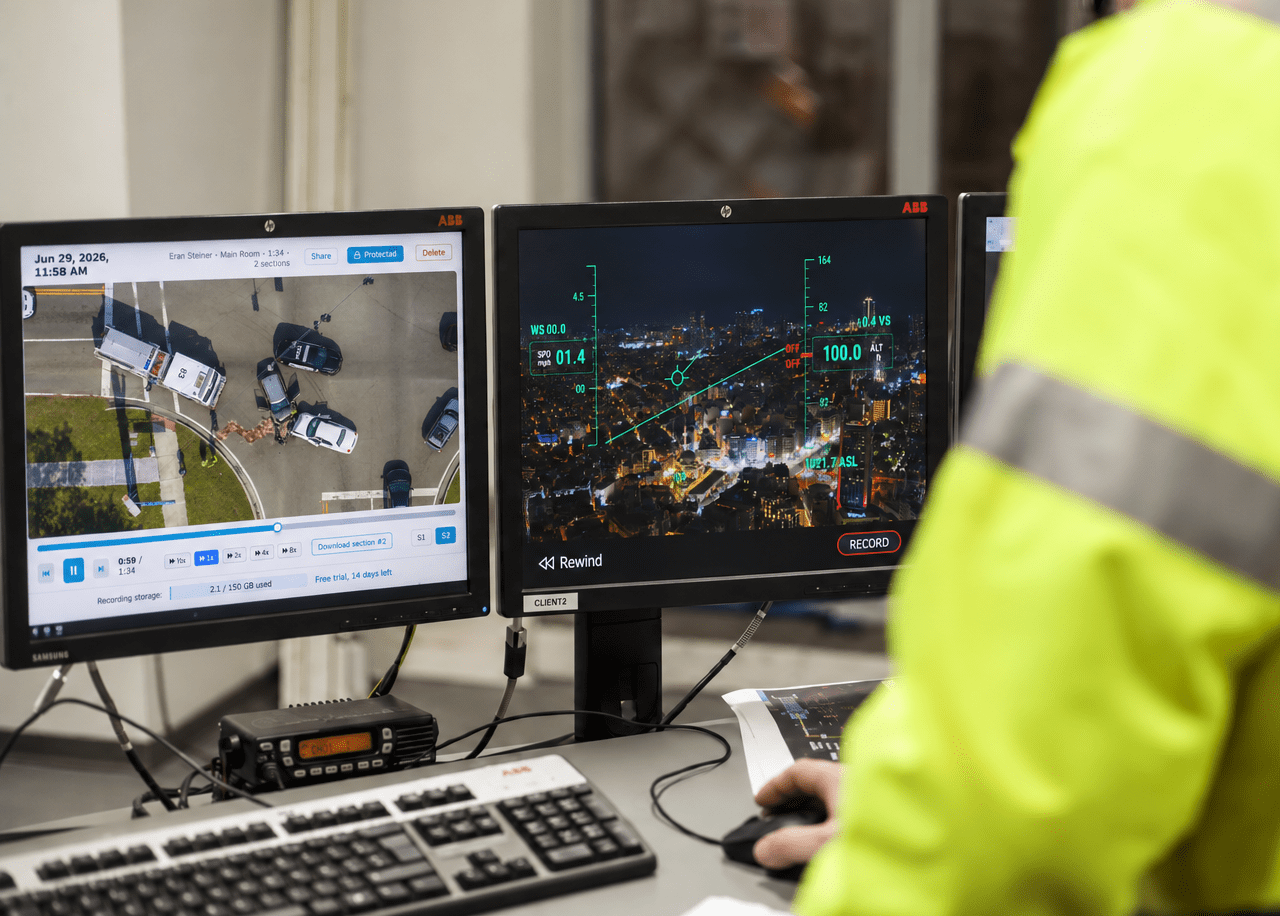
AirData Introduces 10-Minute Rewind Feature for Live Drone Video Streaming
AirData has enhanced its Live Streaming platform by adding recording and rewind capabilities, allowing authorized viewers to review the previous 10 minutes of an active stream. This feature addresses the challenge of remote drone operations where key events may occur while the necessary personnel are not watching the live feed. The new Stream Recording and Rewind capability is particularly beneficial for applications such as Drone as First Responder (DFR) and remote inspections, where pilots and decision-makers may be in different locations. According to Eran Steiner, founder and CEO of AirData, this innovation allows teams to capture critical moments that might otherwise go uncaptured during live operations. The Huntsville Police Department has already adopted this feature, enhancing their ability to analyze live feeds. The rewind function not only improves operational efficiency but also provides a cloud-based solution for data protection, ensuring that video footage remains accessible even if the drone is damaged or the onboard storage fails. No further timeline was disclosed at the time of publication.
Drone News Drone News Feeds News AirData BVLOS DFR
AgiBot Launches GE-Act 2.0 Native World-Action Model with Enhanced Data Scaling
AgiBot has introduced GE-Act 2.0, a native world-action model that has been pretrained from random initialization using embodied data. This new model has significantly scaled from 300 to 30,000 hours of training, enabling it to perform zero-shot skills, including towel folding, across two different robot embodiments. The release of GE-Act 2.0 is significant as it demonstrates AgiBot's commitment to advancing robotic capabilities through extensive data scaling. By increasing the training hours, the model can now execute complex tasks without prior specific training, showcasing the potential for greater versatility in robotic applications. Looking ahead, it will be important to monitor how GE-Act 2.0 performs in real-world scenarios and whether it can be adapted for additional tasks beyond towel folding. No further timeline was disclosed at the time of publication.
Vention Achieves 400% Revenue Growth by Utilizing Real Industrial Data in Montreal
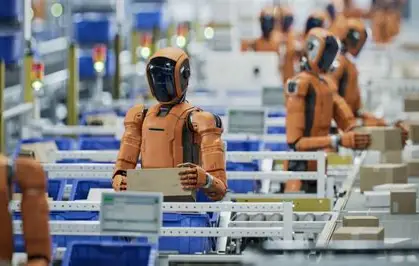
Montreal-based Vention has reported a remarkable 400% increase in revenue related to Physical AI over the past year. This growth is attributed to the company's innovative approach of leveraging real industrial data from over 28,000 devices already operating in factories, rather than developing foundational models like competitors Skild AI and Physical Intelligence. Founded in 2016, Vention provides an industrial automation platform utilized by major clients such as Boeing, Lockheed Martin, L'Oréal, and Nike. The company has deployed its technology in more than 4,000 factories, generating significant operational data that enhances the reliability and efficiency of robotic applications on production lines. CEO Etienne Lacroix emphasizes that the true challenge lies in achieving industrial-grade reliability and cost-effectiveness, which requires data from real production environments. Looking ahead, Vention's GRIIP system represents a modular Physical AI pipeline that integrates various capabilities, using both proprietary models and foundational models from companies like NVIDIA. As the industry trends toward foundational model development, Vention remains focused on practical applications and real-world data, positioning itself uniquely in the competitive landscape of Physical AI.
Physical AI Industrial Automation Robotics Data-Driven Solutions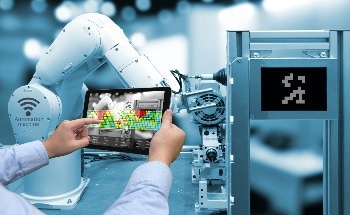
Datavault AI Expands Edge AI Deployment to Compete with Hyperscalers in Neocloud Market
Datavault AI is expanding its edge AI deployment onto SanQtum, now operational in New York City, Philadelphia, and Washington, DC. The company plans to launch in three additional cities by the end of the year. This expansion is significant as it positions Datavault AI to compete in the burgeoning $400 billion neocloud market, challenging established hyperscalers. The deployment of edge AI technology is crucial for enhancing data processing capabilities closer to the source, which is increasingly important in today's data-driven landscape. Looking ahead, Datavault AI's continued expansion into new cities will be critical to watch, as it seeks to establish a stronger foothold in the competitive neocloud sector. No further timeline was disclosed at the time of publication.

Panmnesia and Meta Propose New Architecture for Coordinated AI Data Center Operations
Panmnesia, in collaboration with Meta, has proposed a new architecture that enables AI data centers to function more like a unified computer rather than a collection of separate machines. This design utilizes Compute Express Link (CXL) to connect CPUs, AI accelerators, and memory across racks, addressing the challenges posed by the increasing complexity of AI models that require extensive data exchange. The significance of this architecture lies in its potential to enhance latency predictability and overall efficiency in data centers. By extending the CXL domain beyond individual racks, the proposed system allows resources to operate as a coordinated unit, significantly reducing unpredictable delays in data movement. This could lead to a substantial decrease in round-trip latency, from microseconds to several hundred nanoseconds, which is crucial for large AI workloads that depend on the collective performance of multiple accelerators. Looking ahead, the architecture could revolutionize how computing resources collaborate within data centers. With the ability to connect a greater number of accelerators and memory devices, the proposed system not only improves performance but also minimizes the impact of individual device failures. No further timeline was disclosed at the time of publication.
AI and Robotics
Connecting Teams and Data: A Path to Better Decision-Making in Manufacturing
Manufacturers face challenges in decision-making due to siloed data and departmental priorities. Engineering, procurement, and operations often operate independently, leading to short-term focus over long-term strategy. To adapt to pressures like AI and electrification, companies must connect data across functions, enabling informed decisions that consider the entire business impact. The disconnect in data leads to inefficiencies, with teams unable to see dependencies until late in the process, resulting in wasted time and resources. As the pain of disconnected data is expected to increase significantly in the coming years, proactive measures are essential. Companies that address these issues early can prevent costly problems and enhance their operational resilience. To improve decision-making, manufacturers should establish cross-functional teams that include members from engineering, procurement, supply chain, and finance. This collaborative approach, often referred to as a Center of Excellence, is crucial for standardizing processes and leveraging shared data effectively. By focusing on people and processes before technology, organizations can create a more integrated and agile operational culture.

Data Collectors at JD Teach Robots to Live Like Humans Through Daily Activities
At JD's Robot Data Collection Center in Suqian, data collectors are teaching robots to mimic human activities such as cooking and scanning. This innovative approach transforms everyday actions into precise data points, essential for training embodied intelligent models. The center aims to collect over 10 million hours of quality data within two years, recruiting 100,000 full-time and 500,000 part-time data collectors across various environments. This initiative is significant as it bridges the gap between AI and human-like understanding, allowing robots to learn from real-life scenarios. The data collectors, equipped with lightweight devices, meticulously capture actions to ensure the data's accuracy and relevance. Their work exemplifies the evolving relationship between humans and robots, highlighting the importance of human input in AI development. Looking ahead, the center's ambitious goal of extensive data collection will play a crucial role in advancing AI capabilities. As the demand for skilled data collectors grows, this emerging profession is gaining popularity, with experienced collectors earning substantial incomes. No further timeline was disclosed at the time of publication.
AI Data Collection Robotics Human-Robot Interaction
Lan Xiaohuan Discusses China's Data Economy, Robotics, and AI Landscape
Lan Xiaohuan, an economics professor at China Europe International Business School, has authored the bestselling book, How China Works: An Introduction to China’s State-led Economic Development. In his discussions, he highlights the economic factors contributing to China's significant trade surplus and advocates for an enhanced social safety net. Xiaohuan emphasizes the importance of public data infrastructure in shaping the competitive landscape of artificial intelligence, particularly in relation to the United States. His insights reflect the critical role that data plays in driving innovation and economic growth within China. As the conversation around AI and robotics continues to evolve, observers should pay attention to how China's strategies in public data utilization may influence global technological advancements. No further timeline was disclosed at the time of publication.

Investors Leverage AI Market Data for Enhanced Deal Sourcing Strategies
Investors are increasingly utilizing AI systems and live market data to enhance deal sourcing across private equity, venture capital, and growth equity. This shift allows for a more efficient identification of investment opportunities, moving beyond traditional relationship-based methods that often lead to missed chances due to competition. The traditional deal sourcing model, reliant on banker relationships and static target lists, is becoming less effective as the market grows more competitive. Research indicates that investment teams often spend excessive time gathering data instead of analyzing it, which hampers their ability to identify promising deals proactively. AI technologies, such as those developed by Grata and Parallel AI, enable continuous market mapping and target discovery, allowing investors to identify mid-market companies that are often overlooked. As the investment landscape evolves, firms that adopt these AI-driven strategies will likely gain a competitive edge in sourcing deals more effectively.
AI AI Funding & Investment Business Enterprise AI Insights business
X Square Launches TwinDEX to Address Data Challenges in Embodied AI Robotics
X Square Robot, based in Shenzhen, has unveiled TwinDEX, a new manipulation platform designed to bridge the data gap in embodied artificial intelligence. This innovative system connects a wearable exoskeleton to a robotic end effector, ensuring identical geometry and functionality, which enhances data fidelity and collection efficiency. The introduction of TwinDEX is significant as it addresses the limitations of traditional data collection methods, which often struggle with the embodiment gap. By utilizing a three-finger, nine-degree-of-freedom architecture, TwinDEX allows for versatile manipulation capabilities while maintaining mechanical reliability and cost-effectiveness. Looking ahead, X Square's approach could redefine how data is gathered for robotic applications, particularly in complex tasks requiring precision. The company has demonstrated TwinDEX's capabilities through a continuous chemistry experiment, showcasing its potential to operate effectively without relying on conventional teleoperation data. No further timeline was disclosed at the time of publication.
Data Collection China XSquare
Ego Data Transitions to Quality Era as Skyworth XR Innovates Data Collection
Ego Data has entered a new phase focused on quality, as highlighted by Skyworth XR's advancements in embodied data collection. This shift is significant as it reflects the growing importance of data accuracy and integrity in the industry, particularly in the context of intelligent systems. Observers should note the increasing interest in embodied intelligence and its implications for future technological developments.
Robotics Automation AI
Orchard Robotics CEO Advocates for Simplified Data Use for Growers
At the Ruggedize ag robotics conference, Orchard Robotics CEO Charlie Wu emphasized that growers should not need to act as data analysts. He highlighted the importance of actionable data, stating that it should facilitate decision-making rather than overwhelm users with numbers. Orchard Robotics offers an AI-powered camera system that captures extensive data on fruit health and growth, processed on-site to accommodate farms with limited connectivity. The company's FruitScope platform allows growers to monitor conditions at a granular level, enhancing operational efficiency. Wu noted that the primary value lies in labor and input savings, with the platform predicting yields with over 95% accuracy. This capability aids in supply chain planning, helping growers optimize labor and resources while making informed decisions about production and marketing. Orchard Robotics has expanded its focus from apples to various crops, including grapes and cherries, and is exploring new markets internationally. The company currently operates hundreds of systems across tens of thousands of acres, aiming for broader adoption. Wu stated that growers can expect a return on investment of three to ten times in their first year by leveraging the platform effectively.
Agtech Artificial intelligence Deeptech Precision agriculture Startups & funding US & Canada
Public Backlash Grows Against Data Center Expansion Across Asia Amid Energy Concerns
Residents and community groups across Asia, from Australia to India, are increasingly opposing the establishment of large AI data centers due to concerns over their impact on local electricity supplies and community well-being. In Moss Vale, Australia, opposition began within a local WhatsApp group, highlighting grassroots resistance to the energy demands of these facilities. The rapid expansion of data centers is raising alarms about their pressure on electricity resources and the potential disruption to local communities. As these facilities proliferate, the scrutiny on their environmental and social implications intensifies, prompting calls for more sustainable practices and regulatory oversight. Looking ahead, the ongoing debate around data center operations and their energy consumption will likely continue to evolve. Stakeholders, including local governments and community organizations, may push for stricter regulations to address these concerns. No further timeline was disclosed at the time of publication.

Dronetag Integrates Remote ID Data into Airwise Nexus for Enhanced Airspace Awareness
Dronetag and Airwise Solutions have announced a new integration that incorporates Remote ID data into the Airwise Nexus common operating picture. This partnership aims to provide operators with a comprehensive view of low-altitude airspace activity, enhancing the management of complex drone missions, including beyond visual line of sight (BVLOS) operations. The integration is significant as it combines Dronetag's Remote ID transmitters and receivers with Airwise's drone operations management platform, airwiseOS. This collaboration allows users to access a unified interface that displays Remote ID detections alongside telemetry, radar information, and other sensor data, improving situational awareness and coordination for public safety and critical infrastructure teams. Looking ahead, the integration is available to Airwise customers utilizing Dronetag receivers or transmitters, allowing them to enable the connection through their app account settings. No further timeline was disclosed at the time of publication.
Drone News Drone News Feeds News Remote ID airspace awareness Airwise Solutions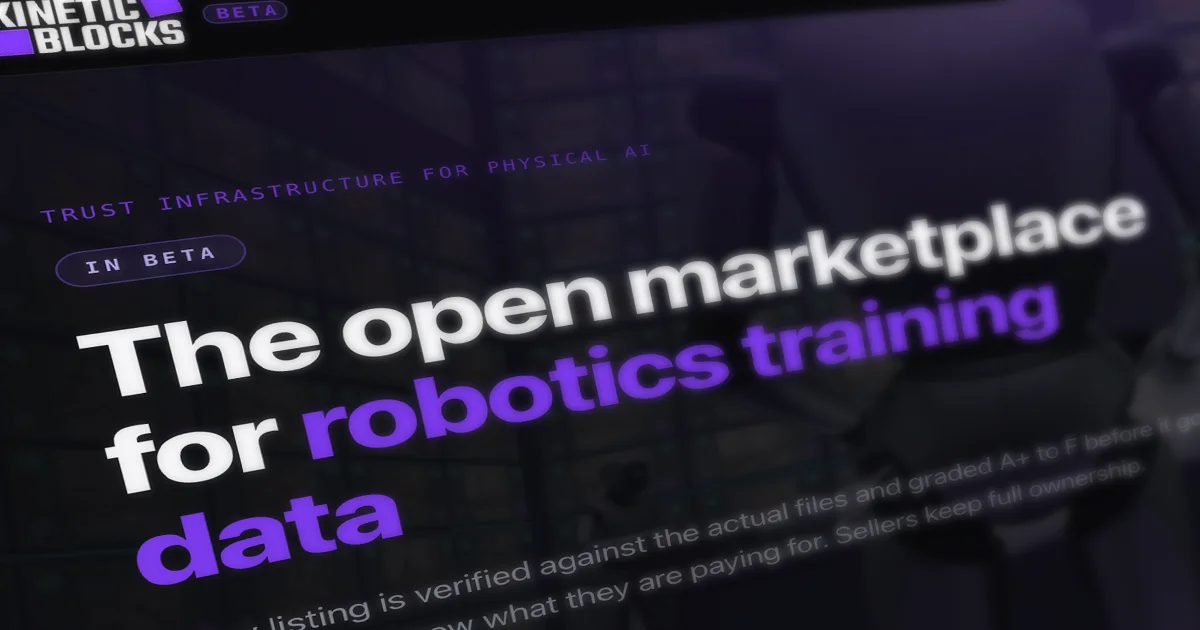
Kinetic Blocks Launches Marketplace for Humanoid Training Data Acquisition
On September 1, Oslo-based startup Kinetic Blocks introduced a gated beta of a marketplace tailored for the buying and selling of humanoid training data. This platform aims to streamline the traditionally slow and complex process of dataset procurement by replacing bilateral licensing deals with standardized commercial transactions. The significance of Kinetic Blocks' launch lies in its potential to address the challenges of physical data acquisition in the embodied AI sector. By allowing data suppliers to list various datasets, including egocentric human video and teleoperation recordings, the platform seeks to establish clear market values and mitigate the opaque rights management that has historically plagued robot learning data procurement. Looking ahead, Kinetic Blocks plans to expand its engineering and commercial teams in the coming months while preparing to open a seed funding round in the fourth quarter of 2026. This development comes amid a competitive landscape where foundational model developers are increasingly seeking innovative strategies for sourcing real-world telemetry data.
Data Collection Kinetic Blocks Dataset Europe
Teradyne Unveils New UltraFLEXplus Instruments for AI and Data Center Testing
Teradyne, Inc. has launched three advanced instruments for its UltraFLEXplus platform, specifically designed to address the growing complexities of AI and data center semiconductor testing. The UltraPin5000-EM, UltraPort-PCIe6, and UltraVS64-HP instruments enhance scalability, flexibility, and performance, enabling semiconductor manufacturers to efficiently test cutting-edge devices. This launch is significant as it positions Teradyne to meet the increasing demands of the AI and data center markets, which are driving unprecedented growth in semiconductor complexity. CEO Greg Smith emphasized the company's commitment to providing innovative solutions that help customers stay competitive in this rapidly evolving landscape. Looking ahead, Teradyne will showcase these instruments at SEMICON Taiwan from September 2-4, 2026, in Taipei. The introduction of these products marks a strategic move to strengthen Teradyne's role in the AI device supply chain, ensuring that components meet the industry's stringent quality standards. No further timeline was disclosed at the time of publication.

Mibee Achieves Milestone with 20,000th MEgo Device and One Million Hours of Data Collected
On August 31, Mibee Technology officially launched its 20,000th MEgo device, marking the first large-scale production of non-body data collection devices in the industry. This milestone is complemented by the announcement that Mibee has accumulated over one million hours of high-quality non-body data, establishing itself as the first data service provider in the industry to offer such extensive data for sale. The significance of this achievement lies in the establishment of a foundational infrastructure for data collection, akin to the creation of an electrical grid that transformed the world. Mibee's MEgo devices are designed to facilitate large-scale learning for robots in complex environments, enabling them to understand their surroundings, predict changes, and make decisions based on real-world data. Looking ahead, Mibee's MEgo devices have already been deployed in various real-world scenarios, including homes, offices, and retail environments, contributing to the collection of effective data. No further timeline was disclosed at the time of publication.
Data Collection Physical AI Robotics Machine Learning AI TrainingRobotics needs a service framework.
RSF defines a common language for robot service capability, lifecycle operations, certification pathways, and service-provider networks.
Join the RobotToday community on LinkedIn
Daily robotics news, in-depth analysis, conference highlights, and discussions with professionals worldwide.







