

Industry Briefing
A single destination for timely, editor-curated robotics news from around the world.

The Role of LiDAR in Enhancing Safety for DJI Drones
DJI has integrated LiDAR technology into its latest consumer drones, including the Air 3S, Mavic 4 Pro, Mini 5 Pro, and Neo 2, primarily to enhance flight safety. The Federal Communications Commission (FCC) has proposed new regulations that classify certain foreign-made drones with advanced technologies like LiDAR as 'military-grade,' raising concerns for DJI. LiDAR technology provides a significant advantage over traditional cameras, especially in low-light conditions. While cameras rely on ambient light to detect obstacles, LiDAR emits laser pulses to create a detailed map of the environment, allowing drones to navigate safely even at night. This capability is crucial for preventing crashes and ensuring safe returns during flights. As regulatory scrutiny increases, it will be important to monitor how these proposed rules impact DJI and its use of LiDAR technology. The focus on flight safety rather than military applications may shape future developments in drone technology and regulations. No further timeline was disclosed at the time of publication.
News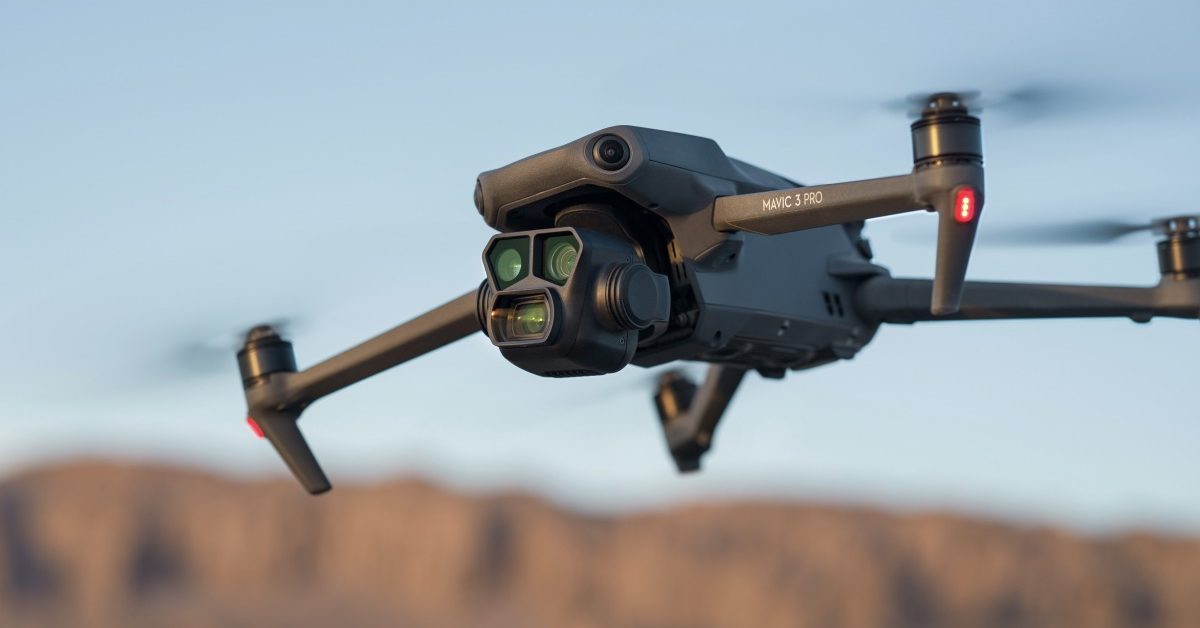
US Air Force to Acquire DJI Drones for Counter-Drone Training at F.E. Warren Base
The US Air Force is set to purchase refurbished DJI drones for counter-drone training at F.E. Warren Air Force Base in Wyoming. This initiative aims to enhance the preparedness of security personnel against potential drone threats, particularly as DJI dominates the global drone market with an estimated 80% to 85% share. The decision to utilize DJI drones, rather than American-made alternatives, stems from the unique capabilities and characteristics of DJI aircraft that cannot be replicated by US manufacturers. The Air Force's procurement documents highlight the operational necessity of training with the technology most likely to be encountered in real-world scenarios, as evidenced by a significant rise in drone incursions at military installations. Looking ahead, the Air Force's acquisition of these drones is part of a broader strategy to address the evolving landscape of drone threats. The training will incorporate US-made RIZER software to ensure cybersecurity, aligning with Defense Secretary Pete Hegseth’s memorandum that permits limited foreign drone purchases for military training and electronic warfare testing. No further timeline was disclosed at the time of publication.
News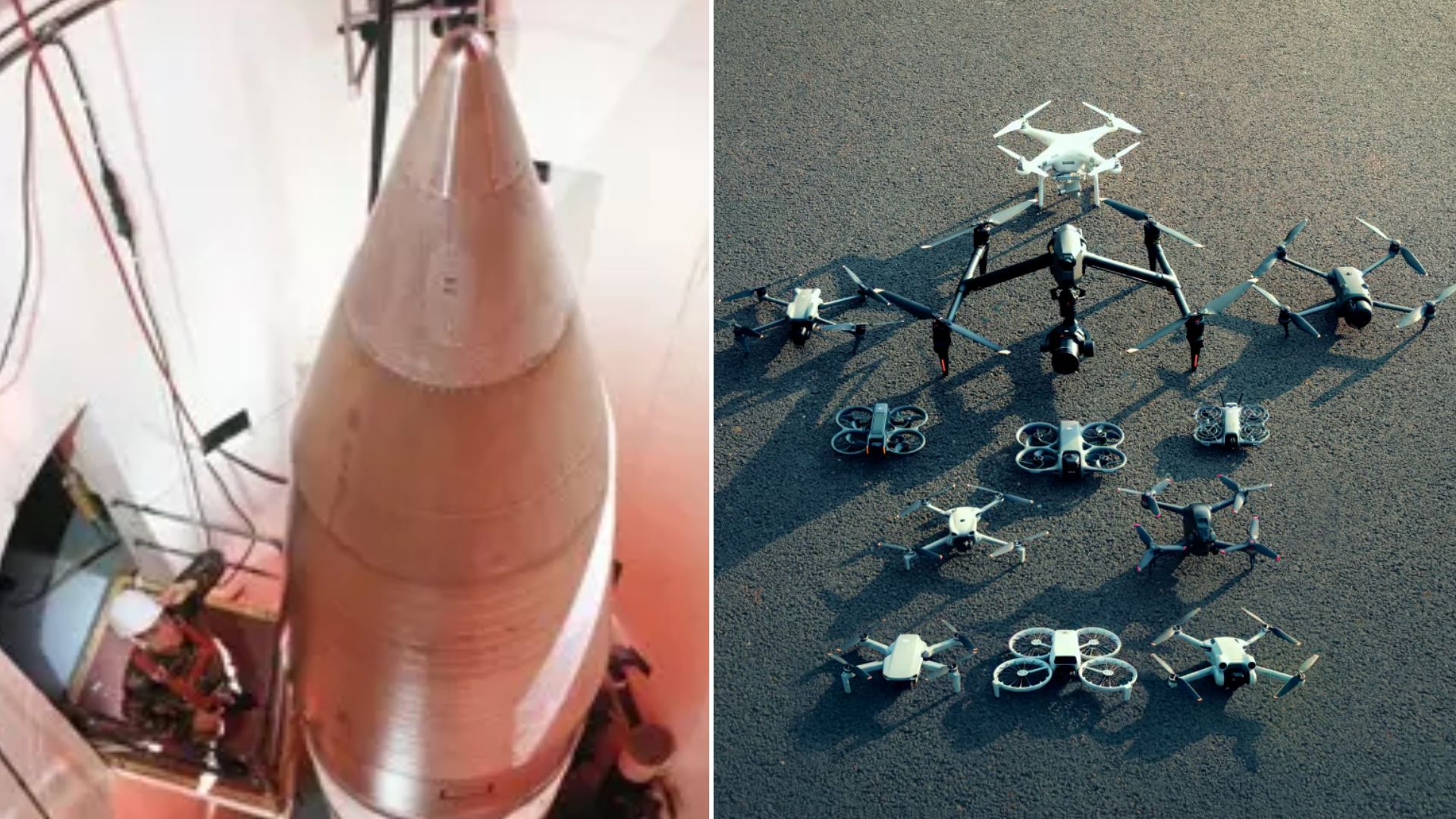
U.S. Air Force Plans to Acquire DJI Drones for Counter-Drone Training at Missile Base
The U.S. Air Force intends to purchase DJI drones for counter-drone training at F.E. Warren Air Force Base, which is part of the Minuteman III missile system. This initiative, led by the 90th Missile Security Operations Squadron, aims to enhance personnel's ability to detect and neutralize drone threats in the vicinity of the base. This procurement is significant as DJI drones dominate the commercial market, accounting for 80% to 85% of global sales, making them ideal for realistic training scenarios. The Air Force's decision to use these drones, despite existing restrictions on Chinese technology, highlights the need for effective training against prevalent drone threats, especially given the 350 reported incursions over U.S. military installations in 2024. Looking ahead, the Air Force plans to modify the acquired drones with RIZER software to ensure data security while allowing personnel to train against the unique characteristics of DJI systems. No further timeline was disclosed at the time of publication.
Military
FCC Considers Ban on DJI Drones Already Approved for Sale in the U.S.
The Federal Communications Commission (FCC) is contemplating restrictions on foreign-made drones, including popular models like the DJI Mini 5 Pro and Air 3S. This proposal could lead to the removal of these consumer drones from U.S. shelves due to their inclusion of technologies deemed 'military-grade' by the FCC. This move is significant as it affects not only future drone imports but also those already authorized for sale in the U.S. market. The FCC's proposal, published on August 3, seeks public comments until September 2, indicating a potential shift in the regulatory landscape for consumer drones that utilize technologies such as LiDAR and thermal imaging. As the FCC considers these restrictions, stakeholders in the drone industry and consumers should monitor developments closely. The implications of this proposal could reshape the availability of popular drone models and impact various sectors that rely on these technologies for applications beyond military use.
News
DJI Warns FCC Proposal Could Retroactively Ban Agricultural Spray Drones
The US Federal Communications Commission (FCC) has proposed new regulations that could effectively ban the sale of foreign-made agricultural spray drones, according to DJI. This move follows a December 2025 ruling that blocks new foreign models and components, significantly impacting the agricultural drone market dominated by overseas manufacturers. DJI argues that the FCC's definition of 'military-grade' drones includes many civilian models used for crop spraying, which could lead to increased costs and limited availability for American farmers. The proposal, open for public comment until September 2, targets drones with specific capabilities, potentially crippling agricultural operations that rely on these technologies to enhance efficiency and reduce costs. As the situation develops, stakeholders in the agricultural sector should monitor the FCC's actions closely. The implications of this proposal could reshape the market for agricultural drones, affecting both current users and future sales of essential farming technologies. No further timeline was disclosed at the time of publication.
Agtech Policy & regulation Precision agriculture US & Canada drones
Infinit Drones Launches Dock M400 for DJI Matrice 400 Autonomous Operations
Infinit Drones has unveiled the Dock M400, an autonomous docking platform designed for the DJI Matrice 400 drone. This innovation allows for remote launching, recovery, and battery management without the need for on-site personnel, addressing a significant gap in the enterprise drone market. The Dock M400 is particularly important as it enhances the capabilities of the DJI Matrice 400, which is known for its heavy-lift capacity and advanced sensor support. With features like automatic battery replacement and dock-to-dock relay missions, the Dock M400 enables organizations to maintain drones in a mission-ready state, thereby improving operational efficiency in sectors such as utilities and emergency services. Looking ahead, the demand for autonomous drone solutions is expected to rise, especially with the growing interest in Drone as First Responder (DFR) programs and favorable regulatory changes in Canada. Infinit Drones aims to capitalize on these trends by offering a solution that combines the Matrice 400's capabilities with autonomous deployment, potentially transforming aerial operations across various industries.
News
DJI Raises Concerns Over FCC Proposal Impacting Commercial Drone Operations
DJI has issued a warning to U.S. drone operators regarding a Federal Communications Commission (FCC) proposal that could have far-reaching implications for commercial drones. The proposal, which targets certain foreign-made 'military-grade' drones, may inadvertently encompass a range of commercial products, including those with thermal imaging and LiDAR capabilities, agricultural spraying drones, and docking stations. This situation is significant as it highlights the potential for regulatory definitions to impact widely used technologies in various sectors, including agriculture, public safety, and small business operations. DJI emphasizes that many of the technologies under scrutiny are not inherently military and are essential for civilian applications, thus raising concerns about the classification of drones based on their capabilities rather than their intended use. Looking ahead, the ongoing discussion around the FCC's proposal will be crucial for the future of drone regulations in the U.S. No further timeline was disclosed at the time of publication, but DJI's response underscores the importance of distinguishing between military and civilian applications in regulatory frameworks, which could shape the landscape for drone operators and manufacturers alike.
Agriculture Applications Delivery DJI Drone News Drone News Feeds
DJI Drones Now Support Vertical Video Shooting for Social Media Content
Recent advancements in DJI drones allow users to shoot vertical videos without cropping, catering to platforms like Instagram Reels and TikTok. Traditional drone cameras typically capture wide landscape footage, which is not ideal for vertical-first social media. However, select DJI models can now capture true vertical footage by rotating the camera or cropping the sensor intelligently. This innovation is significant for content creators who prioritize high-quality vertical videos. Drones such as the DJI Mini 5 Pro and Mavic 4 Pro can physically rotate their cameras, ensuring maximum image quality. In contrast, models like the DJI Neo 2 and Air 3S create vertical frames through cropping, which still meets the needs of social media platforms but may compromise on resolution. To enable vertical shooting, users can easily switch modes via the DJI Fly app. This feature enhances the user experience for those creating content specifically for social media, making it easier to produce professional-quality videos. No further timeline was disclosed at the time of publication.
News
DJI Drones Enhance Safety by Mapping Everest's Khumbu Icefall in 2026
DJI's recent case study highlights the use of its Matrice 4E drone and DJI Terra software by Airlift Technology to map the Khumbu Icefall during the 2026 Everest climbing season. This innovative approach provided Sherpas with a detailed 3D map of the hazardous terrain, significantly improving safety for climbers. The Khumbu Icefall is a critical and perilous section of the Everest climbing route, known for its deep crevasses and unstable ice formations. Traditionally, Sherpas would navigate this dangerous area on foot to establish safe paths. However, the drone's ability to survey the icefall in just three and a half hours allowed for a more efficient and safer mapping process. Looking ahead, the repeated drone surveys not only enhance climber safety but also offer valuable data for scientists studying glacier dynamics. This deployment marks a significant advancement in high-altitude expedition planning, with potential implications for future climbing seasons and environmental research.
News
FCC Proposes New Rules for Drone Sales to Enhance Transparency and Security
The Federal Communications Commission (FCC) has proposed new regulations aimed at increasing transparency in online drone sales. The rules would require e-commerce platforms to display FCC certification IDs for wireless devices, including drones and their components, addressing a loophole that has allowed restricted electronic components to enter the U.S. market. This initiative is significant for various stakeholders, including drone manufacturers like DJI, online retailers such as Amazon, and consumers. By mandating the display of FCC IDs, the FCC aims to help buyers verify the authorization status of wireless devices, thereby enhancing consumer protection and regulatory oversight. Looking ahead, the FCC's proposal also seeks to close a loophole concerning the use of restricted components in devices. The agency plans to extend restrictions to nearly all logic-bearing hardware components, which could impact the manufacturing and sale of drones and related technology. No further timeline was disclosed at the time of publication.
News
DJI shows how drones are changing avalanche rescues
In the French Alps, rescuers are facing urgent challenges following recent avalanches that have put lives at risk. With survival rates plummeting significantly after the first 20 minutes, the pressure is on emergency teams to act swiftly. The critical window between the emergency call and the successful location of victims is crucial, as every second counts in these life-or-death situations. The urgency of the response is heightened by the harsh conditions typical of the alpine environment, which can complicate rescue efforts. As rescuers mobilize, their training and experience become vital in navigating the treacherous terrain to reach those trapped beneath the snow.
News
How automated DJI drones are changing public safety in Celaya
In a significant turnaround, the Mexican city of Celaya is transforming its reputation from one of the country's most dangerous locales to a safer community, thanks to innovative technology. City officials have reported that the implementation of autonomous drone technology, coupled with integrated command-and-control systems, is enhancing public safety and emergency response. This shift comes after years of struggling with violent crime and a reactive policing approach that often failed to prevent incidents. By utilizing advanced technology, Celaya aims to proactively address security challenges and improve the overall safety of its residents.
News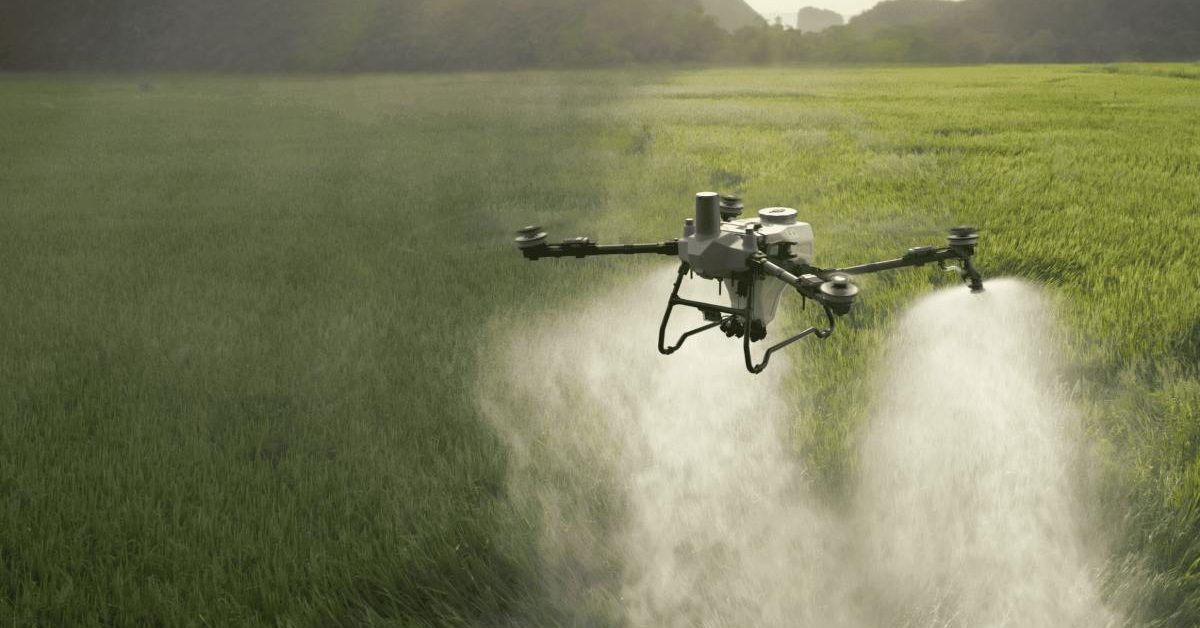
DJI introduces next-generation Agras agricultural drones globally
DJI has announced the global launch of its latest farming drones, the Agras T55 and the Agras T100 Dual Battery Spraying System, as part of its effort to enhance precision agriculture. This unveiling comes after over ten years of research and development by DJI Agriculture. The new drones are designed to cater to a wide range of agricultural needs, from small orchards to extensive field operations. By improving the efficiency of aerial spraying, spreading, and lifting tasks, these drones aim to enhance productivity while prioritizing safety for users in the agricultural sector.
News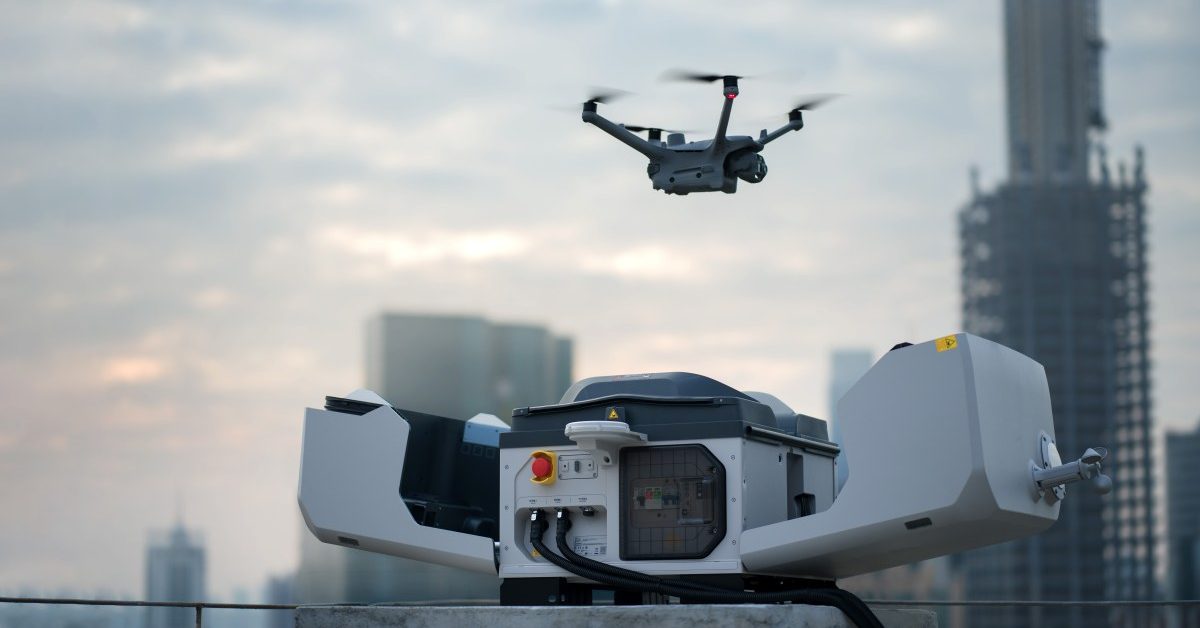
DJI’s latest guide could help agencies deploy drones faster
In response to the limitations of traditional drone deployment during emergencies, DJI Enterprise is introducing solutions aimed at enhancing the efficiency of public safety operations. Historically, the process of launching a drone required a pilot to arrive on-site, unpack equipment, and manually initiate flight, which often delayed critical response times. To address this issue, many agencies are now adopting “drone-in-a-box” systems that allow for automatic launches, significantly improving speed and accessibility during emergencies. DJI Enterprise is stepping in to assist these agencies in scaling their operations effectively, ensuring that they can maximize the benefits of this innovative technology. This shift towards automated drone systems is expected to revolutionize emergency response protocols, providing quicker aerial support when it is needed most.
News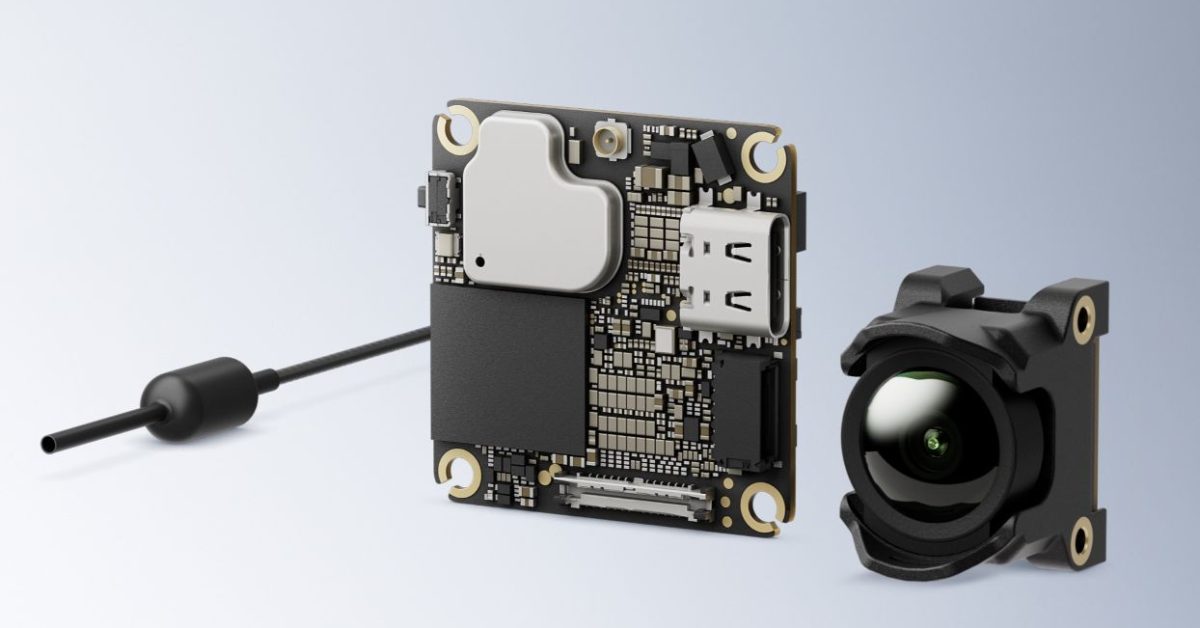
DJI gives tiny FPV drones a much bigger view
DJI has unveiled its latest innovation in the FPV (First Person View) drone market, the O4 Wide Air Unit, which features an ultra-wide lens offering a 159-degree field of view. This new addition enhances the original O4 Air Unit's capabilities while retaining its lightweight design, 4K recording quality, and low-latency digital video transmission. The launch aims to provide drone enthusiasts and filmmakers with a broader perspective, emphasizing the importance of a wider view over merely improving camera specifications. The O4 Wide Air Unit is set to expand creative possibilities for users, making it a significant advancement in DJI's product lineup.
News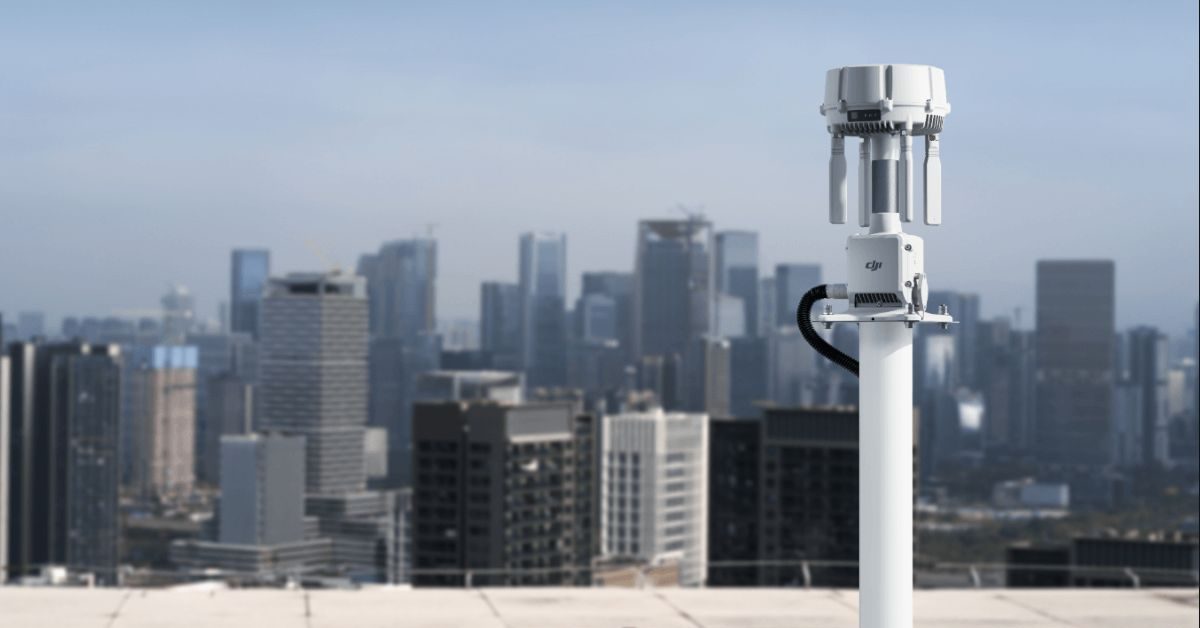
DJI unveils new signal-boosting O4 Ground Station for drones
DJI has introduced the DJI O4 Ground Station, a new transmission system aimed at addressing a significant challenge for drone pilots: maintaining a strong and reliable connection in challenging environments. Announced recently, this innovative system is designed to significantly enhance drone communications, particularly in areas prone to signal interference, obstacles, or long distances that can disrupt operations. By improving reliability, the O4 Ground Station seeks to empower drone users to operate more effectively in difficult conditions, ultimately enhancing their overall flying experience.
News
Automated DJI drones are now watching UK railways remotely
Heliguy, a UK-based drone solutions provider, has achieved a pivotal milestone by obtaining a Beyond Visual Line of Sight (BVLOS) authorization from the UK Civil Aviation Authority (CAA). This approval enables Heliguy to perform remote drone operations for Network Rail, a major player in rail infrastructure. The authorization marks a significant advancement in the use of drone technology for railway inspections, potentially eliminating the need for pilots to be physically present trackside. This innovative approach aims to enhance efficiency and safety in monitoring rail infrastructure, reflecting the growing trend of integrating advanced technology in transportation sectors.
News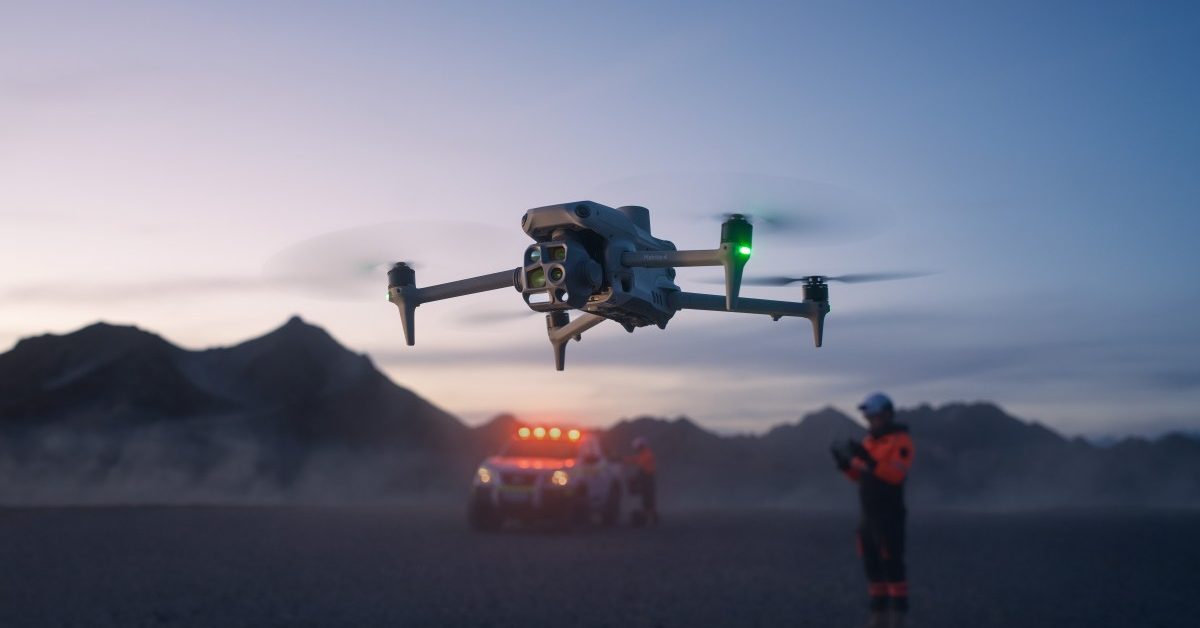
The US wants to move beyond DJI drones, but can it?
The U.S. government is exploring alternatives to DJI, the leading manufacturer of affordable and widely utilized drones, amidst ongoing concerns about national security and reliance on foreign technology. This initiative reflects Washington's desire to reduce dependency on a single foreign supplier, particularly given the geopolitical tensions surrounding China. However, a significant challenge remains: identifying a viable replacement that can match DJI's scale and affordability. As discussions continue, industry experts and policymakers are grappling with the feasibility of developing or sourcing comparable drone technology from domestic or allied manufacturers. The outcome of this endeavor could reshape the landscape of the drone market in the United States, influencing both commercial and governmental operations.
News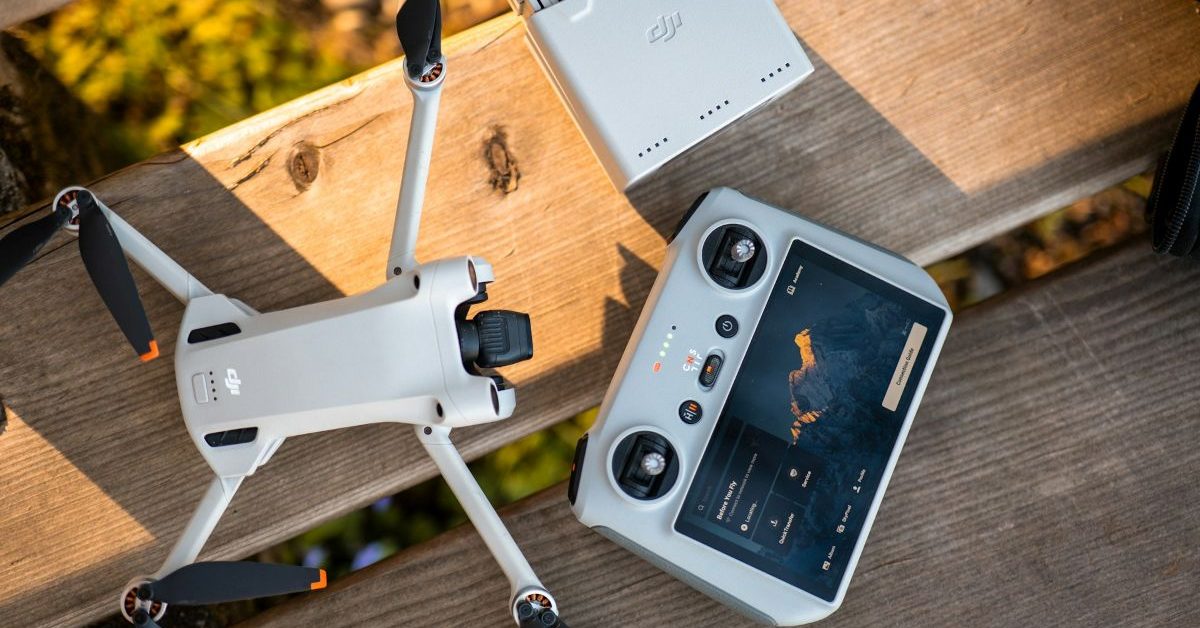
DJI, Autel drones cleared for firmware updates until 2029
The Federal Communications Commission (FCC) has temporarily halted its decision to include DJI and Autel equipment on its Covered List, alleviating concerns among drone operators about the potential obsolescence of their equipment. This move, announced earlier this month, was seen as a significant relief for the US drone industry, which feared that the designation could render thousands of functional drones unsupported and pose operational and cybersecurity challenges. The FCC's pause allows for further consideration of the implications of this decision, ensuring that drone operators can continue to use their equipment without immediate disruption.
News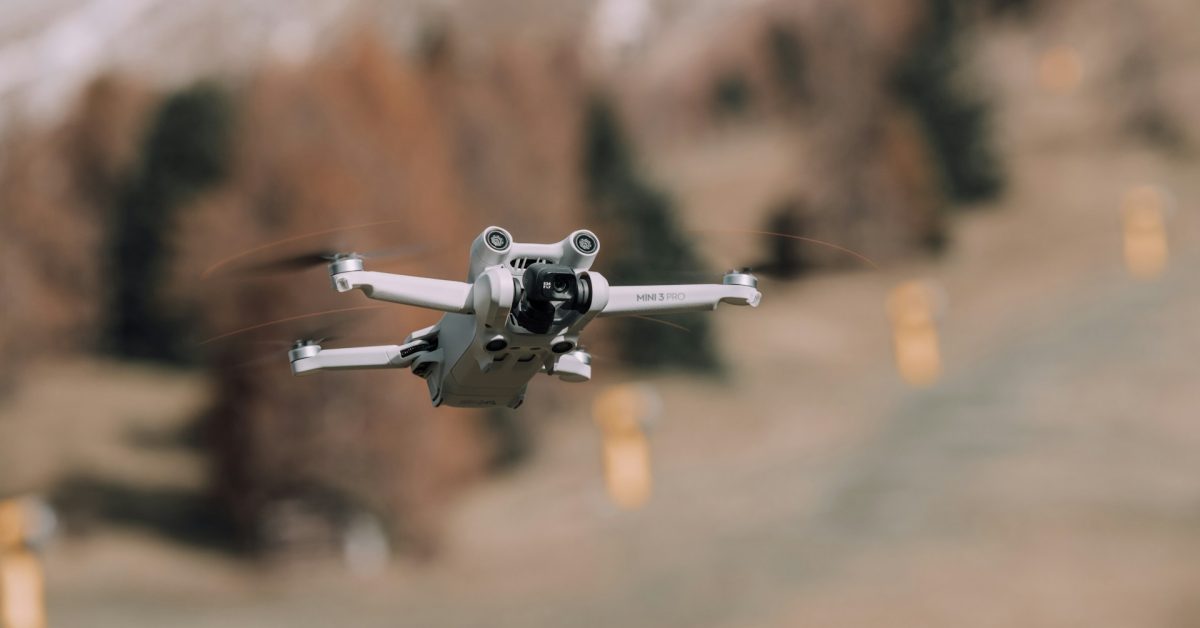
FCC’s DJI, Autel ban ignores how drones actually work
Concerns regarding the national security implications of drones manufactured by DJI and Autel Robotics have been raised, prompting discussions among lawmakers and security experts. Despite these apprehensions, thousands of these drones continue to operate across the United States daily. The ongoing debate centers on the potential risks associated with foreign-made technology and its implications for privacy and safety. Critics argue that if these drones are indeed a significant threat, regulatory measures should be more stringent to prevent their widespread use. However, the persistent presence of these drones in American skies suggests that many users, including hobbyists and commercial operators, do not perceive an immediate danger. The situation highlights the complexities of balancing technological innovation with national security concerns, as stakeholders seek to navigate the implications of drone usage in a rapidly evolving landscape.
News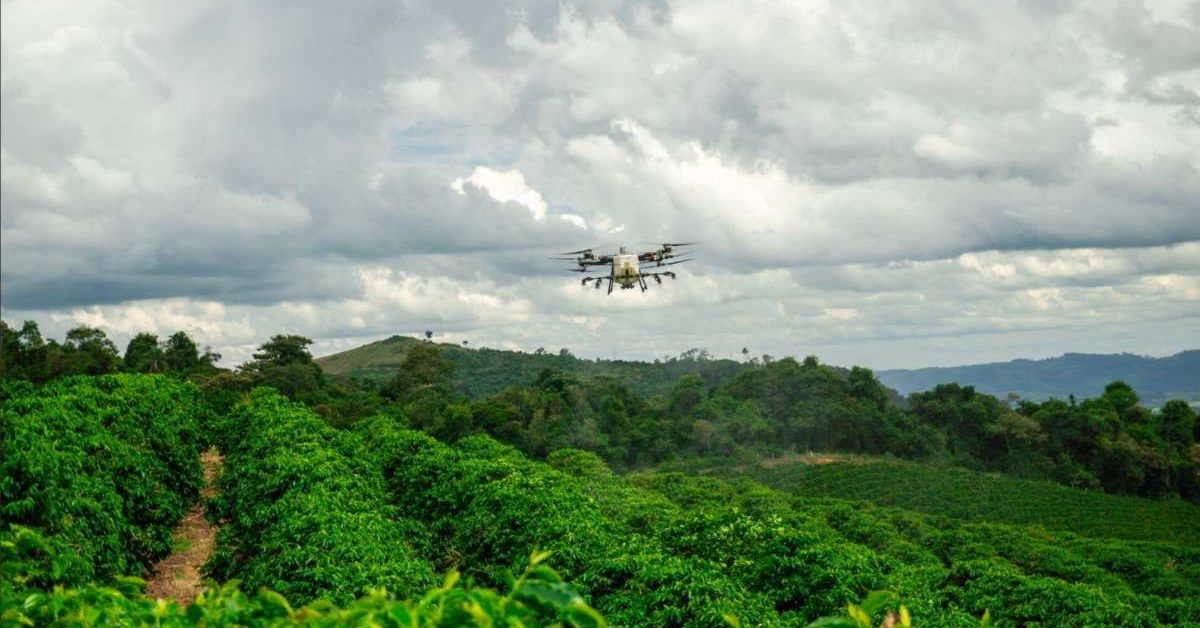
DJI agri drones boom globally, US farmers left behind
At Agrishow 2026 in Brazil, DJI unveiled its latest Agricultural Drone Industry Insight Report, highlighting a significant trend in modern farming. The report reveals that over 600,000 DJI agricultural drones are currently in operation across more than 100 countries, managed by a workforce of over 600,000 trained pilots. This surge in drone usage underscores the growing reliance on advanced technology to enhance agricultural practices worldwide, showcasing how innovation is shaping the future of farming.
News
DJI Agriculture Reveals Global Adoption of Agricultural Drones Cuts 51Mt in Carbon Emissions and Saves 410Mts of Water for Farmers Globally
At Brazil's AgriShow, a new report has been unveiled showcasing the rapid growth of the agricultural drone industry, revealing that over 600,000 DJI agricultural drones are now operational across more than 100 countries and regions. This significant milestone underscores the increasing adoption of drone technology in agriculture, driven by the need for enhanced efficiency and precision in farming practices. The report highlights how these drones are transforming traditional agricultural methods, enabling farmers to monitor crops, optimize resource use, and improve yields. As the industry matures, stakeholders are optimistic about the potential for further advancements and increased integration of drone technology in agricultural operations worldwide.
DJI Lito drones aren’t coming to US, buy these instead
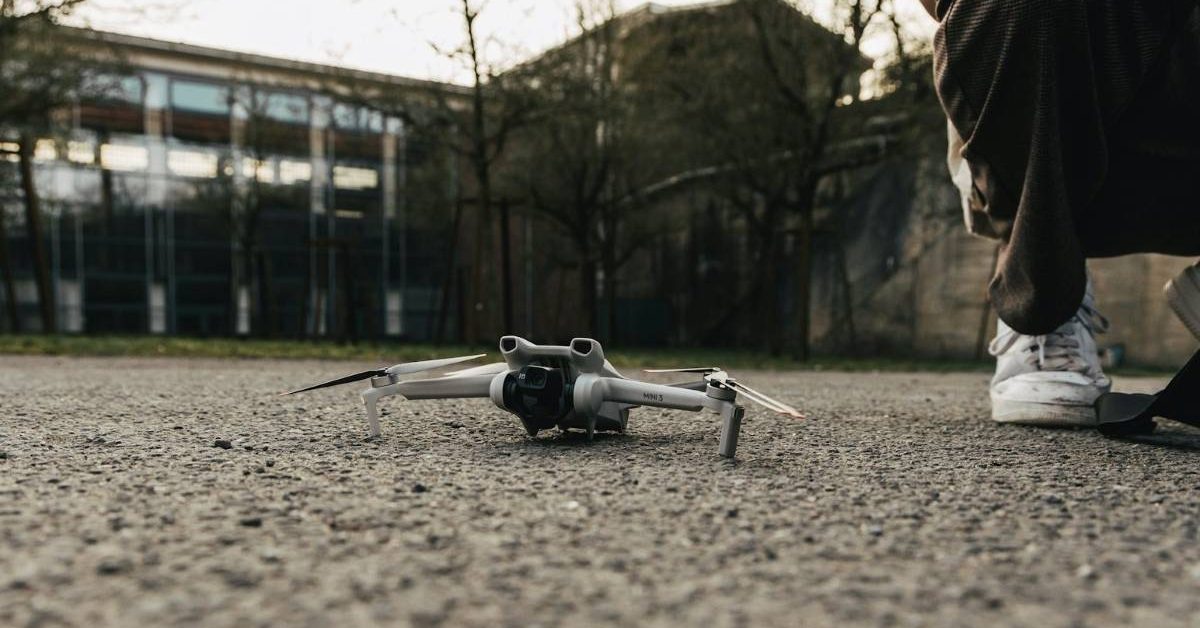
DJI has unveiled its new Lito drone series, aimed at budget-conscious consumers, featuring modern enhancements such as 4K cameras, obstacle sensing technology, and user-friendly designs. However, these models will not be available in the United States due to ongoing uncertainties surrounding FCC regulations, which have hindered future DJI product launches in the country. As a result, US consumers are left waiting while international markets gain access to these entry-level drones. Despite the disappointment, American shoppers are benefiting from significant discounts on existing DJI models, with prices slashed by 30% or more.
News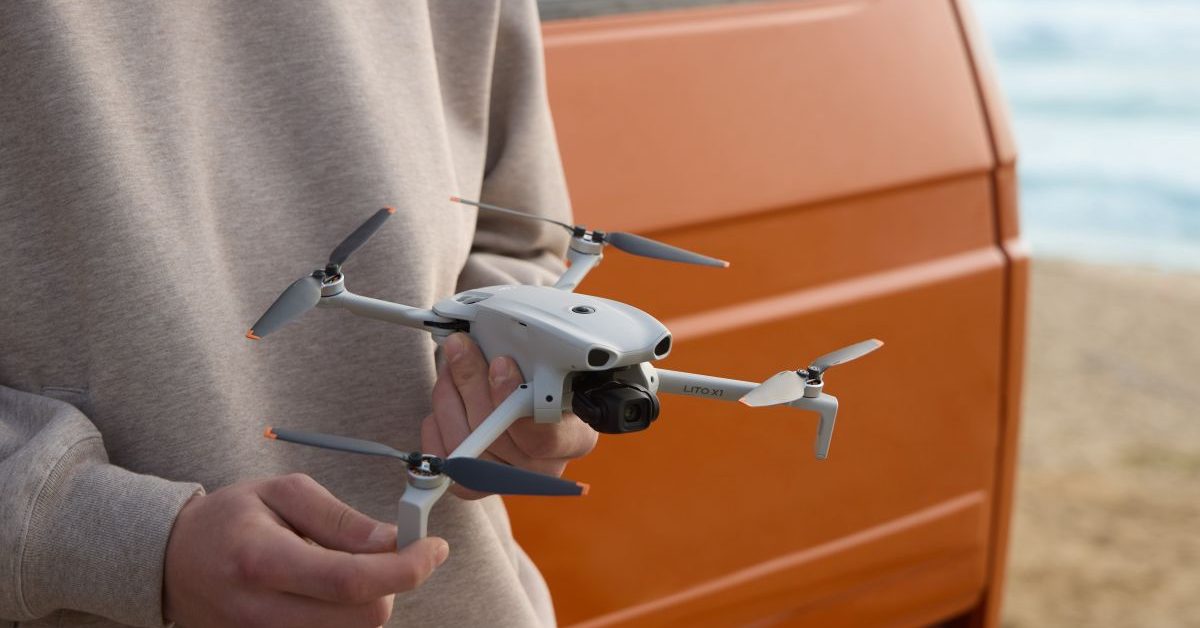
DJI launches new Lito budget drones, US misses out
DJI has unveiled two new budget-friendly camera drones, the Lito X1 and Lito 1, designed to attract American consumers with their affordable pricing, advanced safety features, high-quality cameras, and user-friendly controls. However, despite their appealing attributes, these models will not be available in the United States market. The launch, which took place today, highlights DJI's ongoing efforts to expand its product lineup while navigating regulatory challenges that may limit the availability of certain devices in specific regions.
News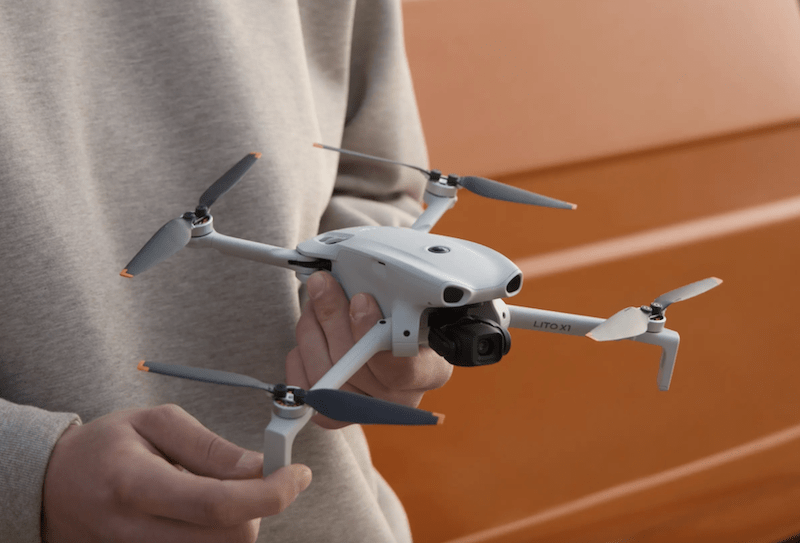
New DJI Drones Launch Globally, But Not in the U.S.
Drone manufacturer DJI has launched its latest consumer drones, the Lito X1 and Lito 1, targeting entry-level users with features designed to attract new pilots. Despite the strong initial interest and positive early coverage, these models will not be available for purchase in the United States. This restriction stems from regulatory challenges imposed by the Federal Communications Commission (FCC), which has limited the availability of certain drone products in the U.S. market. As DJI continues to expand its global offerings, the absence of these new models in the U.S. highlights ongoing concerns regarding compliance with local regulations and the impact on consumer access to innovative drone technology.
DJI Drone News Drone News Feeds News consumer drones DJI Lito
IFA 2025: DJI enters 360°camera market as Insta360 expands into drones
At the IFA 2025 consumer electronics fair in Berlin, held from September 5 to 9, Chinese imaging technology giants DJI and Insta360 unveiled competing products, highlighting a burgeoning rivalry in the 360-degree camera and drone markets. DJI, renowned for its consumer and professional drones, presented innovations that emphasize aerial photography and videography capabilities. Meanwhile, Insta360, which focuses on 360-degree and action cameras, showcased advancements aimed at enhancing immersive content creation. This competition reflects the increasing demand for versatile imaging solutions among consumers and professionals alike, as both companies strive to capture a larger share of the rapidly evolving market.
On the Cusp Content and entertainment E-commerce and New Retail Highlight NewsRobotics needs a service framework.
RSF defines a common language for robot service capability, lifecycle operations, certification pathways, and service-provider networks.
Join the RobotToday community on LinkedIn
Daily robotics news, in-depth analysis, conference highlights, and discussions with professionals worldwide.







