Industry Briefing
A single destination for timely, editor-curated robotics news from around the world.
DARPA Initiates $6.5 Million Challenge to Innovate Heavy-Lift Drone Technology
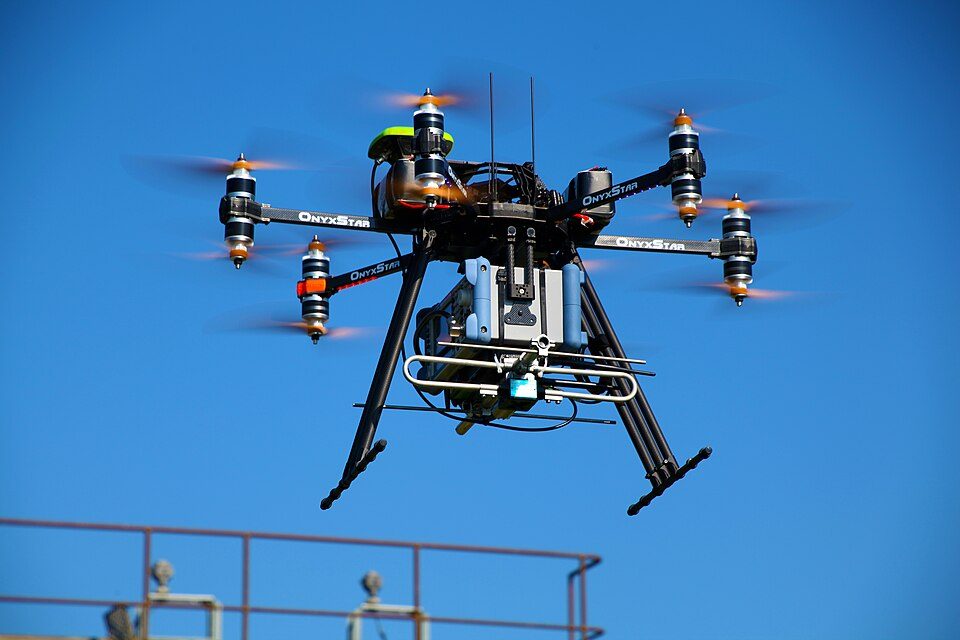
The Defense Advanced Research Projects Agency (DARPA) has launched a challenge aimed at developing heavy-lift drones capable of carrying payloads exceeding four times their weight. This initiative addresses the current limitations of multirotor UAVs, which typically have low payload-to-weight ratios, often below one-to-one. The DARPA Lift Challenge Competition will take place from August 6 to 9 at the National Museum of the U.S. Air Force in Dayton, Ohio, with over 100 teams competing for a total of $6.5 million in prize money. This challenge is significant as it seeks to revolutionize the heavy-lift drone sector, potentially lowering costs and expanding applications across various industries. DARPA program manager Phillip Smith highlighted that enhancing the lifting capabilities of drones could lead to a transformation similar to the impact of mass production introduced by Henry Ford. By overcoming the payload weight barrier, the challenge aims to make unmanned vertical-lift transport more accessible and economically viable. Looking ahead, the outcome of the DARPA Lift Challenge could pave the way for a new generation of UAVs that outperform traditional manned aircraft in transporting large payloads. No further timeline was disclosed at the time of publication.
Applications Defense defense DL Exclusive Drone News Drone News Feeds
Video Friday: Give Robots a Hand
IEEE Spectrum robotics has released its latest edition of "Video Friday," showcasing a collection of innovative robotics videos along with a calendar of upcoming robotics events scheduled for 2026. The events include the RSS conference in Sydney from July 13-17, the Summer School on Multi-Robot Systems in Prague from July 29 to August 4, Actuate in San Francisco on August 18-19, and IROS in Pittsburgh from September 27 to October 1. Among the featured videos, Pulkit Agrawal from MIT CSAIL discusses his "SoftMimic" approach to enhancing robot safety around humans. The DARPA Lift Challenge, taking place from August 6-9 at the National Museum of the US Air Force, invites public participation. Notable demonstrations include Agility Robotics' Digit, which showcases advanced footstep planning to navigate obstacles, and DEEP Robotics' aggressive firefighting robot. Additionally, the potential for AI-driven robots to understand whale behavior and communication is explored by Harvard SEAS Professor Stephanie Gil. The edition also highlights discussions with Rodney Brooks, the creator of the Roomba, about the future of robotics. The content aims to engage the robotics community and stimulate interest in technological advancements and their applications.
Humanoid-robots Video-friday Robot-hands Quadruped-robots Robot-videos Firefighting-robots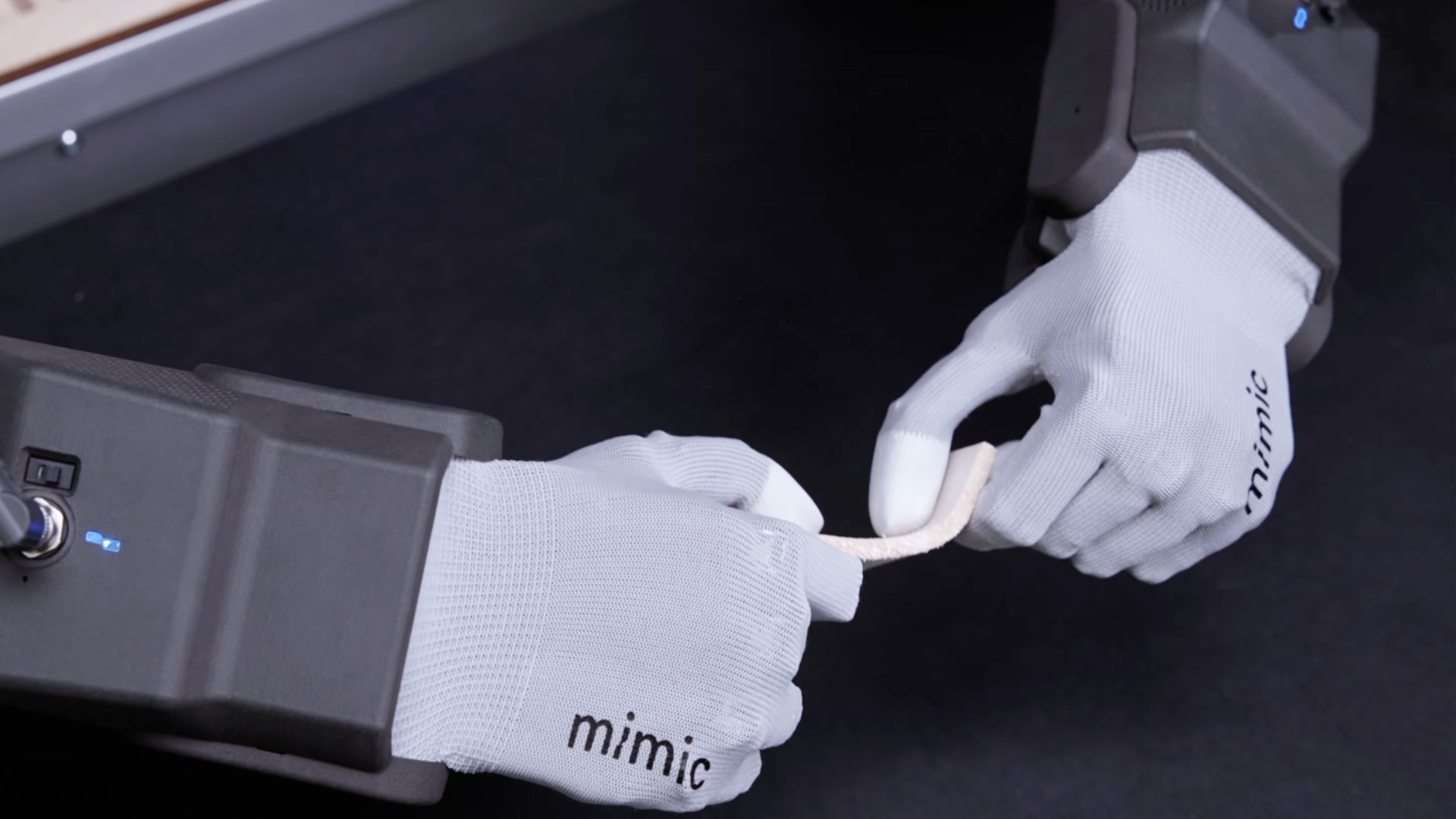
Mimic Robotics Launches Mimic Hand M1: A 55-Pound Lifting Robotic Hand with Human-Like Precision
Swiss startup Mimic Robotics has introduced the Mimic Hand M1, a robotic hand capable of lifting over 55 pounds while mimicking human dexterity. This innovative design features a tendon-driven architecture that houses actuators in the forearm, allowing for a compact yet powerful solution for factory automation. The Mimic Hand M1 is significant as it addresses the challenge of general-purpose dexterous manipulation in robotics. By utilizing a human-like hand structure, Mimic Robotics aims to enhance the transfer of skills from human demonstrations to robotic systems, thereby expanding the range of tasks AI can perform in industrial settings. Looking ahead, the focus will be on how the Mimic Hand M1 can be integrated into various manufacturing applications. Its ability to handle both delicate and heavy objects with precision positions it as a versatile tool in the evolving landscape of robotics and automation. No further timeline was disclosed at the time of publication.
AI and Robotics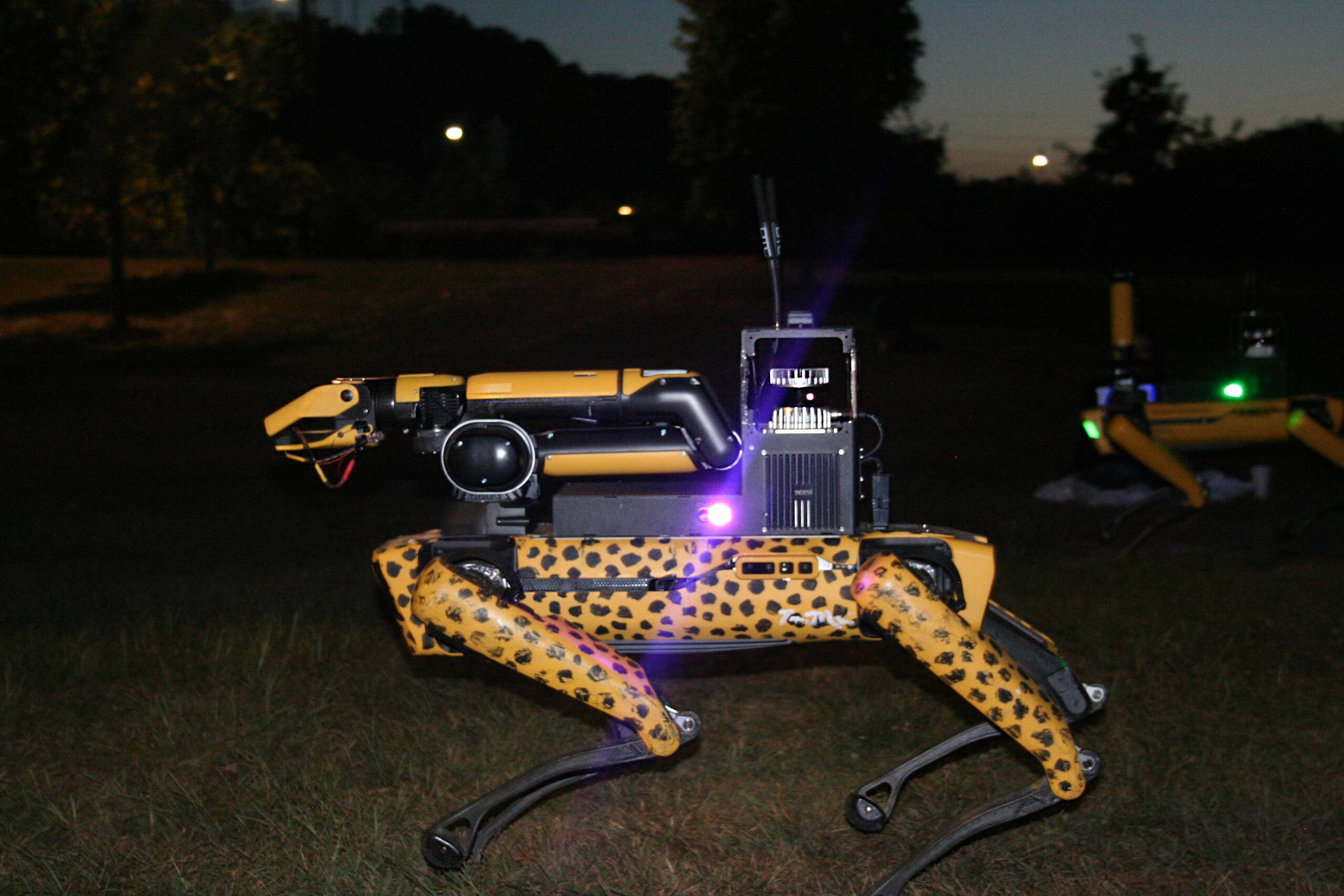
Team Chiron Advances to Final Phase of DARPA Triage Challenge
A team of researchers from Carnegie Mellon University and the University of Pittsburgh, known as Team Chiron, is set to compete in the final phase of the DARPA Triage Challenge (DTC) next November. This competition aims to advance the development of portable, autonomous systems capable of assessing and monitoring injured individuals in various environments. As part of their preparation, the team has been testing quadruped robots on grass terrain during nighttime, showcasing their innovative approach to addressing emergency medical response challenges. The DTC represents a significant step towards enhancing the efficiency and effectiveness of medical triage in critical situations.
Announcements
CMU, Pitt Researchers Move Forward in Three-Year, $7M DARPA Triage Challenge
Researchers from Carnegie Mellon University and the University of Pittsburgh, collectively known as Team Chiron, are advancing to the second round of the Defense Advanced Research Projects Agency's (DARPA) Triage Challenge. This competition, which spans three years and has a total funding of $7 million, aims to develop innovative solutions for emergency medical triage. Team Chiron's participation highlights their commitment to enhancing healthcare responses in critical situations, leveraging their combined expertise in robotics and artificial intelligence. The next phase of the challenge will test their advancements in real-world scenarios, showcasing the potential impact of their research on emergency medical services.
Uncategorized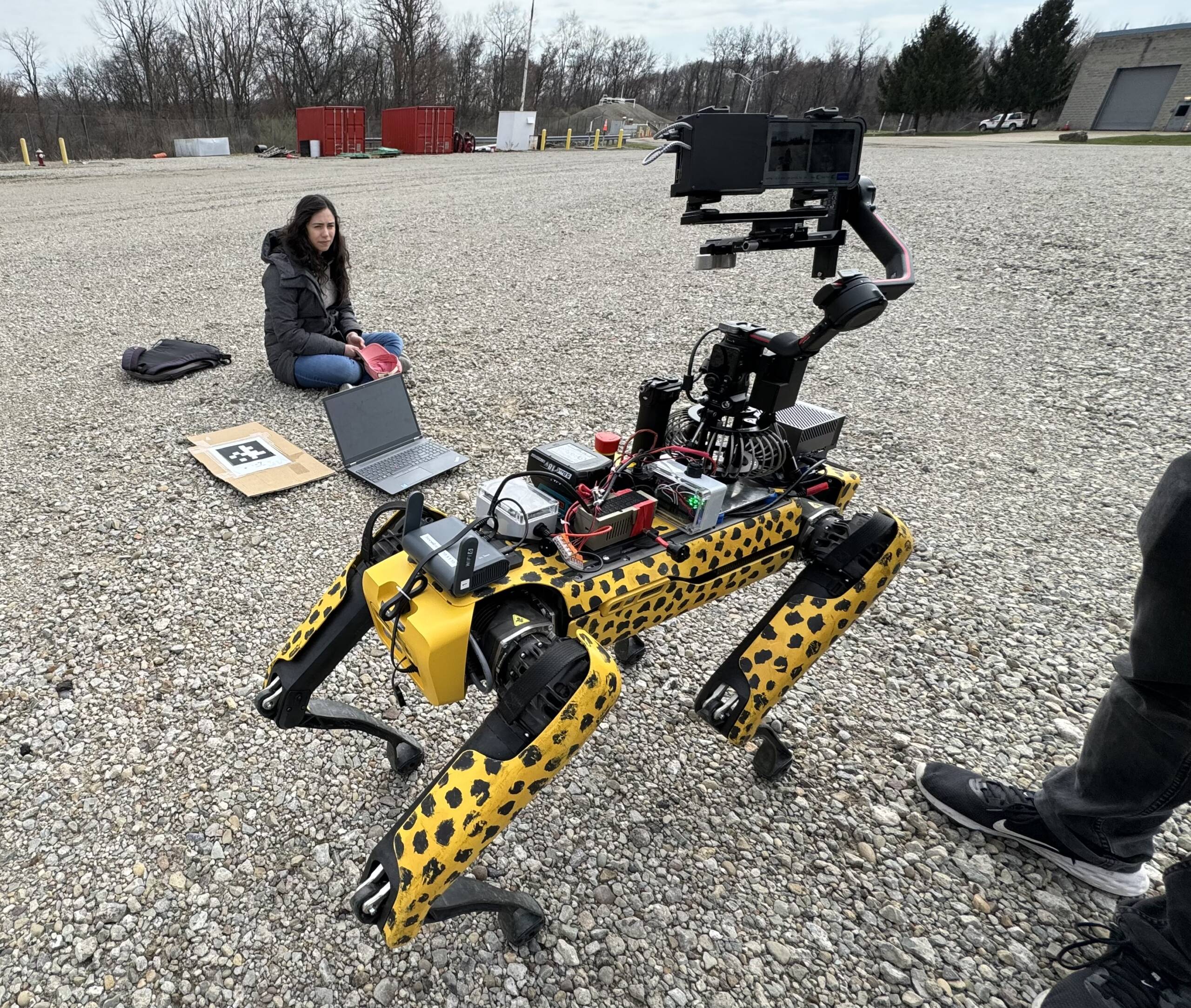
CMU, Pitt Researchers Compete in Three-Year, $7M DARPA Triage Challenge
Researchers from Carnegie Mellon University and the University of Pittsburgh are participating in a three-year, $7 million challenge organized by DARPA aimed at improving emergency medical triage during mass casualty events. The initiative focuses on leveraging advancements in robotics, artificial intelligence, drones, and advanced sensing technologies to enhance the efficiency of identifying individuals who require immediate medical attention. By streamlining the triage process, the goal is to save lives by ensuring that medical personnel can quickly and accurately direct their efforts to those most in need. This innovative approach underscores the critical importance of timely medical response in emergency situations.
Uncategorized
VIDEO: RUD ROV-HOOK Ultimate Safety in Subsea Lifting
Marine professionals are seeking innovative solutions to enhance safety and efficiency in underwater operations. Traditional hooks used for turning and positioning loads underwater pose significant risks, including entanglement, snagging, and shedding, which can lead to accidents and loss of equipment. To address these challenges, experts are exploring advanced hook designs that minimize these hazards. The initiative aims to improve operational safety and reliability for marine workers engaged in underwater tasks. As the industry evolves, the development of safer tools is becoming increasingly critical to protect both personnel and equipment in challenging underwater environments.
rud rov-hook safety subsea lifting
Exoskeleton and robotic arm reduce factory lifting strain by up to 65%
Researchers at the Technical University of Munich (TUM), led by Professor Lorenzo Masia, have developed a groundbreaking solution to enhance collaboration between factory workers and robotic arms. This innovation allows workers equipped with exoskeletons to operate alongside robots more closely and safely, addressing the challenges of human-robot interaction in manufacturing environments. The advancement aims to alleviate physical strain on workers while simultaneously improving production efficiency. As factories increasingly integrate robotic assistance, this development represents a significant step toward achieving seamless human-robot collaboration.
Business
Accelerating Digital Transformation in Automotive Parts Manufacturing with Autonomous Forklifts
Automotive parts manufacturers are facing an urgent need for intelligent and digital transformation in their manufacturing and intralogistics operations. This shift is driven by the critical importance of maintaining a reliable and high-quality supply of components, which is essential for ensuring vehicle safety and performance. As the industry evolves, manufacturers are recognizing that adopting advanced technologies and data-driven processes is key to meeting the growing demands for efficiency and quality in the production of automotive parts. This transformation is not only vital for maintaining competitiveness but also for addressing the challenges posed by an increasingly complex supply chain.
1X Launches Neo Robotic Hand Featuring 25 Degrees of Freedom and Force Transparency
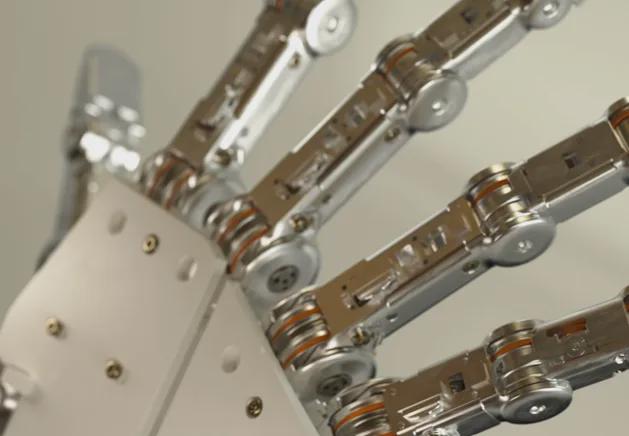
On July 9, 2026, 1X, a unicorn supported by OpenAI, unveiled the Neo robotic hand designed for humanoid robots. This advanced hand boasts 25 degrees of freedom, enabling it to perform a wide range of human-like tasks, such as delicately picking grapes without crushing them and lifting weights up to 20 pounds. The innovative design incorporates a tendon-driven system that enhances dexterity and responsiveness. The significance of the Neo robotic hand lies in its unique 'Force Transparency' technology, which allows for bidirectional communication between the hand and its environment. Unlike traditional robotic hands that operate with high gear ratios, the Neo hand utilizes a low gear ratio of approximately 5:1 to 15:1, enabling it to provide real-time feedback on applied forces. This design not only enhances the hand's functionality but also improves the training of AI models by providing rich physical interaction data. Looking ahead, while the Neo hand addresses fundamental perception challenges, real-world complexities remain a concern. The hand must operate effectively in various domestic environments, where it may encounter grease, sauces, or dust. Ensuring safety during interactions with children and maintaining functionality in challenging conditions will be critical for the widespread adoption of this technology. No further timeline was disclosed at the time of publication.
Robotic Hands Humanoid Robots AI Tactile Sensors Robotics Technology
Palladyne AI Executes $4.2 Million U.S. Air Force Contract to Advance Swarming Capabilities for Integrated Cross-Domain Operations
Palladyne AI Executes $4.2 Million U.S. Air Force Contract to Advance Swarming Capabilities for Integrated Cross-Domain Operations Visit http://www.palladyneai.com for further information Palladyne AI’s SwarmOS™ platform to support satellite integration, marking a major expansion of its multi-domain autonomy and ISR capabilities across space, air, maritime, and land 07/07/26, 06:15 AM | Mobile Robots, Other Topics | Palladyne AI Corp. Palladyne AI Corp. (NASDAQ: PDYN and PDYNW) ("Palladyne AI"), a developer of artificial intelligence software for robotic platforms in the defense and commercial sectors, today announced that it has executed the previously announced contract awarded by the Air Force Research Laboratory (AFRL) to solve one of the most persistent challenges in modern defense operations—how to make different autonomous systems work together as one coordinated team. The "Hierarchical Adaptive Networked Game-Theoretic Integration of Multiple Echelons (HANGTIME)" contract will address this need. More Headlines A3's Automate 2026 Breaks Records as Demand for Robotics, AI and Automation Grows NVIDIA and Hugging Face Bring New Models and Frameworks to LeRobot for the Open Robotics Community ABB Robotics completes its AI-powered Visual SLAM AMR portfolio with new autonomous forklift UMA Unveils Its Vision for the Next Generation of Humanoid Robots Robbyant Unveils LingBot-Depth 2.0 and LingBot-Vision to Redefine Robotic Spatial Perception Articles Unleash AI Innovation: The Power of NVIDIA RTX PRO 6000 Blackwell Workstation Edition Fueled by PNY-Supplied GPUs Automate 2026 Q&A with DESTACO Automate 2026 Q&A with Roboteon Advances in Robots to See & Interpret within Warehouse Environments Building Resilient Fulfillment Networks with Robotics and Real-Time Logistics Data Today, drones, ships, and satellites often operate largely independently, limiting how quickly warfighters can see and respond to threats. HANGTIME will utilize Palladyne AI's patented SwarmOS™ software platform—the defense variant of the Palladyne™ Pilot embodied AI software—as the baseline technology to bridge that gap, connecting disparate systems so they can share intelligence, adapt to changing conditions, and act in sync across domains, including space, air, maritime, and land. By integrating satellites for the first time, this project also extends Palladyne AI's technology from the ground to orbit, enabling faster, more informed decision-making and coordinated mission execution, turning tactical commanders into strategic commanders by giving them more cross-domain intelligence, surveillance, and reconnaissance (ISR) capabilities than ever before. "Our collaboration with AFRL showcases what's next for autonomous operations," said Ben Wolff, President and CEO, Palladyne AI. "This isn't about replacing humans—it's about giving them sharper, faster insight. By connecting satellite, aerial, and ground systems using the patented SwarmOS embodied AI platform as a foundational technology, we're helping the warfighter make better decisions in real time and stay one step ahead on the battlefield." "The HANGTIME project is a breakthrough that unites high-altitude assets and situational unmanned systems into one coordinated sensor network—delivering a major advantage for the defense industry," said Dr. Denis Garagic, Chief Technology Officer, Palladyne AI. "For the first time, a single AI framework can coordinate assets across multiple domains, including satellites. That means these systems can now think and act together as a team, sharing what they see and learning as conditions change." "The HANGTIME effort represents a critical step in multi-domain autonomy for coordinated execution in challenging environments," said Caleb Williams, Program Manager, AFRL/RIEA. For more information on Palladyne AI and its patented collaborative autonomy software, including SwarmOS, please visit www.palladyneai.com. For more information about AFRL, please visit www.afrl.af.mil. About Palladyne AI Palladyne AI is a U.S.-based technology company developing patented embodied artificial intelligence, collaborative autonomy solutions, advanced avionics, autonomous systems, advanced UAV engineering services, and precision-manufactured components for defense and industrial markets. Palladyne AI delivers secure, American-developed and operated platforms designed to meet the stringent requirements of U.S. government and public-sector customers, including data sovereignty, security, and compliance. Palladyne AI's embodied AI is designed to operate in complex, contested, and high-risk environments, enabling distributed tasking, human-on-the-loop decision-making, degraded-communications resilience, and multi-domain coordination. Its platform-agnostic autonomy stack combines real-time sensor fusion, adaptive AI models, and edge-native orchestration—without vendor lock-in—to support autonomous and collaborative systems across air, ground, maritime, and industrial domains w

OnLogic to Showcase Practical Physical AI and Full-Facility Workload Consolidation at Automate 2026
OnLogic, a leader in industrial computing, is set to showcase its innovative edge solutions at the Automate 2026 show, taking place from June 22-25 at McCormick Place in Chicago, Illinois. Positioned at Booth 867, the company aims to highlight practical applications of Physical AI and advanced workload consolidation, moving beyond the prevalent cloud AI hype. As industries increasingly seek to implement artificial intelligence, many face challenges such as cloud latency and high bandwidth costs. OnLogic's VP of Product Engineering, Sheldon Sun, emphasizes the need for reliable edge computing to enable real-time operations in demanding environments. The company will demonstrate how its robust hardware can effectively bridge the gap between sophisticated software and the realities of modern industrial settings. Attendees can expect live demonstrations, including a forklift near-miss detection system powered by edge computing and an automated quality control inspection using advanced machine vision. OnLogic will also present a range of industrial and edge computing solutions, including the Helix 520 Series and the ultra-compact CL260 fanless computer, designed for various applications within the industrial sector. For more information on OnLogic's offerings and to engage with their team during the event, visitors are encouraged to stop by Booth 867 or visit their website.

Apellix Spray Painting Drone Goes to Work in the Field for State DOTs, Federal Contractors, and Commercial Coating Firms
A new technological advancement is transforming the way infrastructure, industrial, and government projects are executed, as the Semi-Autonomous Aerial Coating System begins to replace traditional lifts and scaffolding. This innovative system is being deployed across various real-world applications, streamlining the coating process and enhancing efficiency. The shift towards this aerial solution is gaining momentum as organizations seek to improve safety and reduce labor costs associated with conventional methods. By utilizing advanced robotics and automation, the Semi-Autonomous Aerial Coating System allows for precise application of coatings while minimizing the need for extensive manual labor. As this technology continues to evolve, it is expected to play a significant role in modernizing project execution and addressing the challenges faced in construction and maintenance tasks.
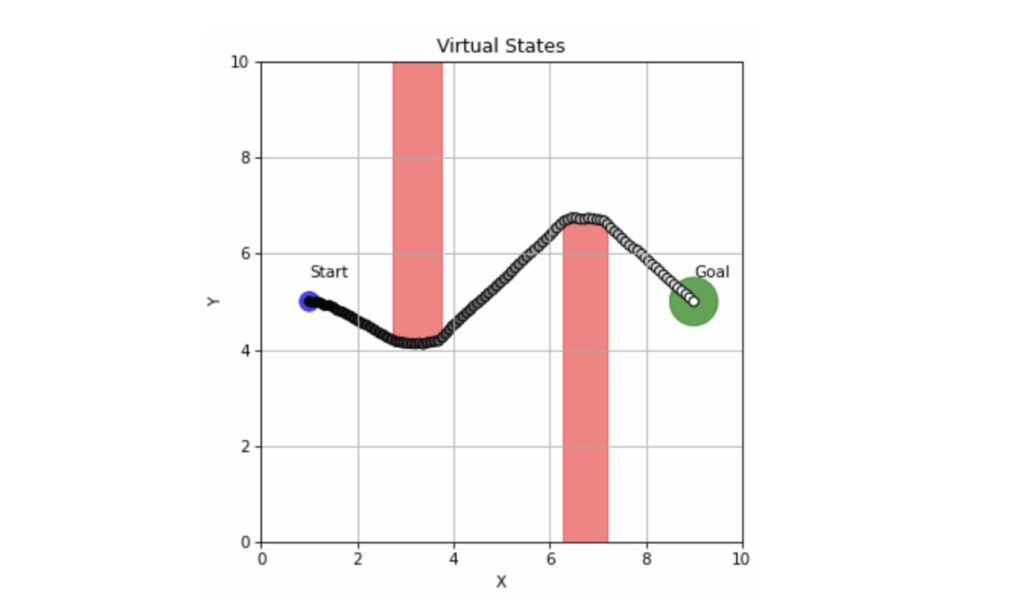
Gradient-based planning for world models at longer horizons
A team of researchers, including Mike Rabbat, Aditi Krishnapriyan, Yann LeCun, and Amir Bar, has introduced GRASP, a new gradient-based planning method designed for learned dynamics in world models. This innovative approach addresses the challenges of long-horizon planning, which has proven to be fragile and inefficient with existing models. GRASP enhances planning by lifting trajectories into virtual states, allowing for parallel optimization across time, and incorporating stochastic elements to facilitate exploration. The development of GRASP comes in response to the limitations of current world models, which, despite their ability to predict complex sequences in high-dimensional spaces, struggle with optimization and can easily fall into local minima. The researchers emphasize that while powerful predictive models exist, effective control and planning remain significant hurdles. By utilizing a collocation-based approach, GRASP optimizes both actions and states, improving computational efficiency and robustness against adversarial vulnerabilities inherent in state gradients. The method also introduces exploration through Gaussian noise in state updates, enhancing the ability to navigate complex planning landscapes. Preliminary results indicate that GRASP significantly outperforms traditional methods in success rates and time efficiency for long-horizon planning tasks. The researchers view GRASP as a foundational step towards more advanced world model planners, with future work aimed at integrating the method into reinforcement learning systems and exploring diffusion-based world models. The full details of the study can be found in their published paper.

Jeju to rent wearable robots to farmers
Jeju Island is set to launch a rental program for wearable robots aimed at assisting farmers in the region. The initiative, announced by the provincial government on Sunday, introduces a vest-type strength-assist robot specifically designed to alleviate the physical demands of agricultural work, particularly in tasks such as mandarin orange harvesting. This technology can provide up to 25 kilogram-force of support to the lower back, addressing the challenges posed by repetitive bending and heavy lifting. The introduction of these robots reflects a broader effort to enhance productivity and reduce the physical strain on farmers in one of South Korea's vital agricultural areas.
All News
Gill Pratt Says Humanoid Robots’ Moment Is Finally Here
In 2012, the U.S. Defense Advanced Research Projects Agency (DARPA) launched the DARPA Robotics Challenge (DRC), a multimillion-dollar competition aimed at advancing disaster robotics. Gill Pratt, the architect of the DRC and now CEO of the Toyota Research Institute (TRI), envisioned the challenge as a catalyst for significant progress in robotics, similar to earlier DARPA initiatives that revolutionized driverless cars. A decade later, Pratt believes humanoid robots are on the brink of a transformative breakthrough, largely due to advancements in artificial intelligence (AI). Pratt notes that while the physical capabilities of humanoid robots have improved, the real change lies in their cognitive abilities. Recent AI developments allow robots to learn tasks through demonstration rather than programming, although data availability remains a challenge. He emphasizes the need for robots to develop deeper reasoning capabilities, beyond mere pattern recognition, to navigate complex real-world scenarios effectively. At TRI, Pratt's team is focusing on "care-receiving robots" to address societal issues like aging and loneliness. He highlights the importance of using robotics to enhance quality of life, particularly for the elderly. However, he cautions against the current hype surrounding humanoid robotics, warning that many advancements are still reliant on basic pattern-matching techniques. Pratt advocates for a balanced perspective to avoid potential disillusionment in the field, drawing parallels to the earlier challenges faced in automated driving.
Humanoid-robots Darpa Artificial-intelligence Drc
StepUp NEO: Advancing Field-Oriented Passive Exoskeleton Design
Workers in various industries face significant risks to their musculoskeletal health due to repetitive bending, lifting, prolonged standing, and heavy material handling. These activities contribute to injuries, diminished productivity, and increased turnover rates among the workforce. In response to these challenges, advancements in automation and innovative designs are being explored to mitigate these issues. One notable development is the StepUp NEO, a field-oriented passive exoskeleton designed to alleviate the physical strain on workers. This initiative aims to enhance worker safety and efficiency by providing support during demanding tasks. As industries continue to evolve, the integration of such technologies is crucial for promoting a healthier and more sustainable workforce.

Evolving Logistics: Why the Future of Warehousing Is Vacuum-Driven
In the logistics sector, the integration of advanced technologies such as vacuum systems, intelligent gripping mechanisms, and ergonomic lifting solutions is becoming increasingly vital. These innovations serve not only as technical enhancements but also as strategic tools that can significantly reduce operational costs, mitigate risks, and create new opportunities for efficiency. As companies strive to optimize their supply chains, the adoption of these technologies is seen as essential for unlocking capacity and ensuring the safety of workers. Furthermore, these advancements contribute to the broader goal of decarbonizing logistics operations, aligning with global sustainability efforts. The emphasis on these technologies highlights a shift in the industry towards more sustainable and efficient practices, reflecting the growing importance of innovation in meeting both economic and environmental challenges.
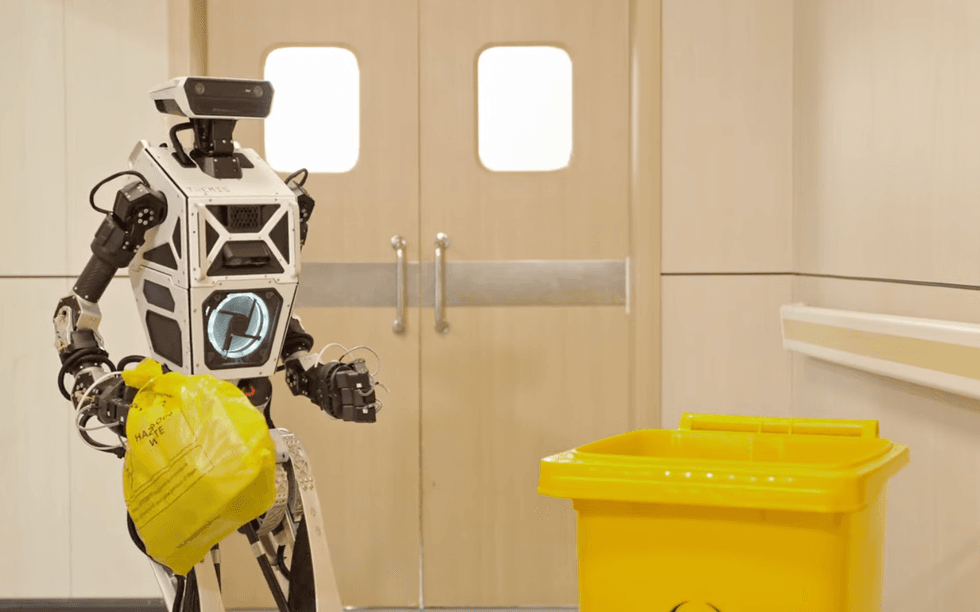
Video Friday: Multitasking Robots Smoothly Do the Things Together
IEEE Spectrum robotics has released its weekly roundup of notable robotics videos and upcoming events, including the ICRA 2026 conference scheduled for June 1-5, 2026, in Vienna. Among the highlights, Westwood Robotics unveiled THEMIS Gen2.5, the first commercial full-size humanoid robot capable of walking and manipulating objects simultaneously. This advancement builds on Helix's previous work, which demonstrated a single neural network controlling a humanoid's upper body, now expanded to encompass the entire robot's functions. In a demonstration of practical applications, Kimberly Elenberg from Carnegie Mellon University showcased how data from robotic responders can enhance life-saving efforts during mass casualty incidents. Meanwhile, Sphero continues to thrive in the competitive educational robotics market since its inception in 2011. Innovative flight testing methods were discussed by Zipline, emphasizing the importance of testing drones in extreme conditions. Additionally, researchers from the University of Tokyo introduced a concept of 3D-printing both skin and skeleton, while LimX presented small bipedal robots capable of skiing and resembling dinosaurs. The EPFL Reconfigurable Robotics Lab introduced a novel user-guided control system for modular robots, demonstrating its effectiveness through various tasks. Texas A&M University showcased its Quadrotor Biplane Tailsitter (QBiT) UAVs, which combine the agility of quadrotor drones with the efficiency of fixed-wing aircraft. Lastly, DARPA announced a new challenge aimed at developing drones capable of carrying payloads exceeding four times their weight, promising to transform drone usage across multiple sectors.
Humanoid-robots Video-friday Commercial-robots Drones Educational-robots Bipedal-robots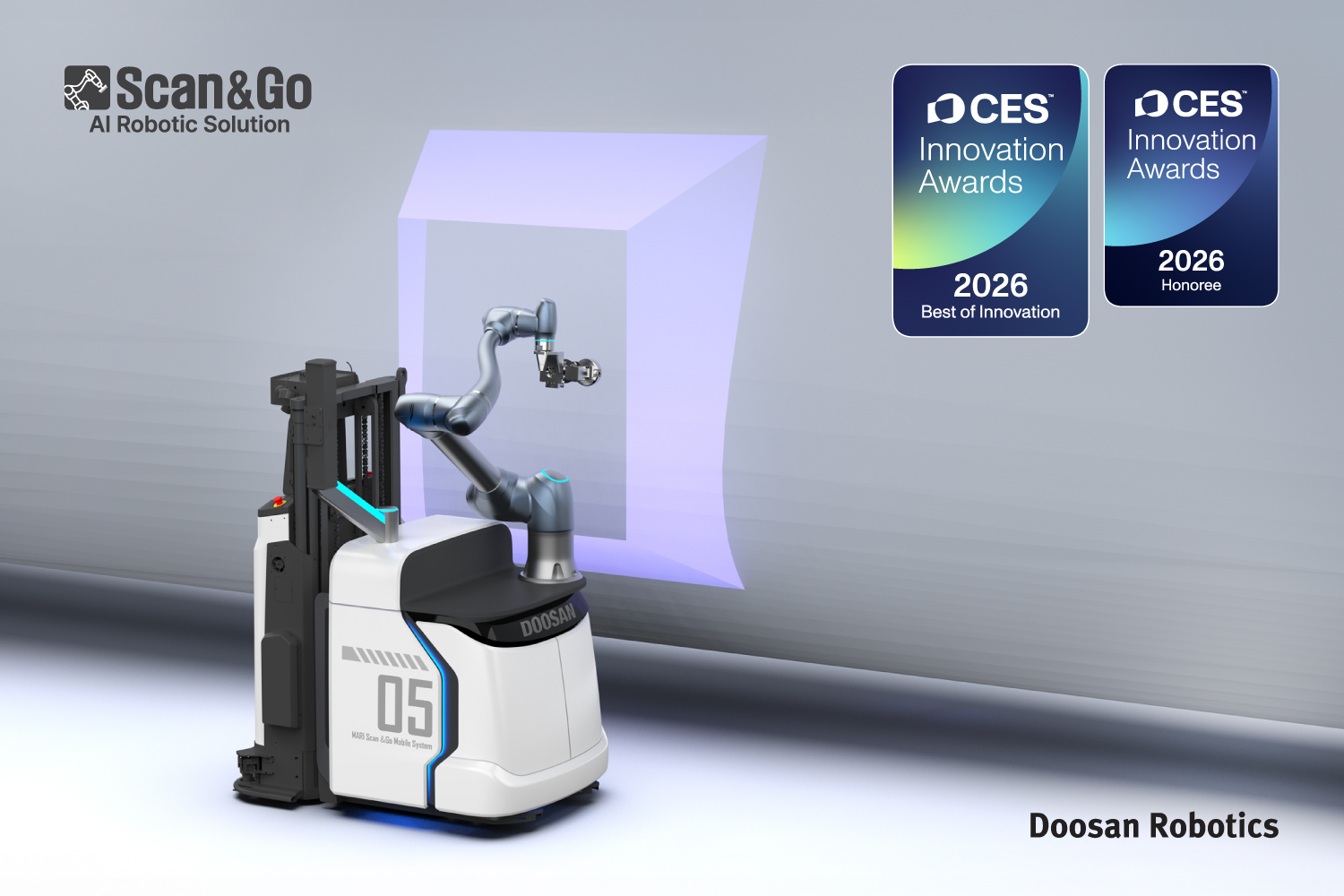
Doosan Robotics Wins Two CES Innovation Awards® 2026 Including “Best of Innovation” in AI Category
Doosan Robotics has received prestigious accolades at the CES Innovation Awards, being recognized as the Best of Innovation in the Artificial Intelligence category and as an Honoree in the Robotics category for its Scan & Go Autonomous Robotic Solution. These awards, presented by the Consumer Technology Association (CTA), highlight exceptional design and engineering in technology products ahead of CES 2026, scheduled for January 6–9 in Las Vegas. The Scan & Go solution, developed in partnership with Canada-based Maple Advanced Robotics Inc. (MARI), is an AI-driven robotic platform designed to enhance large-scale manufacturing and composite repair processes. Utilizing cognitive learning and 3D perception, the system interprets complex geometries in real time, generating optimized tool paths without the need for CAD modeling or programming. Mounted on a self-driving forklift, it autonomously navigates and operates on large, irregular structures, performing tasks such as sanding, grinding, and inspection with minimal preparation. This innovation aims to automate hazardous and labor-intensive maintenance tasks, addressing safety concerns related to noise, dust, and repetitive strain injuries. With advanced safety features, including torque-sensing collision detection, Scan & Go enhances workplace safety and productivity, earning recognition from leading wind energy manufacturers. Kevin Kim, CEO of Doosan Robotics, emphasized the company's commitment to developing immediate, on-site AI robotic solutions, marking Scan & Go as the beginning of a broader initiative to tackle real-world industrial challenges. This recognition at CES 2026 signifies Doosan's strategic transformation into an AI Robot Solution company, aimed at bolstering its global competitiveness in the robotics sector.
![Frank Kendall on the trouble with banning autonomous weapons [Book excerpt]](/assets/images/default_feed_32.jpg)
Frank Kendall on the trouble with banning autonomous weapons [Book excerpt]
In a recent book excerpt, former Air Force Secretary Frank Kendall explores the potential for effective arms control measures to be implemented for autonomous systems. This discussion comes amid growing concerns about the rapid development and deployment of such technologies in military applications. Kendall's insights aim to address the challenges and implications of regulating autonomous weapons, emphasizing the need for a robust framework to ensure safety and accountability. As nations increasingly invest in advanced military capabilities, the conversation around arms control for these systems becomes increasingly urgent. The excerpt highlights the complexities involved in establishing regulations that can keep pace with technological advancements while promoting international stability.
Opinion AI & Autonomy autonomy darpa Drones Frank Kendall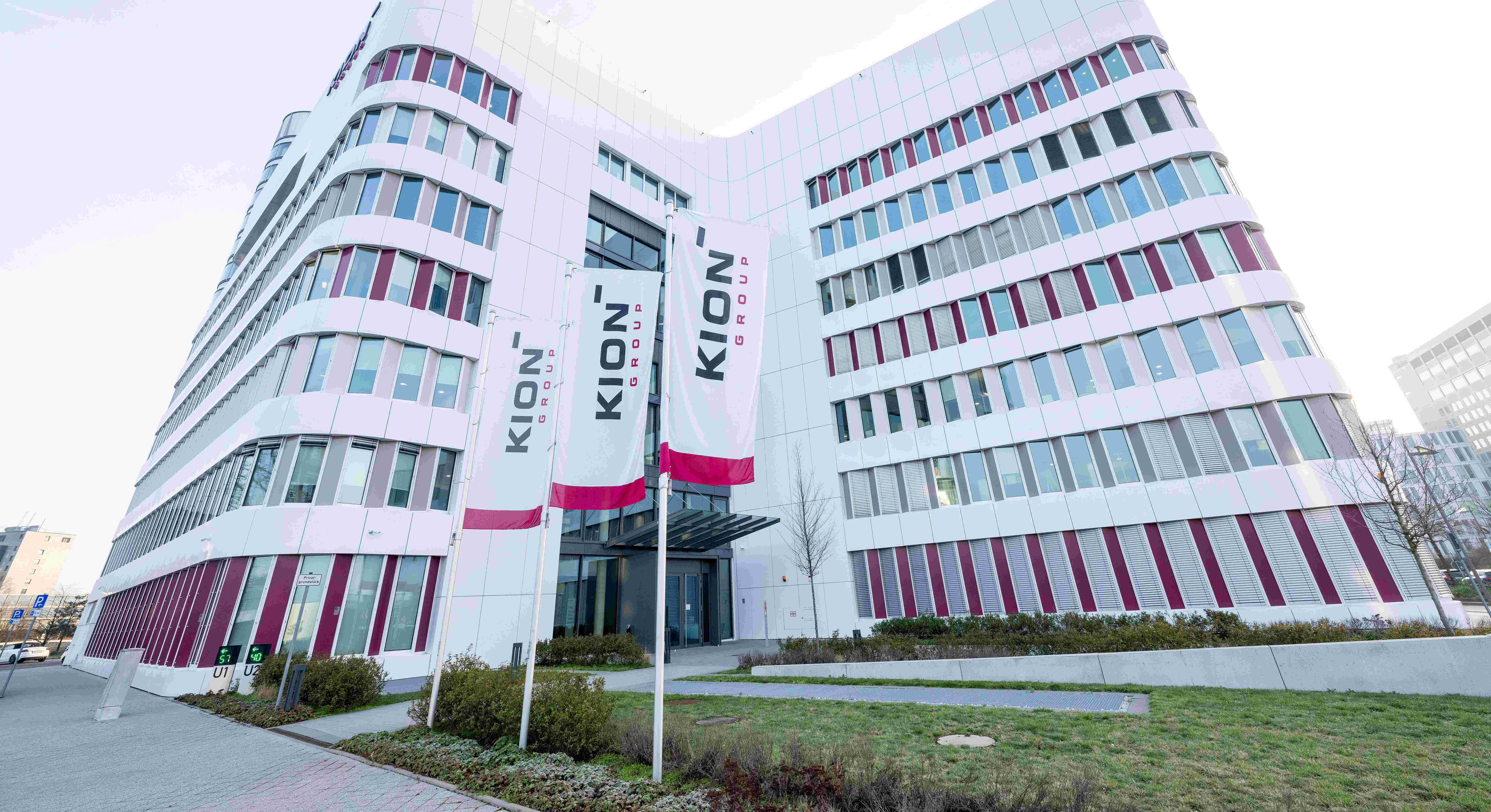
KION with strong customer demand in the first half of the financial year 2025
KION Group has announced a significant increase in customer demand during the first half of 2025, with order intake reaching €6.206 billion, a notable rise from €5.079 billion in the same period last year. Despite this positive trend, the company experienced a slight decline in revenue, which fell to €5.496 billion, alongside an adjusted EBIT of €385 million. The results reflect the ongoing economic uncertainties, yet KION remains optimistic about its future prospects as it navigates these challenges.
intralogistics supply chain solutions industrial trucks forklift trucks warehouse trucks automation technology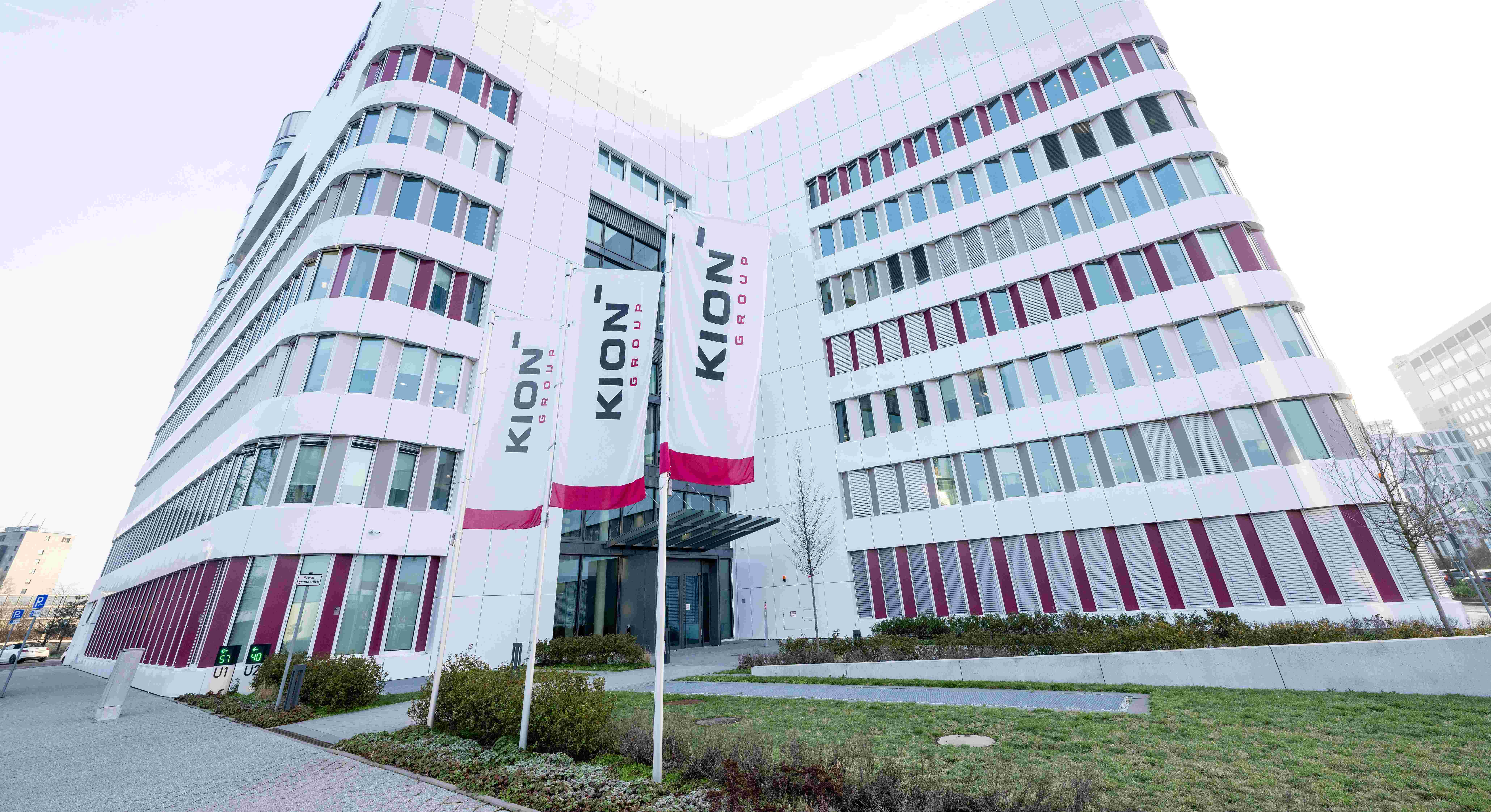
KION with strong financial year 2024 – efficiency program resolved to strengthen resilience
KION Group has announced robust preliminary financial results for 2024, showcasing revenues of €11.5 billion and a notable rise in adjusted EBIT to €917 million. In response to ongoing economic challenges, the company has launched an efficiency program designed to bolster its resilience and sustain investment capacity. This initiative aims to achieve annual cost savings between €140 million and €160 million by 2026, reflecting KION's commitment to navigating the current economic landscape while maintaining its growth trajectory.
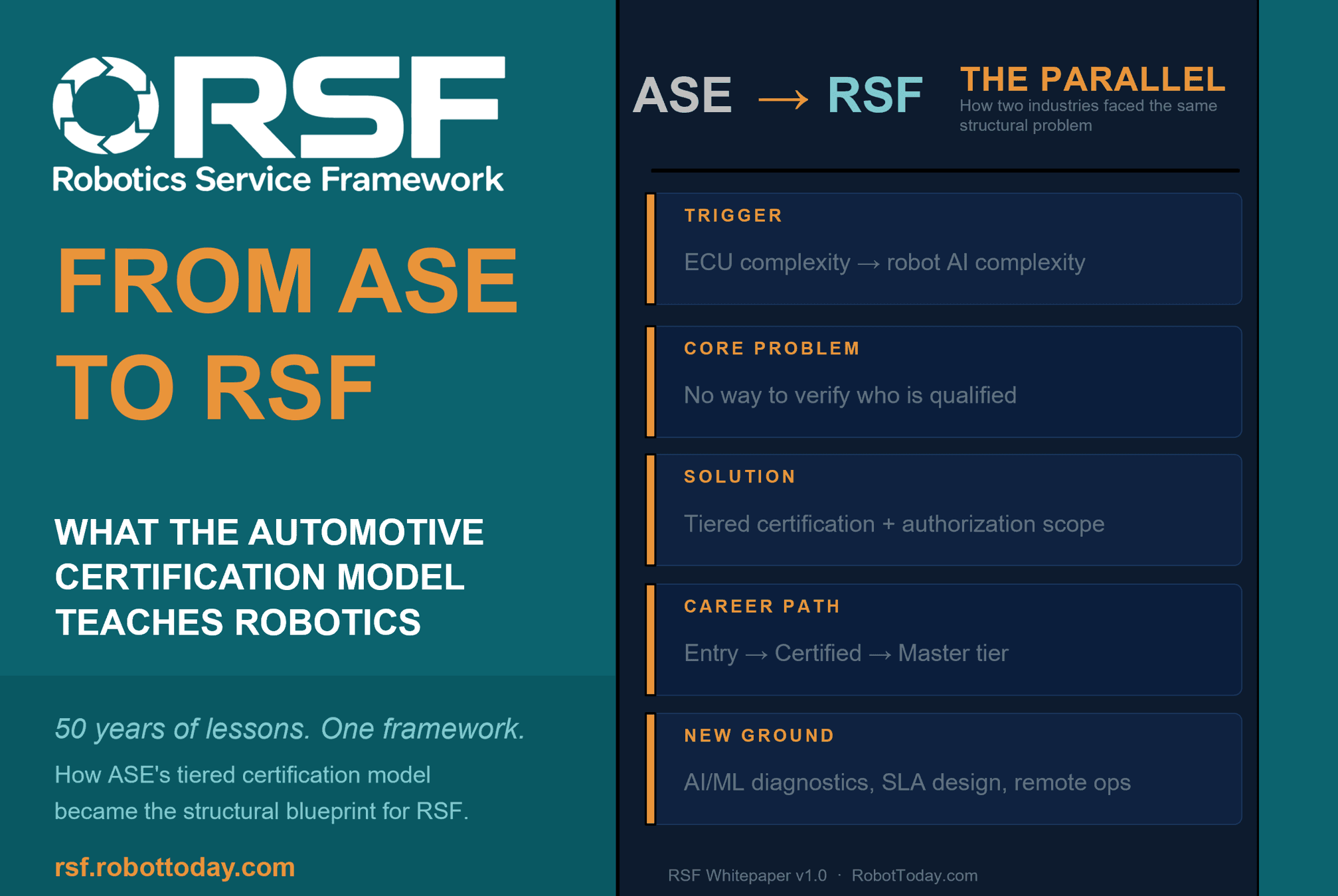
intralogistics supply chain solutions industrial trucks forklift trucks warehouse trucks automation technologyRobotics needs a service framework.
RSF defines a common language for robot service capability, lifecycle operations, certification pathways, and service-provider networks.