

Industry Briefing
A single destination for timely, editor-curated robotics news from around the world.

General Robotics Achieves Milestone with GRID for Automating Robot Development Lifecycle
General Robotics has announced a significant advancement for GRID, its robot intelligence platform. This platform is designed to automate the entire lifecycle of robot development and deployment, enhancing efficiency and effectiveness in the process. GRID operates as an agentic system, continuously improving itself and the robots connected to it, which is crucial for the future of robotics. The importance of this development lies in GRID's ability to auto-engineer its processes, including robot onboarding and skill deployment. This capability not only streamlines operations but also allows for rapid adaptation to new tasks and environments, making it a vital tool for industries relying on robotic automation. As companies increasingly seek to integrate advanced robotics into their operations, GRID positions itself as a leader in this transformative technology. Looking ahead, stakeholders in the robotics and automation sectors should monitor further developments from General Robotics regarding GRID. The potential for this platform to redefine how robots are developed and deployed could have far-reaching implications for various industries. No further timeline was disclosed at the time of publication.
AI agents Computing News agentic ai artificial intelligence fanuc
FF Ventures into Robot Lifecycle Management with RoboShare's Launch
On August 18, Faraday Future (FF) announced a strategic shift for its subsidiary AIxC Holdings, moving from digital assets to physical AI and robot sharing and leasing. The RoboShare platform has completed its first paid commercial order, deploying over 80 robots, including various models, to enhance its service offerings. This initiative is significant as it aims to transform robots from one-time hardware sales into productive assets that generate ongoing value. FF founder Jia Yueting emphasized the goal of creating a robot-sharing network akin to 'Uber+Turo,' allowing for repeated leasing and revenue generation. Looking ahead, RoboShare has initiated a 'Ten City Strategy,' starting in Los Angeles, with plans to expand its operations. The first project involves deploying six robots for an event in Malibu, showcasing the potential of shared robotic services in various sectors. No further timeline was disclosed at the time of publication.
Robot Sharing AI Robotics Leasing Services
Rolls-Royce Successfully Tests Modern Aero Gas Turbine on 100% Hydrogen Through Flight Cycle
Rolls-Royce has successfully demonstrated a modern aero gas turbine operating on 100% hydrogen throughout a simulated flight cycle, which included take-off, cruise, and landing phases. This significant achievement, supported by Tata Consultancy Services (TCS), marks a crucial step towards the potential use of hydrogen as a sustainable fuel for future aircraft. The importance of this demonstration lies in its potential to eliminate in-flight carbon dioxide emissions, addressing the aviation sector's contribution of approximately 2-3% to global CO2 emissions. The program, initiated in 2022 in collaboration with easyJet, aimed to validate the reliability of hydrogen in aircraft gas turbines across various flight conditions, showcasing the need for advanced fuel delivery and combustion systems. Looking ahead, the insights gained from this testing will inform future propulsion innovations, including the UltraFan project. No further timeline was disclosed at the time of publication, but the collaboration among Rolls-Royce, TCS, and other industry partners signifies a strong commitment to advancing hydrogen propulsion technologies.
Energy
VistaShares Launches RTOO ETF Focused on Robotics Supercycle with 0.75% Expense Ratio
VistaShares has launched the VistaShares Robotics Supercycle ETF (NYSEARCA:RTOO) on NYSE Arca, debuting at $25.09 before dropping to $23.57 within three days. This actively managed ETF features a 0.75% expense ratio, which is higher than competing robotics ETFs that range from 0.45% to 0.68%. The fund aims for long-term capital appreciation by investing in global robotics companies involved in various sectors. The significance of RTOO lies in its focus on the robotics supercycle, a term defined in the prospectus as a long-term trend driven by disruptive technological advancements. This ETF is part of a broader investment strategy that recognizes AI-related capital spending as a key theme for the coming years, as highlighted by major asset managers like Goldman Sachs. The fund's higher expense ratio reflects its active management approach, allowing for strategic deviations from traditional index tracking. Investors should monitor RTOO's performance closely, especially given its limited trading history of just three days. The fund's concentration in the machinery industry and its potential exposure to both developed and emerging markets could present unique opportunities. No further timeline was disclosed at the time of publication.

China Implements Unique Digital IDs for Humanoid Robots to Enhance Lifecycle Tracking
China is advancing its regulation of artificial intelligence by assigning unique digital identification numbers to every humanoid robot produced in the country. This initiative, known as the Humanoid Full Lifecycle Management Service Platform, aims to track robots from production to recycling, enhancing order and accountability in a rapidly growing but fragmented market. The program, launched by the Humanoid Robot and Embodied AI Standardization (HEIS) technical committee under the Ministry of Industry and Information Technology (MIIT), is designed to address the challenges posed by the increasing volume of humanoid robots. Each robot will receive a 29-character ID that serves as a digital ledger, providing real-time telemetry data and facilitating maintenance and performance tracking. As China's robotics sector continues to expand, with manufacturers accounting for 84.7% of global humanoid shipments in 2025, the need for standardized identification becomes critical. The initiative seeks to unify technical standards and improve data circulation, which are essential for developing advanced AI models necessary for embodied intelligence. No further timeline was disclosed at the time of publication.
China Standards
Ian Wright Embarks on 450km Cycle Challenge Across Tanzania for Transaid
Ian Wright, a member of the Logistics Business team, is set to cycle over 450 kilometers across Tanzania in five days as part of the Kilimanjaro to Coast Cycle Challenge for Transaid. This challenging journey will take him from the foothills of Mount Kilimanjaro to the Indian Ocean, involving more than 2,700 meters of climbing and demanding physical conditions. Transaid is dedicated to improving lives in sub-Saharan Africa through sustainable transport solutions, enhancing road safety, and facilitating access to essential services like healthcare. Ian's colleague, Peter MacLeod, emphasizes the significance of this cause, recalling his own experiences in Tanzania and the challenges faced by communities reliant on transport. As Ian prepares for this demanding challenge, he is still short of his fundraising target. Supporters are encouraged to contribute to his efforts, with gratitude extended to sponsors and donors who have already made a difference. No further timeline was disclosed at the time of publication.
Latest News Materials Handling Road Transport and Haulage Safety Transport and Distribution charity
Cyclic Materials Launches First U.S. Rare Earth Recycling Facility in Arizona
Cyclic Materials has inaugurated its first U.S. facility in Mesa, Arizona, aimed at enhancing domestic rare earth supply chains. This initiative aligns with the Trump administration's strategy to reduce reliance on foreign materials, particularly from China, as highlighted by William Kimmitt of the Commerce Department. The facility, which spans 144,000 square feet, utilizes proprietary MagCycle technology to recycle rare earth magnets, producing a material known as Mag-Xtract. The establishment of the Mesa facility is significant for U.S. manufacturing, as it promises to strengthen supply chains and provide additional materials for American manufacturers. Kimmitt emphasized the importance of reliable access to foundational materials for future technological advancements. With over 7,000 metric tons of scrap already processed, the facility is expected to begin shipments soon, contributing to the local economy by creating more than 30 jobs. Looking ahead, Cyclic Materials aims to further develop its infrastructure for rare earth and critical minerals in the U.S., with plans for a second facility in McBee, South Carolina. This expansion is projected to create 90 additional jobs and underscores the company's commitment to closing gaps in the domestic supply chain for critical materials essential for sectors like AI and defense. No further timeline was disclosed at the time of publication.

Google Enhances AI Strategy with Faster Chrome Updates and Accenture Partnership
Google is intensifying its efforts in the AI sector by accelerating the Chrome browser's update cycle from four weeks to two weeks, with the launch of Chrome 153. This change is part of a broader security strategy aimed at addressing the increasing volume of patches and AI-related threats, allowing for quicker feature rollouts, including AI enhancements. The accelerated release schedule is significant as it positions Google to better compete against emerging browser rivals and aligns with industry trends, as competitors like Mozilla and Microsoft adopt similar strategies. Additionally, Google is deepening its collaboration with Accenture through the establishment of the Accenture Gemini Enterprise Business Group, which will focus on integrating Google’s AI tools into enterprise environments. Looking ahead, Google plans to train up to 1,000 Accenture engineers to develop custom applications on its Gemini Enterprise platform. This initiative comes amid Google Cloud's substantial revenue generation, highlighting its commitment to enhancing enterprise AI capabilities. No further timeline was disclosed at the time of publication.
AI AI Funding & Investment Business Enterprise AI Accenture business
General Robotics GRID Achieves Milestone as First Auto-Engineering Robot Intelligence Platform
General Robotics has announced a significant advancement for its GRID platform, which now auto-engineers its entire development and deployment lifecycle. This milestone allows GRID to streamline processes from robot onboarding to skill deployment, significantly reducing the time and expertise needed for production. The importance of this development lies in its potential to accelerate the transition from pilot projects to full-scale production for customers. By automating the engineering processes, GRID enhances the efficiency of skill creation, AI training, testing, and evaluation, making it easier for organizations to implement robotic solutions. Looking ahead, the industry will be watching how this innovation impacts the adoption of robotics in various sectors. General Robotics' ability to simplify the integration of robots into production environments could set a new standard for robot intelligence platforms. No further timeline was disclosed at the time of publication.
Transporting Your Motorcycle to Rallies Instead of Riding It There
Motorcycle rallies are highly awaited events that unite riders nationwide for scenic routes and community engagement. However, the journey to these rallies can often detract from the overall experience due to long distances, adverse weather conditions, mechanical issues, and rider fatigue. This transportation challenge highlights the need for alternative solutions that can enhance the rally experience. By shipping motorcycles instead of riding them, participants can arrive fresh and ready to enjoy the festivities without the stress of the journey. Looking ahead, the trend of shipping motorcycles to events may gain traction as more riders seek to maximize their enjoyment at rallies. No further timeline was disclosed at the time of publication.
Culture Logistics bike transport enclosed motorcycle transport long-distance motorcycle travel motorcycle carrier
LeadShine's Nangle Zheng Discusses China's Rapid Humanoid Robot Development Cycle
Nangle Zheng, the Strategic Investment Director at LeadShine Technology, highlighted that China has significantly reduced the development cycle for humanoid robots from years to mere months. This transformation was discussed during an interview on 'Bloomberg: The China Show' with hosts David Ingles and Yvonne Man. This rapid advancement in the robotics supply chain is crucial as it positions China as a leader in humanoid robot technology, potentially influencing global markets and innovation. The ability to develop robots in such a short timeframe can enhance competitiveness and drive further investment in the sector. Looking ahead, industry stakeholders should monitor how this accelerated development impacts the global robotics landscape and whether other countries will adapt similar strategies. No further timeline was disclosed at the time of publication.

Karlsruhe Institute of Technology Develops Robotic System for Disassembling Broken Machines
Researchers at the Karlsruhe Institute of Technology (KIT) have developed a robotic disassembly system capable of predicting defects in broken robots and safely dismantling them. This innovative system utilizes a predictive algorithm and robotic manipulators to assess and disassemble malfunctioning devices, ensuring the protection of valuable components during the process. The significance of this development lies in its potential to support a circular economy by enabling the recycling and rebuilding of robotic systems. With over 4 million industrial robots currently in use worldwide, and projections indicating this number could exceed 16 million by 2030, the need for efficient disassembly and recycling methods is becoming increasingly critical as these machines inevitably break down. Looking ahead, the KIT team envisions scaling their system to incorporate multiple robotic arms, each equipped with specialized tools for various disassembly tasks. This could lead to fully automated processes for repairing electronic devices, making it more cost-effective to repair rather than replace broken parts, thereby enhancing sustainability in manufacturing.
Robotics Recycling Industrial-robot Icra Recycling-robots
Understanding the Deadly Risks of Left-Turn Crashes for Bicycle Riders
Left-turn crashes pose significant risks to bicycle riders due to the physics involved in such collisions. When a driver turns across an oncoming lane, they must quickly estimate various factors, and a misjudgment can leave little room for a cyclist. The resulting impact often leads to severe injuries, as bicycles lack protective features found in larger vehicles. These accidents frequently result in catastrophic injuries within seconds, as riders are exposed to direct force on vulnerable body parts. In Arkansas, for instance, evidence such as lane position and driver behavior is crucial for understanding the circumstances surrounding these crashes. The tendency of drivers to prioritize larger vehicles can lead to dangerous miscalculations during left turns, increasing the likelihood of collisions with cyclists. As the speed of a bicycle can exceed 50 feet per second, the window for avoiding a crash is minimal. Factors like road conditions can further complicate braking distances, making it essential for riders to be aware of their surroundings. No further timeline was disclosed at the time of publication.
Business Engineering accident prevention defensive riding driver awareness intersection safety
Tesla's Optimus Robots to Support Starmind Satellite Production, Not Maintenance
Tesla's Optimus robots will not be used to repair Starmind satellites in orbit, as confirmed by recent statements from Elon Musk. Instead, these robots are intended to assist in the construction and operation of the Terafab chip manufacturing facility in Texas. The AI1 satellites, designed to disintegrate upon reentry, highlight the company's swap-and-replace strategy rather than traditional maintenance practices. This approach is significant as it reflects a broader trend in satellite management, where mass-produced satellites are replaced rather than repaired. The economics of servicing missions are prohibitive, with the cost of launching a replacement satellite being significantly lower than conducting a repair mission. This model aligns with SpaceX's operational history, where rapid replacement of satellites is more efficient than attempting to maintain them in orbit. Looking ahead, the focus will remain on the production capabilities of the Gigasat factory, which is expected to support the continuous replacement of satellites. No further timeline was disclosed at the time of publication, but the demand for rapid satellite turnover suggests a robust future for Optimus robots in terrestrial manufacturing rather than in-space servicing.

Smart mobility company becomes top electric motorcycle brand in Indonesia after raising millions from CATL fund.
OMOWAY, a smart two-wheeler mobility company, has successfully completed both Series A and A+ funding rounds, each raising tens of millions of dollars. The A+ round was led by Lochpine Capital, a fund backed by CATL, while Monolith led the A round with participation from CICC Capital and existing investor ZhenFund. Founded less than two years ago, OMOWAY has attracted a strong roster of investors, including Sequoia, ZhenFund, and various funds from the new energy sector. With significant financial backing and industry resources, OMOWAY is accelerating the commercialization of its products globally. In June, the company launched its flagship product, the OMO-X, with its first delivery in Indonesia, where it quickly became the top-selling electric motorcycle in the country during its first month. OMOWAY aims to disrupt the traditional motorcycle market, which has long been dominated by Japanese fuel brands, by addressing common industry challenges such as the high premium on advanced smart products and the lack of technological appeal in affordable options. The OMO-X features advanced technology, including a digital key, automatic side stand, remote control capabilities, and a large 10.25-inch interactive display, significantly enhancing user experience. The OMO-X Smart model focuses on intelligent mobility, while the OMO-X Balance is the world's first mass-produced self-balancing motorcycle, utilizing gyroscopic technology to improve stability. OMOWAY is also developing a reinforcement learning model for real-world driving conditions and has implemented a 360° panoramic vision system for enhanced safety. With a proprietary technology framework that integrates AI and robotics, OMOWAY is expanding its dealer network in Indonesia and plans to enter markets in Thailand, Singapore, and Europe, aiming to evolve transportation into intelligent partnerships for various applications.
Micron: Humanoid Robots' Storage Capacity Surpasses L2+ Cars by Tenfold, Potentially Triggering a Super Cycle
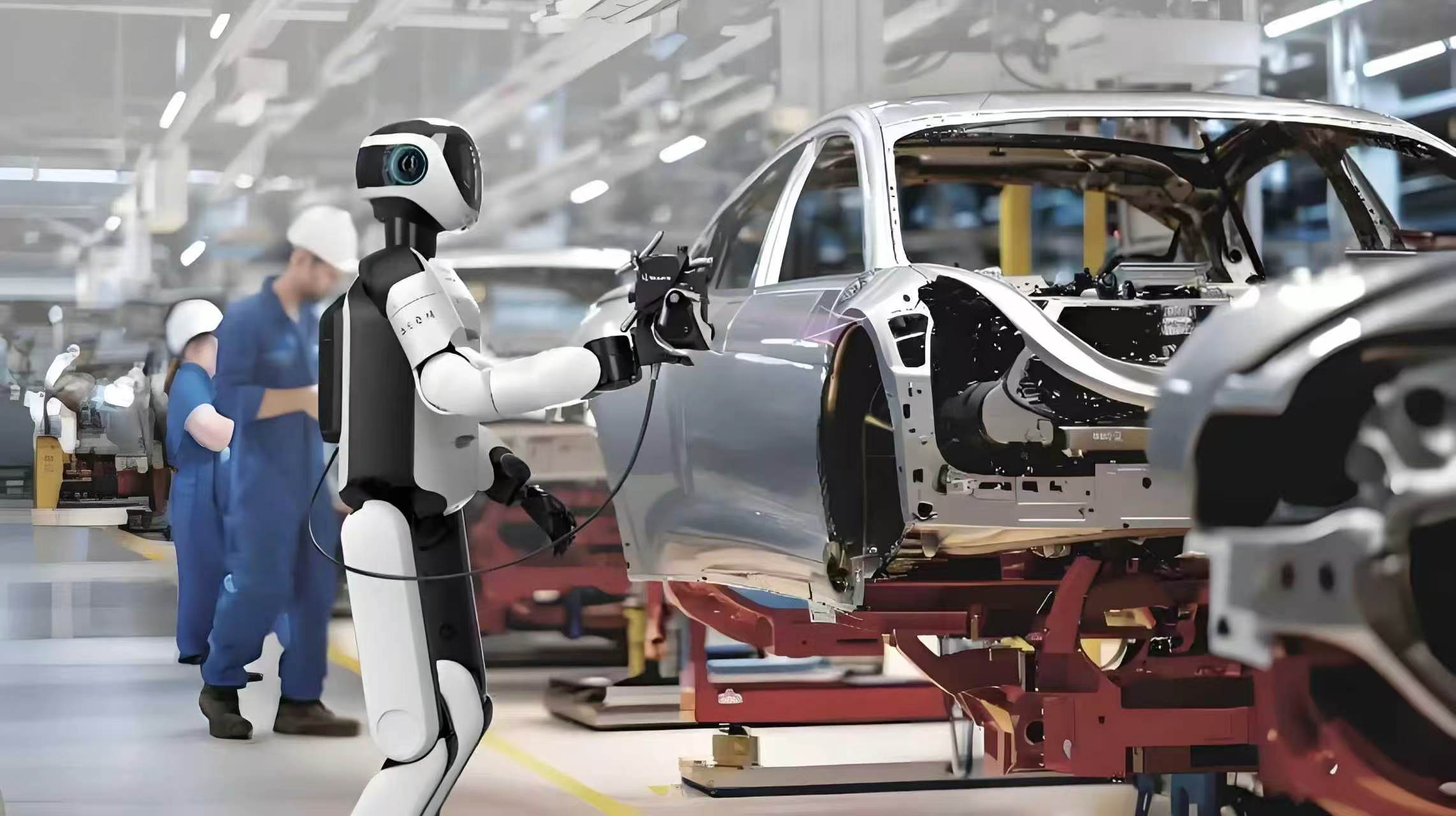
Micron Technology has announced record revenues, underscoring the growing storage requirements of humanoid robots, which are anticipated to require ten times more storage than Level 2+ autonomous vehicles. This dramatic increase in demand is expected to initiate a long-term super cycle in memory demand, fundamentally altering the view of storage chips as essential components within artificial intelligence infrastructure. The company's insights reflect a broader trend in the tech industry, where advancements in robotics and AI are driving the need for enhanced data storage solutions.
Memory Chips AI Infrastructure Humanoid Robots Autonomous Vehicles Data Storage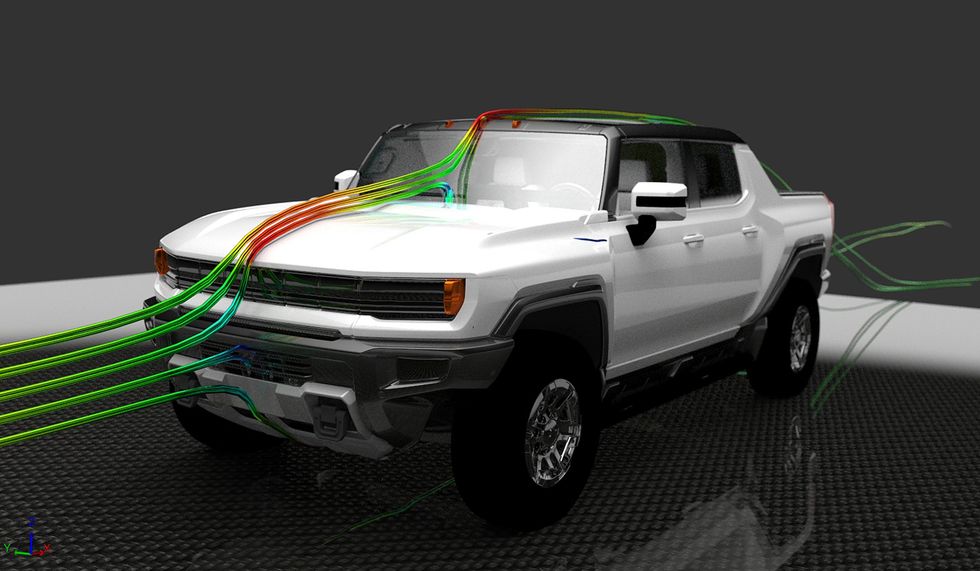
General Motors Is Cutting Its Development Cycles in Half
General Motors is accelerating its vehicle development process to compete with fast-paced Chinese automakers like BYD, which can bring electric vehicles (EVs) to market in under two years. This initiative, led by Sterling Anderson, GM’s chief product officer and former Tesla executive, aims to leverage artificial intelligence (AI) and simulation technology to significantly reduce design and production timelines. In a recent video call, Anderson and Jason Fischer, GM’s executive director of virtual integration engineering, outlined how AI is reshaping automotive design. Traditionally, the development process involved lengthy empirical testing and siloed engineering efforts. However, GM's new approach integrates multiple functions into a single virtual tool, allowing engineers to simulate design changes in minutes rather than hours. This method has already halved the development time for the electric GMC Hummer, which went from concept to showroom in just two years. GM is applying these advanced techniques across various projects, including self-driving cars and NASA's lunar rover, enhancing their ability to simulate real-world conditions and improve vehicle performance before physical prototypes are built. By running thousands of simulations, GM can identify and address potential issues early in the design process, ultimately leading to more refined vehicles. This innovative strategy positions GM to keep pace with the rapidly evolving automotive landscape and meet consumer demands for faster, more efficient vehicle production.
Gm Simulations Engineering-design General-motors Physics-simulations Automotive-engineering
The Hidden Lifecycle Challenge Behind Industrial Automation Growth
The rapid advancement of automation is reshaping infrastructure demands across factories and shipping centers. As industries strive to enhance production efficiency, reduce errors, and minimize waste, the integration of smarter technologies has become essential. This shift is characterized by the increasing reliance on robots, artificial intelligence, and self-operating machines, which require sophisticated systems to function effectively. The ongoing evolution in manufacturing and logistics is not only transforming operational processes but also necessitating significant upgrades in infrastructure to support these advanced technologies. As companies adapt to these changes, the focus remains on optimizing the movement of goods and ensuring seamless operations in an increasingly automated environment.
Automation Industry automation infrastructure automation news circular economy data security
Micron: Robotics Supercycle Meets Fed Rate Hike Risks
Dmytro Lebid, an investment consultant and active trader, has downgraded Micron Technology's stock due to emerging risks, despite recognizing its long-term growth potential. In a recent analysis, he highlights that while the cyclical risks associated with the memory market are diminishing, a significant supply-demand imbalance is expected to persist until the end of 2027, driven by ongoing shortages. This situation is compounded by anticipated Federal Reserve rate hikes, which could negatively impact Micron's valuation in the short term. Lebid's insights are informed by his extensive experience in finance and economics, as well as his dual roles in investment consulting and trading. He aims to identify undervalued investment opportunities in the U.S. market to help build a balanced portfolio. His analysis serves as a cautionary note for investors, emphasizing the need for careful consideration of market dynamics and economic factors affecting Micron's stock performance.
SSNLF HXSCL KXIAY SNDK KXHCF MU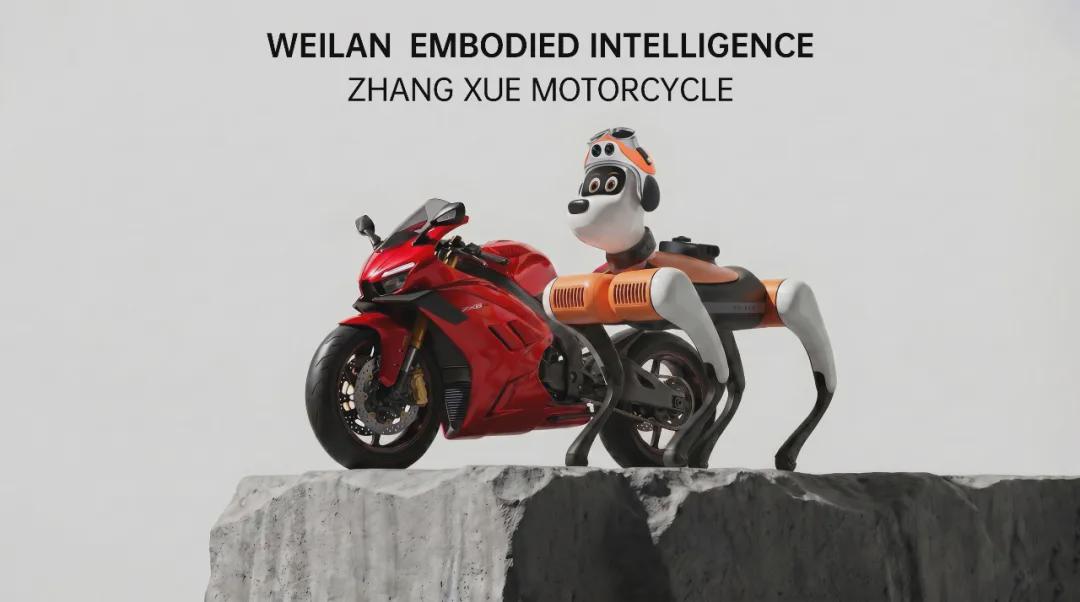
Zhang Xue Motorcycle's Breakthrough in Embodied Intelligence
Zhang Xue Motorcycle, a rising Chinese brand, has made headlines by clinching five championships within a remarkable span of 50 days, effectively breaking a 37-year stronghold held by European and Japanese motorcycle manufacturers. This achievement underscores a significant shift in the industry, emphasizing the growing importance of consumer markets and the integration of real user feedback into product development. The success of Zhang Xue Motorcycle mirrors broader trends in technology, particularly in the embodied intelligence sector, where companies like Weilan Technology are at the forefront of innovation in household robotics. This shift not only marks a pivotal moment for the motorcycle industry but also signals a changing landscape in consumer-driven technological advancements.
Motorcycle Industry Consumer Robotics Embodied Intelligence AI Technology
Transaid Kilimanjaro to Coast Cycle Challenge
The 2026 Kilimanjaro to Coast Cycle Challenge, organized by the international development charity Transaid, invites participants to embark on a challenging journey from the foothills of Mount Kilimanjaro to the Tanzanian coast. This ambitious cycling event will cover hundreds of kilometers across varied and demanding terrain. Scheduled for 2026, the challenge aims to raise essential funds to support Transaid's critical initiatives focused on improving access to vital services in developing regions. By participating in this event, cyclists will contribute to life-saving projects while experiencing the stunning landscapes of Tanzania.
Air Cargo Cold Chain Logistics Couriers and Express CV, Trucks, Vans and Trailers Ports & Maritime Road Transport and Haulage
China to assign digital ID numbers to humanoid robots for lifecycle tracking
China is set to implement a national digital identification system for humanoid robots, aiming to enhance safety monitoring and standardize management within the burgeoning sector. As reported by state broadcaster CCTV, this initiative will involve assigning unique digital identity numbers to humanoid robots, tracking them throughout their entire lifecycle—from manufacturing and deployment to recycling and disposal. The move is part of broader efforts by authorities to address safety risks associated with the increasing use of humanoid robots in various applications. By establishing a comprehensive identification system, China seeks to ensure better oversight and regulation in a field that is rapidly evolving.
Humanoids News agibot AI regulation automation news Autonomous robots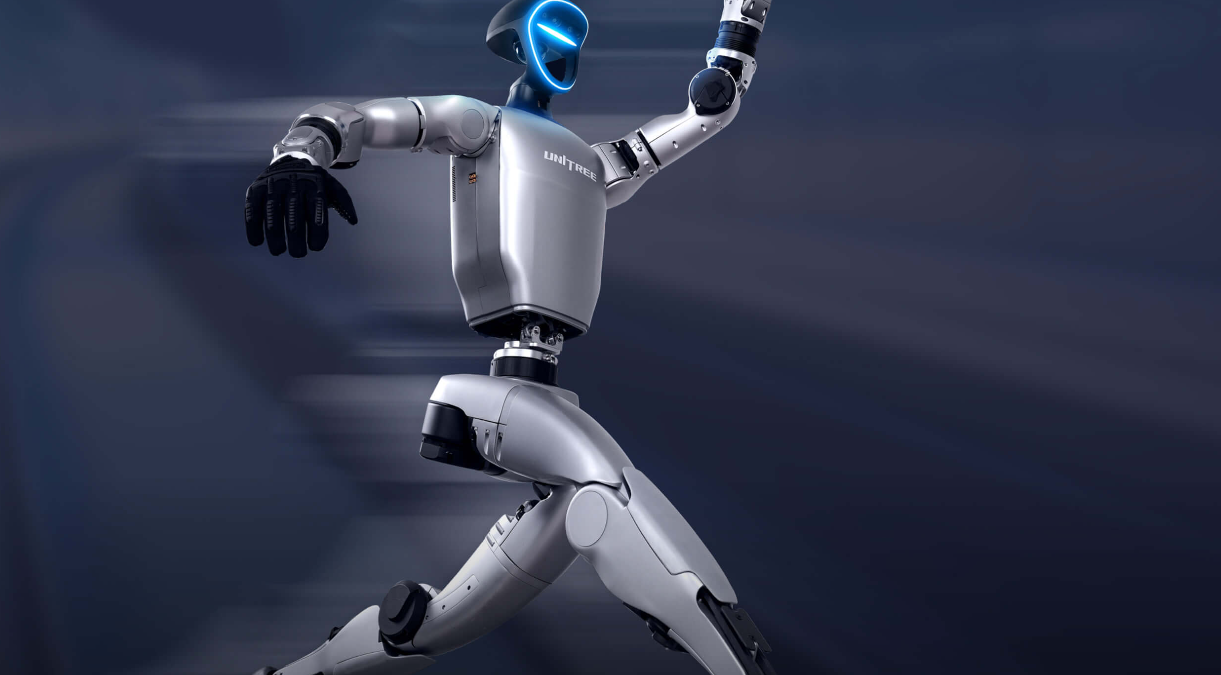
China launches first humanoid robot lifecycle management platform in Beijing
In a significant advancement for robotics, China has unveiled its first full lifecycle management service platform for humanoid robots in Beijing. This innovative platform, spearheaded by the Ministry of Industry and Information Technology’s Standardization Technical Committee for Humanoid Robots and Embodied Intelligence, assigns a unique digital identity to each robot. This allows for comprehensive tracking throughout the robot's lifecycle, from production to recycling. The initiative aims to enhance efficiency and sustainability in the robotics industry, reflecting China's commitment to advancing technology and improving resource management. By implementing this platform, the country seeks to streamline processes and ensure responsible handling of humanoid robots at every stage of their existence.
News Feed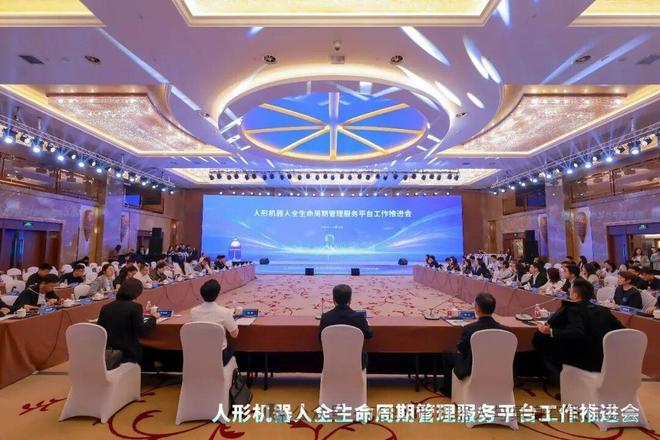
Progress Meeting for Humanoid Robot Lifecycle Management Service Platform Held in Beijing
On May 22, 2026, a progress meeting was convened in Beijing to discuss the Humanoid Robot Lifecycle Management Service Platform. Officials from the Ministry of Industry and Information Technology underscored the critical role of lifecycle management in the humanoid robotics industry, with the goal of improving safety and standardization. The initiative seeks to establish a comprehensive governance framework that encompasses all phases of a robot's existence, from development through to recycling, thereby ensuring effective management and adherence to regulatory standards.
Humanoid Robots Lifecycle Management Standardization AI Robotics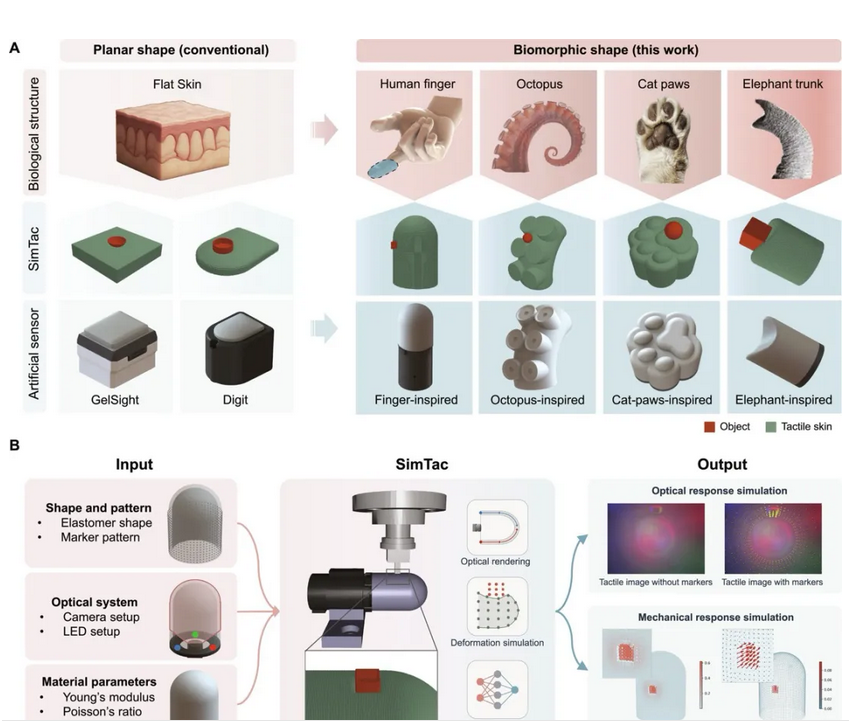
SimTac: A Tactile Sensor Simulator That Shortens Biomimetic Robot Design Cycles
A collaborative team from King's College London and various institutions has unveiled SimTac, an innovative simulation platform designed to revolutionize the development of robotic tactile systems. This groundbreaking tool allows researchers and engineers to create tactile sensors in any biomimetic shape, facilitating virtual testing of tactile responses. By streamlining the design and training processes, SimTac significantly reduces the time required to develop these advanced robotic systems. The platform aims to enhance the efficiency and effectiveness of tactile sensor design, ultimately advancing the field of robotics.
Tactile Sensors Robotics Simulation Technology Biomimicry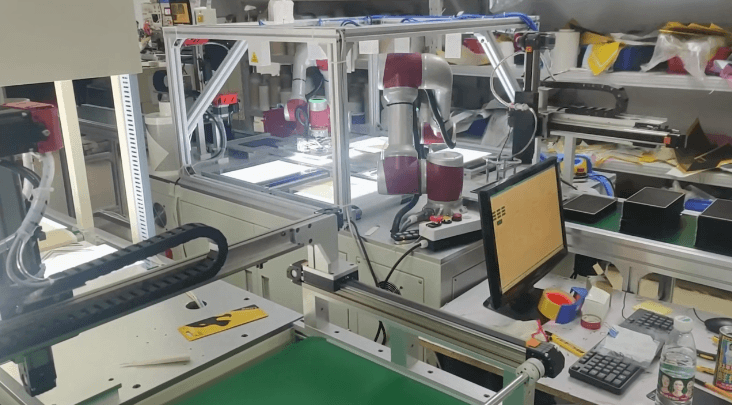
5 Tips to Optimize Pick and Place Robotic Arm Cycle Times with Vision Systems
In the realm of high-speed manufacturing, optimizing robotic efficiency is crucial, particularly with the integration of vision systems in 6-axis robotic arms. JAKA, a leader in automation technology, has developed the JAKA Zu series to enhance the performance of pick-and-place operations, particularly in fast-paced sectors like electronics and food packaging. To improve throughput, manufacturers are advised to optimize lighting and contrast, ensuring that parts are easily identifiable to reduce image processing lag. Implementing "on-the-fly" image processing allows the robotic arm to capture images while in motion, potentially cutting cycle times by 20% to 30%. Additionally, utilizing multi-tasking and path smoothing techniques enables the robot to maintain momentum and efficiency during operations. By narrowing the search windows for the vision system to specific areas on conveyor belts, manufacturers can significantly speed up part identification. Furthermore, calibrating for latency between the camera and the robotic arm is essential for precise part handling, allowing the robot to predict part locations accurately. The JAKA Zu7 model, with a payload capacity of 7kg and a reach of 819mm, exemplifies this advanced integration of vision and motion. Its high-speed joint actuators and exceptional repeatability of ±0.02mm ensure that operations are both fast and accurate. JAKA's commitment to "Embodied Intelligence" is reflected in its user-friendly software ecosystem, which facilitates easy calibration and setup for complex routines, ultimately driving productivity in modern manufacturing environments.
Understanding the Load Capacity and Duty Cycle of a Handling Robot
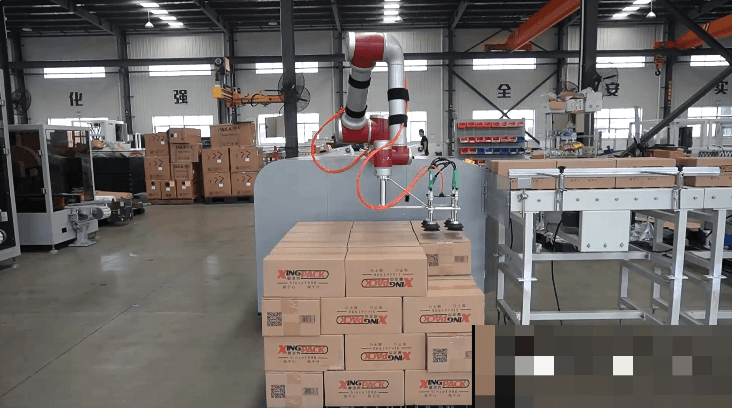
In the realm of industrial automation, JAKA has introduced its Zu series of robotic arms, which balance load capacity and duty cycle to enhance production line efficiency. The JAKA Zu12, for instance, boasts a 12 kg load capacity and a 1327 mm working radius while weighing only 41 kg, making it a versatile choice for heavy-duty applications such as packaging and palletizing. Understanding the importance of load capacity, JAKA emphasizes that the total weight a robot can handle includes not only the workpiece but also the End-of-Arm Tooling (EOAT). The company warns that exceeding a robot's load limit, especially with a significant load offset, can lead to decreased precision and reduced motor lifespan. Additionally, the duty cycle, which measures the robot's operational time versus idle periods, is crucial for maintaining performance. Operating beyond the recommended duty cycle can cause overheating and potential shutdowns, making it vital for manufacturers to select robots with efficient motors and effective heat dissipation. JAKA's robots are designed with integrated joints that provide real-time torque feedback, ensuring they operate safely within their limits. The JAKA App allows users to monitor performance data wirelessly, ensuring long-term reliability and precision. This innovation aims to meet the demands of modern smart factories, optimizing both productivity and return on investment.

China’s new 800-cycle lithium-sulfur battery could nearly double drone flight time
Chinese researchers have unveiled a groundbreaking lithium-sulfur battery design that has the potential to dramatically enhance drone flight durations. This innovative development, announced in October 2023, aims to address the limitations of current battery technologies, which often restrict the operational time of drones. By utilizing lithium-sulfur chemistry, the researchers believe they can achieve higher energy densities compared to traditional lithium-ion batteries, making it possible for drones to fly longer distances without the need for frequent recharging. The research was conducted at a leading university in China, where scientists focused on optimizing the battery's performance and stability. This advancement not only promises to improve commercial drone applications but could also have significant implications for various industries, including logistics, agriculture, and surveillance, where extended flight times are crucial. The researchers are now looking to further refine the technology and explore its practical applications in real-world scenarios.

New 3D-printed battery electrodes double storage capacity across 7,500 charge cycles
Researchers at Lawrence Livermore National Laboratory (LLNL) have unveiled an innovative 3D-printed electrode design aimed at enhancing electrochemical processes. This breakthrough, announced recently, promises to improve the efficiency and performance of energy storage systems, such as batteries and fuel cells. The development comes in response to the growing demand for advanced energy solutions that can support sustainable technologies and reduce reliance on fossil fuels. By leveraging 3D printing techniques, the team has created a more intricate and optimized electrode structure that allows for better ion flow and increased surface area, ultimately leading to higher energy density and faster charging times. This advancement could play a crucial role in the transition to cleaner energy sources, addressing both environmental concerns and the need for more efficient energy storage solutions in various applications.

World’s Largest Animal Migration and Ocean Gyres Play Critical Roles in Global Carbon Cycle
Scientists have successfully concluded two significant research expeditions in the Southwest Atlantic Ocean aimed at enhancing the understanding of the biological pump, a crucial process for carbon transfer from the ocean's surface to its depths, which plays a key role in climate regulation. These cruises, conducted between January and April, were supported by the Schmidt Ocean Institute and the Schmidt Sciences’ Ocean Biogeochemistry Virtual Institute (OBVI), utilizing the research vessel Falkor (too). The expeditions sought to address critical knowledge gaps regarding how this natural mechanism functions, thereby contributing to broader efforts in climate science and oceanography.
animal migration ocean gyres global carbon cycle schmidt ocean institute schmidt sciences ocean biogeochemistry virtual institute (obvi)
Optimizing Cycle Time with High-Speed Pick and Place Robots for Packaging
JAKA, a supplier of collaborative robots for packaging manufacturers, is enhancing cycle time optimization in packaging operations through advanced automation systems. By focusing on the reliable management of motion, speed, and coordination, JAKA aims to balance throughput with stability in repetitive handling tasks. The company’s high-speed pick and place robots are designed to address constraints such as acceleration limits and positioning accuracy, ultimately improving efficiency in carton loading, tray packing, and sorting. The deployment of JAKA's Zu5 robot, which supports a 5 kg payload and has a reach of 954 mm, is particularly beneficial for compact packaging cells where space is limited. Its integrated joint design allows for quick assembly and disassembly, reducing downtime during line reconfigurations. This collaborative robot system operates safely alongside human workers without the need for isolation fences, facilitating rapid deployment and adaptability to changing production conditions. By integrating these high-speed robots into existing workflows, JAKA is helping packaging lines achieve shorter idle times and stable throughput, ultimately optimizing cycle times. The company emphasizes that successful cycle time reduction is not solely about increasing speed but also about how well automation adapts to real-world operational challenges. Through their innovative solutions, JAKA is enabling packaging manufacturers to enhance operational efficiency while fostering effective collaboration between humans and robots.
From Design to Deployment: The Complete Lifecycle of a Cobot Manufacturer's Product
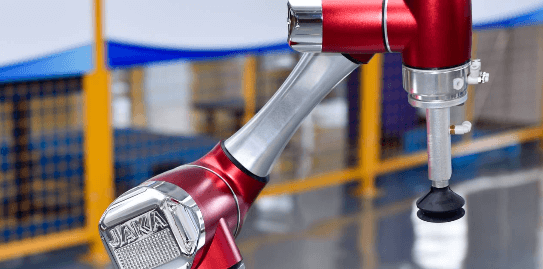
JAKA Robotics is redefining the lifecycle of collaborative robots, emphasizing a user-centric design and rigorous engineering processes. The journey begins with a foundational design phase, where the company focuses on creating cobots that balance strength, precision, and safety. This involves intensive simulations and prototyping to ensure reliability from the outset. Following the design phase, JAKA transitions to high-quality manufacturing, where prototypes are transformed into standardized products. The company employs automated production controls and stringent testing protocols to validate performance, accuracy, and safety. Each robotic arm undergoes thorough checks to guarantee that it meets high performance and safety standards before reaching customers. Once the cobots arrive at client sites, JAKA emphasizes the importance of integration and ongoing support. The company provides clear documentation, programming tools, and training resources to facilitate a smooth setup. Their design choices, such as a user-friendly programming interface, enhance the deployment process, ensuring that the cobots operate effectively within the customer's workflow. Through this comprehensive approach, JAKA Robotics aims to deliver not just automation hardware, but a reliable solution that continues to adapt and provide value throughout its service life. The company’s commitment to engineering integrity and practical usability positions it as a leader in the collaborative robotics industry.

Semiconductor Sourcing for Robotics: Managing Lead Times and Component Lifecycle Risks
As global adoption of robotics continues to surge, procurement and engineering teams are reassessing their strategies for managing lead times, component lifecycles, and sourcing risks. This shift is driven by the increasing volatility in semiconductor markets, which has heightened the challenges faced by these teams. The need for a more agile and responsive approach is becoming critical as companies strive to maintain efficiency and competitiveness in a rapidly evolving technological landscape. By adapting their processes, organizations aim to mitigate risks associated with supply chain disruptions and ensure a steady flow of essential components for their robotic systems.
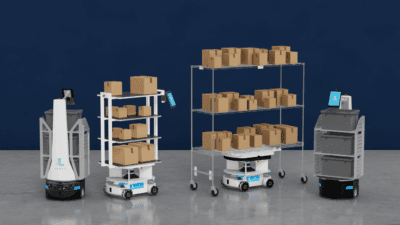
Locus Robotics Recognized in Multiple 2025 Gartner® Hype Cycle™ Reports Across Key Categories
Locus Robotics has been recognized for its innovative contributions to the logistics and supply chain industry, as the company announced its inclusion in five 2025 Gartner® Hype Cycle™ reports. This recognition highlights Locus Robotics' advancements in automation and robotics technology, which are reshaping how businesses manage their warehousing and fulfillment processes. The announcement comes as the company continues to expand its influence in the market, aiming to enhance operational efficiency and reduce costs for its clients. By being featured in these influential reports, Locus Robotics underscores its commitment to driving technological progress and meeting the evolving needs of the industry. The Gartner Hype Cycle reports serve as a critical resource for organizations seeking to understand emerging technologies and their potential impact on business strategies.
Robotics needs a service framework.
RSF defines a common language for robot service capability, lifecycle operations, certification pathways, and service-provider networks.
Join the RobotToday community on LinkedIn
Daily robotics news, in-depth analysis, conference highlights, and discussions with professionals worldwide.







