Industry Briefing
A single destination for timely, editor-curated robotics news from around the world.

Waze Introduces AI-Driven Features and Customization Enhancements for Users
Waze, the navigation app owned by Google, is launching new AI-powered features and customization options. These updates include conversational reporting of road changes and personalized navigation, utilizing Google’s Gemini AI assistant to enhance user experience and compete with services like Apple Maps. The introduction of personalized navigation allows Waze to suggest routes based on a user's trip history and traffic patterns, catering to individual preferences such as highway driving. Users can opt for alternate routes or disable personalization if desired. This feature is currently being rolled out globally on both Android and iOS platforms. Additionally, Waze is launching a Motorcycle mode that leverages AI to provide two-wheeler-specific routes and hazard alerts, with availability in several countries including Argentina and Brazil. The ability to report road updates conversationally is also being implemented, enhancing user interaction with the app. No further timeline was disclosed at the time of publication.
AI Apps Google Maps navigation waze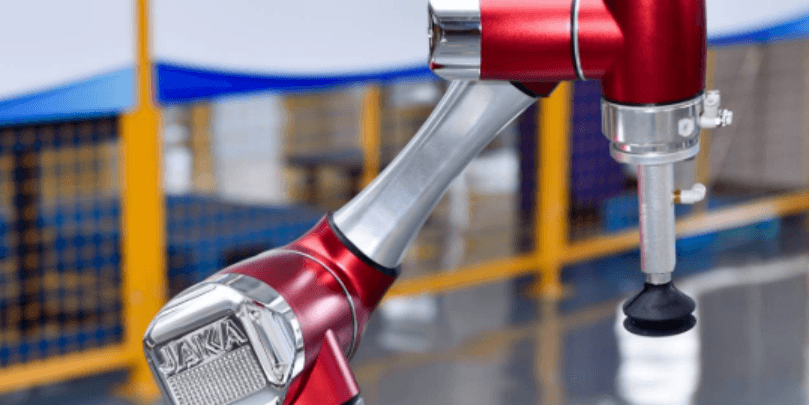
How JAKA Meets Customization and OEM Needs in Modern Manufacturing
JAKA, a leading provider of robotics solutions, is revolutionizing automation in various industries by offering tailored robot arm systems designed to enhance production efficiency. The company emphasizes the importance of customization, working closely with clients to assess their unique assembly lines, inspection processes, and material handling tasks. By focusing on specific requirements such as payload, precision, and working radius, JAKA ensures that its robotics solutions meet operational expectations across sectors including electronics, automotive, and semiconductor manufacturing. The company’s modular design approach allows for rapid adaptation to new product lines, enabling clients to modify robot paths and tooling with minimal downtime. JAKA's user-friendly programming interfaces facilitate efficient updates and reconfigurations, helping manufacturers maintain continuous production while exploring new processes. Moreover, JAKA integrates advanced safety features into its robotics systems, such as force-sensing and collision detection, to support safe human-robot collaboration. This intelligent control system enhances precision and responsiveness, allowing clients to introduce new tasks without extensive reprogramming. With ongoing investments in research and development, JAKA is committed to evolving its solutions to meet the dynamic needs of the manufacturing landscape, ensuring that clients can optimize throughput, reduce errors, and maintain high-quality production standards.
Introduction of the First Robot Joint Selection Platform by Engfu Robotics
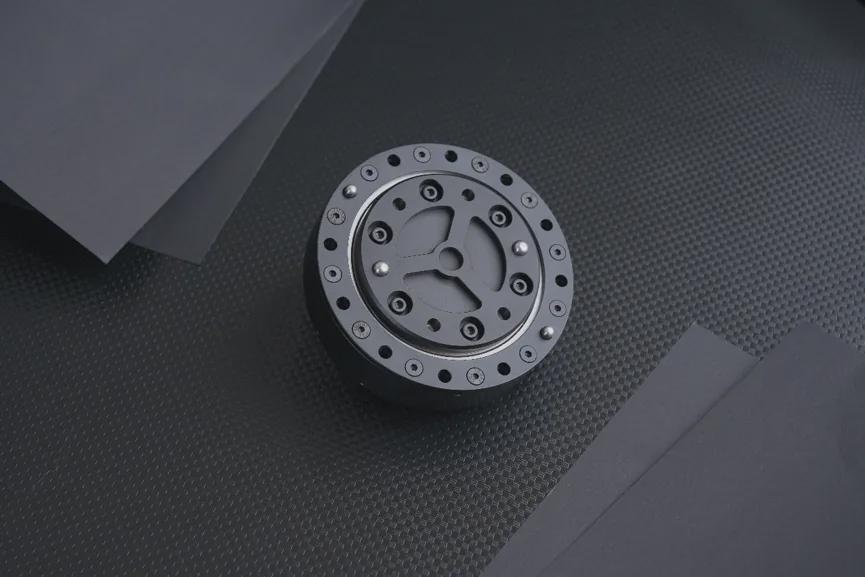
Engfu Robotics has launched a comprehensive robot joint selection platform that allows users to customize parameters such as torque, speed, and weight. This platform aims to simplify the selection process for various stakeholders, including engineers and procurement professionals, by providing tailored recommendations based on extensive experience and an intelligent scoring system. The significance of this platform lies in its ability to connect customer needs with component solutions, leveraging Engfu's rich customization experience. The platform's supply chain database supports hundreds of components, enabling thousands of combinations, which enhances collaboration across the robotics industry. Looking ahead, Engfu Robotics continues to innovate in various areas, including gear reducers and motors. The company emphasizes that the development of embodied intelligence and robot joints requires collaboration among different companies, each contributing their strengths to meet customer demands effectively. No further timeline was disclosed at the time of publication.
Robot Joints Customization Supply Chain Robotics Technology
Rime Secures $24 Million Series A to Enhance Enterprise Voice AI Solutions
Rime, a San Francisco-based voice AI startup, has successfully raised $24 million in a Series A funding round led by M13 Ventures. Founded in 2022 by Lily Clifford, Brooke Larson, and Ares Geovanos, Rime aims to improve enterprise customer interactions by utilizing its own conversational data to train voice models, reducing the customization burden for clients. The significance of Rime's approach lies in its focus on enhancing voice AI technology to better compete with traditional IVR systems, which many enterprises still prefer. Rime's phoneme-based architecture allows for accurate pronunciation of brand names and industry-specific terms, making it easier for clients to implement without extensive retraining. Looking ahead, Rime plans to expand its team and shift its focus towards developing advanced speech-to-speech models to improve call interactions. The company has already secured contracts with notable clients such as Mayo Clinic and Dialpad, indicating a strong market presence. No further timeline was disclosed at the time of publication.
AI Fundraising M13 Ventures Rime voice AI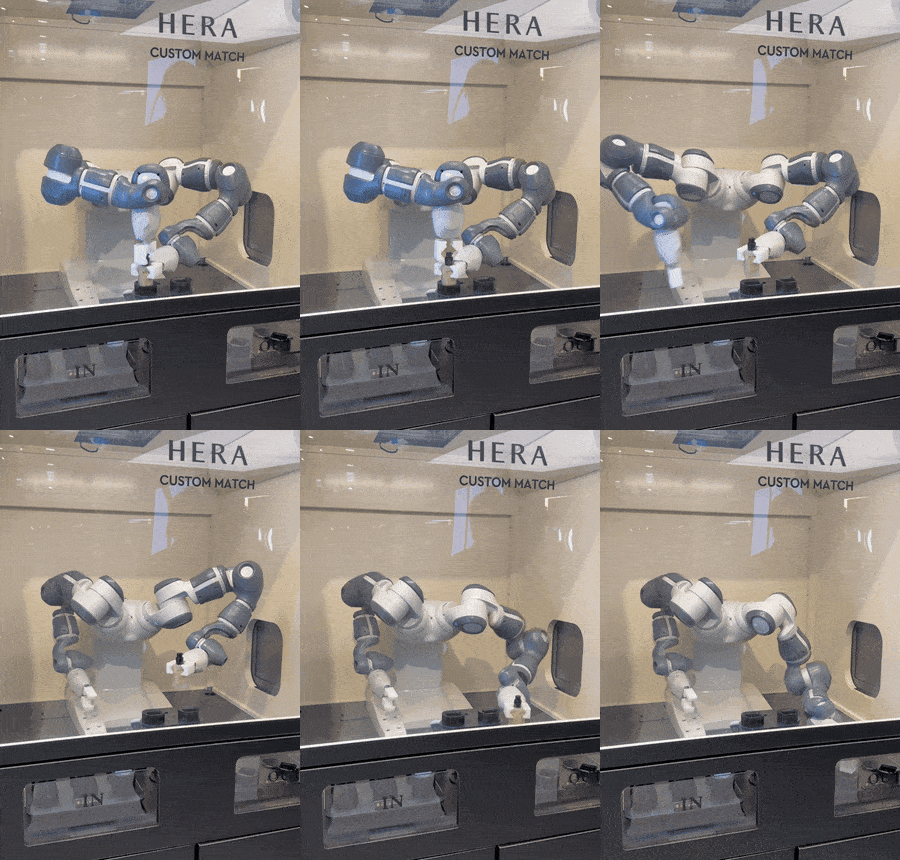
Amorepacific's AI Beauty Lab Offers Customized Products at Amore Yongsan Store
Amorepacific has launched its flagship store, Amore Yongsan, where AI and robotics create personalized beauty products, including foundations and lip cosmetics. Customers engage in a 15-minute AI consultation to select from 335 shades, with the Hera Custom Match service being particularly popular. The store also features a scalp diagnostic program and a fragrance lab, enhancing the customer experience. This innovative approach to beauty customization is significant as it positions Amore Yongsan as a potential new beauty district in Seoul, attracting both local and foreign customers. The store manager noted a nearly equal ratio of Korean and foreign clients, with a higher percentage of foreigners opting for product creation services. The bespoke essence service, inspired by Japanese preferences, further emphasizes the demand for tailored beauty solutions. Looking ahead, Amorepacific's integration of AI technology in beauty consultations and product creation may set a new standard in the industry. The store's research-focused environment, including AI skin scans and fragrance development, showcases the brand's commitment to innovation. No further timeline was disclosed at the time of publication.
All News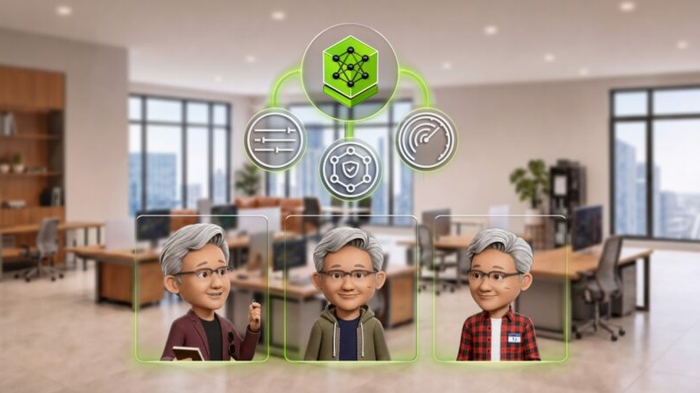
Nemotron Labs Explores Open Models for Customizable and Trustworthy AI Solutions
Nemotron Labs highlights the advantages of open models in developing specialized AI systems tailored to enterprise needs. By utilizing NVIDIA platforms, businesses can create AI that improves workflows and meets high standards for accuracy and trust. The flexibility of open models allows organizations to customize and control their AI applications, ensuring they align with specific business requirements. The significance of open models lies in their ability to provide enterprises with full ownership and control over their AI systems. Unlike closed models, which limit inspection and tuning, open models enable organizations to evaluate performance against their own data and workflows. This is particularly crucial in sectors like healthcare and legal, where accuracy and transparency are paramount. Looking ahead, companies are increasingly adopting Nemotron to enhance their domain-specific AI capabilities. As enterprises continue to specialize their models, the focus will be on improving efficiency and accuracy through customization. No further timeline was disclosed at the time of publication.
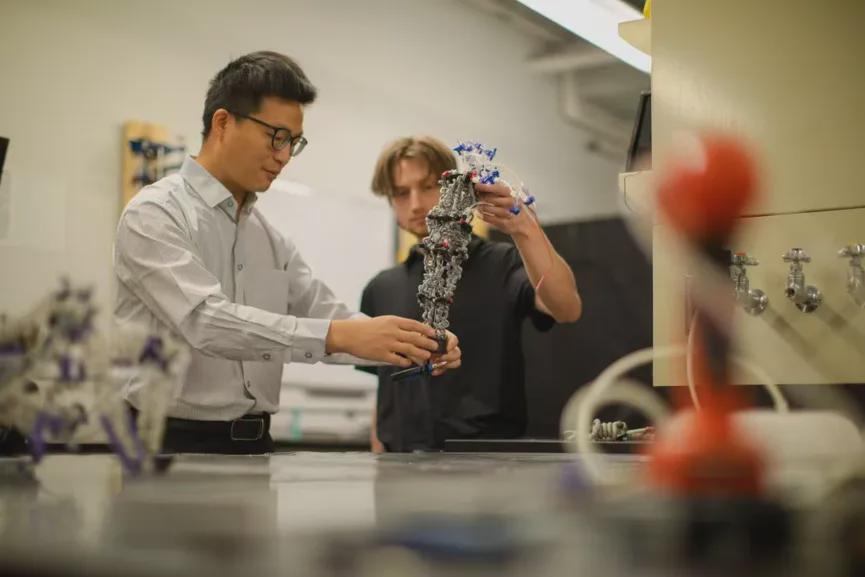
Arizona State University Develops Innovative HARP Artificial Muscle for Versatile Applications
A research team led by Professor Sun Jiefeng at Arizona State University has developed a new artificial muscle structure known as HARP (Helical Anisotropic Reinforced Actuator). Unlike traditional artificial muscles that compromise on performance, HARP offers modularity and flexibility, allowing for adjustments in materials and design parameters to meet various application needs. This innovation is significant as it addresses the limitations of existing artificial muscles, which often excel in specific scenarios but struggle to meet multiple requirements simultaneously. HARP achieves an impressive power density of 1.93 kW/kg, a contraction rate of up to 75%, and the ability to lift weights up to 100 times its own weight, making it suitable for diverse and complex applications. Looking ahead, the HARP's modular design allows for customization and optimization of its components, enhancing its adaptability in extreme environments. The research team demonstrated HARP's durability in wear resistance tests, showcasing its potential for reliable operation in harsh industrial settings. No further timeline was disclosed at the time of publication.
Artificial Muscles Robotics Modular Design Self-Healing Materials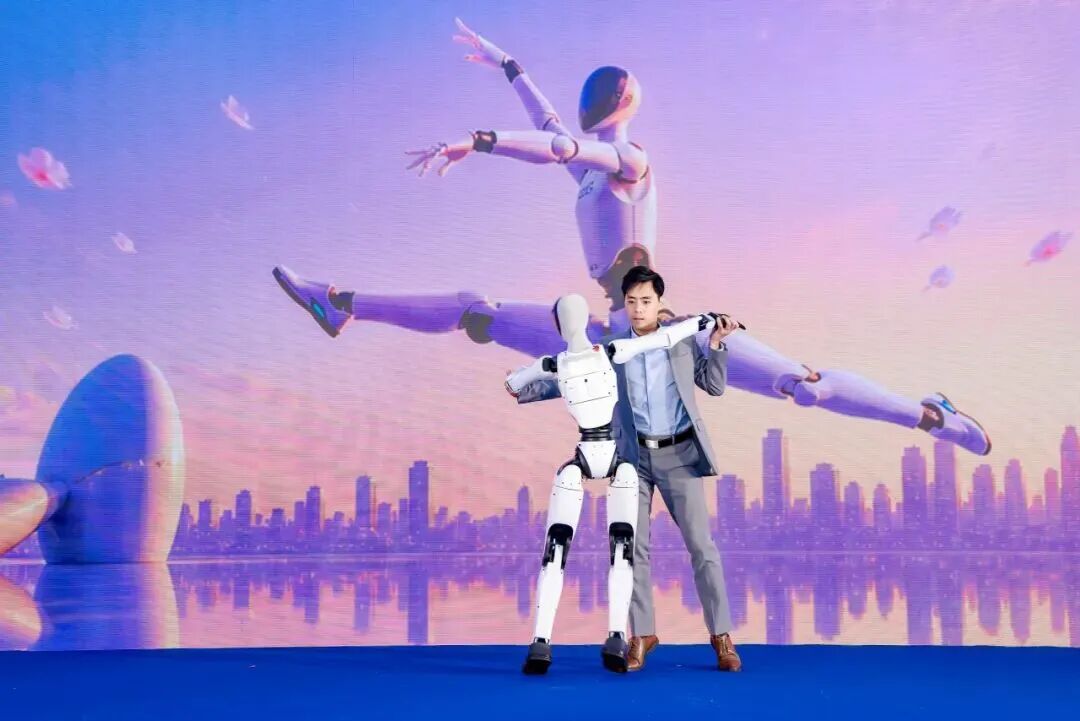
UBTECH's Busy Month: Advancements in Humanoid Robotics Across Three Sectors
UBTECH, a prominent player in humanoid robotics, has unveiled its latest innovations, the Walker C1 and Walker U1 models. The Walker C1, designed for commercial services, was showcased at the China International Supply Chain Expo, highlighting its advanced capabilities. Meanwhile, the consumer-oriented Walker U1 has already received over 5,000 pre-orders, indicating strong market interest. The company is strategically focusing on integrating its robots across industrial, commercial, and home environments, emphasizing customization and adaptability to meet diverse user needs. With these developments, UBTECH is positioning itself as a leader in the rapidly evolving robotics sector.
Humanoid Robots Commercial Robotics Consumer Robotics Industrial Automation
How Businesses Are Building Specialized AI They Can Trust
As businesses increasingly seek to integrate artificial intelligence into their operations, many are focusing on developing specialized AI solutions tailored to their specific workflows. This shift comes in the wake of the initial phase of enterprise AI, which primarily centered on gaining access to new technologies and experimenting with various models. Companies have been conducting pilot programs to explore the potential applications of AI, aiming to enhance efficiency and productivity. The current emphasis on customization reflects a growing recognition that AI must align closely with existing processes to deliver meaningful results. As organizations navigate this evolving landscape, the quest for effective AI integration continues to shape their strategic initiatives.
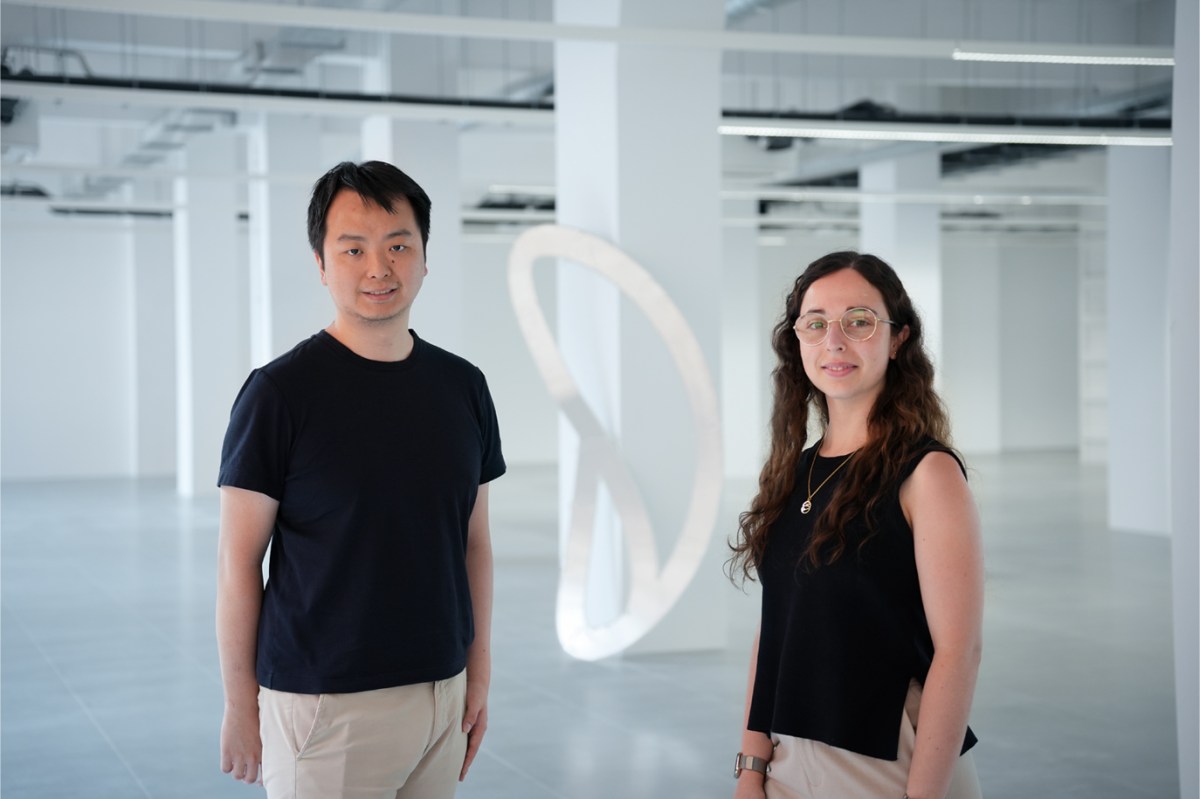
Theker just raised $85M to build the factory robot that doesn’t specialize in anything
Theker, a robotics company, has introduced a new line of reconfigurable machines that differ significantly from traditional humanoid robots, such as those developed by Boston Dynamics. Unlike fixed-form designs, Theker's robots can be adapted and modified for various tasks, showcasing a versatile approach to robotics. This innovative technology aims to enhance efficiency and functionality in diverse applications, reflecting a growing trend in the industry towards flexibility and customization. Theker's machines are set to revolutionize how robots are utilized across different sectors, providing solutions that can evolve with changing demands.
AI Robotics Startups Automation theker
UBTECH-backed UWORLD’s full-size humanoid companion robot secures 3,000 orders in eight days
UBTECH's consumer brand, UWORLD, has announced that its full-size ultra-bionic humanoid robot has garnered over 3,000 orders within just eight days of its launch on the Chinese e-commerce platform JD.com, which took place on June 2. Designed as an emotional companion, the robot features encrypted memory storage and offers extensive customization options for its appearance. Currently, it is available exclusively to adult consumers, highlighting a growing interest in advanced robotics for personal use.
News Feed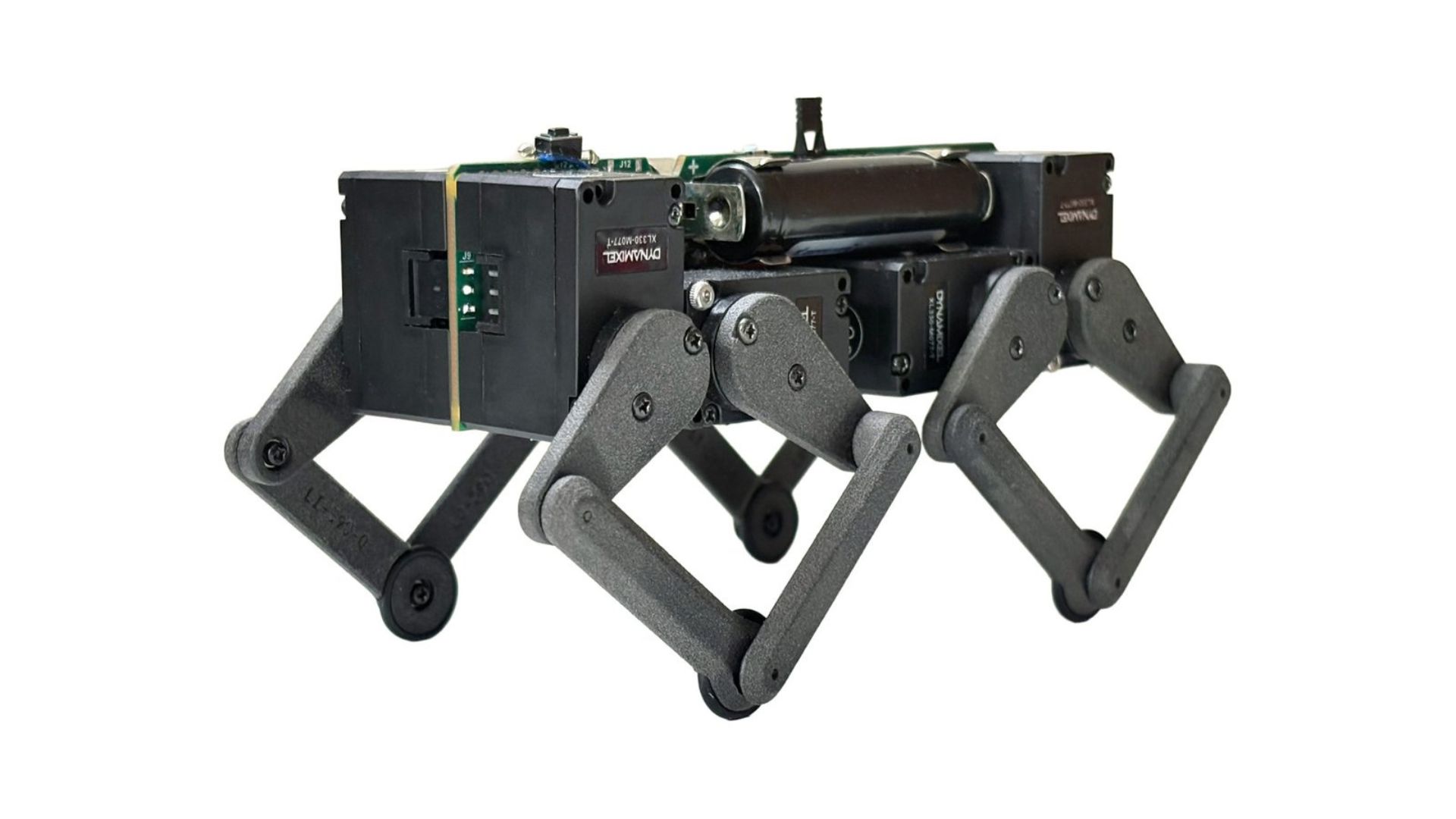
Video: New palm-sized robot with 8 smart actuators can walk, trot, and jump
A new open-source quadruped robot, Q8botOne, has been introduced to the market, designed to offer an affordable and fully assembled robotic platform for enthusiasts and developers. This innovative project was launched recently by a team of engineers and robotics enthusiasts who recognized the growing demand for accessible robotic solutions. The Q8botOne is intended to facilitate learning and experimentation in robotics, making it easier for users to engage with advanced technology without the high costs typically associated with such platforms. The robot is equipped with various features that allow for customization and adaptability, catering to a wide range of applications from education to research. By utilizing open-source software, the developers encourage a collaborative approach, inviting users to contribute to its ongoing improvement and functionality. The initiative aims to democratize access to robotics, fostering innovation and creativity in the field. With its launch, Q8botOne is set to make a significant impact on the robotics community, providing a practical tool for those looking to explore the capabilities of quadruped robots.

LUMOS Robotics Offers 100 NIX Robots for Global Co-Creation After Mind-Blowing Street Dance Showcase
A startup has unveiled its upgraded NIX robots, which now feature enhanced dance, flipping, and dynamic motion capabilities. This development marks a significant advancement in robotic technology, showcasing the potential for more expressive and versatile machines. The company plans to distribute 100 of these advanced robots to selected global partners, allowing them to explore various applications and integrations. Additionally, the startup will provide access to a software development kit (SDK) for these partners, facilitating further innovation and customization. This initiative aims to expand the use of robotics in entertainment and other industries, highlighting the growing intersection of technology and creativity.

NVIDIA Levels Up Local AI Agents Across RTX PCs and DGX Spark
Personal agents are gaining significant traction among AI developers, particularly through open-source projects such as OpenClaw and Hermes, which have experienced swift adoption on platforms like GitHub. These innovative tools are designed to tailor interactions to users' specific preferences and workflows, enhancing productivity and efficiency in various tasks. The surge in interest comes as developers seek more personalized solutions to streamline their work processes. As of October 2023, the trend reflects a broader shift towards customization in technology, with these agents offering adaptable features that cater to individual needs.
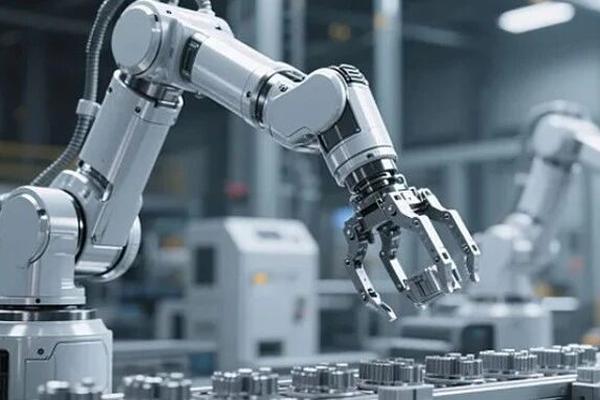
Robot solution provider serving Foxconn raises angel funding after six months of over 20 million revenue.
Shenzhen-based Chengwu Robotics has successfully completed its angel round of financing, backed by Taiwan's leading industrial automation and intelligent robotics firm, Chuan Technology, with Huajun Capital serving as the exclusive financial advisor. Founded in 2025, Chengwu Robotics focuses on the development of embodied intelligence technologies and product solutions for industrial applications, leveraging its integrated capabilities in hardware and software development, data collection, model training, and scene deployment. The company, led by founder Huang Jinlong, who has over a decade of experience in robotics R&D, aims to address the customization needs of non-standard industrial scenarios. Since its inception, Chengwu has delivered over ten industrial projects, generating over 20 million yuan in revenue by 2025 and serving major manufacturers, including Foxconn. Chengwu Robotics is also advancing its model development, with a focus on the Vision-Language-Action (VLA) model, which aims to enhance 3D perception and operational precision in complex environments. To address data collection challenges, the company has developed its own Egocentric-UMI data collection device and Bybot-TeleOp remote operation system, significantly reducing training and deployment times. The company is simultaneously developing a prototype upper-body robot equipped with advanced components to support its model training and industrial applications. Chengwu Robotics emphasizes its comprehensive capabilities and real-world delivery experience, positioning itself to create commercially viable solutions that meet client needs in various industrial contexts.
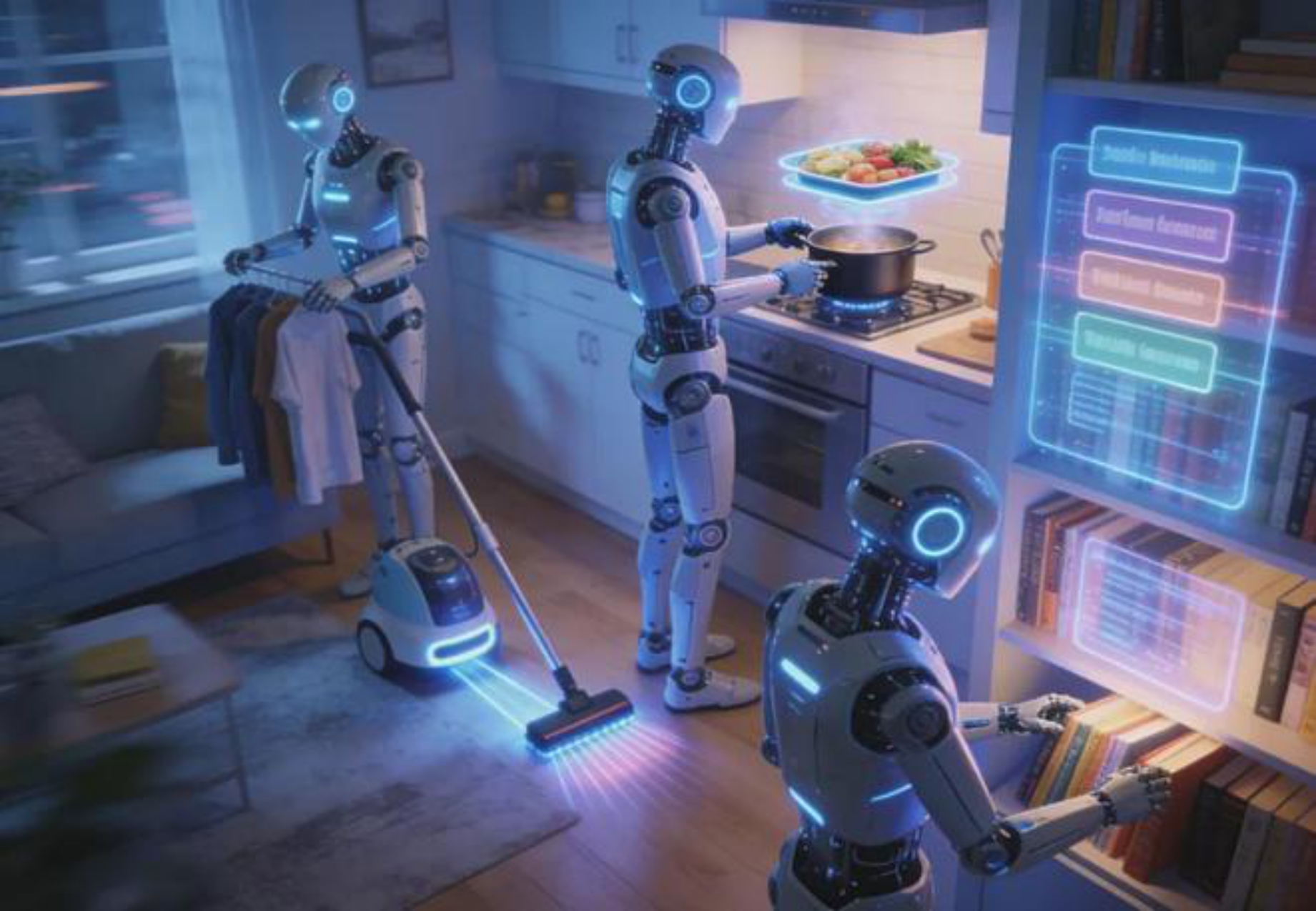
What Does OpenClaw Mean for Robotics?
OpenClaw, a groundbreaking language interaction tool, is poised to transform human-robot interaction by allowing users to program robots using natural language. This innovative approach marks a significant shift from traditional code-driven development to intent-driven programming, making robotics more accessible to non-experts. By simplifying the customization of robot behaviors, OpenClaw aims to democratize the field of robotics, enabling a broader range of individuals to engage with and utilize robotic technology effectively. This development is expected to foster greater creativity and innovation in the robotics sector, as users can easily express their intentions without needing extensive coding knowledge.
Human-Robot Interaction Natural Language Processing AI Development Robotics Innovation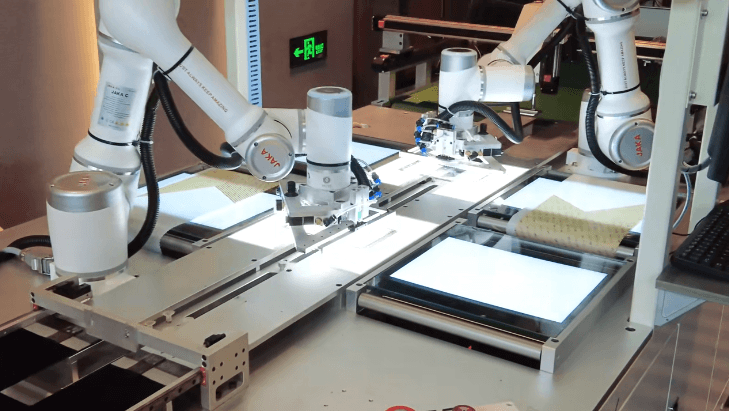
Are 6 Axis Cobot Arms Better Than Dedicated Pick & Place Machines?
In a strategic shift towards enhanced manufacturing efficiency, companies are increasingly weighing the benefits of specialized hardware against flexible automation. Traditionally, high-speed assembly lines have relied on dedicated pick and place machines, which excel in repetitive tasks but lack adaptability. However, as product lifecycles shorten and customization becomes essential, the 6-axis robotic arm has emerged as a viable alternative, offering the flexibility needed for modern high-mix production environments. Dedicated machines, such as SCARA or Delta robots, are optimized for high-speed linear movements in fixed production runs. Their rigidity poses a challenge when product designs change, often necessitating costly retooling. In contrast, 6-axis robotic arms provide a spherical work envelope and six degrees of freedom, enabling them to perform complex tasks like inspection and screwdriving without relocating parts. This adaptability ensures that as businesses evolve, their hardware remains relevant with simple software updates. Additionally, the physical footprint of automation plays a crucial role in decision-making. Traditional machines require extensive safety guarding and rigid frames, consuming valuable space. In contrast, collaborative 6-axis systems can be integrated into existing workstations without barriers, fostering a hybrid workflow where robots handle repetitive tasks and humans focus on quality control. JAKA, a leader in this field, offers the JAKA Zu series, which combines the precision of dedicated machines with the flexibility of collaborative platforms. The JAKA Zu30, capable of managing heavy-duty material transfers, exemplifies this innovation. With a user-friendly wireless ecosystem and built-in safety features, JAKA aims to provide manufacturers with the agility and scalability needed to meet evolving market demands.
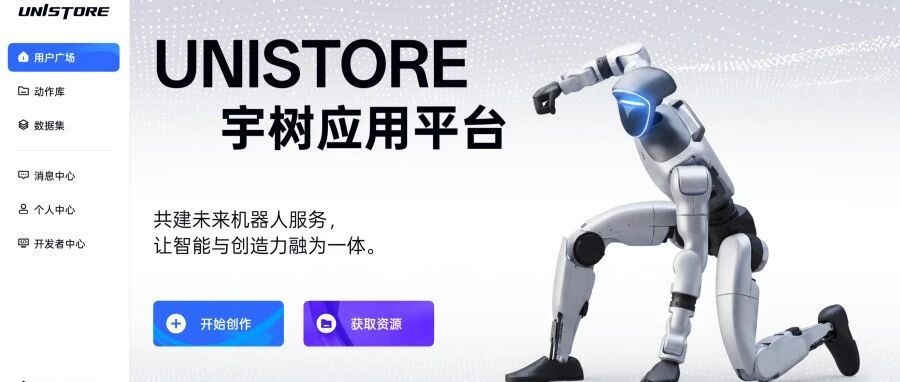
Unitree Launches UniStore — the World's First Humanoid Robot App Store, 24 Motion Apps Available at Launch
Unitree Robotics has launched UniStore, a new app store designed for its range of robots, including the G1, H1, B2, and Go2 models. This innovative platform enables users to easily download and install intricate motion packages, featuring popular routines such as Jackson dance moves, Leeter Kune Do, and Charleston, directly from a mobile application. The launch of UniStore marks a significant advancement in enhancing the capabilities of robotic systems, allowing for greater customization and user engagement. This initiative reflects Unitree's commitment to making robotics more accessible and interactive for consumers, as it simplifies the process of programming complex movements into their robots.
Robotics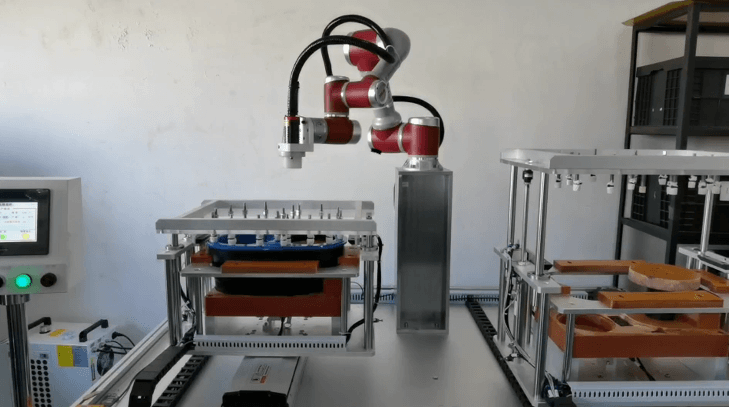
Key Features and Benefits of JAKA Collaborative Robots
In response to the evolving demands of the industrial sector, JAKA has introduced collaborative robots, or cobots, that prioritize agility over sheer power. As manufacturing cycles shorten and customization becomes essential, these robots offer a solution that minimizes downtime and enhances production efficiency. By eliminating the need for physical safety cages through advanced force-sensing technology, JAKA's cobots can be seamlessly integrated into existing workflows without requiring extensive changes to factory layouts. These robots can be deployed quickly, often becoming operational within a day, in stark contrast to traditional industrial robots that may take weeks to set up. They also improve workplace safety by taking on "Dirty, Dull, and Dangerous" tasks, allowing human workers to concentrate on more valuable roles such as quality control and process optimization. JAKA's approach to collaborative automation is encapsulated in their "Smart, Simple, Small" philosophy, which emphasizes user-friendly design and robust performance suitable for continuous industrial use. Notably, their cobots can be programmed and monitored via mobile devices, streamlining the setup process and eliminating the need for cumbersome equipment. With models like the JAKA Zu series offering payloads from 3kg to 20kg and the precision-focused JAKA A series achieving repeatability of ±0.02mm, the company aims to provide scalable solutions that deliver quick returns on investment. JAKA's commitment to innovation positions its cobots as essential tools for both small and large enterprises looking to enhance their manufacturing capabilities in the era of smart production.

MoviGo Robotics launches mobile robot technology platform
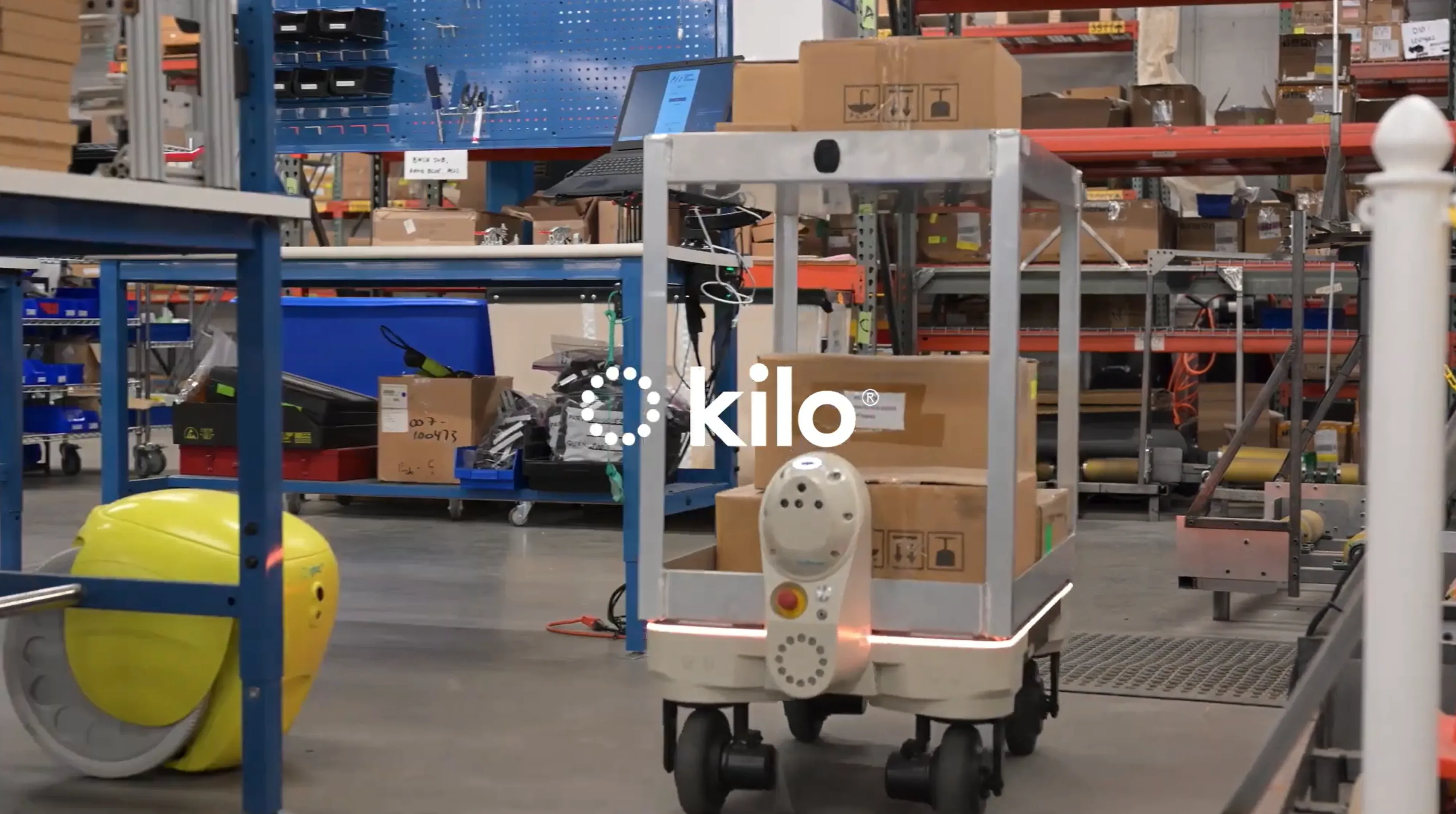
Sharko5 has unveiled its innovative technology platform, which integrates advanced robotics with fleet management and process software. The platform features a modular design, allowing for customization and flexibility. The front section is equipped with standardized technology components, while the rear section houses a versatile lifting unit that can be easily adapted to various carriers. This development aims to enhance operational efficiency and adaptability in logistics and transportation sectors. The announcement comes as industries increasingly seek automated solutions to streamline their processes and improve productivity.
How to Implement 6 Axis Cobot Arms Effectively for Fast Repurposing?
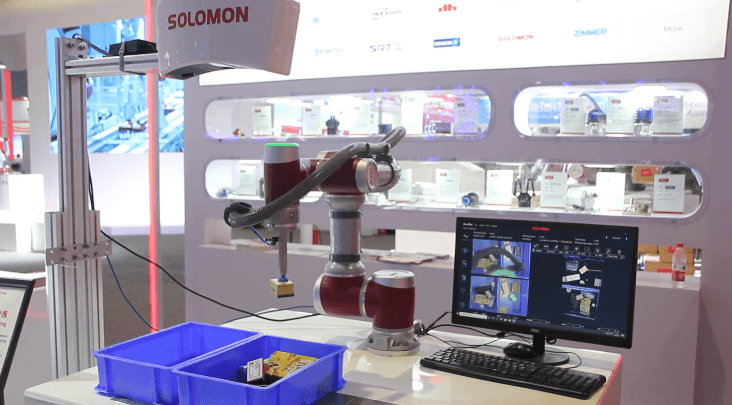
In response to the rapidly changing demands of manufacturing, JAKA is advancing the implementation of 6-axis robot arms designed for fast repurposing in production environments. As product cycles shorten and customization becomes standard, the company emphasizes that efficient redeployment of automation systems is essential for maintaining operational stability. JAKA advocates for a design approach that prioritizes modular layouts and standardized interfaces, enabling manufacturers to quickly move, reprogram, or retool robotic systems with minimal disruption. This strategy is particularly beneficial for small-batch, multi-variety production, where frequent task changes are routine. The company’s Zu3 model exemplifies this philosophy, featuring intuitive setup and adaptive control that reduce reliance on specialized teams. Its lightweight design allows for easy integration into existing production lines, while its adaptive motion capabilities enable the robot to perform various tasks—such as assembly, handling, and inspection—without extensive mechanical adjustments. Moreover, JAKA highlights the importance of human collaboration in achieving sustainable flexibility. By allowing operators to participate in the teaching and adjustment of the robots, the company fosters a more efficient changeover process, ensuring that production can continue smoothly even as product specifications evolve. Ultimately, JAKA’s approach to automation focuses on building a repurposing-oriented strategy that not only meets current production needs but also adapts to future demands, ensuring long-term operational continuity for manufacturers.

How Lean Manufacturing Principles Drive Efficiency at a Robotic Arm Factory
At JAKA, a leading manufacturer of collaborative robots, the implementation of lean manufacturing principles is transforming their robot arm production process. By focusing on waste reduction and streamlined workflows, the company aims to enhance efficiency without adding complexity. This approach is integral to their long-term development strategy, which spans design, assembly, testing, and delivery. The factory employs lean practices to optimize material flow and workstation layouts, minimizing unnecessary movements and wait times. This meticulous refinement not only ensures consistent build quality but also shortens internal production cycles, which is crucial for meeting the diverse needs of industries such as electronics and automotive. Flexibility is a key aspect of modern automation, and JAKA's modular production planning allows for adjustments in configurations without disrupting overall workflow. This adaptability is essential for producing robots that cater to various payloads and installation environments. By balancing customization with production consistency, JAKA can efficiently respond to specific project requirements. Moreover, integrating quality checks at each production stage enhances system reliability and reduces the need for rework, ensuring that the robotic arms meet stringent functional and safety standards. This commitment to lean manufacturing supports JAKA's goal of fostering safe human-robot collaboration and delivering reliable performance in demanding industrial settings. Overall, JAKA views lean manufacturing as a continuous discipline that underpins their commitment to sustainable efficiency, enabling them to meet evolving automation demands while maintaining transparent and effective manufacturing operations.
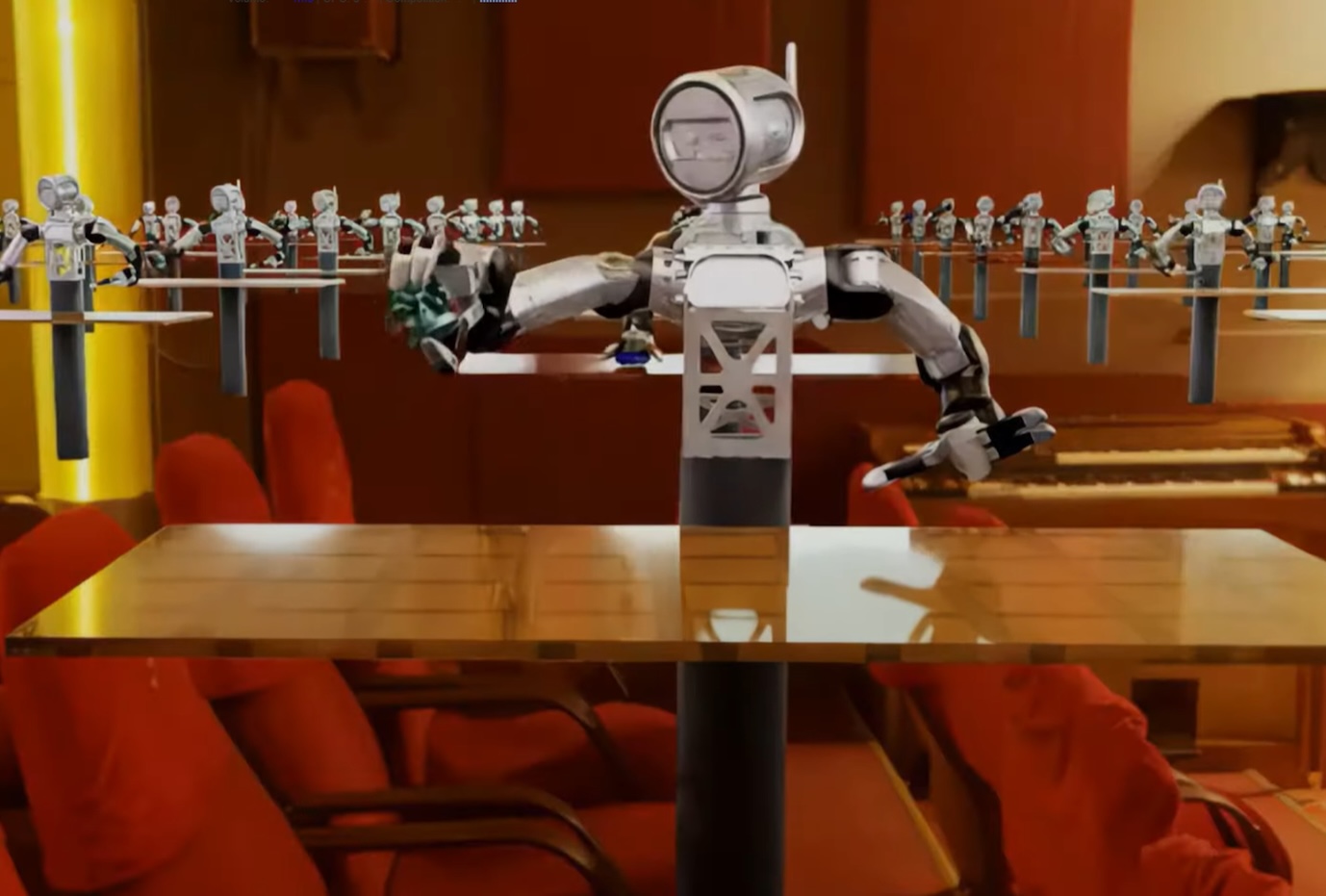
Westlake Robotics launches Titan o1 humanoid with real-time motion imitation
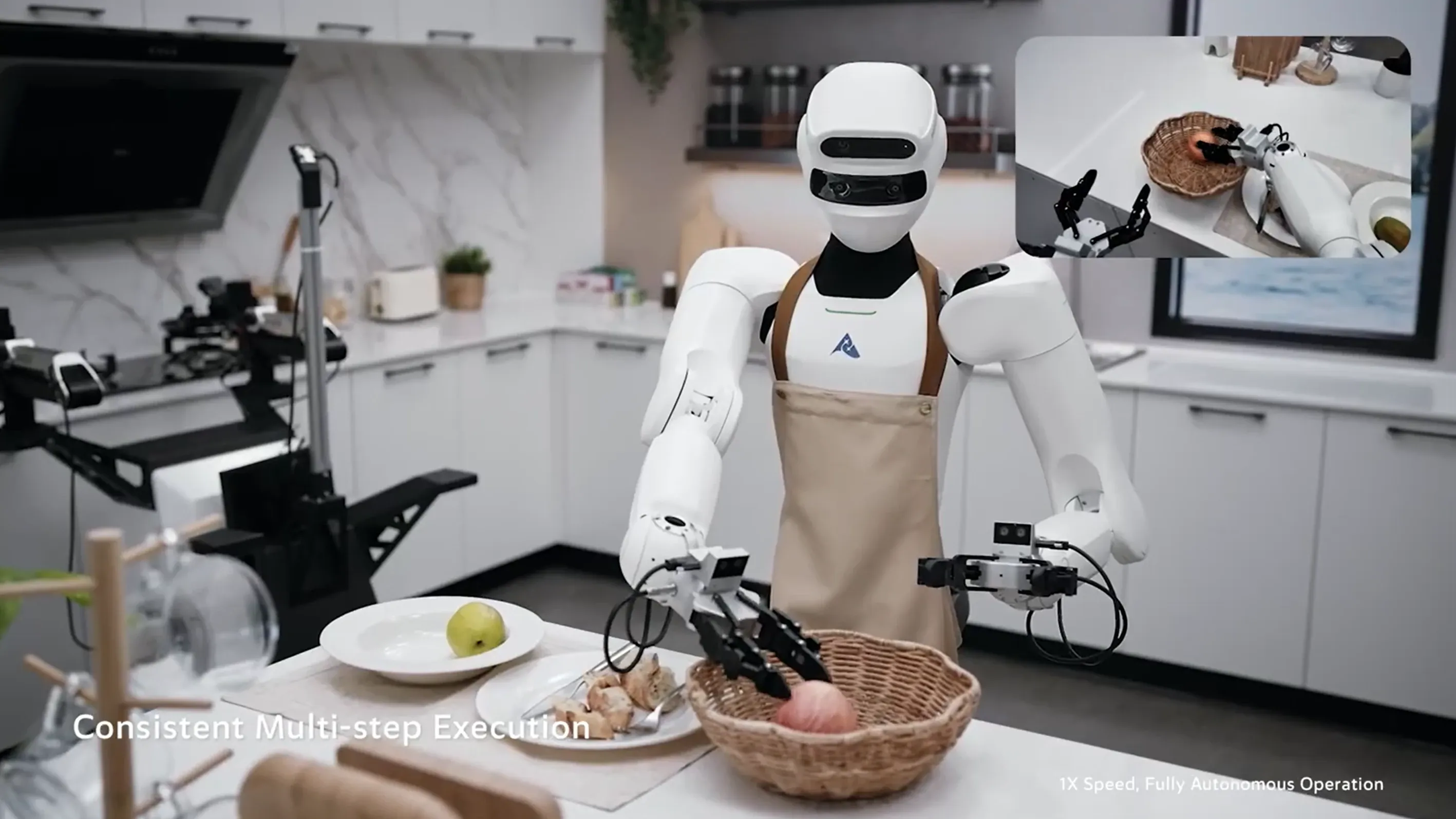
Westlake Robotics, a company developed by Westlake University, has officially launched Titan o1, a humanoid robot capable of mimicking human movements in real time. This innovative robot is being introduced as a market-ready product, moving beyond its initial prototype phase. Westlake University announced that Titan o1 will offer extensive customization options, catering to various applications. The launch marks a significant step in the integration of advanced robotics into everyday use, showcasing the company's commitment to pushing the boundaries of technology in human-robot interaction.
News Feed
Mosrac - Built Around Your Needs
Mosrac Motor Co., Ltd. is revolutionizing the motor industry by offering fully customized frameless motor solutions designed to meet the unique requirements of various applications. The company emphasizes its commitment to tailoring products based on specific factors such as torque, voltage, size, structure, and materials. By collaborating closely with clients, Mosrac's engineering team ensures that each motor is precisely crafted to fit individual needs, utilizing a range of components including coils, magnets, and lead wires. With a diverse selection of models and robust customization capabilities, Mosrac positions itself as a dependable partner for businesses seeking high-performance motors tailored to their specific applications.
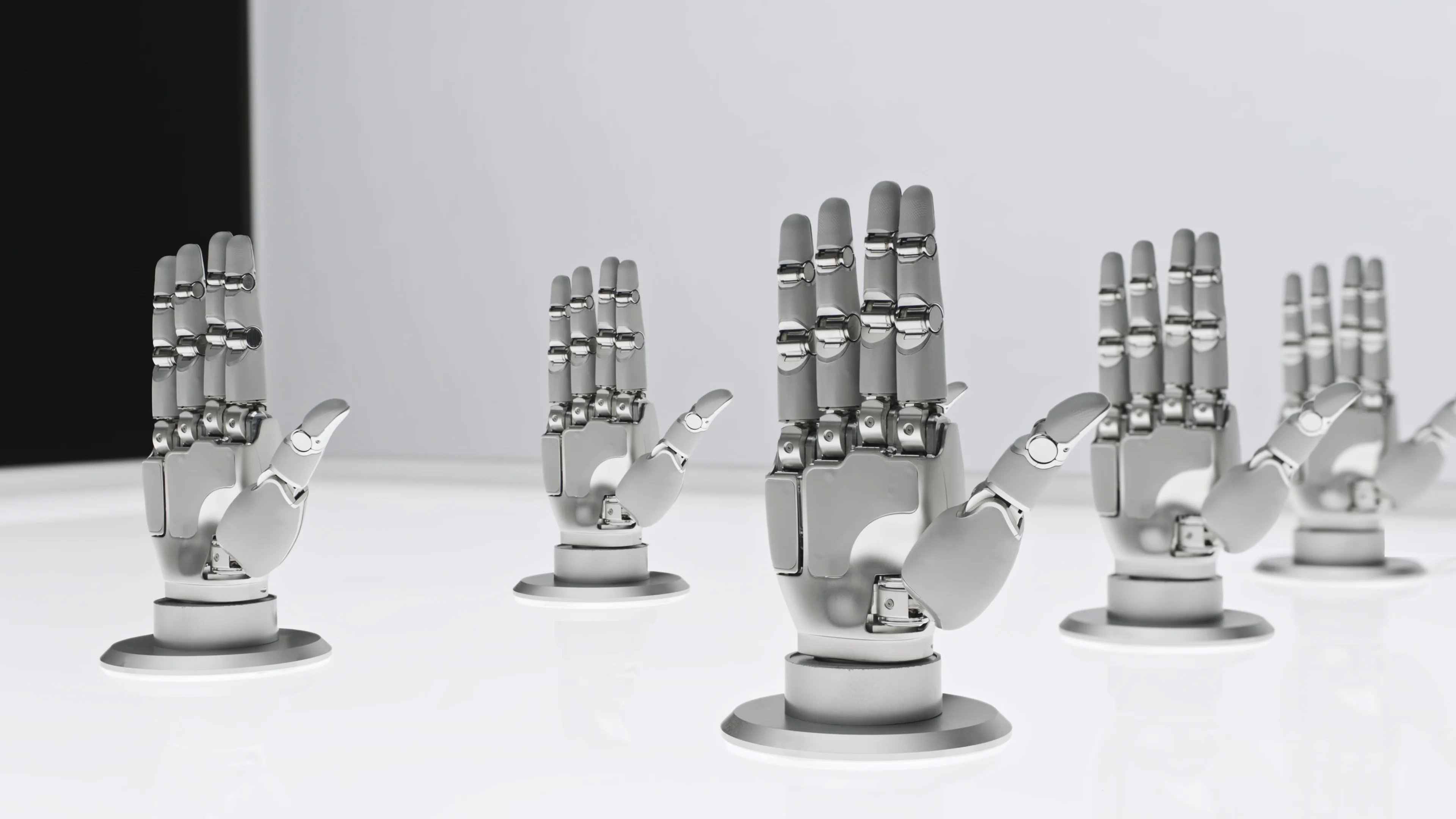
Sharpa Robotics Ramps Up Mass Production of "Vision-Based" Tactile Hand
As CES 2026 approaches, a Singapore-based robotics firm has announced significant advancements in its SharpaWave end-effector. The company revealed details about its rigorous reliability testing, showcasing the product's durability and effectiveness in various applications. Additionally, the firm confirmed that the SharpaWave features a modular design, allowing for enhanced adaptability and customization in robotic systems. This strategic development aims to position the company as a leader in the robotics industry, responding to the growing demand for versatile and reliable robotic solutions. The unveiling of these innovations is expected to attract attention at the upcoming technology showcase in Las Vegas, where industry leaders and enthusiasts will gather to explore the latest advancements in robotics and automation.
SharpaWave Sharpa Robotics hands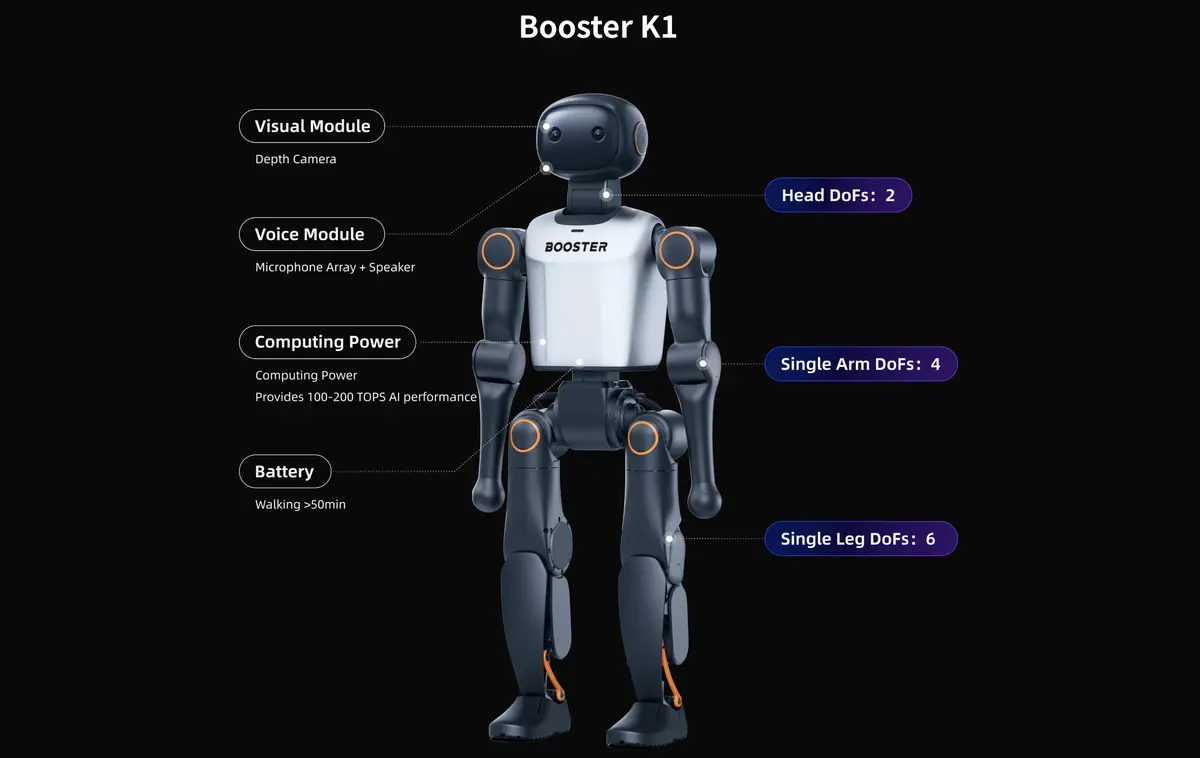
Booster Robotics Launches K1: A RoboCup-Winning Humanoid for $5,000
Booster Robotics has unveiled its latest innovation, the K1 platform, designed specifically for educational and research purposes. Standing at 1 meter tall, this advanced robotic platform is priced under $5,000, making it accessible for a wide range of users. The K1 platform boasts an open development environment, allowing for extensive customization and experimentation. This launch is particularly notable as it follows the company's success at RoboCup 2025, where their technology garnered championship recognition. By combining affordability with a robust design, Booster Robotics aims to enhance learning and development opportunities in robotics, fostering innovation in both educational institutions and research facilities.
RoboCup K1 Booster Robotics
Noetix Robotics unveils new generation bionic robot featuring female persona Xiao Nuo
On Sunday, Noetix Robotics, a humanoid robotics startup, introduced its latest innovation, a bionic robot named Xiao Nuo, designed with a female persona. This advanced robot boasts 32 degrees of freedom and features multimodal embodied interaction capabilities, allowing it to exhibit facial expressions that closely mimic those of humans. Additionally, Xiao Nuo offers open character customization, enabling users to personalize its attributes. The unveiling of this cutting-edge technology highlights Noetix Robotics' commitment to advancing human-robot interaction and expanding the potential applications of robotics in everyday life.
News Feed
Epson Robots Invests in Blank Beauty to Bring Automation and Retailtainment to the Consumer Space
Epson Robots, recognized as the leading SCARA robot manufacturer globally, announced on May 7, 2025, its innovative approach to automation, which aims to extend manufacturing capabilities beyond traditional factory settings and into the hands of consumers. This strategic shift is designed to empower individuals and small businesses by making advanced robotic technology more accessible. By integrating user-friendly automation solutions into everyday tasks, Epson Robots seeks to enhance productivity and efficiency in various sectors. The initiative reflects a growing trend toward personalized manufacturing, allowing consumers to leverage robotics for their specific needs.
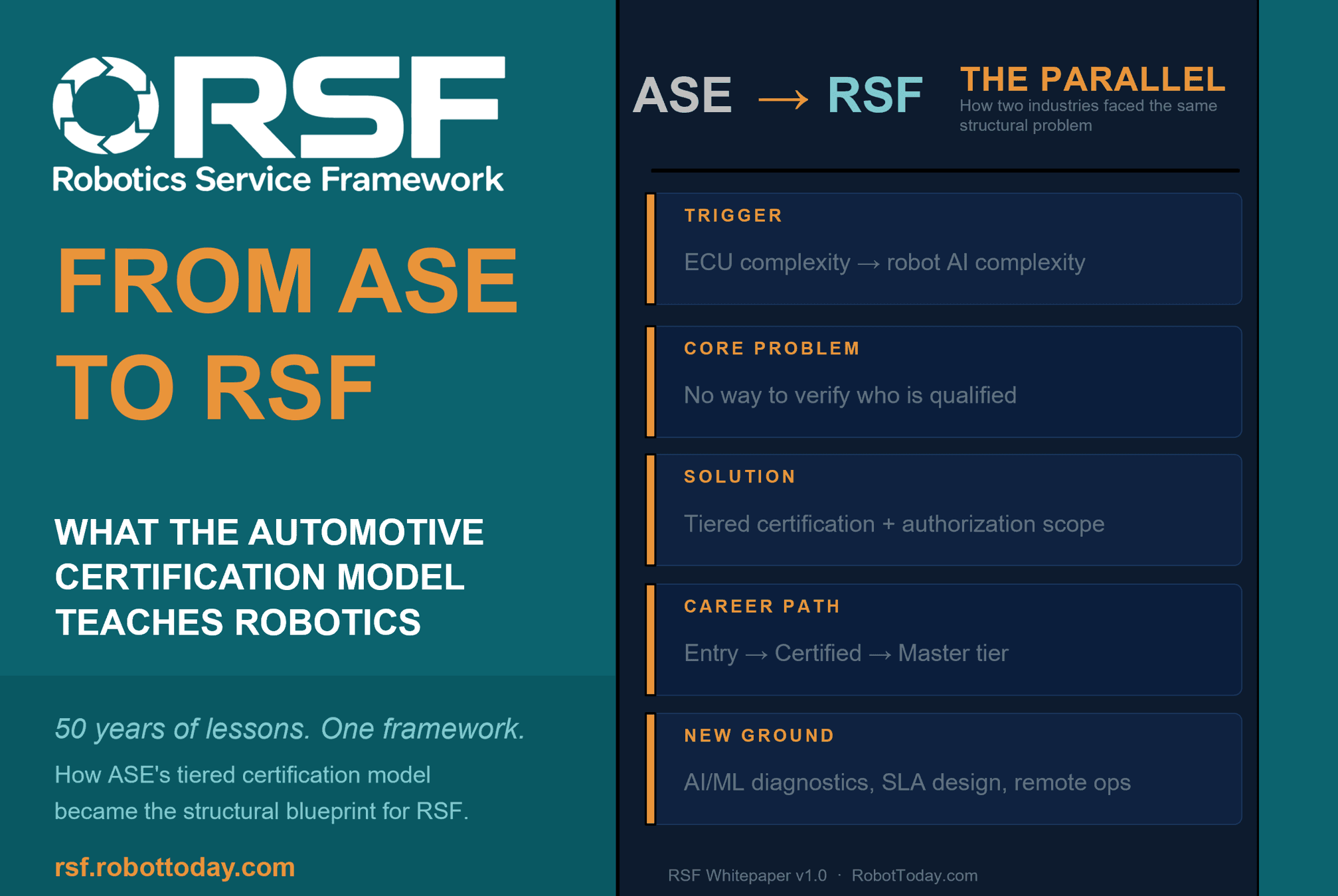
SCARA Retail Automation Consumer Packaged Goods Industrial Robots Customization TechnologyRobotics needs a service framework.
RSF defines a common language for robot service capability, lifecycle operations, certification pathways, and service-provider networks.