Industry Briefing
A single destination for timely, editor-curated robotics news from around the world.
Packaged Good Companies and OEMs Expand AI Use Across Verticals, Report Finds
Consumer packaged goods companies and original equipment manufacturers (OEMs) are increasingly integrating artificial intelligence (AI) into their operations as the technology becomes more accessible. This trend is evident across various product categories, reflecting a broader shift in the industry towards leveraging advanced analytics and automation to enhance efficiency and decision-making. The adoption of AI tools is driven by the need to improve supply chain management, optimize product development, and better understand consumer preferences. As firms seek to remain competitive in a rapidly evolving market, the strategic implementation of AI is seen as a crucial step in meeting consumer demands and streamlining processes. This growing reliance on AI is expected to reshape the landscape of the consumer goods sector, fostering innovation and driving growth in the coming years.
Business Intelligence
Chef Robotics Expands into Component Assembly for CPG Manufacturing
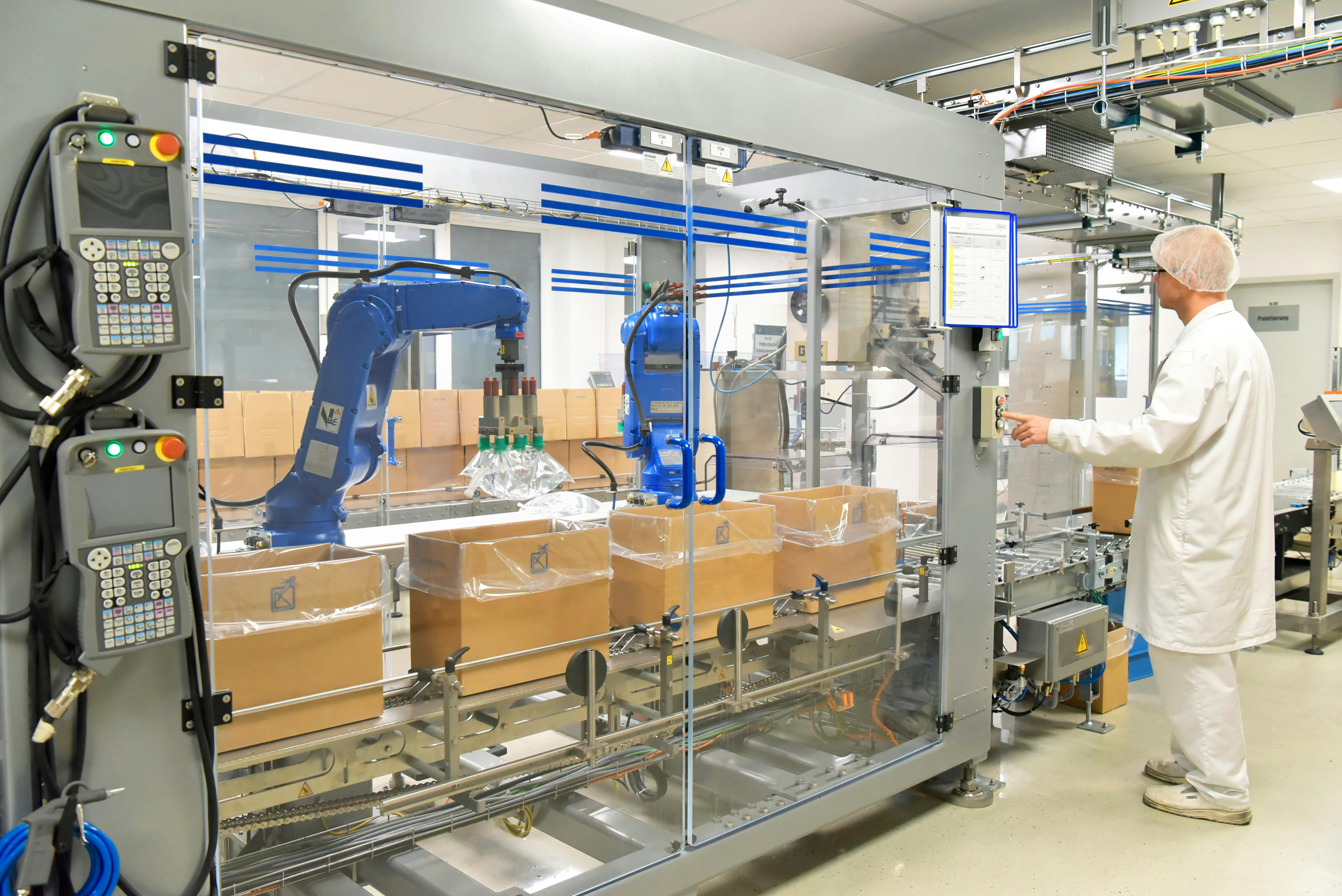
Chef Robotics has announced an expansion into component assembly for consumer packaged goods (CPG) manufacturing, enabling automation of secondary packaging and kitting processes. This development, revealed on May 11, 2026, allows Chef robots to efficiently handle a variety of items, including sauce sachets, seasoning packets, and even non-food inserts like cutlery kits and instruction cards. Historically, CPG assembly lines have relied heavily on manual labor due to the challenges posed by lightweight and deformable items. Chef Robotics aims to address this issue by utilizing AI-powered computer vision, which enables robots to assess and manipulate items in real time, ensuring precise placement without damage. The technology adapts to the variability of items in unstructured bins, eliminating the need for pre-sorting. The new assembly application features three key capabilities: detecting and reorienting items mid-pick for accurate placement, picking and placing multiple components simultaneously, and ensuring correct item allocation in multi-compartment products. This innovation promises higher throughput, reduced labor dependency, and consistent item placement across production shifts. Chef's CPG assembly application is available in the US, Canada, the UK, and Germany, and operates on existing robotic hardware and software, allowing for seamless integration into current manufacturing setups. The service is offered under Chef's robotics-as-a-service (RaaS) pricing model, further solidifying the company's position as a leader in AI-driven food robotics solutions.
From Warehouse to Wallet: New State of AI in Retail and CPG Survey Uncovers How AI Is Rewiring Supply Chains and Customer Experiences
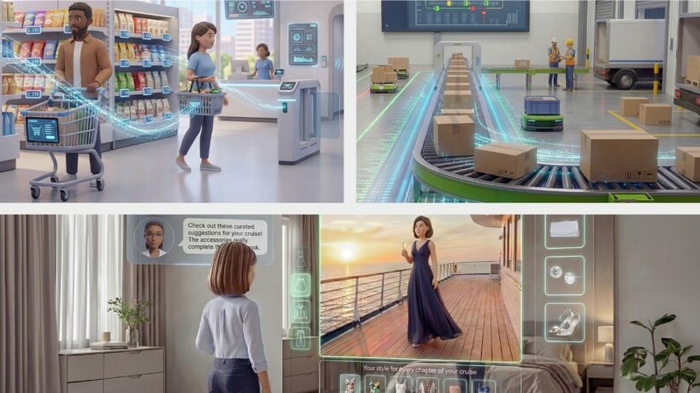
Artificial intelligence is revolutionizing the retail and consumer packaged goods sectors by significantly improving customer analysis and segmentation. This technological advancement allows companies to deliver more personalized marketing and advertising strategies. Additionally, AI enhances the speed and accuracy of demand forecasting, enabling businesses to respond more effectively to market trends and consumer needs. As organizations increasingly adopt these AI-driven solutions, the landscape of retail and CPG operations is evolving, leading to more efficient practices and improved customer experiences. This transformation is occurring as companies strive to stay competitive and meet the growing expectations of consumers in an ever-changing marketplace.
Epson Robots Invests in Blank Beauty to Bring Automation and Retailtainment to the Consumer Space
Epson Robots, recognized as the leading SCARA robot manufacturer globally, announced on May 7, 2025, its innovative approach to automation, which aims to extend manufacturing capabilities beyond traditional factory settings and into the hands of consumers. This strategic shift is designed to empower individuals and small businesses by making advanced robotic technology more accessible. By integrating user-friendly automation solutions into everyday tasks, Epson Robots seeks to enhance productivity and efficiency in various sectors. The initiative reflects a growing trend toward personalized manufacturing, allowing consumers to leverage robotics for their specific needs.
SCARA Retail Automation Consumer Packaged Goods Industrial Robots Customization Technology
Chef Robotics Physical AI Models Can Now Automate Baked Goods Packing
A new application has been developed to streamline the packaging process for various baked goods, including burger buns, chocolate chip cookies, biscotti, butter cookies, biscuits, fortune cookies, granola bars, rusks, and shortbreads. This innovative technology automates the placement of these products into trays and packaging containers, followed by sealing to ensure freshness and quality. The application aims to enhance efficiency in production lines, reducing manual labor and minimizing the risk of contamination. By implementing this system, bakeries and food manufacturers can improve their operational workflow and meet increasing consumer demand for packaged baked items. The rollout of this application is expected to take place in the coming months, with trials already underway in select facilities.
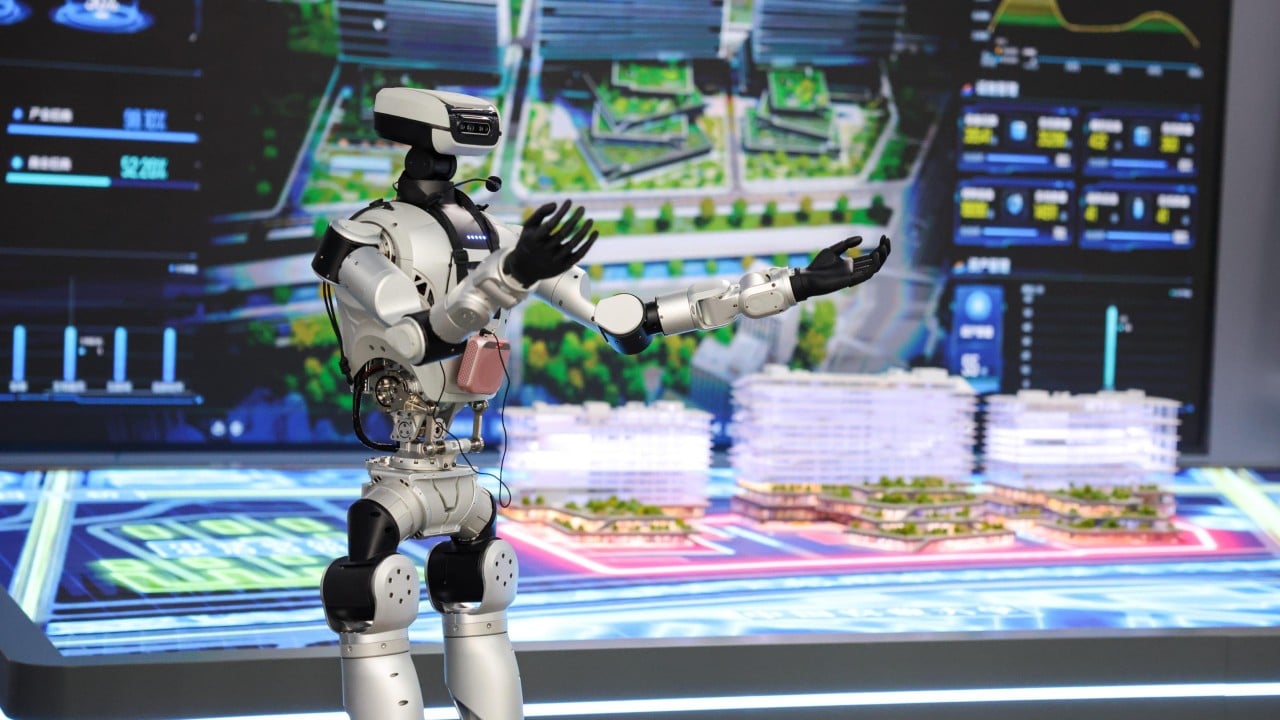
Rise of the robots: China releases plan aimed at increasing consumers’ AI options
Chinese authorities are set to enhance the integration of artificial intelligence (AI) into consumer markets, as outlined in a recent plan by the Ministry of Commerce alongside seven other ministries. This initiative, which includes 17 new measures, aims to stimulate consumption growth by incorporating AI into various sectors, including consumer goods, services, and retail. The strategy focuses on the development of smart products, the deployment of robots, and the establishment of supportive infrastructure and standards. By promoting the concept of "AI Plus Consumption," the government seeks to create innovative drivers for economic growth and improve the overall consumer experience.

Chef Robotics Physical AI Models Can Now Automate Baked Goods Packing
A new application has been developed to streamline the packaging process for various baked goods, including burger buns, chocolate chip cookies, biscotti, butter cookies, biscuits, fortune cookies, granola bars, rusks, and shortbreads. This innovative technology automates the placement of these products into trays and packaging containers, followed by sealing to ensure freshness and quality. The application aims to enhance efficiency in production lines, reducing manual labor and minimizing the risk of contamination. By implementing this system, manufacturers can improve their output and maintain high standards in food safety. The rollout of this application is expected to significantly benefit the baking industry, particularly as demand for packaged baked goods continues to rise.

Lumisition Robotics Secures $7 Million in Angel Funding for All-Terrain Quadruped Robot Development
Lumisition Robotics, founded in February 2026 by a team of experts including a former DJI engineer, has raised approximately 50 million yuan (around $7 million) in angel funding led by Zhengxuan Capital. The funds will primarily support product development, algorithm iterations, and preparations for mass production of their consumer-grade quadruped robots aimed at outdoor applications. The company targets homeowners in Europe and North America, outdoor enthusiasts, and the elderly, focusing on practical applications such as transporting goods over challenging terrains. Unlike many consumer robots that emphasize companionship, Lumisition aims to enhance physical labor capabilities, addressing needs like last-mile transportation in large residential areas. Their product line will include various models suited for urban, light urban, and outdoor environments. Lumisition Robotics plans to conduct outdoor testing in October 2027 and officially launch their product at CES 2027, with mass production expected to begin between April and May 2027. The company is also focused on reducing hardware costs through innovative design and optimization strategies, ensuring competitive pricing while maintaining performance.

What Makes AI Art Worth Collecting?
In May, an anonymous artist who goes by SHL0MS on X posted that he had used AI to generate an image inspired by Claude Monet and asked people to weigh in on how it missed the mark. More than 600 responses called out issues, saying the colors were off, the depth was all wrong, and that AI didn’t understand how light worked.SHL0MS then revealed that the image was of a real Monet, one of around 250 variations of water lilies the artist had painted in his lifetime. He had simply downloaded a high-resolution image from Wikimedia and cropped out the signature. He minted the exchange as an NFT (a unique digital collectible recording ownership of the work), titled it “Inferior Image,” and sold it for just over US $40,000 after 28 bids.The stunt exposed how charged the conversation around AI art has become, and how quick people are to dismiss anything AI-generated as slop—even when it’s not. Yet even as those arguments continue, a market for AI-generated art has begun to form anyway. It’s fragmented and contested, but bigger than most people realize.Jediwolf, an anonymous collector who says he has spent more than 20 years acquiring digital and AI art, was watching the experiment unfold in real time on X. He had never interacted with SHL0MS before, but when the NFT went up for auction he made a bid and won. “I was buying a unique moment in time,” he says, “captured by an artist and preserved as a token.”The Monet was not AI art, but most of what Jediwolf buys is. One of Jediwolf’s digital collections, which he calls UnderTheGAN—a play on GANs, or generative adversarial networks, the AI technology that preceded today’s diffusion models—comprises roughly 100 works valued at around $72,000, focused on early AI art from 2015 to 2020, before the medium went mainstream. He describes his role as part collector, part researcher, part curator, trying to document a fast-moving field.“A decade ago, digital art was often treated as peripheral to the ‘serious’ art world,” he says. “Today, it is increasingly difficult to separate contemporary culture from the internet.”AI Art Moves Into MuseumsThe market for AI art extends beyond NFTs: AI-generated pieces are also finding their way into physical installations. Last month saw the opening of Dataland, the world’s first generative AI museum, in downtown Los Angeles. It was spearheaded by Refik Anadol, a digital artist who has built a career out of transforming data into large-scale immersive experiences. The opening exhibition has pieces that use data that Anadol collected from rainforests around the world, with real-time weather information from 16 rainforests feeding into all five galleries. In three of the rooms, the imagery also shifts in response to visitors’ own biometric data, tracked by bracelets they wear. Like any museum it sells tickets, ranging from $49 to $79, and has a gift shop. This shop, however, uses visitors’ biometric data collected during their visit to generate a unique design printed on a T-shirt. For $15,000, a robotic painting system called Qualia creates a one-of-a-kind canvas from that same data, painted once a day, with a waiting list already forming. A founding collection of 1,000 AI data sculptures that evolve based on environmental data from global rainforests sold out in 34 minutes at $5,000 each.The system running it all, which Anadol calls the Large Nature Model, was trained on more than 500 million nature images representing 2.2 million species, gathered through field expeditions to 16 rainforests and partnerships with institutions including the Smithsonian and the Cornell Lab of Ornithology.For Anadol, AI art requires a different kind of transparency than any medium that came before it. Because commercial AI tools have shaped how most people understand the technology, artists working with it seriously have to be more open about their process than painters or photographers ever did.“For AI art, we have to know where the data comes from, we have to know which model is trained and how it’s trained,” he says. “We can’t just think about authenticity and uniqueness if a service and product is the fundamental layer of the artwork.”The reviews for Dataland have mostly been positive, with one critic calling it the Citizen Kane of immersive experiences. But Anadol is used to a more divided reception. His 2022 installation at MoMA—a 7-by-7-meter screen of AI-generated fluid forms with shifting colors and sounds—drew 3 million visitors and entered the permanent collection, even as New York Magazine called it “a massive techno lava lamp.” Anadol sees the skepticism as nothing new, just the latest version of a resistance that has greeted all new media. “Every art form has gone through similar cycles of denial,” he says. “We are living in a renaissance that started 10 years ago, and I just don’t think everyone is aware of it yet.”Who Is Buying AI Art?The broader market data points in multiple directions at once. According to the Art Basel and UBS Art Market Report 2026, digital art’s share of sales nearly tripled between 2024 and 2025, and just over half of all fine art collectors surveyed had purchased a digital artwork in 2025, making it the third most popular category after painting and sculpture (the report does not break out AI art specifically).Meanwhile, Christie’s shuttered its pioneering digital art department in September, folding digital works back into its broader contemporary sales after none of its dedicated auctions broke $400,000.The most data-rich window into buyer behavior comes from a less glamorous corner of the market. After one major stock image platform allowed AI-generated images, monthly sales jumped 80 percent, according to Samuel Goldberg, an economist at Stanford Graduate School of Business who published a research paper about the shift. Traditional contributors began leaving the platform as generative images flooded in, and creators using AI tools rushed to fill the gap. “It looks like consumers like generative AI,” Goldberg says, “and it seems like nongenerative artists could be getting crowded out of the market.” Stock images are essentially a commodity version of art, according to Goldberg, and because image-generating models are already very good at producing them, what’s happening there may be a preview of what’s coming for other creative goods markets—including fine arts—as the technology improves.Artists are typically among the first to test the limits of a new technology; early adopters have created AI art since the 1970s. What’s new now is the ability for anyone to generate an image in seconds with a text prompt. That, according to Christiane Paul, curator of digital art at the Whitney Museum of American Art, is not the same thing at all. What fills those stock-image platforms, and what most people encounter when they think of AI art, does not qualify as art.True AI art, Paul says, is a subcategory of digital art that uses artificial intelligence as both a tool and a medium, engaging with it practically and conceptually, doing things like training custom models, building extensions, and layering control systems. “A visual created by a prompt is not art,” she says. What serious AI artists are actually doing is much more than typing a few words into DALL-E.Far from the shortcut most people assume, working seriously with AI as an artistic medium is, by her account, brutally hard. Every artist she talks to says the same thing. “It is much, much harder than a paintbrush to handle,” she says. “You are literally communicating with a system with a completely different logic.”Thanks to bubblemaps.io for its research assistance on the NFT market.
Ai-art Generative-ai Digital-art Blockchain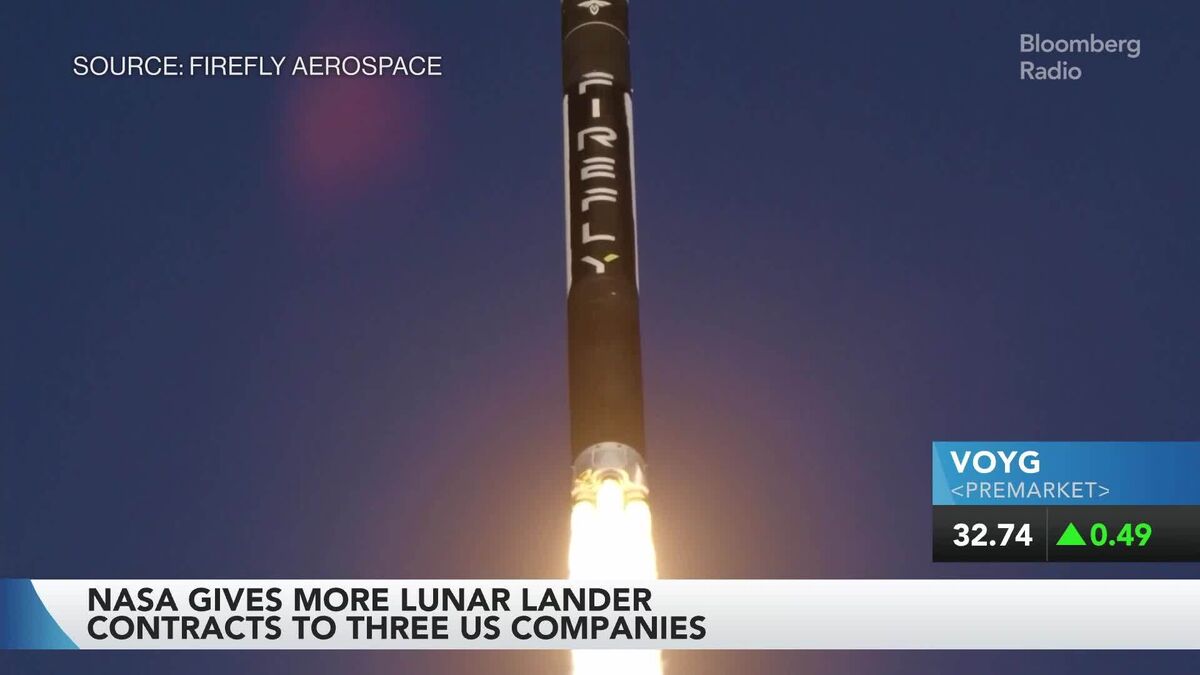
Meta Cloud Business; NASA Lunar Lander Contracts | Stock Movers
Shares of several space companies, including FireFly Aerospace, Intuitive Machines, and Voyager Technologies, experienced significant movement following NASA's announcement that it has selected these firms to send robotic landers to the moon. This initiative is part of NASA's broader goal to establish a lunar base by the end of the decade. The agency awarded contracts to Astrobotic Technology Inc., Firefly Aerospace Inc., and Intuitive Machines Inc. for this lunar mission. In the consumer goods sector, General Mills saw its stock rise after reporting fourth-quarter profits that surpassed Wall Street expectations, driven by increased pricing strategies. Meanwhile, Meta Platforms Inc. gained traction on the stock market amid reports that the company is planning to launch a cloud infrastructure business aimed at providing access to AI computing power and models. Additionally, Meta is exploring the possibility of offering access to its "raw" computing capacity, as indicated by sources familiar with the company's plans.
NYS:GIS NMS:SPCX NAS:LUNR NMS:META
DSV partners with Exotec to modernise Dutch supply chain operations
Skypod, a leading technology company, has announced the launch of its innovative goods-to-person robotics system designed to enhance fulfillment processes in warehouses and distribution centers. This development comes as businesses increasingly seek to improve efficiency and reduce operational costs in response to rising consumer demand. The system, which utilizes intelligent robotics, was unveiled in October 2023 and is expected to revolutionize the way goods are handled and delivered. By automating the retrieval and transportation of products directly to workers, Skypod's technology aims to streamline workflows, minimize human error, and accelerate order processing times. The implementation of this system is particularly timely, given the ongoing challenges faced by the logistics sector, including labor shortages and the need for faster delivery solutions. Skypod's robotics are designed to integrate seamlessly with existing warehouse management systems, allowing for a smooth transition and immediate benefits. The company emphasizes that this advancement not only boosts productivity but also enhances worker safety by reducing the physical strain associated with manual handling tasks. As e-commerce continues to grow, Skypod's innovative approach positions it as a key player in the future of supply chain management.

Gentle Gripper for the Baking Industry
SoftGripping has developed an innovative gripping solution designed for integration into bakery operations. This new technology aims to enhance efficiency and precision in the handling of baked goods, addressing the specific needs of the baking industry. The solution is expected to streamline processes and improve productivity within bakeries, making it a valuable addition to modern food production techniques. The announcement comes as the industry increasingly seeks automation solutions to meet growing consumer demands and maintain competitive advantages.
Allgemein Greifer & Werkzeuge Lebensmittel & Verpackung Robotik
Drone startup uses inflatable ‘marshmallow’ wing design to boost safety, efficiency
The drone logistics sector is increasingly focused on developing faster and more robust aircraft designed for substantial deliveries. This shift comes in response to the growing demand for efficient and timely transportation solutions in various industries. As companies seek to enhance their delivery capabilities, innovations in drone technology are being prioritized to meet these needs. The advancements aim to streamline operations and reduce delivery times, particularly in urban areas where traditional logistics face challenges. By leveraging cutting-edge technology, the industry is positioning itself to revolutionize the way goods are transported, ultimately improving service for consumers and businesses alike.

ABB Robotics launches PickMaster Lite to simplify & accelerate robotic picking
ABB Robotics has introduced PickMaster® Lite, a simplified version of its robotic picking software, aimed at packaging OEMs and system integrators. Launched on May 5, 2026, this new software is designed to accelerate the development of high-speed, vision-guided robotic picking solutions. By offering essential features for common picking tasks, PickMaster Lite reduces engineering efforts by 30% and commissioning time by 25%, while ensuring reliable performance. The motivation behind this launch stems from the increasing demand for automation in manufacturing, driven by labor shortages and consumer expectations for personalized products. Craig McDonnell, Business Line Managing Director at ABB Robotics, emphasized the need for quick and reliable automation solutions to enhance production flexibility. PickMaster Lite employs an intuitive, task-based interface with pre-configured templates, eliminating the need for specialized programming skills. It integrates seamlessly with existing machine control architectures, allowing for easy communication with PLC and HMI systems. This capability enables machine builders to manage key functions directly through their preferred control systems, thus minimizing development risks. The software is particularly suited for high-volume, cost-sensitive applications in sectors such as consumer goods, food and beverage, pharmaceuticals, electronics, and e-commerce. As part of the broader PickMaster family, it offers a scalable solution that can evolve alongside production needs, with options for more advanced functionalities through PickMaster and PickMaster Twin. For additional details, interested parties can visit ABB's robotics website.

Tesla: Disastrous Robotaxi Checkup
In a recent development, investors are closely monitoring the stock market as companies report their quarterly earnings. This wave of earnings announcements, which began in early October 2023, is taking place across various sectors, including technology, healthcare, and consumer goods. Analysts are particularly focused on how these results will reflect the broader economic conditions and consumer spending trends. The earnings reports are crucial for investors as they provide insights into company performance and future growth potential. Many firms are expected to face challenges due to inflationary pressures and supply chain disruptions, which could impact their profitability. As a result, market participants are assessing whether companies can meet or exceed expectations set by analysts. The earnings season is anticipated to continue through the end of the month, with major corporations scheduled to release their results. Investors are employing various strategies to navigate the volatility, including diversifying their portfolios and closely following market indicators. Overall, the outcome of this earnings season will play a significant role in shaping market sentiment and influencing investment decisions as stakeholders seek to understand the economic landscape moving forward.
TSLA TSLA:CA Stone Fox Capital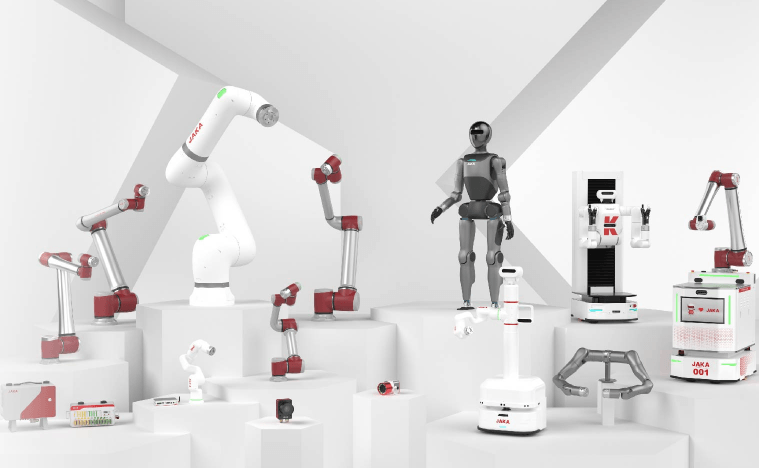
Why Are Collaborative Robots Crucial for SMEs and Industry Giants?
As global manufacturing evolves, the line between manual labor and automation is increasingly blurred. In 2026, a pivotal shift occurs as general industries—including food, consumer goods, and logistics—emerge as the leading sectors driving automation growth, previously dominated by industrial robotics in automotive plants. This transformation is largely attributed to the rise of collaborative robots (cobots), designed to work safely alongside human workers without the need for traditional safety barriers. Small and Medium Enterprises (SMEs) often struggle with the "automation paradox," needing efficiency to compete but lacking the resources for conventional robots. Cobots address this challenge with their compact design and user-friendly, no-code programming, enabling smaller businesses to automate repetitive and hazardous tasks with minimal investment. Meanwhile, larger manufacturers benefit from cobots' flexibility in high-mix, low-volume production environments, where they can efficiently handle tasks like precision dispensing and palletizing. JAKA, a leader in collaborative robotics, emphasizes the importance of robots as reliable partners rather than mere tools. Their JAKA Mini series, weighing under 10kg, is tailored for SMEs, while the JAKA Pro series is built for larger enterprises, offering durability in harsh conditions. Advanced AI and vision systems enhance the robots' ability to interact with their environment, earning the trust of industry giants like Toyota and Schneider Electric. JAKA's solutions aim to facilitate the transition from manual labor to intelligent automation, providing the necessary flexibility and value for the future of Industry 4.0.

SoftBank Robotics backs Matternet to expand drone delivery across US
Matternet has announced a strategic partnership with SoftBank Robotics America to advance the integration of drone delivery services into everyday logistics across the United States. This collaboration seeks to enhance the efficiency and accessibility of delivery systems, leveraging drone technology to meet the growing demand for rapid logistics solutions. The initiative comes at a time when the logistics industry is increasingly turning to innovative technologies to streamline operations and improve customer service. By combining Matternet's expertise in drone delivery with SoftBank's robotics capabilities, the partnership aims to revolutionize the way goods are transported, making drone delivery a commonplace option for businesses and consumers alike.
News
Matternet and SoftBank Robotics America Announce Strategic Partnership to Scale Drone Delivery Networks
Matternet and SoftBank Robotics America have announced a strategic partnership aimed at enhancing the deployment of autonomous aerial logistics. This collaboration combines Matternet's advanced drone delivery technology with SoftBank Robotics' expertise in commercialization, creating a powerful synergy to expedite the integration of drone services into various sectors. The partnership is expected to streamline logistics operations and improve delivery efficiency, addressing the growing demand for innovative solutions in the logistics industry. As both companies work together, they aim to leverage their respective strengths to revolutionize the way goods are transported, ultimately benefiting businesses and consumers alike.
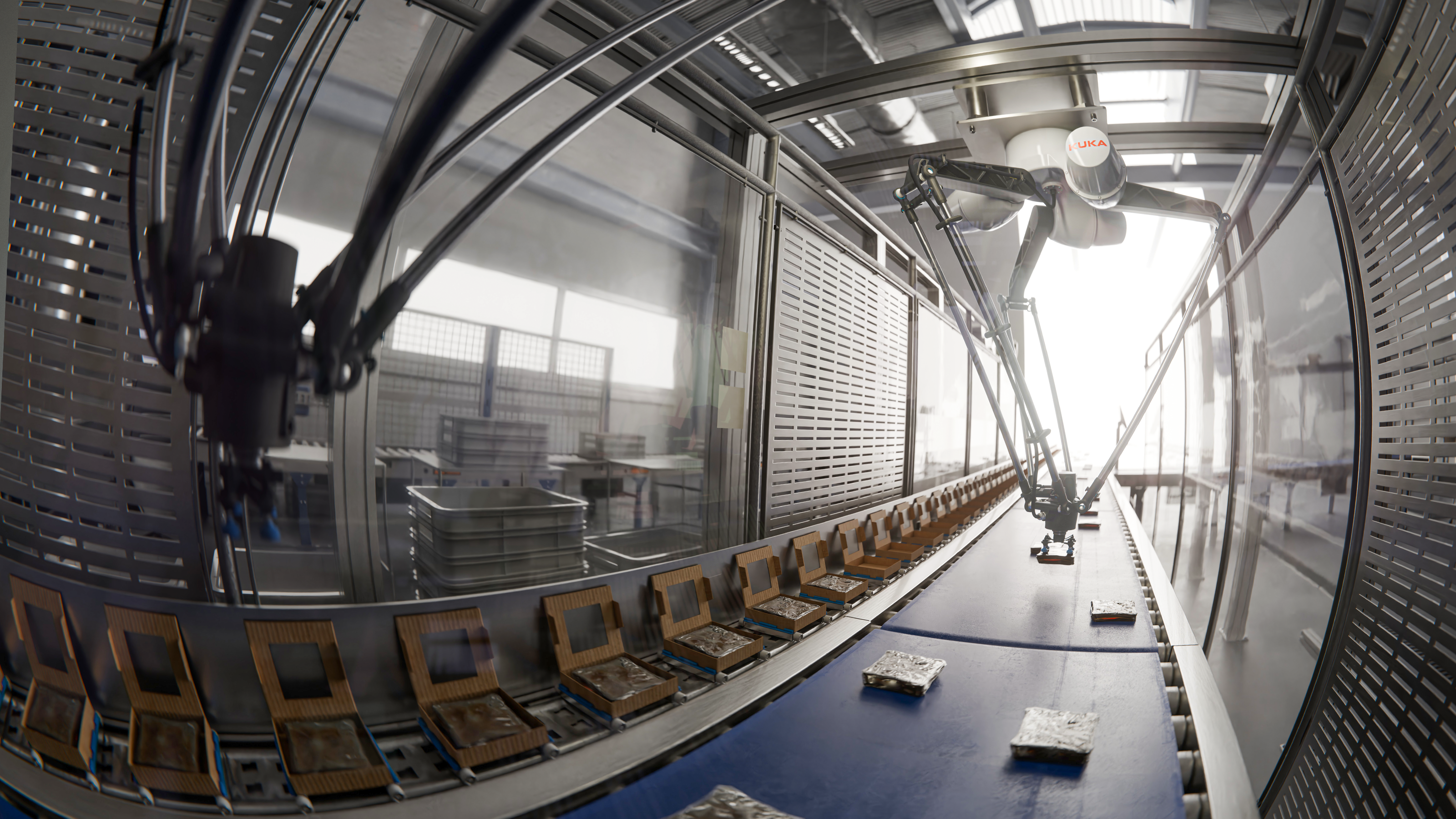
KUKA presents the future of packaging at interpack 2026 – fast, flexible, autonomous
At the upcoming interpack 2026, KUKA will showcase its advanced automation solutions designed to enhance efficiency in packaging processes. The event, scheduled to take place in Düsseldorf, Germany, will feature KUKA's innovations including fast pick-and-place systems, hygienic oil and cleanroom robots, palletizing solutions, heavy-duty robots, and autonomous mobile robots (AMRs). Visitors can explore these technologies at Hall 6, Booth B74. KUKA aims to demonstrate how its smart and clean automation can streamline operations in the packaging, food, and consumer goods sectors, addressing the growing demand for efficient and hygienic production methods.
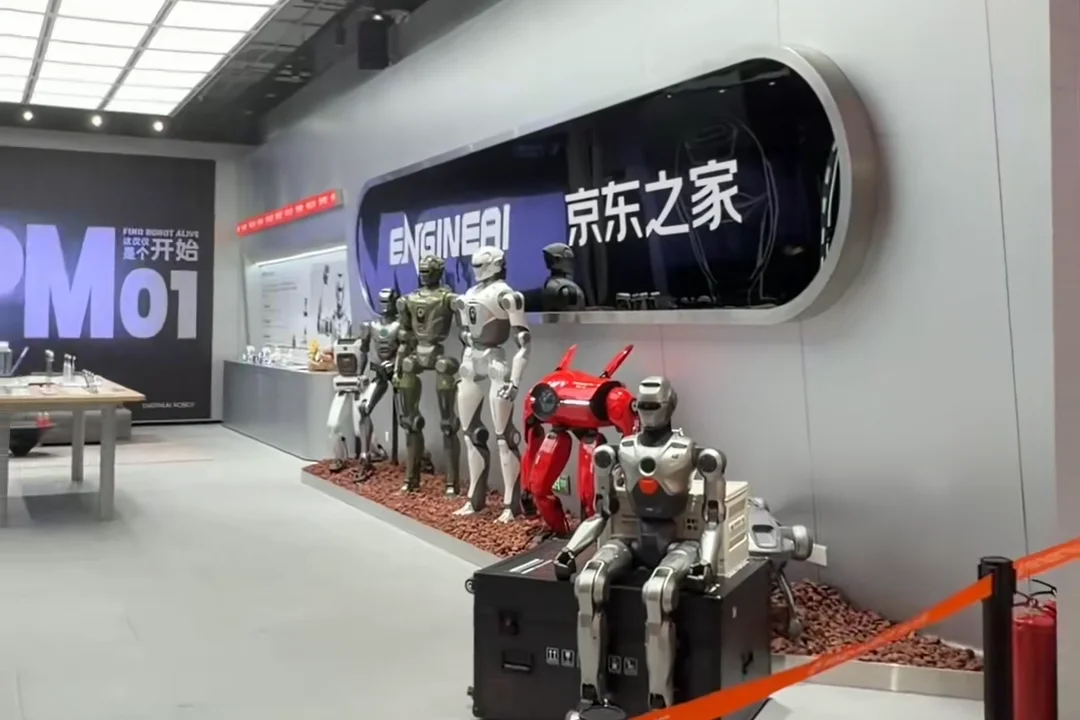
EngineAI Deploys Humanoid "Cyber Staff" in New Shenzhen Retail Store
EngineAI has launched a new "trendy goods" store in Shenzhen in collaboration with e-commerce leader JD.com, showcasing a significant advancement from previous viral demonstrations to a tangible retail experience. This innovative store is uniquely staffed by humanoid robots, highlighting the integration of artificial intelligence in everyday shopping environments. The opening represents a pivotal moment in the evolution of retail technology, as EngineAI aims to enhance customer engagement and streamline operations through automation. The partnership with JD.com, a major player in the e-commerce sector, underscores the growing trend of combining AI with traditional retail to meet the demands of modern consumers.
EngineAI
Rethinking E-Commerce Fulfillment Automation in a Fast-Moving Market
Autonomous mobile robots (AMRs) are revolutionizing warehouse operations by providing a flexible alternative to traditional logistics systems that depend on fixed paths and hardwired infrastructure. These advanced robots are capable of navigating complex environments, allowing for more efficient movement of goods within warehouses. As businesses increasingly seek to enhance productivity and reduce operational costs, the adoption of AMRs is gaining momentum. This shift is particularly significant in the wake of evolving consumer demands and the need for rapid fulfillment in the supply chain. By utilizing sophisticated sensors and artificial intelligence, AMRs can adapt to changing layouts and obstacles, ensuring seamless operations. As of October 2023, the trend towards integrating AMRs into warehouse settings is expected to continue, driven by the ongoing pursuit of innovation and efficiency in logistics.
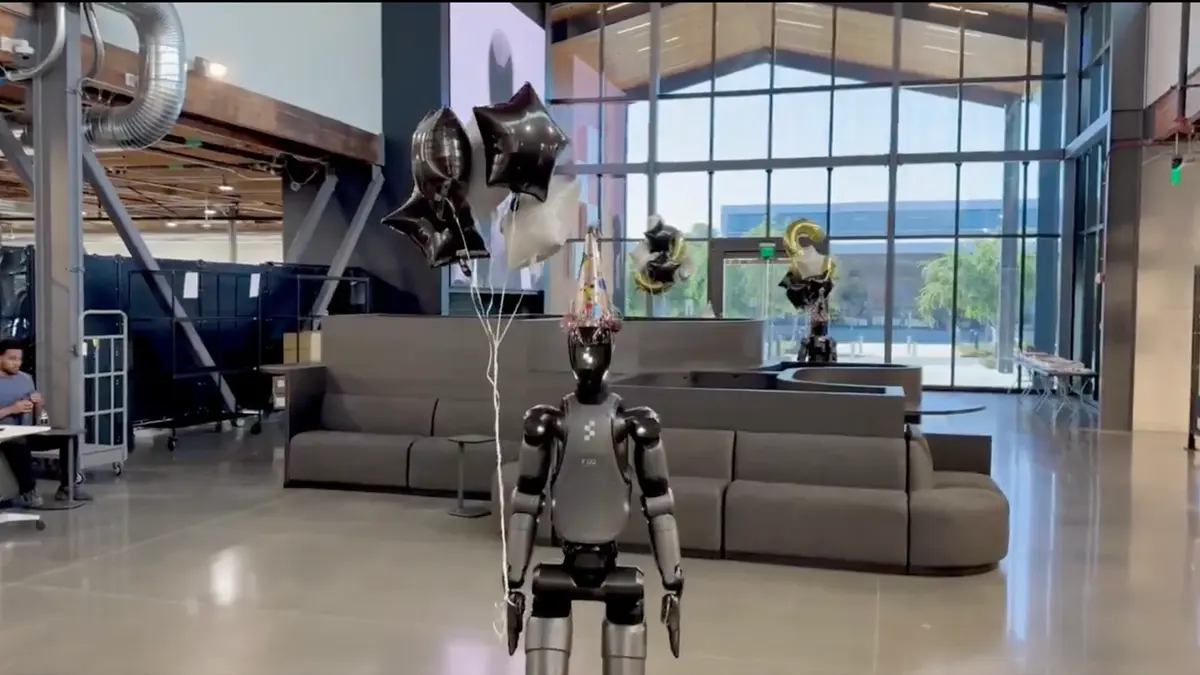
Humanoid Roundup: Figure AI's Milestone, Apptronik Award, and Foundation's Factory Focus
Figure AI recently marked its third anniversary by releasing a video featuring its advanced walking robot, highlighting the company's progress in humanoid robotics. Meanwhile, Apptronik's Apollo has been recognized with the prestigious 2025 IEEE RAS Award for Product Innovation, underscoring its significant contributions to the field. Additionally, Foundation Robotics demonstrated its Phantom robot's capabilities in automating consumer goods packing tasks, showcasing the practical applications of robotics in industry. These developments reflect the ongoing advancements in humanoid robotics, driven by a growing demand for automation and efficiency in various sectors.

US-China tariffs likely to impact Apple prices, iPhone 17 adjustments expected
The ongoing trade tensions between the United States and China are poised to affect the import costs of Apple’s iPhones. As the U.S. implements tariff hikes on Chinese goods, China is expected to respond with reciprocal tariffs. Analysts from Rosenblatt Securities have indicated that if Apple cannot mitigate these increased costs through alternative strategies, the company may raise prices for its iPhones and Apple Watches by as much as 43%. This potential price increase could significantly impact consumers, highlighting the broader implications of international trade policies on major technology companies.
News Feed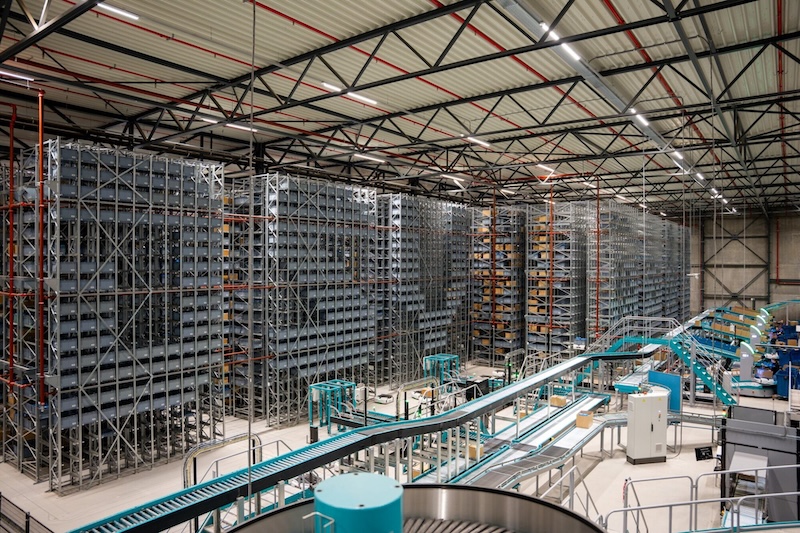
DSV partners with Exotec to modernise Dutch supply chain operations
DSV, a global leader in transport and logistics, has announced a strategic partnership with Exotec, a company renowned for its expertise in warehouse robotics. This collaboration has led to the installation of Exotec's advanced Skypod system at DSV's logistics center in Venlo. The innovative system features around 100 autonomous Skypod robots, designed to enhance fulfillment operations for a range of retail brands. This initiative aims to streamline logistics processes and improve efficiency in handling inventory, reflecting DSV's commitment to leveraging cutting-edge technology in its operations. The partnership underscores the growing trend of automation in the logistics sector, as companies seek to optimize their supply chains and meet increasing consumer demands.
Logistics News Warehouse robots automation news Autonomous robots dsv
How Blockchain and Emerging Technologies Are Revolutionizing the Jewelry Industry
The jewelry industry, recognized as one of the oldest luxury markets globally, has long struggled with transparency regarding production methods and the origins of materials. Traditionally, consumers relied heavily on the trustworthiness of artisans and brands, often lacking access to crucial information about their purchases. However, recent advancements are beginning to change this landscape. As of October 2023, new technologies and initiatives are emerging that aim to enhance transparency within the sector. These developments are designed to provide buyers with clearer insights into the sourcing and manufacturing processes of jewelry, thereby fostering greater trust and accountability. This shift not only benefits consumers but also encourages ethical practices among producers, ultimately transforming the way jewelry is marketed and sold.
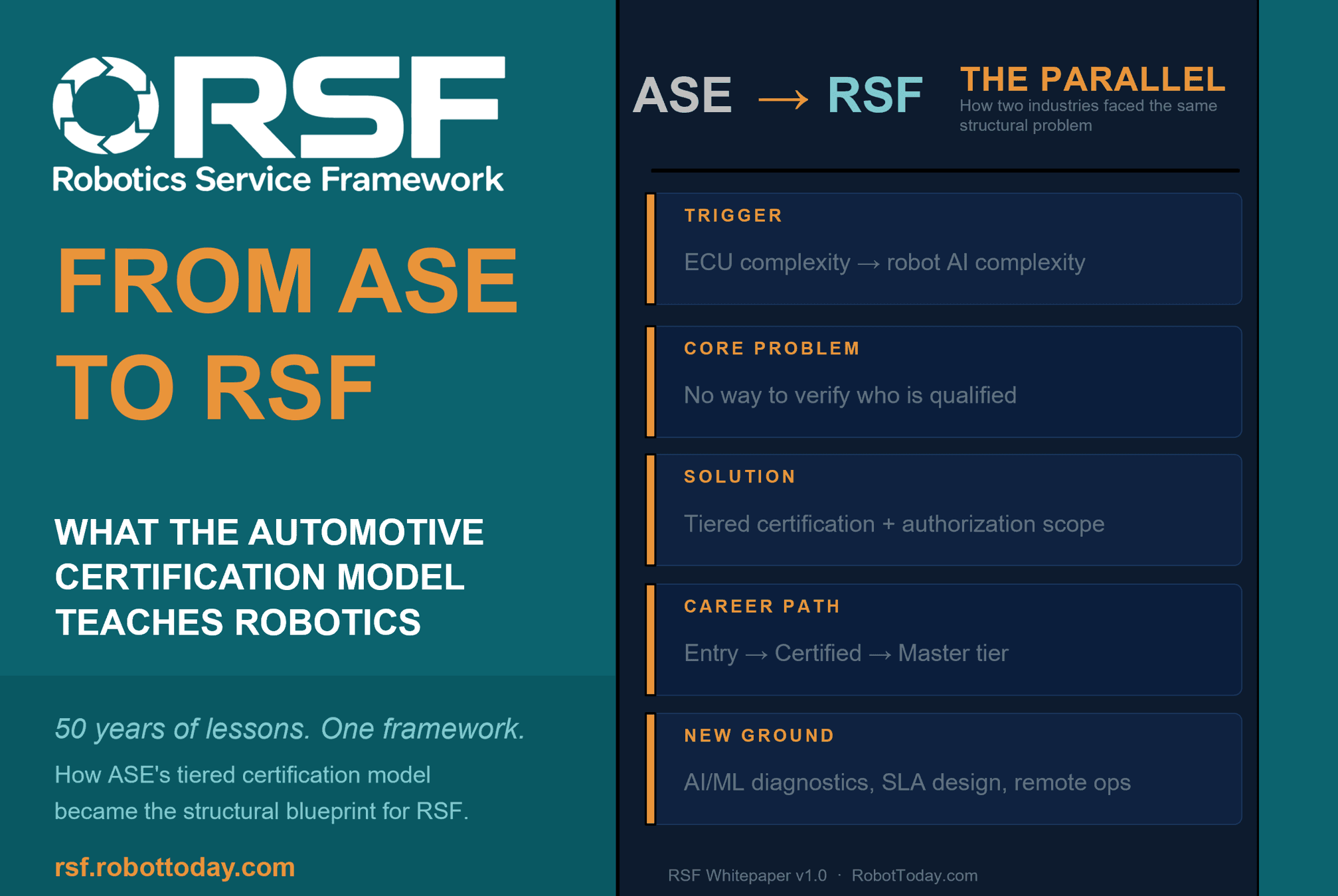
Artificial Intelligence Software 3d printing additive manufacturing AI gem grading artificial intelligenceRobotics needs a service framework.
RSF defines a common language for robot service capability, lifecycle operations, certification pathways, and service-provider networks.