Industry Briefing
A single destination for timely, editor-curated robotics news from around the world.
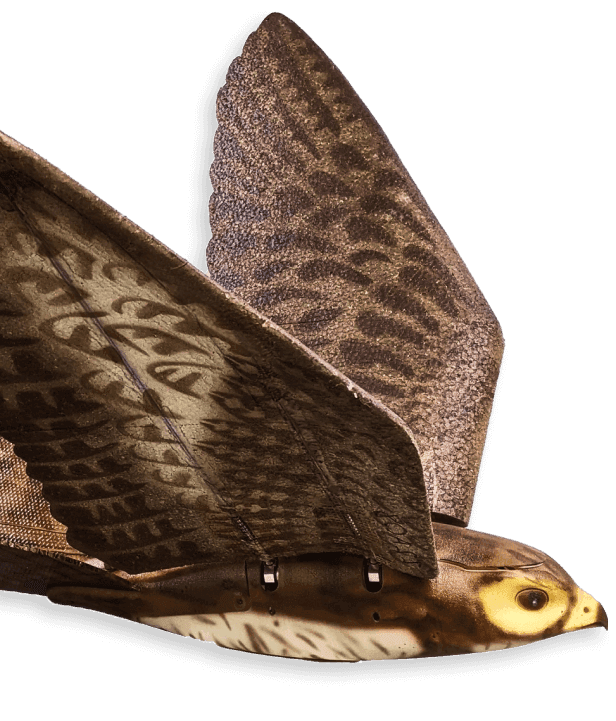
Designed to Fly Like a Falcon, RoBird Takes Aim at Crop-Damaging Birds
A new application for the RoBird drone, designed to mimic the flight of a falcon, is emerging as a solution for agricultural crop protection in Queensland, Australia. Originally developed to prevent bird strikes at airports, this innovative flapping-wing technology is now being tested by local growers to safeguard their crops from damage caused by birds. The shift in usage highlights the versatility of the RoBird, as it adapts to address challenges in agriculture, demonstrating its potential to enhance farming practices while reducing reliance on traditional pest control methods.
Agriculture Applications Conservation Drone News Drone News Feeds Drones in the News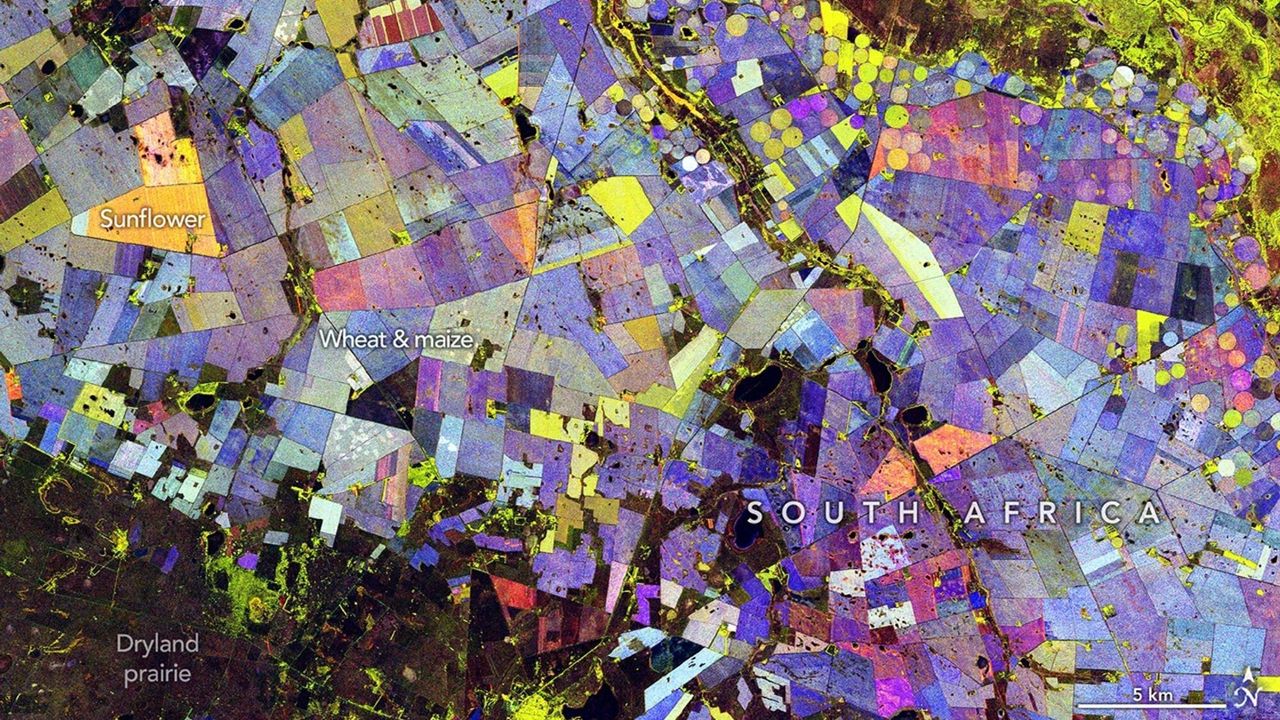
A rainbow patchwork quilt shows agriculture from space | Space photo of the day for June 4, 2026
A vibrant patchwork of colors now blankets South Africa, as revealed in a new composite image produced from data collected by NASA's latest Earth-observing mission. This innovative imagery showcases the diverse landscapes and ecosystems of the region, highlighting the advancements in satellite technology and Earth observation capabilities. The image serves not only as a stunning visual representation but also underscores the importance of monitoring environmental changes and natural resources. By utilizing cutting-edge technology, NASA aims to enhance our understanding of the Earth's systems and promote informed decision-making regarding environmental conservation and management.
Earth Astronomy Solar System
US team combines digital twins, VR to boost lunar robot performance for future missions
Researchers at the University of Colorado Boulder are pioneering the use of digital twin technology to enhance environmental monitoring and management. This innovative approach involves creating virtual replicas of physical systems, allowing scientists to simulate and analyze real-world conditions in real time. The project, which commenced in late 2023, aims to address pressing environmental challenges by providing more accurate data and predictive insights. Located in Boulder, Colorado, the initiative seeks to improve understanding of climate change impacts and resource management by integrating advanced modeling techniques with real-time data collection. The motivation behind this research stems from the urgent need to develop effective strategies for sustainability and resilience in the face of environmental degradation. By employing sensors and data analytics, the researchers are able to create dynamic models that reflect current environmental conditions, enabling stakeholders to make informed decisions. This method not only enhances the accuracy of environmental assessments but also facilitates proactive responses to potential ecological threats. The team at CU Boulder is collaborating with various stakeholders, including government agencies and conservation organizations, to ensure that the findings are applicable and beneficial for real-world applications.
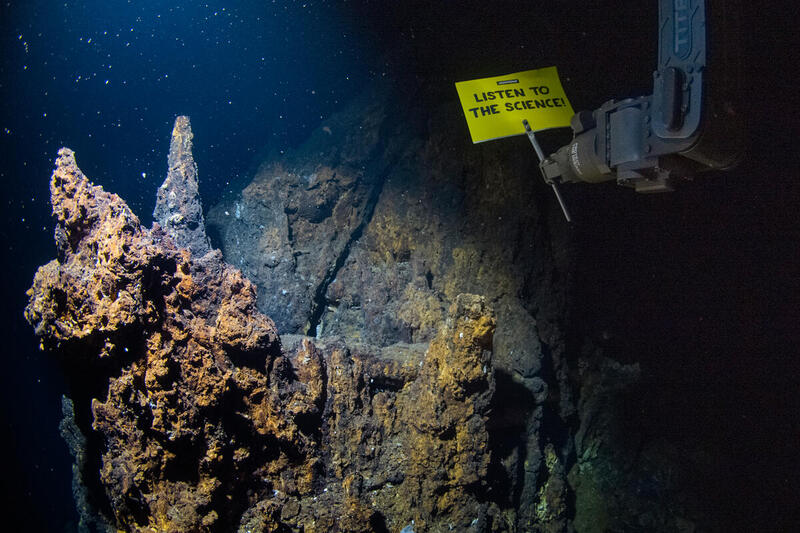
Greenpeace robot stages deepest-ever seabed protest
In a groundbreaking initiative, Greenpeace has launched an underwater robot to conduct a scientific survey of vulnerable deep-sea ecosystems along the Arctic Mid-Ocean Ridge. This event marks the deepest banner protest ever executed from the seabed, occurring at a depth of 2,300 meters. The robot displayed a powerful message urging global leaders to heed scientific advice, stating, “LISTEN TO THE SCIENCE!” The campaign aims to raise awareness about the urgent need for action to protect these unexplored marine environments. Dr. Sandra Schöttner, a key figure in the initiative, emphasized the importance of scientific research in informing policy decisions regarding environmental conservation. This innovative protest not only highlights the threats facing deep-sea ecosystems but also seeks to galvanize international attention and action on climate change and marine protection.
Environment News Arctic Ocean automation news autonomous underwater vehicles climate change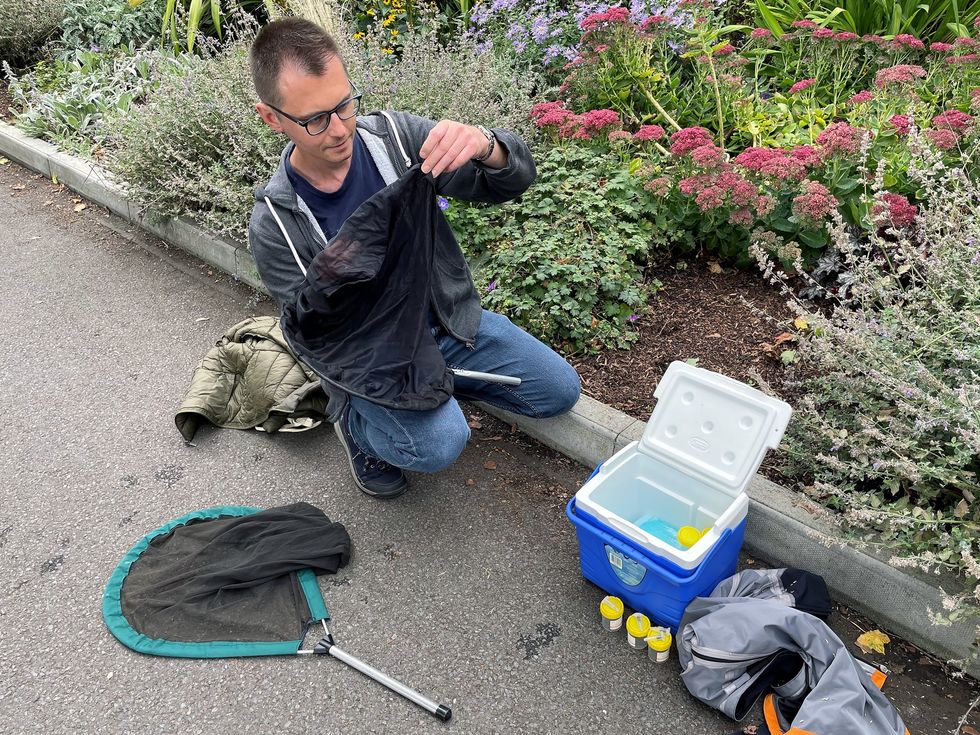
Radar Can Tell the Difference Between Insect Species
Researchers at the Technological University of Denmark have developed a groundbreaking radar system aimed at monitoring pollinators, such as bees and wasps, in a cost-effective and non-invasive manner. Traditional methods of tracking these vital insects have been labor-intensive and often harmful, as they typically require capturing and killing specimens for identification. The new approach, detailed in a study published on April 28 in the journal PNAS Nexus, leverages millimeter-wave radar technology to analyze micro-Doppler signatures generated by insect wingbeats. The team, led by associate professor Adam Narbudowicz, trained a machine learning model using radar data from five species of pollinators captured on the campus of Trinity College Dublin. By focusing on the unique radar reflections produced by the insects, the researchers achieved an impressive 85 percent accuracy in species classification and 96 percent accuracy in distinguishing between bee and wasp species. The accuracy improved with the duration of time the insects remained in the radar beam, suggesting potential for further refinement. This innovative radar system not only promises to enhance the monitoring of pollinators but could also be adapted to track pests and invasive species. The researchers aim to create a portable version of the technology and establish a global database of insect radar signatures, which could include environmental factors to better understand how conditions affect pollinator behavior. This advancement could ultimately contribute to more effective conservation efforts and agricultural practices.
Radar Insects Machine-learning
Biomedical jellyfish-inspired robot hits record swim speeds without onboard power
Researchers have developed a groundbreaking jellyfish-inspired soft robot capable of navigating through water at unprecedented speeds. This innovative technology, unveiled in a recent study, showcases the potential for advanced underwater exploration and environmental monitoring. The robot mimics the unique propulsion mechanism of jellyfish, allowing it to move efficiently and swiftly. The development took place in a laboratory setting, where scientists aimed to enhance robotic mobility in aquatic environments. By studying the biomechanics of jellyfish, the team was able to replicate their movement patterns, resulting in a soft robot that not only moves faster than existing models but also carries out tasks such as data collection and monitoring marine ecosystems. This advancement comes at a crucial time as researchers seek sustainable solutions for underwater exploration, driven by the need to better understand and protect marine life. The soft robot's design allows for flexibility and adaptability, making it suitable for various applications, from scientific research to environmental conservation efforts. As the technology progresses, the team envisions further enhancements that could lead to even greater speeds and capabilities, paving the way for a new era of robotic exploration in our oceans.
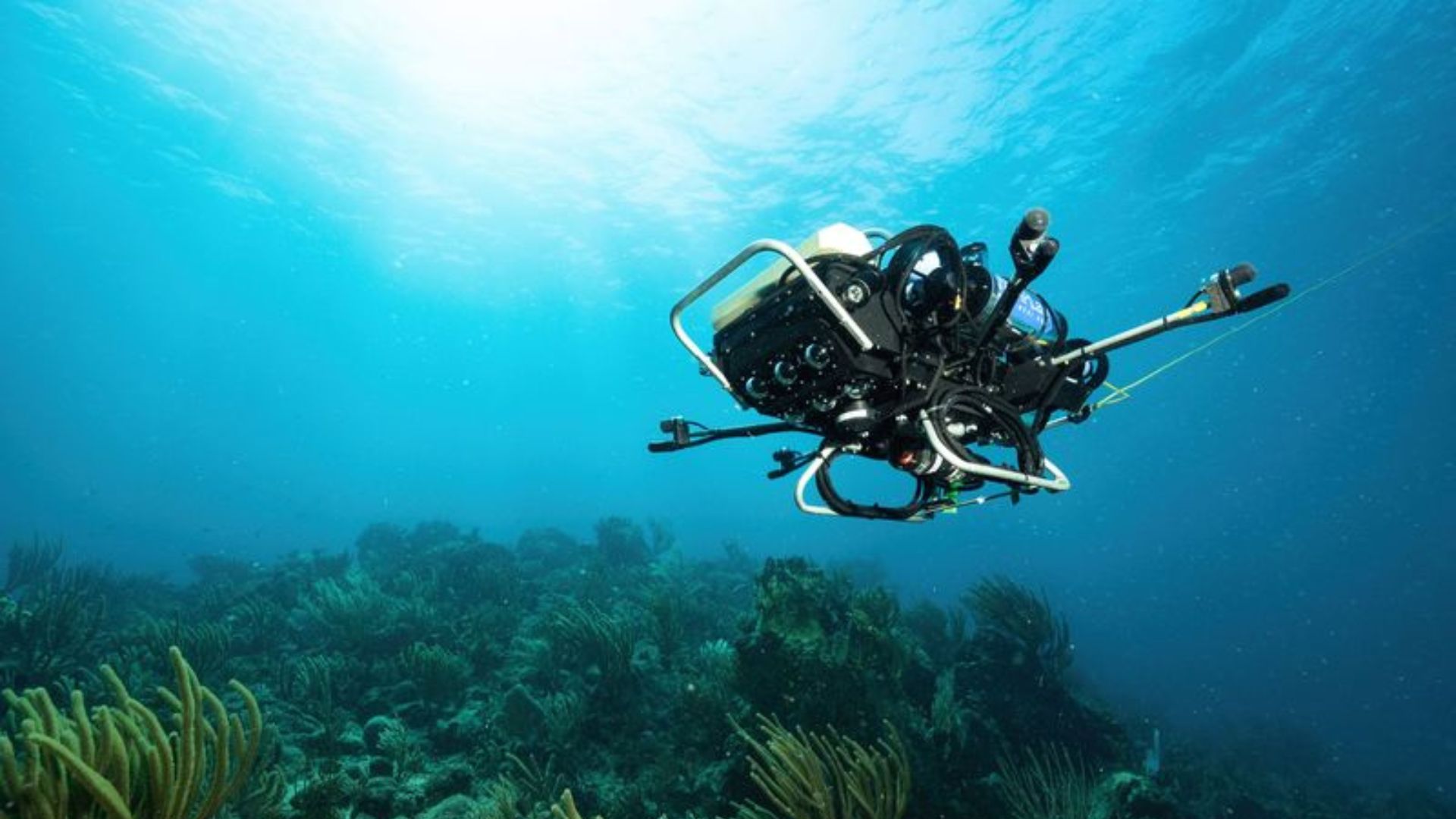
New autonomous reef robot follows shrimp snaps and fish calls to map marine life zones
A team of scientists has unveiled an innovative autonomous underwater robot designed to identify and map biodiversity hotspots in marine environments. This groundbreaking technology was introduced during a recent conference held in San Diego, California, where researchers gathered to discuss advancements in ocean exploration. The motivation behind this development stems from the urgent need to monitor and protect fragile ecosystems threatened by climate change and human activity. The robot utilizes advanced sensors and artificial intelligence to navigate underwater terrains, collect data on various species, and create detailed maps of biodiversity-rich areas. By automating the process of exploration, the scientists aim to enhance the efficiency and accuracy of marine research, allowing for more effective conservation efforts. This initiative represents a significant step forward in understanding and preserving the ocean's diverse ecosystems, which are vital for global health and sustainability.

Indiana Scores First Drone Deer Hunting Conviction in Landmark UAV Poaching Case
Indiana has made headlines with its first conviction related to drone-assisted deer hunting, marking a significant legal precedent in the regulation of unmanned aerial vehicles (UAVs) in hunting practices. The case arose as hunters increasingly turned to drones to enhance their chances of capturing trophy animals, prompting state lawmakers and regulators to take action. The conviction underscores the growing need for clear rules governing the use of drones in hunting, aimed at preserving ethical standards and wildlife conservation. As this legal framework develops, it reflects a broader trend of integrating technology into traditional hunting methods while addressing the associated ethical and regulatory challenges.
Drone News Drone News Feeds Drones in the News hunting News commercial drone news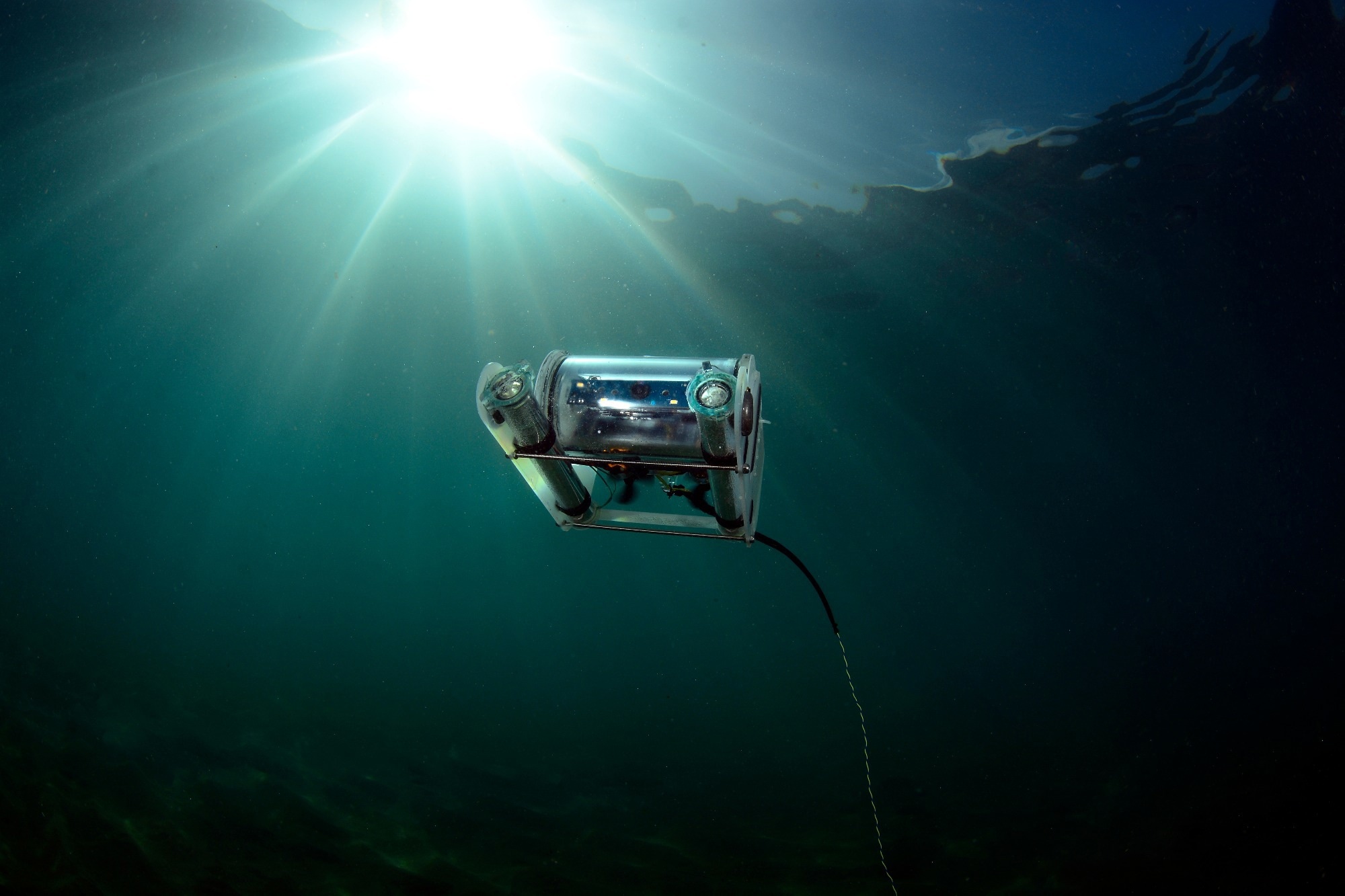
Autonomous eDNA Robot Enables Real-Time Aquatic Monitoring
A groundbreaking development in environmental monitoring has emerged with the introduction of an AI-enabled eDNA-bot, designed to autonomously collect and analyze environmental DNA. This innovative technology enhances the detection of various species and facilitates ongoing ecological surveillance. By utilizing advanced algorithms and automated processes, the eDNA-bot operates efficiently in diverse ecosystems, allowing researchers and conservationists to gather critical data without the need for constant human intervention. This advancement is particularly significant as it addresses the growing need for effective and continuous monitoring of biodiversity, which is essential for conservation efforts and understanding ecological changes. The deployment of the eDNA-bot marks a pivotal step in leveraging artificial intelligence to support environmental science, with the potential to transform how species are monitored and protected.
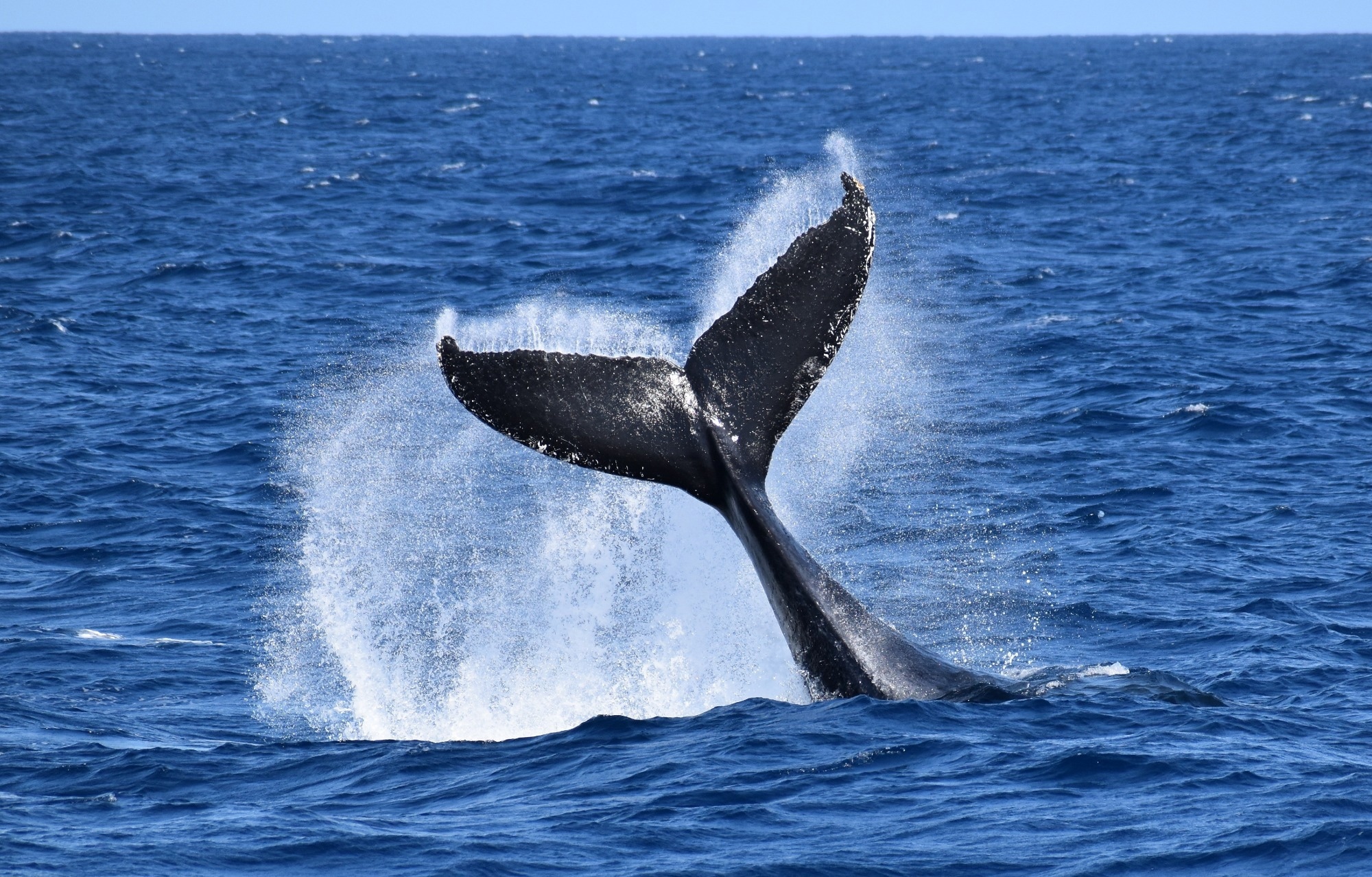
Autonomous Gliders Track Whales Using Acoustic Signals
Researchers have developed a PAM-controlled glider system designed to track sperm whales, enhancing the ability to monitor these marine mammals over extended periods. This innovative system employs real-time acoustic processing, allowing for effective data collection and analysis. The study, which showcases the technology's capabilities, aims to improve understanding of sperm whale behavior and distribution in their natural habitats. By utilizing this advanced monitoring technique, scientists hope to contribute valuable insights into the conservation efforts for these endangered species. The research underscores the importance of integrating technology in marine biology to address challenges in wildlife monitoring and protection.

Project CETI deploys autonomous underwater gliders to better observe sperm whales
Project CETI has introduced an innovative underwater glider designed to enhance the monitoring of sperm whales, significantly extending the duration of observation compared to previous techniques. This advancement aims to improve the understanding of whale behavior and ecology, contributing to conservation efforts. The deployment of the autonomous glider marks a pivotal step in marine research, allowing scientists to gather more comprehensive data on these majestic creatures. The initiative reflects Project CETI's commitment to leveraging technology for wildlife observation and protection, ultimately fostering a deeper connection between humans and marine life.
Academia / Research Artificial Intelligence Artificial Intelligence / Cognition Design / Development Maritime Markets / Industries
From Rainforests to Recycling Plants: 5 Ways NVIDIA AI Is Protecting the Planet
NVIDIA AI is making significant strides in various sectors, including climate change, conservation, disaster monitoring, and recycling, with the aim of enhancing environmental protection. By leveraging advanced artificial intelligence technologies, the company is developing applications that address pressing global challenges. These initiatives are particularly relevant as the world grapples with the impacts of climate change and seeks innovative solutions to safeguard natural resources. As of October 2023, NVIDIA's efforts reflect a growing commitment to sustainability and the use of technology to foster a healthier planet.
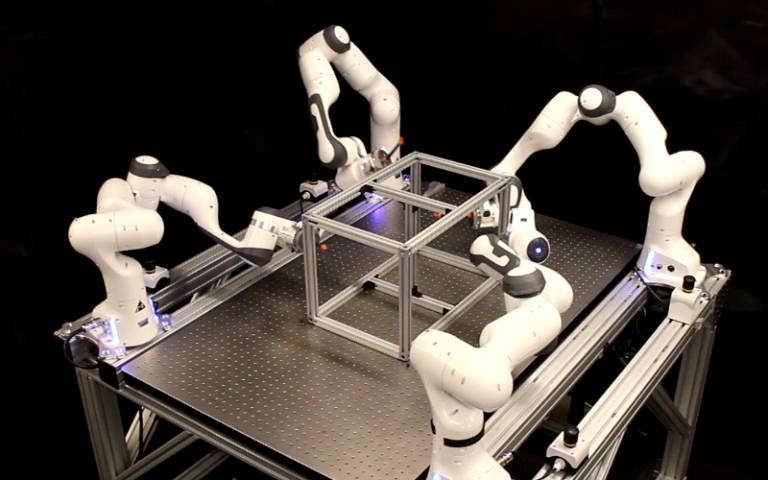
Hierarchical Dynamic Control Framework for a Hexapod Robot in Complex Terrain
A recent study published in the Journal of Field Robotics has explored advancements in robotic technologies, focusing on their applications in various fields. The research, conducted by a team of engineers and scientists, highlights the significant progress made in robotic systems designed for complex tasks, such as search and rescue operations, agricultural monitoring, and environmental conservation. The findings, released in May 2026, emphasize the importance of integrating artificial intelligence and machine learning into robotic systems to enhance their efficiency and adaptability in real-world scenarios. The study was conducted in multiple locations, showcasing a range of environments where these robotic technologies can be deployed effectively. The motivation behind this research stems from the growing need for innovative solutions to address challenges in disaster response and resource management. By utilizing advanced robotics, the team aims to improve operational capabilities and reduce human risk in hazardous situations. The study outlines a systematic approach to testing and implementing these technologies, providing a framework for future developments in the field. Overall, the research underscores the potential of robotics to transform various industries, offering insights into how these technologies can be harnessed to improve safety, efficiency, and sustainability in critical operations.
RESEARCH ARTICLE
Redefining Optimal Coverage Path Planning for FLS‐Equipped AUVs With Deep Reinforcement Learning
The Journal of Field Robotics has recently published an EarlyView article highlighting advancements in robotic technology. Researchers from various institutions have collaborated to explore innovative applications of robotics in field environments. This study, released in October 2023, focuses on enhancing the efficiency and effectiveness of robotic systems in agricultural and environmental monitoring tasks. The motivation behind this research stems from the increasing demand for precision agriculture and sustainable practices, which necessitate the integration of advanced robotics. By employing cutting-edge algorithms and sensor technologies, the team aims to improve data collection and analysis in challenging outdoor conditions. The findings suggest that these advancements could significantly reduce labor costs and increase productivity for farmers, while also providing critical insights for environmental conservation efforts. This collaborative effort underscores the potential of robotics to transform traditional practices and address pressing global challenges.
RESEARCH ARTICLE