Industry Briefing
A single destination for timely, editor-curated robotics news from around the world.
Boston Dynamics Faces Ownership Changes Amid Challenges in Humanoid Robot Commercialization
Boston Dynamics is undergoing a significant transformation as Hyundai Motor Group acquires the remaining shares from SoftBank, making it a wholly-owned subsidiary by July 2026. This acquisition marks the third ownership change for the company, which has been a benchmark in the robotics industry for over three decades. The contrast between the influx of Chinese robotics companies into the capital market and Boston Dynamics’ integration into an automotive group raises critical questions for the robotics sector. Founded in 1992 by Marc Raibert, Boston Dynamics initially thrived on military projects funded by DARPA. Despite being considered a vital technology asset during Google's acquisition in 2013, the company struggled to launch commercially viable products, leading to its sale to SoftBank in 2017. Financial losses have continued to escalate, with projected losses of 440.5 billion KRW in 2024, prompting workforce reductions. As Boston Dynamics begins manufacturing its Atlas robot in January 2026, the company aims to produce 30,000 units annually by 2028. However, reports indicate that production may only reach four units per month initially. This situation highlights the challenges faced by Boston Dynamics and serves as a cautionary tale for other robotics firms preparing for IPOs, emphasizing the importance of transforming technology into scalable business models.
Humanoid Robots Robot Commercialization Robotics Industry Automation Technology
Pro-Dex Inc Positioned for Growth with Zimmer’s mBos Robot Commercialization Efforts
Long Cast Advisers highlighted Pro-Dex, Inc. (NASDAQ:PDEX) in its Q2 2026 investor letter, noting a 20% earnings increase and a year-to-date return of +19%. Pro-Dex, a global medical device company, focuses on powered surgical instruments and has seen its shares rise 72.87% over the past year, closing at $65.56 on August 7, 2026. The significance of Pro-Dex's position is tied to Zimmer's commercialization of the mBos robot, which could lead to substantial operational benefits for Pro-Dex. The anticipated revenue from mBos sales, estimated at around $1 million per machine, suggests that achieving sales of 609 units could trigger significant financial incentives, enhancing Pro-Dex's corporate value. Looking ahead, the successful launch of the mBos robot could transform Pro-Dex's operating cash flow, positioning it for exceptional growth. No further timeline was disclosed at the time of publication.

Yushu Technology's IPO Marks a Significant Step in Humanoid Robot Commercialization
Yushu Technology has made its debut as the first publicly listed humanoid robot company in the A-share market. The company's IPO process has garnered significant attention from the capital market, highlighting its commercial value, technological strength, and market position. This event signifies a substantial shift in the humanoid robot industry from technology exploration to commercialization, providing a reference model for the sector's development. The financing journey of Yushu Technology reflects the evolution of the humanoid robot industry, transitioning from early-stage startups to a scalable production system. Each round of financing demonstrates investor confidence in the humanoid robot sector and the company's competitive capabilities. Yushu Technology has expanded its product line beyond humanoid robots to include quadruped robots, dexterous hands, and joint modules, enhancing its resilience and creating opportunities across various applications. The significance of Yushu Technology's IPO extends beyond fundraising; it sends a clear market signal that humanoid robots are evolving from laboratory showcases to a viable industry with clear business models and profit potential. As more companies enter the market and the humanoid robot supply chain matures, a trillion-dollar market is gradually taking shape. Yushu Technology's IPO journey is just the beginning of this grand narrative.
Humanoid Robots Robotics Industry Commercialization AI Technology
Shanghai Advances BCI Development: The Race for Commercialization Has Started
Shanghai is emerging as a key player in the global brain-computer interface (BCI) competition. The Shanghai Municipal Commission of Economy and Information Technology recently released the 'Three-Year Action Plan for the Industrialization of Brain-Computer Interfaces (2026-2028)', which aims to establish a leading national industrial chain ecosystem in the non-invasive BCI sector by 2028. The plan includes nurturing at least 50 related enterprises and achieving large-scale applications of core products in medical rehabilitation and cognitive training. This initiative is not just a theoretical blueprint. A team led by Academician Zhou Liangfu from Huashan Hospital's Neurosurgery Department, in collaboration with the Institute of Microsystem Research at the Chinese Academy of Sciences, has developed an implanted BCI product that has completed its first clinical trial with volunteers for motor function rehabilitation in paraplegic patients. Shanghai is adopting a parallel strategy with multiple technological routes, supporting invasive, semi-invasive, and non-invasive teams with dedicated funding, with non-invasive approaches progressing more rapidly. The Pudong New Area has designated a 'Brain Science Industrial Base' where the first batch of companies can benefit from various supports, including R&D expense deductions and expedited clinical trial processes. Shanghai's goal is clear: to become the city with the lowest operational costs and minimal policy friction for BCI enterprises. As the global BCI landscape evolves, Shanghai's focus on industrialization aims to establish a commercial loop in hospitals while ensuring safety and regulatory compliance, leveraging China's vast market potential in stroke rehabilitation, youth attention training, and early Alzheimer's screening.
Brain-Computer Interfaces Healthcare Technology Neurorehabilitation Cognitive Training
Challenges in Commercializing Embodied Intelligence: Hardware and Engineering Focus
As robots demonstrate capabilities like running and jumping, the industry consensus is clear: technical prototypes do not equate to commercial products. The competition in the embodied intelligence sector has shifted from algorithmic prowess to a comprehensive evaluation of hardware engineering, supply chain systems, and cost-benefit analysis in real-world scenarios. By 2026, advancements in technologies such as large models and dexterous hands are expected to accelerate. However, as numerous prototypes enter operational environments, issues like stability, maintenance costs, and parts supply have surfaced, revealing a significant gap between technological capabilities and industrial demands. While robots may achieve high success rates in laboratory settings, industrial applications require thousands of operational cycles, where even minor failures can halt entire processes. The industry recognizes that universal robots are not a feasible path at this stage. Instead, addressing gaps left by traditional automation is a more pragmatic approach. The logistics and warehousing sectors, characterized by structured environments, are the first to undergo large-scale validation. However, not all tasks are suitable for robots, and traditional automation still holds advantages in many areas. The maturity of the supply chain will ultimately determine the limits of industry expansion, as companies begin to build collaborative platforms to support large-scale delivery and address current mismatches in planned capacity and actual output.
Robotics Hardware Engineering Supply Chain Management Industrial Automation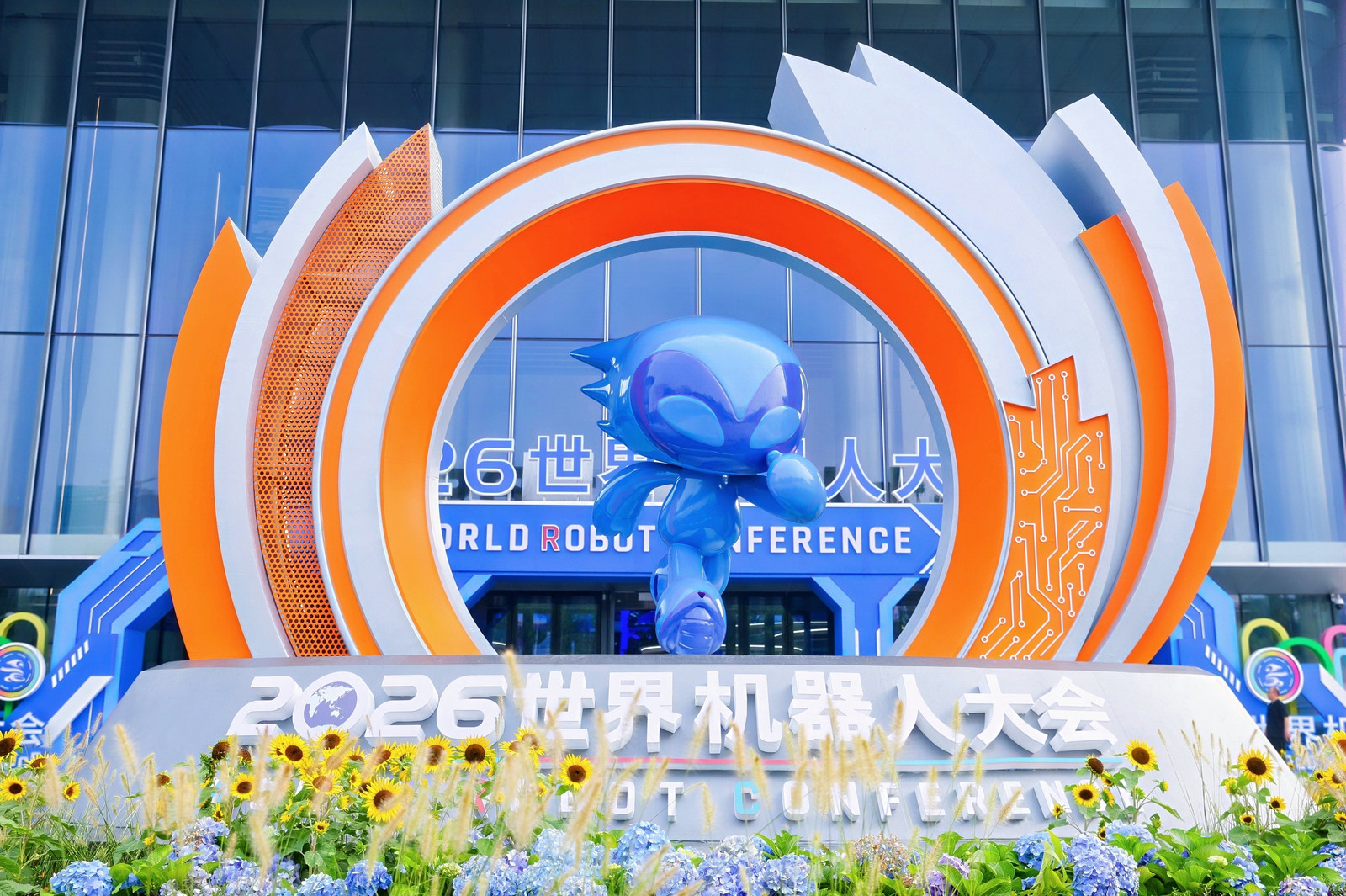
Yizhuang Robotics Showcases Commercialization Strategies at WRC 2026
The 2026 World Robot Conference concluded in Yizhuang, Beijing, featuring over 300 companies and 3,000 exhibits. The focus of the robotics industry is shifting from technical showcases to practical applications. Yizhuang Robotics is a key player in this transition, developing a foundational system to expedite the commercialization of robotics. The conference's theme, 'Human-Machine Symbiosis, Integration of Production and Demand,' emphasized the importance of connecting budget-holding clients with exhibitors. This marks a significant shift in the industry, where the emphasis has moved from performance to solving real-world problems. The demand for practical solutions is evident, as humanoid robot shipments in China exceeded 40,000 units in the first half of the year, representing 97% of the global market. Yizhuang Robotics utilized a large-scale consumer street and various industry activities to address the challenge of moving robots from demonstration to mass production. The consumer street welcomed nearly 300,000 visitors, generating close to 3 million yuan in sales, providing a real-world testing ground for robotic applications. The integration of technology and art was also highlighted, showcasing how robots can coexist with humans in everyday life.
Robotics Commercialization AI Consumer Experience Industry Collaboration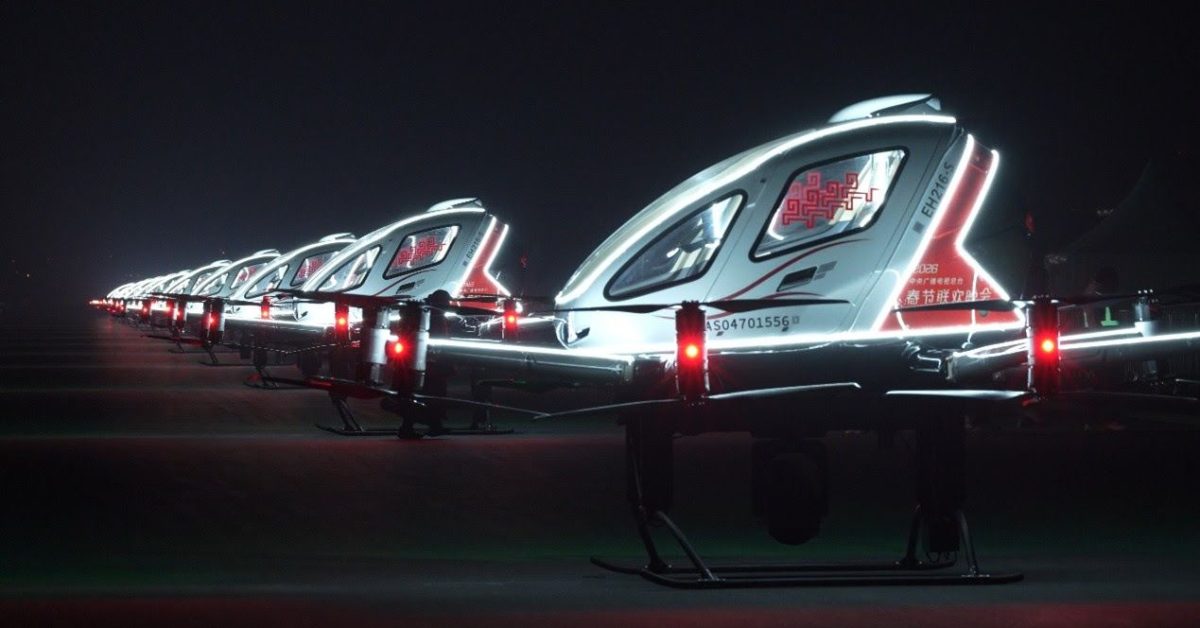
Sri Lanka Adopts EHang's Fast Track Program for Pilotless Air Taxi Operations
EHang has launched its Global Fast Track Program to expedite the commercialization of pilotless air taxis, with Sri Lanka as the first adopter. The initiative aims to transition aviation regulators from initial evaluations to commercial eVTOL operations in a matter of months, contingent on meeting safety and regulatory standards. This program is significant as it allows countries to leverage EHang's existing certifications and operational experience, rather than starting from scratch. Sri Lanka's officials are targeting an initial regulatory sandbox for commercial operations within four months, focusing on Colombo's Port City for eVTOL demonstration and trial services. Looking ahead, if successful, this initiative could enhance tourism through scenic flights and provide eVTOL shuttle services from Katunayake International Airport to central Colombo. Additionally, authorities are considering unmanned cargo flights to expand the technology's applications beyond passenger transport. No further timeline was disclosed at the time of publication.
News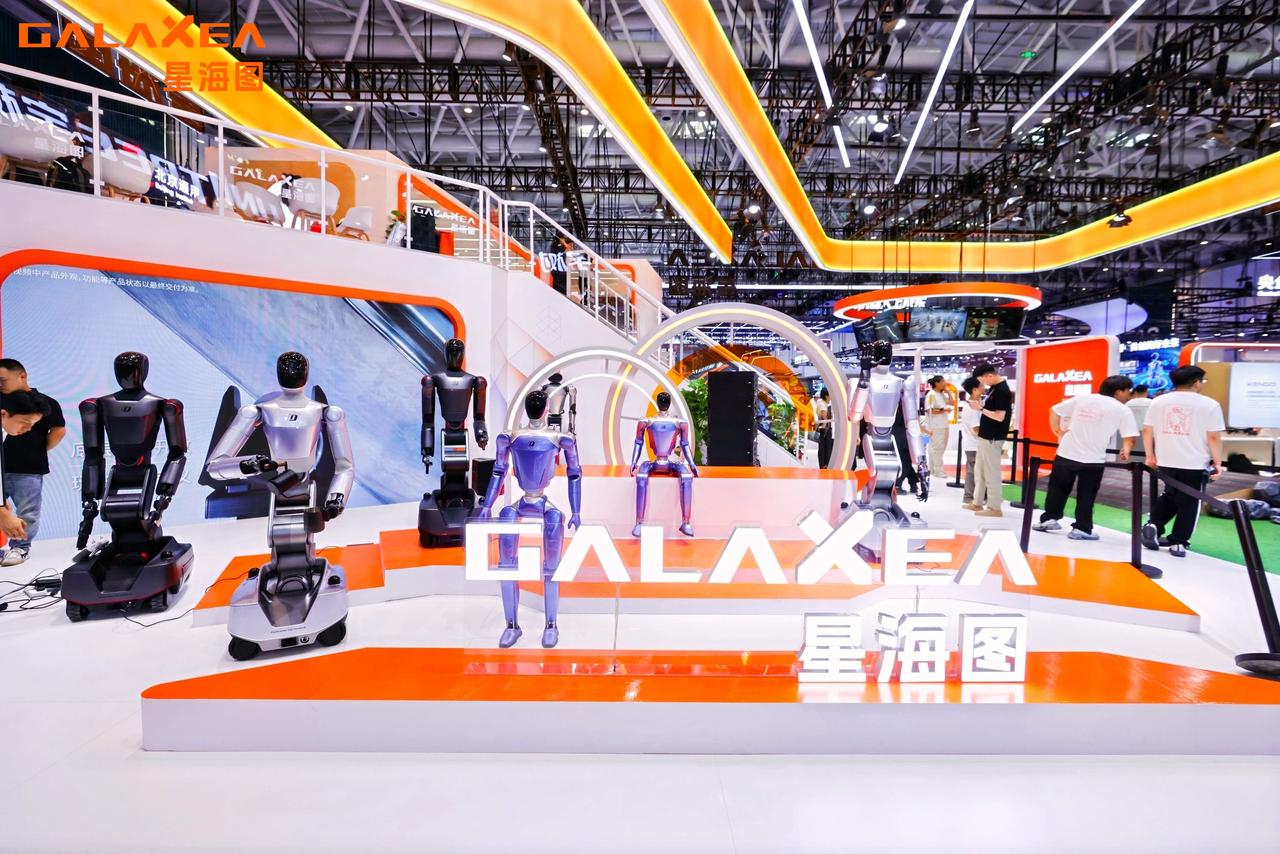
Xinghaitu Showcases Embodied Intelligence Advancements at 2026 World Robot Conference
At the 2026 World Robot Conference in Beijing, Xinghaitu presented over ten technology demonstrations under the theme of 'Awakening Productivity.' Unlike many exhibitors focusing on motion displays, Xinghaitu's demonstrations centered on 'real work,' showcasing the company's foundational technological advancements in both hardware and software. These presentations indicate a significant shift in embodied intelligence from laboratory settings to industrial applications, evolving from 'capable of performing tasks' to 'reliably executing tasks.' A highlight of the exhibition was Xinghaitu's introduction of the world's first fully automated pre-warehouse system, capable of online ordering and closed-loop fulfillment. Users can place random orders through a mini-program, allowing robots to autonomously identify products, plan routes, pick, pack, and complete the entire order-to-delivery process. This system demonstrates breakthroughs in handling a vast array of products without the need for individual programming, showcasing the potential of embodied intelligence in real-world scenarios. Additionally, Xinghaitu unveiled the next-generation humanoid robot, Nexo, featuring 30 degrees of freedom and designed for high-precision tasks. The robot's capabilities, including a 20kg load capacity and adaptability across various production scenarios, signify a move towards a universal productivity platform. As the industry watches these developments, the focus will be on how effectively embodied intelligence can adapt to unpredictable environments and maintain operational stability in real-world applications.
Embodied Intelligence Robot Automation Industrial Robotics Warehouse Solutions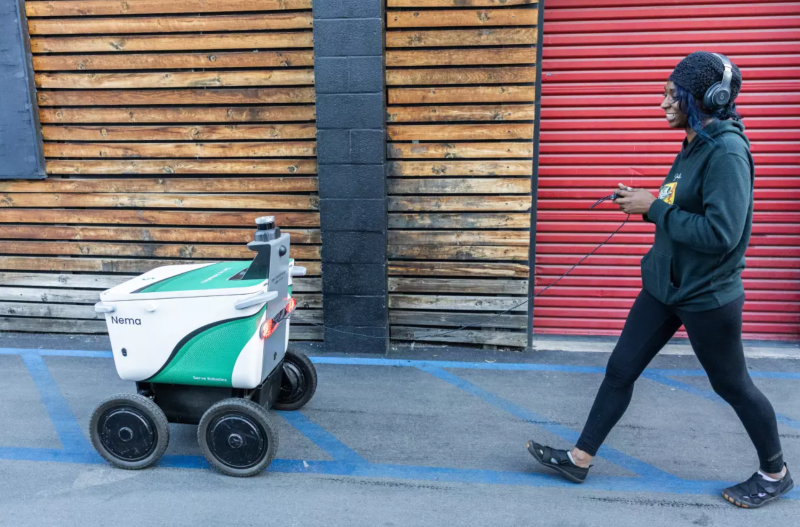
Serve Robotics Collaborates with Grubhub Following Uber's Exit to Boost Delivery Robot Expansion
Serve Robotics has announced a partnership with Grubhub on August 17, following Uber's exit from the investment and partnership. This collaboration signifies a strategic shift for Serve, moving from reliance on a single major partner to becoming a public delivery robot layer across multiple platforms. The partnership comes after Uber sold its entire stake in Serve, leading to a significant reduction in Serve's revenue projections for 2026 from $26 million to between $9 million and $10 million. The collaboration with Grubhub is a crucial step in diversifying Serve's business. According to the agreement, Serve's robots will launch delivery services in Chicago, Los Angeles, and Alexandria, Virginia, through Grubhub's parent company, Wonder Group. The initial rollout will include over 100 restaurants in Chicago and nearly 200 in Los Angeles, marking Serve's integration with the top three delivery platforms in the U.S. Additionally, Serve is expanding its partnership with DoorDash, now covering eight markets, including Washington, D.C., and San Jose. To reduce expansion costs, Serve has introduced a 'micro-warehouse' model in Miami for robot scheduling and maintenance. The company is also diversifying its revenue streams by expanding into healthcare robotics with the deployment of Moxi 2.0 hospital robots, showcasing its commitment to defining value through the robots themselves rather than being tied to any specific app.
Delivery Robots Food Delivery Logistics Technology Healthcare Robotics
PwC and Morgan Stanley Predict $15 Billion Humanoid Robot Market by 2030
PwC China AI Research Institute has released its inaugural report, which anticipates a division of three robot forms by 2030. This report highlights the potential for significant growth in the humanoid robot sector, aligning with Morgan Stanley's projection of 446,000 humanoid units shipped annually. The forecasted market size of $15 billion by 2030 underscores the increasing interest and investment in embodied intelligence technologies. As industries explore automation and robotics, the demand for humanoid robots is expected to rise, driven by advancements in AI and robotics capabilities. Stakeholders should monitor the developments in humanoid robotics as companies ramp up production and innovation. The insights from PwC and Morgan Stanley provide a roadmap for potential investors and enterprises looking to capitalize on this emerging market. No further timeline was disclosed at the time of publication.
News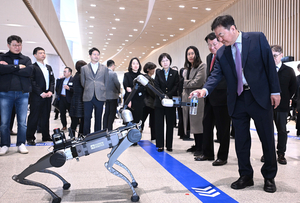
Samsung Launches CEO-Led Robotics Division to Drive Commercialization Efforts
Samsung Electronics announced the establishment of a new robotics business division, RX (Robotics eXperience), led by CEO Roh Tae-moon. This division consolidates various robotics initiatives previously managed separately, focusing on long-term strategy and commercialization. Key hires include Lee Dong-gun, who will lead the robotics strategy team, along with two academic experts in autonomous systems and robotic dexterity. The formation of the RX division is significant as it reflects Samsung's commitment to developing robots as a commercial business amid challenges in other sectors. Analysts suggest that the mobile division may have experienced its first quarterly loss, prompting the company to seek growth opportunities in robotics. The division aims to innovate in areas such as dexterous robotic hands, which are crucial for humanoid functionality and represent a significant cost factor in robotics development. Looking ahead, Samsung plans to invest in its robotics capabilities at its Seoul R&D Campus and establish further research bases in the United States, China, and Japan. The RX division's efforts will build on Samsung's recent investment in Rainbow Robotics, enhancing its position in the humanoid robotics market. No further timeline was disclosed at the time of publication.
All News
Yuanli Lingji Launches DM0.5 Model and Apex Robot at Action 2026 Conference
On July 9, Yuanli Lingji introduced three key products, including the DM0.5 model and Apex robot, during the Action 2026 Developer Conference. This event highlighted the company's commitment to full-stack capabilities in embodied intelligence, a crucial factor in addressing industry fragmentation and enhancing model architecture with high-quality data. The significance of these product launches lies in their potential to drive commercialization within the embodied intelligence sector. By focusing on full-stack solutions, Yuanli Lingji aims to set itself apart in a competitive market, where the integration of robust data and model frameworks is essential for success. Looking ahead, industry observers will be keen to see how these products perform in the market and whether they can effectively address the challenges of fragmentation. No further timeline was disclosed at the time of publication regarding future developments or additional product releases.
Embodied Intelligence Robotics AI Machine Learning Automation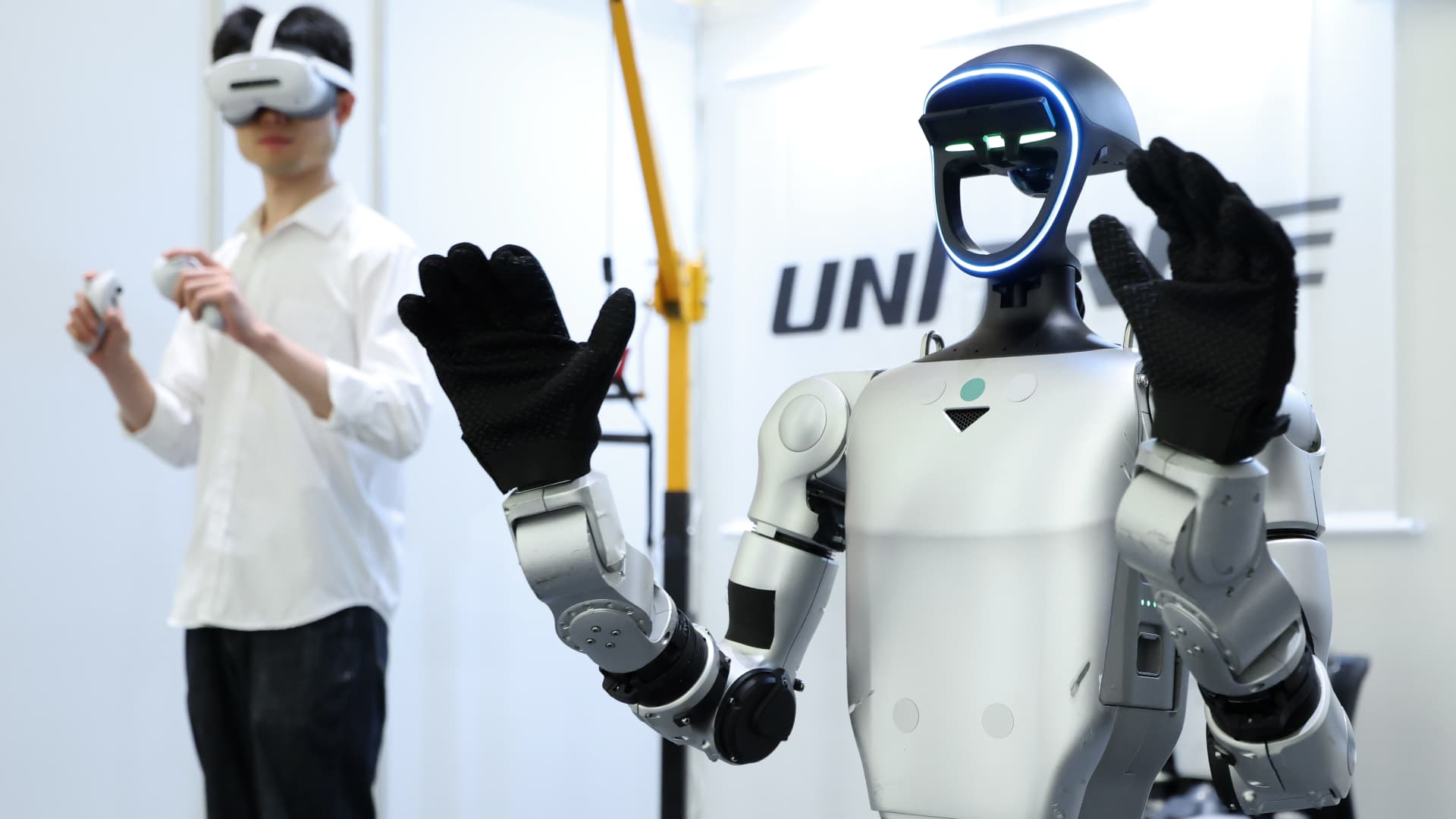
Morgan Stanley doubles China humanoid robot shipment forecast as commercialization accelerates
Morgan Stanley has significantly upgraded its forecast for China's humanoid robotics market, citing an accelerated pace of early commercial deployment in practical applications. The investment bank's revised outlook reflects growing confidence in the sector, driven by advancements in technology and increasing demand for automation across various industries. This shift comes as companies in China begin to integrate humanoid robots into their operations, enhancing efficiency and productivity. The report highlights a transformative period for the robotics industry in China, suggesting that the market is on the verge of substantial growth as businesses seek innovative solutions to meet evolving challenges.

Boruikang's IPO: Over 100 Million in Revenue but 230 Million in Losses, Facing Commercialization Challenges
Boruikang Technology has launched its initial public offering (IPO) process with the goal of raising 2.5 billion yuan to further develop its brain-computer interface (BCI) technology. The company, which has generated over 100 million yuan in revenue from its non-invasive BCI products, is currently grappling with substantial financial losses. Its leading product, the NEO brain-computer interface, has recently gained regulatory approval; however, it faces significant challenges in the commercialization phase, particularly regarding market acceptance and the sustainability of its operations.
Brain-Computer Interfaces Medical Devices Healthcare Technology Clinical Applications
The Missing Layer in Robotics Adoption: Why Emerging Markets Need Commercialization Labs
Robotics manufacturers are increasingly focusing on emerging markets to drive growth, emphasizing the importance of local integration and support systems. As these companies seek to expand their reach, they recognize that success hinges not only on advanced hardware capabilities but also on the establishment of robust training programs, financing options, and service infrastructures. This strategic approach is essential for validating return on investment (ROI) and ensuring that local businesses can effectively adopt and utilize robotic technologies. By prioritizing these factors, manufacturers aim to create a sustainable ecosystem that fosters innovation and enhances productivity in regions that are ripe for technological advancement.
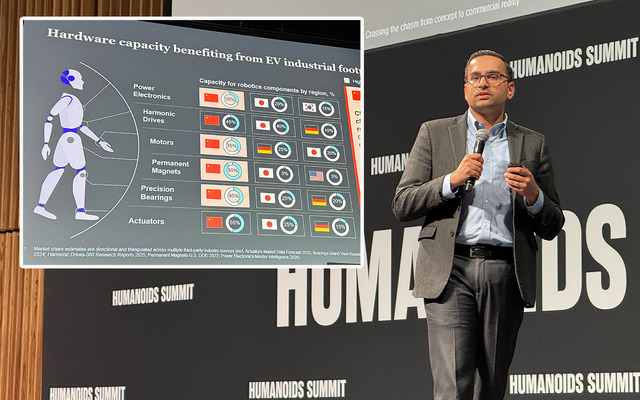
McKinsey analyzes the humanoid market's current state and commercialization challenges at Humanoids Summit.
At the Humanoids Summit Tokyo 2026 held in Takanawa, Tokyo, a partner from McKinsey & Company delivered insights on the future of the robotics industry. The presentation focused on market size forecasts and the challenges associated with commercialization. Additionally, the speaker analyzed the competitive advantages that China is developing in this rapidly evolving sector. The conference brought together industry leaders and experts to discuss the implications of these trends for global markets and technological advancements.
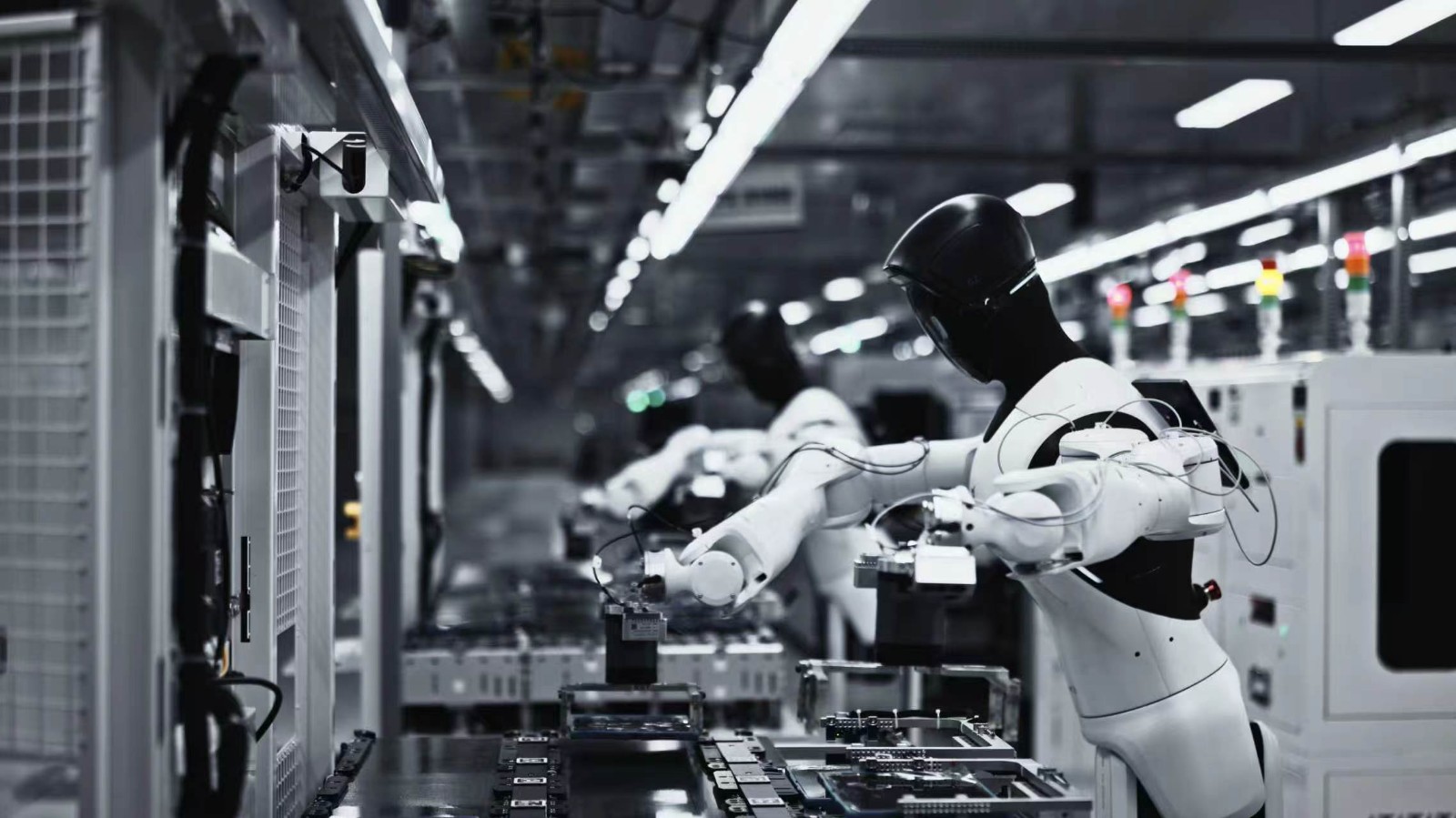
How AGIBOT’s Seven Solutions Are Reframing the Commercialization of Embodied AI ?
AGIBOT is set to transform the commercialization of embodied artificial intelligence with the launch of seven standardized productivity solutions designed to improve both deployability and scalability in practical applications. By addressing specific industry needs and enhancing capabilities through real-world deployment, AGIBOT seeks to facilitate the transition from pilot projects to broader adoption of robotics across various sectors. This initiative aims to redefine the integration of robotics, making them more accessible and effective in meeting contemporary challenges.
Embodied AI Robotics Commercialization Automation Industry Solutions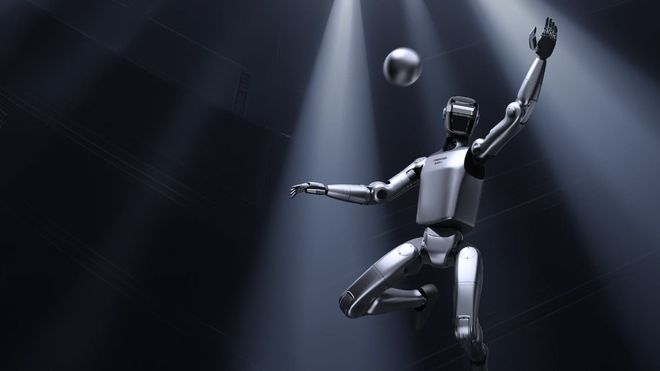
Magic Atom Management Team Upgrade Accelerates Development and Global Commercialization of Embodied Intelligence Technology
On March 6, Magic Atom unveiled major changes to its senior management team as part of a strategic initiative to bolster its capabilities in the development and global commercialization of embodied intelligence technology. The company aims to enhance its leadership structure to facilitate the large-scale implementation of this innovative technology within the industry. These adjustments reflect Magic Atom's commitment to advancing its strategic goals and positioning itself as a leader in the rapidly evolving field of embodied intelligence.
Embodied Intelligence Robotics Management Team Technology Development
Comau strengthens its cooperation with Intecells to accelerate development and commercialization of next generation battery electrode manufacturing
Comau has announced the renewal of its collaboration with Intecells to enhance the application of cold plasma technology in industrial cell manufacturing processes. This partnership aims to improve efficiency and innovation within the sector, reflecting a growing interest in advanced manufacturing techniques. The renewed agreement underscores both companies' commitment to leveraging cutting-edge technology to optimize production methods. The collaboration is expected to yield significant advancements in the way cells are produced, contributing to the overall evolution of the industry.
Robotics needs a service framework.
RSF defines a common language for robot service capability, lifecycle operations, certification pathways, and service-provider networks.
Join the RobotToday community on LinkedIn
Daily robotics news, in-depth analysis, conference highlights, and discussions with professionals worldwide.