Industry Briefing
A single destination for timely, editor-curated robotics news from around the world.
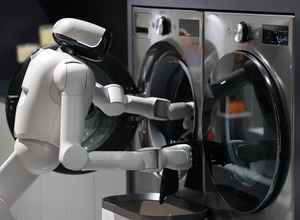
LG to build Korea's first humanoid 'data factory' to train robots
LG Electronics is transforming its research and development campus in the Yangjae district of southern Seoul into South Korea's first "data factory" dedicated to humanoid robots, according to industry sources. This initiative, announced on Friday, aims to utilize hundreds of CLOiD machines that will perform everyday tasks to generate essential real-world data. As the development of humanoid robots increasingly hinges on data rather than hardware, this facility seeks to address the growing challenge of acquiring the necessary information for effective robot training. By creating a controlled environment where robots can learn from repetitive tasks, LG Electronics is positioning itself at the forefront of the competitive humanoid robotics sector.
All News
DeepX Announces Global Physical AI Mass Production Partnership with Aaeon
DeepX and Aaeon Technology have entered into a three-year manufacturing agreement to scale the integration of DeepX’s AI chips into industrial and edge computing systems. This collaboration was announced during Computex Taipei 2026 and aims to establish a commercialization pipeline for DeepX’s neural processing units (NPUs). The agreement will facilitate the incorporation of these advanced chips into Aaeon’s range of products, including industrial computers, single-board computers, and edge gateway devices. This partnership reflects a growing demand for enhanced AI capabilities in various computing applications, positioning both companies to capitalize on the expanding market for intelligent edge solutions.
AI AI Funding & Investment AI Infrastructure & Compute Robotics Aaeon Technologies DEEPX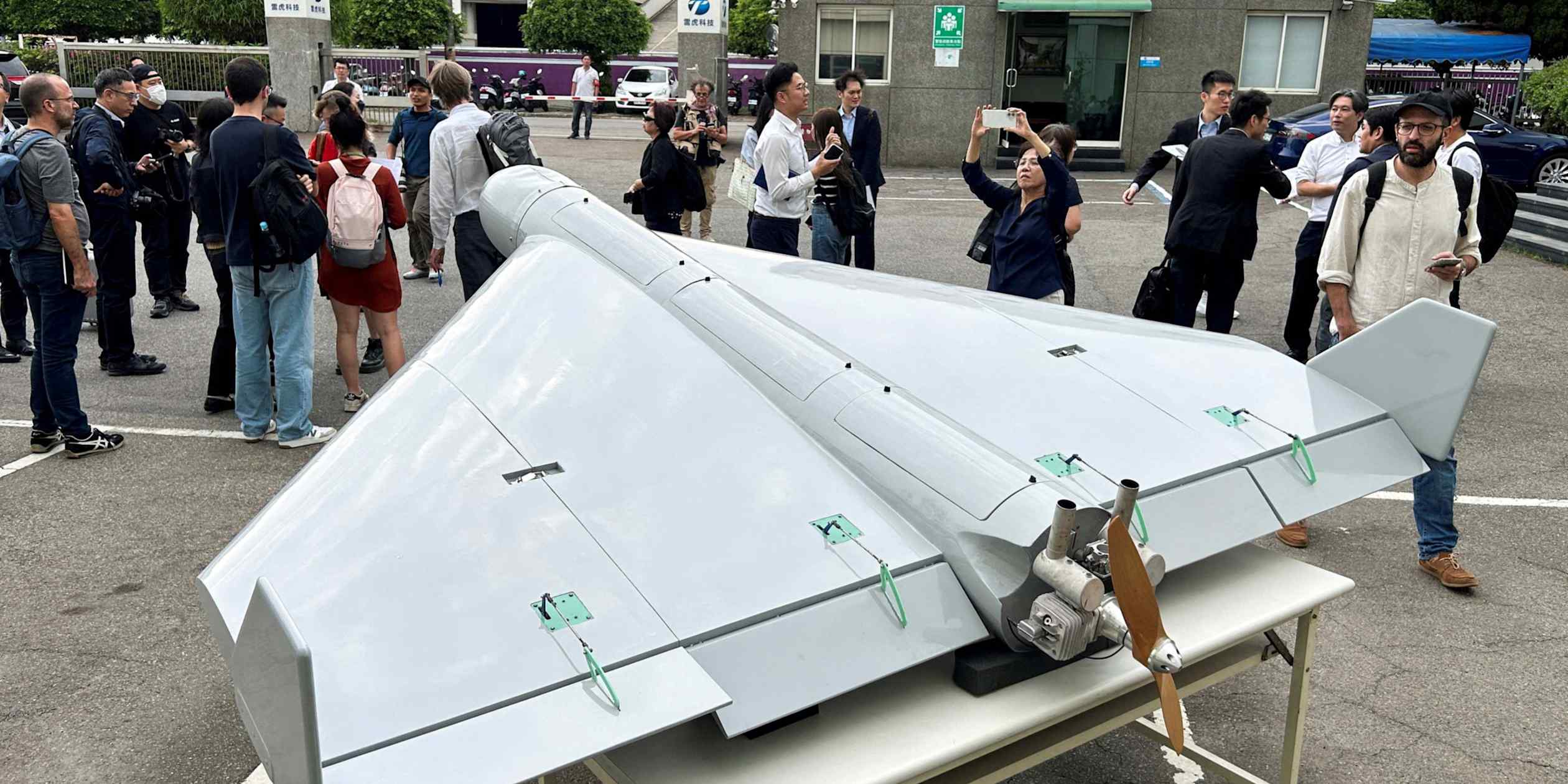
Drones hover at center of Taiwan's defense debate
In Taiwan, the ongoing debate over the role of drones in national defense has intensified, highlighting significant divisions between the ruling Democratic Progressive Party (DPP) and the opposition Kuomintang (KMT). This discord threatens to impede the development of the country's drone industry, which is critical for enhancing military capabilities amid rising tensions with China. The discussion gained momentum during a media tour on April 21, 2026, in Taichung, where the Thunder Tiger Group showcased its Papa Delta drone. As Taiwan grapples with budget cuts affecting defense spending, concerns about the future of its drone program have emerged, prompting scrutiny of the KMT's stance on defense cuts. The political landscape remains fraught, with the KMT's leadership planning a trip to the United States, further complicating the dialogue surrounding Taiwan's defense strategy. The situation underscores the urgency for Taiwan to bolster its military technology in response to external pressures, particularly from China, while navigating internal political challenges.

Robot hand uses touch and vision to harvest ripe fruit with near-100% accuracy
A team of researchers has created an innovative soft robotic gripper designed to assess the ripeness of fruit and facilitate harvesting. This development, which emerged from ongoing advancements in agricultural technology, aims to address the challenges faced by farmers in determining the optimal time for fruit picking. The gripper, equipped with advanced sensors, can gently handle delicate produce without causing damage, ensuring that only ripe fruits are collected. The project, which began in early 2023, took place at a leading agricultural research facility. The motivation behind this invention stems from the increasing demand for efficient and sustainable farming practices, as well as the need to reduce labor costs and improve the quality of harvested fruits. By automating the inspection and harvesting process, the researchers hope to enhance productivity and minimize waste in the agricultural sector. The robotic gripper operates through a combination of tactile sensing and machine learning algorithms, allowing it to analyze the texture and firmness of the fruit in real-time. This technology not only promises to streamline the harvesting process but also aims to improve the overall quality of produce reaching consumers. As the agricultural industry continues to evolve, innovations like this soft robotic gripper represent a significant step forward in the quest for smarter, more efficient farming solutions.
AI and Robotics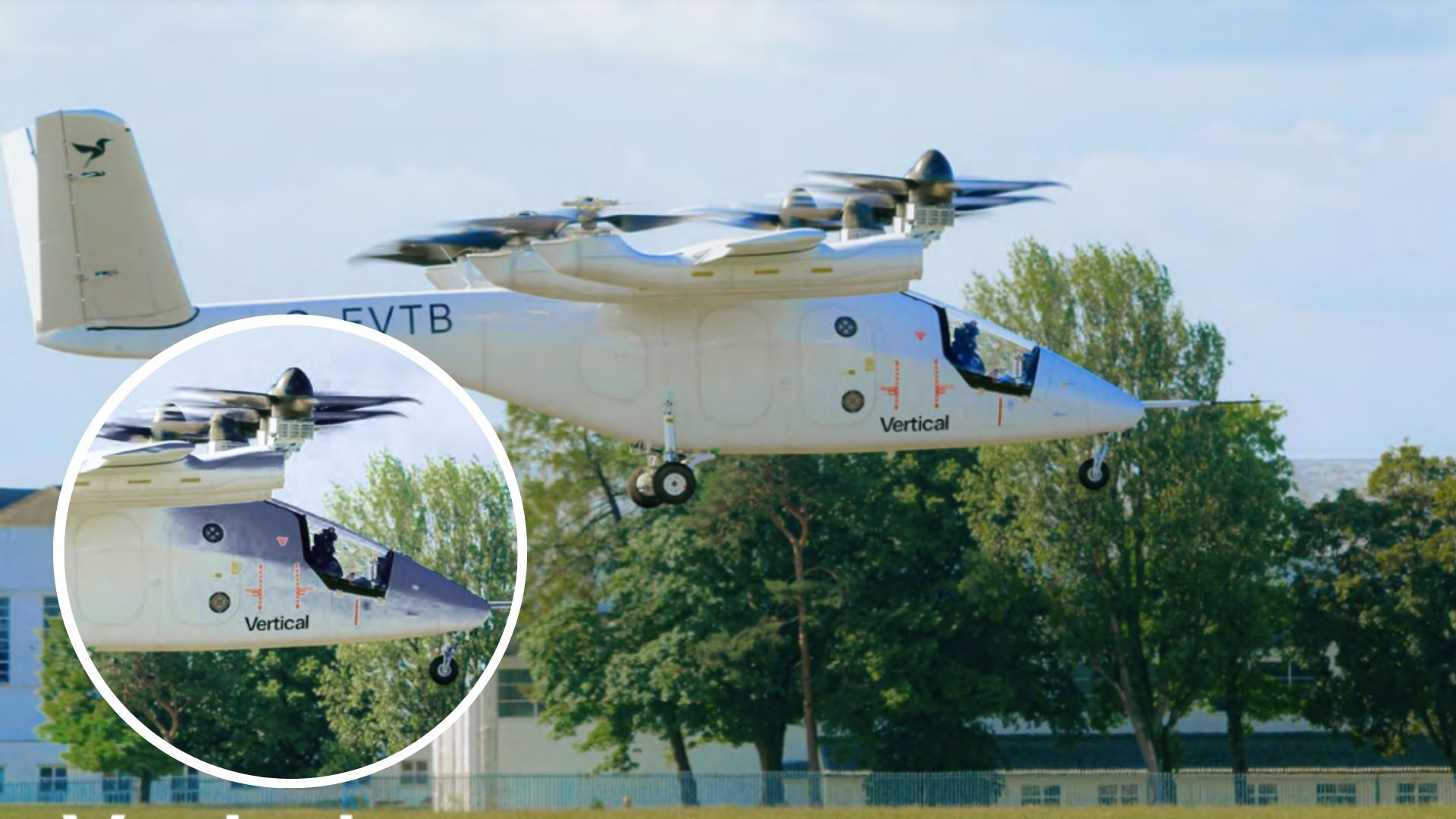
New plane prototype conducts maiden piloted flight, can transform hybrid-electric aircraft future
An aerospace and technology company has successfully completed the maiden piloted flight of its full-scale prototype, marking a significant milestone in its development efforts. The flight took place recently at the company's testing facility, showcasing advancements in aerospace technology and design. This achievement is part of the company's broader mission to innovate and enhance capabilities in the aerospace sector, driven by the growing demand for advanced aircraft solutions. The prototype's successful flight demonstrates the effectiveness of the engineering and design processes employed, paving the way for future developments and potential commercial applications. The company aims to leverage this success to attract investment and partnerships, furthering its goals in the competitive aerospace market.
Transportation
Krypton Evening News: Token prices drop to a few dollars; OpenAI may significantly reduce product prices; discounted train tickets for
Christian Stein has been appointed as the new CEO of Renault Group Spain, effective July 1, succeeding Josep María Recasens, who is leaving the company for new career opportunities. Stein will also continue in his role as Chief Communications Officer and report to Renault Group CEO François Provost. In a significant shift, General Motors is considering abandoning the use of lithium iron phosphate (LFP) batteries for electric vehicles, despite plans to produce them by the end of 2027 at a joint factory in Tennessee. This decision comes as the company reassesses its battery technology strategy amidst a competitive market. Global prediction markets Polymarket and Kalshi have reported that contracts for the upcoming World Cup champion have surpassed $2 billion, potentially setting a new record for single-event prediction market transactions. In the tech sector, OpenAI is contemplating substantial price reductions for its products to compete with rival Anthropic, as rising costs for AI services have become a concern for executives. Meanwhile, J&T Express has responded to an investigation by China's State Post Bureau, emphasizing its commitment to cooperate fully and improve safety management practices in light of the inquiry. AliExpress, Alibaba's cross-border e-commerce platform, has launched official local delivery services in five countries, including the U.S. and Spain, aiming to enhance logistics efficiency for merchants. In product news, Insta360 has unveiled the Luna Ultra, the world's first 8K dual-camera gimbal, which sold out shortly after its launch on June 10. Lastly, Neura Robotics, a German robotics firm, has secured $1.4 billion in funding to accelerate its development of a leading physical AI platform, with backing from major investors like Amazon and NVIDIA.
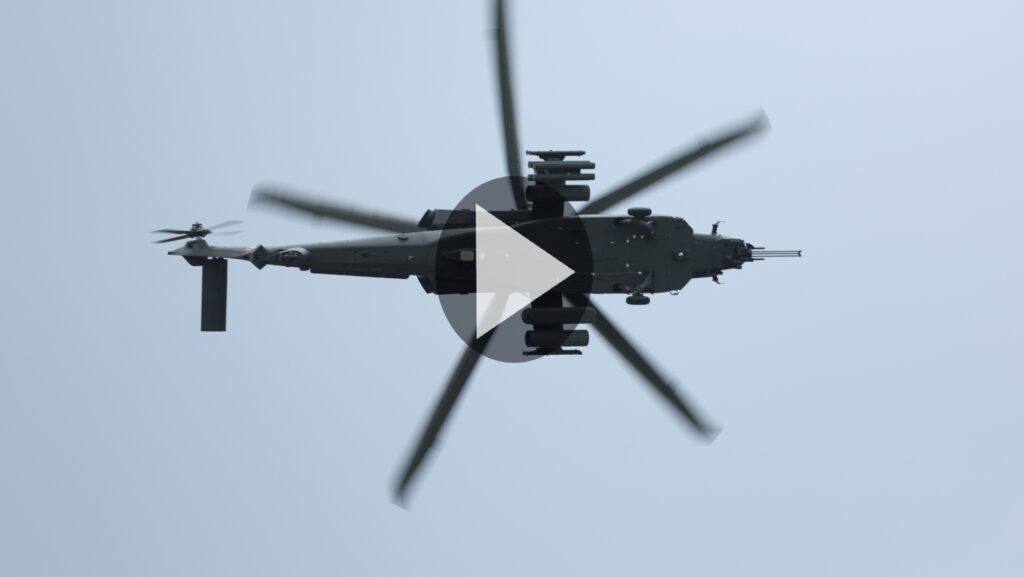
Talking Italian attack helos and skyrocketing air defense demand at the Berlin Air Show
On the second day of the German aerospace expo, Tim Martin and Elisabeth Gosselin-Malo from Breaking Defense reported on the latest developments and innovations showcased at the event. Taking place in Germany, the expo serves as a significant platform for industry leaders and stakeholders to gather and discuss advancements in aerospace technology. The event aims to foster collaboration and drive progress in the sector, highlighting the importance of innovation in addressing current and future challenges. Attendees are engaging in discussions and demonstrations that showcase cutting-edge technologies and solutions, reflecting the industry's commitment to enhancing safety, efficiency, and sustainability in aerospace operations.
Air Warfare Global Air Force CCA Europe Future Combat Air System FCAS SCAF
NASA robotic tech demonstration will advance prototype gamma-ray detectors
NASA has announced the development of a new gamma-ray sensor named AstroPix, which will be utilized in a robotic arm demonstration during the agency's Fly Foundational Robots mission. This mission is scheduled for launch in late 2027. The introduction of AstroPix aims to enhance the capabilities of robotic systems in space exploration, particularly in detecting and analyzing gamma-ray emissions. By integrating this advanced technology, NASA seeks to improve the understanding of cosmic phenomena and contribute to future scientific discoveries beyond Earth. The demonstration will showcase the sensor's functionality and effectiveness in a space environment, marking a significant step forward in robotic exploration.
Robotics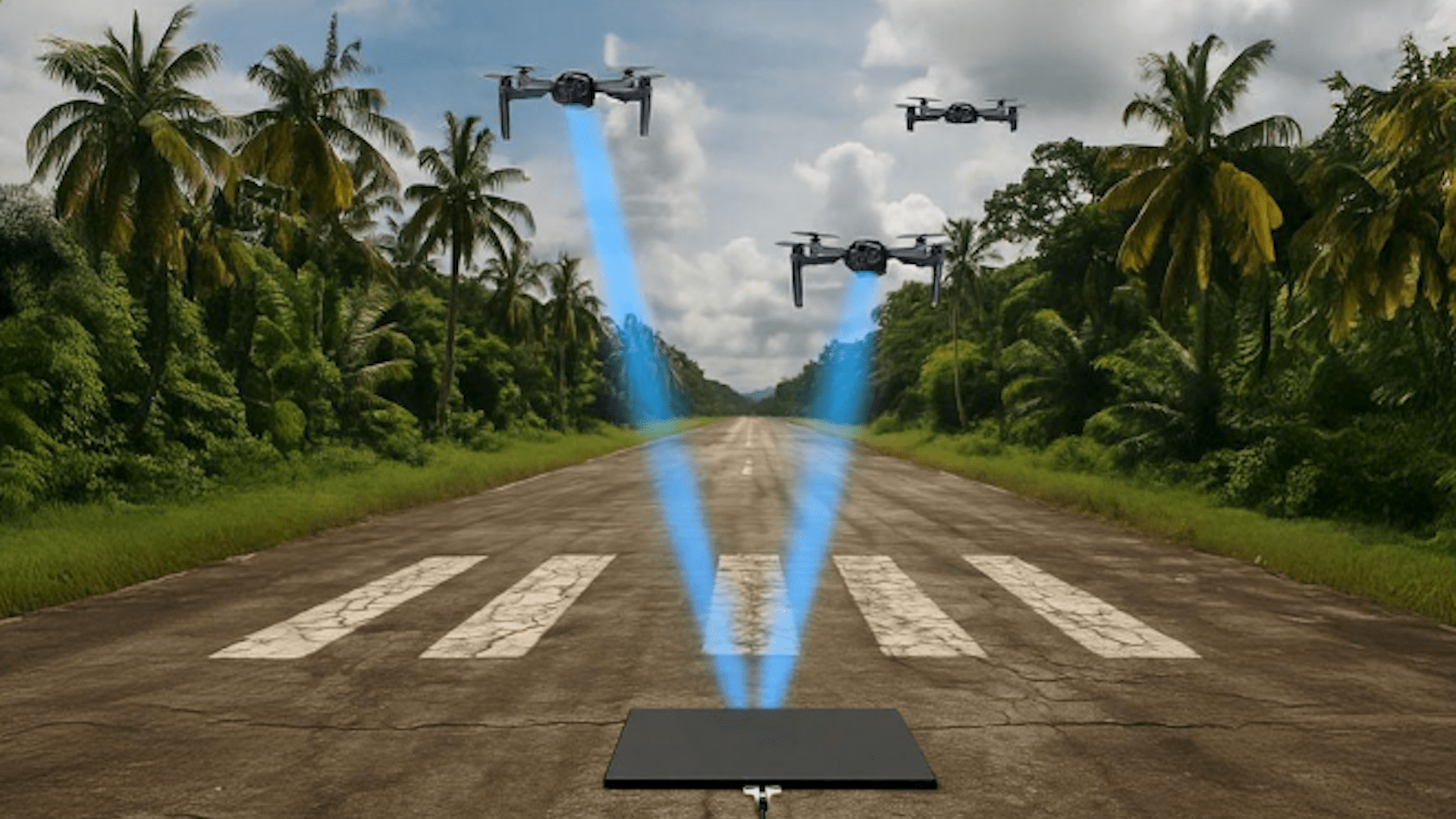
Next-gen wireless drone swarm stays airborne 24/7, never needs to land
US companies Reach Power and Gambit have unveiled that their collaborative initiative, the SWARM project, has secured funding. This financial backing aims to advance the development of innovative technologies in the renewable energy sector. The announcement was made on October 15, 2023, highlighting the growing interest and investment in sustainable energy solutions. The SWARM project is designed to enhance energy efficiency and promote the integration of renewable resources into existing power grids. By leveraging cutting-edge technology and strategic partnerships, Reach Power and Gambit intend to address the increasing demand for clean energy alternatives. This initiative reflects a broader trend in the industry, as companies seek to align with global sustainability goals and reduce carbon footprints.
Innovation
UAE’s EDGE Group launches European arm out of Paris
EDGE Europe has announced the establishment of two key sites in France, with a head office located in Chaillot, central Paris, and a manufacturing facility in Bordeaux. The Paris office will primarily focus on government interactions and investment opportunities, while the Bordeaux site will be dedicated to the design, integration, and development of various platforms. This strategic move aims to enhance the company's operational capabilities and strengthen its presence in the European market. The decision reflects EDGE Europe's commitment to expanding its footprint and fostering collaboration with local governments and industries.
Global Business & Industry EDGE Group Europe EUROSATORY 2026 france
German robotics firm Neura Robotics secures $1.4 billion in funding with support from Amazon and Nvidia.
On June 10, Neura Robotics, a German robotics company, announced the successful completion of a record-breaking Series C funding round, which could reach up to $1.4 billion. This significant investment aims to accelerate the development of a leading global platform in physical artificial intelligence. The funding round received backing from notable investors, including Amazon, NVIDIA, and the European Investment Bank, highlighting strong confidence in the company's vision and potential in the robotics sector.

Stepful Announces $55M Series C to Scale Its AI-Powered Training Platform Across the Healthcare Workforce
Stepful, a training platform aimed at transforming workforce development in major U.S. health systems, has secured $55 million in Series C funding. This funding round, which was led by Oak HC/FT, also saw participation from new investors including Foresite Capital, Hearst Ventures, and the Citi Impact Fund, as well as contributions from existing investors such as SemperVirens. The investment will enable Stepful to enhance its training programs and support the growing demand for skilled healthcare professionals. This financial boost comes at a critical time as the healthcare sector faces significant challenges in workforce retention and training, underscoring the importance of innovative solutions in addressing these issues.
Uncategorized
DRONELIFE Exclusive Interview: Inside PDW’s Strategy to Build Drones That Can Operate When GPS and Communications Fail
PDW is advancing the development of sophisticated drone communication systems to enhance military operations in environments where traditional communication methods may fail. As global militaries increasingly depend on drones for surveillance and combat, the need for reliable communication links has become critical, especially in areas with contested communication. The company's strategy focuses on creating drones capable of functioning effectively even when GPS and standard communication systems are compromised. This initiative highlights the growing recognition of the importance of resilient drone technology in modern warfare.
Applications Defense defense Drone News Drone News Feeds Dual Use
Cobra 600: Germany’s 620mph jet drone interceptor with IRIS-T and 155-mile range
German weapon manufacturer Diehl Defence has unveiled its latest innovation, the Cobra 600, a jet-powered interceptor drone designed to enhance aerial defense capabilities. This advanced drone is engineered to intercept and neutralize threats in real-time, showcasing Diehl Defence's commitment to cutting-edge military technology. The Cobra 600 was officially introduced during a defense exhibition held in Berlin in October 2023, where industry leaders gathered to discuss advancements in military hardware. The motivation behind the development of the Cobra 600 stems from the increasing demand for sophisticated defense systems in response to evolving aerial threats. By integrating jet propulsion technology, Diehl Defence aims to provide armed forces with a faster and more agile solution for intercepting hostile drones and other airborne threats. The drone's design emphasizes not only speed but also precision, allowing for effective engagement in various combat scenarios. The introduction of the Cobra 600 marks a significant step forward in unmanned aerial vehicle technology, reflecting a broader trend in the defense sector towards automation and enhanced operational efficiency. As military forces around the world seek to modernize their arsenals, Diehl Defence positions itself at the forefront of this transformation with its innovative approach to aerial defense.
Military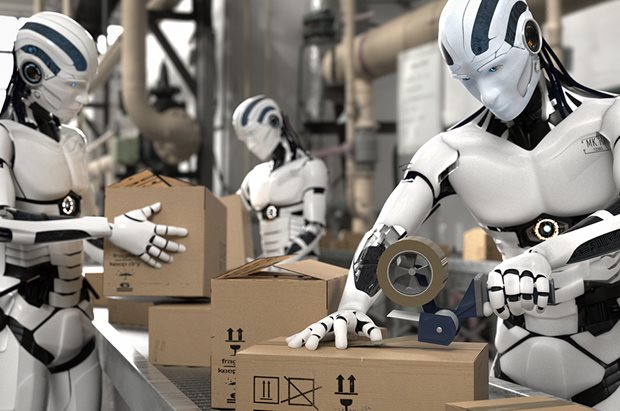
MBDA showcases hybrid high-energy laser, interceptor counter-drone system
The European missile manufacturer has announced plans for a new hybrid defense platform aimed at countering the increasing threat posed by small, fast, and low-cost unmanned aerial vehicles (UAVs). This innovative system is expected to be operational in Germany by the end of the decade. The initiative reflects a strategic response to evolving aerial threats, highlighting the need for advanced defense solutions in modern warfare. The development of this platform underscores the commitment to enhancing national security and adapting to the changing landscape of military challenges in Europe.
Air Warfare Global Air Force Drones Europe ILA Berlin 2026
DNV joins DCSA+ Container Shipping Data Exchange
The Defense Counterintelligence and Security Agency (DCSA) has announced a new collaboration aimed at enhancing interoperability and facilitating seamless data exchange among various stakeholders in the defense sector. This initiative focuses on the development and implementation of shared industry standards, which are expected to streamline communication and improve operational efficiency. The partnership underscores the importance of standardized practices in ensuring that different entities can effectively share and utilize data, ultimately strengthening national security efforts. The collaboration is set to take place in the coming months, with stakeholders from across the industry participating in the process to establish these crucial standards.

Sagamihara City to host "Robot Friendly EXPO 2026" on June 13, promoting robot-friendly urban development.
Sagamihara City is set to host the "Robot Friendly EXPO 2026" in collaboration with the Robot Friendly Project on June 13, 2026. This event aims to showcase advancements in robotics and promote the integration of robots into daily life, highlighting their potential to enhance human experiences. The expo will feature various exhibits and demonstrations, providing attendees with insights into the latest technologies and innovations in the field. By organizing this event, Sagamihara City seeks to position itself as a leader in robotics and foster community engagement with emerging technologies.

MIT affiliates win 2026 Hertz Foundation Fellowships
A new fellowship program has been launched to support doctoral students in applied sciences, engineering, and mathematics who are dedicated to addressing critical challenges in science and technology. This initiative aims to recognize and empower emerging researchers who are developing innovative solutions to pressing issues. The program is designed to enhance the educational and research opportunities for these students, providing them with the resources necessary to advance their work. By fostering a new generation of scientists and engineers, the fellowship seeks to contribute to the advancement of knowledge and technology, ultimately benefiting society as a whole. The initiative is expected to play a significant role in shaping the future of scientific research and technological development.
Awards, honors and fellowships Students Graduate, postdoctoral Alumni/ae Chemistry Mechanical engineering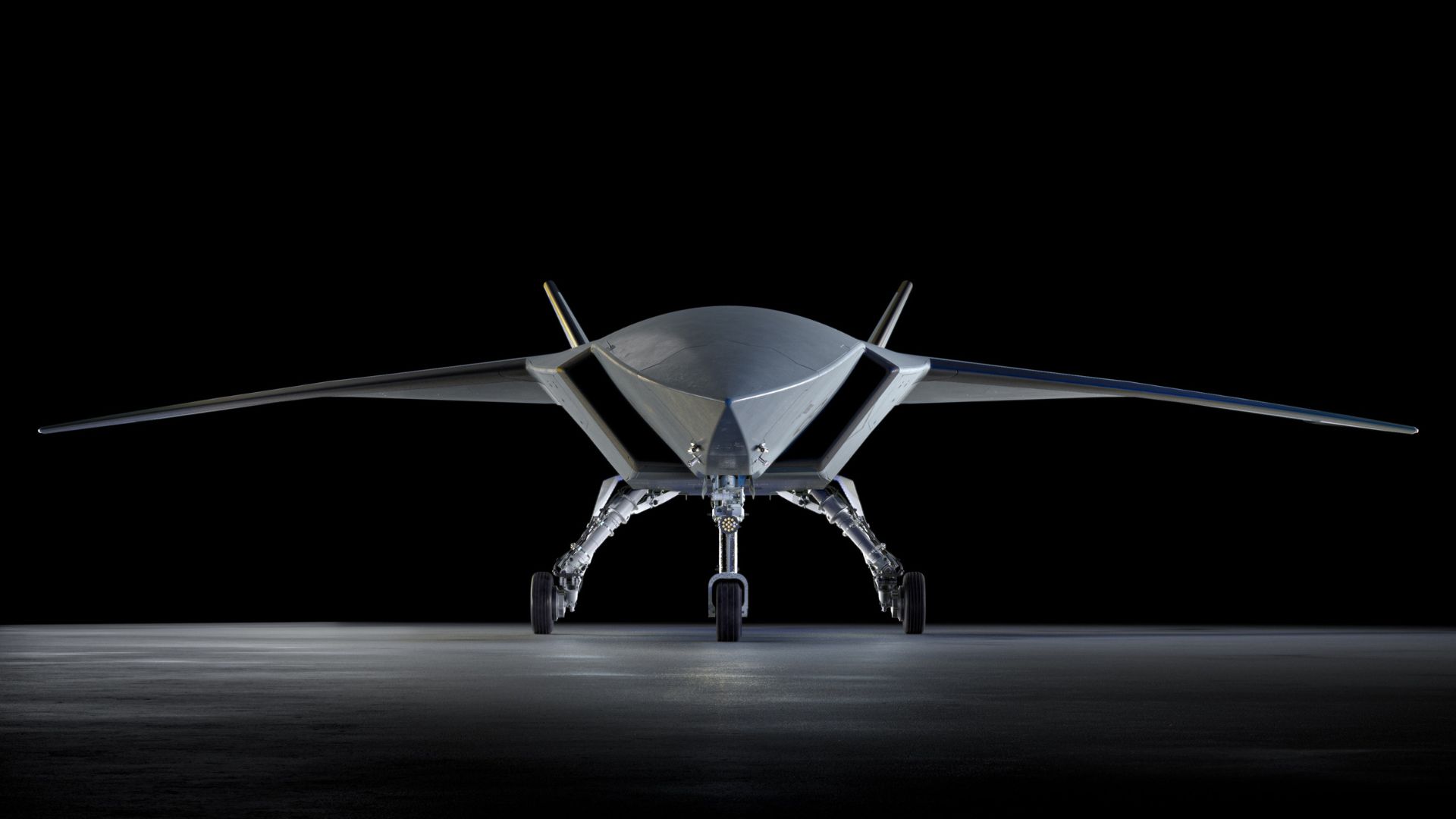
Boeing’s bigger Ghost Bat can carry missiles internally, carry more combat load
Boeing has introduced an upgraded version of its MQ-28 Ghost Bat drone, enhancing its capabilities with extended range and improved technology. The announcement was made during a recent defense expo in Australia, where the company showcased its commitment to advancing unmanned aerial systems. This new iteration aims to meet the growing demands for advanced surveillance and combat support in modern warfare. Boeing's development of the MQ-28 is driven by the need for more versatile and efficient military drones that can operate in complex environments. The enhancements include advanced sensors and artificial intelligence features, which allow for better decision-making and operational efficiency. This latest model is expected to play a crucial role in future defense strategies, particularly in the Indo-Pacific region, where military presence and technological superiority are increasingly prioritized.
Military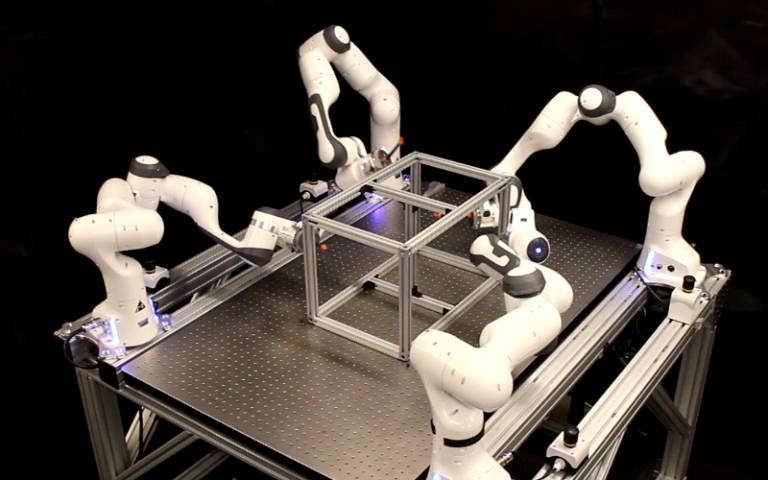
US Army awards L3Harris contract for VAMPIRE anti-drone systems
The US Army has awarded a $106 million contract to L3Harris for the development of Vehicle-Agnostic Modular Palletised ISR Rocket Equipment (VAMPIRE), a system designed to counter uncrewed aerial threats. This contract, announced recently, aims to enhance the Army's capabilities in addressing the growing challenges posed by uncrewed systems in modern warfare. By leveraging L3Harris's advanced technology, the Army seeks to improve its operational effectiveness and ensure greater security on the battlefield. The initiative reflects a strategic move to bolster defense mechanisms against evolving aerial threats, emphasizing the importance of adaptable and modular systems in military operations.
News
Decart’s Oasis 3 world model streams realism into robotic training environments
Decart, a leading frontier AI research lab, has unveiled its latest world model, Oasis 3, in a bid to integrate synthetic simulation with physical AI. The announcement, made recently, highlights the model's capability to enhance the training processes for operating system models used in robots and autonomous vehicles. By focusing on this innovative approach, Decart aims to advance the development of intelligent systems that can operate seamlessly in real-world environments. The launch of Oasis 3 represents a significant step forward in the quest to improve AI's practical applications, addressing the growing demand for more sophisticated and capable autonomous technologies.
Artificial Intelligence Computing Culture Design automation news autonomous vehicles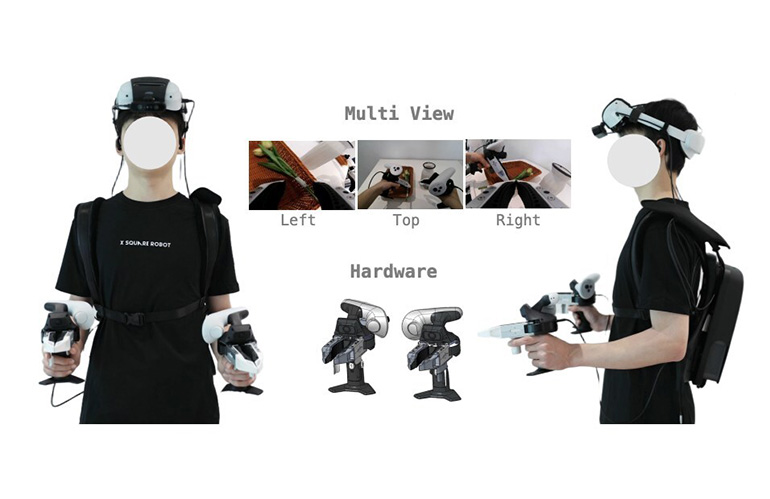
Inside XRZero-G0, a new 2,000-hour open dataset for robotics research
X Square Robot has announced the open-sourcing of XRZero-G0, a groundbreaking framework designed to significantly decrease the amount of real-robot training data needed by as much as 20 times. This initiative aims to enhance robotics research by providing a comprehensive dataset that spans 2,000 hours of robotic training scenarios. The release of XRZero-G0 is expected to facilitate advancements in the field, enabling researchers and developers to optimize their algorithms and improve robotic performance without the extensive data collection traditionally required. This innovative approach is part of X Square Robot's commitment to fostering collaboration and progress within the robotics community.
Academia / Research Artificial Intelligence Artificial Intelligence / Cognition Development Tools / SDKs / Libraries News Research
Can Pepper the robot be a good playmate?
Researchers at the Norwegian University of Science and Technology (NTNU) recently conducted a controlled laboratory experiment to explore the dynamics of playing physical games with a humanoid robot named Pepper. The study aimed to understand how interactions with a robot that mimics human behavior and appearance influence gameplay experiences. By engaging participants in various physical games against Pepper, the researchers sought to assess both the emotional and cognitive responses elicited by the robot's presence. This investigation is part of a broader effort to enhance human-robot interaction, particularly in social and recreational contexts. The findings could have implications for the development of more effective robots in various fields, including education and therapy, by fostering a better understanding of how humans relate to robotic counterparts.
Consumer & Gadgets
Bosch advances development of new robotic solutions.
Bosch is set to play a pivotal role in advancing the development of advanced robotics, particularly in the field of humanoid robots. The company aims to actively promote key technologies that are essential for automation and robotics. This initiative reflects Bosch's commitment to innovation and leadership in the rapidly evolving robotics sector. The announcement underscores the company's strategic focus on enhancing robotic solutions to meet future demands in various industries.
Allgemein Humanoide Robotik Robotik
PHOTOS: The sights of Berlin Air Show 2026 on Day 2
On the second day of Germany's largest aerospace expo, a diverse array of photographs captured the dynamic atmosphere and significant developments within the industry. The event, held in Friedrichshafen, showcases cutting-edge technology and innovations from leading aerospace companies and startups. Attendees, including industry professionals, government officials, and aviation enthusiasts, gathered to explore advancements in aviation, space exploration, and defense systems. The expo serves as a vital platform for networking, knowledge exchange, and collaboration, reflecting the growing importance of aerospace in addressing global challenges. Through various presentations and exhibitions, participants engaged with the latest trends and future directions of the sector, emphasizing the industry's commitment to sustainability and technological progress.
Air Warfare Global Air Force Europe Germany ILA Berlin Multimedia 2026
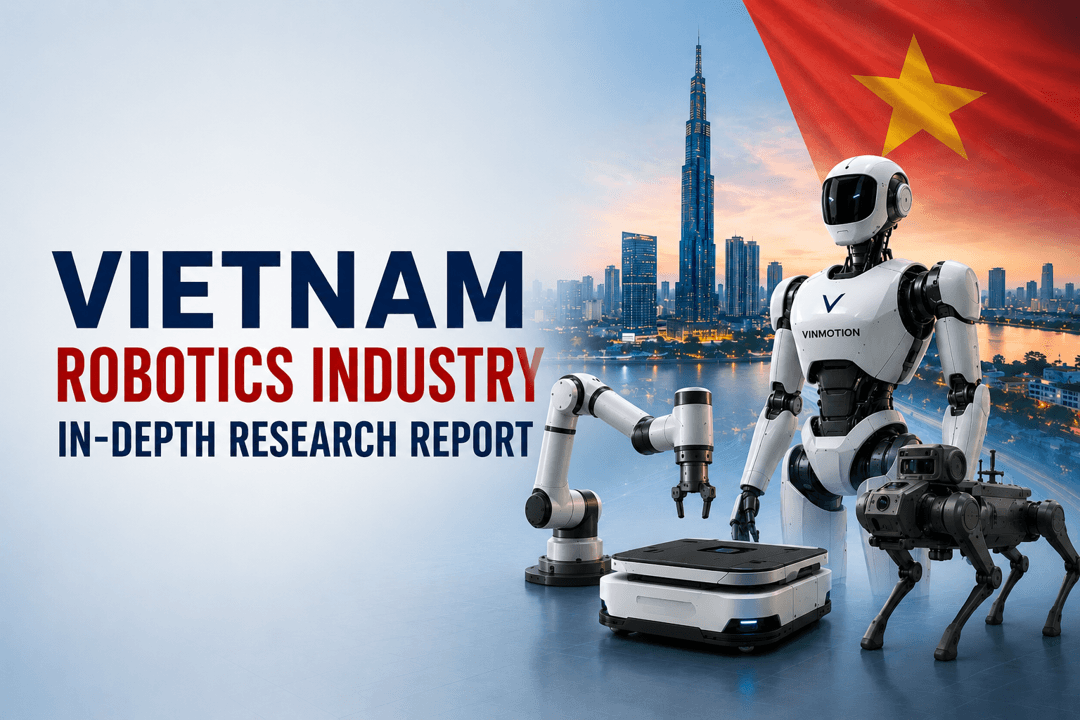
Strategic Partnership: Infineon and VinRobotics
Infineon Technologies and VinRobotics have signed a memorandum of understanding to collaborate on the development of humanoid robots. This strategic partnership aims to leverage both companies' expertise in semiconductor technology and robotics to advance the capabilities and applications of humanoid robotics. The announcement marks a significant step in the growing field of robotics, reflecting the increasing demand for innovative solutions in automation and human-robot interaction. The collaboration is expected to enhance the design and functionality of humanoid robots, potentially transforming various industries by integrating advanced technologies.
Allgemein Humanoide Robotik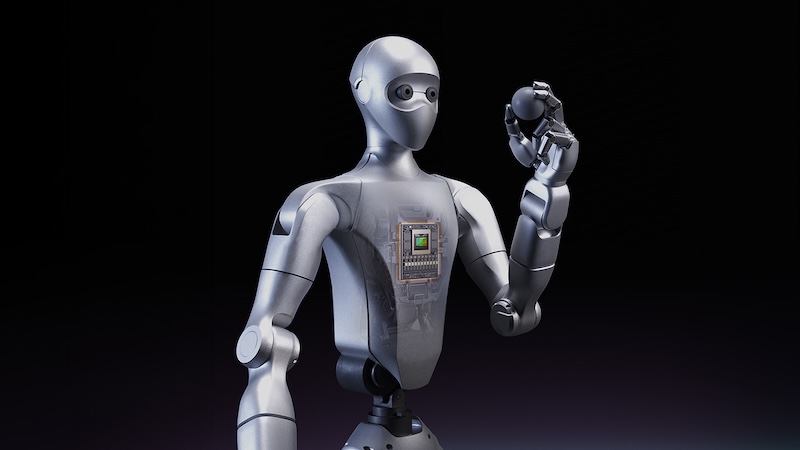
Nvidia unveils open humanoid robot platform for robotics research
Nvidia has introduced the Nvidia Isaac GR00T Reference Humanoid Robot, an innovative open platform aimed at advancing research and development in physical artificial intelligence and general-purpose robotics. The announcement was made during the Nvidia GTC event in Taipei. This new platform integrates several cutting-edge technologies, including the Unitree H2 Plus humanoid robot, Sharpa Wave tactile five-finger hands, and the Nvidia Jetson Thor onboard computing system. The initiative is part of Nvidia's broader strategy to enhance capabilities in robotics, providing researchers and developers with a versatile tool to explore and innovate in the field of robotics and AI.
Computing Humanoids News automation news embodied ai humanoid robots
Scientists discover a strange property in rice and turn it into a smart material
Researchers have made a groundbreaking discovery regarding the behavior of rice, revealing that it weakens under rapid compression while maintaining strength under slow pressure. This unique property has led to the development of a novel material that can dynamically adjust its stiffness in response to different types of force. The findings, which were published recently, highlight the potential for creating safer soft robots and protective gear that can instantly react to impacts. This innovative approach could significantly enhance the safety and functionality of various applications, from robotics to personal protective equipment, by allowing these materials to adapt to sudden collisions while remaining resilient during gentle movements.
Record funding for Neura Robotics
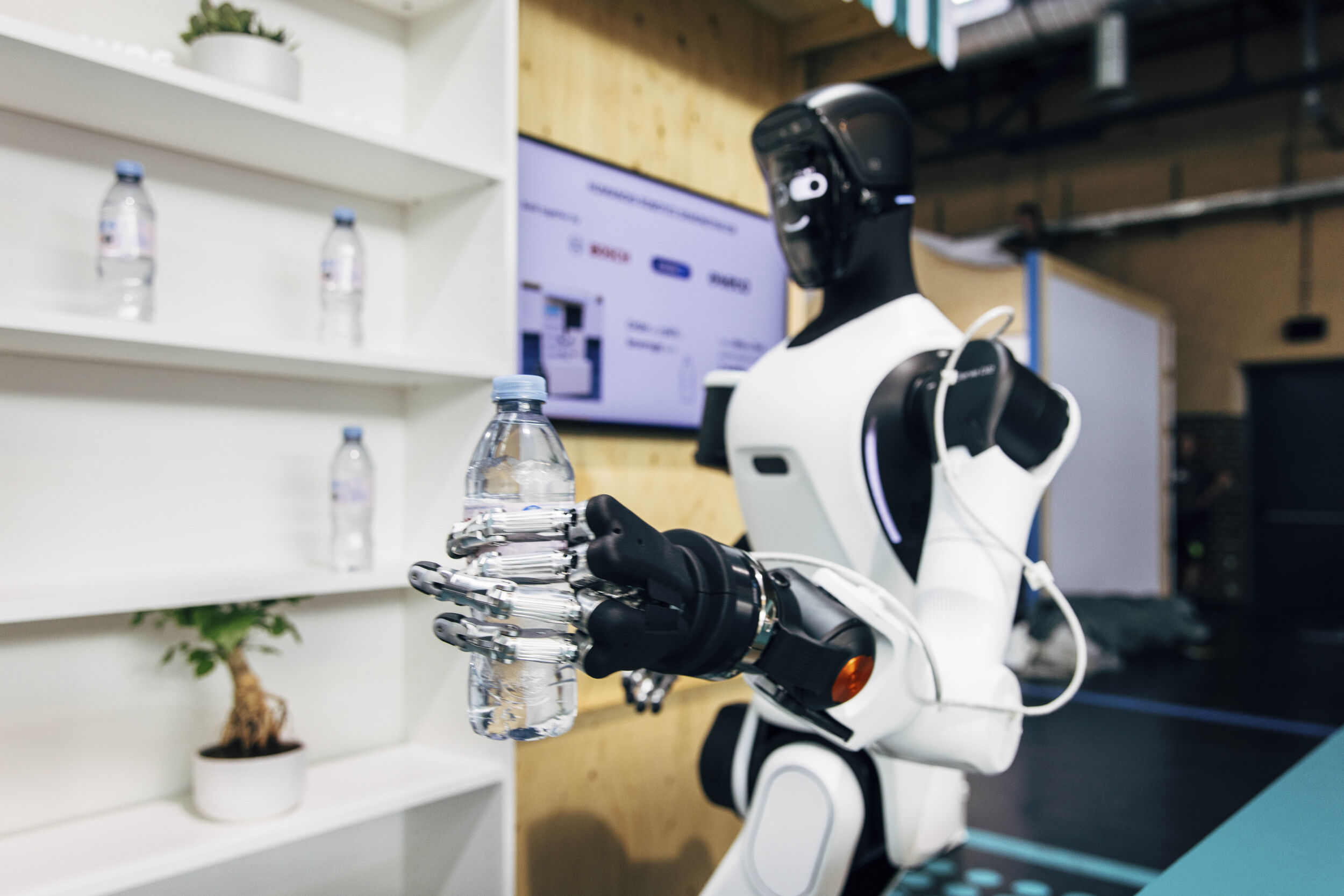
Neura Robotics has announced a Series C funding round, securing up to $1.4 billion. This significant financial boost aims to enhance the company's development of advanced robotics technologies. The announcement highlights Neura Robotics' growing influence in the robotics sector and its commitment to innovation. The funding is expected to accelerate the company's projects and expand its market reach, positioning it as a leader in the industry.
Allgemein
Xingyuanzhi Robot Raises ¥1 Billion in 10 Months for Embodied AI Brain Technology
Xingyuanzhi Robot, a robotics company based in Beijing, has successfully secured 1 billion yuan in funding over the past 10 months. This significant financial boost is aimed at advancing the development of their innovative technology, specifically focusing on what they term the "embodied brain" concept. The funding will support the company's efforts to enhance artificial intelligence capabilities and improve the integration of robotics in various applications. This strategic investment reflects the growing interest and demand for advanced robotics solutions in the market, as companies seek to leverage AI for increased efficiency and productivity.
Robotics
vivo Robotics Team Wins ICRA 2026 AGIBOT World Challenge Reasoning to Action Track
At the ICRA 2026 conference, vivo showcased its advanced robotics capabilities by achieving top performance in two global challenges. This event, held in a prominent international venue, highlighted the company's commitment to innovation and the practical application of its technologies in real-world scenarios. By excelling in these competitions, vivo aims to demonstrate the robustness and versatility of its robotics solutions, reinforcing its position as a leader in the industry. The successful outcomes of these challenges serve to validate the effectiveness of vivo's research and development efforts, further motivating the company to push the boundaries of robotics technology.

Would you return a favor? Scientists say it depends on the relationship
A recent study has revealed that individuals tend to anticipate reciprocal generosity primarily in their interactions with friends or peers of similar social standing. Conducted by a team of researchers, the study highlights the social dynamics that influence expectations of generosity, suggesting that people are less likely to expect such behavior from those they perceive as having a lower social status. The findings, published in October 2023, shed light on the underlying motivations for generosity and the importance of social equality in fostering reciprocal relationships. The research involved a series of experiments designed to assess participants' expectations of generosity across various social contexts, ultimately concluding that social status plays a significant role in shaping these expectations. This study could have implications for understanding social interactions and the development of community ties, emphasizing the need for equitable relationships to promote mutual generosity.
Research Behavior Brain and cognitive sciences Behavioral economics McGovern Institute School of Science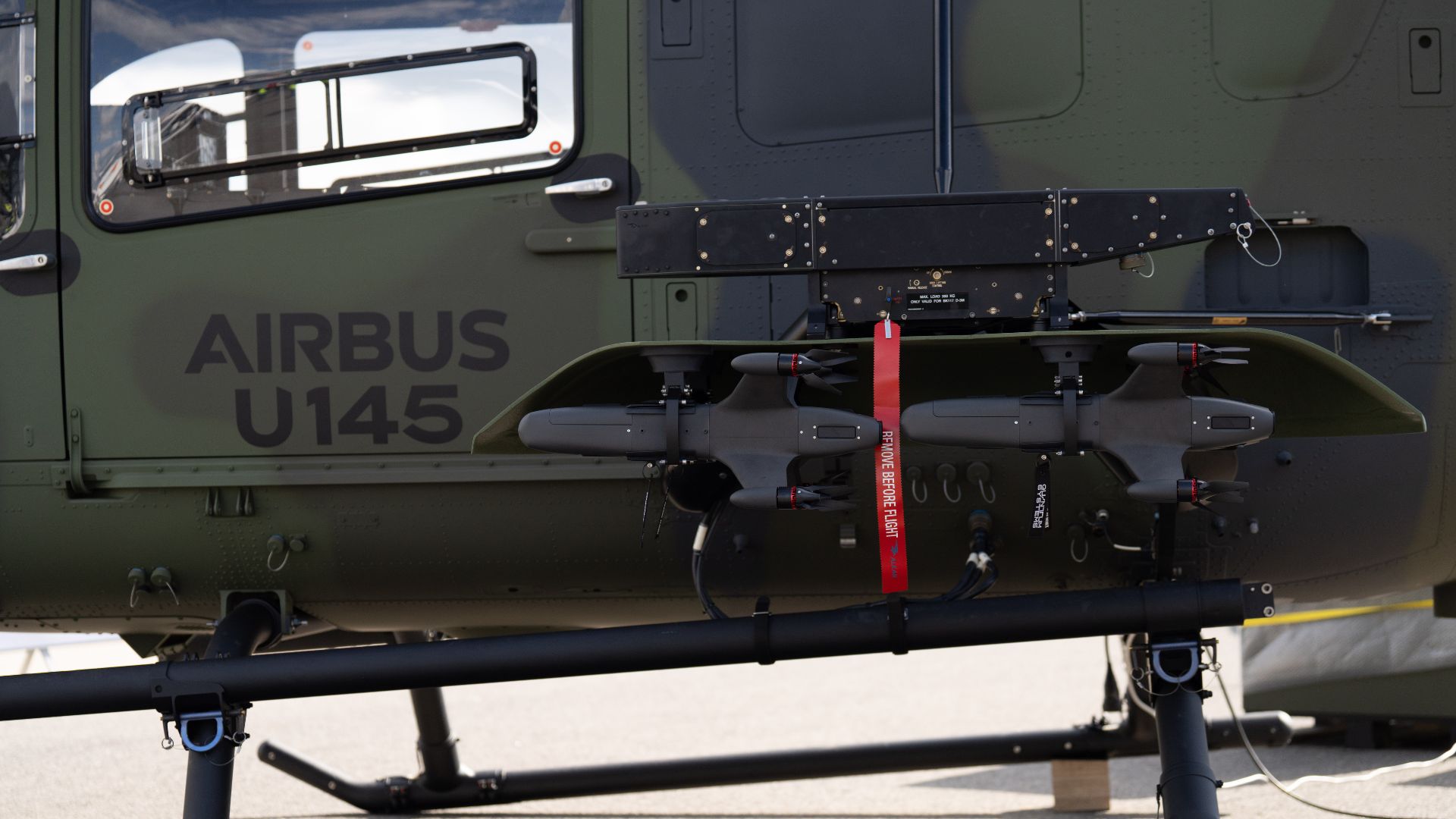
Airbus modifies H145M helicopter to deploy interceptors against tactical drone swarms
Airbus Helicopters, in collaboration with German defense officials, is responding to the increasing threats posed by small attack drones to military helicopters. This initiative comes amid heightened concerns regarding the vulnerability of aerial vehicles in modern combat scenarios. The partnership aims to enhance the defensive capabilities of helicopters, ensuring they can effectively counteract the risks associated with drone warfare. By integrating advanced technologies and innovative strategies, the companies seek to bolster the safety and operational effectiveness of military aviation. This development is particularly timely given the evolving landscape of aerial threats, which has prompted defense sectors worldwide to reassess their strategies and equipment. The collaboration highlights a proactive approach to addressing emerging challenges in military operations.
Military
Two Fossa Flat Minima Optimization Algorithm‐Based Enhancement of Ecological Balance Using Carbon‐Neutral Eco‐Robots With Situational Intelligence for Air Quality Monitoring
A recent study published in the Journal of Field Robotics explores advancements in autonomous robotic systems designed for agricultural applications. Conducted by a team of researchers from various universities, the study highlights the growing importance of robotics in enhancing efficiency and sustainability in farming practices. The research, which was completed in October 2023, focuses on the development of robots capable of performing tasks such as planting, weeding, and harvesting crops with minimal human intervention. The motivation behind this research stems from the increasing demand for food production amid a global population surge and the need for sustainable farming methods that reduce environmental impact. By integrating advanced sensors and artificial intelligence, the robots are designed to optimize resource use, reduce labor costs, and improve crop yields. Field tests conducted in various agricultural settings demonstrated the robots' effectiveness in performing tasks traditionally done by human laborers. The study's findings suggest that these autonomous systems could significantly transform the agricultural landscape, making it more efficient and less reliant on chemical inputs. As the agricultural sector faces challenges related to labor shortages and climate change, the research underscores the potential of robotics to address these issues and pave the way for a more sustainable future in food production. The study calls for further investment and development in this technology to fully realize its benefits for farmers and the environment.
RESEARCH ARTICLE
Google’s DiffusionGemma delivers 4x faster text generation using parallel decoding
Google has introduced DiffusionGemma, an innovative experimental AI model designed to generate text through a diffusion-based approach. This announcement was made recently as part of the company's ongoing efforts to advance artificial intelligence technologies. The model aims to enhance the capabilities of AI in natural language processing by leveraging diffusion techniques, which have shown promise in generating high-quality text outputs. Google’s initiative reflects its commitment to pushing the boundaries of AI research and development, seeking to improve user interactions with technology. The unveiling of DiffusionGemma marks a significant step in the evolution of AI, showcasing how advanced methodologies can be applied to create more sophisticated and contextually aware text generation systems.
AI and Robotics
'Voltron: Legendary Defender' turns 10 today, and we think this mecha robot reboot was just as good as 'Power Rangers' and 'Transformers'
The reboot of the classic animated series, Voltron: Legendary Defender, showcases a fresh take on the beloved franchise, emphasizing its depth beyond the traditional giant robot battles. Released in 2016, this reimagining has captivated audiences with its intricate storytelling and character development, appealing to both long-time fans and new viewers alike. Set in a fantastical universe, the series follows a group of young heroes who unite to form the powerful robot Voltron, aiming to protect their galaxy from various threats. The show's success can be attributed to its engaging narrative, diverse characters, and modern animation techniques, which resonate with contemporary audiences. As it continues to gain popularity, Voltron: Legendary Defender stands as a testament to the enduring appeal of the giant robot genre, proving that there is much more to these colossal machines than just their size and strength.
Space Movies & Shows Entertainment
Advanced metal 3D printing minimizes failure points in complex gas turbine designs
Metal additive manufacturing is increasingly being adopted in production-focused energy systems, moving beyond its traditional use in aerospace prototypes. This shift reflects a growing recognition of the technology's potential to enhance efficiency and reduce costs in various sectors. As companies seek innovative solutions to meet rising energy demands, the integration of metal additive manufacturing offers a pathway to streamline production processes and improve the performance of energy systems. This trend is gaining momentum as industry leaders invest in research and development to harness the benefits of this advanced manufacturing technique, which allows for greater design flexibility and material optimization. The transition is expected to reshape the landscape of energy production, paving the way for more sustainable and efficient systems in the future.
Innovation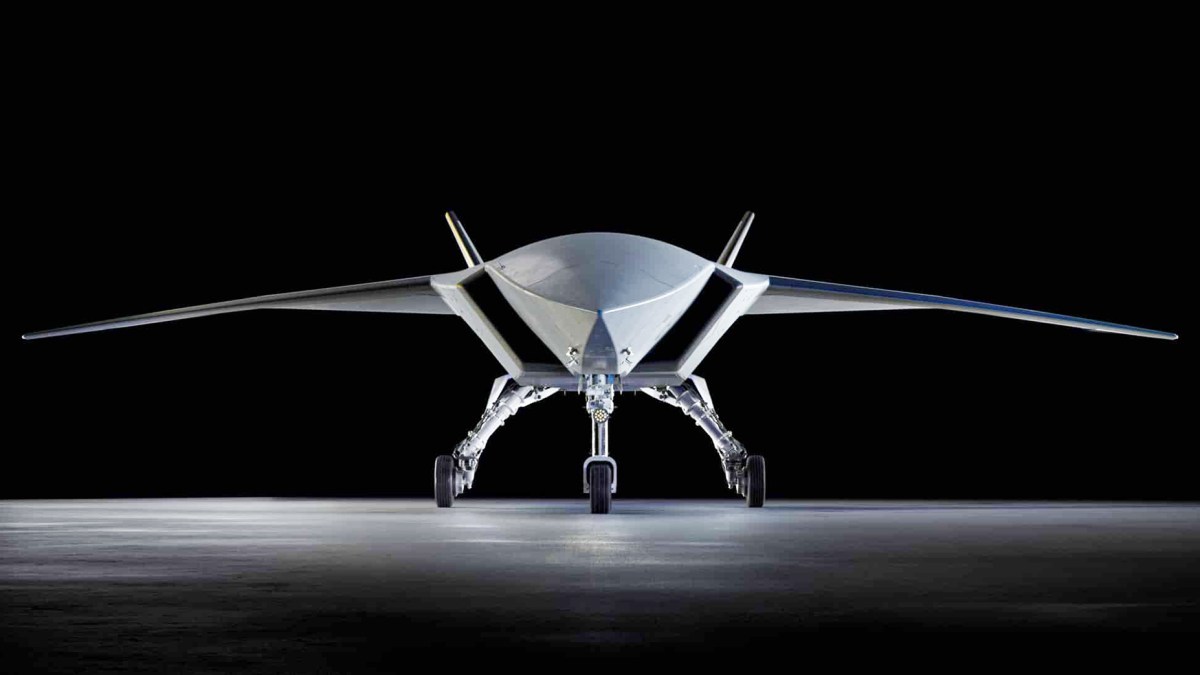
Boeing’s New Larger Ghost Bat Can Carry AIM-120 AMRAAMs Internally
Boeing is set to unveil the third iteration of its stealthy Ghost Bat, which features larger wings, increased power, and internal weapons bays. This upgraded version aims to enhance the aircraft's capabilities, allowing it to carry AIM-120 Advanced Medium-Range Air-to-Air Missiles (AMRAAMs) internally. The development reflects Boeing's commitment to advancing military aviation technology and improving the operational effectiveness of the Ghost Bat. As defense needs evolve, this new model is expected to play a crucial role in modern aerial combat scenarios.
Air AIM-120 AMRAAM Air Force Munitions Air-To-Air Around The Globe Drones
MIT’s ultrasound wristband could teach humanoid robots human hand skills
Researchers have developed an innovative wearable device aimed at enhancing the dexterity of humanoid robots, potentially allowing them to perform tasks with greater human-like precision. This breakthrough was announced in October 2023, as scientists continue to explore ways to improve robotic functionality and interaction in various settings. The device integrates advanced sensors and actuators, enabling robots to mimic the intricate movements of human hands. The motivation behind this development stems from the increasing demand for robots in industries such as healthcare and manufacturing, where fine motor skills are essential for tasks like surgery or assembly. By equipping robots with this new technology, researchers hope to bridge the gap between human and robotic capabilities, leading to more effective collaboration in the workplace. The project highlights the ongoing advancements in robotics and the potential for these machines to take on more complex roles in society.
AI and Robotics
NEURA Robotics to raise up to $1.4B in Series C funding for physical AI
NEURA Robotics is set to enhance its capabilities in robot learning and increase the global production of humanoid robots and other systems. The company aims to raise up to $1.4 billion through a Series C funding round, which will support its ambitious expansion plans. This funding initiative reflects NEURA Robotics' commitment to advancing physical artificial intelligence and solidifying its position in the robotics market. The announcement comes as the demand for innovative robotic solutions continues to grow, prompting the company to seek substantial investment to fuel its development and production efforts.
Artificial Intelligence Artificial Intelligence / Cognition Autonomous Mobile Robots (AMRs) Collaborative Robots Development Tools / SDKs / Libraries Humanoids
Robots are closing in on human-like judgments, addressing a key challenge in physical AI
Researchers at KAIST have made significant strides in advancing the commercialization of physical AI by creating a groundbreaking technology that allows artificial intelligence to autonomously learn human judgment criteria from a limited number of videos. This development, which emerged from ongoing efforts to enhance AI's adaptability and decision-making capabilities, represents a crucial step toward integrating AI more effectively into real-world applications. The innovation was unveiled recently, highlighting the potential for AI systems to better understand and replicate human-like reasoning in various contexts. By streamlining the learning process, this technology could pave the way for more intuitive and responsive AI solutions across multiple industries, ultimately enhancing user interaction and satisfaction.
Robotics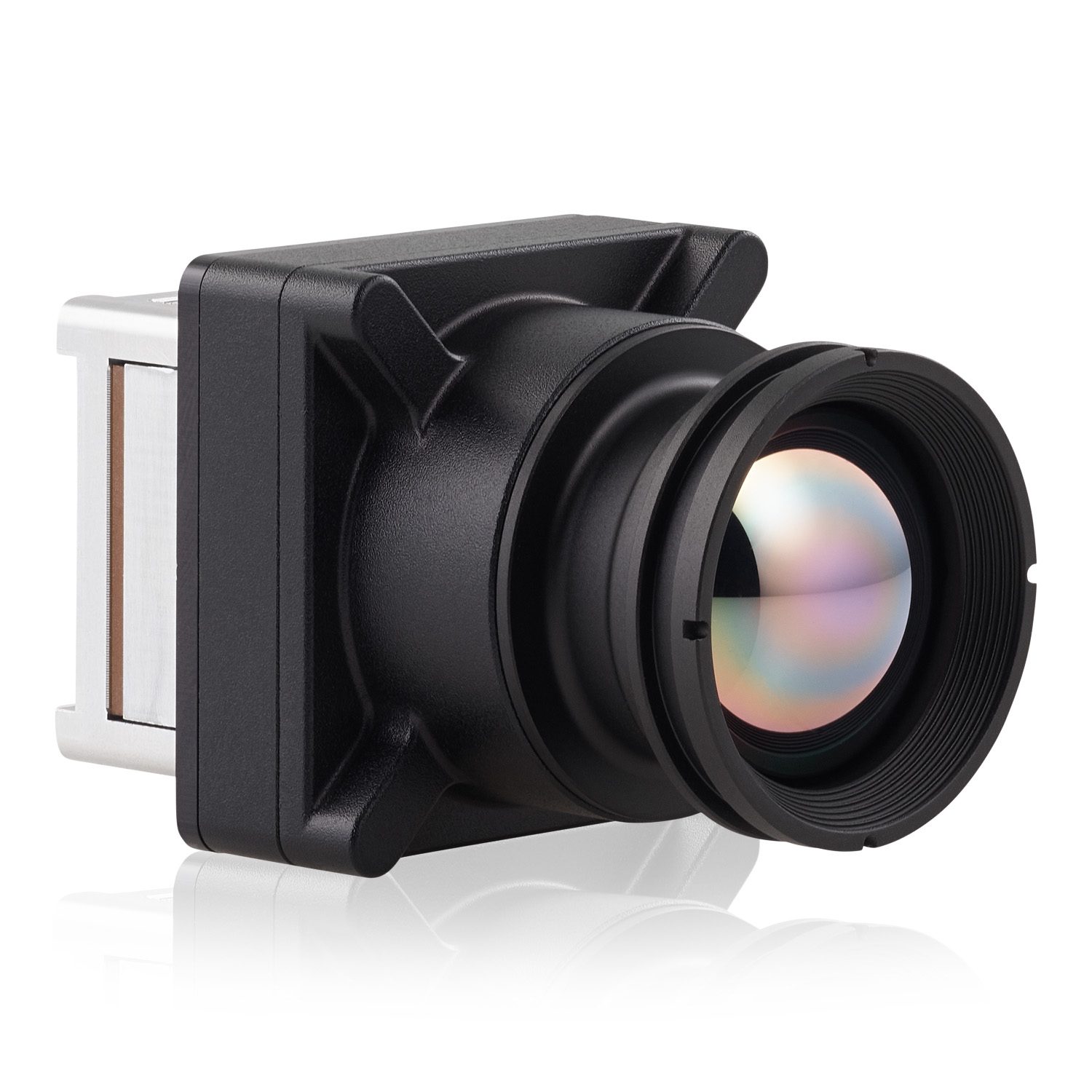
New Boson SX8 Brings High-Resolution Thermal Imaging to NDAA-Compliant Drone Payloads
Teledyne FLIR OEM has unveiled the Boson SX8, a cutting-edge longwave infrared (LWIR) thermal camera module aimed at defense, industrial, and uncrewed systems applications. Announced recently, the Boson SX8 stands out as the first NDAA-compliant, volume-production uncooled thermal camera module, merging high SXGA resolution with a compact design. This innovation is expected to enhance the capabilities of drone payloads, providing high-resolution thermal imaging for various applications. The development reflects a commitment to U.S. manufacturing and addresses the growing demand for advanced thermal imaging solutions in critical sectors.
Applications Defense defense Drone News Drone News Feeds drone parts
World’s first: Rider-Bot sets record as first bike robot to perform unassisted front flip
In a groundbreaking development for robotics, researchers at the University of California have unveiled a bicycle-riding robot that has successfully completed the world's first unassisted ride. This remarkable feat took place on October 15, 2023, in a controlled environment at the university's robotics lab. The team aimed to demonstrate advancements in autonomous mobility and artificial intelligence, showcasing the robot's ability to balance, steer, and navigate without human intervention. The robot, equipped with sophisticated sensors and algorithms, mimics human cycling techniques, allowing it to adapt to varying terrains and obstacles. This achievement not only highlights the potential for robotics in everyday applications but also paves the way for future innovations in autonomous transportation. Researchers believe that this technology could eventually lead to safer and more efficient modes of travel, addressing challenges in urban mobility and logistics. The successful demonstration marks a significant milestone in the quest for fully autonomous machines capable of performing complex tasks in real-world environments.
AI and Robotics
AI, Robotics Dominate World Economic Forum’s 2026 Technology Pioneers List
The World Economic Forum has announced its 2026 cohort of Technology Pioneers, featuring 100 early-stage companies from 23 countries. Approximately half of the selected firms are engaged in artificial intelligence and robotics, with a significant emphasis on technologies that support AI deployment rather than direct consumer applications. The chosen companies are innovating in various sectors, including software development, to enhance the capabilities and integration of AI technologies in diverse industries. This initiative aims to highlight and support the next generation of tech innovators who are shaping the future of technology on a global scale.
AI AI Funding & Investment AI Startups Robotics 2026 Technology Pioneers China
Lovable Surpasses $500M Annualized Revenue as AI Vibe-Coding Platform Targets Enterprise SaaS
Lovable, a European AI development startup founded in late 2023, has achieved a significant milestone by surpassing a $500 million annualized revenue run rate, an increase from $400 million reported in February. This rapid growth highlights the company's innovative platform, which enables non-technical users to create software using natural language prompts. As Lovable approaches its third anniversary, its success reflects the increasing demand for user-friendly AI solutions in the tech industry.
Uncategorized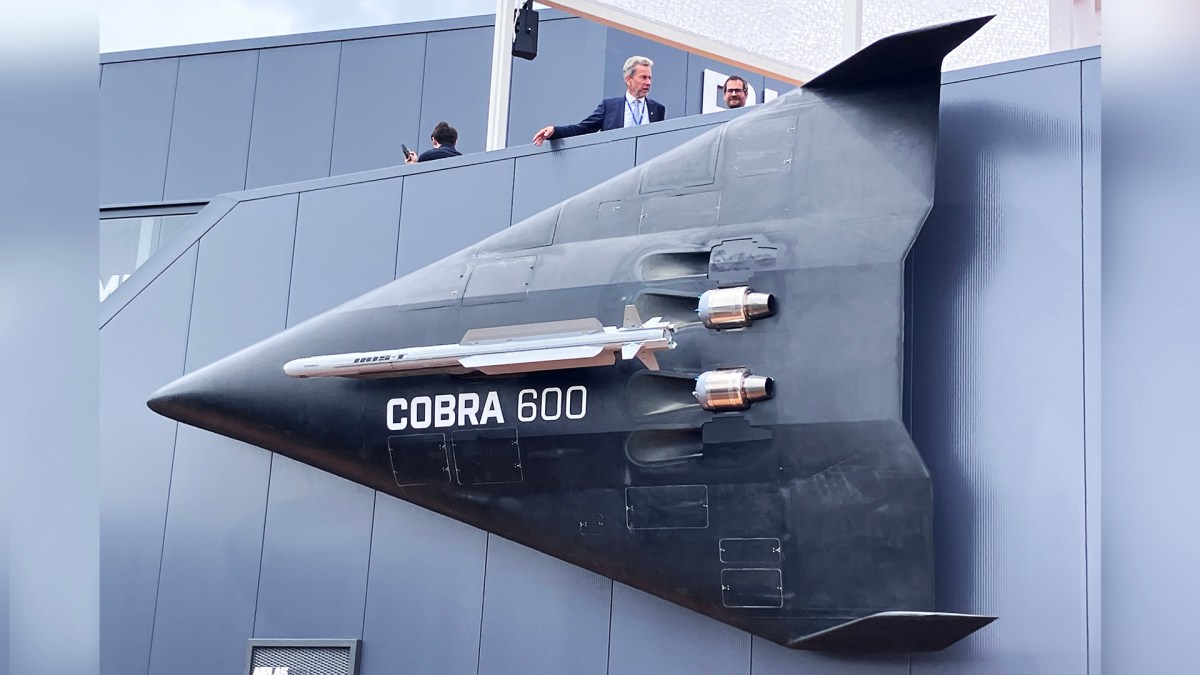
Germany’s Cobra 600 Is A Jet Powered Interceptor Drone That Slings An IRIS-T Missile
Germany has unveiled the Cobra 600, a jet-powered interceptor drone designed to enhance the capabilities of its surface-to-air missile systems. This innovative drone can transport the IRIS-T missile over hundreds of miles from its launch point, significantly extending the operational range of missile batteries. The development of the Cobra 600 reflects Germany's commitment to modernizing its defense technology and improving its aerial defense strategies. The introduction of this advanced drone is expected to bolster the country's military readiness and response capabilities in an increasingly complex security environment.
Air Around The Globe Drones Europe Germany Land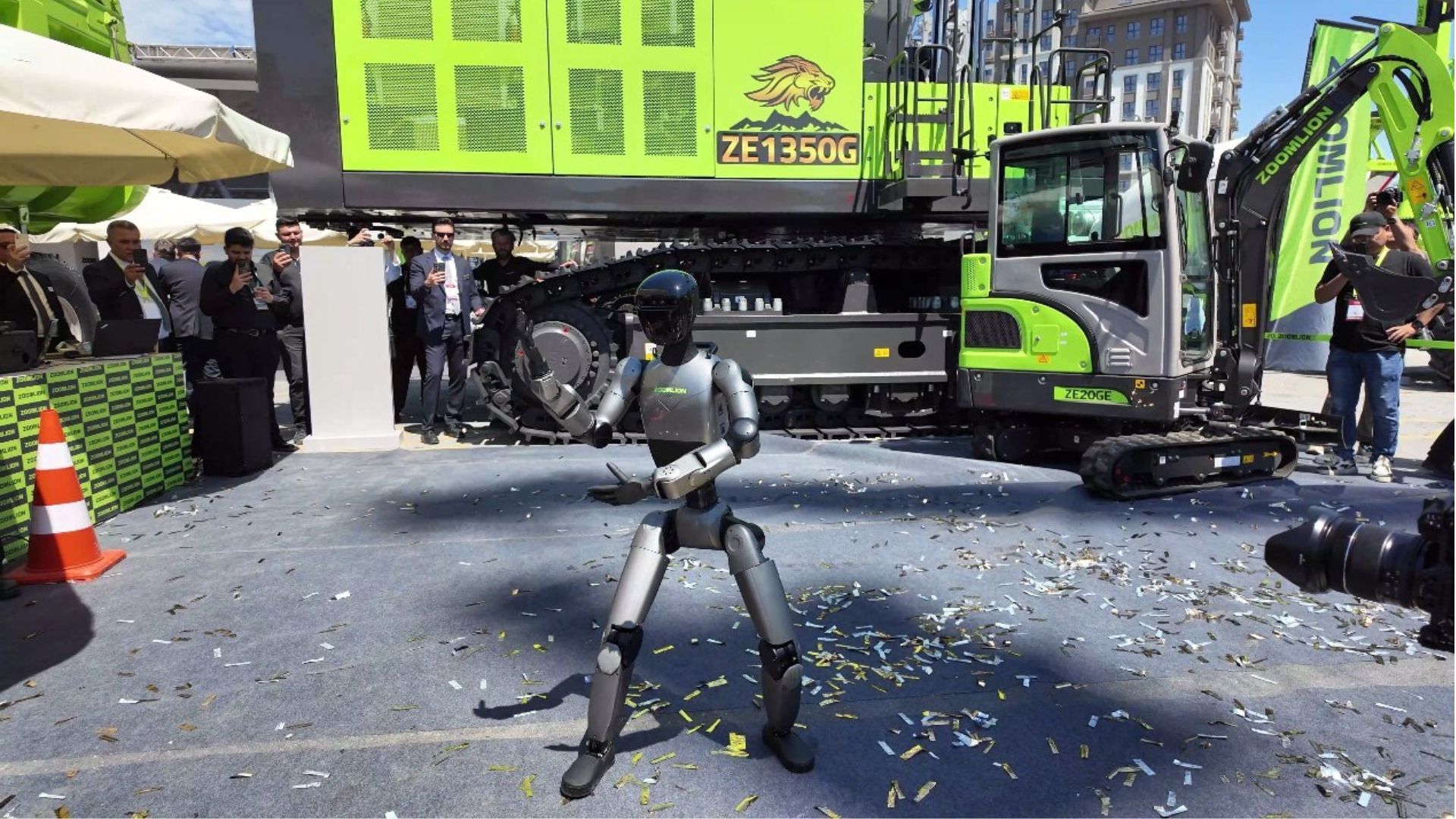
China’s Z01 humanoid robot masters Tai Chi moves with human-like balance and control
A new humanoid robot from China has emerged as a highlight at a prominent technology exhibition held in Shanghai this week. The robot, designed to mimic human movements and interactions, showcases advanced artificial intelligence capabilities that have captivated attendees and industry experts alike. This development reflects China's growing investment in robotics and AI technology, aiming to position itself as a leader in the global tech landscape. Demonstrations of the robot's abilities, including its capacity for conversation and physical tasks, have sparked discussions about the future of automation and human-robot collaboration. The exhibition serves as a platform for innovation, drawing significant attention to the potential applications of such technology in various sectors, including healthcare, education, and entertainment. As interest in robotics continues to rise, this humanoid robot stands as a testament to the rapid advancements being made in the field.
AI and Robotics
Bike robot lands first unassisted front flip thanks to Ph.D. student
A groundbreaking achievement in robotics has been made by the Robotics and AI Institute (RAI) in Cambridge, Massachusetts, where a bicycle robot, referred to as an ultra-mobility vehicle (UMV), has successfully executed an unassisted acrobatic front flip. This innovative robot, capable of reaching heights of up to 3 feet (0.9 meters), can also jump from the floor onto a platform. The remarkable capabilities of the UMV were significantly enhanced by a control policy developed by a Ph.D. student from Georgia Tech, showcasing the collaborative efforts in advancing robotic technology. This milestone not only demonstrates the potential of robotics in performing complex maneuvers but also highlights the ongoing research and development in the field of artificial intelligence and mobility solutions.
Robotics
Researchers Develop Method To Train Ag AI Robots with Virtual Tomatos
Researchers at Osaka Metropolitan University have introduced a groundbreaking method for creating synthetic training data aimed at enhancing agricultural AI systems. This innovative approach utilizes realistic virtual tomato farms, addressing a significant challenge in the development of autonomous harvesting robots. The findings of this study, published in the journal Smart Agricultural Technology, highlight the potential of virtual environments to effectively train AI models. By simulating diverse farming scenarios, the researchers aim to improve the efficiency and accuracy of AI systems in agricultural applications, ultimately paving the way for more advanced robotic solutions in the field.
AI AI Research & Advances Robotics agriculture AI autonomous harvesting robots Osaka Metropolitan University
Precise aggressive aerial maneuvers with sensorimotor policies
In a groundbreaking study published in the June 2026 issue of Science Robotics, researchers from leading universities have unveiled a new robotic system designed to assist in complex surgical procedures. This innovative technology aims to enhance precision and reduce recovery times for patients undergoing surgery. The research team, comprised of experts in robotics and medicine, conducted extensive trials over the past two years to refine the system's capabilities. The trials were held at various hospitals, allowing for real-world testing and feedback from surgical teams. The motivation behind this development stems from the increasing demand for minimally invasive surgical options, which can lead to better patient outcomes. By integrating advanced robotics with surgical techniques, the team hopes to address challenges faced by surgeons, such as limited visibility and dexterity during operations. The robotic system employs state-of-the-art sensors and AI algorithms to assist surgeons in real-time, providing them with enhanced control and accuracy. Initial results from the trials indicate a significant reduction in surgery time and improved patient recovery rates, suggesting that this technology could revolutionize surgical practices. As the medical community anticipates further advancements, the researchers are optimistic about the potential for widespread adoption of this robotic system in operating rooms around the world, paving the way for a new era in surgical care.
Research Article