

Industry Briefing
A single destination for timely, editor-curated robotics news from around the world.

Productive Robotics Launches Tregaskiss Tough Gun I.C.E. Torch for Blaze Welding Systems
Productive Robotics has unveiled the Tregaskiss Tough Gun I.C.E. (Integrated Cooling Enhancer) torch, designed specifically for its 7-axis Blaze robotic welding systems. This new option aims to mitigate heat-related consumable failures that can occur during automated welding processes with high duty cycles. The introduction of the I.C.E. torch is significant as it addresses a common challenge in robotic welding—overheating of consumables. By enhancing cooling capabilities, Productive Robotics aims to improve the reliability and efficiency of its Blaze systems, which are increasingly utilized in demanding industrial applications. Looking ahead, the adoption of the Tregaskiss Tough Gun I.C.E. torch could lead to broader implementation of Productive Robotics' solutions in sectors requiring robust welding capabilities. No further timeline was disclosed at the time of publication.

Neya Systems and GS Engineering Collaborate to Enhance Robotic Construction Equipment for Defense
Neya Systems and GS Engineering have announced a strategic collaboration aimed at advancing robotic and autonomous construction equipment for defense applications. This partnership combines Neya's N-Drive™ autonomy technology with GS Engineering's Remote Expeditionary Autonomous Pioneer (REAPr) unmanned ground vehicle, focusing on creating an integrated solution that enhances operational efficiency in military engineering tasks. The collaboration is significant as it seeks to improve the safety and effectiveness of warfighters by automating the most hazardous and labor-intensive engineering tasks. By leveraging proven autonomy technology and advanced UGV capabilities, the initiative aims to streamline construction processes in defense operations, ultimately contributing to enhanced mission readiness and operational success. Looking ahead, the integration of these technologies is expected to lead to the development of field-ready autonomous solutions that can significantly reduce the risks faced by military personnel. No further timeline was disclosed at the time of publication.

Effective Strategies for Upgrading Control Systems in Brownfield Plants Without Downtime
Modernizing a facility often faces a significant hurdle: downtime. Leadership demands a strategy that minimizes disruption while implementing improvements. A comprehensive understanding of existing systems is crucial before any upgrades can begin. In brownfield facilities, systems have evolved over time, leading to a complex mix of PLCs, HMIs, and outdated documentation. Conducting a thorough IT/OT assessment is essential to identify hardware, lifecycle status, and dependencies. This visibility is vital for developing a low-risk modernization plan that accommodates legacy systems and modern data requirements. The challenge lies in the communication gap between legacy serial protocols and modern Ethernet environments. Upgrading without a clear strategy can lead to significant risks, making the traditional “rip-and-replace” approach impractical. Facilities often have limited time for upgrades, sometimes only a brief window for implementation, emphasizing the need for a well-planned approach.
Factory / Control
Certified Systems Integrators Mitigate Commissioning Risks in Robotic Production Cells
Commissioning a robotic production cell involves complex testing across various components, including robot controls and safety functions. Despite successful shop demonstrations, issues can arise during actual plant operations due to discrepancies in parameters, wiring, and network conditions. A qualified systems integrator plays a crucial role in minimizing these risks by treating the entire system as a cohesive unit with clear acceptance criteria. The importance of certified systems integrators lies in their ability to establish a comprehensive commissioning plan that begins during the design phase. This plan includes an approved controls narrative, I/O list, and network map, ensuring that all interfaces are clearly defined. By transforming vague requirements into measurable outcomes, integrators can effectively address potential issues before production begins, thus enhancing operational reliability. Looking ahead, it is essential for teams to conduct thorough factory testing to identify and resolve logic and interface problems. The IEC 62381:2024 standard emphasizes the need for agreed-upon test procedures among owners, buyers, and vendors. As commissioning challenges often stem from the interaction between various components, a holistic approach to testing will be vital for successful robotic cell operations in real-world environments.
Automation Automation News Industry Robotics Robotics and Automation Robotics and Automation News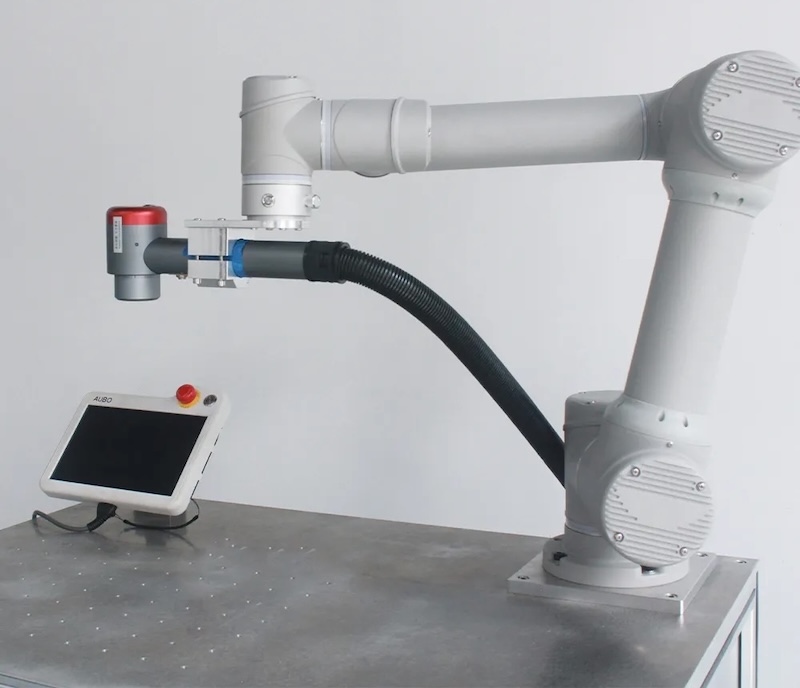
Integrating Industrial Robots with Laser Cleaning Systems Enhances Production Efficiency
Recent advancements in technology are transforming factory operations, with companies striving to reduce cycle times, cut costs, and ensure quality. The integration of industrial robots with laser cleaning systems is emerging as a solution to automate the removal of burrs from metal components, significantly enhancing productivity and efficiency in production lines. This combination of technologies is crucial as it addresses the need for cleaner surfaces before processes like painting, coating, or welding, which are essential for maintaining product quality. Laser cleaning, a modern technique that utilizes powerful laser beams to eliminate unwanted materials without damaging the underlying metal, offers a more environmentally friendly alternative to traditional cleaning methods that often rely on harsh chemicals. As more companies explore the benefits of industrial laser cleaning machines, the focus will be on how these systems can further optimize production lines. The automation of the cleaning process not only saves time but also improves overall manufacturing efficiency. No further timeline was disclosed at the time of publication.
Engineering Robotics Technology factory automation industrial automation industrial robots
CoreWeave Launches NVIDIA Vera Rubin NVL72 Systems for Agentic AI Production
CoreWeave has announced the production availability of NVIDIA Vera Rubin NVL72 systems, designed for AI workloads, during the CoreWeave Fully Connected event in San Francisco. This launch follows nearly a decade of collaboration with NVIDIA, integrating their compute and networking technologies into a cloud optimized for AI applications. The introduction of the Vera Rubin NVL72 systems, along with the NVIDIA Vera CPU, marks a significant advancement in CoreWeave's offerings. Cognition, the applied AI lab, is the first to utilize these systems for production workloads, achieving notable performance improvements in AI-driven software engineering tasks. The collaboration between CoreWeave and NVIDIA has resulted in a robust platform that continues to deliver value across multiple generations of technology. Looking ahead, CoreWeave's deployment of the Vera Rubin NVL72 systems is expected to enhance the capabilities of AI agents, particularly in terms of real-time code generation and complex reasoning tasks. As demand for agentic AI grows, the ability to efficiently scale and optimize workloads will be crucial for enterprises leveraging this technology. No further timeline was disclosed at the time of publication.

Research Reveals Manufacturers Struggle with Data Connectivity Across Systems
Recent research indicates that fewer than half of manufacturers have fully integrated data across their design, production, quality, and business systems. Despite 77% of manufacturers claiming their operations are connected, only 40% have achieved full data connectivity, as reported in Hexagon’s 2026 America's State of Manufacturing Report. This disconnect highlights a significant gap between operational perceptions and the actual state of data integration on the production floor. Furthermore, 39% of manufacturers experience limited feedback among design, manufacturing, and quality teams, while 67% lack a unified data view from their systems. These findings underscore the challenges faced by manufacturers in adapting to new technologies and maintaining effective communication across departments. Looking ahead, it will be crucial for manufacturers to address these connectivity issues to enhance operational efficiency and quality control. No further timeline was disclosed at the time of publication.
Factory / Digital Transformation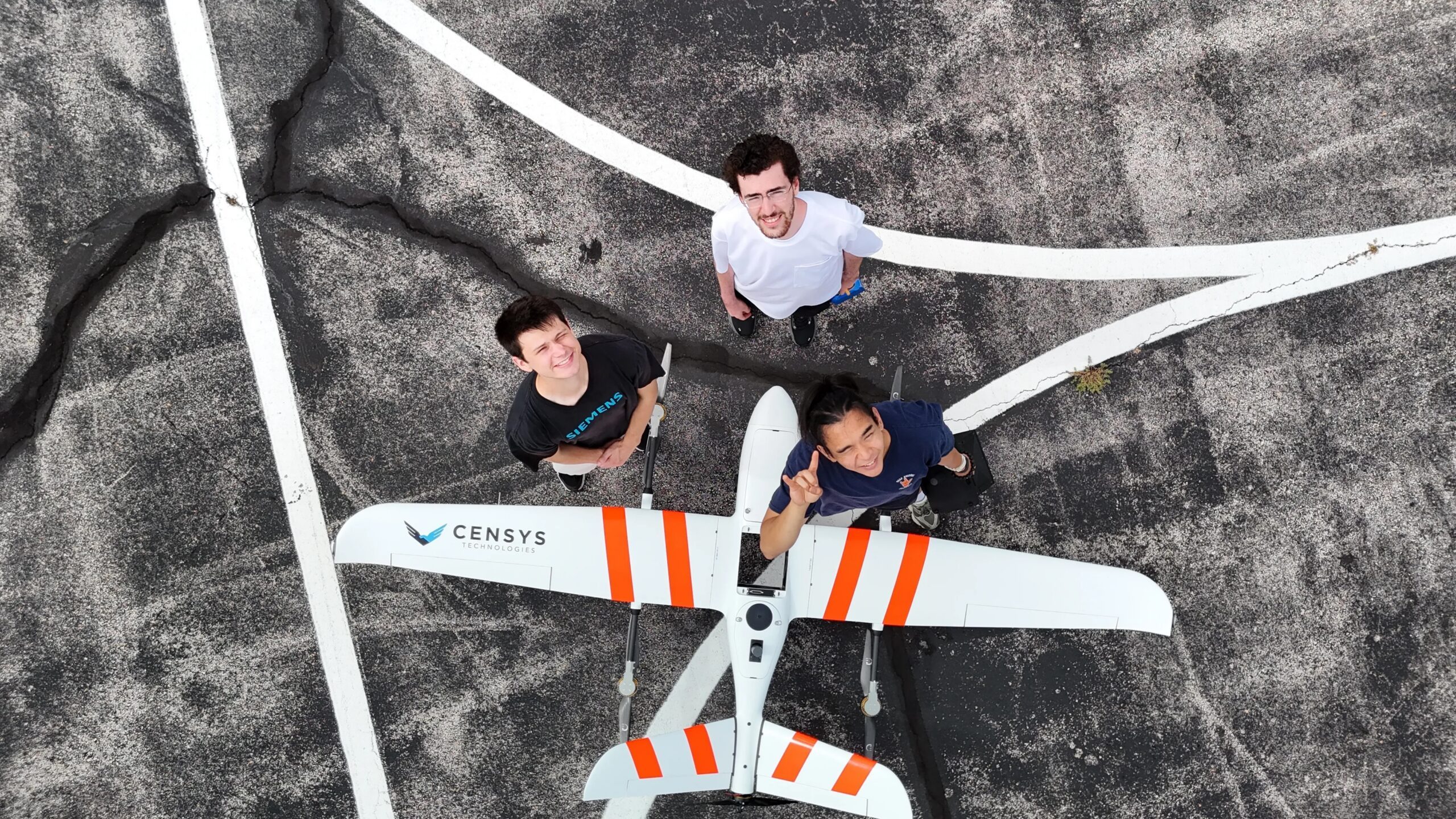
AIVE AI Systems Enhances Geospatial Data Access with Innovative Mapping Solutions
At the upcoming 2026 INTERGEO event in Munich, AIVE Systems will showcase its AI-driven software that simplifies the creation of georeferenced 2D maps from drone imagery. This innovation targets users who require geographic context without needing intricate 3D models, expanding its applications beyond wildfire detection. AIVE's technology stems from the FLARE-X project, a collaboration led by The University of Texas at Austin, which focused on autonomous wildfire risk mapping and detection. The software developed by AIVE aims to support various sectors, including infrastructure inspection, public safety, agriculture, and border patrol, by providing essential environmental insights. The company's initial offerings, Atlas GEO Cloud and Atlas GEO QGIS, utilize fewer images to generate maps, differentiating from traditional methods that rely on precise positioning tools. AIVE's approach automates the mapping process, making it accessible for users without extensive expertise. No further timeline was disclosed at the time of publication.
DL Exclusive Drone News Drone News Feeds Education Mapping News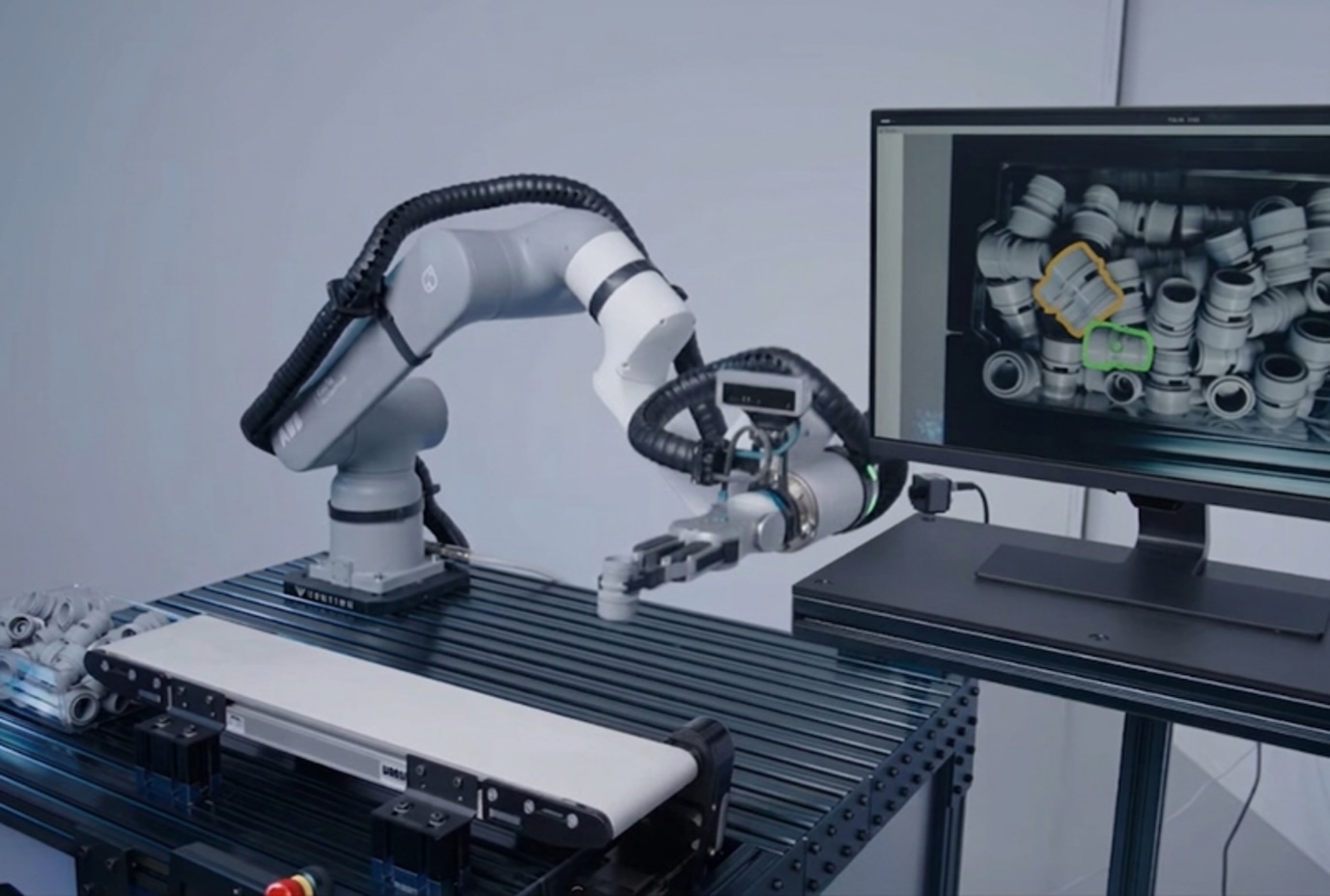
CSGE Enhances Multi-View 3D Detection in Robotic Systems with Modular Cross-Spatial Representation
The Journal of Field Robotics has published an early view article detailing the development of CSGE, a modular cross-spatial guided space representation designed to improve multi-view 3D detection in robotic systems. This innovative approach aims to enhance the accuracy and efficiency of 3D perception in various robotic applications. The significance of CSGE lies in its potential to address challenges in multi-view 3D detection, which is crucial for the effective operation of robotic systems in complex environments. By utilizing a modular design, CSGE allows for flexible integration into existing robotic frameworks, potentially leading to advancements in automation and intelligent manufacturing. Looking ahead, the industry will be monitoring the implementation of CSGE in real-world robotic applications and its impact on performance metrics. Further developments and research findings related to this technology may provide insights into its broader applicability and effectiveness in enhancing robotic perception capabilities. No further timeline was disclosed at the time of publication.
RESEARCH ARTICLE
Alien Control Systems Opens 191,000-Square-Foot Facility for Bullfrog Counter-Drone Production
Alien Control Systems (ACS) is launching a new 191,000-square-foot manufacturing facility in Austin, Texas, to enhance production of its Bullfrog counter-drone system. This expansion is a direct response to increased demand from the U.S. and allied nations for effective countermeasures against weaponized drones. The new facility will allow ACS to rapidly scale production of Bullfrog, which integrates computer vision, autonomous control, and precision robotics. The system has already been deployed by the U.S. Army and Navy, and it has contracts with Joint Interagency Task Force 401 and several allied militaries, underscoring its significance in safeguarding critical infrastructure. Looking ahead, ACS aims to further expand Bullfrog's deployment across U.S. military services, following its recent selection by the U.S. Marine Corps for the Ground Based Air Defense program. No further timeline was disclosed at the time of publication.
Military
Countering Evolving Drone Threats with Layered Tactical Radar Systems
The threat posed by Shahed-136 one-way attack drones highlights the urgent need for advanced counter-drone strategies. As the unmanned aircraft system (UAS) environment evolves, operational users are adapting to new challenges by employing scalable, layered sensing teams capable of detecting and tracking small, fast, and swarming aerial threats. This approach is crucial for effective air defense in complex scenarios, whether on land or at sea. Ray Bischoff, senior director of business development at Leonardo DRS, emphasizes the importance of integrating various sensor systems, particularly tactical radars, into a networked architecture. This layered defense strategy allows for enhanced coverage and response times, which are critical in high-stakes situations like those in the Strait of Hormuz. By utilizing a combination of technologies, including electro-optic and infrared sensors, the defense systems can maintain functionality even if some sensors are compromised. Looking ahead, the focus will remain on refining these layered systems to address emerging drone threats. The integration of diverse sensor technologies will be key to improving decision-making and operational effectiveness. No further timeline was disclosed at the time of publication.
Sponsored Content Counter-Unmanned Aerial Vehicles (C-UAS) Land
Reframe Systems Secures $40 Million to Expand Robotic Microfactories for Home Construction
Reframe Systems has successfully raised $40 million to enhance its network of robotic microfactories aimed at addressing the U.S. housing shortage. With a current deficit of 4.5 million homes, the company plans to utilize this funding to scale operations across North America, adapting to various local requirements and conditions. The fragmented nature of the construction industry, which typically relies on numerous subcontractors, has contributed to the housing crisis. Reframe's innovative approach combines robotics and its Pixels to Parts software to streamline home building, enabling faster and more efficient production of energy-efficient and climate-resilient homes. Looking ahead, Reframe aims to deliver one million homes by 2040, five years earlier than initially planned. The company is set to open a new microfactory, FAB1, in Billerica, Massachusetts, which will be operational by October 5. With plans to produce up to 500 multifamily units or 250 single-family homes annually, Reframe is on track to significantly impact the housing market in the coming years.
Artificial Intelligence Artificial Intelligence / Cognition Construction Design / Development Financial Investments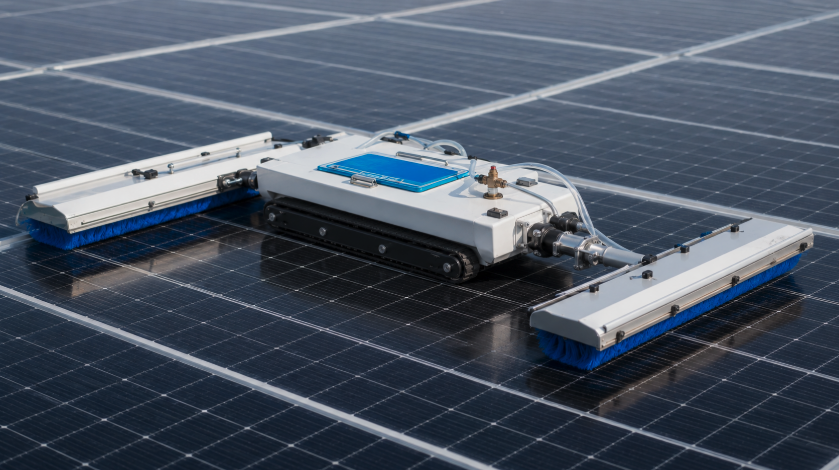
Selecting Roller Brushes for Effective Robotic Solar Panel Cleaning Systems
Solar panel cleaning robots are evaluated based on their dust removal efficiency, but the brush roller's design is crucial for effective cleaning. It must balance cleaning action with controlled contact and serviceability, considering the specific conditions of photovoltaic modules. Real-world environments often present challenges such as loose dust, bird droppings, and mineral deposits, making the selection of roller brushes complex. The choice of roller brush is not solely based on softness; it must align with the module specifications, site conditions, cleaning methods, and robot interfaces. For OEMs and replacement projects, it is essential to review brush assemblies in relation to module requirements and planned service cycles. The term 'soiling' encompasses a variety of contaminants, from light dust to compacted particles, each requiring different cleaning approaches. As moisture can significantly affect cleaning effectiveness, understanding the interaction between dust and moisture is vital. In water-scarce areas, robotic dry cleaning can be beneficial, but care must be taken to avoid abrasive damage from trapped hard particles. No further timeline was disclosed at the time of publication.
Energy Environment Robotics brush rollers cleaning robots industrial brushes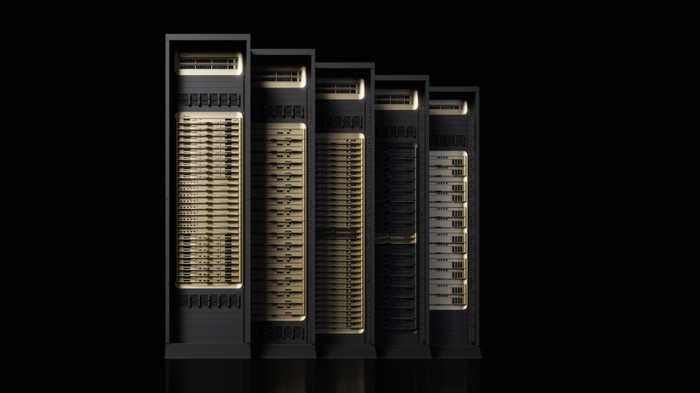
NVIDIA Launches Groq 3 LPX in Full Production, Enhancing Vera Rubin Inference for Agentic Systems
NVIDIA has announced that the Groq 3 LPX is now in full production, enhancing the Vera Rubin NVL72 platform with fast token generation capabilities. This advancement allows for 3,400 output tokens per second in complex agentic systems, significantly outperforming competitors by four times. The introduction of Groq 3 LPX is crucial as AI transitions from training to reasoning, marking inference as a key frontier. With industry partners like SpaceXAI and Nebius adopting these technologies, NVIDIA is positioned to meet the growing demands for high-throughput, low-latency AI applications. Looking ahead, NVIDIA is set to showcase its innovations at the Hot Chips conference, emphasizing the importance of extreme codesign in optimizing AI infrastructure. As the need for efficient long-context inference and multi-agent systems increases, the integration of Groq 3 LPX with Vera Rubin NVL72 will enable developers to create more responsive and interactive AI applications.
MFE Inspection Solutions Becomes First U.S. Distributor for IVM Technologies' HYDRO Series
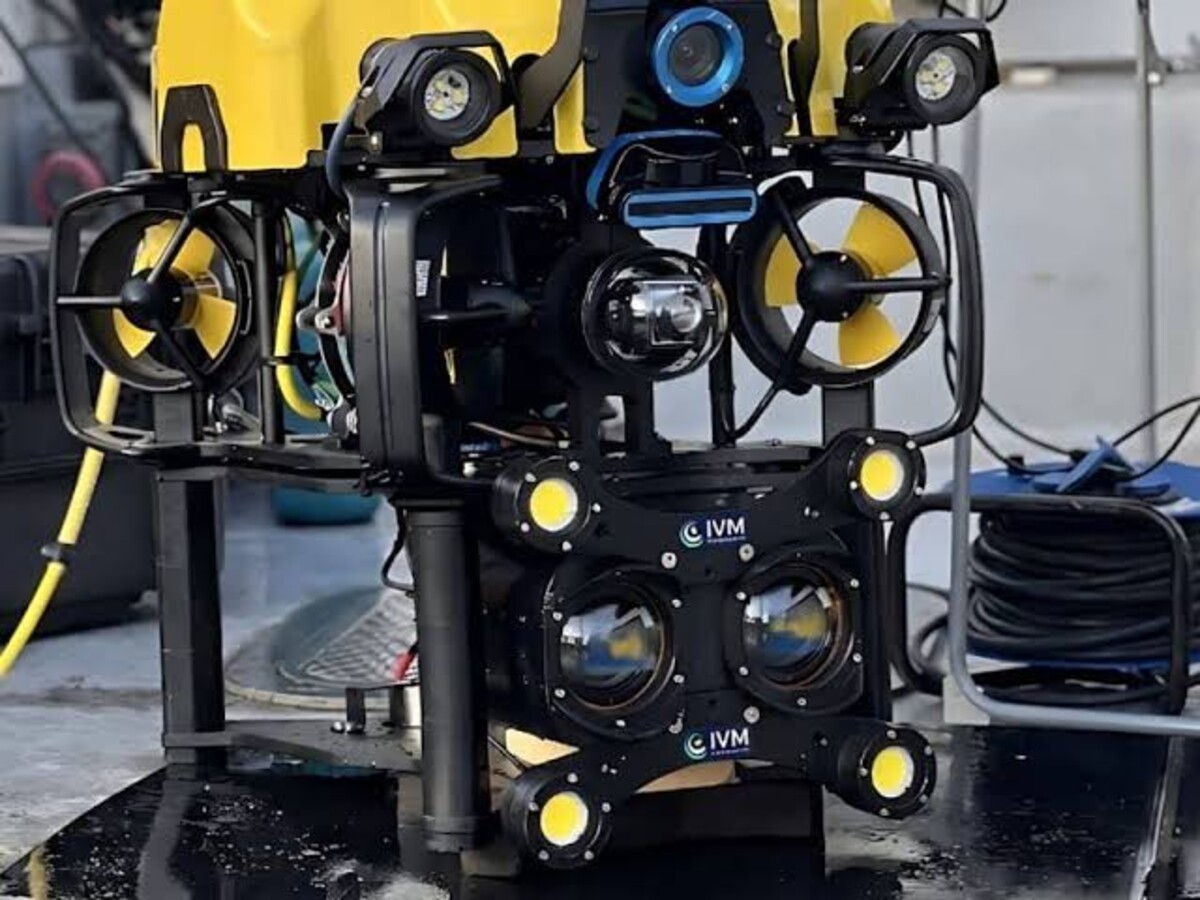
MFE Inspection Solutions has entered into a distribution partnership with IVM Technologies, becoming the first authorized U.S. distributor for the HYDRO Series of subsea photogrammetry systems. This collaboration aims to provide U.S. offshore and subsea teams with advanced tools for creating precise 3D models of underwater assets. The partnership is significant as subsea teams increasingly require more than just visual documentation; they need accurate measurements and detailed 3D records for effective inspections and work planning. IVM's HYDRO Series is designed to meet these practical inspection needs, allowing MFE to assist customers in integrating these systems with their ROV platforms and developing tailored workflows. Looking ahead, MFE Offshore's collaboration with IVM Technologies is expected to enhance its offerings in subsea inspection and survey technologies. The HYDRO Series, which includes models capable of operating at various depths, will provide operators with the ability to generate high-resolution, scaled 3D models for monitoring and inspection purposes. No further timeline was disclosed at the time of publication.

Ukraine Aims to Double Drone Production to 20 Million Annually with EU Support
Ukrainian President Volodymyr Zelenskyy announced that Ukraine is currently producing 10 million drones each year. With the assistance of partners, the country aims to increase its drone production capacity to 20 million annually. This initiative is significant as it highlights Ukraine's commitment to enhancing its unmanned systems capabilities amid ongoing challenges. The collaboration with partners, particularly the EU, is expected to accelerate the production process and improve the technological advancements in drone manufacturing. Looking ahead, stakeholders will be keen to monitor the progress of this production increase and the potential impact on Ukraine's defense capabilities. No further timeline was disclosed at the time of publication.
Air Warfare Air Force Drones EU Europe Fincantieri
UBTECH Advances China's First Industry Standard for Collaborative Intelligent Systems by 2026
Recently, China's Ministry of Industry and Information Technology approved the development of the first industry standard for collaborative intelligent systems, led by UBTECH Robotics. The standard, titled 'Control Interface Specifications for Embodied Collective Intelligent Systems in Industrial Applications,' aims to address interoperability issues among multi-robot systems in industrial settings, marking a significant step in standardization. This initiative is crucial as industrial production shifts from single-robot operations to collaborative multi-robot systems. The lack of unified protocols and control interfaces has hindered the scalability of collective intelligence technologies. The new standard will provide clear guidelines for task allocation, fault reporting, and security interactions, facilitating better integration of diverse robotic systems in smart factories and logistics. Looking ahead, UBTECH is also collaborating with the China Electronics Standardization Institute to develop a reference architecture for collective intelligent systems. This comprehensive framework will define key terminologies and functional modules, further solidifying the foundation for collective intelligence standards in China. No further timeline was disclosed at the time of publication.
Humanoid Robots Industrial Automation AI Standards Collective Intelligence Robotics
Fortem Technologies Secures $50 Million to Enhance Counter-Drone System Production
Fortem Technologies has successfully completed a $50 million Series B financing round aimed at scaling the production and deployment of its counter-drone systems. Led by Lockheed Martin, which invested $25 million, the round also saw participation from Unusual Machines and other strategic investors. The funding will facilitate manufacturing expansion at Fortem's facility in Lindon, Utah, and enhance global deployment of its SkyDome Family of Systems. This financing is significant as military and civilian organizations are increasingly investing in counter-unmanned aerial systems (UAS) technology. Fortem's SkyDome integrates TrueView radar sensors, command-and-control software, and DroneHunter interceptors to detect, track, and neutralize drone threats. Charlie O’Connell, Fortem's Chief Business Officer, emphasized the importance of this investment in meeting the growing demand for airspace security solutions, which have been validated in various real-world scenarios. Looking ahead, Fortem has secured multiple government contracts, including a five-year Department of Homeland Security counter-UAS contract, where it was the only small business selected. The contract has an estimated ceiling of $1.011 billion, allowing DHS components to issue task orders to contractors. No further timeline was disclosed at the time of publication.
Anti-drone technology C-UAS Drone News Drone News Feeds News airspace security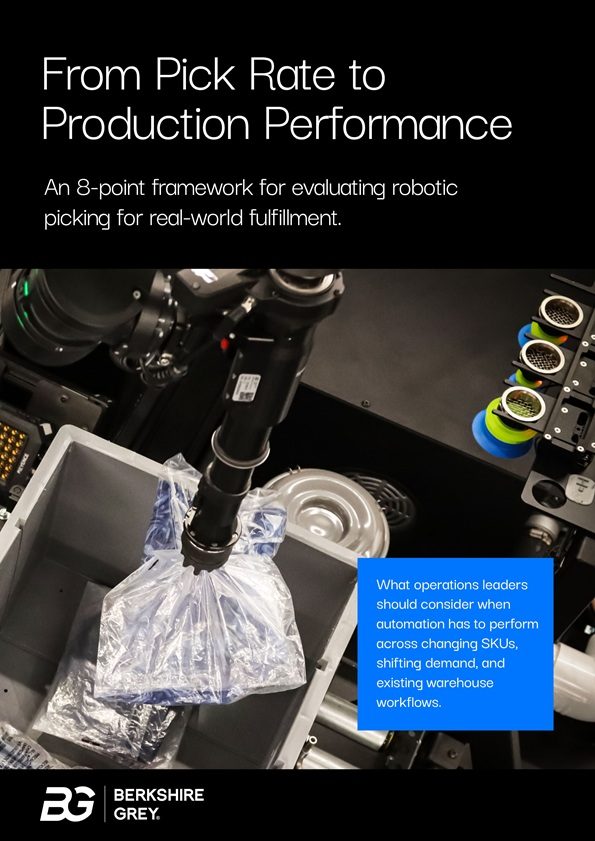
Evaluating Robotic Picking Systems: Beyond Pick Rates to Operational Reliability
A robotic picking system may achieve a high pick rate, but it can still result in excessive exceptions for the team. Fulfillment leaders must assess the system's ability to manage the overall picking volume consistently. The reliability of a robotic picking system is crucial as it must adapt to variations in products, packaging, and demand. This adaptability is essential for maintaining operational efficiency and meeting customer expectations. Looking ahead, it will be important to monitor how robotic picking systems evolve to handle diverse operational challenges. No further timeline was disclosed at the time of publication.
Kuka Systems and Magdeburg-Stendal University Launch Friction Stir Welding Research Cell
Kuka Systems, in collaboration with Magdeburg-Stendal University, has introduced a new research cell focused on Friction Stir Welding (FSW). This initiative aims to enhance the development and testing of innovative manufacturing processes. The establishment of this research cell is significant as it expands the capabilities of both Kuka Systems and the university in exploring advanced welding techniques. Friction Stir Welding is known for its efficiency and effectiveness in joining materials, making it a valuable area of research in manufacturing. Looking ahead, stakeholders in the manufacturing and robotics sectors should monitor the outcomes of this collaboration. The advancements in FSW technology could lead to improved production methods and applications across various industries. No further timeline was disclosed at the time of publication.
Allgemein Lösungen Metallbearbeitung & Schweißen Robotersteuerung & Digital Twin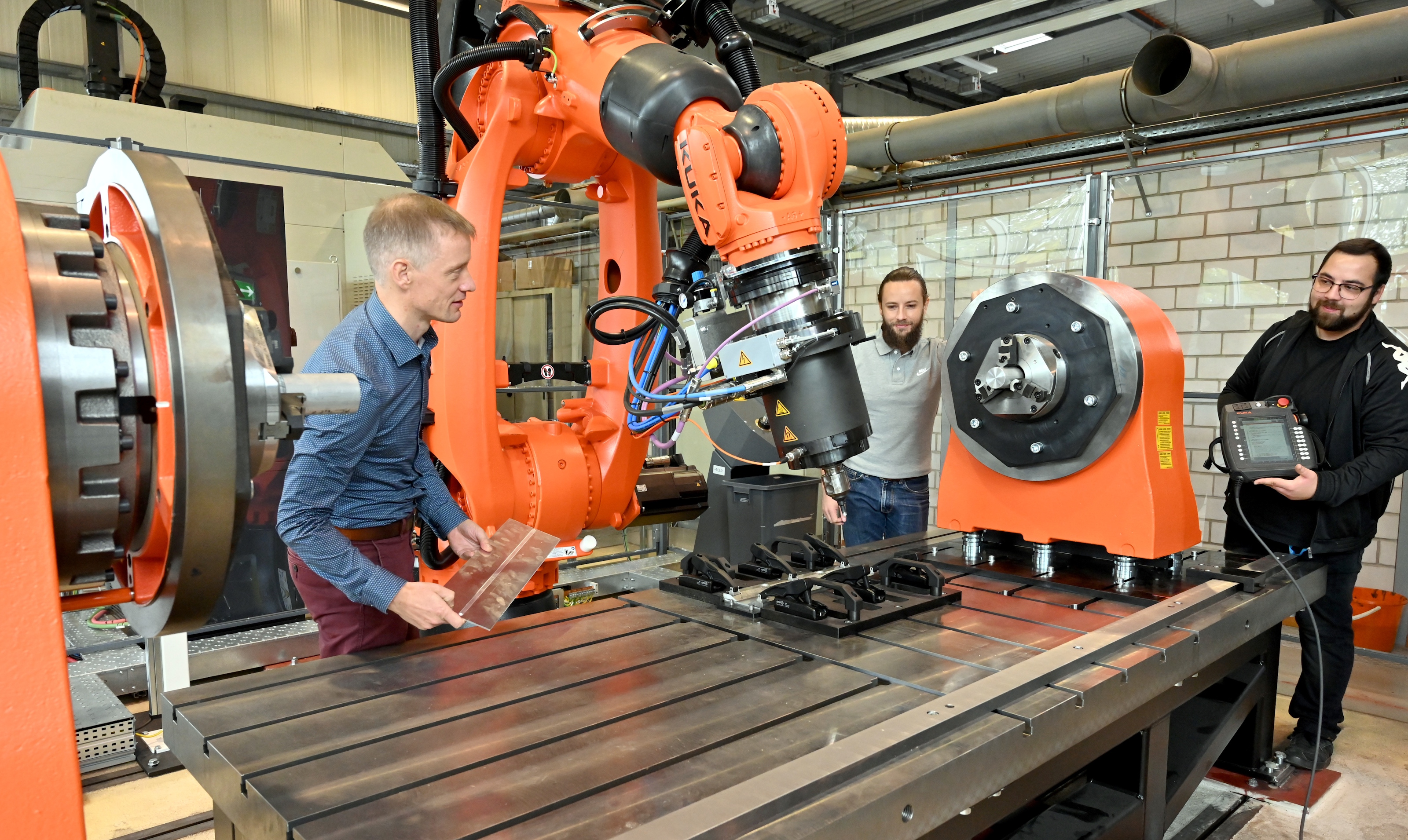
University of Applied Sciences Magdeburg-Stendal and KUKA Systems AWS Launch FSW Research Platform
The University of Applied Sciences in Magdeburg-Stendal, in collaboration with KUKA Systems AWS, has introduced a new research cell dedicated to friction stir welding (FSW). This initiative aims to enhance the development and testing of innovative manufacturing processes, leveraging advanced robotics and digital technologies. The centerpiece of this research platform is the KR FORTEC ultra MT, engineered specifically for high-load FSW and machining tasks. This integration of industrial robotics with scientific research is expected to streamline the transition of new applications from the development phase to full-scale production. Looking ahead, the collaboration between the University of Applied Sciences and KUKA Systems AWS signifies a significant step in advancing manufacturing technologies. No further timeline was disclosed at the time of publication.
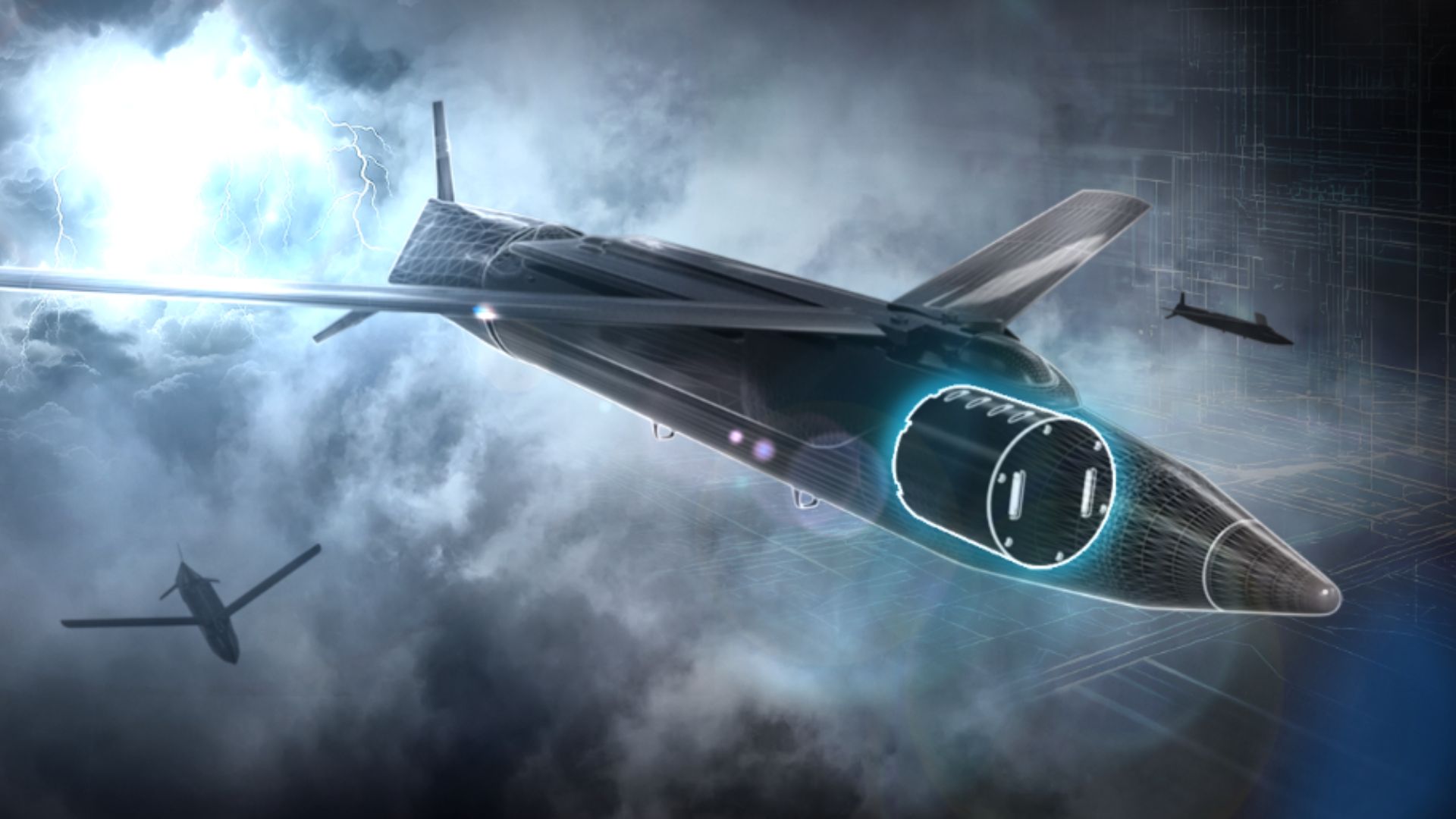
BAE Systems Introduces Shadow Electronic Warfare Family for Enhanced Drone Protection
BAE Systems has launched a new family of electronic warfare systems, known as Shadow EW, designed to enhance the protection of small aircraft in contested airspace. This initiative responds to the increasing demand for compact electronic warfare solutions that can be integrated into space-constrained platforms, utilizing commercially available microchips to streamline production and supply chains. The Shadow EW family is significant as it addresses the limitations of traditional electronic warfare systems, which are often too large and heavy for small drones and other airborne systems. By focusing on lightweight hardware and open architecture principles, BAE Systems aims to provide adaptable solutions that can be updated post-deployment, ensuring operators can effectively counter evolving electronic threats. Looking ahead, BAE Systems plans to leverage established manufacturing methods to scale production of the Shadow EW systems, making them more accessible for military applications. As the U.S. military seeks cost-effective ways to equip a growing number of autonomous systems, the ability to produce electronic warfare capabilities at scale will be crucial for maintaining operational effectiveness in complex environments.
Military
Selecting the Optimal Motor for Mobile Robots and Automation Systems
The selection of motors for mobile robots involves complex interdependencies among various components, including gearboxes, controllers, and mechanical layouts. Mistakes in motor selection often only become apparent during real-world testing, where issues such as overheating and inconsistent acceleration can arise when the robot operates under load. This disconnect highlights the importance of considering the entire drivetrain rather than focusing solely on individual specifications. Understanding the robot's operational parameters—such as total mass, expected payload, and environmental conditions—is crucial for effective motor selection. These factors dictate the forces the drivetrain must generate, which are often overlooked when relying solely on motor catalogs. A design review revealed that a robot's performance could be significantly impacted by changes in its operating environment, necessitating a reevaluation of the entire drivetrain ratio rather than simply upgrading to a larger motor. To optimize motor selection, engineers should prioritize calculating the required wheel torque based on real-world conditions. This approach ensures that the drivetrain is adequately designed to handle various scenarios, including inclines and repeated starts. Additionally, wheel diameter plays a critical role in determining tractive force, and its impact on performance should not be underestimated during the design process.

Ursa Major Launches Sixth US Facility to Enhance Spacecraft Production Capacity
On August 20, Ursa Major, a US aerospace and defense company, inaugurated a new facility in Longmont dedicated to the production of spacecraft avionics and in-space propulsion systems. This site, which can support over 125 employees, will allow the company to shift production from its Berthoud headquarters, thereby increasing space for manufacturing liquid rocket engines and hypersonic systems. The establishment of the Longmont facility is significant as it consolidates Ursa Major's production capabilities for avionics and integrated propulsion systems, which are crucial for spacecraft maneuverability in orbit. CEO Chris Spagnoletti emphasized the facility's role in meeting current demand, stating that the new site will enhance the company's ability to deliver advanced propulsion solutions faster than traditional suppliers. Looking ahead, Ursa Major plans to utilize the additional space at its Berthoud headquarters for liquid-engine manufacturing and vehicle integration. Programs such as the Hadley and Draper liquid rocket engines and the HAVOC Missile System are expected to benefit from this expansion. No further timeline was disclosed at the time of publication.
Military
Ondas Secures Over $50 Million Order for Tactical Lethal Unmanned Systems from US Army
Ondas has announced a significant new order exceeding $50 million from the US Army for tactical Lethal Unmanned Systems (LUS), also known as loitering munitions or 'kamikaze drones.' This order falls under a previously disclosed $982 million multi-year Indefinite Delivery, Indefinite Quantity (IDIQ) contract, bringing Mistral's total awards under the program to over $240 million. The LUS program aims to equip soldiers with precision-strike drones that can identify and engage targets with enhanced accuracy. The demand for such systems has surged due to recent global conflicts, emphasizing the military's need for cost-effective autonomous strike platforms. Ondas' acquisition of Mistral has positioned the company to better compete in the US defense market and expand its portfolio of autonomous technologies. Looking ahead, production is already underway, with deliveries expected to commence in the third quarter of 2026. Ondas is focused on fulfilling this contract while also seeking opportunities to support the Army throughout the operational lifecycle, including intelligence gathering and mission planning. This order reflects a broader trend in military investment in autonomous systems for rapid deployment and precision on the battlefield.
News
Advancing End-to-End Automation by Integrating Factory Operations with Business Systems
Manufacturers have long automated physical production processes, utilizing robots and sensors for efficiency. However, many surrounding processes still rely on manual data entry and communication, leading to inefficiencies. The next phase of automation focuses on integrating operational systems with business software, enhancing communication across departments. This integration is crucial as it allows for real-time information sharing between operational technology and business systems, which traditionally serve different purposes. For instance, while a machine can detect performance issues, the process of creating maintenance tickets often remains manual. End-to-end automation aims to streamline these handoffs, ensuring that relevant information flows seamlessly across organizational boundaries. Looking ahead, the implementation of an embedded integration platform is essential for connecting operational data with various business applications like ERP and CRM systems. This approach not only simplifies the integration process but also ensures that operational decisions remain within the appropriate environments while coordinating necessary administrative actions. No further timeline was disclosed at the time of publication.
Automation Business Design Engineering ai agents business process automation
X-Bow Systems Launches Buckler, a Cost-Effective Supersonic Interceptor for Drone Defense
X-Bow Systems, a Texas-based defense company, has unveiled Buckler, a new supersonic interceptor aimed at countering Group 3 drone threats. This system addresses the increasing demand for effective defenses against mass UAV attacks and has successfully completed field testing. The Buckler interceptor is designed to engage Group 3 unmanned aerial vehicles (UAVs), which weigh between 56 and 1,320 lbs and operate below 18,000 feet. Priced under USD 100,000, Buckler combines high-speed performance with a design suitable for large-scale production, making it a cost-effective solution for militaries facing frequent drone assaults. With the successful flight tests validating its propulsion system and overall performance, X-Bow Systems is moving closer to operational deployment of Buckler. The company emphasizes its in-house manufacturing capabilities, which enhance production efficiency and quality control, addressing the industry's reliance on external suppliers for solid rocket motors.
Military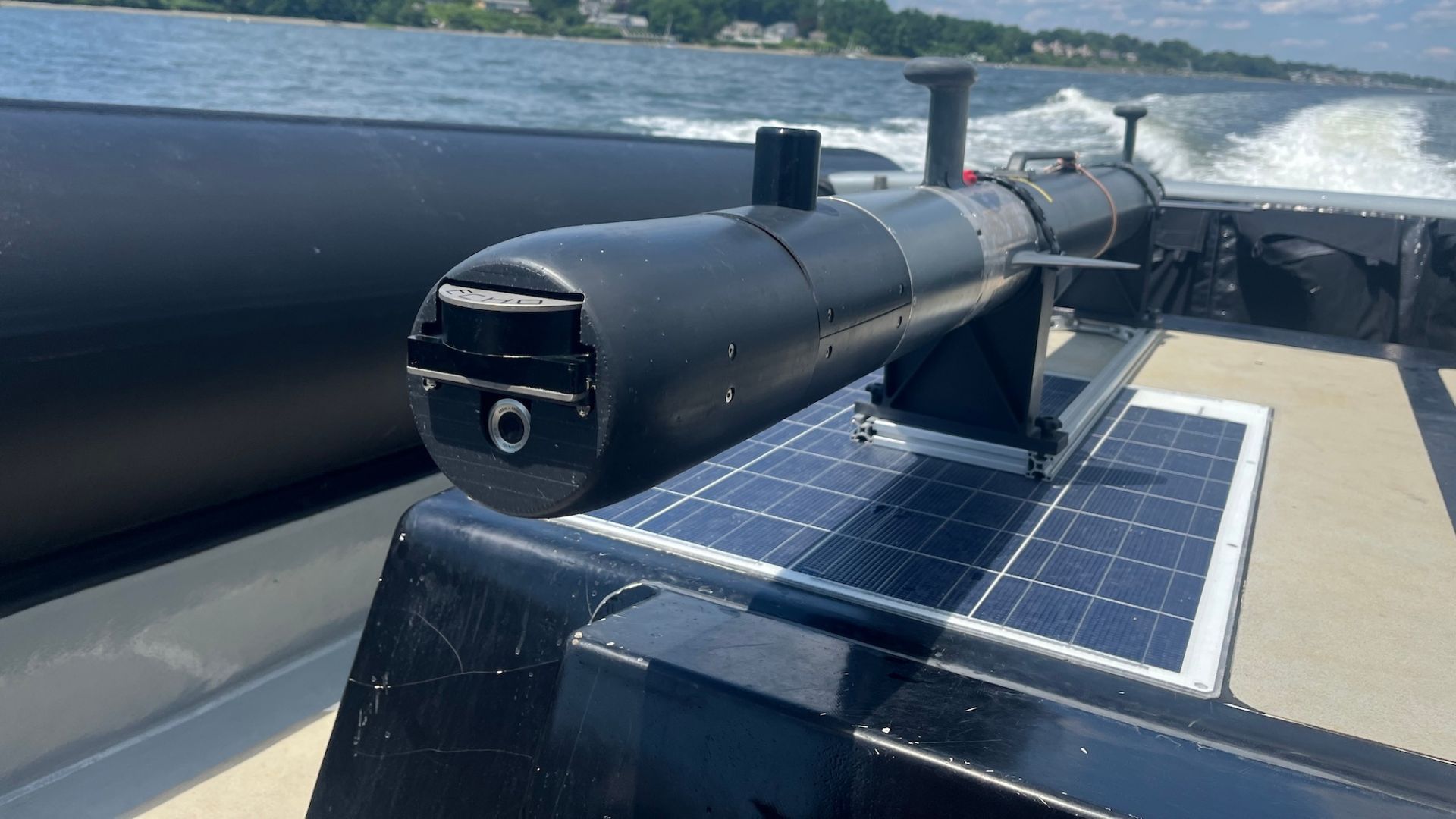
Vatn Systems Launches SIGURD Autonomous System for Naval Mine Detection and Neutralization
U.S. defense startup Vatn Systems has unveiled SIGURD, a compact autonomous system designed to detect and neutralize naval mines. This innovative platform allows military operators to locate underwater mines without the need for large mine warfare vessels, addressing a critical challenge in naval operations. SIGURD is currently being tested by government customers, with deployment expected later this year. The introduction of SIGURD is significant as naval mines remain a cost-effective threat in maritime conflict, capable of disrupting shipping and delaying naval operations. Traditional mine countermeasure missions are resource-intensive, often requiring specialized ships and trained personnel. Vatn's autonomous underwater vehicle aims to streamline this process, enabling quicker responses to mine threats in contested waters. Looking ahead, Vatn Systems is preparing to support U.S. military and allied nations in expanding their autonomous mine warfare capabilities. The demand for such systems is rising, particularly in light of increasing tensions in strategic maritime regions. The successful testing of SIGURD against inert naval mines suggests a promising future for autonomous solutions in mine countermeasures.
Military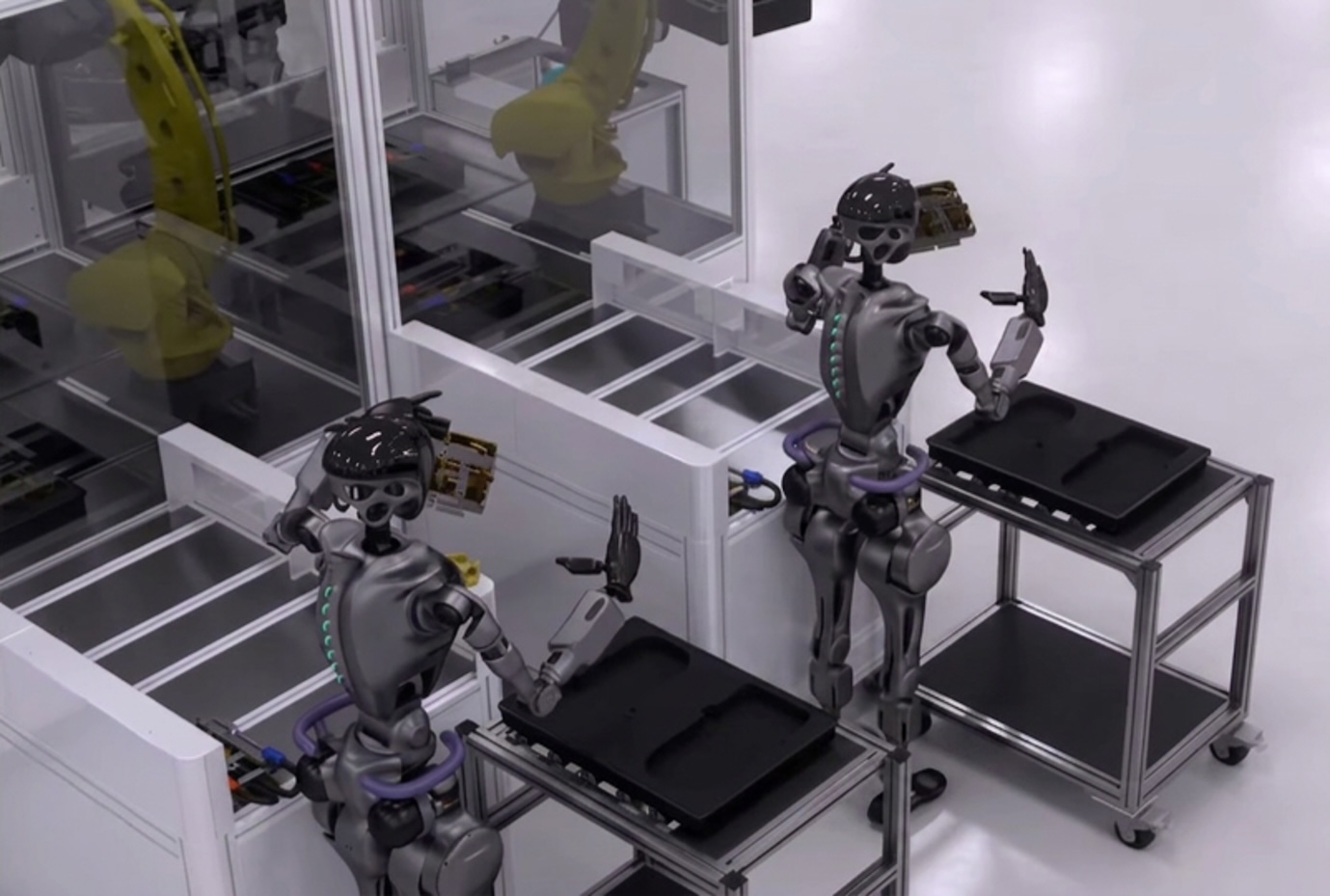
SpaceX Proposes 1 Million AI Satellites to Address Ground Data Center Constraints
On January 30, 2026, SpaceX filed with the FCC to launch up to 1 million AI compute satellites, positioning orbital data centers as a solution to the increasing demand for AI computing power. Ground data centers are facing significant challenges, with energy consumption projected to reach approximately 1,050 TWh in 2026, making them the fifth-largest electricity consumer globally. The demand for new data center capacity is outpacing the growth of power generation infrastructure, leading to a critical bottleneck in the grid system. The significance of this initiative lies in the structural constraints faced by ground data centers, including power delivery limitations, high water consumption, and local opposition to new projects. The Uptime Institute's 2026 outlook identifies power as the primary constraint on data center growth, with capacity clearing prices in the PJM grid skyrocketing to $329.17/MW, driven by data center expansion. Additionally, cooling requirements are becoming increasingly unsustainable, with facilities consuming vast amounts of water, further complicating their operational viability. Looking ahead, SpaceX's orbital AI compute initiative aims to circumvent these challenges by leveraging the advantages of space, such as continuous solar power and minimal local opposition. The first AI prototypes are expected to launch in early 2027, with operational deployments planned for 2028. No further timeline was disclosed at the time of publication.
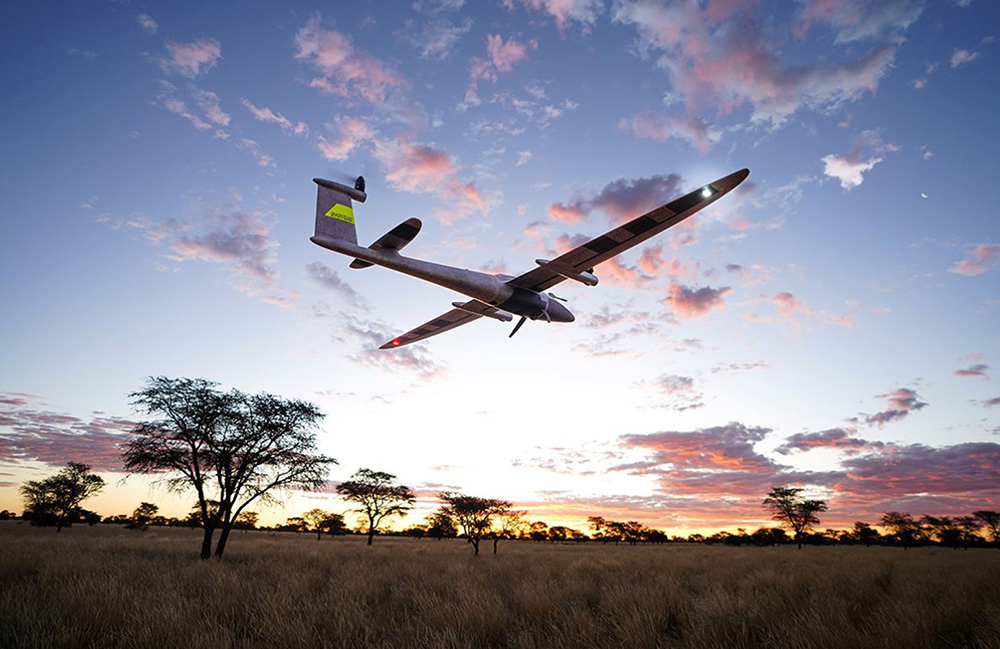
Quantum Systems raises $1.2B to expand drone production and deployments
Quantum plans to use the proceeds to expand production capacity, strengthen supply chain resilience, and more. The post Quantum Systems raises $1.2B to expand drone production and deployments appeared first on The Robot Report.
Defense / Security Drones Financial Investments Markets / Industries News
The Role of RF Connectors in Robotic Vision, Sensor Communication, and Automated Inspection Systems
Recent advancements in robotic vision and automated inspection have highlighted the limitations of software solutions in addressing physical challenges. While fast GPUs, sophisticated models, and user-friendly dashboards are often celebrated as technological triumphs, they falter when confronted with the realities of a compromised physical signal path. For instance, a camera's ability to process images is hindered by a noisy clock, and sensors struggle to deliver accurate readings when interfaces become loose after repeated vibrations. This underscores the importance of considering the physical environment in the development and implementation of automated systems, as reliance solely on software capabilities may lead to significant operational failures.
Design Engineering Technology automated inspection automation news factory automation
UMass Amherst Researchers Developing AI Architecture That Uses a Fraction of the Energy Required by Today’s AI Systems
Researchers at the University of Massachusetts Amherst have unveiled a groundbreaking artificial intelligence architecture aimed at significantly lowering the energy consumption of advanced AI systems while maintaining their learning capabilities. This innovative approach, inspired by brain function, was developed with funding from the U.S. National Science Foundation and the Air Force Office of Scientific Research. By mimicking the efficiency of the human brain, the new architecture seeks to address the growing energy demands associated with AI technologies, which have raised concerns regarding sustainability and environmental impact. The research, which highlights the potential for more eco-friendly AI solutions, could pave the way for advancements in various fields reliant on artificial intelligence, ultimately promoting a more sustainable future for technology.
AI AI Research & Advances Robotics architecture energy consumption Research
Phoxter to showcase AI inspection, AMR, and warehouse control systems at Robot Technology Japan 2026.
Phoxter Co., Ltd. will showcase its innovations at the upcoming "Robot Technology Japan 2026" exhibition, scheduled to take place from June 11 to June 13, 2026, at the Aichi Sky Expo. This event aims to highlight advancements in robotics technology and foster collaboration within the industry. By participating, Phoxter seeks to demonstrate its commitment to driving innovation and engaging with potential partners and customers in the rapidly evolving robotics sector.

Davie and Kraken set to Join Forces on the Production of Autonomous Vessels and Systems in Canada
Québec-based Davie and the UK’s Kraken Technology Group have entered into a strategic collaboration aimed at enhancing the production, integration, and development of Kraken's advanced autonomous solutions in Canada. This partnership, announced today, seeks to leverage Davie’s expertise in shipbuilding and marine technology to bolster the capabilities of Kraken’s innovative offerings. By establishing a Canadian base for these operations, the collaboration aims to strengthen local industry and support the growing demand for autonomous technologies in maritime applications. The initiative reflects a commitment to advancing technological development in the region while fostering international cooperation in the field of autonomous systems.
davie kraken technology group production autonomous vessels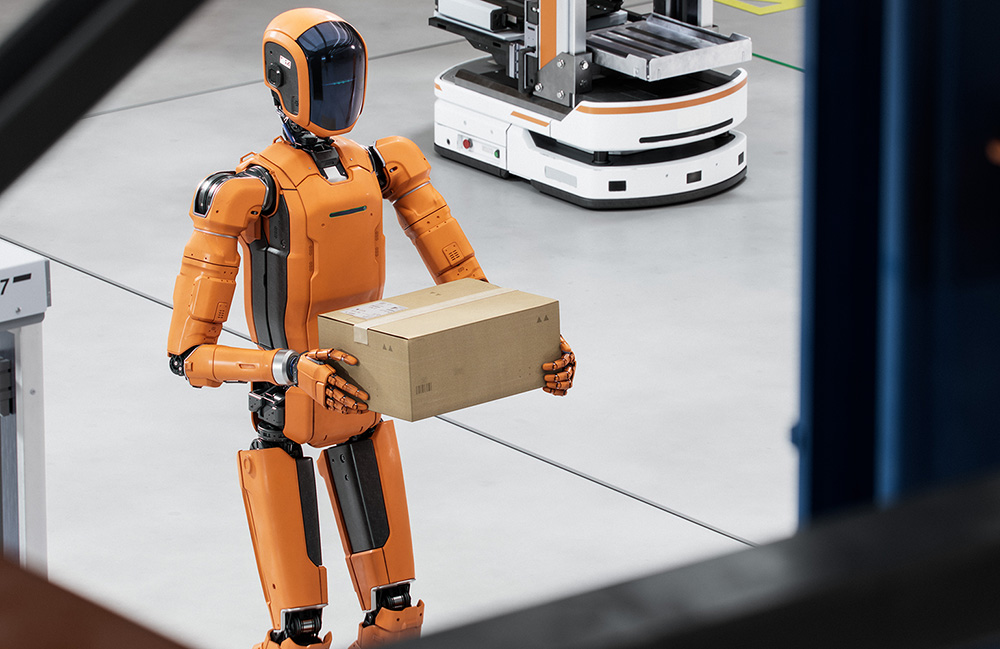
Get a systems perspective to scaling humanoids at the Robotics Summit
Giovanni Campanella, the general manager of robotics at Texas Instruments, is set to present a technical roadmap aimed at advancing the development of smarter humanoid robots. This presentation will take place at the upcoming Robotics Summit, where industry experts and enthusiasts gather to explore innovations in robotics technology. Campanella's insights are expected to shed light on the systems perspective necessary for scaling humanoid robots, addressing both the challenges and opportunities in the field. The event underscores the growing interest in enhancing robotic capabilities to better integrate into various applications and environments.
Artificial Intelligence Artificial Intelligence / Cognition Design / Development Events Humanoids Microprocessors / SoCs
Allient Inc. Publishes New Whitepaper on Motor Selection for Humanoid Robotics Systems
The field of humanoid robotics is experiencing a significant shift as it moves from theoretical research to practical commercial and industrial applications. This transition is driven by a growing demand for high-performance actuation capable of functioning effectively in dynamic environments. As these robotic systems evolve, the performance of actuators, including their torque density and overall system behavior, is becoming increasingly vital for ensuring stability and optimal performance. This trend underscores the critical importance of selecting the right motors to meet the rigorous demands of these advanced robotic applications.
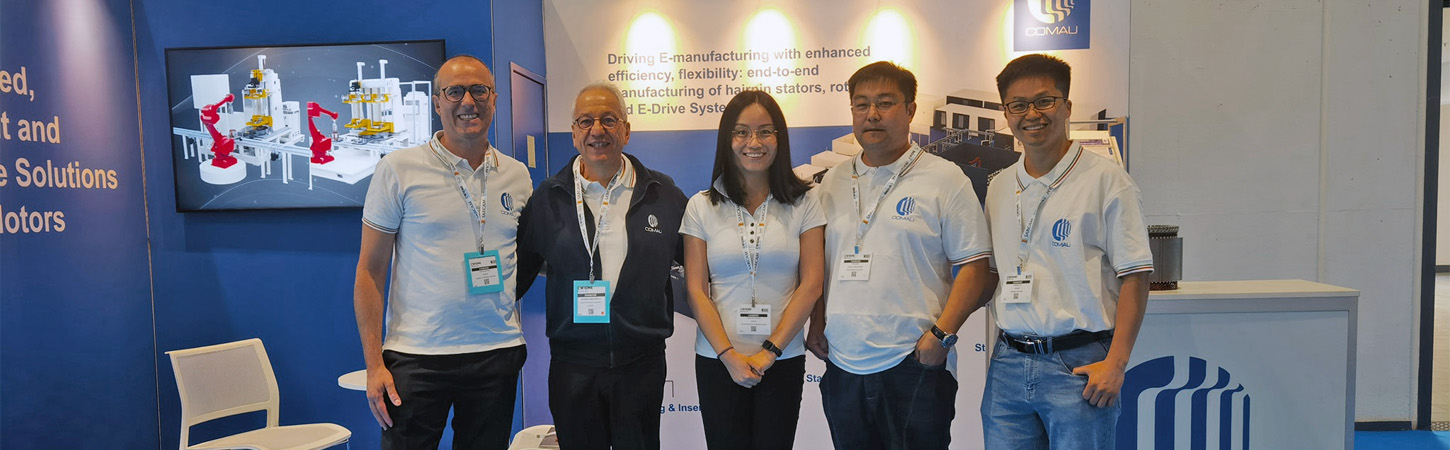
Comau to participate in CWIEME 2025 with advanced solutions for the production of hairpin/minipin stators and innovations for electric drive systems
Comau showcased its innovative cell formation and e-mobility solutions at the Battery Show held in Stuttgart, Germany. The event took place recently, bringing together industry leaders and experts to explore advancements in battery technology. Comau's participation highlights its commitment to enhancing manufacturing processes in the rapidly evolving electric vehicle sector. By presenting their latest technologies, the company aims to address the growing demand for efficient and sustainable energy solutions in the automotive industry. The display included demonstrations of cutting-edge automation and robotics designed to optimize battery production, reflecting Comau's strategic focus on supporting the transition to electric mobility.
Robotics needs a service framework.
RSF defines a common language for robot service capability, lifecycle operations, certification pathways, and service-provider networks.
Join the RobotToday community on LinkedIn
Daily robotics news, in-depth analysis, conference highlights, and discussions with professionals worldwide.







