Industry Briefing
A single destination for timely, editor-curated robotics news from around the world.

Hummingbird F100 Revolutionizes Wind Turbine Blade Inspection with Wireless Technology
The Hummingbird F100, launched by Schrodinger Industrial Group, marks a significant advancement in wind turbine blade inspection. This device operates wirelessly, enabling stable connections over distances of up to 150 meters, and is designed to navigate complex internal structures of turbine blades, which are typically challenging to inspect due to their confined spaces. The global market for wind turbine blade inspection services is projected to grow from $7.74 billion in 2025 to $8.48 billion in 2026, with a compound annual growth rate of 9.6%. The Hummingbird F100 addresses the industry's need for more efficient inspection methods by automating data collection and analysis, shifting from reactive maintenance to proactive asset management. Looking ahead, the integration of AI with inspection robotics will enhance defect detection and reporting capabilities. The transition from wired to wireless operations will not only streamline deployment but also expand operational ranges and reduce on-site risks. The Hummingbird F100's modular design allows for rapid adaptation to various inspection scenarios, positioning it as a key player in the evolving wind energy sector.
Wind Turbine Inspection Robotics AI Technology Data Management Wireless Solutions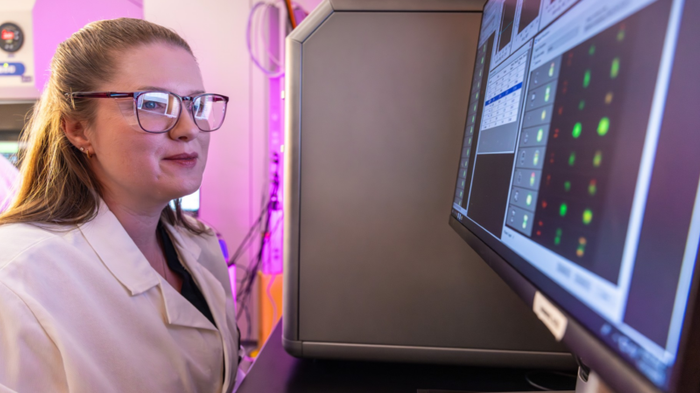
Bristol Myers Squibb Launches Advanced AI Factory with NVIDIA Vera Rubin Technology
Bristol Myers Squibb (BMS) has announced the deployment of its second NVIDIA DGX SuperPOD, featuring eight DGX Vera Rubin NVL72 systems. This new AI cluster is touted as the most powerful and energy-efficient in the life sciences sector, significantly enhancing researchers' access to AI capabilities. BMS aims to democratize AI access among its scientists, allowing for faster drug discovery processes without the constraints of resource limitations. The introduction of this advanced AI infrastructure is crucial for BMS as it seeks to translate AI capabilities into measurable impacts in drug discovery. The new system will facilitate a unified AI platform, including the NVIDIA BioNeMo Agent Toolkit, which will streamline predictions and model training across the drug discovery pipeline. BMS has already seen substantial benefits from its existing DGX SuperPOD, including significant time savings in target identification and the expansion of its library of CELMoD compounds. Looking ahead, BMS is focused on leveraging AI to optimize lead discovery and enhance the efficiency of laboratory experiments. The new system is expected to alleviate current computational bottlenecks and support large-scale predictions. As BMS continues to innovate in the AI space, it emphasizes the importance of making advanced technology accessible to scientists to drive impactful research outcomes. No further timeline was disclosed at the time of publication.

Japan Allocates $2.4 Billion for 27,500 NVIDIA Rubin Chips to Establish National Robotics Initiative
On July 16, the Japanese government announced a plan to purchase 27,500 next-generation Rubin architecture AI chips from NVIDIA, totaling approximately $2.4 billion. This initiative aims to build a national AI data center and develop domestic robotics foundational models, marking one of the largest national GPU procurements globally. The project is coordinated by Noetra Corp., a policy-driven AI company set to launch in January 2026, with participation from major Japanese firms like Sony, SoftBank, NEC, and Honda. The Rubin chips will be deployed in a large data center in Sakai City, Osaka, with operations expected to begin in June 2028. Noetra aims to release its first general AI model by March 2027, followed by specialized AI models for robotics applications. Japan's investment reflects its response to ongoing demographic challenges and labor shortages. NVIDIA's CEO emphasized the potential for automation and AI to revitalize the economy. The Japanese government has set a goal to capture over 30% of the global robotics market by 2040, with the Rubin order being part of a broader strategy to reduce reliance on foreign technology and enhance national security.
AI Chips Robotics National AI Strategy Data Centers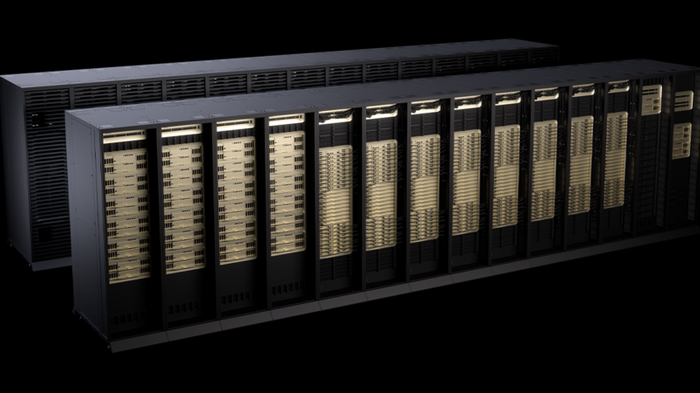
NVIDIA's Vera Rubin Enhances Intelligence per Dollar for Continuous Agentic AI Post-Training
NVIDIA's Vera Rubin is redefining post-training workloads for agentic AI, emphasizing continuous adaptation and refinement. Unlike traditional models, agentic AI requires ongoing adjustments as environments and tools evolve, making post-training a critical, never-ending process. This shift necessitates a new compute pattern, focusing on maximizing intelligence per dollar through efficient forward and backward passes in the learning cycle. The significance of this development lies in its potential to enhance the efficiency of AI models. By optimizing cost per token during inference, NVIDIA aims to improve the overall intelligence per dollar, ensuring that models remain valuable as they adapt to changing conditions. This continuous learning approach allows models to not only respond to prompts but also to plan and recover from challenges in real-time, thereby increasing their operational effectiveness. Looking ahead, the integration of NVIDIA's NeMo libraries will facilitate the transition from bespoke research to scalable infrastructure for post-training. As the demand for agentic AI grows, the focus will be on how effectively these models can adapt and learn in dynamic environments, ultimately determining their value in practical applications. No further timeline was disclosed at the time of publication.

Japan Plans Acquisition of 27,500 Nvidia Rubin Chips for Domestic AI Robotics Development
Japan is set to purchase 27,500 next-generation Rubin chips from Nvidia Corp. to develop a foundational AI model tailored for robotics. This initiative aims to enhance Japan's capabilities in creating sovereign AI systems that can be integrated into various robotic applications. The acquisition of these chips is significant as it represents Japan's commitment to advancing its technological independence in the field of artificial intelligence. By building a homegrown AI model, Japan seeks to strengthen its position in the global robotics market and reduce reliance on foreign technologies. Looking ahead, the focus will be on how effectively Japan can leverage these Rubin chips to create a robust AI framework for robots. No further timeline was disclosed at the time of publication.

Study on Offshore Wind Turbine Blade Repair Using Particle Swarm Optimization and Advanced Control Techniques
A recent study published in the Journal of Field Robotics explores innovative methods for repairing offshore wind turbine blades. The research focuses on utilizing a Particle Swarm Optimization-Backpropagation Neural Network combined with Improved Active Disturbance Rejection Control to enhance repair efficiency. This research is significant as it addresses the growing need for effective maintenance strategies in offshore wind energy, which is crucial for maximizing energy output and minimizing downtime. The integration of advanced algorithms aims to improve the precision and reliability of repair processes, ultimately contributing to the sustainability of wind energy. Looking ahead, the implications of this study could influence future developments in wind turbine maintenance technologies. No further timeline was disclosed at the time of publication.
RESEARCH ARTICLE
Investment of 5.08 Billion Yuan in Wuxi Binhu by Xinjie Electric and Longsheng Weir
On July 10, Xinjie Electric signed an agreement to invest 5.08 billion yuan in Wuxi Binhu for a project focused on core components for intelligent and high-end equipment. This project aims to mass-produce upstream core components, including servo systems, frameless torque motors, and high-precision encoders, addressing critical gaps in the domestic humanoid robot industry chain. The significance of this investment lies in the fact that core components account for over 70% of the hardware cost structure in humanoid robots, with domestic supply heavily reliant on overseas manufacturers. Xinjie Electric's project will enhance local production capabilities, reduce reliance on imports, and stabilize the supply chain, which is crucial for the downstream assembly manufacturers. Looking ahead, Xinjie Electric plans to advance the project in two phases, with the first phase focusing on expanding production capacity for servo systems and controllers. No further timeline was disclosed at the time of publication, but the company’s established expertise in motion control positions it well for success in the humanoid robot components market.
Humanoid Robots Core Components Industrial Automation AI Robotics Innovation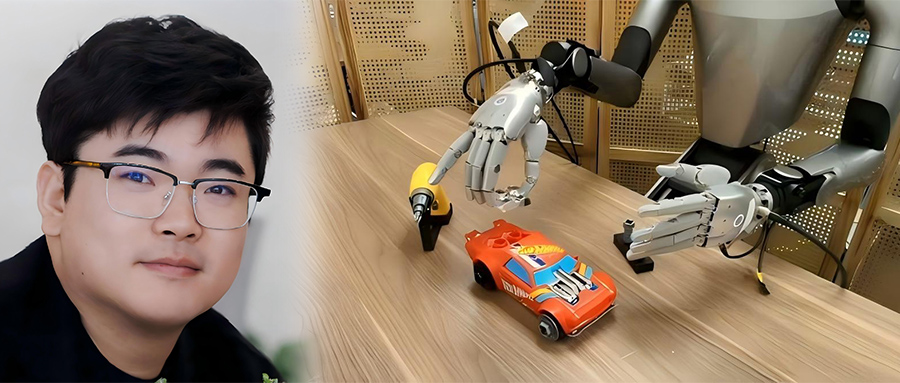
Harbin Institute of Technology Professor Establishes PHANES AI to Advance Tactile Robotics
Professor Yang Shuo from Harbin Institute of Technology (Shenzhen) has founded PHANES AI, focusing on human data, tactile perception, and world model research. The startup aims to enable humanoid robots to perform agile full-body movements. A key challenge identified is the gap in current training data, where visual cues do not capture the tactile feedback necessary for successful robotic operations. This initiative is significant as it addresses the limitations of existing robotic training methodologies, which rely heavily on visual data without incorporating tactile information. Recent studies, including NVIDIA's EgoScale, highlight the importance of first-person human operation data in training robots for complex tasks. By leveraging large amounts of human data combined with minimal real-world data, PHANES AI seeks to enhance the success rate of robots in intricate operations. Looking ahead, PHANES AI plans to develop innovative methods for collecting and scaling tactile data through its EgoTouch system, which integrates visual and tactile information. The startup's approach aims to bridge the gap between visual perception and physical interaction, ultimately improving the capabilities of humanoid robots in real-world applications. No further timeline was disclosed at the time of publication.
Humanoid Robots Tactile Perception Robotics AI Data-Centric AI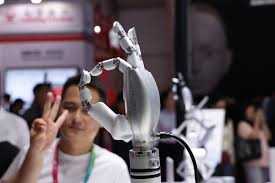
In-Depth Analysis of Adsorption and Locomotion Codesign for Wall-Climbing Robots
The Journal of Field Robotics has published a comprehensive review focusing on the adsorption-locomotion codesign of wall-climbing robots. This review highlights the intricate relationship between the robots' ability to adhere to surfaces and their locomotion capabilities, which are crucial for performing complex operations on various surfaces. Understanding the codesign of these robots is essential as it directly impacts their efficiency and effectiveness in real-world applications. The review emphasizes the importance of optimizing both adsorption and locomotion to enhance the performance of wall-climbing robots, which are increasingly being utilized in fields such as inspection, maintenance, and exploration. Looking ahead, researchers and developers in the robotics field should pay close attention to advancements in adsorption technologies and locomotion strategies. Continued innovation in these areas could lead to significant improvements in the functionality and versatility of wall-climbing robots. No further timeline was disclosed at the time of publication.
SURVEY ARTICLE
XSTO Mobility Launches $28,000 X12 Stair-Climbing Robot with AI and LiDAR Technology
XSTO Mobility has unveiled the X12 all-terrain mobility robot, priced at $27,999, designed to assist wheelchair users in overcoming stairs and other obstacles. Weighing approximately 115 kg and capable of carrying up to 136 kg, the X12 features a hybrid wheel-track chassis that allows it to navigate stairs autonomously, with a climbing speed of 25 steps per minute and descending speed of 30 steps per minute. The robot utilizes LiDAR and AI algorithms for real-time terrain perception, enabling it to adjust its driving mode and power output dynamically. The introduction of the X12 is significant as it addresses mobility challenges faced by individuals with disabilities, particularly in environments lacking accessibility features. With the ability to climb slopes of up to 40 degrees and traverse gaps of 300 mm, the X12 offers a solution that goes beyond traditional mobility aids. XSTO Mobility, based in Zhongshan, Guangdong, has been developing embodied mobile robots for over a decade, and the X12 represents a substantial advancement in this field, emphasizing user independence and safety. Looking ahead, XSTO Mobility has reported that orders for the X12 are already booked until April 2026, indicating strong market demand. The robot is currently available in over 70 countries, and its innovative design has garnered multiple awards. No further timeline was disclosed at the time of publication regarding additional product releases or enhancements.
Mobility Robots Assistive Technology AI Healthcare Innovation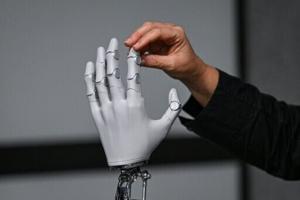
SpaceX's Starmind Plans 1 Million AI Satellites Amid Collision Risks
SpaceX has announced its ambitious Starmind project, which aims to deploy 1 million AI satellites in orbits between 500 and 2,000 km. This initiative, confirmed by Elon Musk on June 23, 2026, follows a merger with xAI, valuing the combined entity at $1.25 trillion. The satellites will function as orbital data centers, processing AI workloads powered by solar arrays and linked by optical lasers. The significance of Starmind lies in its potential to add 100 gigawatts of AI compute capacity annually, contingent on the successful operation of the Starship launch system. However, the project raises concerns regarding space debris, as the current orbital environment is already congested, with a 20% increase in collision risk reported since 2024. The European Space Agency has highlighted that the density of debris in low Earth orbit is now comparable to that of active satellites, complicating the operational landscape for new entrants like Starmind. Looking ahead, the first operational orbital AI deployments are targeted for 2028, with test launches expected in early 2027. However, the project faces scrutiny regarding its impact on space debris, as even a 1% failure rate could significantly increase the number of uncontrollable objects in orbit, exacerbating existing risks. No further timeline was disclosed at the time of publication.
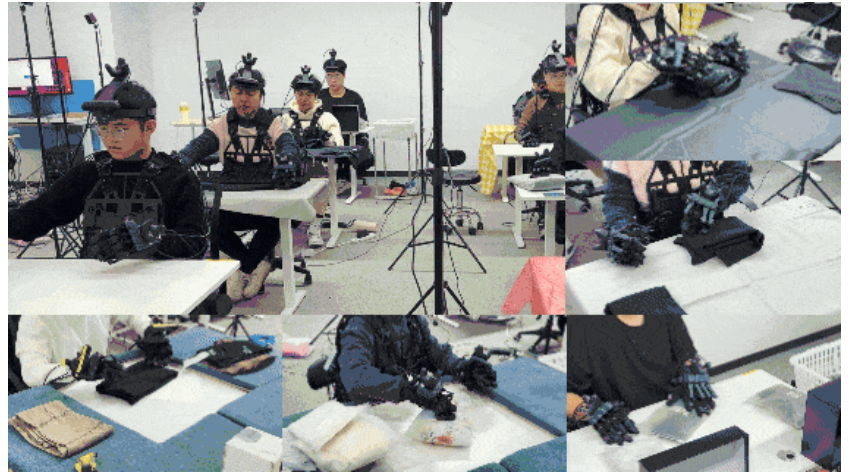
Interview with Lingchu Intelligent CEO Wang Qibin: Reducing Data Costs is More Important than Competing in Humanoid Robots
Lingchu Intelligent has successfully raised 2 billion yuan in angel and Pre-A round financing, marking a significant step in its mission to enhance data collection and operational capabilities. The company, led by CEO Wang Qibin, aims to shift the focus away from traditional hardware solutions, emphasizing the critical role of high-quality, low-cost human operation data. This strategic direction is intended to address and overcome existing challenges within the field of embodied intelligence. The funding will enable Lingchu Intelligent to further develop its innovative approaches and strengthen its position in the industry.
Data Collection Logistics Automation Robotics AI Operational Efficiency
SpaceX Unveils AI1 Satellite Specs for Starmind Constellation with Key Thermal Challenges
SpaceX has introduced the AI1 satellite, the inaugural component of its Starmind constellation, which stands 20 meters tall and has a wingspan of 70 meters. This orbital compute node is designed to deliver computing power equivalent to one NVIDIA GB300 server rack, utilizing a unique cooling system with deployable liquid radiators. The satellite's specifications were revealed during a presentation on June 8, 2026, ahead of SpaceX's IPO. The significance of the AI1 satellite lies in its role as a compute platform rather than a traditional satellite, focusing on running AI inference workloads. The satellite's cooling system, which is critical for its operation in the vacuum of space, is designed to reject heat through infrared radiation. However, independent engineers have raised concerns about the feasibility of the thermal and mass claims made by SpaceX, suggesting that the cooling requirements may exceed practical limits. Looking ahead, SpaceX plans to launch two AI1 prototypes in early 2027, with full-scale production expected to commence later that year at its Gigasat facility in Bastrop, Texas. The ongoing debate regarding the satellite's thermal management capabilities will be crucial to monitor as the project progresses, with no further timeline disclosed at the time of publication.
SpaceX Launches Starmind Project for 1 Million AI Satellites by 2028
SpaceX has officially named its orbital AI infrastructure project 'Starmind,' which aims to deploy a constellation of up to 1 million satellites. This initiative, confirmed by Elon Musk on June 22, 2026, will enable AI inference directly in space, utilizing solar energy rather than terrestrial power sources. The first satellite, designated AI1, was unveiled on June 8, 2026, and is designed to operate in sun-synchronous orbits. The significance of Starmind lies in its potential to overcome the limitations faced by ground-based data centers, such as land, power, and water constraints. By running AI computations in orbit, Starmind can provide a more efficient solution to the growing demand for AI computing power. The project leverages the existing Starlink infrastructure for data transmission, distinguishing its function from Starlink's internet relay capabilities. Looking ahead, SpaceX plans to begin hardware deployment with the AI1 satellite, while full-scale production and deployment of the satellite constellation are targeted for 2028. As of now, no Starmind satellites have been launched, and further engineering challenges remain to be addressed, particularly regarding the scalability of the satellite design.

Xiaomi's former executive Tang Mu raises hundreds of millions for coffee robot startup, backed by Lin Bin and Li Wanqiang.
The robotics company Yingshi XBOT has successfully secured hundreds of millions in funding through two rounds of financing, with the Series A round raising 200 million yuan from Hong Kong's Jian Kun Capital and the Series B round expected to bring in 300 to 500 million yuan from various government and industry investors. This marks one of the largest investments in the restaurant-focused robotics sector to date. Founded in 2022 by Tang Mu, a former product manager with extensive experience in tech firms like Tencent and Xiaomi, Yingshi XBOT aims to revolutionize the food service industry by deploying robots for tasks such as coffee making in commercial spaces. The company’s technology is built around a specialized operating system, XOS 3.0, designed for the restaurant sector. This system features a multi-layered architecture that optimizes performance and efficiency while addressing common challenges in the industry. Yingshi XBOT has launched several product lines, including coffee and ice cream robots, which have already been deployed in over 1,000 locations worldwide, producing more than 4 million cups of coffee. With a focus on commercial applications rather than household or industrial settings, Yingshi XBOT has adopted a "Robot as a Service" (RaaS) model, allowing businesses to benefit from robotic solutions without the burden of ownership. The company has established partnerships with various brands and is exploring international markets, projecting significant revenue growth in the coming years.
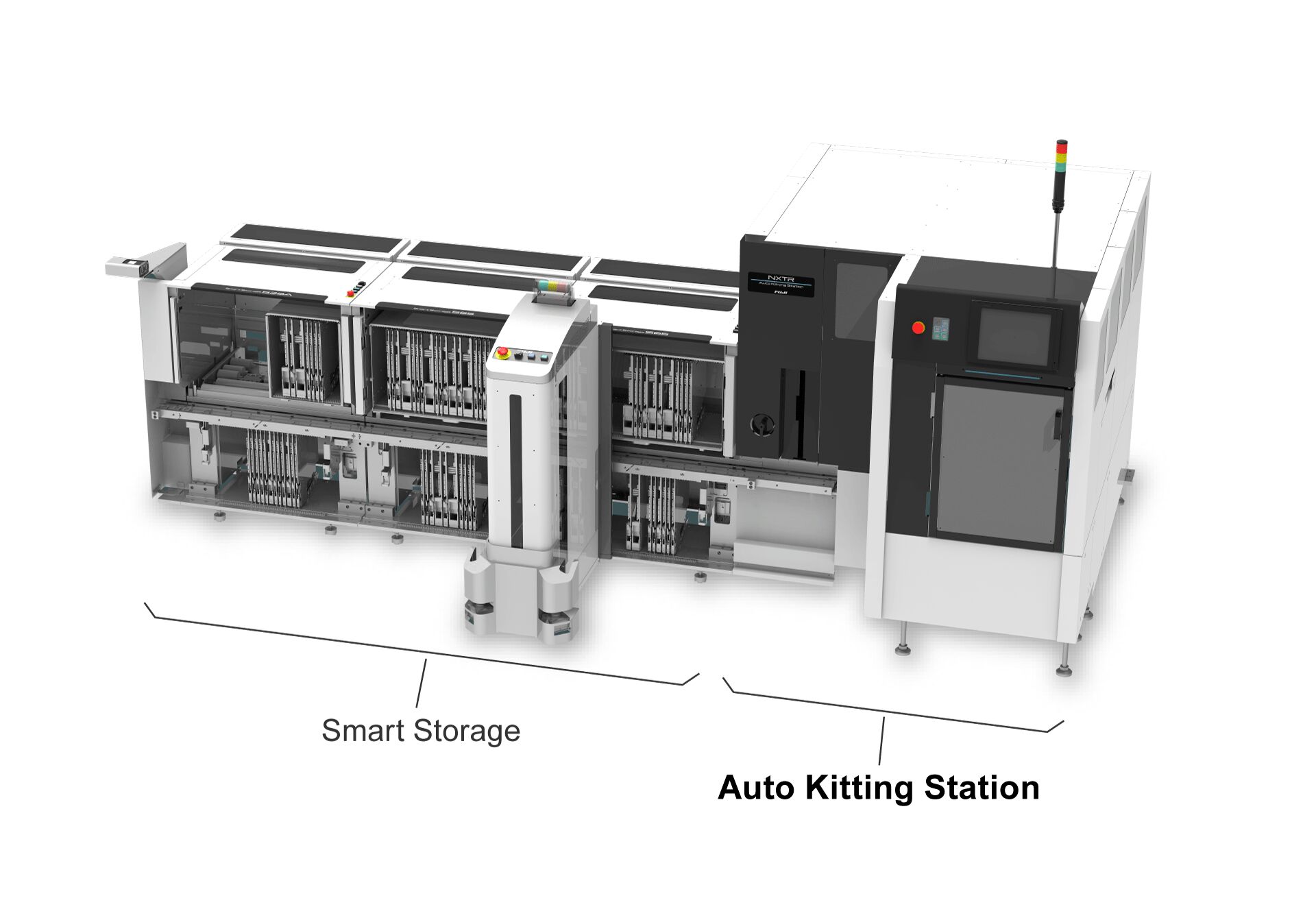
Automated setup processes system combined with AMR.
Fuji has introduced a new system unit called the Auto Kitting Station, designed to automate the process of loading feeders with belt rolls for component supply in assembly machines. This innovation aims to enhance efficiency in automated setup processes, particularly when integrated with Autonomous Mobile Robots (AMR). The development reflects Fuji's commitment to advancing automation in manufacturing, streamlining operations, and reducing manual labor requirements.
Allgemein Lösungen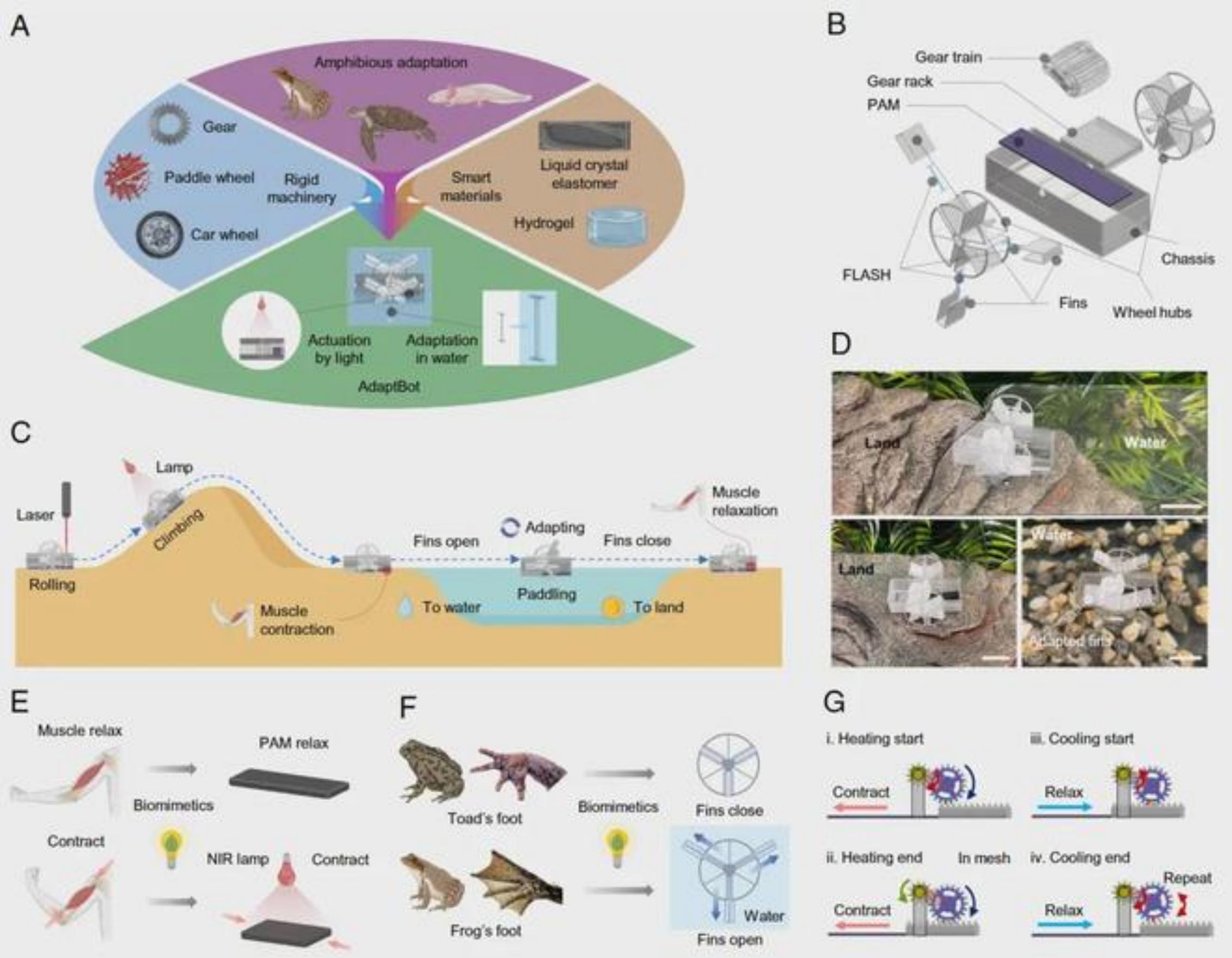
PNAS: This Soft Robot Transforms in Water, Boosting Swimming Speed by 780% and Capable of Rolling, Climbing, and Pulling Heavy Loads
Researchers at Caltech have unveiled AdaptBot, an innovative amphibious soft robot that can transform its shape in response to environmental stimuli. Utilizing light-driven artificial muscles and rapidly expanding hydrogels, AdaptBot demonstrates exceptional versatility, enabling it to transition effortlessly between land and water. This groundbreaking development showcases remarkable multi-modal movement capabilities, highlighting the potential for advanced robotics in diverse environments.
Soft Robotics Amphibious Robots Artificial Muscles Hydrogels Adaptive Robotics
SpaceX's Starmind Project: Supplier Strategy and Chip Manufacturing Plans for 2026
SpaceX's Starmind project, aimed at deploying up to 1 million AI satellites, was filed with the FCC on January 30, 2026. The initiative is designed to minimize reliance on external suppliers, with CEO Elon Musk stating that current chip production capabilities only meet 2% of the projected needs. The first satellite, AI1, is set for prototype launches in early 2027, featuring a 70-meter wingspan and a modular payload system that allows for interchangeable chips from various suppliers. The significance of Starmind lies in its ambitious supply chain strategy, which seeks to transition from external hardware suppliers to a fully integrated Musk-owned facility by 2028. The Gigasat manufacturing site in Bastrop, Texas, is expected to be operational by the end of 2027, with plans for high-volume production of the D3 chip, specifically designed for space applications. This approach aims to consolidate chip manufacturing processes under the Terafab joint venture, which has an estimated initial investment of $55 billion. Looking ahead, the next milestone for Starmind is the launch of AI1 prototypes in early 2027, while the full-scale chip production at Terafab is projected to ramp up significantly thereafter. However, analysts express skepticism regarding the feasibility of achieving Musk's ambitious compute goals, which may require substantial investment and time to establish the necessary manufacturing capabilities.
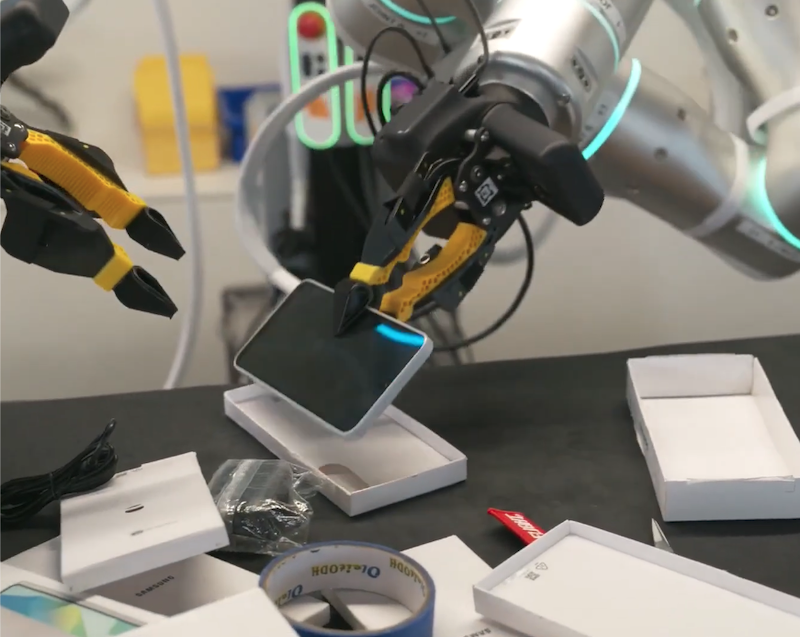
Generalist AI raises $400 million to scale robot intelligence platform
Generalist AI, a startup focused on creating foundation models for robotics, has successfully secured $400 million in a recent funding round. This investment aims to expedite the development of what the company refers to as “physical AGI,” or artificial general intelligence that can function in the physical world through robotic systems. Following this funding, Generalist AI's valuation has reached approximately $2 billion. The influx of capital will enable the company to enhance its research and development efforts, positioning it at the forefront of advancements in robotics and AI technology.
Computing News Software 8VC ai funding AI models
Boston Dynamics Hosts Webinar on Human-Robot Interaction Design for Trust and Safety
Boston Dynamics is set to present a free webinar focused on human-robot interaction (HMI) considerations for humanoid robots. The event, titled "The Art Behind Human-Robot Interaction," will feature experts discussing how to foster trust and safety in human-robot collaboration. The webinar is scheduled for 11:00 a.m. ET on Wednesday, July 22, 2026. As humanoid robots transition from research environments to commercial applications, addressing safety concerns becomes crucial. Boston Dynamics emphasizes that predictability, rather than human-like appearance, is key to successful human-robot coexistence. The insights shared during the webinar will be vital for developers aiming to enhance the user experience and operational safety of humanoid robots. Participants can expect to learn from Mario Bollini, director of human-robot interaction, and Leland Hepler, a distinguished product designer. Both speakers bring extensive experience in robotics and design, making this webinar a significant opportunity for those interested in the future of human-robot collaboration. No further timeline was disclosed at the time of publication.
Artificial Intelligence Artificial Intelligence / Cognition Collaborative Robots Human Robot Interaction / Haptics Humanoids Motion Control
Robinhood Cuts 10% of Staff in Restructuring That Avoids Any Mention of AI
Robinhood is set to reduce its workforce by approximately 290 employees, accounting for 10% of its full-time staff, as part of a restructuring effort. This decision comes amid a broader trend in the tech industry, where companies like Amazon, Coinbase, GitLab, and Intuit have cited advancements in artificial intelligence as a rationale for similar layoffs. However, CEO Vlad Tenev notably omitted any mention of AI in his communication to employees, marking a distinct contrast to the narratives adopted by other firms. The layoffs aim to streamline operations and enhance efficiency within the company, reflecting ongoing challenges in the financial technology sector.
AI AI Funding & Investment Business business insights layoffs
Q&A: Riyadh Air CEO Tony Douglas on launching a new airline, expanding its fleet, and the future of air travel
Riyadh Air, the airline launched by Saudi Arabia’s Crown Prince Mohammed bin Salman three years ago, is set to commence operations following the delivery of its first Boeing 787-9 Dreamliners. In an exclusive interview with Al Arabiya English, CEO Tony Douglas outlined the airline's ambitious plans for rapid expansion. The introduction of these aircraft marks a significant milestone for Riyadh Air, which aims to establish itself as a major player in the aviation industry. The airline's launch aligns with Saudi Arabia's broader vision to enhance tourism and diversify its economy.
Aircraft Business aerospace air travel airline expansion airline innovation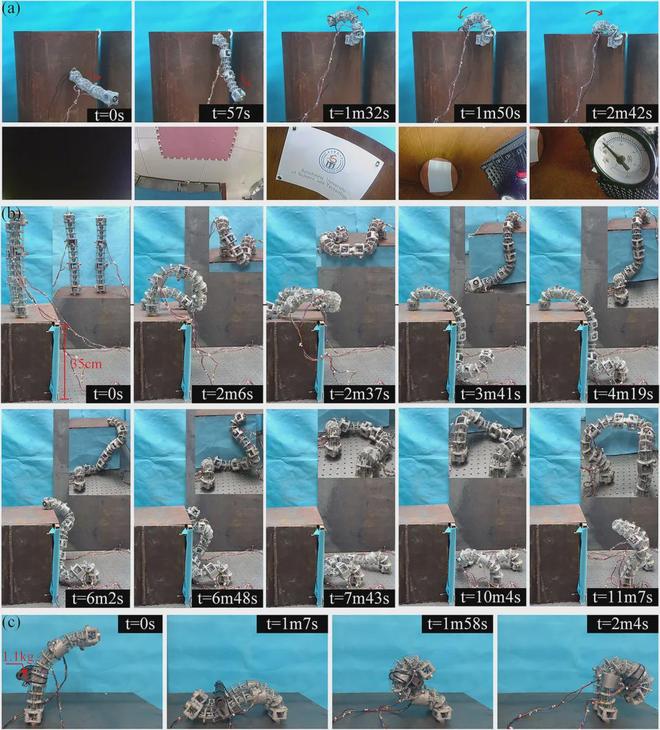
Have You Seen This Movement? A 360-Degree Flipping Wall-Climbing Robot from Southwest University of Science and Technology Mastering Physical Space
Researchers at Southwest University of Science and Technology have unveiled a groundbreaking wall-climbing robot that features a unique continuous structure, enabling it to bend up to 387 degrees. This advanced design significantly improves the robot's capability to navigate intricate environments and execute maintenance tasks on vertical surfaces. The development highlights the engineering potential of robotics in addressing challenges in various settings, offering promising applications in fields such as construction and facility management.
Wall-Climbing Robots Soft Robotics Robotic Engineering Automation Technology
Modeling and Simulation Approaches for Modern Power System Studies
A free webinar focused on power system modeling and simulation will take place soon, offering insights into various analytical techniques for energy professionals. Participants will learn to construct power system networks programmatically using standard data formats and configure models for specific engineering objectives. The session will cover workflows for quasi-static 8760-hour simulations on an IEEE 123-node distribution feeder, as well as electromagnetic transient (EMT) simulations on transmission system benchmarks, including generator trip dynamics. Attendees will also gain an understanding of comprehensive fault studies, learning how to systematically inject faults into a distribution system and utilize the resulting data to train machine-learning algorithms for automated fault detection and classification. Additionally, the webinar will address the integration of inverter-based resources (IBRs) into the grid, including techniques for frequency scanning and compliance testing for grid-forming converters against established interconnection standards. This event aims to equip energy professionals with the necessary skills and knowledge to enhance their modeling and simulation capabilities in the evolving landscape of power systems. Interested individuals are encouraged to register for the webinar to secure their participation.
Type-webinar Energy Power-system Emt
BrainCo Unveils First Brain-Machine Interface for Controlling Robots at WAIC 2026
At the 2026 World Artificial Intelligence Conference (WAIC), BrainCo launched the world's first brain-controlled robot AI platform. This innovative system utilizes a non-invasive electroencephalogram (EEG) headset to convert human neural activity into executable commands for robots in real-time. The significance of this technology lies in its potential to revolutionize human-robot interaction. By simply thinking about an action, users can control robots to perform tasks such as grabbing or moving objects without verbal commands or button presses. BrainCo's platform is designed to create a 'human-machine co-training' data loop, which will gather extensive data from users to enhance AI's physical world interactions. Looking ahead, BrainCo's brain-machine interface could mark the beginning of a new era in human-robot collaboration. As users engage with the system, the feedback and data collected will be invaluable for refining AI algorithms and improving the overall user experience. No further timeline was disclosed at the time of publication.
Brain-Machine Interface Robotics Artificial Intelligence EEG Technology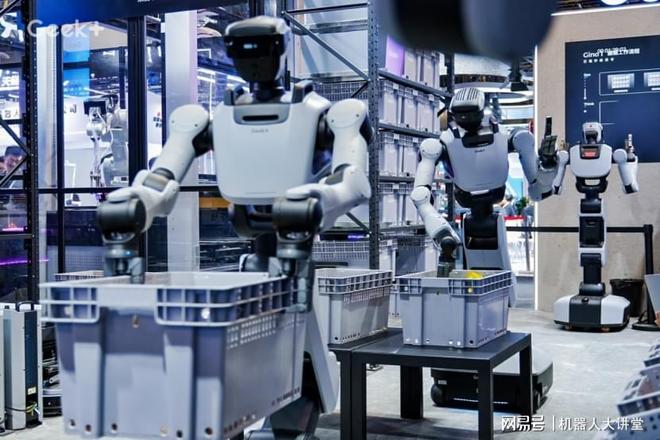
Gino 1 Robot Showcases Speed and Versatility at WAIC 2023
At the WAIC exhibition, the Gino 1 humanoid robot from Geek+ stood out by combining generalization capabilities with operational efficiency in real-world tasks. Unlike other robots that either excelled in speed or adaptability, Gino 1 demonstrated its ability to perform end-to-end workflows, including precise item picking and collaborative operations with mobile robots. The significance of Gino 1 lies in its advanced full-body parallel control, which reduces task completion time by approximately 30%. This innovative approach allows simultaneous movement and manipulation, resulting in smooth and stable operations without interruptions. The robot's integration with Geek+'s AI scheduling system enhances its efficiency across entire workflows rather than focusing on individual machine performance. Looking ahead, Gino 1's ability to adapt to various physical conditions and its dynamic response to unexpected challenges highlight its potential in real-world applications. As it continues to learn from each task, Gino 1 exemplifies the concept of self-evolution, making it a noteworthy development in the field of intelligent robotics. No further timeline was disclosed at the time of publication.
Humanoid Robots AI Warehouse Automation Robotics Technology
Marvel-Tech Secures Over RMB500 Million in Two Financing Rounds for Gas Turbine Development
Shanghai-based Marvel-Tech has successfully completed two financing rounds, raising over RMB500 million. The C round was led by HongShan, while the B round saw joint leadership from C&D Emerging Investment and Qiming Venture Partners. The funds raised will be utilized to establish a manufacturing and assembly center for Marvel-Tech's gas turbine product lines, as well as a high-power unit performance testing center. The company aims to achieve a manufacturing and delivery capacity of 1GW by 2026. Marvel-Tech's current offerings include 8MW and 30MW gas turbines tailored for green-fuel applications and AI data center power infrastructure. Notably, its technology allows for the combustion of hydrogen, ammonia, and natural gas without requiring hardware modifications. No further timeline was disclosed at the time of publication.
News Feed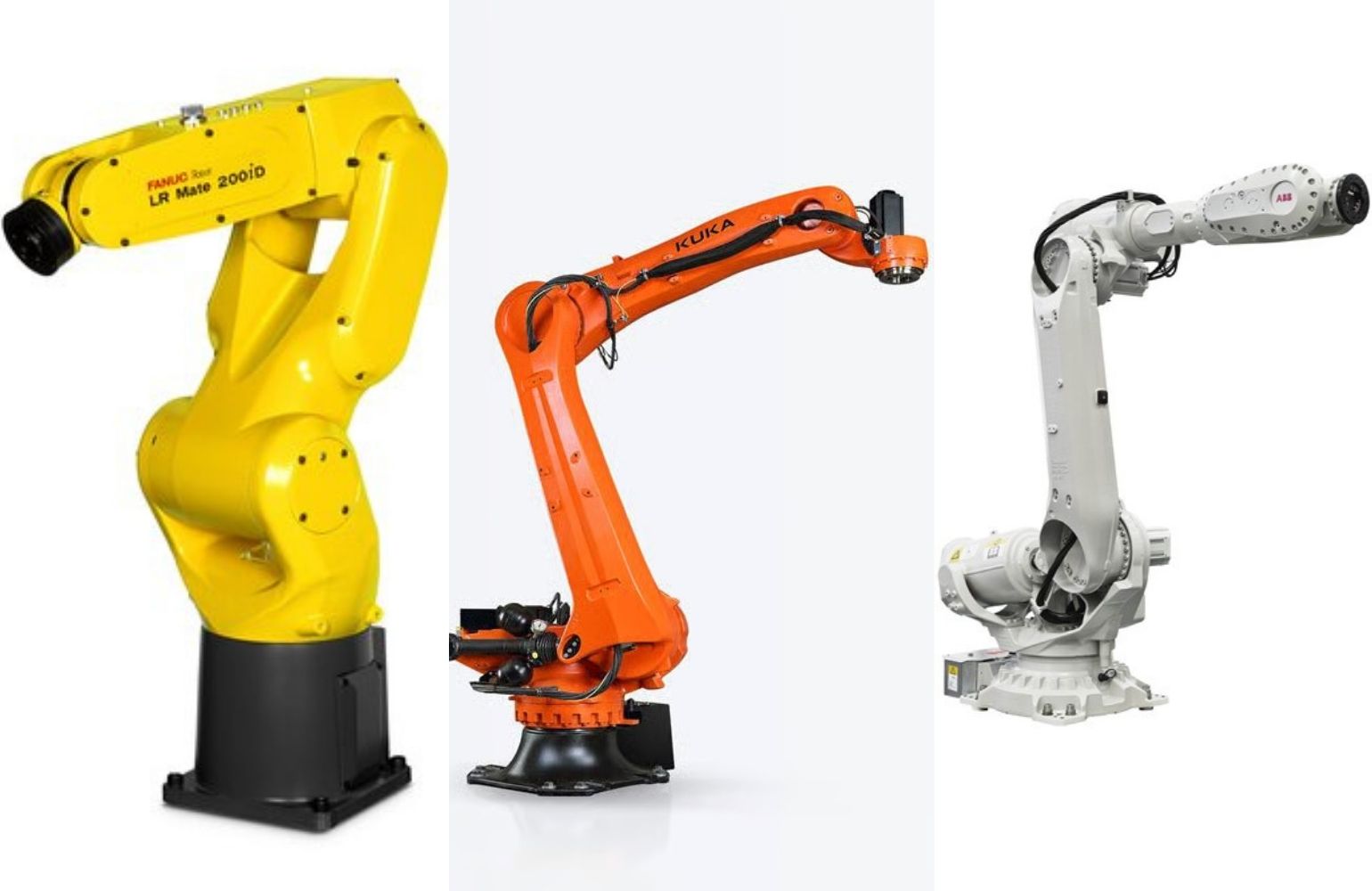
Why you should combine robot dexterity with mechanical positioning for complex assembly operations
Experts in robotics are increasingly emphasizing the significance of mechanical positioning in enhancing machine mobility, range, and speed. This recognition comes as industries seek to improve efficiency in complex assembly operations. The integration of robot dexterity with advanced mechanical positioning techniques is seen as a crucial step towards achieving more effective and precise automation solutions. By optimizing these elements, manufacturers can streamline their processes, reduce errors, and ultimately boost productivity. The insights were shared in a recent article on The Robot Report, highlighting the growing trend of combining these technologies to meet the demands of modern manufacturing environments.
Arms / Manipulators Assembly Industrial Robots Manufacturing Markets / Industries Motion Control
AI agents will soon be able to match human traders, Robinhood CEO tells CNBC
In a recent interview with CNBC, Vlad Tenev, co-founder of Robinhood, discussed the transformative potential of artificial intelligence (AI) agents in the trading sector. Tenev highlighted how these advanced technologies could revolutionize trading strategies and enhance decision-making processes for investors. He emphasized that AI agents could analyze vast amounts of market data more efficiently than human traders, potentially leading to improved trading outcomes. Tenev's insights come at a time when the financial industry is increasingly exploring the integration of AI to streamline operations and gain a competitive edge. As the market evolves, he believes that embracing AI will be crucial for adapting to the rapidly changing landscape of trading.
Why Capital is Intensely Investing in AGILINK? The Answer Lies Beyond Just Dexterous Hands
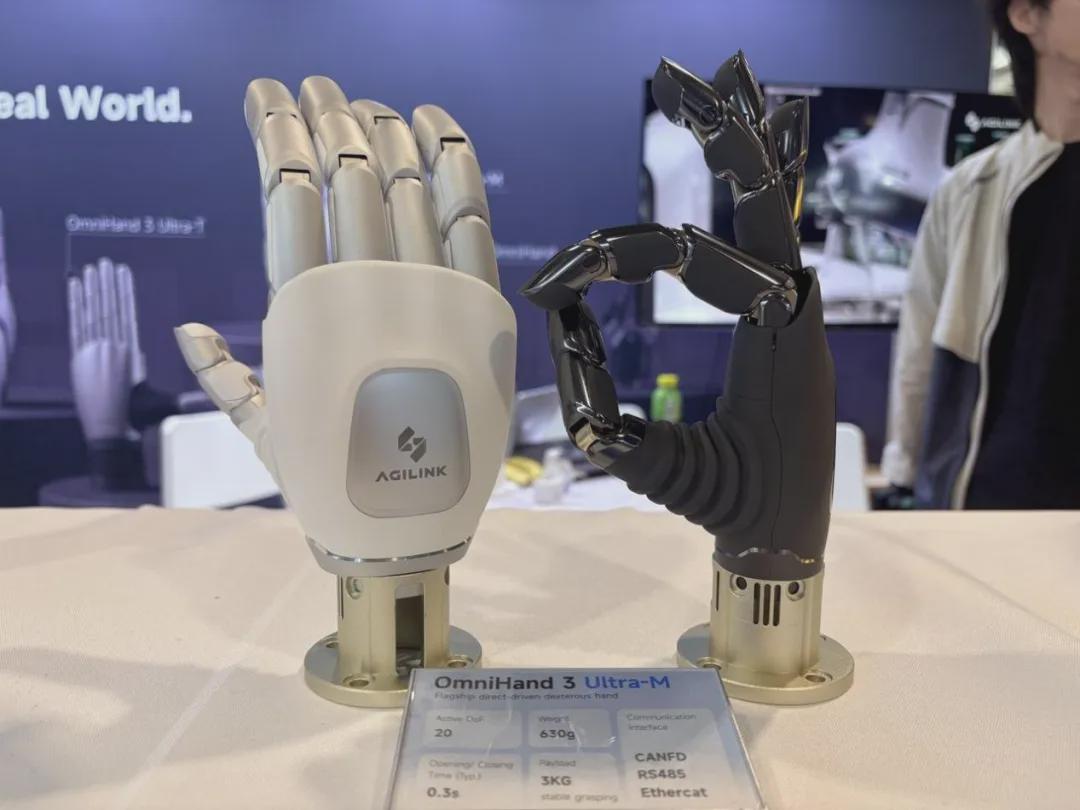
AGILINK, a company specializing in dexterous manipulation, has reached unicorn status in a remarkable five-month timeframe, completing four funding rounds and achieving a valuation exceeding $1 billion. This rapid ascent in the embodied intelligence sector underscores the confidence of both financial and strategic investors in AGILINK's innovative approach, which combines hardware and software to improve robotic dexterity and intelligence. The swift success highlights a growing interest in advancements in robotics and automation, as the company positions itself at the forefront of technological development in this field.
Dexterous Manipulation Embodied Intelligence Robotics Technology Investment Trends
Robot Revolution Brewing: Cainiao's ZeeBot Climbing Robots Transform Global Warehousing
Cainiao, the logistics arm of Alibaba, has introduced over 100 ZeeBot climbing robots at its European fulfillment center, significantly enhancing operational efficiency. This deployment, announced recently, aims to triple floor efficiency and double labor productivity within the facility. The initiative is part of Cainiao's broader strategy to leverage advanced automation technologies to streamline logistics and meet the growing demands of e-commerce in Europe. By integrating these robots into their operations, the company seeks to optimize space utilization and improve the speed of order processing, ultimately enhancing service delivery to customers.
Technology
Soft Robot Navigates Complex Branching Pipelines
SPPIRO, a cutting-edge technology developed for automated inspection, utilizes a combination of soft robotics and proprioceptive sensing to navigate intricate pipeline systems. This innovation represents a significant leap forward in the field of inspection technologies, enhancing the ability to assess the condition of complex infrastructures. By integrating advanced robotics with sensory feedback mechanisms, SPPIRO can effectively maneuver through challenging environments, ensuring thorough inspections that were previously difficult to achieve. This advancement is particularly timely, as industries increasingly seek efficient and reliable methods for maintaining and monitoring pipeline integrity. The development of SPPIRO underscores the ongoing evolution of automation in industrial applications, aiming to improve safety and operational efficiency in pipeline management.

Hangzhou Kolin Acquires Control of Kepler Robotics: What’s Behind the Move?
Hangzhou Kolin Electric has announced its acquisition of a 51% stake in Kepler Robotics, a move that signifies a pivotal development in the humanoid robot sector. This acquisition comes on the heels of Kepler's remarkable growth, with the company experiencing a tenfold increase in orders, underscoring its technological advancements and commercial potential. The collaboration between the two firms is expected to harness their combined expertise to further advance the development and implementation of humanoid robots in a range of industrial applications.
Humanoid Robots Robotics Industry Industrial Automation AI Technology
‘What a joke’: Github Copilot’s new token-based billing spurs consternation among devs
Microsoft's GitHub Copilot, once heralded as a revolutionary tool for software development, is now facing a decline in its prominence. As of October 2023, the platform, which utilizes artificial intelligence to assist programmers by suggesting code snippets and improving productivity, is experiencing a shift in user engagement and perception. The waning interest can be attributed to a combination of factors, including the emergence of competing AI coding assistants that offer similar or enhanced functionalities. Developers are increasingly exploring alternative tools that may better meet their evolving needs in a rapidly changing technological landscape. This transition marks a significant moment for GitHub Copilot, which had previously been celebrated for its innovative approach to coding assistance. As the market becomes more saturated with AI solutions, Microsoft will need to reassess its strategies to maintain relevance and user satisfaction in the competitive field of software development tools.
AI Microsoft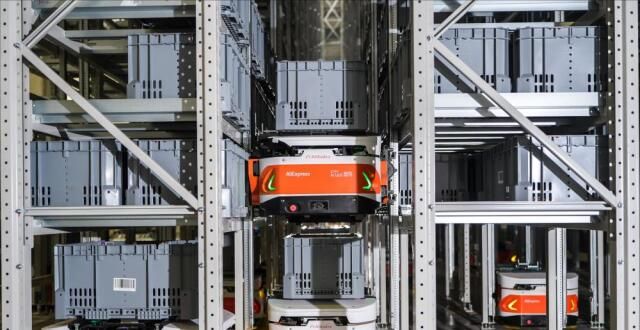
Cainiao Deploys ZeeBot Climbing Robot for Warehousing, 100% Efficiency Gain
Cainiao, the logistics arm of Alibaba, has introduced the ZeeBot climbing robot in its Dongguan warehouse, significantly enhancing operational efficiency. This deployment, which took place recently, has resulted in a remarkable 100% improvement in human productivity within the facility. The ZeeBot is designed to navigate vertical spaces, allowing it to transport goods more effectively and reduce the physical strain on human workers. By integrating this advanced technology, Cainiao aims to streamline its logistics processes and meet the growing demands of e-commerce. The initiative reflects the company's commitment to innovation and efficiency in the fast-paced logistics sector.
Robotics
Allient Inc. to Present at Upcoming Webinar on Engineering Thermally-Optimized Joints for Humanoids
A webinar is set to address the significant challenges associated with humanoid joint design, emphasizing the importance of interpreting motor data within a system-level context rather than adhering strictly to standard specifications. Scheduled for an upcoming date, this event will take place online, allowing participants from various locations to engage in discussions. The session aims to provide insights into practical engineering strategies for selecting motors and optimizing performance specifically for humanoid and advanced robotics applications. The focus will be on achieving reliable and thermally efficient performance, which is crucial for the advancement of robotics technology.
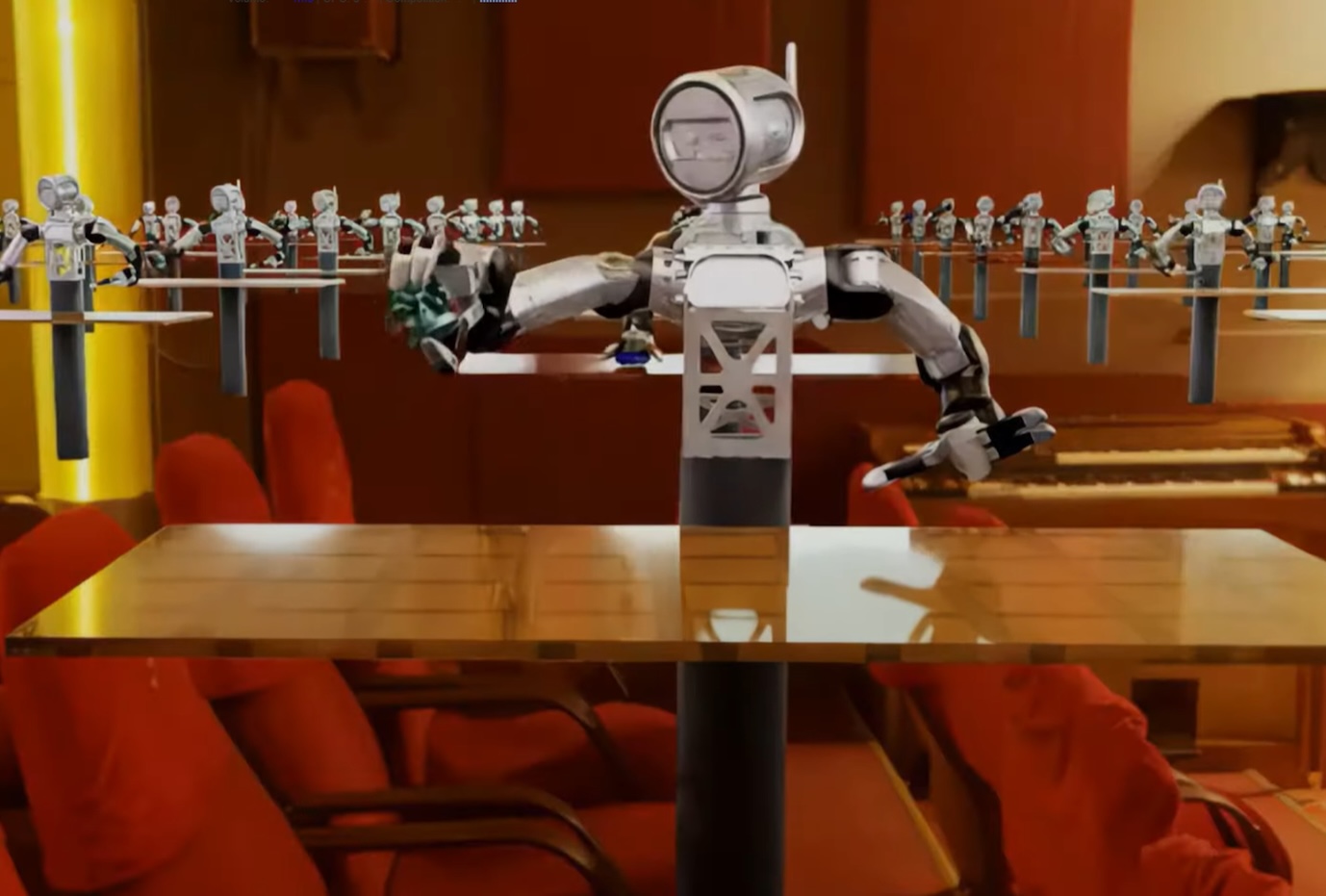
Modeling, Identification, and Validation of a Vector Propelled Amphibious Vehicle
A recent study published in the Journal of Field Robotics explores advancements in autonomous robotic systems, highlighting their potential applications in various industries. Conducted by a team of researchers from leading universities, the study was released in early October 2023. The research focuses on enhancing the efficiency and safety of robotic operations in environments such as agriculture, manufacturing, and disaster response. The motivation behind this study stems from the growing demand for automation in sectors that require precision and reliability. As industries face labor shortages and increasing operational costs, the integration of autonomous robots offers a viable solution to improve productivity and reduce risks associated with human labor. The researchers employed a combination of machine learning algorithms and real-time data processing techniques to develop robots capable of navigating complex environments. Through extensive field tests, they demonstrated how these systems can adapt to changing conditions and perform tasks with minimal human intervention. This groundbreaking work not only showcases the technological advancements in robotics but also emphasizes the importance of interdisciplinary collaboration in driving innovation. The findings are expected to influence future developments in robotic design and deployment, paving the way for more widespread adoption across various sectors.
RESEARCH ARTICLE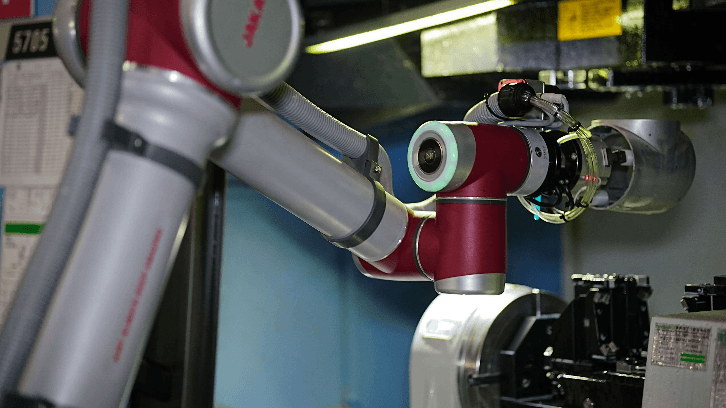
The Step-by-Step Guide to Programming a Handling Robot for Machine Tending
In a significant advancement for modern manufacturing, JAKA has introduced its JAKA Zu series, a line of handling robots designed to enhance machine tending processes in smart factories. This innovation allows for the automation of loading and unloading raw materials into CNC machines and injection molders, thereby increasing operational efficiency and safeguarding human workers from hazardous environments. The JAKA Zu12, capable of handling heavy metal parts with a payload of 12kg and a reach of 1327mm, streamlines the programming process through a user-friendly graphical interface accessible via a tablet or smartphone, eliminating the need for cumbersome teach pendants. This low-code approach simplifies the traditionally complex task of programming a 6-axis robot arm, enabling operators to set up a machine tending station in minutes. The setup involves defining the robot's workspace and safety zones, teaching waypoints for efficient path planning, integrating end-of-arm tooling for precise interaction with machines, and establishing logic loops for error handling. These features ensure that the robot can operate autonomously, significantly reducing the need for constant supervision. By offering a solution that combines industrial speed with consumer-friendly simplicity, JAKA aims to support manufacturers in automating their processes confidently, whether in small machine shops or large-scale production lines. This development marks a pivotal step towards more efficient and safer manufacturing environments.

Scaling AI into production is forcing a rethink of enterprise infrastructure
Nutanix executives Tarkan Maner and Thomas Cornely discussed the challenges organizations face in transitioning from AI experimentation to large-scale deployment during a recent interview with VentureBeat. This shift is crucial as AI increasingly influences various industries, including banking, healthcare, and retail. While companies have made strides in piloting AI solutions, Cornely highlighted the significant gap between developing prototypes and deploying them across large workforces. The emergence of agentic AI, which operates autonomously and manages complex workflows, adds to the operational demands on enterprises. Nutanix emphasizes the need for a robust infrastructure that can handle multiple AI agents and workloads while ensuring security and governance. The company’s recent launch of the Nutanix Agentic AI Solution aims to provide a comprehensive platform that supports both experimentation and production, facilitating collaboration between AI developers and infrastructure teams. As organizations navigate the complexities of AI deployment, they are increasingly relying on hybrid environments that combine cloud and on-premises solutions to meet regulatory and security requirements. Nutanix’s approach offers flexibility across various cloud providers, enabling enterprises to optimize their AI capabilities. Ultimately, the goal is to operationalize AI effectively, bridging the gap between development and infrastructure management to support enterprise-wide deployment.
Orchestration
Inside Colin Angle’s bid to build companion robots with Familiar Machines & Magic
Colin Angle, a prominent figure in robotics, has launched a new startup called Familiar Machines & Magic, which is focused on creating a quadruped robot designed to serve as a companion. This initiative aims to address the growing demand for advanced robotic companions in a competitive market. The startup is currently in the development phase, working on innovative technologies to enhance the functionality and appeal of these robots. Angle's vision is to combine cutting-edge engineering with user-friendly design to ensure that the robots can effectively meet the needs of potential users. As the project progresses, Familiar Machines & Magic seeks to carve out a niche in the evolving landscape of robotics, where the integration of companionship and technology is becoming increasingly significant.
Artificial Intelligence Consumer Robotics Human Robot Interaction / Haptics News Startups Familiar Machines & Magic
Innovative Minimally Invasive Inner Ear Surgery Robot Developed by Harbin Institute of Technology Team
Researchers at Harbin Institute of Technology have developed a groundbreaking minimally invasive surgical technique for the inner ear, utilizing an innovative robotic system that navigates through the ear canal. This advancement, announced recently, seeks to improve the precision of drug delivery and sampling for patients suffering from inner ear diseases. Traditional surgical methods often face limitations that this new approach aims to overcome, potentially leading to significant improvements in treatment outcomes. The team's work represents a notable step forward in the field of otology, promising to enhance patient care through more effective and less invasive procedures.
Minimally Invasive Surgery Robotic Surgery Medical Robotics Inner Ear Treatment
Epson Robots Expands SCARA Lineup with High-Payload LS50C
The newly launched LS50C is set to revolutionize automation with its combination of high performance, compact design, and innovative SafeSense technology. This cutting-edge device aims to enhance efficiency and precision in various industrial applications. The LS50C was introduced in October 2023, highlighting its potential to streamline operations while ensuring safety in automated processes. By integrating advanced features, the LS50C addresses the growing demand for reliable and effective automation solutions in today's fast-paced manufacturing environment. Its compact form factor allows for easy integration into existing systems, making it an attractive option for businesses looking to upgrade their automation capabilities.

US Jury Is Deliberating in Trial of Alleged ISIS Militant Charged in Deadly Kabul Airport Bombing
A jury in Virginia is currently deliberating the case of an alleged Islamic State militant linked to a suicide bombing that occurred at Kabul airport during the tumultuous U.S. military withdrawal from Afghanistan in 2021. The trial centers on accusations that the defendant played a significant role in planning the attack, which resulted in numerous fatalities and injuries amid the chaotic evacuation efforts. The proceedings highlight the ongoing legal repercussions of the events surrounding the withdrawal and the broader implications of terrorism linked to the Islamic State. As the jury weighs the evidence presented, the outcome could have significant ramifications for national security and counterterrorism efforts.
Collaborative Sampling and Imaging of Phytoplankton Communities by Two Long‐Range Autonomous Underwater Vehicles Using Acoustic Tracking and Messaging
In May 2026, researchers published a study in the Journal of Field Robotics, detailing advancements in robotic technology aimed at enhancing agricultural efficiency. This research, conducted by a team of engineers and agricultural scientists, focuses on the development of autonomous robots capable of performing various farming tasks, such as planting, monitoring crop health, and harvesting. The study highlights the pressing need for innovative solutions in agriculture, driven by the increasing global population and the corresponding demand for food production. By integrating advanced sensors and artificial intelligence, these robots can operate independently, reducing the reliance on manual labor and improving productivity. The research was conducted in various agricultural settings, showcasing the robots' adaptability to different environments and crop types. The findings suggest that implementing such robotic systems could lead to significant cost savings and increased yield for farmers, ultimately contributing to food security. The team employed a combination of field trials and simulations to validate the robots' effectiveness, demonstrating their ability to navigate complex terrains and perform tasks with precision. This breakthrough could revolutionize the agricultural sector, offering a sustainable approach to meet future food demands while minimizing environmental impact.
RESEARCH ARTICLE
NVIDIA AI Ecosystem Expands as Marvell Joins Forces Through NVLink Fusion
NVIDIA and Marvell Technology, Inc. have formed a strategic partnership aimed at integrating Marvell into NVIDIA's AI factory and AI-RAN ecosystem. This collaboration, announced today, will leverage NVIDIA's NVLink Fusion™ technology, providing customers who utilize NVIDIA architectures with enhanced connectivity and performance capabilities. The partnership is expected to enable more robust AI solutions and improve the overall efficiency of AI-driven applications. By combining their strengths, both companies aim to advance the development of innovative technologies in the rapidly evolving AI landscape.
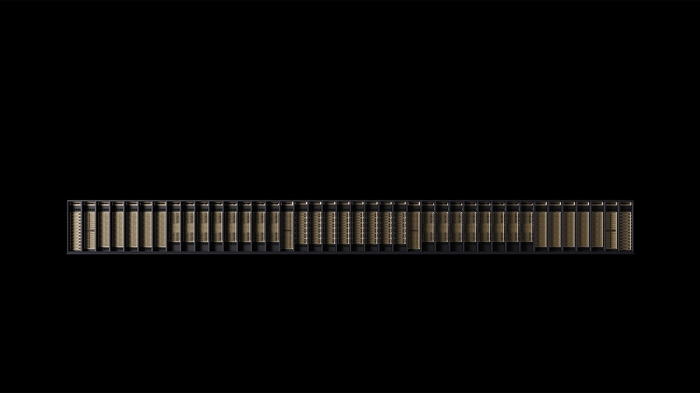
NVIDIA Vera Rubin Opens Agentic AI Frontier
NVIDIA has unveiled its latest innovation, the NVIDIA Vera Rubin platform, which aims to advance the capabilities of agentic AI. This announcement, made today, highlights the company’s commitment to scaling AI technology, as it has commenced full production of seven new chips designed to support the world's largest AI factories. By enhancing the processing power and efficiency of AI systems, NVIDIA seeks to push the boundaries of artificial intelligence applications across various industries. The launch of this platform marks a significant step forward in the evolution of AI, positioning NVIDIA at the forefront of technological advancement in this rapidly growing field.
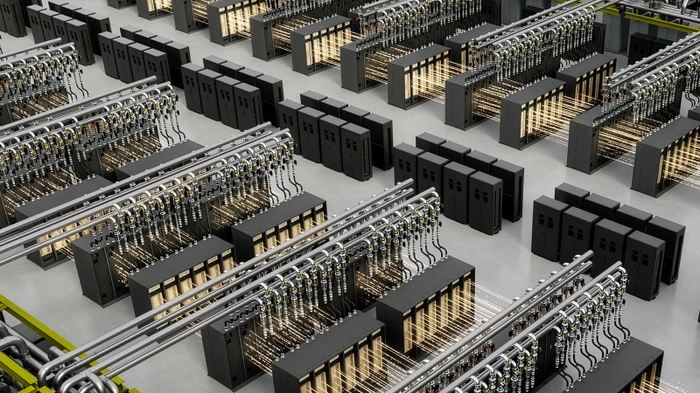
NVIDIA Releases Vera Rubin DSX AI Factory Reference Design and Omniverse DSX Digital Twin Blueprint With Broad Industry Support
NVIDIA has unveiled the NVIDIA Vera Rubin DSX AI Factory reference design, aimed at providing a comprehensive framework for developing co-designed AI infrastructure. This announcement, made today, also includes the general availability of the NVIDIA Omniverse DSX Blueprint, which is fully compatible with the Vera Rubin DSX. The initiative is part of NVIDIA's ongoing efforts to enhance AI capabilities and streamline the integration of advanced technologies in various applications. By offering these resources, NVIDIA seeks to empower developers and organizations to build more efficient and effective AI systems, fostering innovation in the tech industry.
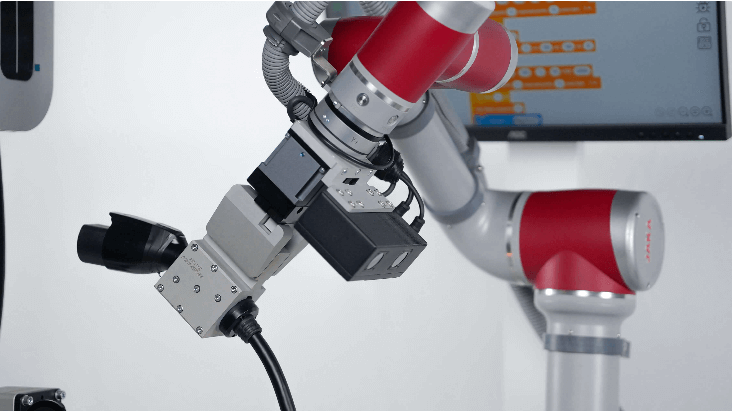
Mastering the Programming of a Jointed Arm Robot for Non-Linear Tasks
JAKA, a leader in robotic technology, has developed advanced programming solutions for 6-axis robot arms, enabling them to navigate complex, non-linear trajectories with precision. Traditionally, programming such intricate paths has been a challenge, often requiring tedious point-by-point teaching that can lead to jerky movements. To address this, JAKA has integrated intuitive software interfaces that allow operators to program the robotic arms using graphical tools and drag-and-drop methods, significantly simplifying the process. The innovative design of the 6-axis robot arm provides the necessary dexterity to maneuver around obstacles and follow curves smoothly. JAKA’s precision control technology ensures that the arm can accurately interpolate motion between points, resulting in fluid movements essential for tasks like welding and sealing. Additionally, features such as waypoint recording and path smoothing algorithms help translate human-guided motions into repeatable programs. Safety and reliability are paramount in dynamic operations. JAKA's robotic arms are equipped with advanced sensors that enable real-time path corrections based on force feedback and vision input, ensuring consistent performance even in unpredictable environments. With multiple safety mechanisms in place, the robotic arms can operate safely alongside human workers. By combining cutting-edge mechanical design, intelligent software, and robust safety features, JAKA aims to make the programming of complex robotic tasks accessible and efficient, empowering programmers to fully exploit the capabilities of their 6-axis robot arms in various production settings.

Where Human Skill Meets Smart Automation: The Case for Semi-Automated Bin Picking
As industries face increasing challenges related to manual handling, the risk of fatigue and injury has prompted a search for innovative solutions. Traditional manual methods are proving inadequate, while fully robotic systems often present issues of rigidity, high costs, and limited adaptability. This gap has created a significant opportunity for the development of hybrid systems that combine human expertise with targeted automation. By leveraging the strengths of both human workers and advanced technology, companies can enhance efficiency and safety in their operations. As of October 2023, the focus is shifting towards these integrated solutions, aiming to address the limitations of existing approaches and improve workplace conditions.

NVIDIA Kicks Off the Next Generation of AI With Rubin — Six New Chips, One Incredible AI Supercomputer
NVIDIA has officially launched the NVIDIA Rubin platform, marking a significant advancement in artificial intelligence technology. This new platform features six innovative chips that aim to create a powerful AI supercomputer capable of handling complex computations and tasks. The announcement was made today, highlighting NVIDIA's commitment to pushing the boundaries of AI capabilities. By integrating these cutting-edge chips, the company seeks to enhance performance and efficiency in AI applications, catering to the growing demand for advanced computing solutions across various industries. The launch of the Rubin platform positions NVIDIA at the forefront of the AI revolution, as it continues to develop technologies that shape the future of computing.
Robotics needs a service framework.
RSF defines a common language for robot service capability, lifecycle operations, certification pathways, and service-provider networks.